Category: Sport

Staying active!

An interesting article about the benefits of being active.

I try and stay as active as I can mainly by bicycle riding. This article from The Conversation shows the importance of this. It is just a shame that they do not mention being old and active; as in being 80!

ooOOoo

Some pro athletes keep getting better as they age − neuroscience can explain how they stay sharp

Recovery and mental resilience support the development of neuroplasticity, which helps athletes like Allyson Felix stay sharp. AP Photo/Charlie Riedel

Fiddy Davis Jaihind Jothikaran, Hope College

In a world where sports are dominated by youth and speed, some athletes in their late 30s and even 40s are not just keeping up – they are thriving.

Novak Djokovic is still outlasting opponents nearly half his age on tennis’s biggest stages. LeBron James continues to dictate the pace of NBA games, defending centers and orchestrating plays like a point guard. Allyson Felix won her 11th Olympic medal in track and field at age 35. And Tom Brady won a Super Bowl at 43, long after most NFL quarterbacks retire.

The sustained excellence of these athletes is not just due to talent or grit – it’s biology in action. Staying at the top of their game reflects a trainable convergence of brain, body and mindset. I’m a performance scientist and a physical therapist who has spent over two decades studying how athletes train, taper, recover and stay sharp. These insights aren’t just for high-level athletes – they hold true for anyone navigating big life changes or working to stay healthy.

Increasingly, research shows that the systems that support high performance – from motor control to stress regulation, to recovery – are not fixed traits but trainable capacities. In a world of accelerating change and disruption, the ability to adapt to new changes may be the most important skill of all. So, what makes this adaptability possible – biologically, cognitively and emotionally?

The amygdala and prefrontal cortex

Neuroscience research shows that with repeated exposure to high-stakes situations, the brain begins to adapt. The prefrontal cortex – the region most responsible for planning, focus and decision-making – becomes more efficient in managing attention and making decisions, even under pressure.

During stressful situations, such as facing match point in a Grand Slam final, this area of the brain can help an athlete stay composed and make smart choices – but only if it’s well trained.

In contrast, the amygdala, our brain’s threat detector, can hijack performance by triggering panic, freezing motor responses or fueling reckless decisions. With repeated exposure to high-stakes moments, elite athletes gradually reshape this brain circuit.

They learn to tune down amygdala reactivity and keep the prefrontal cortex online, even when the pressure spikes. This refined brain circuitry enables experienced performers to maintain their emotional control.

Creating a brain-body loop

Brain-derived neurotrophic factor, or BDNF, is a molecule that supports adapting to changes quickly. Think of it as fertilizer for the brain. It enhances neuroplasticity: the brain’s ability to rewire itself through experience and repetition. This rewiring helps athletes build and reinforce the patterns of connections between brain cells to control their emotion, manage their attention and move with precision.

BDNF levels increase with intense physical activity, mental focus and deliberate practice, especially when combined with recovery strategies such as sleep and deep breathing.

Elevated BDNF levels are linked to better resilience against stress and may support faster motor learning, which is the process of developing or refining movement patterns.

For example, after losing a set, Djokovic often resets by taking deep, slow breaths – not just to calm his nerves, but to pause and regain control. This conscious breathing helps him restore focus and likely quiets the stress signals in his brain.

In moments like these, higher BDNF availability likely allows him to regulate his emotions and recalibrate his motor response, helping him to return to peak performance faster than his opponent.

Rewiring your brain

In essence, athletes who repeatedly train and compete in pressure-filled environments are rewiring their brain to respond more effectively to those demands. This rewiring, from repeated exposures, helps boost BDNF levels and in turn keeps the prefrontal cortex sharp and dials down the amygdala’s tendency to overreact.

This kind of biological tuning is what scientists call cognitive reserve and allostasis – the process the body uses to make changes in response to stress or environmental demands to remain stable. It helps the brain and body be flexible, not fragile.

Importantly, this adaptation isn’t exclusive to elite athletes. Studies on adults of all ages show that regular physical activity – particularly exercises that challenge both body and mind – can raise BDNF levels, improve the brain’s ability to adapt and respond to new challenges, and reduce stress reactivity.

Programs that combine aerobic movement with coordination tasks, such as dancing, complex drills or even fast-paced walking while problem-solving have been shown to preserve skills such as focus, planning, impulse control and emotional regulation over time.

After an intense training session or a match, you will often see athletes hopping on a bike or spending some time in the pool. These low-impact, gentle movements, known as active recovery, help tone down the nervous system gradually.

Outside of active recovery, sleep is where the real reset and repair happen. Sleep aids in learning and strengthens the neural connections challenged during training and competition.

A tennis player wearing all white hits a forehand
Serbian tennis player Novak Djokovic practices meditation, which strengthens the mental pathways that help with stress regulation. AP Photo/Kin Cheung

Over time, this convergence creates a trainable loop between the brain and body that is better equipped to adapt, recover and perform.

Lessons beyond sport

While the spotlight may shine on sporting arenas, you don’t need to be a pro athlete to train these same skills.

The ability to perform under pressure is a result of continuing adaptation. Whether you’re navigating a career pivot, caring for family members, or simply striving to stay mentally sharp as the world changes, the principles are the same: Expose yourself to challenges, regulate stress and recover deliberately.

While speed, agility and power may decline with age, some sport-specific skills such as anticipation, decision-making and strategic awareness actually improve. Athletes with years of experience develop faster mental models of how a play will unfold, which allows them to make better and faster choices with minimal effort. This efficiency is a result of years of reinforcing neural circuits that doesn’t immediately vanish with age. This is one reason experienced athletes often excel even if they are well past their physical prime.

Physical activity, especially dynamic and coordinated movement, boosts the brain’s capacity to adapt. So does learning new skills, practicing mindfulness and even rehearsing performance under pressure. In daily life, this might be a surgeon practicing a critical procedure in simulation, a teacher preparing for a tricky parent meeting, or a speaker practicing a high-stakes presentation to stay calm and composed when it counts. These aren’t elite rituals – they’re accessible strategies for building resilience, motor efficiency and emotional control.

Humans are built to adapt – with the right strategies, you can sustain excellence at any stage of life.

Fiddy Davis Jaihind Jothikaran, Associate Professor of Kinesiology, Hope College

This article is republished from The Conversation under a Creative Commons license. Read the original article.

ooOOoo

… “you can sustain excellence at any stage of life.” Even at 80 years old? 😉
This has nothing to do with dogs!

But everything to do with staying fit and healthy.

There are many things that I read first thing in the morning before I am dressed. Ninety-nine percent of them I don’t share with you.

But the following caused me to a) reflect on whether I was guilty of doing this, and b) how many others know of this.

One of the results of having 4,000 (bar 25) followers of this place is that I feel a certain obligation to share certain news.

It was published on The Conversation and is free to reproduce.

So here goes:

ooOOoo

The serious consequence of exercising too much, too fast

Exercising too much, too hard can lead not only to burnout but sometimes to a serious condition that can harm the kidneys.

By , Associate Professor of Exercise and Sports Science, Wayne State University, January 24th, 2020.

Every 365.25 days, when the Earth completes a full orbit around the Sun, we humans have the opportunity to hit the reset button and become fitter, finer versions of ourselves. As usual for January, social media is humming with advice on how to eat better, exercise regularly, lose weight and remain healthy. We feel particularly invincible at this time of year, armed with renewed vigor and motivation to purge ourselves from previous indulgences and our couch-potato ways.

The New Year is also the time when our overzealous, instant-gratification selves emerge, and we do too much exercise too soon to make up for lost time. Exhaustive muscular work, especially following a period of inactivity, can cause mechanical and chemical disruptions to muscle cell membranes which trigger the muscle cells to burst.

I am an exercise physiologist and sports medicine specialist who studies exercise-associated collapse. I am seeing and hearing of more incidents of skeletal muscle ruptures that are causing harm in other parts of the body.

This information is not designed to scare people back onto the couch. The key take-away from highlighting these cases is to remind athletes, coaches and mere mortals that the desired physiological response to a training stimulus requires both a gradual buildup period and period of recovery in between training sessions.

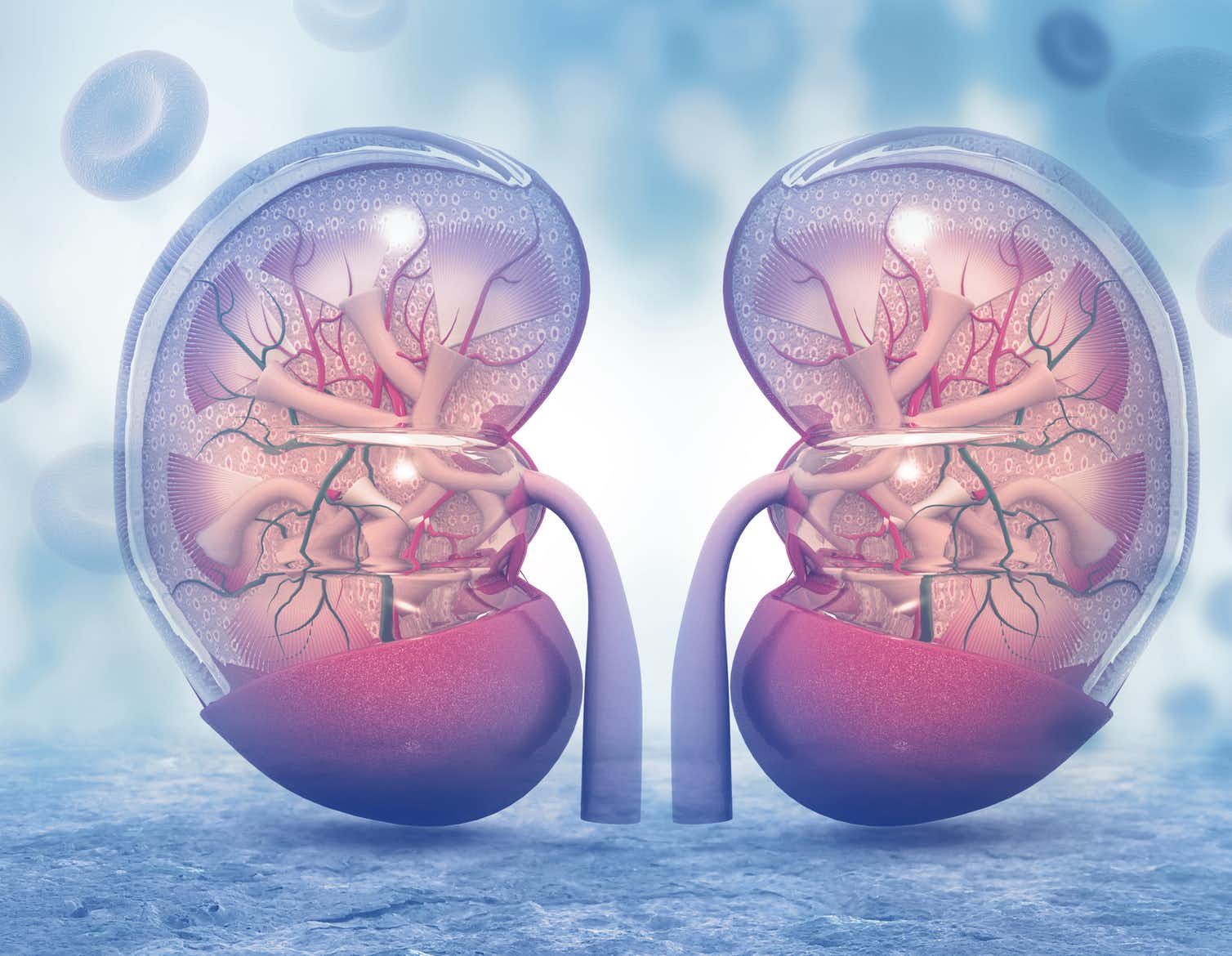
A cross-section of the human kidneys, which can be injured when muscle cells rupture and send toxic chemicals into the bloodstream. crystal light/Shutterstock.com

More than muscle injury

The medical term for skeletal muscle cell rupture is “rhabdomyolysis,” or “rhabdo” for short. When muscle cells rupture or explode, the intracellular contents are released into the bloodstream. These cellular contents include enzymes, such as creatine kinase; electrolytes, such as potassium; and proteins, such as myoglobin.

Myoglobin, in particular, is a big, red protein that can block the kidney filtration system, or renal tubules, that serve as kidney plumbing. It also can dissociate into toxic byproducts that injure kidneys. In rare cases, too much myoglobin in the bloodstream can stop kidney function altogether, as happened with a 27-year old marathon runner who died from kidney failure.

In a study we conducted on college swimmers, we saw a cluster of rhabdomyolysis, in which six out of 34 swimmers were hospitalized after participating in a 20-minute or so “arm competition” to see how many pull-ups, rows and bench presses they could complete. Cases of “symptomatic rhabdo,” or those needing medical treatment, appear to be increasing within collegiate sports teams at an alarming rate, with the characteristic appearance seen in football players returning to January practice after a season-ending holiday layoff.

To date, 17 cases of team rhabdo have occurred from doing “too much, too soon, too fast” and include a variety of sports such as football, swimming, lacrosse, soccer, track, basketball, softball, volleyball and golf.

Noncompetitive athletes affected too

So, what about us mere mortals trying to get back in shape? Any physical activity that is either new or excessive can cause symptomatic rhabdo. Excessive gardening, weightlifting, CrossFit type activities and even a routine Army physical fitness test have triggered symptomatic rhabdo with kidney injury.

Over 90 cases of rhabdo have been documented after spinning, while 119 high school students in Taiwan ended up in the emergency room after their teacher made them complete 120 push-ups within five minutes. Thus, harmful muscle cell rupture can occur after any degree five minutes to 36 hours of exuberant and/or unaccustomed physical activity.

In combination, gradual training and appropriate recovery allow beneficial muscular, cardiovascular and body composition adaptations to occur, such as building muscle, increasing fitness and losing body fat. Our research confirms that a two-week gradual introduction into training after a layoff is required for muscle cell membranes to fully adapt to training stress.

Subclinical rhabdo, or muscle breakdown without acute kidney injury or debilitating symptoms, is common and represents the typical response to training which does not require medical treatment. However, hard exercise, especially following a layoff, with the following signs or symptoms within one to two days requires an appropriate medical examination:

    • excruciating muscle pain that does not resolve over time
    • muscle swelling with limitations in movement
    • nausea or vomiting, or both
    • very dark (looks like Coca-Cola) or sparse urine.

There are risk factors which increase the likelihood of developing rhabdo following a workout. These risk factors include exercising in the heat, dehydration or overhydration, binge drinking, excessive coffee consumption, extreme dietary practices (vegetarian or high [protein] https://doi.org/10.1097/JSM.0000000000000310)) and possessing the sickle cell trait. Both men and women can develop symptomatic rhabdo, although we see more cases in men. Smaller arm muscles appear more susceptible to rupture after five to 30 minutes of exercise than bigger leg muscles for reasons that remain unclear.

Although symptomatic rhabdomyolysis is uncommon, this emergent complication of exercise should be on everyone’s radar since cases are on the rise. We coaches, trainers, scientists, practitioners and others encourage everyone to reap the joys and benefits of regular exercise training. However, we caution against exercising too much too soon. Self- (or coach-) inflicted skeletal muscle cell explosions are fully preventable with adherence to smart, physiologically sound approaches to training.

ooOOoo

Now there’s an element of me not really understanding this (and I haven’t yet watched the video) but that’s no reason not to share it with you.

What do you think? Wiser to share it or too much a case of worrying? Tamara Hew-Butler certainly knows all about this.

There’s no end to the things dogs do.

This is about a dog that lives near a golf course.

This was a story that appeared on The Dodo website in September. Unfortunately I can’t seem to republish the video nor the entry in Instagram but it is still a cute story and worth sharing with you all.

ooOOoo

Friendly Dog Who Lives Near Golf Course Loves Begging For Pets

She even has her own little window ❤️️

BY
PUBLISHED ON 09/27/2019

Loni Gaisford was out golfing with her family last Sunday at the Mick Riley Golf Course in Murray, Utah, when she saw something unusual by the fourth hole.

Golf balls were attached in a ring to the metal fence separating the green from a neighboring house. Gaisford decided to investigate, curious why someone would make such a strange display.

Loni Gaisford

“When we pulled up to the tee box … we noticed the golf ball ring in the fence with a sign next to it,” Gaisford told The Dodo. “I walked over to read the sign thinking it was a memorial for someone.”
The sign read: “Hi! My name is River. I’m a 5 Y.O. female. When I find your lost ball, I will add it to my necklace. Good luck!”

Loni Gaisford

Gaisford finally understood the hilarious meaning behind the golf ball ring — and then she spotted the dog from the photo, playing nearby.
“We noticed River was in the backyard with a toy,” Gaisford said. “[She] walked over to the hole in the fence but the toy was too big to stick her head through the window so she just let us rub her back.”

After Gaisford teed off, she returned to say goodbye to River. The dog suddenly dropped the toy and stuck her head through the “necklace” to receive a few head scratches
Gaisford posted the video to her Instagram later that night, and as the comments came in, she realized that River was something of a local celebrity. “Every time I play that course she never does that … Jealous,” one commenter wrote.
Another commenter couldn’t resist making a few golf puns: “What’s the best type of fence for a dog who lives next to a golf course!? A fence with a hole in one!”
When the video made it to Reddit, more golf lovers shared stories of their own special experiences with the pup: ”One day, I was at McRiley and the owner of that dog was walking her (no leash) and she jumped right into our cart and sat down,” la_fern72 wrote on Reddit. “She was super friendly.”

Gaisford couldn’t be happier that her video has reached so many people — including those who will never set foot on a golf course. “Meeting River brightened my day,” Gaisford said, “and I knew the internet would love meeting River as much as I did.”

ooOOoo

Well I tried ever so hard to find a way of showing you the video, and unfortunately it is not on YouTube, so you are going to have to go across to the website to watch it. Sorry!

Maintaining the good life in later years!

Living well as we age.

TIME magazine published a double-issue in February of this year How To Live Longer Better!

The article, on Page 47, opens:

Old age demands to be taken very seriously – and it usually gets its way!

Then later on in that same article one reads:

Exactly how much – or how little – exercise it takes to begin paying dividends has been one of the happy surprises of longevity research. A 2016 study found that elderly people who exercised for just 15 minutes a day, at an intensity level of a brisk walk, had a 22% lower risk of early death compared to people who did not exercise.

Then two sentences later:

Researchers from McMaster University in Canada even found that breaking a sweat for just 60 seconds may be long enough to improve health and fitness (as long as it’s a tough workout).

As part of Jean’s commitment to slowing down the progression of her Parkinson’s Disease (PD) she attends every Monday and Wednesday a special class at our local Club Northwest in Grants Pass. The class runs for 90 minutes and is a boxing class! The instructor, Mark Whiting, is a boxing coach and the class, called the Rock Steady class, is specifically for PD sufferers. One of the exercises involves rapid punching of a punch bag.

Dr. Laurie Mischley of SIM had a telephone consultation with Jean a few days ago. It was Dr. M following up Jean’s consultation with Dr. Nutt in Portland on the 10th that I wrote about in my post Jeannie’s PD Journey.  Dr. M commented as to how well Jean was doing.

Possibly, vigorous exercise seems to be offering something that many in their elder years may not have cottoned on to.

Readers may recall Patrice Ayme leaving a comment in my recent Facing up to PD post:

The one and only countermeasure we have is violent neurological activity. As in powerlifting. This has been indicated by research published in 2018… But it was long obvious. So the way to “comfort” is the discomfort of maximum motor-neurological… hmmm… violence. Too much local gentleness doesn’t optimize overall comfort and gentleness… I guess that’s one of my overall philosophical messages… Not one popular with the PC crowd…

Now I’m still trying to get to bottom of this link between vigorous exercise and long-term health and have reached out to McMaster University in Canada seeking academic backing for the link.

More from me as I learn more.

Turning to diet.

In that same TIME magazine, on page 53, there is a single page listing five places around the world known as Blue Zones.

Global life expectancy averages out to 71.4 years. That means. of course, that some parts of the world see much shorter spans, while others enjoy far greater longevity.

Five places, in particular, fall into the latter category. They’re know as Blue Zones – named for the blue circles researchers drew to identify the first one on a map – and they’re home to some of the oldest and healthiest people in the world. Dan Buettner, author of The Blue Zones and The Blue Zones Solution, told TIME why residents of these places live so long – and how you can steal their habits

Those five places are listed below with me republishing just a small extract regarding diet from four of those five place descriptions.

Sardinia, Italy – “A largely plant-based diet ….”

Okinawa, Japan – No mention of diet.

Nicoya, Costa Rica – “The Costa Rican people traditionally get the majority of their caloric intake from beans, squash and corn, plus tropical fruits. This plant-forward, nutrient-dense diet ……”

Loma Linda, Calif., USA – “Adventists live 10 years longer than their fellow Americans. Many avoid meat and eat plenty of plants, whole grains and nuts.”

Ikaria, Greece – ” …. and a strict adherence to the Mediterranean diet – eating lots of fruits, vegetables, beans, whole grains, potatoes and olive oil – propels 1 in 3 ikarians to live into their 90s, often free of dementia and chronic disease.”`

I will return to this topic!

Meanwhile, stay fit and healthy!

Now this is having a head for heights!

Not your usual Father’s Day outing!

Think you have a head for heights??

Well try this …. (first seen on the NatGeo website.)

ooOOoo

First Interview With the Climber Who Scaled El Capitan Without a Rope

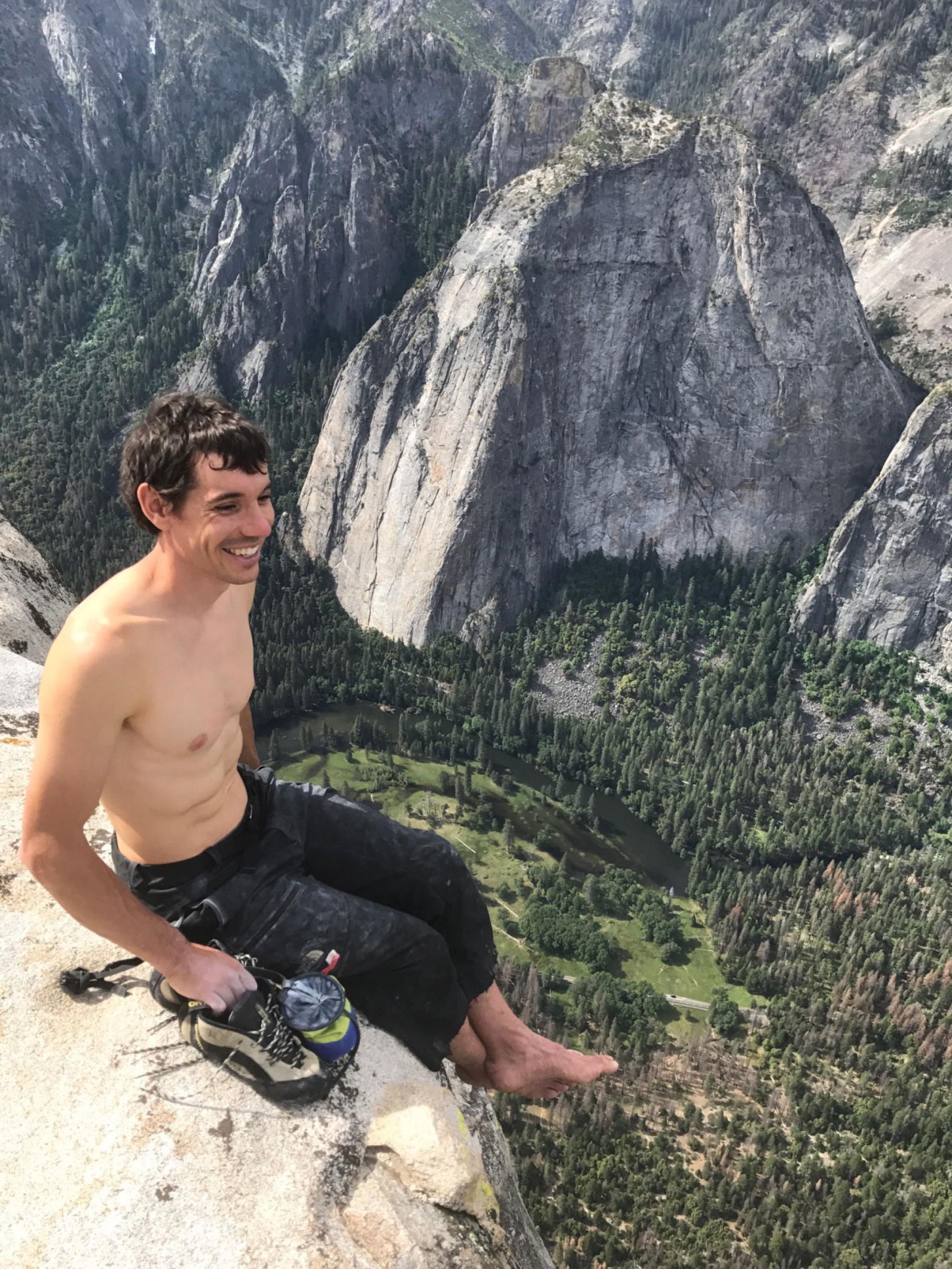
Honnold approaching the top of El Capitan on Saturday, June 3rd. The historic event was documented for an upcoming National Geographic feature film and magazine story. Photograph by Jimmy Chin

Writer and climber Mark Synnott took Alex Honnold on his first international climbing expedition to Low’s Gully in Borneo back in 2009, and subsequent trips to Chad, Oman, and Newfoundland. Over the years they’ve kept up a running dialogue about the finer points of climbing and debated the dangers of free soloing—climbing alone, without ropes or other safety gear.

It seems fitting that in the first moments after Honnold had become the first person to free solo Yosemite’s El Capitan, the greatest pure feat of rock climbing in history, that he’d sit down with his old friend at the Manure Pile, a popular climbing spot at the foot of El Capitan. He ate an apple, listened to the birds, and described the experience of a lifetime. Their conversation has been edited for length and clarity.

ooOOoo

The rest of this story including the interview with Alex may be read here.

I’ll close with another photograph from that NatGeo piece.

Rock climber Alex Honnold sits atop Yosemite’s iconic El Capitan after nearly four hours of climbing alone, without ropes or any other equipment or safety gear.

El Capitan is only 500 miles drive from our home. Maybe next year’s Father’s Day outing? ( I jest, of course!)

Subsequently, I have come across a longer documentary that some may enjoy (??) watching.

http://www.youtube.com/watch?v=8AKf2eCBzps

Watch where you walk, good people!


Just takes one’s breath away.

The incredible story of one stray dog and a desert racer.

This has been widely reported in many other places but, nonetheless, seemed a perfect fit for a blog called Learning from Dogs!

This is the story of a stray dog that took a liking to a runner participating in the 2016 Gobi March 4 Deserts race in China. I first saw the story when it was carried on the Care2 Causes site.

How hard are you willing to work to improve your position in life? For one stray dog, the answer is: pretty darn hard.

During the 2016 Gobi March 4 Deserts race in China, extreme runner Dion Leonard from Scotland was racing through the rugged terrain of the Tian Shan mountain range. That’s when a stray female pooch (eventually and aptly named) Gobi started following him.

The runner figured that she’d tire out eventually. She was a small dog, so keeping up with a life-sized human (who is an extreme jogger) probably didn’t seem likely. But amazingly, the little dog kept up.

That Care2 report linked to the UK’s Independent Newspaper who opened the story thus:

Man who befriended stray dog during extreme desert marathon launches reunion appeal

The dog ran alongside Dion Leonard for 124 kilometres

May Bulman Tuesday 2 August 2016

Mr Leonard hopes to be reunited with the dog who ran with him during the 250 kilometre race in the Gobi desert 4Deserts.com / Omni Cai

An extreme marathon runner has launched an appeal to be reunited with a stray dog with whom he formed an “unbreakable bond” during a 250-kilometre (155 mile) race in the Gobi desert in China.

Dion Leonard, 41, hopes to raise the funds that will allow him to be reunited with the dog, named Gobi, who joined him during the annual 4 Deserts Race Series in March.

Gobi began running alongside the 101 competitors as they ran through the Tian Shan mountain range. Despite her small size the dog managed to run half of the race.

Later on in that Independent article it is reported:

Mr Leonard set up the crowdfunding page to raise funds towards organising for Gobi to be transported from China to live with him in Scotland.

The process will take up to four months and cost £5,000, with the dog having to be medically checked and quarantined before she can be cleared for entry.

A simple mouse click then takes the reader to that Crowdfunding page where the headline then shows that already over £19,000 has been raised.

90358That page explains:

Gobi, a friendly stray dog joined 101 other competitors running 250km over the Tian Shan Mountains down to the Black Gobi Desert during a 6 stage 7 day self sufficiency foot race. Gobi ran 4 stages including the final 10km stage to the finish line, showing unique strength and stamina for a little dog to keep up with the runners in such grueling conditions.

90358-0742f368adef57f7a59875929a05e67dEveryone from the competitors, volunteers and race crew fell in love with this little dog that captured all our hearts. Gobi took a shine to me and over the week we developed an unbreakable bond as I shared my sleeping space, food/water and ultimately our companionship. 

Now let’s hear from Dion.

Time and time again our wonderful dogs inspire us to reach out; to never say never!

Just something silly for today.

High-flying chickens!

This vidoe was posted on Roger Davis’ Facebook page in the last day.

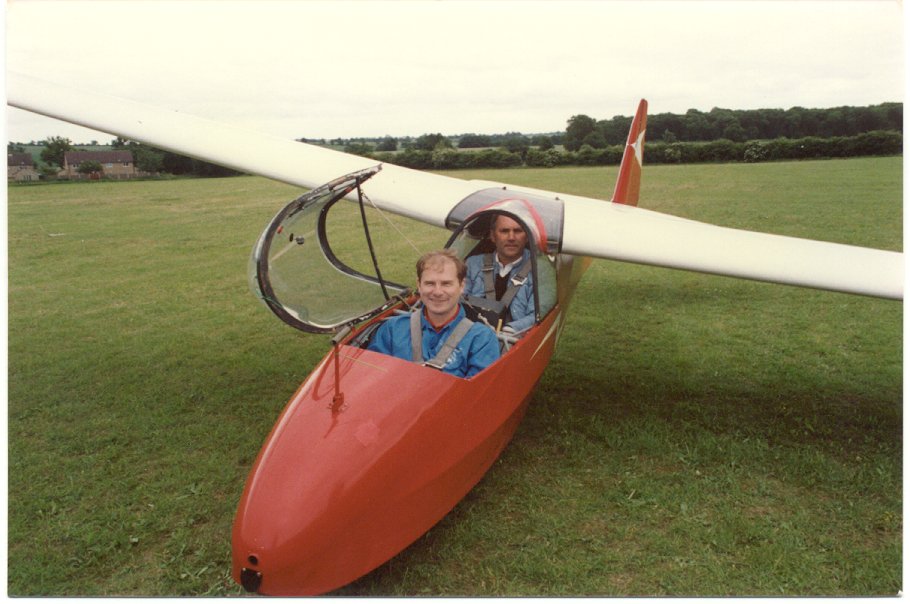
By way of background, Roger and I were running companies from the same office base in Colchester, Essex, England back in the 1980s and it was Roger who introduced me to gliding, or sail-planing in American speak.. Here’s a short extract from a previous LfD post in 2014.

My first exposure to private flying was on the 7th June, 1981 when, at Rattlesden Gliding Club in Suffolk, I was taken up for two air-experience circuits in a two-seater glider known as a ‘K7’. I was immediately hooked! Those experience flights leading to a 4-minute flight (flight number 46) on the 6th September, 1981 that has the remark in my pilot’s log book: Solo! Now fast forward to October, 1984 and my log book shows me attending a gliding instructor’s course at Lasham, resulting in me being issued with a British Gliding Association (BGA) Assistant Instructor Rating on the 14th October. (105/84).

A K-7 two-seat glider.

Anyway, here’s the item that just had to be shared:

How on earth does one follow that up! 😉

Caring does make a difference.

“All that evil needs to succeed is for good people to do nothing.”

You will recall that on the 8th March I published a post called Anger Alert. It was about raising awareness for “Stella has spent the last two years locked in a 3-by-9 foot cage in a kennel in Devon, England. She has never been let out to exercise or play.”

I included a link to a Care2 Petition that as of now has been signed by nearly 38,000 persons including many who read this blog. Thank you. Keep Stella in your thoughts.

Regretably, Stella’s imprisonment has not yet come to an end but here is a good news story that underlines why we must always keep fighting for the things we believe need to be changed.

ooOOoo

Over 61,000 Care2 Activists Want To Save These Dogs From Euthanasia

3170931.large

When Kirstyn Smith heard that 31 pit bulls had been rescued from a dog-fighting ring in her native Ontario, Canada, she was thrilled, but then she learned there was a catch: Officials had plans to euthanize the dogs, rather than free them. That’s when she jumped into action and decided to create a Care2 petition.

That petition now has over 61,000 signatures, as people around the world react to the horrifying and deeply unfair death sentence.

Here’s what Smith wrote in her petition:

“My name is Kirstyn Smith and I have been following a very heart-breaking story since October 2015. The town of Chatham-Kent, ON fell victim to a horrible and cruel act where 31 pitbull-type dogs were seized from an alleged dog fighting-ring.

 These animals need our help.

Please sign and share this petition to demand that these dogs are treated humanely, medically taken care of and rehabilitated in order to live out their lives away from torture and neglect.”

Close To Victory

On March 10, she issued this update to her petition:

“We are so close! The accused have agreed to hand over ownership to Dog Tales Sanctuary in King City, ON. This is incredible news, but we still need the Ministry of Community Safety & Correctional Services to give proper designation which will allow the dogs to legally reside in Ontario. Thank you to each and every one of you for your support on this long journey!!”

Smith is referring to the fact that pit bulls are banned in the province of Ontario, and only a pound can take in pit bull-type dogs. However, Dog Tales is not a pound, so the sanctuary must make a special application in an effort to get the designation that will allow them to take in the pit bulls.

This of course is not unique to Ontario. Pit bulls are banned or restricted in most Canadian provinces; in the U.S., over 700 cities have enacted breed-specific legislation which is any ordinance, or dog law, that relates to specific dog breeds but does not affect any others.

The next court date will be March 18, and there will likely be another one after that, but things are moving forward in a positive way, thanks largely to Smith’s persistence and the awesome support of those 61,000 Care2 activists.

An Awesome Sanctuary

If justice prevails, these dogs will move to their new home, which CTV News London describes as an “opulent sanctuary in King City, Ontario, which is owned by one of Canada’s richest families.”

“The issues present are nothing that we haven’t seen before, and nothing that we feel cannot be changed with time, patience, and the proper technique,” says Clare Forndran, a spokesperson at Dog Tales Rescue and Sanctuary.

“At Dog Tales we are fortunate enough to have the facilities and the resources to provide for our dogs in ways that many other shelters cannot,” owner Danielle Eden said in an email.

While this story has come a long way and is very close to a happy ending, it’s not quite there yet.

You can help rescue these dogs from a death sentence by signing Smith’s petition, asking the authorities to treat these animals humanely, and take care of them so that they can live out their lives away from torture and neglect. 

And if you have a cause that you care deeply about, and want to make a difference in the world, you can create your own petition, just as Kirstyn Smith did. You’ll soon find the Care2 community of activists ready to join you in your cause. And if you’d like to read more about petitions, you can check out this handy guide.

ooOOoo

So, please, if you are not one of those 61,000 who have already signed this petition then, without delay, go here and add your support to this wonderful cause.

Best laid plans, and all that!

Another lesson from our dogs…..

…. that of not taking life too seriously at times!

I didn’t get to my PC until after 4pm yesterday afternoon and, frankly, didn’t have a clue as to what to post for today.

Then in comes Per Kurowski to rescue me with an email sent earlier in the day, titled: “I do not know if you saw this?”

“This” being the following video.

Protecting the brain.

The joys of growing ever more old!

Last Saturday, in a humorous post called Cognitive Ageing, I wrote:

Or put another way: I can remember everything except the things I forget.

Like many others of my age, the short-term memory is not as sharp as it used to be (not that I can remember when that was! 😉 )

Today’s post is to pass on a recommendation for a programme called Lumosity. It was recommended to me by my local doctor and I signed up in February of this year. Clearly, it is impossible to know, in a scientific way, how much good it has done me but instinctively I feel it has made a strong, positive difference.  Let me quote from their website:

The Science Behind Lumosity

neuroplasticity-banner-77f6a688022811b36d894b9288bd49f3

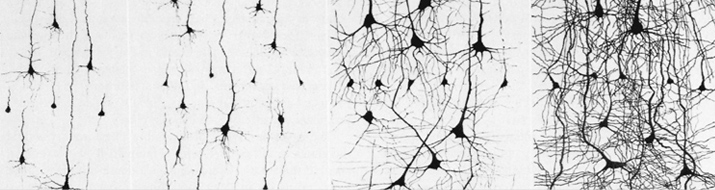
Neuroplasticity: how the brain is capable of change

Scientists have historically believed that once a person reaches adulthood, their cognitive abilities are immutable. But beginning in the early twentieth century, that theory has been contested by evidence suggesting that the brain’s abilities are in fact malleable and plastic. According to this principle of neuroplasticity, the brain is constantly changing in response to various experiences. New behaviors, new learnings, and even environmental changes or physical injuries may all stimulate the brain to create new neural pathways or reorganize existing ones, fundamentally altering how information is processed.

One of the most dramatic examples of neuroplasticity at work comes from a 2000 brain scan study on London taxi drivers (Maguire et al., 2000). In order to earn a license, London taxi drivers typically spend about two years learning to navigate the city’s serpentine streets. What mark, the study’s researchers wondered, did this long, rigorous period of training leave on taxi drivers’ brains? Under the scrutiny of fMRI scans, 16 male taxi drivers in this study were revealed to have larger hippocampuses than a control group of 50 healthy males of similar ages. And the longer the time spent as a taxi driver, the larger the hippocampus tended to be. As a brain area involved in memory and navigation, the hippocampus likely changed in response to the taxi drivers’ experiences.

Most instances of neuroplasticity-based changes in the brain are much more subtle. But in recent decades, it’s cases like that of the London taxi drivers that have inspired certain members of the scientific community to pursue the next logical step in research: rather than passively waiting to see how the brain might respond to circumstances, is it possible to direct that capacity for change, targeting improvements in specific key abilities?

The science of cognitive training seeks to answer this question. In 2013 alone, 30 cognitive training studies were registered on the government database ClinicalTrials.gov. Lumosity scientists, with the help of outside collaborators, contribute to this research effort: so far, 7 peer reviewed studies have been published using Lumosity as a cognitive training tool for diverse populations, including healthy adults, cancer survivors, elderly people, and children with a genetic disorder.

Maguire, E. A., Gadian, D. G., Johnsrude, I. S., Good, C. D., Ashburner, J., Frackowiak, R. S. J., & Frith, C. D. (2000). Navigation-related structural change in the hippocampi of taxi drivers. Proceedings of the National Academy of Sciences of the United States of America, 97(8), 4398-4403.

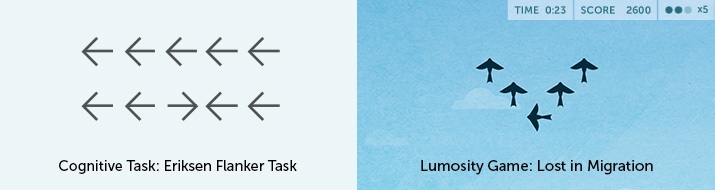
Clearly, without trying it out yourself, it’s difficult for me to convey the nature of the ‘games’ that are provided.

What I can do is to republish a review that appeared on the website MD-Health.

Does Lumosity Work?

Lumosity was designed by several leading neuroscientists, which adds an air of credibility to this popular site, and combines the perks of social networking with brain training technology that supposedly makes your brain function at a higher level. But do these brain training games really work? There is plenty of evidence to support and contract the claims made by this popular gaming website, so it is important to look at the facts before making this determination.

What is Lumosity?

Lumosity is a webpage that features several different brain training games. Players are encouraged to create a profile that allows them to track their progress and play certain games that target mental flexibility, memory, problem solving, speed and attention. The idea is that performing these tasks regularly will help “train” your brain to function more effectively.

How Does Lumosity Work?

The web page explains that Lumosity is based on neuroplasticity, which treats the brain like a muscle that needs to adapt when it is presented with new challenges. The idea here is that if you present your brain with harder challenges, the portion of your brain meant to help solve them will grow larger and more functional. Previously it was believed that neuroplasticity was only available in children with brains that were still developing, but recent science leads researchers to believe that this skill is also available for adults.

Lumosity depends on two basic elements when users create their training program. First, users need to use the program regularly. This is similar to creating a daily routine at your local gym to work and tone your muscles. Your routine will not be as effective if you do not stick with it. The second part of this training program depends on users using many different types of games. There are 35 different games available on Lumosity in addition to many different skill levels within these games. Players should use a variety of different games and increase the difficulty level over time to help ensure that they are continuing to challenge the mind. Creating your initial profile gives the player an opportunity to see what weaknesses they have so they can create a routine that is ideal for their situation.

Is Lumosity Effective?

There are several scientific studies that lead scientists to believe that the brain training activities at Lumosity do have an effect on the brain. A study at the University of Michigan found that adults that used brain training games for a regular amount of time saw an improvement in test scores for dual attention asks and memory games in multiple tests. A similar study at Brown University also saw adults exceeding expectations in brain performance after using brain training games to aid in their work. These programs were found to boost the working memory which helps users keep track of tasks they are currently performing.

The thing to remember when analyzing these results is that they came from laboratory conditions. These adults used Lumosity games for hours every day for several months. Users that do not work on a similar schedule will not see these types of results. There is a great deal of evidence that supports the idea that brain training games can help grow and develop the mind, but not necessarily any evidence that Lumosity and the brain training games available here are more effective than other training games that are on the market elsewhere. In general, keeping the mind active and challenging your mind to learn more advanced tasks and ways of thinking are healthy and can help you perform tasks more effectively, and if Lumosity helps you accomplish this, then it can be seen as a positive asset.

There was a review published in The Guardian newspaper back in April, 2013 from which this extract is offered:

According to the website for Lumosity, which devised these games and is one of the best-known internet providers of brain training, setting aside a few minutes each day to complete the above tasks can make you feel “smarter, sharper, and brighter”. By factoring in a mental workout in the same way that we might go to the gym to exercise, we get cleverer and our IQ rockets.

That, at least, is the idea. And there are lots of people who buy it. In recent years, brain training has become a multimillion-pound business with companies such as Jungle Memory, Nintendo and CogniFit developing a wide range of user-friendly neuroscientific puzzles for the average punter. Lumosity itself has grown by 150% year-on-year since its launch in 2005 and now reaches more than 35 million people worldwide. In January alone, the company’s mobile app was downloaded nearly 50,000 times a day and its revenue hit $24m (£16m).

Co-founded by Michael Scanlon after he abandoned his neuroscience PhD at Stanford University, California, the business also has an extensive research programme that studies the effects of computerised cognitive training as well as conducting experiments over the web.

I can also republish another article from the Lumosity website:

The Science Behind Lumosity

study-results-banner-b03eee32c4b930e36629ef65d0eba902


The scientific roots of the Lumosity program

Research has found that certain types of activities may impact the brain more than others (Mechelli et al., 2004; Gaser and Schlaug, 2003; Draganski et al., 2006). It’s believed that as an activity is repeated, the brain tends to fall back on the same set of existing neural pathways. To continue changing, the brain must be exposed to novel, adaptive experiences that challenge it to work in new ways.

Drawing on this idea, Lumosity is designed to give each person a set of exercises that challenge their cognitive abilities.

Lumosity “games” are based on a combination of common neuropsychological and cognitive tasks, many of which have been used in research for decades, and new tasks designed by an in-house science team. Working with experienced game designers, Lumosity neuroscientists have transformed these tasks into over 40 challenging, adaptive games.

Lumosity’s game-based training program is designed to expose your brain to gradually increasing levels of challenges, adapting game difficulty to your individual ability level. As your scores increase, you may encounter new or more difficult games. Modelled from the concept of a physical personal trainer, Lumosity pushes you to operate at the limits of your abilities and stay challenged.

Gaser, C. & Schlaug, G. (2003). Brain structures differ between musicians and non-musicians. Journal of Neuroscience, 23(27), 9240-9245.

Draganski, B., Gaser, C., Kempermann, G., Kuhn, H. G., Winkler, J., Büchel, C., & May, A (2006). Temporal and spatial dynamics of brain structure changes during extensive learning. Journal of Neuroscience, 26(23), 6314-6317.

Mechelli, A., Crinion, J. T., Noppeney, U., O’Doherty, J., Ashburner, J., Frackowiak, R. S., & Price, C.J. (2004). Neurolinguistics: Structural plasticity in the bilingual brain. Nature, 431, 757.

Lumosity is not expensive and while it is impossible to be objective about the positive difference it is giving me I wouldn’t give up on it.

Now where did I leave my car keys???