Nasa’s James Webb telescope is awesome beyond words.
The recent launch of this telescope, as a successor to Hubble, can see right back more than 13.5 billion years. The universe was formed 13.78 billion years ago. The reach of the James Webb telescope is therefore 98% (97.96) of the life of the universe. But the superlatives about this telescope are almost never-ending. For example it will, in time, be able to explore the tiny planetary worlds far, far away. We may in time see signs of life, as in water, vegetation, or industrialisation, connected with those planets.
The James Webb is in orbit some million miles away from Earth and will, in fact, be orbiting the sun.
One could go on and on speaking about this achievement but I will resist. I want to share a three things with you.
First the release of this early image and a portion of the associated text:
NASA’s James Webb Space Telescope has delivered the deepest and sharpest infrared image of the distant universe so far. Webb’s First Deep Field is galaxy cluster SMACS 0723, and it is teeming with thousands of galaxies – including the faintest objects ever observed in the infrared.
Webb’s image is approximately the size of a grain of sand held at arm’s length, a tiny sliver of the vast universe. The combined mass of this galaxy cluster acts as a gravitational lens, magnifying more distant galaxies, including some seen when the universe was less than a billion years old. This deep field, taken by Webb’s Near-Infrared Camera (NIRCam), is a composite made from images at different wavelengths, totaling 12.5 hours – achieving depths at infrared wavelengths beyond the Hubble Space Telescope’s deepest fields, which took weeks. And this is only the beginning. Researchers will continue to use Webb to take longer exposures, revealing more of our vast universe.
Second, why is it named after James E. Webb (1906- 1992)? James Webb was NASA’s second administrator and known for leading Apollo, the series of lunar exploration programs that landed the first humans on the Moon. (A good Q&A is here: https://www.jwst.nasa.gov/content/about/faqs/faq.html )
Last thing to share is some music! ‘Floating in Heaven’ by Graham Gouldman and Brian May
One cannot imagine a dog without a tail. One can’t imagine a dog’s tail that doesn’t wag for much of the time. So why do our dogs wag their tails? Sam Schwab answers the question.
When coming home after being away all day, it can be super sweet to be greeted at the door by your dog wagging her tail.
Dogs use their tails to communicate a range of emotions to humans and other dogs, including both positive emotions, like happiness or excitement, and negative ones, like frustration or anger.
“In general terms, dogs wag their tails because their level of excitement or agitation has gone up,” Irith Bloom, a professional certified dog trainer and owner of The Sophisticated Dog in Los Angeles, told The Dodo. “So a wagging tail could mean the dog is excited, frustrated, angry or happy, for example — and that’s just a partial list!”
The Dodo spoke with Bloom to understand the meaning of your dog’s tail wagging and to get some tips for interpreting your dog’s tail language.
She’s happy
Dogs will wag their tails when they’re happy to see someone — which is usually what most people assume a dog is feeling when they wag their tail (though, this isn’t always the case).
To know if your dog is happy when she’s wagging her tail, pay close attention to the position of your dog’s tail and her body language.
If your dog’s whole body seems relaxed in general while wagging her tail, she’s most likely communicating happiness. “If the dog’s tail is wagging in a loose, relaxed arc, and the dog’s body is also loose or even wiggly, odds are the dog is happy to see you,” Bloom said.
A quick wag, or a tail wagging in circles really fast, can also mean your dog’s happy. “Sometimes dogs wag their tails really fast in these situations, too, and their tail may even move a little like a propeller,” Bloom said.
You should also consider context: If you’re returning home after being out, or your dog sees someone she likes, the tail wagging is most likely due to happiness.
In one study, researchers found that dogs who wagged their tails more to the right side of their bodies were more relaxed, while dogs who wagged their tails to the left side of their bodies were more stressed, alert and anxious. (So, next time your dog wags her tail, check to see if it skews to either side!)
She’s excited
You might also see dogs wagging their tails when they’re really excited.
“Among other things, dogs may wag their tails when they are looking forward to something,” Bloom said.
You’ll commonly see your dog wagging her tail out of excitement when she’s waiting for a treat, meeting new dogs or playing fetch.
When your dog’s excited, her whole body will pretty much zero in on the object of her excitement, but her body language won’t be too tense.
“If a dog’s tail is moving fast, the rest of the body is ready for action but not ‘tight,’ and the dog is focused on something like a ball, they are probably looking forward to playing,” Bloom said.
She’s agitated
A wagging tail doesn’t always mean a dog is happy — sometimes it means she’s feeling agitated.
“A lot of people are surprised to learn that dogs sometimes also wag their tails when they are upset or angry,” Bloom said.
If a dog’s tail starts wagging out of anger, she could easily become aggressive, so it’s important to back away from the pup or leave the situation if that happens.
“I cannot tell you how many people have told me they were bitten by a dog whose tail was wagging!” Bloom said. “It’s important to remember that a wagging tail does not mean a friendly dog.”
You’ll be able to tell if a dog is wagging her tail out of anger if her tail and overall body language are very tense.
“If the dog’s tail is wagging slowly and stiffly, though, look to see if the dog’s muscles look tight or if their face seems tense,” Bloom said. “You might notice that their mouth is tightly closed or their brow is furrowed.”
An aggressive dog might also be more vocal. “They might also be growling or snarling,” Bloom said.
“Any of these behaviors, even when the tail is wagging, mean that the tail wag is more about being agitated or angry than happy and welcoming, so be sure to keep your distance!” Bloom added.
Be careful when meeting a new dog for the first time
Paying attention to a dog’s body language (as well as the context of the situation) can give you valuable insight into how a dog is feeling — and if the tail wagging means aggression.
“To figure out what a tail wag means, look at the whole dog’s body, but keep in mind that not every dog’s body language will be the same,” Bloom said.
You should have a good idea of what your own dog looks like when she’s happy, but since it can be difficult to tell the emotions of an unfamiliar dog, you should always be very careful when meeting a new dog for the first time.
According to Bloom, in these situations, you should let the dog approach you first and not vice versa.
“It bears repeating: A wagging tail does NOT mean a friendly dog,” Bloom said. “Sometimes it’s hard for even an expert to tell what a dog’s body language is saying, so it’s a good idea to let dogs decide whether or not they want to approach you instead of invading their space.”
Why do dogs have tails, anyway?
In addition to using their tails to communicate with people and dogs around them, dogs use their tails for movement and balance.
“Dogs use their tails for balance,” Bloom said. “They do this both in everyday activities and when moving fast, like during a game of fetch.”
Tails can also assist your dog in completing a turn while she runs: Her front legs turn in one direction, while her back legs continue moving forward, and her tail moves with the front legs to keep her body on course.
“Watch your dog’s tail movement when they make a fast turn to see an example of how the dog’s tail helps keep the dog’s body in balance!” Bloom said.
Dog tails are super important for your pup and play a huge role in how they communicate. So next time you see your dog’s tail wagging, you’ll know that there might be more going on than meets the eye, and you should always check your dog’s body language to get the full picture.
ooOOoo
I think that is a comprehensive review of the subject and, hopefully, some out there learnt some more about dogs’ tails.
For people who want to delve more deeply into the subject there’s an excellent study over on Current Biology, from which I take this small extract:
Left-right asymmetries in behavior associated with asymmetries in the brain are widespread in the animal kingdom and the hypothesis has been put forward that they may be linked to animals’ social behavior. Dogs show asymmetric tail-wagging responses to different emotive stimuli the outcome of different activation of left and right brain structures controlling tail movements to the right and left side of the body.
We watched recently a documentary on Netflix about the special attributes of our pets. It was very good but one thing that we learnt was that dogs have on the tips of their snouts an area that can pick up warmth. Because when dogs are tiny puppies and still blind they find their mothers’ teats by homing in on the warmth of the mother’s body.
Many people are aware of the scenting ability of the dog. To quote: “While humans have about five million olfactory receptors in their noses, dogs are said to have around 300 million.”
(Read that article that I linked above for it is very good.)
ooOOoo
Senior Dog Patiently Waits For Boops In The Same Place Day After Day
One of Hime’s favorite pastimes is a simple one: sit near a nature path and patiently wait for nose boops. The 13-year-old Siberian husky figured out long ago that, eventually, she’ll get what she came for.
“She likes that spot so she can watch the world go by,” David Nagadhana, Hime’s dad, told The Dodo. “But she has other strategies.”
Hime, who was adopted as a puppy, hitches a ride in Nagadhana’s bike trailer to get to the best petting spots.
“I cycle her because of her arthritis,” Nagadhana said. “Gentle in her old age, [Hime] looks for affection anywhere she can find it.”
The husky’s place of choice is by the Thames in Richmond, England, but Nagadhana takes her wherever she seems happiest.
“She loves finding new and interesting and exciting locations so that she may proceed to nap in them,” Nagadhana said. “She finds it relaxing enough to nod off on occasion.”
Nagadhana and Hime do everything together, and it won’t stop anytime soon.
“She was there for me when life ground to a halt during the pandemic,” Nagadhana said. “I’ll be there for her until the end. Raising dogs is like a rainbow. Puppies are the joy at one end, old dogs are the treasure at the other.”
Needless to say, Hime gets endless boops from her favorite person: Dad.
(All photographs by DAVID NAGADHANA.)
ooOOoo
One turns to the American Kennel Club for information about the breed, as in the Siberian Husky, and this is what is found:
Siberian Husky, a thickly coated, compact sled dog of medium size and great endurance, was developed to work in packs, pulling light loads at moderate speeds over vast frozen expanses. Sibes are friendly, fastidious, and dignified. The graceful, medium-sized Siberian Husky’s almond-shaped eyes can be either brown or blue ‘and sometimes one of each’, and convey a keen but amiable and even mischievous expression. Quick and nimble-footed, Siberians are known for their powerful but seemingly effortless gait. Tipping the scales at no more than 60 pounds, they are noticeably smaller and lighter than their burly cousin, the Alaskan Malamute. As born pack dogs, they enjoy family life and get on well with other dogs. The Sibe’s innate friendliness render them indifferent watchdogs. These are energetic dogs who can’t resist chasing small animals, so secure running room is a must. An attractive feature of the breed: Sibes are naturally clean, with little doggy odor.
I am republishing an item from the American Kennel Club on the subject.
Oliver has a very special relationship with me. Plus Jean loves him just as much. That is not to say that he isn’t very friendly with other humans that he knows but there’s something that I have trouble putting into words when it comes to the bond between me and Oliver.
It is very, very special and truly magical.
I am reminded of this bond between Oliver and me because of a post that I want to republish.
Emotional support dogs (ESAs) are pets and not service dogs.
Mental health professionals prescribe emotional support animals under the law.
Airlines are no longer required to accommodate emotional support animals.
Every dog owner knows there are many benefits to having a dog, from getting themselves out for exercise to receiving loyal companionship. However, for some people with mental or emotional conditions, the presence of a dog is critical to their ability to function normally on a daily basis. The pet provides emotional support and comfort that helps them deal with challenges that might otherwise compromise their quality of life. These pets are known as emotional support animals (ESAs).
What Is an Emotional Support Dog?
Although all dogs offer an emotional connection with their owner, to legally be considered an emotional support dog, also called an emotional support animal (ESA), the pet needs to be prescribed by a licensed mental health professional to a person with a disabling mental illness. A therapist, psychologist, or psychiatrist must determine that the presence of the animal is needed for the mental health of the patient. For example, owning a pet might ease a person’s anxiety or give them a focus in life. The dogs can be of any age and any breed.
Emotional Support Dog vs. Service Dogs
ESAs provide support through companionship and can help ease anxiety, depression, and certain phobias. However, they are not service dogs, and ESA users do not receive the same accommodations as service dog users.
A service dog, such as a guide dog or psychiatric service dog, is generally allowed anywhere the public is allowed; ESAs are not. For example, ESAs generally cannot accompany their owners into restaurants or shopping malls.
The Americans With Disabilities Act (ADA) defines service animals as “dogs that are individually trained to do work or perform tasks for people with disabilities.” The act clearly states that animals that simply provide emotional comfort do not qualify as service animals. Some state and local laws have a broader definition, so be sure to check with local government agencies to learn if ESAs qualify for public access in your area.
The key difference between a service dog and an emotional support dog is whether the animal has been trained to perform a specific task or job directly related to the person’s disability. For example, service dogs are trained to alert a hearing-impaired person to an alarm or guide a visually impaired person around an obstacle or provide pressure on someone with PTSD who is suffering from a panic attack.
Behaviors such as cuddling on cue, although comforting, do not qualify. The tasks need to be specifically trained to mitigate a particular disability, not something instinctive the dog would do anyway.
Emotional Support Dogs Are Not Psychiatric Service Dogs
There are service dogs, known as psychiatric service dogs that require extensive training to work specifically with people whose disability is due to mental illness. These dogs detect the beginning of psychiatric episodes and help ease their effects. Although this sounds similar to the role of an ESA, the difference between a psychiatric service dog and an ESA is again in the tasks performed by the dog and the training received to perform these tasks.
Psychiatric service dogs (recognized by the ADA as service dogs) have been trained to do certain jobs that help the handler cope with a mental illness. For example, the dog might remind a person to take prescribed medications, keep a disoriented person in a dissociative episode from wandering into a hazardous situation such as traffic or perform room searches for a person with post-traumatic stress disorder. If it is simply the dog’s presence that helps the person cope, then the dog does not qualify as a psychiatric service dog.
Housing Accommodations for Individuals Who Use Emotional Support Dogs
Individuals who use ESAs are provided certain accommodations under federal law in the areas of housing and air travel. The Fair Housing Act includes ESAs in its definition of assistance animals. Under the act, people cannot be discriminated against due to a disability when obtaining housing. Rules such as pet bans or restrictions are waived for people who have a prescription for an ESA, and they cannot be charged a pet deposit for having their ESA live with them.
Are Emotional Support Dogs Allowed on Flights?
In December 2020, the United States Department of Transportation (DOT) announced final revisions to its Air Carrier Access Act (ACAA). The final rule, effective in January 2021, defines a service animal as a dog, regardless of breed or type, that is individually trained to do work or perform tasks for the benefit of a qualified individual with a disability, including a physical, sensory, psychiatric, intellectual, or other mental disability. This change in the DOT’s definition of “service animal” aligns closely with the definition that the Department of Justice uses under the federal Americans with Disabilities Act.
The changes also clarify that emotional support animals (ESAs), comfort animals, companionship animals, animals being trained to be service animals, and species other than dogs are not considered to be “service animals” under the new DOT definition. Instead, airlines may recognize and accommodate emotional support animals as pets. For most airlines, the new no-fly policy for ESAs started on January 11. Some airlines now require passengers with service dogs to complete a DOT-authorized form prior to travel that confirms their training, health, and certification.
In the past, the AKC has expressed concern for safety with the previous recognition of ESAs as service animals, including the growing number of people misrepresenting their pets as service animals.
Emotional support dogs can perform an important role in the life of a person with mental or emotional conditions. When people who do not have a disability abuse the system by misrepresenting a pet as an ESA to obtain special accommodation, they undermine important accommodations for individuals with a legitimate need for this assistance.
ooOOoo
This is a valuable article in my opinion and, I am sure, in the opinion of many others. It clarifies the legal position of dogs that are not, however loving the animal is to you, legally-defined as service dogs.
It may seem trivial for those not in the category of requiring a dog that is a service dog but I am certain that for those who definitely do require such an animal this clarification was necessary.
Meantime I will stick with our Oliver, our Brandy, our Sheena, our Cleo, and our Pedi.
Indiana sends me a ‘doc’ file with his guest post and I convert it to ‘Mac OS’ by using the software Pages. This time I missed the last section as it was on another page.
Three Simple Ways to Prioritize Your Dog’s Mental Health
Dogs provide unconditional love, companionship, and so much more. They can even improve your physical and mental well-being with their presence alone. For many people, dogs are more than just pets – they’re members of the family.
There’s actually more truth to that thought than you may realize. According to contemporary science, dogs go through similar chemical and hormonal changes as humans when they’re experiencing emotions. Simply put, dogs have feelings just like we do.
Dogs can experience stress, anxiety, depression, grief, and more. Because they depend on us for care, it’s important to make sure you’re prioritizing their mental well-being as well as their physical health. Your dog can’t ask you for help when they’re feeling stressed or depressed. It’s up to you to recognize some of the common signs and understand what you can do to help.
So, how can you prioritize your dog’s mental well-being? Let’s cover a few tips that can make a difference for your four-legged friend.
1. Recognize Signs of Distress
If someone in your family is feeling anxious or depressed, they can talk to you about it. They can reach out for help when it’s needed. You might even have an easier time picking up on some of the common signs, including a sense of hopelessness or social isolation.
While your dog can’t ask for help when they’re feeling stressed or depressed, there are still signs you should look out for. According to the American Kennel Club, some of the most common symptoms of depression in dogs include
Clingy behavior
Loss of interest in things they typically love
Withdrawing from people
You know your dog better than anyone. If it seems like their demeanor has changed and they look sadder or seem lethargic, don’t ignore it. Depression can be brought on by everything from grief to chronic pain. Rule out any medical issues that could be causing those changes by working with your dog’s vet. If they’re otherwise healthy, it’s fairly safe to assume their mental health is suffering and they need help.
2. Keep Them Active
Like humans, dogs need regular exercise. It benefits their physical health, but it also promotes mental wellness. Different breeds need different amounts of physical activity. However, a good rule of thumb is anywhere from 30-45 minutes each day.
A sedentary lifestyle isn’t just harmful to your dog’s physical health. It can fuel symptoms of depression. How would you feel if you had to lay around all day with no mental or physical stimulation? It might be fine for a while, but it would be easy to fall into a “funk” without something to look forward to.
Taking your dog for a walk each day, going to the local park to let them run around, or even hiking with your four-legged friend can improve their mental health as well as yours. Exercising together will also strengthen your bond and provide your dog with the mental stimulation they need to reduce stress and feel calmer.
You’ve probably heard the saying that a tired dog is a well-behaved dog. However, a dog that’s tired from an hour or so of exercise is also likely to be a happier dog!
3. Learn What They Love
Dogs often get stereotyped as being happy or excited all the time. While there’s no better feeling than seeing your furry friend wag their tail when you get home each day, it’s important to understand that they can have interests and hobbies they enjoy more than others.
Finding out what your dog loves to do can make it easier to improve their mental well-being.
You’ll boost your own social connections (and mental health) in pet-friendly environments by meeting like-minded people and getting more support. You can also quickly learn more about your dog’s interests, simply through exploration. Maybe they prefer long nature hikes as opposed to walking in the city. Maybe they get really excited when they’re around other dogs, so you can spend more time at local parks or pet-friendly restaurants.
Don’t be afraid to try new things with your canine companion. Even bringing them to work with you can help to improve your bond and keep them from feeling lonely all day.
The most important thing you can do for your dog’s mental health is to pay attention. Look for any changes in their behavior, and get to the bottom of it as soon as possible. Your dog depends on you for everything, and it’s not fair to assume that their mental health can’t change and fluctuate as much as anyone else’s.
ooOOoo
(That’s better this time)
Right on! Dogs sleep a great deal more than we humans but they still need their exercise. Just as we humans need it, exercise is key. Key to their physical fitness but also key to their mental fitness as well. This is a great post from Indiana and I shall conclude with this video:
Three Simple Ways to Prioritize Your Dog’s Mental Health
Dogs provide unconditional love, companionship, and so much more. They can even improve your physical and mental well-being with their presence alone. For many people, dogs are more than just pets – they’re members of the family.
There’s actually more truth to that thought than you may realize. According to contemporary science, dogs go through similar chemical and hormonal changes as humans when they’re experiencing emotions. Simply put, dogs have feelings just like we do.
Dogs can experience stress, anxiety, depression, grief, and more. Because they depend on us for care, it’s important to make sure you’re prioritizing their mental well-being as well as their physical health. Your dog can’t ask you for help when they’re feeling stressed or depressed. It’s up to you to recognize some of the common signs and understand what you can do to help.
So, how can you prioritize your dog’s mental well-being? Let’s cover a few tips that can make a difference for your four-legged friend.
1. Recognize Signs of Distress
If someone in your family is feeling anxious or depressed, they can talk to you about it. They can reach out for help when it’s needed. You might even have an easier time picking up on some of the common signs, including a sense of hopelessness or social isolation.
While your dog can’t ask for help when they’re feeling stressed or depressed, there are still signs you should look out for. According to the American Kennel Club, some of the most common symptoms of depression in dogs include
Clingy behavior
Loss of interest in things they typically love
Withdrawing from people
You know your dog better than anyone. If it seems like their demeanor has changed and they look sadder or seem lethargic, don’t ignore it. Depression can be brought on by everything from grief to chronic pain. Rule out any medical issues that could be causing those changes by working with your dog’s vet. If they’re otherwise healthy, it’s fairly safe to assume their mental health is suffering and they need help.
2. Keep Them Active
Like humans, dogs need regular exercise. It benefits their physical health, but it also promotes mental wellness. Different breeds need different amounts of physical activity. However, a good rule of thumb is anywhere from 30-45 minutes each day.
A sedentary lifestyle isn’t just harmful to your dog’s physical health. It can fuel symptoms of depression. How would you feel if you had to lay around all day with no mental or physical stimulation? It might be fine for a while, but it would be easy to fall into a “funk” without something to look forward to.
Taking your dog for a walk each day, going to the local park to let them run around, or even hiking with your four-legged friend can improve their mental health as well as yours. Exercising together will also strengthen your bond and provide your dog with the mental stimulation they need to reduce stress and feel calmer.
You’ve probably heard the saying that a tired dog is a well-behaved dog. However, a dog that’s tired from an hour or so of exercise is also likely to be a happier dog!
ooOOoo
Right on! Dogs sleep a great deal more than we humans but they still need their exercise. Just as we humans need it, exercise is key. Key to their physical fitness but also key to their mental fitness as well. This is a great post from Indiana and I shall conclude with this video:
On the morning of the 1st June I read the latest from the Parkinson’s Foundation. It was a report that covered Can We Put the Brakes on Parkinson’s Progression? Essentially it said that diet and exercise were key. I quote:
Making nutritious food the mainstay of your meals and enjoying regular exercise has countless proven benefits. Studies show targeted nutrition may slow Parkinson’s advancement. Eating a whole-food, plant-based, Mediterranean-style diet — including fresh vegetables, fruit and berries, nuts, seeds, fish, olive and coconut oils and more — may be linked to slower PD progression. When you live with PD, exercise is also critical to optimal health. In fact, the Parkinson’s Outcomes Project shows at least 2.5 hours a week of physical activity can slow PD symptom progression. Research reveals regular exercise also shows neuroprotective effects in animal models with Parkinson’s.
I showed the article to Jean. Later that morning Jean had her regular visit with Doctor David Tullar at our local Asante hospital. He is described on the Asante website as: David is a certified physician assistant with specialized expertise in neurology. But Jean sees him more as a neurologist in her own mind. I attend the appointment just to listen to David for we find him a most interesting man.
Here are some of the key messages from that meeting:
Parkinson’s is not a disease, it is a life condition. Just the same as diabetes. One doesn’t call it diabetes disease! These life conditions will be there at the end of life. Some people escape them, some do not.
Levodopa produces dopamine. It needs to be taken consistently. Levodopa is not taken at night because the brain requires far less dopamine because the brain is far less active. Don’t skip your doses.
Lifestyle does make a real difference. A non-meat diet and exercise really do make a difference with exercise being key. Aim for 150 minutes of exercise per week split into 20 minutes a day. Try to do more!
Having a dog extends your life and there is evidence that this is so. So love a dog and be loved by your dog back in return.
Make your lifestyle changes as early as you can.
An excellent resource of information is the Davis Phinney Foundation. The Foundation has an audio download of the book Every Victory Counts. You can also purchase the book from booksellers.
Then David Tullar turned to the question of freezing. Freezing when one has Parkinson’s is the temporary, involuntary inability to move. For Jean this happens occasionally in the kitchen area especially when she goes to turn around. David recommended practising ‘freezing’ where Jean deliberately stops what she is doing and actively ‘trembles’ on the spot.
The other thing was that while the cause of freezing is unknown, David said that the likelihood was that the brain became overwhelmed with extra, different thoughts when Jean was turning. Most likely with other thoughts that were in her inner mind. Such as what she was she turning for? Maintaining a balance? Doing things with her arms or hands?
In other words Jean was thinking about other stuff! All of these thinking processes were exercising the brain, of course, and the amount of brain power devoted to just the business of turning was smaller than it should be.
Answer: Focus on the business of turning first and foremost. Complete the turn and then think of the next item.
For other people who also suffer from Parkinson’s and have different spots in their lives where they freeze, then the advice from Dr. David Tullar is the same. Focus only on what you are doing at that moment.
For example some of his patients freeze when they are walking through a doorway. Answer: Focus on a point that you are walking towards and do not think of anything else.
Here’s a YouTube video on the topic (and it is very short but you will get the idea):
In conclusion, this is nothing more than me reporting back from Jean’s meeting with Dr. Tullar. If this strikes you as sensible advice and you have Parkinson’s then see your doctor responsible for your condition and discuss it with him or her.
Finally a little more about David Tullar from the Asante website:
David is dedicated to providing advanced care to patients of all ages. He has a special interest in evaluating and treating neurological concerns such as headaches, dementia, movement disorders, multiple sclerosis, and other neurodegenerative diseases.
Services
Evaluating and treating patients with neurological health issues
Treating headaches, dementia and movement disorders
Dogs and cats, but especially dogs, are the perfect animals for giving us emotional support.
The topic of dogs came up in Jean’s regular review yesterday at the Department of Neurology, Asante. But more on that next Tuesday, which is my next non-doggie day.
Today I want to republish an article presented by the American Kennel Club from February, 2021. The article was a very good one on the emotional support given to us by our dogs.
ooOOoo
Everything You Need to Know About Emotional Support Animals
Emotional support dogs (ESAs) are pets and not service dogs.
Mental health professionals prescribe emotional support animals under the law.
Airlines are no longer required to accommodate emotional support animals.
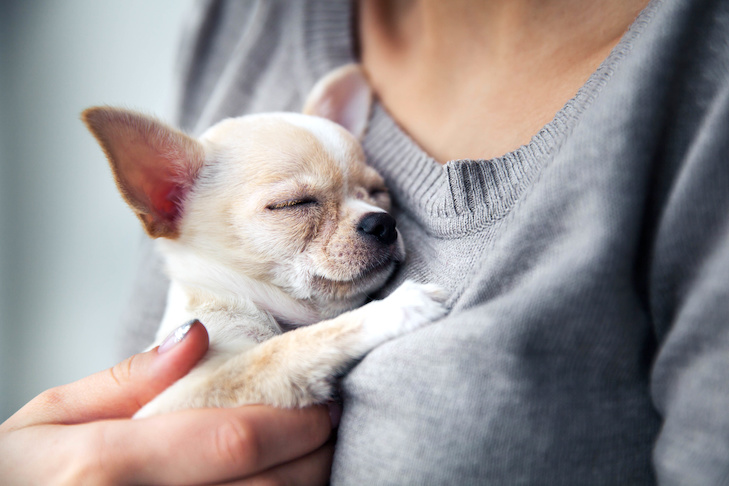
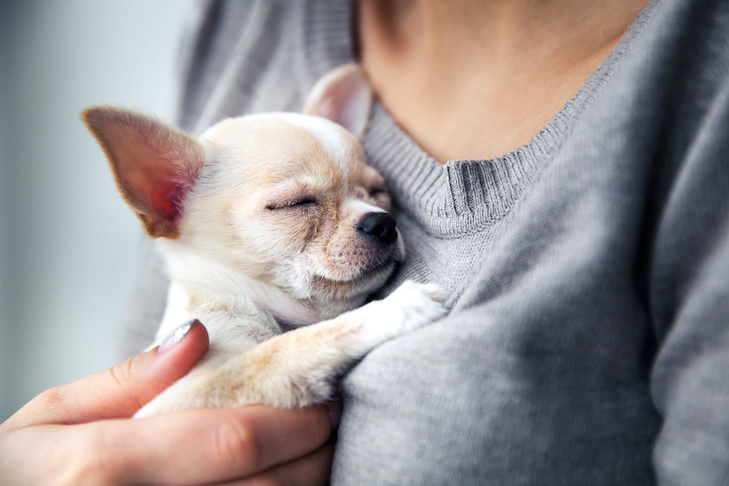
A chihuahua puppy in the hands of a girl.
Every dog owner knows there are many benefits to having a dog, from getting themselves out for exercise to receiving loyal companionship. However, for some people with mental or emotional conditions, the presence of a dog is critical to their ability to function normally on a daily basis. The pet provides emotional support and comfort that helps them deal with challenges that might otherwise compromise their quality of life. These pets are known as emotional support animals (ESAs).
What Is an Emotional Support Dog?
Although all dogs offer an emotional connection with their owner, to legally be considered an emotional support dog, also called an emotional support animal (ESA), the pet needs to be prescribed by a licensed mental health professional to a person with a disabling mental illness. A therapist, psychologist, or psychiatrist must determine that the presence of the animal is needed for the mental health of the patient. For example, owning a pet might ease a person’s anxiety or give them a focus in life. The dogs can be of any age and any breed.
Emotional Support Dog vs. Service Dogs
ESAs provide support through companionship and can help ease anxiety, depression, and certain phobias. However, they are not service dogs, and ESA users do not receive the same accommodations as service dog users.
A service dog, such as a guide dog or psychiatric service dog, is generally allowed anywhere the public is allowed; ESAs are not. For example, ESAs generally cannot accompany their owners into restaurants or shopping malls.
The Americans With Disabilities Act (ADA) defines service animals as “dogs that are individually trained to do work or perform tasks for people with disabilities.” The act clearly states that animals that simply provide emotional comfort do not qualify as service animals. Some state and local laws have a broader definition, so be sure to check with local government agencies to learn if ESAs qualify for public access in your area.
The key difference between a service dog and an emotional support dog is whether the animal has been trained to perform a specific task or job directly related to the person’s disability. For example, service dogs are trained to alert a hearing-impaired person to an alarm or guide a visually impaired person around an obstacle or provide pressure on someone with PTSD who is suffering from a panic attack.
Behaviors such as cuddling on cue, although comforting, do not qualify. The tasks need to be specifically trained to mitigate a particular disability, not something instinctive the dog would do anyway.
Emotional Support Dogs Are Not Psychiatric Service Dogs
There are service dogs, known as psychiatric service dogs that require extensive training to work specifically with people whose disability is due to mental illness. These dogs detect the beginning of psychiatric episodes and help ease their effects. Although this sounds similar to the role of an ESA, the difference between a psychiatric service dog and an ESA is again in the tasks performed by the dog and the training received to perform these tasks.
Psychiatric service dogs (recognized by the ADA as service dogs) have been trained to do certain jobs that help the handler cope with a mental illness. For example, the dog might remind a person to take prescribed medications, keep a disoriented person in a dissociative episode from wandering into a hazardous situation such as traffic or perform room searches for a person with post-traumatic stress disorder. If it is simply the dog’s presence that helps the person cope, then the dog does not qualify as a psychiatric service dog.
Housing Accommodations for Individuals Who Use Emotional Support Dogs
Individuals who use ESAs are provided certain accommodations under federal law in the areas of housing and air travel. The Fair Housing Act includes ESAs in its definition of assistance animals. Under the act, people cannot be discriminated against due to a disability when obtaining housing. Rules such as pet bans or restrictions are waived for people who have a prescription for an ESA, and they cannot be charged a pet deposit for having their ESA live with them.
Are Emotional Support Dogs Allowed on Flights?
In December 2020, the United States Department of Transportation (DOT) announced final revisions to its Air Carrier Access Act (ACAA). The final rule, effective in January 2021, defines a service animal as a dog, regardless of breed or type, that is individually trained to do work or perform tasks for the benefit of a qualified individual with a disability, including a physical, sensory, psychiatric, intellectual, or other mental disability. This change in the DOT’s definition of “service animal” aligns closely with the definition that the Department of Justice uses under the federal Americans with Disabilities Act.
The changes also clarify that emotional support animals (ESAs), comfort animals, companionship animals, animals being trained to be service animals, and species other than dogs are not considered to be “service animals” under the new DOT definition. Instead, airlines may recognize and accommodate emotional support animals as pets. For most airlines, the new no-fly policy for ESAs started on January 11. Some airlines now require passengers with service dogs to complete a DOT-authorized form prior to travel that confirms their training, health, and certification.
In the past, the AKC has expressed concern for safety with the previous recognition of ESAs as service animals, including the growing number of people misrepresenting their pets as service animals.
Emotional support dogs can perform an important role in the life of a person with mental or emotional conditions. When people who do not have a disability abuse the system by misrepresenting a pet as an ESA to obtain special accommodation, they undermine important accommodations for individuals with a legitimate need for this assistance.
ooOOoo
We continued to be overwhelmed by the capacity of the gorgeous dog to undertake specialist tasks for us humans that they wouldn’t normally do.
I notice the AKC have a free booklet on the subject and one hopes it is still available. Go to the original document and just after the end of the article that I republished one will find the link.
I was searching my files for something light-hearted to post for today and came across this article.
For some reason I hadn’t really noticed that our dogs are bothered by their farts and, thanks to a broken nose years and years ago, I have a very poor sense of smell.
Anyway, I wanted to share the article with you.
ooOOoo
Why Do Dogs Get Scared Of Their Own Farts? 3 Reasons Passing Gas Spooks Them
Have you ever noticed that when your dog farts, he’ll jump up and just stare at his butt totally confused — and even a little spooked — by the gas that just came out?
It seems hard to believe that your pup can actually be caught off-guard by a totally normal bodily function that happens to him on the regular, but here we are. Another day, another fart that’s totally bamboozled your dog.
We spoke with Dr. Sara Ochoa, a small- and exotic-animal veterinarian in Texas and a veterinary consultant for doglab.com, to find out why dogs get scared of their own farts.
And there are a few reasons why your pup’s own flatulence might spook him.
Your dog didn’t know he farted
This might be hard for you to imagine, but there’s a decent chance that your dog just has no idea what a fart even is.
“Most dogs do not know what their farts are,” Dr. Ochoa told The Dodo. “They do not have the mental capacity to process that they just farted.”
Not only does your dog not understand the scientific concept of passing gas, but he also doesn’t expect this gas to be expelled from his body, even if it happens often.
“I think some dogs are surprised to know that some air just came out of them,” Dr. Ochoa said. “The air leaving them is a surprise to them and sometimes a smelly surprise for us.”
Your dog’s farts are loud
An unexpected loud noise can startle anyone, so if your dog rips a particularly noisy fart, he’s probably going to be a little confused and scared.
“Just like with people, some farts are louder and some farts are smellier,” Dr. Ochoa said.
And if you’re wondering why sometimes your dog’s farts are super loud, while others are the silent-but-deadly type, that simply has to do with how much air is coming out of him and how intensely it’s being expelled.
“The sound intensity of the fart is due to the amount of air and force behind the farts,” Dr. Ochoa said.
It happened at the same time as another bodily function
Have you ever sneezed and happened to fart at exactly the same time? (This is a safe space, no one’s judging you.) Well, it probably surprised you when you realized you broke a little wind while you sneezed, because you were only expecting one bodily function.
The same can happen to your dog, too.
“My little dog will commonly cough and fart at the same time, which scares her,” Dr. Ochoa said. “I don’t think she is expecting the fart. When she is coughing, everything just lets loose and she farts, scaring herself.”
Why does my dog fart so much?
It’s actually pretty natural for dogs to fart a bunch.
“Some dogs will fart every day, [and] other dogs will never fart,” Dr. Ochoa said. “I find dogs who snore also fart a lot.”
But if you noticed your pup’s farting a little too frequently, it’s probably related to what he ate. If he’s eaten something nasty or you recently changed his diet, his gastrointestinal (GI) system may need to adjust by releasing a bunch of gas.
Why do my dog’s farts smell so bad?
According to Dr. Ochoa, the reason your dog’s farts smell so bad is because he’s not exactly eating great-smelling food.
“Dog food does not smell like flowers, so the farts are also not going to smell good,” Dr. Ochoa said.
However, that doesn’t mean it’s a great sign if he’s regularly passing some putrid gas. In fact, if your dog’s farts are particularly rancid all the time, you should call your vet just to make sure everything’s OK with his GI system.
So even though passing gas is a common occurrence for your pup, dogs still get scared of their farts because they don’t quite realize what’s going on. But at least you’ll always know exactly when it’s accurate to blame it on the dog.
We independently pick all the products we recommend because we love them and think you will too. If you buy a product from a link on our site, we may earn a commission.
ooOOoo
I hope you learnt something from this post; I certainly did.
I am going in today to Asante Hospital for a minor operation for a hernia.
It has been slowly getting worse and, although it is still an easy op, I didn’t want to delay things any longer.
I shall be out of hospital later today (with a bit of luck) but I have been told in no uncertain words to take it very easy for the first couple of weeks and not to lift anything .
I will be offline until Tuesday, 17th.
But in terms of lifting anything above 15lbs I will have to take it easy for six weeks, or until the end of June. That is going to be hard!
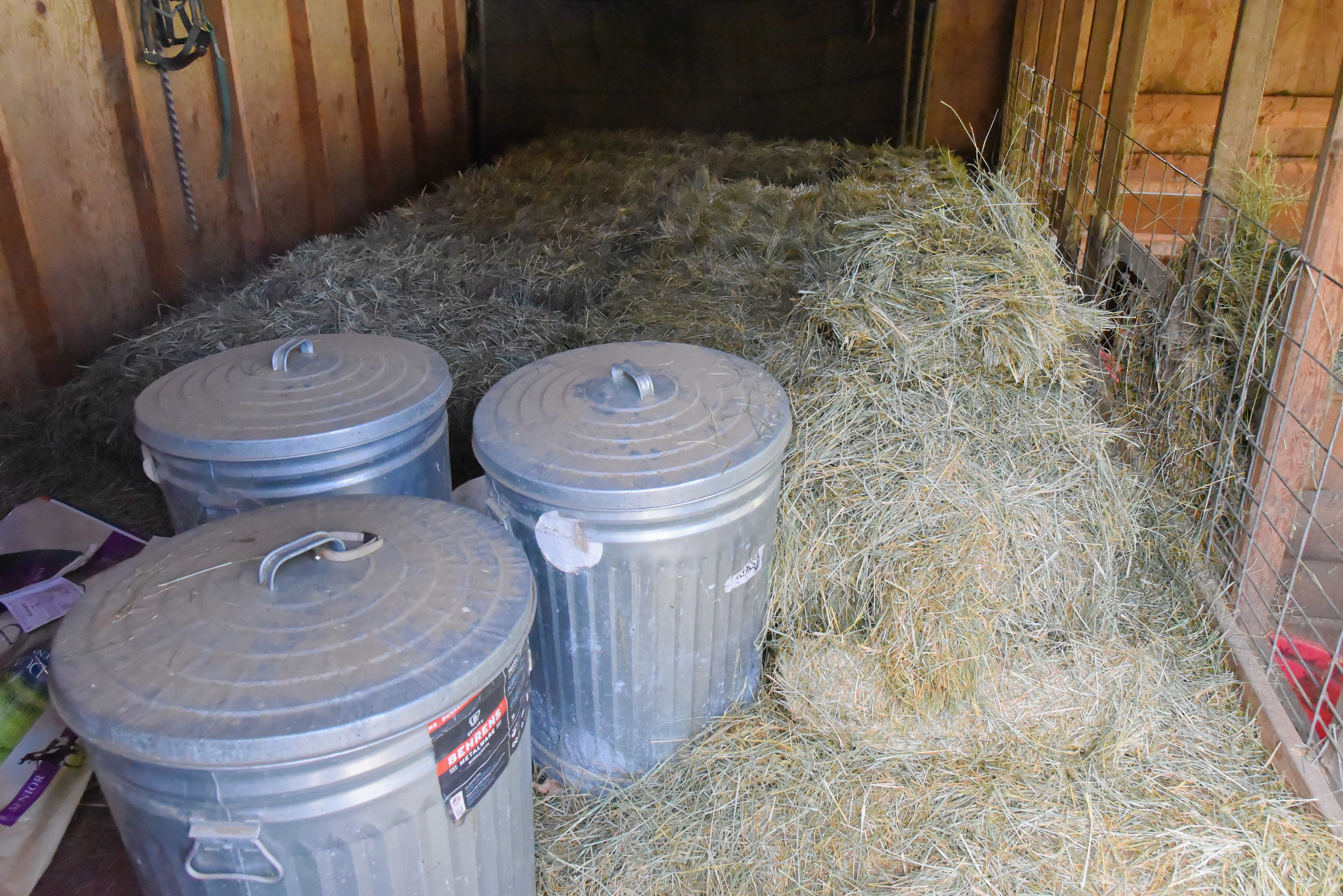
Meanwhile, we have been stocking up, especially for the horses. Because both the equine senior feed and the hay come in too heavy. The equine feed comes in 50lb bags and the hay bales must be about the same, and tough to move around.











 Learning from Dogs