I am a great supporter of the wonderful photography forum Ugly Hedgehog. I was grumbling the other day that despite me having had my Nikon D750 for some months now I was still struggling to know how to use it properly. One of the wise birds, JD750, on the Forum said (in part):
“Sit down and read the manual, from page 1 to the end, with the camera in your lap.”
That’s what I have been doing and, oh my goodness, has it helped. Here are just a few photographs taken in the last week as a result of me reading the manual.
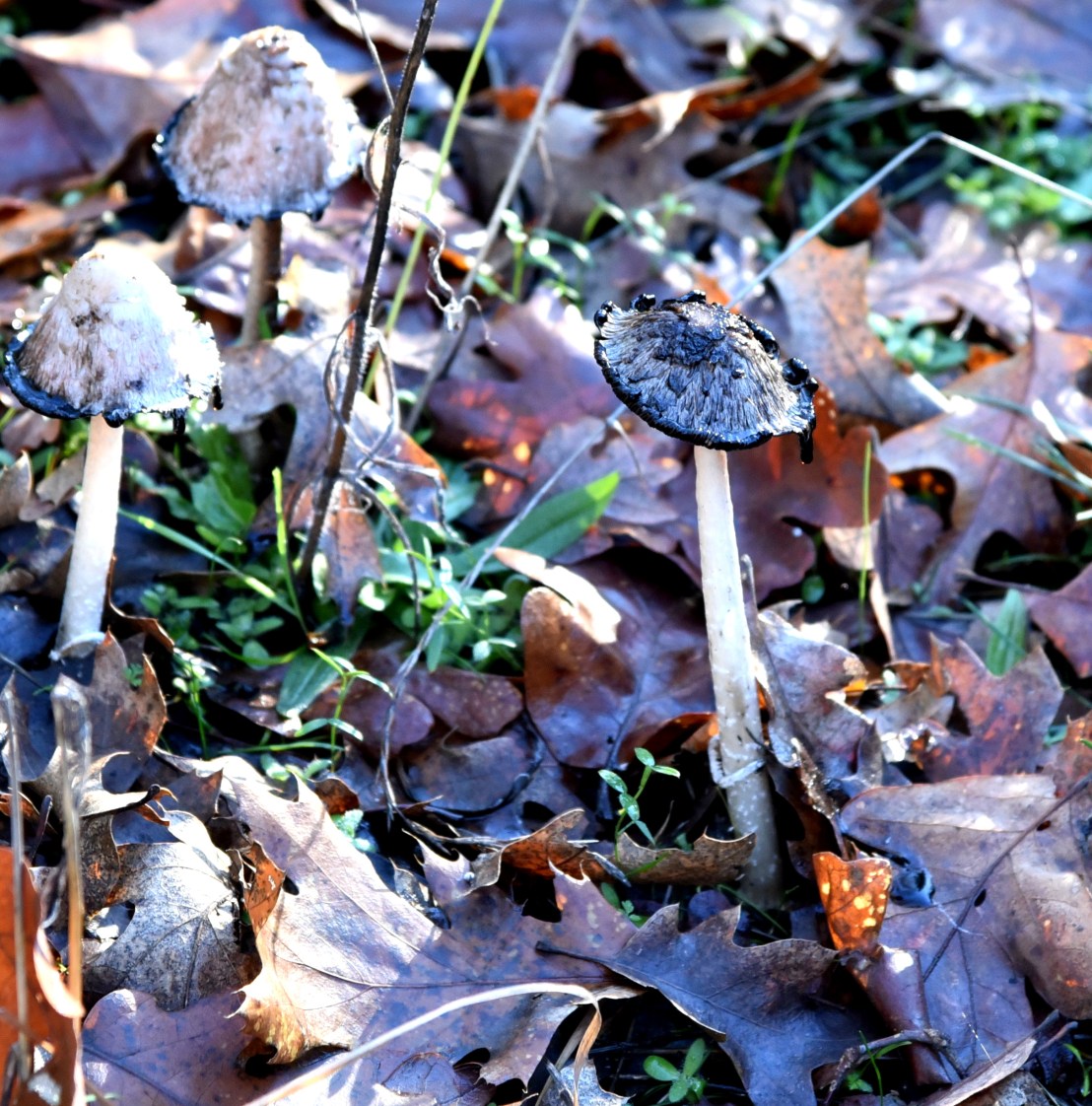
Firstly, some from outside around the house all with a bit of an autumnal feel to them.
oooo
oooo
oooo
oooo
Then a pic of Ben out in the paddock early on a rather brisk last Friday morning.
oooo
Experimenting with aperture-priority shot when sitting more-or-less in front of the wood stove one afternoon last week.
oooo
Plus some photographs from August of this year. Still using the Nikon but relying much more of the ‘automatic’ settings. Still neat photos in my opinion.
oooo
oooo
oooo
What’s that saying about when all else fails read the manual!
I am speaking of the dogs that saved a Canadian woman from certain death.
This story has been widely reported.
I first saw it as a prominent news item on the BBC News website:
ooOOoo
Three dogs help injured woman survive Canadian wilderness
24 November 2017
The search for Annette Poitras and her dogs lasted three days. COURTESY COQUITLAM RCMP
A Canadian dog walker could not have survived over two days in the wilderness without the help of her border collie, a boxer and a puggle.
Annette Poitras, 56, was walking the three dogs on Monday in the British Columbia backcountry when she fell, injured herself and lost her phone.
She was rescued on Wednesday afternoon after a long hunt by Coquitlam search and rescue.
Her husband says the three dogs helped Poitras stay alive during the ordeal.
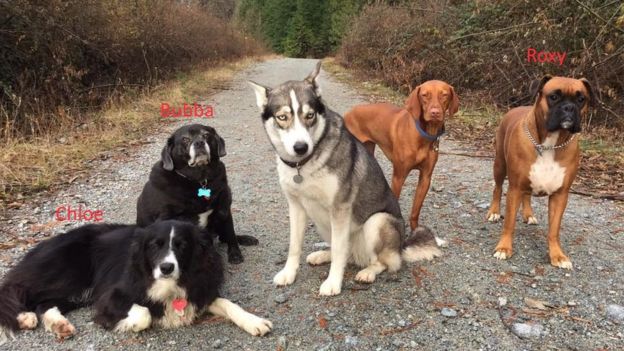
Marcel Poitras told Global News that his wife and the dogs – a collie called Chloe, a boxer named Roxy, and Bubba, a pug-beagle mix – took care of each other over two days and two nights, with no supplies and periods of “torrential” rain.
Her husband, Marcel Poitras told Global News that her three dogs—a collie called Chloe, a boxer named Roxy, and Bubba, a pug-beagle mix—helped her stay alive during the ordeal, during which Poitras had no supplies and endured torrential rain.
He said that she saw one of the dogs dig a hole underground to stay warm, and did the same.
“One of them was cuddling [her] and one of them was on guard and the other one was looking for food,” he said.
She also helped the dogs, covering the short haired boxer with her coat after she noticed it shivering during heavy rainfall on their second night.
He said the dogs did not leave her side.
Poitras was rescued after a two day search by the RCMP, which used helicopters and 100 volunteers to scour the countryside near Eagle Mountain for traces of her.
Some rescuers finally heard faint cries for help and loud barking and tracked down Poitras and the dogs to an area described by the Mounties as “well outside the normal trail system”, according to The Surrey Now Leader.
The rescue team said she was “alive and in good condition” in an area off trail, in dense bush and swamp.
CBC reported Friday that two of the dogs visited her hospital bedside Friday.
Poitras is expected to be released from hospital later in the week. Marcel said that after his wife is released from hospital they are hoping things will get back to normal.
ooOOoo
Back to the BBC item or more specifically two more photographs included by the BBC in their report of the incident.
Chloe, Bubba and Roxy stayed with Annette Poitras for the two days. Courtesy COQUITLAM SAR HANDOUT
oooo
Chloe, Roxy and Bubba being rescued from the bush. COURTESY NORTH SHORE RESCUE
In the words of Mr. Poitras, the husband of the rescued woman, “He says they are looking forward to “quiet, peace, walking dogs, visiting family” now the ordeal is over.”
Dear wonderful Chloe, Roxy and Bubba – life-savers all three of them!
And that last photograph seems so perfect a lead-in to my final two for today. Both taken at The Schoolhaus Brewhaus restaurant in Jacksonville, Oregon where we had our anniversary dinner on the 20th.
oooo
A beautiful lady looking down on very beautiful wife!
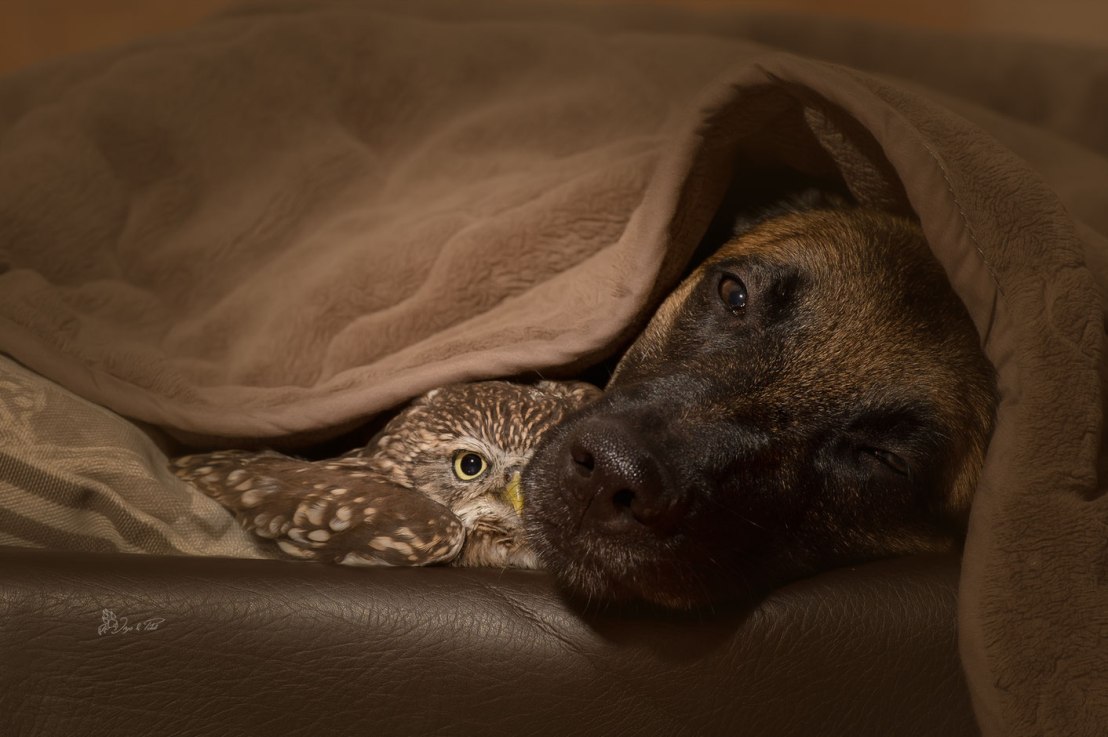
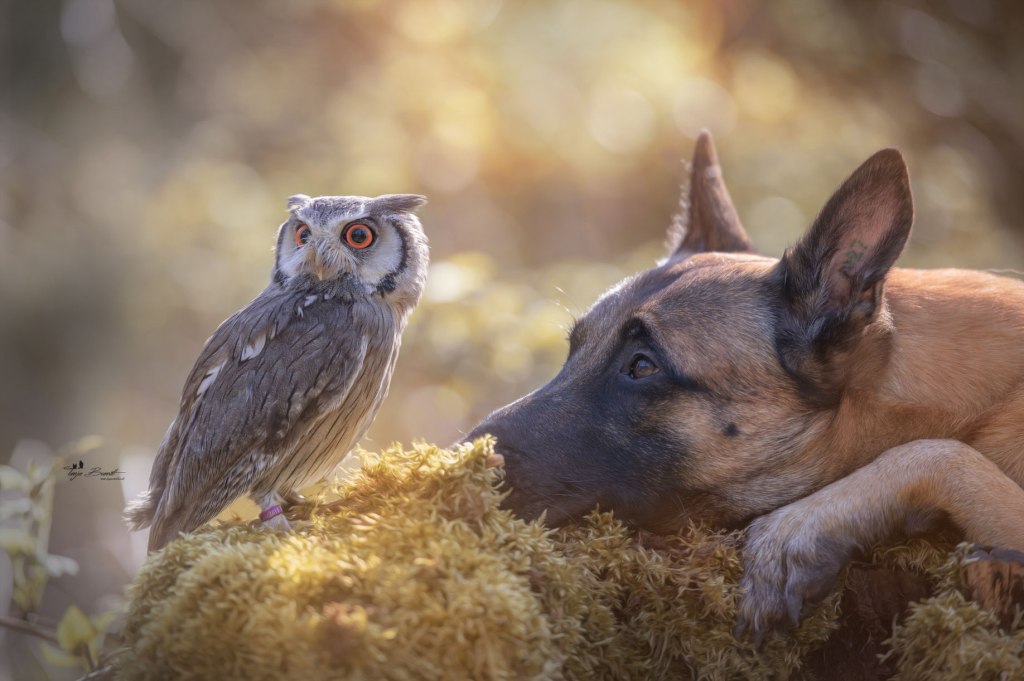
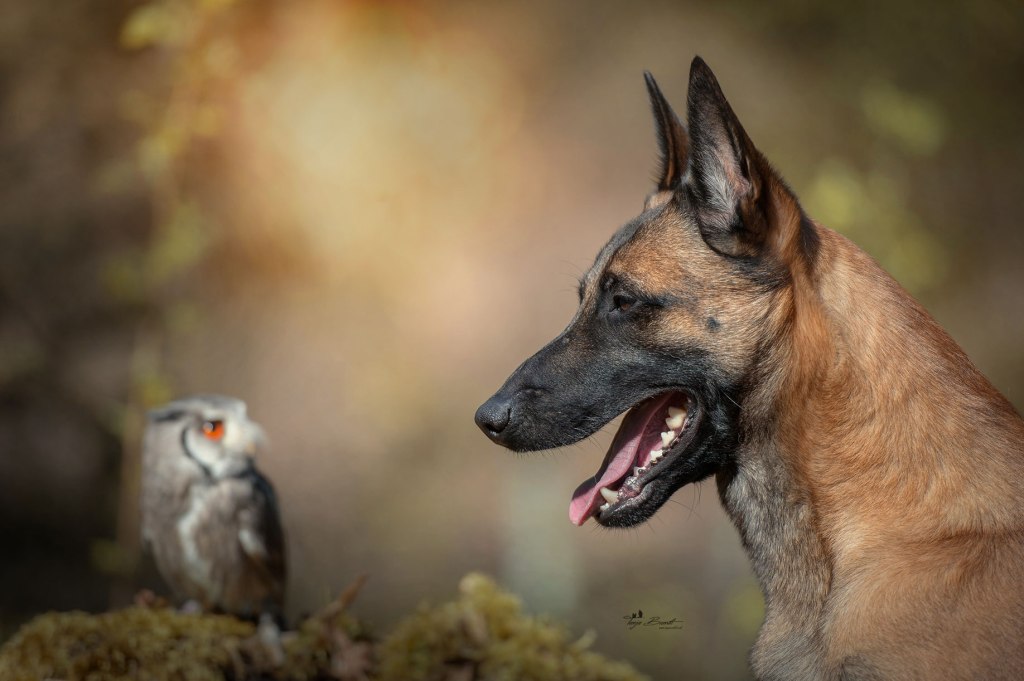
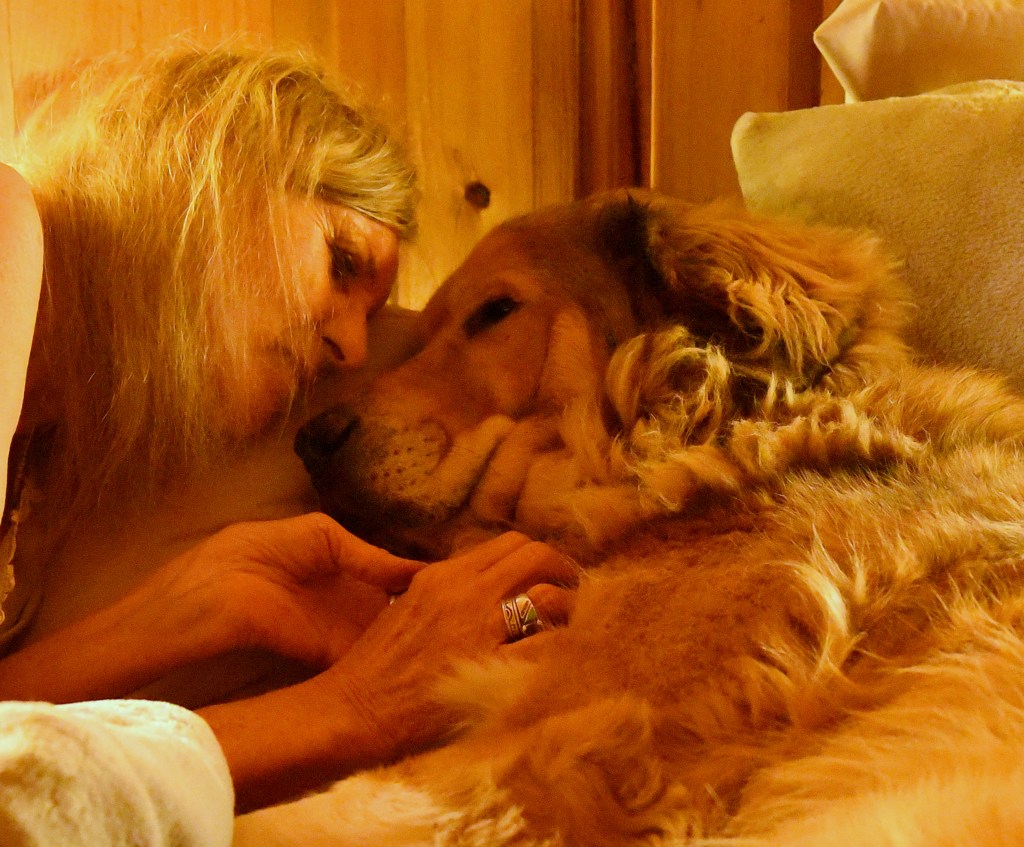
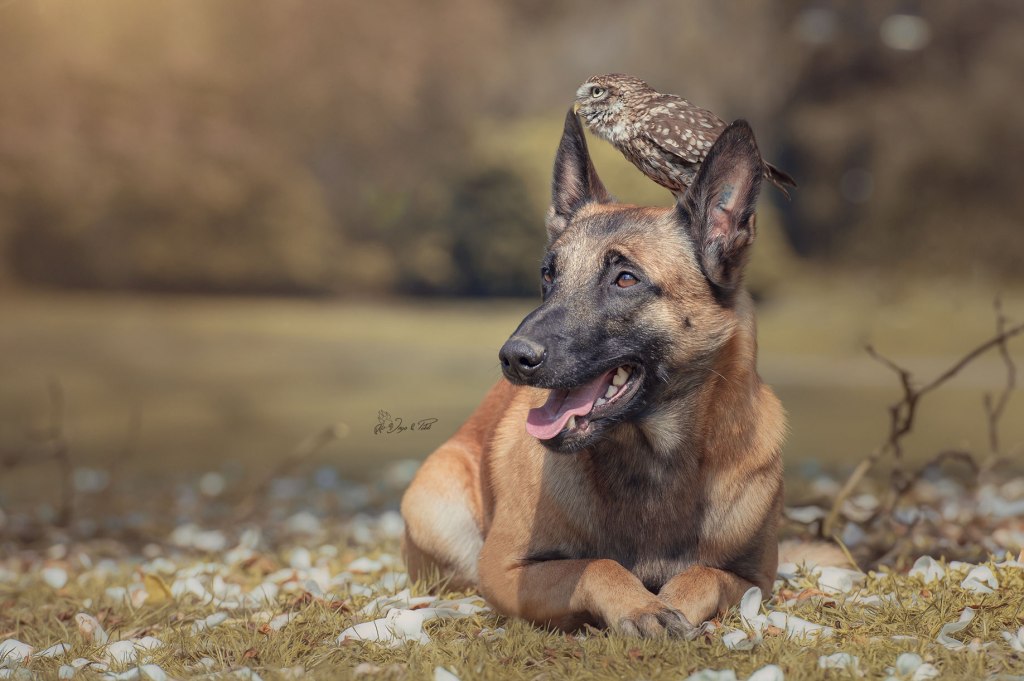
More from Tanja in a week’s time. (I presume you spotted the interloper!! Brandy having a love-in with Jean one evening a week ago just before the bedside lights were turned out.)
Within today’s world, we are seeing many truths now being exposed, as those whom we are supposed to look up to, are now finding their own Lies, echoing back to find them out.
We all of us at times join in the gossip train, that travels out, gaining momentum and speed, stopping at various destinations, it gathers on board more passengers, who add their own little flourish to the journey.
I caught myself on this journey only the other week, which led me to stop my inner chatter, for our thoughts, like our words, are also powerful, and travel out, to create their vibration.. Which is why I wrote
Are you listening to your Inner Chatter?
What you are focused upon really matters
The power of your thoughts is what we create
Take a moment, to Pause, and Meditate.
I hope you pause, and take a moment to see what thoughts are being sent out.. For believe me.. They Echo right back to the source of their creation, it may not be straight away.. As the train timetables vary.. So Listen to the Echoes of your Heart.. I hope we have all made a start… Hold your vision for the World..
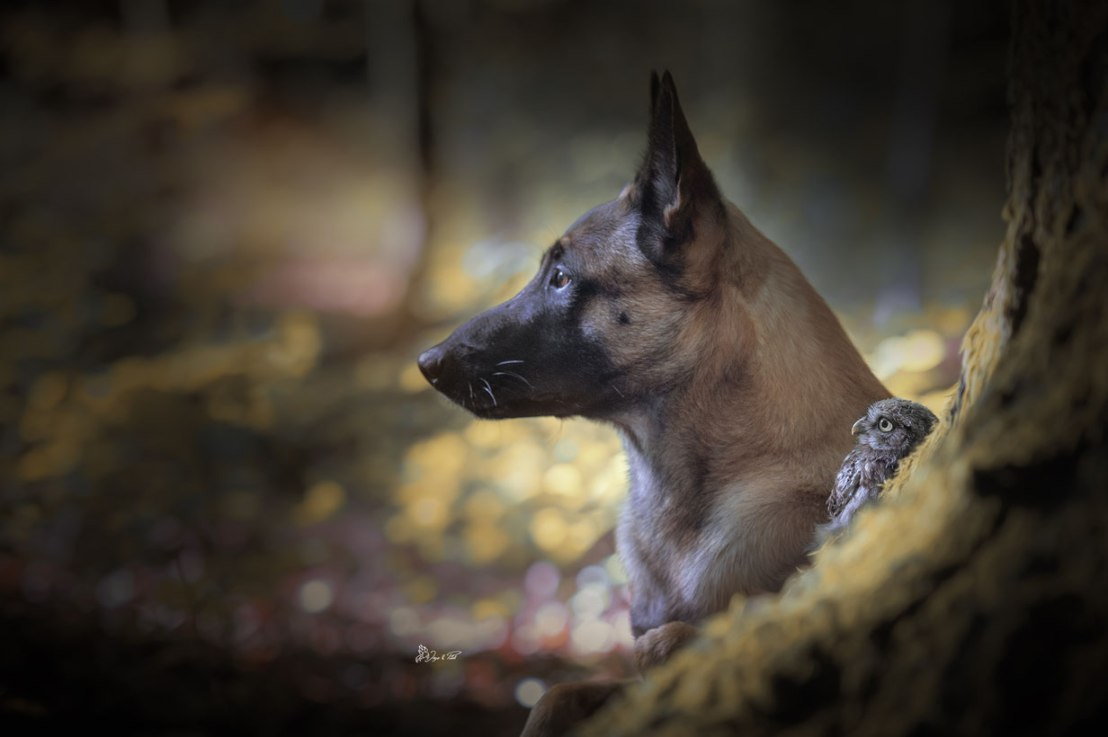
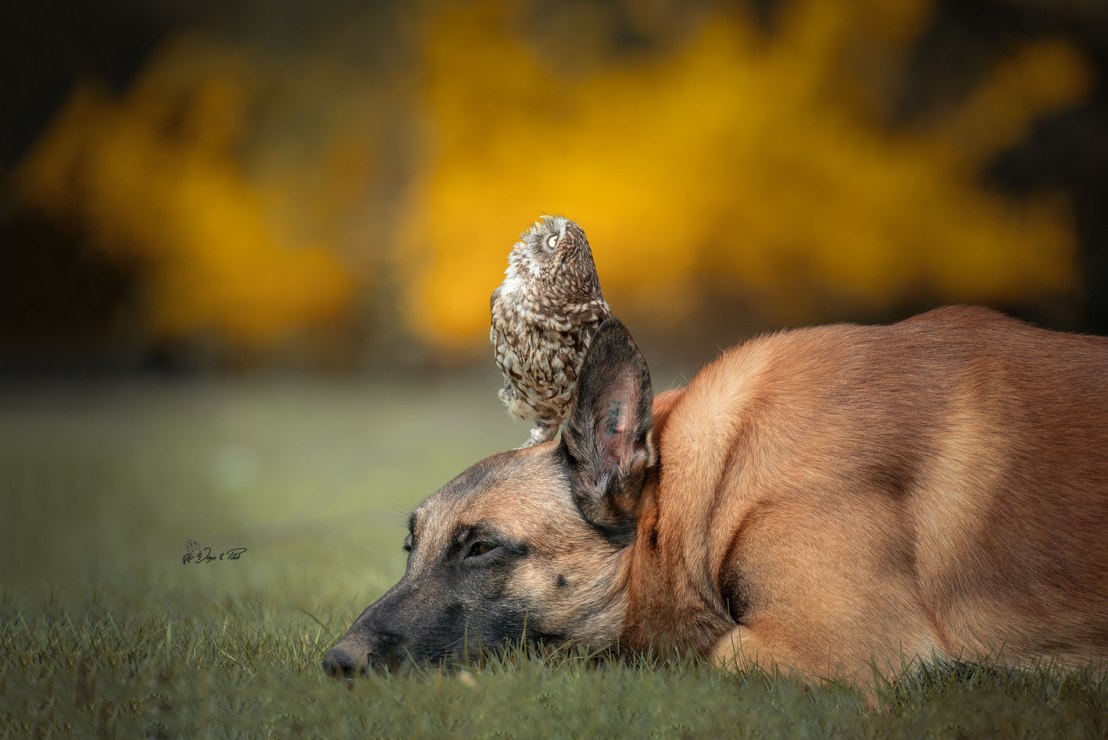
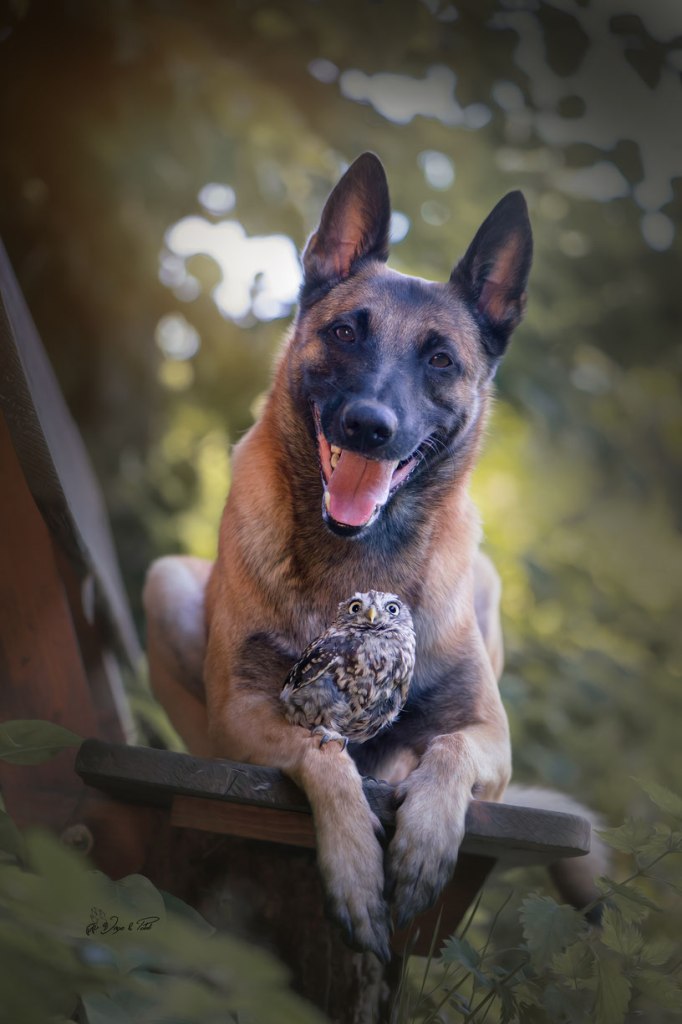
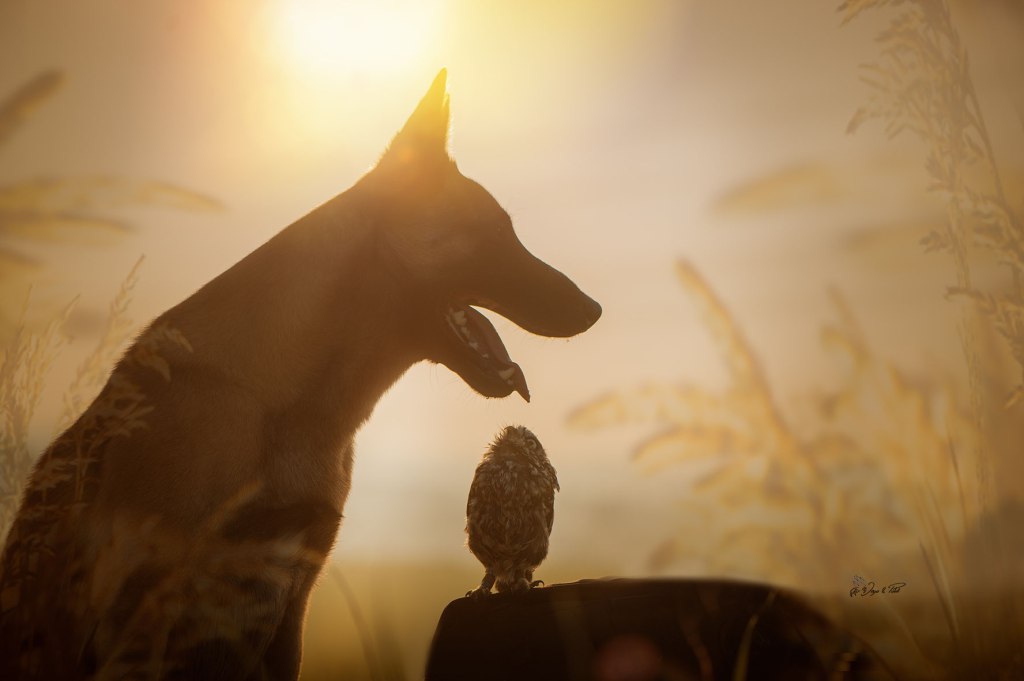
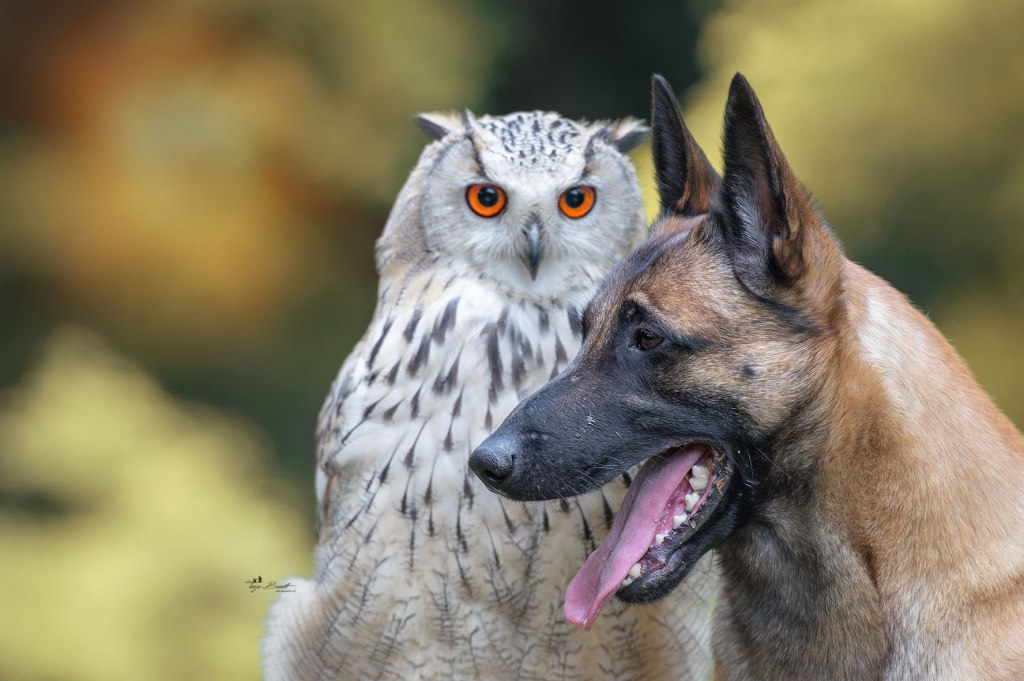
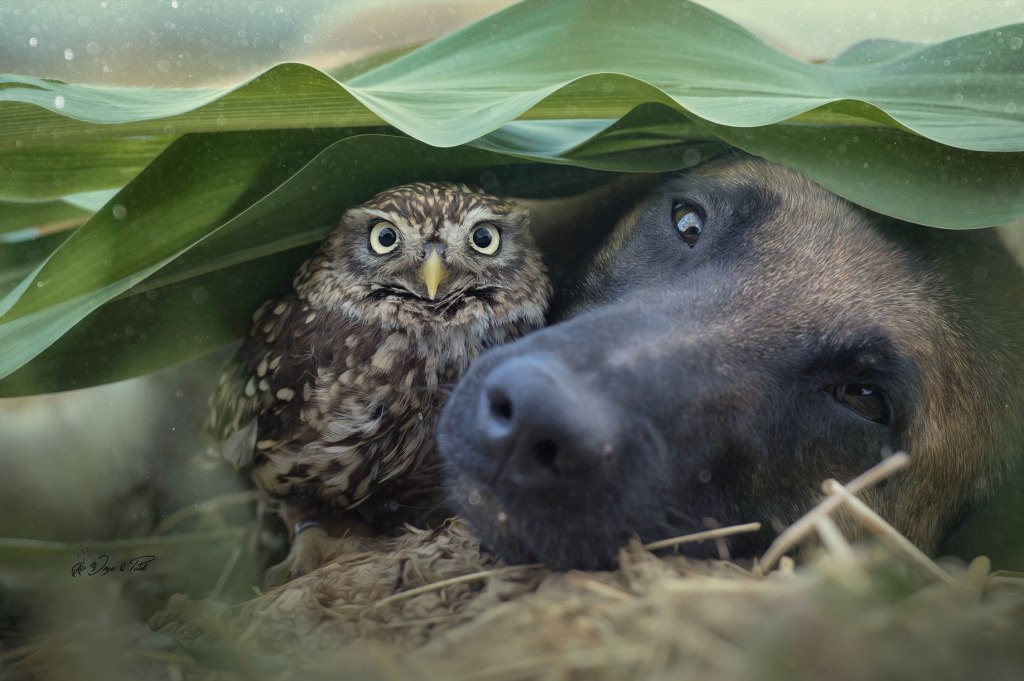
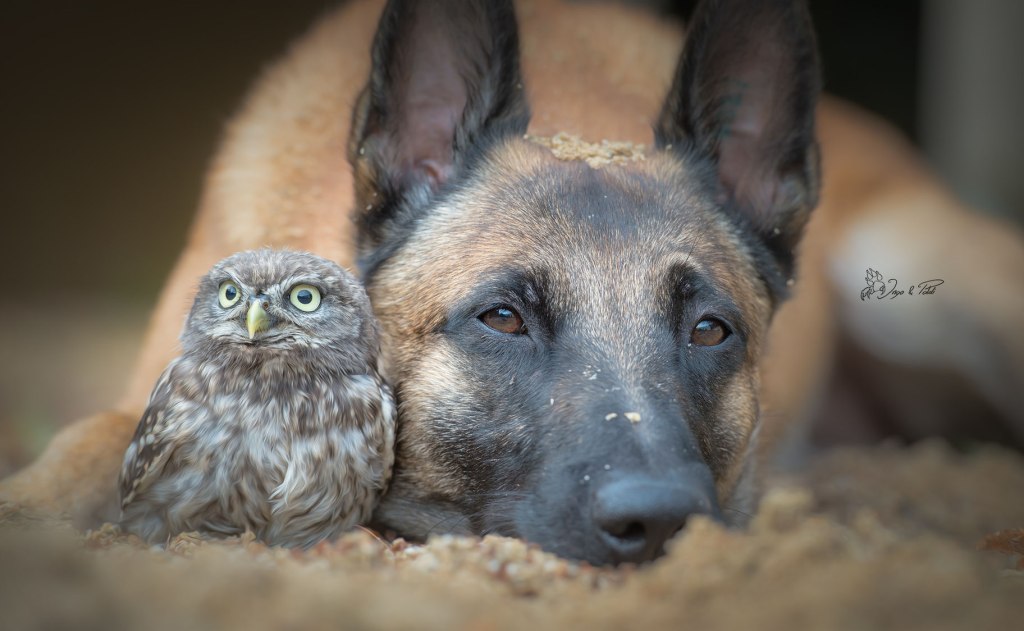
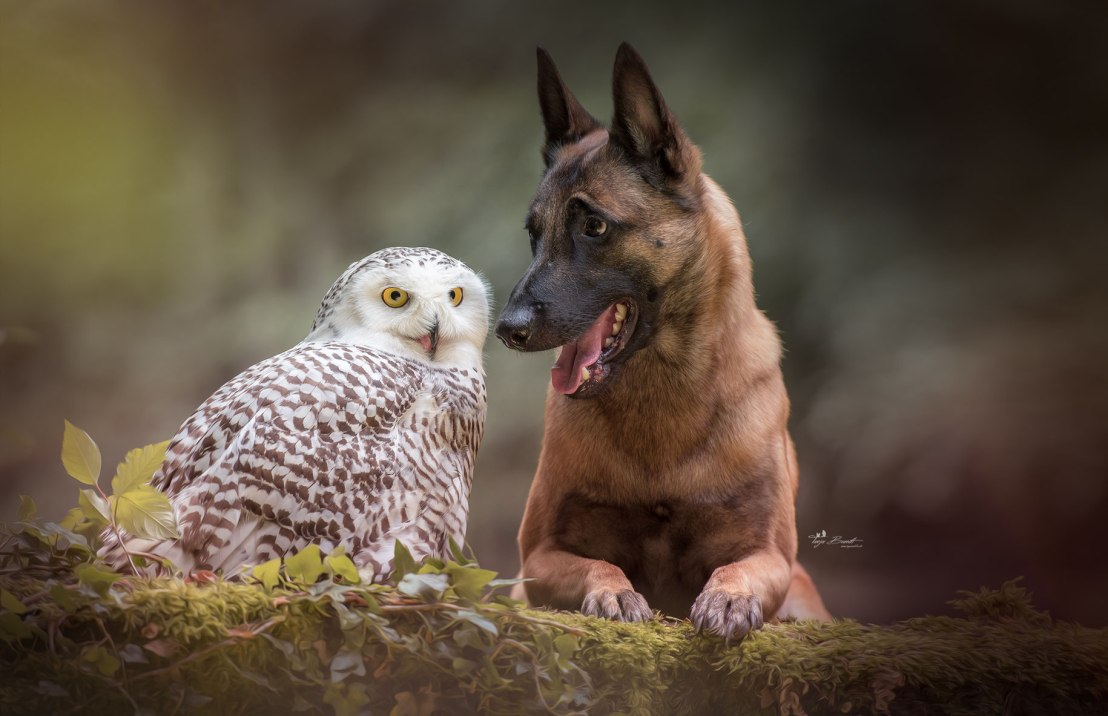
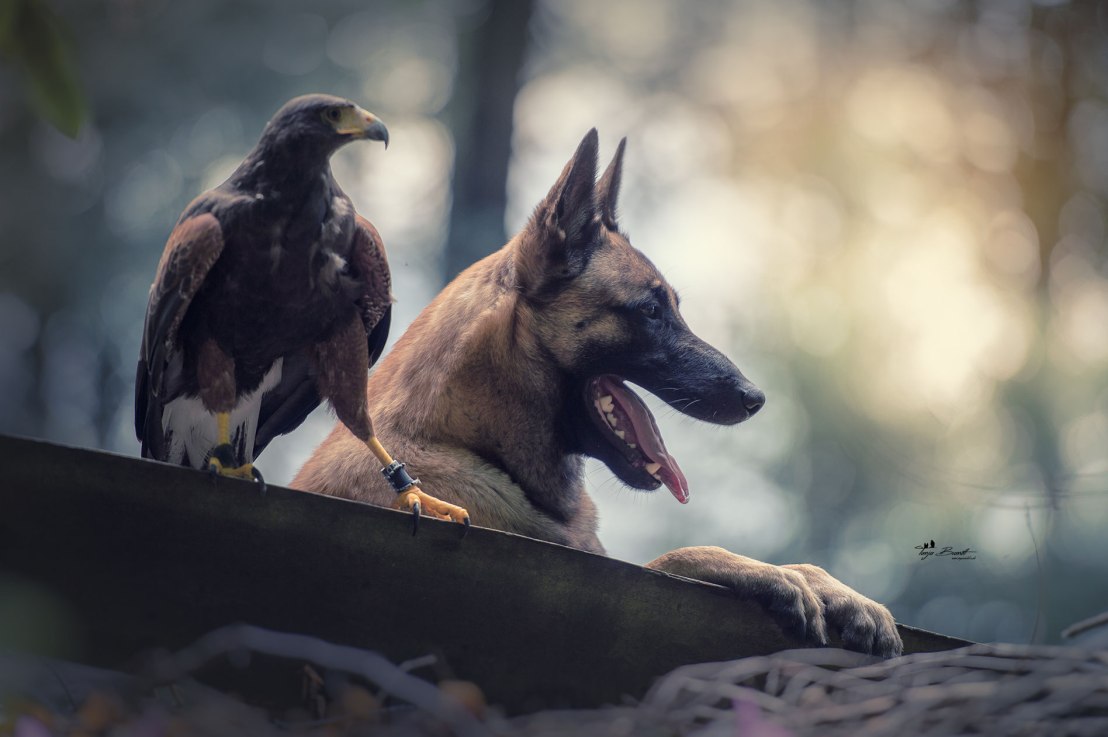
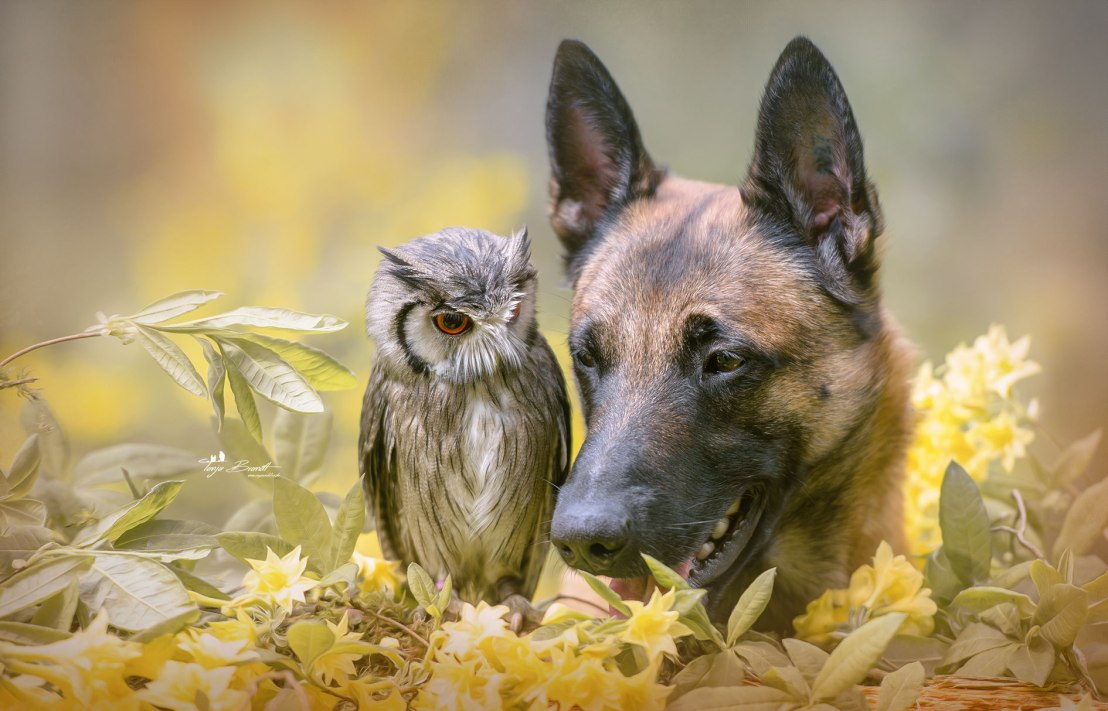
I was going to offer more of Tanja Brandt’s photos for you today but during the week Belinda, who lives here on Hugo Road, sent me some pictures that I couldn’t wait to share with you.
oooo
oooo
oooo
oooo
oooo
oooo
oooo
Aren’t we so very lucky to have these wonderful creatures in our lives!
My posts of the last few days have been in the ‘cuddly, cosy’ vein of life and, as many would say, a long way from the reality of this 21st century.
The reality is tough and scary and many, including me, favour running away from scary places. I’m sure that the urge to flee and hide is a survival behaviour from long time ago. BUT!! But the only hope for us humans is to face the facts full on.
Take, for example, the Ganges River. We have all heard of this famous river (my emphasis below):
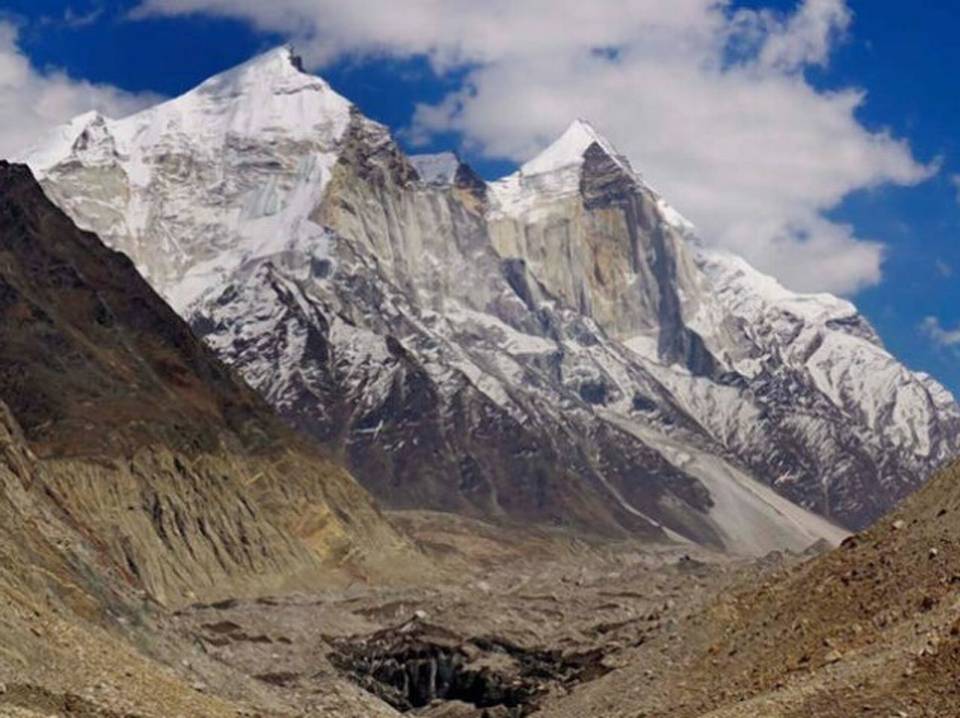
The source of the Ganges is the Gangotri glacier. Here it is:
Gaumukh, snout of the Gangotri glacier,surrounded by the Bhagirathi peaks of Garhwal Himalayas, at an altitude of over 4,000 metres. Photo: Vidya Venkat.
Scientists say dwindling snowfall affects volume of water fed to the Bhagirathi, the main source of the Ganga
After a four-hour-long trek from Bhojwasa, the final camping spot in Gangotri, when a brown, fractured pile of rocks finally came into view it was hard to believe that this was the mouth of the glacier from which the ‘holy’ Ganga emerged.
Gaumukh, the snout of the Gangotri glacier, named after its shape like the mouth of a cow, has retreated by over 3 kilometres since 1817, says glaciologist Milap Chand Sharma of Jawaharlal Nehru University.
It was nearly two centuries ago that the retreat of the glacier was first documented by John Hodgson, a Survey of India geologist.
With 10 Indian States reeling under drought and the country facing a severe water crisis after two weak monsoons, the story of retreating freshwater sources such as the Himalayan glaciers is worrying. And though a three-kilometre retreat over a period of two centuries might seem insignificant at first glance, data shows that the rate of retreat has increased sharply since 1971. The rate of retreat is 22 metres per year.
Twenty-two metres or seventy-two feet a year!
Wringing our hands is no good. All of us who care for our Living Planet have to shout out just what is going on. As George Monbiot continues to do. Take his latest essay, for example, that is republished here in full with GM’s very kind permission.
ooOOoo
Insectageddon
The scale and speed of environmental collapse is beyond imagination.
By George Monbiot, published in the Guardian 20th October 2017
Which of these would you name as the world’s most pressing environmental issue? Climate breakdown, air pollution, water loss, plastic waste or urban expansion? My answer is none of the above. Almost incredibly, I believe that climate breakdown takes third place, behind two issues that receive only a fraction of the attention.
This is not to downgrade the danger presented by global heating – on the contrary, it presents an existential threat. It is simply that I have come to realise that two other issues have such huge and immediate impacts that they push even this great predicament into third place.
One is industrial fishing, which, all over the blue planet, is now causing systemic ecological collapse. The other is the erasure of non-human life from the land by farming.
And perhaps not only non-human life. According to the UN Food and Agriculture Organisation, at current rates of soil loss, driven largely by poor farming practice, we have just 60 years of harvests left. And this is before the Global Land Outlook report, published in September, found that productivity is already declining on 20% of the world’s cropland.
The impact on wildlife of changes in farming practice (and the expansion of the farmed area) is so rapid and severe that it is hard to get your head round the scale of what is happening. A study published this week in the journal Plos One reveals that flying insects surveyed on nature reserves in Germany have declined by 76% in 27 years. The most likely cause of this Insectageddon is that the land surrounding those reserves has become hostile to them: the volume of pesticides and the destruction of habitat have turned farmland into a wildlife desert.
It is remarkable that we need to rely on a study in Germany to see what is likely to have been happening worldwide: long-term surveys of this kind simply do not exist elsewhere. This failure reflects distorted priorities in the funding of science. There is no end of grants for research on how to kill insects, but hardly any money for discovering what the impacts of this killing might be. Instead, the work has been left – as in the German case – to recordings by amateur naturalists.
But anyone of my generation (ie in the second bloom of youth) can see and feel the change. We remember the “moth snowstorm” that filled the headlight beams of our parents’ cars on summer nights (memorialised in Michael McCarthy’s lovely book of that name). Every year I collected dozens of species of caterpillars and watched them grow and pupate and hatch. This year I tried to find some caterpillars for my children to raise. I spent the whole summer looking and, aside from the cabbage whites on our broccoli plants, found nothing in the wild but one garden tiger larva. Yes, one caterpillar in one year. I could scarcely believe what I was seeing – or rather, not seeing.
Insects, of course, are critical to the survival of the rest of the living world. Knowing what we now know, there is nothing surprising about the calamitous decline of insect-eating birds. Those flying insects – not just bees and hoverflies but species of many different families – are the pollinators without which a vast tract of the plant kingdom, both wild and cultivated, cannot survive. The wonders of the living planet are vanishing before our eyes.
Well, I hear you say, we have to feed the world. Yes, but not this way. As a UN report published in March explained, the notion that pesticide use is essential for feeding a growing population is a myth. A recent study in Nature Plants reveals that most farms would increase production if they cut their use of pesticides. A study in the journal Arthropod-Plant Interactions shows that the more neonicotinoid pesticides were used to treat rapeseed crops, the more their yield declines. Why? Because the pesticides harm or kill the pollinators on which the crop depends.
Farmers and governments have been comprehensively conned by the global pesticide industry. It has ensured its products should not be properly regulated or even, in real-world conditions, properly assessed. A massive media onslaught by this industry has bamboozled us all about its utility and its impacts on the health of both human beings and the natural world.
The profits of these companies depend on ecocide. Do we allow them to hold the world to ransom, or do we acknowledge that the survival of the living world is more important than returns to their shareholders? At the moment, shareholder value comes first. And it will count for nothing when we have lost the living systems on which our survival depends.
To save ourselves and the rest of the living world, here’s what we need to do:
We need a global treaty to regulate pesticides, and put the manufacturers back in their box.
We need environmental impact assessments for the farming and fishing industries. It is amazing that, while these sectors present the greatest threats to the living world, they are, uniquely in many nations, not subject to such oversight.
We need firm rules based on the outcomes of these assessments, obliging those who use the land to protect and restore the ecosystems on which we all depend.
We need to reduce the amount of land used by farming, while sustaining the production of food. The most obvious way is greatly to reduce our use of livestock: many of the crops we grow and all of the grazing land we use are deployed to feed them. One study in Britain suggests that, if we stopped using animal products, everyone in Britain could be fed on just 3m of our 18.5m hectares of current farmland (or on 7m hectares if all our farming were organic). This would allow us to create huge wildlife and soil refuges: an investment against a terrifying future.
We should stop using land that should be growing food for people to grow maize for biogas and fuel for cars.
Then, at least, nature and people would have some respite from the global onslaught. And, I hope, a chance of getting through the century.




















 Learning from Dogs