Yet more beautiful photographs!
Again, taken from here.
oooo
oooo
oooo
oooo
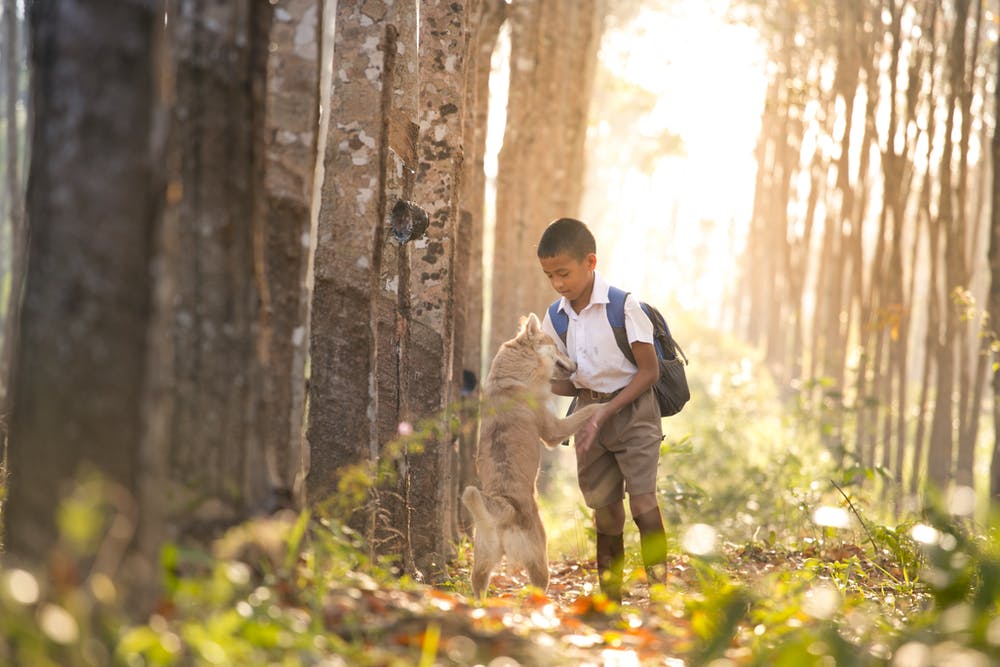
oooo
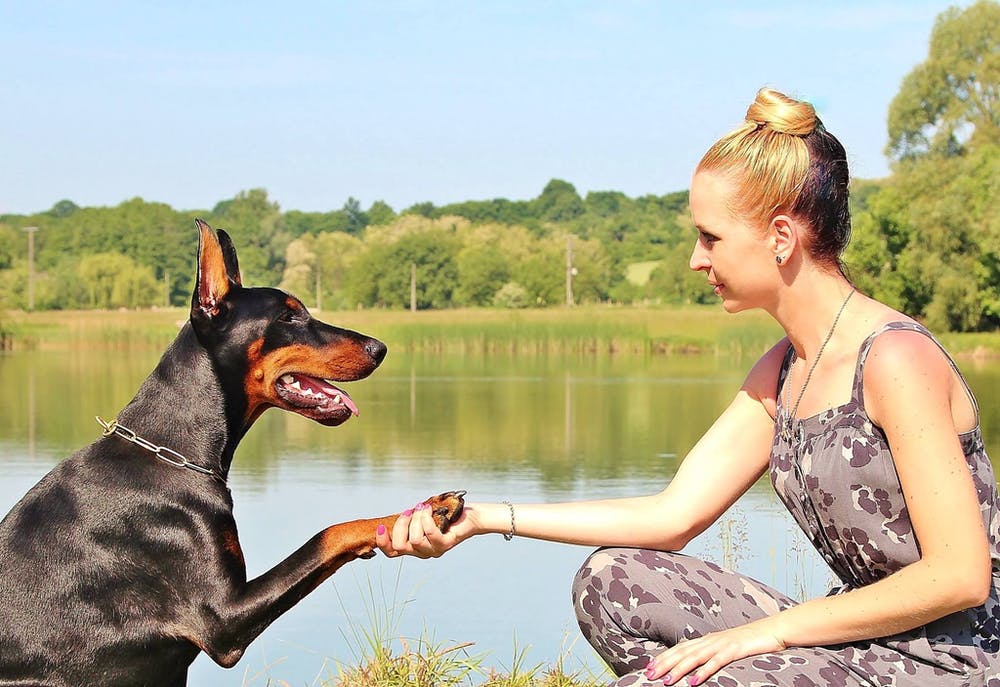
oooo
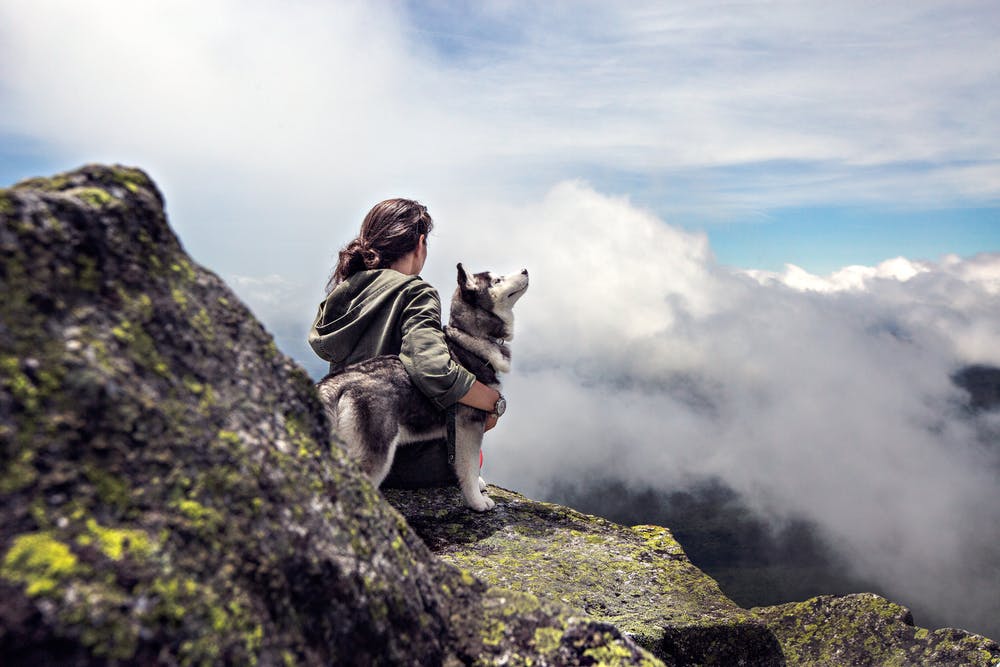
Just fabulous!
I’m not sure what I will present in a week’s time. But seven days away so nothing to worry about for now!
Dogs are animals of integrity. We have much to learn from them.
Category: Photography
Yet more beautiful photographs!
Again, taken from here.
oooo
oooo
oooo
oooo
oooo
oooo
Just fabulous!
I’m not sure what I will present in a week’s time. But seven days away so nothing to worry about for now!
My how the years go by!
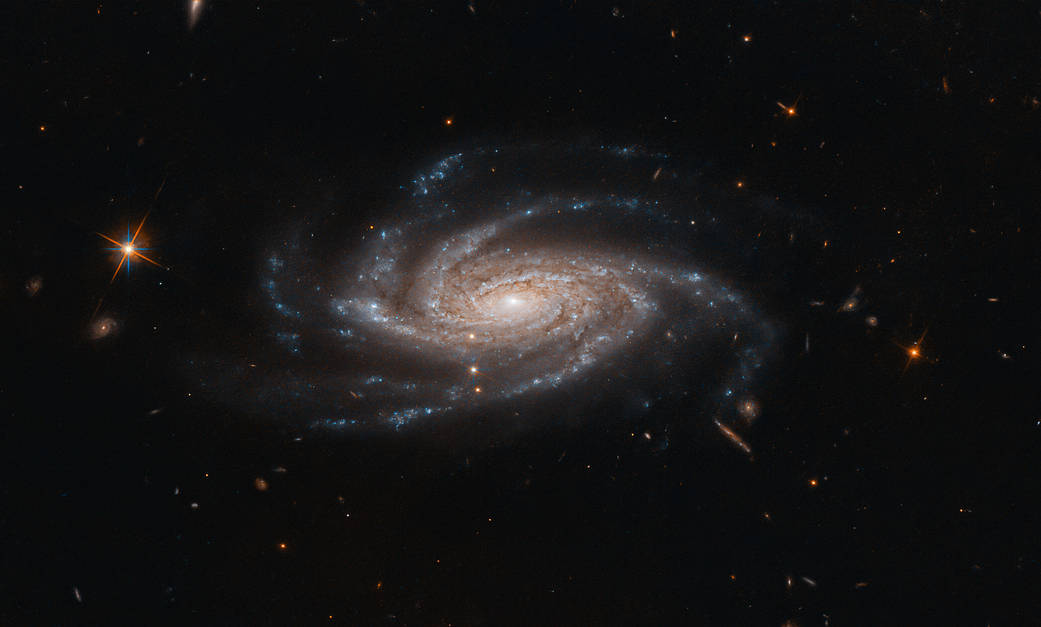
Back in 2010 I wrote about the Hubble, wishing it Happy Birthday!
Now here we are in 2020 and, again, I want to feature this most amazing space telescope ever.
The thirtieth anniversary of the launch of the Hubble Space Telescope was on the 24th April, 2020, just three days ago.
The challenge is that the photographs that go with the article are not permitted to be shared with you. So I have grabbed some others that, apparently, are alright.
ooOOoo
April 24, 2020
By Professor Rodger Thompson, Professor of Astronomy, University of Arizona
The Hubble Space Telescope launched on the 24th of April, 30 years ago. It’s an impressive milestone especially as its expected lifespan was just 10 years.
One of the primary reasons for the Hubble telescope’s longevity is that it can be serviced and improved with new observational instruments through Space Shuttle visits.
When Hubble, or HST, first launched, its instruments could observe ultraviolet light with wavelengths shorter than the eye can see, as well as optical light with wavelengths visible to humans. A maintenance mission in 1997 added an instrument to observe near infrared light, which are longer wavelengths than people can see. Hubble’s new infrared eyes provided two new major capabilities: the ability to see farther into space than before and see deeper into the dusty regions of star formation.
I am an astrophysicist at the University of Arizona who has used near infrared observations to better understand how the universe works, from star formation to cosmology. Some 35 years ago, I was given the chance to build a near infrared camera and spectrometer for Hubble. It was the chance of a lifetime. The camera my team designed and developed has changed the way humans see and understand the universe. The instrument was built at Ball Aerospace in Boulder, Colorado, under our direction.
Seeing further and earlier
Edwin Hubble, HST’s namesake, discovered in the early 1900s that the universe is expanding and that the light from distant galaxies was shifted to longer, redder wavelengths, a phenomenon called the redshift. The greater the distance, the larger the shift. This is because the further away an object is, the longer it takes for the light to reach us here on Earth and the more the universe has expanded in that time.
The Hubble ultraviolet and optical instruments had taken images of the most distant galaxies ever seen, known as the Northern Hubble Deep Field, or NHDF, which were released in 1996. These images, however, had reached their distance limit due to the redshift, which had shifted all of the light of the most distant galaxies out of the visible and into the infrared.
One of the new instruments added to Hubble in the second maintenance mission has the awkward name, the Near Infrared Camera and Multi-Object Spectrometer, NICMOS, pronounced “Nick Moss.” The near infrared cameras on NICMOS observed regions of the NHDF and discovered even more distant galaxies with all of their light in the near infrared.
Astronomers have the privilege of watching things happen in the past which they call the “lookback time.” Our best measurement of the age of the universe is 13.7 billion years. The distance that light travels in one year is called a light year. The most distant galaxies observed by NICMOS were at a distance of almost 13 billion light years. This meant that the light that NICMOS detected had been traveling for 13 billion years and showed what the galaxies looked like 13 billion years ago, a time when the universe was only about 5% of its current age. These were some of the first galaxies ever created and were forming new stars at rates that were more than a thousand times the rate at which most galaxies form stars in the current universe.
Hidden by dust
Although astronomers have studied star formation for decades, many questions remain. Part of the problem is that most stars are formed in clouds of molecules and dust. The dust absorbs the ultraviolet and most of the optical light emitted by forming stars, making it difficult for Hubble’s ultraviolet and optical instruments to study the process.
The longer, or redder, the wavelength of the light, the less is absorbed. That is why sunsets, where the light must pass through long lengths of dusty air, appear red.
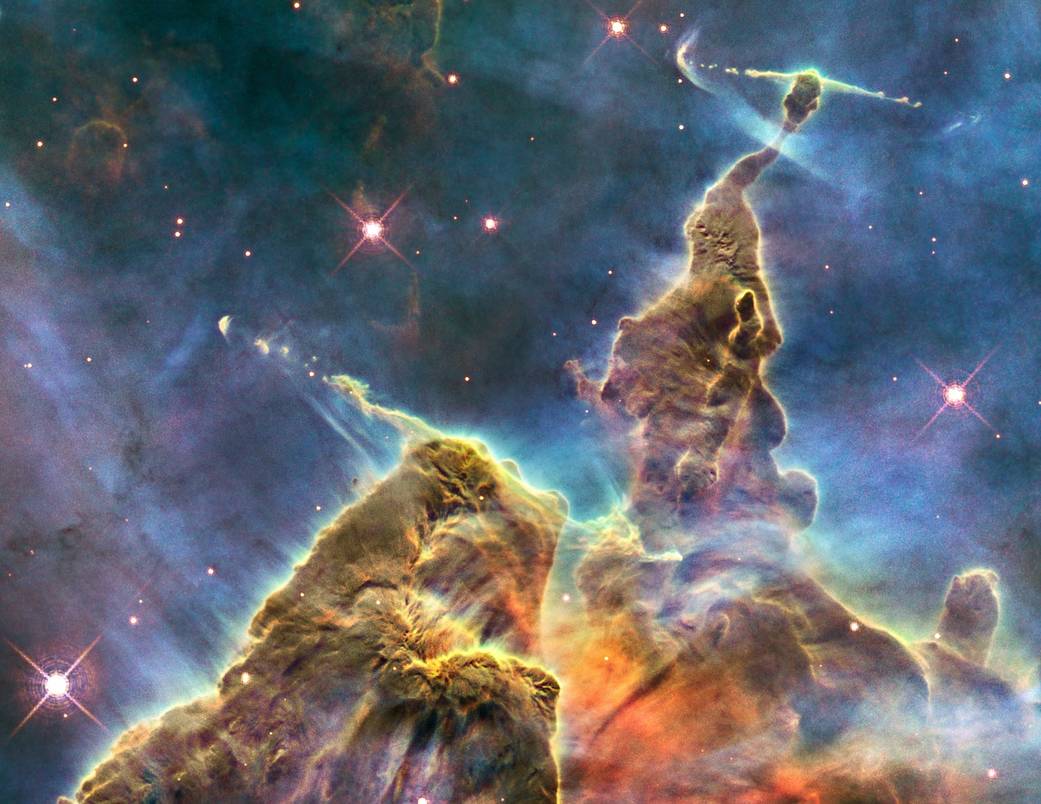
The near infrared, however, has an even easier time passing through dust than the red optical light. NICMOS can look into star formation regions with the superior image quality of Hubble to determine the details of where the star formation occurs. A good example is the iconic Hubble image of the Eagle Nebula, also known as the pillars of creation.
The optical image shows majestic pillars which appear to show star formation over a large volume of space. The NICMOS image, however, shows a different picture. In the NICMOS image, most of the pillars are transparent with no star formation. Stars are only being formed at the tip of the pillars. The optical pillars are just empty dust reflecting the light of a group of nearby stars.
The dawning of the age of infrared
When NICMOS was added into the HST in 1997 NASA had no plans for a future infrared space mission. That rapidly changed as the results from NICMOS became apparent. Based on the data from NICMOS, scientists learned that fully formed galaxies existed in the universe much earlier than expected. The NICMOS images also confirmed that the expansion of the universe is accelerating rather than slowing down as previously thought. The NHDF infrared images were followed by the Hubble Ultra Deep Field images in 2005, which further showed the power of near infrared imaging of distant young galaxies. So NASA decided to invest in the James Webb Space Telescope, or JWST, a telescope much larger than HST and completely dedicated to infrared observations.
On Hubble, a near infrared imager was added to the third version of the Wide Field camera which was installed in May of 2009. This camera used an improved version of the NICMOS detector arrays that had more sensitivity and a wider field of view. The James Webb Space Telescope has much larger versions of the NICMOS detector arrays that have more wavelength coverage than the previous versions.
The James Webb Space Telescope, scheduled to be launched in March 2021, followed by the Wide Field Infrared Survey Telescope, form the bulk of future space missions for NASA. These programs were all spawned by the near infrared observations by HST. They were enabled by the original investment for a near infrared camera and spectrometer to give Hubble its infrared eyes. With the James Webb Space Telescope, astronomers expect to see the very first galaxies that formed in the universe.
oooo
oooo

Rodger I. Thompson was the Principal Investigator for the Near Infrared Camera and Multi-Object Spectrometer, NICMOS. He was responsible for the execution of a contract to Arizona Board of Regents from NASA to deliver NICMOS as a Hubble Space Telescope Instrument and carry out a scientific investigation with it. Prof. Thompson received summer salary from this contract at his University pay rate during the execution of the contract which ended in 2004. Prof. Thompson is not currently receiving any external funding.
ooOOoo
Now for two YouTube videos.
The first is a celebration of the 30th anniversary.
And the second is slightly longer but conveys images taken from the telescope. I have no doubt that you will love them as we did!
Both these videos are beyond words! That we are alive today and can share these videos on this blog is stupendous!
See you tomorrow!
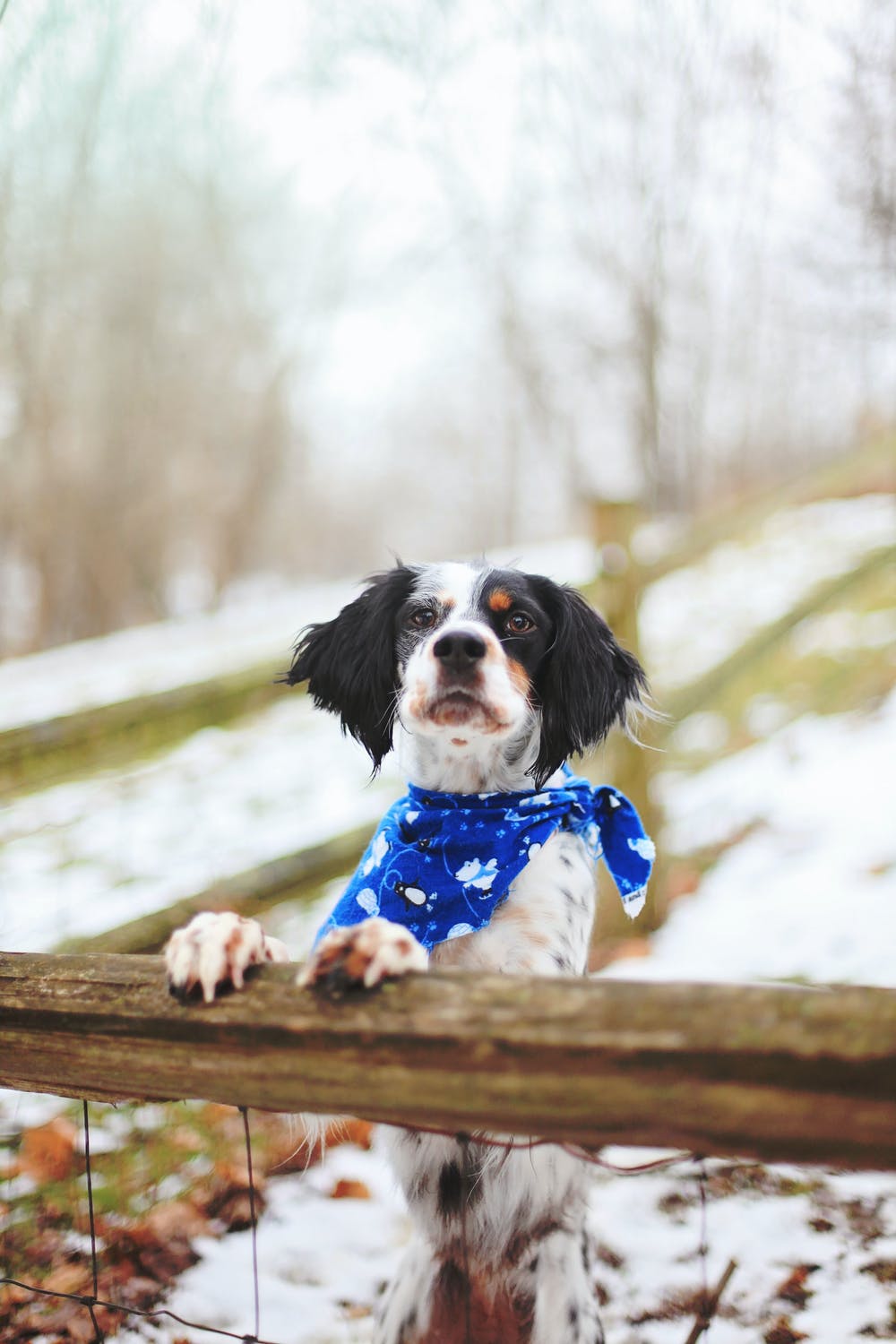
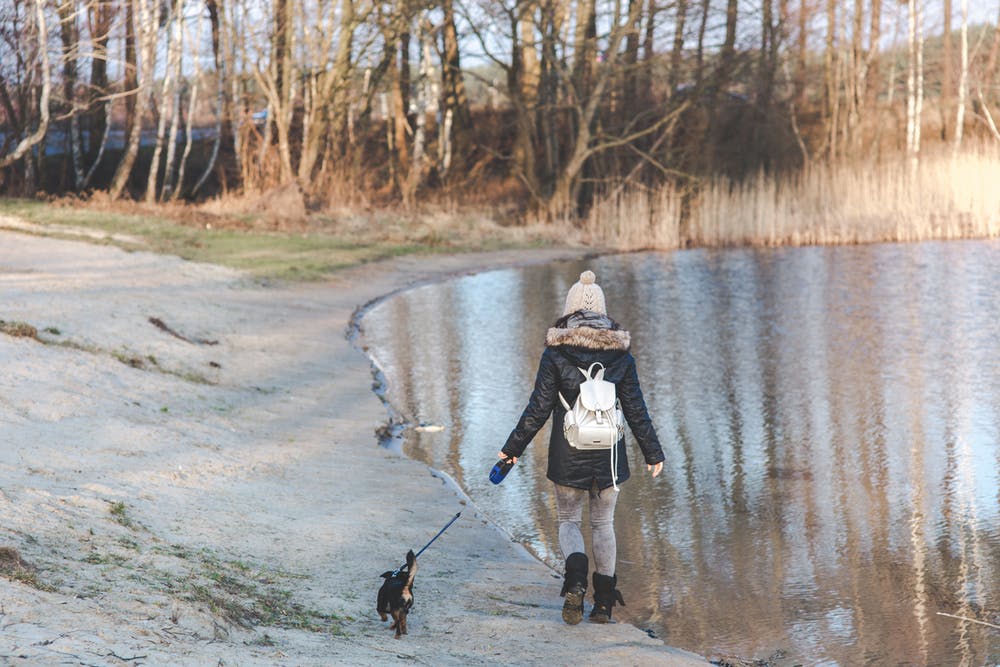
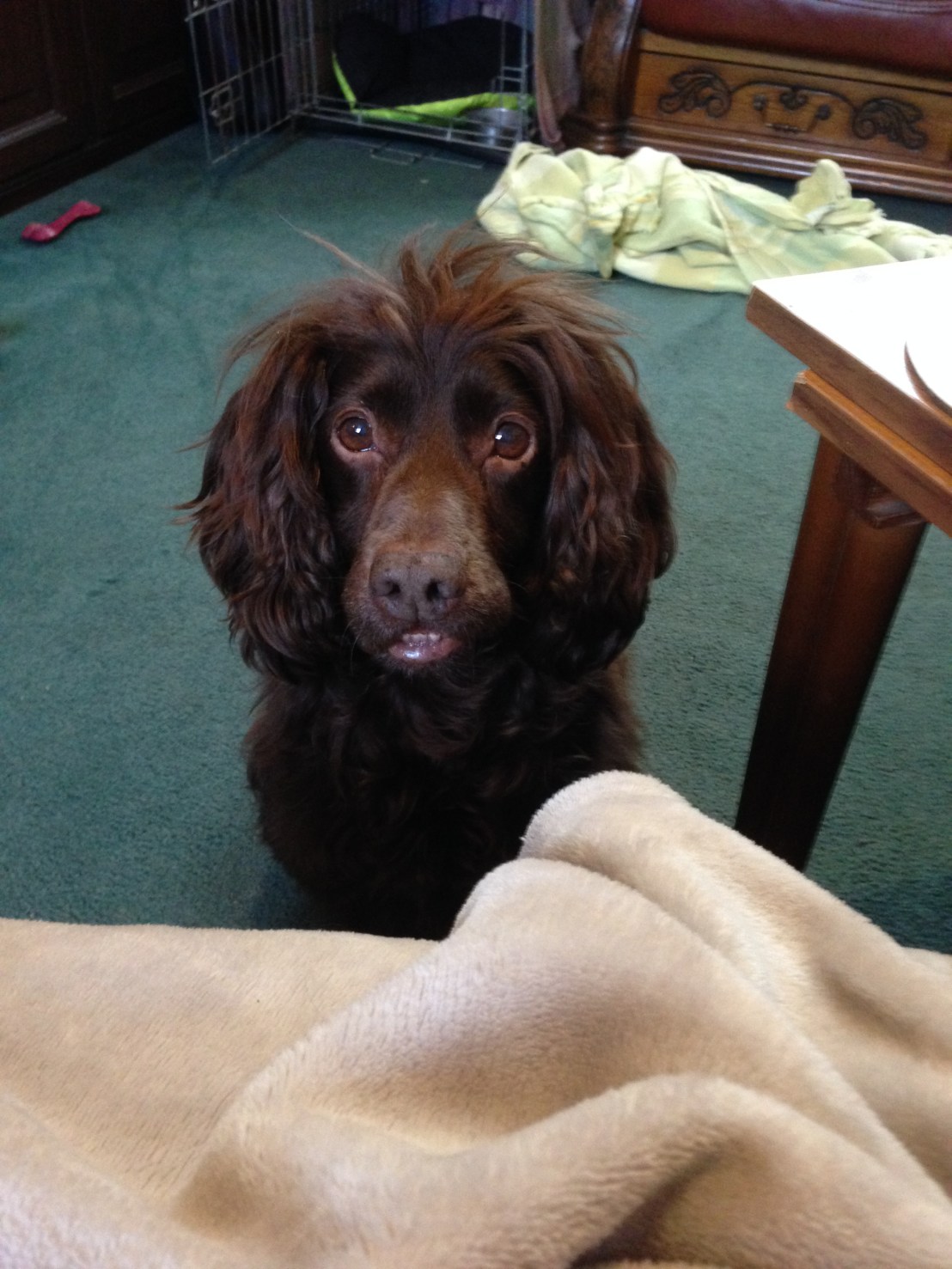
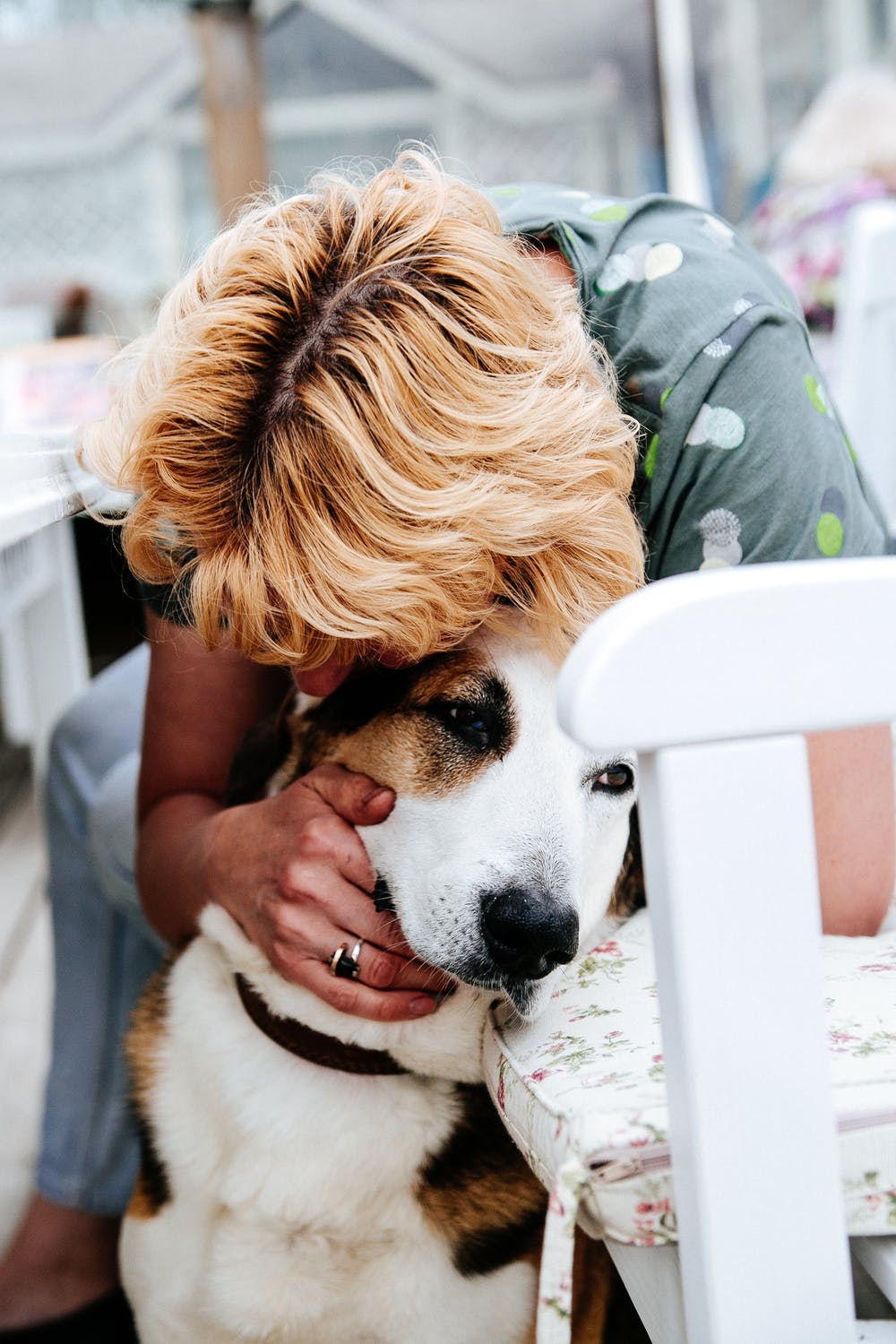
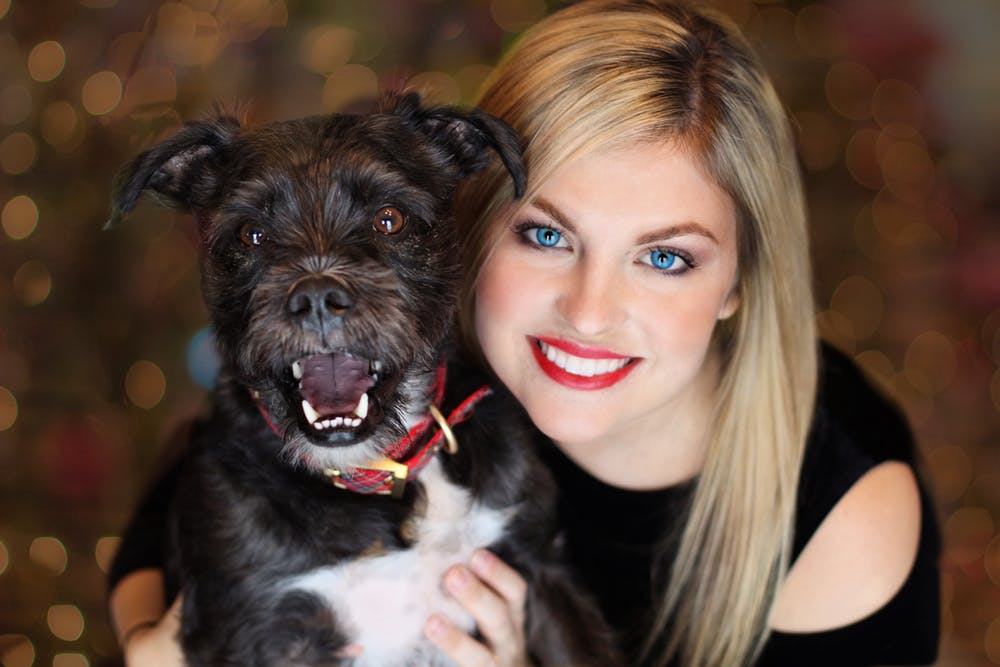
More beautiful photographs.
oooo
oooo
oooo
oooo
oooo
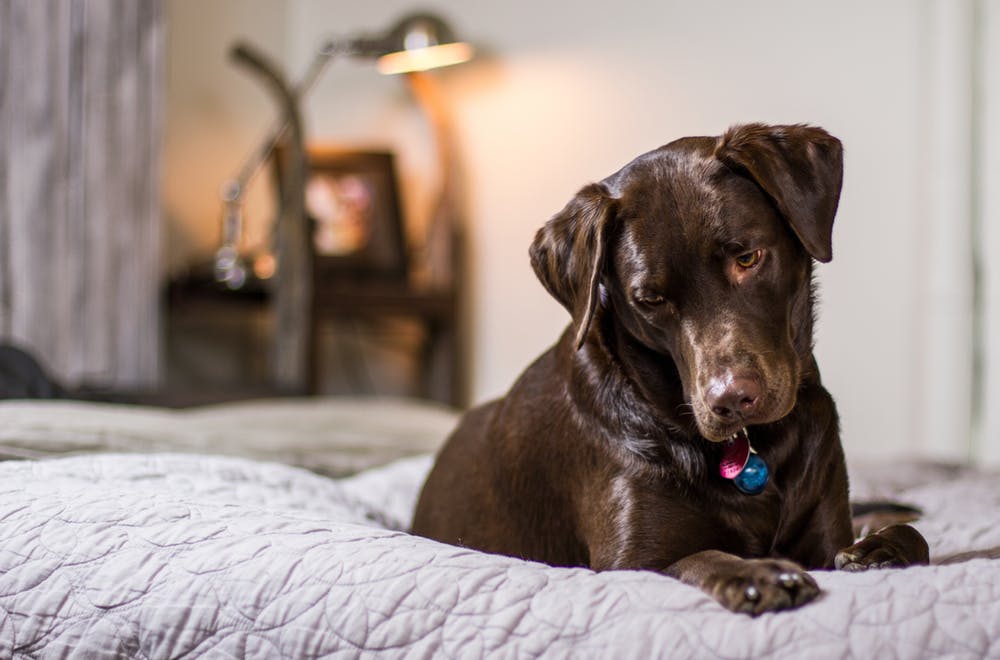
I’m hoping I can find some more for a week’s time. Because they are so lovely!
I simply forgot it was Earth Day yesterday!
I wanted to let the post on Tuesday run for a couple of days because it really made the point about dogs, in particular, being animals who love to love!
But I then forgot, until I woke up on the 22nd, that yesterday was Earth Day.
So what to publish?
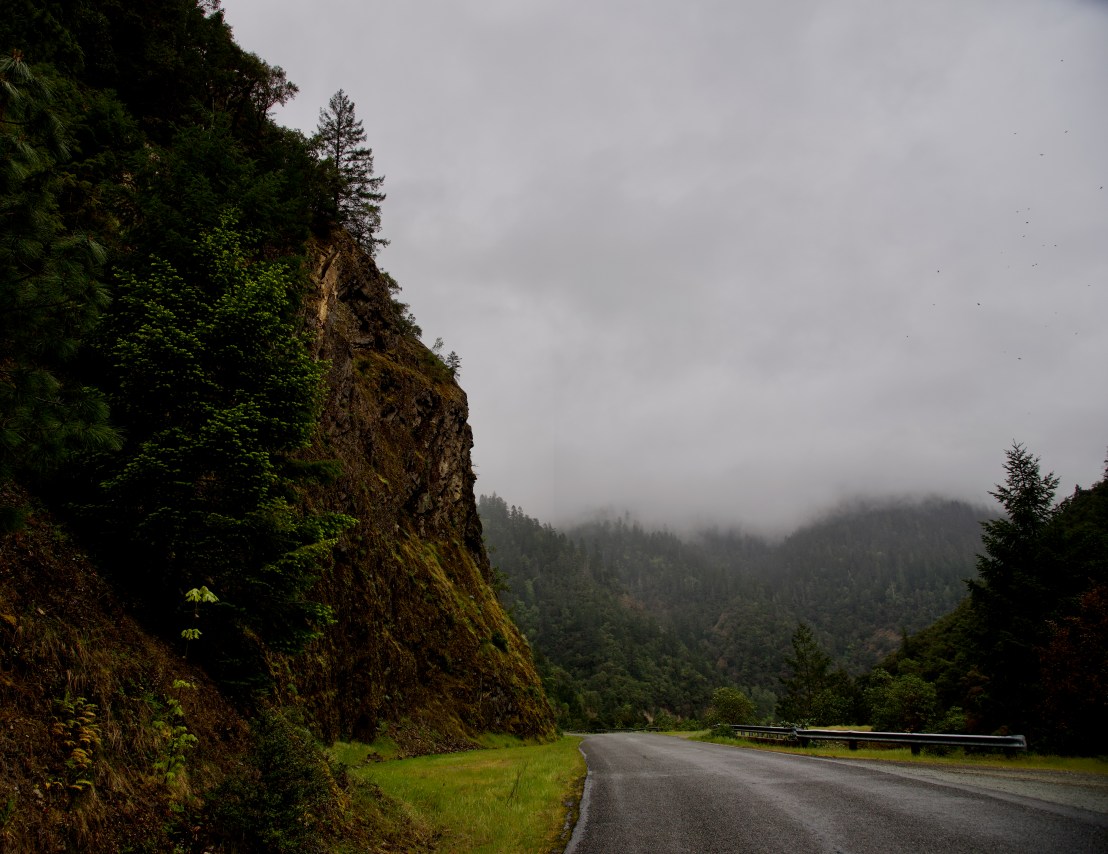
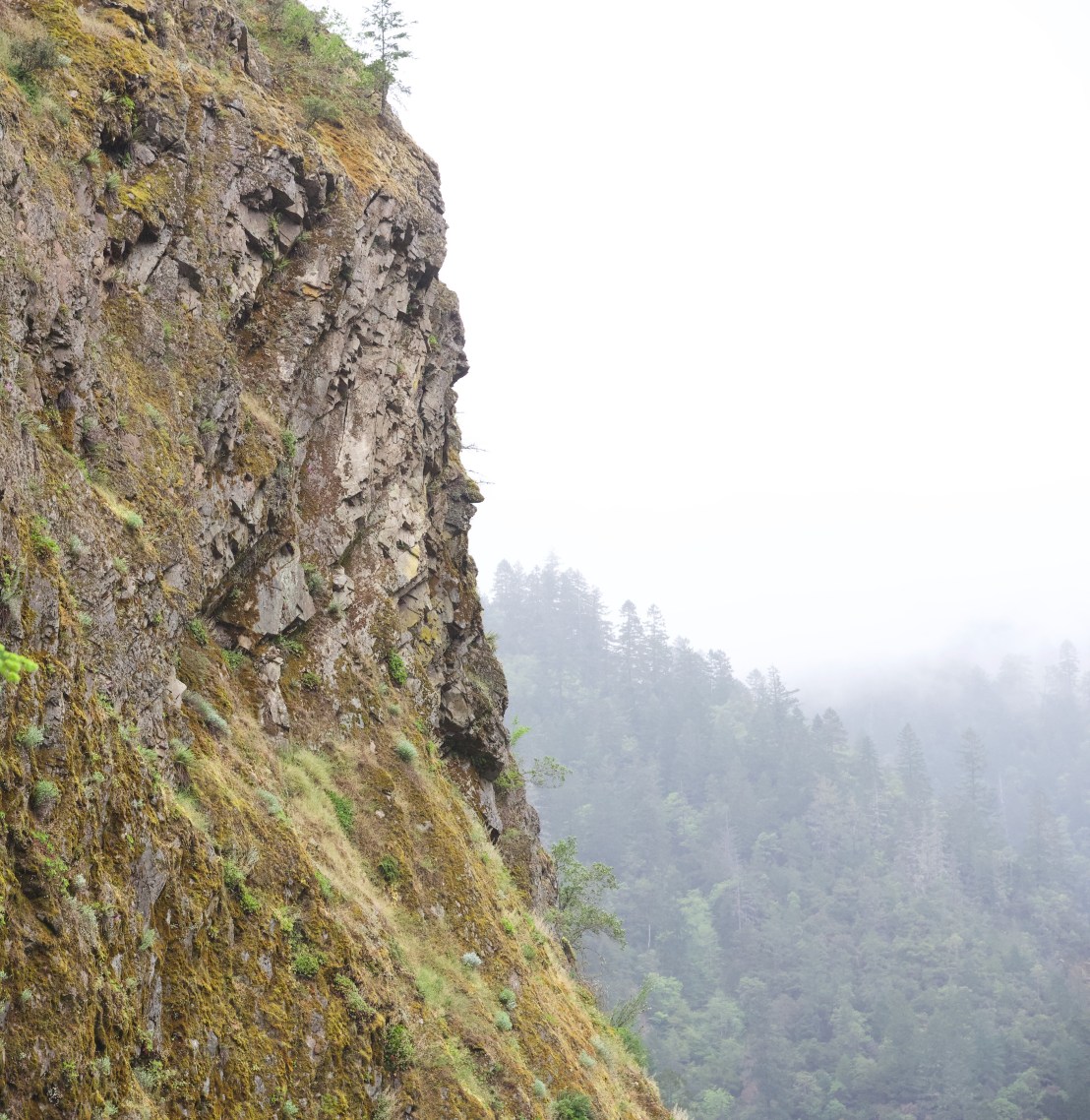
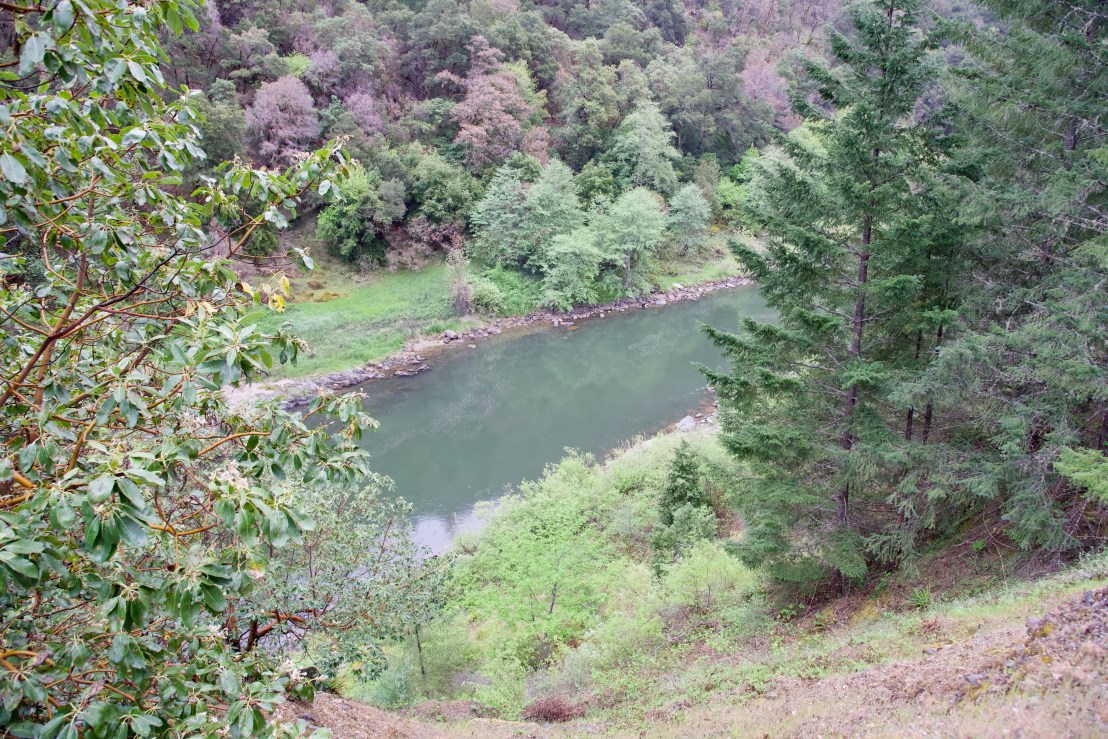
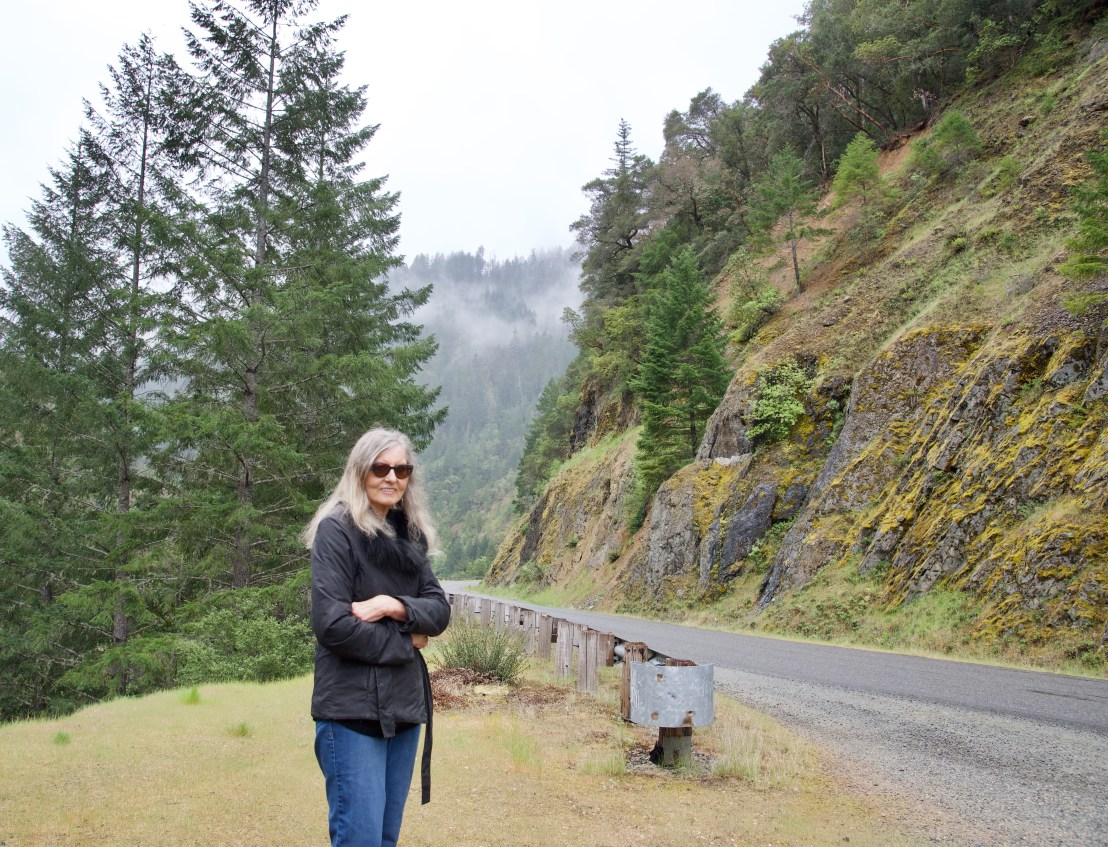
Yesterday in Merlin was a damp day with a steady rain coming down in the morning. About 10am I volunteered the idea that we should drive the shortish distance to Galice; just 10 miles from where we live. Galice is a very small settlement on the Western bank of the Rogue River. Then we drove on for a few more miles. It was incredible scenery. The misty, damp forest and the river running below in the gorge.
I had my camera with me and the following are some of the photographs that were taken.
Just for a change! All within 15 miles of home!
oooo
oooo

oooo
oooo
oooo

oooo

For those interested in learning more, I am publishing the WikiPedia account of the Rogue River.
The Rogue River (Tolowa: yan-shuu-chit’ taa-ghii~-li~’,[7] Takelma: tak-elam[8]) in southwestern Oregon in the United States flows about 215 miles (346 km) in a generally westward direction from the Cascade Range to the Pacific Ocean. Known for its salmon runs, whitewater rafting, and rugged scenery, it was one of the original eight rivers named in the Wild and Scenic Rivers Act of 1968. Beginning near Crater Lake, which occupies the caldera left by the explosive volcanic eruption of Mount Mazama, the river flows through the geologically young High Cascades and the older Western Cascades, another volcanic province. Further west, the river passes through multiple exotic terranes of the more ancient Klamath Mountains. In the Kalmiopsis Wilderness section of the Rogue basin are some of the world’s best examples of rocks that form the Earth’s mantle. Near the mouth of the river, the only dinosaur fragments ever discovered in Oregon were found in the Otter Point Formation, along the coast of Curry County.
People have lived along the Rogue River and its tributaries for at least 8,500 years. European explorers made first contact with Native Americans (Indians) toward the end of the 18th century and began beaver trapping and other activities in the region. Clashes, sometimes deadly, occurred between the natives and the trappers and later between the natives and European-American miners and settlers. These struggles culminated with the Rogue River Wars of 1855–56 and removal of most of the natives to reservations outside the basin. After the war, settlers expanded into remote areas of the watershed and established small farms along the river between Grave Creek and the mouth of the Illinois River. They were relatively isolated from the outside world until 1895, when the Post Office Department added mail-boat service along the lower Rogue. As of 2010, the Rogue has one of the two remaining rural mail-boat routes in the United States.
Dam building and removal along the Rogue has generated controversy for more than a century; an early fish-blocking dam (Ament) was dynamited by vigilantes, mostly disgruntled salmon fishermen. By 2009, all but one of the main-stem dams downstream of a huge flood-control structure 157 miles (253 km) from the river mouth had been removed. Aside from dams, threats to salmon include high water temperatures. Although sometimes too warm for salmonids, the main stem Rogue is relatively clean, ranking between 85 and 97 (on a scale of 0 to 100) on the Oregon Water Quality Index (OWQI).
Although the Rogue Valley near Medford is partly urban, the average population density of the Rogue watershed is only about 32 people per square mile (12 per km2). Several historic bridges cross the river near the more populated areas. Many public parks, hiking trails, and campgrounds are near the river, which flows largely through forests, including national forests. Biodiversity in many parts of the basin is high; the Klamath-Siskiyou temperate coniferous forests, which extend into the southwestern Rogue basin, are among the four most diverse of this kind in the world.
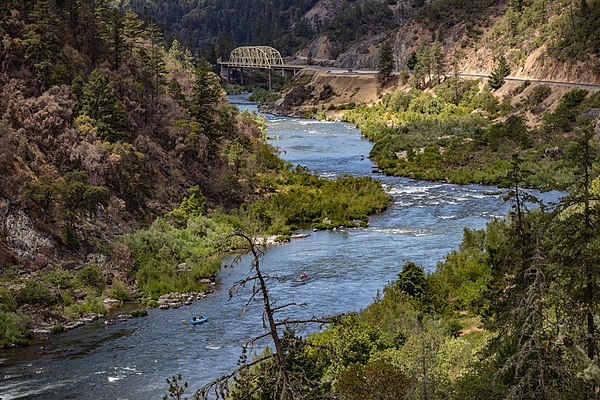
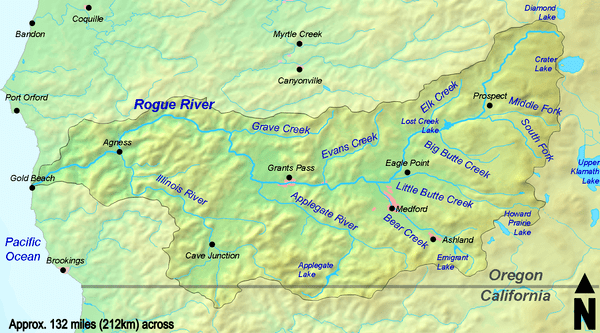

Just to reflect on the fact that people have lived along the Rogue River and its tributaries for 8,500 years!
A tale from a friend of Jean.
Many years ago, when Jean was still in England, she and Jane became good friends. They still stay in touch today thanks to the modern world.
Recently, Jane sent an email that contained a lovely story of her dog, Molly. Or rather I should say Molly, that belongs to her and her husband, Al.
Here is Jane’s story.
ooOOoo
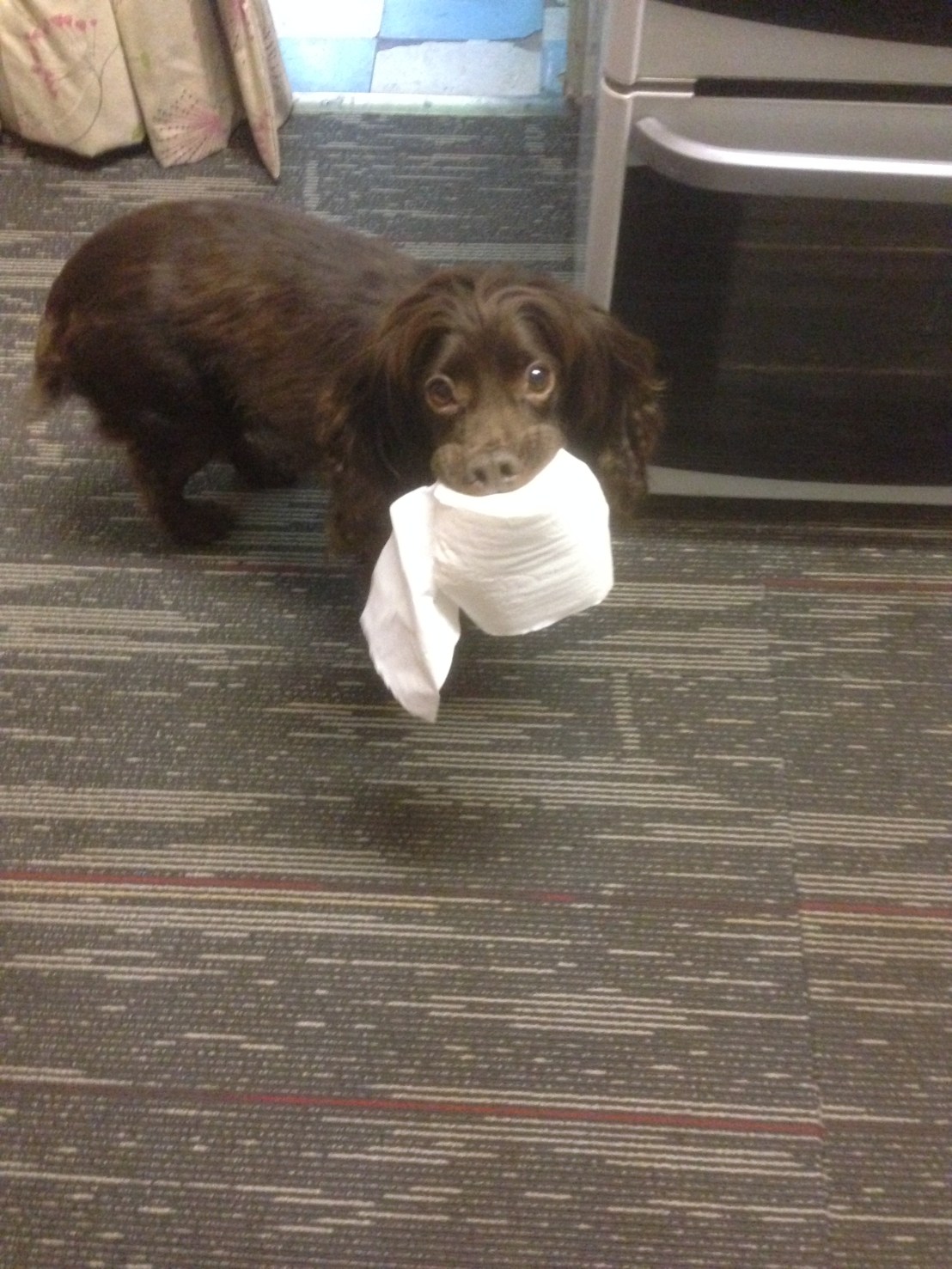
Our beloved Molly. Re-homed, not badly treated but was a working dog. Molly’s owner had a bad accident and his life fell apart.
Got rid of his other dogs and eventually, when boarding her with my friend, asked if she knew a good home for her. We’d just lost our dog and though he’ll never be replaced it’s not a home without a dog. So a friend and I went to see her – fat, scruffy, lived in an outdoor kennel. So, she came home with us.
She’d never set foot in a house so not house trained but SO clever. She quickly learned to toilet outside and now ASKS to go out. Nudges my elbow and if I stand up but don’t act immediately she paws my leg. How clever is that. Quickly learned how to negotiate stairs and not catch birds.
She knows exactly what she’s due – treats, dinner – and you can set your watch by her.
She is the most loving little girl and loves being cuddled. The thought of her being alone in the kennel, no company, frightened in storms, cold, not knowing when she’d see anyone breaks my heart.
The only problem, probably because of erratic feeding, or maybe survival instinct and not leaving scents for predators, is she eats her own poo and out walking I keep constant check or she’ll eat others too.
She had to be spayed and they found cancer last year and that meant a further operation.
She is a scavenger and I watch her constantly to see what she’s got in her mouth – in return for giving it up she expects a reward, she quickly caught on how to get treats!
Well enough, you know all about dogs and their ways – each one unique.
Keep well xxx

ooOOoo
Dogs are so precious.
Thanks Jane!
The beautiful moon!
I went out to photograph the full moon, the so-called super moon, on the 7th April, just a few days ago, but it was such a bright image that as a photograph it didn’t really work.
See what I mean!
So I present a crescent moon taken on the 19th March this year.
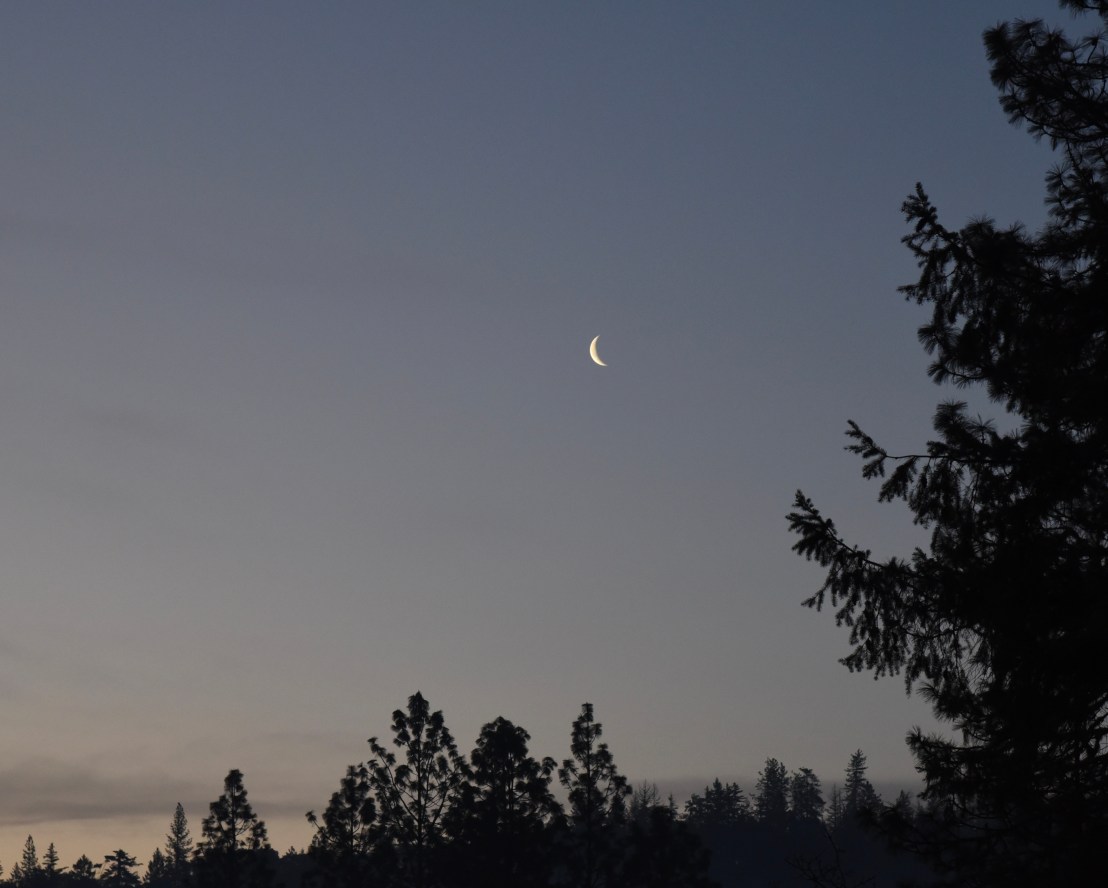
Apart from a little bit of cropping no other changes have been made to the photograph.
More of these lovely photographs!
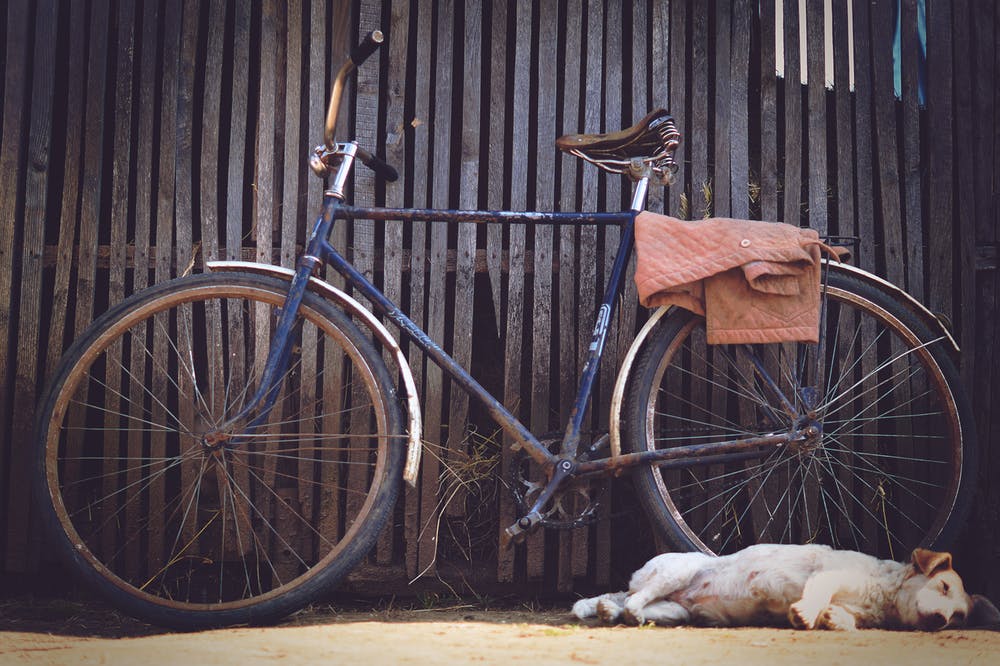
I have found a new file, within the link, that enables me to keep going for some time!
Enjoy!
oooo
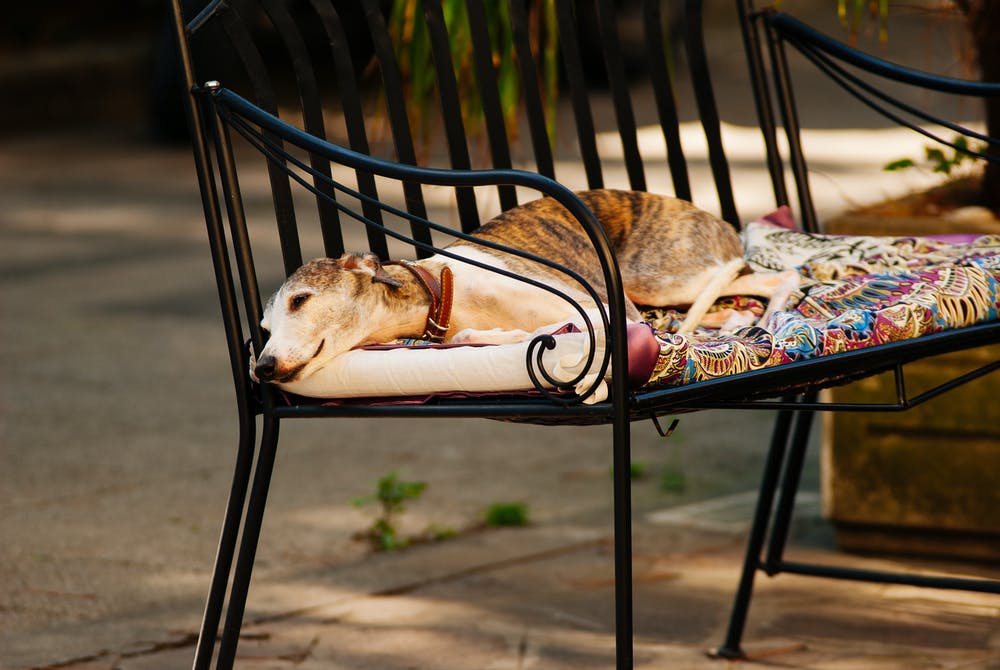
oooo
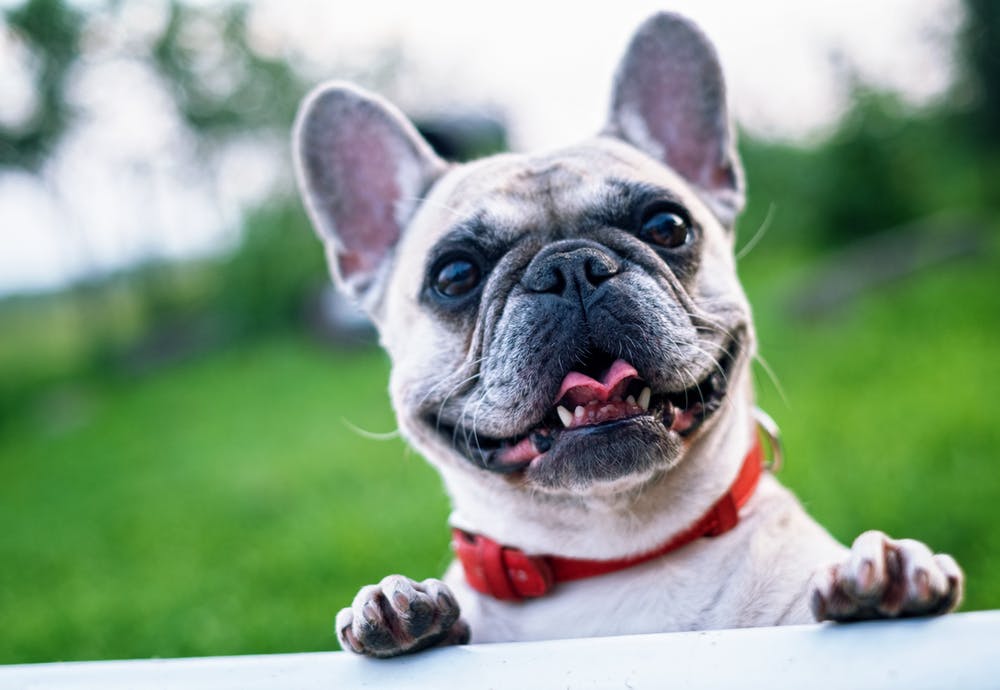
oooo
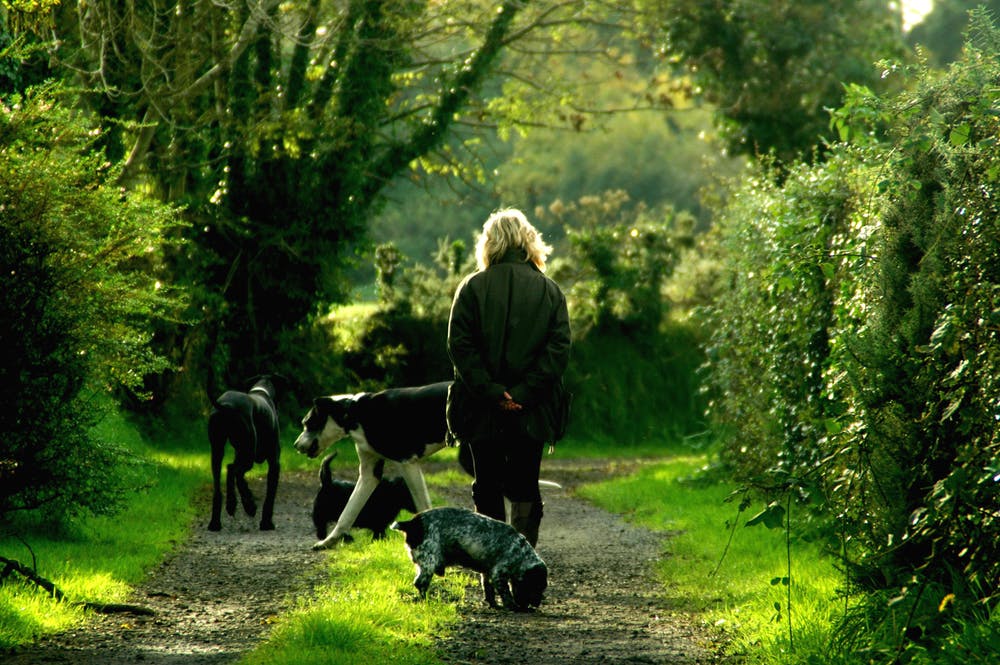
oooo
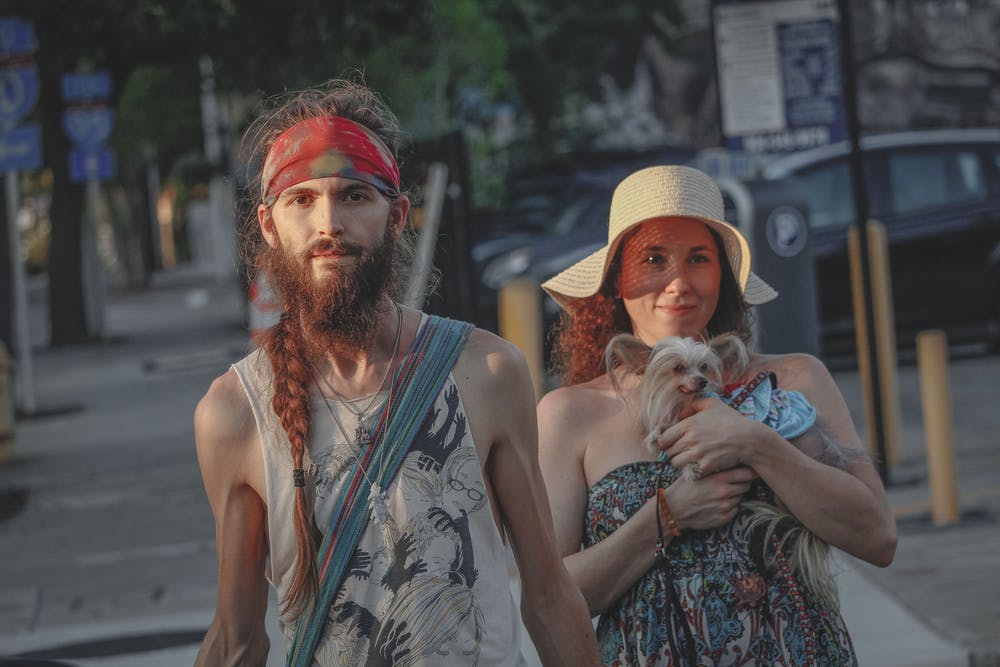
oooo
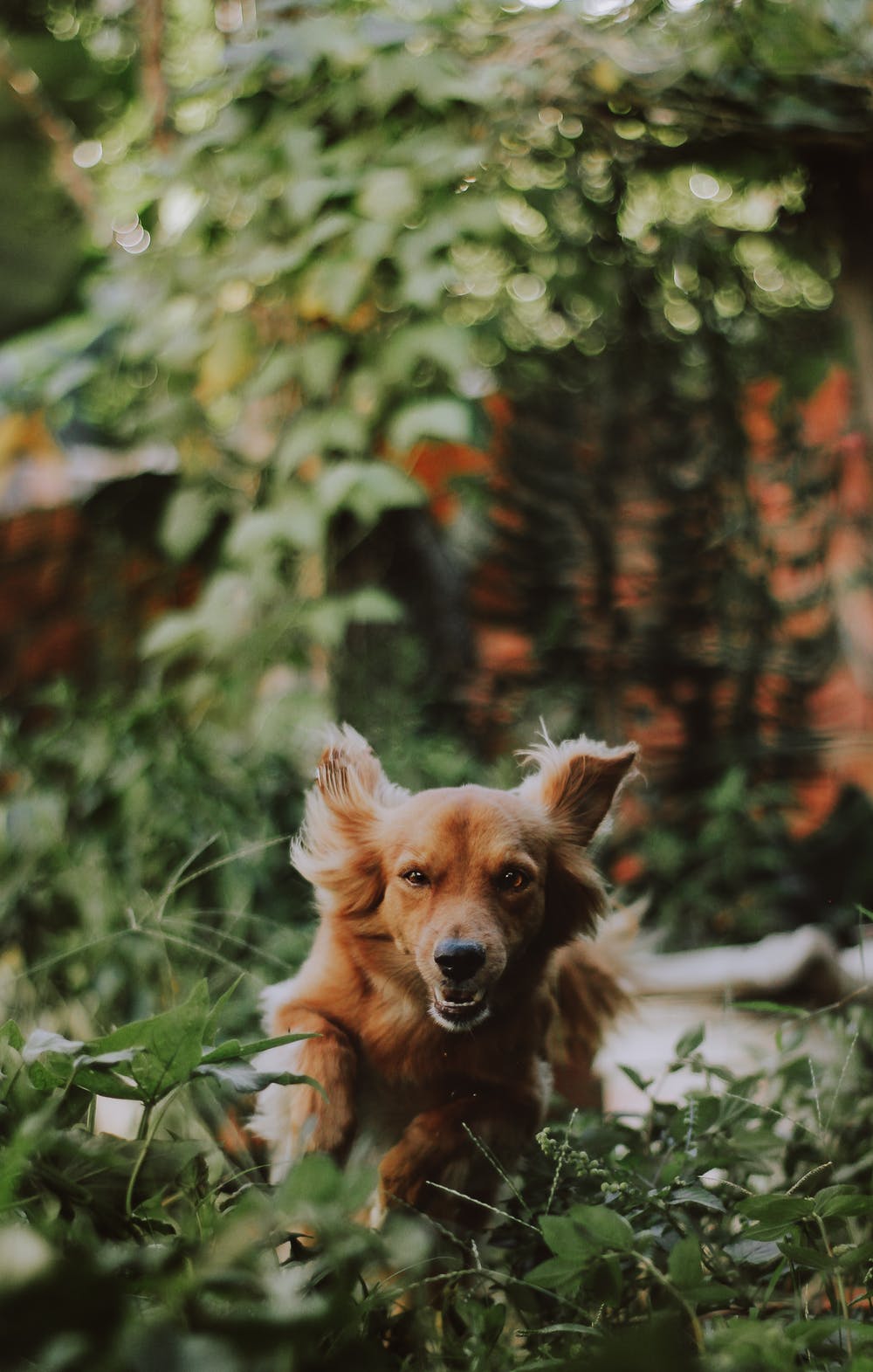
oooo
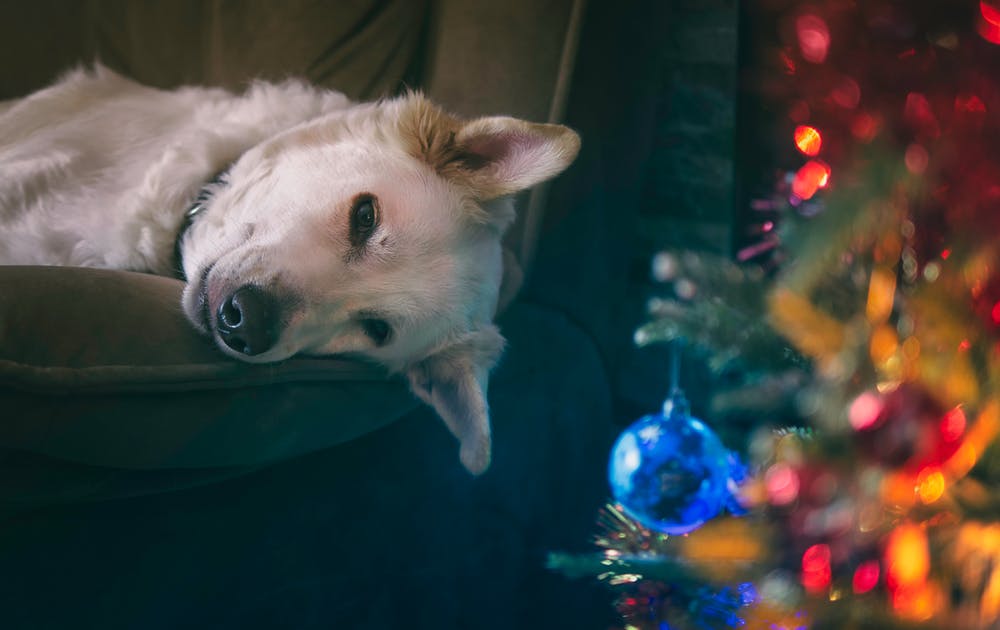
oooo
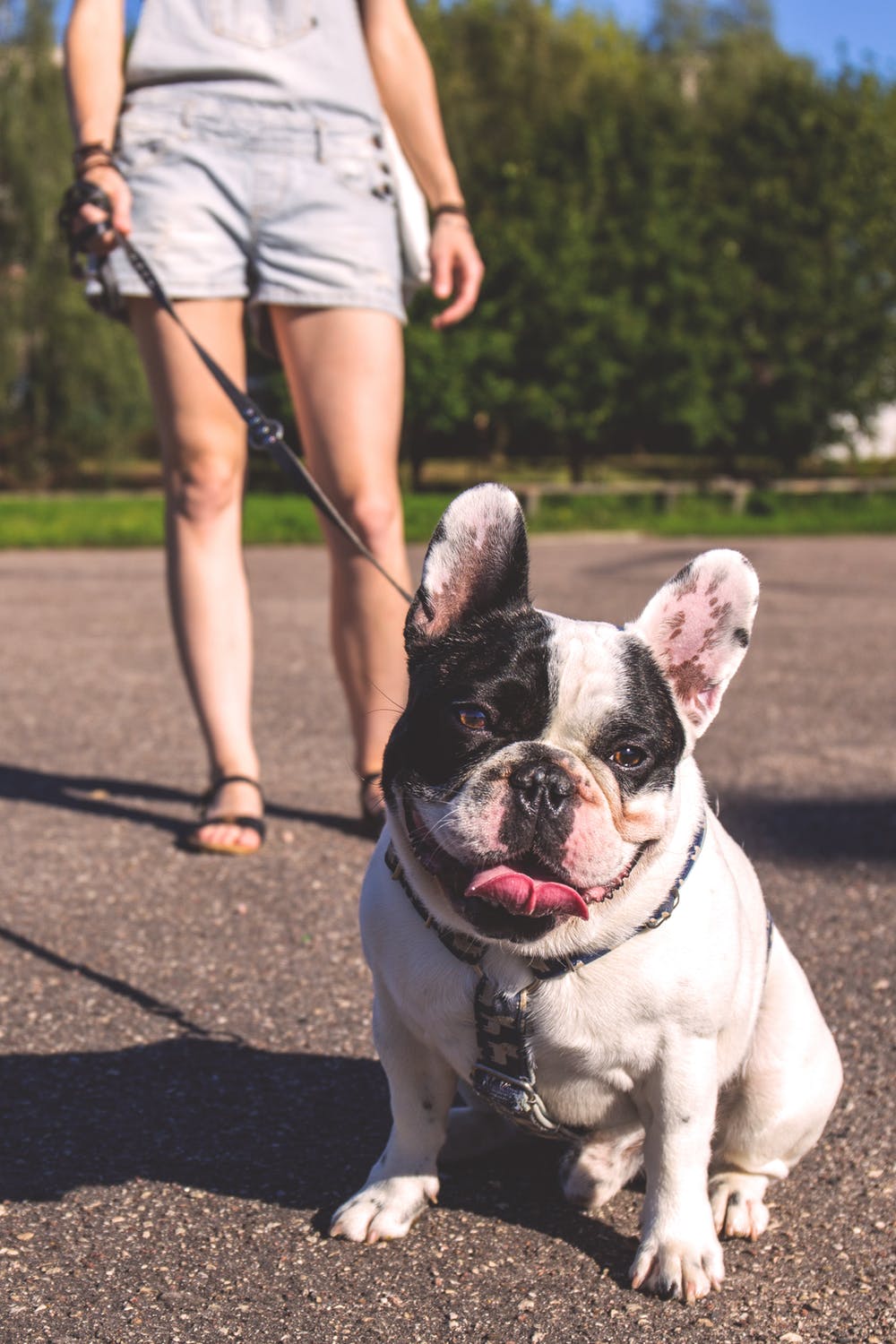
oooo
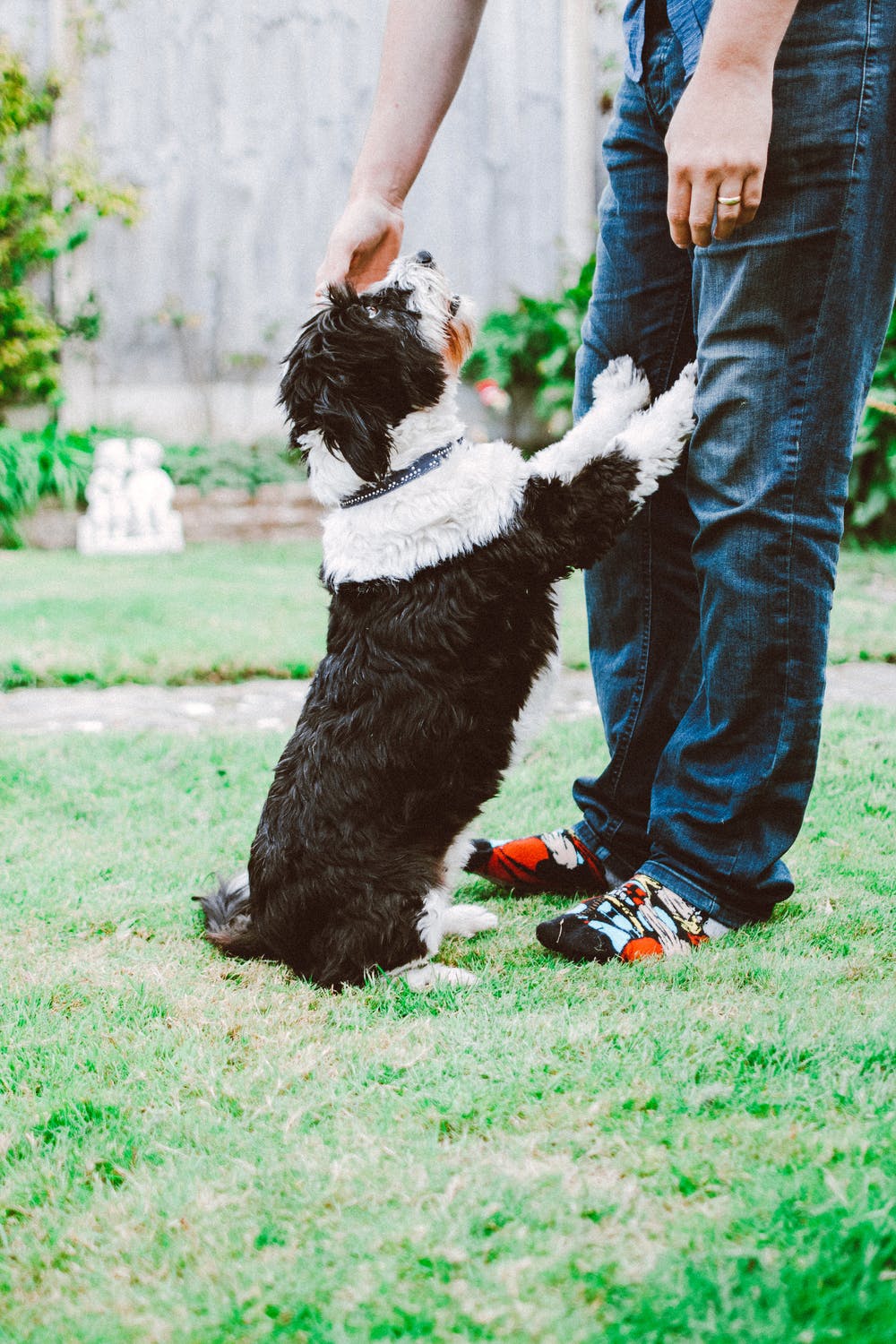
Boy oh boy! Aren’t they gorgeous!
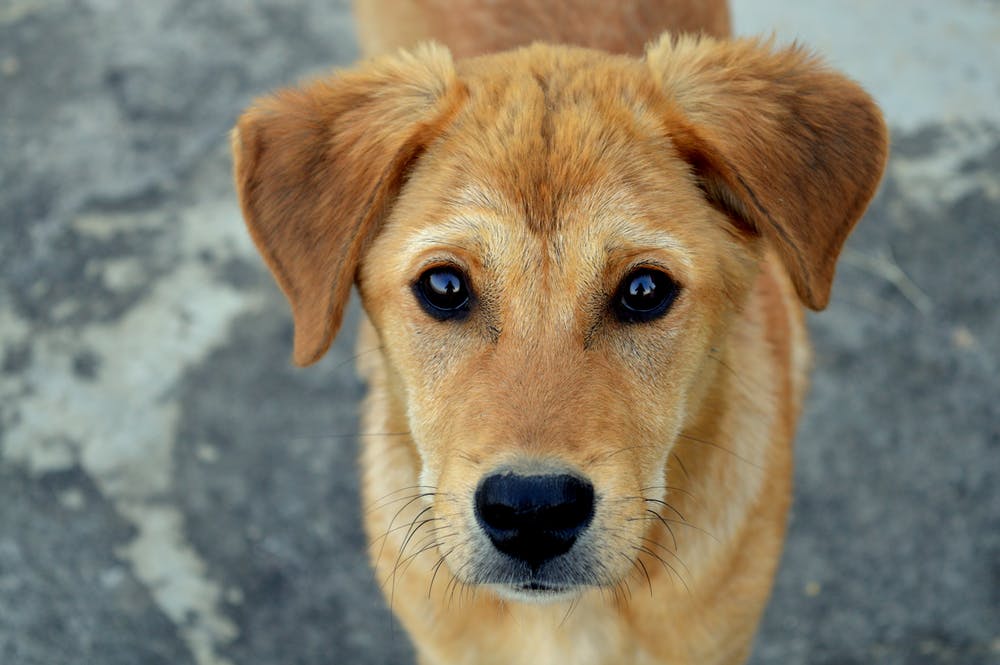
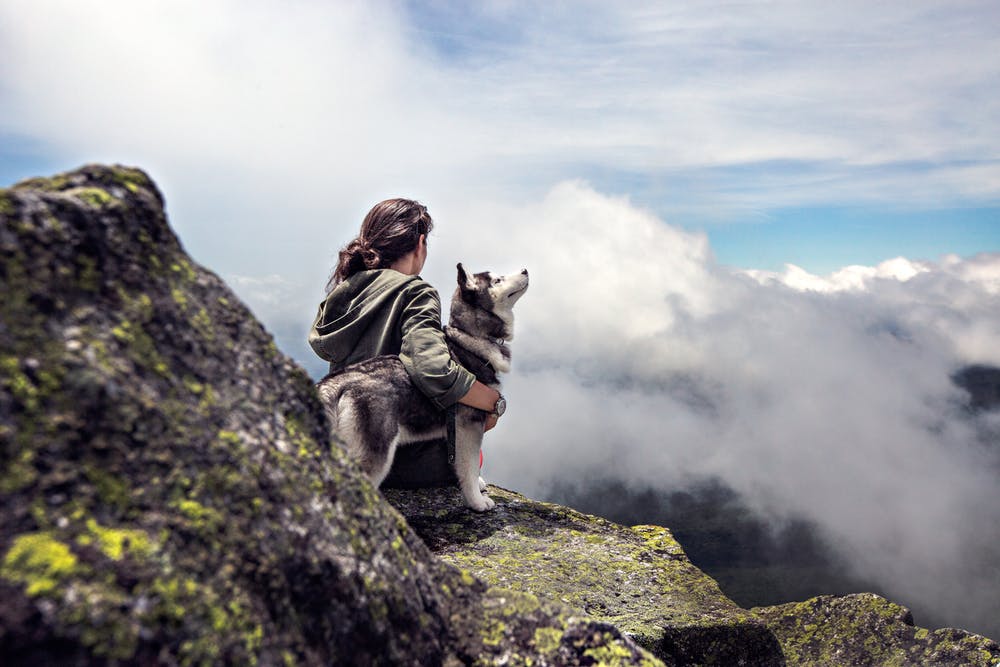
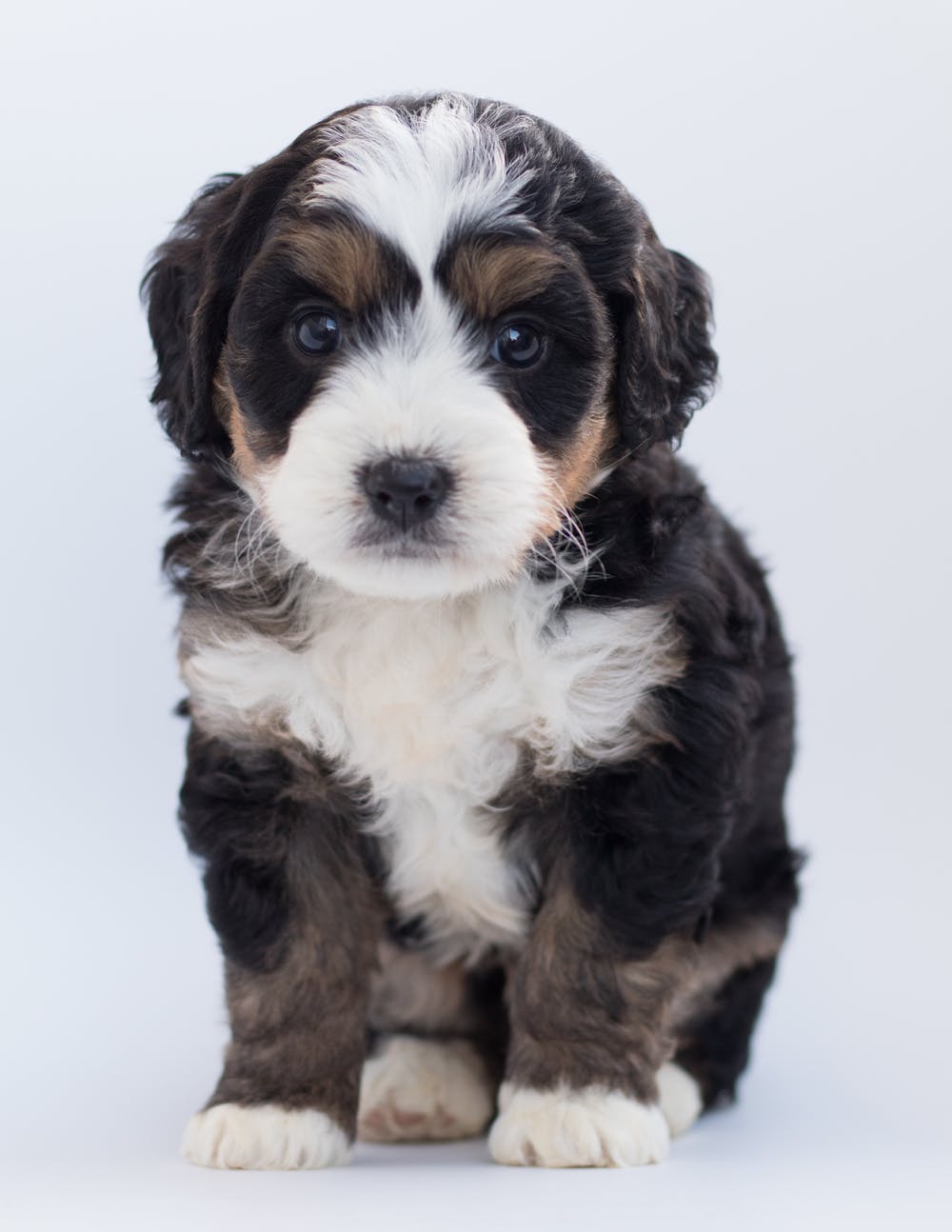
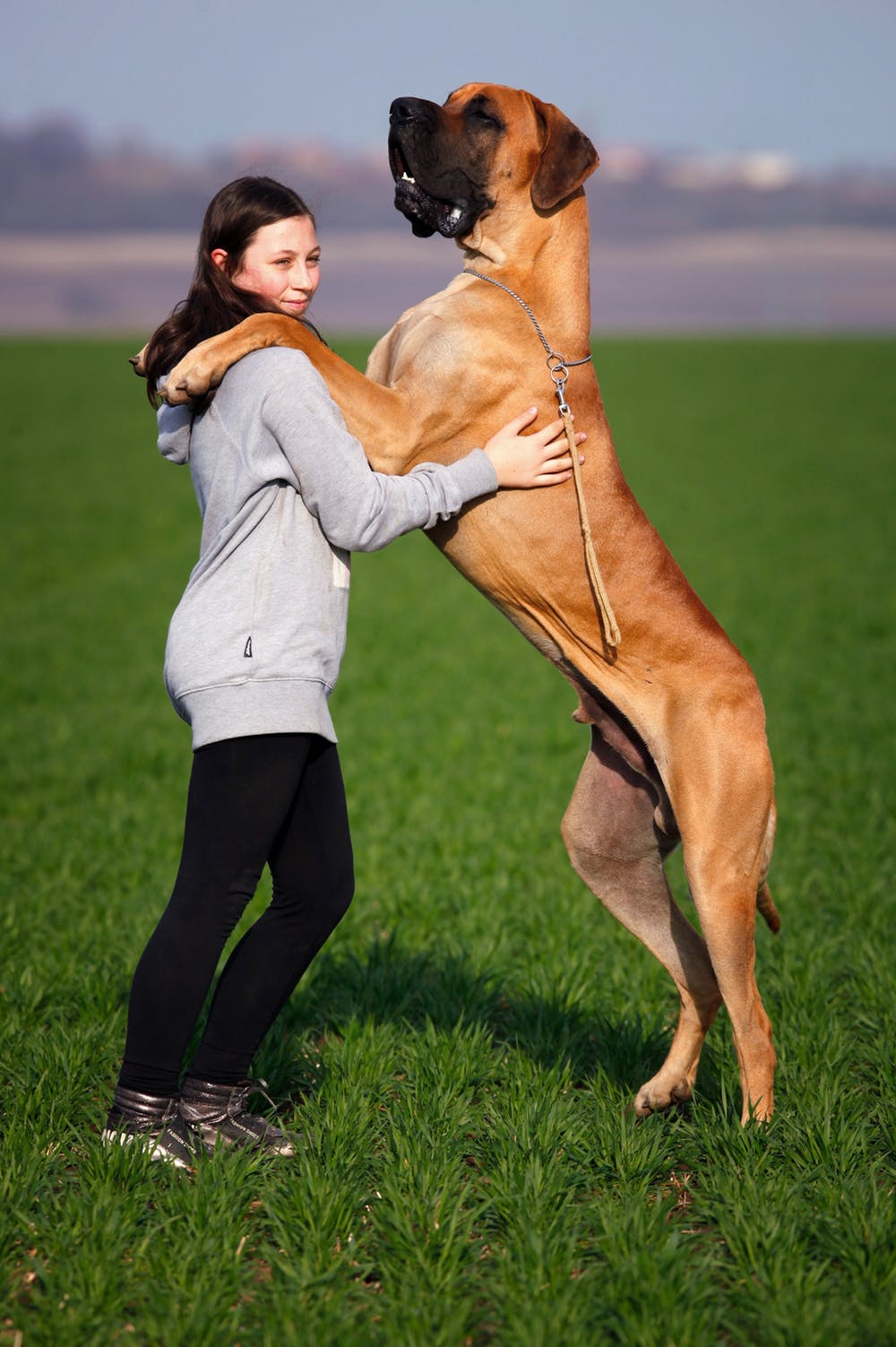
More of these fabulous photographs!
oooo
oooo
oooo
oooo
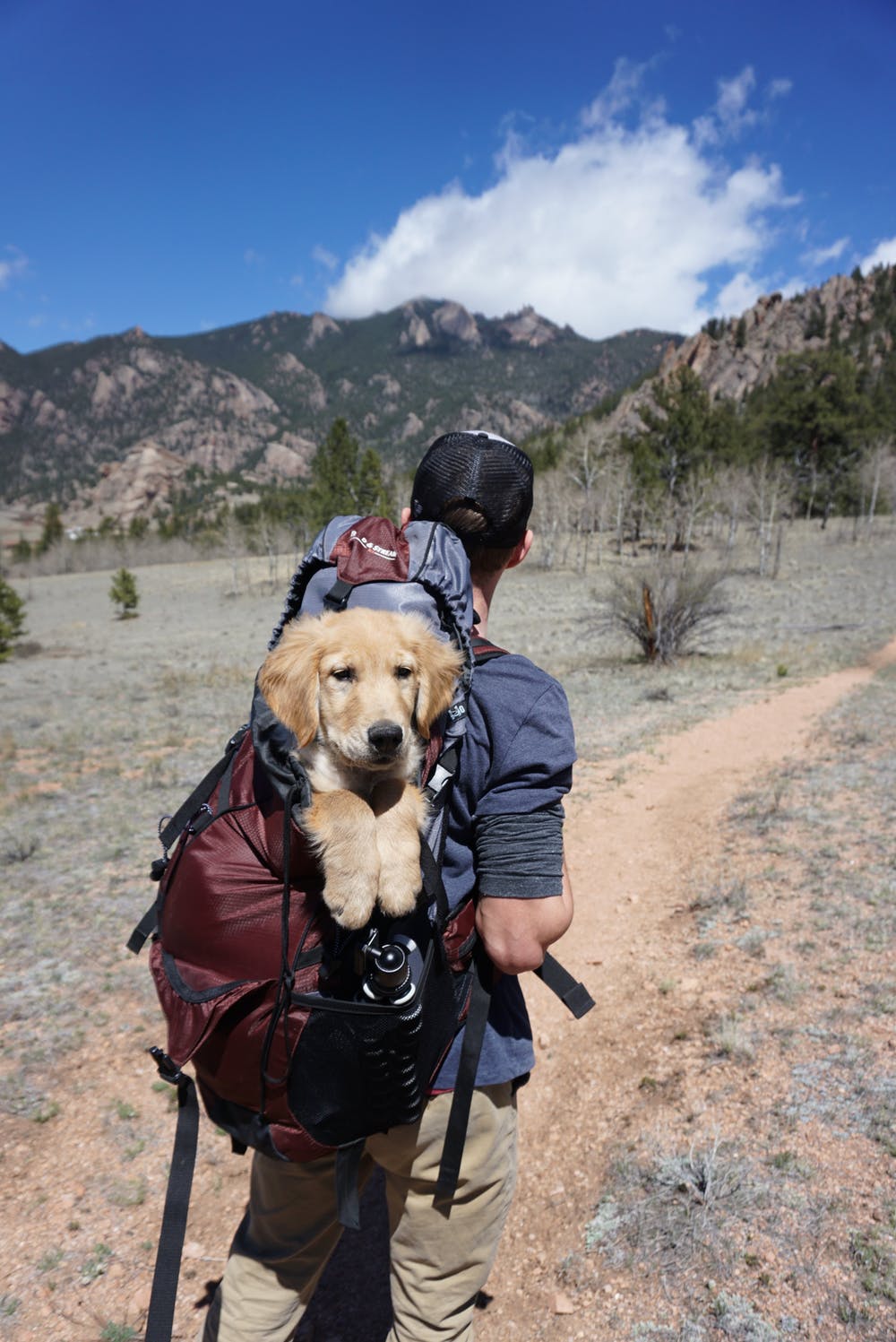
oooo
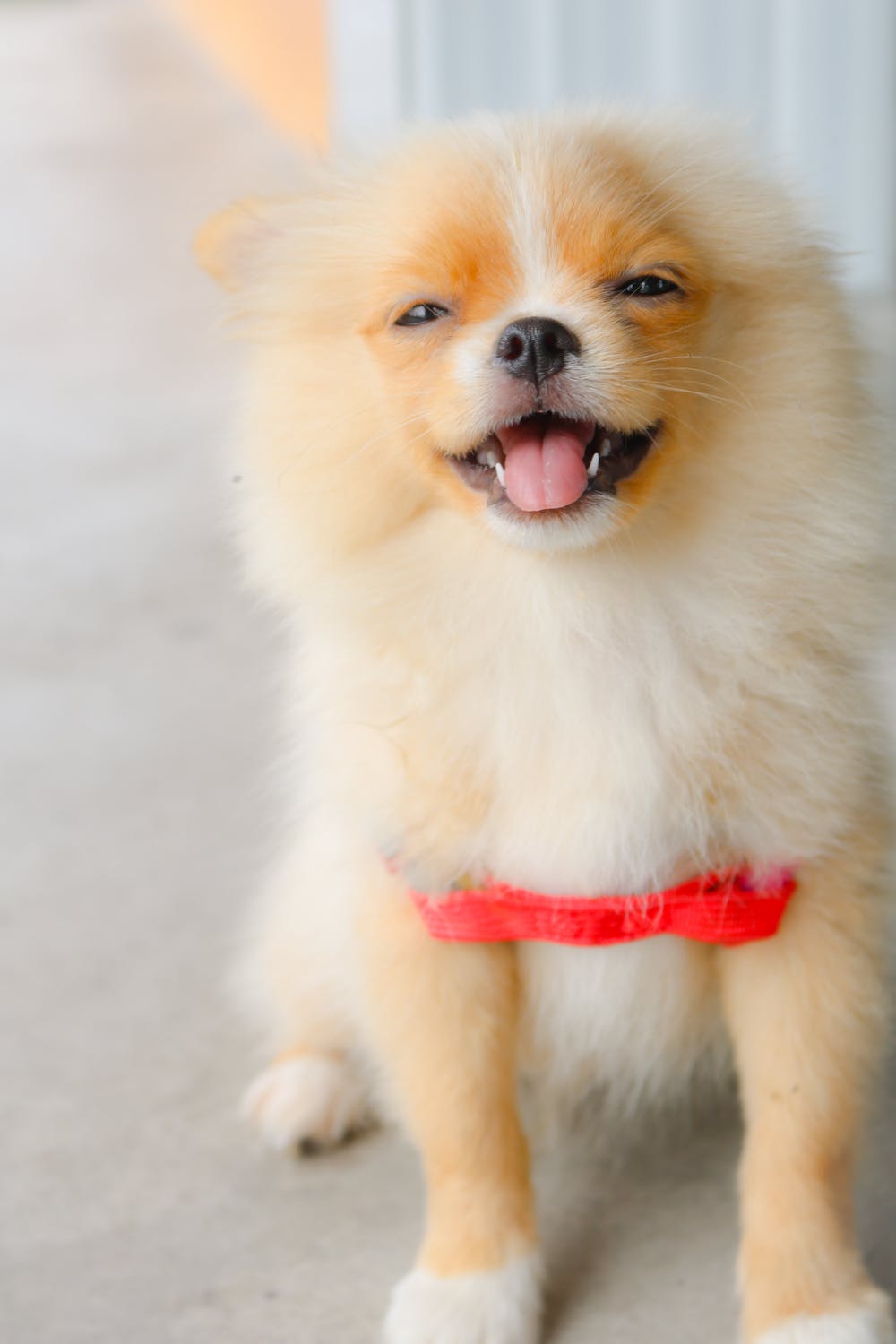
Again, taken from here.
I may be able to take one more set in a week’s time.
The third episode this week.
Tom’s walk continues!
He is in Granada and his stop was at Arenas del Rey. He now continues along GR7 to Jayena.
As always, taken from here with the permission of Tom and Gilliwolfe.
Read on!
ooOOoo
By Tom and Chica, 2nd March, 2020.
Written by Tom’s wife.

As I woke in the morning, I was greeted by a couple of squirrels who ran by the tent, up a little tree and gawked at me. Clearly, not convinced about what they saw, they did another circuit and came back for second look. No doubt, this wouldn’t have happened if Chica had been with me.
I was surprised and pleased to find that this spot I had chosen in the dark was right by a ford over the river and actually on the GR7 route. Worked my way steadily uphill through scrub until I reached the pines. The conditions were ideal: cool, fresh and pine fragrant air. Great views down into the river valley below.
The rest of the day was similar – lots of ups and downs and more pines, though in one area there was evidence of these being cleared for cultivation, probably olives or almonds. I also found an old lime kiln and more information about resin extraction.
By now, the shop had opened and I bought tuna, chocolate and a strawberry milkshake. Not a particularly healthy or satisfying meal so I grumpily headed out of town and found a sign to the El Bacal camping area so made for that. Lit a fire, made a brew and settled down at around 9.30pm.


ooOOoo
Wall to wall interest.
Come back next week for another trio of daily walks by Tom, Chica and Merlin!
The walk with Chica and Merlin continues.
I must say that this walk along GR7 takes in a great deal of fabulous countryside.
Just look at the opening photograph of the almond blossom and the snow caps in the distance. All credit to the team!
Taken from here with Tom and Gilliwolfe’s permission.
ooOOoo
By Tom and Chica, 26th February, 2020
Written by Tom’s wife.

Woke this morning to find hoar frost on inner and outer of the tent fly sheet. Porridge made for a warming breakfast along with strong coffee and parrots (sic. He means paracetamol. Ed).
As I was packing up, I was joined by marauding dogs, two of which decided to follow me all day to the next village whereupon they promptly disappeared. Bit of a relief as I was rather taken with the cute young Jack Russell bitch, a very endearing dog.
Arenas del Rey was apparently closed for the day so I spent a bit of quality time in the town square brewing coffee, drying my tent and washing my feet at the fuente directly beneath the holy shrine at the front of the church. Fortunately, there was no-one around to witness this disrespectful behaviour!
After foot repairs and a light lunch I set off on route to Jayena. Once it got dark, route finding became trying so at 8pm I pitched the tent by a river. I went to sleep to the ever-present chorus of distant barking dogs.

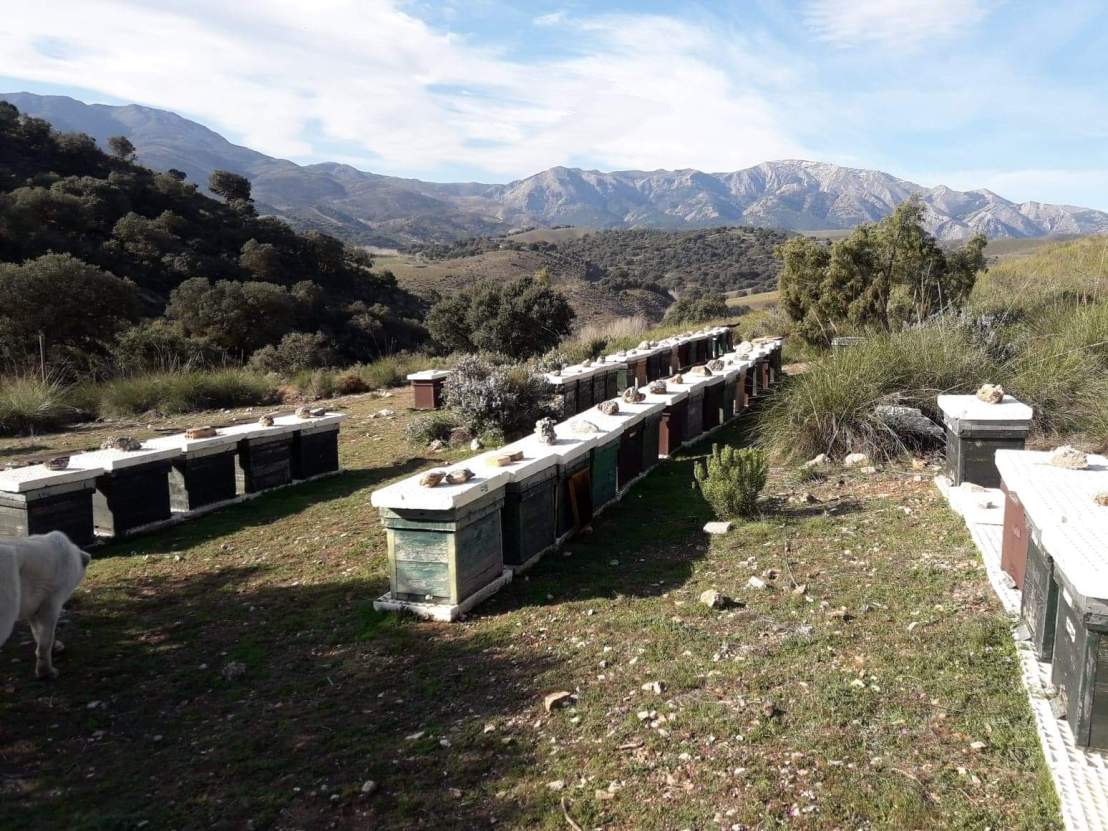


ooOOoo
I have just about muttered all the ooh’s and aah’s I can about this walk and the stupendous photographs.
Just loving it as much as everyone else!
 Learning from Dogs