Again, republished with permission by Nimbushopper.
oooo
oooo
oooo
oooo
oooo
oooo
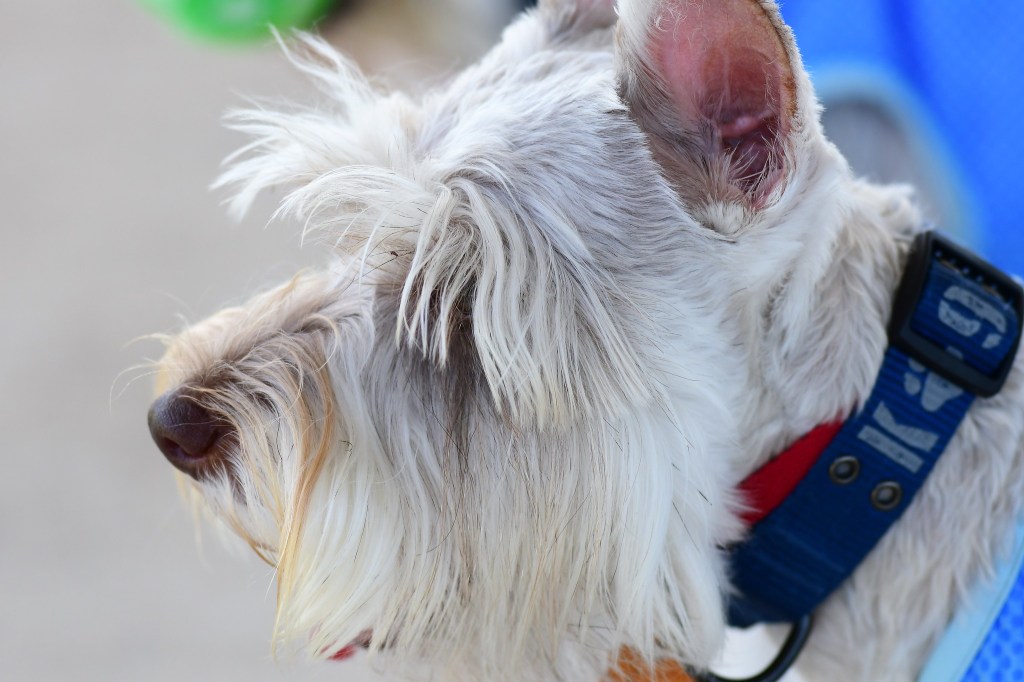
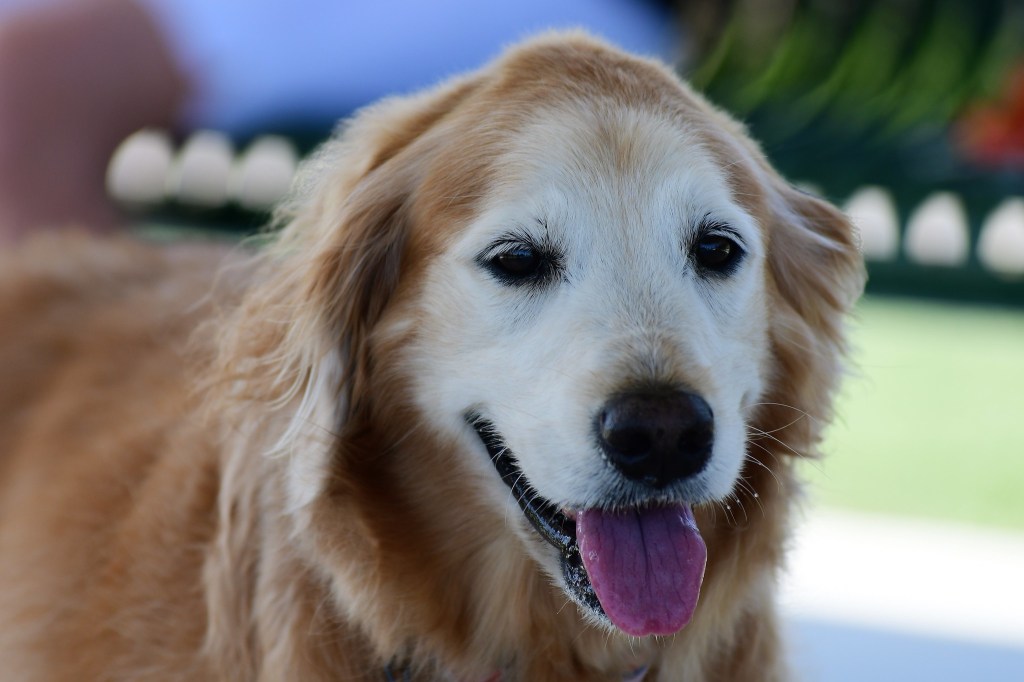
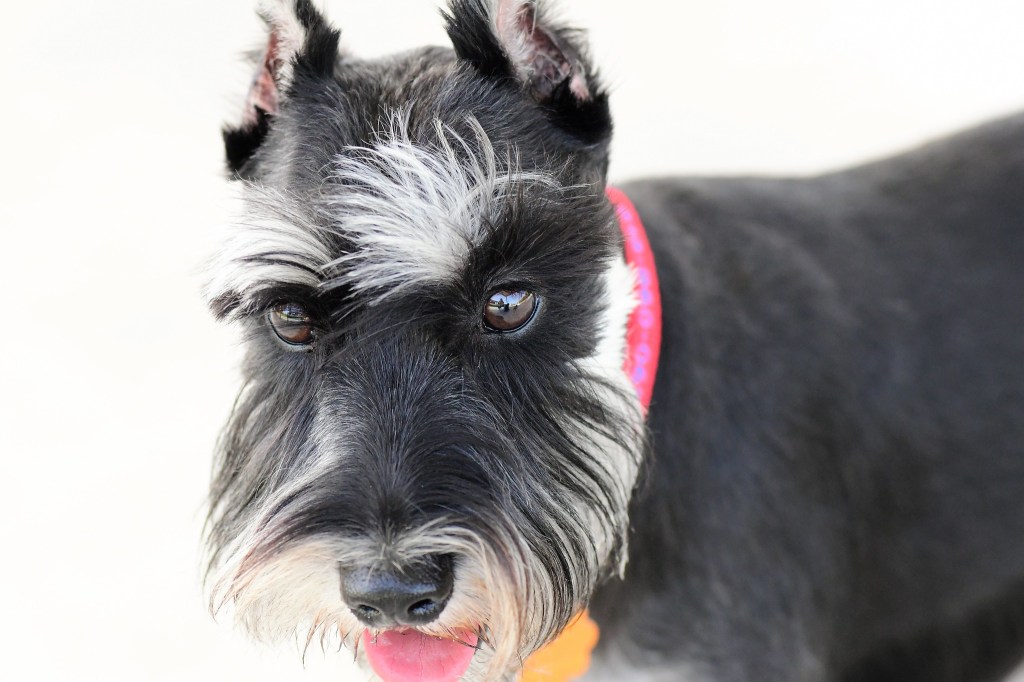
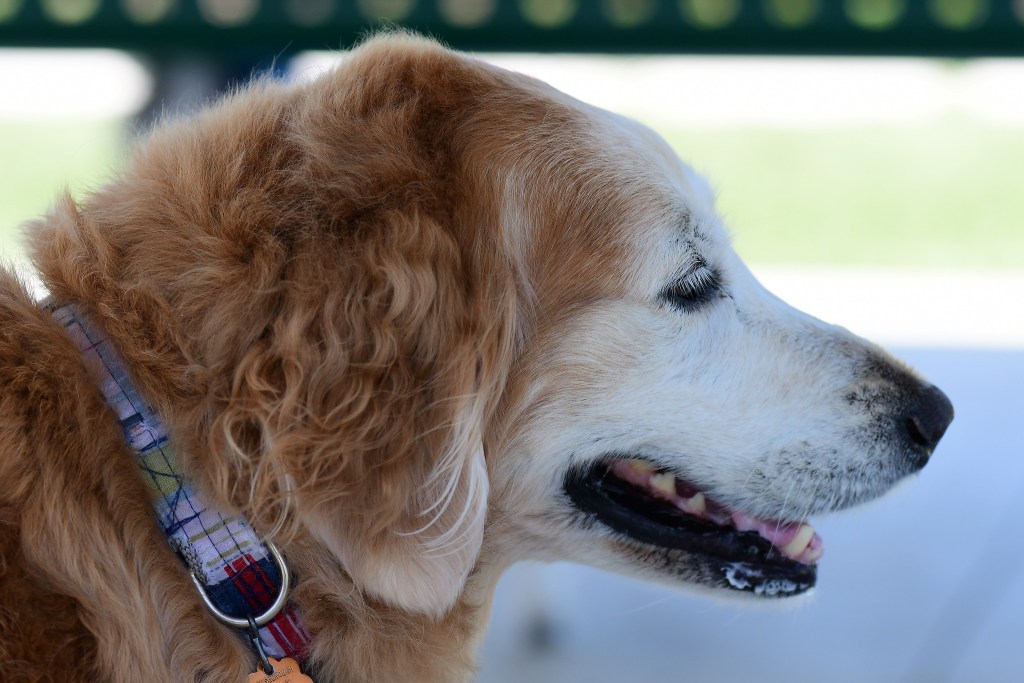
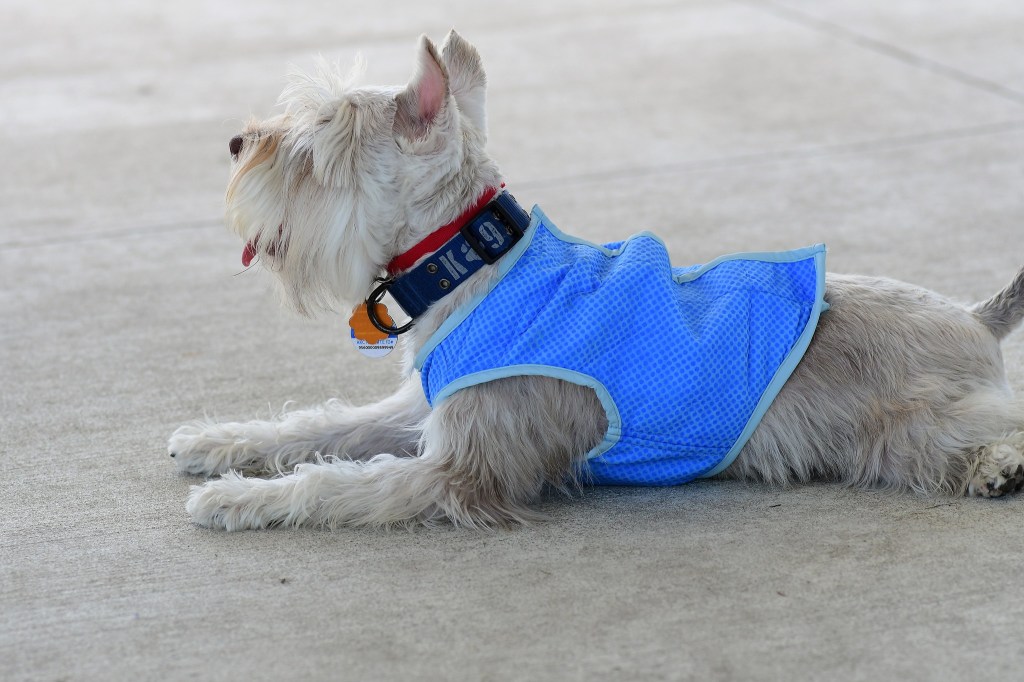
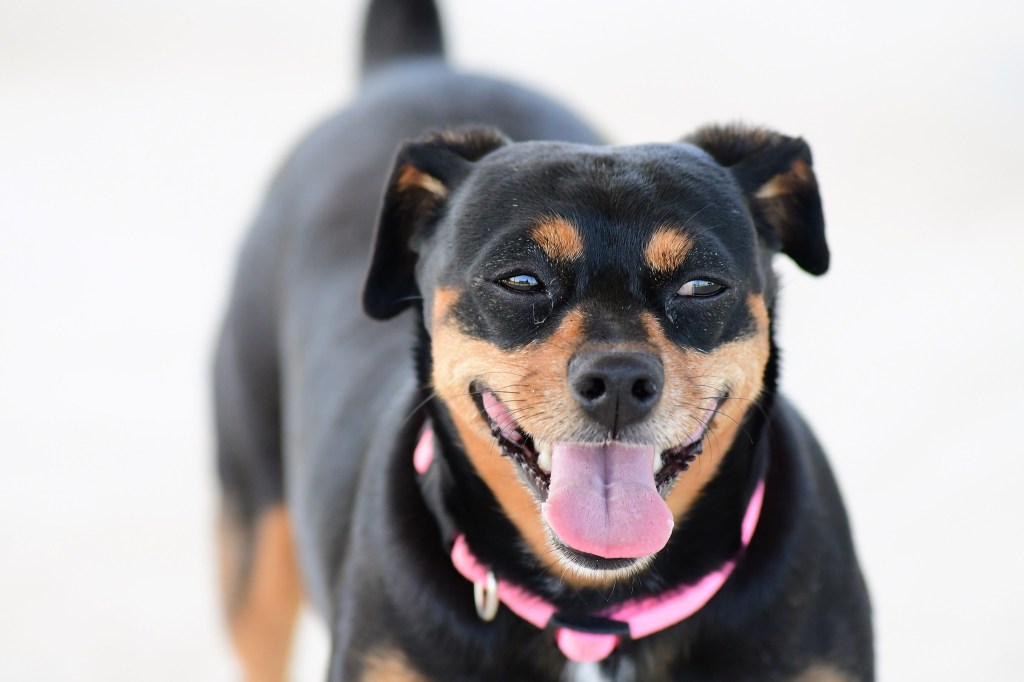
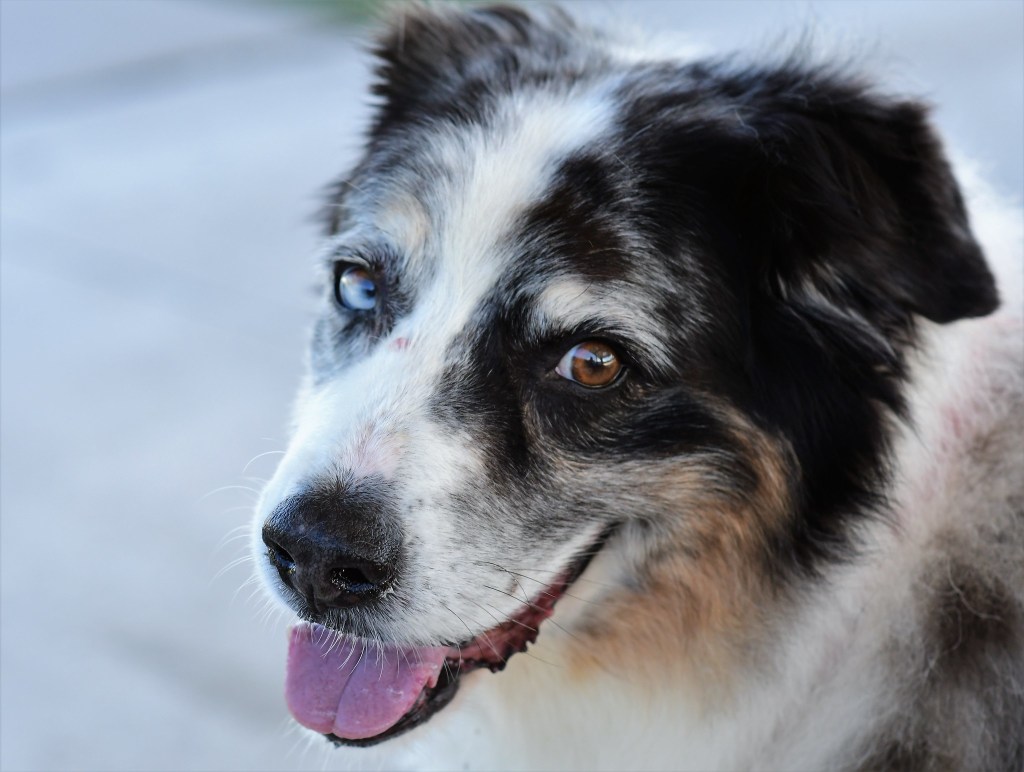
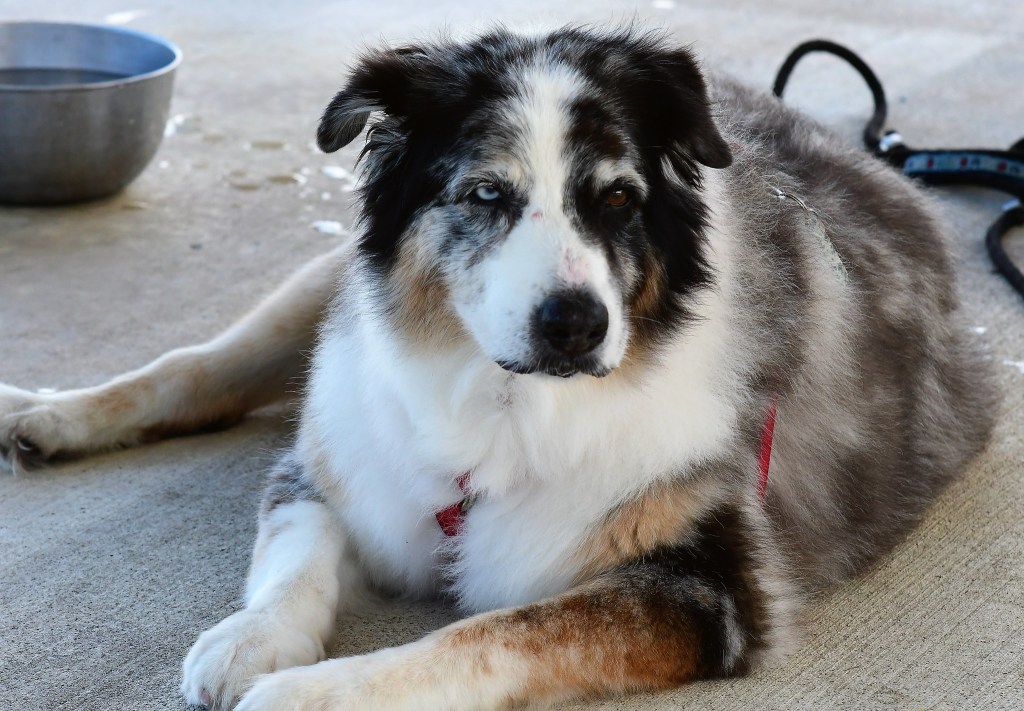
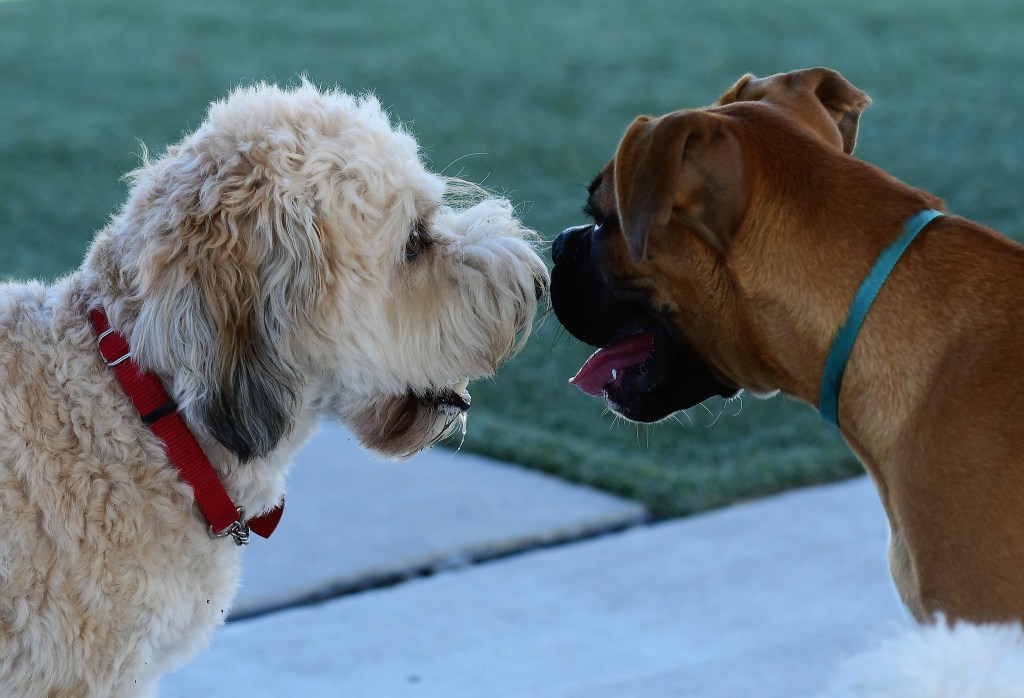
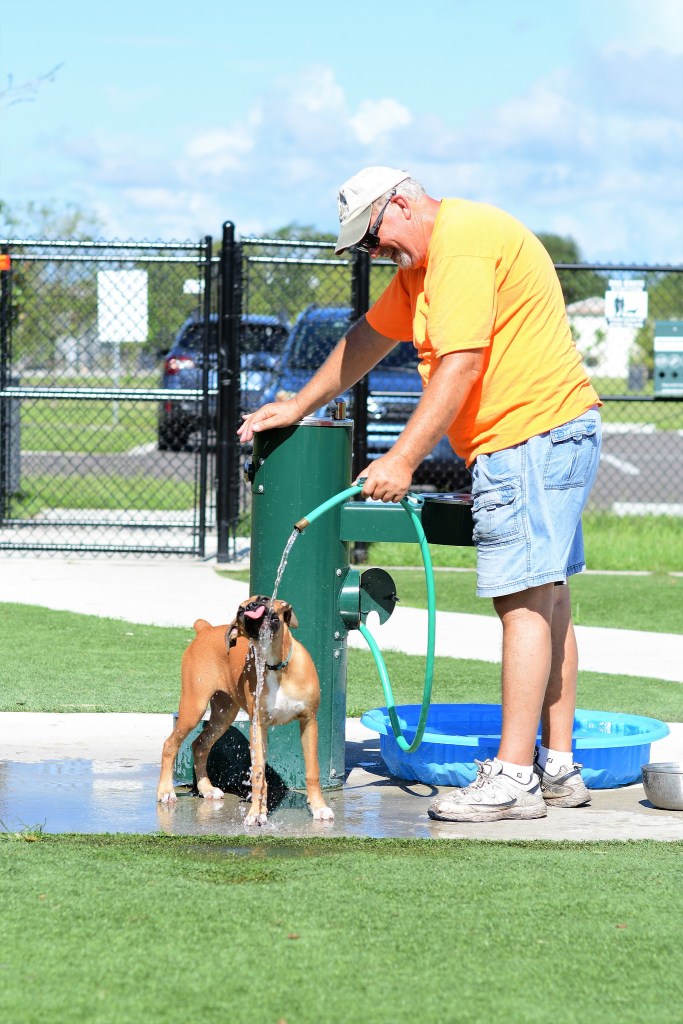
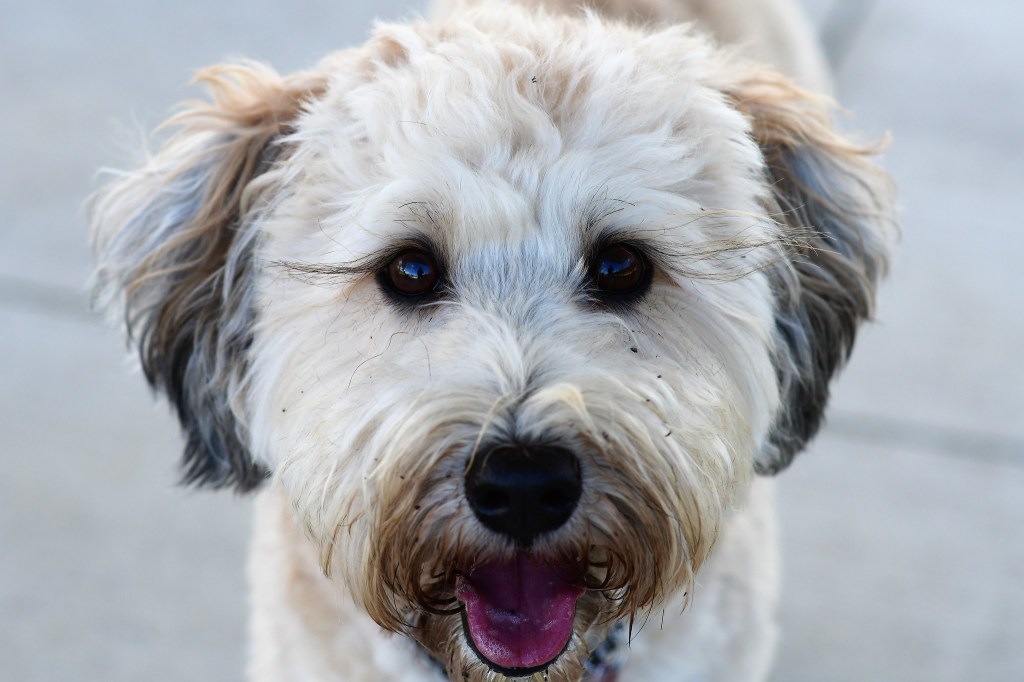
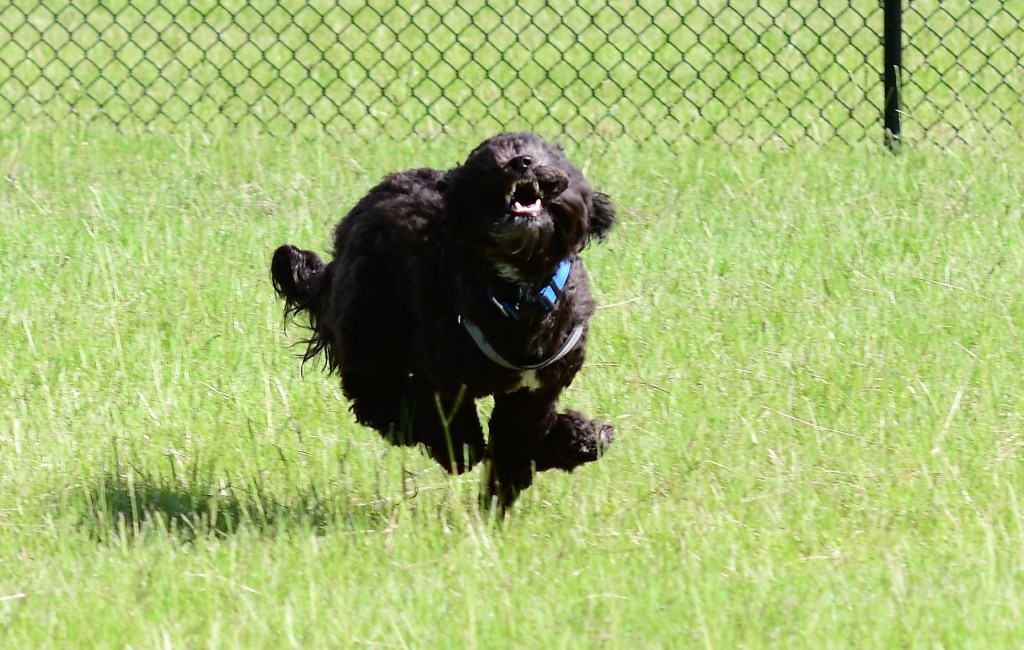
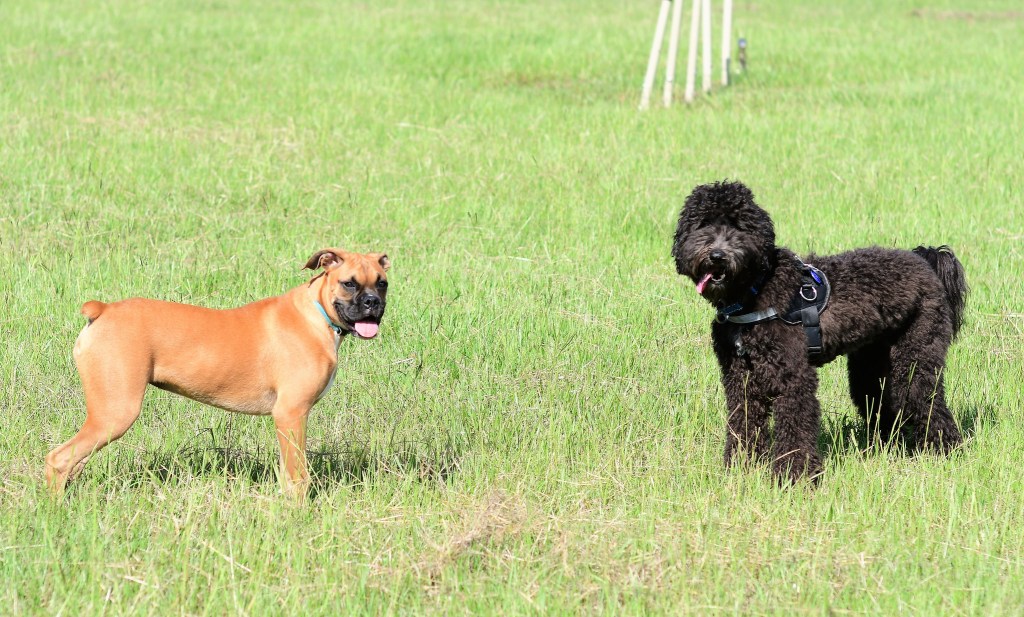
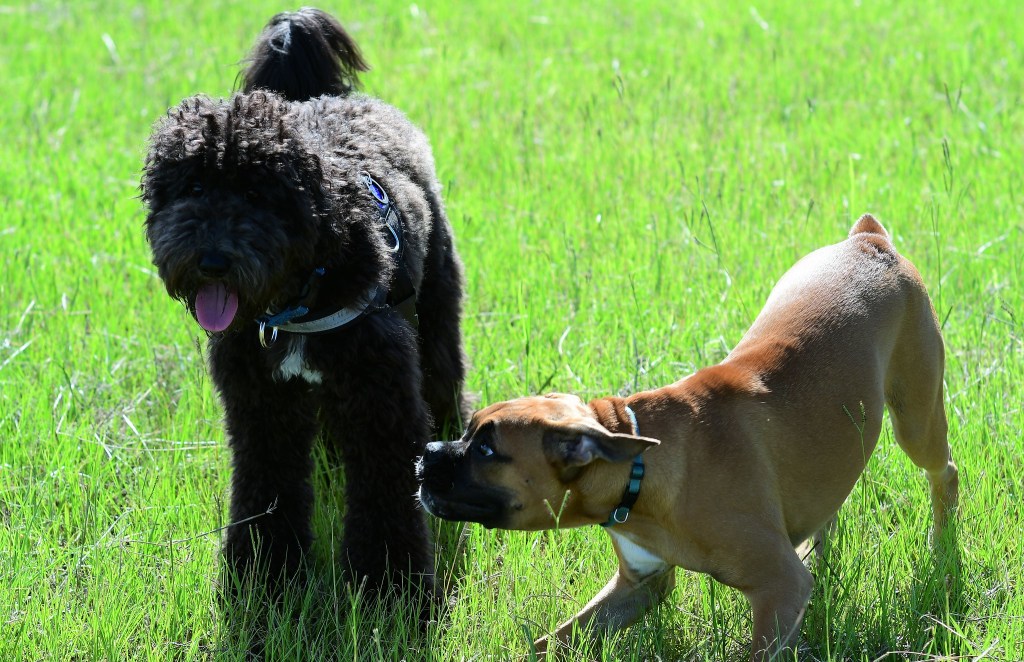
I believe that there are well over 300 photographs of dogs, all taken with extreme skill and clarity by Nimbushopper. And all of them available to the dogs’ owners to download as well as yours truly as a devotee of dogs. Actually the word ‘devotee’ is too neutral. Dogs are the most terrific of animals and the longest human-animal relationship by far; right back to the days when we humans were hunter-gatherers: 20,000 years ago!
An essay about the 2020 winter solstice!
Winter solstice 2020 in the Northern Hemisphere will be at 2:02 AM on Monday, December 21. That is our local Pacific Time which is 8 hours behind UTC.
So in UTC terms that is 10:02.
For some reason I have always regarded the Winter solstice as special, no doubt because in the Northern Hemisphere it is the time for the shortest day! It is the start of the new year!
What you need to know about this year’s winter solstice and the great conjunction
December 18, 2020
By William TeetsActing Director and Astronomer, Dyer Observatory, Vanderbilt University
Editor’s note: Dr. William Teets is the director of Vanderbilt University’s Dyer Observatory. In this interview, he explains what does and doesn’t happen during the winter solstice on Dec. 21. Another cosmic phenomenon is also going to occur on the same day called “the great conjunction,” where Saturn and Jupiter, both of which can be seen with the naked eye, will appear extremely close to one another.
What happens on the winter solstice?
The winter solstice this year happens on Dec. 21. This is when the Sun appears the lowest in the Northern Hemisphere sky and is at its farthest southern point over Earth – directly over the Tropic of Capricorn. For folks living at 23.5 degrees south latitude, not only does this day mark their summer solstice, but they also see the Sun directly over them at local noon. After that, the Sun will start to creep back north again.
The sequence of images below shows the path of the Sun through the sky at different times of the year. You can see how the Sun is highest in the Northern Hemisphere sky in June, lowest in December, and halfway in between these positions in March and September during the equinoxes.
The winter solstice is the shortest day in the Northern Hemisphere but not the day with the latest sunrise and earliest sunset. How is that possible?
The winter solstice doesn’t coincide with the latest sunrise or the earliest sunset. Those actually occur about two weeks before and two weeks after the winter solstice. This is because we are changing our distance from the sun due to our elliptical, not circular, orbit, which changes the speed at which we orbit.
If you were to look at where the Sun is at exactly the same time of day over different days of the year, you would see that it’s not always in the same spot. Yes, the Sun is higher in the summer and lower in the winter, but it also moves from side to side of the average noontime position, which also plays a role in when the Sun rises and sets.
One should also keep in mind that the seasons are due to the Earth’s axial tilt, not our distance from the Sun. Believe it or not, we are closest to the Sun in January.
What is ‘the great conjunction’?
Saturn and Jupiter have appeared fairly close together in our sky throughout the year. But on Dec. 21, Saturn and Jupiter will appear so close together that some folks may have a difficult time seeing them as two objects.
If you have a pair of binoculars, you’ll easily be able to spot both planets. In even a small telescope, you’d see both planets at the same time in the same field of view, which is really unheard of. That’s what makes this conjunction so rare. Jupiter and Saturn appear to meet up about every 20 years. Most of the time, however, they’re not nearly as close together as we’re going to see them on Monday, Dec. 21.
For a comparison, there was a great conjunction back in 2000, but the two planets were separated by about two full-Moon widths. This year, the orbits will bring them to where they appear to be about one-fifth of a full-Moon diameter.
We have been encouraging folks to go out and look at these planets using just their eyes between now and Dec. 21. You’ll actually be able to see how much they appear to move over the course of a single day.
The next time they will get this close together in our sky won’t be for another 60 years, so this is going to be a once-in-a-lifetime event for many people. In fact, the last time they got this close together was in the year 1623, but it was really difficult, if not impossible, to see them then because they appeared much closer to the Sun and set soon after it. Go back another 400 years to 1226 and this would have been the last time that we would have had a good view of this type of conjunction.
What advice would you give to people who want to see the great conjunction?
If weather permits at Dyer Observatory, we’ll be streaming a live view of the conjunction from one of the observatory’s telescopes, and I’ll be available to answer questions. Even if you don’t have a telescope or a pair of binoculars, definitely go out and check out this very rare alignment with your own eyes. Remember that they set soon after sunset, so be ready to view right at dusk!
ooOOoo
From the introduction that was received by email:
I want to include another piece on the conjunction. It comes from the introduction to that item above: It’s been a tough year. To many of us, every day during the coronavirus pandemic has felt incredibly long. Perhaps it will come as a relief that Monday will be the shortest day of the year. December 21 will also bring a rare cosmic phenomenon. If the sky is clear over the next few nights, look out just over the southwest horizon. You may see Jupiter and Saturn coming together and then drifting apart in an event known as “the great conjunction.” Although this occurs once every two decades, the last time they came this close, and we Earthlings got such a clear view, was in 1226.
I also want to include a copy of an article on the website belonging to KRCC that talks of the Great Conjunction.
Why The Jupiter And Saturn Conjunction During The 2020 Winter Solstice Is Extra Special
The conjunction of Jupiter and Saturn appears over Cheyenne Mountain in Colorado Springs. Jupiter appears brighter and to the lower right of Saturn. Saturn, to Jupiter’s upper left, has a slightly golden hue. Photo taken December 5, 2020. The planets will be closer than they have been observed from earth in over 800 years on the Winter Solstice
A rare celestial event will help mark the Winter Solstice in the northern hemisphere on Monday, Dec. 21.
Jupiter and Saturn are currently appearing very close together from an earthly vantage point. These two gas giants are in conjunction, an occurrence that happens every 20 years or so.
This one though, is extra special.
“Really, really close conjunctions like this one are quite rare,” said Hal Bidlack with the Colorado Springs Astronomical Society. “We haven’t been able to observe Jupiter and Saturn this close since the year 1226. And we won’t see them again this close for decades and decades to come.”
The two planets were last about this close together in the year 1623. But the pairing occurred while the planets were close to the sun from earth’s perspective, Bidlack said, and the sight was basically washed out in the sun’s glare.
In reality, Saturn and Jupiter are hundreds of millions of miles apart.
“On the 21st they will appear so close that if you held a dime on edge at arm’s length, that’s how close they would be together,” Bidlack said.
From Colorado Springs, sky gazers only need to look toward Cheyenne Mountain to catch a glimpse. Elsewhere in Colorado, Bidlack said folks can look to the southwestern skies, low near the horizon.
The pair sets around an hour and a half after the sun does, about 4:39 p.m. on Monday.
The planets will begin to separate when viewed from Earth, and will eventually disappear altogether from the night sky until reappearing in the morning sky in early 2021. See more skywatching tips from NASA.
If you have managed to stay on today’s post until near the end you would have seen the following: “We haven’t been able to observe Jupiter and Saturn this close since the year 1226. And we won’t see them again this close for decades and decades to come.”
Just about 800 years ago since this last happened.
If you can, go outside with a telescope or a pair of binoculars and watch the sight! That time of the sunset is 4:39 PM Pacific Time. I think that wherever you are in the world starting to watch as soon as it is dark would be a good idea.
In a post The power of community I introduced you to Nimbushopper. Let me repeat what I said:
Recently on the forum Ugly Hedgehog there was a gentleman who posted some photographs of some dogs that he had seen at the dog park. It was in a post called Today at the dog park.
They were lovely and I thought what a good idea it would be if I was able to republish them for next week’s Picture Parade. So I asked!
Well I was not disappointed and indeed said gentleman emailed me with a short bio and a photograph of him and his dog by way of an introduction. This is what he wrote:
I was born on Long Island and spent the first 60 years of my life there except for my Naval service for four years during the Vietnam war. I was a Naval Aviator, and after my active duty was over I returned to Long Island and got into a career in law enforcement that lasted 31 years. I made thousands of arrests during my career and many of those who were incarcerated threatened to “get me” some day, so I would prefer that you don’t use my real name.
When I retired at age 60 I moved to Tampa, FL because my daughter lived there and I have two granddaughters and now my son lives here too. It’s great for photographing flora and fauna all year round. My love for dogs has worn off on my kids as my daughter has two of them and my son three! Photography has been a hobby of mine for over 60 years. Here is a casual photo of me and my buddy Ollie (a three year old golden doodle).
Nimbushopper and Ollie
Well Nimbushopper has given me permission to republish his many photographs of dogs and today I start off with them. Enjoy!
oooo
oooo
oooo
oooo
oooo
oooo
Marvellous!
Hopefully these doggie pictures from Nimbushopper will run and run.
Inspires me to try and take some photos of our own dogs!
Despite the gloom and real stress for many people it’s not wall-to-wall pessimism.
The reason I was prompted to write about this was a couple of connections made in the last few days and the power they have to keep this elderly chap still bouncing along.
Recently on the forum Ugly Hedgehog there was a gentleman who posted some photographs of some dogs that he had seen at the dog park. It was in a post called Today at the dog park.
They were lovely and I thought what a good idea it would be if I was able to republish them for next week’s Picture Parade. So I asked!
Well I was not disappointed and indeed said gentleman emailed me with a short bio and a photograph of him and his dog by way of an introduction. This is what he wrote:
I was born on Long Island and spent the first 60 years of my life there except for my Naval service for four years during the Vietnam war. I was a Naval Aviator, and after my active duty was over I returned to Long Island and got into a career in law enforcement that lasted 31 years. I made thousands of arrests during my career and many of those who were incarcerated threatened to “get me” some day, so I would prefer that you don’t use my real name.
When I retired at age 60 I moved to Tampa, FL because my daughter lived there and I have two granddaughters and now my son lives here too. It’s great for photographing flora and fauna all year round. My love for dogs has worn off on my kids as my daughter has two of them and my son three! Photography has been a hobby of mine for over 60 years. Here is a casual photo of me and my buddy Ollie (a three year old golden doodle).
Ollie and Nimbushopper
You will have to wait until Sunday to view his photographs!
At the end of November Jean and I wanted to join the local camera club. It was clear that I had a camera, a Nikon D750, that was way more advanced than I thought and, frankly, I didn’t know my way around it.
So we joined the Caveman Camera Club in Grants Pass, Oregon. Although at the moment the pandemic puts a halt on physical meetings, twice a month ‘zoom’ meetings are held. Also mentors were available. I took advantage of the opportunity to work under a mentor and last week I went the short distance of nine miles to meet with Gene. Gene had so much knowledge and had regularly taught photography for a number of years. I came away very inspired and very motivated to become better in my photographic and composure skills. Gene’s area of interest is landscapes.
What was clear was that for my whole life, and I have been taking photographs for a very long time, I had been taking pictures and not composing photographs.
It’s going to be a long journey but one that fills me with delight
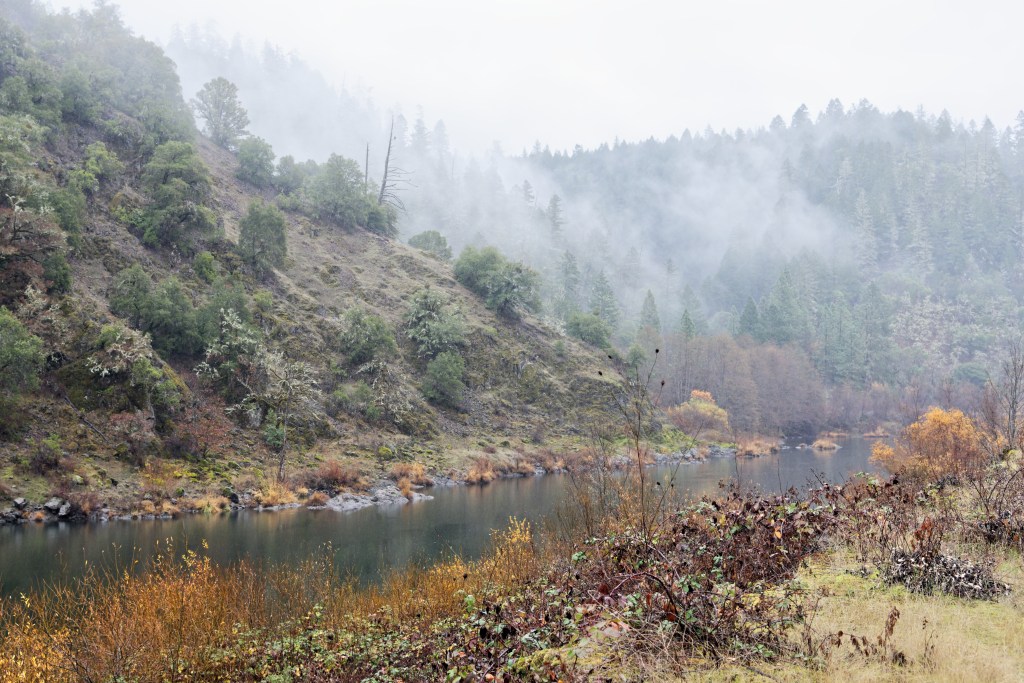
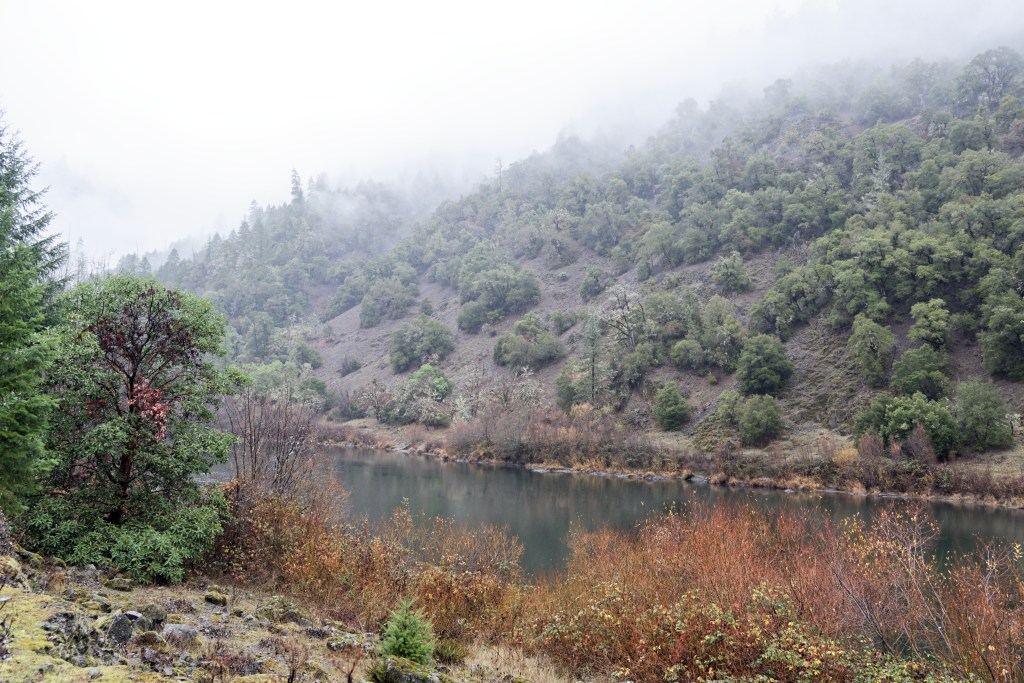
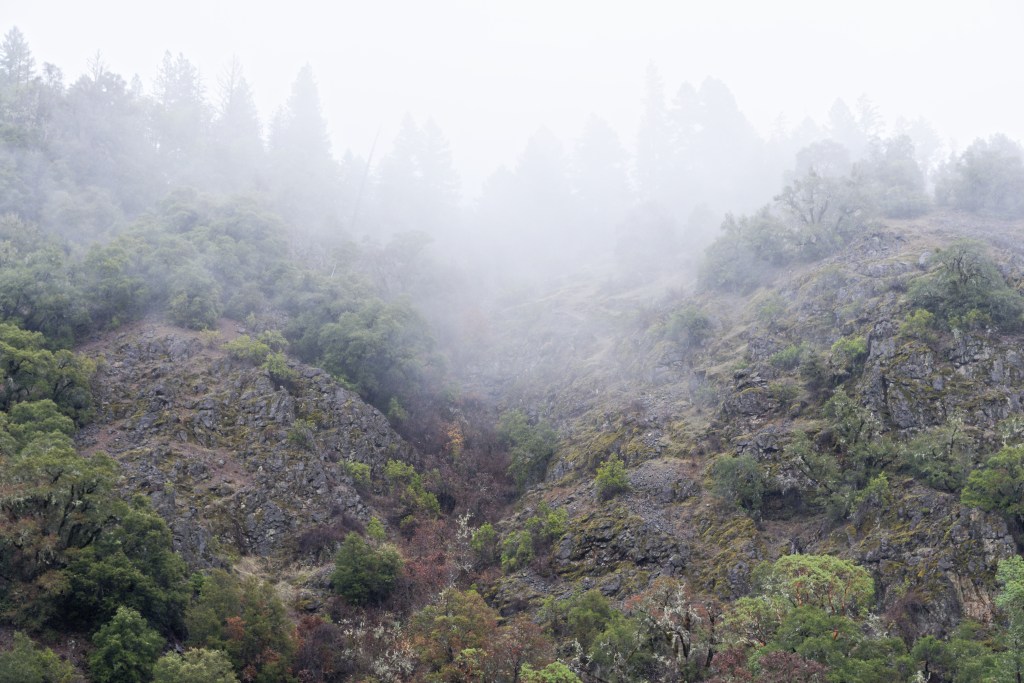
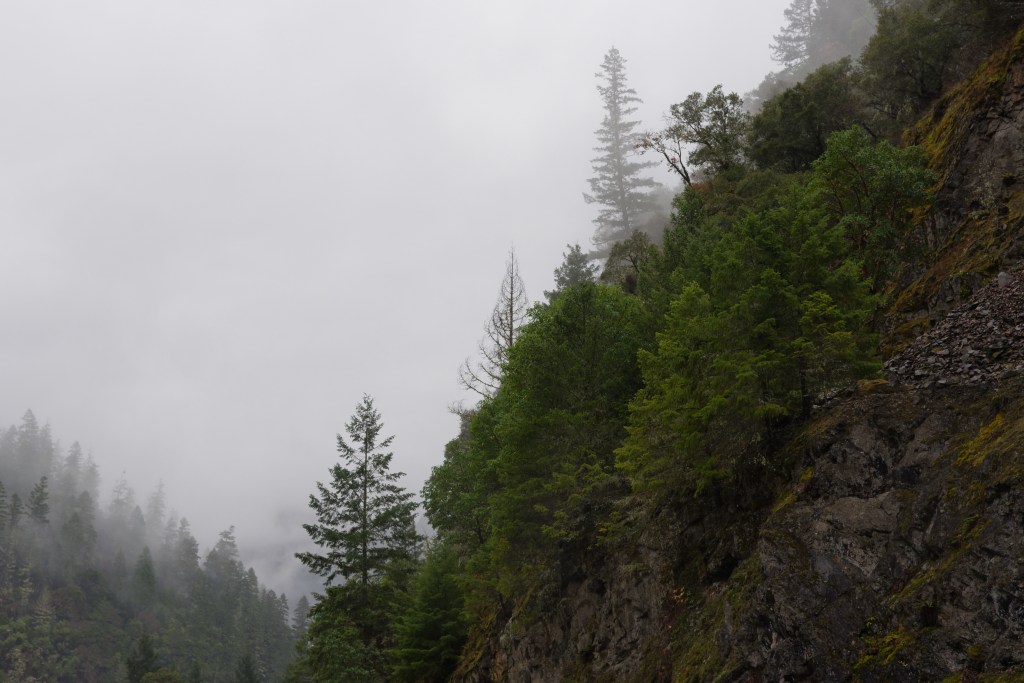
Here are some of my very first attempts, taken yesterday along the Rogue River in the rain and mist.
The Rogue River looking downstream.
oooo
The Rogue River looking upstream from the same point.
oooo
Looking towards the top of the opposite bank.
oooo
Trees in the mist.
Well it’s a start!
But I just wanted to reiterate that staying local both literally and virtually is very rewarding.
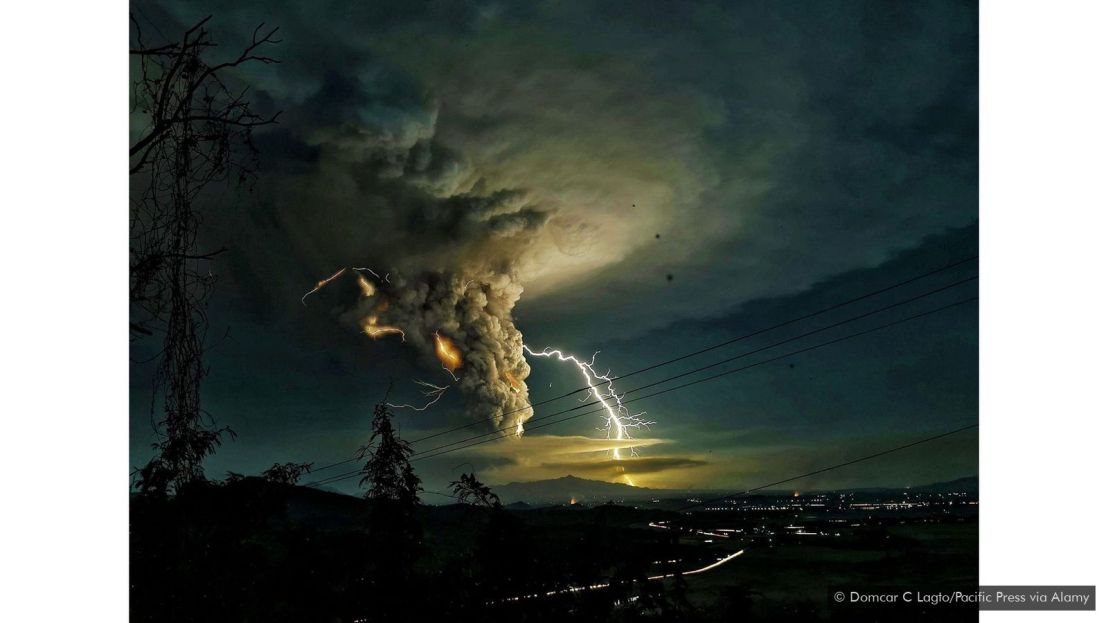
A lightning strike over the province of Batangas during the eruption of the Taal volcano in Philippines, January 2020 (Credit: Domcar C Lagto/Pacific Press via Alamy)
Eruption of Taal Volcano in Philippines, January 2020
Volcanic lightning occurs when fragments of propelled ash (including glass, ice, and rock) spark against each other in the violent plume that rises above an erupting volcano. The First-Century Roman writer Pliny the Younger is credited with recording the earliest-extant account of a so-called ‘dirty thunderstorm’ after witnessing the eruption of Mount Vesuvius in 79 AD. “A dreadful black cloud,” Pliny observed in a letter to Tacitus, “was torn by gushing flames and great tongues of fire like much-magnified lightning.” Photos taken in January 2020 of a similar display near Manila, Philippines when Taal Volcano erupted captured the world’s attention. The intense gnashing of darkness and light preserved by the images recalls the cataclysmic beauty of The Destruction of Pompei and Herculaneum, the Romantic artist John Martin’s 1822 painterly recreation of the ancient dirty thunderstorm that Pliny the Younger saw with his own eyes.
This is a copyrighted photograph and I may have to remove it pretty damn quickly.





 Acting Director and Astronomer, Dyer Observatory, Vanderbilt University








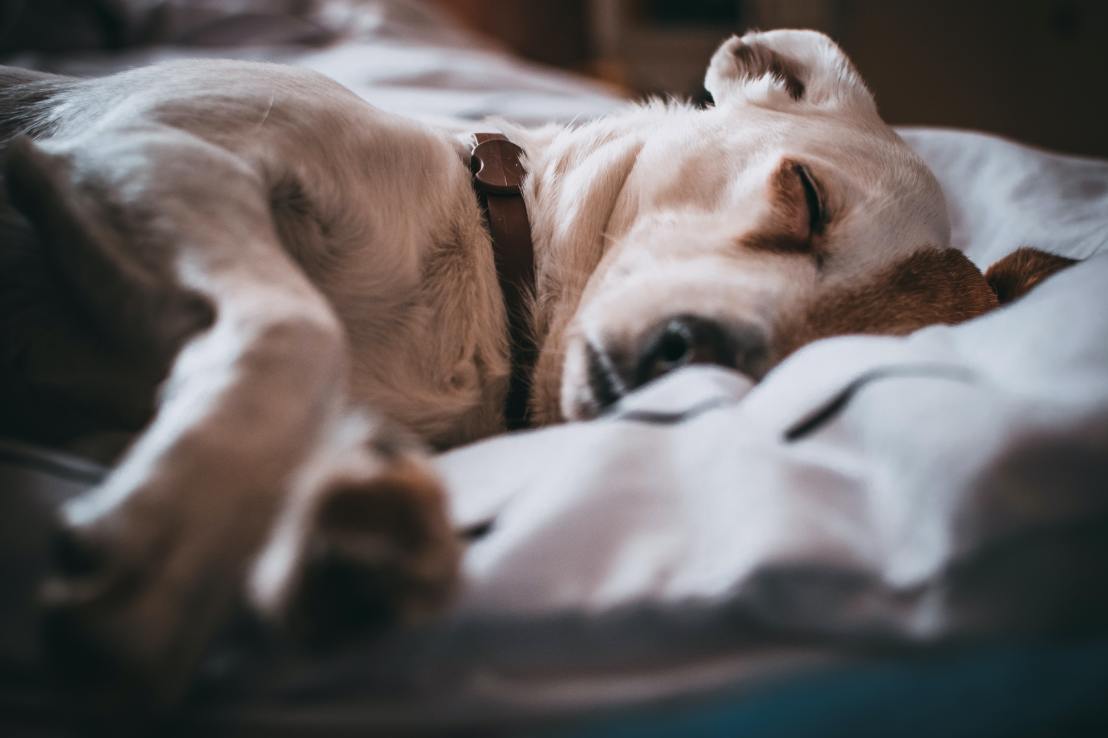


 Learning from Dogs