As promised, yet another set of photographs courtesy of Jess.

oooo

oooo

oooo

oooo

oooo

oooo

Beautiful photographs, and thank you, Jess! We especially loved the second one, yet they were all glorious.
Dogs are animals of integrity. We have much to learn from them.
Category: Photography
As promised, yet another set of photographs courtesy of Jess.
oooo
oooo
oooo
oooo
oooo
oooo
Beautiful photographs, and thank you, Jess! We especially loved the second one, yet they were all glorious.
Beyond our imagination.
Until quite recently I had imagined that a tree was just a tree. Then Jean and I got to watch a YouTube video on trees and it blew our minds. Here is what we watched:
That led us on to watching Judi Dench’s video of trees:
Which is a longish introduction to a piece on The Conversation about trees.
ooOOoo
Delphine Farmer, Colorado State University and Mj Riches, Colorado State University
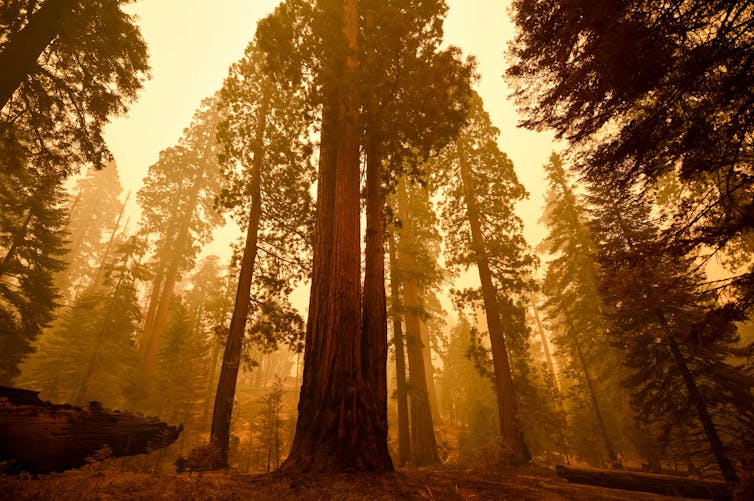
When wildfire smoke is in the air, doctors urge people to stay indoors to avoid breathing in harmful particles and gases. But what happens to trees and other plants that can’t escape from the smoke?
They respond a bit like us, it turns out: Some trees essentially shut their windows and doors and hold their breath.
As atmospheric and chemical scientists, we study the air quality and ecological effects of wildfire smoke and other pollutants. In a study that started quite by accident when smoke overwhelmed our research site in Colorado, we were able to watch in real time how the leaves of living pine trees responded.
Plants have pores on the surface of their leaves called stomata. These pores are much like our mouths, except that while we inhale oxygen and exhale carbon dioxide, plants inhale carbon dioxide and exhale oxygen.
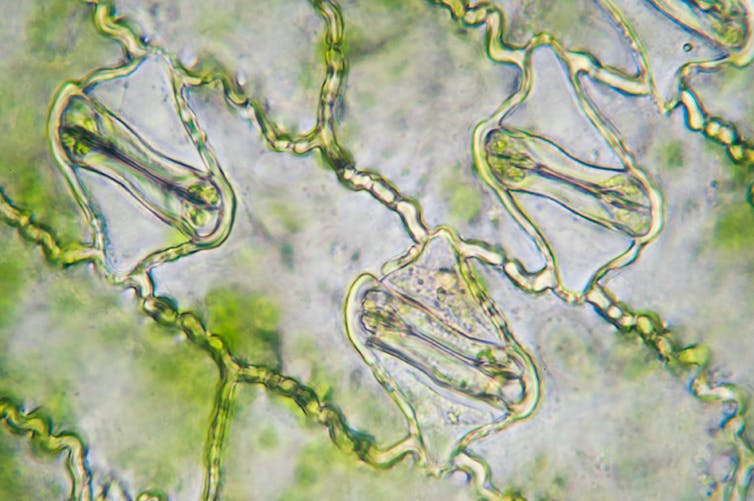
Both humans and plants inhale other chemicals in the air around them and exhale chemicals produced inside them – coffee breath for some people, pine scents for some trees.
Unlike humans, however, leaves breathe in and out at the same time, constantly taking in and releasing atmospheric gases.
In the early 1900s, scientists studying trees in heavily polluted areas discovered that those chronically exposed to pollution from coal-burning had black granules clogging the leaf pores through which plants breathe. They suspected that the substance in these granules was partly created by the trees, but due to the lack of available instruments at the time, the chemistry of those granules was never explored, nor were the effects on the plants’ photosynthesis.
Most modern research into wildfire smoke’s effects has focused on crops, and the results have been conflicting.
For example, a study of multiple crop and wetland sites in California showed that smoke scatters light in a way that made plants more efficient at photosynthesis and growth. However, a lab study in which plants were exposed to artificial smoke found that plant productivity dropped during and after smoke exposure – though those plants did recover after a few hours.
There are other clues that wildfire smoke can impact plants in negative ways. You may have even tasted one: When grapes are exposed to smoke, their wine can be tainted.
When wildfire smoke travels long distances, the smoke cooks in sunlight and chemically changes.
Mixing volatile organic compounds, nitrogen oxides and sunlight will make ground-level ozone, which can cause breathing problems in humans. It can also damage plants by degrading the leaf surface, oxidizing plant tissue and slowing photosynthesis.
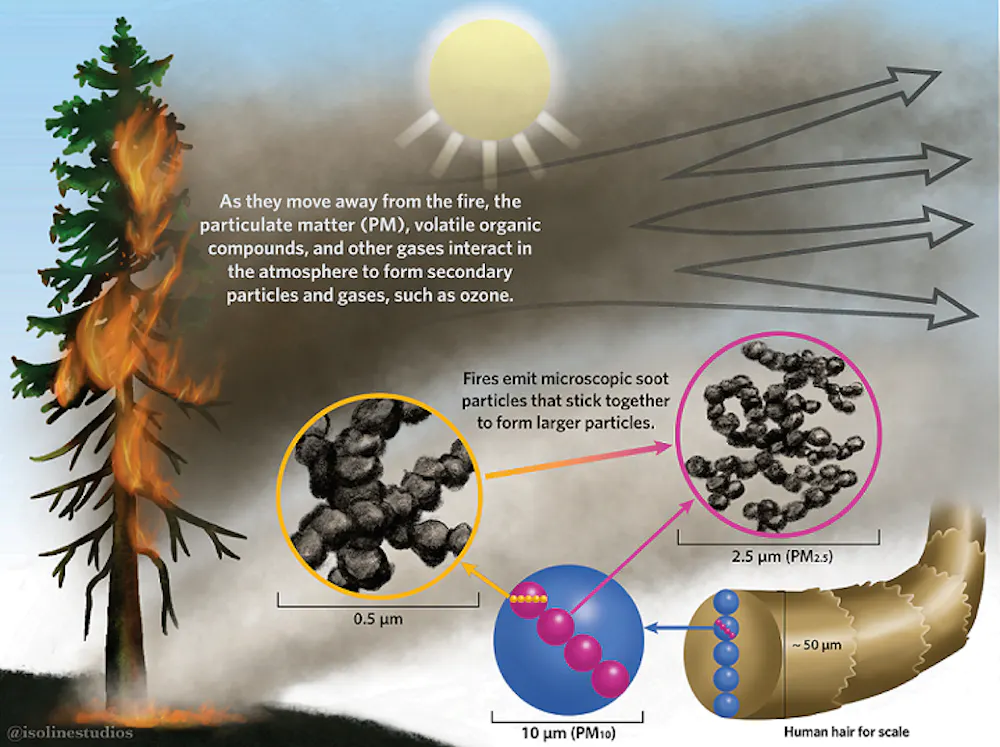
While scientists usually think about urban regions as being large sources of ozone that effect crops downwind, wildfire smoke is an emerging concern. Other compounds, including nitrogen oxides, can also harm plants and reduce photosynthesis.
Taken together, studies suggest that wildfire smoke interacts with plants, but in poorly understood ways. This lack of research is driven by the fact that studying smoke effects on the leaves of living plants in the wild is hard: Wildfires are hard to predict, and it can be unsafe to be in smoky conditions.
We didn’t set out to study plant responses to wildfire smoke. Instead, we were trying to understand how plants emit volatile organic compounds – the chemicals that make forests smell like a forest, but also impact air quality and can even change clouds.
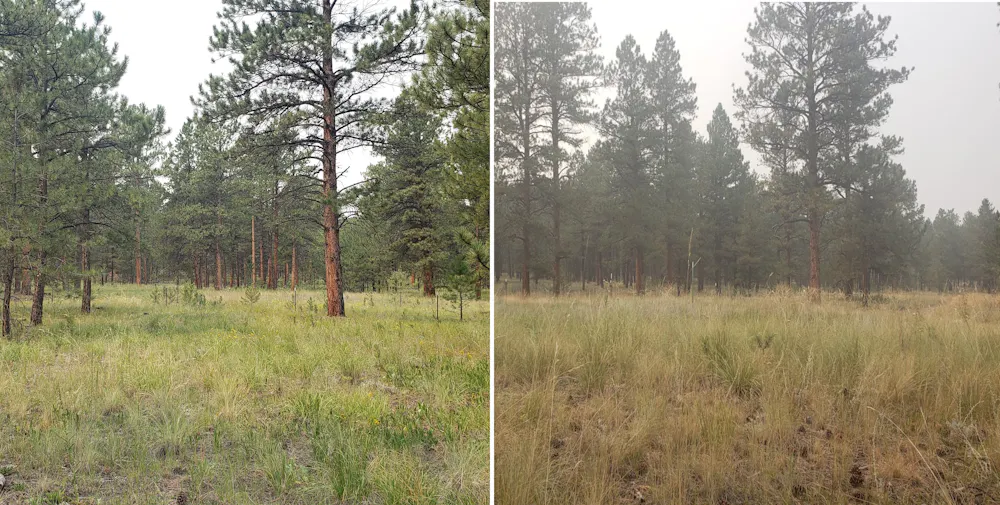
Fall 2020 was a bad season for wildfires in the western U.S., and thick smoke came through a field site where we were working in the Rocky Mountains of Colorado.
On the first morning of heavy smoke, we did our usual test to measure leaf-level photosynthesis of Ponderosa pines. We were surprised to discover that the tree’s pores were completely closed and photosynthesis was nearly zero.
We also measured the leaves’ emissions of their usual volatile organic compounds and found very low readings. This meant that the leaves weren’t “breathing” – they weren’t inhaling the carbon dioxide they need to grow and weren’t exhaling the chemicals they usually release.
With these unexpected results, we decided to try to force photosynthesis and see if we could “defibrillate” the leaf into its normal rhythm. By changing the leaf’s temperature and humidity, we cleared the leaf’s “airways” and saw a sudden improvement in photosynthesis and a burst of volatile organic compounds.
What our months of data told us is that some plants respond to heavy bouts of wildfire smoke by shutting down their exchange with outside air. They are effectively holding their breath, but not before they have been exposed to the smoke.
We hypothesize a few processes that could have caused leaves to close their pores: Smoke particles could coat the leaves, creating a layer that prevents the pores from opening. Smoke could also enter the leaves and clog their pores, keeping them sticky. Or the leaves could physically respond to the first signs of smoke and close their pores before they get the worst of it.
It’s likely a combination of these and other responses.
The jury is still out on exactly how long the effects of wildfire smoke last and how repeated smoke events will affect plants – including trees and crops – over the long term.

With wildfires increasing in severity and frequency due to climate change, forest management policies and human behavior, it’s important to gain a better understanding of the impact.
Delphine Farmer, Professor of Chemistry, Colorado State University and Mj Riches, Postdoctoral Researcher in Environmental and Atmospheric Science, Colorado State University
This article is republished from The Conversation under a Creative Commons license. Read the original article.
ooOOoo
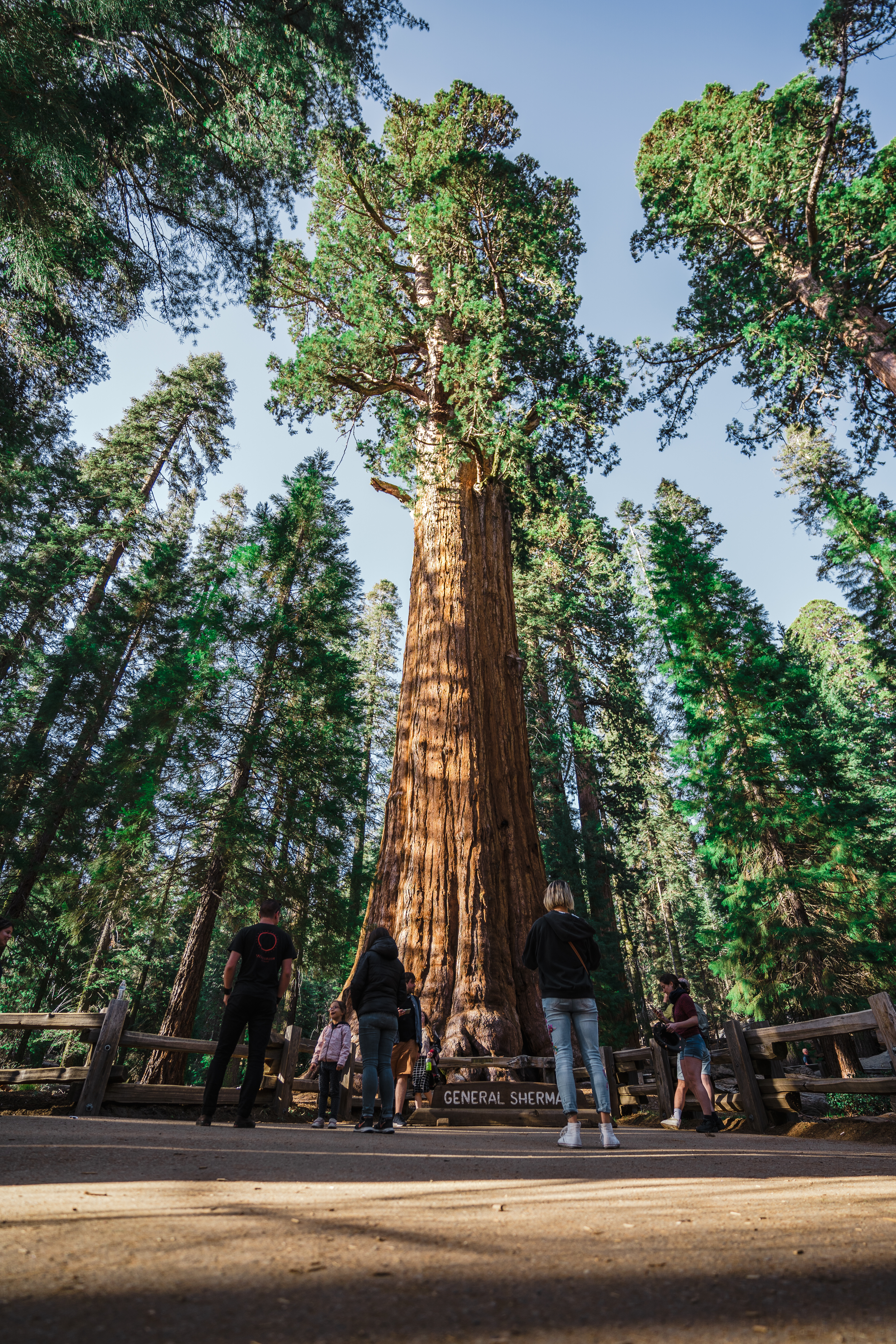
The biggest tree in the world is reputed to be the General Sherman tree in California. Here is the introduction from WikiPedia:
General Sherman is a giant sequoia (Sequoiadendron giganteum) tree located at an elevation of 2,109 m (6,919 ft) above sea level in the Giant Forest of Sequoia National Park in Tulare County, in the U.S. state of California. By volume, it is the largest known living single-stem tree on Earth.
Amazing!
Now for a change!
Jess has sent me a great collection of dog pictures that she has found on Instagram and elsewhere and for a few weeks I am going to be sharing them with you.

oooo

oooo

This is a very touching photo. Dogs grieve about loss just as we do. Jess
oooo

oooo

oooo

More from Jess next Sunday.
A few more of my own!

oooo

oooo

oooo

oooo

oooo
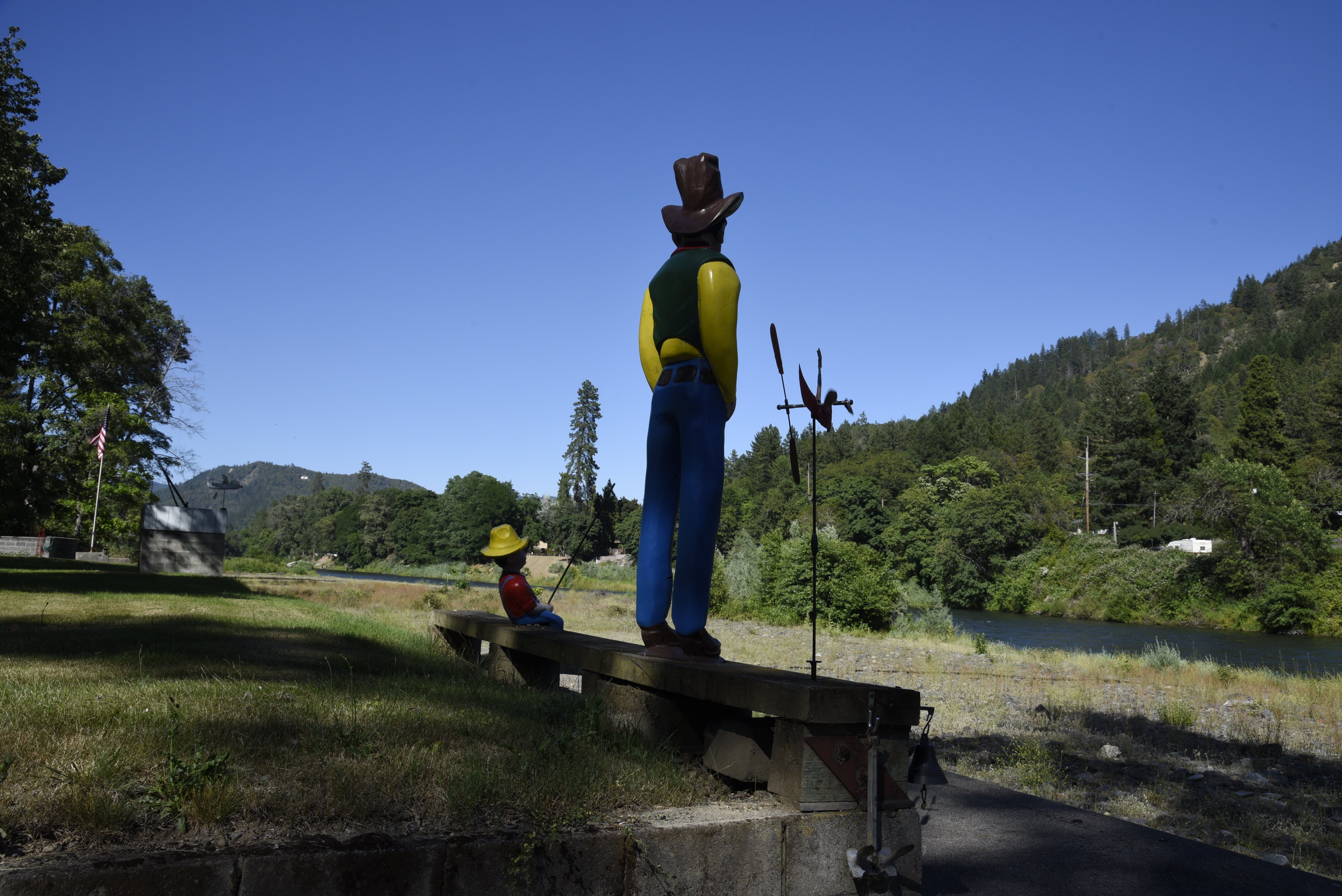
Hope you enjoy them.
Reflections on Oregon.
Or more precisely Southern Oregon.
We live in a beautiful State.
Roughly 100 miles North-East of us is Crater Lake.
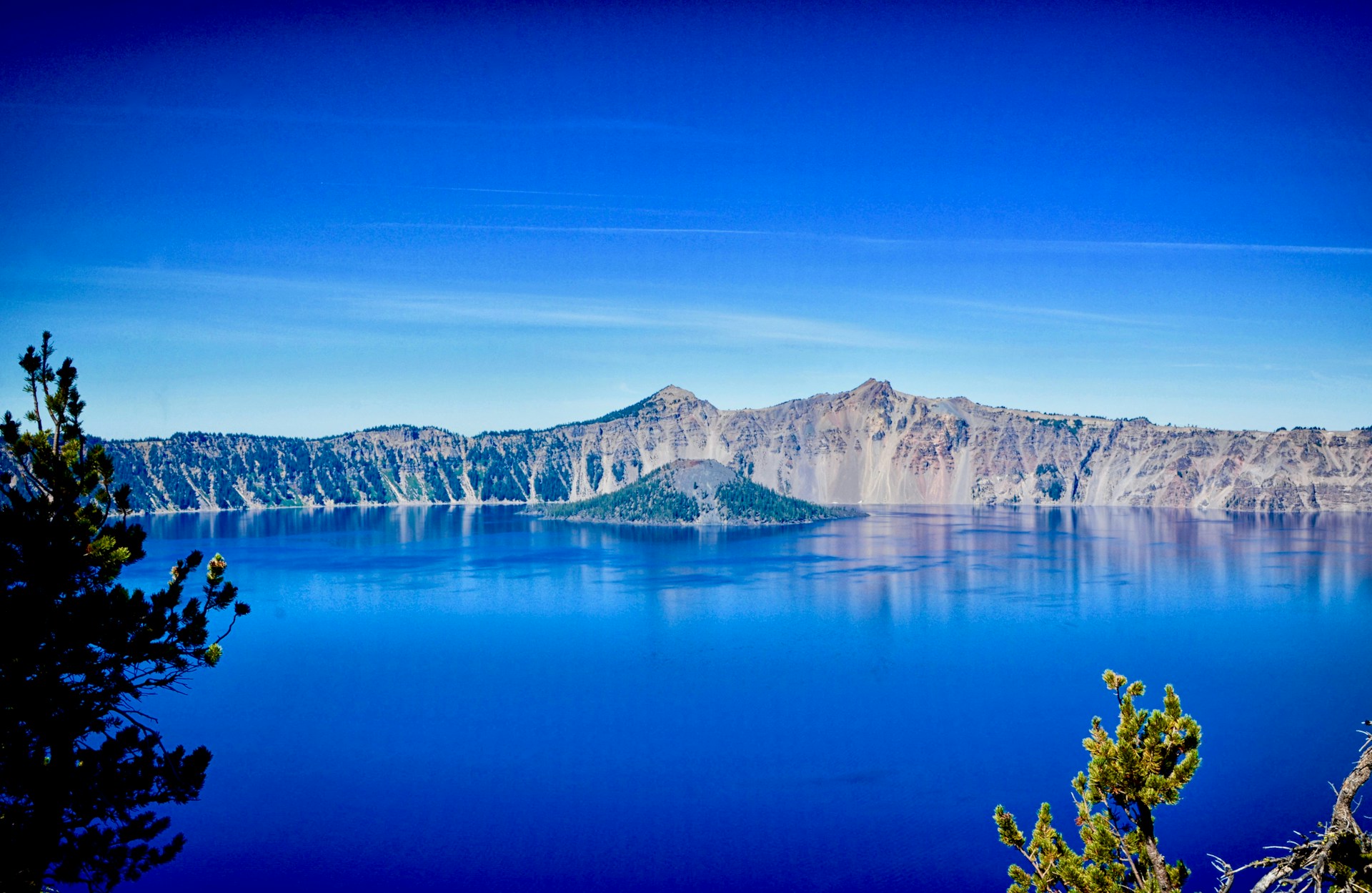
Photo by Anukrati Omar on Unsplash
It was formed when this former volcano, “which collapsed on itself during an eruption just 7,700 years ago and slowly filled with melted snow, now stands as Oregon’s only national park.”
At over 2,000 feet deep it is the deepest lake in the United States of America.
There is a website, 16 Reasons Why Oregon is the Best State in the Country, and Jean and I believe it. Do visit this web page.
Oregon has acres and acres of forest and wild lands.
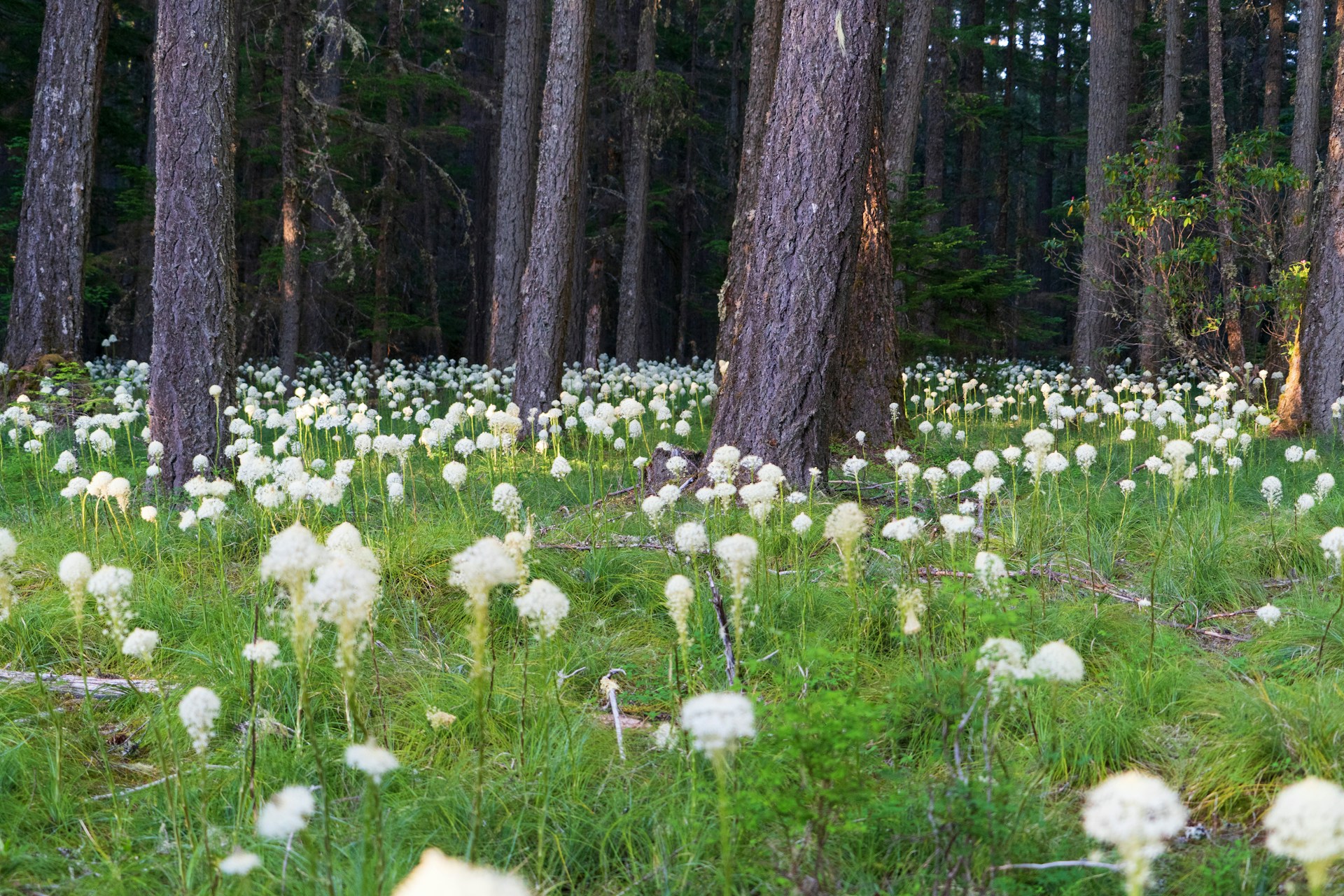
Photo by Dan Meyers on Unsplash
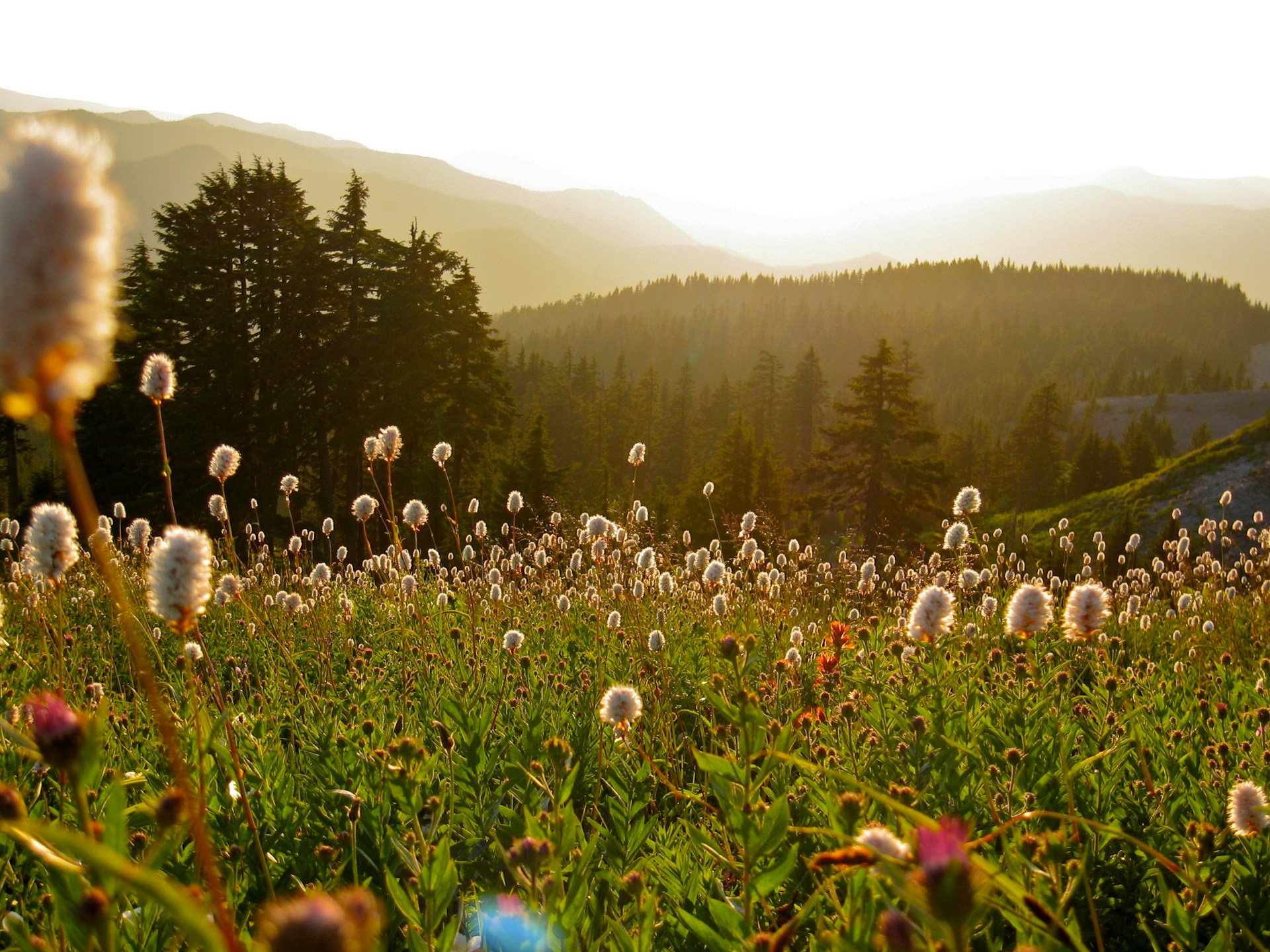
Photo by Moss and Fog on Unsplash
Oregon has many truly wild places. Here is a photograph of one of Oregon’s famous waterfalls.
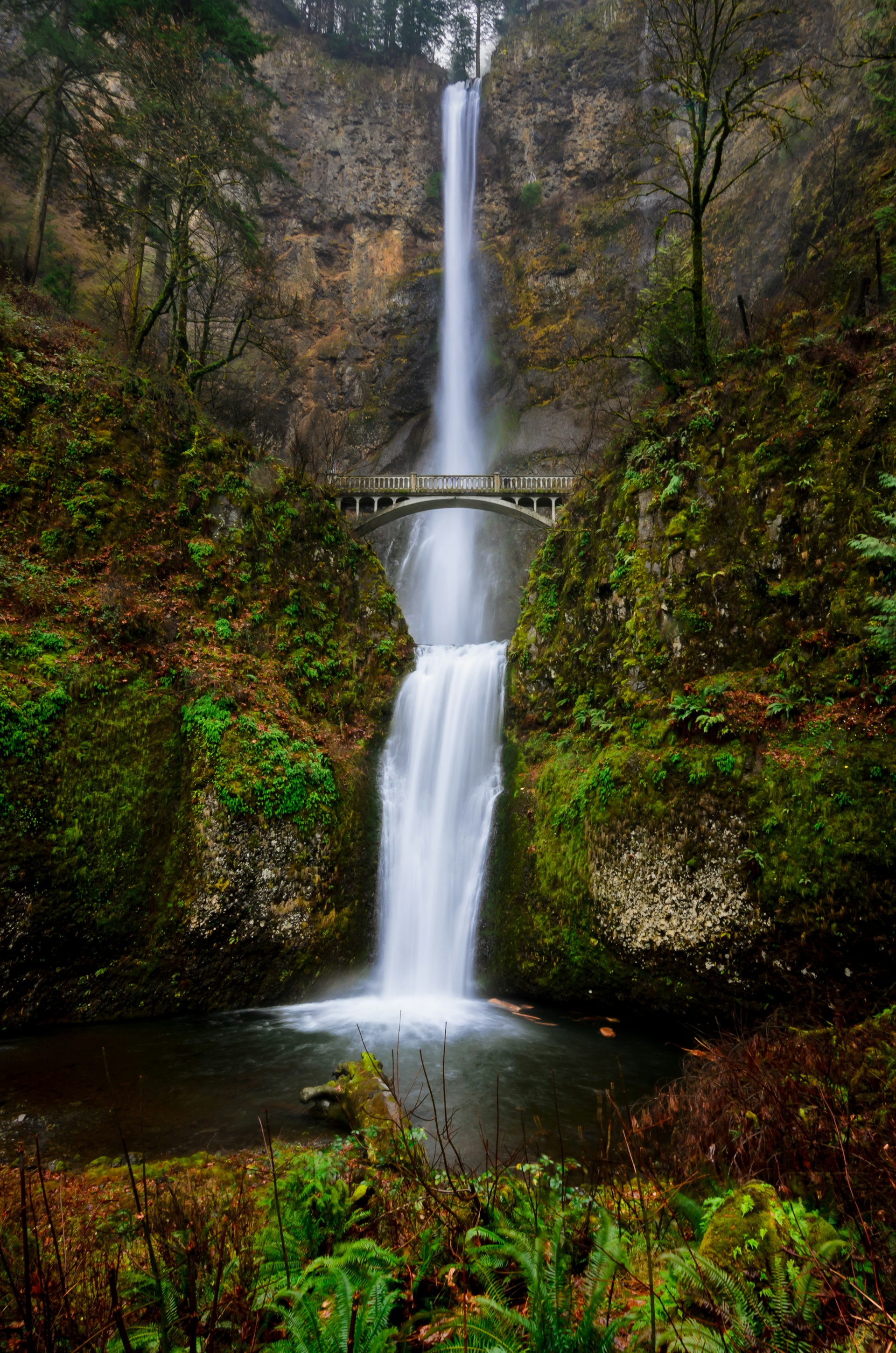
Photo by Chris Briggs on Unsplash
Here is a photo of the wild coast and the ocean.
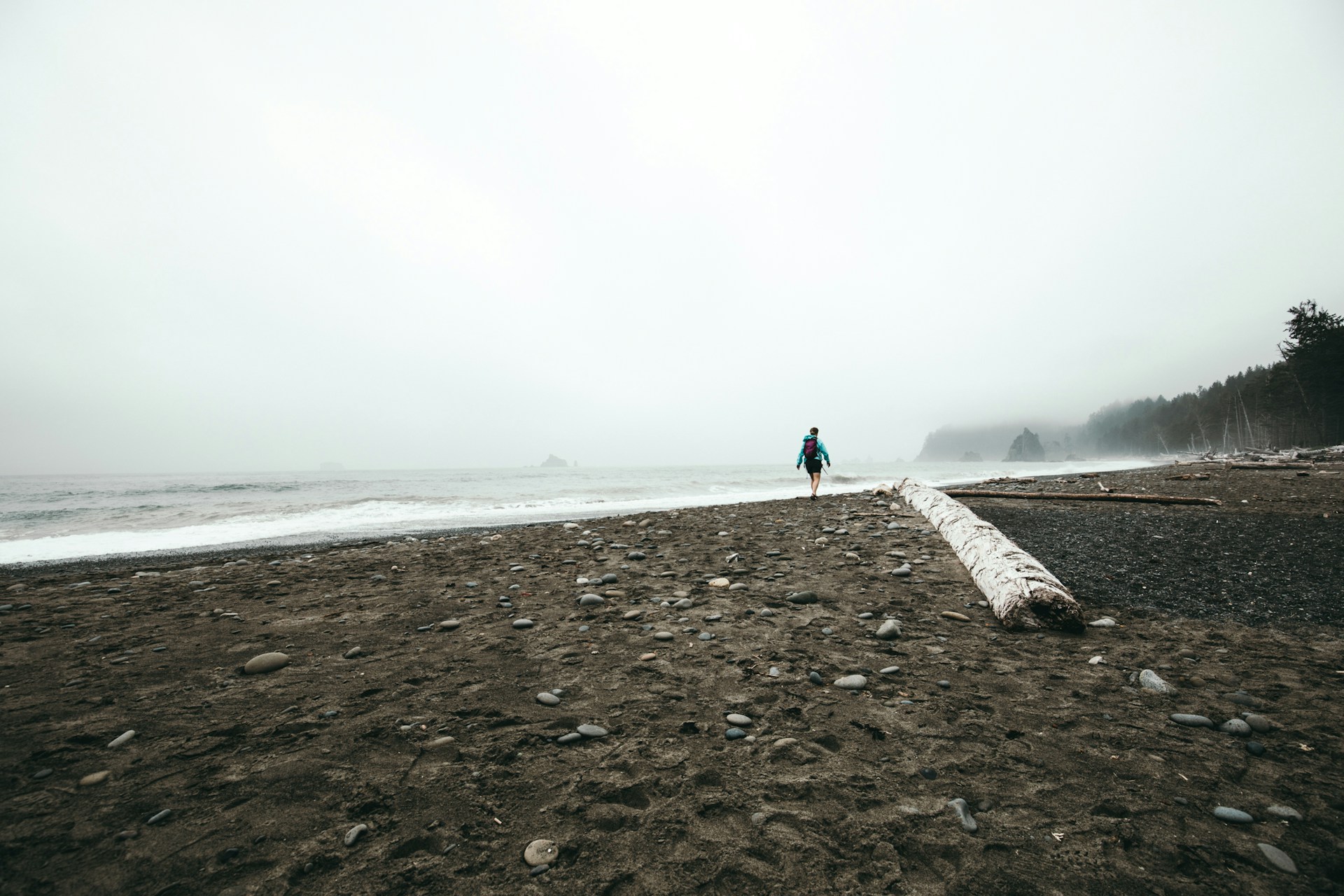
Photo by KAL VISUALS on Unsplash

Photo by Jordan Steranka on Unsplash
As was said at the start, Jean and I live in a very beautiful part of America.
Plus the people are incredibly friendly.
Back to Unsplash!

Photo by Robert Koorenny on Unsplash

Photo by Tracey Hocking on Unsplash

Photo by Tadeusz Lakota on Unsplash

Photo by Marcus Löfvenberg on Unsplash

Photo by Nick Fewings on Unsplash

Photo by Kevin Noble on Unsplash

Photo by Vico Pradipta on Unsplash
That’s all for this week, and for the month of June.
See you again soon.
Just a single image today!
That of 50 years ago.
In other words when Apollo 8 was in Lunar Orbit and William Anders, who died on June 7th, aged 90, captured Earth-rise.
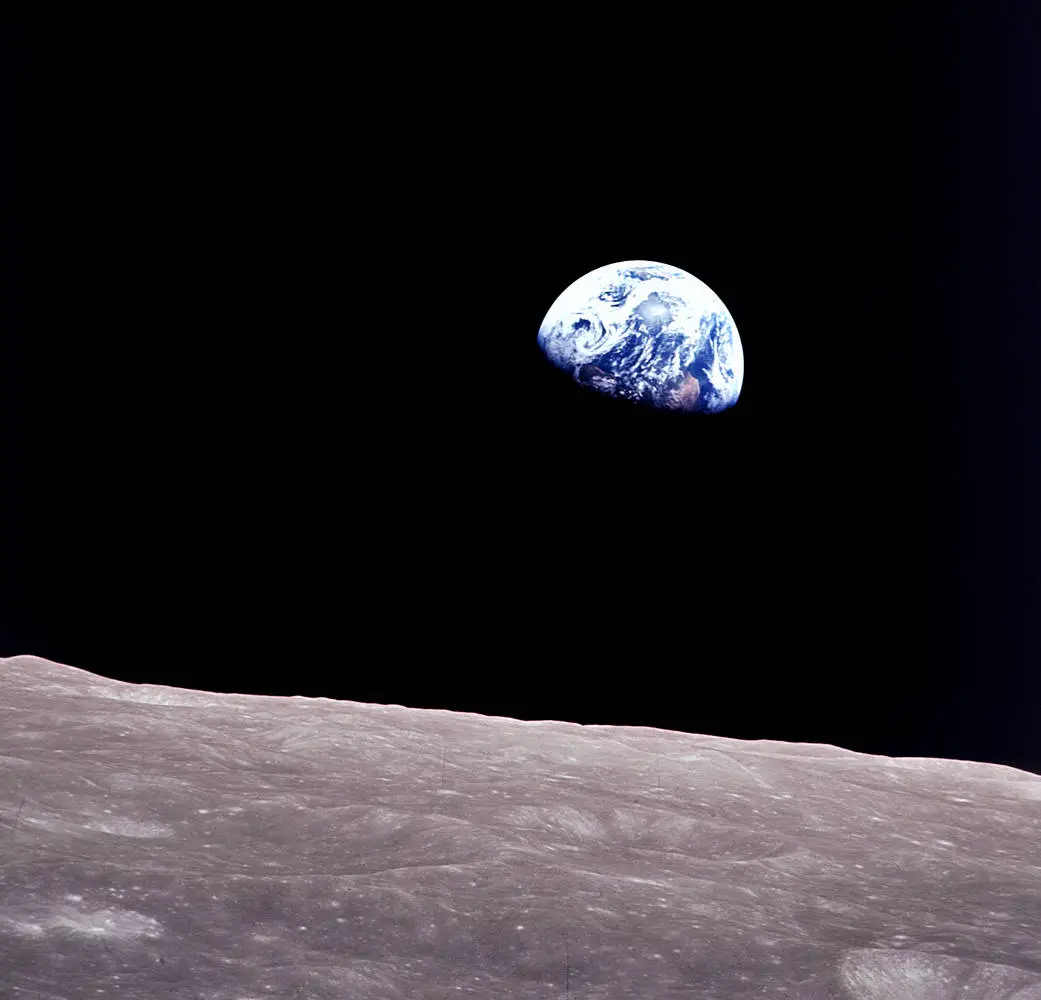
Image credit: NASA
What a photograph!
Thanks to the Dodo for this.
I just love articles about dogs being rescued. Such as this one:
ooOOoo
Tiny Dog Trapped In Canal For Days Almost Loses Hope Of Being Found
By Ashley Ortiz, Published on May 28, 2024.
It was a sunny spring day in Compton, California, when a group of residents spotted something white bolt across an unused canal. It’s not uncommon to find discarded items strewn along the canal, known as Compton Creek, but this was the first time they’d seen a dog trapped inside.
Situated tens of feet below ground level, the worried onlookers were unsure how a tiny pup made it into the canal in the first place.
“[T]here was no way in except to climb down,” Suzette Hall, founder of Logan’s Legacy 29 dog rescue, wrote on Facebook.

The Good Samaritans rushed to help the pup, later named Sammy, but he was too scared to let anyone get close.
“There were people who went to try to get the dog, but they were unable to secure [him],” Kristina Ross, one of Sammy’s original helpers, wrote in a Facebook comment.

Ross posted footage of Sammy sprinting down the canal on Facebook and pleaded for someone to save him. After three days of failed attempts, they contacted Logan’s Legacy, and Hall was eager to help.
Hall soon arrived with a humane dog trap in hand. As she figured out a way to lower herself into the canal to set up the trap, another pair of Good Samaritans descended.
“I [saw] the post today and jumped down the sewer with a rope,” one of the Good Samaritans wrote on Instagram. “[I] felt the need to rescue this poor baby.”

The pair trudged through muddy sewer water and trash to reach Sammy. As dangerous and uncomfortable as wading through the canal was, they knew that Sammy’s experience was even worse.
Hall watched as the men tried to catch Sammy multiple times. On their final attempt, one of the guys, Nelson, successfully cornered Sammy and threw a net around him to stop him from bolting again.
Nelson then carefully gathered up the net with Sammy still in it, and his partner lifted the pup out of the canal. They handed Sammy over to Hall, who gave the dog a big, triumphant hug before loading him up in her car.
“He literally melted in my arms,” Hall wrote. “He knew he was finally safe.”

Ross, the woman who had originally posted about Sammy, offered to foster him for the night. The grateful pup slept through the night in a cozy bed before heading to the veterinary clinic the next day, where he was immediately treated for a rotten tooth and an injured paw.
The tiny dog was soon on the mend, but his rescuers still couldn’t believe what he’d been through.
“I can’t imagine how scared he was down here in that big, huge canal, all by himself,” Hall wrote on Facebook. “He’s in recovery and doing just fine.”

While Sammy recovered at the vet clinic, he stole the heart of one of the vet techs caring for him. Instantly smitten with the pup, the loving vet tech decided to give him the best forever home he could’ve ever dreamed of.
“She said, ‘We have fallen in love … can we please adopt him?’” Hall wrote on Facebook. “[It’s] just so meant to be. He is beyond loved and getting spoiled.”

Over a month after his rescue, Sammy is thriving in his new home alongside his equally tiny Chihuahua sibling. His days are filled with cozy beds, walks with his family and play sessions with his doting sibling — and he wouldn’t have it any other way.
For his rescuers, it seems like Sammy’s journey through the canal was just yesterday. But for Sammy, his days of feeling alone and scared are far in the past. Now, he only knows love.
To help pups like Sammy get the care they need, you can donate to Logan’s Legacy 29 here.
ooOOoo
I have included the link to Logan’s Legacy 29 just in case you wanted to help Sammy as well. We have made a small donation.
This is the most perfect outcome one can imagine. Beautiful Sammy!
Just some local scenes.
I took my camera and Jean and I toured the local area and I have a few pictures to share with you.

oooo

oooo

oooo

oooo

Makes a nice change to photos of strange dogs!
Back to Unsplash for today’s photographs.

Photo by Cristina Anne Costello on Unsplash

Photo by Harshit Suryawanshi on Unsplash
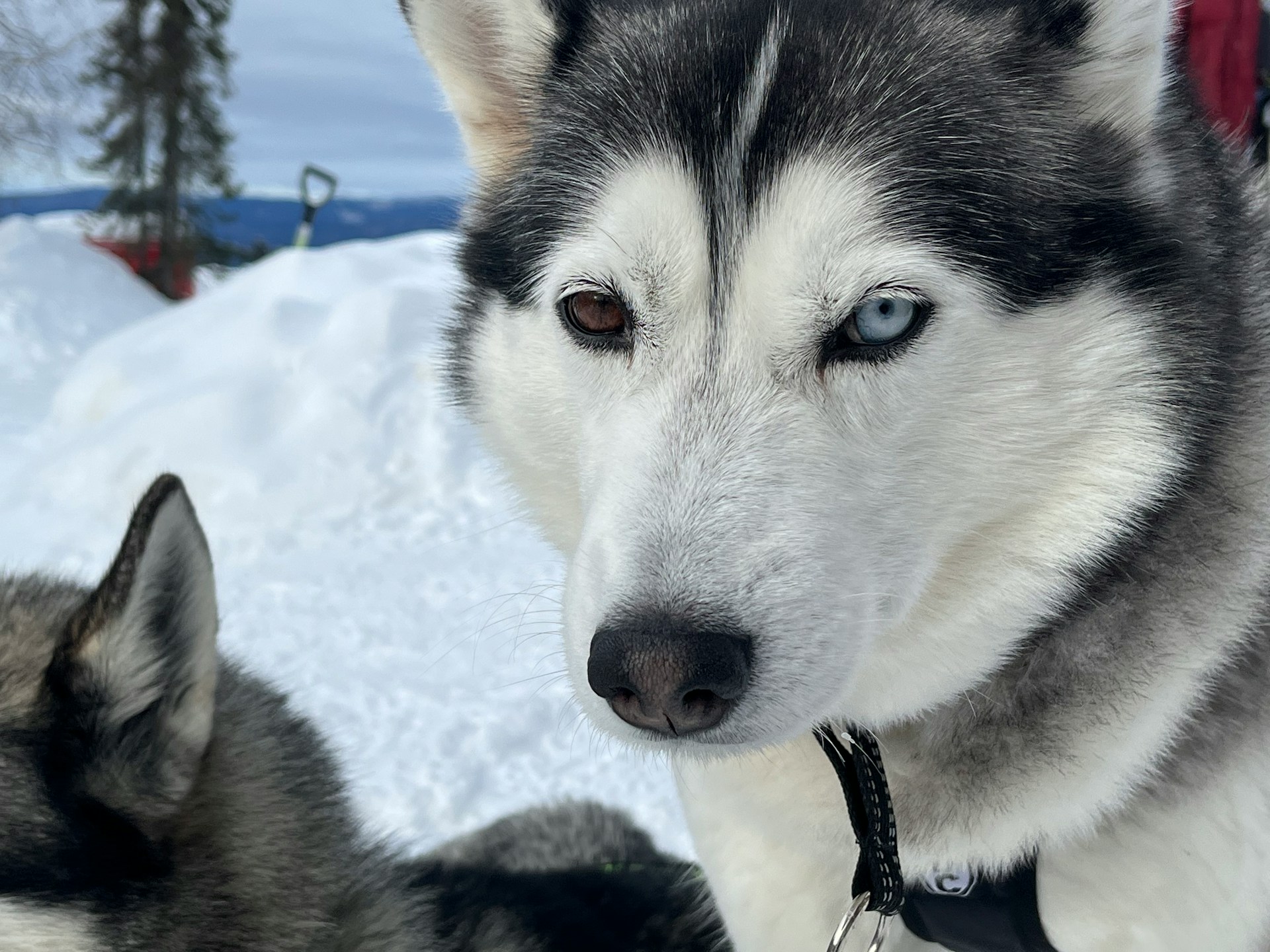
Photo by Saman Tsang on Unsplash

Photo by Aldo Houtkamp on Unsplash
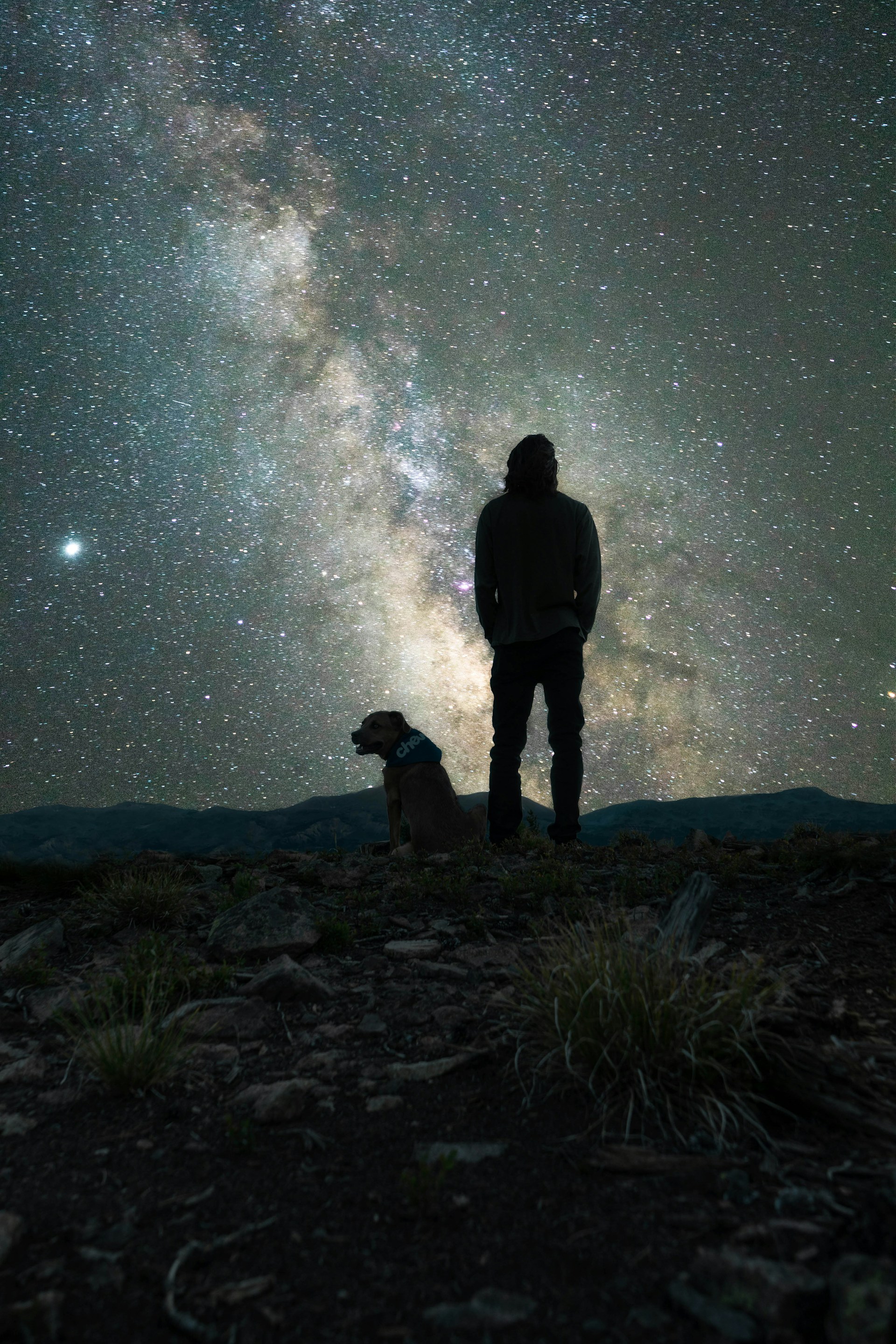

Photo by Deepak Kumar on Unsplash
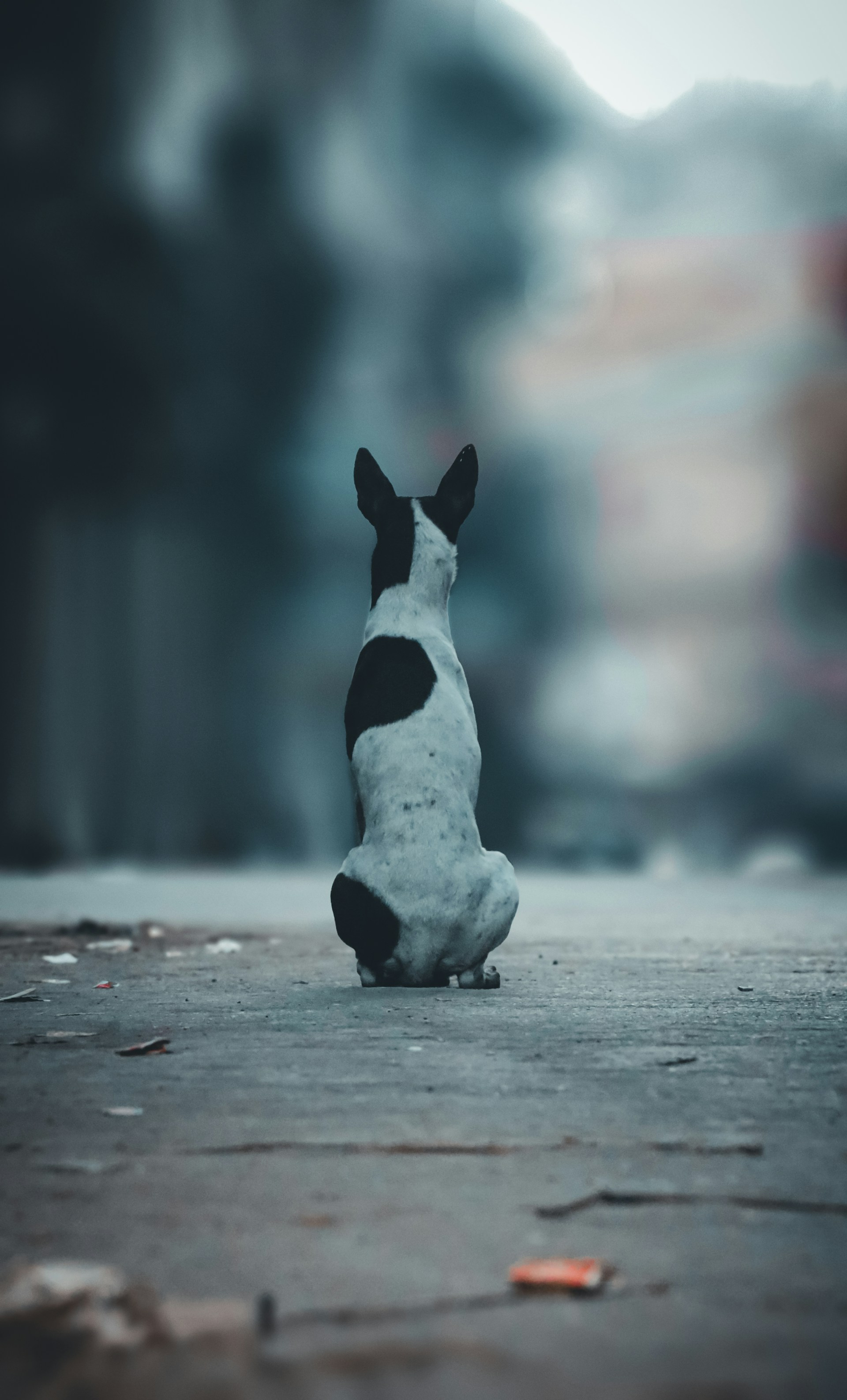
Wonderful photographs.
I have done my best to avoid duplications with previous Picture Parades but cannot guarantee it.

