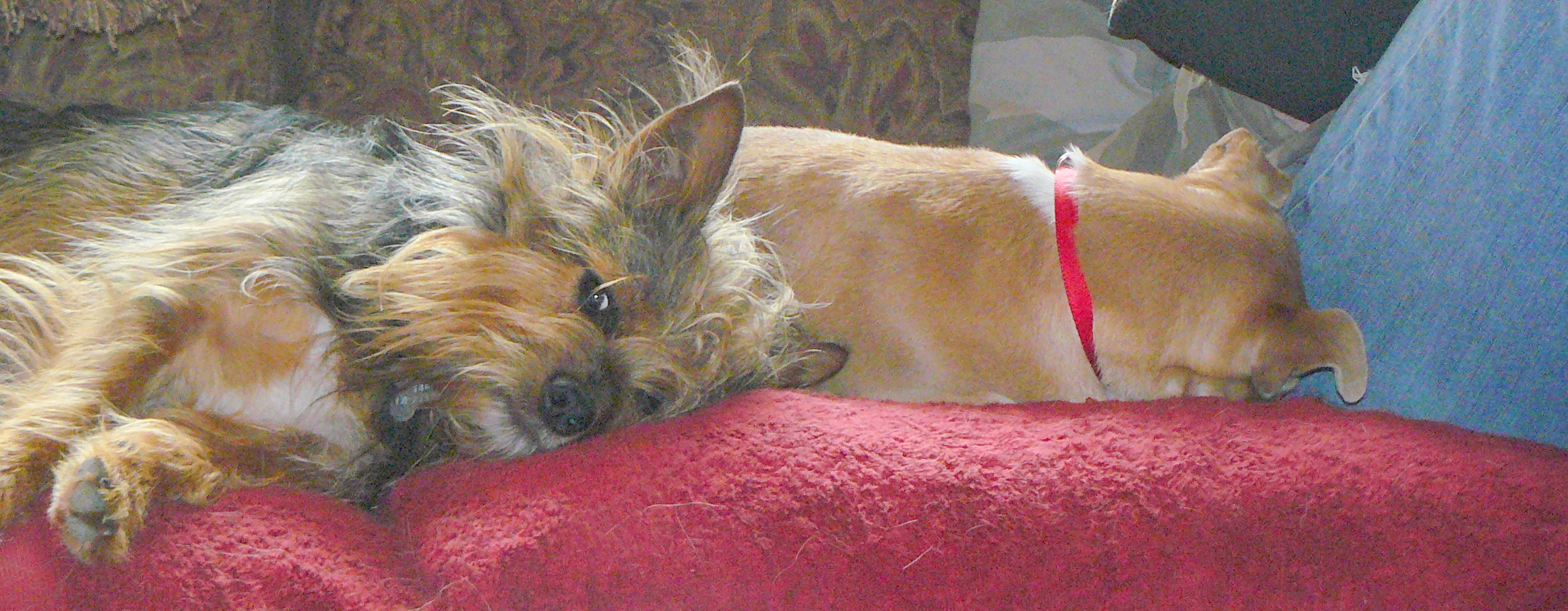
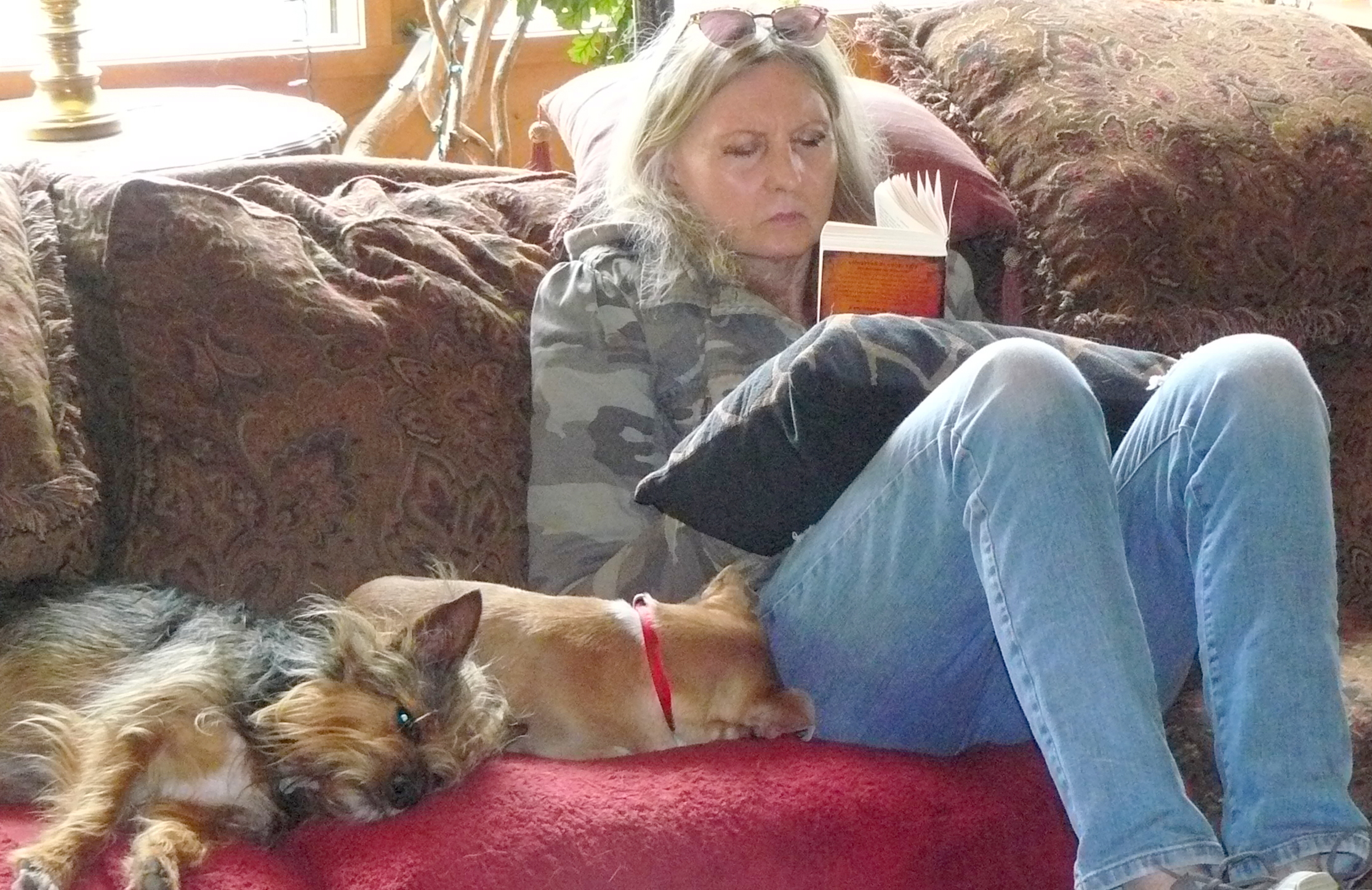
When I first started writing Learning from Dogs, some six years ago this coming July 15th, I didn’t have a clue. Not a clue about how addictive it would become, how eventually it would motivate me to write a book of the same name as the blog (not yet published), and, above all, what a wonderful family feeling would develop. Not only between me and my followers but also, and just as importantly, from the many wonderful blogs that I follow in turn.
In a world that offers so many examples of everything that we don’t love, it’s a great pleasure to republish Val’s post, done so with her very kind permission. Thank you, Val.
ooOOoo
Love is the Bridge for Understanding – and Action
Posted on July 1, 2015 by Val Boyko
Diana over at Talk to Diana wrote a moving post today that has stayed with me. “He Deserves Better Than This” is about her father who has been in chronic back pain for years and has not received treatment to alleviate it. Diana decided that enough was enough and made several calls until she spoke to an administrator in the health service.
Diana’s intention was clear. “They know his medical history, but I wanted to tell them about the man who is my dad, who worked hard all his life, who deserves better than this; who deserves to live his last years with some enjoyment and quality of life.”
Wow.
Sometimes we let ourselves think that others have our best interests in mind… And we suffer in silence. It is up to us to ensure that they understand what our needs are and support us in getting them met. (Having a caring daughter as an advocate also helps!)
So, how do we make ourselves be seen, heard and understood?
Having a good argument doesn’t cut it. Bringing all the facts to the discussion won’t either. Getting angry could also backfire.
I believe that in Diana’s case, her passion and love for her father touched the goodness inside a fellow human being. The administrator wanted to help and she did. He gets treatment on Friday. Yeah!
Love is the bridge for understanding. It moves us from being “one of them” in the eyes of another to become “us” in our common humanity and caring.
Here’s an other story that touched me deeply. Daniel Gottlieb is a family therapist, psychologist and award winning radio host. Thiry years ago he survived a traumatic car accident. He is paralyzed from the neck down and gets around in a special wheelchair.
In his book The Wisdom We’re Born With he shares a personal story. While staying at a hotel on business, the manager approached him and said “I hope you are enjoying your stay”. As it turned out there had been several hurdles that he had had to overcome in order to find a room that was easily accessible and comfortable. He asked to meet with the manager the next day to go on a guided tour with him. The manager seemed sincerely interested.
Gottlieb then asked the manager “Who do you love most in the world?” The manager quickly responded “My daughter.” Gottlieb then said “Okay, could you do this before we meet tomorrow morning? Imagine your daughter is visiting your hotel…. and she is in a wheelchair.”
They did meet the next morning but there really was no need, the manager had already seen the obstacles and hurdles. He was eager for more input from Gottlieb so that he could make it right.
When we reach out with love, we touch the innate love and compassion in others. We come together in our common humanity and caring. We hear each other and understand. We are all connected by love.
And then we know what is to be done.
ooOOoo
Revealing my age, what comes immediately to mind after having read Val’s post is this song:
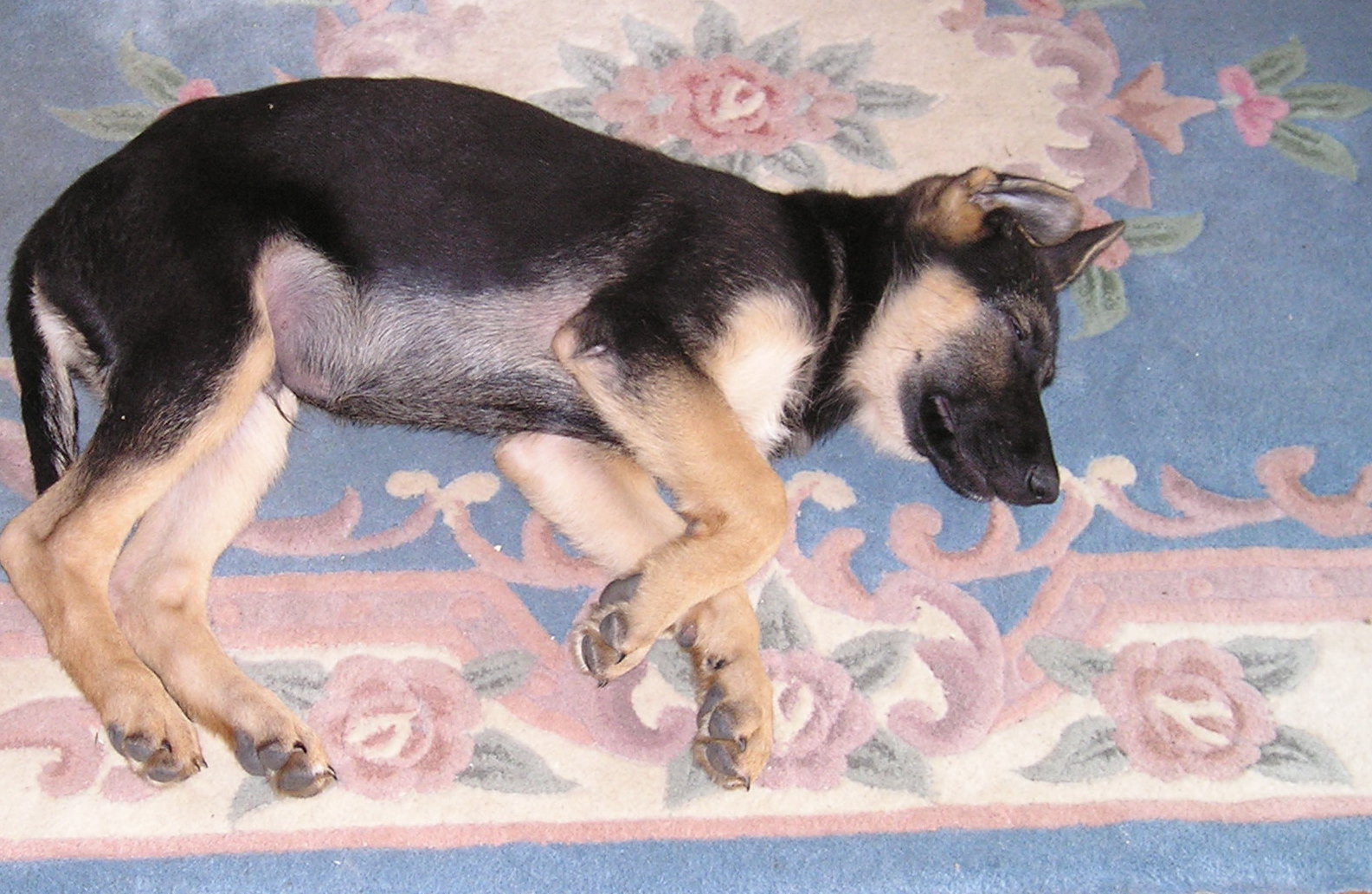
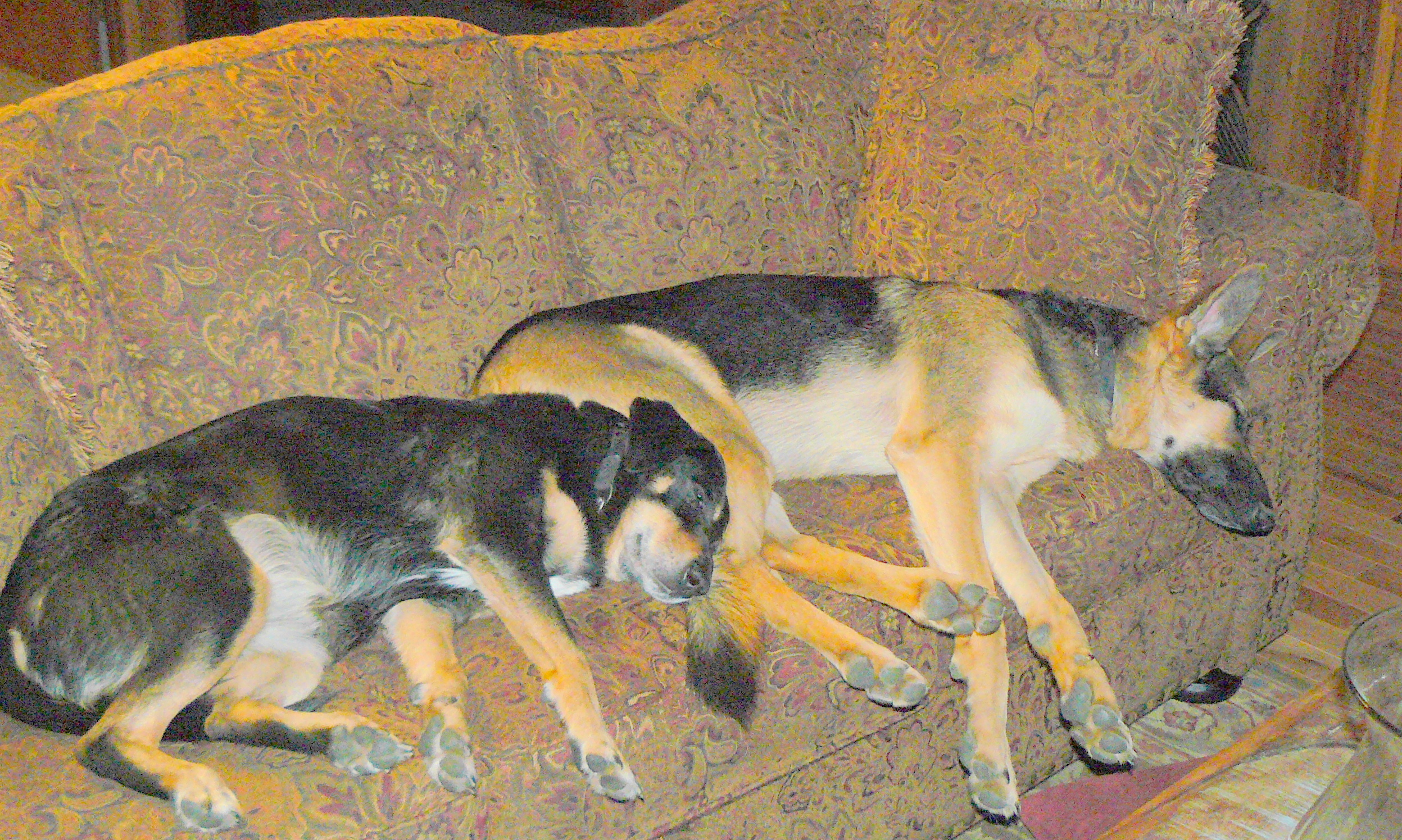
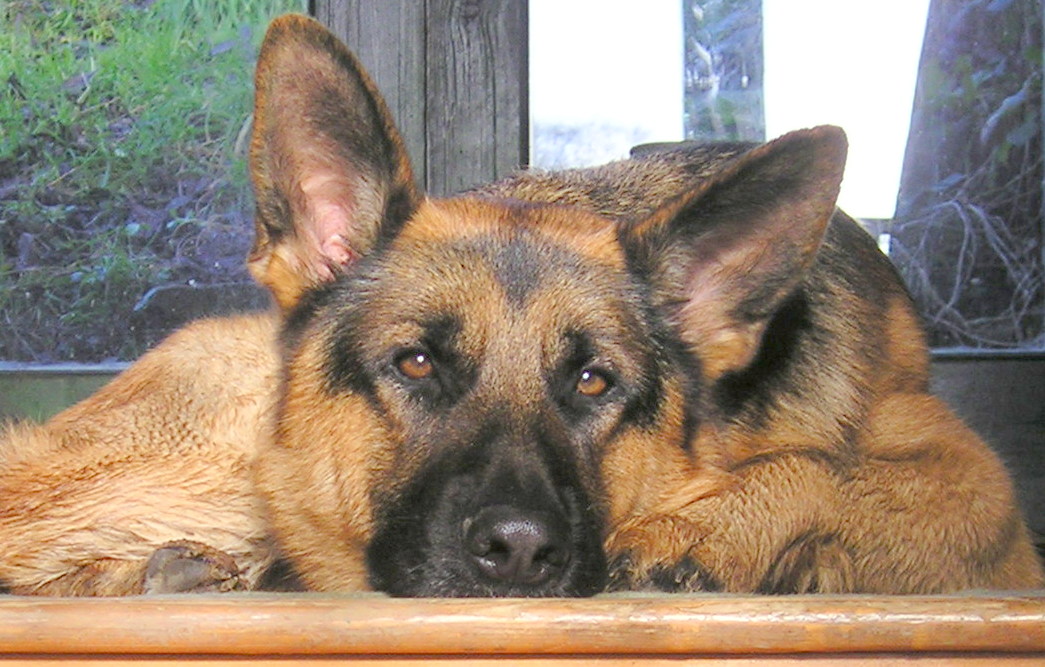
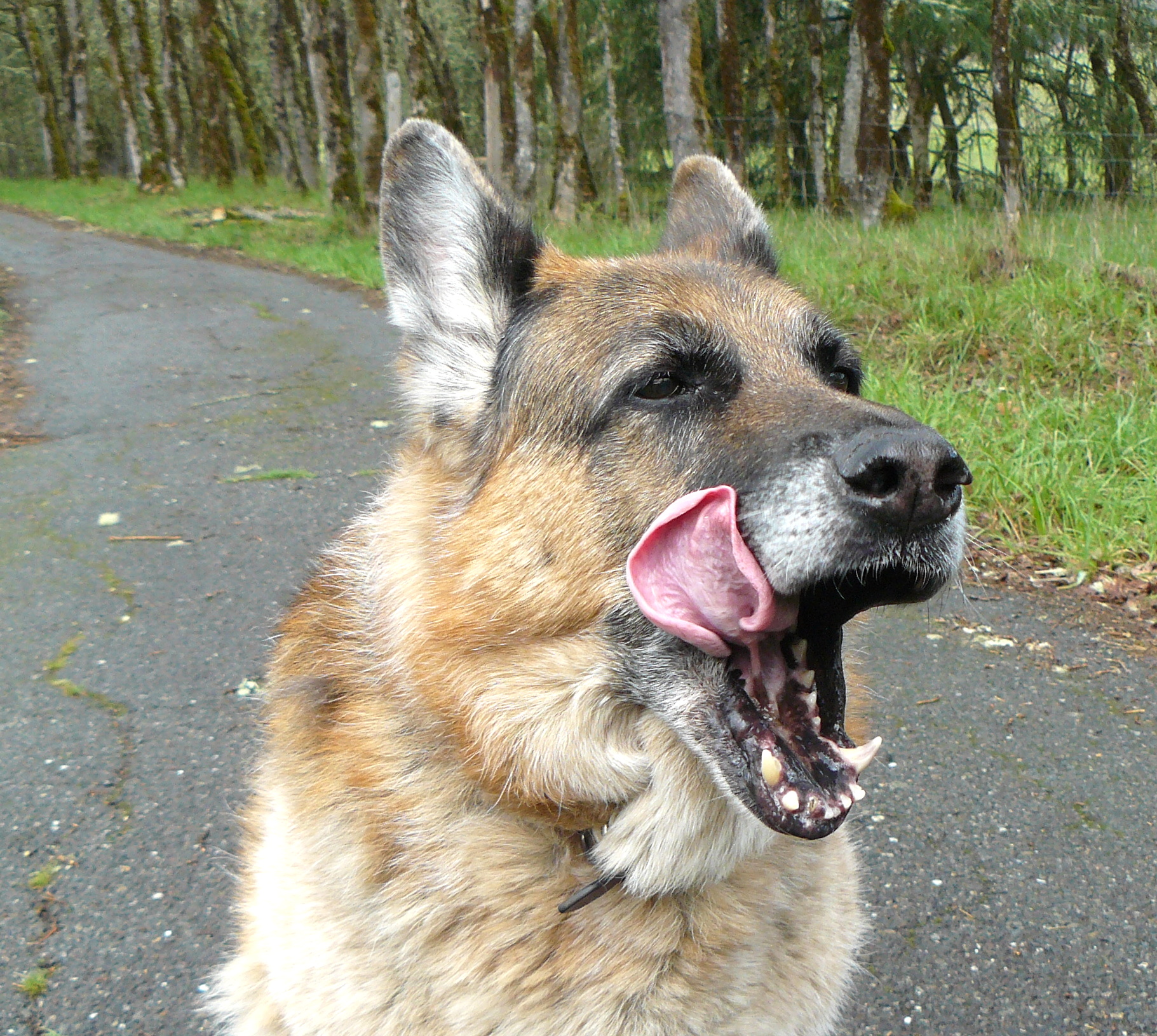
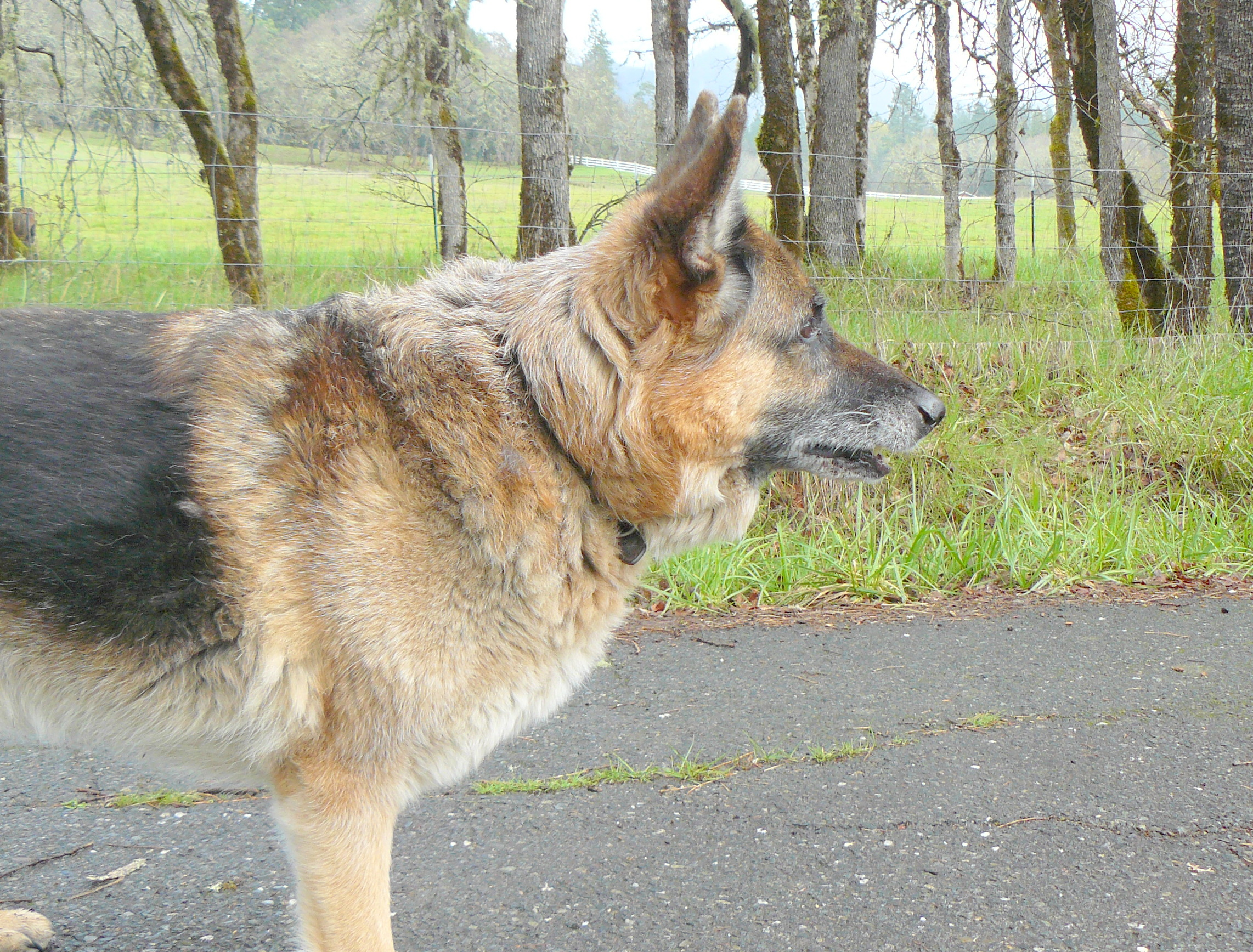
A young Pharaoh already embracing contentment. September, 2003.
Sidney Bloch, who is Emeritus Professor in Psychiatry at the University of Melbourne, recently published an essay over on the blogsite The Conversation. (Greatly recommended, by the way.)
His essay was about happiness versus contentment and certainly touched a few spots in this old Englishman’s psyche, contented as I am in this rural part of Oregon. However, until now I had never stopped to think about the difference between being happy and being contented.
So, I think you are going to enjoy Professor Bloch’s views, that now follow. His essay is republished, with permission, just as it was presented on The Conversation.
ooOOoo
Happiness is an illusion, here’s why you should seek contentment instead.
June 29, 2015 4.07pm EDT
Feeling content means having a deep-seated, abiding acceptance of oneself and one’s worth, together with a sense of self-fulfilment, meaning and purpose. James Theophane/Flickr, CC BY-SA
I want to share a personal view of what it is to be happy and how it differs from feeling content. Let me begin with a clinical story.
They met at a party; it was love at first sight just like one reads about in romantic novels. They married following an exhilarating courtship, and since they shared an eagerness to raise a family, Jennifer soon announced the joyful news of her pregnancy. They called their baby Annie after Adam’s late mother.
They felt blessed; every moment since their first encounter had been nothing but pleasurable. Everyone who knew them concurred that their lives as a couple had been replete with happiness.
Tragically, it was not to endure. Their first setback occurred only days after Annie’s birth. She was sleeping fitfully and her colic stubbornly persisted. Jennifer felt utterly demoralised as a new mother. Her mounting sense of guilt and melancholy led to her admission to a psychiatric ward (her first ever encounter with psychiatry); the fear of her harming Annie or herself spread through the family and circle of friends.
And then, quite shockingly, despite the most diligent medical and nursing care, Jennifer met her death after jumping off a second floor balcony. Her family and friends plunged into deep grief; the medical professionals who had looked after her were similarly bereft.
An elusive goal
Having worked as a psychiatrist for over four decades and got to know dozens of men, women, and children of diverse backgrounds and with unique life stories, I have witnessed many a sad narrative, although suicide has mercifully been a rare event.
These experiences, in tandem with a lifelong fascination with what makes people tick, have led me most reluctantly to the judgement that while we may savour happiness episodically, it will invariably be disrupted by unwelcome negative feelings. Still, most of humankind will continue to harbour the expectation of living happily and remain oblivious that this wishful fantasy is an unconscious way of warding off the threat of psychic pain.
Rather than confront and demoralise those who have sought my help, I have gently but honestly responded to their plaintive yearning (“all I want is just to be happy”), by highlighting an inherent human sentiment. Namely that clinging to the fiction of being able to avoid suffering and enjoying a continuing state of pleasure is tantamount to self-deception.
I have offered them the hope – but not a guarantee – that they have the potential to lead a more fulfilling life than hitherto by participating in a challenging, and at times even distressing process of self-exploration whose purpose is to enhance self understanding and acceptance of the reality-bound emotional state I call contentment.
You may retort: “But you treat people who are miserable, pessimistic and self-deprecating, surely you must be hopelessly biased.” I would readily understand your reaction but suggest that all of us, not just those in treatment, crave happiness and are repeatedly frustrated by its elusiveness.
Most of humankind continues to harbour the expectation of living happily and remains oblivious that this wishful fantasy is an unconscious way of warding off the threat of psychic pain. Kate Ter Haar/Flickr, CC BY-SA
As the father of psychoanalysis Sigmund Freud emphasised in his 1930 essay, Civilization and Its Discontents, we are much more vulnerable to unhappiness than its opposite. That’s because we are constantly threatened by three forces: the fragility of our physical self, “doomed” by ageing and disease; the external world, with its potential to destroy us (through floods, fires, storms and earthquakes, for example); and our unpredictably complicated relationships with other people (regarded by Freud as the most painful source of unhappiness).
So, am I simply a misanthrope? I hope not but I am inclined to agree with Elbert Hubbard, the American artist and philosopher, who said, “Life is just one damn thing after another“.
We only have to think about the 50 million people who are currently displaced and unlikely to find a secure haven anytime soon, or the 2.2 billion people – including millions of children – who live on less than US$2 a day to appreciate the validity of that remark.
A better option
Given the formidable obstacles to chasing after happiness or promoting its sustainability if we are lucky enough to come by it, what options do human beings have? I have not come across any meaningful approach to this question, even from the unswervingly confident proponents of the contemporary school of positive psychology.
So, I espouse the following: given that we have the means to distinguish between happiness and contentment, we can examine how they differ and, in so doing, identify an alternative to the futile pursuit of happiness.
Happiness, derived from the Norse word hap, means luck or chance; the phrase happy-go-lucky illustrates the association. Many Indo-European languages similarly conflate the feeling of happiness and luck. Glück in German, for instance, can be translated as either happiness or chance, while eftihia, the Greek word for happiness, is derived from ef, meaning good, and tixi, luck or chance.
Thus, a mother may have the good fortune to feel ecstatic when responding to her infant’s playfulness, only to see it evaporate a couple of years later and be replaced by the initial features of autism. In the story we started this article with, Jennifer may have persevered had her baby slept peacefully and not been assailed by colicky pain in her first few weeks of life.
Contentment is derived from the Latin contentus and usually translated as satisfied. No multiple meanings here to confuse us. In my view, feeling content refers to a deep-seated, abiding acceptance of one’s self and one’s worth together with a sense of self-fulfilment, meaning and purpose.
And, most critically, these assets are valued and nurtured whatever the circumstances, or even especially when they are distressing or depressing.I have had the privilege of knowing men and women who suffered grievously as children in the ghettoes and concentration camps of Nazi Europe but emerged from their nightmare to face the challenge of seeking strengths, emotional and spiritual, within themselves. With the passage of time, many succeeded in achieving a sense of deep-seated contentment.
What these survivors have clearly demonstrated is that accepting and respecting oneself, coupled with determining what is personally meaningful, stand a greater chance of accomplishment, even if never completed, than a relentless and ultimately futile pursuit of happiness. What’s more, contentment has the potential to serve as a robust foundation upon which episodes of joy and pleasure can be experienced and cherished.
ooOOoo
I read the essay on The Conversation out aloud to Jeannie yesterday morning and we both found it a very wise and insightful reflection.
Seems to me that there’s another aspect of life that we could learn from our wonderful dogs!
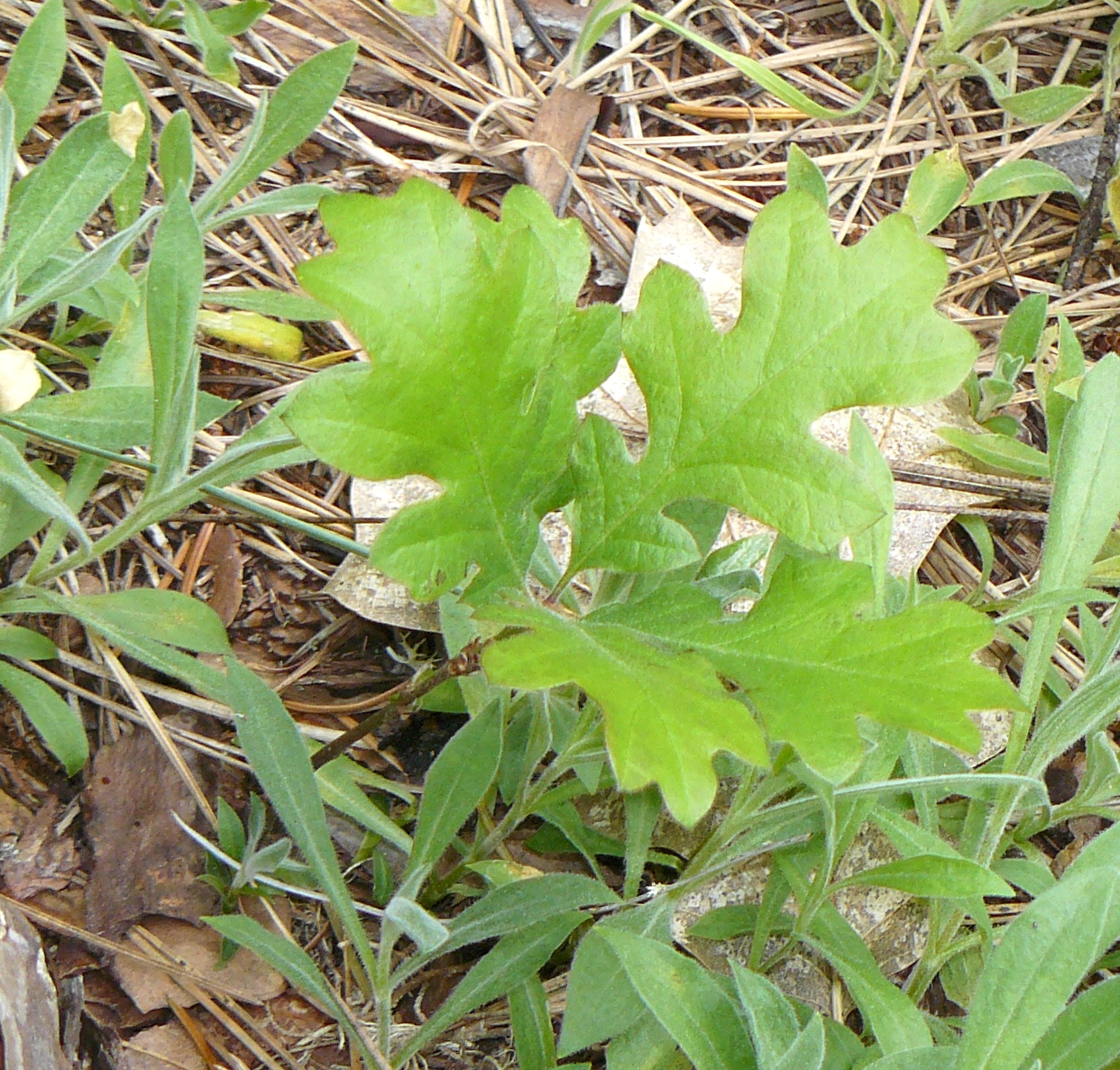
This is a repost of what appeared over on Alex Jones’ blog Liberated Way last Thursday. It resonated so wonderfully with all the young plants and trees around us here at home in Merlin, and the numerous oak saplings making their way into the world! Republished with Alex’s kind permission.
ooOOoo
Things prosper when cared for!
The joy of caring for something.
These oak saplings prosper because of care.
Today, I moved my eight oak saplings into the full sun, added a new layer of quality compost to their pots, and watered them. In their second year of life these oak saplings prosper because of care.
Caring for something means one must pay attention to the small details. For instance, I remove the caterpillars from the oak leaves, and the weeds that grow in the pots. If I did not concentrate on the small details, the little problems could grow into larger problems, the caterpillars destroying the oak saplings, the weeds stealing their nutrients in the pots.
Also, the individual spends time on the thing cared about, establishing regular activities, such as in my case, watering the oak saplings every few days. The individual looks for ways that the cared for thing might benefit, just as I moved my oak saplings into the full sun, added new compost to them, and infected them with a type of symbiotic fungus that aids oak sapling growth.
The thing cared for becomes special, for instance there are millions of oak trees in Britain, but only eight of those, my saplings, are special to me. In such a caring relationship, both sides come to depend upon the other. My oak saplings need my care and attention to survive, I need my oak saplings to feel good about myself when life is hard.
If the individual has nothing to care for, their life becomes empty and meaningless. I love the book by Antoine De Saint-Exupery called The Little Prince, which explores ideas around friendship and caring for things. In The Little Prince is the following beautiful quote:
“You are beautiful, but you are empty. One could not die for you. To be sure, an ordinary passerby would think that my rose looked just like you — the rose that belongs to me. But in herself alone she is more important than all the hundreds of you other roses: because it is she that I have watered; because it is she that I have put under the glass globe; because it is she that I have sheltered behind the screen; because it is for her that I have killed the caterpillars; because it is she that I have listened to, when she grumbled, or boasted, or even sometimes when she said nothing. Because she is my rose.”
ooOOoo
Can’t recommend too highly you dropping in on Alex’s blog Liberated Way – even signing up as a ‘follower’!
Pharaoh has been my dearest companion every day for these last 12 years.
I’m choosing today to recognise what Pharaoh has meant to me since I took him in my arms, both literally and emotionally, in August, 2003.
Pharaoh, nine months old.
oooo
The story of a great dog!
Pharaoh, as of 25th March, 2013.
The biggest, single reward of having Pharaoh as my friend goes back quite a few years. Back to when I was living in Devon, South-West England, and to the time when Jon Lavin and I used to spend hours talking together. Pharaoh was always contentedly asleep in the same room as Jon and me.
It was Jon who introduced me to Dr. David Hawkins and his Map of Consciousness. It was also Jon, who one day when looking down at the sleeping Pharaoh, pointed out that Dr. Hawkins offered evidence that dogs are creatures of integrity with a ‘score’ on that Map of between 205 and 210. (Background is here.)
So this blog, Learning from Dogs, and me writing a book of the same name flow from that awareness of what dogs mean to us humans and what Pharaoh specifically means to me. No, more than that! As a result of that mix of Jon, Dr. David Hawkins, experiencing unconditional love from an animal living with me day-in, day-out, came a journey into myself. From that journey came the self-awareness that allowed me truly to like who I was, to be openly loved by this dog of mine, and be able to love openly in return. As is said: “You cannot love another until you love yourself.”
Trying to pick out a single example of the bond that Pharaoh and I have had is practically impossible. I have to rely on photographs to remind me of the thousands of times that a simple look or touch between Pharaoh and me ‘speaks’ to me in ways that words fail. Here’s an extract from my celebration of Pharaoh’s tenth birthday in June, 2013. It perfectly illustrates the friendship bond between us.
oooo
For many years I was a private pilot and in later days had the pleasure, the huge pleasure, of flying a Piper Super Cub, a group-owned aircraft based at Watchford Farm in South Devon. The aircraft, a Piper PA-18-135 Super Cub, was originally supplied to the Dutch Air Force in 1954 and was permitted by the British CAA to carry her original military markings including her Dutch military registration, R-151, although there was a British registration, G-BIYR, ‘underneath’ the Dutch R-151. (I wrote more fully about the history of the aircraft on Learning from Dogsback in August 2009.)
Piper Cub R151
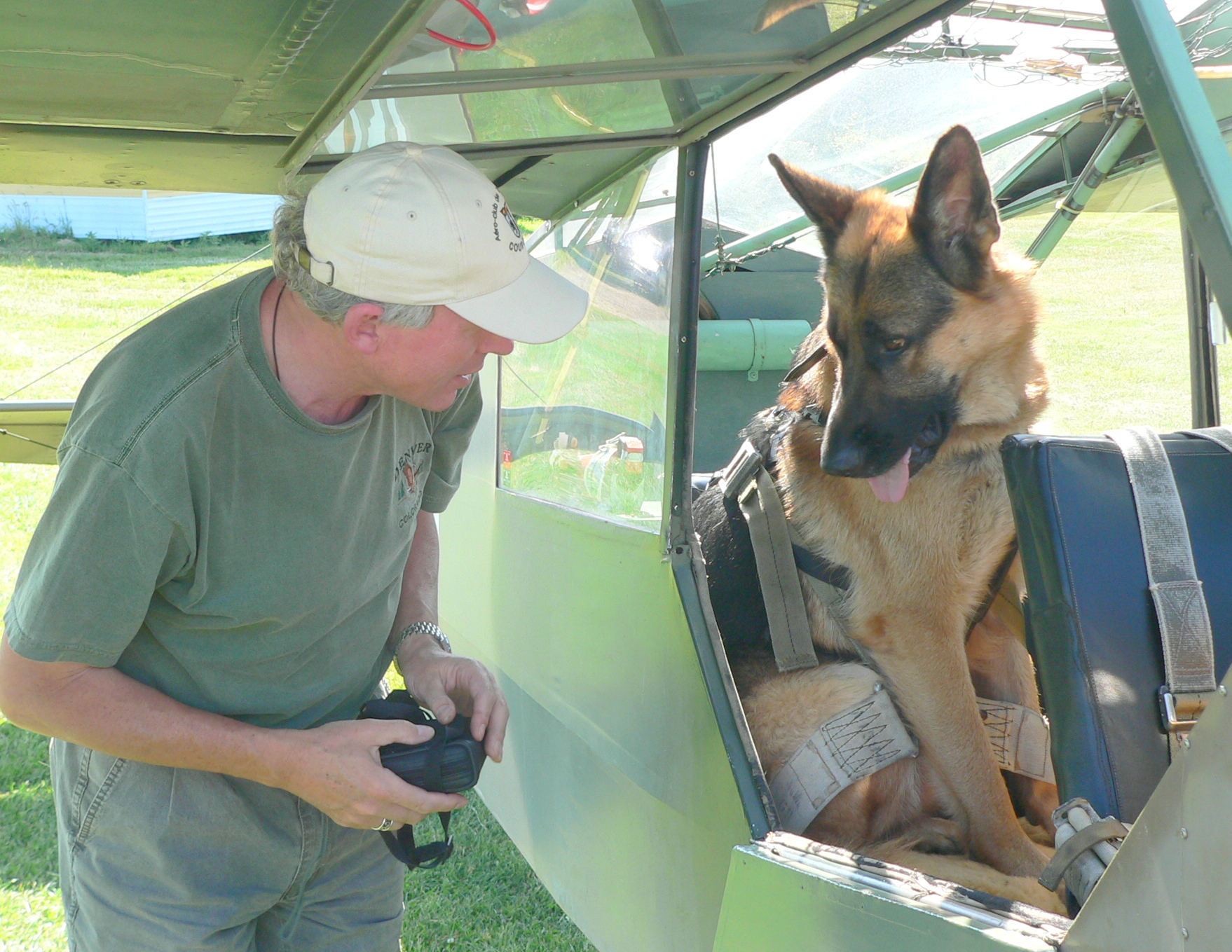
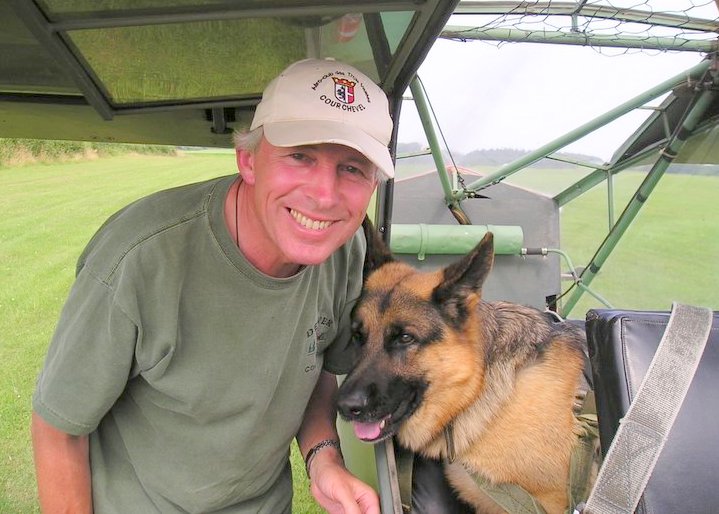
Anyway, every time I went to the airfield with Pharaoh he always tried to climb into the cockpit. So one day, I decided to see if he would sit in the rear seat and be strapped in. Pharaoh had absolutely no problem with that!
Come on Dad, let’s get this thing off the ground!
My idea had been to fly a gentle circuit in the aircraft. First, I did some taxying around the large grass airfield that is Watchford to see how Pharaoh reacted. He was perfectly behaved.
But then I thought long and hard about taking Pharaoh for a flight. In the Cub there is no autopilot so if Pharaoh struggled it would have been almost impossible to fly the aircraft and cope with Pharaoh. So, in the end, I abandoned the idea of taking him for a flight. The chances are that it would have been fine. But if something had gone wrong, the outcome just didn’t bear thinking about.
So we ended up motoring for 30 minutes all around the airfield which, as the next picture shows, met with doggie approval. The date was July 2006.
That was fun!
oooo
Moving on again. This time to another flying experience. To the day when Pharaoh and I flew out of London bound for Los Angeles and a new life with Jeannie and all her dogs (16 at that time) down in San Carlos, Sonora, Mexico. The date: September 15th, 2008. Just ten months after I had met Jean in Mexico and realised that this was the woman that I was destined to love! (Now you will understand why earlier on I described the Jon Lavin, Dr. Hawkins, Pharaoh mix as the biggest, single reward of having Pharaoh as my friend!)
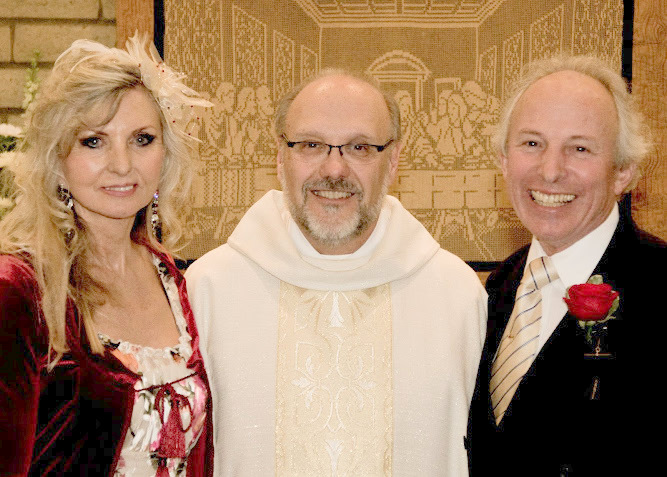
There followed wonderful happy days for me and Pharaoh. It was gorgeous to see how Pharaoh became so much more a dog, if that makes sense, from having his own mini-pack around him. Those happy days taking us all forwards to Payson, AZ, where Jean and I were married, and then on to Merlin, Oregon arriving here in October, 2012.
Fr. Dan Tantimonaco with the newly weds!
oooo
Pharaoh ‘married’ to his dearest friends in Oregon. December, 2013.
oooo
Smelling the flowers! Pharaoh and Cleo with Hazel in the middle.
I could go on! Hopefully, you get a sense, a very strong sense, of the magical journey that both Pharaoh and I have experienced since I first clasped him in my arms back in September, 2003.
Both Pharaoh and I are in the Autumn of our lives; he has just turned 12, I am now 70, and we both creak a little. But so what! Pharaoh has been my greatest inspiration of the power of unconditional love; of the need to smell the flowers in this short life of ours.
One very great animal! (March 25th, 2014)
Thank you, my dear, dear friend!
Can’t close today’s tribute without adding one last photograph of this great dog; a photograph of Pharaoh greeting Cleo, back in 2012.
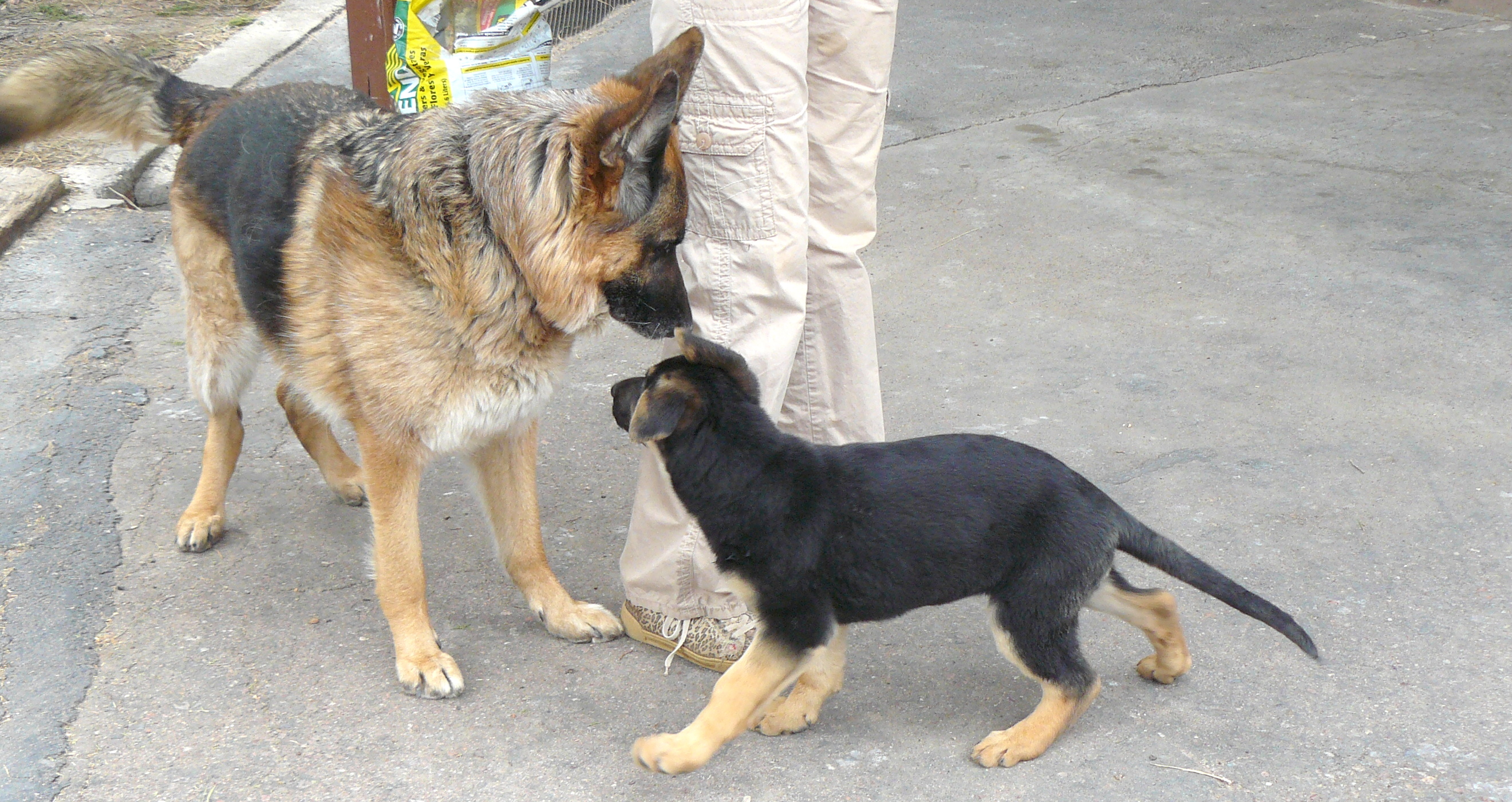
First meeting between Pharaoh and Cleo; April 7th, 2012.
Nor can I close without including a quotation from the author, Suzanne Clothier:
“There is a cycle of love and death that shapes the lives of those who choose to travel in the company of animals. It is a cycle unlike any other. To those who have never lived through its turnings or walked its rocky path, our willingness to give our hearts with full knowledge that they will be broken seems incomprehensible. Only we know how small a price we pay for what we receive. Our grief, no matter how powerful it may be, is an insufficient measure of the joy we have been given.
Writing in his essay, “The Once Again Prince,” animal lover and gifted writer Irving Townsend summed it up:
We who choose to surround ourselves with lives even more temporary than our own, live within a fragile circle easily and often breached. Unable to accept its awful gaps, we still would live no other way. We cherish memory as the only certain immortality, never fully understanding the necessary plan. It is a fragile circle. But it goes round and round without end.”
Last Thursday, Val published a beautiful poem that she, in turn, had seen over on Mindfulbalance, a blog that I hadn’t come across but suspect that I am going to like.
Going to close today’s post by repeating something that is in a little book that I have had for years: Extracts from Peace In Every Step by Thich Nhat Hanh originally published by Bantam Books.
Aimlessness
There is a word in Buddhism that means “witlessness” or “aimlessness”. The idea is that you do not put something in front of you and run after it, because everything is already here, in yourself.
While we practice walking meditation, we do not try to arrive anywhere. We only make peaceful, happy steps.
By taking good care of the present moment, we take good care of the future.
This could be the most important lesson we learn from our dear dogs.
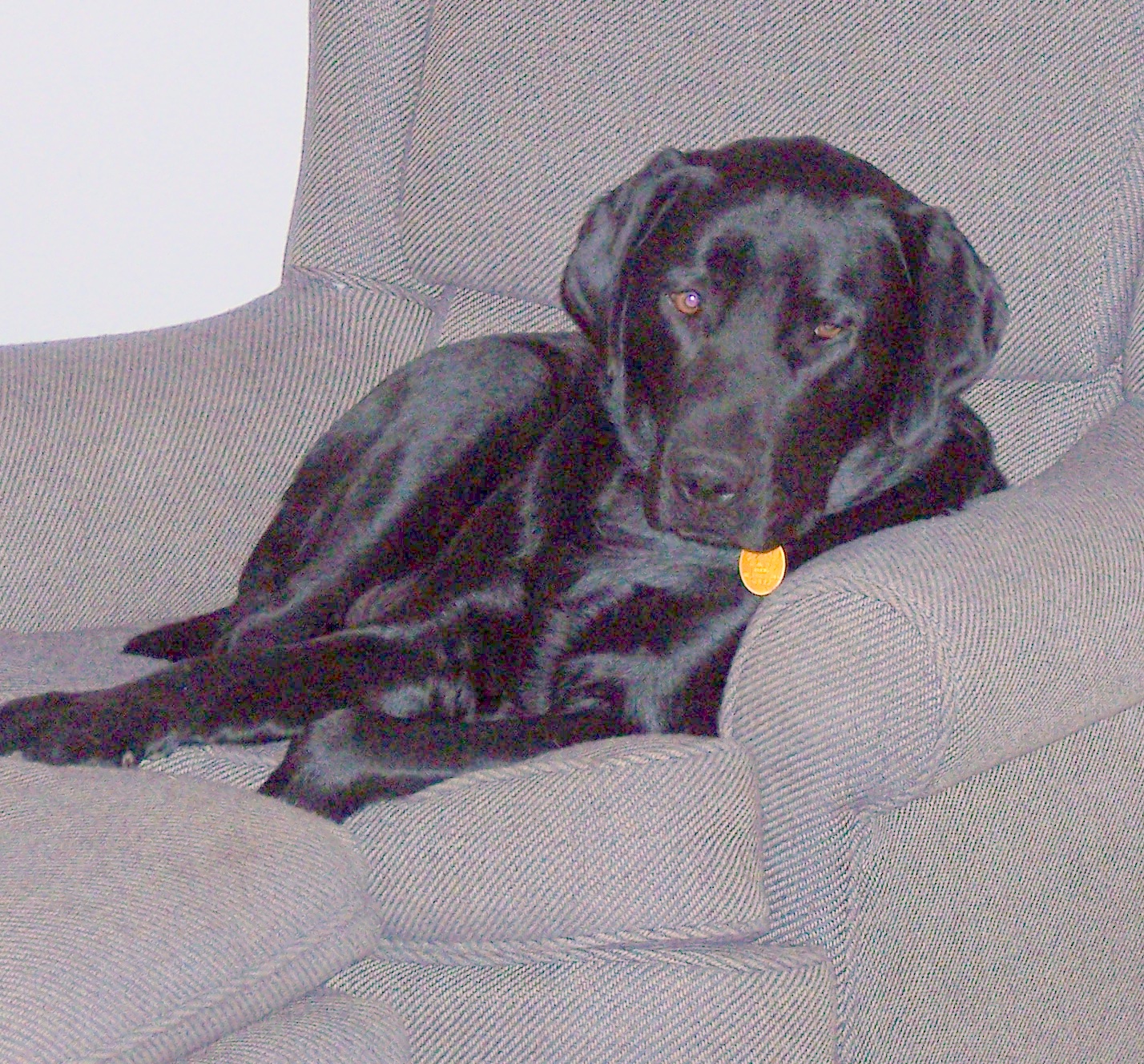
Reclining Clyde
Our immediate neighbours to the South of us, Larry and Janell, lost one of their dogs last Saturday. Here’s the email that was sent out by Larry:
Bad day at the ranch
We lost Clyde today. A neighbor who is a veterinarian came by this morning and did the deed. He had cancer in his shoulder, we had a tumor removed a couple of months ago but there must have been some left because his left front became totally unusable and then his left rear started to go too. We tried everything that the vets could come up with but it was starting to eat him up.
He was born in central South Dakota at a cattle ranch where I got him in April 2004, a six week old black bundle of wrinkles. He learned his manners from Barney, who we lost a little over 2 years ago from cancer as well. Barney and Clyde, what a GREAT pair!!
We still have Baxter the Aussie, who has pretty well recovered from getting hit by a car and severely injured the beginning of last month and Bob the cat.
I will miss Clyde terribly, just like I have ALL my labs! They are wonderful dogs. Just thinking that I’ll probably never have another big floppy eared pal like that makes me want to just cry my eyes out!!
One of the fondest memories of my life is/was going bird hunting, especially ducks, and having a well mannered lab as my partner!! I’ve shared time and my lunch with some good ones!! I so very much wish/hope that there really is a “RAINBOW BRIDGE”!!
Jean and I obviously knew Clyde and can confirm that he was the most gentle, kind-hearted dog one could find.
I wanted to treasure the memory of Clyde, on behalf of all the dear dogs in the world, and asked Larry and Janell if they would be comfortable with me publishing the email. They replied without hesitation that it was fine and then sent me some photographs of Clyde to include in this post.
———-
So the easy course for this post would be to leave it at this and move on. (And, please, if you are not up for a degree of introspection from yours truly, then do stop reading at this point!)
———-
But when I awoke this morning (Tuesday), a little after 5am, Jean still asleep next to me, three dogs likewise across the bed, and knowing I would be writing about Clyde later on in the day, I started to reflect on life and death and was there a lesson for us humans in the death of our beloved dogs. When Jean awoke an hour later, I asked her how many of her dogs had died over the years. She replied that there had been at least twenty dogs that had died and that she could remember each and every one of them.
That then opened up a much deeper reflection on death and whether our dogs really can offer us a lesson in this regard. For I’m not ashamed to admit that at times I feel scared about the future. I’m 70-years-old, seeing the signs of what the medics call ‘cognitive ageing’, have a few minor challenges in the areas of prostate, blood pressure, thyroid, and know how terribly unprepared I am for the second of life’s two certainties: death.
Jean’s view was that dogs have the ability to live so perfectly in the present that, except in very rare occasions, they don’t grieve for the loss of a loved one. Clearly, a significant difference between dogs and us humans.
Then it was clear that we humans only grieve for the death of someone we knew. That within the family that rarely extended back beyond our grand-parents. That seemed to offer some philosophical help. For if it comes down to the memories that others will have of us, after we have died, then it behoves us to live the best life we can, doing our best at every stage in our lives. Accepting that it is impossible not to make mistakes and end up with regrets, yet so long as we try to be true to ourselves then that’s all that matters.
It was then a very small onward step to love and the potential for the greatest learning from our dogs. For dogs so frequently show us the magic of unconditional love.
Back to Clyde.
Here are two other photographs of dear Clyde, separated by the words in Larry’s covering email.
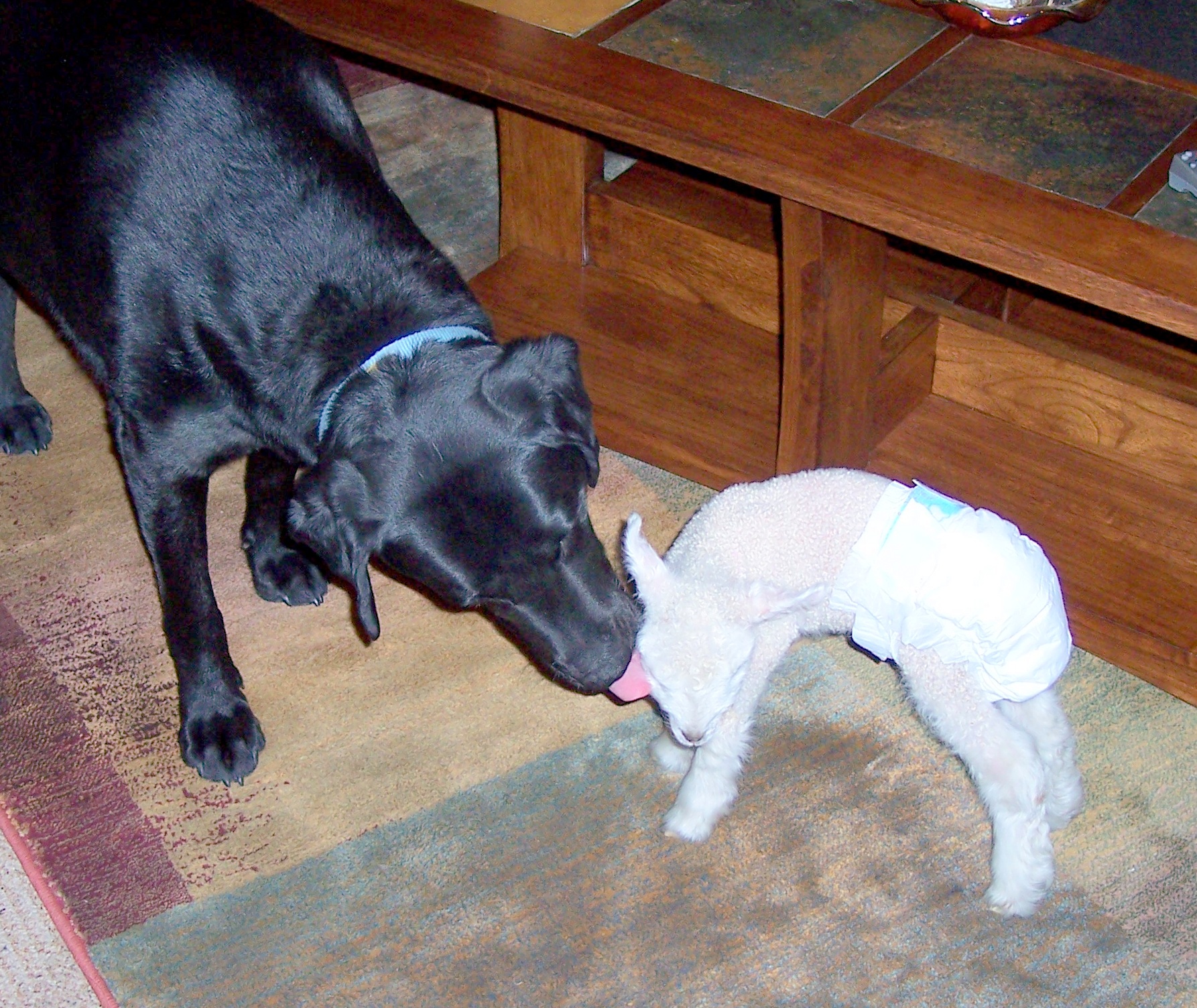
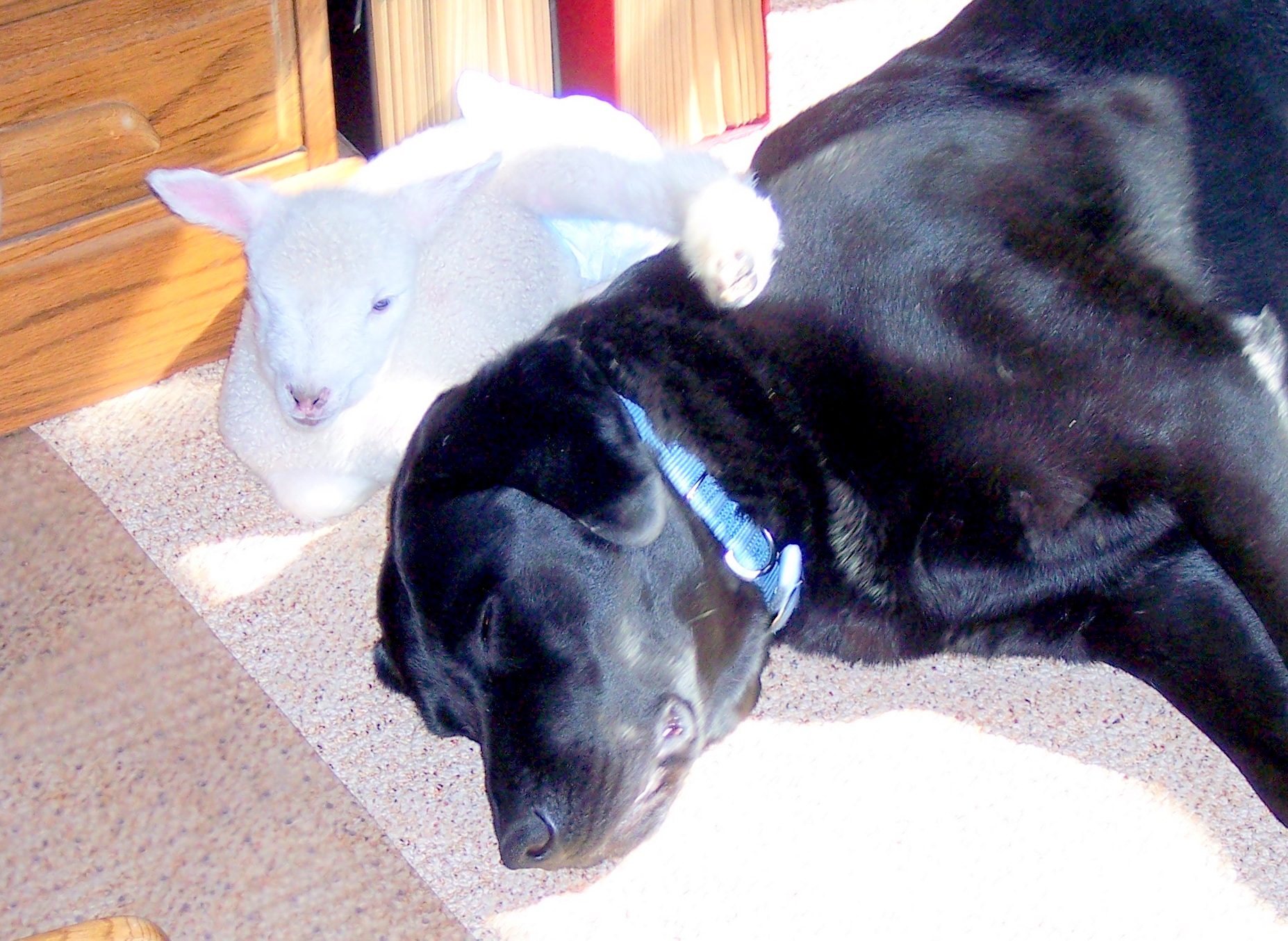
Clyde cleaning Pearl the lamb.
Paul, here are a few pictures of Clyde. Feel free to use what you like. We always said Clyde had a big heart, big stomach and no ambition as evidenced by these pictures! At one time we were nursing an orphan lamb in the house, Clyde adopted the lamb, Pearl, and looked after her, Larry.
Clyde and Pearl demonstrating a dear friendship.
I know that when our Lilly dies, she is 17, Jean will weep many tears.
I know that when our Pharaoh dies, he is soon to be 12, I will weep many tears.
But those pictures of Clyde remind all of us that it is in life that it is important to love. Important, almost beyond words, to be kind to others, to offer and receive love, and to treasure the present.
So, yes, we must shed a few tears of the heart yet thereafter we must treasure the memories.
“For if we cry at losing the sun, our tears will hide the light of the stars.”
On Monday I published a post Hope Has A Place. It was based upon the hauntingly beautiful track of the same name from Enya. Then yesterday, serendipitously, came The watering hole. Both of those posts, although miles apart in terms of content, nonetheless seemed to subscribe to a common theme. That being that the more that everyday people, good common folk from all around the world, share their feelings, the more likely that those self-same people will make a difference. A positive difference!
Now don’t get me wrong! By presenting these recent posts I am not setting myself up to be anything other than just another everyday person and dog lover who just happens to enjoy sharing stuff via this blog.
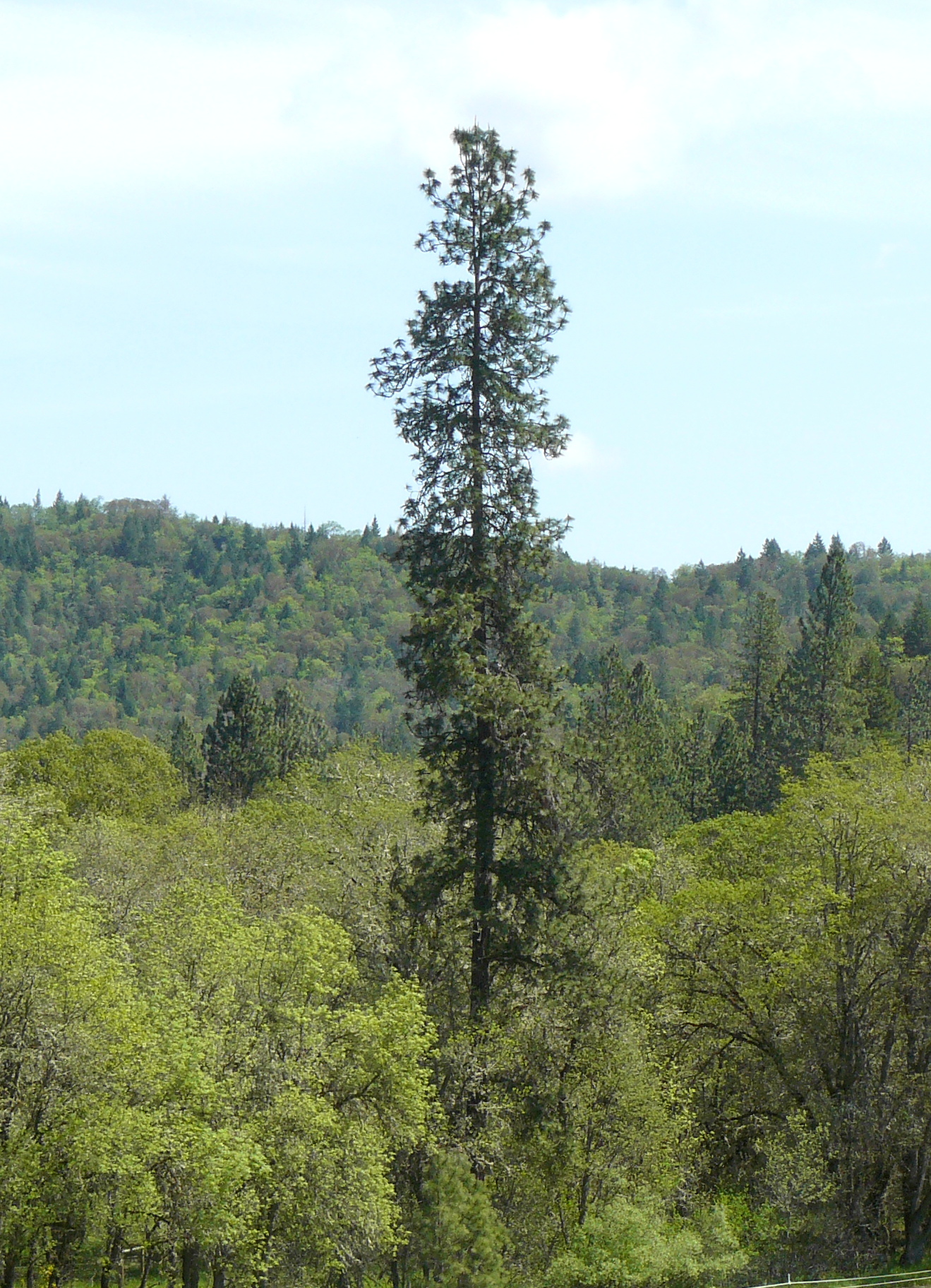
Regular readers of this place will recall that a week ago I celebrated Earth Day with a post called Our beautiful, life-giving trees. It included this picture:
We must sing for our trees.
Then on the following day in a post called Now life-giving geese (by the way, the five baby goslings are doing really well!) I included this photograph:
And sing for them at all ages!
Yesterday morning I received the latest post from Sue Dreamwalker. It was an impassioned plea to do something and to stop the madness. Sue, in turn, had republished the post that had appeared on Endless Light and Love.
The theme that seems to be developing this week, unplanned I should hasten to add, is that it is all too easy to be overwhelmed by the scale of change that has to take place, must take place, if this generation (I’m a 1944 baby) can die knowing that it will be alright in the end. Because it is my generation that has been responsible, has created the circumstances, for the end of life as we have all known it if nothing is done, and done in the next decade or two.
So to trees.
Our trees are both a symbol for and an indicator of the overall health of our planet.
To close off this part of my two-day post, please watch this short video.
Uploaded on Apr 1, 2015
Trees give us beauty, shade, food, clean water, oxegen, medicine, housing, fresh air, habitat and happiness. For the cost of a craft beer, or a couple of cups of coffee you can protect a specific threatened forest. Each Stand for Trees certificate offsets 1 ton of carbon from the atmosphere while providing income to local forest communities. Income that supports education, healthcare, clean water and sustainable livelihoods. Trees stand for us, isn’t it time we stand for trees?
Tomorrow, I will return to hope. Perhaps better written, return with hope.
This game of blogging would have no meaning at all if it were not for the networking and sharing of so many ideas, thoughts and feelings unlimited by geographical distances. The ‘Likes’ and responses to my Hope Has A Place story yesterday meant so much.
I was trawling through my folder looking for something that felt good to publish after yesterday and came across the following that was sent in by dear friend, Dan Gomez, about a month ago.
ooOOoo
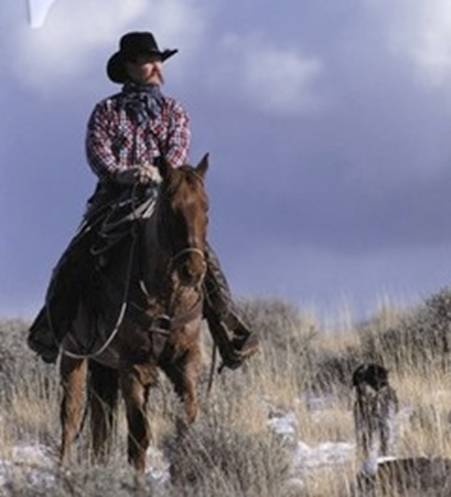
An old cowboy was riding his trusty horse followed by his faithful dog along an unfamiliar road. The man was enjoying the new scenery, when he suddenly remembered dying, and realized that the dog beside him had been dead for years, as had his horse. Confused, he wondered what was happening, and where the trail was leading them.
After a while, they came to a high, white stone wall that looked like fine marble. At the top of a long hill, it was broken by a tall arch topped by a golden letter “H” that glowed in the sunlight.
Standing before it, he saw a magnificent gate in the arch that looked like mother-of-pearl, and the street that led to the gate looked like gold.
He rode toward the gate and as he got closer he saw a man at a desk to one side. Parched and tired out by his journey, he called out, “Excuse me, where are we?“
“This is Heaven, sir,” the man answered.
“Wow! Would you happen to have some water?” the old cowboy asked.
“Of course, sir. Come right in, and I’ll have some ice water brought right up.”
As the gate began to open, the cowboy asked, “Can I bring my partners, too?”
“I’m sorry; sir, but we don’t accept pets.”
The cowboy thought for a moment, then turned back to the road and continued riding, his dog trotting by his side.
After another long ride, at the top of another hill, he came to a dirt road leading through a ranch gate that looked as if it had never been closed. As he approached the gate, he saw a man inside, leaning against a tree and reading a book.
“Excuse me,‘ he called to the man. “Do you have any water?”
“Sure, there’s a pump right over there. Help yourself.”
“How about my friends here?” the cowboy gestured to his dog and his horse.
“Of course! They look thirsty, too,” said the man.
The three of them went through the gate, and sure enough, there was an old-fashioned hand pump with buckets beside it. The cowboy filled a cup and the buckets with wonderfully cool water and took a long drink, as did his horse and dog.
When they were full, he walked back to the man who was still standing by the tree. “What do you call this place?” he asked.
“This is Heaven,” the man answered.
“That’s confusing, the man down the road said that was Heaven, too.”
“Oh, you mean the place with the glitzy, gold street and fake pearly gates? That’s hell.”
The cowboy retorted, “Doesn’t it make you angry when they use your name like that?”
“Not at all. Actually, we’re happy they screen out the folks who would leave their friends behind.”
ooOOoo
Dan’s email went on to include this:
Sometimes, we wonder why friends forward things to us without writing a word. Maybe this explains it? When you’re busy, but still want to keep in touch, you can forward emails. When you have nothing to say, but still want to keep in contact, you can forward jokes. When you have something to say, but don’t know exactly how to say it, you can forward stuff.
A ‘forward’ lets you know that you’re still remembered, still important, still cared about.
So the next time you get a ‘forward’, don’t think of it as just another joke. Realize that you’ve been thought of today and that your friend on the other end just wanted to send you a smile.
PS: You’re welcome at my watering hole anytime.
Let me underline Dan’s PS by saying that all of life’s humans and creatures are welcome here!
Before you read any further please listen to Enya’s mesmerisingly beautiful track whilst reading the lyrics.
One look at love and you may see
It weaves a web over mystery,
All ravelled threads can rend apart
For hope has a place in the lover’s heart.
Hope has a place in a lover’s heart.
Whispering world, a sigh of sighs,
The ebb and the flow of the ocean tides.
One breath, one word may end or may start
A hope in a place of the lover’s heart.
Hope has a place in a lover’s heart.
Look to love you may dream,
And if it should leave then give it wings.
But if such a love is meant to be;
Hope is home, and the heart is free
Under the heavens we journey far,
On roads of life we’re the wanderers,
So let love rise, so let love depart,
Let hope have a place in the lover’s heart.
Hope has a place in a lover’s heart.
Look to love and you may dream,
And if it should leave then give it wings.
But if such a love is meant to be;
Hope is home, and the heart is free.
I have this notion in my head that we humans are predisposed to give priority to bad news over good news. I guess it does make sense especially when one reflects on likely times a few centuries back; or more.
However, I am certain that I am not alone in disliking intensely the predominance of ‘alarmist’ news headlines in all forms of media. We neither have broadcast television here at home nor subscribe to a daily newspaper although I do admit to dropping in regularly to the BBC News website.
The other morning I awoke a little before 5am and not wanting to awaken Jeannie decided to listen to some music using my iPod and earphones. I had a couple of Enya albums on the iPod and soon was listening to her album The Memory of Trees. Then up came track seven, Hope Has A Place, sung by Enya, composed by Roma Ryan.
I had forgotten how incredibly beautiful was the track.
Then my mind moved to reflecting on the life I have here at home with Jean and the dogs. There were three dogs sleeping on the bed while the track was playing: Hazel, Sweeny and Pedy.
How the love I receive from the dogs and the love I receive from Jean give me such freedom. Such emotional freedom to be the person I truly want to be. So perfectly expressed in the closing line of the lyrics: Hope is home, and the heart is free.
At this juncture I paused in writing this post, it was a little after 2pm yesterday, grabbed my camera and went into the living room. The two photographs below reinforce my message.
oooo
Sweeny, Pedy and Jeannie – bountiful, unconditional love!
Today’s twist: write an adverb-free post. If you’d rather not write a new post, revisit and edit a previous one: excise your adverbs and replace them with strong, precise verbs.
The sin of telling often begins with adverbs*. Author Stephen King says that, for writers, the road to hell is paved with adverbs:
The adverb is not your friend.
Adverbs…are words that modify verbs, adjectives, or other adverbs. They’re the ones that usually end in -ly. Adverbs, like the passive voice, seem to have been created with the timid writer in mind….With adverbs, the writer usually tells us he or she is afraid he/she isn’t expressing himself/herself clearly, that he or she is not getting the point or the picture across.
Instead of using adverbs as a crutch, rely on strong verbs to convey emotional qualities that imbue your writing with nuance, allowing the reader to fire up their imagination. Consider, for example:
“She walked proudly out the door.”
Remove the adverb “proudly” and replace it with a strong verb to denote how she walked:
She strutted out the door.
She sashayed out the door.
She flounced out the door.
Each example connotes the emotion with which “she” moved, creating a more vivid picture than “proudly” ever could.
Note we’re not advocating the eradication of all adverbs all the time. The goal of this exercise is to place a constraint on adverb use to help you to focus on using strong, precise verbs in your writing.
I read the theme for Day Eight at 3pm yesterday afternoon. Jean and I had been out before lunch. To the recycling yard some six miles away to deposit a load of old steel fencing that had been retrieved from the property over the last couple of weeks.
Hardly the stuff of inspiration!
So I decided at this point to put down ‘my pen’ (aka keyboard) and go and sit next to the pond where the mother goose is still sitting on her eggs and use that as my source for a short, adverb-free post.
oooo
The power of motherhood
Twenty-eight days of loving her unborn brood. Still she sat, her head turned towards where I was sitting, just keeping an eye on me as I hadn’t been this close to her before.
Besides where I was sitting, to my left, the leaves of the bamboo tree rustled in the steady afternoon breeze. The green of the leaves contrasting the blue of the clear sky above me.
I just marvelled at the patience, at the commitment, of this mother goose. The magic of nature.
Our mother goose had loved her egg-bound goslings as Spring had arrived in this beautiful part of Oregon. Loved her goslings through rain, frost, fog and cold nights. Rewarded with an afternoon of glorious Spring sunshine.
Sitting on her eggs as the delicate leaves of the Japanese maple had burst clear and unfolded themselves over the last four weeks. Now the leaves offered some shade from the afternoon sun.
Then I noticed the harmony between the rustling of the bamboo leaves, so delicate a sound, and the roar from the tall pine trees to my right, on the boundary between us and neighbours Larry and Janell. As if the bamboo was whispering in concert with the pines.
Surrounded by some intangible magic, beyond definition, but not beyond meaning.