Still staying with Graham.
Simply because so many of you just loved the photographs.

oooo

oooo

oooo

oooo

oooo

oooo

There are sufficient of those incredible photographs that came via Graham to last another two Sundays!
Dogs are animals of integrity. We have much to learn from them.
Category: People
Still staying with Graham.
Simply because so many of you just loved the photographs.
oooo
oooo
oooo
oooo
oooo
oooo
There are sufficient of those incredible photographs that came via Graham to last another two Sundays!
Completely overwhelmed by all you wonderful followers.
Yesterday, around mid-morning time, the number of good persons who are following this blog reached 3,000!
That is both wonderful and hugely generous of each and every one of you that ‘subscribes’ to this place.
I was going to publish another guest post but will delay that for twenty-four hours.
For as a mark of respect for all of you online people who have signed up to follow Learning from Dogs I want to republish a recent item that appeared on The Conversation site.
Here it is. Republished within the terms of The Conversation.
ooOOoo
by Science + Technology Editor, The Conversation US
On Feb. 6, technology companies, educators and others mark Safer Internet Day and urge people to improve their online safety. Many scholars and academic researchers around the U.S. are studying aspects of cybersecurity and have identified ways people can help themselves stay safe online. Here are a few highlights from their work.
With all the advice to make passwords long, complex and unique – and not reused from site to site – remembering passwords becomes a problem, but there’s help, writes Elon University computer scientist Megan Squire:
“The average internet user has 19 different passwords. … Software can help! The job of password management software is to take care of generating and remembering unique, hard-to-crack passwords for each website and application.”
That’s a good start.
To add another layer of protection, keep your most important accounts locked with an actual physical key, writes Penn State-Altoona information sciences and technology professor Jungwoo Ryoo:
“A new, even more secure method is gaining popularity, and it’s a lot like an old-fashioned metal key. It’s a computer chip in a small portable physical form that makes it easy to carry around. The chip itself contains a method of authenticating itself.”
Just don’t leave your keys on the table at home.
Many people store documents, photos and even sensitive private information in cloud services like Google Drive, Dropbox and iCloud. That’s not always the safest practice because of where the data’s encryption keys are stored, explains computer scientist Haibin Zhang at University of Maryland, Baltimore County:
“Just like regular keys, if someone else has them, they might be stolen or misused without the data owner knowing. And some services might have flaws in their security practices that leave users’ data vulnerable.”
So check with your provider, and consider where to best store your most important data.
Sadly, in the digital age, nowhere is truly safe. Jeremy Straub from North Dakota State University explains how physical objects can be used to hijack your smartphone:
“Attackers may find it very attractive to embed malicious software in the physical world, just waiting for unsuspecting people to scan it with a smartphone or a more specialized device. Hidden in plain sight, the malicious software becomes a sort of ‘sleeper agent’ that can avoid detection until it reaches its target.”
It’s a reminder that using the internet more safely isn’t just a one-day effort.
ooOOoo
So be safe all of you! It’s a very different world to that of twenty or more years ago!
Yet more incredible photographs.
Will simply repeat what I wrote last Sunday:
But these are not from Tanja but from Graham; an online friend back in England. When I queried about republishing them here Graham simply said that they came to him when he was just “doing the rounds”. So, hopefully, publishing them in this place is not trampling on the photographer’s copyrights. If this does represent a copyright infringement then the particular photograph will be removed immediately – just let me know!

oooo
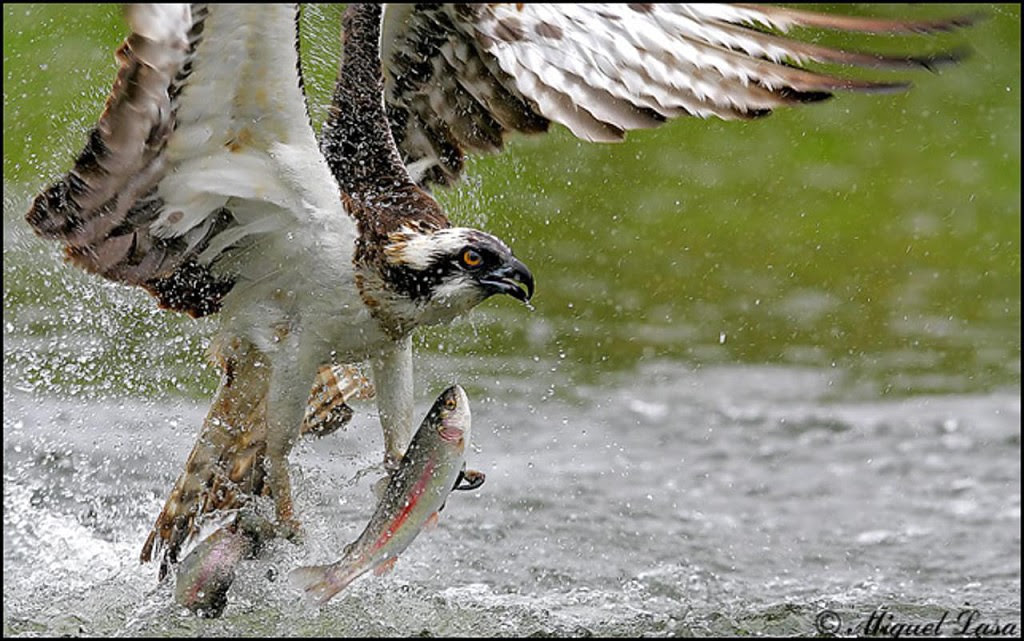
oooo

oooo
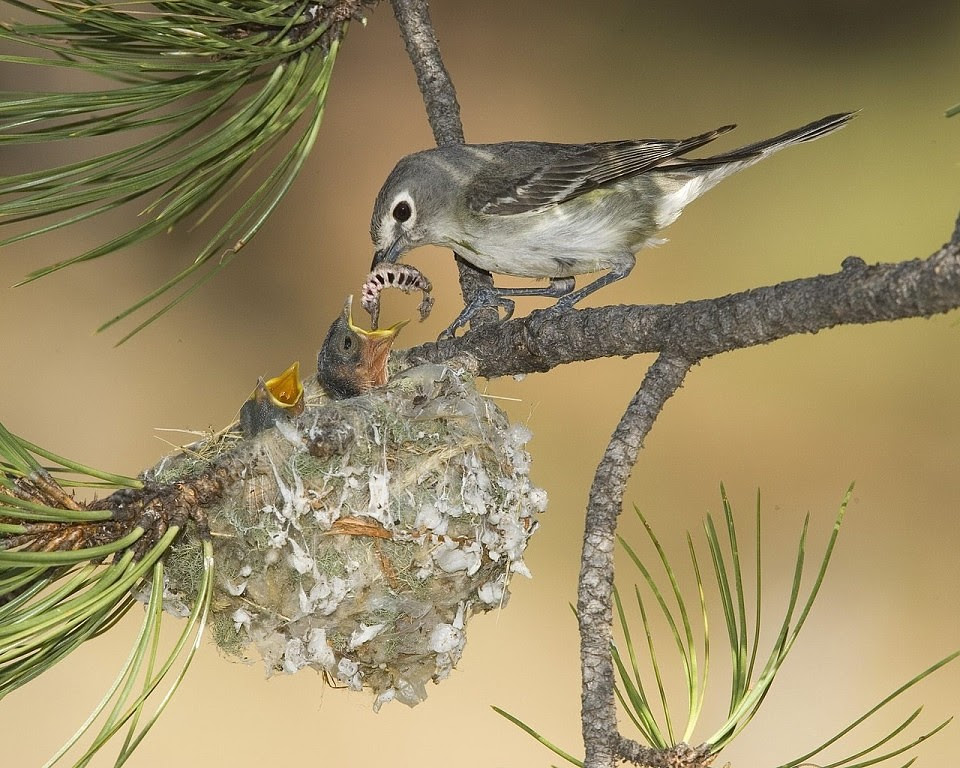
oooo

oooo
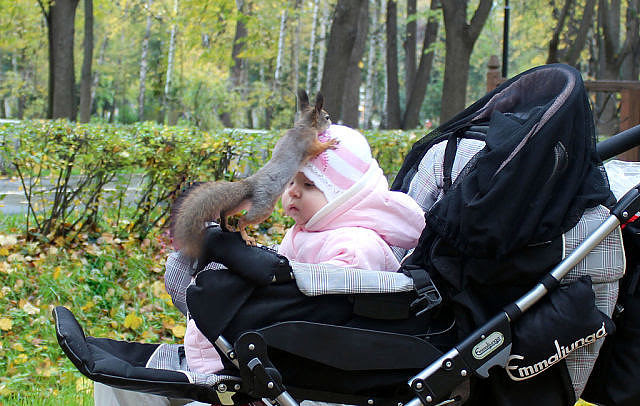
oooo

oooo

You all have a very good week!
Once again, thank you Graham for sending these to me.
A little snippet to share with you today.
Last Thursday, together with Jeannie, I returned to the hospital in Eugene, OR, that I was taken to on December 24th after my bike accident on the 22nd November; all of which has been shared with you good people.
Dr. Kokkino of the Oregon Neurosurgery department, he who undertook the operation to evacuate two sub-dural bleedings, wanted to check me out.
He pronounced me fit to return to normal life including bike riding. But when I queried that I was still feeling a little “second-hand” in the head from time to time Dr. K. said this:
Your brain took a major knock back in November.
It would be reasonable to assume that full healing will take at least three months and quite possibly as long as six months!
Of course, that was very comforting to hear but nonetheless very surprising. That’s what I wanted to share.
Yesterday morning, dear friend and neighbour Dordie came riding with me and we did the ‘Tunnel Loop’ circuit; about six miles.
It felt very good.
So from this:
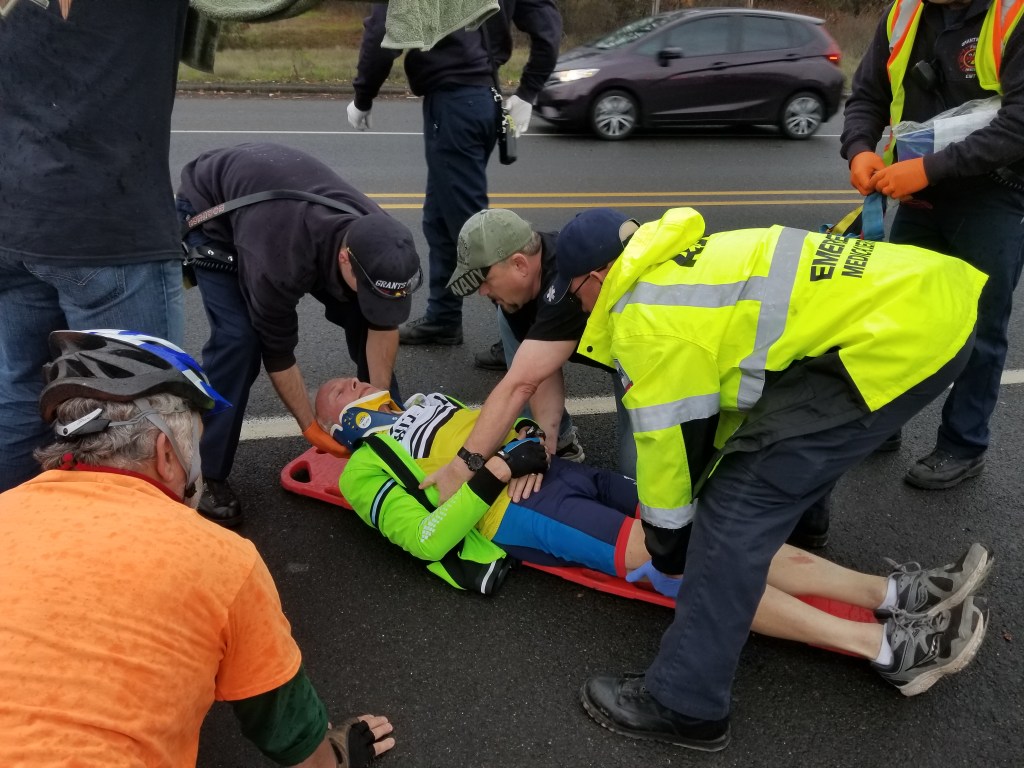
to this (me on the bike when I first purchased it!):
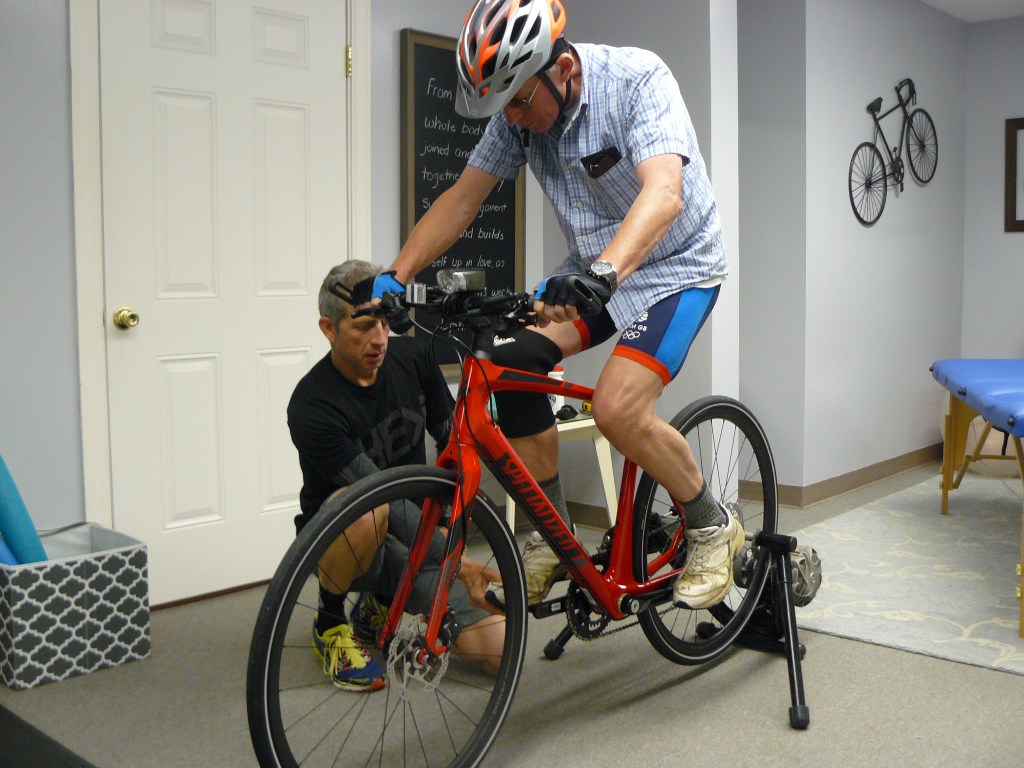
Will close by saying again how amazed I was to hear that prediction from Dr. K. as to how long the brain takes to heal!
I’m sure many of you will be equally amazed!
Have a good weekend everyone!
Or more specifically the cleansing power of indoor plants.
Back in 2012, I published a post called Clean, clean air. I am going to republish it tomorrow because Kelli sent me an email setting out that over on her blog site she has a much more comprehensive list of plants that purify the air.
Her blog site is Groom & Style and the long list of air-purifying plants that Kelli wrote about may be see here: 12 Air Purifying Plants That Will Clean Your Air. Here is how Kelli’s post opens:
12 Air Purifying Plants That Will Clean Your Air
We need fresh air to live a healthy and full life, but it’s fast becoming a luxury. Residents of many major cities around the world are plagued with smog and poisonous gases from motor vehicles, fossil fuel based power plants, and factories.
The good news is there is a simple solution you can use at home to make your air much cleaner. While air purifiers might help, air purifying plants are a great and natural way to clean your home’s air supply. In this article, you’ll learn more about air pollution, its dangers, and how to choose the best air purifying plants for your home.
Anyway, if you wish to read more then go here and, as I mentioned above, my post of August, 2012 will be republished tomorrow.
Looking again into diet and nutrition.
While this post doesn’t specifically look at what we feed our dogs, there’s no question in my mind that good nutrition is just as important for our dogs as it is for ourselves.
Moving on!
You will know that quite a few of my recent posts have been on the back of me being made aware of how a strict diet plus taking many vitamins and supplements had had the effect of putting Colin Potter’s Parkinson’s Disease (PD) into remission. All of which was summarised in an post last week called Food Truly Does Matter.
But then a good friend who lives locally, and has a solid medical background, spoke to me and said what you are writing can’t possibly be correct because if diet and supplements really did put PD patients into remission then “everyone would be doing it“. It was difficult to argue that.
So I thought the best people to call would be the American Parkinson Disease Association. I was put through to the director of the North-West Chapter of the APDA, located in Seattle, WA., and she agreed that there was no magic bullet in terms of diet and PD remission.
But the director went on to say that diet and lifestyle were nonetheless incredibly important and that there was no question that the correct decisions in terms of lifestyle were vital for anyone with PD; whatever the stage of the disease .

The director also went on to say that without a doubt we should make contact with Seattle Integrative Medicine also, as the title suggests, in Seattle.
In particular, make contact with Dr. Laurie Mischley for the director said that Dr. Mischley’s clinical speciality is Parkinson’s Disease.
Plus we were advised to watch a talk that Dr. Mischley gave in British Columbia towards the end of 2016.
The talk is 49 minutes long and should be watched by everyone!
Reason?
Because in the talk there is much evidence, as in factual evidence, that shows the link between our lifestyle choices and what helps or hinders those with PD.
But even more critical to my way of thinking is that the evidence presented in the talk offers solid reasons why all of us as we approach middle-age and beyond should be careful about what we eat.
Food for Thought: Diet & Nutrition in PD – Dr. Laurie Mischley, ND, PhD, MPH from Parkinson Society BC on Vimeo.
This is a recorded presentation from Parkinson Society British Columbia’s Victoria Regional Conference featuring Laurie Mischley. Dr. Mischley studied naturopathic medicine (ND) at Bastyr University and epidemiology (MPH) and nutritional sciences (PhD) at the University of Washington. Her work is focused on identifying the nutritional requirements unique to individuals with neurodegenerative diseases. She has published articles on coenzyme Q10, lithium and glutathione deficiency in Parkinson’s disease (PD). Dr. Mischley maintains a small clinical practice at Seattle Integrative Medicine focused on nutrition and neurological health.
So, my dear reader, here is a little plea from Paul.
Whether or not you have PD, watch the talk and have all the people you love and care for watch it as well.
Oh, and give your dog a cuddle from Jean and me!
Please understand that I do not offer advice and nothing on any website, including the blog site Learning from Dogs, email or any other communication is intended to treat, diagnose, prevent or cure any disease. It is not a substitute for consulting your doctor. You should consult a doctor for diagnosis of conditions, before beginning any diet, exercise or supplementation or if you suspect you have any healh issue. You should not stop medication without consulting your doctor.
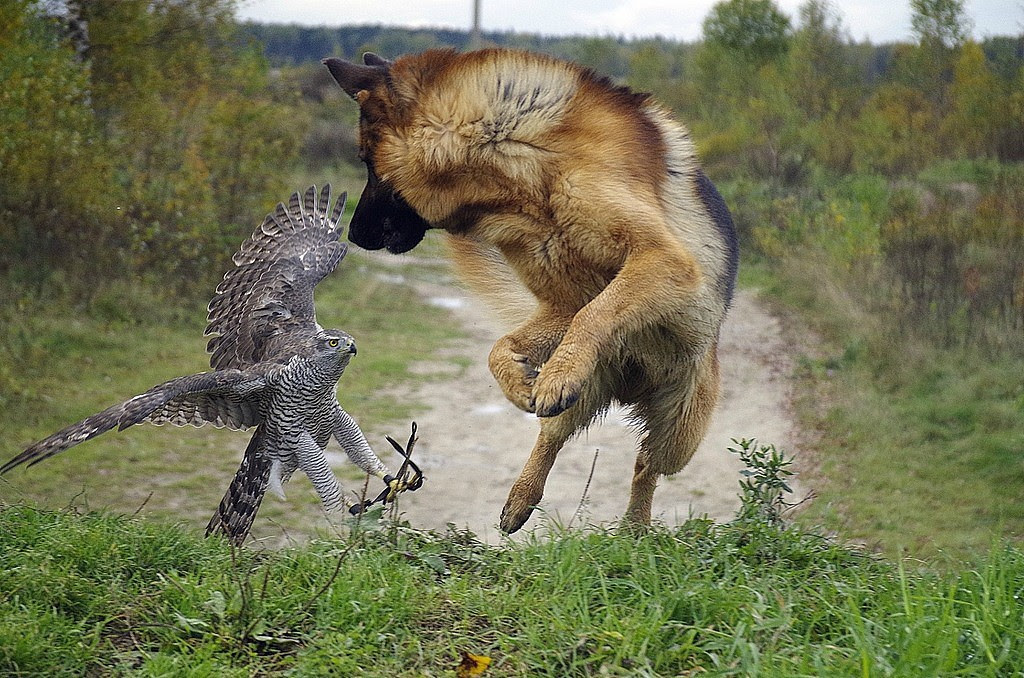
More incredible photographs.
But these are not from Tanja but from Graham; an online friend back in England. When I queried about republishing them here Graham simply said that they came to him when he was just “doing the rounds”. So, hopefully, publishing them in this place is not trampling on the photographer’s copyrights. If this does represent a copyright infringement then the particular photograph will be removed immediately – just let me know!

oooo

oooo

oooo
oooo

oooo

oooo

oooo

Stunning! Hopefully more of these photographs in a week’s time. Thanks Graham!
The power of connections!
(Post alert! This is a longish post so if you are interested in diet, nutrition and health and are short on time just now then bookmark it for a better time for you. For I am of the opinion that this post will be of great value to you and many others!)
Regular readers of this place (you poor people!!) will be aware that via a series of lucky chances, or the fickle finger of fate as I like to call it, not being a religious person, I made contact with Justina, a London-based nutritionist, following contacting Colin Potter.
I wrote about that connection in more detail in my post The Power of Good Food that was published on the 16th January. Here’s a snippet from that post:
Richard lives with his good lady, Julie, in Minety, a village in North Wiltshire. He and I go back many, many years and we have been close friends from the day that we first met. Richard was diagnosed with early-stage Parkinson’s Disease (PD) the same year and month as my Jeannie: December, 2015.
Last New Year’s Eve Richard and Julie were at a local party and the subject of PD came up. Richard subsequently told me that he was speaking to a fellow party guest who said that he was, in turn, an acquaintance of a Colin Potter. He went to add that Colin had also been diagnosed with PD but had decided not to ‘give in’ to the diagnosis but undertake comprehensive research into the causes and whether it was possible to go into remission. He later launched a website Fight Parkinsons.
We then reached out to Colin and very quickly subscribed to his Fight-Parkinson’s site. Colin’s message was that it was all about diet! Here’s that message in a short video from Colin.
That, in turn, resulted in both Jean and me adding to our already reasonably healthy diet a significant number of additional vitamins and supplements; the reasons for which will be spelt out later on. Plus more fruit, eggs, cheese but most definitely coming off all grains, sugar, carbohydrate and processed foods. Or in Colin’s words:
The right diet
This is the high fat/ low carb diet which is covered in the Fight-Parkinsons Recovery Eating Plan on my website.I follow a diet that excludes all grains, sugar, carbohydrate and processed foods, and is rich in fats and cholesterol-laden foods. So, in addition to organic vegetables, I eat plenty of eggs, butter, dairy (full fat), fish and a little meat.
This raises the question of cholesterol and the so-called link to heart disease. THIS ARTICLE should lay this misguided information to rest and inform you of the fraud that has been practised upon us over the past 60 years (the same period during which chronic disease, in all its forms, has rocketed).
I consume foods rich in antioxidants and avoid inflammatory foods.
Supplementation
It is vital that we get the required minerals, vitamins and amino acids on a daily basis, and THIS VIDEO of an interview with Dr Joel Wallach explains why.
I have taken numerous supplements over the past few years, often leading to me taking a small mountain of capsules each day.
So, to underline that “small mountain” phrase here is a photograph of what Jeannie and yours truly are now taking by way of vitamins and supplements.

Plus, all the other organic fruit and vegetables and nutrients.

Returning to Justina.
She has been very helpful in bringing us up to speed on the efficacy of the the required minerals, vitamins and amino acids we need on a daily basis. Or to put it more specifically on the efficacy of the products that one can purchase from Youngevity. She said that the Wellness 90 Pak was effective albeit one had to commit to taking it for a period of at least 90 days (hence the name) as the body required that time to ‘adjust’ if that’s the correct term. Here’s a description of the purpose of that ‘Wellness Pak’ from their website.
The Wellness 90 Pak™ delivers the nutritional support needed for individuals following the Wellness 90 Program. This program focuses on a diet rich in fruits, vegetables, whole grains, legumes, nuts, olive oil, and other healthy options, that helps improve your overall nutrition. This Pak™ includes: (1) TMR Total Meal Replacement-Vanilla canister, (1) Slender FX™ Sweet EZE™, (1) TrueDetox Tea™ box (30 packets), and (1) Slender FX™ Rev™ bottle. See individual products for details.
Justina then mentioned about the online food resource site known as Food Matters TV (FMTV). Not a site we had come across before but, again, once we signed up to the site, a subscription site, we were blown away by what was available. Especially a documentary called Food Matters. Here’s the trailer to that documentary (that has been viewed nearly 1.8 million times!).
As Justina pointed out the documentary expresses the same critically important message as Dr. Joel Wallach is promoting: We Are What We Eat! But there is no connection between the two.
The bottom line is that Jean and I are going to add the Wellness 90 Pak to our diets for the next 90 days and you can be sure that how it goes will be reported here.
What about our dear, dear dogs?
I asked Justina the question knowing that I would be writing and publishing this post and this is what she said:
I don’t have dogs, but my friend has two golden retrievers and one of them didn’t or couldn’t lift his tail.
She went to see conventional vet and they said he needed a surgery that costs thousands and there’s still possibility of him being paralyzed. So she found holistic vet and wanted to get their opinion.
She was really impressed as they made a special food plan for him and after 3 month he lifts his tale half way! In Chinese medicine he was called a ‘hot dog’ and needed certain nutrients daily for his condition and that was natural just majority raw food that humans eat too!
More on good food for dogs coming along tomorrow.
Hope this was interesting to you!
Finally, please understand that I do not offer advice and nothing on any website, including the blog site Learning from Dogs, email or any other communication is intended to treat, diagnose, prevent or cure any disease. It is not a substitute for consulting your doctor. You should consult a doctor for diagnosis of conditions, before beginning any diet, exercise or supplementation or if you suspect you have any health issue. You should not stop medication without consulting your doctor.
Talk about having one’s eyes fully opened! Hopefully!
On the 16th I published a post under the title of The Power of Good Food.
It primarily featured a short video from the home page of Colin Potter’s Fight Parkinson’s website. That video explained how a strict regime of the right food and supported by supplements had made an incredible difference to his health, effectively putting his PD into remission.
Or in Colin’s words:
I am Colin Potter and I have a Parkinson’s diagnosis.
Only there’s one difference between me and virtually all other people with Parkinson’s
I no longer suffer from its symptoms. I don’t take conventional medications.
You’d hardly know I had Parkinson’s.
How is this possible?I’m not a doctor, I’m just an ordinary bloke diagnosed with Parkinson’s in 2011 who just didn’t like what he was being told by his doctors; that his condition was incurable and his health would go into permanent decline.
So, I started my own research, and found thousands of authoritative research studies that:
- Showed that Parkinson’s mostly had its origins in our lifestyle and environment
- Revealed the possible, specific causes behind Parkinson’s
- Promoted the actions I could take to fix the problem
- Allowed me to cease levodopa medication
I then made the necessary changes to my lifestyle and diet and here I am, two+ years later, healthy and recovered.
I know many of you will find it hard to dedicate a measurable amount of ‘viewing’ time to this post but that doesn’t stop me from recommending a subsequent video.
Namely, a longer (32 minutes) interview of Colin Potter that really explains his transformation
There’s even more to share with you but Jeannie and I have made a fundamental decision. That is that before we go any further it is only right that we seek the views of a local nutritionist in nearby Grants Pass.
We need to be certain that the major changes that we are planning in terms of diet and supplement intake are supported by local, qualified persons.
We will share those findings with you very soon.
But it does cross my mind that the following should be included in this post.
We do not offer advice and nothing on any website, email or any other communication is intended to treat, diagnose, prevent or cure any disease. It is not a substitute for consulting your doctor. You should consult a doctor for diagnosis of conditions, before beginning any diet, exercise or supplementation or if you suspect you have any health issue. You should not stop medication without consulting your doctor.
Connections: connections!
In my recent post Diet is so crucial to good health, published on the 11th January I opened it thus:
Sometime over the next few days I will write a post about an amazing connection that Jean made, via Richard in England, with Colin Potter. He is the founder of the site Fight Parkinson’s.
It is mentioned as an introduction to today’s post because Colin stresses the critical importance of the right diet for us humans.
Richard lives with his good lady, Julie, in Minety, a village in North Wiltshire. He and I go back many, many years and we have been close friends from the day that we first met. Richard was diagnosed with early-stage Parkinson’s Disease (PD) the same year and month as my Jeannie: December, 2015.
Last New Year’s Eve Richard and Julie were at a local party and the subject of PD came up. Richard subsequently told me that he was speaking to a fellow party guest who said that he was, in turn, an acquaintance of a Colin Potter. He went to add that Colin had also been diagnosed with PD but had decided not to ‘give in’ to the diagnosis but undertake comprehensive research into the causes and whether it was possible to go into remission. He later launched a website Fight Parkinsons.
This is Colin’s video that appears on the home page of Fight Parkinson’s.
Here’s some more of what Colin writes about on his website.
Parkinson’s Recovery
This is where you find the answers to the causes of Parkinson’s and the actions you can take which may bring about a recovery.
There are actions that I’ve taken which have required guidance from a doctor (of Functional Medicine) or special practitioner. Other steps, such as changing to a better diet, I have done independently based upon my research.
Nowadays, there are so many ways that we fall foul of nature and the kind of life we are built to lead. Industrialisation and technology expose our bodies to so much stress and toxic substances, it’s no wonder that chronic disease arises. It also means that there are many things to put right.
This has been a journey of learning over several years and, with subsequent knowledge, there are some things I did at the start that I would do differently now. Nevertheless, I did them and can’t turn the clock back.
I share this with you because the chances are that you know someone who knows someone with PD. The information on the Fight Parkinson’s website is too important not to be shared as far and wide as possible.
The subscription price for signing up to all the information is just $5/GBP3.60 per month. Both Jeannie and Richard are subscribers.

