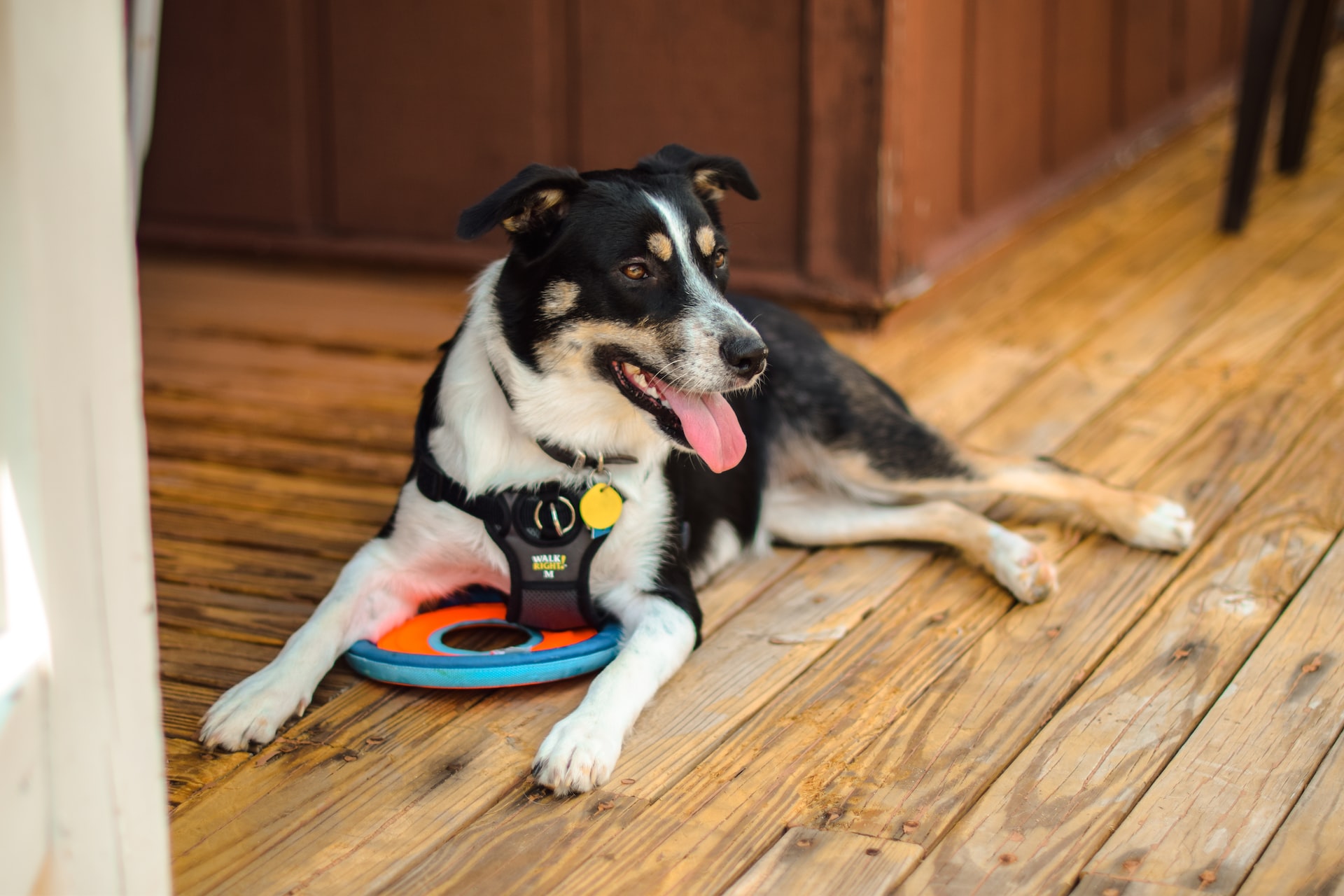
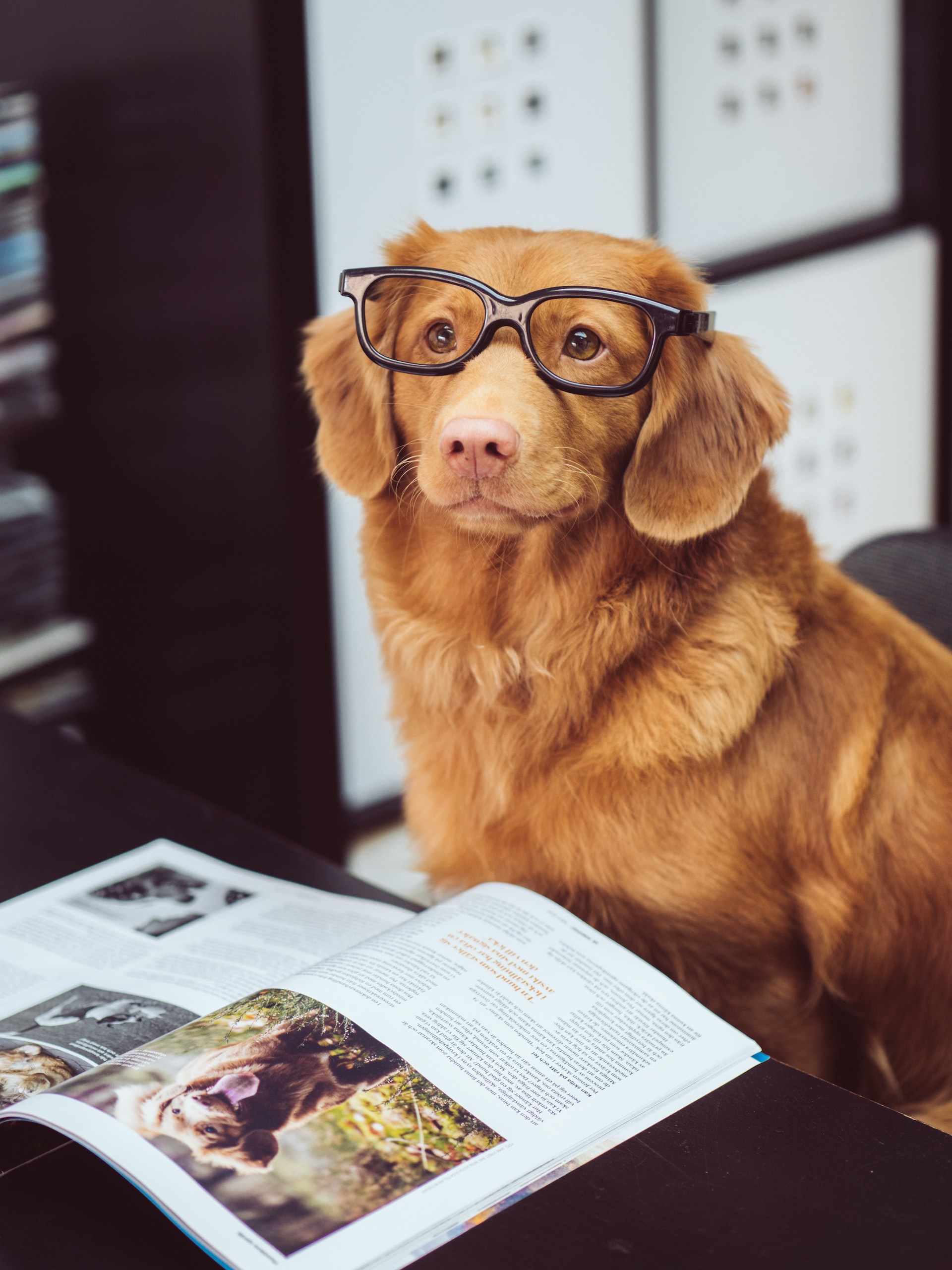
Today we have sleeping dogs, courtesy of Unsplash.

oooo

oooo

oooo

oooo

oooo

oooo

Another Sunday; another week!
Dogs are animals of integrity. We have much to learn from them.
Category: People and their pets
Today we have sleeping dogs, courtesy of Unsplash.
oooo
oooo
oooo
oooo
oooo
oooo
Another Sunday; another week!
Another excellent guest post from Penny Martin.
I love what Penny does and it sure does take the pressure off me because I know that Penny’s posts are first class.
This is a topic that every dog owner is keen on – keeping one’s dog fit and healthy.
Over to Penny.
ooOOoo
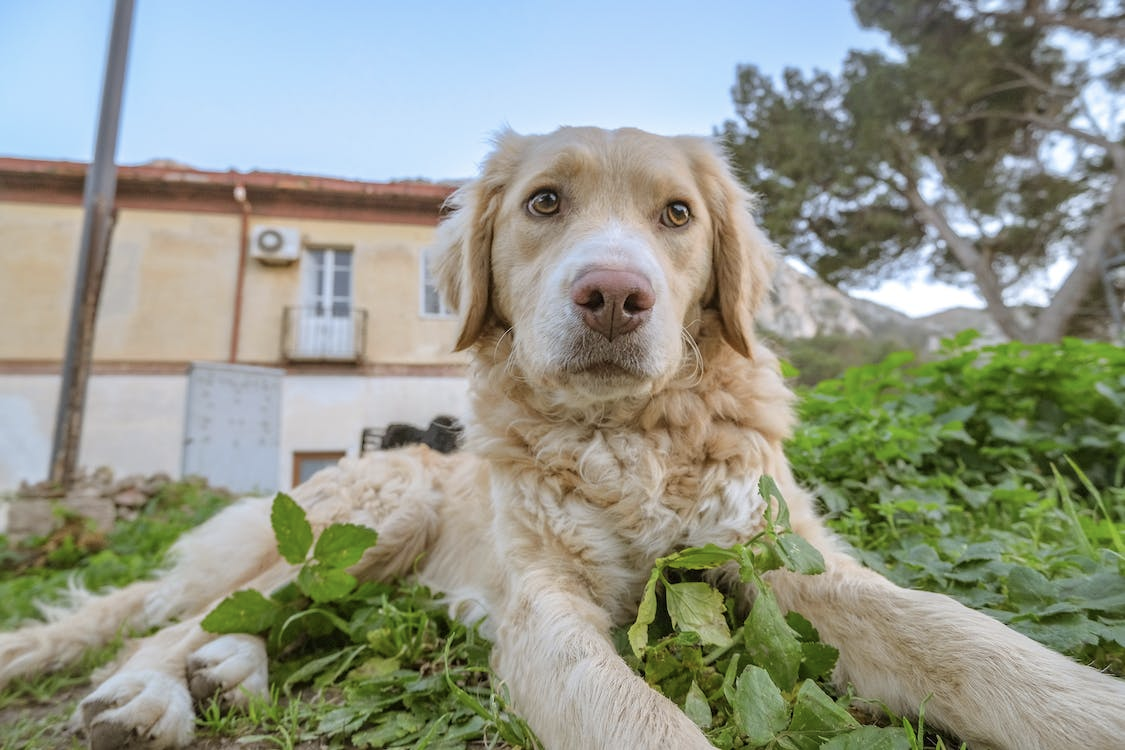
Image: Pexels
Keep Your Dog Healthy and Fit With This Essential Care Guide
Keeping your dog healthy and fit is a priority if you want to ensure he lives a long and happy life, but it can be difficult to know where to start. It’s important to make sure that your pup stays active, eats the right food, and gets the proper amount of exercise, but there’s more you can do to help him get fit and maintain great health. Use this guide from Learning from Dogs to create a wellness strategy for your four-legged friend and give him the long life he deserves.
Help Your Dog Stay Active
It’s important to keep your pup active throughout the day, especially if he spends time home alone while you’re at work. Take him on walks or let them run around in the yard; these activities will help keep them physically fit as well as mentally stimulated, and you can hire a pet sitter or dog-walker to help out. If you live in an area that isn’t very dog-friendly, look for a local dog park where he can run around safely.
Stimulate His Mind
While physical activity is crucial for your pet, there are also many toys and products available on the market that can help increase his activity levels. Investing in dog puzzles, treat dispensers, and chew toys can help keep your dog entertained while also providing an opportunity to burn off some extra energy throughout the day. This will also work to prevent behavioral issues if he spends time alone.
Improve His Diet With Quality Food
Investing in higher-quality food for your pup is essential for their health and well-being. Look for foods that are made with natural ingredients and provide all the nutrients they need. Avoid foods with artificial colors, flavors, and preservatives as these could potentially be harmful to your dog’s health.
You can also try air-dried food, which is cooked slowly to ensure it retains the maximum amount of nutrients and flavor. This option deserves a look, as it is also low in carbs and higher in protein than wet food options. You can even order a sample to check it out for yourself before investing.
Regulate Meals and Treats
In addition to making sure he has the right type of food, it’s important to feed your dog the required amount of food each day according to his size and age. Too little or too much could lead to health issues down the line. Additionally, limit treats, as they can contain high amounts of sugar which could lead to weight gain or other health problems over time.
Get Professional Advice
If you notice that your pup needs to lose a significant amount of weight, Chewy says that it’s best to work with a vet who can provide advice on how best to do so safely without causing harm or stress to him. Doing it this way will guarantee that your weight loss plan is secure, and you’ll still be able to give him the best possible nutrition. This is especially important if your dog is older.
Prepare With The Right Gear
Having quality gear like durable leashes and harnesses when taking your pet out for walks is essential for their safety as well as yours. Investing in quality gear now will save you money in the long run, as it will last longer than cheaper alternatives which may break easily over time due to wear and tear. Look for a harness that is comfortable and adjustable in a durable fabric.
Treat Your Dog with the Love They Deserve
Keeping your dog safe, comfortable, and healthy can go a long way toward ensuring that he’s with you for a long time. By feeding him high-quality dog food, making sure he gets enough exercise, and investing in the right gear, you can give your dog many more years. Just make sure you consult your vet with any issues along the way.
We can – and should – learn a lot from our four-legged friends and their ability to give unconditional love. Check out Learning from Dogs online to find inspiration for loving and living your life every day.
ooOOoo
All very sound advice and, once again, Penny is to be thanked for submitting this guest post. Thank you, Penny!
Back to Unsplash!
I put in the search description ‘Service dogs’ but that didn’t seem to be the correct way of describing the search. Anyway, I liked what was seen!
ooOOoo

oooo
oooo

oooo

oooo

oooo

oooo

oooo
oooo

There you are, good people!
A fascinating list!
Now I can’t recall where I saw these facts; I suspect they were emailed to me.
Whatever, it doesn’t matter, for they are amazing!
ooOOoo
1. Dogs have an incredible sense of smell—up to 100,000 times better than ours! They have more than 220 million olfactory receptors in their noses, while humans only have around 5 million.
2. Dogs can recognize up to 250 words and gestures, and they can even understand the tone of voice we use when we’re speaking to them.
3. Dogs can see in the dark better than us. They have a layer of cells in their eyes called the tapetum lucidum which reflects light back into the retina and helps them to see better in low light.
4. Dogs can sense when something is wrong or when you’re feeling down. They’ll often come and sit with you or give you extra cuddles when you’re feeling blue.
5. Dogs have an incredible sense of direction and can find their way back home from miles away. They use a combination of smell, sight and sound to remember the route they took.
6. Dogs can often tell when you’re about to sneeze. They have a special ability to sense subtle changes in our body language, and they can detect the slight changes that happen right before you sneeze.
7. Dogs can also tell when you’re happy or sad. They have the ability to sense changes in our breathing, body temperature, and even the amount of sweat we produce.
8. Dogs can sense when you’re getting sick. They can detect changes in your scent that you don’t even notice, and they’ll often come and comfort you when you’re feeling unwell.
9. Dogs can sense when someone is going to epileptic seizures or diabetic shock. They can detect the changes in smell, behavior and body chemistry that occur before a seizure or shock happens.
10. Dogs can detect certain types of cancer. They’re able to sniff out volatile organic compounds (VOCs) in the breath, urine or sweat of a person with cancer, which is why some organizations are training dogs to use their noses to detect cancer in humans.

ooOOoo
Dogs are amazing animals, in so many ways!
This particular post is from ‘Who Will Let the Dogs Out‘.
The range of expertise in looking after our dear dogs is incredible. I have long followed Who Will Let the Dogs Out but today wanted to republish a very recent article, hopefully with permission.
ooOOoo

Tiny Municipal Shelter Outside Nashville Has Only One Employee
By Cara Sue Achterberg. 14th February, 2023
In Robertson County, Tennessee, just outside Nashville, there are actually three municipal shelters. In addition to the Robertson shelter written about in the previous post, we also stopped at a tiny shelter ten minutes away— Greenbrier Animal Control.
This small shelter has ten kennels and was currently housing 12 dogs. Shelbie is the only ACO and employee for the small shelter. She works seven days a week 365 days a year. The only days she’s had off since she began work there three years ago were this past winter when she had Covid.


Shelbie does everything at the tiny, age-worn shelter – the cleaning and the caring, and running the animal control calls, and pretty much anything that needs done. Several of the outdoor kennels do not have covered roofs. The roofs are at the shelter, but Shelbie is only one person (and a tiny one at that), so she can’t get them put on by herself. She could use a hand with the roofs, and with lots of things, but the only ones she and the dogs have are her own.


The city animal control budget covers food, supplies, and a few other things, like Shelbie’s uniforms, but it doesn’t cover vaccines, deworming, or spay/neuter. Shelbie knows that anything she adopts out locally is likely to send puppies back her way. She depends on CASA Transport to help get animals out, so the shelter doesn’t become overcrowded.
Shelbie took the job because she loves animals and because she’s always been an advocate for not killing shelter animals. One of the dogs, Denali, has been at the shelter almost as long as she has. “He’s special and he needs a special kind of home,” she told me.
She loves her job, but would really love for the city to hire someone to help on the weekends so that she could have more time for herself (and her FIVE children ages 4-10).
We set up a few peanut butter boards and left Shelbie with lots of food, treats, bones, and collars, but joked with her that we wished we had a person in the truck we could leave with her. Every time we make these trips we meet remarkable people like Shelbie. I’m sure she isn’t getting rich on this job and I’d guess she sees some pretty awful situations. It is not just back breaking work, it’s heartbreaking.

There are so many people, just like Shelbie, who are quietly saving lives through their own dedication and sacrifice. They inspire me to keep pushing for change, for any way to make the situation better.
I don’t understand why Robertson County, which serves 72,000 residents, has not only the county shelter, but two city shelters (we were not able to visit Springfield animal control). Greenbriar is in the county and it took us about ten minutes to get from one to the other. To me, clearly an outsider (but one who has visited over 100 shelters in 12 states), it makes more sense to combine the three shelters in the new building that Robertson County is building.
Surely, by combining budgets and staff, they could have one excellent facility with plenty of help, and likely save money in the bargain. Plus, then Shelbie wouldn’t be working seven days a week and handling animals all by herself (not that she isn’t more than capable of doing so as she’s done it for three years now). That’s just my observation, unlikely to be embraced.
Until we start looking for common sense solutions like regional public shelters, the lives of too many animals will depend on the decency and the willingness of people like Shelbie to sacrifice so much to do the work very few will.

If you’d like to help Shelbyville Animal shelter, consider shopping their Amazon wishlist.
Until each one has a home,
Cara
If you want to learn more, be sure to subscribe to this blog. And help us spread the word by sharing this post with others. Visit our website to learn more.
You can also help raise awareness by following/commenting/sharing us on Facebook, Instagram, YouTube, and Tik Tok!
Learn more about what is happening in our southern shelters and rescues in the book, One Hundred Dogs & Counting: One Woman, Ten Thousand Miles, and a Journey Into the Heart of Shelters and Rescues (Pegasus Books, 2020). It’s the story of a challenging foster dog who inspired me to travel south to find out where all the dogs were coming from. It tells the story of how Who Will Let the Dogs Out began. Find it anywhere books are sold. A portion of the proceeds of every book sold go to help unwanted animals in the south.

Watch our Emmy-nominated, award-winning short documentary about rescue in western Tennessee here.
For more information on any of our projects, to talk about rescue in your neck of the woods, please email whowillletthedogsout@gmail.com or carasueachterberg@gmail.com.
ooOOoo
There are many more photographs on the website that I chose not to republish because I couldn’t do it as neatly as Cara did it.
A powerful three-minute video from the BBC.
Just another example of the wonderful abilities of our dogs.
Unsplash with a difference.
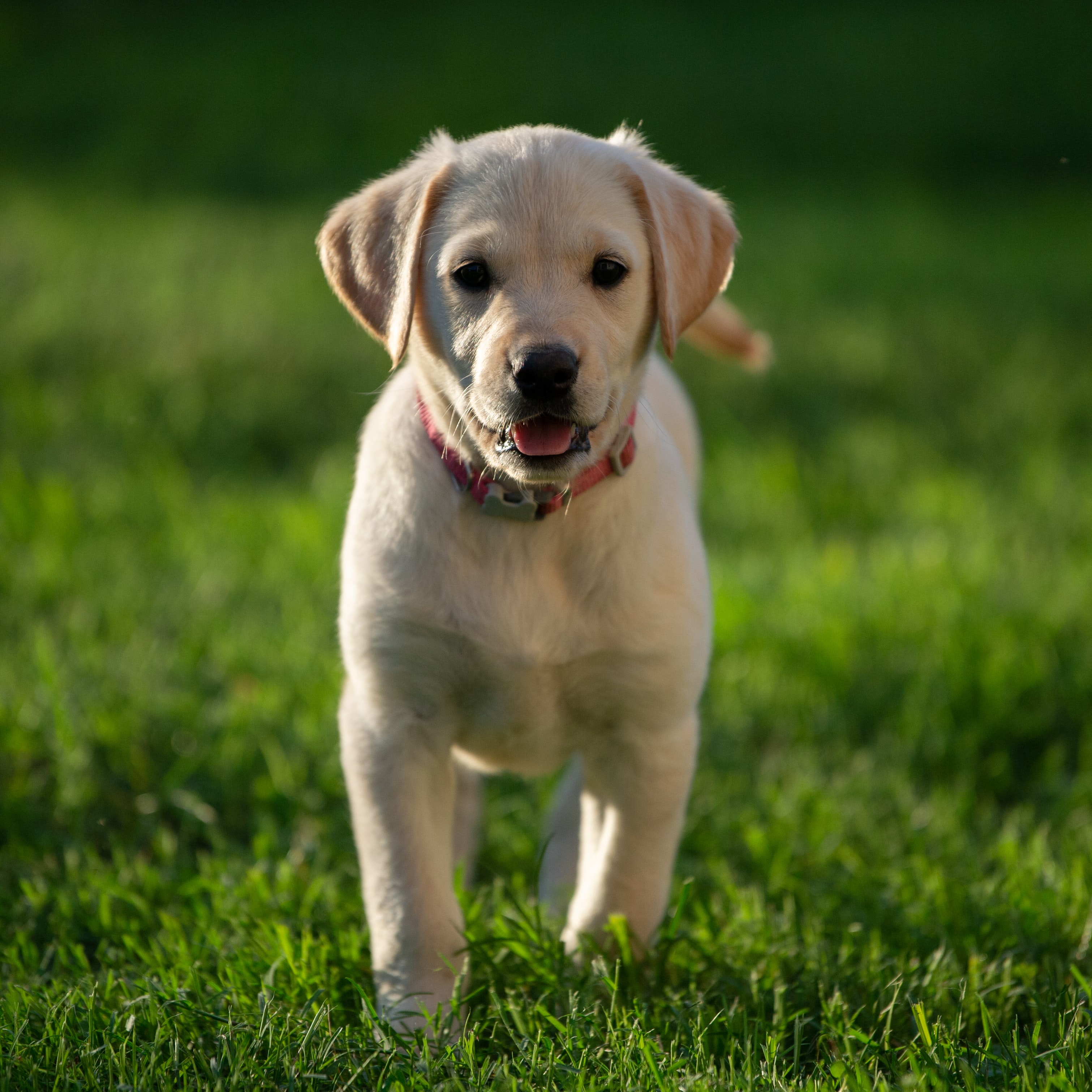
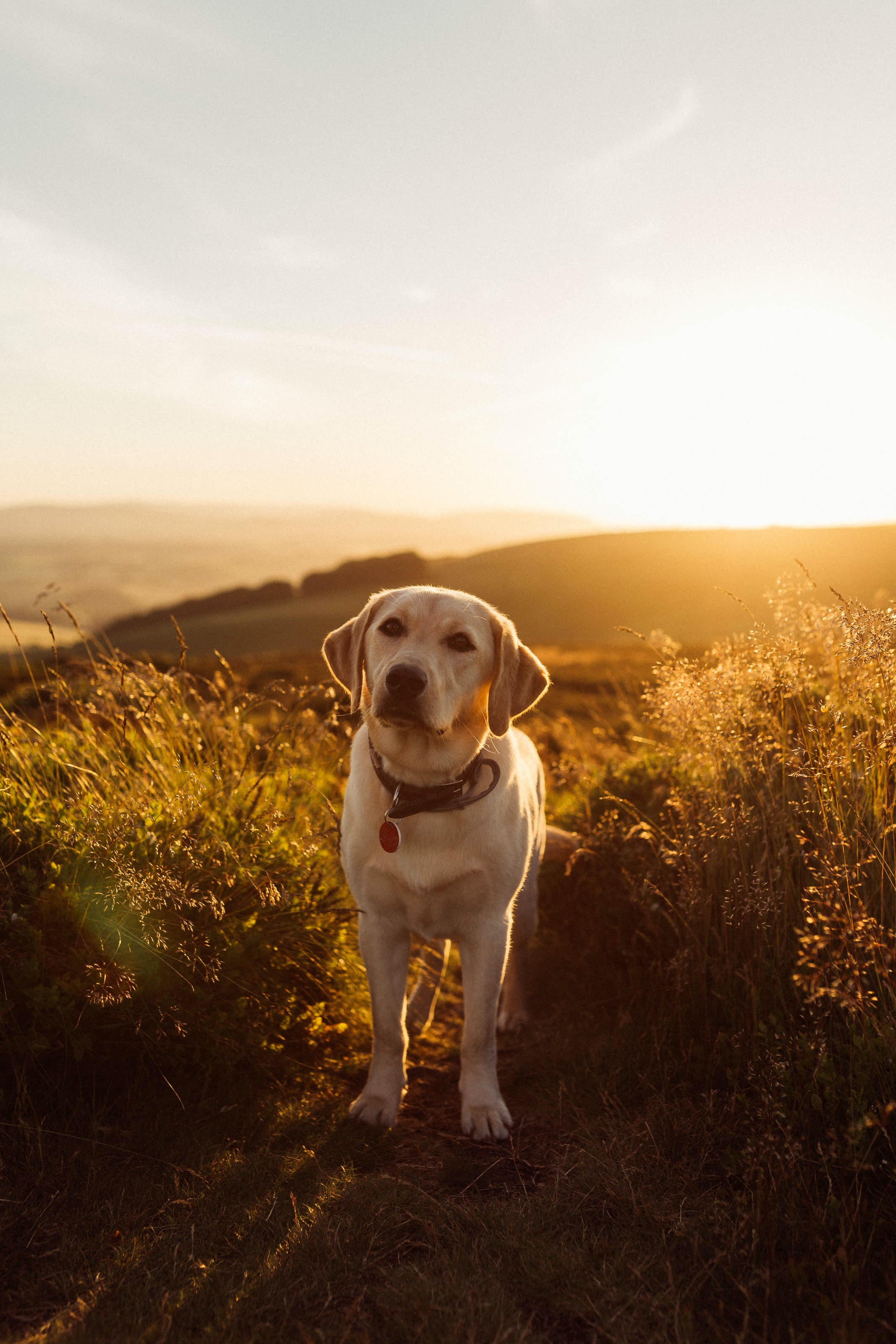
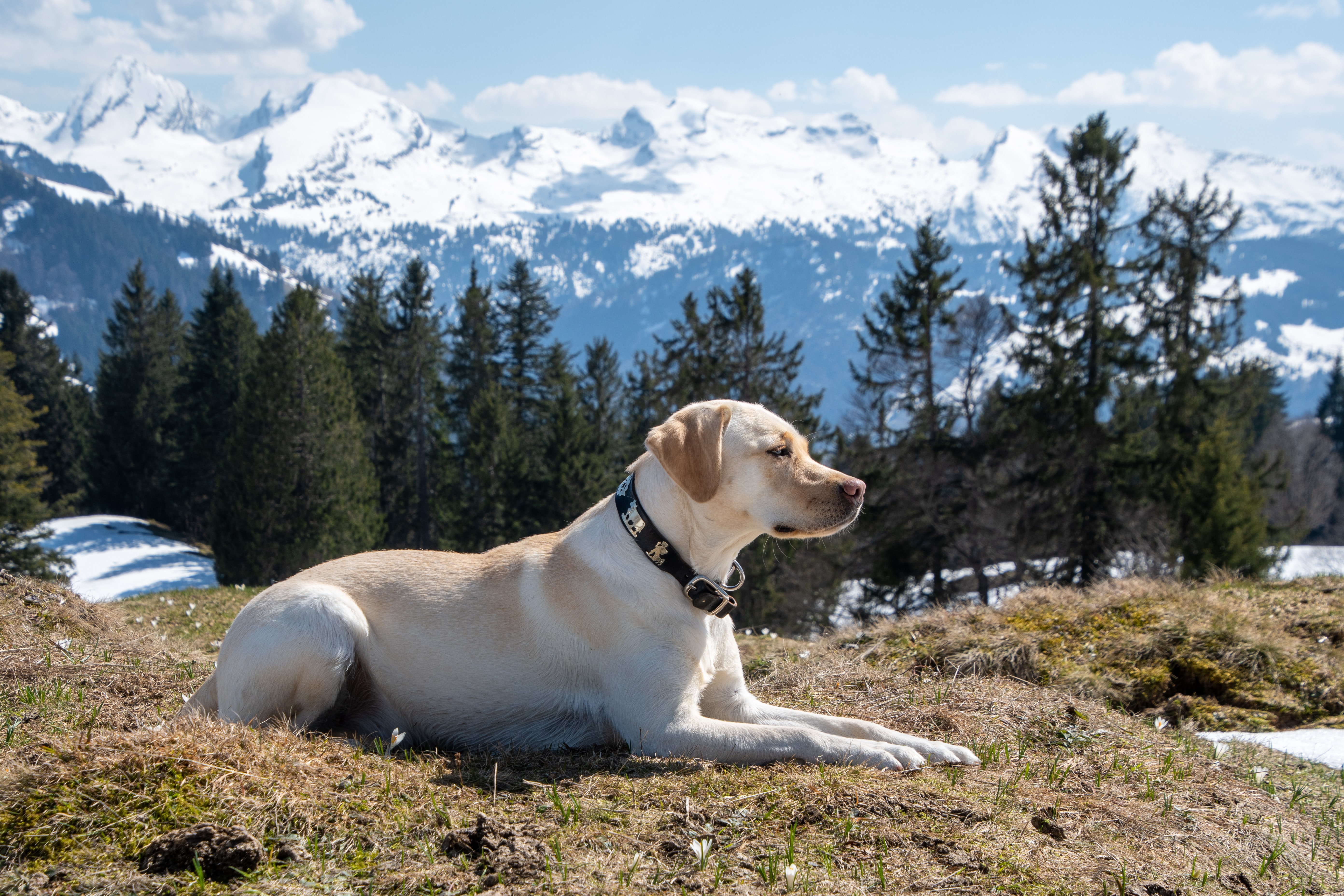
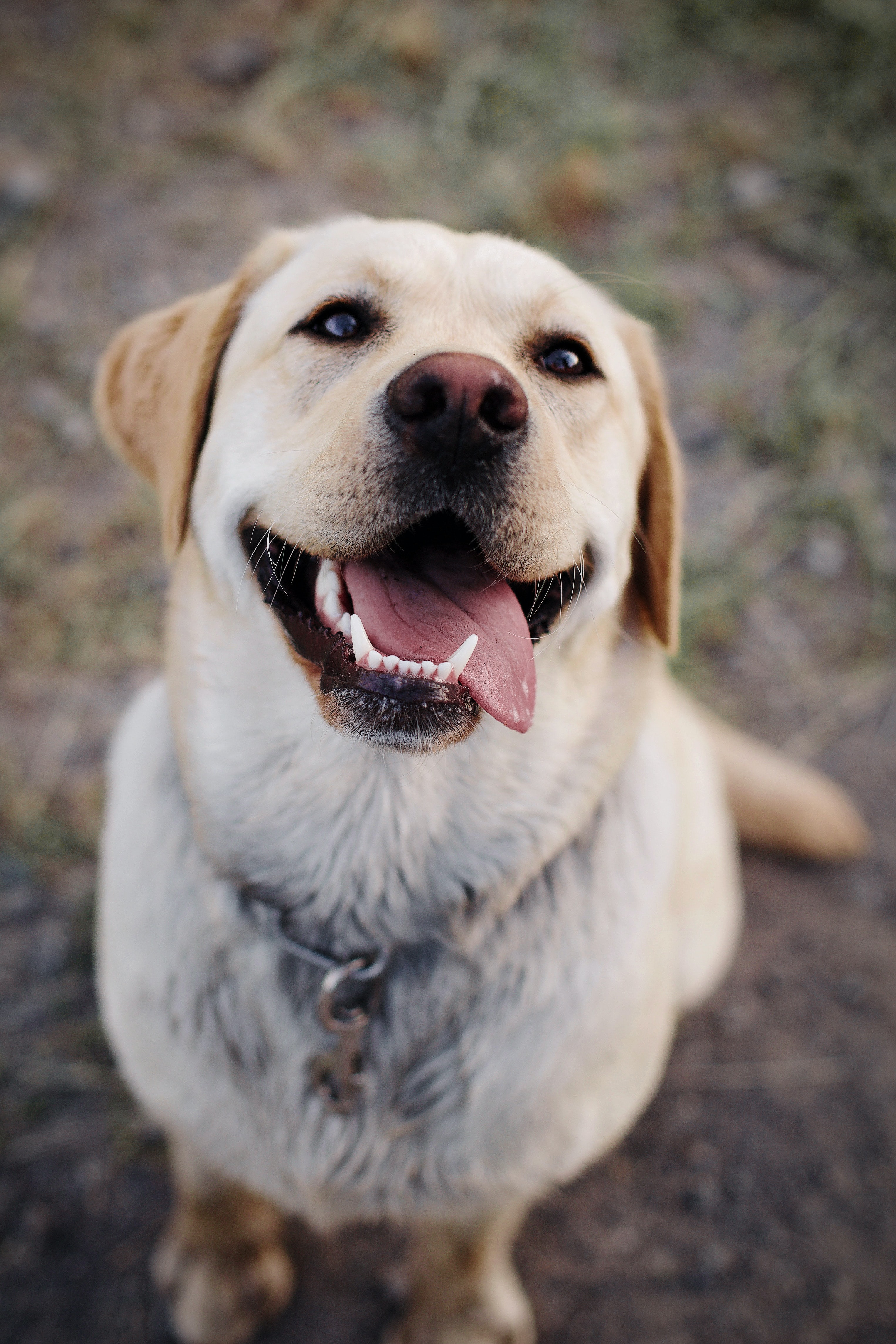
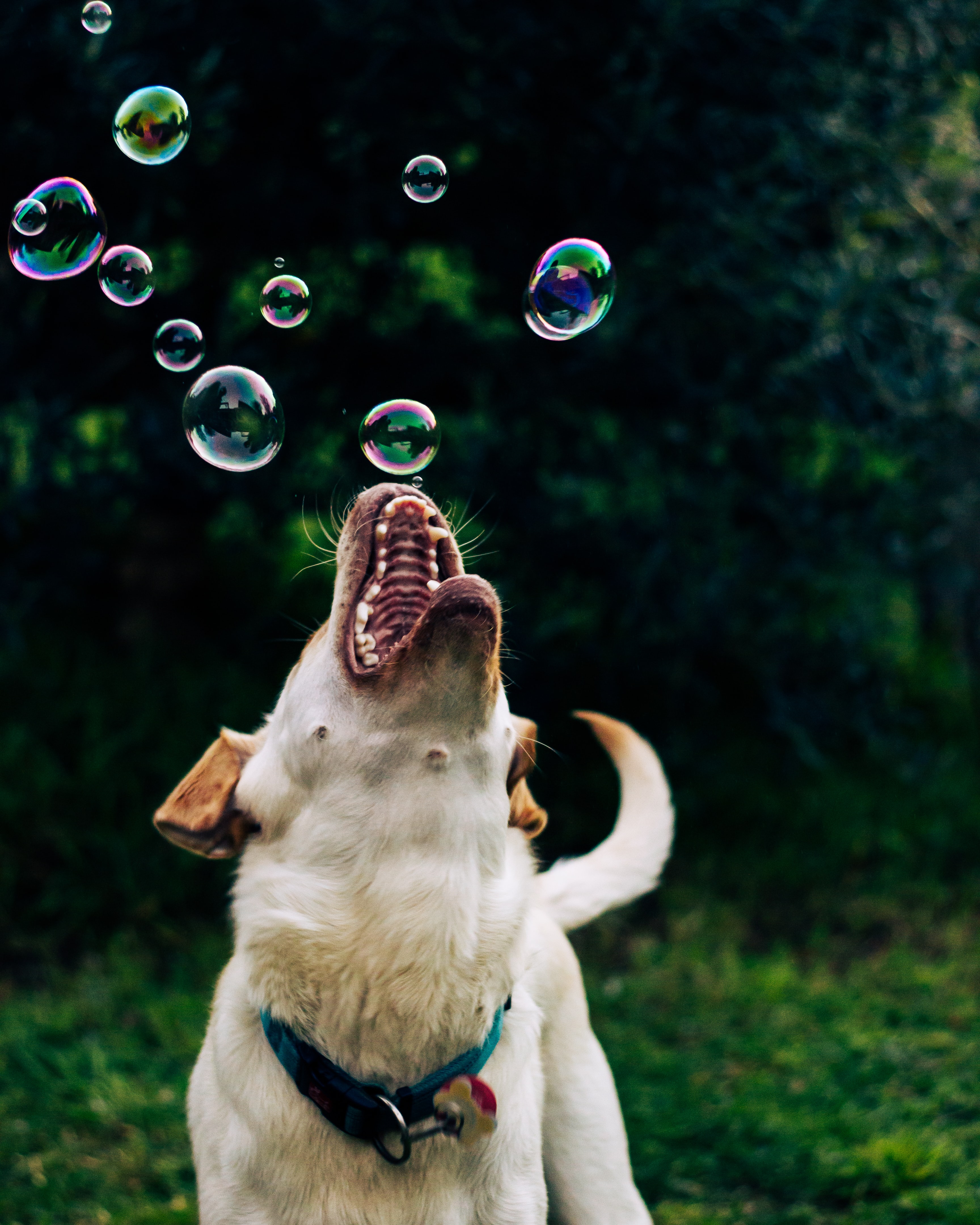
These are all photographs of Labradors.
oooo
oooo
oooo

oooo
oooo

oooo
oooo
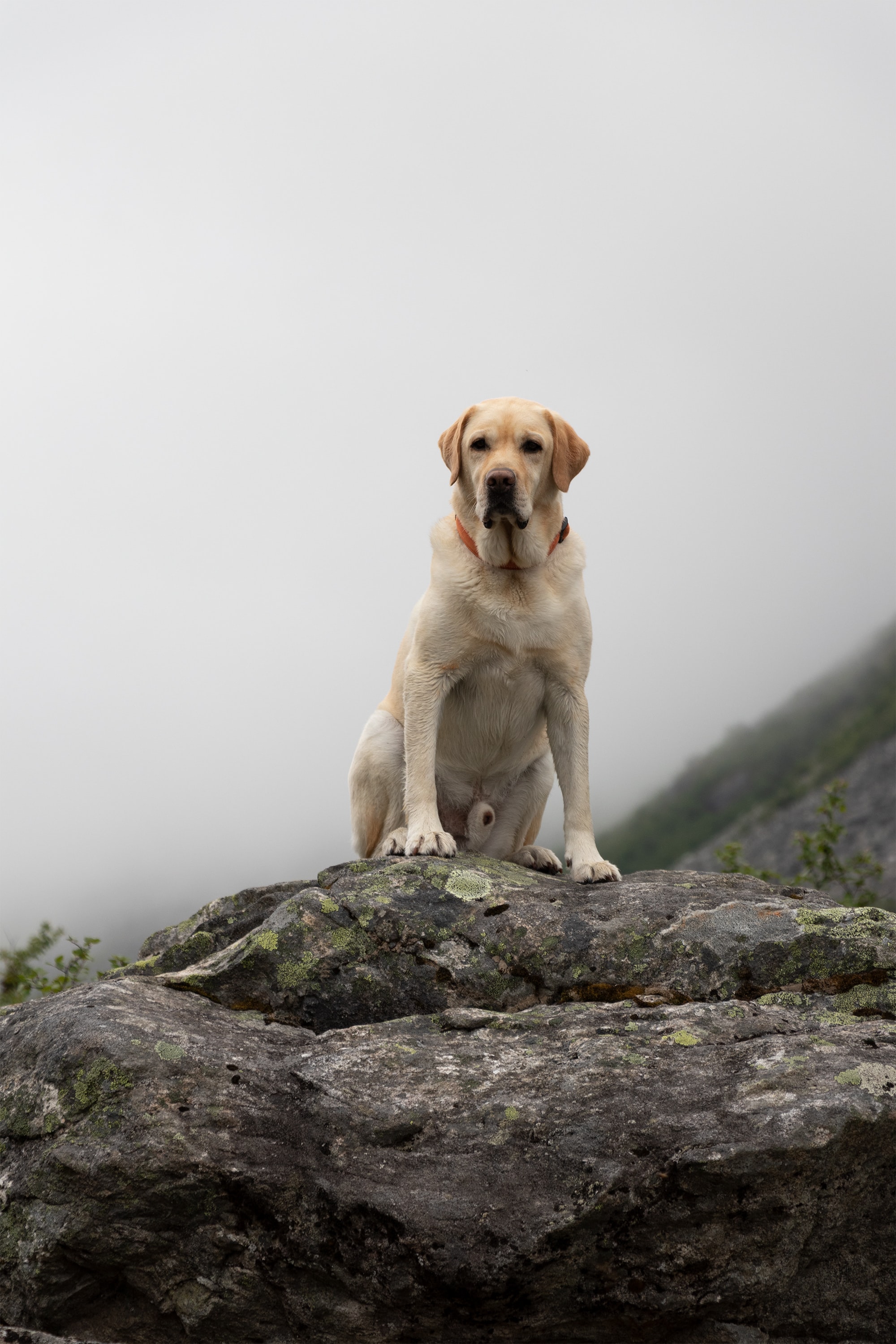
Gorgeous, though I say it myself.
I missed stating this last week but copyright always exists in the original photographs.
Jess forwards another stirring account of a dog rescuer.
Jess Anderson sent me this video of a Labrador, age 19 no less, being rescued. That is one senior dog!
The video and the supporters who left comments all said how wonderful were their experiences of saving senior dogs.
The video came from the Dodo Foster Diaries and at the time of writing had had nearly 600 viewings.
There is a very good article on PetFinder about the first few days with a senior dog. Go and watch it!
It is the last day of January and we have a post about dogs today.
I found all the non-doggie articles a bit depressing and this item seemed a delightful alternative. It is from the Curious Kids section of The Conversation but, to my mind, of interest to adults as well.
ooOOoo
Do dogs really see in just black and white? – Oscar V., age 9, Somerville, Massachusetts
Dogs definitely see the world differently than people do, but it’s a myth that their view is just black, white and grim shades of gray.
While most people see a full spectrum of colors from red to violet, dogs lack some of the light receptors in their eyes that allow human beings to see certain colors, particularly in the red and green range. But canines can still see yellow and blue.
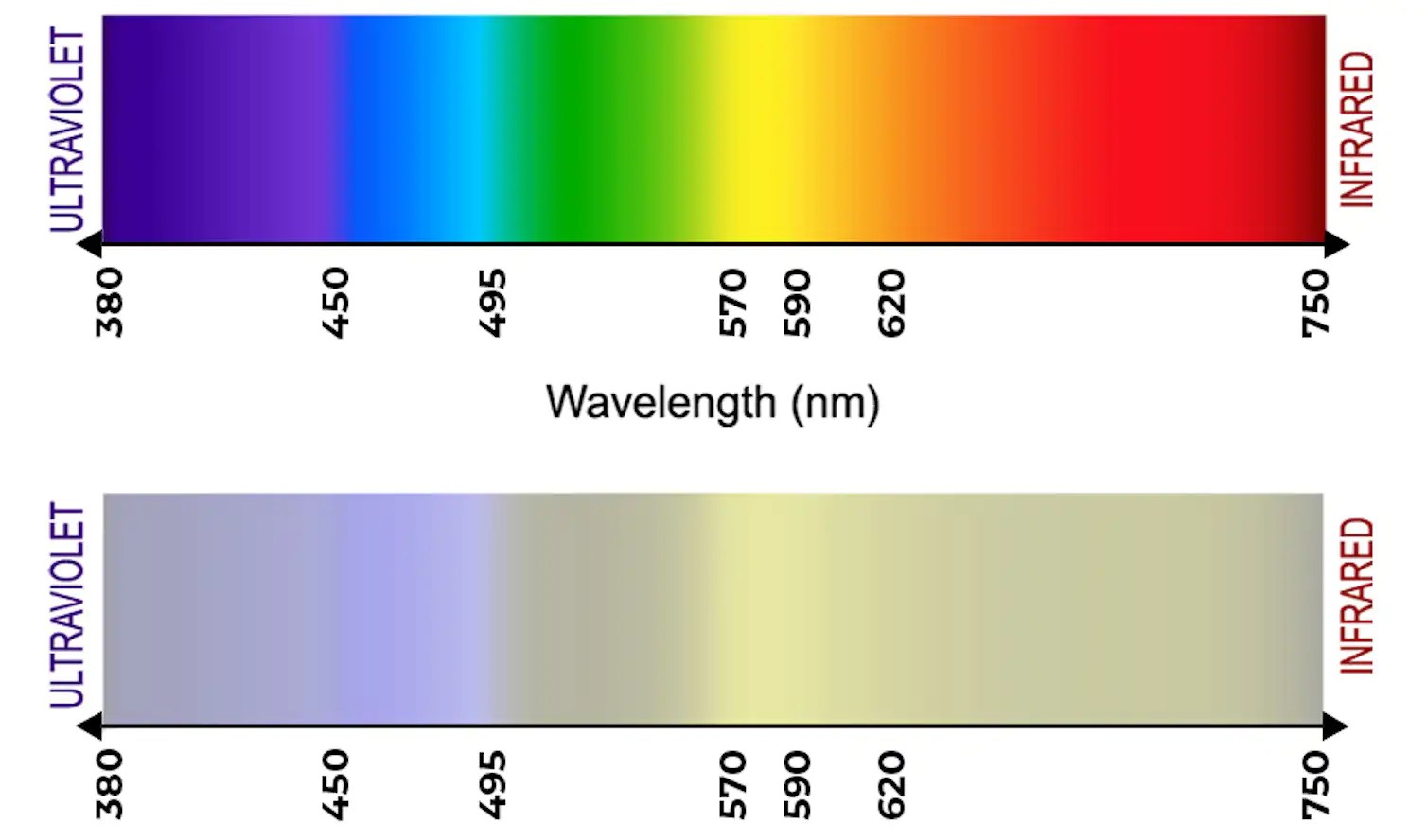
Different wavelengths of light register as different colors in an animal’s visual system. Top is the human view; bottom is a dog’s eye view. Top: iStock/Getty Images Plus via Getty Images. Bottom: As processed by András Péter’s Dog Vision Image Processing Tool
What you see as red or orange, to a dog may just be another shade of tan. To my dog, Sparky, a bright orange ball lying in the green grass may look like a tan ball in another shade of tan grass. But his bright blue ball will look similar to both of us. An online image processing tool lets you see for yourself what a particular picture looks like to your pet.
Animals can’t use spoken language to describe what they see, but researchers easily trained dogs to touch a lit-up color disc with their nose to get a treat. Then they trained the dogs to touch a disc that was a different color than some others. When the well-trained dogs couldn’t figure out which disc to press, the scientists knew that they couldn’t see the differences in color. These experiments showed that dogs could see only yellow and blue.
In the back of our eyeballs, human beings’ retinas contain three types of special cone-shaped cells that are responsible for all the colors we can see. When scientists used a technique called electroretinography to measure the way dogs’ eyes react to light, they found that canines have fewer kinds of these cone cells. Compared to people’s three kinds, dogs only have two types of cone receptors.

Light travels to the back of the eyeball, where it registers with rod and cone cells that send visual signals on to the brain. iStock/Getty Images Plus via Getty Images
Not only can dogs see fewer colors than we do, they probably don’t see as clearly as we do either. Tests show that both the structure and function of the dog eye leads them to see things at a distance as more blurry. While we think of perfect vision in humans as being 20/20, typical vision in dogs is probably closer to 20/75. This means that what a person with normal vision could see from 75 feet away, a dog would need to be just 20 feet away to see as clearly. Since dogs don’t read the newspaper, their visual acuity probably doesn’t interfere with their way of life.
There’s likely a lot of difference in visual ability between breeds. Over the years, breeders have selected sight-hunting dogs like greyhounds to have better vision than dogs like bulldogs.
But that’s not the end of the story. While people have a tough time seeing clearly in dim light, scientists believe dogs can probably see as well at dusk or dawn as they can in the bright middle of the day. This is because compared to humans’, dog retinas have a higher percentage and type of another kind of visual receptor. Called rod cells because of their shape, they function better in low light than cone cells do.
Dogs also have a reflective tissue layer at the back of their eyes that helps them see in less light. This mirror-like tapetum lucidum collects and concentrates the available light to help them see when it’s dark. The tapetum lucidum is what gives dogs and other mammals that glowing eye reflection when caught in your headlights at night or when you try to take a flash photo.
Dogs share their type of vision with many other animals, including cats and foxes. Scientists think it’s important for these hunters to be able to detect the motion of their nocturnal prey, and that’s why their vision evolved in this way. As many mammals developed the ability to forage and hunt in twilight or dark conditions, they gave up the ability to see the variety of colors that most birds, reptiles and primates have. People didn’t evolve to be active all night, so we kept the color vision and better visual acuity.
Before you feel sorry that dogs aren’t able to see all the colors of the rainbow, keep in mind that some of their other senses are much more developed than yours. They can hear higher-pitched sounds from farther away, and their noses are much more powerful.
Even though Sparky might not be able to easily see that orange toy in the grass, he can certainly smell it and find it easily when he wants to.
ooOOoo
I don’t know about you but I found this most interesting and the last thing I would be described as is a kid!
In terms of our own dogs their ability to forage in the dark is quite amazing and, presumably, our dogs are quite typical of dogs in general.
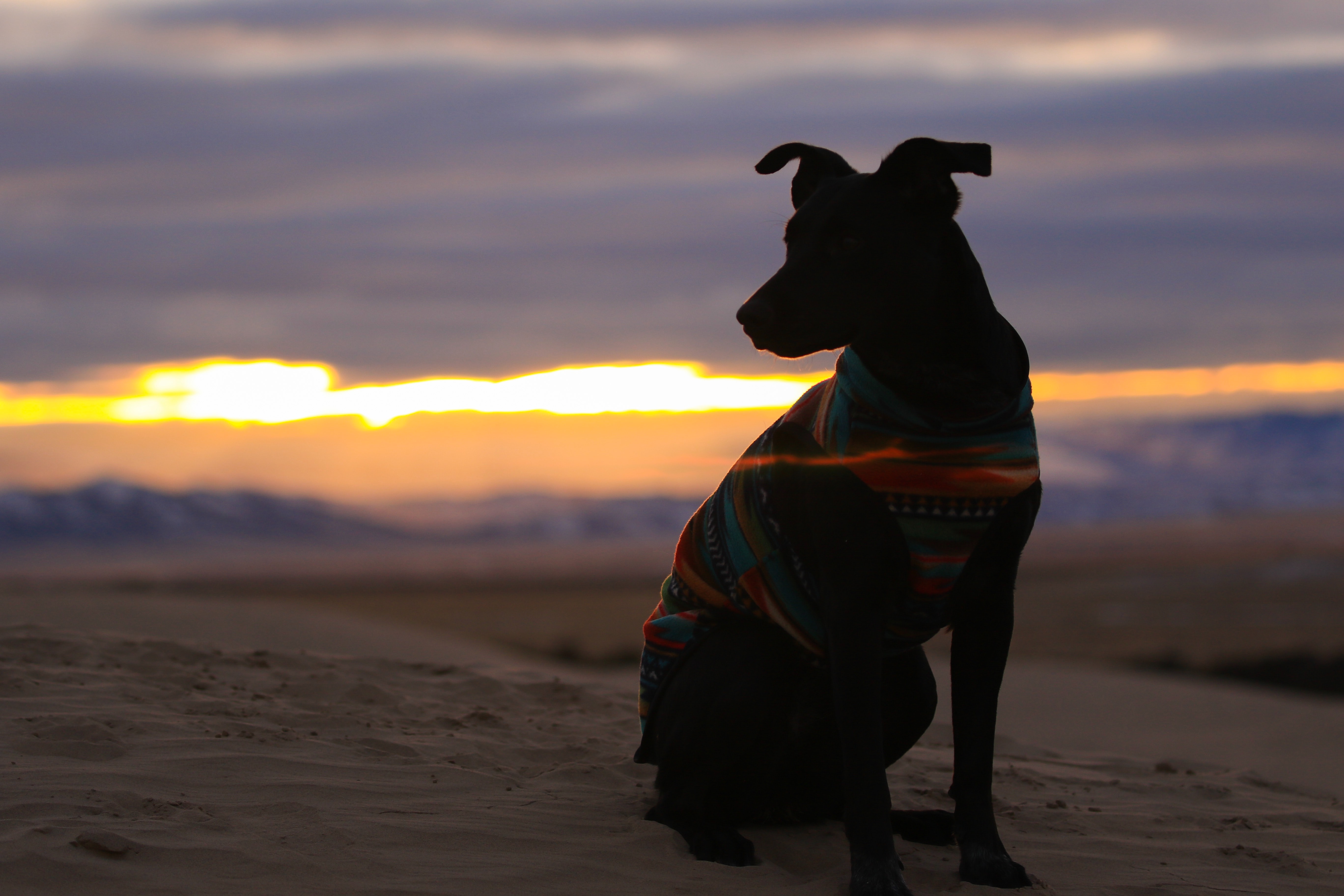
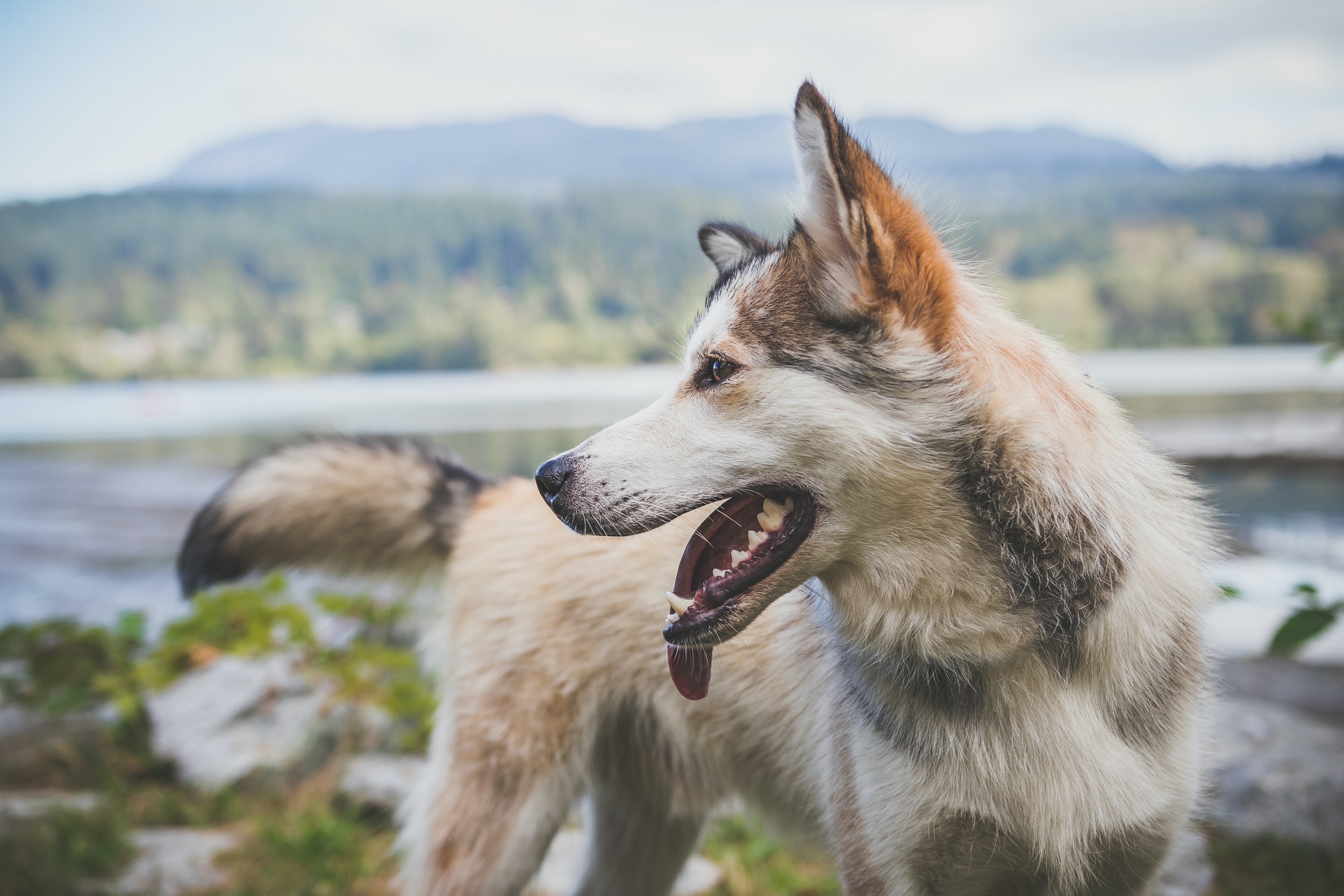
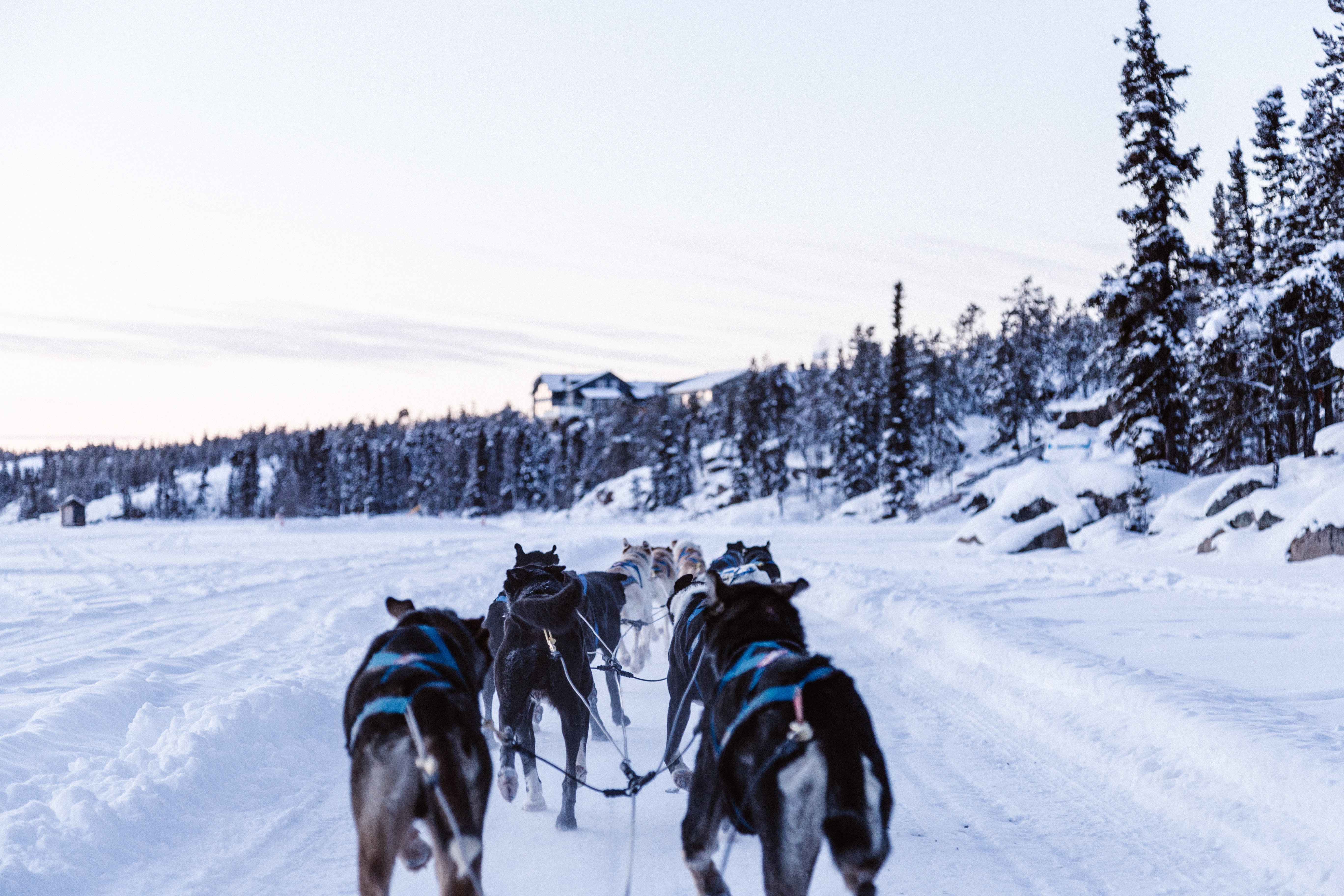
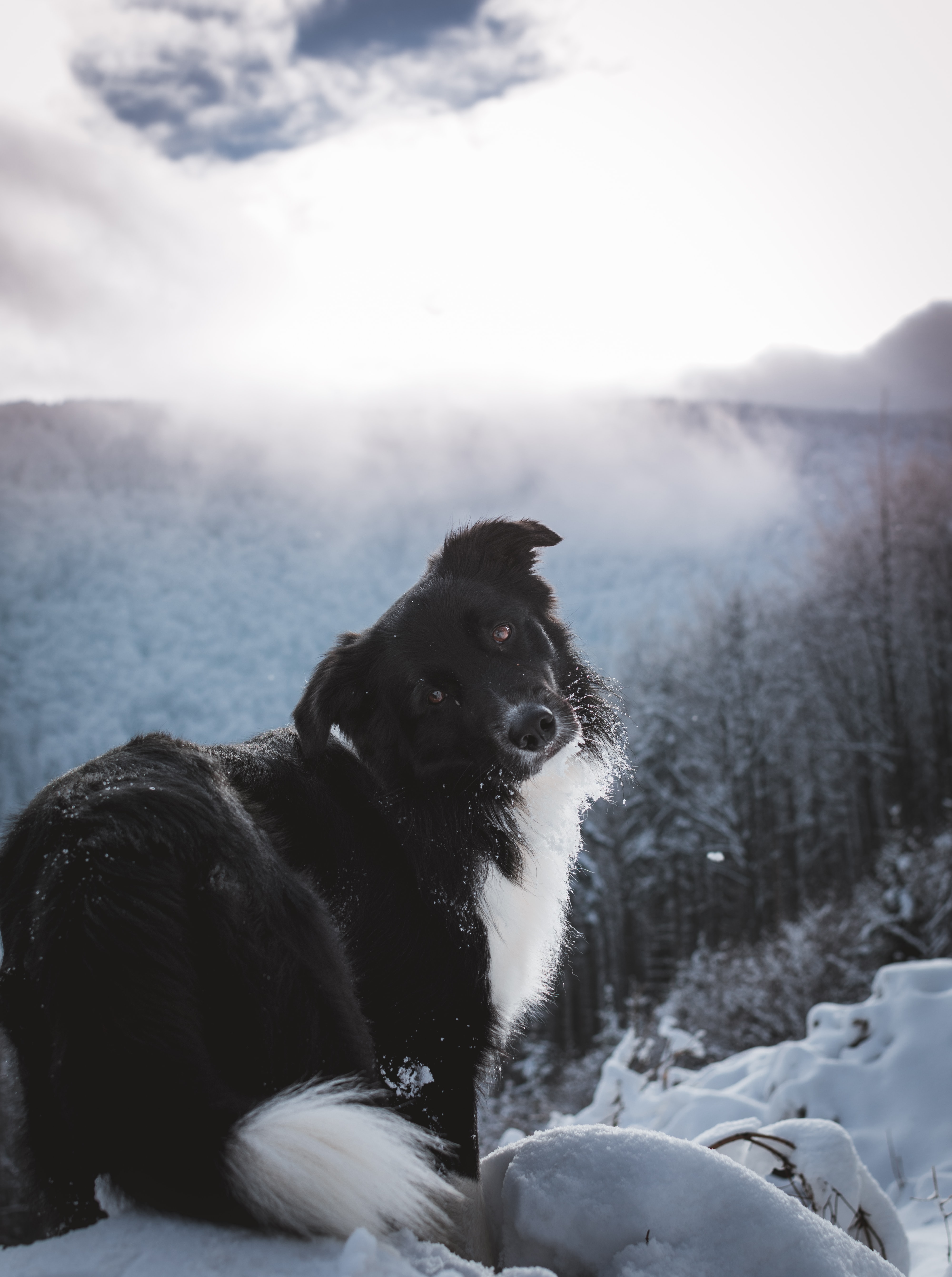
Again, a variety of photographs from Unsplash.
oooo
oooo
oooo

oooo
oooo
oooo

oooo
oooo
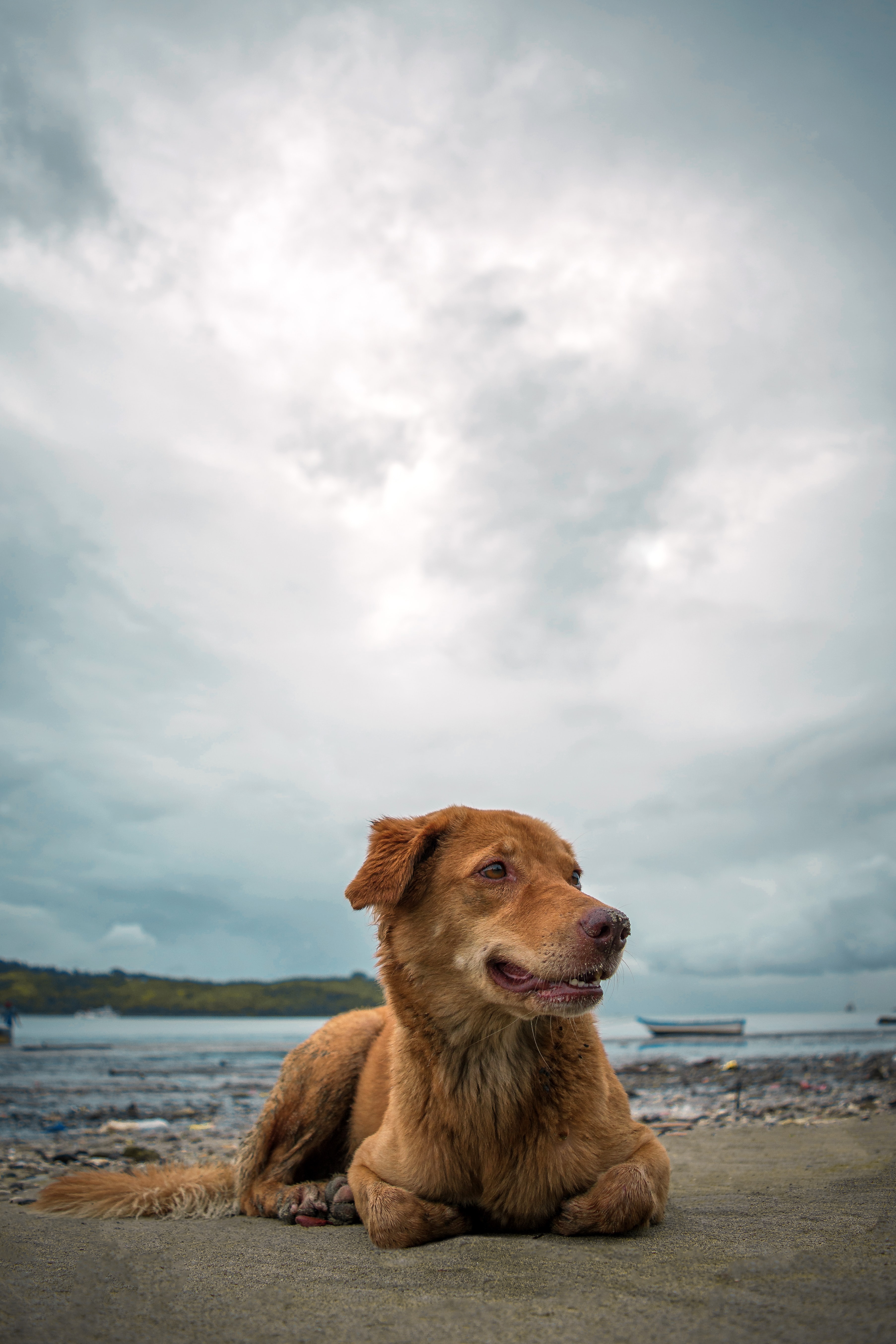
oooo
And the last one for today with no dogs but still a wonderful shot.

More in a week’s time.
 Learning from Dogs