Category: Musings

Slight pause in my affairs!

No more posts until a week’s time!

Good friends,

I am going in today to Asante Hospital for a minor operation for a hernia.

It has been slowly getting worse and, although it is still an easy op, I didn’t want to delay things any longer.

I shall be out of hospital later today (with a bit of luck) but I have been told in no uncertain words to take it very easy for the first couple of weeks and not to lift anything .

I will be offline until Tuesday, 17th.

But in terms of lifting anything above 15lbs I will have to take it easy for six weeks, or until the end of June. That is going to be hard!

Meanwhile, we have been stocking up, especially for the horses. Because both the equine senior feed and the hay come in too heavy. The equine feed comes in 50lb bags and the hay bales must be about the same, and tough to move around.

Thirteen bales for the next six weeks!

Transformation

A more positive view as to how the future will pan out.

I tend to be rather pessimistic about the future. Maybe it is my age, I don’t know. But a week ago I posted an article by Ophelia Benson called Cruising over the Edge.

For this week I am republishing another climate change article but one that has a positive outlook on where we are going.

Have a read and let me know your thoughts.

ooOOoo

Climate change will transform how we live, but these tech and policy experts see reason for optimism

Authors

  1. Robert Lempert Professor of Policy Analysis, Pardee RAND Graduate School
  2. Elisabeth Gilmore Associate Professor of Climate Change, Technology and Policy, Carleton University

Published April 18th, 2022

It’s easy to feel pessimistic when scientists around the world are warning that climate change has advanced so far, it’s now inevitable that societies will either transform themselves or be transformed. But as two of the authors of a recent international climate report, we also see reason for optimism.

The latest reports from the Intergovernmental Panel on Climate Change discuss changes ahead, but they also describe how existing solutions can reduce greenhouse gas emissions and help people adjust to impacts of climate change that can’t be avoided.

The problem is that these solutions aren’t being deployed fast enough. In addition to push-back from industries, people’s fear of change has helped maintain the status quo. 

To slow climate change and adapt to the damage already underway, the world will have to shift how it generates and uses energy, transports people and goods, designs buildings and grows food. That starts with embracing innovation and change.

Fear of change can lead to worsening change

From the industrial revolution to the rise of social media, societies have undergone fundamental changes in how people live and understand their place in the world.

Some transformations are widely regarded as bad, including many of those connected to climate change. For example, about half the world’s coral reef ecosystems have died because of increasing heat and acidity in the oceans. Island nations like Kiribati and coastal communities, including in Louisiana and Alaska, are losing land into rising seas.

Other transformations have had both good and bad effects. The industrial revolution vastly raised standards of living for many people, but it spawned inequality, social disruption and environmental destruction.

People often resist transformation because their fear of losing what they have is more powerful than knowing they might gain something better. Wanting to retain things as they are – known as status quo bias – explains all sorts of individual decisions, from sticking with incumbent politicians to not enrolling in retirement or health plans even when the alternatives may be rationally better. 

This effect may be even more pronounced for larger changes. In the past, delaying inevitable change has led to transformations that are unnecessarily harsh, such as the collapse of some 13th-century civilizations in what is now the U.S. Southwest. As more people experience the harms of climate change firsthand, they may begin to realize that transformation is inevitable and embrace new solutions. 

A mix of good and bad

The IPCC reports make clear that the future inevitably involves more and larger climate-related transformations. The question is what the mix of good and bad will be in those transformations.

If countries allow greenhouse gas emissions to continue at a high rate and communities adapt only incrementally to the resulting climate change, the transformations will be mostly forced and mostly bad

For example, a riverside town might raise its levees as spring flooding worsens. At some point, as the scale of flooding increases, such adaptation hits its limits. The levees necessary to hold back the water may become too expensive or so intrusive that they undermine any benefit of living near the river. The community may wither away.

Riverside communities often scramble to raise levees during floods, like this one in Louisiana. Scott Olson/Getty Images

The riverside community could also take a more deliberate and anticipatory approach to transformation. It might shift to higher ground, turn its riverfront into parkland while developing affordable housing for people who are displaced by the project, and collaborate with upstream communities to expand landscapes that capture floodwaters. Simultaneously, the community can shift to renewable energy and electrified transportation to help slow global warming.

Optimism resides in deliberate action

The IPCC reports include numerous examples that can help steer such positive transformation.

For example, renewable energy is now generally less expensive than fossil fuels, so a shift to clean energy can often save money. Communities can also be redesigned to better survive natural hazards through steps such as maintaining natural wildfire breaks and building homes to be less susceptible to burning.

Costs are falling for key forms of renewable energy and electric vehicle batteries. IPCC Sixth Assessment Report

Land use and the design of infrastructure, such as roads and bridges, can be based on forward-looking climate information. Insurance pricing and corporate climate risk disclosures can help the public recognize hazards in the products they buy and companies they support as investors.

No one group can enact these changes alone. Everyone must be involved, including governments that can mandate and incentivize changes, businesses that often control decisions about greenhouse gas emissions, and citizens who can turn up the pressure on both.

Transformation is inevitable

Efforts to both adapt to and mitigate climate change have advanced substantially in the last five years, but not fast enough to prevent the transformations already underway.

Doing more to disrupt the status quo with proven solutions can help smooth these transformations and create a better future in the process.

Disclosure statement

Robert Lempert receives funding from the National Science Foundation, U.S. Department of Transportation and Culver City Forward. He was coordinating lead author of the IPCC WGII Sixth Assessment Report, Chapter 1, and is affiliated with RAND Corp.; Harvard; SCoPEx (Stratospheric Controlled Perturbation Experiment) Independent Advisory Committee; National Renewable Energy Laboratory; Decision Science and Analysis Technical Advisory Committee (TAC); Council on Foreign Relations; Evolving Logic; and the City of Santa Monica Commission on Environmental, Sustainability, and Environmental Justice.

Elisabeth Gilmore receives funding from Minerva Research Initiative administered by the Office of Basic Research and the Office of Policy at the U.S. Department of Defense and the National Science Foundation. She is affiliated with Carleton University, Rutgers University, the Peace Research Institute Oslo (PRIO), and was a lead author on the IPCC WGII Sixth Assessment Report.

ooOOoo

The article makes the proposition that fear gets in the way of change. I think this is true because I tend to be a person that goes around saying ‘what can be done’ or ‘it is down to governments to set the changes required’ but not taking action personally.

So this is wakeup call for me and many others to be more positive and to support those changes that are beneficial, and to undertake them ourselves if at all possible.

Another beautiful dog story

This time first detailed on the BBC.

You will forgive me for keeping my comments to a minimum but, amongst other things, I have started rewriting my book.

What I read on the BBC website was this:

Ukrainian soldiers were inspecting abandoned homes on the frontline near Kyiv, in an area that has been reclaimed from the Russians. The troops came across a lonely dog in an apartment and after finding identification documents, they discovered her name was Bavaria. A volunteer has taken the dog in and hopes to reunite it with its owner.

There was a short film also and I am delighted to find this video on YouTube.

With so much disruption and cruelty going on in Ukraine it is a real delight that compassion and love are still very much alive.

Cruising over the Edge

I am very grateful to the Free Inquiry for permission to republish this article!

I am a subscriber to the print edition of Free Inquiry. Have been for quite a while. In the last issue, the April/May magazine, there was an article by Ophelia Benson that just seemed to ‘speak’ to me. I was sure that I was not alone. It was an OP-ED.

I emailed Julia Lavarnway, the Permissions Editor, to enquire what the chances were of me being granted permission to share the story. Frankly, I was not hopeful!

So imagine my surprise when Julia wrote back to say that she had contacted the author, Ophelia, and she had said ‘Yes’.

ooOOoo

Cruising over the Edge

By Ophelia Benson

The trouble with humans is that we never know when to stop. We know how to invent things, but we seem to be completely unable to figure out how to uninvent them—or even just stop using them once we’ve invented them. We can commission like crazy but we can’t decommission.

Like, for instance, cruise ships the size of condo towers. They’re feats of engineering and ship building no doubt, but as examples of sustainable tourism, a small carbon footprint, a sensible approach to global warning, not so much. How many gallons of fuel do you suppose they burn while cruising? Eighty thousand a day, for one ship.

We can’t uninvent, we can’t let go, we can’t stop. We can as individuals, but that’s useless when most people are doing the opposite. It’s useless when cruise ships keep cruising, SUVs keep getting bigger, container ships are so massive they get stuck in canals, more people move to Phoenix as the Colorado River dries up, more people build houses in the Sierras just in time for more wildfires, air travel is almost back to “normal,” and Christmas lights stay up until spring.

So heads of state go to meetings on climate change and sign agreements and pretend they’ve achieved something, but how can they have? Have any of them promised to shut down nonessential enterprises such as the cruise industry? Will they ever? The CEOs and lobbyists and legislatures would eat their lunch if they did. They can’t mess with profitable industries like that unless they’re autocrats like Putin or Xi … and of course Putin and Xi and other autocrats have zero inclination to act in the interests of the planet.

Janos Pasztor wrote in Foreign Policy after COP26, the UN climate change conference in Glasgow this past November:

Even if all Glasgow pledges are fulfilled, we are still facing a temperature overshoot of approximately 2 degrees Celsius. In the more likely scenario of not all pledges being fulfilled, warming will be more: perhaps 3 degrees Celsius. This would be catastrophic in nearly every sense for large parts of humanity, especially the poorest and most vulnerable who are suffering first and worst from escalating climate impacts.

Ironically, the technologies we can’t uninvent aren’t just the material luxuries such as huge cars, they’re also intangibles like democracy and freedom and individual rights. It may be our very best inventions along these lines that are the biggest obstacles to doing anything about the destruction we’ve wrought. We believe in democracy, and a downside of democracy is that governments that do unpopular things, no matter how necessary, are seldom governments for long. Biden and Macron and Trudeau and Johnson probably can’t do anything really serious about global warming and still stay in office to carry the work through.

Pasztor went on to ask a pressing question:

So how do we avoid temperature overshoot? The most urgent and important task is to slash emissions, including in the hard-to-abate sectors (such as air transport, agriculture, and industry), which will require substantial lifestyle changes.

Yes, those substantial lifestyle changes—the ones we show absolutely no sign of making. Maybe the biggest luxury we have, and the one we can least afford to sustain, is democracy.

Democracy at this point is thoroughly entangled with consumerism or, to put it less harshly, with standards of living. We’re used to what we’re used to, and anybody who tries to take it away from us would be stripped of power before the signature dried.

This is why beach condos in Florida aren’t the only kind of luxury we have to give up; we also have to give up the “consent” part of the “consent of the governed” idea when it comes to this issue. Not that I have the faintest idea how that would happen, but it seems all too obvious that democratic governance as we know it can’t do what needs to be done to avoid catastrophe.

We don’t usually think of democracy as a luxury alongside skiing in Gstaad or quick trips into space, but it is. It relies on enough peace and prosperity to be able to afford a few mistakes.

We take it for granted because we’ve always had it, at least notionally (some of us were excluded from it until recently), but it’s not universal in either time or place. To some it’s far more intuitive and natural to have “the best” people in charge, because they are the best. It’s a luxury of time and location to have grown up in a moment when non-aristocrats got a say.

The British experience in the Second World War is an interesting exception to the “take people’s pleasures away and lose the next election” pattern. Hitler’s blockade on shipping created a very real threat of starvation, and the Churchill government had to take almost all remaining pleasures away in pursuit of defeating the Nazis. Rationing, the blackouts, conscription, censorship, evacuation, commandeering of houses and extra bedrooms were all commonplace. Much of the dismal impoverished atmosphere of George Orwell’s 1984 is a picture not of Stalin’s Russia but of Churchill’s Britain. Life was grim and difficult, but Hitler was worse, so people drank their weak tea without sugar and planted root vegetables where the roses had been.

It’s disastrous but not surprising that it doesn’t work that way with a threat that’s unfolding swiftly but not so swiftly that everyone can see how bad it’s going to get. We can see what’s in front of us but not what’s too far down the road, especially if our contemporary pleasures depend on our failure to see. We’re default optimists until we’re forced to be otherwise, Micawbers assuring ourselves that “something will turn up”—until the wildfires or crop failures or mass migrations appear over our horizons.

ooOOoo

I do not know what the answer is? But I do know that we have to change our ways and change in the relatively near future; say, ten years maximum.

Because as Janos wrote, quoted in part above: “This would be catastrophic in nearly every sense for large parts of humanity…”

We are in a war. Not a military one but a war with the reality of where we are, all of us, heading. We have to stop ducking and weaving and come out fighting. Fighting for the very survival of our species. Do I think it will happen? I am afraid I do not. Not soon enough anyway: not without the backing of every government in the free world.

I really wonder what will become of us all!

Are we alone?

As in: Is there life on other planets?

Last Saturday, we went to the local Freethinkers meeting in Grants Pass. It was a fascinating presentation by fellow member, Chas Rogers. Chas teaches Earth Science courses for the Rogue Community College and elsewhere.

Here is a taste of what we saw:

The Rare Earth Hypothesis argues that the development of complex life on Earth, not to mention intelligence, was an incredibly improbable thing in terms of the geological and astronomical variables involved, suggesting that the galaxy is not filled with other intelligent life forms waiting to be found.

One important factor is the Drake Equation. Here it is explained on the SETI website:

How many alien societies exist, and are detectable? This famous formula gives us an idea. The Drake Equation, which was the agenda for a meeting of experts held in West Virginia in 1961, estimates N, the number of transmitting societies in the Milky Way galaxy.

Here is that Drake Equation.

N    : The number of civilizations in the Milky Way galaxy whose electromagnetic emissions are detectable.

R*   : The rate of formation of stars suitable for the development of intelligent life (number per year).

fp   : The fraction of those stars with planetary systems.

ne   : The number of planets, per solar system, with an environment suitable for life.

fl    : The fraction of suitable planets on which life actually appears.

fi    : The fraction of life bearing planets on which intelligent life emerges.

fc    : The fraction of civilizations that develop a technology that produces detectable signs of their existence.

L    : The average length of time such civilizations produce such signs (years).

There is a great deal of information online for those that want to look into the question in much more detail. But I rather like this YouTube video by Carl Sagan.

(Sorry about the funny ending to that video.)

Carl was speaking of the Milky Way. There are plenty of astronomers who believe that the universe holds many galaxies. Plus, the universe is expanding drawn ever outwards by something that is completely unknown!

What a way to think outside the box for a while!

John Fowler

Never sleeping alone!

A story about an amazing gentleman.

There are so many stories about humans going beyond the call of duty in giving dogs love and attention. In my own case, complete chance meant that I met Jean down in San Carlos, Mexico, rescuing street dogs and giving them love and support before finding homes for as many as she could in America, mainly Arizona. Jean had upwards of 20 dogs around her beach-front home and all the dogs were incredible, as in attentive and friendly and well-behaved.

The following article was seen in The Dodo and I wanted to share it because it says so much about the relationship that can be achieved between a human and dogs.

ooOOoo

Woman Walks In On Her Dad Napping With All The Neighbor Dogs

“They come running when they see his car and follow him inside.”

By Lily Feinn

Published on the 18th March, 2022

When Catey Hall checks in on her dad, it’s not unusual to find him napping on the couch. But Hall’s dad never sleeps alone — dogs from around the neighborhood join him to make one big comfy pile.

“Dad sees, plays with and naps with one or more of these dogs on a daily basis,” Hall told The Dodo. “They come running when they see his car and follow him inside.”

Catey Hall

Hall’s dad, Lon Watson, has always loved dogs and works with the local rescue Pound on the Hill to make sure every animal gets the help they need.

“For as long as I can remember, my dad has rescued stray dogs,” Hall said. “Growing up, we always had a dog. But there was always room for a stray in need. Now that he lives alone with his wife, there’s room for several. They work with rescues in the area to find homes for the dogs in need; however, not all of them are re-homed, and they stay with dad forever.”

Catey Hall

Watson has four resident dogs at home, all of whom he and his wife have rescued and rehabilitated.

But he receives daily visits from Hooch, Fluffer-Nutter and Rosie — all of whom live nearby and have a special connection with Watson.

Catey Hall

The neighborhood dogs are happy to wait all day just for some brief one-on-one time with Watson.

Catey Hall

“The neighborhood is an unincorporated section of semi-rural Alabama. The houses are set far back from the street, so the dogs can bounce from house to house safely,” Hall said. “The dogs can usually hear my dad’s truck coming, and they will meet him in the driveway.”

Catey Hall

Luckily, Watson’s human neighbors don’t seem to mind that their dogs spend most of their time with Watson — and would never get in the way of their special naptime.

Watson just seems to have a way with every dog he meets. Even Hall’s two dogs try to get in on the action. “As a matter of fact, they try to leave with Dad when he’s here visiting,” Hall said.

ooOOoo

Hall’s dad is a very fine person, in my book. If one clicks the link to go to the Pound on the Hill Animal Rescue, almost the first thing that one sees is a piece written by Dana Derby. I am taking the liberty of finishing off today’s post by quoting Dana’s words.

oooo

I am a wiggly butt, adorable puppy. Who wouldn’t want ME? I am cuddly and warm. I look at you as my hero… and you are my hero… you saved me! I want to be with you; I feel safe in your arms. And you know I love you unconditionally. It matters not what you wear, your age, your weight or if your roots are showing… I love you just for you! 

What I need to know is will you still love me? I will make mistakes. I may piddle on your best rug. If I am lonesome, I may chew on your favorite shoe… because it smells like you.

Will you still love me? I will grow into a dog. Though I will be cute, I won’t be the tiny baby you held in your arms. I may be rowdy until I learn my manners. It could be trying, at times. My tail might knock things over when I am so happy to see you it won’t stop wagging! I may run in circles, jump and bark simply because I am happy to love you so very much. 

Will you still love me? As years pass, I will slow down. We age just like humans… only at a faster rate. This is because I cannot live without you. My face may become white with age, my legs not work so well, and my eyesight could deteriorate.

Will you still love me? And when my time comes to go to the Rainbow Bridge… I will want you by my side as I say goodbye. Not so much for me, but for you. I will want to be with you during this difficult time, just as we have shared the joy and sorrow of life together for years. I am your companion and will be with you forever… and I will still love you as I live patiently in your heart.. until we meet again.

oooo

We have made a donation. Would you help?

Happiness!

Two events, by chance, lead me to today’s post.

The first was the closing paragraph in that guest post by Indiana Lee last Thursday. Let me quote him:

It’s already been said, but it’s worth saying again. A happy dog leads to a happy owner. That isn’t just a cute saying, either. People are literally known to live longer and have good mental health if they have a dog in their lives.

The second was a talk at our local (Grants Pass) Freethinker’s meeting, held on Saturday. Jerry had sent out an introduction a few days before and included in that were three videos that we were encouraged to watch.

One, in particular, was excellent. It is a talk by Robert Waldinger, and it is reproduced below.

What keeps us happy and healthy as we go through life? If you think it’s fame and money, you’re not alone – but, according to psychiatrist Robert Waldinger, you’re mistaken. As the director of 75-year-old study on adult development, Waldinger has unprecedented access to data on true happiness and satisfaction. In this talk, he shares three important lessons learned from the study as well as some practical, old-as-the-hills wisdom on how to build a fulfilling, long life.

YouTube

It is just under thirteen minutes long; please watch it!

A reminder from Rocky as to True Love.

Nothing to do with the news, thank goodness!

So many times over the years dogs have provided the very best of tales. As The Dodo did once again in February of this year. Here is that story.

ooOOoo

Senior Rescue Dog Takes His Role As ‘Best Pup’ Very Seriously

I think he was hoping each person would give him treats.”

By Caitlin Jill Anders, Published on the 11th, February, 2022

When Sophia Coleman showed up for her first date with her now husband, Josh, Rocky was the very first thing she saw. She immediately fell in love with the tiny senior rescue pup, and eventually she fell in love with Josh, too. Rocky has been there throughout their entire relationship, so when the pair began planning their wedding, they knew they wanted him to play a major role.

“We’ve had ups and downs in our relationship, and Rocky has always been there to remind us what true love is, so there was no question that he had to be a part of the wedding,” Coleman told The Dodo.

Sophia Coleman

They decided that Rocky would hold two titles during the ceremony — “best pup” and ring bearer. They got him a little suit to wear, and between the suit and his permanent “blep” due to him missing some teeth, he looked absolutely perfect. Is there anything cuter than a dog with a tiny purple tie and his tongue sticking out? Probably not.

KATIE LINGAN

The plan was for Rocky to walk down the aisle as the ring bearer in front of all the wedding guests, which the couple didn’t think would be too much of a problem. Even though Rocky can be a grumpy old man sometimes, he absolutely loves people.

“He is quite the spunky little guy despite being 13 years old,” Coleman said.

When the day finally came, Rocky took his assignments very seriously … for the most part.

SHANNA LORRAINE PHOTOGRAPHY

“It took a lot of coaxing and treats to get him to walk down the aisle in front of 80 people,” Coleman said. “He did great at the rehearsal when there were no guests in attendance, but during the actual ceremony, he was a little distracted by the guests! I think he was hoping each person would give him treats.”

SHANNA LORRAINE PHOTOGRAPHY

Once Rocky had made it down the aisle, he stood by his parents’ side while they got married and was only minorly distracting. While everyone loved seeing the couple tie the knot, it’s possible they loved seeing Rocky up there with them even more.

SHANNA LORRAINE PHOTOGRAPHY

“Everyone loved seeing him in his cute little suit,” Coleman said. “When he was coming down the aisle, there was a lot of joyful laughter. He really was the star of the show!”

SHANNA LORRAINE PHOTOGRAPHY

Once the ceremony was over, so were Rocky’s responsibilities, and his parents retired him to the bridal suite to get some rest. Rocky, however, wasn’t super excited about that idea, and found a way to make a well-deserved appearance at the reception, too.

SHANNA LORRAINE PHOTOGRAPHY

“He was still in the same building as the reception, but we thought it was best if he got some rest, plus we didn’t want anyone to trip over him,” Coleman said. “At one point, he did burst through the baby gate and made an escape when someone opened the bridal suite door. He immediately found my husband and I — he wanted to be by our sides the whole night!”

In the end, Rocky performed his roles the way he wanted to — and his parents wouldn’t have had it any other way.

ooOOoo

Dogs are so instinctive and there are levels to the dog that most are unaware of. Their ability to read the humans about them is beyond impressive and just underlines the nature of their love for us in an unconditional manner.

Long may it continue far into the future!

Unconditional dog love.

This is a beautiful story!

Wednesday was such a hectic day that I didn’t have time for a blog post and Thursday was almost as bad. As I say all too frequently, how did I ever have time to hold down a full-time job!

I saw this article on The Dodo back in late January and wanted to share it with you. It is yet another story about the ways that dogs come to the aid of us humans.

Here it is!

ooOOoo

Shelter Dog Spots Girl Having An Anxiety Attack And Rushes To Help

“I felt his nose against mine, and I started to pet him. I felt safe.”

By Mary “Watchdog Mary” Schwager

Published on the 27th January, 2022.

Was the moment Picaso raced over to help a girl having an anxiety attack a case of being in the right place at the right time? Or was it straight-up fate?

Last November, a Good Samaritan found the Plott hound mix running down a street in Charleston, West Virginia. He picked up the dog and dropped him off at the Kanawha-Charleston Humane Association.

KANAWHA-CHARLESTON HUMANE ASSOCIATION

The staff originally named the dog Picasso after the artist. But a typo resulted in his name missing one “s” in the shelter’s computer system — so he became Picaso. He was not wearing a collar, did not have a microchip and no one claimed him.

KANAWHA-CHARLESTON HUMANE ASSOCIATION

Picaso spent 19 days in the shelter, waiting for someone to adopt him.

Everyone noticed his kind and well-behaved nature. That’s what earned him a spot walking with other dogs who needed homes in a local holiday parade.

Kim Vigneau, a shelter volunteer, walked Picaso in the event. “When I first met him, he immediately hugged me,” Vigneau told The Dodo. “He loves to give hugs. He was so sweet. My goal that night was to get him adopted.”

Picaso with Kim Vigneau | KANAWHA-CHARLESTON HUMANE ASSOCIATION

As Vigneau and Picaso wove their way past hundreds of parade-goers lining the streets, suddenly he was drawn to just one. “We were walking in the center of the road,” Vigneau said. “A girl was sitting on the curb. She looked like she was upset. Picaso took the initiative and pulled me right over to her. He put his head against hers and was physically supportive with his face. Then the girl smiled. I could tell by her body language he was helping her.”

The girl was 16-year-old Abby Ellis. Ellis battles postural orthostatic tachycardia syndrome (POTS), a health condition that impacts her blood flow and can cause her to faint. It also makes her nervous at times. The night of the parade, she had an anxiety attack. Her mother, Melissa Smoot, was trying to help Ellis when Picaso ran over.

“Abby’s head was down on her legs, and she was falling forward,” Smoot told The Dodo. “He managed to get his body underneath her and pushed her back. Then she started to come around. All I could think was Abby would have face-planted into the ground if that dog had not been there.”

MELISSA SMOOT

Ellis told The Dodo she remembers exactly when Picaso found her. “I felt his nose against mine,” she said. “I started to pet him. I felt safe. My mom asked his name.”

Smoot got the dog’s name, but at that moment, her goal was to get her daughter home. They left while Vigneau and Picaso stepped back into the parade. But Smoot could not get the dog out of her mind. The next day, Ellis went to the shelter, and there was no doubt Picaso remembered her.

Picaso ran right up to her. “He hugged me. I was really excited,” Ellis said.

That instant, Smoot knew Picaso was coming home with them. “Abby had been asking for a dog for over a year now,” Smoot said. “I kept praying, ‘Lord, just send me a sign that Abby is ready for a dog.’ Someone called this a God wink. It sure was. God winked at us and answered our prayers.”

And on his 20th day in the shelter, Picaso got adopted by Ellis and her family.

Vigneau succeeded in helping Picaso get a new home, but clearly, he picked his family. “It was amazing. I also have anxiety and know what it’s like to have an anxiety attack. I think it’s great everyone is talking about the topic,” Vigneau said.

Picaso with his new family | KANAWHA-CHARLESTON HUMANE ASSOCIATION

Smoot does not think they met Picaso simply by chance. Ellis doesn’t like crowds. But that night, she insisted on going to the parade.

“It was meant to be,” Smoot said.

Melissa Smoot

Ellis is thrilled she finally has a dog who not only loves her but appears to know exactly when she needs help.

“I’m just really happy he chose me,” she said.

ooOOoo

With so much in the world going pear shaped it is glorious to find that dogs never forget their caring humans.

Perfect!

Correction! This is Indiana’s latest post.

Getting my ducks in a row!

I apologise but this is the next guest post from Indiana Lee not the one I published yesterday.

ooOOoo

Courtesy of Unsplash

Maximizing the Mental and Physical Health Benefits of Dog Ownership

Dogs do so much for us and our health. They help us overcome depression, prompt us to move more often, and give us joy through their play and cuddles — sometimes it feels as though they’re the ones looking after us! 

But, not everyone who owns a dog maximizes the health benefits that our canine companions can bring. Oftentimes, owners get lazy and fall out of a regular walking schedule, or use their dog as an excuse to stay home and avoid travel or social events. 

Finding ways to take advantage of the health benefits that dogs can bring is crucial for owners. So, here are a few tips to help you get the most from your relationship with your pup. 

Dogs and Mental Health

The positive impact that dogs have on our mental health is gaining recognition amongst researchers and healthcare providers. There are a few different theories as to why dogs are so good for our mental health, but the leading idea involves the chemical oxytocin. 

Ann Robinson, writing for the Guardian, calls Oxytocin “the so-called ‘hug’, ‘love’ or ‘cuddle’ hormone”, and is the chemical that is present when we form deep, meaningful relationships. This chemical is present when we form relationships with our parents or children, but is also at play in the pet-owner relationship. 

While the research on oxytocin and mental health is still in its infancy, we do know that dogs help us combat stressors and mental health conditions. It should come as no surprise that service dogs can help folks who suffer from PTSD or anxiety manage their conditions. But, dogs can also help anyone who is struggling with stress from day-to-day sources. 

Dogs and Physical Health

Dog owners spend about 200 more minutes a week walking than folks who don’t own a dog. This has a range of welcome health benefits, such as improved cardiovascular function, more effective immune systems, and a stronger muscle-skeletal system. 

But, thousands of dog owners do not take their dogs out for a walk or to a local dog-play park. This may be for perfectly valid reasons like a disability, but if you can walk your dog, yet choose not to, then both you and your dog are missing out on the incredible health benefits of being outdoors. 

You don’t need to start hiking mountains to enjoy the physical health benefits of dog walking. Start slow, with a walk that lasts about 15 minutes. This will ensure that neither you nor your dog will be “over walked”, which can lead to conditions like arthritis and joint pain. Preferably, aim to walk on grass or soft surfaces as these will be easier for your pup to walk on because they won’t burn their paws. 

Modifying Your Home

You might not realize it, but the design and structure of your home significantly impact the health and wellbeing of your dog. By making design choices that improve your dog’s quality of life, you can expect to have a healthier, happier dog who will reward you with plenty of affection and attention. 

First and foremost, you need to make sure your home is pup-proof. This means you need to remove any hazards like hanging objects or harmful substances like human food and cleaning chemicals. Following this, you should maintain a clean home, where your dog won’t choke or fall ill by eating something you’ve left lying around. 

Once you’ve taken care of the basics, you can get a little more creative about what you choose to include in your house. You can, for example, include pest repellant plants that are also safe for your pup that will keep mosquitoes and other pests away from both you and your dog. Small changes like buying a dog bed for your office can also make a big difference to your dog’s quality of life. 

By taking the time to keep your home clean and dog-safe, you can live with peace of mind knowing that your dog is happy, healthy, and wouldn’t want to be anywhere else. 

Travel With Dogs

Many folks mistakenly believe that they can’t take their dogs with them when they travel, or that their pet will put a wrench in their travel plans. This couldn’t be further from the truth — bringing your dog with you on your travels is a great way to stimulate them, and will only improve the connection you have with your canine pal. 

The key to ensuring you have a good time on the road is all about choosing the right mode of transportation. If you’re planning to travel with your dog in the car, then you might want to consider investing in dog cages for cars and make use of factory-installed barriers which keep everyone safe in the event of an accident. 

You can also take your dog with you via other methods like trains or via planes. Nowadays, many airlines allow you to keep your dog with you while you fly, rather than having to place them in the hold. Trains are much the same, as many dog owners choose to travel with their pets via a good old locomotive.

Traveling with dogs is also great in the winter, as many dogs are well suited to colder climates, and love nothing more than playing in the snow and cold weather camping. This can help you beat the winter blues, and improve your overall health and wellness. Just be sure to follow winter-safety travel considerations that are designed to keep you and your four-legged friend safe. 

Conclusion

Maximizing the mental and physical health benefits of owning a dog is tricky. If it’s been a while since your last walk, then it can be daunting to get out on the road again. Likewise, the idea of traveling with a canine pal is overwhelming for many folks. But, by planning ahead, and creating an environment your dog will enjoy, you can be sure to get the most from the special relationship you have with your four-legged friend.

ooOOoo

Dogs are the most amazing and wonderful animals ever. As has been said on this blog many times before dogs offer us unconditional love and that love presents itself in many ways.

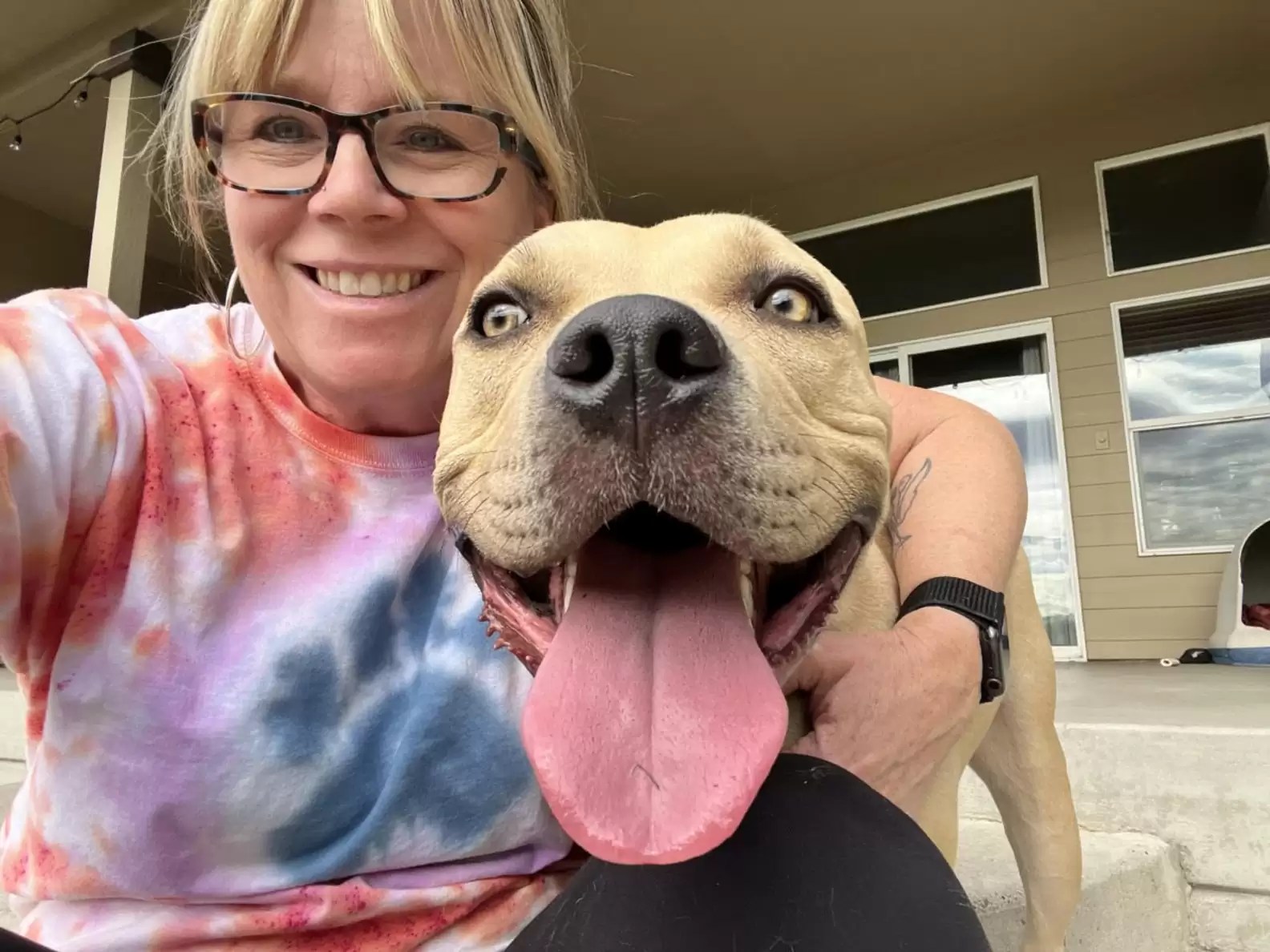
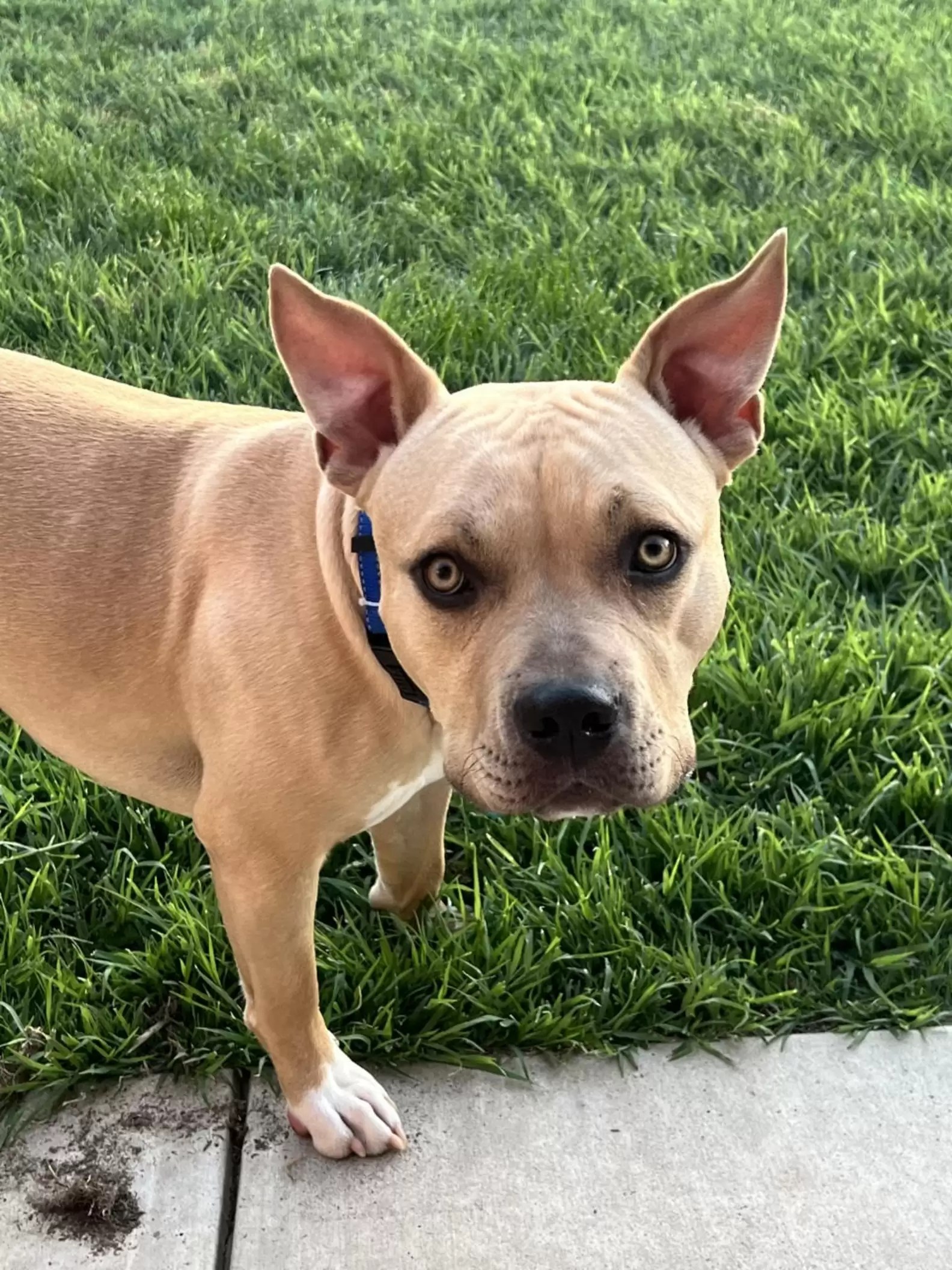
I have written before about our Oliver.

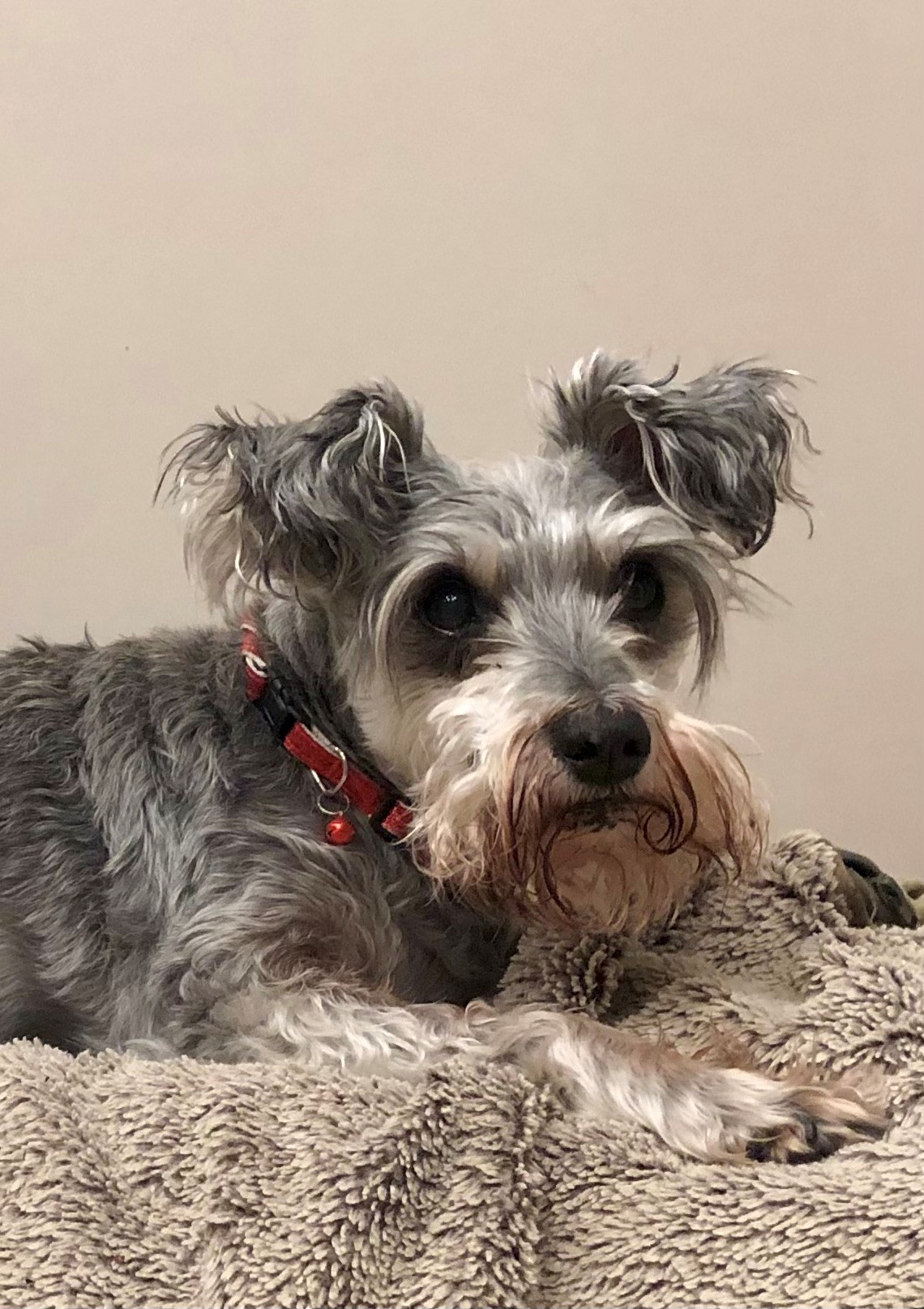
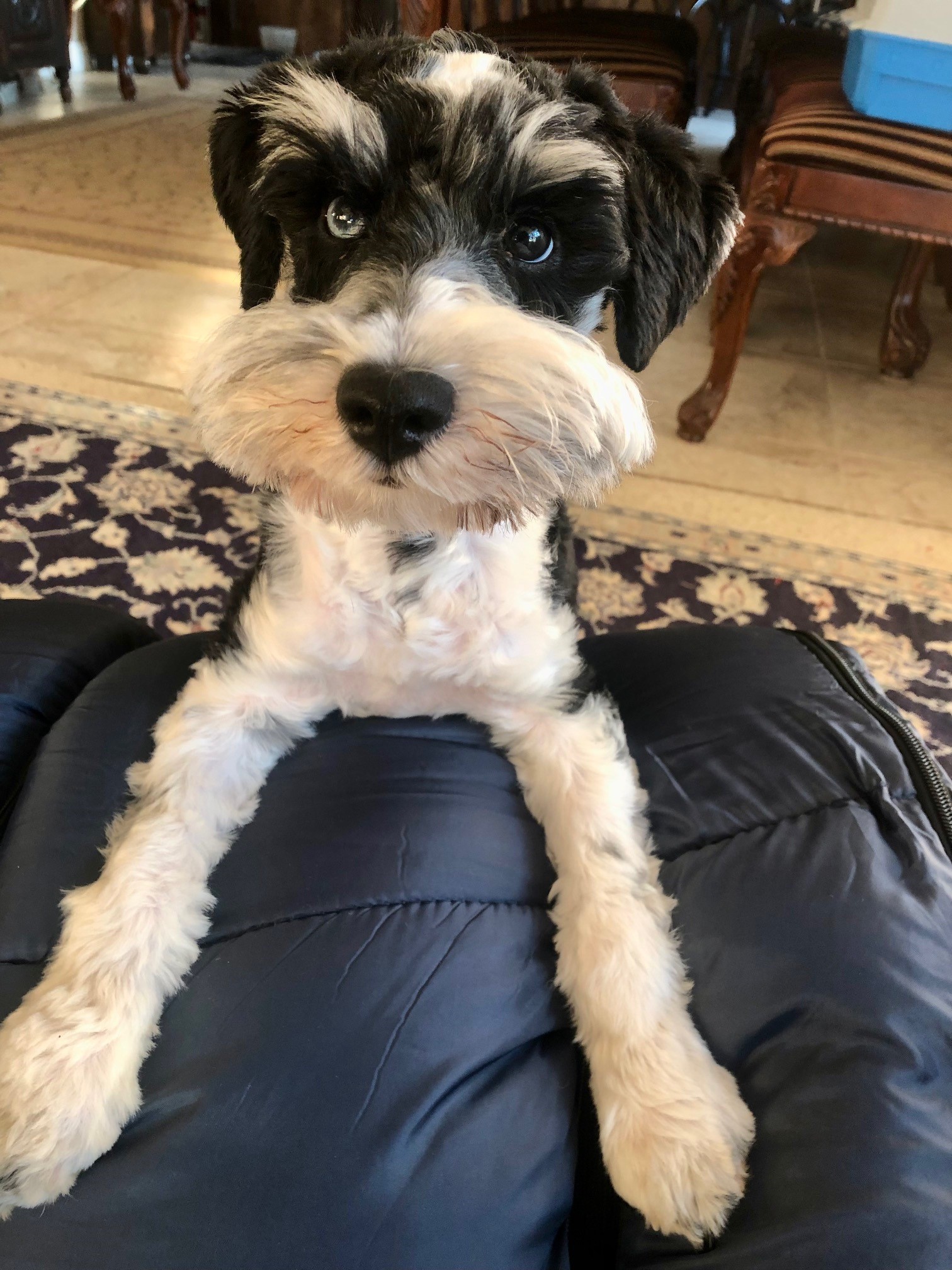
Oliver’s eyes are to die for! His ability to read the smallest indications of an emotion on our human face is incredible.

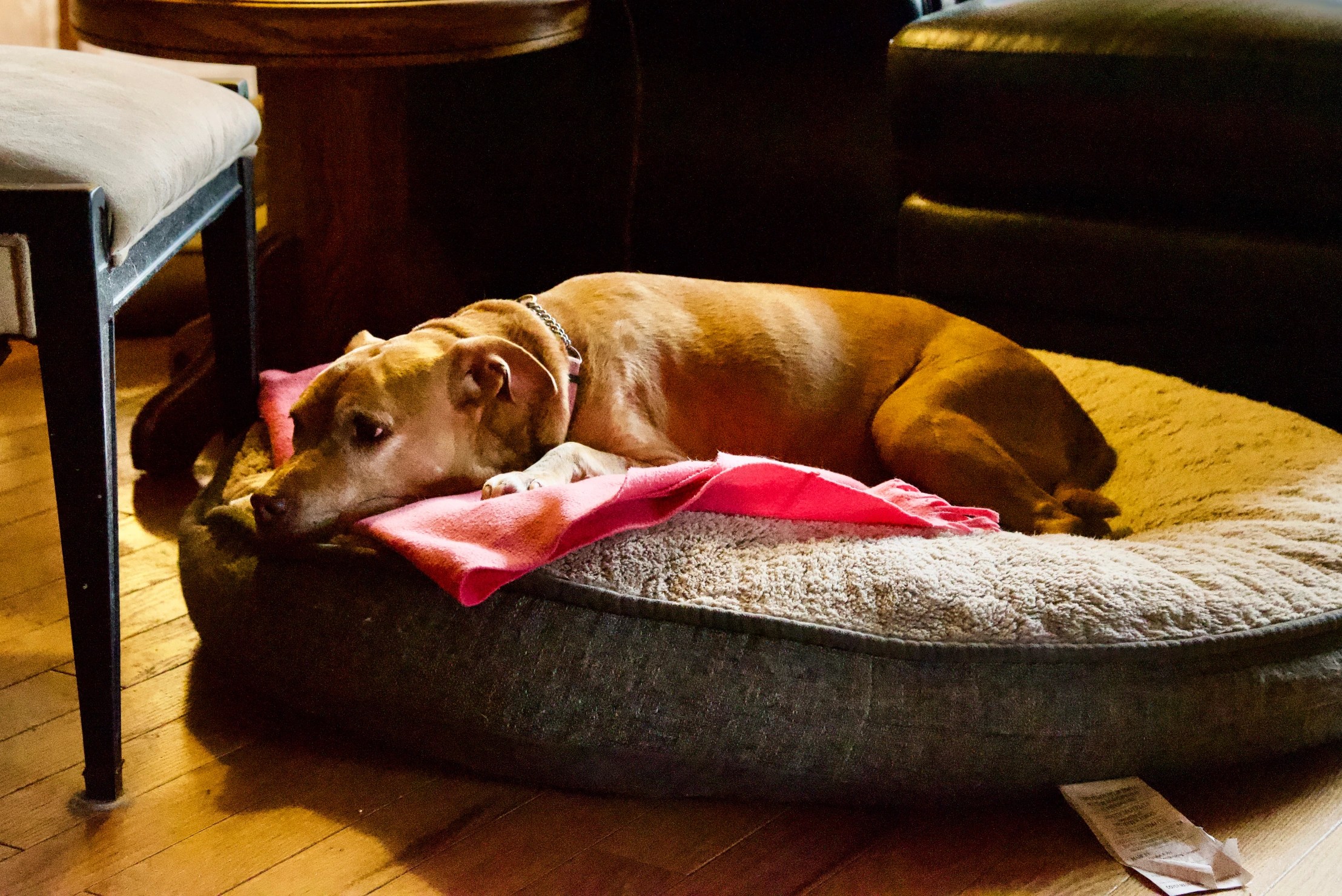
Then there is Brandy. What a love!

Then we have Cleo who came as a puppy to be with Pharaoh.

June, 2007

Again the eyes! We still miss him.

The first day that Pharaoh was passed across to me. Devon, June 2003.

We are now down to five dogs: Pedi, Sheena, Oliver, Cleo and Brandy.

However all the dogs that we have had the greatest pleasure to love are still in our hearts.