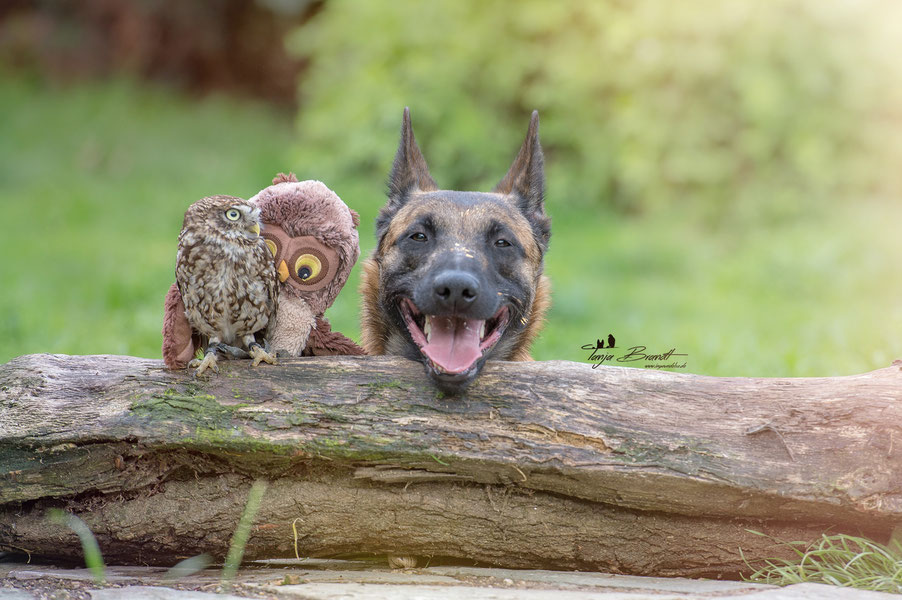
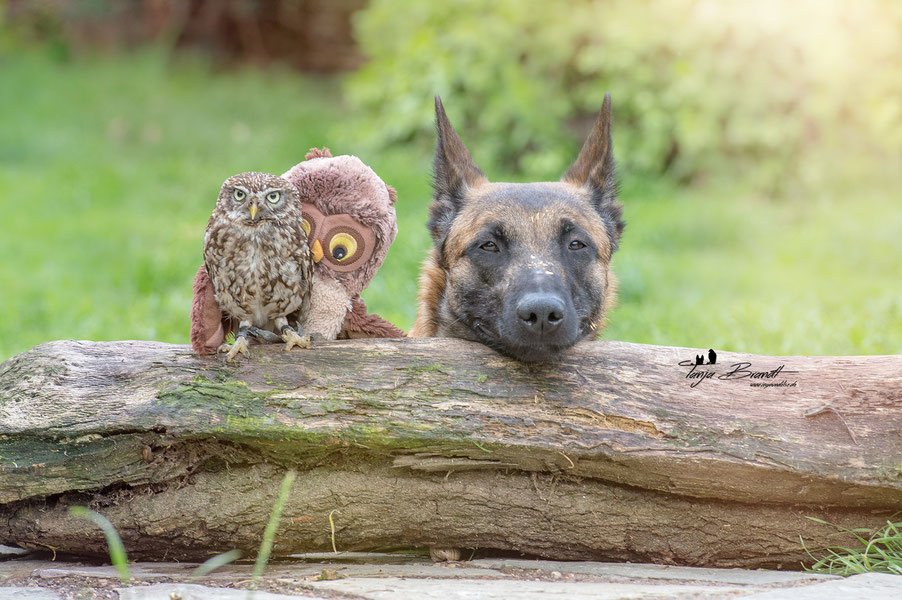
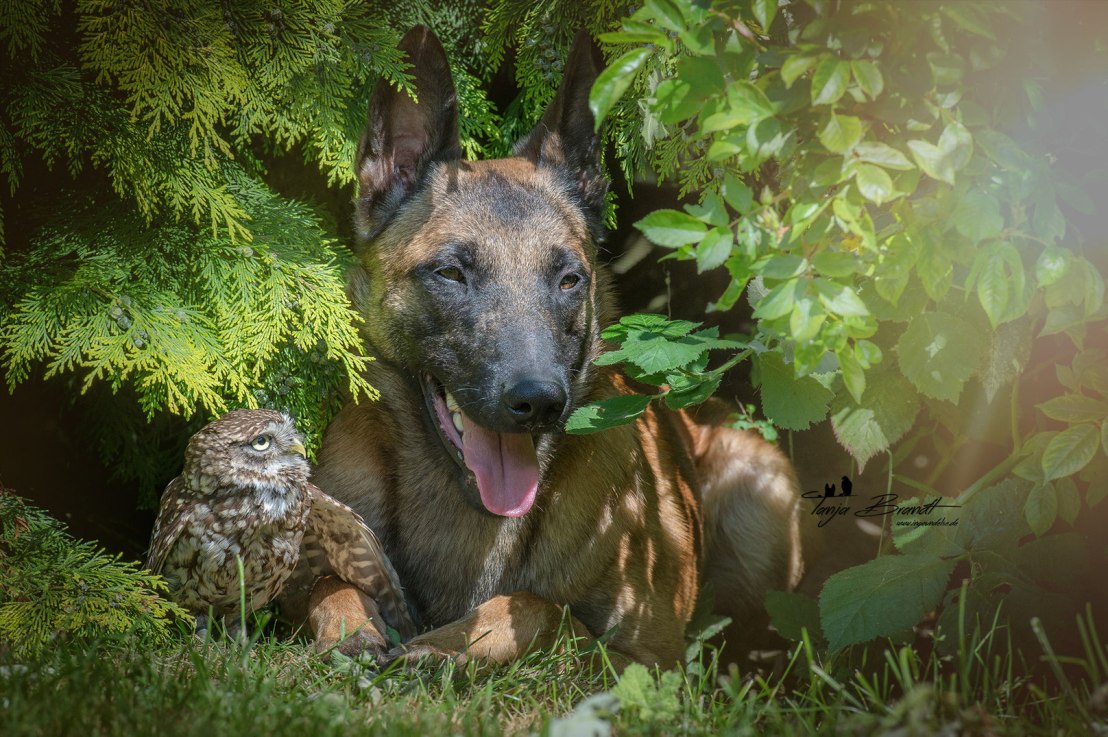
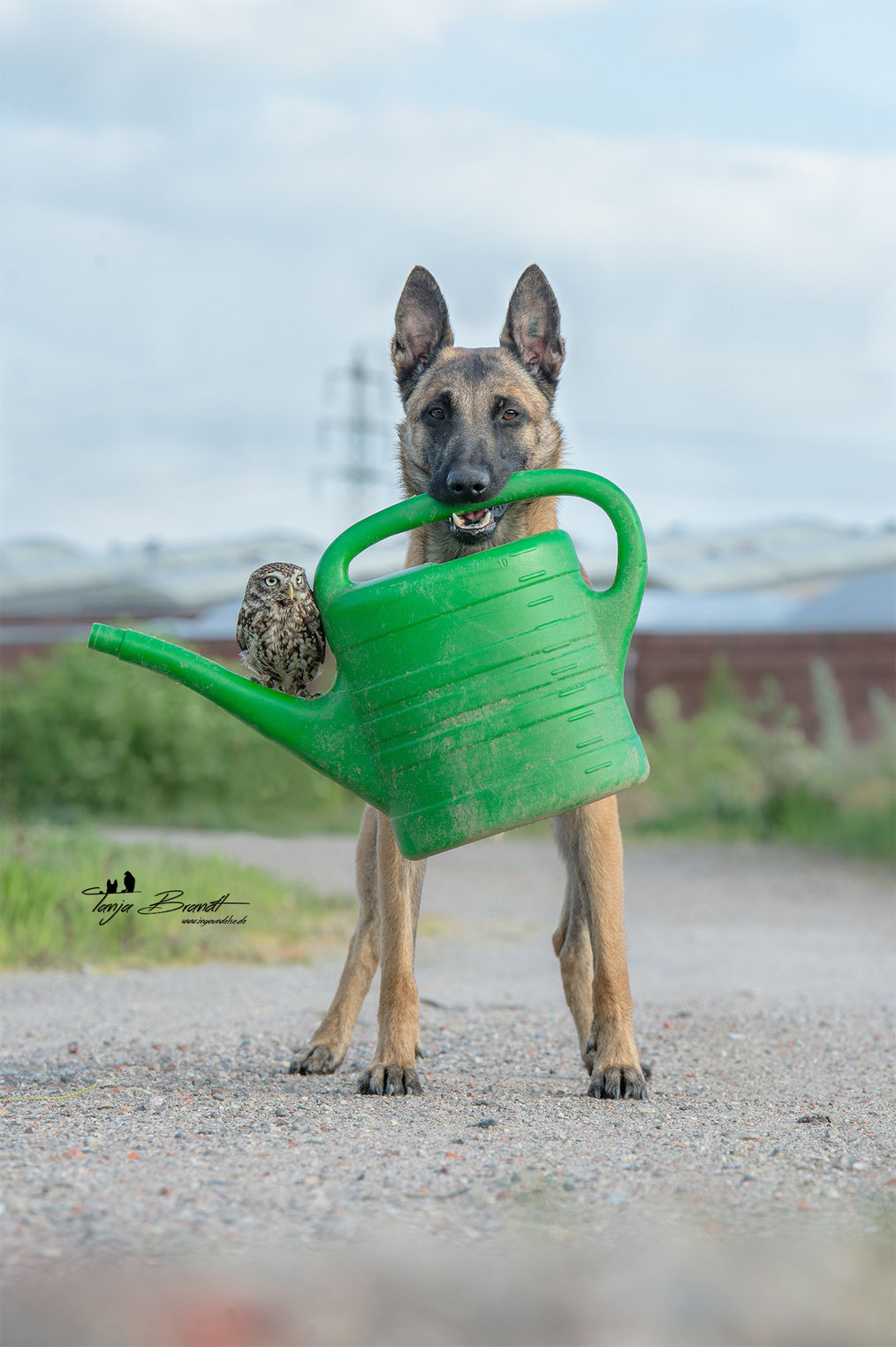
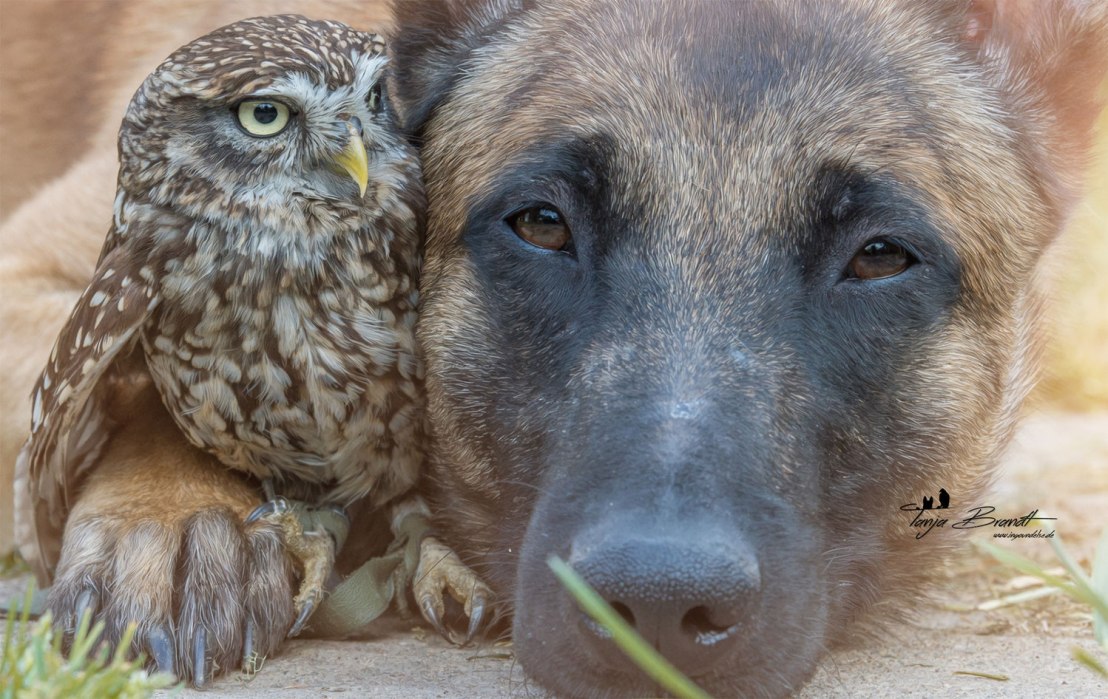
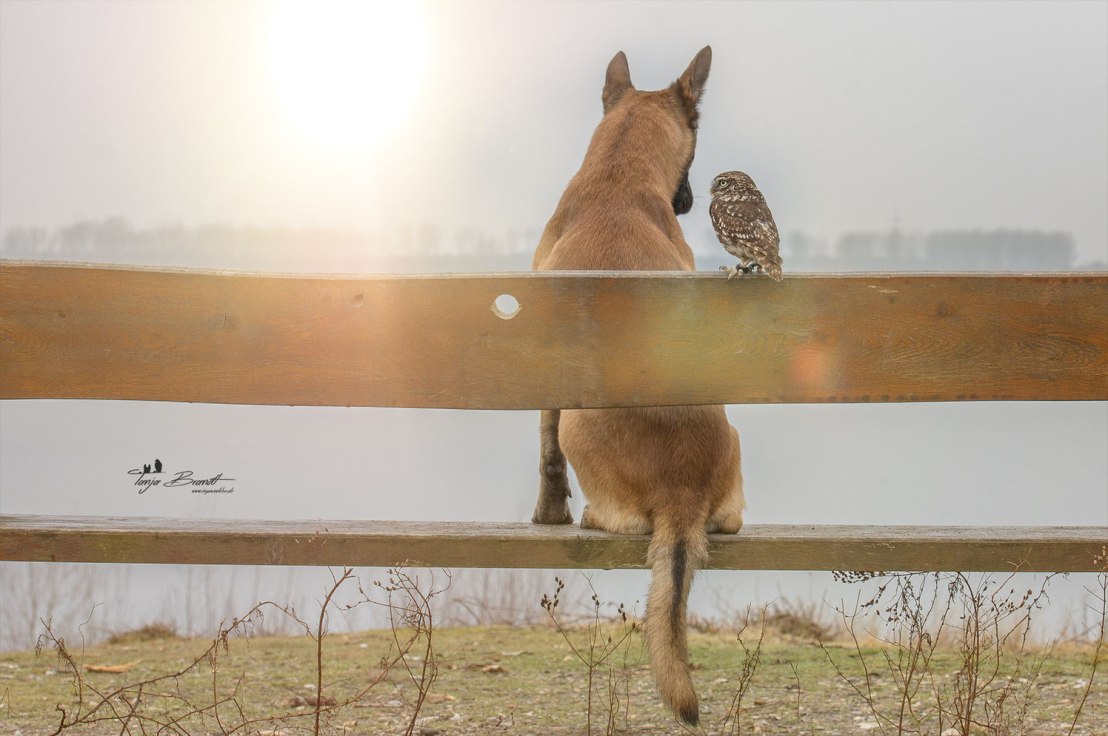
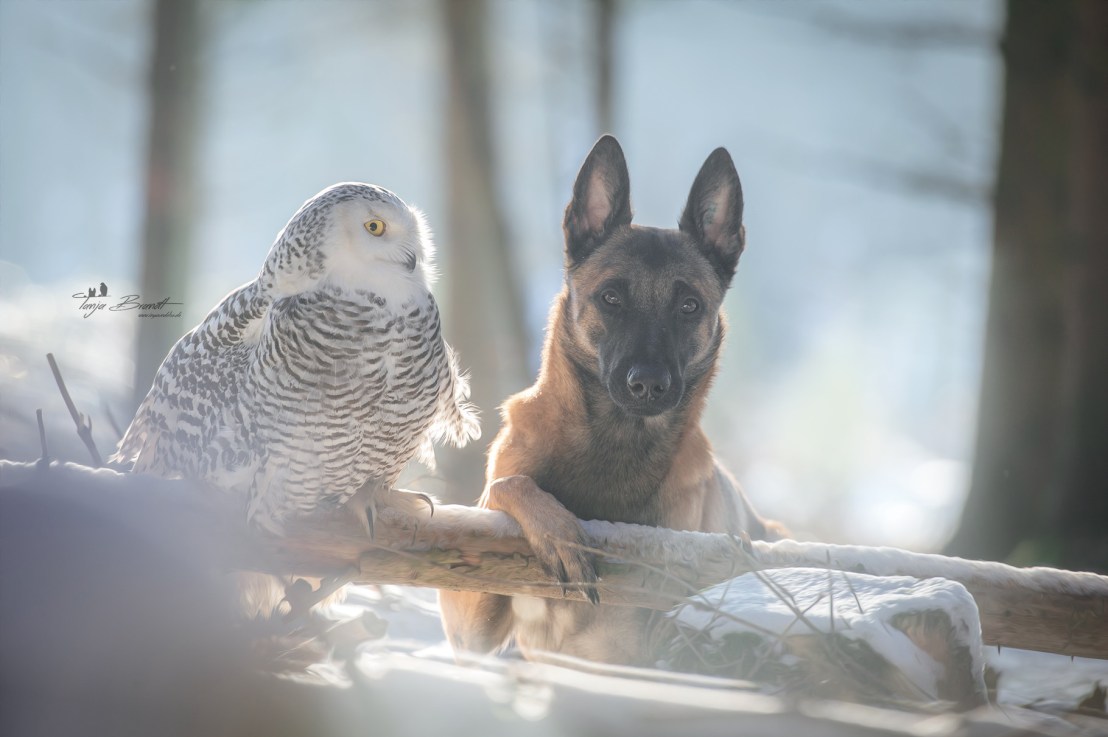
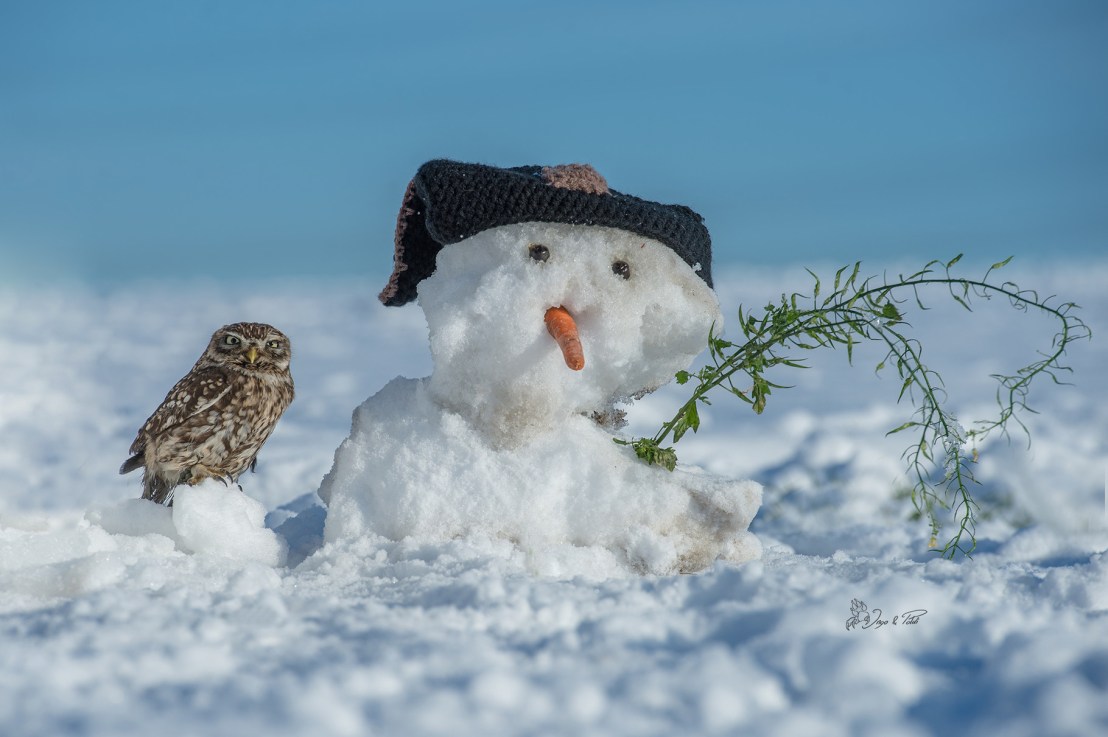
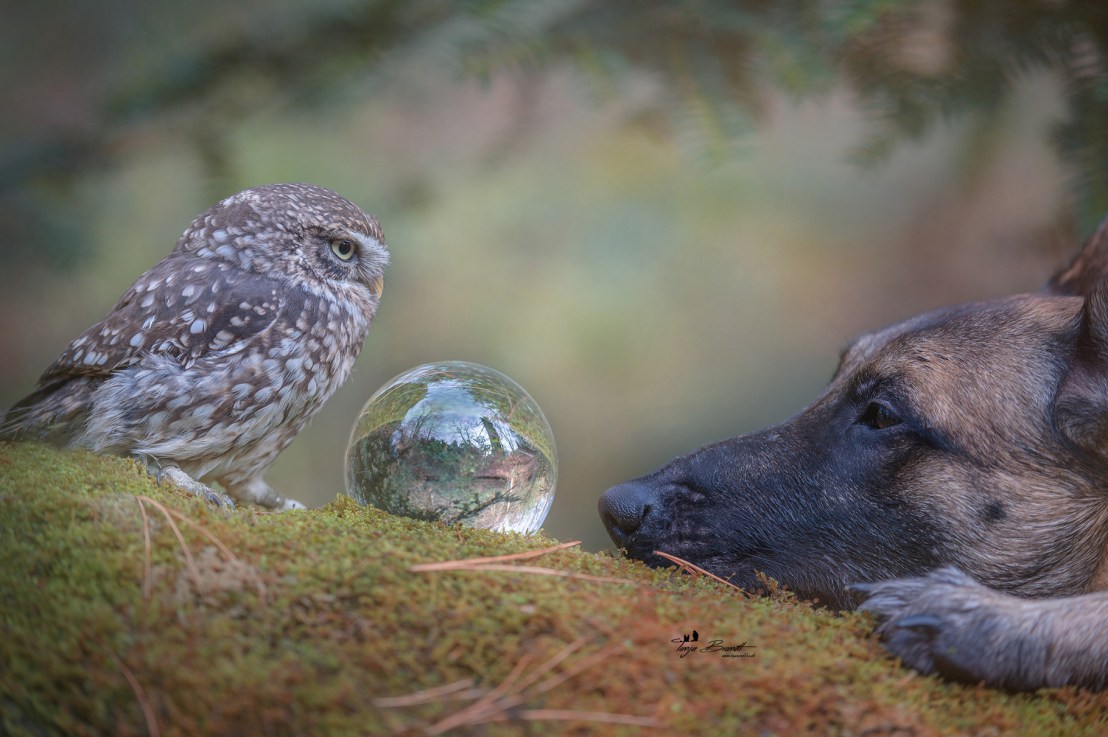
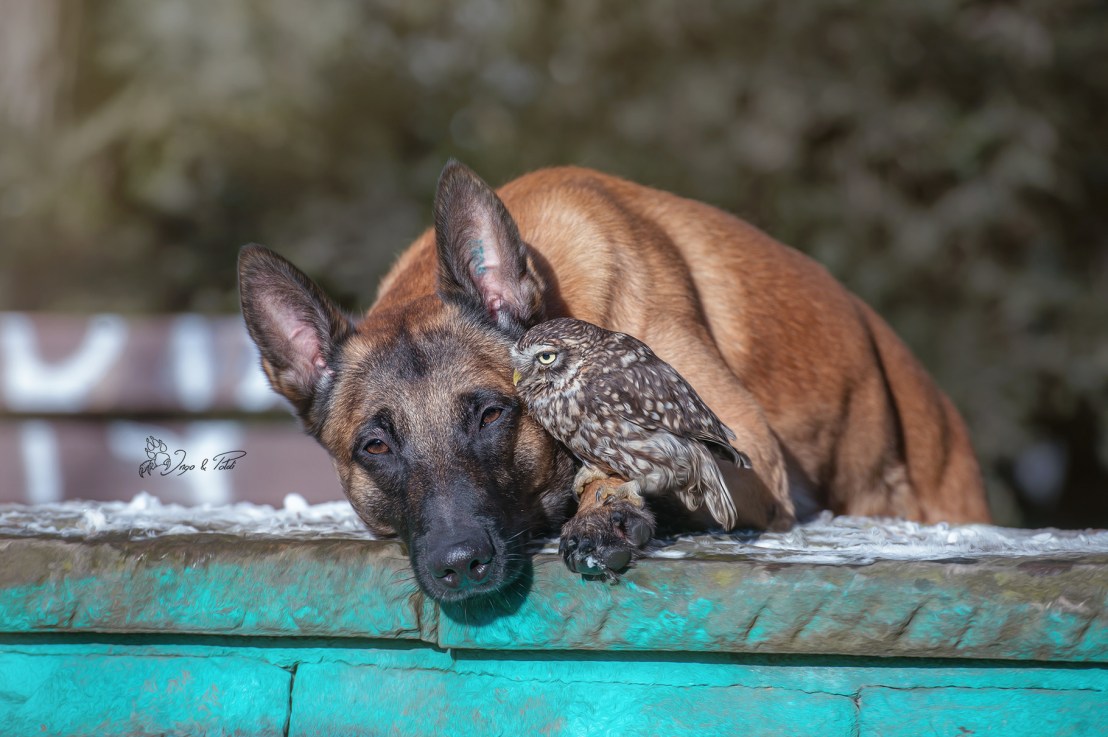
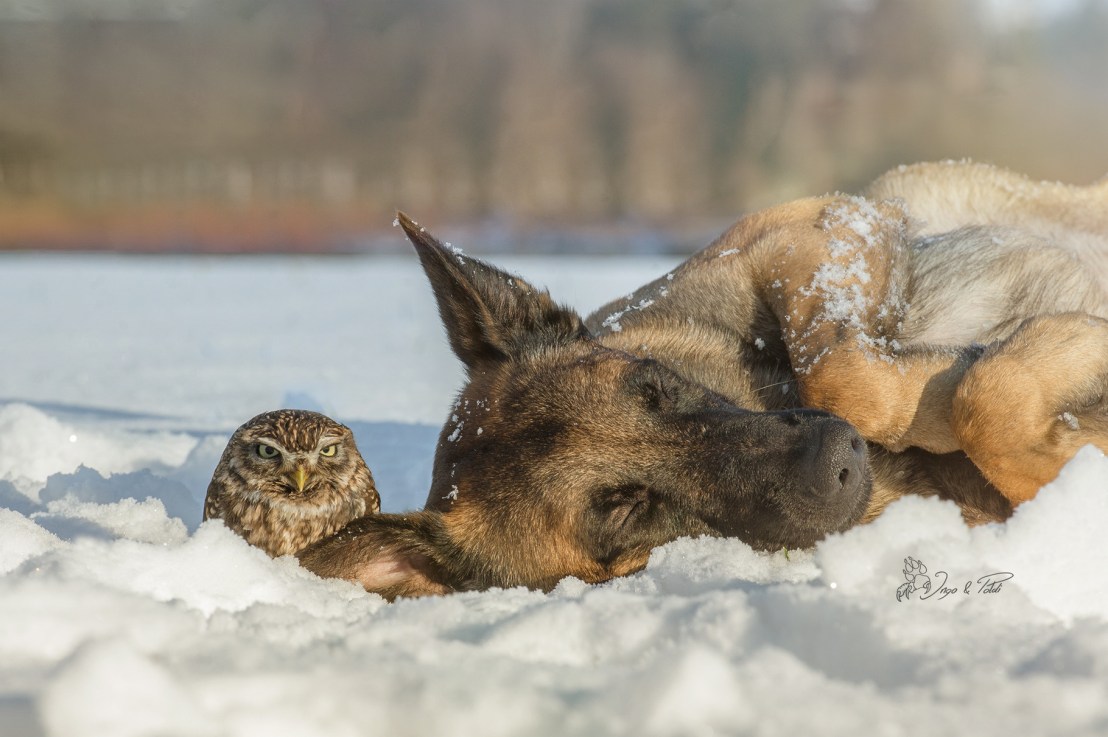
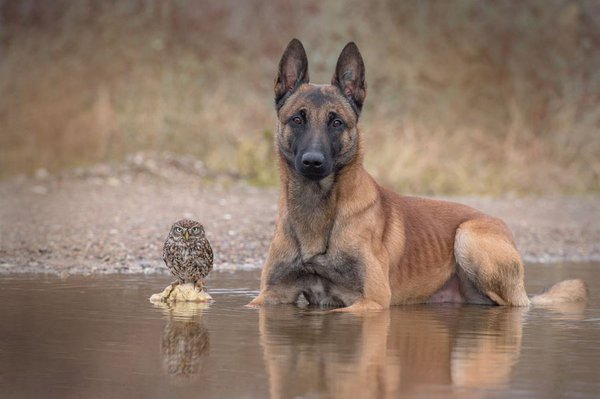
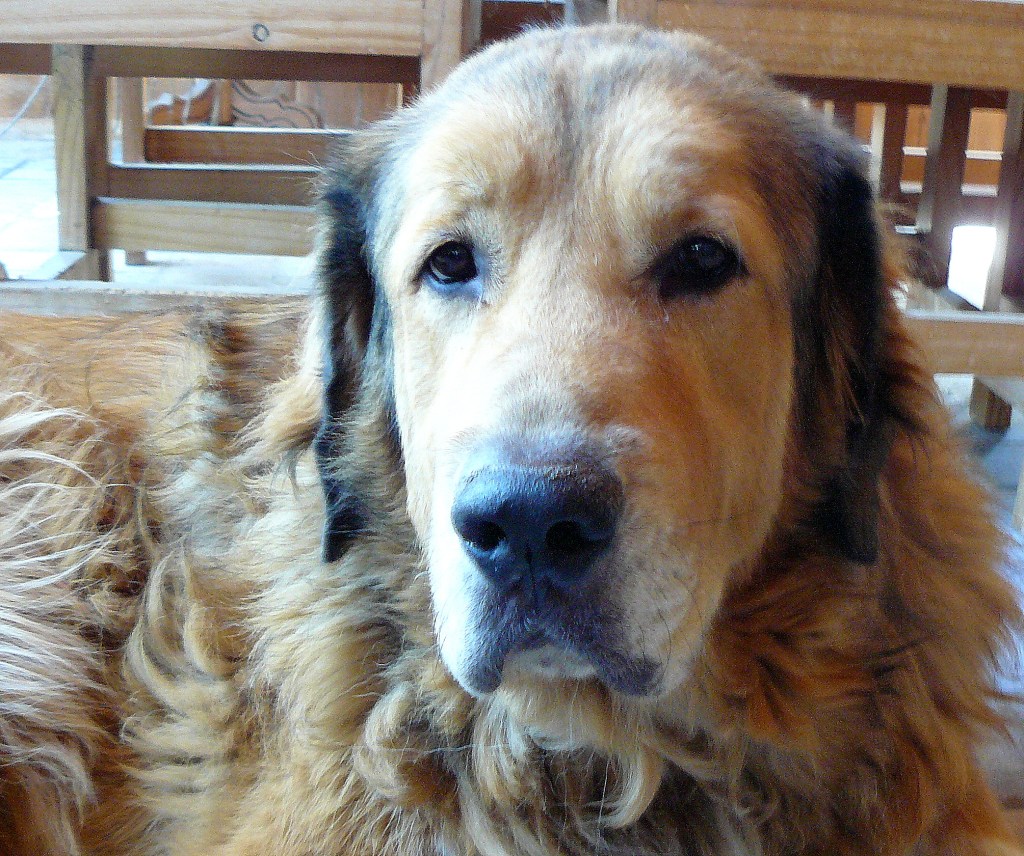
You will all recall that when we were ‘enjoying’ the chaos of having new flooring installed in three of our rooms I posted over a number of days a selection of wonderful, incredible photographs taken by Tanja Brandt. Here is one of those photos.
We were all utterly enthralled by them and wanted to know more about Tanja.
But Tanja is German and her website and blogsite are, not surprisingly, in German. However, a good friend of mine from times past, Chris Snuggs, who is fluent in German (and French) came to the rescue when I asked for a favour of an English translation.
I sent Chris the link to Tanja’s ‘About Me’ page and here is what Chris emailed me yesterday.
…. she introduces herself with two short texts followed by a list of publications and/or photographic events and awards etc.
I have done a translation of the two elements of her introduction but not attempted to translate the list that follows.
I am assuming that if you want to write an introduction to her you can take her words according to my translation and reformulate them in your own words.
If you want a proper translation of her own words then I think I would need to work on it a bit more. The difficulty there is that if I translate her words directly it will not sound great in English; to get her meaning across in good English I would have to be a bit more free with the phrasing.
I hope that makes sense.
Made sense to me! Wonderful sense!
Here are those translations with the original German in blockquotes and the English translation by Chris topped and tailed with Tanja’s photographs:
Über mich …
Verlasse dich auf dein Herz – es schlug schon, bevor du denken konntest …
…. gibt es nicht so viel zu erzählen. Meine große Leidenschaft, seit ich in Windeln krabbeln kann, sind Tiere.
Tiere im Allgemeinen – vor allem auch Greifvögel und Raubkatzen – und Hunde im Speziellen.
Ich glaube, ich spreche ihre Sprache.
Ein Leben ohne Tiere ist für mich schwer vorstellbar und wenn Jemand keine Tiere mag, dann wird er sich vermutlich nicht sehr lange bei mir aufhalten.
About me Trust your heart; it was beating before you were capable of thought.
There’s not all that much to say. My greatest passion even since I was a baby are animals – all kinds of animals, above all birds of prey and big cats – and especially dogs.
I believe I speak their language!
For me a life without animals is difficult to imagine, and if someone doesn’t like animals, then he or she would probably not be around me for long.
oooo
Fotografie ist meine Leidenschaft
Wie es begann?
Ich wollte schöne Fotos von meinen Tieren. Bzw überhaupt von Tieren. Fotos, die die Seele und den Charakter des jeweiligen Tieres widerspiegeln. Nicht einfach nur Fotos.
So kam mir der Gedanke, mit einer professionellen Kamera dürfte das kein Problem sein. Die Kamera wurde gekauft und es ging los – das Ergebnis war ernüchternd ….
Ich musste dann doch noch einige Workshops besuchen, um da zu sein, wo ich heute stehe.Kurse, Workshops, Webinare, Bücher, Austausch mit anderen Fotografen und viel üben. Und ich versuche jeden Tag, was dazu zu lernen und zu entdecken.
Aber allein das Technikverständnis macht es nicht aus, um die Seele der Tiere zu zeigen und die Arbeit mit den Tieren ist so wertvoll. Ich kann Tiere nur fotografieren, wenn sie sich wohlfühlen und mit Begeisterung mitmachen oder Wildtiere eben keine Angst vor mir haben.
Photography is my passion. How did it all begin? I wanted to take beautiful photos of my animals, indeed, of all animals: photos which would reveal the soul and character of each animal – not just snaps …..
So I had the idea that all I needed was a professional camera. The camera was bought and off I went – the experience was chastening. I realized I needed training to get where I am now: went to workshops, on courses, internet lessons, books, exchanges with other photographers and lots more. And I still try every day to discover and learn something new.
But technique alone doesn’t suffice to lay bare the soul of a creature. Working with animals is so fulfilling, but I can only photograph them when they are at ease and enthusiastically join in the process, or if with wild animals when they are not afraid of me.
So many things make presenting this blog to you so very special for me. Then something comes along that takes it into the stratosphere of being special. That is Tanja Brandt. Tanja’s photographs and how she describes herself are stratospheric!
I am so pleased to have been granted permission by Tanja to share her photographs; something I never want to stop doing!
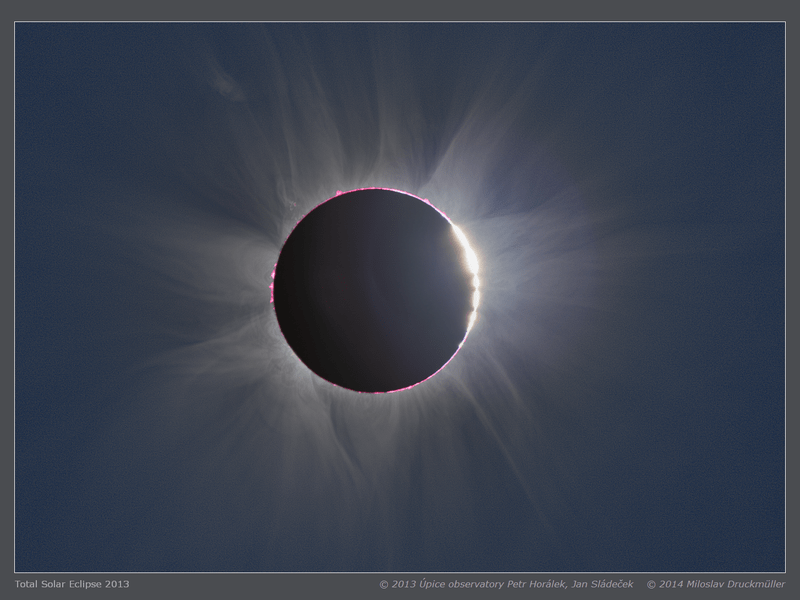
Our English guests, Mark and Debbie, who stayed with us after traveling to Warm Springs, South-East of Portland, Oregon, to view the eclipse took the following three photographs.
See the crescents in the dappled shade of a near by bush. 10 minutes before totality.
oooo
Totality – August 21st, 2017.
oooo
Our English guests.
oooo
Then you will love the next one. Sent in by Neil Kelly from Devon, England.
Madison wears sunglasses to view the eclipse along the Cumberland River, Nashville, USA
oooo
And another beauty courtesy of Neil K.
Last but not least ….
oooo
Back to the stars!
The rising moon a little after 5am on the 19th August.
oooo
And there hanging above that rising moon was Venus!
oooo
Finally, back to Tanja Brandt whose most beautiful photographs will be gracing these Picture Parades in the future.
How would you describe an eclipse to a blind person? The moon moves in front of the sun, yes. But what does that look like? Someone trained in illustrative description of images might say, “The moon appears as a featureless black disk that nearly blocks out the sun. The sun’s light is still visible as a thin band around the moon’s black disk. To the upper right, at the moon’s leading edge, a small area of sunlight still shines brilliantly.”
That’s just an example of how such an event could be described. Bryan Gould, director of accessible learning and assessment technologies at the National Center for Accessible Media, a non-profit working to make media experiences accessible to people with disabilities, is hoping to offer oral descriptions of the eclipse in an app. Paired with other features, like a tactile diagram and audio from the changing natural environment as the eclipse darkens the sky, the app is designed to make the event more accessible to blind or visually impaired people who want to experience it.
Gould is working with Henry Winter, a solar astrophysicist at the Harvard-Smithsonian Center for Astrophysics, to develop the app, called Eclipse Soundscapes. As the August 21 solar eclipse darkens a path across the United States, Eclipse Soundscapes will release descriptions, timed—based on the user’s location—to match the progress of the eclipse.
Winter conceived Eclipse Soundscapes after a conversation with a friend who’s been blind since birth. She asked him to explain what an eclipse means.
Such an event might provide an interesting representation of the eclipse, thought Winter, so he partnered with the National Park Service’s Natural Sounds program, which preserves and catalogs sounds from the parks. Helpers stationed at national parks along the route will record audio during the eclipse, to hear the change in the “bioacoustical chorus” of the animals.
This can’t happen in real time, of course, so the National Center for Accessible Media is providing illustrative descriptions, based on a previous eclipse. The sounds of crickets, frogs and birds becoming active on the day of the eclipse will be added to the app later.
Last, with the help of an audio engineer named Miles Gordon, Winter is trying something completely new. Gordon developed a “rumble map” of the eclipse: The app places images of different stages of an eclipse on your smartphone’s screen, and as you trace your finger across the eclipse’s image, the vibration increases or decreases based on the brightness of the image.
“It does give you the impression that you’re actually feeling the sun, as you move your finger around,” says Winter.
“I realized I didn’t have the vocabulary to answer that question for her,” says Winter. “Every way I thought about it was visual in nature, and I didn’t know how to explain it to somebody … light, dark, bright, dim, flash. All these different words have no meaning to somebody that’s never seen.”
But the project goes well beyond audio descriptions. It includes two further elements: audio of the changing soundscape caused by the eclipse, and a tactile exploration of the eclipse’s image (which means that people who are blind or visually impaired can “feel” the eclipse using vibrations on their smartphones).
Many creatures become active as the sun sets, and many of them use darkness as an indicator of time of day. During an eclipse, crickets will chirp and frogs will chorus, thinking night has fallen. These habits were noted as far back as 1932, in a Proceedings of the American Academy of Arts and Sciences article titled “Observations on the Behavior of Animals During the Total Solar Eclipse of August 31, 1932.”
Scientists around the world will be using the eclipse as an opportunity to study solar astronomy in a way they usually can’t, measuring the ultraviolet light emitted from the sun’s corona, which Earth-based observers can’t normally see, as it is overpowered by the normal sunlight. It’s also rare for an eclipse to cover this much land — it traverses from Oregon to South Carolina — and Winter points out that it is a particularly good opportunity for education and outreach.
Though education is important, for Wanda Diaz Merced, a visiting scientist at the Harvard-Smithsonian Center for Astrophysics who is completely blind, there’s a lot more to the eclipse than that. Merced, who has consulted on the Eclipse Soundscapes project, studies human-computer interaction and astrophysics, and to do her research, she needs assistance translating data into a format she can interact with. She’s been building tools to help with that translation, and sees elements of Winter’s project that could contribute.
“It’s still not a prototype that I may use, for example, to study elements of the photosphere. It is not on that stage,” says Merced. “But hopefully one day we will be able to not only hear, but to touch.”
The eclipse will occur on August 21, starting around 10 a.m. in Oregon and finishing by 3 p.m .in South Carolina. The Eclipse Soundscapes app is available for iOS now, and the team is working on an Android app as well.
ooOOoo
I can’t imagine there’s anyone still pondering on whether or not to view the eclipse.
But that still doesn’t stop me offering you this recently presented TED Talk.
On August 21, 2017, the moon’s shadow will race from Oregon to South Carolina in what some consider to be the most awe-inspiring spectacle in all of nature: a total solar eclipse. Umbraphile David Baron chases these rare events across the globe, and in this ode to the bliss of seeing the solar corona, he explains why you owe it to yourself to witness one, too.
This talk was presented to a local audience at TEDxMileHigh, an independent event. TED editors featured it among our selections on the home page.
About the speaker: David Baron David Baron writes about science in books, magazines, newspapers and for public radio. He formerly served as science correspondent for NPR and science editor for PRI’s The World.
Enjoy it, good people. And protect your eyes!!!
Or better still allow NASA Television to show the eclipse to you.
NASA Television will air a four-hour show – Eclipse Across America – which will include live video of the event, along with coverage of activities in parks, libraries, stadiums, festivals and museums across the nation, and on social media. NASA’s show begins at 15:00 UTC (11 a.m. EDT; translate to your time zone), or later (we’ve seen this time waffle around a bit). Check the website for changes or further details.
How humans and animals communicate with each other has more than an edge of mystery to it!
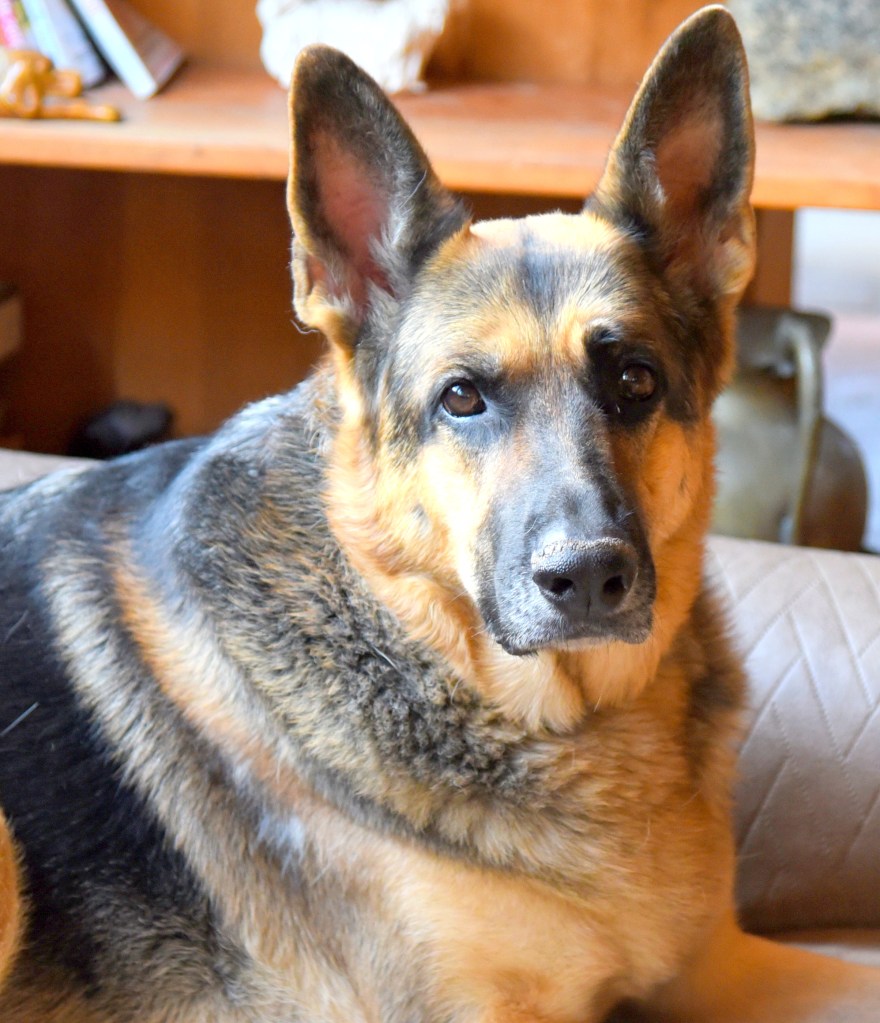
We sleep with our bedroom door open to the main run of the rest of the house. Generally, all six dogs sleep in our bedroom unless it is a very warm night when some of them may choose the cooler tiled surface of the kitchen floor.
Cleo, our female German Shepherd, has a bit of a sensitive stomach and it is not unknown for her to need to be let outside in the middle of the night. Just a couple of nights ago her need for a ‘poo’ break came at 02:40!
But the point of this is that no matter how deeply I am sleeping, all it takes is a short, quiet whimper next to my side of bed and I am instantly awake. I need no time at all to know that Cleo has to be let outside from our bedroom door that opens out onto the deck. A few minutes later I hear her feet padding along the wooden boards of the deck and she is let back in to the bedroom.
Thus this demonstrates how well I understand her and in turn how well she acutely listens to me.
Just look at this photograph.
The connection, the intensity, of her attention towards me. And this was just from me pointing the camera at her and ‘click, clicking’ my tongue.
Moving on!
My introduction today was inspired by an article that I recently read on the Care2 site and that I want to share with you. Here it is.
ooOOoo
Can Humans Understand When Animals Are in Distress?
Have you ever jumped at the sound of birds fighting or a squirrel screaming? Heard an animal make a sound somewhere nearby that made your heart race?
More than one hundred years ago, Darwin suggested that there was a universal understanding of certain animal vocalizations — a way of expressing emotion that went all the way back to the Earth’s earliest animals. Now, researchers are re-examining that theory, and they’re making some interesting headway.
In a study published in the journal “Proceedings of the Royal Society B: Biological Sciences,” researchers decided to explore the idea that animal vocalizations, including distress calls, might be recognizable across different species — and even into different animal classes.
Earlier research delved into whether or not humans could detect which emotion, or signal, another mammal was using, but this study is the first to examine other vertebrates as well. Amphibians and reptiles joined the club, and, perhaps surprisingly, humans did pretty well determining what these animals were trying to communicate.
The researchers primarily looked into whether or not people listening to certain animal sounds would be able to detect the level of arousal — high or low — that an animal expressed vocally. High arousal indicates an animal in distress, expressing desperate or negative screams, who might be calling out because of a fight, a predator in the area or another perceived danger. Scientists believe that these sounds are part of an old signaling system.
Researchers asked 75 college-aged individuals to listen to sounds from nine different species. In order to account for language differences, these people included English, German and Mandarin speakers.
Scientists collected 180 recordings of animal vocalizations, reflecting high or low levels of excitement, such as “the sounds of frogs in competition for mates, monkeys reacting to danger or ravens confronted by a dominant bird,” and included humans in that list, instructing actors to react neutrally or with different, heightened emotions while speaking Tamil.
The 75 people were then asked to identify which vocalization out of paired sounds from the same species represented the higher level of arousal.
In this study, the results showed that people identified the correct “emotion,” roughly speaking, better than expected by chance. Here is how the accuracy broke down across species:
Humans: 95 percent correct
Giant panda: 94 percent correct
Hourglass tree frog: 90 percent correct
African bush elephant: 88 percent correct
American alligator: 87 percent correct
Black-capped chickadee: 85 percent correct
Pig: 68 percent correct
Common raven: 62 percent correct
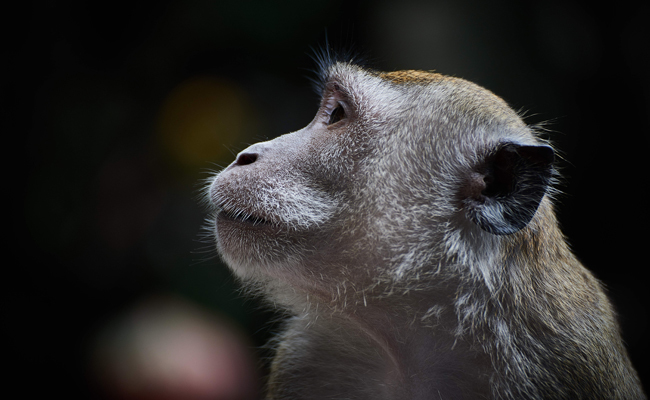
Barbary macaque (monkey): 60 percent correct
It seems strange that people were less able to identify the distress call of a monkey than a frog, but Harold Gouzoules, a bioacoustician and animal behavior expert at Emory University, posits that the monkey calls may have sounded less extreme in intensity than those of the other species, making it harder to tell the difference.
“Our study shows that humans are naturally able to recognize emotional arousal across all classes of vocalizing animals,” said Piera Filippi, who studies the evolution of cognition and communication at the Vrije University Brussels in Belgium.
This doesn’t mean that humans should feel confident in interpreting animal emotions or body language in general, though. Those behaviors can vary greatly, and humans are prone to misinterpretation and anthropomorphism. You wouldn’t, for example, want to assume a wolf baring its teeth is simply smiling at you.
Naturally, much remains to be studied in the effort to understand a wider range of animal emotions. Filippi hopes to repeat the experiment, but with the black-capped chickadees taking the place of the college-aged humans in interpreting the distress calls. It will be interesting to see if this understanding between humans and other animals goes both ways.
Could there be a beneficial reason for animals to understand each other’s distress calls? What do you think?
Yes, we know that they are but the science as to why this is nonetheless is fascinating!
Inevitably when you think about my cultural roots you would not be surprised to hear that I use the BBC News website as a key source of staying in touch with the world. But very rarely would I think of sharing a news item with you via these pages.
One of those rare exceptions greeted my eyes back on July 20th. It was an article published by Helen Briggs of the BBC under the Science & Environment news classification. I can’t imagine any reason why I can’t republish it here.
ooOOoo
Why dogs are friendly – it’s written in their genes
By Helen Briggs – BBC News, 20 July 2017
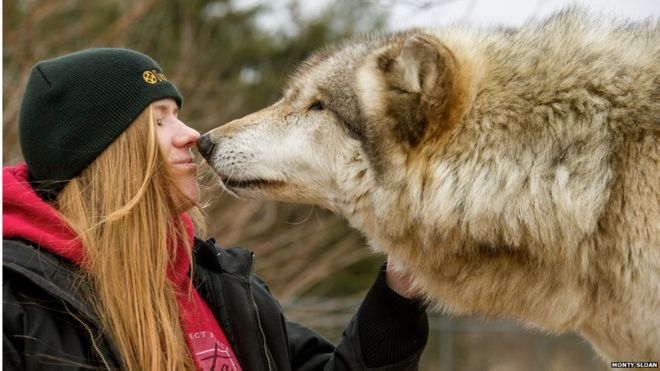
Some wolves are more sociable than others.
Being friendly is in dogs’ nature and could be key to how they came to share our lives, say US scientists.
Dogs evolved from wolves tens of thousands of years ago.
During this time, certain genes that make dogs particularly gregarious have been selected for, according to research.
This may give dogs their distinctive personalities, including a craving for human company.
“Our finding of genetic variation in both dogs and wolves provides a possible insight into animal personality, and may even suggest similar genes may have roles in other domestic species (maybe cats even),” said Dr Bridgett vonHoldt of Princeton University.
The researchers studied the behaviour of domestic dogs, and grey wolves living in captivity. They carried out a number of tests of the animals’ skills at problem-solving and sociability.
Captive wolves gave humans only brief attention.
These showed that wolves were as good as dogs at solving problems, such as retrieving pieces of sausage from a plastic lunchbox.
Dogs, however, were much more friendly. They spent more time greeting human strangers and gazing at them, while wolves were somewhat aloof.
DNA tests found a link between certain genetic changes and behaviours such as attentiveness to strangers or picking up on social cues.
Similar changes in humans are associated with a rare genetic syndrome, where people are highly sociable.
Dr Elaine Ostrander of the National Institutes of Health, who was a co-researcher on the study, said the information would be useful in studying human disease.
“This exciting observation highlights the utility of the dog as a genetic system informative for studies of human disease, as it shows how minor variants in critical genes in dogs result in major syndromic effects in humans,” she said.
Wolves playing at Yellowstone.
Dogs were domesticated from wolves between 20,000 and 40,000 years ago.
This process began when wolves that were tolerant of humans sneaked into hunter gatherer camps to feed on food scraps.
Over the course of history, wolves were eventually tamed and became the dogs we know today, which come in all shapes and sizes.
The finding of genetic changes linked to sociability in dogs shows how their friendly behaviour might have evolved.
“This could easily play into the story then of how these wolves leave descendants that are also ‘friendlier’ than others, setting the path for domestication,” said Dr vonHoldt.
The post Floor Diversion Day Three has been postponed for twenty-four hours.
Simply because yesterday morning the installers contracted by Home Depot (HD) to rip up our existing carpet and start laying the laminate wooden boarding found underneath the old carpet underlay another carpet that some time in the distant past had been glued down. Why this wasn’t spotted by the HD measuring unit when they came here to look at the project and offer an estimate for the cost of installing the new flooring is a question that has yet to be answered.
However, while the majority of HD work the full weekend the ‘Chargeback’ department do not. This department had to hear what had been discovered in order for us to know what extra costs we might be looking at!
A long-winded way of explaining why it is a pleasure to offer you a regular Picture Parade for today.