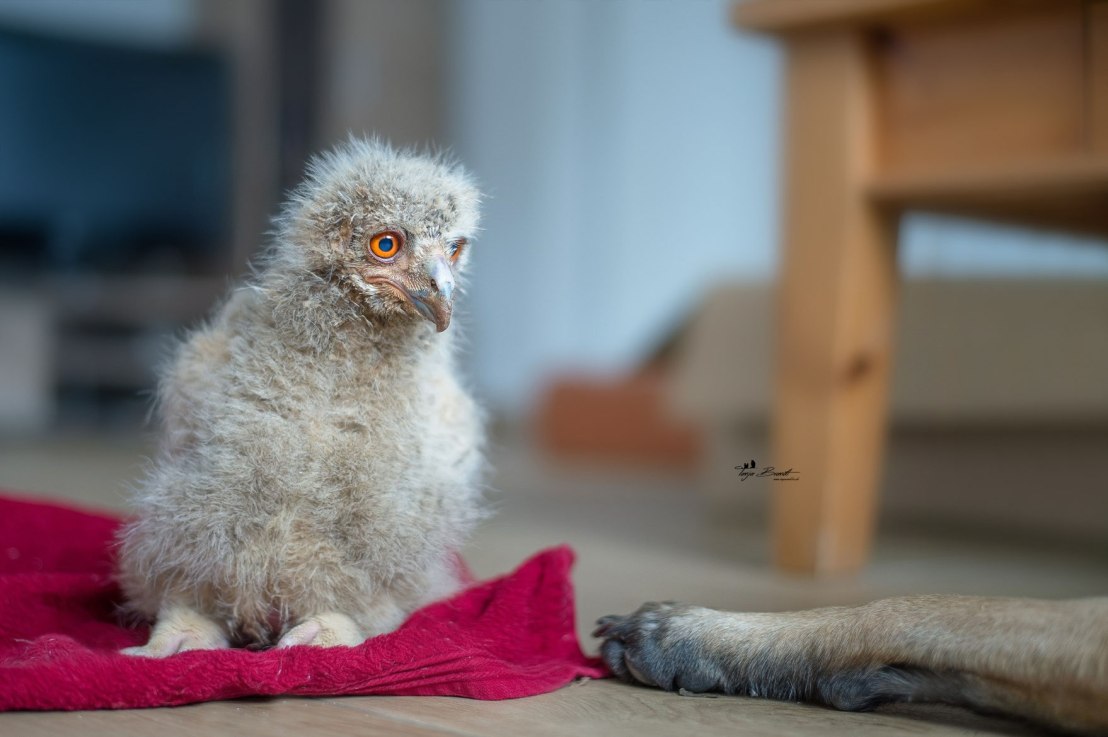
Yet more of the wonderful Tanja Brandt.
Again, taken from here.

oooo

oooo
oooo

oooo

oooo

oooo

Beyond beautiful!
Dogs are animals of integrity. We have much to learn from them.
Category: Innovation
Yet more of the wonderful Tanja Brandt.
Again, taken from here.
oooo
oooo
oooo
oooo
oooo
oooo
Beyond beautiful!
Playing games with the camera.
I am a great supporter of the wonderful photography forum Ugly Hedgehog. I was grumbling the other day that despite me having had my Nikon D750 for some months now I was still struggling to know how to use it properly. One of the wise birds, JD750, on the Forum said (in part):
“Sit down and read the manual, from page 1 to the end, with the camera in your lap.”
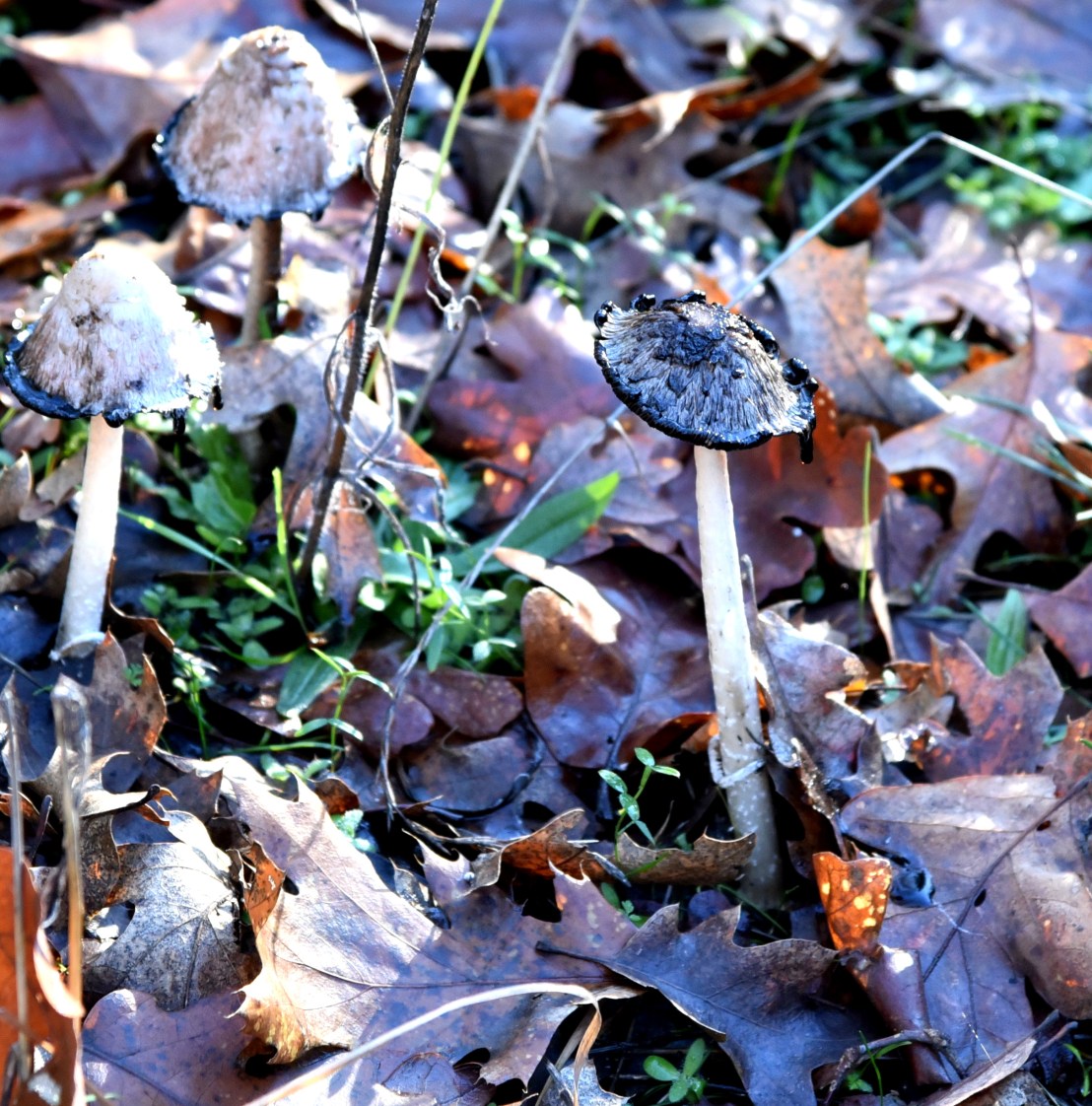
That’s what I have been doing and, oh my goodness, has it helped. Here are just a few photographs taken in the last week as a result of me reading the manual.
Firstly, some from outside around the house all with a bit of an autumnal feel to them.

oooo

oooo
oooo

oooo
Then a pic of Ben out in the paddock early on a rather brisk last Friday morning.

oooo
Experimenting with aperture-priority shot when sitting more-or-less in front of the wood stove one afternoon last week.

oooo
Plus some photographs from August of this year. Still using the Nikon but relying much more of the ‘automatic’ settings. Still neat photos in my opinion.

oooo

oooo

oooo

What’s that saying about when all else fails read the manual!
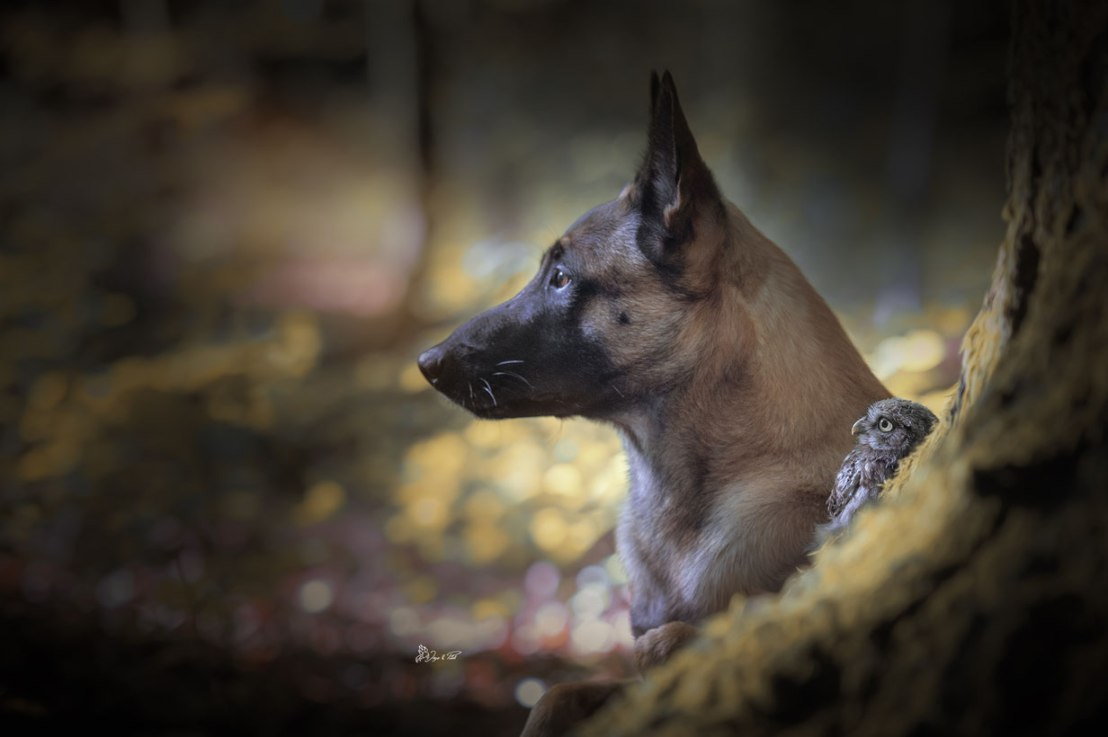
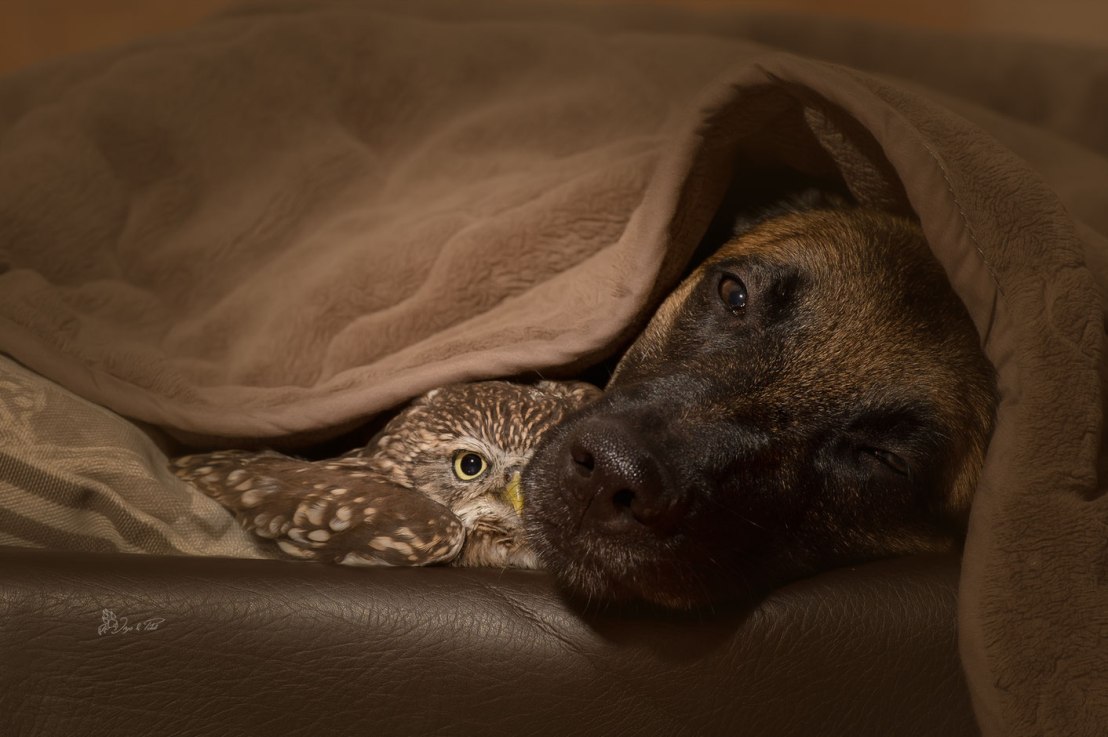
Back to fabulous Tanja Brandt!
Again, good people, all taken from here.

oooo

oooo
oooo

oooo
oooo

oooo
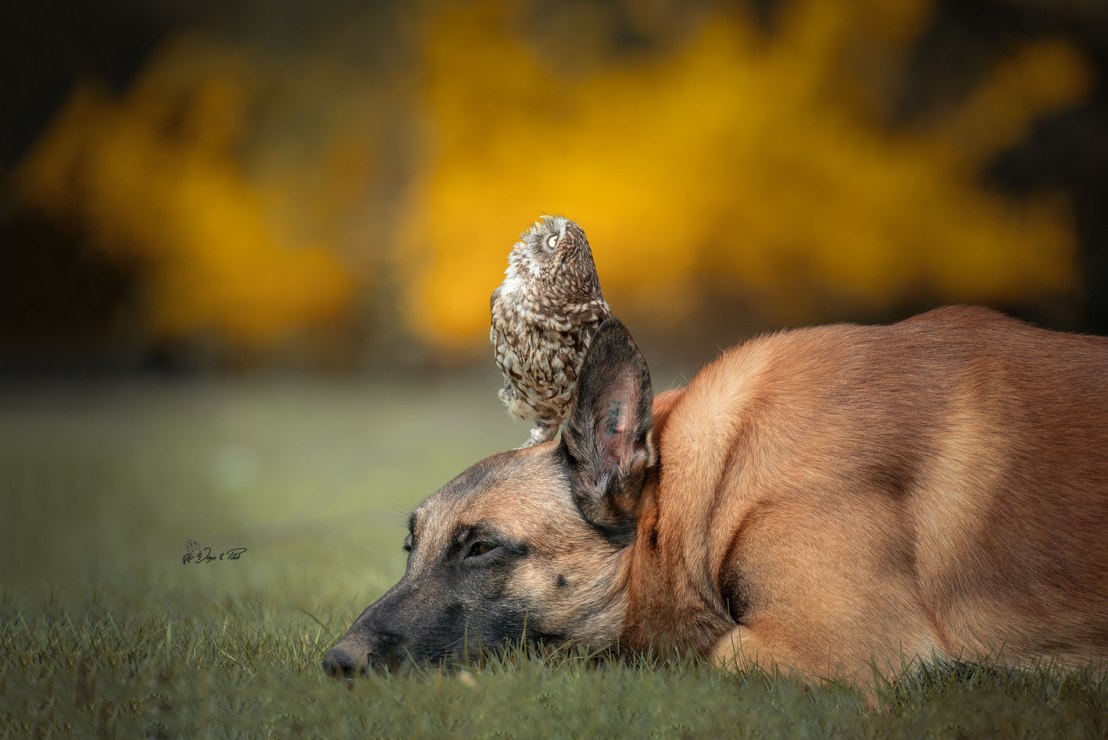
One of these days I am going to have to find some other photographs to share with you. But not quite yet!!
 Good people, ran out of time yesterday but wanted to republish the following.
It first appeared in October, 2015. The pictures are no longer available online.
Exploring the range of emotions felt and displayed by our dogs.
Like so many bloggers, I subscribe to the writings of many others. Indeed, it’s a rare day when I don’t read something that touches me, stirring up emotions across the whole range of feelings that we funny humans are capable of.
Such was the case with a recent essay published on Mother Nature Network. It was about dogs and whether they are capable of complex emotions. Better than that, MNN allow their essays to be republished elsewhere so long as they are fully and properly credited.
Thus, with great pleasure I republished the following essay written by Jaymi Heimbuch.
ooOOoo
Joy, fear, surprise, disgust, sadness. These are the basic emotions dogs feel that are also easy enough for humans to identify. But what about more complex emotions?
Many dog owners are convinced their dogs feel guilty when they’re caught misbehaving. In the same way, many owners are sure their dogs feel pride at having a new toy or bone. But it gets tricky when you assign these sorts of emotions to a dog. These are definitely emotions felt by humans, but are they also felt by dogs?
(see footnote)
Why we question the presence of complex emotions is wrapped up in the way we get to those emotions. The American Psychological Association explains, “Embarrassment is what’s known as a self-conscious emotion. While basic emotions such as anger, surprise or fear tend to happen automatically, without much cognitive processing, the self-conscious emotions, including shame, guilt and pride, are more complex. They require self-reflection and self-evaluation.”
Essentially we’re comparing our behavior or situation to a social expectation. For instance, guilt comes when we reflect on the fact that we’ve violated a social rule. We need to be aware of the rule and what it means to break it. So, can dogs feel guilt? Well, exactly how self-reflective and self-evaluative are dogs?
Among humans, children begin to experience empathy and what are called secondary emotions when they are around 2 years old. Researchers estimate that the mental ability of a dog is roughly equal to that of an 18-month-old human. “This conclusion holds for most mental abilities as well as emotions,” says Stanley Coren in an article in Modern Dog Magazine. “Thus, we can look to the human research to see what we might expect of our dogs. Just like a two-year-old child, our dogs clearly have emotions, but many fewer kinds of emotions than found in adult humans.”
In other words, if 18-month-old children can’t yet experience these emotions, and dogs are roughly equal to them in cognitive and emotional ability, then dogs can’t feel these self-reflective emotions either. At least, that’s what researchers have concluded so far.
Is that guilt or fear?
The evidence for primary emotions like love and happiness in dogs abounds, but empirical evidence for secondary emotions like jealousy and guilt is sparse. And this is partially because it’s difficult to create tests that provide clear-cut answers. When it comes to guilt, does a dog act guilty because she knows she did something wrong, or because she’s expecting a scolding? The same expression can come across as guilt or fear. How do we know which it is?
Scientific American explains it further:
“In wolves, it is thought that guilt-related behaviors serve to reinforce social bonds, as in primates, by reducing conflict and eliciting tolerance from other members of the social group. The same could be true of dogs, though their social groups would primarily include humans. The problem is that the display of the associated behaviors of guilt are not, themselves, evidence of the capacity to emotionally experience guilt… It may still be some time before we can know for certain whether dogs can experience guilt, or whether people can determine if a dog has violated a rule prior to finding concrete evidence of it.”
Guilt, and other secondary emotions, are complicated. That’s exactly why cognitive awareness and emotional capacity in dogs is still a topic under study. In fact, it’s an area that has grown significantly in recent years. We may discover that dogs have a more complex range of emotions than we’re aware of today.
Dogs are highly social animals, and social animals are required to navigate a range of emotions in themselves and those around them to maintain social bonds. It wasn’t so long ago that scientists thought that dogs (and other non-human animals) didn’t have any feelings at all. Perhaps our understanding of dog emotions is simply limited by the types of tests we’ve devised to understand their emotions. After all, we’re trying to detect a sophisticated emotional state in a species that doesn’t speak the same language.
There’s a lot we don’t know
Marc Bekoff makes the argument for leaving the possibility open. In an article in Psychology Today he writes, “[B]ecause it’s been claimed that other mammals with whom dogs share the same neural bases for emotions do experience guilt, pride, and shame and other complex emotions, there’s no reason why dogs cannot.”
Keeping the possibility open is more than just an emotional animal rights issue. There is a scientific basis for continuing the research. A recent study showed that the brains of dogs and humans function in a more similar way than we previously thought.
Scientific American reports that “dog brains have voice-sensitive regions and that these neurological areas resemble those of humans. Sharing similar locations in both species, they process voices and emotions of other individuals similarly. Both groups respond with greater neural activity when they listen to voices reflecting positive emotions such as laughing than to negative sounds that include crying or whining. Dogs and people, however, respond more strongly to the sounds made by their own species.”
Until recently, we had no idea of the similar ways human and dog brains process social information.
So do dogs feel shame, guilt and pride? Maybe. Possibly. It’s still controversial, but for now, there seems to be no harm in assuming they do unless proven otherwise.
ooOOoo
Footnote: At this point in the MNN article there was a link to a series of gorgeous photographs of dogs. If you dear readers can wait, then I will publish them this coming Sunday. If you can’t wait, then go here!
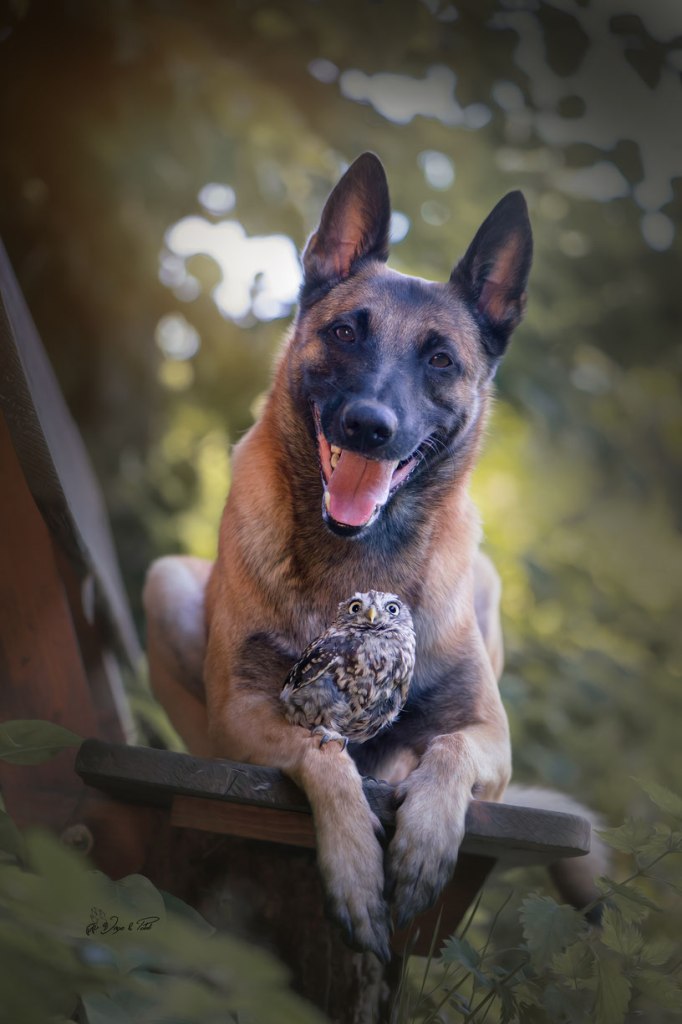
Of dogs, and birds, and darlings!
More of Ingo and Friends 3 plus two pics from our anniversary dinner.

oooo
oooo

oooo

oooo

oooo

oooo

oooo

oooo
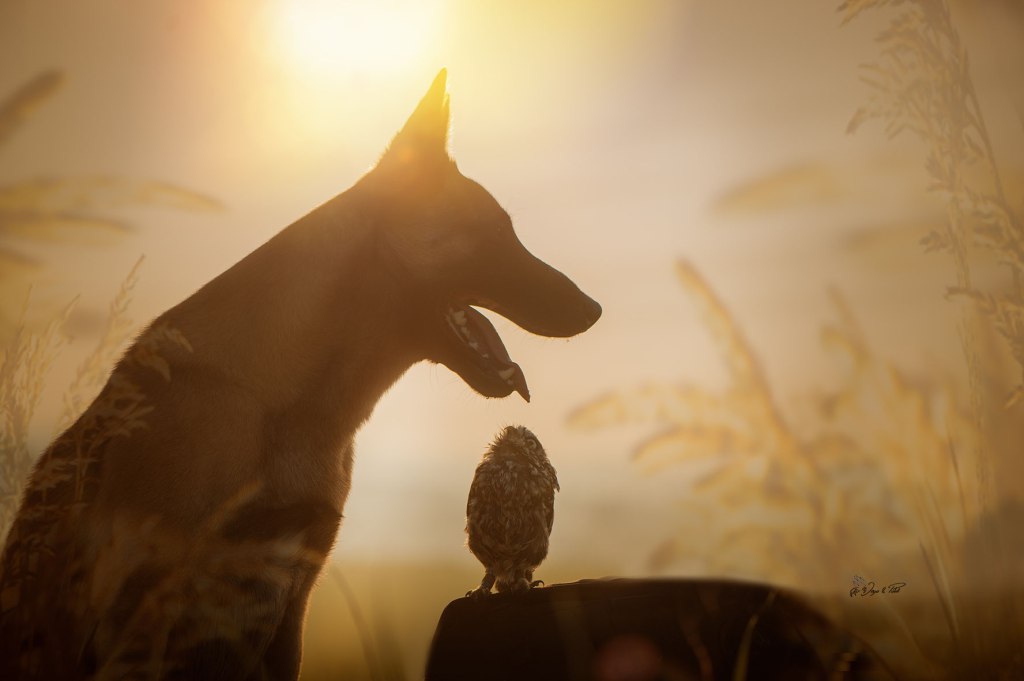
And that last photograph seems so perfect a lead-in to my final two for today. Both taken at The Schoolhaus Brewhaus restaurant in Jacksonville, Oregon where we had our anniversary dinner on the 20th.

oooo

A beautiful lady looking down on very beautiful wife!
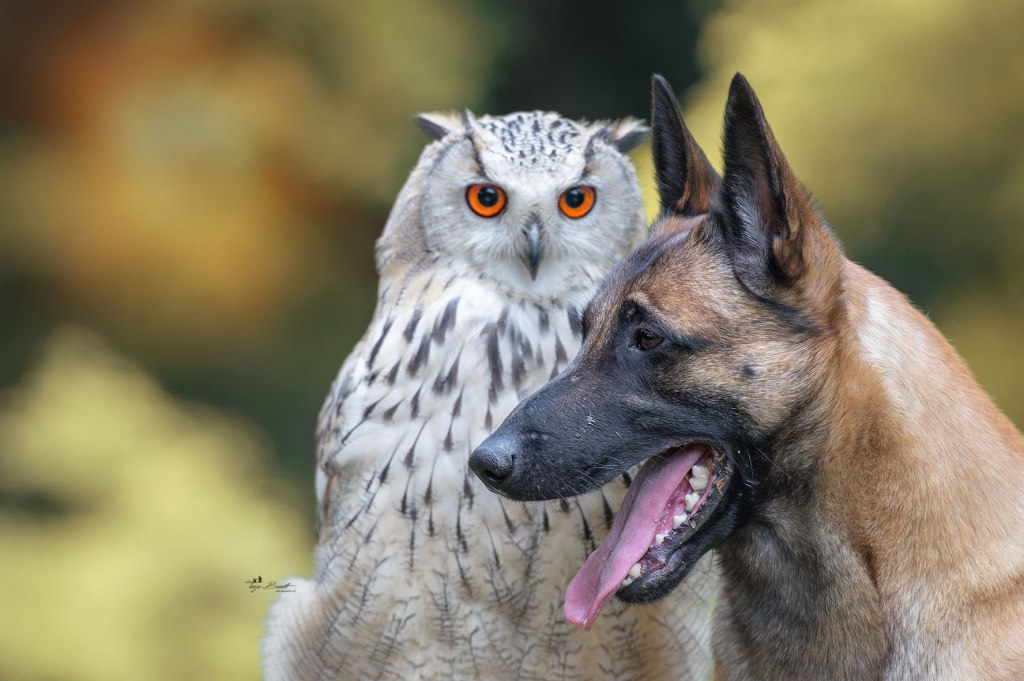
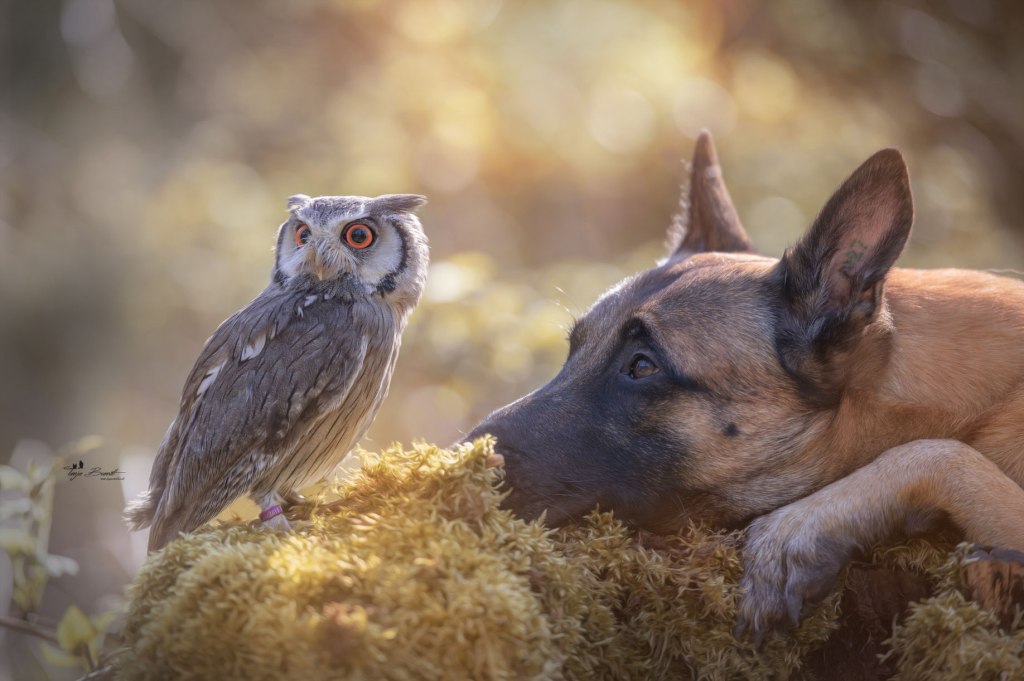
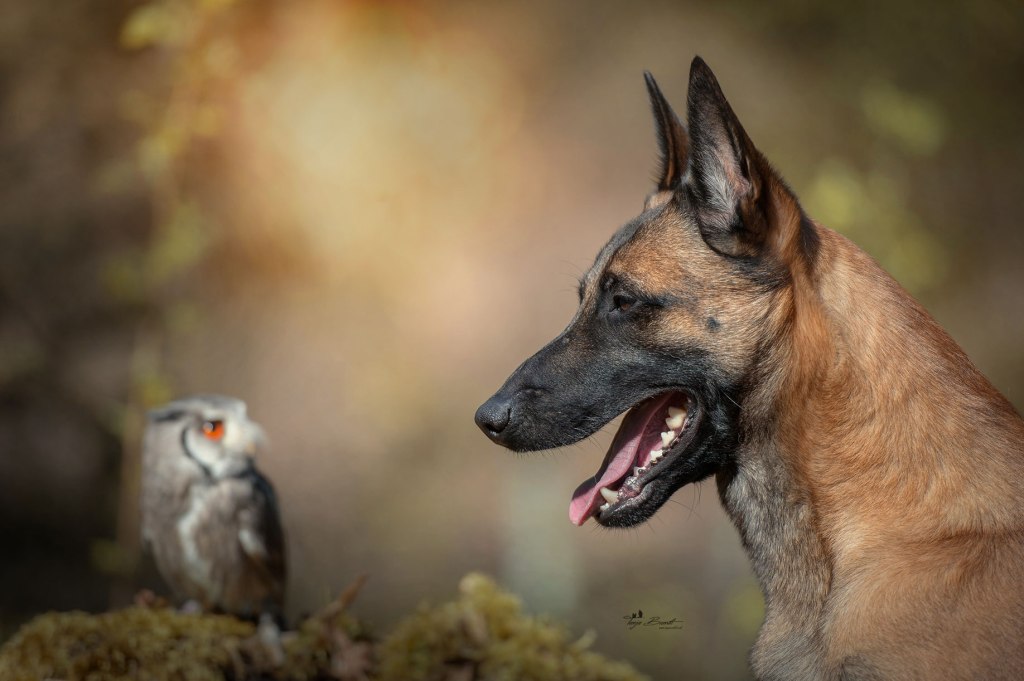
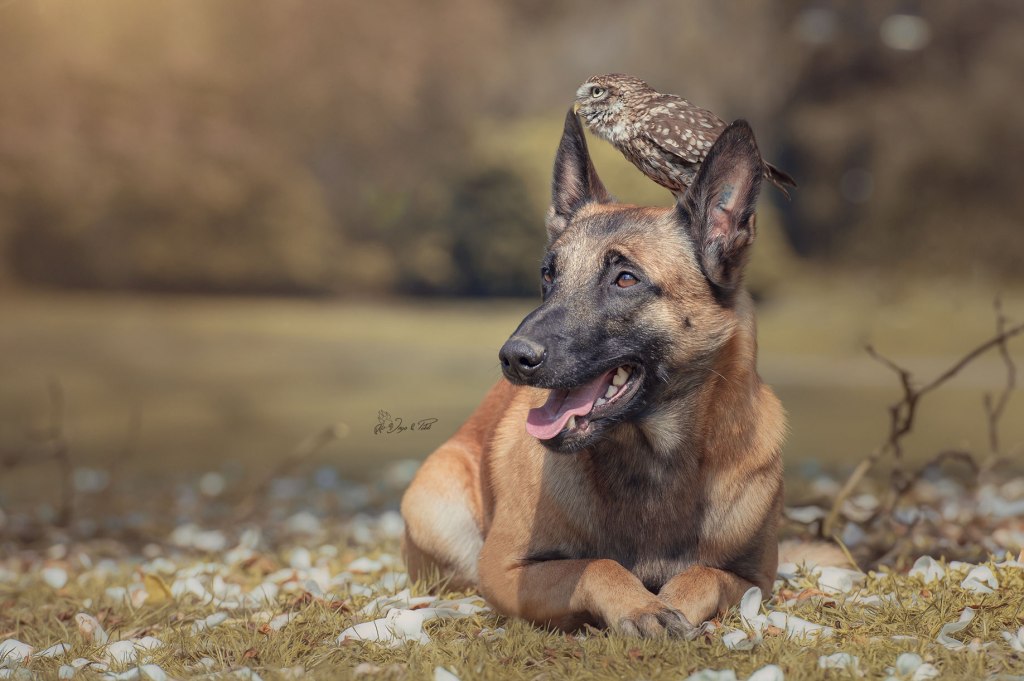
More from Tanja Brandt (but not entirely!)
As with last week first seen here.
oooo
oooo
oooo
oooo
oooo
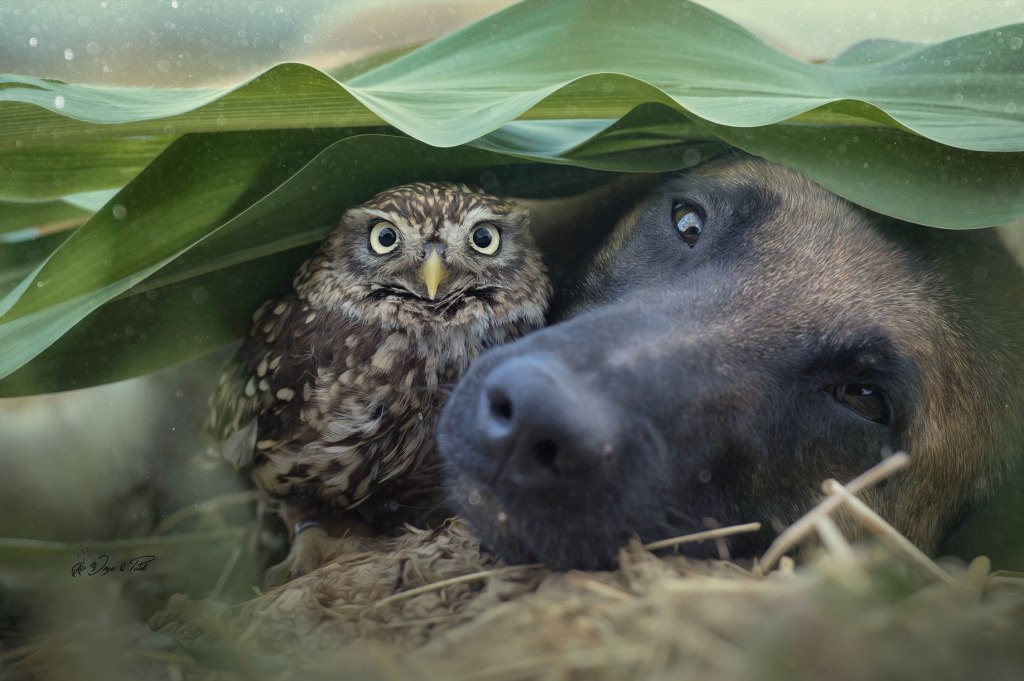
oooo
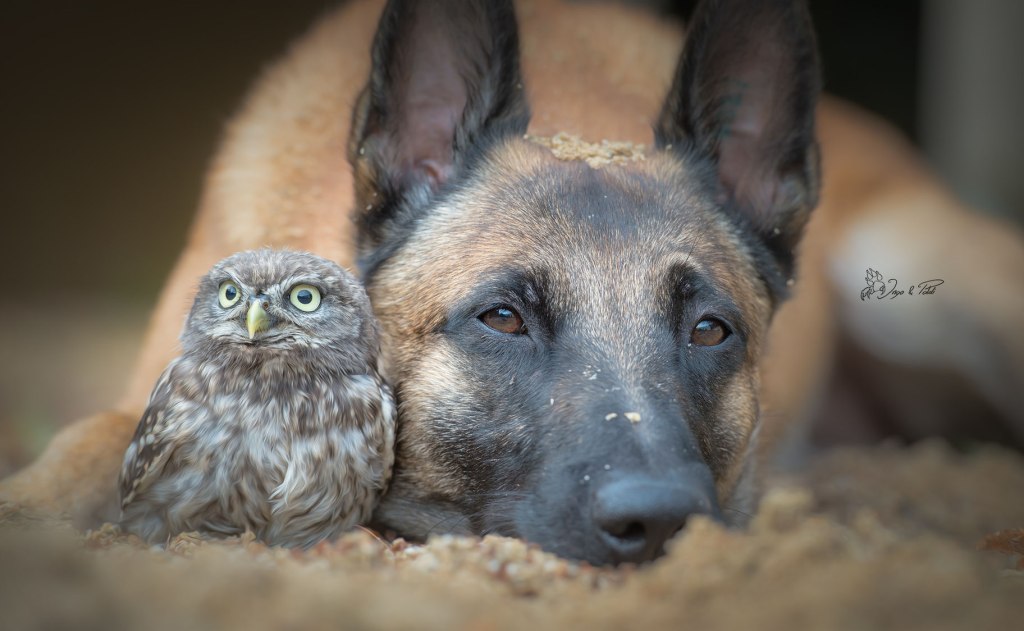
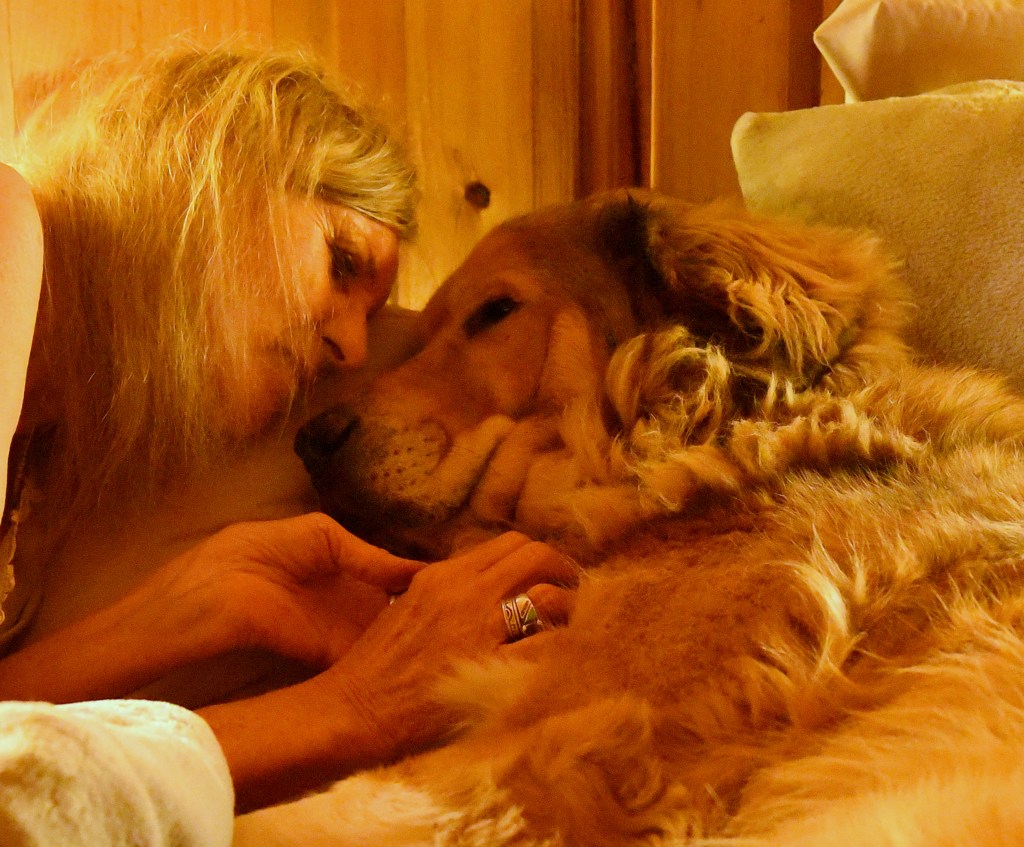
More from Tanja in a week’s time. (I presume you spotted the interloper!! Brandy having a love-in with Jean one evening a week ago just before the bedside lights were turned out.)
Returning to Tanja Brandt’s fabulous photographs.
Specifically sharing, with her very kind permission, more of her photographs from here.

oooo

oooo
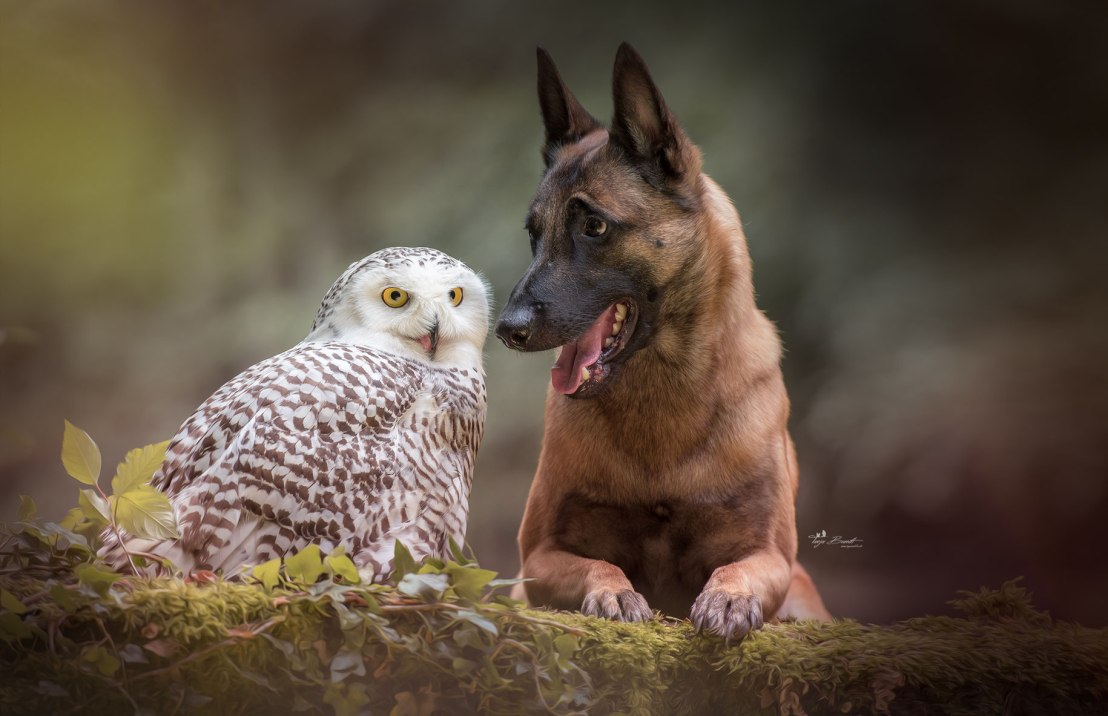
oooo

oooo
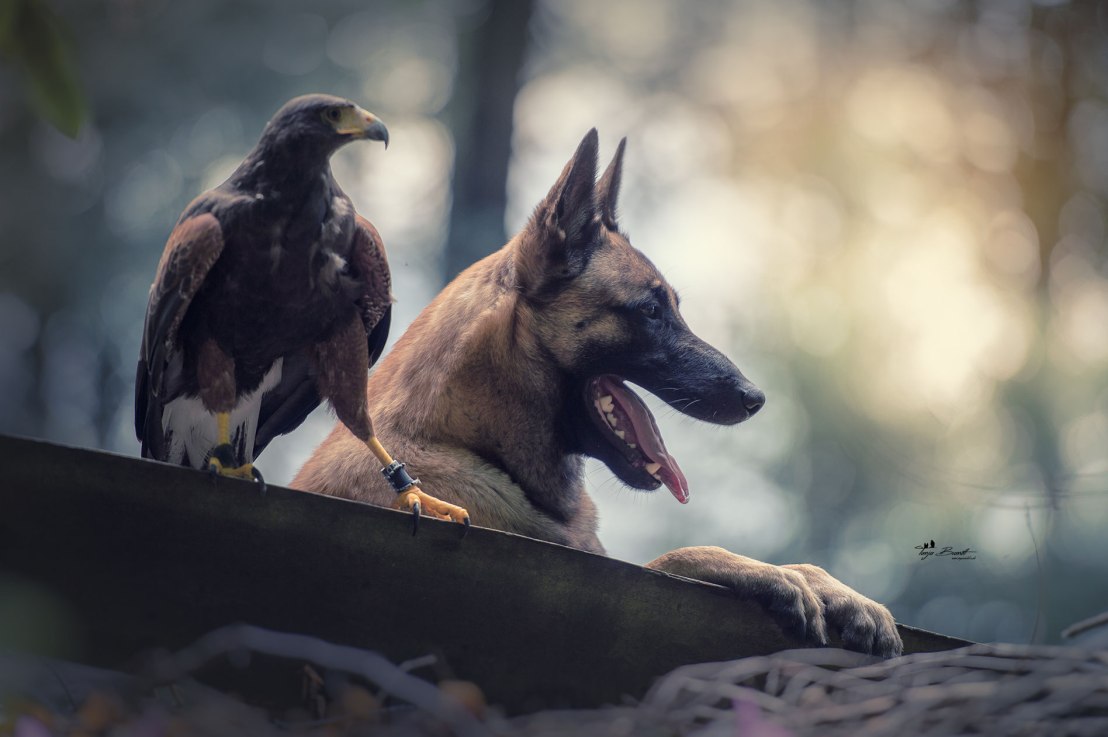
oooo
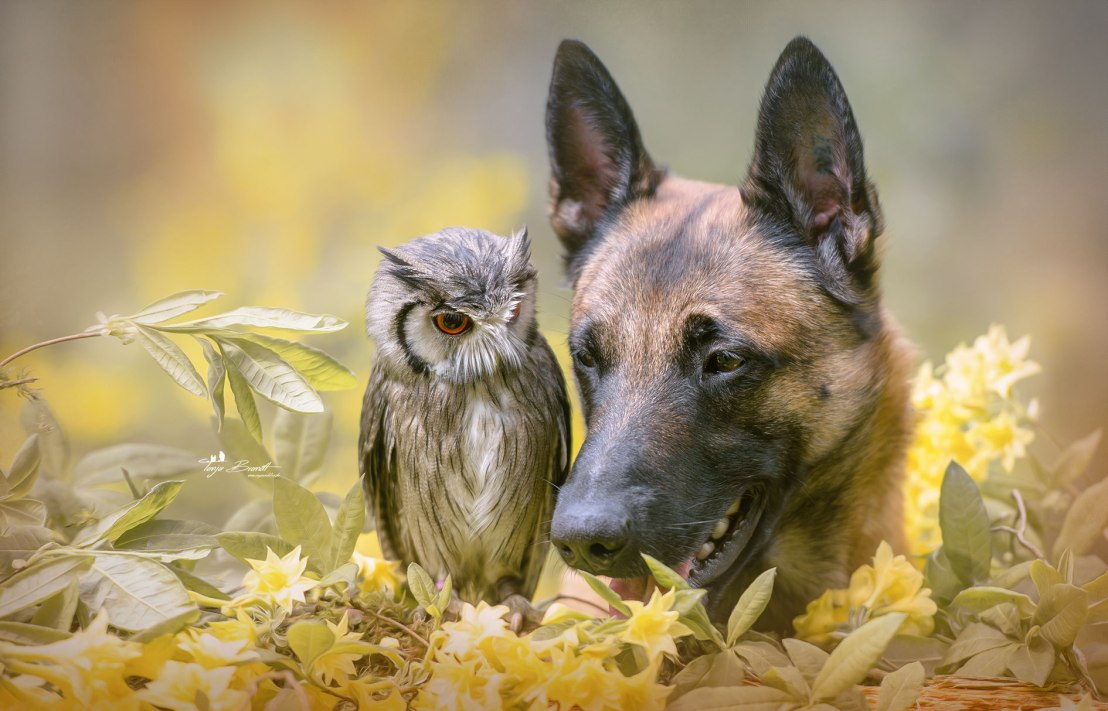
oooo

Another seven of these glorious photographs in a week’s time.
Meantime you all take care of you, your families and your pets!
Another Sunday, another Picture Parade, another Tanja Brandt collection.
Moving on to Tanja’s photographs from her Ingo and Friends 3 collection.

oooo

oooo

oooo

oooo

oooo

oooo

Another seven of these most incredible photographs in a week’s time.
You all take care out there and give your dogs a big squeeze from Jeannie and me.
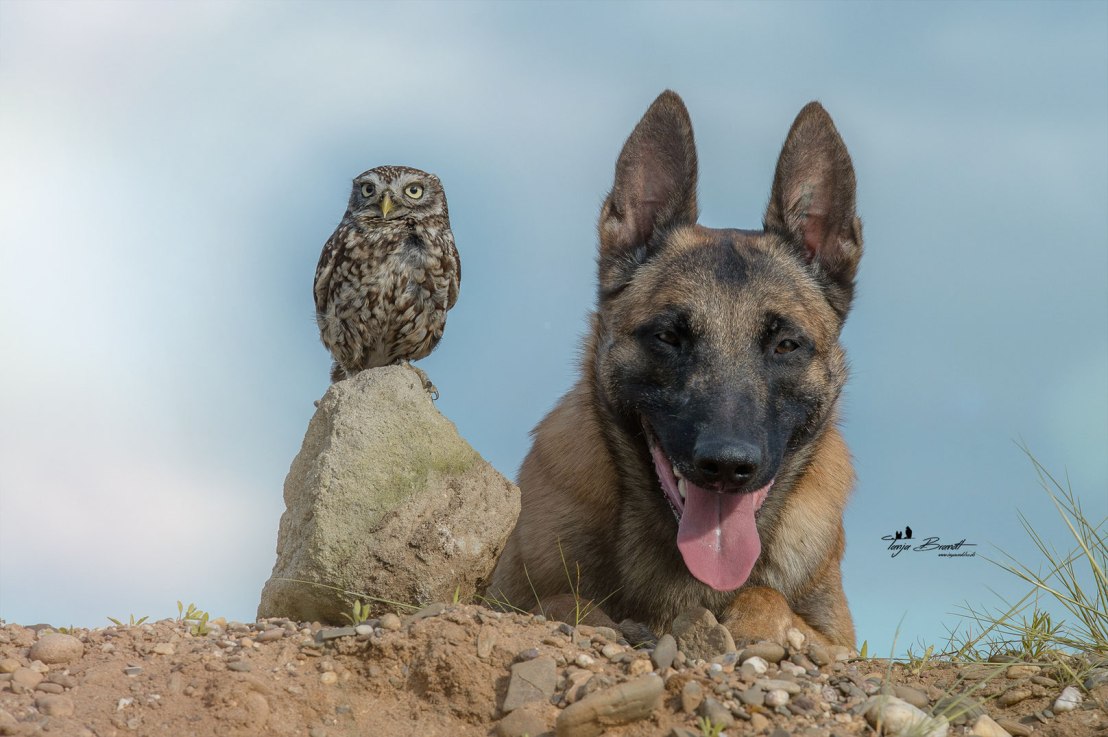
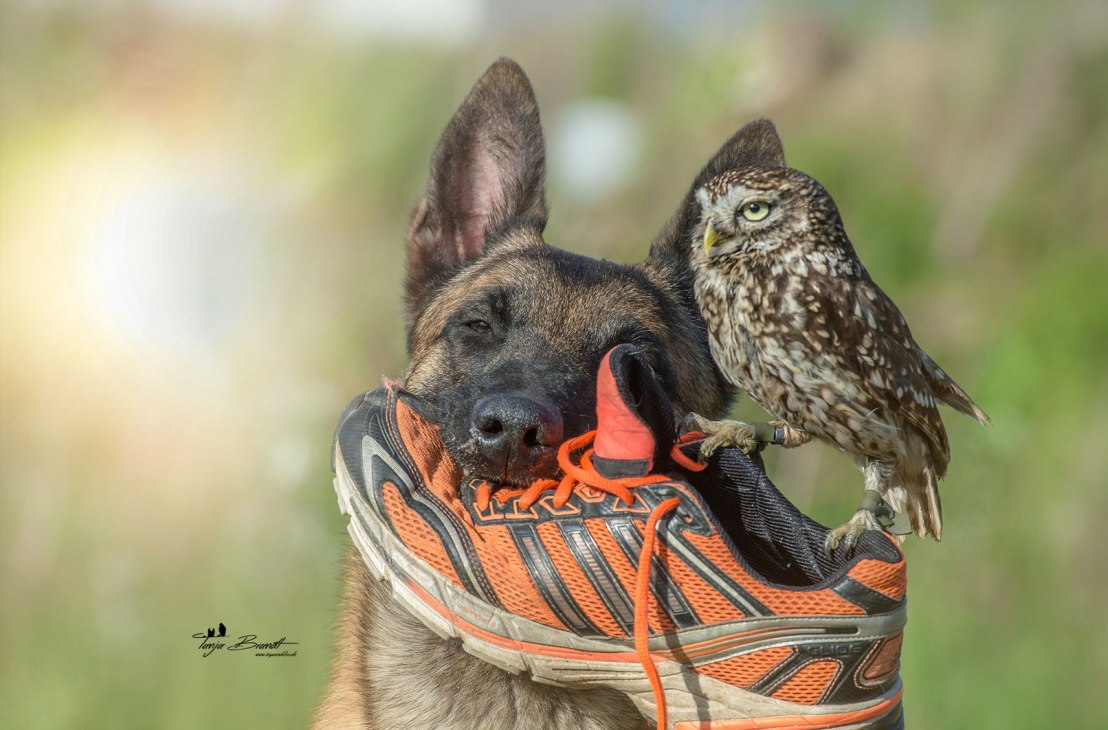
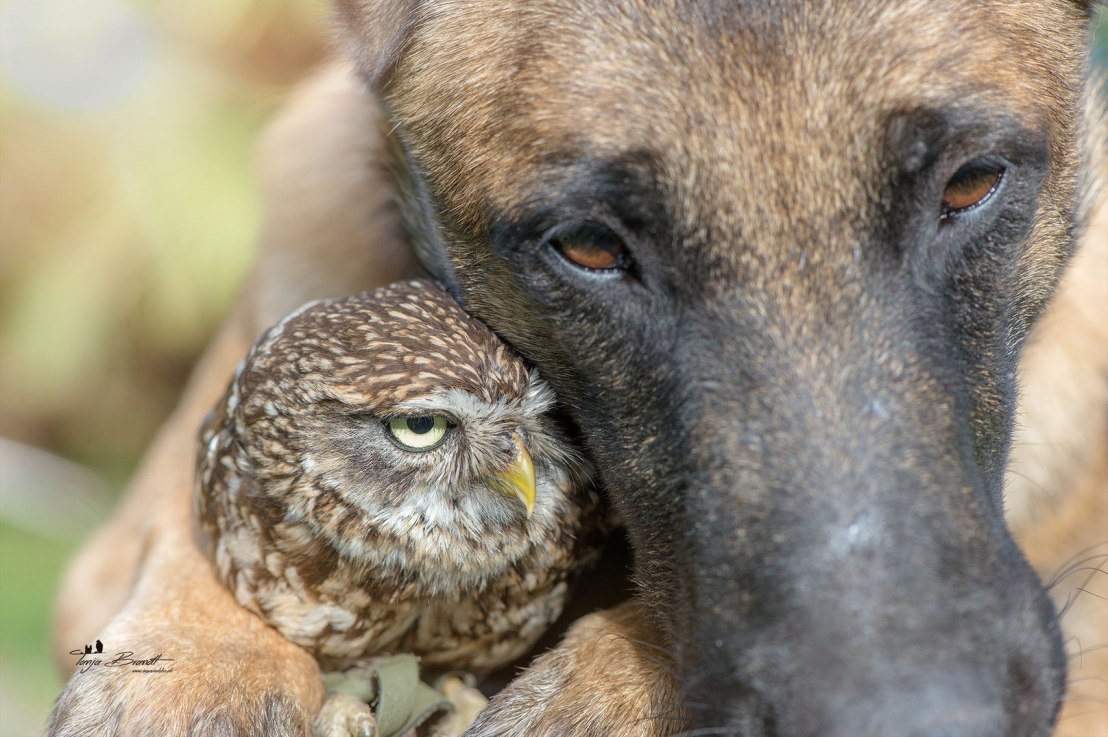
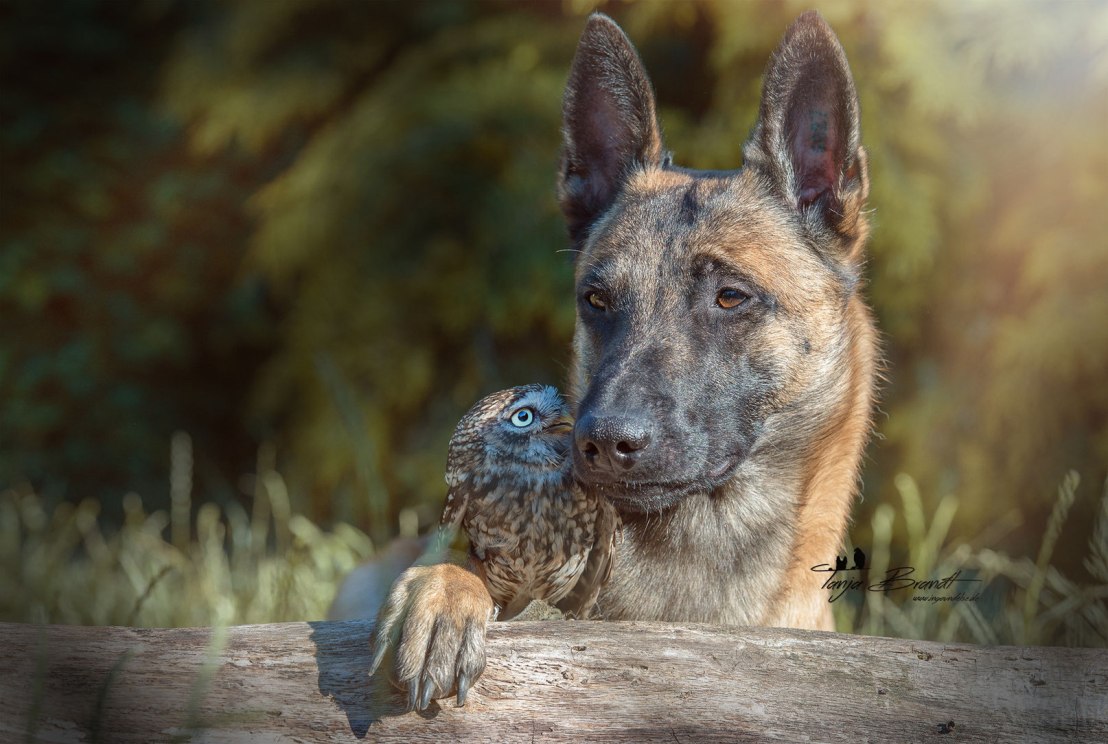
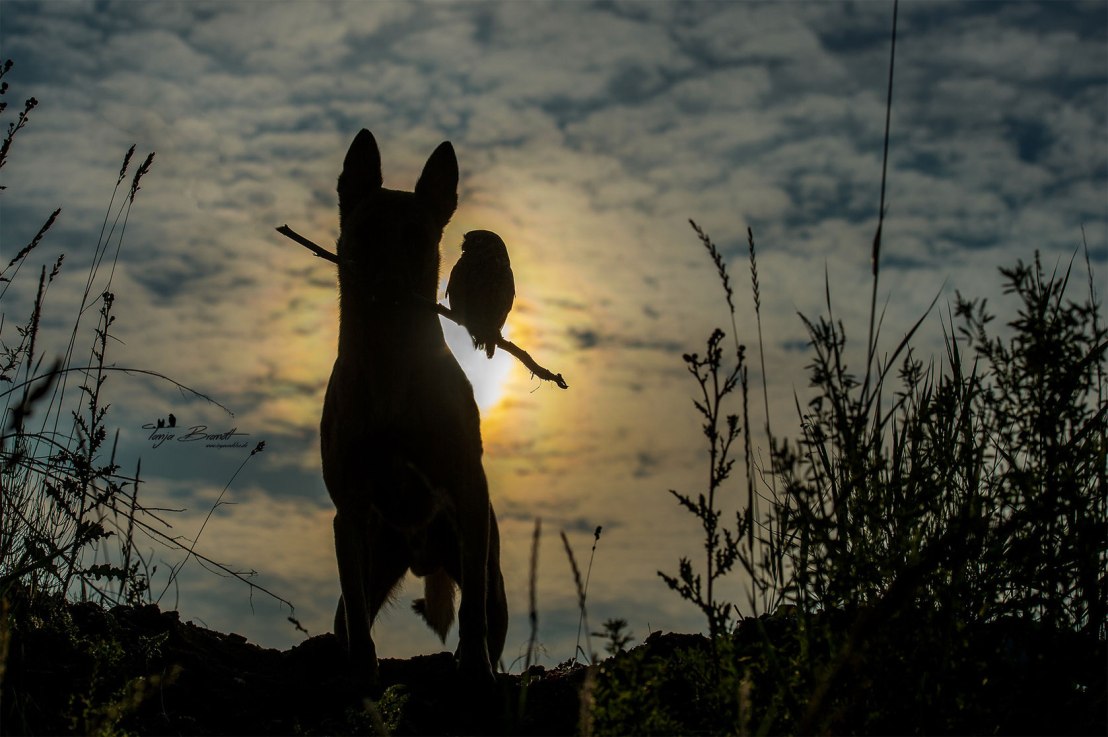
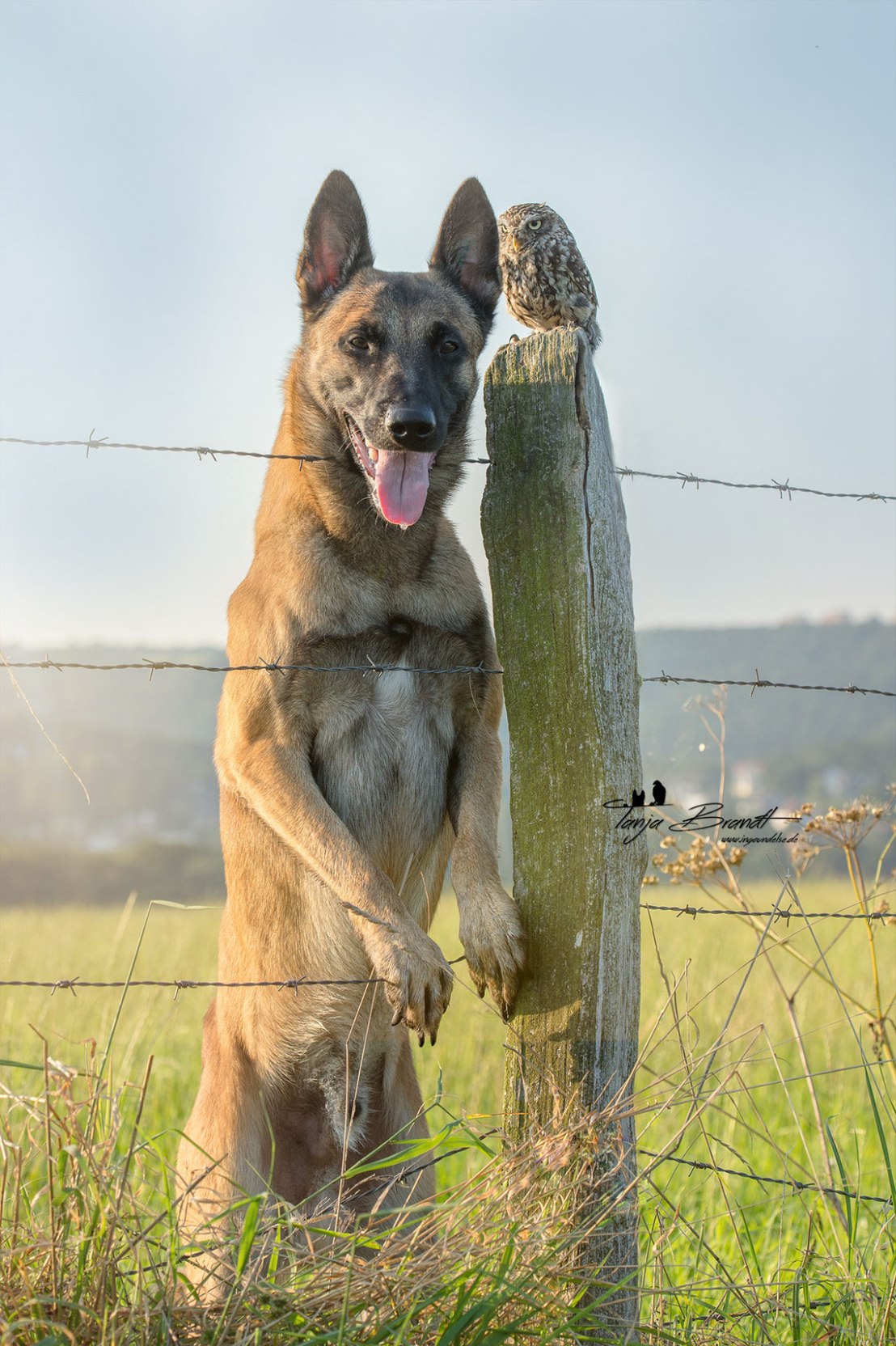
More incredible Ingo and Friends photographs
Again, taken from here and offered to you good people with Tanja Brandt’s very kind permission.
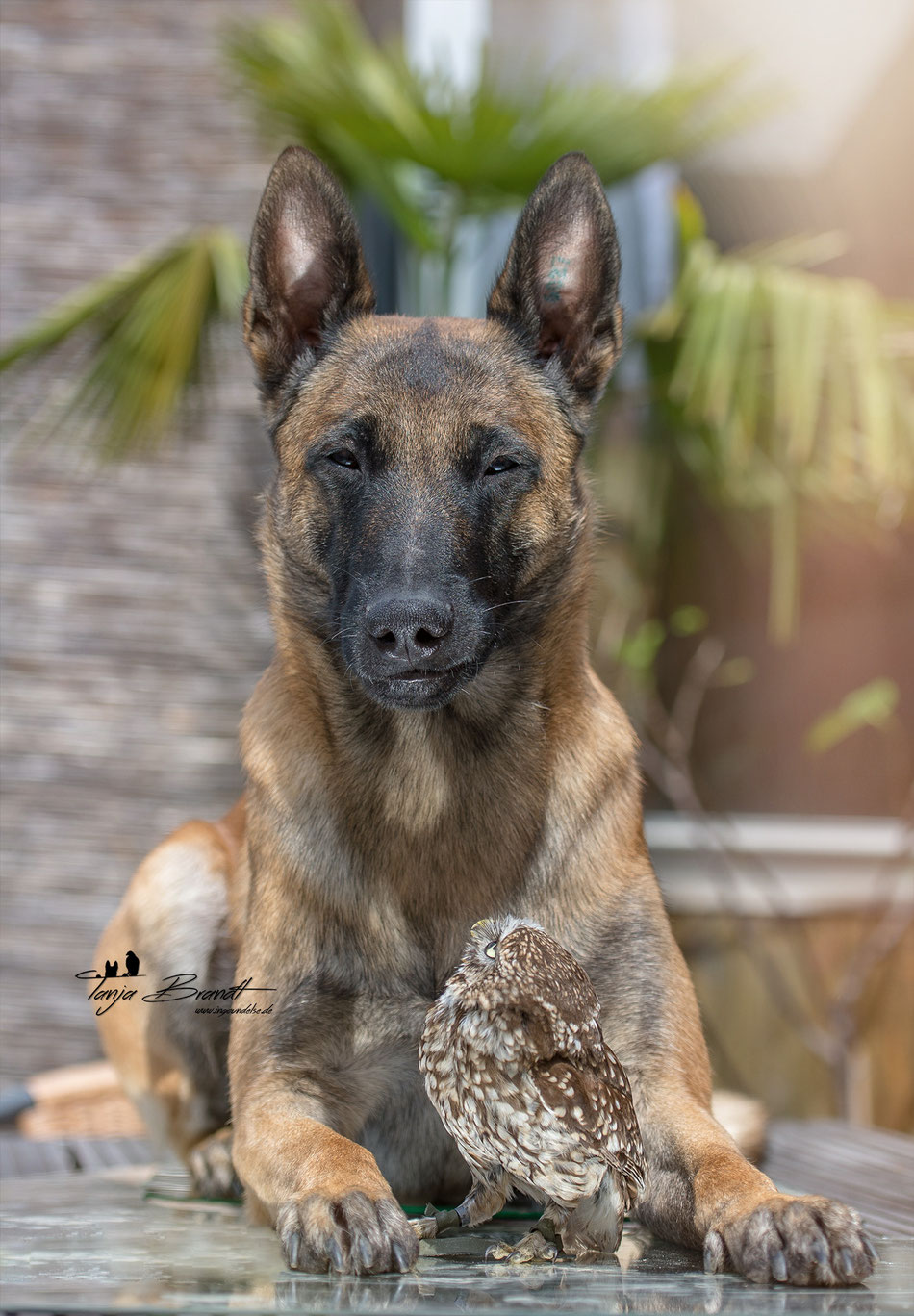
oooo
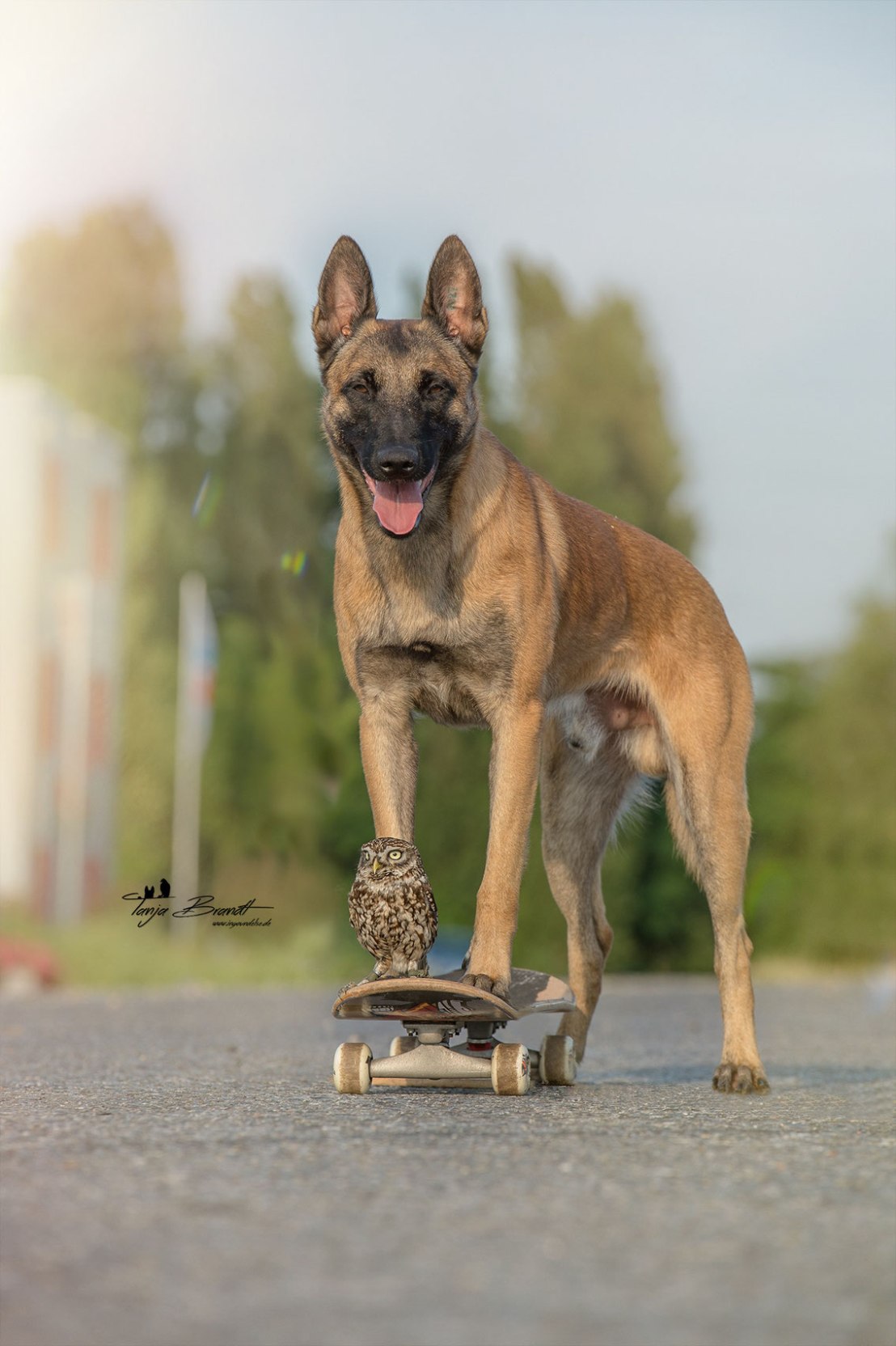
oooo
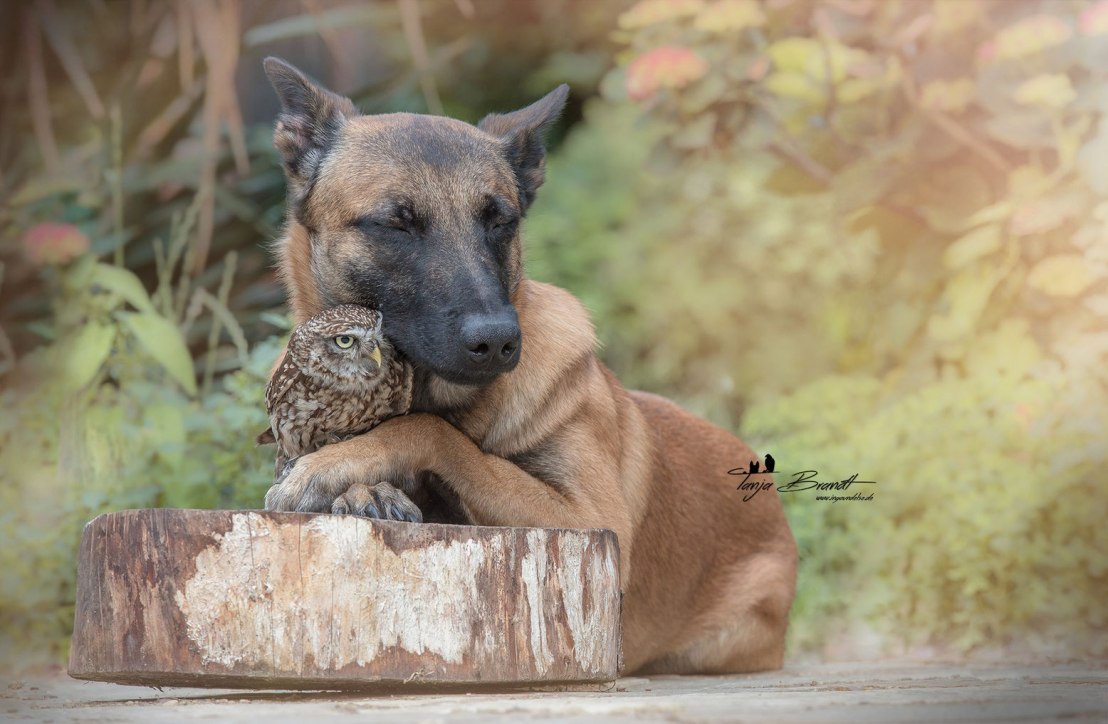
oooo
oooo
oooo
oooo
oooo

oooo

oooo
oooo

oooo

oooo
oooo
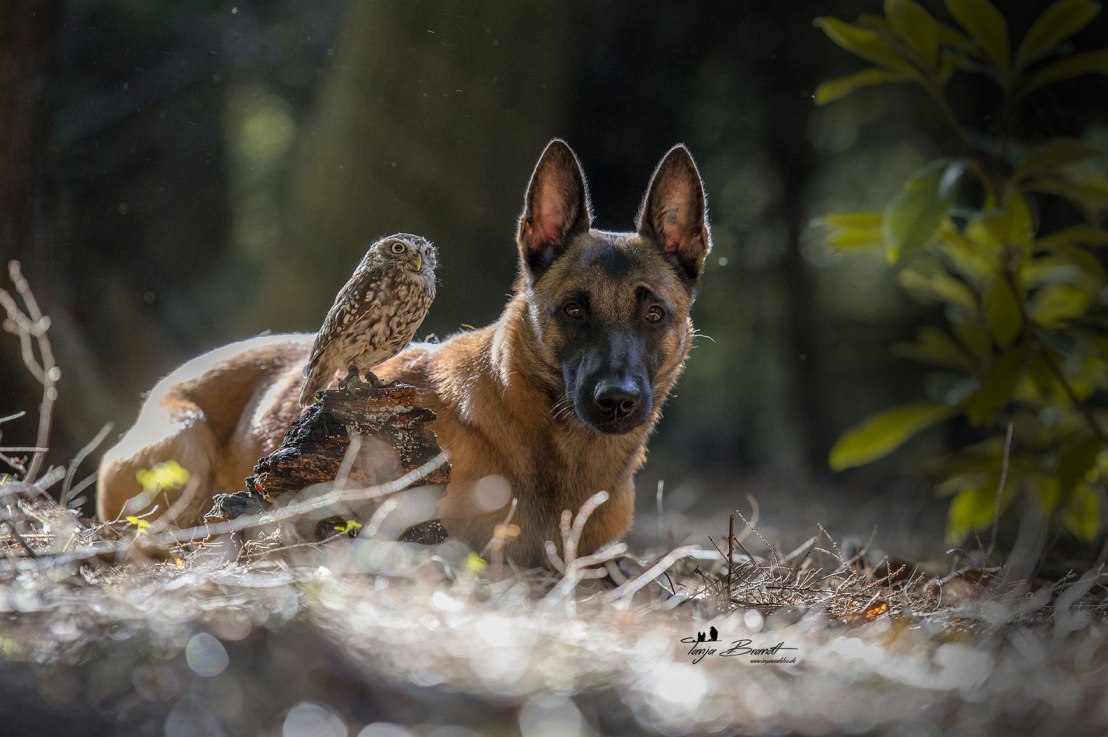
Oh, I do wish I spoke good German. For I would love to call Tanja and chat with her about how she generates such incredible, wonderful pictures.
Any German speakers out there!!
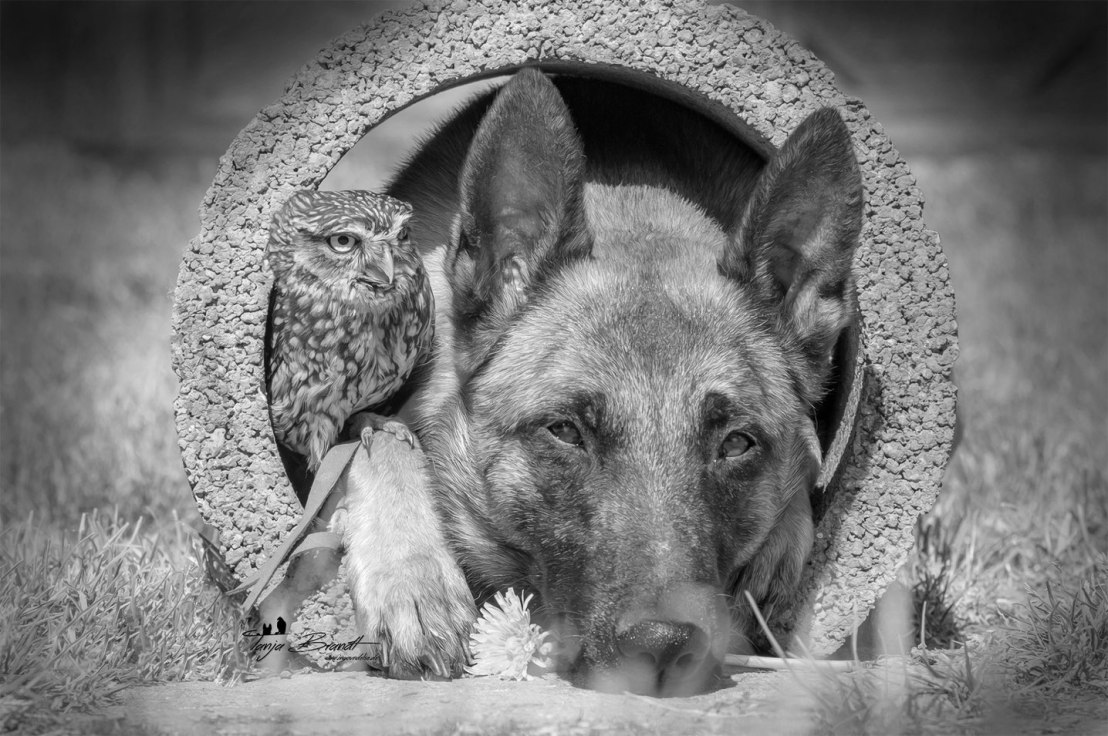
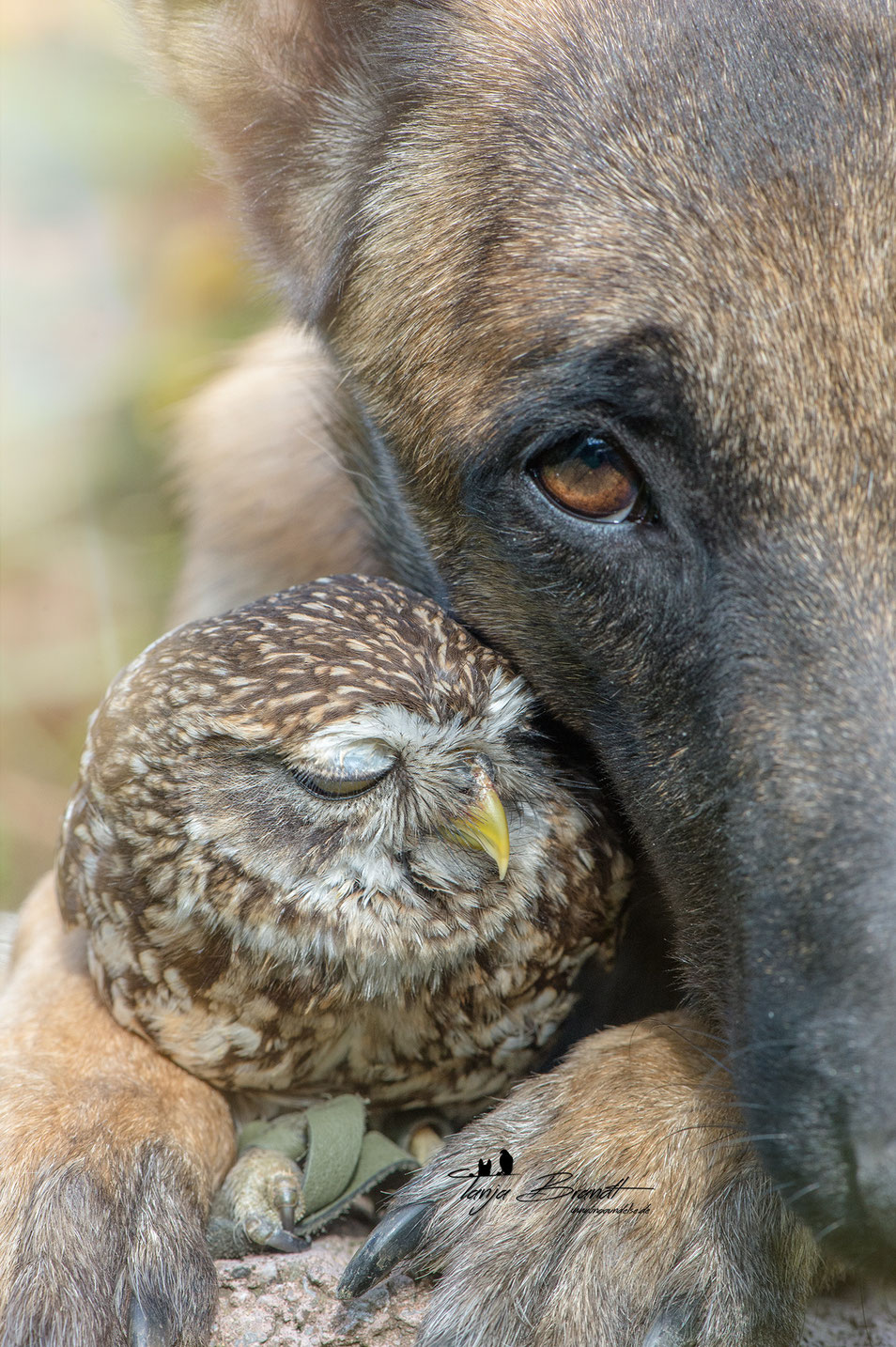
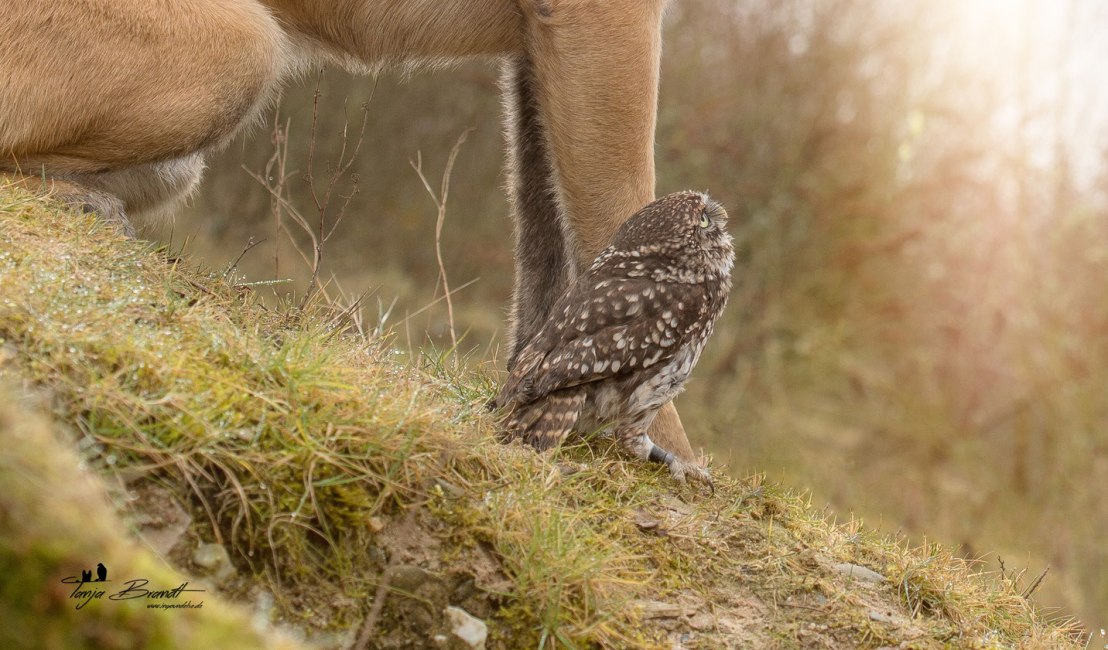
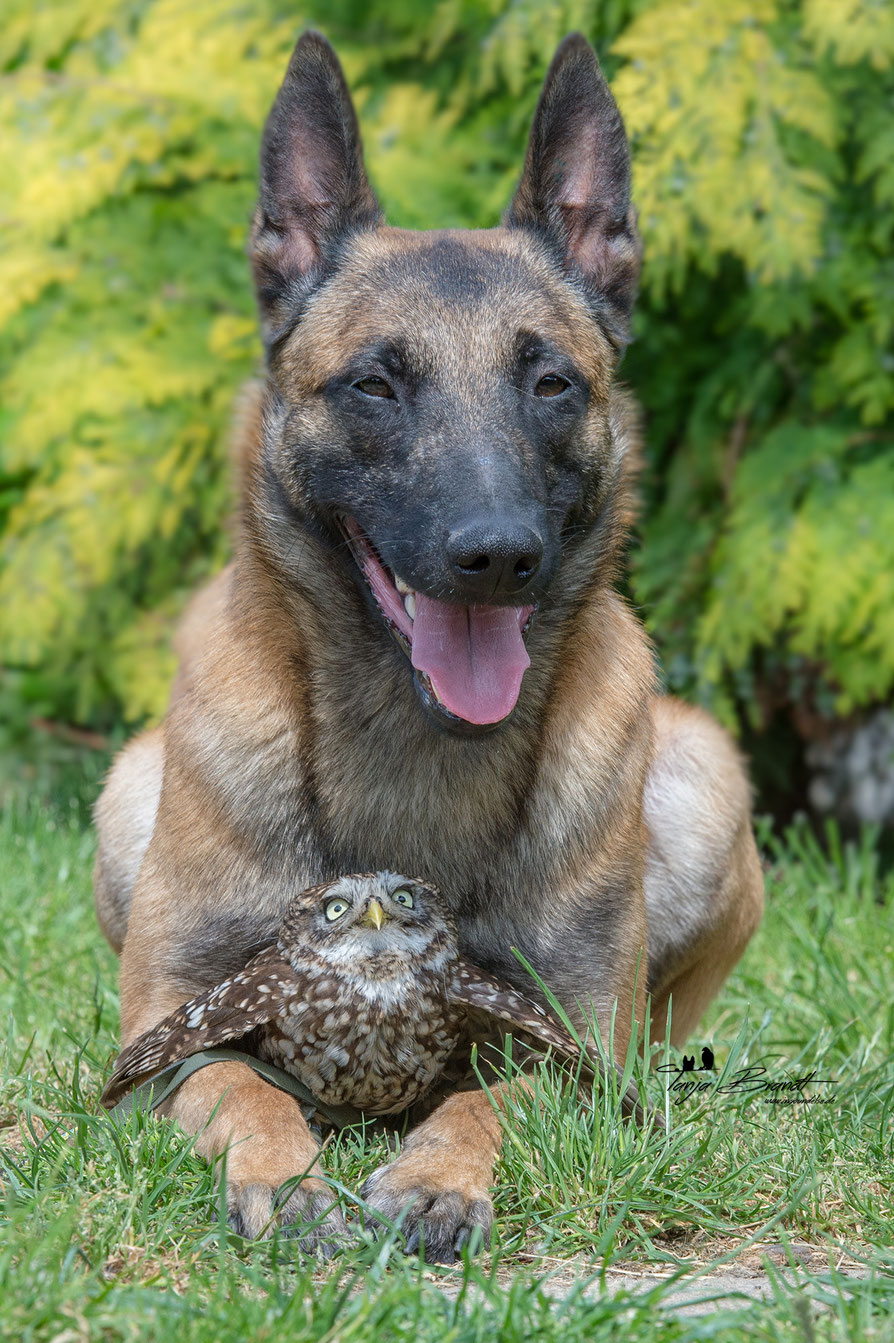
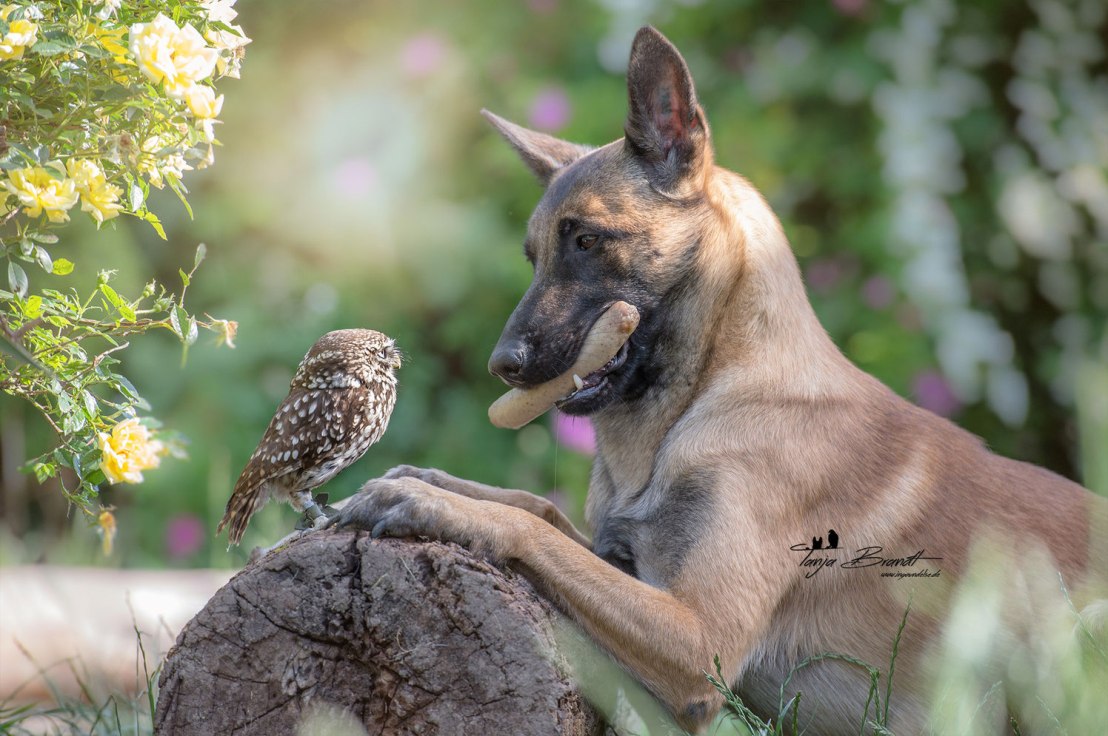
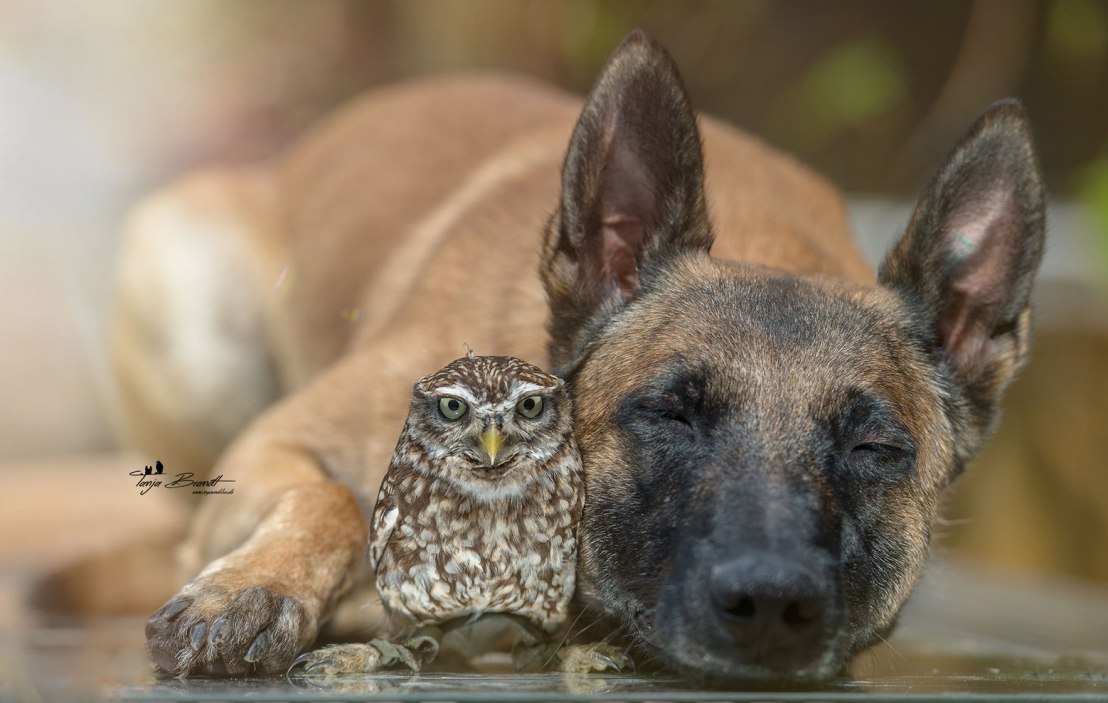
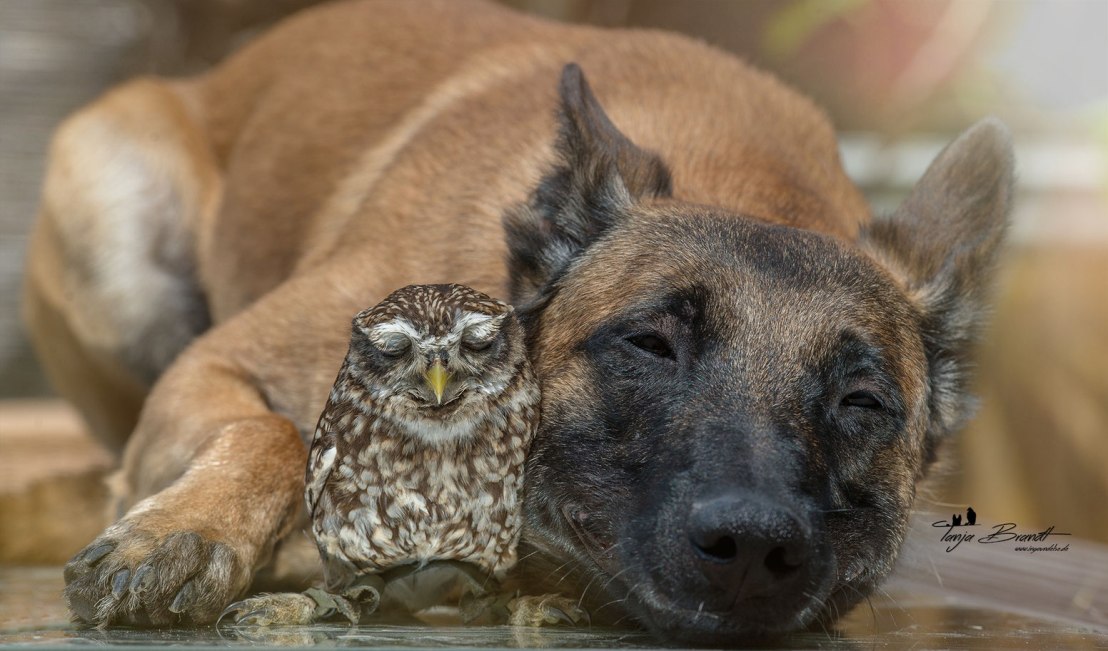
Another Picture Parade: Another visit to Tanja Brandt’s gorgeous photographs.
Republished with Tanja’s very kind permission and copied from here.
(I’m sharing twelve of Tanja’s photos today because I know all of you are like me: We cannot get enough of these magical images!)

oooo

oooo
oooo

oooo

oooo
oooo

oooo
oooo
oooo
oooo
oooo
Would you like some more next week? Do tell me if these Picture Parades are getting too much for you!

