Category: Health

I can’t stop thinking about our dogs

They are so precious!

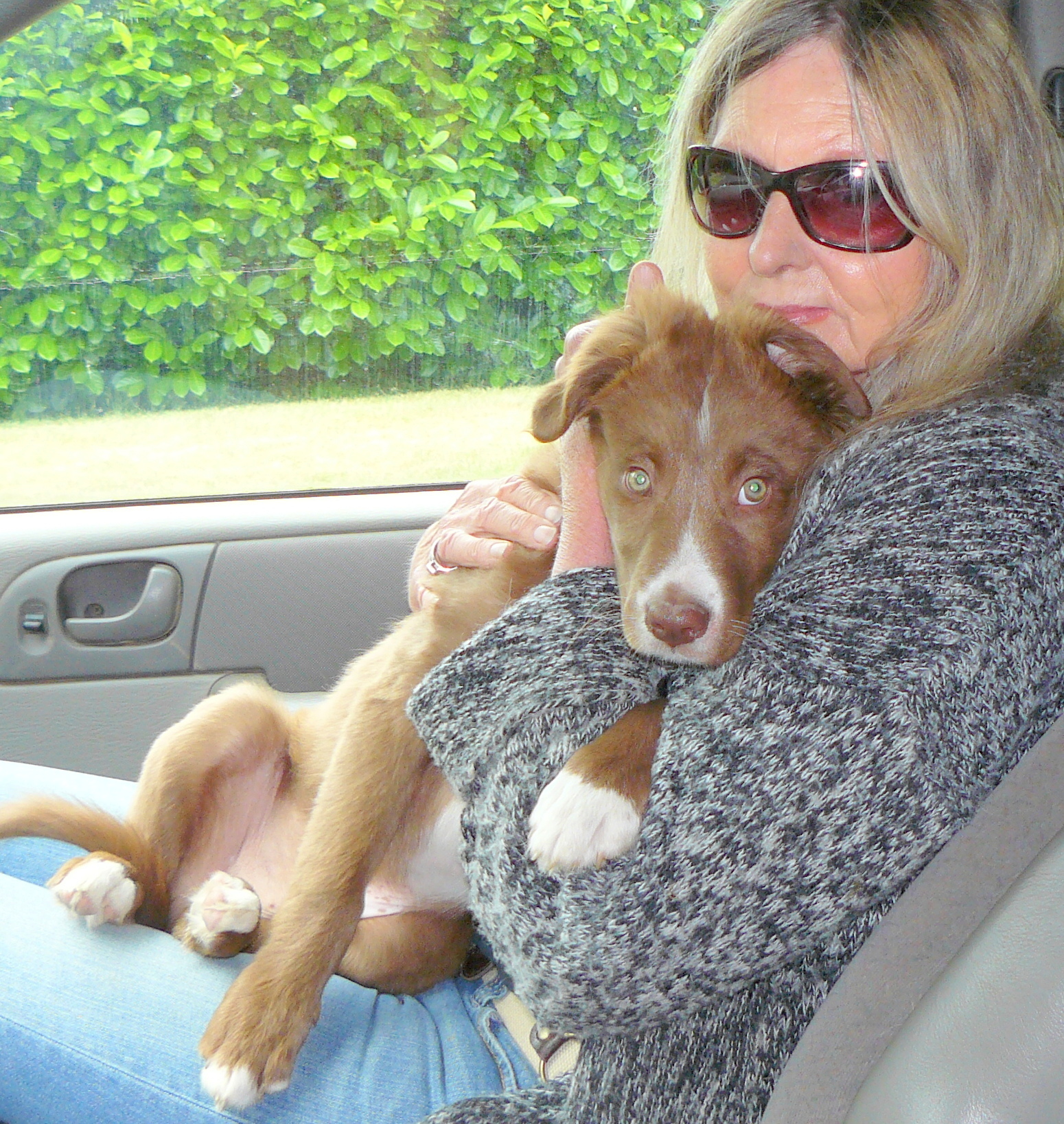
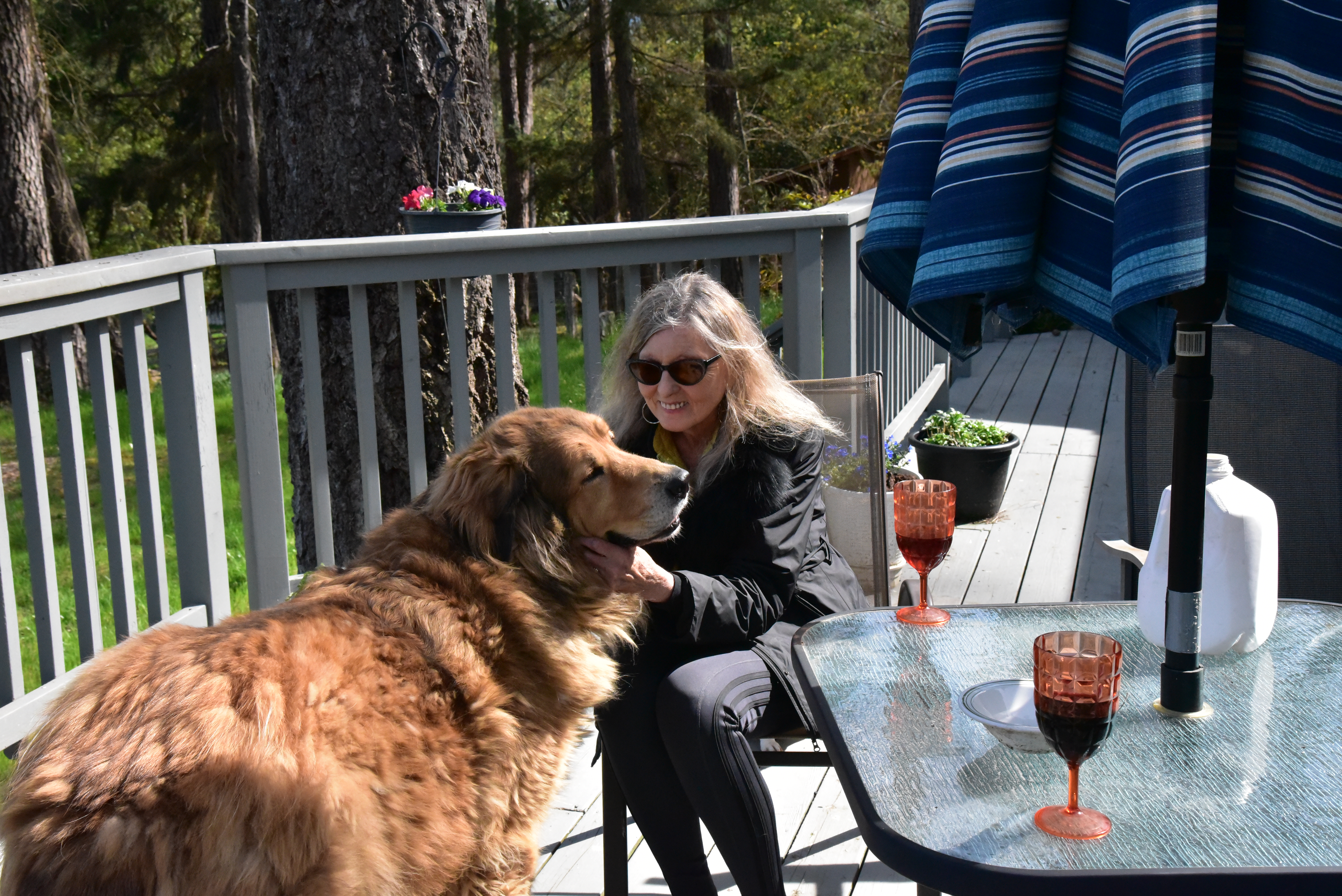
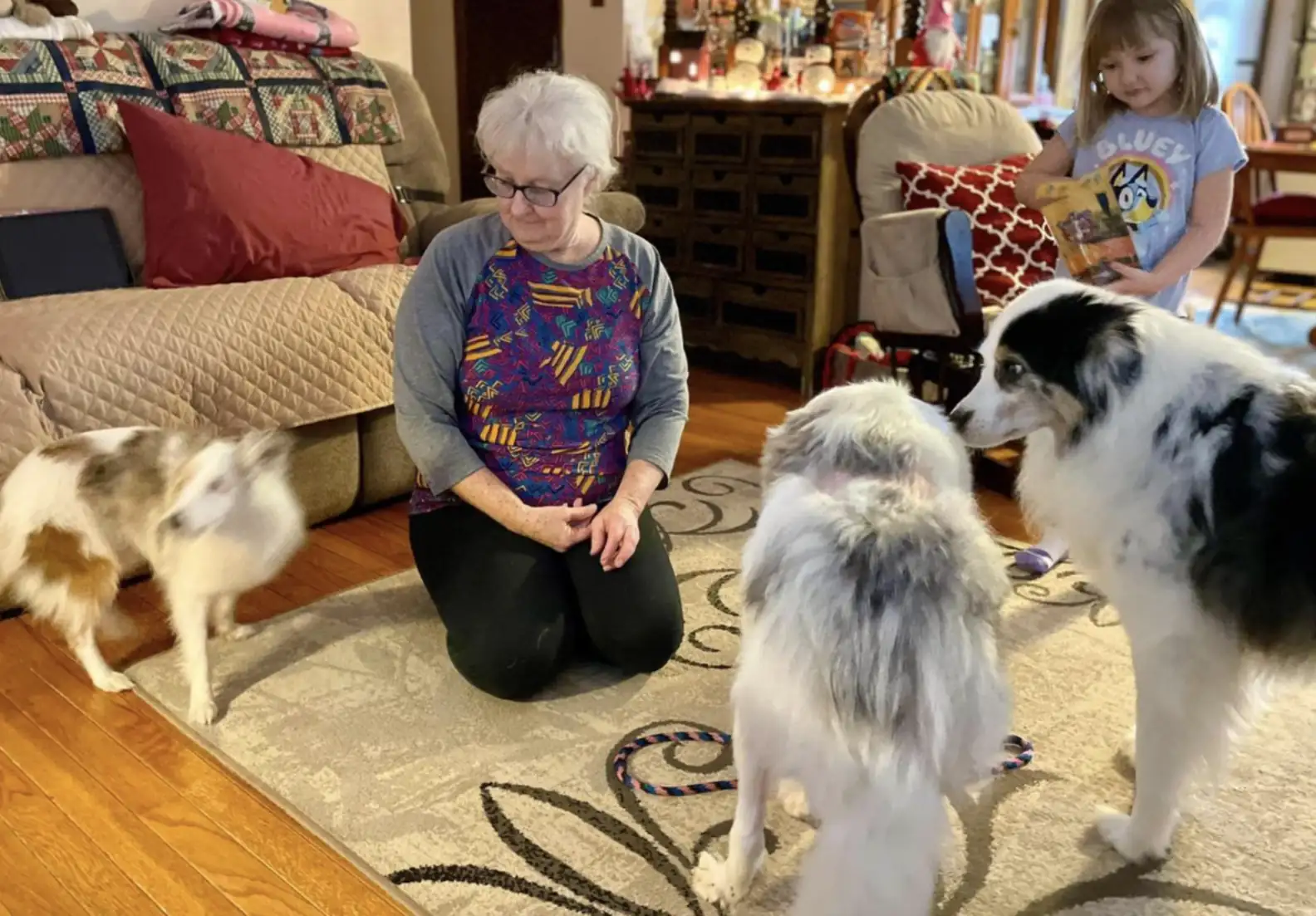
We went to a Humanists garden party on Tuesday afternoon and two other attendees had brought their dogs with them. The dogs were so friendly and gentle, as well as being highly sociable, that the conversation frequently was about dogs.

In a similar vein, on The Dodo yesterday was this:

Dande
Rescue Vizsla mix, 3.5 years old.“Dande was rescued from Waco,Texas, after a hurricane and flooding. She probably got separated from her humans. She was very skittish and afraid of everything when I first rescued her. She has come a long way. She is the most affectionate dog of the four that I have owned. I love her so much!” — her person

In a world which seems so strange at present, thank goodness we have our dogs.

Our forests

The challenge in deciding what is best for our forests.

As a great many of you already know, we live in a rural area in Southern Oregon. It is a beautiful place and we look out to the East upon Mount Sexton. But locally a great many houses are built on rural sites with the local forest just yards away.

Thus it was with interest that an article on The Conversation website ‘spoke’ to me.

ooOOoo

Fighting every wildfire ensures the big fires are more extreme, and may harm forests’ ability to adapt to climate change

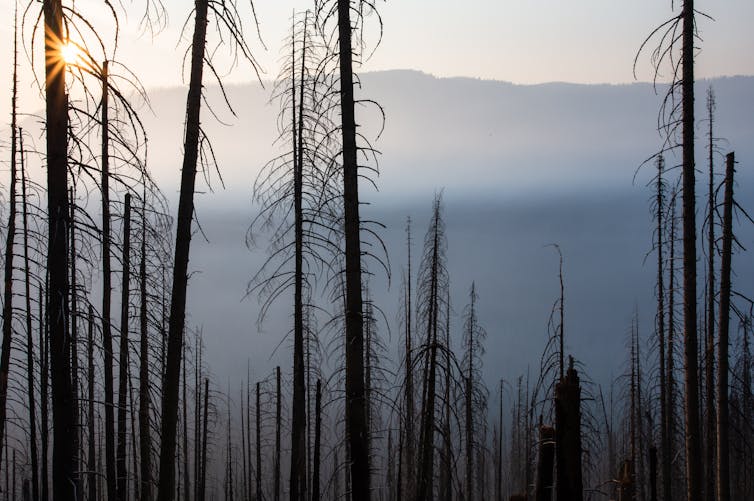
Extreme fires leave forests struggling to recover in a warming world. Mark Kreider

Mark Kreider, University of Montana

In the U.S., wildland firefighters are able to stop about 98% of all wildfires before the fires have burned even 100 acres. That may seem comforting, but decades of quickly suppressing fires has had unintended consequences.

Fires are a natural part of many landscapes globally. When forests aren’t allowed to burn, they become more dense, and dead branches, leaves and other biomass accumulate, leaving more fuel for the next fire. This buildup leads to more extreme fires that are even harder to put out. That’s why land managers set controlled burns and thin forests to clear out the undergrowth.

However, fuel accumulation isn’t the only consequence of fire suppression.

Fire suppression also disproportionately reduces certain types of fire. In a new study, my colleagues and I show how this effect, known as the suppression bias, compounds the impacts of fuel accumulation and climate change.

What happened to all the low-intensity fires?

Most wildfires are low-intensity. They ignite when conditions aren’t too dry or windy, and they can often be quickly extinguished.

The 2% of fires that escape suppression are those that are more extreme and much harder to fight. They account for about 98% of the burned area in a typical year.

The author and colleagues discuss changing wildfire in Montana and Idaho’s Bitterroot Mountains. By Mark Kreider.

In other words, trying to put out all wildfires doesn’t reduce the total amount of fire equally – instead, it limits low-intensity fires while extreme fires still burn. This effect is worsened by climate change.

Too much suppression makes fires more severe

In our study, we used a fire modeling simulation to explore the effects of the fire suppression bias and see how they compared to the effects of global warming and fuel accumulation alone.

Fuel accumulation and global warming both inherently make fires more severe. But over thousands of simulated fires, we found that allowing forests to burn only under the very worst conditions increased fire severity by the same amount as more than a century’s worth of fuel accumulation or 21st-century climate change.

The suppression bias also changes the way plants and animals interact with fire.

By removing low-intensity fires, humans may be changing the course of evolution. Without exposure to low-intensity fires, species can lose traits crucial for surviving and recovering from such events.

After extreme fires, landscapes have fewer seed sources and less shade. New seedlings have a harder time becoming established, and for those that do, the hotter and drier conditions reduce their chance of survival.

In contrast, low-intensity fires free up space and resources for new growth, while still retaining living trees and other biological legacies that support seedlings in their vulnerable initial years.

By quickly putting out low-intensity fires and allowing only extreme fires to burn, conventional suppression reduces the opportunities for climate-adapted plants to establish and help ecosystems adjust to changes like global warming.

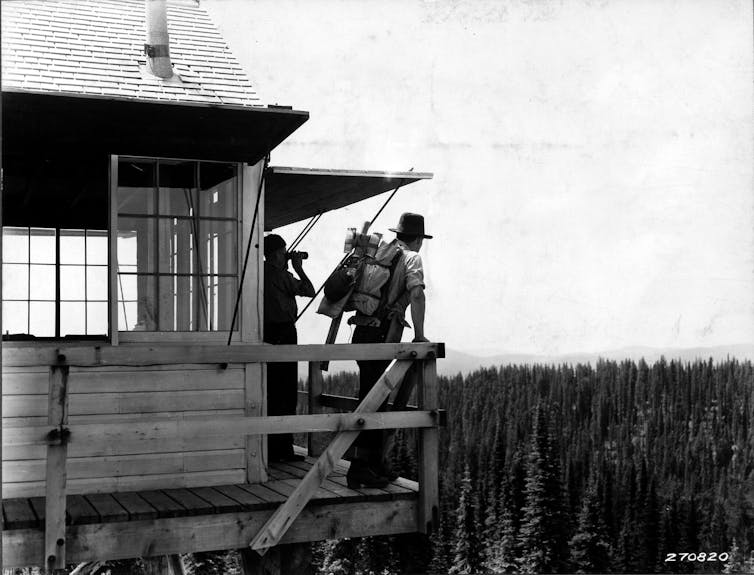
Firefighters keep watch for smoke from a fire tower in the Coeur d’Alene National Forest, Idaho, in 1932. Forest Service photo by K. D. Swan

Suppression makes burned area increase faster

As the climate becomes hotter and drier, more area is burning in wildfires. If suppression removes fire, it should help slow this increase, right?

In fact, we found it does just the opposite.

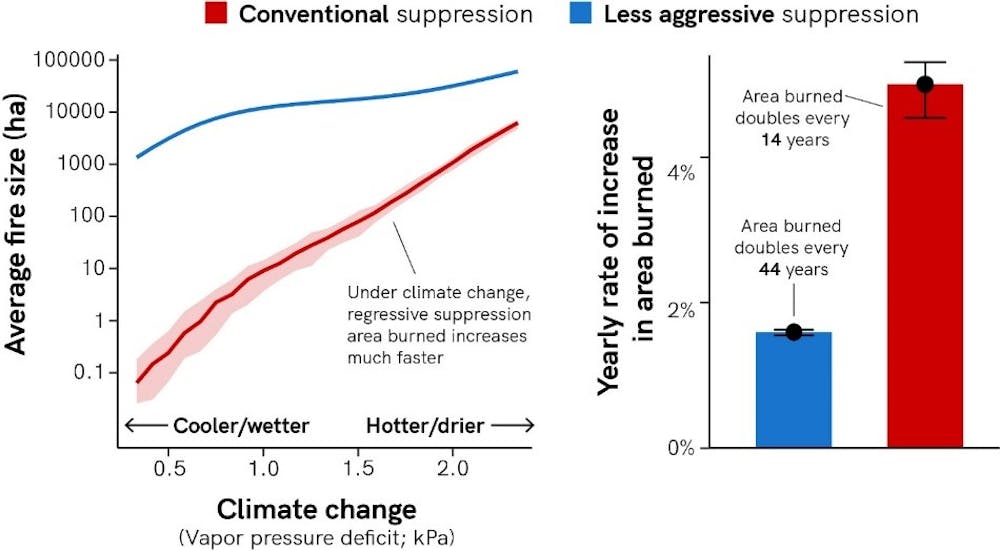
We found that while conventional suppression led to less total area burning, the yearly burned area increased more than three times faster under conventional suppression than under less aggressive suppression efforts. The amount of area burned doubled every 14 years with conventional fire suppression under simulated climate change, instead of every 44 years when low- and moderate-intensity fires were allowed to burn. That raises concerns for how quickly people and ecosystems will have to adapt to extreme fires in the future.

Two charts show fire area increasing faster in a warming climate climate under conventional fire suppression.
With conventional fire suppression, the average fire size will increase faster as the planet warms than it would under a less aggressive approach. Mark Kreider

The fact that the amount of area burned is increasing is undoubtedly driven by climate change. But our study shows that the rate of this increase may also be a result of conventional fire management.

The near total suppression of fires over the last century means that even a little additional fire in a more fire-prone future can create big changes. As climate change continues to fuel more fires, the relative increase in area burned will be much bigger.

This puts more stress on communities as they adapt to increased extreme wildfires, from dealing with more wildfire smoke to even changing where people can live.

A way forward

To address the wildfire crisis, fire managers can be less aggressive in suppressing low- and moderate-intensity fires when it is safe to do so. They can also increase the use of prescribed fire and cultural burning to clear away brush and other fuel for fires.

These low-intensity fires will not only reduce the risk of future extreme fires, but they also will create conditions that favor the establishment of species better suited to the changing climate, thereby helping ecosystems adapt to global warming.

Coexisting with wildfire requires developing technologies and approaches that enable the safe management of wildfires under moderate burning conditions. Our study shows that this may be just as necessary as other interventions, such as reducing the number of fires unintentionally started by human activities and mitigating climate change.

Mark Kreider, Ph.D. Candidate in Forest and Conservation Science, University of Montana

This article is republished from The Conversation under a Creative Commons license. Read the original article.

ooOOoo

The article makes a great deal of sense and presents a solution that may not be our first thought. But especially the message is fundamentally important, and please watch the video because it very clearly presents the benefits of the solution.

So we want more low-intensity fires! Please! Or to say it another way, we want more prescribed fires.

Picture Parade Four Hundred and Twenty-Five

Back to Unsplash.

Photo by Anthony Duran

Photo by Mia Anderson

Photo by Ayelt van Veen

Photo by Samantha Fortney

Photo by Joe Caione

Photo by Celine Sayuri Tagami

Photo by Anna Dudkova

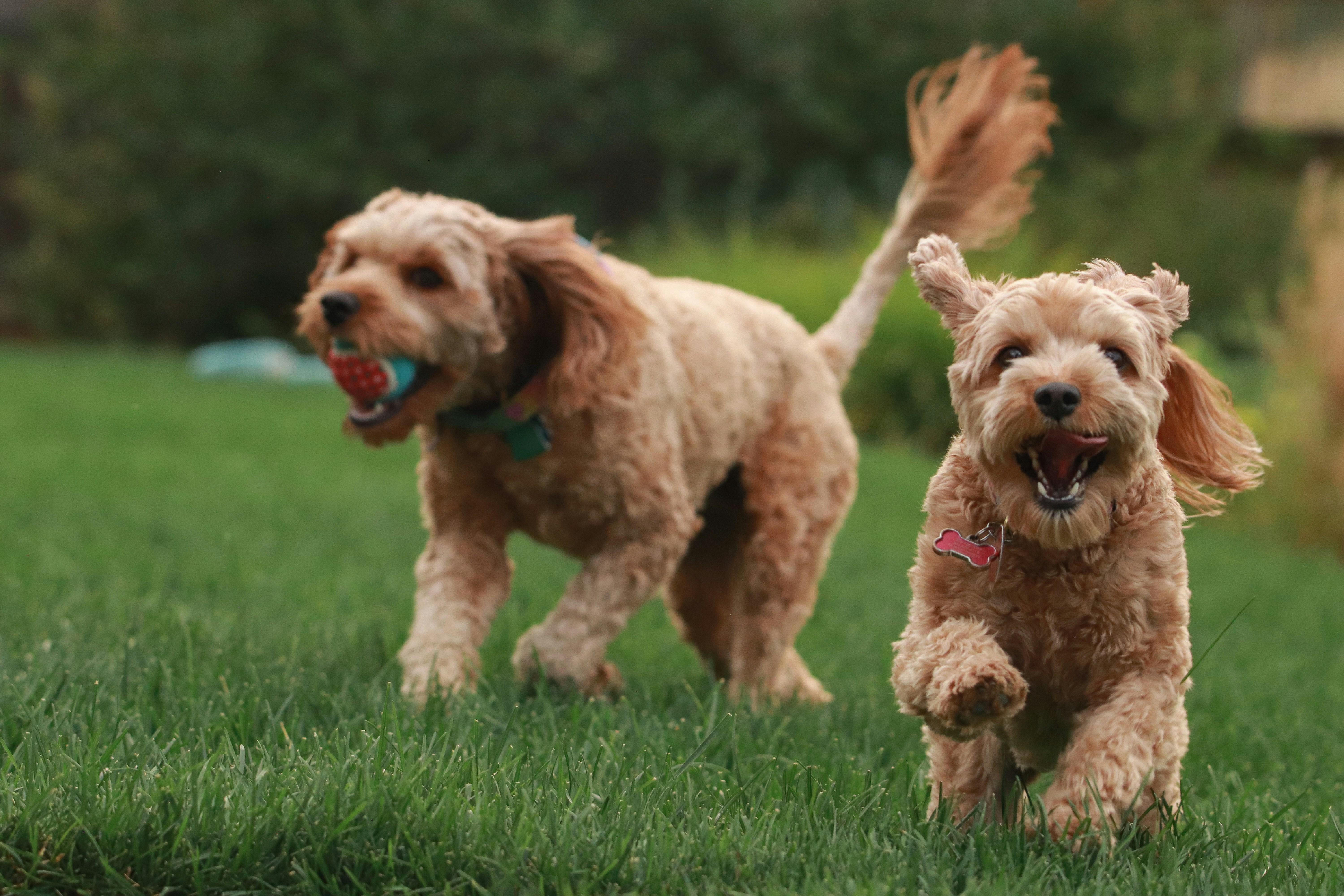
The theme of today’s pictures is dogs playing.

There you are for this Easter Sunday and apologies if there are any duplications.

Dogs!

Just a reminder how special they are.

The first day that Pharaoh was passed across to me. Devon, June 2003.

That was before I met Jean. We met in December 2007 in San Carlos, Mexico. Jean’s husband had died in 2005.

(Believe it or not Jean and I were both born in London some 26 miles apart; albeit I was born a tad before Jean.)

Now the next photo is at our home in Merlin, showing Pharaoh standing in Bummer Creek just above the old dam wall.

I’ll just stand here and watch the goings-on!
Jeannie collecting Oliver

oooo

Jean caressing Brandy

Dogs are so precious, and I am extraordinarily fortunate to have met Jean in 2007, when she had over twenty dogs.

Another beautiful dog story

A story about a dog that was first thought to be dead.

Dear reader,

We had so much going on Wednesday afternoon that I was tempted to give this post a miss. But then I changed my mind considering how beautiful the story is.

ooOOoo

‘Dead’ Dog Abandoned In Amazon Box Turns Out To Be A Total Lovebug

He just needed someone to care.

By Maeve Dunigan, Published on the 7th March. 

Earlier this year, on a sunny day in Pennsylvania, a woman stepped out onto her porch and found a horrifying package. Lying in an open cardboard box was a fluffy white dog — and he wasn’t moving.

Alarmed, the woman quickly called her daughter, who works for Speranza Animal Rescue.

“[M]y mom called me in a panic because she found a ‘dead’ dog dropped on her porch in an Amazon box,” the rescue wrote in a Facebook post about the event. “Turns out this boy wasn’t dead, he was just unconscious.”

FACEBOOK/SPERANZA ANIMAL RESCUE

When rescuers arrived, they were heartbroken to realize the pup was barely a year old. His pupils were cloudy, and he suffered from seizures. Rescuers moved the sick dog, later named G.I. Joe, into veterinary care, where he began receiving necessary treatment.

FACEBOOK/SPERANZA ANIMAL RESCUE

Within days, G.I. Joe’s gentle spirit began returning. He moved in with Karen Spangler, an experienced foster mom, and made friends with his new dog siblings. Though she immediately loved G.I. Joe, Spangler initially insisted that the situation would only be temporary.

“I didn’t want another permanent dog to add to my family,” Spangler told The Dodo. “I told multiple family and friends I would not become a foster fail.”

FACEBOOK/SPERANZA ANIMAL RESCUE

But as the weeks went on, Spangler realized G.I. Joe, or “Joey,” as she calls him, was too special to let go. The curious, quiet rescue pup had already bonded with her grandchildren and with her other two dogs. Spangler adored G.I. Joe, and she wanted him to feel safe and secure.

“I could not put him through another change,” Spangler said. “That was it. I became a foster fail.”

KAREN SPANGLER

These days, Spangler can’t imagine her life without G.I. Joe. Her new pup has already proven to be a great influence on her other dogs, encouraging them to play and exercise. Spangler looks forward to G.I. Joe’s continued training and hopes to walk him on neighborhood country roads soon.

“They always say things happen for a reason, and this is so true,” Spangler said. “My family needed Joey. Never in a million years did I think he would turn out to be so sweet and smart. [I]m looking forward to seeing where he takes us.”

ooOOoo

Karen Spangler is a very kind soul and clearly loves dogs. Congratulations to her and to the Speranza Animal Rescue. Finally, many thanks to Maeve Dunigan for writing the story.

Pleasing one’s dog!

Penny Martin delivers another great post!

At first sight, the above title goes without saying. But then one quickly realises that not everyone, by far, has the circumstances that are ideal for dogs.

Thus, it is an important guest post from Penny.

ooOOoo

Explore the world of Learning from Dogs, where the integrity and lessons from our canine friends are celebrated. 

Photograph courtesy of Freepik

Canine Contentment: Effortless Ways to Please Your Pooch

Enhancing your dog’s quality of life goes beyond just fulfilling their basic needs. It’s about creating a fulfilling environment that nurtures both their physical and mental well-being, ensuring they lead a happy and healthy life. By adopting a few straightforward strategies, you can make a significant impact on your furry companion’s daily life. In today’s post on the Learning From Dogs blog, we delve into practices that promise to elevate your dog’s overall happiness and strengthen the bond you share.

Diversify Playtime

Traditional fetch is a classic game, but expanding your play sessions to include interactive toys, agility courses, and the teaching of new tricks can significantly stimulate your dog’s mind and body. These activities are not just fun; they challenge your dog, keeping them mentally sharp and physically fit. An engaged dog is a happy dog, and by incorporating variety into your playtime, you ensure their days are filled with anticipation and excitement.

Upgrade Their Living Space

A nurturing environment for your dog goes beyond daily walks and playtime; it extends into the realm of maintaining a safe and secure home. Leveraging a home maintenance and repair app can be a game-changer for pet owners, offering an efficient way of covering repair and maintenance. These digital tools simplify the process of arranging service appointments. Furthermore, they connect homeowners with skilled professionals, ready to provide estimates for any necessary work, keeping the living space both comfortable and safe for your furry friend.

Plan for Daily Exercise

Tailoring daily exercise to match your dog’s breed and energy level is crucial for their overall well-being. Incorporating at least 30 minutes of brisk walking or running into their routine plays a pivotal role in maintaining physical fitness and mental alertness. This practice acts as a fundamental pillar of health, warding off boredom and potential behavioral problems, thereby securing a state of contentment and optimal health for your pet. Moreover, this commitment to regular physical activity reinforces your bond with your dog, highlighting the shared experiences that enrich your relationship.

Socialize Regularly

Socialization introduces your dog to new experiences and fellow canines, crucial for their emotional development. Visits to dog parks, pet-friendly stores, or arranging doggy playdates offer your dog a chance to develop social skills and enjoy a variety of experiences. Such outings enrich your dog’s life, offering new sights, sounds, and smells to explore, keeping their days interesting and fulfilling.

Consistent Training Sessions

Consistent training sessions are crucial for both teaching your dog new skills and enhancing the bond between you and your pet. By employing positive reinforcement methods, you not only make learning enjoyable for your dog but also significantly strengthen your relationship. Keeping the training sessions regular and brief ensures your dog’s mental stimulation is high and reaffirms their status as a cherished family member. The technique of positive reinforcement turns each training encounter into an anticipated and joyous occasion, underscoring the pleasure found in the learning process.

Mealtime Enrichment

Transforming mealtime into a game satisfies your dog’s natural foraging instincts. Puzzle feeders, snuffle mats, or hiding treats around the house can turn a routine meal into an exciting adventure. This not only enriches their daily routine but also provides mental stimulation, keeping their minds sharp and engaged.

Provide a Cozy Retreat

Ensuring your dog has a comfortable resting area is essential for their sense of security and well-being. Spending time each day on calm interactions, such as petting or grooming, reinforces their feeling of love and security. A dedicated space for rest and the assurance of your love helps them feel safe and cherished, fostering a deep sense of well-being.

Adopting these strategies not only improves your dog’s physical and mental health but also enhances the bond you share, making each moment together richer and more meaningful. Each practice, from diversifying playtime to ensuring a comfortable living space, plays a vital role in your dog’s overall happiness. By investing time and love into your dog’s well-being, you ensure they lead a fulfilling life, full of joy and love. Embrace these strategies and witness the transformation in your dog’s life, knowing you’re providing the best care and affection possible.

ooOOoo

I am very grateful to Penny for sending these posts to me.

Long may it continue!

Water, water, everywhere, but …

A dramatic article from George Monbiot about water!

I read the latest from George Monbiot yesterday morning and was startled. Startled because I hadn’t thought of it before. Startled because here in Merlin, Southern Oregon we have had so much rain since the beginning of November, 2023 that our acres are swimming in the wet. Startled since that time also our Bummer Creek, which flows across our land, has been at record depths.

But this report is incredibly important and I wanted to share it with you, as I have Geo. Monbiot’s permission for so doing.

ooOOoo

Dry Run

Posted on11th March 2024

The mega-droughts in Spain and the US are a portent of a gathering global water crisis.

By George Monbiot, published in the Guardian 4th March 2024

There’s a flaw in the plan. It’s not a small one: it is an Earth-sized hole in our calculations. To keep pace with the global demand for food, crop production needs to grow by at least 50% by 2050. In principle, if nothing else changes, this is feasible, thanks mostly to improvements in crop breeding and farming techniques. But everything else is going to change.

Even if we set aside all other issues – heat impacts, soil degradation, epidemic plant diseases accelerated by the loss of genetic diversity – there is one which, without help from any other cause, could prevent the world’s people from being fed. Water.

A paper published in 2017 estimated that to match crop production to expected demand, water use for irrigation would have to increase by 146% by the middle of this century. One minor problem. Water is already maxed out.

In general, the dry parts of the world are becoming drier, partly through reduced rainfall; partly through declining river flow as mountain ice and snow retreats; and partly through rising temperatures causing increased evaporation and increased transpiration by plants. Many of the world’s major growing regions are now threatened by “flash droughts”, in which hot and dry weather sucks moisture from the soil at frightening speed. Some places, such as the southwest of the US, now in its 24th year of drought, may have switched permanently to a drier state. Rivers fail to reach the sea, lakes and aquifers are shrinking, species living in freshwater are becoming extinct at roughly five times the rate of species that live on land and major cities are threatened by extreme water stress.

Already, agriculture accounts for 90% of the world’s freshwater use. We have pumped so much out of the ground that we’ve changed the Earth’s spin. The water required to meet growing food demand simply does not exist.

That 2017 paper should have sent everyone scrambling. But as usual, it was ignored by policymakers and the media. Only when the problem arrives in Europe do we acknowledge that there’s a crisis. But while there is understandable panic about the drought in Catalonia and Andalusia, there’s an almost total failure among powerful interests to acknowledge that this is just one instance of a global problem, a problem that should feature at the top of the political agenda.

Though drought measures have triggered protests in Spain, this is far from the most dangerous flashpoint. The catchment of the Indus river is shared by three nuclear powers – India, Pakistan and China – and several highly unstable and divided regions already afflicted by hunger and extreme poverty. Today, 95% of the river’s dry season flow is extracted, mostly for irrigation. But water demand in both Pakistan and India is growing rapidly. Supply – temporarily boosted by the melting of glaciers in the Himalayas and the Hindu Kush – will, before long, peak and then go into decline.

Even under the most optimistic climate scenario, runoff from Asian glaciers is expected to peak before mid-century, and glacier mass will shrink by about 46% by 2100. Some analysts see water competition between India and Pakistan as a major cause of the repeated conflicts in Kashmir. But unless a new Indus waters treaty is struck, taking falling supplies into account, this fighting could be a mere prelude for something much worse.

There’s a widespread belief that these problems can be solved simply by enhancing the efficiency of irrigation: huge amounts of water are wasted in agriculture. So let me introduce you to the irrigation efficiency paradox. As better techniques ensure that less water is required to grow a given volume of crops, irrigation becomes cheaper. As a result, it attracts more investment, encourages farmers to grow thirstier, more profitable plants, and expands across a wider area. This is what happened, for instance, in the Guadiana river basin in Spain, where a €600m investment to reduce water use by improving the efficiency of irrigation has instead increased it.

You can overcome the paradox through regulation: laws to limit both total and individual water consumption. But governments prefer to rely on technology alone. Without political and economic measures, it doesn’t work.

Nor are other technofixes likely to solve the problem. Governments are planning massive engineering schemes to pipe water from one place to another. But climate breakdown and rising demand ensure that many of the donor regions are also likely to run dry. Water from desalination plants typically costs five or 10 times as much as water from the ground or the sky, while the process requires masses of energy and generates great volumes of toxic brine.

Above all, we need to change our diets. Those of us with dietary choice (in other words, the richer half of the world’s population) should seek to minimise the water footprint of our food. With apologies for harping on about it, this is yet another reason to switch to an animal-free diet, which reduces both total crop demand and, in most cases, water use. The water demand of certain plant products, especially almonds and pistachios in California, has become a major theme in the culture wars, as rightwing influencers attack plant-based diets. But, excessive as the watering of these crops is, more than twice as much irrigation water is used in California to grow forage plants to feed livestock, especially dairy cows. Dairy milk has much higher water demand even than the worst alternative (almond milk), and is astronomically higher than the best alternatives, such as oat or soya milk.

This is not to give all plant products a free pass: horticulture can make massive demands on water supplies. Even within a plant-based diet, we should be switching from some grains, vegetables and fruit to others. Governments and retailers should help us through a combination of stronger rules and informative labelling.

Instead, they do the opposite. Last month, at the behest of the EU’s agricultural commissioner, Janusz Wojciechowski, the European Commission deleted from its new climate plan the call to incentivise “diversified” (animal-free) protein sources. Regulatory capture is never stronger than in the food and farming sector.

I hate to pile yet more on to you, but some of us have to try to counter the endless bias against relevance in politics and most of the media. This is yet another of those massive neglected issues, any one of which could be fatal to peace and prosperity on a habitable planet. Somehow, we need to recover our focus.

http://www.monbiot.com

ooOOoo

Oh dear, oh dear!

One hates to be alarmist and yet Monbiot is a very smart reporter and this is truly important.

Oh dear, oh dear!

Picture Parade Four Hundred and Twenty-Two

And another cartoon!

Val sent me this one and I promised to publish it!

It is gorgeous and makes me smile every time I look at it.

Thank you, Val

This beggars belief!

What some people get up to!

I know (alright assume) that everyone who reads this blog is a dog lover. Indeed, millions more to add to that count who do not read the blog.

So I just do not understand how this dog came to be abandoned. As reported recently in The Dodo.

ooOOoo

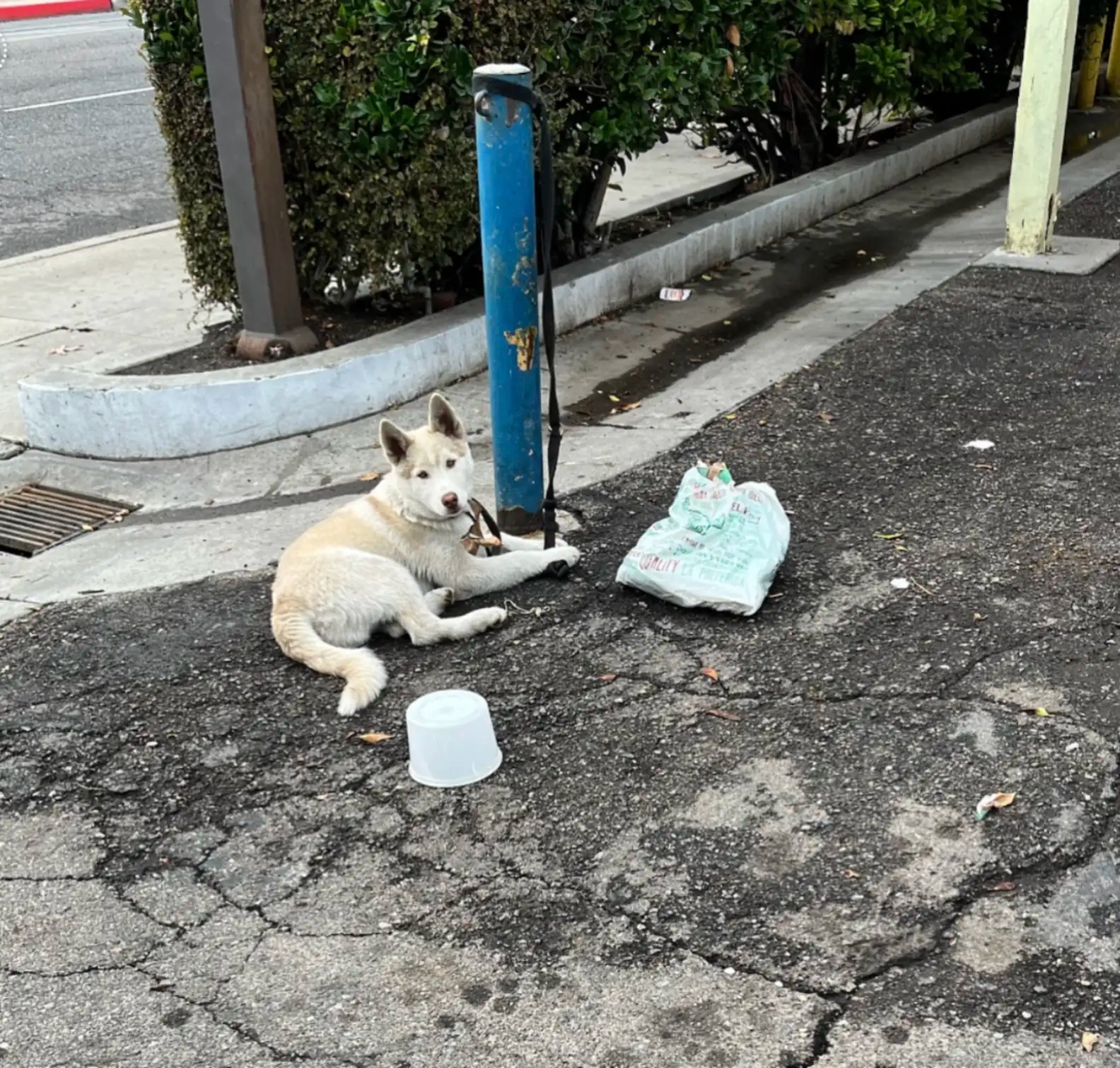
Beautiful White Puppy Left Tied To Pole Waits Days For Someone To Rescue Him

He had no food or water 😔

By Maeve Dunigan

Published on the 15th February, 2024

Alone on a cracked patch of cement, a white dog named Buckley stared up the street from where he was left tied to a pole in Santa Monica, California. For days, the gentle dog waited for someone to notice him, hoping they might take him somewhere safe.

LOVE LEO RESCUE

One day, a local rescuer passing by noticed Buckley’s big brown eyes. She couldn’t believe the 6-month-old husky puppy was alone without food or water. She knew she had to help.

Soon, Buckley was off the streets, safe in the expert hands of Love Leo Rescue.

LOVE LEO RESCUE

Meeting the pup for the first time, rescuers felt moved by Buckley’s warmth and resilience.

“Buckley is an exceptional dog,” Love Leo Rescue director Sasha Abelson told The Dodo. “He is well balanced and loving and didn’t let his previous experiences change his lovely personality.”

The wayward pup eventually moved in with a foster family. Lately, he’s enjoyed spending lots of time outside with his new friends.

“Buckley is a typical, happy-go-lucky husky,” Leo said. “He loves playing with his dog friends and learning new skills. He loves going for hikes and also cuddling near his humans. He is just a perfect family dog.”

LOVE LEO RESCUE

For now, Buckley is still searching for his forever home, hoping his family finds him soon.

“Buckley would love to go into a home that is active and preferably a home with another playful, balanced dog,” Leo said. “We think a dog brother or sister would be wonderful for him.”

With any luck, Buckley won’t be waiting very much longer.

ooOOoo

Now it is just possible that a person who reads this story will want to adopt Buckley. If that is the case then visit the Love Leo Rescue website for more details.

Fingers very tightly crossed that Buckley finds his home soon!

Picture Parade Four Hundred and Twenty

An addition at the start of today’s Picture Parade!

That is Sharyn’s German Shepherd whose name is Rayleigh. (It is a shame that it isn’t a bigger picture of Rayleigh.)

Wonderful.

Now for the photographs from Unsplash.

oooo

Photo by Poovarasan K on Unsplash

oooo

Photo by Henos Solomon on Unsplash

oooo

Photo by Sofia Guaico on Unsplash

oooo

Photo by Anna Dudkova on Unsplash

oooo

Photo by Tahoe on Unsplash

oooo

Photo by Dustin Bowdige on Unsplash