This was a story that was published by The Dodo last November 18th. It is a delightful account of an ex-rescue dog who is now in loving hands.
ooOOoo
Pregnant Rescue Dog Gets The Ultimate Maternity Shoot
“Lily Mae was born to model” 📸
By Lily Feinn
Published on the 13th November, 2020
Ryan Fant was out for a walk in a park in Little Rock, Arkansas, when he spotted a beautiful golden retriever running around without a collar. He approached the dog and started to play with her. When she began to follow him home, Fant decided to take in the lost dog and name her Lily Mae.
After a month of searching for her owner without luck, Fant decided to make Lily a permanent part of his family. But he soon noticed that the once-skinny dog’s stomach was growing … and growing.
INSTAGRAM/CAITIESFOSTERFAM
A vet confirmed that Lily Mae was pregnant, so Fant reached out to his friend Caitie Evers for help. With years of experience fostering new dog mamas and their pups, Evers was the perfect person to help Lily through this difficult time.
When Lily arrived, Evers was surprised that her growing belly didn’t seem to slow her down one bit. “She acts totally normal and makes me nervous with her running and jumping,” Evers told The Dodo. “She is a total sweetheart. She is a stage five clinger who prefers to be in my lap every moment.”
INSTAGRAM/CAITIESFOSTERFAM
With Lily’s due date just days away, Evers decided to get the word out about her puppies. And what better way to make the announcement than with an adorable maternity photo shoot?
“I have fostered a lot of pregnant dogs and new mama dogs and I have always said I wanted to do a photo shoot for them to gain attention for the foster/rescue dogs of the world,” Evers said. “So many people are amazed when they realize she is a rescue dog. I think it’s important to get the information out there that you can really truly find every single type of dog in rescue.”
SHAUNA KIELY PHOTOGRAPHY
She contacted her photographer friend and fellow rescuer Shauna Kiely, and the two set up the photo shoot for the very next day. Lily was excited to be the center of attention and get special hugs from Evers.
SHAUNA KIELY PHOTOGRAPHY
“Lily Mae was born to model,” Evers said. “She loved it and it only took like 30 minutes total!”
SHAUNA KIELY PHOTOGRAPHY
Two days later, Lily went into labor and gave birth to eight perfect puppies. Mama and the seven boys and one girl are all happy and healthy — thanks to the loving rescuer who saved them from the street and their kind foster mom.
“They are chunky babies at already almost a pound each,” Evers said. “They are doing wonderful and are healthy and active. Mom snuggles them and loves them but is also trusting me to care for them all. She allows me to change their bedding but if I take too long she’ll start putting them back on her own.”
INSTAGRAM/CAITIESFOSTERFAM
Once the babies are weaned, they will be available for adoption through the Houston-based rescue Chip N Snip, and Lily Mae will return to Arkansas to live with her dad. But, for now, the only thing Lily Mae cares about is being the best mom she can be.
To stay up-to-date on Lily Mae and her puppies’ journey, you can follow them on Instagram. If you’re interested in adopting one of Lily Mae’s puppies and live in a 3-hour radius of Houston, you can reach out to Chip N Snip here.
ooOOoo
We know totally the special joy and companionship that comes from dogs who had a rough start to their lives.
Oh how much we would like to adopt a couple of the darling puppies. But firstly we are trying to be strict in not weakening our resolve not to have more dogs and, secondly, we are thankfully more that three hours radius from Houston.
It really is delightful when someone comes along and reliably offers to submit a guest post or two, or three, or more. That person is John Brooks and he has submitted many posts; the last one being Ageing Gracefully Applies To Our Dogs As Well. It may be found here.
But before going on I would just like to say thank you to the very helpful comments about Pedi and his diabetes.
So without any further ado here is John’s latest:
ooOOoo
Pigs, Dogs, and Other Pets: Do They Get Along?
By John Brooks, December 3rd, 2020
Pigs are extremely intelligent animals, and this intelligence makes them great, loving and attentive pets. Most people opt for American miniature pigs as pets. This breed is a descendant of potbelly pigs and other small feral pig breeds. Breeders have specifically created miniature pigs to be smaller and lighter than full-sized pigs, so they can trot around the house like a dog or cat would. Most American miniature pigs will weigh between 50-75 pounds and stand 12-15-inches tall.
Ultimately however, it does not matter whether you have a full-sized or miniature pig, their ability to interact with other animals remains the same. Bringing a pig into a situation with other pets or bringing home a new pet when you already have a pet pig can be a stressful time. Pigs are prey animals. They typically react to new situations with fear.
But, you can cut down on your pet pig stress by choosing the right companion animal for them. Pigs can get along with other pets, you just need to make the introduction and relationship as safe and healthy as possible. Here we explain how to do just that.
Pigs and Dogs
Pigs and dogs living together in harmony is a big concern for most pet owners. There are plenty of photos online of pigs and dogs as best friends. But, do not count on your pig and dog getting along. Pigs are prey animals and dogs are predators. It is very easy for instinct to take over for both animals, especially if you are not there to supervise the interaction.
In addition to their instinctual behaviors, pigs and dogs have different social cues. Both are playful and intelligent animals, but their body language will be completely different. Your pig may annoy your dog and vice versa because they are unable to understand that the other animal needs a break.
These complications do not mean a pig and dog can get along. You just have to take precautions. If you do have a dog and pig together in the same household, it is essential that you supervise all of their interactions. Ultimately, if you are going to let your piggy roam free, your dog will need to be in a crate while you do so, or in another room or outside.
Pigs and Other Pets
As far as other pets are concerned, pigs will do well with almost any other prey animal. If you are searching for a friend for your piggy, here are the most common pig and pet relationships, and tips for making these relationships work:
Cats
In general, pigs and cats do well together. Despite cats being predators, the website All About Cats state that pigs have similar personality traits to cats. Additionally, cats are much less likely to hurt a pig than a dog. Even miniature pigs weigh from 50-100 pounds. It will be very hard for a common housecat to injure this size animal.
As with all animals, you will need to ensure the personalities of your cat and pig work well together. A lazy cat and playful pig will not be a good combination. However, a cat and pig with complementary personalities will likely get along just fine.
Farm Animals
Personality will come into play when introducing pigs to other farm animals. Animals that tend to buck or head-butt can hurt a pig. Similarly, pigs can bite if they feel threatened. Always test out a farm animal with a pig under supervision before putting them in a pasture together.
Farm animals that work well with pigs include sheep, goats, cows, donkeys, horses, and llamas. Obviously, you will need a lot of property to house any of these animals. Pigs work well in the same pasture as other farm animals, but it is better to give them their own living quarters in a barn or lean-to.
Conclusion
Pigs can be an amazing pet. They are trainable and affectionate. You can even teach them to walk on a harness. But, you will need to take some care in finding them a friend. Pigs can become close to many different species of animals. Some just work better than others.
Keep the personality of your pig in mind when looking for a companion. You will also want to keep early interactions short. Finally, supervision is key when it comes to successful relationships between your pig, dog, and other pets.
ooOOoo
Another brilliant essay.
Thank you to John and I write on my own behalf and, I am certain, on behalf of many, many other people.
In recent weeks Pedi, one of our two smaller dogs, ergo Sweeny and Pedi, was peeing without control and drinking lots of water to go with it.
We rang Jim last week, who used to be our neighbour but they then moved to Roseburg, who is a veterinary doctor and he thought it likely when he heard the symptoms that it was diabetes. We had an appointment with Lincoln Road Veterinary Clinic on Tuesday.
At Lincoln Road Veterinary Clinic, we believe pets are a part of the family. Our teamwork philosophy strives to provide the best choices for your pet by keeping you informed of treatment options and recommendations. Our team of skilled professionals apply advanced diagnostic and treatment techniques to provide the best medical and surgical care available for your pet.
Our office is conveniently located on the west edge of Grants Pass in a warm and inviting country setting. We have a dog park so your furry friends can exercise and play!
We were seen by Dr. Karen who also thought that was the case. She took a blood sample and then rang us at home about 2 hours later to confirm.
That gave us enough time to go back into town and to the Walmart pharmacy to purchase the insulin and the needles.
We were under clear instructions from Dr. Karen to inject Pedi with insulin 30 minutes after food and to give him food every 12 hours. We chose to feed Pedi at 04:30 and 16:30 local time every day and then give him his injection at 05:00 and 17:00.
We have an appointment next Wednesday morning, the 9th, to confirm that Pedi is on the ‘right track’. Having insulin injections will be Pedi’s routine for the rest of his life.
The American Kennel Club have quite a long piece on diabetes in dogs, from which I quote:
Treatment of Diabetes in Dogs
Diet. Your veterinarian will recommend the best type of diet for your diabetic dog. Usually this will include some good-quality protein, as well as fiber and complex carbohydrates that will help to slow absorption of glucose. Your vet may also recommend a diet with relatively low fat content.
Exercise. To help avoid sudden spikes or drops in glucose levels, it is especially important that diabetic dogs maintain a moderate but consistent exercise routine.
Injections. Most diabetic dogs will require daily shots of insulin under the skin, something that the owner will have to learn to do. Although it’s understandable to be apprehensive about doing this, it’s not as hard as it might sound. It can become a quick and easy daily routine that isn’t traumatic at all for either dog or owner.
This is a photograph that I took of Pedi yesterday.
He really is not aware of the disease.
It’s up to Jean and me to administer the insulin and keep him happy!
For some reason when one goes to “See more” it doesn’t stay that way.
So this is provided as follows:
Albert cries a lot and craves people around him. He is often found curled up in his basket but with his eyes open. If we could fix Alberts bereavement we would. Our Albert is a down hearted senior in kennels. This larger Staffy cross is nine years old and we are now working hard to find him a quiet and warm home and a very loving human. Life can be very cruel for hounds and humans and loss is a terrible thing for both. Although a painful story for a senior dog we now work towards finding a new chapter for Albert as soon as possible. We have visions of Albert curled up by an open fire this Christmas next to his new owners slippers. Happy are we that the heartbroken Albert face is gone and back is one happy staffy smile. Please support. Please share. Help us to find Albert the spark that lights his fire this Christmas. More details and applications forms are available at www.goodlifedogrescue.co.uk
I was first alerted to this by Lisa, my son’s partner.
I am not saying anything new but just reiterating what has been said before: 2020 is going to go down as the year from hell! And I don’t think that is too strong a word!
Part of it are the news stories that sweep the world: Covid-19; Brexit; Climate change; up until yesterday what was President Trump going to do in his last few weeks; etc; etc.
Also part of it is the way that news and more news and, yes, more news is flashed around the globe. Most of it bad news as we all know that bad news sells!
Finally, part of it is the new world of social media especially messaging on a smartphone. President Trump isn’t the only one to communicate greatly via Twitter.
Now, speaking personally, I couldn’t have got through this year without Jeannie and our dogs.
Pure bliss!
But, nevertheless, something has changed and Mark Satta has written an article that tries to explain things.
ooOOoo
Three reasons for information exhaustion – and what to do about it
By Mark Satta, Assistant Professor of Philosophy, Wayne State University.
November 18th, 2020
An endless flow of information is coming at us constantly: It might be an article a friend shared on Facebook with a sensational headline or wrong information about the spread of the coronavirus. It could even be a call from a relative wanting to talk about a political issue.
All this information may leave many of us feeling as though we have no energy to engage.
As a philosopher who studies knowledge-sharing practices, I call this experience “epistemic exhaustion.” The term “epistemic” comes from the Greek word episteme, often translated as “knowledge.” So epistemic exhaustion is more of a knowledge-related exhaustion.
It is not knowledge itself that tires out many of us. Rather, it is the process of trying to gain or share knowledge under challenging circumstances.
Currently, there are at least three common sources that, from my perspective, are leading to such exhaustion. But there are also ways to deal with them.
1. Uncertainty
For many, this year has been full of uncertainty. In particular, the coronavirus pandemic has generated uncertainty about health, about best practices and about the future.
Experiencing uncertainty can stress most of us out. People tend to prefer the planned and the predictable. Figures from 17th-century French philosopher René Descartes to 20th-century Austrian philosopher Ludwig Wittgenstein have recognized the significance of having certainty in our lives.
With information so readily available, people may be checking news sites or social media in hopes of finding answers. But often, people are instead greeted with more reminders of uncertainty.
As Trump supporters denounce the 2020 election results, feelings of uncertainty can come up for others. Karla Ann Cote/NurPhoto via Getty Images
Many writers have discussed the negative effects of polarization, such as how it can damage democracy. But discussions about the harms of polarization often overlook the toll polarization takes on our ability to gain and share knowledge.
Second, polarization can lead to competing narratives because in a deeply polarized society, as studies show, we can lose common ground and tend to have less agreement.
For those inclined to take the views of others seriously, this can create additional cognitive work. And when the issues are heated or sensitive, this can create additional stress and emotional burdens, such as sadness over damaged friendships or anger over partisan rhetoric.
As chess grandmaster Garry Kasparov put it: “The point of modern propaganda isn’t only to misinform or push an agenda. It is to exhaust your critical thinking, to annihilate truth.”
Misinformation is often exhausting by design. For example, a video that went viral, “Plandemic,” featured a large number of false claims about COVID-19 in rapid succession. This flooding of misinformation in rapid succession, a tactic known as a Gish gallop, makes it challenging and time-consuming for fact checkers to refute the many falsehoods following one after another.
What to do?
With all this uncertainty, polarization and misinformation, feeling tired is understandable. But there are things one can do.
The American Psychological Association suggests coping with uncertainty through activities like limiting news consumption and focusing on things in one’s control. Another option is to work on becoming more comfortable with uncertainty through practices such as meditation and the cultivation of mindfulness.
To deal with polarization, consider communicating with the goal of creating empathetic understanding rather than “winning.” Philosopher Michael Hannon describes empathetic understanding as “the ability to take up another person’s perspective.”
As for limiting the spread of misinformation: Share only those news stories that you’ve read and verified. And you can prioritize outlets that meet high ethical journalistic or fact-checking standards.
These solutions are limited and imperfect, but that’s all right. Part of resisting epistemic exhaustion is learning to live with the limited and imperfect. No one has time to vet all the headlines, correct all the misinformation or gain all the relevant knowledge. To deny this is to set oneself up for exhaustion.
ooOOoo
That last section, What to do?, is full of really sensible advice. In fact, the American Psychological Association has an article at the moment that appears to be freely available called Healing the political divide.
I intend to read it.
It finishes up saying:
Scientists must strive to share their research as broadly as possible. And they don’t have to do it alone. Organizations like More in Common work to conduct research and communicate findings to audiences where it can have the greatest impact.
Advocacy is essential as well. Other countries that have made strides in addressing the political divide relied heavily on government-led reconciliation efforts. The Truth and Reconciliation Commission, for example, in South Africa, has been fundamental in addressing disparities and conflict around Apartheid.
Were the United States to consider similar, government-backed efforts, psychologists must be part of the call to do so. And the behavioral expertise of the field would be central to success.
“The collective mental health of the nation is at risk,” says Moghaddam. “Just as we should rely on epidemiological science to tell us when there is a vaccine ready for mass use, we have to rely on psychological science to guide us through these mental health issues.”
And following an election that, for many, has felt like the most polarized of a lifetime, this piece seems critical. “ This is what our profession is all about,” says Moghaddam.
Good advice especially if you can take time off just losing oneself in nature.
Dawn behind nearby Mt. Sexton. Taken from our deck on the 21st August, 2019.
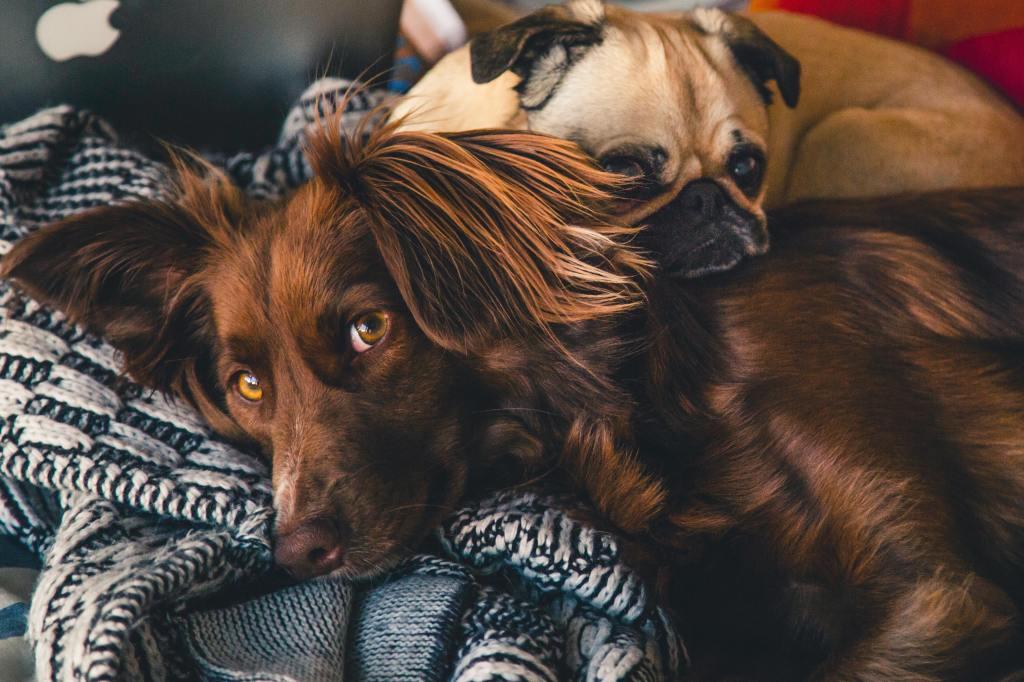
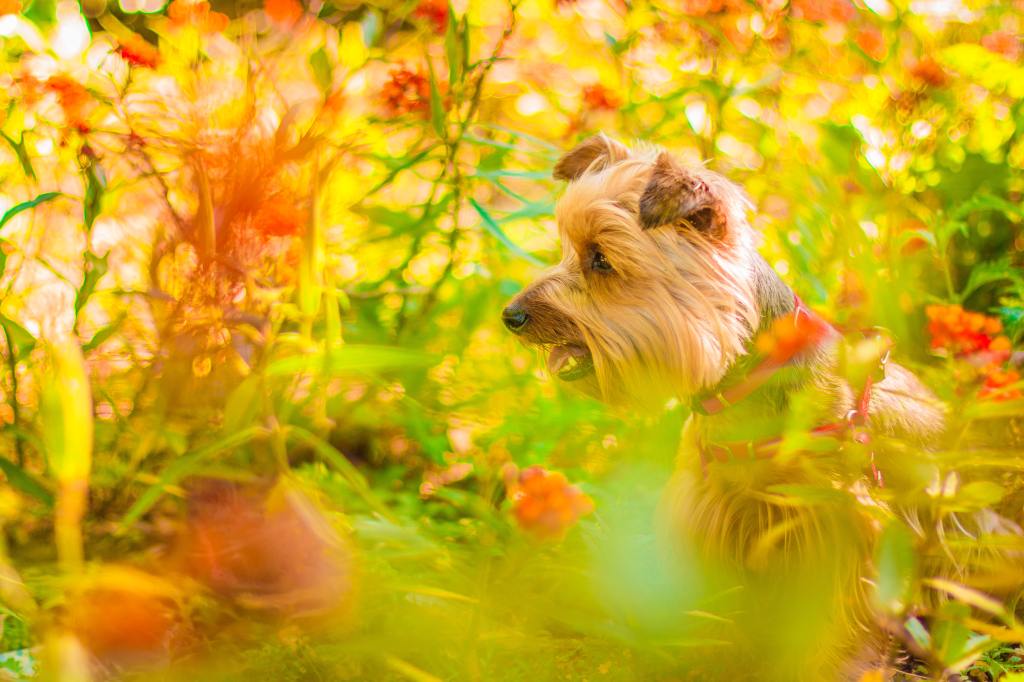
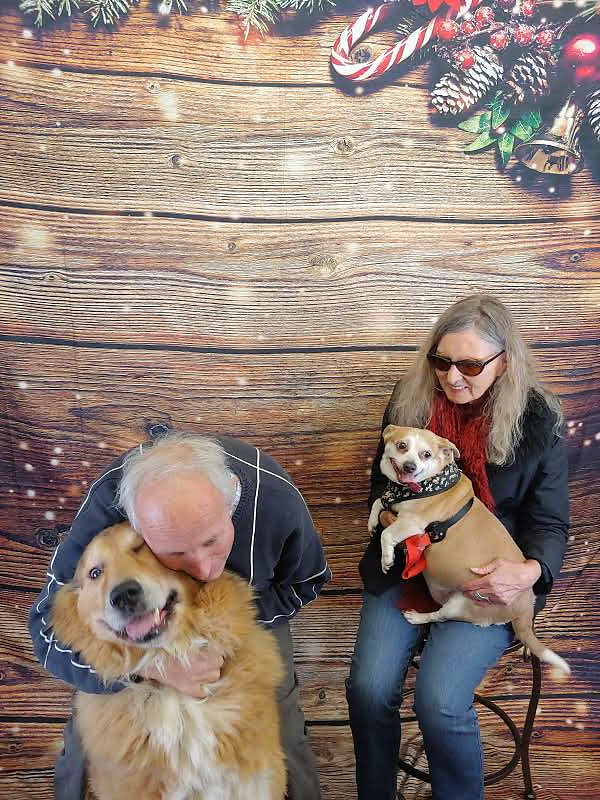
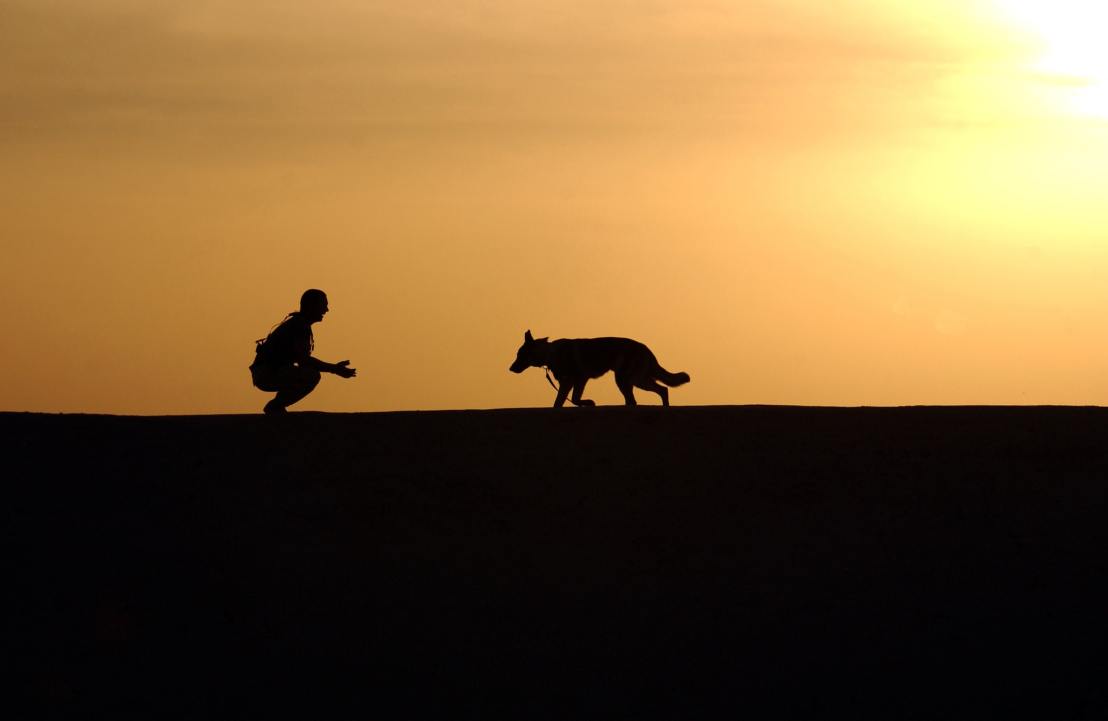
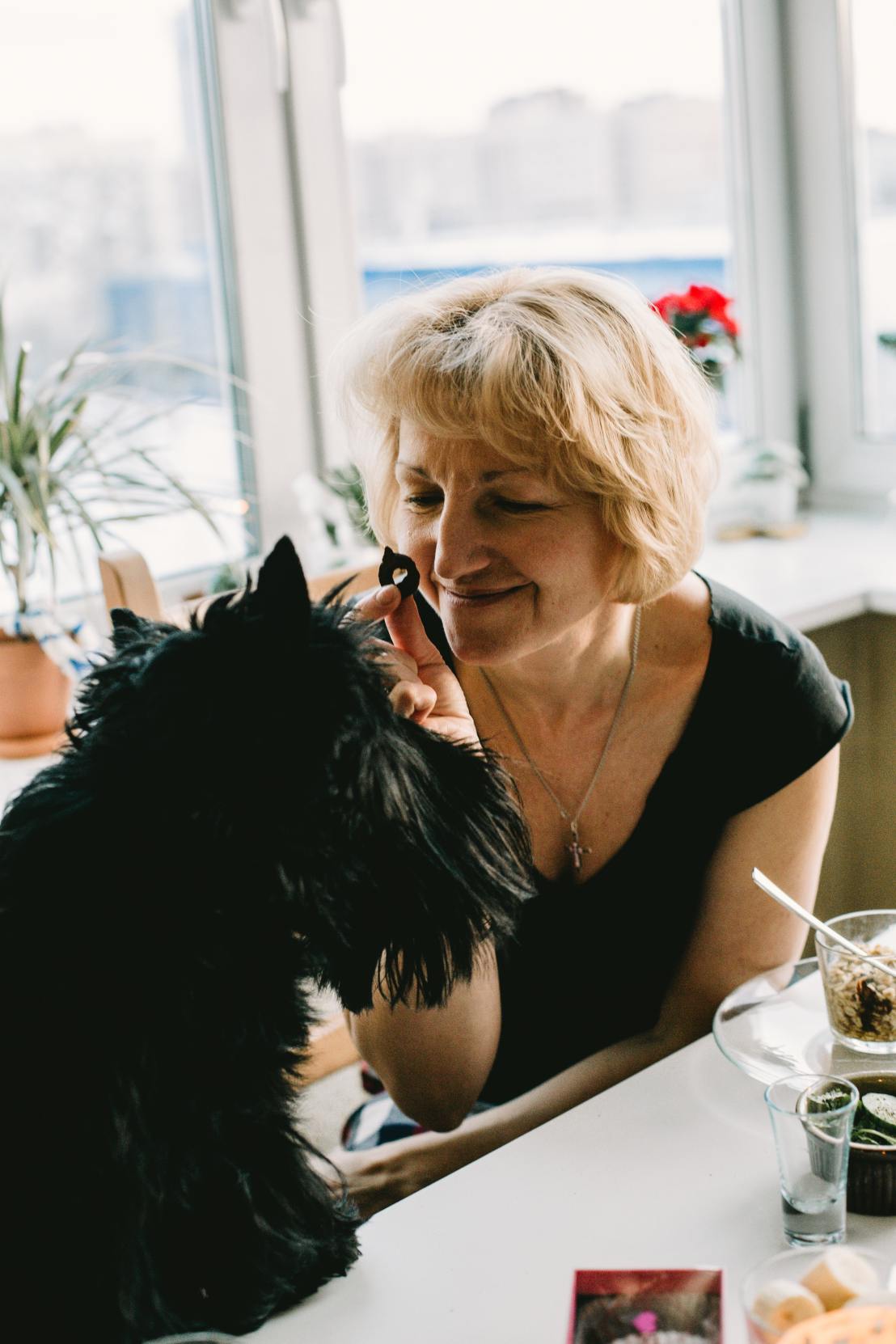
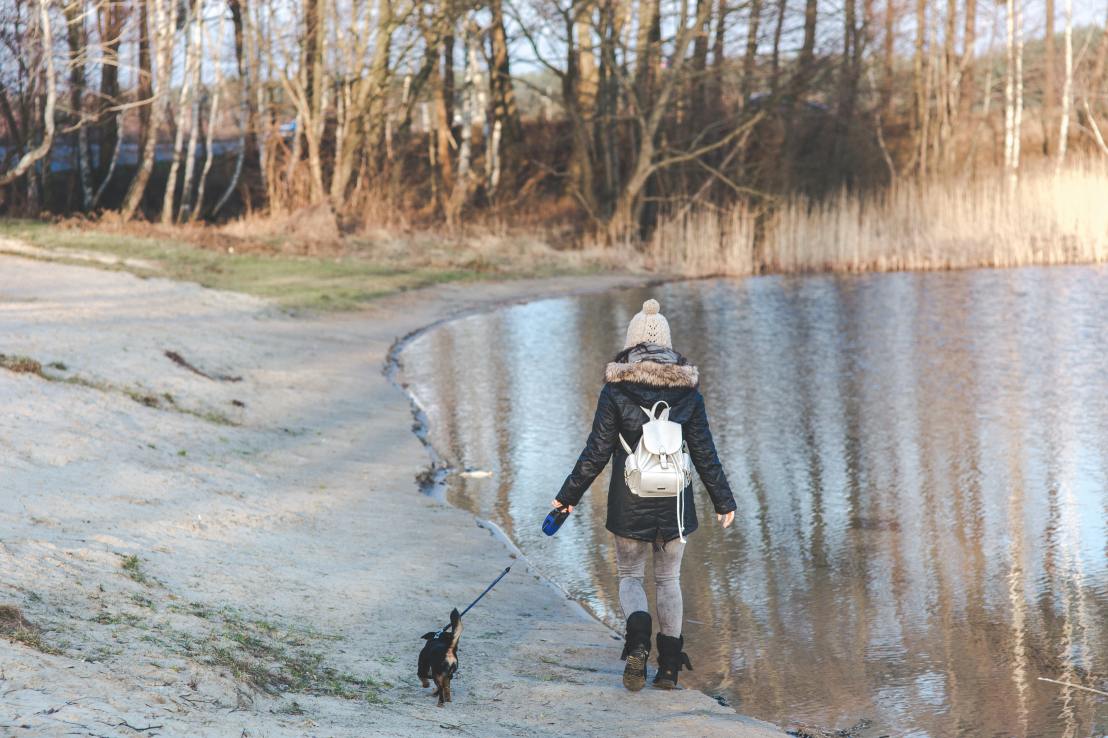
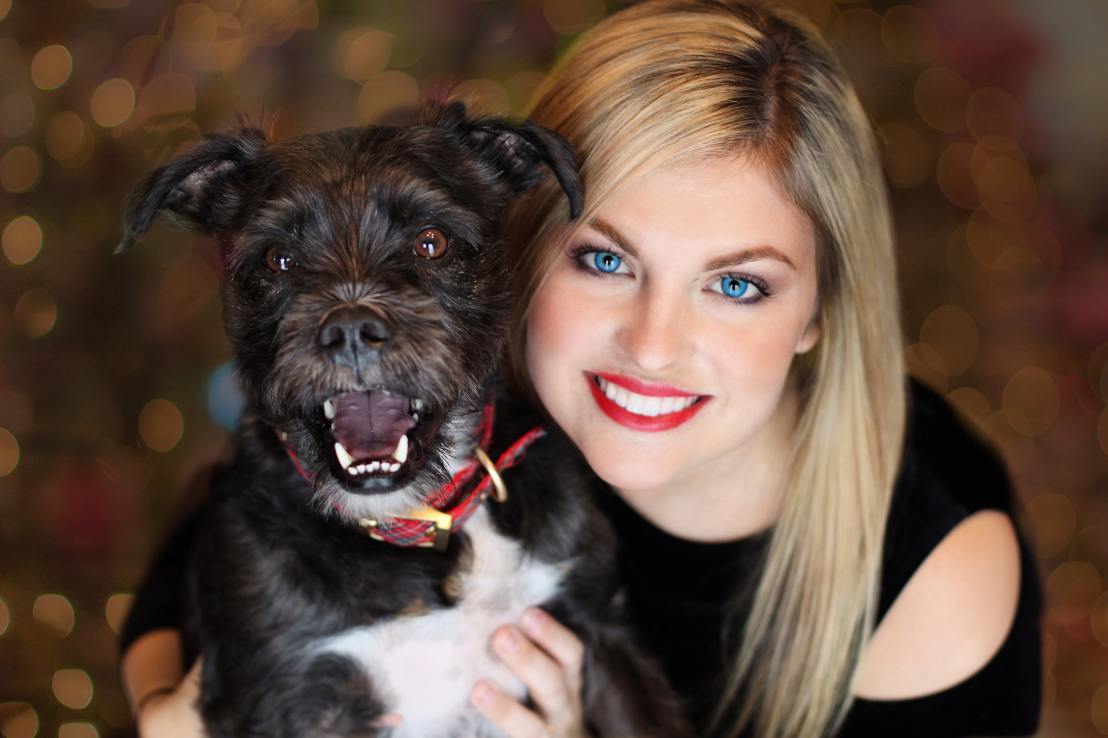
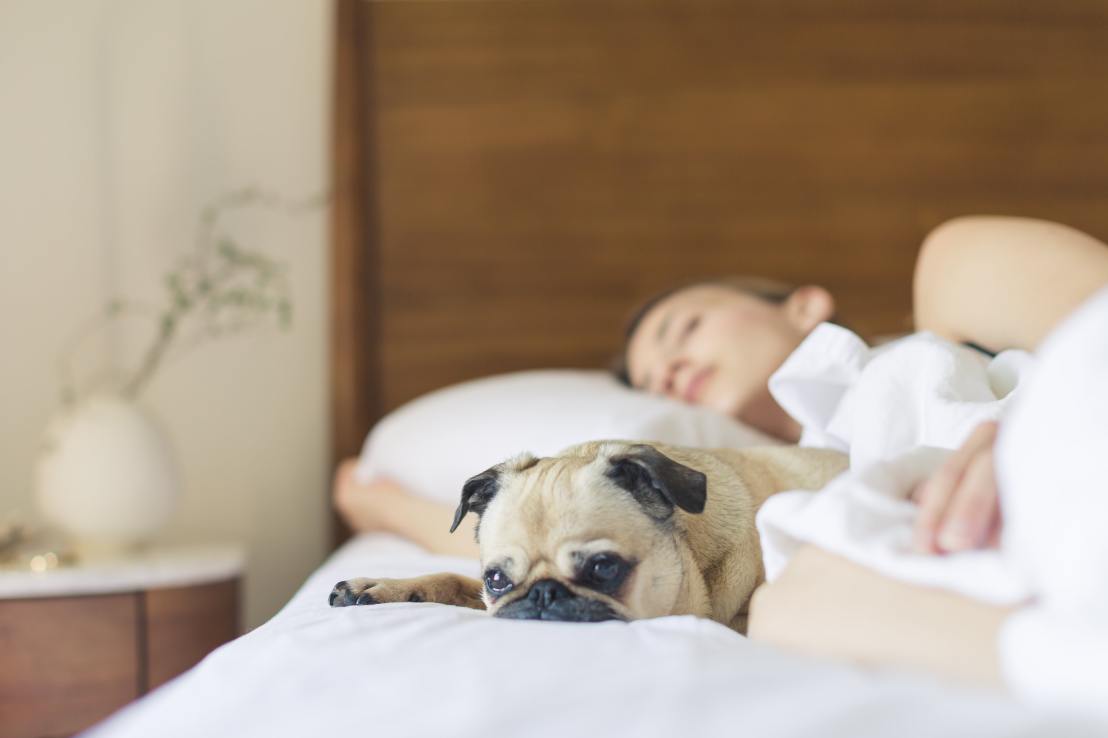
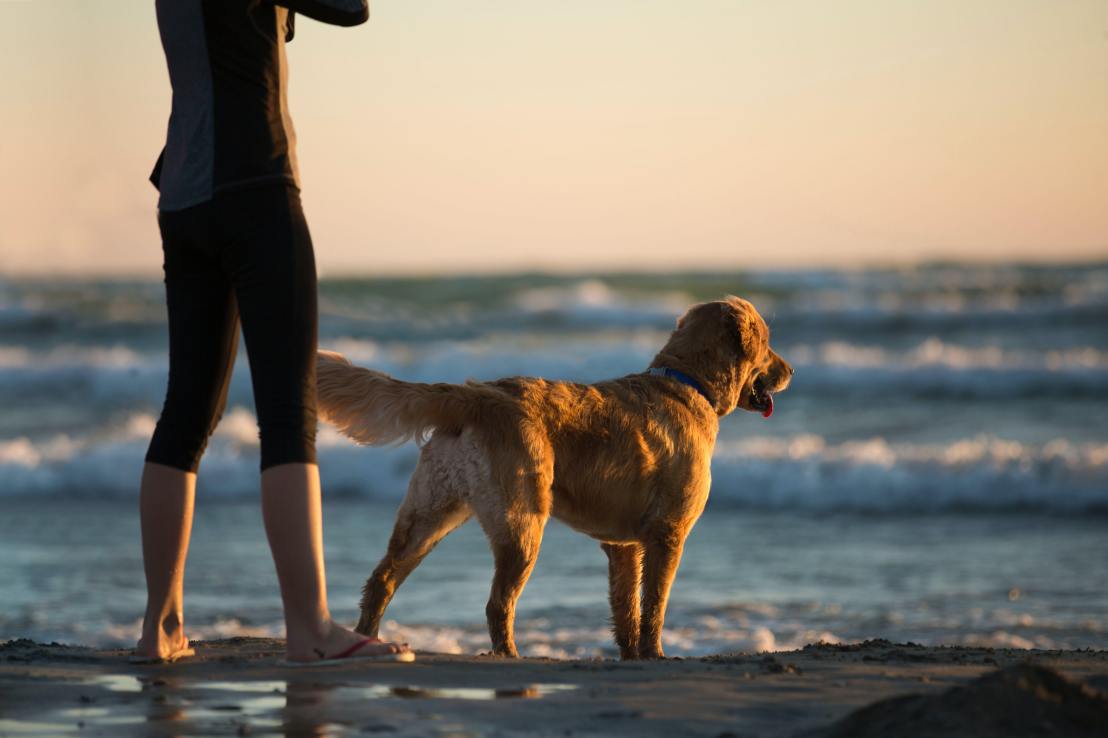
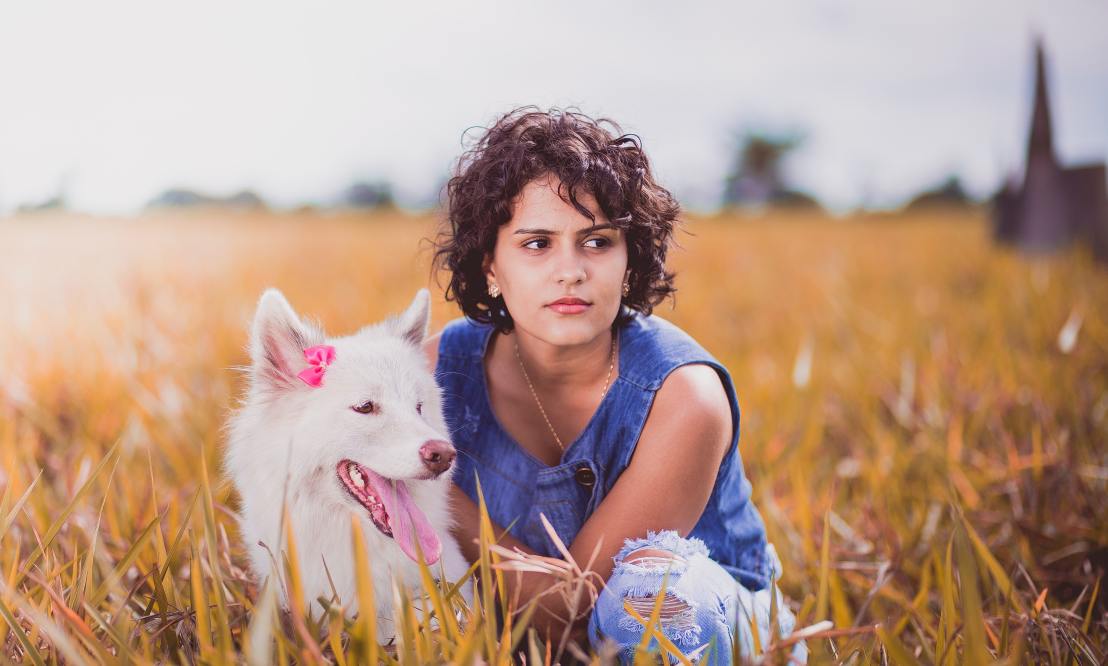
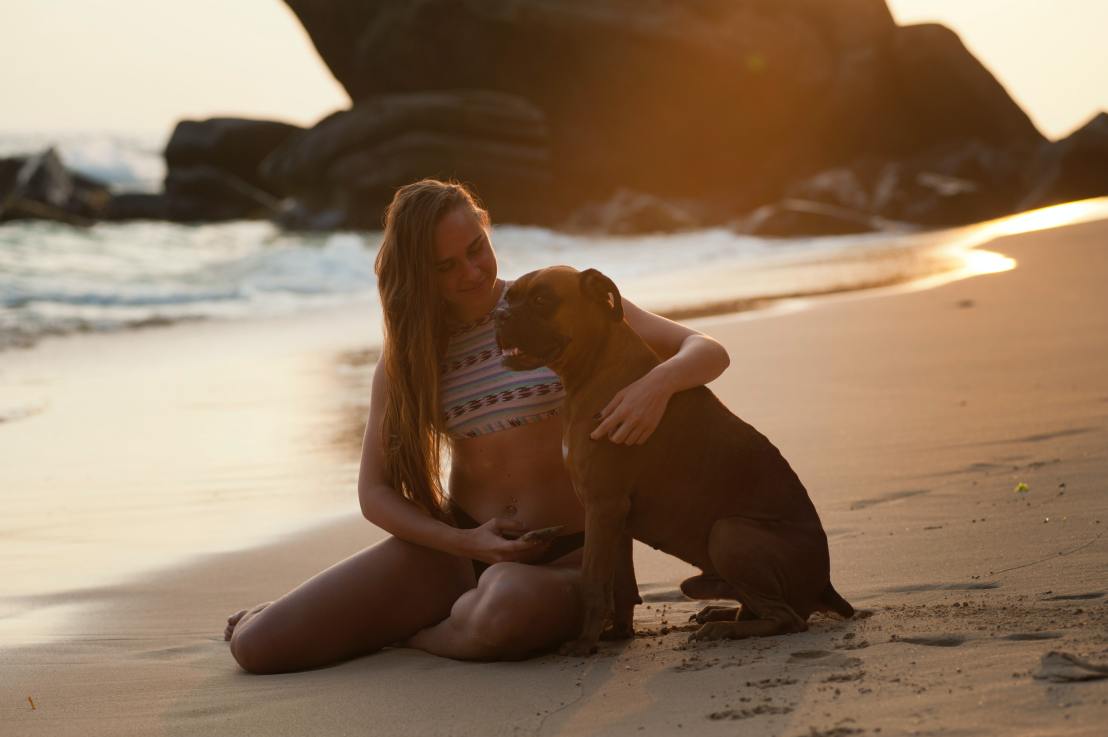
First of all I must again thank Pexels for providing these photographs. They are from a grouping called Man’s Best Friend.
This is the theme. That dogs are our closest and longest animal companions by far. Indeed, the era that humans befriended wolves is so long ago that an exact time is far from settled. Here’s a piece in the August 2020 issue of Scientific American magazine:
In the 14,000 to 40,000 years during which this domestication process occurred, wild wolves were probably doing better than dogs in terms of numbers – after all, our dogs were probably another food source for humans when times became lean. The first written record of a wolf hunt was recorded in the sixth century B.C.E., when Solon of Athens offered a bounty for every wolf killed.
So in all these photographs today there is a human with the dog!
Doodle is a super happy, loving tripod dog who is absolutely obsessed with food. Her family has to keep an eye on her when she’s around food, because she’s always on a mission to try and steal it.
BRANDY STENZEL
One day, Doodle’s mom was doing laundry when she suddenly realized that she had no idea where Doodle was.
“I first noticed she was missing after I didn’t see her next to me which she’s normally pretty close to me when I’m home,” Brandy Stenzel, Doodle’s mom, told The Dodo.
For the next half hour, Stenzel searched everywhere for Doodle. She ran all around the house, searching from top to bottom, and even checked outside to see if she’d somehow escaped. She was at a loss and starting to panic — when suddenly, she heard a crunching sound.
“I knew that crunching sound was her but I didn’t know where it was initially coming from,” Stenzel said.
Finally, the crunching sound led her to the food bin, and there was Doodle. She had somehow squeezed herself inside and was very happily eating to her heart’s content.
BRANDY STENZEL
The lid had shut behind her, and while Doodle could have easily pushed it off and hopped out again, she was enjoying herself way too much. If her mom hadn’t found her, she may have never stopped eating.
“The food bin was hinged on one side so she easily could have hopped right out if she wanted to, but she’s a pork chop so she didn’t want to,” Stenzel said.
BRANDY STENZEL
As soon as Doodle saw her mom, she knew she was in trouble, but of course, it was still worth it.
“She knew she got caught so when that happens she puts her ears back and it makes her look like Dobby the house elf of ‘Harry Potter,’” Stenzel said.
BRANDY STENZEL
To avoid losing Doodle in the food bin again, her family got one that locks, much to her dismay. Whenever someone forgets to lock it, she’ll try to hop in and repeat her great food bin feast, but her mom is now always close by to stop her.
Doodle loves food, and she’ll never stop trying to steal it, no matter what.
ooOOoo
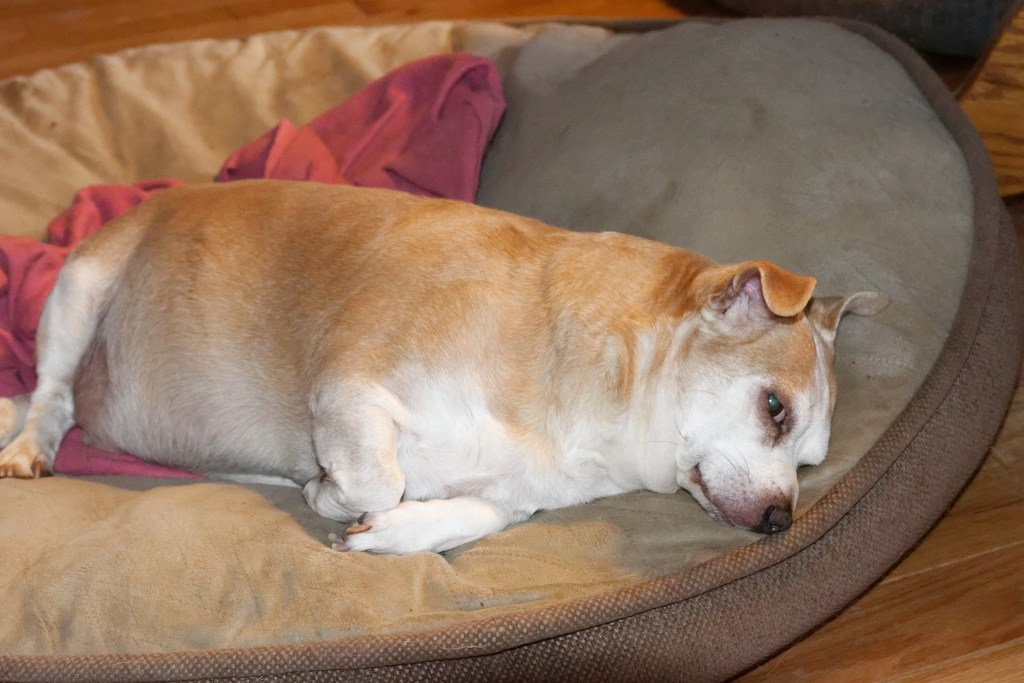
Yes, that’s a duplication of our Sheena.
Here’s a photograph of Sheena looking very serene and relaxed.
Sheena
Sheena is the most friendly of dogs and while we are uncertain of her age that is of no consequence.














 Learning from Dogs