Category: Health

Yet more about Mindfulness

I am returning to this subject.

Simply because it is so important to us humans. For the world we live in has changed, and changed drastically. Now we are ‘wired up’ and that means less time to do nothing.

In 2010 I presented a book review Mindfulness by Ellen Janger.

Now I want to share an article presented by The Conversation.

ooOOoo

Mindfulness won’t burn calories, but it might help you stick with your health goals

Meditation exists on a spectrum, from mindful moments and bursts of mindfulness to building up to a formal meditative practice. d3sign/Moment via Getty Images

Masha Remskar, Arizona State University

Most people know roughly what kind of lifestyle they should be living to stay healthy.

Think regular exercise, a balanced diet and sufficient sleep. Yet, despite all the hacks, trackers and motivational quotes, many of us still struggle to stick with our health goals.

Meanwhile, people worldwide are experiencing more lifestyle-associated chronic disease than ever before.

But what if the missing piece in your health journey wasn’t more discipline – but more stillness?

Research shows that mindfulness meditation can help facilitate this pursuit of health goals through stillness, and that getting started is easier than you might think – no Buddhist monk robes or silent retreats required.

Given how ubiquitous and accessible mindfulness resources are these days, I have been surprised to see mindfulness discussed and studied only as a mental health tool, stopping short of exploring its usefulness for a whole range of lifestyle choices.

I am a psychologist and behavioral scientist researching ways to help people live healthier lives, especially by moving more and regulating stress more efficiently.

My team’s work and that of other researchers suggests that mindfulness could play a pivotal role in paving the way for a healthier society, one mindful breath at a time.

Mindfulness unpacked

Mindfulness has become a buzzword of late, with initiatives now present in schools, boardrooms and even among first responders. But what is it, really?

Mindfulness refers to the practice or instance of paying careful attention to one’s present-moment experience – such as their thoughts, breath, bodily sensations and the environment – and doing so nonjudgmentally. Its origins are in Buddhist traditions, where it plays a crucial role in connecting communities and promoting selflessness.

Over the past 50 years, however, mindfulness-based practice has been Westernized into structured therapeutic programs and stress-management tools, which have been widely studied for their benefits to mental and physical health.

Research has shown that mindfulness offers wide-ranging benefits to the mind, the body and productivity.

Mindfulness-based programs, both in person and digitally delivered, can effectively treat depression and anxiety, protect from burnout, improve sleep and reduce pain.

The impacts extend beyond subjective experience too. Studies find that experienced meditators – that is, people who have been meditating for at least one year – have lower markers of inflammation, which means that their bodies are better able to fight off infections and regulate stress. They also showed improved cognitive abilities and even altered brain structure.

But I find the potential for mindfulness to support a healthy lifestyle most exciting of all.

A senior couple sitting on the beach, pressing their feet together as the woman pulls the man's arms forward in a stretch.
Mindfulness meditation may enhance the psychological skills needed to follow through on exercise and other health habits. Maria Korneeva/Moment via Getty Images

How can mindfulness help you build healthy habits?

My team’s research suggests that mindfulness equips people with the psychological skills required to successfully change behavior. Knowing what to do to achieve healthy habits is rarely what stands in people’s way. But knowing how to stay motivated and keep showing up in the face of everyday obstacles such as lack of time, illness or competing priorities is the most common reason people fall off the wagon – and therefore need the most support. This is where mindfulness comes in.

Multiple studies have found that people who meditate regularly for at least two months become more inherently motivated to look after their health, which is a hallmark of those who adhere to a balanced diet and exercise regularly.

A 2024 study with over 1,200 participants that I led found more positive attitudes toward healthy habits and stronger intentions to put them into practice in meditators who practiced mindfulness for 10 minutes daily alongside a mobile app, compared with nonmeditators. This may happen because mindfulness encourages self-reflection and helps people feel more in tune with their bodies, making it easier to remember why being healthier is important to us.

Another key way mindfulness helps keep momentum with healthy habits is by restructuring one’s response to pain, discomfort and failure. This is not to say that meditators feel no pain, nor that pain during exercise is encouraged – it is not!

Mild discomfort, however, is a very common experience of novice exercisers. For example, you may feel out of breath or muscle fatigue when initially taking up a new activity, which is when people are most likely to give up. Mindfulness teaches you to notice these sensations but see them as transient and with minimal judgment, making them less disruptive to habit-building.

Putting mindfulness into practice

A classic mindfulness exercise includes observing the breath and counting inhales up to 10 at a time. This is surprisingly difficult to do without getting distracted, and a core part of the exercise is noticing the distraction and returning to the counting. In other words, mindfulness involves the practice of failure in small, inconsequential ways, making real-world perceived failure – such as a missed exercise session or a one-off indulgent meal – feel more manageable. This strengthens your ability to stay consistent in pursuit of health goals.

Finally, paying mindful attention to our bodies and the environment makes us more observant, resulting in a more varied and enjoyable exercising or eating experience. Participants in another study we conducted reported noticing the seasons changing, a greater connection to their surroundings and being better able to detect their own progress when exercising mindfully. This made them more likely to keep going in their habits.

Luckily, there are plenty of tools available to get started with mindfulness practice these days, many of them free. Mobile applications, such as Headspace or Calm, are popular and effective starting points, providing audio-guided sessions to follow along. Some are as short as five minutes. Research suggests that doing a mindfulness session first thing in the morning is the easiest to maintain, and after a month or so you may start to see the skills from your meditative practice reverberating beyond the sessions themselves.

Based on our research on mindfulness and exercise, I collaborated with the nonprofit Medito Foundation to create the first mindfulness program dedicated to moving more. When we tested the program in a research study, participants who meditated alongside these sessions for one month reported doing much more exercise than before the study and having stronger intentions to keep moving compared with participants who did not meditate. Increasingly, the mobile applications mentioned above are offering mindful movement meditations too.

If the idea of a seated practice does not sound appealing, you can instead choose an activity to dedicate your full attention to. This can be your next walk outdoors, where you notice as much about your experience and surroundings as possible. Feeling your feet on the ground and the sensations on your skin are a great place to start.

For people with even less time available, short bursts of mindfulness can be incorporated into even the busiest of routines. Try taking a few mindful, nondistracted breaths while your coffee is brewing, during a restroom break or while riding the elevator. It may just be the grounding moment you need to feel and perform better for the rest of the day.

Masha Remskar, Psychologist and Postdoctoral Researcher in Behavioral Science, Arizona State University

This article is republished from The Conversation under a Creative Commons license. Read the original article.

ooOOoo

Moments of rest are essential, grounding moments as written in the article. The article is great and has great motivation to abide by the recommendations.

Please read carefully the article and change your ways.

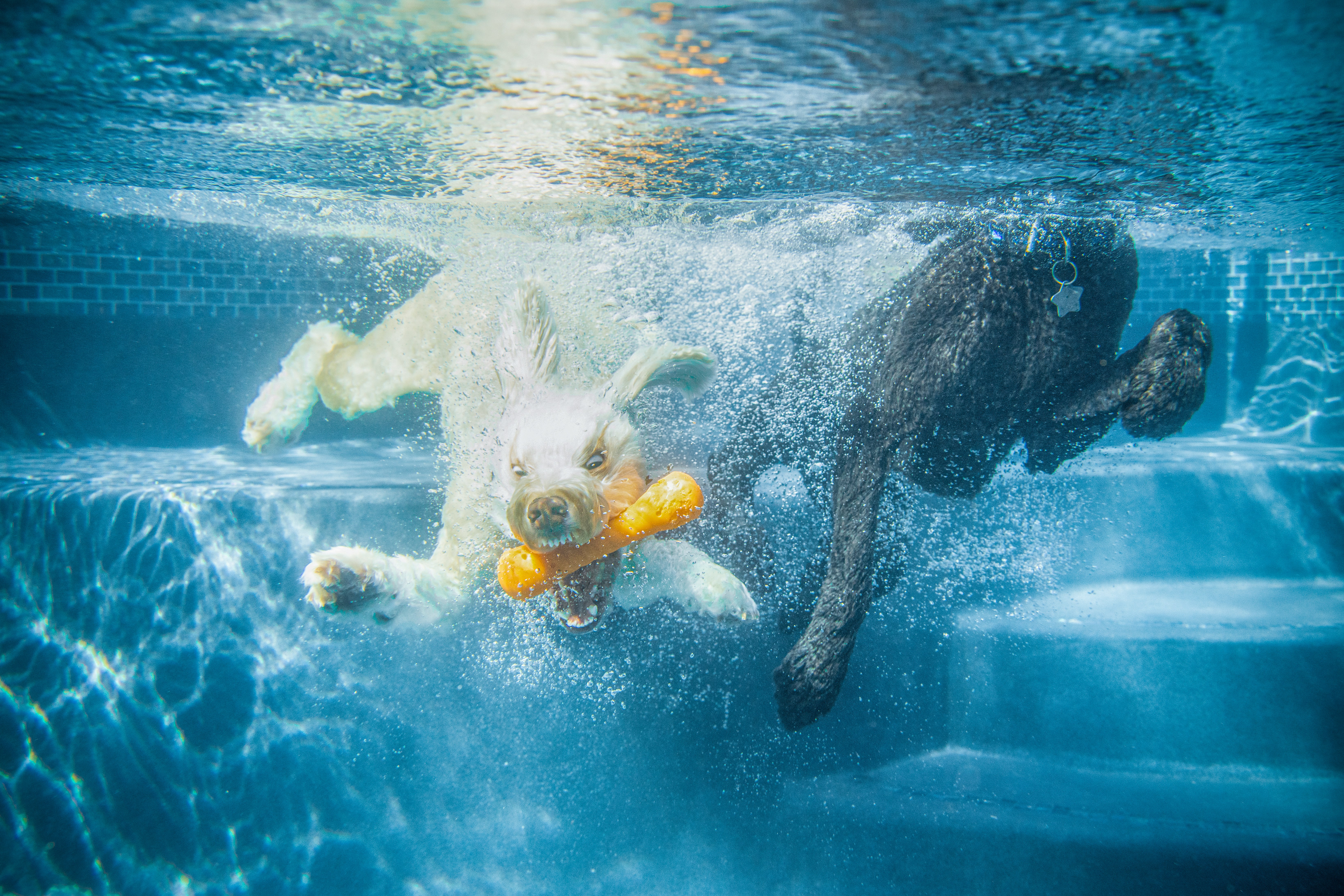
Picture Parade Four Hundred and Ninety

Last Picture Parade for September, 2025.

Again, the photos are downloaded from Unsplash.

Photo by Aldo Houtkamp on Unsplash

oooo

Photo by Monika Simeonova on Unsplash

oooo

Photo by C Perret on Unsplash

oooo

Photo by Oskar Kadaksoo on Unsplash

oooo

Photo by Marie Martin on Unsplash

oooo

Photo by Abhinav Anand on Unsplash

oooo

Photo by Aldo Houtkamp on Unsplash

Wonderful, beautiful animals!

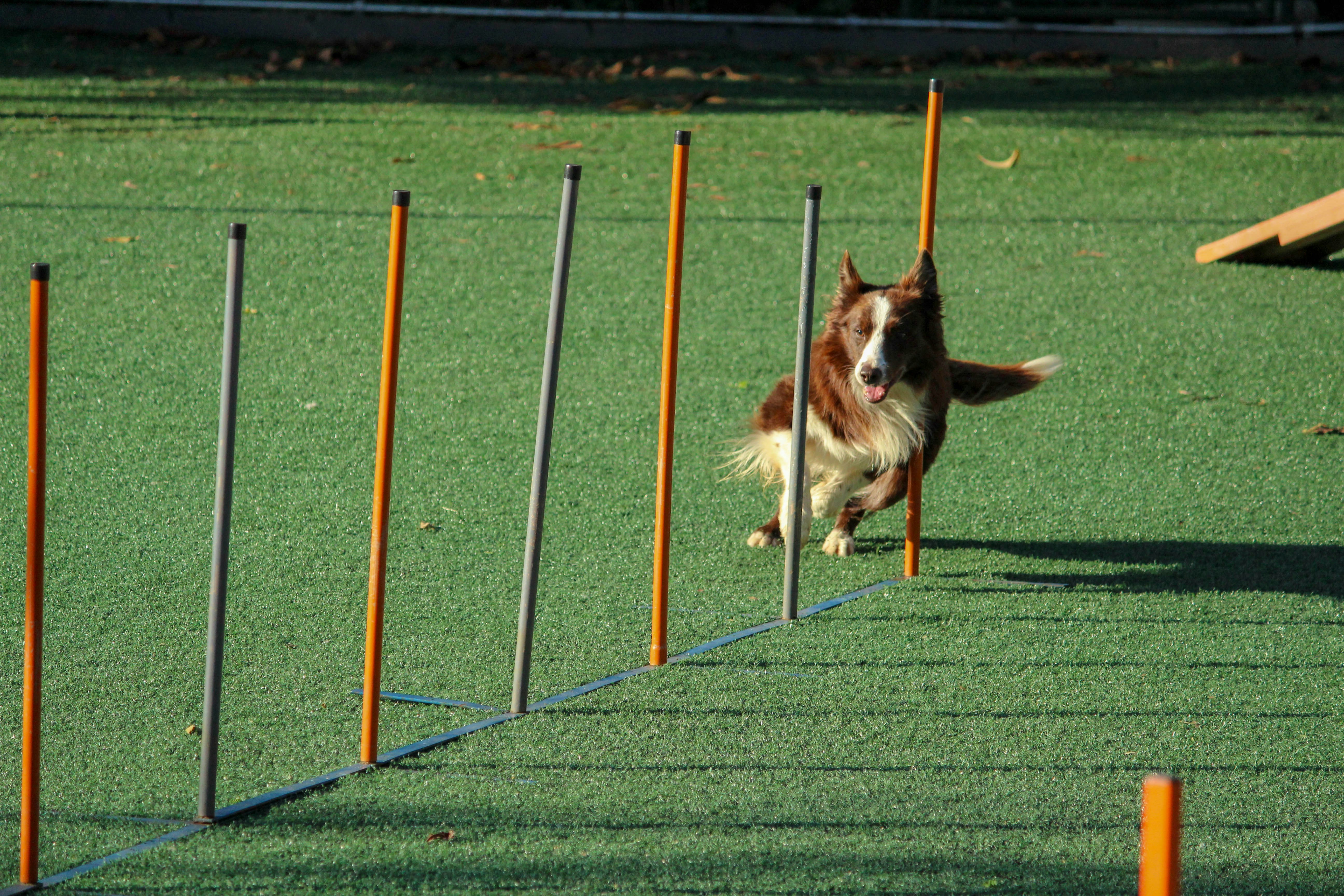
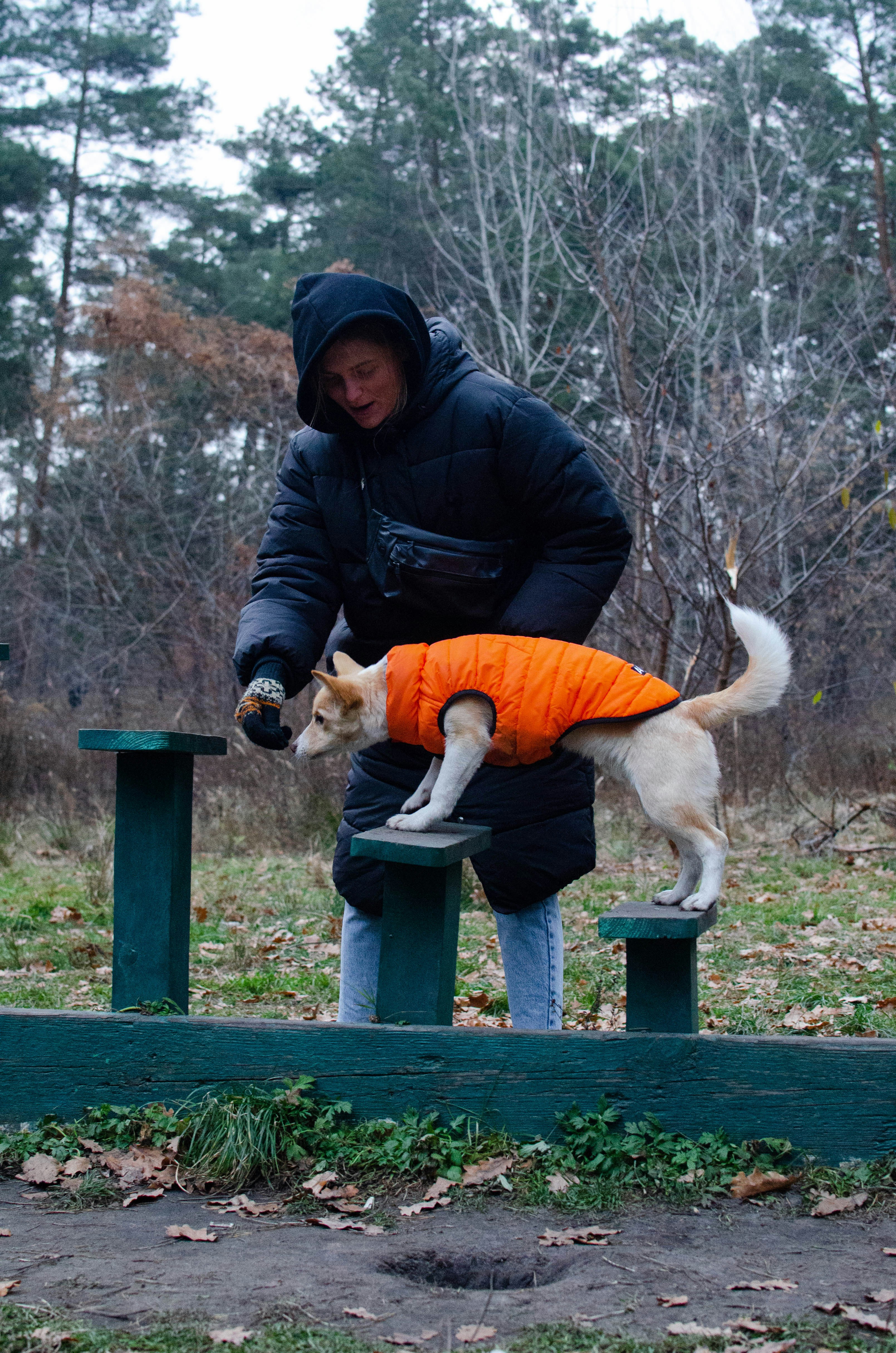
Picture Parade Four Hundred and Eighty-Nine

Back to dogs; this time dogs being trained.

Still with Unsplash. And apologies for any duplications.

Photo by John Tuesday on Unsplash

oooo

Photo by Reed Shepherd on Unsplash

oooo

Photo by Murilo Viviani on Unsplash

oooo

oooo

Photo by Oleksandr Horbach on Unsplash

oooo

Photo by Jamie Street on Unsplash

oooo

Photo by Rémy Penet on Unsplash

More photographs in a week’s time.

What a beautiful account!

From the find of the six puppies to the fantastic conclusion.

I subscribe to The Dodo. On September 5th Maeve Dunigan wrote an article that is so beautiful. I have permission to republish the story.

ooOOoo

Rescuers Hear Cries In Open Field — Then See Faces Peeking Out Of A Drain.

“[They] were friendly and very social.”

By Maeve Dunigan

Published on Sep 5, 2025

In a field near the Kansas Humane Society’s Murfin Animal Care Campus, a concrete storm drain peeks out of the green grass, its circular opening extending into a black tunnel below. One morning this past July, humane society team members arrived at work and heard a heartbreaking sound echoing from within this drain — the sound of animals crying for help.
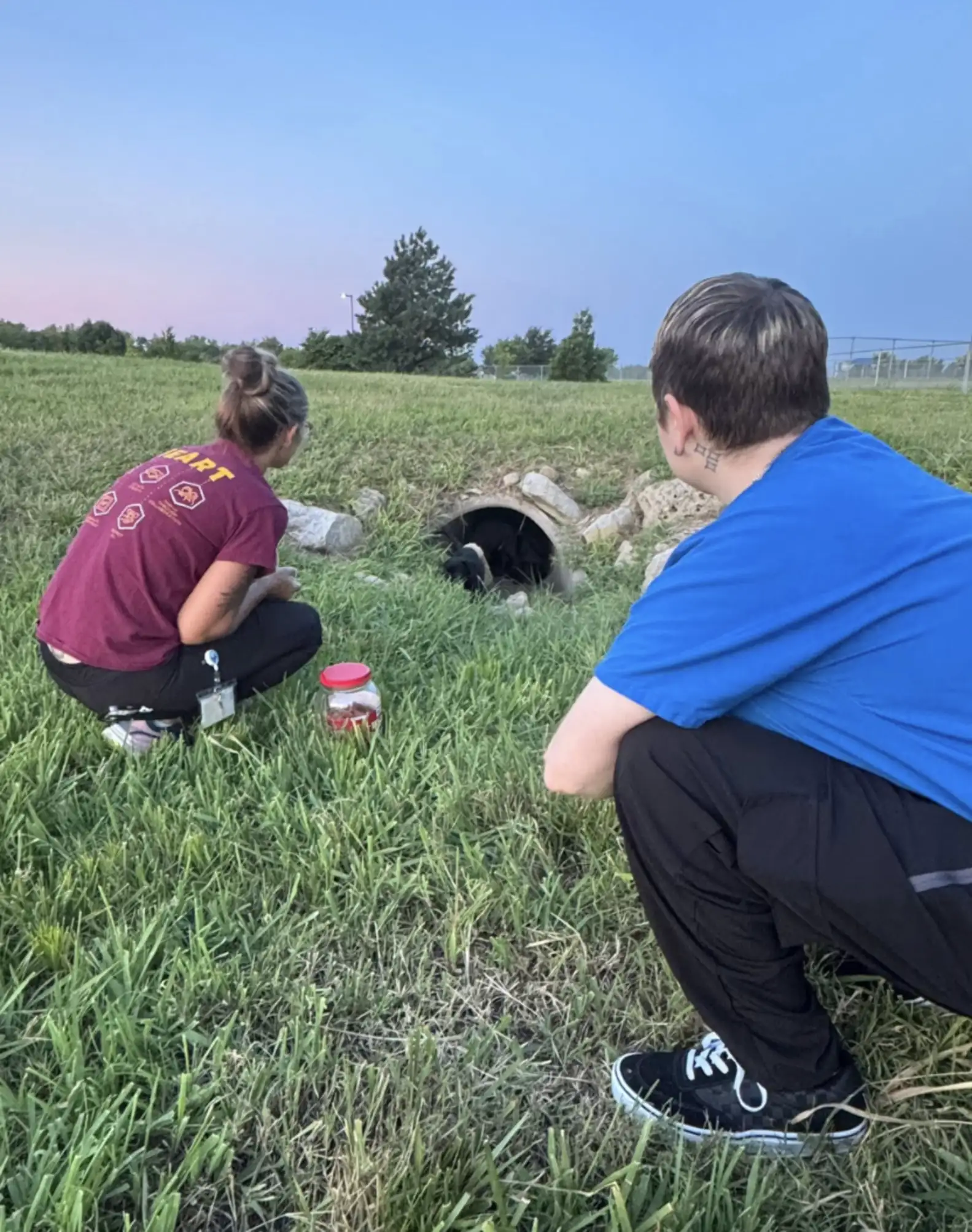
Kansas Humane Society

The rescuers hurried over and found the source of the noise. There, cowering inside, were six little puppies left to fend for themselves.

puppy in drain
KANSAS HUMANE SOCIETY 

Using treats as a tasty incentive, the team coaxed each puppy out from the hole. The pups served a mandatory stray hold at the Wichita Animal Shelter next door. Then they returned to the Kansas Humane Society for further care.

woman helping dog
KANSAS HUMANE SOCIETY 

Staff members gave the pups a comfortable place to recover. They named the dogs Abby, Ellie, Greg, Lev, Mike and Tommy, and made sure each of them received the necessary vaccines and medical attention needed to grow up healthy and strong.

puppies in backseat
KANSAS HUMANE SOCIETY

“The puppies were very wiggly, especially Ellie,” a representative from Kansas Humane Society told The Dodo. “All were friendly and very social.”

Local news stations soon began covering the amazing rescue, urging community members to adopt or foster the pups. Within two days, every puppy was either adopted or put on hold for adoption.

puppies
KANSAS HUMANE SOCIETY 

Today, Abby, Ellie, Greg, Lev, Mike and Tommy are all safe in their forever homes, and rescuers couldn’t be happier.

“We hope their futures are full of love, cuddles and treats,” the representative said.

To help other animals like these puppies, you can make a donation to the Kansas Humane Society.

ooOOoo

It is stories like this one that provide the incentive for not engaging in politics. Period!

Staying active!

An interesting article about the benefits of being active.

I try and stay as active as I can mainly by bicycle riding. This article from The Conversation shows the importance of this. It is just a shame that they do not mention being old and active; as in being 80!

ooOOoo

Some pro athletes keep getting better as they age − neuroscience can explain how they stay sharp

Recovery and mental resilience support the development of neuroplasticity, which helps athletes like Allyson Felix stay sharp. AP Photo/Charlie Riedel

Fiddy Davis Jaihind Jothikaran, Hope College

In a world where sports are dominated by youth and speed, some athletes in their late 30s and even 40s are not just keeping up – they are thriving.

Novak Djokovic is still outlasting opponents nearly half his age on tennis’s biggest stages. LeBron James continues to dictate the pace of NBA games, defending centers and orchestrating plays like a point guard. Allyson Felix won her 11th Olympic medal in track and field at age 35. And Tom Brady won a Super Bowl at 43, long after most NFL quarterbacks retire.

The sustained excellence of these athletes is not just due to talent or grit – it’s biology in action. Staying at the top of their game reflects a trainable convergence of brain, body and mindset. I’m a performance scientist and a physical therapist who has spent over two decades studying how athletes train, taper, recover and stay sharp. These insights aren’t just for high-level athletes – they hold true for anyone navigating big life changes or working to stay healthy.

Increasingly, research shows that the systems that support high performance – from motor control to stress regulation, to recovery – are not fixed traits but trainable capacities. In a world of accelerating change and disruption, the ability to adapt to new changes may be the most important skill of all. So, what makes this adaptability possible – biologically, cognitively and emotionally?

The amygdala and prefrontal cortex

Neuroscience research shows that with repeated exposure to high-stakes situations, the brain begins to adapt. The prefrontal cortex – the region most responsible for planning, focus and decision-making – becomes more efficient in managing attention and making decisions, even under pressure.

During stressful situations, such as facing match point in a Grand Slam final, this area of the brain can help an athlete stay composed and make smart choices – but only if it’s well trained.

In contrast, the amygdala, our brain’s threat detector, can hijack performance by triggering panic, freezing motor responses or fueling reckless decisions. With repeated exposure to high-stakes moments, elite athletes gradually reshape this brain circuit.

They learn to tune down amygdala reactivity and keep the prefrontal cortex online, even when the pressure spikes. This refined brain circuitry enables experienced performers to maintain their emotional control.

Creating a brain-body loop

Brain-derived neurotrophic factor, or BDNF, is a molecule that supports adapting to changes quickly. Think of it as fertilizer for the brain. It enhances neuroplasticity: the brain’s ability to rewire itself through experience and repetition. This rewiring helps athletes build and reinforce the patterns of connections between brain cells to control their emotion, manage their attention and move with precision.

BDNF levels increase with intense physical activity, mental focus and deliberate practice, especially when combined with recovery strategies such as sleep and deep breathing.

Elevated BDNF levels are linked to better resilience against stress and may support faster motor learning, which is the process of developing or refining movement patterns.

For example, after losing a set, Djokovic often resets by taking deep, slow breaths – not just to calm his nerves, but to pause and regain control. This conscious breathing helps him restore focus and likely quiets the stress signals in his brain.

In moments like these, higher BDNF availability likely allows him to regulate his emotions and recalibrate his motor response, helping him to return to peak performance faster than his opponent.

Rewiring your brain

In essence, athletes who repeatedly train and compete in pressure-filled environments are rewiring their brain to respond more effectively to those demands. This rewiring, from repeated exposures, helps boost BDNF levels and in turn keeps the prefrontal cortex sharp and dials down the amygdala’s tendency to overreact.

This kind of biological tuning is what scientists call cognitive reserve and allostasis – the process the body uses to make changes in response to stress or environmental demands to remain stable. It helps the brain and body be flexible, not fragile.

Importantly, this adaptation isn’t exclusive to elite athletes. Studies on adults of all ages show that regular physical activity – particularly exercises that challenge both body and mind – can raise BDNF levels, improve the brain’s ability to adapt and respond to new challenges, and reduce stress reactivity.

Programs that combine aerobic movement with coordination tasks, such as dancing, complex drills or even fast-paced walking while problem-solving have been shown to preserve skills such as focus, planning, impulse control and emotional regulation over time.

After an intense training session or a match, you will often see athletes hopping on a bike or spending some time in the pool. These low-impact, gentle movements, known as active recovery, help tone down the nervous system gradually.

Outside of active recovery, sleep is where the real reset and repair happen. Sleep aids in learning and strengthens the neural connections challenged during training and competition.

A tennis player wearing all white hits a forehand
Serbian tennis player Novak Djokovic practices meditation, which strengthens the mental pathways that help with stress regulation. AP Photo/Kin Cheung

Over time, this convergence creates a trainable loop between the brain and body that is better equipped to adapt, recover and perform.

Lessons beyond sport

While the spotlight may shine on sporting arenas, you don’t need to be a pro athlete to train these same skills.

The ability to perform under pressure is a result of continuing adaptation. Whether you’re navigating a career pivot, caring for family members, or simply striving to stay mentally sharp as the world changes, the principles are the same: Expose yourself to challenges, regulate stress and recover deliberately.

While speed, agility and power may decline with age, some sport-specific skills such as anticipation, decision-making and strategic awareness actually improve. Athletes with years of experience develop faster mental models of how a play will unfold, which allows them to make better and faster choices with minimal effort. This efficiency is a result of years of reinforcing neural circuits that doesn’t immediately vanish with age. This is one reason experienced athletes often excel even if they are well past their physical prime.

Physical activity, especially dynamic and coordinated movement, boosts the brain’s capacity to adapt. So does learning new skills, practicing mindfulness and even rehearsing performance under pressure. In daily life, this might be a surgeon practicing a critical procedure in simulation, a teacher preparing for a tricky parent meeting, or a speaker practicing a high-stakes presentation to stay calm and composed when it counts. These aren’t elite rituals – they’re accessible strategies for building resilience, motor efficiency and emotional control.

Humans are built to adapt – with the right strategies, you can sustain excellence at any stage of life.

Fiddy Davis Jaihind Jothikaran, Associate Professor of Kinesiology, Hope College

This article is republished from The Conversation under a Creative Commons license. Read the original article.

ooOOoo

… “you can sustain excellence at any stage of life.” Even at 80 years old? 😉

Logical thinking, in animals!

It is what we share with animals, but it is not as straightforward as one thinks!

The range of thinking, in terms of logical thinking, even in humans, is enormous. And when we watch animals, especially mammals, it is clear that they are operating in a logical manner. By ‘operating’ I am referring to their thought processes.

So a recent article in The Conversation jumped out at me. Here it is:

ooOOoo

Humans and animals can both think logically − but testing what kind of logic they’re using is tricky

For some mental processes, humans and animals likely follow similar lines of thinking. Catherine Falls Commercial/Moment via Getty Images

Olga Lazareva, Drake University

Can a monkey, a pigeon or a fish reason like a person? It’s a question scientists have been testing in increasingly creative ways – and what we’ve found so far paints a more complicated picture than you’d think.

Imagine you’re filling out a March Madness bracket. You hear that Team A beat Team B, and Team B beat Team C – so you assume Team A is probably better than Team C. That’s a kind of logical reasoning known as transitive inference. It’s so automatic that you barely notice you’re doing it.

It turns out humans are not the only ones who can make these kinds of mental leaps. In labs around the world, researchers have tested many animals, from primates to birds to insects, on tasks designed to probe transitive inference, and most pass with flying colors.

As a scientist focused on animal learning and behavior, I work with pigeons to understand how they make sense of relationships, patterns and rules. In other words, I study the minds of animals that will never fill out a March Madness bracket – but might still be able to guess the winner.

Logic test without words

The basic idea is simple: If an animal learns that A is better than B, and B is better than C, can it figure out that A is better than C – even though it’s never seen A and C together?

In the lab, researchers test this by giving animals randomly paired images, one pair at a time, and rewarding them with food for picking the correct one. For example, animals learn that a photo of hands (A) is correct when paired with a classroom (B), a classroom (B) is correct when paired with bushes (C), bushes (C) are correct when paired with a highway (D), and a highway (D) is correct when paired with a sunset (E). We don’t know whether they “understand” what’s in the picture, and it is not particularly important for the experiment that they do.

Comparing four pairs of images labeled a range of A to D in a training column, then one pair of images in the tesitng column
In a transitive inference task, subjects learn a series of rewarded pairs – such as A+ vs. B–, B+ vs. C– – and are later tested on novel pairings, like B vs. D, to see whether they infer an overall ranking. Olga Lazareva, CC BY-ND

One possible explanation is that the animals that learn all the tasks create a mental ranking of these images: A > B > C > D > E. We test this idea by giving them new pairs they’ve never seen before, such as classroom (B) vs. highway (D). If they consistently pick the higher-ranked item, they’ve inferred the underlying order.

What’s fascinating is how many species succeed at this task. Monkeys, rats, pigeons – even fish and wasps – have all demonstrated transitive inference in one form or another.

The twist: Not all tasks are easy

But not all types of reasoning come so easily. There’s another kind of rule called transitivity that is different from transitive inference, despite the similar name. Instead of asking which picture is better, transitivity is about equivalence.

In this task, animals are shown a set of three pictures and asked which one goes with the center image. For example, if white triangle (A1) is shown, choosing red square (B1) earns a reward, while choosing blue square (B2) does not. Later, when red square (B1) is shown, choosing white cross (C1) earns a reward while choosing white circle (C2) does not. Now comes the test: white triangle (A1) is shown with white cross (C1) and white circle (C2) as choices. If they pick white cross (C1), then they’ve demonstrated transitivity.

Comparing two sets of three shapes labeled a range of A to C in a section, then one trio of shapes in the tesitng section
In a transitivity task, subjects learn matching rules across overlapping sets – such as A1 matches B1, B1 matches C1 – and are tested on new combinations, such as A1 with C1 or C2, to assess whether they infer the relationship between A1 and C1. Olga Lazareva, CC BY-ND

The change may seem small, but species that succeed in those first transitive inference tasks often stumble in this task. In fact, they tend to treat the white triangle and the white cross as completely separate things, despite their common relationship with the red square. In my recently published review of research using the two tasks, I concluded that more evidence is needed to determine whether these tests tap into the same cognitive ability.

Small differences, big consequences

Why does the difference between transitive inference and transitivity matter? At first glance, they may seem like two versions of the same ability – logical reasoning. But when animals succeed at one and struggle with the other, it raises an important question: Are these tasks measuring the same kind of thinking?

The apparent difference between the two tasks isn’t just a quirk of animal behavior. Psychology researchers apply these tasks to humans in order to draw conclusions about how people reason.

For example, say you’re trying to pick a new almond milk. You know that Brand A is creamier than Brand B, and your friend told you that Brand C is even waterier than Brand B. Based on that, because you like a thicker milk, you might assume Brand A is better than Brand C, an example of transitive inference.

But now imagine the store labels both Brand A and Brand C as “barista blends.” Even without tasting them, you might treat them as functionally equivalent, because they belong to the same category. That’s more like transitivity, where items are grouped based on shared relationships. In this case, “barista blend” signals the brands share similar quality.

Child looking at colorful toy cars arranged in a line across a table or bed
How researchers define logical reasoning determines how they interpret results. Svetlana Mishchenko/iStock via Getty Images

Researchers often treat these types of reasoning as measuring the same ability. But if they rely on different mental processes, they might not be interchangeable. In other words, the way scientists ask their questions may shape the answer – and that has big implications for how they interpret success in animals and in people.

This difference could affect how researchers interpret decision-making not only in the lab, but also in everyday choices and in clinical settings. Tasks like these are sometimes used in research on autism, brain injury or age-related cognitive decline.

If two tasks look similar on the surface, then choosing the wrong one might lead to inaccurate conclusions about someone’s cognitive abilities. That’s why ongoing work in my lab is exploring whether the same distinction between these logical processes holds true for people.

Just like a March Madness bracket doesn’t always predict the winner, a reasoning task doesn’t always show how someone got to the right answer. That’s the puzzle researchers are still working on – figuring out whether different tasks really tap into the same kind of thinking or just look like they do. It’s what keeps scientists like me in the lab, asking questions, running experiments and trying to understand what it really means to reason – no matter who’s doing the thinking.

Olga Lazareva, Professor of Psychology, Drake University

This article is republished from The Conversation under a Creative Commons license. Read the original article.

ooOOoo

Fascinating! I quote: “… a reasoning task doesn’t always show how someone got to the right answer.

Olga finishes her article on reasoning with the statement that scientists are still trying to understand what it means to reason!

Deep brain stimulation for Parkinson’s sufferers.

Smart brain-zapping implants.

I was just catching up on emails and saw this item from Nature.

I do not have the permission to share the whole article with you but feel that it is alright to share these two paragraphs:

Keith Krehbiel lived with Parkinson’s disease for nearly 25 years before agreeing to try a brain implant that might alleviate his symptoms. He had long been reluctant to submit to the surgery. “It was a big move,” he says. But by 2020, his symptoms had become so severe that he grudgingly agreed to go ahead.

Deep-brain stimulation involves inserting thin wires through two small holes in the skull into a region of the brain associated with movement. The hope is that by delivering electrical pulses to the region, the implant can normalize aberrant brain activity and reduce symptoms. Since the devices were first approved almost three decades ago, some 200,000 people have had them fitted to help calm the tremors and rigidity caused by Parkinson’s disease. But about 40,000 of those who received devices made after 2020 got them with a special feature that has largely not yet been turned on. The devices can read brain waves and then adapt and tailor the rhythm of their output, in much the same way as a pacemaker monitors and corrects the heart’s electrical rhythms, says Helen Bronte-Stewart, a neurologist at Stanford University in California.

I am going to try and contact Helen at Stanford University to gather more details and, hopefully, to obtain her permission to share the complete article with you.

Picture Parade Four Hundred and Eighty

Yet more working dogs courtesy of Unsplash.

Photo by Birger Strahl on Unsplash

oooo

Photo by Aaron James on Unsplash

oooo

Photo by Christer Lässman on Unsplash

oooo

Photo by Gantavya Bhatt on Unsplash

oooo

Photo by Christer Lässman on Unsplash

oooo

Photo by Christer Lässman on Unsplash

oooo

Photo by Christer Lässman on Unsplash

Hopefully there are not too many repeats!

What makes us happy?

It is seemingly a simple question but in practice not so.

Listening to danger or telling others of a danger is a very ancient practice. For it is better to share a potential danger than not to. It was easy to look this up:

Modern sense of “risk, peril, exposure to injury, loss, pain, etc.” (from being in the control of someone or something else) evolved first in French and was in English by late 14c. For this, Old English had pleoh; in early Middle English this sense is found in peril. For sound changes, compare dungeon, which is from the same source.

Thus a post on The Conversation that was about happiness caught my eye.

I am delighted to share it with you.

ooOOoo

Philly psychology students map out local landmarks and hidden destinations where they feel happiest

Rittenhouse Square Park in Center City made it onto the Philly Happiness Map. Matthew Lovette/Jumping Rocks/Universal Images Group via Getty Images

Eric Zillmer, Drexel University

What makes you happy? Perhaps a good night’s sleep, or a wonderful meal with friends?

I am the director of the Happiness Lab at Drexel University, where I also teach a course on happiness. The Happiness Lab is a think tank that investigates the ingredients that contribute to people’s happiness.

Often, my students ask me something along the lines of, “Dr. Z, tell us one thing that will make us happier.”

As a first step, I advise them to spend more time outside.

Achieving lasting and sustainable happiness is more complicated. Research on the happiest countries in the world and the places where people live the longest, known as Blue Zones, shows a common thread: Residents feel they are part of something larger than themselves, such as a community or a city.

So if you’re living in a metropolis like Philadelphia, where, incidentally, the iconic pursuit of happiness charge was ratified in the Declaration of Independence, I believe urban citizenship – that is, forming an identity with your urban surroundings – should also be on your list.

A small boat floats in blue-green waters in front of a picturesque village.
The Greek island of Ikaria in the Aegean Sea is a Blue Zone famous for its residents’ longevity. Nicolas Economou/NurPhoto via Getty Images

Safety, social connection, beauty

Carl Jung, the renowned Swiss psychoanalyst, wrote extensively about the relationship between our internal world and our external environment.

He believed that this relationship was crucial to our psychological well-being.

More recent research in neuroscience and functional imaging has revealed a vast, intricate and complex neurological architecture underlying our psychological perception of a place. Numerous neurological pathways and functional loops transform a complex neuropsychological process into a simple realization: I am happy here!

For example, a happy place should feel safe.

The country of Croatia, a tourist haven for its beauty and culinary delights, is also one of the top 20 safest countries globally, according to the 2025 Global Peace Index.

The U.S. ranks 128th.

The availability of good food and drink can also be a significant factor in creating a happy place.

However, according to American psychologist Abraham Maslow, a pioneer in the field of positive psychology, the opportunity for social connectivity, experiencing something meaningful and having a sense of belonging is more crucial.

Furthermore, research on happy places suggests that they are beautiful. It should not come as a surprise that the happiest places in the world are also drop-dead gorgeous, such as the Indian Ocean archipelago of Mauritius, which is the happiest country in Africa, according to the 2025 World Happiness Report from the University of Oxford and others.

Happy places often provide access to nature and promote active lifestyles, which can help relieve stress. The residents of the island of Ikaria in Greece, for example, one of the original Blue Zones, demonstrate high levels of physical activity and social interaction.

A Google map display on right with a list of mapped locations on the left.
A map of 28 happy places in Philadelphia, based on 243 survey responses from Drexel students. The Happiness Lab at Drexel University

Philly Happiness Map

I asked my undergraduate psychology students at Drexel, many of whom come from other cities, states and countries, to pick one place in Philadelphia where they feel happy.

From the 243 student responses, the Happiness Lab curated 28 Philly happy places, based on how frequently the places were endorsed and their accessibility.

Philadelphia’s founder, William Penn, would likely approve that Rittenhouse Square Park and three other public squares – Logan, Franklin and Washington – were included. These squares were vital to Penn’s vision of landscaped public parks to promote the health of the mind and body by providing “salubrious spaces similar to the private garden.” They are beautiful and approachable, serving as “places to rest, take a pause, work, or read a book,” one student told us.

Places such as the Philadelphia Zoo, Penn’s Landing and the Philadelphia Museum of Art are “joyful spots that are fun to explore, and one can also take your parents along if need be,” as another student described.

The Athenaeum of Philadelphia, a historic library with eclectic programming, feels to one student like “coming home, a perfect third place.”

Some students mentioned happy places that are less known. These include tucked-away gardens such as the John F. Collings Park at 1707 Chestnut St., the rooftop Cira Green at 129 S. 30th St. and the James G. Kaskey Memorial Park and BioPond at 433 S. University Ave.

A stone-lined brick path extends through a nicely landscaped outdoor garden area.
The James G. Kaskey Memorial Park and BioPond in West Philadelphia is an urban oasis. M. Fischetti for Visit Philadelphia

My students said these are small, unexpected spots that provide an excellent opportunity for a quiet, peaceful break, to be present, whether enjoyed alone or with a friend. I checked them out and I agree.

The students also mentioned places I had never heard of even though I’ve lived in the city for over 30 years.

The “cat park” at 526 N. Natrona St. in Mantua is a quiet little park with an eclectic personality and lots of friendly cats.

Mango Mango Dessert at 1013 Cherry St. in Chinatown, which is a frequently endorsed happiness spot among the students because of its “bustling streets, lively atmosphere and delicious food,” is a perfect pit stop for mango lovers. And Maison Sweet, at 2930 Chestnut St. in University City, is a casual bakery and cafe “where you may end up staying longer than planned,” one student shared.

I find that Philly’s happy places, as seen through the eyes of college students, tend to offer a space for residents to take time out from their day to pause, reset, relax and feel more connected and in touch with the city.

Happiness principals are universal, yet our own journeys are very personal. Philadelphians across the city may have their own list of happy places. There are really no right or wrong answers. If you don’t have a personal happy space, just start exploring and you may be surprised what you will find, including a new sense of happiness.

See the full Philly Happiness Map list here, and visit the exhibit at the W.W. Hagerty Library at Drexel University to learn more.

Read more of our stories about Philadelphia.

Eric Zillmer, Professor of Neuropsychology, Drexel University

This article is republished from The Conversation under a Creative Commons license. Read the original article.

ooOOoo

For me, an Englishman living in Oregon, feeding the wild deer each morning gives me untold joy and happiness. It is my ‘personal happy space’.

So thank you, Prof. Zillmer, for writing this.