This is a one-hour video (as in a YouTube video) from an accredited US healthcare educator.
That is all for today. Just to add that sleep is so important.
‘When we turn the clocks ahead this spring, we’ll lose an hour of sleep—but for many Americans, poor sleep is a nightly problem. Lack of sleep takes a toll on physical and mental health, increasing risk for chronic conditions like high blood pressure and obesity. Our expert panelists will unpack the latest research on rest, including how social and environmental factors can impact our sleep. They’ll explore the connections between race, sleep, and health disparities. And they’ll share advice on how to improve sleep quality for better overall health.’
Last week I went to my doctor to find out what was causing my itching, mainly in my groin and the skin of my forearms.
Dr. Mount told me that I had ringworm. I do not remember having had it before.
The Cleveland Clinic have the details online and it struck me that I should share the information with you. The source of this article is here. I hope very much that sharing this article is alright with Cleveland Clinic.
ooOOoo
Ringworm
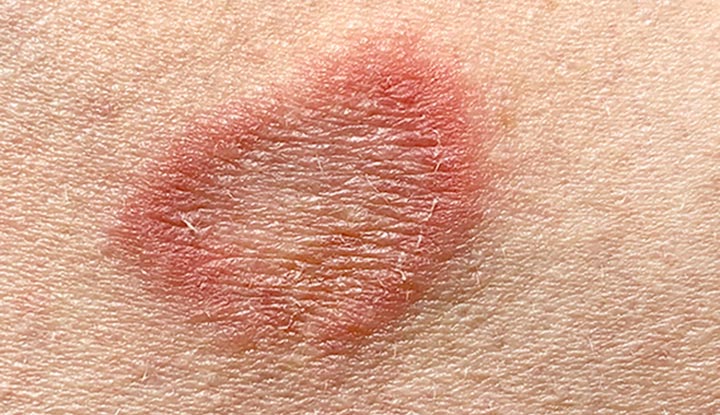
Ringworm is an itchy, contagious fungal infection that causes a ring-shaped pattern on your skin. Over-the-counter and prescription treatments can stop the fungus from spreading to other parts of your body or to others.
Overview
Ringworm is a circular-shaped skin rash caused by a fungal infection.
What is ringworm?
You might be surprised to learn that a fungus — and not a worm — causes ringworm. Fungi thrive in warm and humid areas such as locker rooms and public showers. This common and contagious skin infection gets its name from the red, itchy, ring-shaped skin plaque (a type of scaly rash). It spreads easily and through close contact.
You get ringworm from contact with an infected person, animal or object. Ringworm goes by different names depending on which body part it affects. Ringworm on your body is called tinea corporis. This type of ringworm affects your arms, legs, torso and face. Ringworm is treated with antifungal medication available either over the counter or as a prescription.
Types of ringworm
Ringworm has different names based on where it appears on your body — and it can appear just about anywhere. Ringworm infections include:
Athlete’s foot: Also called tinea pedis, this fungal infection causes an itchy, burning skin rash between your toes and on the soles of your feet. Your skin may become scaly and cracked or develop blisters. Sometimes, your feet smell bad.
Jock itch: Tinea cruris, or jock itch, causes a red, itchy rash in your groin, upper thighs or rectum. Some people get blisters.
Scalp ringworm (tinea capitis): This causes scaly, red, itchy bald spots on your scalp. If left untreated, the bald spots can grow bigger and become permanent.
Hands (tinea manuum): Signs of ringworm on your hands include dry, cracked palms and ring-like patches.
Beard (tinea barbae): Ringworm appears on your neck, chin and cheeks. The patches might become crusted over or filled with pus.
Ringworm typically begins as a flat, discolored patch, which may appear red in lighter complexions and brown in darker complexions. The patch has a ring-like or circular shape with a raised, scaly border.
Who gets ringworm?
Ringworm affects people of all ages. You’re more at risk for ringworm if you:
Have a weakened immune system or an autoimmune disease like lupus.
Participate in high-contact sports, such as wrestling (this ringworm is called tinea gladiatorum).
Despite its name, a fungus causes ringworm. This type of fungus naturally lives on your skin, hair and nails. However, when their environment gets hot and damp, the fungi start growing uncontrollably. You can get this infection anytime your skin comes into contact with the ringworm fungus on someone else’s skin.
How contagious is ringworm?
Ringworm is contagious. It can live on your skin, on surfaces and in soil. The main ways ringworm spreads are:
Skin-to-skin contact with a person who has ringworm.
Contact with an infected dog, cat or animal (livestock or pets).
Contact with a contaminated surface, such as a locker room floor or sweaty gym clothes.
Sharing objects with an infected person or animal such as a brush, towel or bedding.
Contaminated soil.
Diagnosis and Tests
How is ringworm diagnosed?
Your healthcare provider can diagnose ringworm by looking at your skin and assessing your symptoms. They may scrape the area to look at the skin cells under a microscope, too. Examining the scales typically confirms ringworm.
Management and Treatment
How is ringworm treated?
Several nonprescription (over-the-counter) and prescription antifungal medications are available to treat ringworm. Antifungals come in various forms like creams, gels or powders. Your healthcare provider can treat more widespread ringworm with oral antifungal medication.
Antifungal creams and powders
Over-the-counter (OTC) antifungal creams, gels or powders typically work well. OTC products include:
If your symptoms get worse or don’t clear after two weeks, you may need an oral prescription medication from your healthcare provider.
Oral medication
Your healthcare provider may write you a prescription for oral antifungal medication if you have ringworm on your scalp or on many parts of your body. Most medications are prescribed for between one and three months. Oral antifungal medications include:
Antifungal shampoo, such as ketoconazole shampoo (Nizoral A-D®), may stop scalp ringworm from spreading. It won’t cure it, but it may help contain the infection. You also need to take a prescribed oral antifungal medication. Unaffected family members may benefit from using the shampoo as well.
Home remedies for ringworm
Home remedies like apple cider vinegar or tea tree have little to no benefit. Apple cider vinegar may cause open sores or inflammation. Tea tree oil has antifungal and antimicrobial properties but its effects aren’t well-known.
Your home may require treatment as well. The ringworm fungus can live on surfaces for months. Disinfectant sprays like Lysol® or bleach can remove the fungus. Wash clothes, sheets and towels in hot water and detergent to prevent ringworm from spreading.
Steroid creams
Corticosteroid creams may help reduce inflammation, but they shouldn’t be used to treat ringworm. In fact, they may worsen the infection.
What cures ringworm?
Mild cases of ringworm clear up within a few weeks. More serious infections may require treatment for six to 12 weeks.
Some other things you can do to promote healing:
Keep the affected area clean and dry.
Apply antifungal lotions, creams or ointments for the entire treatment period.
Avoid touching the area and wash your hands before touching other areas of your body.
Does ringworm go away by itself?
Although ringworm can go away by itself, it’s not common. While ringworm is present on your skin, you’re still contagious to others.
Outlook / Prognosis
Can ringworm come back?
Yes, ringworm can come back. Ringworm will go away if you treat it appropriately. Follow your healthcare provider’s treatment plan until the infection clears completely. If you stop treatment or treatment ends too soon, the infection can come back.
What are the complications of ringworm?
If you suspect you or your child has ringworm, don’t use anti-itch creams containing corticosteroids. These creams weaken your skin’s defenses. They can allow the infection to spread and cover larger sections of skin. On rare occasions, the ringworm fungus goes deeper into your skin, making it even harder to treat.
Scalp ringworm can lead to a painful inflammation called kerion. With kerion, you may develop crusty, pus-filled sores, often with hair loss and scarring.
Prevention
How can I prevent ringworm?
Ringworm thrives in damp, warm areas. The fungus can live on towels, clothes, sheets and household surfaces for months. Preventing ringworm involves:
Changing your socks and underwear daily or more frequently if they become damp or soiled.
Showering immediately after contact sports or exercise.
Wearing sandals or shower shoes at the pool and in public locker rooms and showers.
Drying your skin thoroughly after showering, especially between your toes.
Avoiding sharing towels, washcloths, sheets, clothes, combs or other personal hygiene items.
Washing clothes, athletic gear, sheets and towels in hot water and detergent.
Disinfecting surfaces with bleach or sprays like Lysol®.
Treating pets for ringworm, if they’re infected.
Washing hands thoroughly after contact with animals.
A weak immune system or living in a damp, warm climate increases your risk of a fungal infection.
Living With
When should I call the doctor?
Call your healthcare provider if the ringworm infection:
Appears on your scalp.
Looks infected (redness and swelling).
Occurs during pregnancy.
Spreads to other areas of your body.
Doesn’t improve after using over-the-counter antifungal medication as directed.
What questions should I ask my doctor?
You’re sure to have questions if you or your child develop ringworm. You might ask your healthcare provider:
How did I get ringworm?
How long is ringworm contagious?
Should I (or my child) stay home from work/school until the ringworm infection is gone?
What steps can I take to prevent ringworm from spreading to other parts of my body?
What steps can I take to prevent ringworm from spreading to other people?
What’s the best treatment for ringworm?
Should I avoid any medications or treatments?
What steps can I take to keep from getting ringworm again?
How can I tell if my pet has ringworm?
Should I look out for signs of complications?
Additional Common Questions
Is ringworm an actual worm?
No, ringworm isn’t a worm. It’s a fungal infection that gets its name from its ring-like border.
How does ringworm affect pregnancy?
Ringworm fungus won’t affect your pregnancy. Still, you should check with your healthcare provider before using over-the-counter antifungal creams or powders. Oral antifungal medications appear to be safe to take during pregnancy. Your pregnancy care provider can discuss potential risks and benefits with you.
Can you get ringworm from dogs or cats?
Yes, you can get ringworm from dogs, cats and other animals like cows, goats or horses. You can protect yourself by always washing your hands after playing with or petting animals. If your pet has ringworm, disinfect your pet’s bedding and take extra care to clean surfaces your pet has visited in your home.
How is ringworm different from eczema?
Eczema and many other skin conditions can resemble ringworm. Both ringworm and eczema cause itchy, red skin. Unlike ringworm, eczema isn’t contagious and doesn’t spread from one area to another on your body. Ringworm has a unique, ring-like appearance. Contact a healthcare provider for an appropriate diagnosis.
A note from Cleveland Clinic
Ringworm can be unpleasant, but antifungal medications will help you get rid of the fungus that causes ringworm. The treatment may take time, but it’s important to follow your healthcare provider’s treatment plan for as long as recommended. Ending treatment too soon can cause ringworm to return and make the infection harder to treat. Ask your provider about how you can keep ringworm from spreading to other parts of your body and to other people.
ooOOoo
We were having a small and casual party at our house celebrating Halloween. There were thirteen coming some of them in fancy dress. However, a close neighbour, who was coming with her husband, recommended a cancellation just in case I passed the fungal infection on to someone else.
Thus I have to be patient and keep putting on the cream for at least the next couple of weeks, hoping that in time I will notice the fungus going.
Finally, let me just repeat this from the article by Clevedon: ‘Ringworm is contagious and extremely common. It can affect 20% to 25% of the world’s population at any given time.’
Four days ago I sent in a comment to Magic and Beauty. This is what I wrote:
My darling wife has Parkinson’s (PD). She has had it for many years. As a consequence we are awake early, usually between 4am and 5am. As soon as it is sufficiently light to see the trees I go and feed the wild deer, usually three or four of them but some mornings ten, twelve or a few more.
Then I return to our deck that faces East and just pause for five minutes just looking at Mount Sexton and the tree line nearby. It is a very beautiful sight and is my way of doing nothing! Im (that should be I’m) 81 in November and want to stat (that should be stay) as healthy as possible for as long as possible.
and this was replied by ‘Age45’.
Dear Paul, Many thanks for your comment and sharing with us the way of your life which is helpful (since all life experience is meaningful and significant). Wish your darling wife and yourself all the best.
Now to today’s post which is a republication of her article.
ooOOoo
Silence hides a space where thoughts can calm down. Silence helps a person reset and prepare for the challenges that a new day brings
Silence therapy is always useful because nothing happens in silence and it is then that a person hears their own fears and repressed emotions, i.e. in silence. Silence is a rarity today in a world where various sounds are a constant part of everyday life. Silence can be unpleasant and sometimes frightening because it confronts a person with their own being.
Silence is not an empty space but a space for breathing, connecting and regeneration, psychotherapists and psychologists explain. Silence is healing in partner relationships only if it is conscious and shared. If a person needs a little time to calm down and calm down their emotions and then return to the conversation, then silence is just a space for processing and not an obstacle to contacts.
Silence therapy can be practiced in everyday life by taking micro-breaks, i.e. just 5 minutes a day without a phone, without music and sounds, i.e. just breathing. Or a conscientious walk without headphones with light steps and listening to sounds from the environment but deep breathing.
Morning silence is part of silence therapy, ie take 10 minutes without speaking without a screen, because this kind of morning silence can positively change the entire course of the day.
Silence during the conversation is also advised, i.e. you should not rush to answer because a pause between sentences can open up space for deeper contact. Healthy relationships do not run away from silence, but wisely use the silences to take a breath and not be silent about a painful topic. Research shows that just 2 minutes of silence can have a powerful relaxing effect from your favorite music.
Medicinal silence lowers blood pressure, slows breathing and calms the mind. Regularly practicing silence is a gentle and powerful treatment and form of self-regulation. Silence is often understood as a loss or something that needs to be filled in today’s modern culture of hyperproduction and constant stimulation. But silence shows its function precisely in that discomfort. Silence exposes what we normally cover with noise. In silence, fears, unspoken thoughts, repressed emotions are heard. That is why people run away from silence and that is why people need silence.
In silence, we listen to our own being and others because presence is born. Many therapeutic processes rely on the power of sharing silence, i.e. moments in which words are neither necessary nor sufficient. Silence becomes a bridge that connects in therapy and in interpersonal relationships, not an obstacle.
Silence can also become a form of distancing, punishment, and control in interpersonal relationships (although it is a powerful tool for connection and presence).
There is a difference between healing silence and silence that hurts. Passive aggression, withdrawal without explanation, silence that hangs in space after a conflict – these are situations in which silence becomes a wall and ceases to be space. The treatment of silence is a term used in psychology to explain this form of silence. Silence does not strengthen contact, but sabotages contact. Silent treatment is a form of emotional manipulation in which other people are punished by denying communication. Then silence is used like a weapon in communication.
Silence is unhealthy in a relationship if silence is used as a means of punishment or manipulation. If a person feels discomfort, confusion and tension and does not know the reason. If there is no open communication after the conflict or the silence lasts too long and does not lead to clarification, it deepens the distance.
ooOOoo
Powerful words from her!
And a photograph from me that spells out peace and silence.
Simply because it is so important to us humans. For the world we live in has changed, and changed drastically. Now we are ‘wired up’ and that means less time to do nothing.
Now I want to share an article presented by The Conversation.
ooOOoo
Mindfulness won’t burn calories, but it might help you stick with your health goals
Meditation exists on a spectrum, from mindful moments and bursts of mindfulness to building up to a formal meditative practice. d3sign/Moment via Getty Images
But what if the missing piece in your health journey wasn’t more discipline – but more stillness?
Research shows that mindfulness meditation can help facilitate this pursuit of health goals through stillness, and that getting started is easier than you might think – no Buddhist monk robes or silent retreats required.
I am a psychologist and behavioral scientist researching ways to help people live healthier lives, especially by moving more and regulating stress more efficiently.
My team’s work and that of other researchers suggests that mindfulness could play a pivotal role in paving the way for a healthier society, one mindful breath at a time.
Mindfulness refers to the practice or instance of paying careful attention to one’s present-moment experience – such as their thoughts, breath, bodily sensations and the environment – and doing so nonjudgmentally. Its origins are in Buddhist traditions, where it plays a crucial role in connecting communities and promoting selflessness.
Over the past 50 years, however, mindfulness-based practice has been Westernized into structured therapeutic programs and stress-management tools, which have been widely studied for their benefits to mental and physical health.
Research has shown that mindfulness offers wide-ranging benefits to the mind, the body and productivity.
The impacts extend beyond subjective experience too. Studies find that experienced meditators – that is, people who have been meditating for at least one year – have lower markers of inflammation, which means that their bodies are better able to fight off infections and regulate stress. They also showed improved cognitive abilities and even altered brain structure.
But I find the potential for mindfulness to support a healthy lifestyle most exciting of all.
Mindfulness meditation may enhance the psychological skills needed to follow through on exercise and other health habits. Maria Korneeva/Moment via Getty Images
How can mindfulness help you build healthy habits?
My team’s research suggests that mindfulness equips people with the psychological skills required to successfully change behavior. Knowing what to do to achieve healthy habits is rarely what stands in people’s way. But knowing how to stay motivated and keep showing up in the face of everyday obstacles such as lack of time, illness or competing priorities is the most common reason people fall off the wagon – and therefore need the most support. This is where mindfulness comes in.
A 2024 study with over 1,200 participants that I led found more positive attitudes toward healthy habits and stronger intentions to put them into practice in meditators who practiced mindfulness for 10 minutes daily alongside a mobile app, compared with nonmeditators. This may happen because mindfulness encourages self-reflection and helps people feel more in tune with their bodies, making it easier to remember why being healthier is important to us.
Another key way mindfulness helps keep momentum with healthy habits is by restructuring one’s response to pain, discomfortand failure. This is not to say that meditators feel no pain, nor that pain during exercise is encouraged – it is not!
Mild discomfort, however, is a very common experience of novice exercisers. For example, you may feel out of breath or muscle fatigue when initially taking up a new activity, which is when people are most likely to give up. Mindfulness teaches you to notice these sensations but see them as transient and with minimal judgment, making them less disruptive to habit-building.
Putting mindfulness into practice
A classic mindfulness exercise includes observing the breath and counting inhales up to 10 at a time. This is surprisingly difficult to do without getting distracted, and a core part of the exercise is noticing the distraction and returning to the counting. In other words, mindfulness involves the practice of failure in small, inconsequential ways, making real-world perceived failure – such as a missed exercise session or a one-off indulgent meal – feel more manageable. This strengthens your ability to stay consistent in pursuit of health goals.
Finally, paying mindful attention to our bodies and the environment makes us more observant, resulting in a more varied and enjoyable exercising or eating experience. Participants in another study we conducted reported noticing the seasons changing, a greater connection to their surroundings and being better able to detect their own progress when exercising mindfully. This made them more likely to keep going in their habits.
Luckily, there are plenty of tools available to get started with mindfulness practice these days, many of them free. Mobile applications, such as Headspace or Calm, are popular and effective starting points, providing audio-guided sessions to follow along. Some are as short as five minutes. Research suggests that doing a mindfulness session first thing in the morning is the easiest to maintain, and after a month or so you may start to see the skills from your meditative practice reverberating beyond the sessions themselves.
Based on our research on mindfulness and exercise, I collaborated with the nonprofit Medito Foundation to create the first mindfulness program dedicated to moving more. When we tested the program in a research study, participants who meditated alongside these sessions for one month reported doing much more exercise than before the study and having stronger intentions to keep moving compared with participants who did not meditate. Increasingly, the mobile applications mentioned above are offering mindful movement meditations too.
If the idea of a seated practice does not sound appealing, you can instead choose an activity to dedicate your full attention to. This can be your next walk outdoors, where you notice as much about your experience and surroundings as possible. Feeling your feet on the ground and the sensations on your skin are a great place to start.
For people with even less time available, short bursts of mindfulness can be incorporated into even the busiest of routines. Try taking a few mindful, nondistracted breaths while your coffee is brewing, during a restroom break or while riding the elevator. It may just be the grounding moment you need to feel and perform better for the rest of the day.
Moments of rest are essential, grounding moments as written in the article. The article is great and has great motivation to abide by the recommendations.
Please read carefully the article and change your ways.