This is a deeply fascinating history.
There are many articles on this subject and it is one that I will return to from time to time.
But for today I want to just show a seven-minute video from YouTube.
Amazing!
Dogs are animals of integrity. We have much to learn from them.
Category: Health
This is a deeply fascinating history.
There are many articles on this subject and it is one that I will return to from time to time.
But for today I want to just show a seven-minute video from YouTube.
Amazing!
Just watch this video!
“Look into their eyes and you can see their soul!”
Seven minutes of bliss!
For the mind, body and soul!
Four days ago I sent in a comment to Magic and Beauty. This is what I wrote:
My darling wife has Parkinson’s (PD). She has had it for many years. As a consequence we are awake early, usually between 4am and 5am. As soon as it is sufficiently light to see the trees I go and feed the wild deer, usually three or four of them but some mornings ten, twelve or a few more.
Then I return to our deck that faces East and just pause for five minutes just looking at Mount Sexton and the tree line nearby. It is a very beautiful sight and is my way of doing nothing!
Im (that should be I’m) 81 in November and want to stat (that should be stay) as healthy as possible for as long as possible.and this was replied by ‘Age45’.
Dear Paul, Many thanks for your comment and sharing with us the way of your life which is helpful (since all life experience is meaningful and significant). Wish your darling wife and yourself all the best.
Now to today’s post which is a republication of her article.
ooOOoo

ooOOoo
Powerful words from her!
And a photograph from me that spells out peace and silence.

Yet more dog photos courtesy of Unsplash!

oooo

oooo

oooo

oooo

oooo

oooo
oooo

My same feeling as last Sunday! Dogs are perfect.
I am returning to this subject.
Simply because it is so important to us humans. For the world we live in has changed, and changed drastically. Now we are ‘wired up’ and that means less time to do nothing.
In 2010 I presented a book review Mindfulness by Ellen Janger.
Now I want to share an article presented by The Conversation.
ooOOoo

Masha Remskar, Arizona State University
Most people know roughly what kind of lifestyle they should be living to stay healthy.
Think regular exercise, a balanced diet and sufficient sleep. Yet, despite all the hacks, trackers and motivational quotes, many of us still struggle to stick with our health goals.
Meanwhile, people worldwide are experiencing more lifestyle-associated chronic disease than ever before.
But what if the missing piece in your health journey wasn’t more discipline – but more stillness?
Research shows that mindfulness meditation can help facilitate this pursuit of health goals through stillness, and that getting started is easier than you might think – no Buddhist monk robes or silent retreats required.
Given how ubiquitous and accessible mindfulness resources are these days, I have been surprised to see mindfulness discussed and studied only as a mental health tool, stopping short of exploring its usefulness for a whole range of lifestyle choices.
I am a psychologist and behavioral scientist researching ways to help people live healthier lives, especially by moving more and regulating stress more efficiently.
My team’s work and that of other researchers suggests that mindfulness could play a pivotal role in paving the way for a healthier society, one mindful breath at a time.
Mindfulness has become a buzzword of late, with initiatives now present in schools, boardrooms and even among first responders. But what is it, really?
Mindfulness refers to the practice or instance of paying careful attention to one’s present-moment experience – such as their thoughts, breath, bodily sensations and the environment – and doing so nonjudgmentally. Its origins are in Buddhist traditions, where it plays a crucial role in connecting communities and promoting selflessness.
Over the past 50 years, however, mindfulness-based practice has been Westernized into structured therapeutic programs and stress-management tools, which have been widely studied for their benefits to mental and physical health.
Research has shown that mindfulness offers wide-ranging benefits to the mind, the body and productivity.
Mindfulness-based programs, both in person and digitally delivered, can effectively treat depression and anxiety, protect from burnout, improve sleep and reduce pain.
The impacts extend beyond subjective experience too. Studies find that experienced meditators – that is, people who have been meditating for at least one year – have lower markers of inflammation, which means that their bodies are better able to fight off infections and regulate stress. They also showed improved cognitive abilities and even altered brain structure.
But I find the potential for mindfulness to support a healthy lifestyle most exciting of all.

My team’s research suggests that mindfulness equips people with the psychological skills required to successfully change behavior. Knowing what to do to achieve healthy habits is rarely what stands in people’s way. But knowing how to stay motivated and keep showing up in the face of everyday obstacles such as lack of time, illness or competing priorities is the most common reason people fall off the wagon – and therefore need the most support. This is where mindfulness comes in.
Multiple studies have found that people who meditate regularly for at least two months become more inherently motivated to look after their health, which is a hallmark of those who adhere to a balanced diet and exercise regularly.
A 2024 study with over 1,200 participants that I led found more positive attitudes toward healthy habits and stronger intentions to put them into practice in meditators who practiced mindfulness for 10 minutes daily alongside a mobile app, compared with nonmeditators. This may happen because mindfulness encourages self-reflection and helps people feel more in tune with their bodies, making it easier to remember why being healthier is important to us.
Another key way mindfulness helps keep momentum with healthy habits is by restructuring one’s response to pain, discomfort and failure. This is not to say that meditators feel no pain, nor that pain during exercise is encouraged – it is not!
Mild discomfort, however, is a very common experience of novice exercisers. For example, you may feel out of breath or muscle fatigue when initially taking up a new activity, which is when people are most likely to give up. Mindfulness teaches you to notice these sensations but see them as transient and with minimal judgment, making them less disruptive to habit-building.
A classic mindfulness exercise includes observing the breath and counting inhales up to 10 at a time. This is surprisingly difficult to do without getting distracted, and a core part of the exercise is noticing the distraction and returning to the counting. In other words, mindfulness involves the practice of failure in small, inconsequential ways, making real-world perceived failure – such as a missed exercise session or a one-off indulgent meal – feel more manageable. This strengthens your ability to stay consistent in pursuit of health goals.
Finally, paying mindful attention to our bodies and the environment makes us more observant, resulting in a more varied and enjoyable exercising or eating experience. Participants in another study we conducted reported noticing the seasons changing, a greater connection to their surroundings and being better able to detect their own progress when exercising mindfully. This made them more likely to keep going in their habits.
Luckily, there are plenty of tools available to get started with mindfulness practice these days, many of them free. Mobile applications, such as Headspace or Calm, are popular and effective starting points, providing audio-guided sessions to follow along. Some are as short as five minutes. Research suggests that doing a mindfulness session first thing in the morning is the easiest to maintain, and after a month or so you may start to see the skills from your meditative practice reverberating beyond the sessions themselves.
Based on our research on mindfulness and exercise, I collaborated with the nonprofit Medito Foundation to create the first mindfulness program dedicated to moving more. When we tested the program in a research study, participants who meditated alongside these sessions for one month reported doing much more exercise than before the study and having stronger intentions to keep moving compared with participants who did not meditate. Increasingly, the mobile applications mentioned above are offering mindful movement meditations too.
If the idea of a seated practice does not sound appealing, you can instead choose an activity to dedicate your full attention to. This can be your next walk outdoors, where you notice as much about your experience and surroundings as possible. Feeling your feet on the ground and the sensations on your skin are a great place to start.
For people with even less time available, short bursts of mindfulness can be incorporated into even the busiest of routines. Try taking a few mindful, nondistracted breaths while your coffee is brewing, during a restroom break or while riding the elevator. It may just be the grounding moment you need to feel and perform better for the rest of the day.
Masha Remskar, Psychologist and Postdoctoral Researcher in Behavioral Science, Arizona State University
This article is republished from The Conversation under a Creative Commons license. Read the original article.
ooOOoo
Moments of rest are essential, grounding moments as written in the article. The article is great and has great motivation to abide by the recommendations.
Please read carefully the article and change your ways.
Last Picture Parade for September, 2025.
Again, the photos are downloaded from Unsplash.

oooo

oooo
oooo

oooo

oooo

oooo

Wonderful, beautiful animals!
🐶❤️ Because the love of a dog changes your day.
Thank you, John.
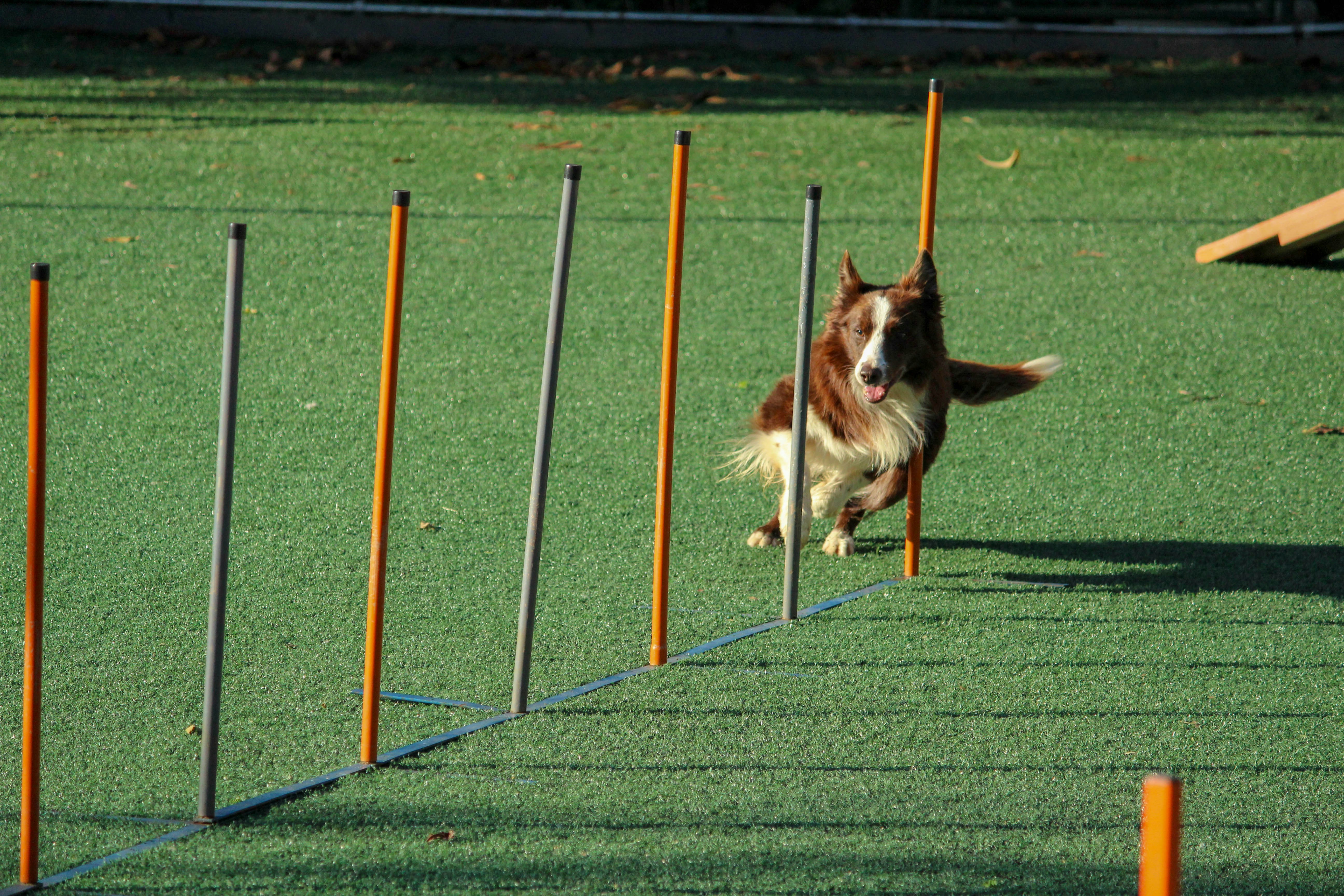
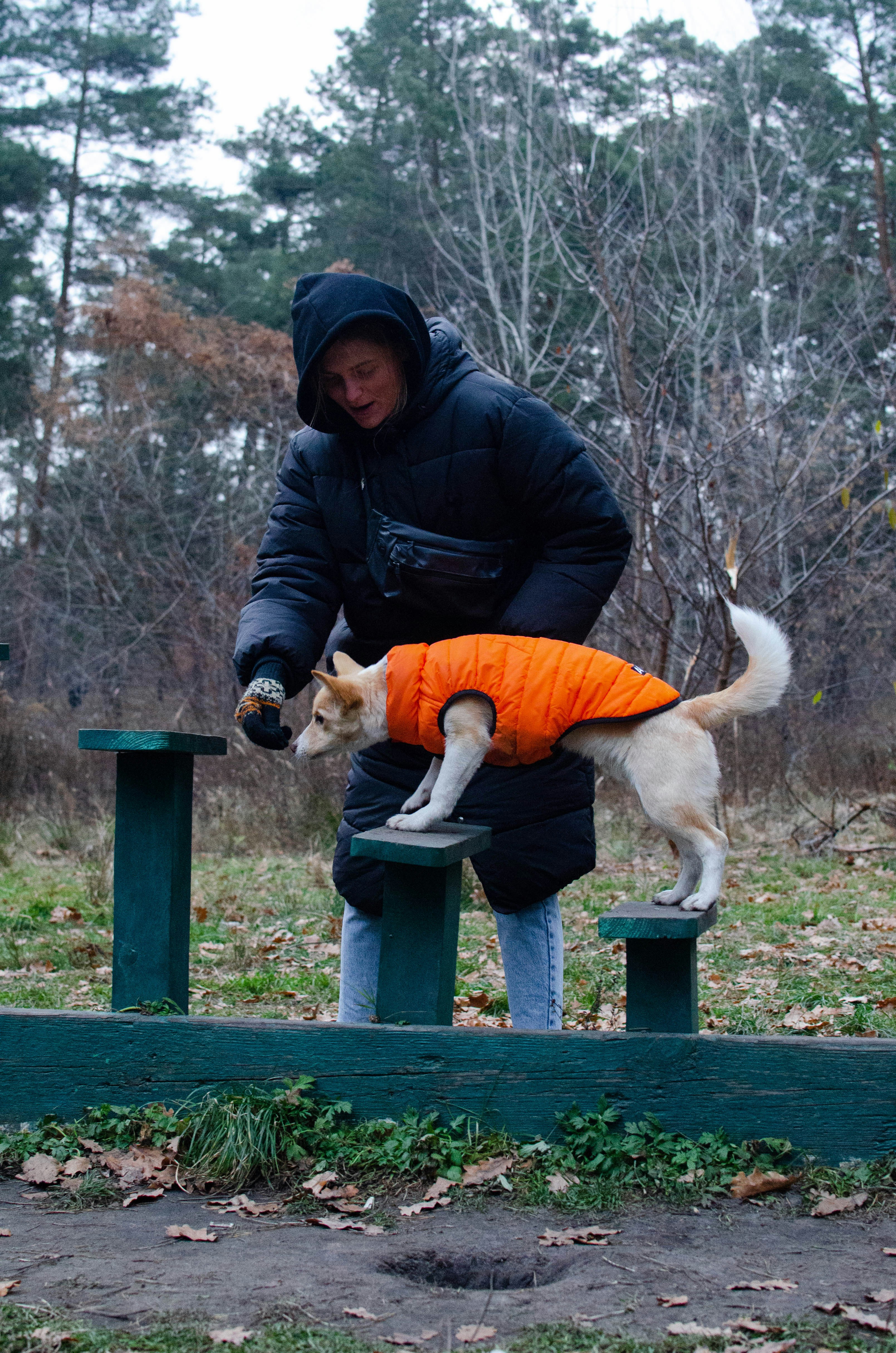
Back to dogs; this time dogs being trained.
Still with Unsplash. And apologies for any duplications.

oooo

oooo
oooo

oooo
oooo

oooo

More photographs in a week’s time.
From the find of the six puppies to the fantastic conclusion.
I subscribe to The Dodo. On September 5th Maeve Dunigan wrote an article that is so beautiful. I have permission to republish the story.
ooOOoo
Rescuers Hear Cries In Open Field — Then See Faces Peeking Out Of A Drain.
“[They] were friendly and very social.”
Published on Sep 5, 2025
In a field near the Kansas Humane Society’s Murfin Animal Care Campus, a concrete storm drain peeks out of the green grass, its circular opening extending into a black tunnel below. One morning this past July, humane society team members arrived at work and heard a heartbreaking sound echoing from within this drain — the sound of animals crying for help.
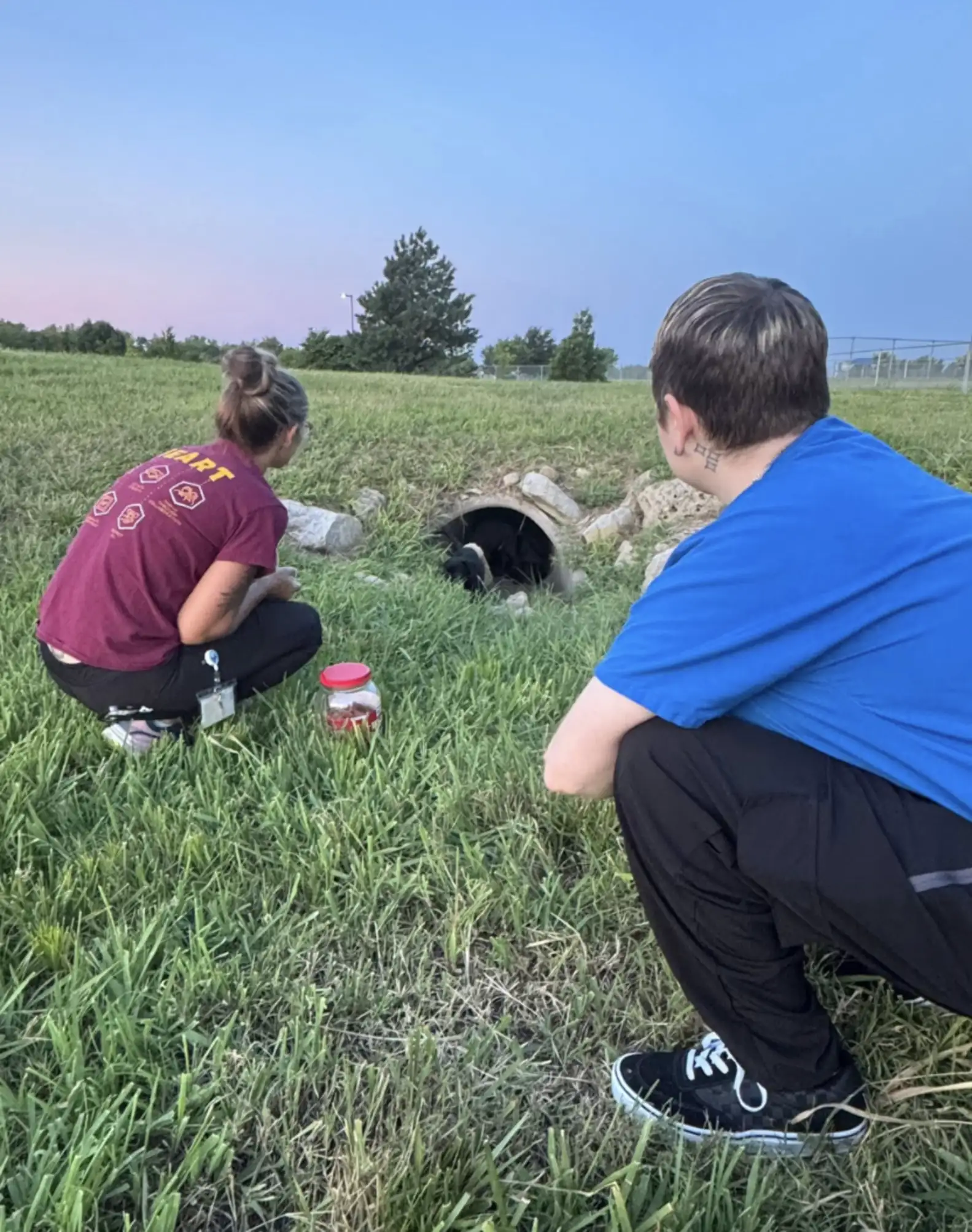
The rescuers hurried over and found the source of the noise. There, cowering inside, were six little puppies left to fend for themselves.

Using treats as a tasty incentive, the team coaxed each puppy out from the hole. The pups served a mandatory stray hold at the Wichita Animal Shelter next door. Then they returned to the Kansas Humane Society for further care.

Staff members gave the pups a comfortable place to recover. They named the dogs Abby, Ellie, Greg, Lev, Mike and Tommy, and made sure each of them received the necessary vaccines and medical attention needed to grow up healthy and strong.

“The puppies were very wiggly, especially Ellie,” a representative from Kansas Humane Society told The Dodo. “All were friendly and very social.”
Local news stations soon began covering the amazing rescue, urging community members to adopt or foster the pups. Within two days, every puppy was either adopted or put on hold for adoption.

Today, Abby, Ellie, Greg, Lev, Mike and Tommy are all safe in their forever homes, and rescuers couldn’t be happier.
“We hope their futures are full of love, cuddles and treats,” the representative said.
To help other animals like these puppies, you can make a donation to the Kansas Humane Society.
ooOOoo
It is stories like this one that provide the incentive for not engaging in politics. Period!
An interesting article about the benefits of being active.
I try and stay as active as I can mainly by bicycle riding. This article from The Conversation shows the importance of this. It is just a shame that they do not mention being old and active; as in being 80!
ooOOoo

Fiddy Davis Jaihind Jothikaran, Hope College
In a world where sports are dominated by youth and speed, some athletes in their late 30s and even 40s are not just keeping up – they are thriving.
Novak Djokovic is still outlasting opponents nearly half his age on tennis’s biggest stages. LeBron James continues to dictate the pace of NBA games, defending centers and orchestrating plays like a point guard. Allyson Felix won her 11th Olympic medal in track and field at age 35. And Tom Brady won a Super Bowl at 43, long after most NFL quarterbacks retire.
The sustained excellence of these athletes is not just due to talent or grit – it’s biology in action. Staying at the top of their game reflects a trainable convergence of brain, body and mindset. I’m a performance scientist and a physical therapist who has spent over two decades studying how athletes train, taper, recover and stay sharp. These insights aren’t just for high-level athletes – they hold true for anyone navigating big life changes or working to stay healthy.
Increasingly, research shows that the systems that support high performance – from motor control to stress regulation, to recovery – are not fixed traits but trainable capacities. In a world of accelerating change and disruption, the ability to adapt to new changes may be the most important skill of all. So, what makes this adaptability possible – biologically, cognitively and emotionally?
Neuroscience research shows that with repeated exposure to high-stakes situations, the brain begins to adapt. The prefrontal cortex – the region most responsible for planning, focus and decision-making – becomes more efficient in managing attention and making decisions, even under pressure.
During stressful situations, such as facing match point in a Grand Slam final, this area of the brain can help an athlete stay composed and make smart choices – but only if it’s well trained.
In contrast, the amygdala, our brain’s threat detector, can hijack performance by triggering panic, freezing motor responses or fueling reckless decisions. With repeated exposure to high-stakes moments, elite athletes gradually reshape this brain circuit.
They learn to tune down amygdala reactivity and keep the prefrontal cortex online, even when the pressure spikes. This refined brain circuitry enables experienced performers to maintain their emotional control.
Brain-derived neurotrophic factor, or BDNF, is a molecule that supports adapting to changes quickly. Think of it as fertilizer for the brain. It enhances neuroplasticity: the brain’s ability to rewire itself through experience and repetition. This rewiring helps athletes build and reinforce the patterns of connections between brain cells to control their emotion, manage their attention and move with precision.
BDNF levels increase with intense physical activity, mental focus and deliberate practice, especially when combined with recovery strategies such as sleep and deep breathing.
Elevated BDNF levels are linked to better resilience against stress and may support faster motor learning, which is the process of developing or refining movement patterns.
For example, after losing a set, Djokovic often resets by taking deep, slow breaths – not just to calm his nerves, but to pause and regain control. This conscious breathing helps him restore focus and likely quiets the stress signals in his brain.
In moments like these, higher BDNF availability likely allows him to regulate his emotions and recalibrate his motor response, helping him to return to peak performance faster than his opponent.
In essence, athletes who repeatedly train and compete in pressure-filled environments are rewiring their brain to respond more effectively to those demands. This rewiring, from repeated exposures, helps boost BDNF levels and in turn keeps the prefrontal cortex sharp and dials down the amygdala’s tendency to overreact.
This kind of biological tuning is what scientists call cognitive reserve and allostasis – the process the body uses to make changes in response to stress or environmental demands to remain stable. It helps the brain and body be flexible, not fragile.
Importantly, this adaptation isn’t exclusive to elite athletes. Studies on adults of all ages show that regular physical activity – particularly exercises that challenge both body and mind – can raise BDNF levels, improve the brain’s ability to adapt and respond to new challenges, and reduce stress reactivity.
Programs that combine aerobic movement with coordination tasks, such as dancing, complex drills or even fast-paced walking while problem-solving have been shown to preserve skills such as focus, planning, impulse control and emotional regulation over time.
After an intense training session or a match, you will often see athletes hopping on a bike or spending some time in the pool. These low-impact, gentle movements, known as active recovery, help tone down the nervous system gradually.
Outside of active recovery, sleep is where the real reset and repair happen. Sleep aids in learning and strengthens the neural connections challenged during training and competition.

Over time, this convergence creates a trainable loop between the brain and body that is better equipped to adapt, recover and perform.
While the spotlight may shine on sporting arenas, you don’t need to be a pro athlete to train these same skills.
The ability to perform under pressure is a result of continuing adaptation. Whether you’re navigating a career pivot, caring for family members, or simply striving to stay mentally sharp as the world changes, the principles are the same: Expose yourself to challenges, regulate stress and recover deliberately.
While speed, agility and power may decline with age, some sport-specific skills such as anticipation, decision-making and strategic awareness actually improve. Athletes with years of experience develop faster mental models of how a play will unfold, which allows them to make better and faster choices with minimal effort. This efficiency is a result of years of reinforcing neural circuits that doesn’t immediately vanish with age. This is one reason experienced athletes often excel even if they are well past their physical prime.
Physical activity, especially dynamic and coordinated movement, boosts the brain’s capacity to adapt. So does learning new skills, practicing mindfulness and even rehearsing performance under pressure. In daily life, this might be a surgeon practicing a critical procedure in simulation, a teacher preparing for a tricky parent meeting, or a speaker practicing a high-stakes presentation to stay calm and composed when it counts. These aren’t elite rituals – they’re accessible strategies for building resilience, motor efficiency and emotional control.
Humans are built to adapt – with the right strategies, you can sustain excellence at any stage of life.
Fiddy Davis Jaihind Jothikaran, Associate Professor of Kinesiology, Hope College
This article is republished from The Conversation under a Creative Commons license. Read the original article.
ooOOoo
… “you can sustain excellence at any stage of life.” Even at 80 years old? 😉


 Learning from Dogs