Category: Health

Rescuing a dog in South Africa

A delightful story that one hopes will be allowed to share.

One is constantly looking for lovely dog stories and recently I came across this story from The Dodo.

ooOOoo

Woman Stops In Her Tracks When She Sees Brown Legs Poking Out Of Trash

She almost didn’t notice …

By Maeve Dunigan

Published on the 20th April, 2023

The other day, members of the neighborhood watch in Richards Bay, South Africa, received a shocking phone call. A woman said she’d been walking through an undeveloped area of wilderness nearby and stumbled on something heartbreaking.
Two watch captains rushed to the scene. When they arrived, they found a discarded pile of rubble and plastic — not necessarily a surprise, given that trash is occasionally dumped in the area. What was upsetting, though, were the pair of long brown legs and pleading black eyes barely visible under the debris.

A little dog was trapped, and he needed help.

With caution, the team began to cut the dog loose from the plastic bag where he’d been tied up. After freeing the pup, they carried him out of the trash and gently placed him in the grass nearby.

The dog, later named Rocky, was so happy to be able to move around, though he was very weak from his ordeal. Neighborhood watch personnel gave the pup some ice cubes to suck on while they waited for SPCA Richards Bay staff to arrive.

Safe at the SPCA, a veterinary team examined Rocky and treated him for a small wound on his head. The malnourished pup was given plenty of food and water, and, in no time, Rocky’s slim figure began to improve and his personality began to shine.

“Rocky is now the sweetest, most outgoing puppy,” a representative from SPCA Richards Bay told The Dodo.

SPCA staff were inspired by Rocky — who spread so much love and who didn’t seem jaded by his harrowing ordeal.

“We were amazed at how a puppy who had been discarded like trash could love and trust again,” the representative said.

Rocky has since been adopted into a loving family and taken to live with them on their farm. The grateful pup, who once spent hours trapped under garbage, unable to move, will spend the rest of his days running through the ample fields of his new home, loving every minute.

ooOOoo

All of the above photographs are taken by FACEBOOK/SPCA RICHARDS BAY

No matter where in the world one is there is a love for dogs and this account shows it to be so!

Balance!

It is one of many things that deteriorate with age!

Jeannie and I go to the Club Northwest locally in Grants Pass twice a week. It is a local gym. Jean goes to her Rock Steady class and I see a coach. Both of us spend time ensuring our balance is as good as it can be. For me that consists primarily of spending a minute standing on each leg on a vibrating platform; it is not easy.

So for all the more elderly people out there, here is an article that was recently published on The Conversation.

ooOOoo

Balance declines with age, but exercise can help stave off some of the risk of falling

Published: May 19, 2023

About 1 in 4 adults ages 65 and up experience a fall every year. sasirin pamai/iStock via Getty Images Plus

Evan Papa, Tufts University

My wife and I were in the grocery store recently when we noticed an older woman reaching above her head for some produce. As she stretched out her hand, she lost her balance and began falling forward. Fortunately, she leaned into her grocery cart, which prevented her from falling to the ground.

Each year, about 1 in every 4 older adults experience a fall. In fact, falls are the leading cause of injuries in adults ages 65 and older. Falls are the most common cause of hip fractures and traumatic brain injuries.
Injuries like those are also risk factors for placement in a nursing home, where the fall risk is nearly three times higher than for people living in the community.

A number of physical changes with aging often go unseen preceding falls, including muscle weakness, decreased balance and changes in vision.

I am a physical therapist and clinical scientist focused on fall prevention in older adults, commonly ages 65 and older. I’ve spent most of my career investigating why older adults fall and working with patients and their families to prevent falls.

Why aging leads to increased risk of falls

Aging is a process that affects the systems and tissues of every person. The rate and magnitude of aging may be different for each person, but overall physical decline is an inevitable part of life. Most people think aging starts in their 60s, but in fact we spend most of our life span undergoing the process of decline, typically beginning in our 30s.

Older adults are more prone to falling for various reasons, including age-related changes in their bodies and vision changes that leave them vulnerable to environmental factors such as curbs, stairs and carpet folds.

Some straightforward measures to improve the safety of the home environment for older adults can significantly lower the risk of falls.

Based on my experience, here are some common reasons older adults may experience falls:

First, aging leads to a natural loss of muscle strength and flexibility, making it more challenging to maintain balance and stability. The loss of strength and poor balance are two of the most common causes of falls.

Second, older adults often have chronic conditions such as arthritis, Parkinson’s disease or diabetes that can affect their mobility, coordination and overall stability.

In addition, certain medications commonly taken by older adults, such as sedatives or blood pressure drugs, can cause dizziness, drowsiness or a drop in blood pressure, leading to an increased risk of falls.

Age-related vision changes, such as reduced depth perception and peripheral vision and difficulty in differentiating colors or contrasts, can make it harder to navigate and identify potential hazards. Hazards in the environment, such as uneven surfaces, slippery floors, inadequate lighting, loose rugs or carpets or cluttered pathways, can significantly contribute to falls among older adults.

Older adults who lead a sedentary lifestyle or have limited physical activity may also experience reduced strength, flexibility and balance.

And finally, such conditions as dementia or Alzheimer’s disease can affect judgment, attention and spatial awareness, leading to increased fall risk.

Illustration of an iceberg underwater and just partially showing above water, annotated with a few of the age-related changes that can increase fall risk.
Falls reflect age-related changes happening under the surface. Annotated by Evan Papa via iStock/Getty Images

Theories of aging

There are numerous theories about why we age but there is no one unifying notion that explains all the changes in our bodies. A large portion of aging-related decline is caused by our genes, which determine the structure and function of bones, muscle growth and repair and visual depth perception, among other things. But there are also numerous lifestyle-related factors that influence our rate of aging including diet, exercise, stress and exposure to environmental toxins.

A recent advance in scientific understanding of aging is that there is a difference between your chronological age and your biological age. Chronological age is simply the number of years you’ve been on the Earth. Biological age, however, refers to how old your cells and tissues are. It is based on physiological evidence from a blood test and is related to your physical and functional ability. Thus, if you’re healthy and fit, your biological age may be lower than your chronological age. However, the reverse can also be true.

I encourage patients to focus on their biological age because it empowers them to take control over the aging process. We obviously have no control over when we are born. By focusing on the age of our cells, we can avoid long-held beliefs that our bodies are destined to develop cancer, diabetes or other conditions that have historically been tied to how long we live.

And by taking control of diet, exercise, sleep and other lifestyle factors you can actually decrease your biological age and improve your quality of life. As one example, our team’s research has shown that moderate amounts of aerobic exercise can slow down motor decline even when a person begins exercise in the latter half of the life span.

Fall prevention

Adopting lifestyle changes such as regular, long-term exercise can reduce the consequences of aging, including falls and injuries. Following a healthy diet, managing chronic conditions, reviewing medications with health care professionals, maintaining a safe home environment and getting regular vision checkups can also help reduce the risk of falls in older adults.

There are several exercises that physical therapists use to improve balance for patients. It is important to note however, that before starting any exercise program, everyone should consult with a health care professional or a qualified physical therapist to determine the most appropriate exercises for their specific needs. Here are five forms of exercise I commonly recommend to my patients to improve balance:

  1. Balance training can help improve coordination and proprioception, which is the body’s ability to sense where it is in space. By practicing movements that challenge the body’s balance, such as standing on one leg or walking heel-to-toe, the nervous system becomes better at coordinating movement and maintaining balance. A large research study analyzing nearly 8,000 older adults found that balance and functional exercises reduce the rate of falls by 24%.
  2. Strength training exercises involve lifting weights or using resistance bands to increase muscle strength and power. By strengthening the muscles in the legs, hips and core, older adults can improve their ability to maintain balance and stability. Our research has shown that strength training can also lead to improvements in walking speed and a reduction in fall risk.
  3. Tai chi is a gentle martial art that focuses on slow, controlled movements and shifting body weight. Research shows that it can improve balance, strength and flexibility in older adults. Several combined studies in tai chi have demonstrated a 20% reduction in the number of people who experience falls.
  4. Certain yoga poses can enhance balance and stability. Tree pose, warrior pose and mountain pose are examples of poses that can help improve balance. It’s best to practice yoga under the guidance of a qualified instructor who can adapt the poses to individual abilities.
  5. Flexibility training involves stretching the muscles and joints, which can improve range of motion and reduce stiffness. By improving range of motion, older adults can improve their ability to move safely and avoid falls caused by limitations in mobility.
  6. Use of assistive devices can be helpful when strength or balance impairments are present. Research studies involving the evaluation of canes and walkers used by older adults confirm that these devices can improve balance and mobility. Training from a physical or occupational therapist in the proper use of assistive devices is an important part of improving safety.

When I think back about the woman who nearly fell in the grocery store, I wish I could share everything we have learned about healthy aging with her. There’s no way to know if she was already putting these tips into practice, but I’m comforted by the thought that she may have avoided the fall by being in the right place at the right time. After all, she was standing in the produce aisle.

Evan Papa, Associate Professor of Physical Therapy and Rehabilitation Science, Tufts University

This article is republished from The Conversation under a Creative Commons license. Read the original article.

ooOOoo

Reading this article reminds me that Bruce, my coach at the Club Northwest, also has me walking toe-to-heel; with my eyes fully open, then blinking rapidly and then with my eyes closed. Plus I go bike riding as often as I can.

This getting old lark really sucks!

    Picture Parade Four Hundred and Eighty-Seven

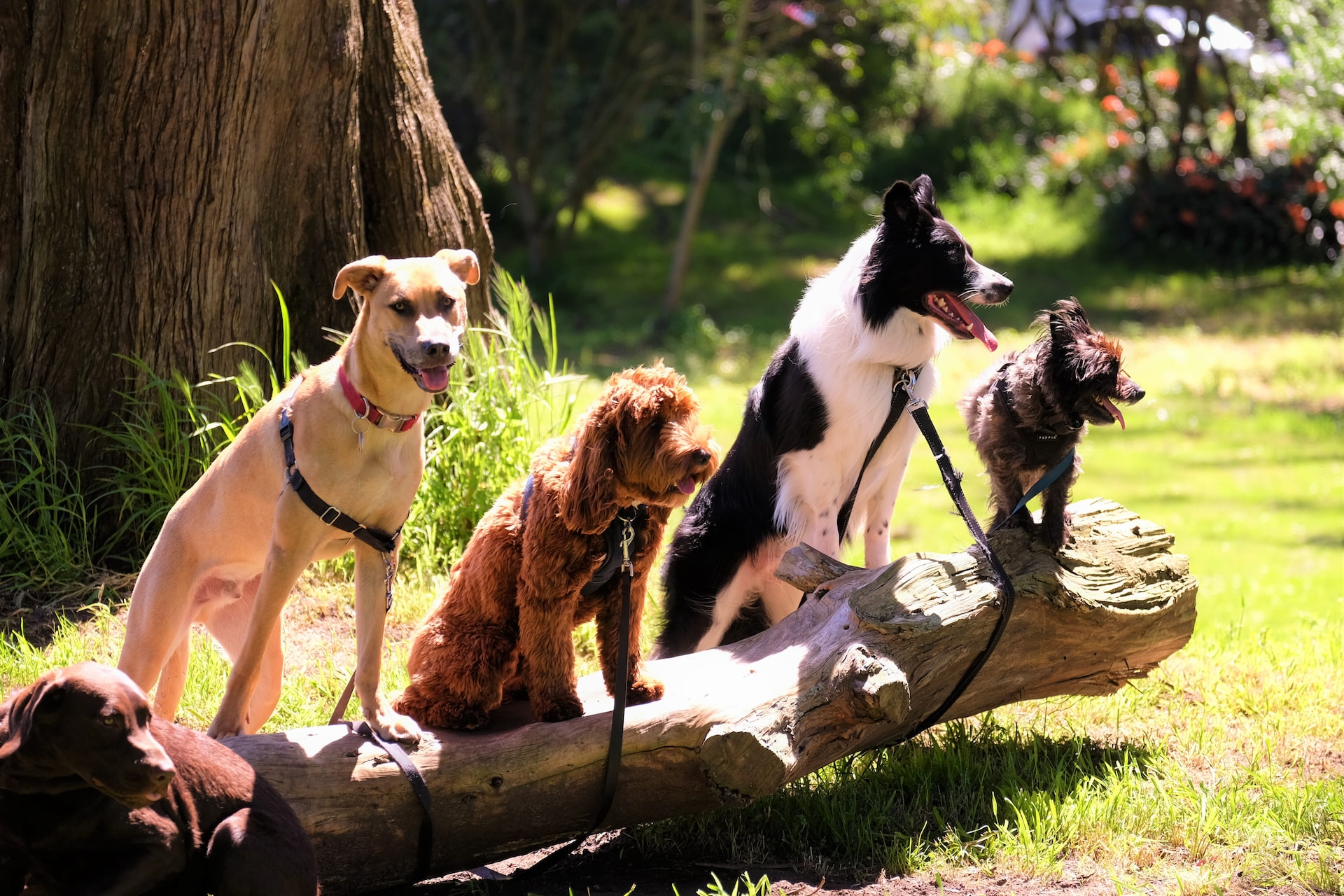
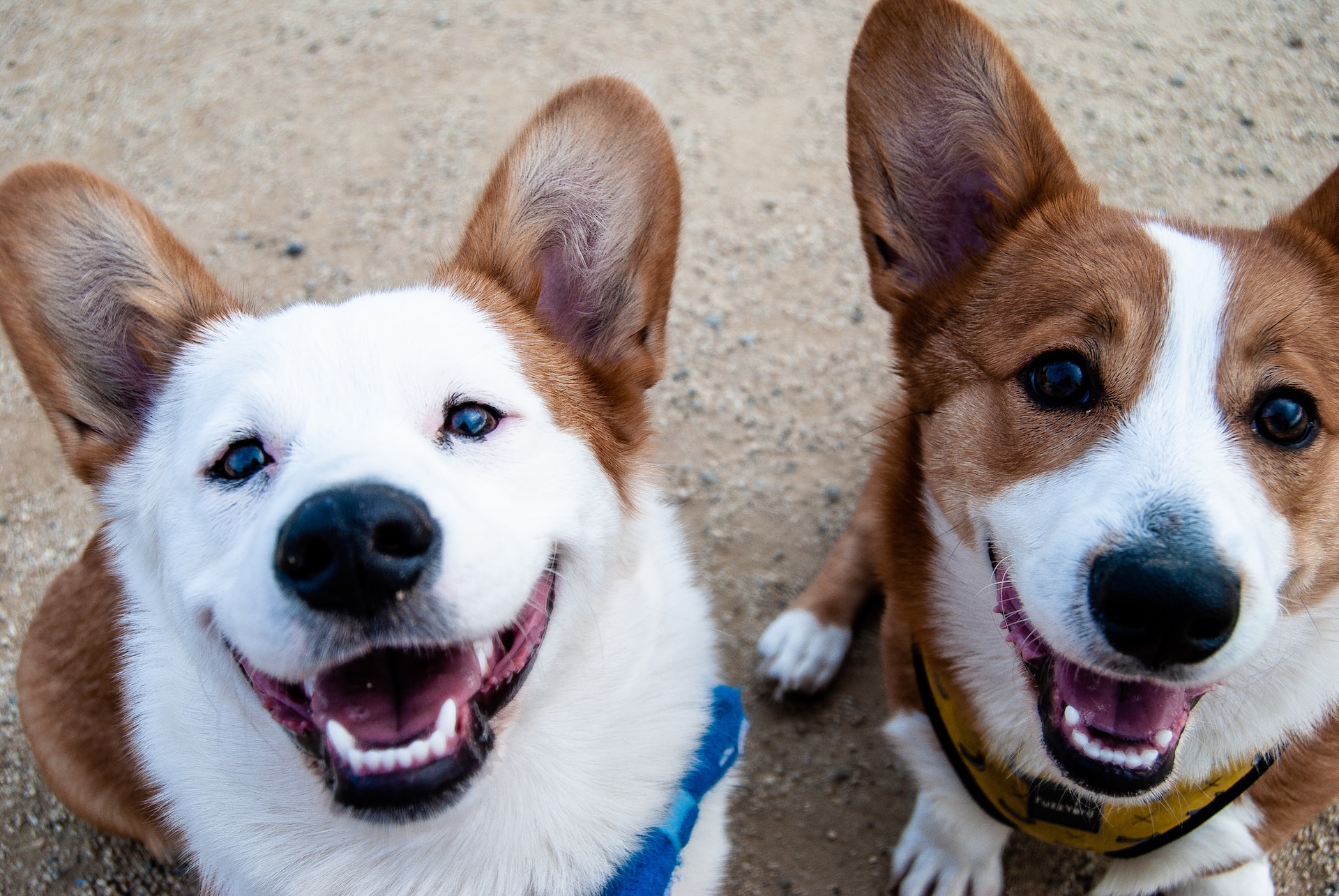
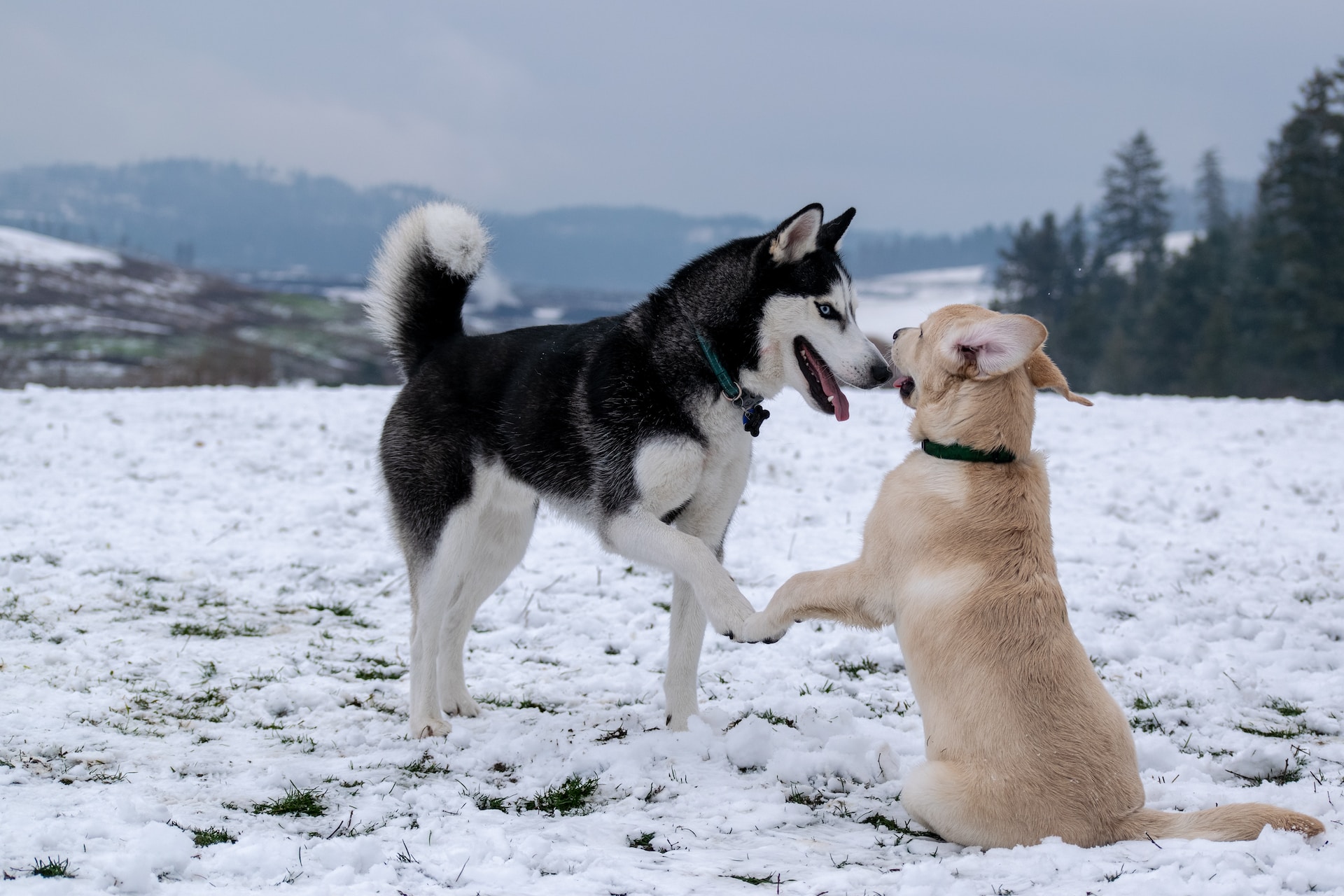
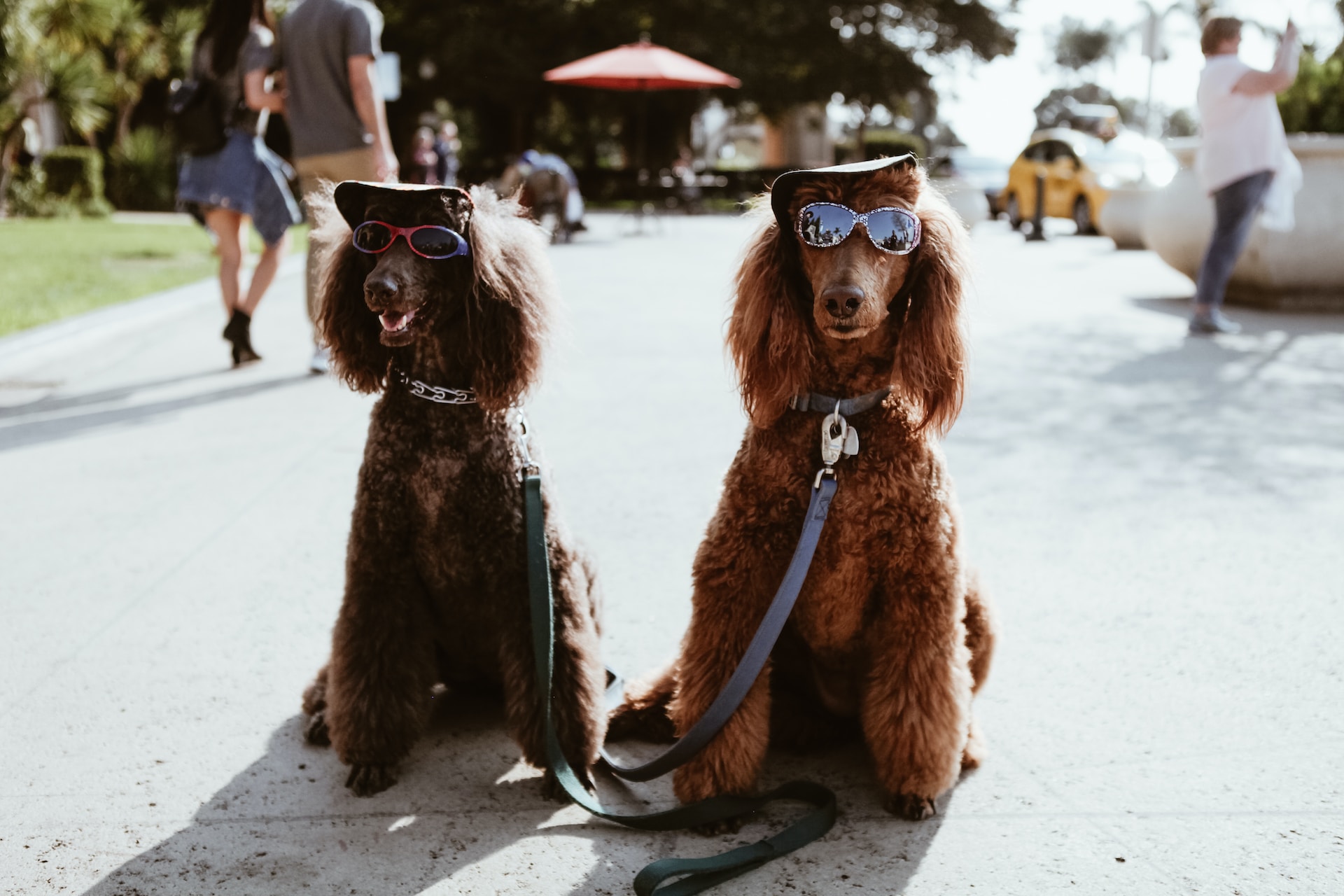
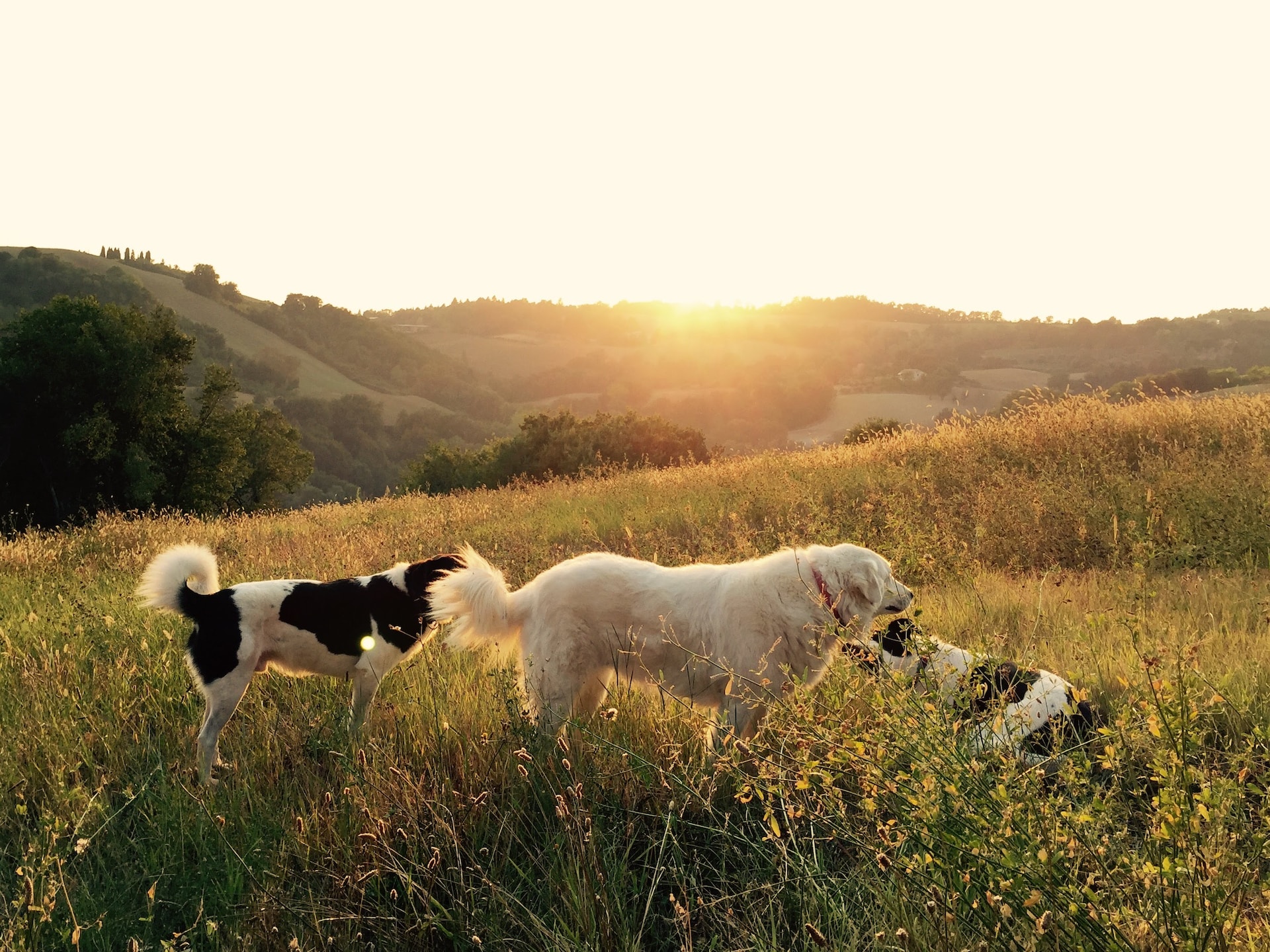
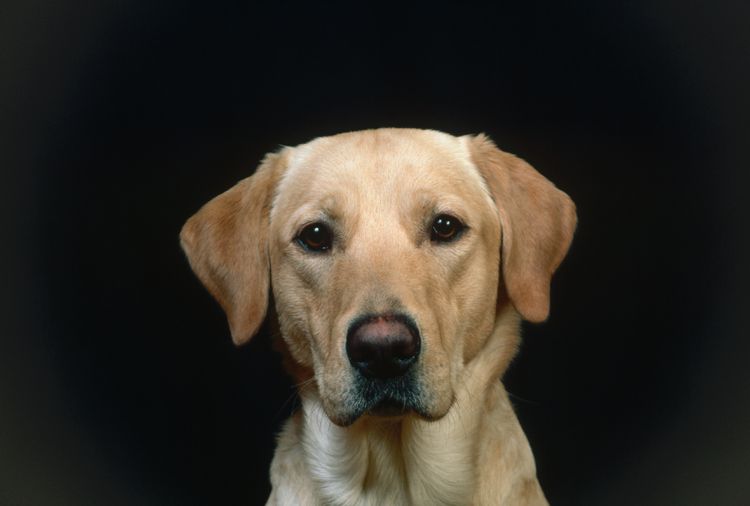
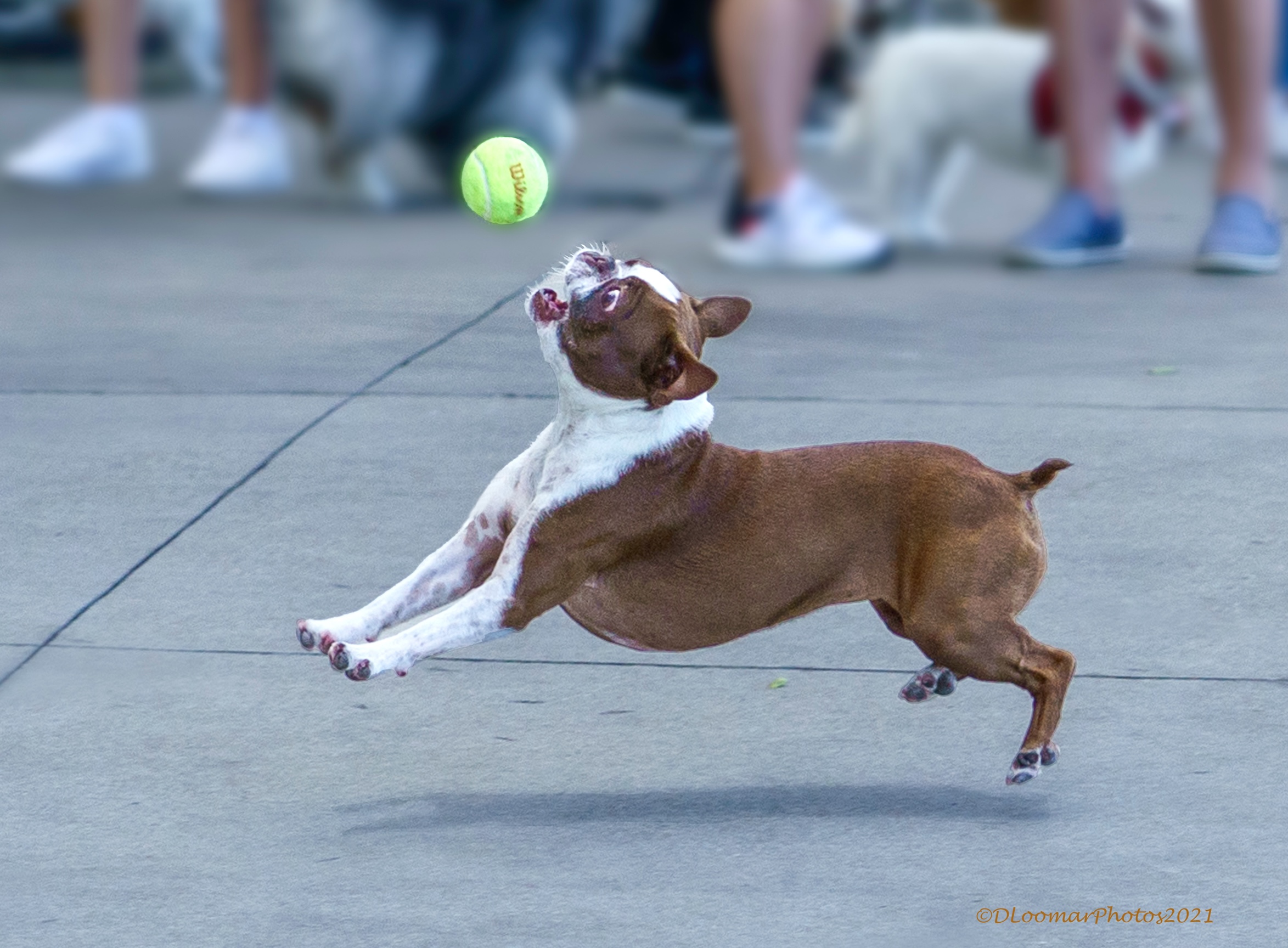
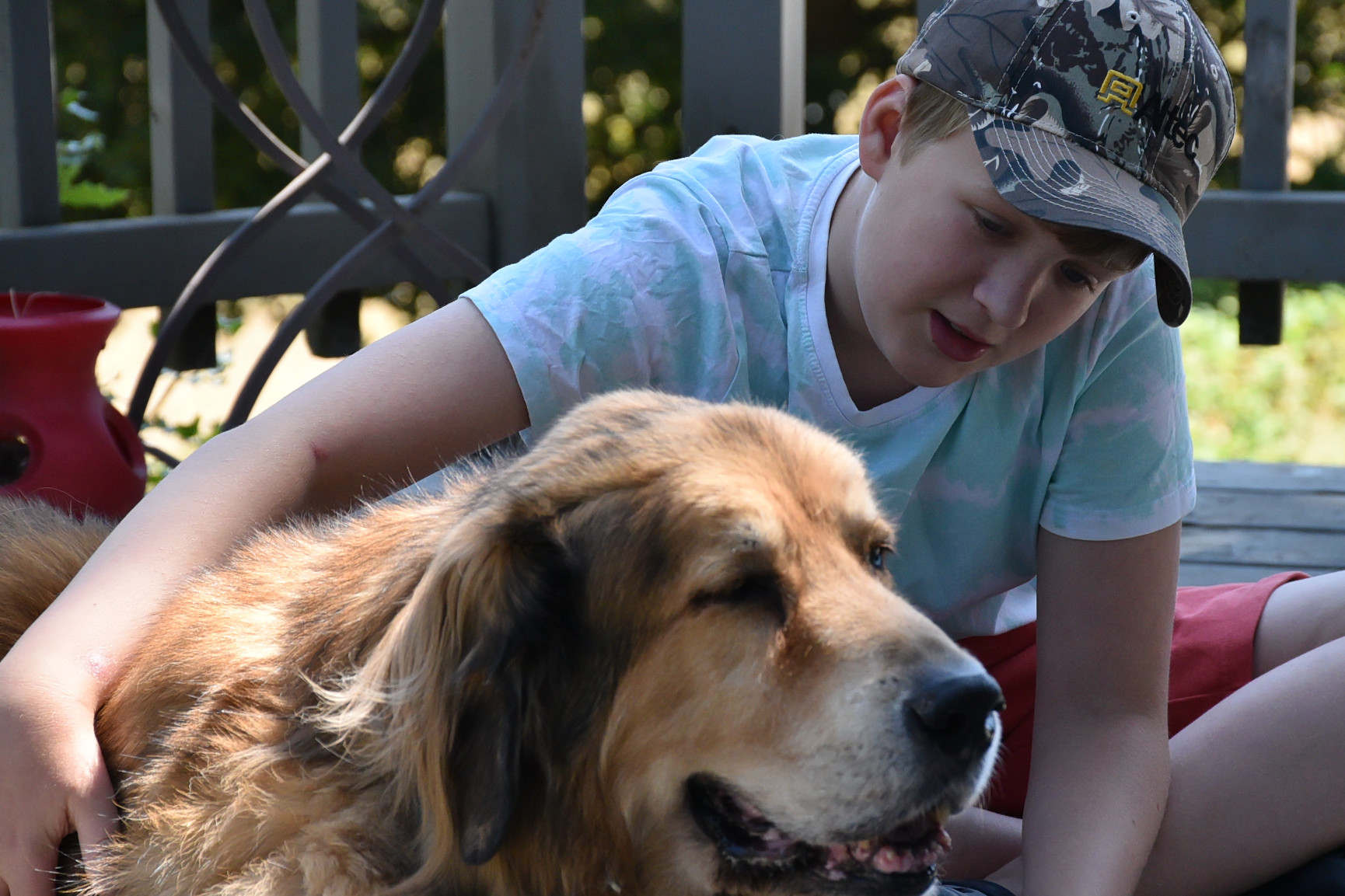
    More dogs from Unsplash!

    Alex has been in the Isle of Mull this past week taking the most amazing photographs of birds and I hope that in time some of Alex’s photographs will be shared with you on Learning from Dogs.

    oooo

    oooo

    oooo

    oooo

    oooo

    oooo

    This week I went for Poodles and selected the above photographs.

    See you all next Tuesday.

    The Power of a Gentle Touch

    An interesting film.

    On Sunday evening Jean and I watched a documentary on touch. It was most interesting and included the obvious thought (that I needed reminding of) that babies when they are born cannot see more than 30 centimetres and cannot hear at first. So touch is vital for the health and early bonding of the babe and its parents with the mother being the dominant parent and the provider of breast milk.

    Then yesterday I poked around online and found that the benefits of touch not only were for the very young but also for all ages and also were more broadly available across many animals, especially dogs.

    But here’s the first film:

    Touch shapes us as humans. Indeed, touch is fundamental to what makes us social beings. Touch influences how we perceive stress and pain, who we trust and who we fear. How does this work? And what happens to us in the absence of touch? Gentle touch is vital for us humans. It creates the first contact with the world for newborns, giving us a sense of security and belonging. Touch influences our immune system, and on our feelings for our fellow human beings. Especially strong feelings, such as love or compassion, can be better conveyed through touch than through words, facial expressions or gestures. Given how important touch is, it’s no surprise that humans have a highly specialized system devoted exclusively to perceiving gentle touch stimuli. Why does the touch of a stranger feel so different to that of someone we are emotionally close to? What is happening in our brain – and what role does the brain play in all this? In an era of social distancing, touch research is becoming increasingly relevant. How does it affect us, and our relationships, when we are required to keep our distance? Researchers explore what role touch plays in our physical and emotional well-being, and what the consequences are when touch is missing.

    Then moving on I found an article on the Johns Hopkins Medicine website called The Friend Who Keeps You Young.

    It opens:

    Adopting a pet may seem like a selfless act, but there are plenty of selfish reasons to embrace pet ownership. Research has shown that owning a pet provides an amazing array of health benefits, says Jeremy Barron, M.D., medical director of the Beacham Center for Geriatric Medicine at Johns Hopkins.

    Not ready for a full-time furry friend in your home? Offer to walk a neighbor’s dog, cat-sit for a friend, or donate time at a local animal shelter—even short interactions provide enough pet exposure to reap some of these rewards.

    And that wasn’t the end, far from it!

    HelpGuide.org had a powerful article The Health and Mood-Boosting Benefits of Pets. Here’s how it starts:

    The benefits of pets

    Most pet owners are clear about the immediate joys that come with sharing their lives with companion animals. However, many of us remain unaware of the physical and mental health benefits that can also accompany the pleasure of snuggling up to a furry friend. It’s only recently that studies have begun to scientifically explore the benefits of the human-animal bond.

    Pets have evolved to become acutely attuned to humans and our behavior and emotions. Dogs, for example, are able to understand many of the words we use, but they’re even better at interpreting our tone of voice, body language, and gestures. And like any good human friend, a loyal dog will look into your eyes to gauge your emotional state and try to understand what you’re thinking and feeling (and to work out when the next walk or treat might be coming, of course).

    Pets, especially dogs and cats, can reduce stress, anxiety, and depression, ease loneliness, encourage exercise and playfulness, and even improve your cardiovascular health. Caring for an animal can help children grow up more secure and active. Pets also provide valuable companionship for older adults. Perhaps most importantly, though, a pet can add real joy and unconditional love to your life.

    Dogs are the perfect companions to us!

    Picture Parade Four Hundred and Eighty-Six

    More German Shepherds from Unsplash.

    oooo

    oooo

    oooo

    oooo

    oooo

    oooo

    oooo

    oooo

    Quite a few puppies, as you can see!

    The communication between dogs and humans.

    A tremendous guest post from Raphael Wildcom.

    Raphael was in contact with me asking whether I had any ideas of a subject that could be written about. I replied that it would be lovely to have a post about the way that dogs understand us humans. The following is the result, and it is great!

    ooOOoo

    Building Bridges: How Dogs Understand Humans and How We Can Improve Our Communication with Them

    By Raphael Wildcom.

    Dogs have been our faithful companions for thousands of years, and during that time, they have evolved to become incredibly attuned to human emotions and communication. Their ability to understand us and our ability to communicate with them has led to a unique bond between our two species. 

    In this article, we will explore how dogs understand humans and offer some tips on how we can improve our communication with our canine friends.

    How Dogs Understand Humans

    1. Body language

    One of the most crucial ways dogs interpret our emotions and intentions is through our body language. Dogs are highly perceptive when it comes to noticing our posture, eye contact, and movements. They can sense if we are relaxed or tense and often respond accordingly. 

    Photo from Pexels.com

    For example, a cute Shiba Inu puppy might approach a person exhibiting relaxed body language while avoiding someone who appears tense or stressed.

    1. Facial expressions

    Dogs are remarkably adept at recognizing human facial expressions. Research has shown that they can distinguish between expressions of happiness, sadness, and anger, among others. This ability allows them to adjust their behavior depending on our emotional state.

    1. Vocalizations

    Although dogs may not understand the specific words we use, they are incredibly sensitive to the tone and pitch of our voices. They can pick up on the emotional content of our speech, which helps them gauge our emotions and intentions. For example, a dog might become excited when they hear a high-pitched, happy voice or become submissive when they hear a low, stern voice.

    1. Training and commands

    Dogs can learn to associate specific words or gestures with actions or objects through training and repetition. This ability allows them to respond to our commands and communicate with us effectively. For example, a dog might learn to sit when they hear the word “sit” or see a specific hand signal.

    1. Scent and pheromones

    Dogs possess an extraordinary sense of smell, and they can pick up on subtle changes in our body odor, which may be indicative of our emotional state. For example, a dog might be able to detect the scent of stress-related hormones and respond accordingly.

    1. Social cues

    Dogs are skilled at observing and interpreting social cues within a group or family. They understand relationships between people and often respond to the social hierarchy within the household. For example, a dog might defer to the person they perceive as the leader of the family.

    Improving Communication with Your Dog

    1. Be consistent

    Consistency is key when it comes to communicating with your dog. Use the same words, tone, and gestures for specific commands, and make sure all family members are on the same page. This consistency will help your dog understand what you expect from them and make it easier for them to respond correctly.

    1. Use positive reinforcement

    Reward your dog with praise, treats, or playtime when they respond correctly to a command or exhibit desirable behavior. Positive reinforcement is an effective way to strengthen your communication with your dog and encourage them to repeat the desired behavior in the future.

    1. Pay attention to your dog’s body language

    Learn to recognize the subtle signs your dog uses to communicate their emotions and intentions. By understanding their body language, you can respond more effectively to their needs and create a stronger bond.

    1. Be patient and persistent

    Training and effective communication with your dog takes time and effort. Be patient, and understand that your dog may need repetition and practice to grasp new commands or break old habits. Persistence and consistency will pay off in the long run.

    1. Learn from the experts

    Consider enrolling in a dog training class, consulting with a professional dog trainer, or reading books on dog behavior and training to improve your communication skills and understanding of your dog’s needs.

    1. Socialize your dog

    Expose your dog to various people, animals, environments, and situations from an early age. Socialization helps your dog become more comfortable in different settings and makes them better equipped to understand and respond to different cues from humans and other animals. Well-socialized dogs are generally more confident, adaptable, and better communicators.

    1. Develop a routine

    Dogs thrive on routines, as they provide structure and predictability. Establish a daily routine for feeding, walks, playtime, and rest. A consistent routine helps your dog feel secure and makes it easier for them to understand your expectations.

    1. Be aware of your own body language and emotions

    Remember that your dog is constantly observing you and responding to your body language and emotions. Be mindful of the signals you send through your posture, facial expressions, and tone of voice. By being aware of your own non-verbal communication, you can create a more harmonious and effective relationship with your dog.

    1. Use clear and simple commands

    When giving your dog a command, use clear, simple words or gestures that are easy for them to understand. Avoid using multiple words for the same command or giving commands when you are angry or frustrated, as this can confuse your dog and hinder communication.

    1. Engage in interactive play and training

    Spend time playing with your dog and engaging them in activities that challenge their mind and body. Interactive play and training sessions can strengthen your bond, improve communication, and provide mental stimulation for your dog.

    Conclusion

    By understanding how dogs interpret our emotions and intentions and implementing strategies to improve communication, we can forge an even stronger bond with our canine companions. This deeper connection not only enhances our relationship with our dogs but also contributes to their overall well-being and happiness. 

    With patience, consistency, and a commitment to understanding each other, we can continue to enjoy the unique and enriching bond that humans and dogs have shared for thousands of years.

    ooOOoo

    This article is such great advice. Thank you very much, Raphael.

    I am sure I am not the only one that would love to have more articles from Raphael.

    Dr Renée Lertzman speaking a great deal of sense

    She was at TED19 giving this talk.

    It is under 14 minutes in length so, please, watch it until the end. You will be pleased you did!

    It’s normal to feel anxious or overwhelmed by climate change, says psychologist Renée Lertzman. Can we turn those feelings into something productive? In an affirming talk, Lertzman discusses the emotional effects of climate change and offers insights on how psychology can help us discover both the creativity and resilience needed to act on environmental issues.

    Dr. Renée Lertzman is a researcher, educator and engagement strategist who uses psychological insights to unlock action on global climate and environmental crises.

    Why you should listen

    Dr. Renée Lertzman is a pioneer and leader at the intersection of psychology, climate and environment. She applies psychosocial insights to drive engagement and action on ecological issues. 

    Lertzman translates psychology and social science best practices into tools, resources and guidance that unleash the potential for creativity and courage. She guides companies and organizations in strengthening engagement campaigns and boosting their ability to connect with stakeholders to inspire action, ingenuity and resilience in facing one of the biggest challenges of our time.

    Her website is here: https://reneelertzman.com

    This is a very positive talk and the recommendation that Dr. Lertzman provides is simply music to our ears!

    Back to Cats!

    Introducing a guest post from Gloria Peters.

    Although this blog is 99% about dogs that doesn’t preclude a guest post; one that is really charming.

    ooOOoo

    Fun DIY Toys to Keep Your Cat Entertained

    Keep your cat entertained with these easy DIY toys, including puzzle toys and toilet paper roll toys. Challenge your cat’s mind and provide hours of fun with these ideas

    Fun DIY Toys to Keep Your Cat Entertained

    Cats are known for being playful and curious, so it’s important to give them things to keep them occupied and their minds working. But store-bought toys can be expensive, and your cat may not always be interested in them.

    That’s why making your own toys is a good idea. Making your own cat toys is not only cheaper, but it also allows you to make them just the way your cat likes them. In this article, we’ll talk about ten fun toys you can make to keep your cat busy.

    1. Cardboard fort

    A cardboard box is one of the easiest and most useful toys you can make for your cat. You can make a box fortress by cutting holes and tubes in the box and filling it with soft bedding. Cats love to hide and look around, and a cardboard box fort is the right place for them.

    Find a large cardboard box to start making your cardboard fort. Cut holes and tubes into the sides of the box, making sure the edges are even so the cat doesn’t get hurt. 

    You can cut the paper with scissors or a utility knife. Then put something soft inside the box, such as a blanket or towel. Your cat will love hiding in his new fort and exploring it.

    1. Pen game

    Cats love feathers and you can make your own feather toy by tying the feathers to a string or stick. Your cat will enjoy chasing and pouncing on feathers, which will exercise them, keep their mind active, and remind you that cat shed.

    Start by getting feathers to make a feather toy. You can use feathers you find on the street or feathers bought from a craft store. Use glue or tape to attach the feathers to a string or stick. Make sure the feathers are well attached so they don’t fall off when the kids play. Then hang a feather toy in front of your cat and watch it jump and run after it.

    1. Socks with catnip

    Cats love the natural catnip stimulant, and you can make your own catnip toy by placing dried catnip in a sock and tying a knot at the end. Your cat will enjoy rubbing and biting on the sock, and the smell of catnip will keep her interested.

    Find a clean sock to use as the base for your catnip sock. Put the dried catnip in the sock and then tie a knot at the end so the catnip stays inside. You can also put bells or wrinkled paper inside the sock to make it more interesting. Then give your cat a sock and watch her rub and bite into it, enjoying the smell of catnip.

    1. Post for scratching

    Cats naturally love to scratch, but if you give them room to scratch, they won’t scratch your furniture. You can make a scratching post by wrapping string or carpet around a cardboard tube or wooden pole.

    Find a sturdy cardboard tube or wooden pole to start making your scratching post. Cut a piece of string or carpet long enough to go around the pipe or pole. Then wrap the rope or cloth tightly around the pipe or pole and glue or staple it to keep it in place. Make sure the scratching post is high enough so that the cat can stretch out its entire body when using it. Place the scratching post where your cat likes to scratch and rub it with catnip so the cat can use it.

    1. Track for ping pong balls

    Make a ping pong ball track a fun and responsive toy for your cat. Make a path for the ping pong ball by cutting holes in the cardboard box and attaching the cardboard tubes. Your cat will love trying to catch the ball when you hit him with the bat.

    Find a wooden box to start making a ping pong ball track. After making holes in the sides of the box, make sure they are large enough for a ping pong ball to fit through. Then make a maze by inserting cardboard tubes into the holes. The tubes can be glued with hot glue or tape. Finally, place the ping pong ball in the maze and watch your cat try to catch it by hitting it.

    1. Tunnel for paper bags

    A paper bag tunnel is another easy and cheap toy you can make for your cat. You can make a tunnel for your cat by cutting the bottom out of a paper bag and sticking several bags together. You can also crumple up some paper and put it in bags to make them rustle and make the animals more excited.

    Collect some paper bags to start making the paper bag tunnel. Make a long tunnel by cutting out the bottom of each bag and taping them together. You can also put crumpled paper inside the bags so that the cat makes noise while playing inside. Your cat will have a great time exploring his new cave and hiding in the bags.

    1. Toy fishing rod

    Another fun toy for cats that looks like their natural prey is playing with a fishing rod. Stretch a toy or some feathers and tie them to a stick or dowel. Your cat will enjoy chasing and jumping on the toy, which will keep her active and stimulate her brain.

    Find a stick or fishing rod to start making a fishing rod toy. Use glue or tape to attach the toy or feathers to the string, and tie the other end of the string to the stick. Hang the toy in front of your cat and watch it run and jump on it.

    1. A toy that gives treats

    A toy that gives treats is a fun way to give your cat a treat and keep them entertained at the same time. Cut holes in a plastic bottle and fill it with treats to make a toy that dispenses treats. To get a treat, your cat will break the bottle.

    Find a plastic bottle to start making a toy that gives out treats. Use a utility knife or scissors to cut some small holes in the sides of the bottle. Then put the best treats for your cat into the bottle. Your cat will love to hit the bottle and try to get treats out of the holes.

     Conclusion 

    After all, making your own cat toys is a great way to keep them entertained and stimulated while saving money. But when you make these toys, it’s important to put your cat’s safety first and give her a range of toys that stimulate different senses. Don’t forget to play with your cat to bond with her and give her some exercise.

    ooOOoo

    Here is Gloria’s bio that she also supplied:

    Gloria Peters is an experienced pet writer and enthusiast, sharing valuable insights on gadgets to keep your feline friend healthy, happy, and entertained. Her expertise in technology and pet care is well-known in the industry, as seen on her popular website blog tulip.

    Gloria Peters

    I must say that Gloria has done a splendid job in writing the above guest post. It is excellent and way better than I could have done myself.

    Thank you, Gloria.

    Picture Parade Four Hundred and Eighty-Four

    Back to dogs and back to Unsplash!

    Seeing how many approved of the photos of Pharaoh, it seemed to me that I should provide photos of German Shepherd dogs; there are plenty of them.

    But before that many congratulations to the new King of the United Kingdom, King Charles III, or as Wikipedia put it:

    The coronation of Charles III and his wife, Camilla, as king and queen of the United Kingdom and the other Commonwealth realms took place on 6 May 2023, at Westminster Abbey. Charles acceded to the throne on 8 September 2022, upon the death of his mother, Elizabeth II.

    Now to the dogs!

    oooo

    oooo

    oooo

    oooo

    oooo

    oooo

    oooo

    oooo

    Wonderful dogs! And just a reminder of Pharaoh to play us out:

    One of the numerous effects of a warming climate.

    An article that I wanted to share with you!

    There is no question that we are warming the world, and in my mind, there’s very little doubt that it is us older persons who are the cause. Take this chart, for example, where the effects of populations in the 1980’s – 2000’s had a dramatic impact on the worsening trend:

    The reason for today’s post is to share an article that writes of the science of precipitation.

    ooOOoo

    THE PHYSICS OF PRECIPITATION
    IN A WARMING CLIMATE

    WRITTEN BY DR ASHLEIGH MASSAM

    The scientific consensus on climate change is that atmospheric temperatures are rising and will continue to rise. Mean global temperatures are already 1˚C warmer than preindustrial times (relative to 1850–1900), predominantly due to human activity increasing the amount of greenhouse gases in the atmosphere (IPCC, 2018a). The 2020 Paris Conference of Parties (COP) agreed on the aim of a 1.5˚C cap on climate change-induced warming, although without rapidly introducing measures to reduce carbon and greenhouse gas emissions, global warming could easily go beyond this limit. 

    In fact, the Intergovernmental Panel on Climate Change (IPCC) warns that even a mean global temperature increase of 1.5˚C will lead to an increase in the frequency and intensity of rainfall events. But what links a warmer climate to an increase in intense rainfall events? This blog post will explain the physics behind the changes to precipitation rates in a warming climate.

    A SIMPLE OVERVIEW OF THE PHYSICS

    Climate projections simultaneously warn of higher annual mean surface temperatures, higher rates of intense rainfall and more frequent intense rainfall events. The atmospheric moisture content increases with respect to a change in temperature – essentially, the warmer the atmosphere, the more water is held in the atmosphere, and therefore higher rates of precipitation can be expected.

    This is explained by the Clausius-Clapeyron relationship between surface temperature and water vapour. According to the Clausius-Clapeyron relationship, atmospheric water content increases by between 6 and 7% per 1 °C. Therefore, even just an increase of 1.5°C could result in ~9% more water in the atmosphere, which could have a major impact on storm systems and subsequent rainfall.

    Storm systems travelling across oceans will have an increased moisture content from water evaporated from the sea surface, forming a larger storm system and therefore more precipitation. JBA has recently discussed the risk of flooding from intensifying rainfall due to climate change and this will be explored in respect to storm systems later in this blog.

    HOW PRECIPITATION IS FORMED

    In meteorology, precipitation can be liquid or solid water that falls from the atmosphere and reaches the Earth’s surface. Types of precipitation include rain, sleet, or snow, depending on the temperature of the atmosphere. During the water cycle (fig. 1), water evaporates from the surface into the atmosphere, and changes state from liquid to vapour. The water vapour forms cloud droplets, which join together until the heavy droplets fall from the clouds as precipitation. Several processes affect this simple view of the journey from evaporation to precipitation.

    Figure 1: A diagram of the water cycle showing the connections between water masses, the atmosphere and the transpiration and condensation of water vapour.

    THE SURFACE TEMPERATURE – PRECIPITATION RELATIONSHIP IN MORE DEPTH

    The connection between precipitation and surface temperature is defined by the Clausius-Clapeyron equations. The Clausius-Clapeyron equations calculate the energy required to cause a chemical reaction at a given pressure. In terms of precipitation, the Clausius-Clapeyron equations can be used to calculate the thermal energy required to condense water vapour into droplets when the atmospheric pressure is known. 

    When water droplets are evaporated into the atmosphere, they travel upwards. As the Clausius-Clapeyron relationship is dependent on atmospheric pressure, the thermal energy requirement for a phase change is lower at a lower pressure. As the water droplets travel upwards, two things happen: 

    1. The atmospheric pressure decreases, and 
    2. The atmospheric temperature cools (this is known as the temperature lapse rate and is typically estimated at -6.5°C per kilometre). 

    When the water vapour reaches an elevation where the atmospheric pressure and temperature satisfy the Clausius-Clapeyron relationship, the water vapour condenses into cloud droplets. 

    IMPACTS OF A WARMING CLIMATE ON THE SURFACE TEMPERATURE – PRECIPITATION RELATIONSHIP

    The release of carbon dioxide, and other greenhouse gases, into the atmosphere by humans has already led to climate change in the form of atmospheric warming. Long-term measurements show that the atmosphere has already warmed by 1°C since 1900. IPCC projections suggest that additional warming is inevitable, and attempts are being made to keep global atmospheric warming to under 1.5°C. Although, as previously mentioned, this could still increase the frequency and intensity of rainfall (IPCC, 2018b). To understand how an increase in annual mean surface temperature will influence rainfall events, we can apply the Clausius-Clapeyron relationship in a geographical context. 

    As the Clausius-Clapeyron equations define the relationship between vapour and pressure, they can also be used to define the saturation vapour pressure with respect to temperature. In meteorology, the saturation vapour pressure is the maximum pressure of water vapour, at a given temperature, before it condenses. Therefore, the pressure required to condense a water droplet increases exponentially with respect to a change in temperature. 

    This means that the Clausius-Clapeyron relationship can be used to determine the moisture content of the atmosphere. Warmer atmospheric temperatures will increase the atmospheric moisture content before condensation because the atmospheric pressure will not be affected by climate change in the same way as temperature. This results in the previously mentioned calculation that moisture content will increase by ~6.5% in the atmosphere per 1°C increase in temperature and means that atmospheric warming of 1.5°C will yield an increase in atmospheric moisture content of ~9%.

    THE EFFECT ON STORMS AND PRECIPITATION

    This ~9% increase has an impact on storm systems and therefore rainfall. Hurricane Harvey made landfall on the coast of Texas in August 2017. Over seven days, areas of Texas including Galveston and Houston experienced nearly 1.5 metres of rainfall. 

    Research published since the event suggests that the intensity of Hurricane Harvey is attributable to a combination of the storm stalling over one location and climate change. The Gulf of Mexico, the source of moisture for Hurricane Harvey, has experienced anthropogenic-induced sea-surface temperature warming of 1°C since preindustrial times (Pall et al., 2017; Trenberth et al., 2018). Comparing Hurricane Harvey’s precipitation records with an equivalent event from 1950, extreme value analysis concluded that climate change contributed to a 5-7% increase in rainfall rates covering the full region affected by the hurricane (Risser and Wehner, 2017). 

    With an increase in rainfall events and the wider impacts of climate change, it’s important for organisations to think about the potential risk to their business. JBA’s UK Climate Change Flood Model assesses and quantifies future flood risk in the UK under a warming climate and complements our range of global Climate Change Analytics, helping clients to understand and manage the effects of climate change on their assets and to enable long-term planning.

    For more information on our climate change work, including bespoke consultancy services offered by our expert team, get in touch.

    REFERENCES

    IPCC, 2018a: Summary for Policymakers. In: Global warming of 1.5°C. An IPCC Special Report on the impacts of global warming of 1.5°C above pre-industrial levels and related global greenhouse gas emission pathways, in the context of strengthening the global response to the threat of climate change, sustainable development, and efforts to eradicate poverty [Masson-Delmotte, V., P. Zhai, H.-O. Pörtner, D. Roberts, J. Skea, P.R. Shukla, A. Pirani, W. Moufouma-Okia, C. Péan, R. Pidcock, S. Connors, J.B.R. Matthews, Y. Chen, X. Zhou, M.I.Gomis, E. Lonnoy, T.Maycock, M.Tignor, and T. Waterfield (eds.)].]. World Meteorological Organization, Geneva, Switzerland.

    IPCC, 2018b. Impacts of 1.5ºC Global Warming on Natural and Human Systems. In: Global Warming of 1.5°C. An IPCC Special Report on the impacts of global warming of 1.5°C above pre-industrial levels and related global greenhouse gas emission pathways, in the context of strengthening the global response to the threat of climate change, sustainable development, and efforts to eradicate poverty [Masson-Delmotte, V., P. Zhai, H.-O. Pörtner, D. Roberts, J. Skea, P.R. Shukla, A. Pirani, W. Moufouma-Okia, C. Péan, R. Pidcock, S. Connors, J.B.R. Matthews, Y. Chen, X. Zhou, M.I.Gomis, E. Lonnoy, T.Maycock, M.Tignor, and T. Waterfield (eds.)]. World Meteorological Organization, Geneva, Switzerland.

    Pall, P., Patricola, C.M., Wehner, M.F., Stone, D.A., Paciorek, C.J., Collins, W.D. 2017. Diagnosing conditional anthropogenic contributions to heavy Colorado rainfall in September 2013. Weather and Climate Extremes, 17, pp 1-6.

    Risser, M.D., Wehner, MF. 2017. Attributable human-induced changes in the likelihood and magnitude of the observed extreme precipitation during Hurricane Harvey. Geophysical Research Letters¸ 44(24), doi: 10.1002/2017GL075888.

    Trenberth, K.E., Cheng, L., Jacobs, P., Zhang, Y., Fasullo, J. 2018. Hurricane Harvey links to ocean heat content and climate change adaptation. Earth’s Future, 6(5), doi: 10.1029/2018EF000825

    ooOOoo

    The IPCC states what is clearly known in science circles; a warmer atmosphere equals more moisture in the air and that translates into more rainfall.

    It comes down to warmer atmospheric temperatures increasing the atmospheric moisture content before condensation, simply because the atmospheric pressure will not be affected by climate change in the same way as temperature, as was described earlier in the paper. The reference to Hurricane Harvey was very powerful.

    The world has to focus on climate change in an urgent manner. Because there isn’t a great deal of time, something like 10 years, at most, to bring about huge changes in the way we consume energy.