Category: Health

Being a responsible dog owner

A guest post from Souvik Ghosh.

From time to time various persons are in touch asking if I will accept a guest post. As long as the author is not connected to a commercial organisation then I am more than willing to accept.

ooOOoo

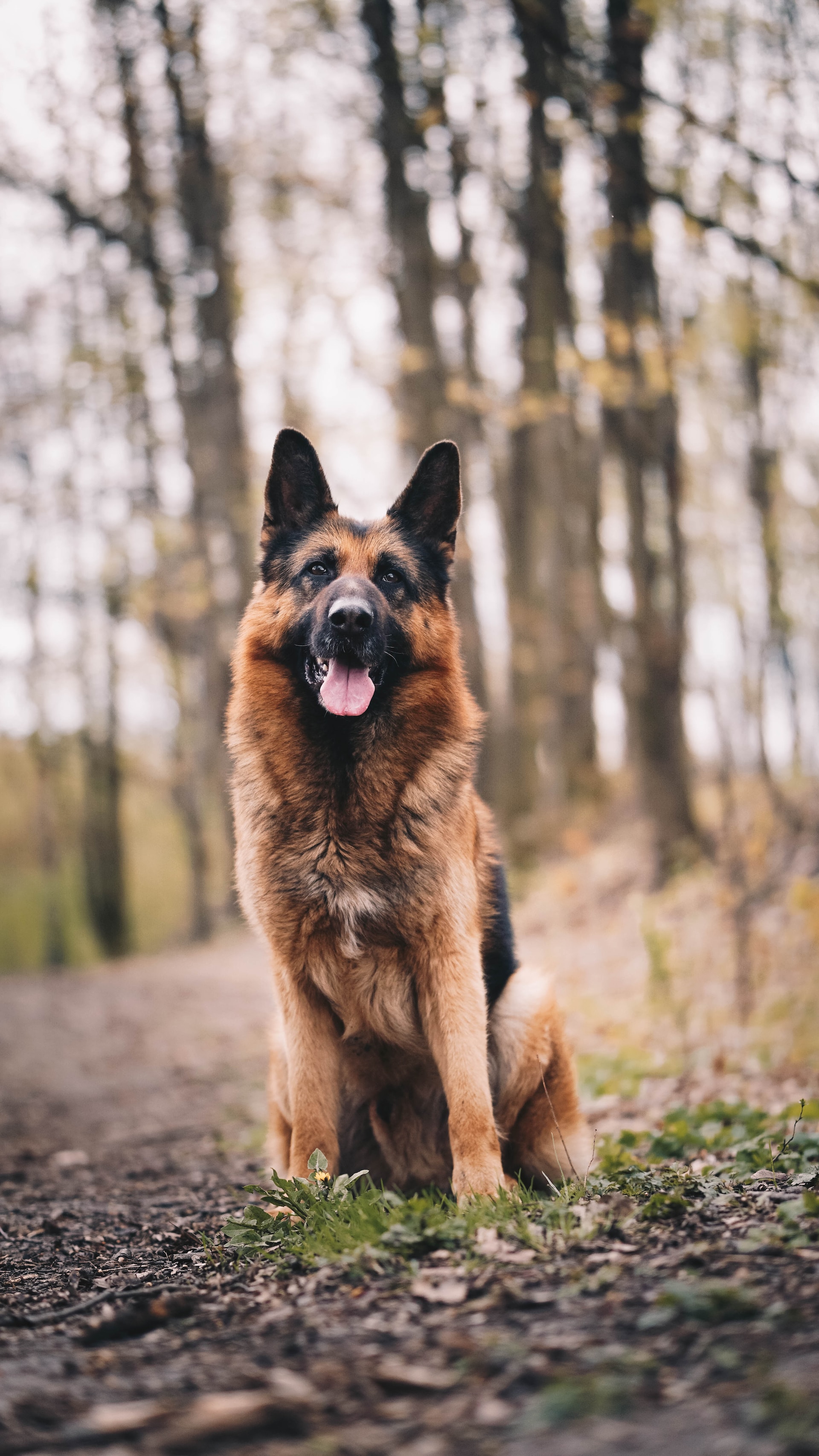
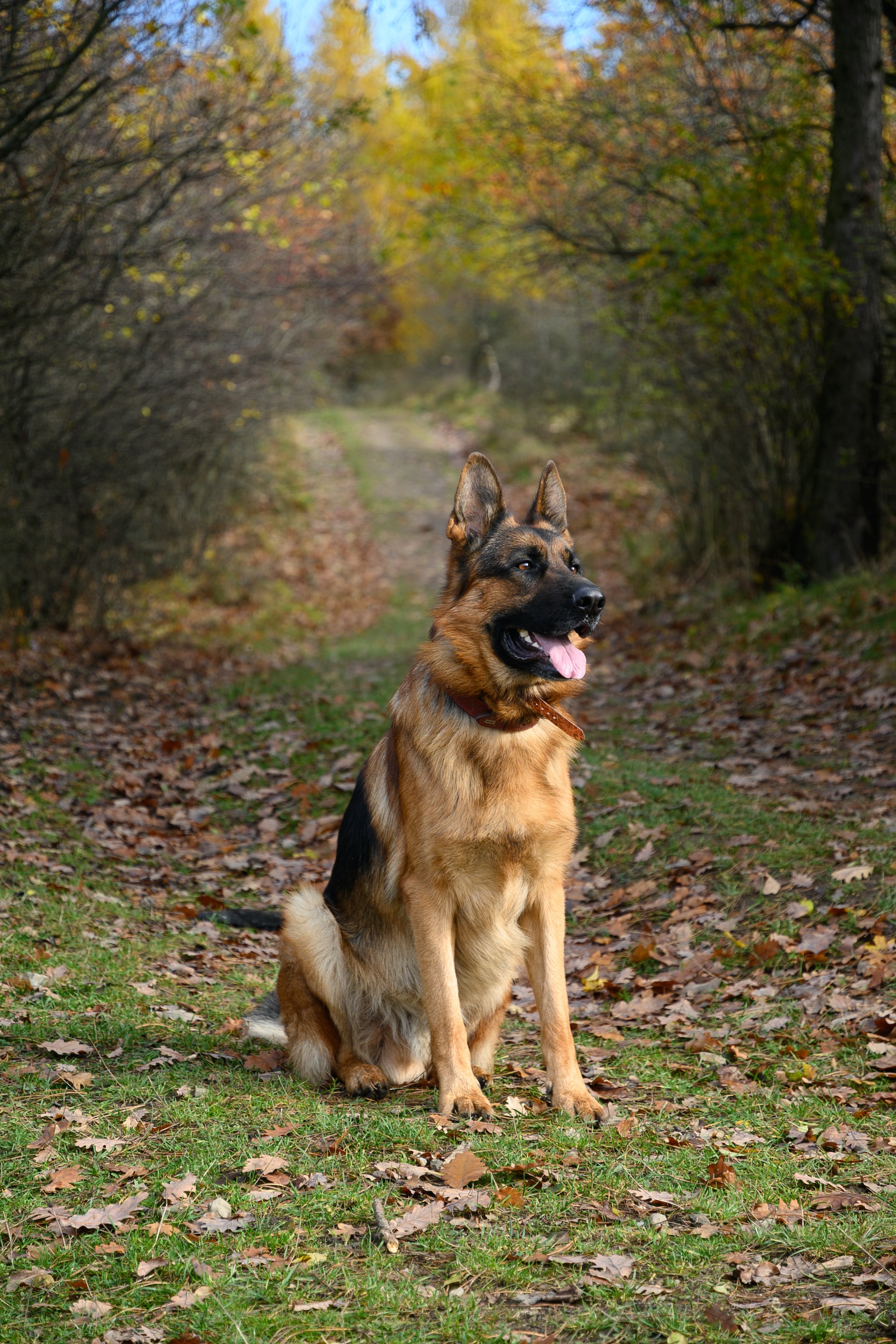
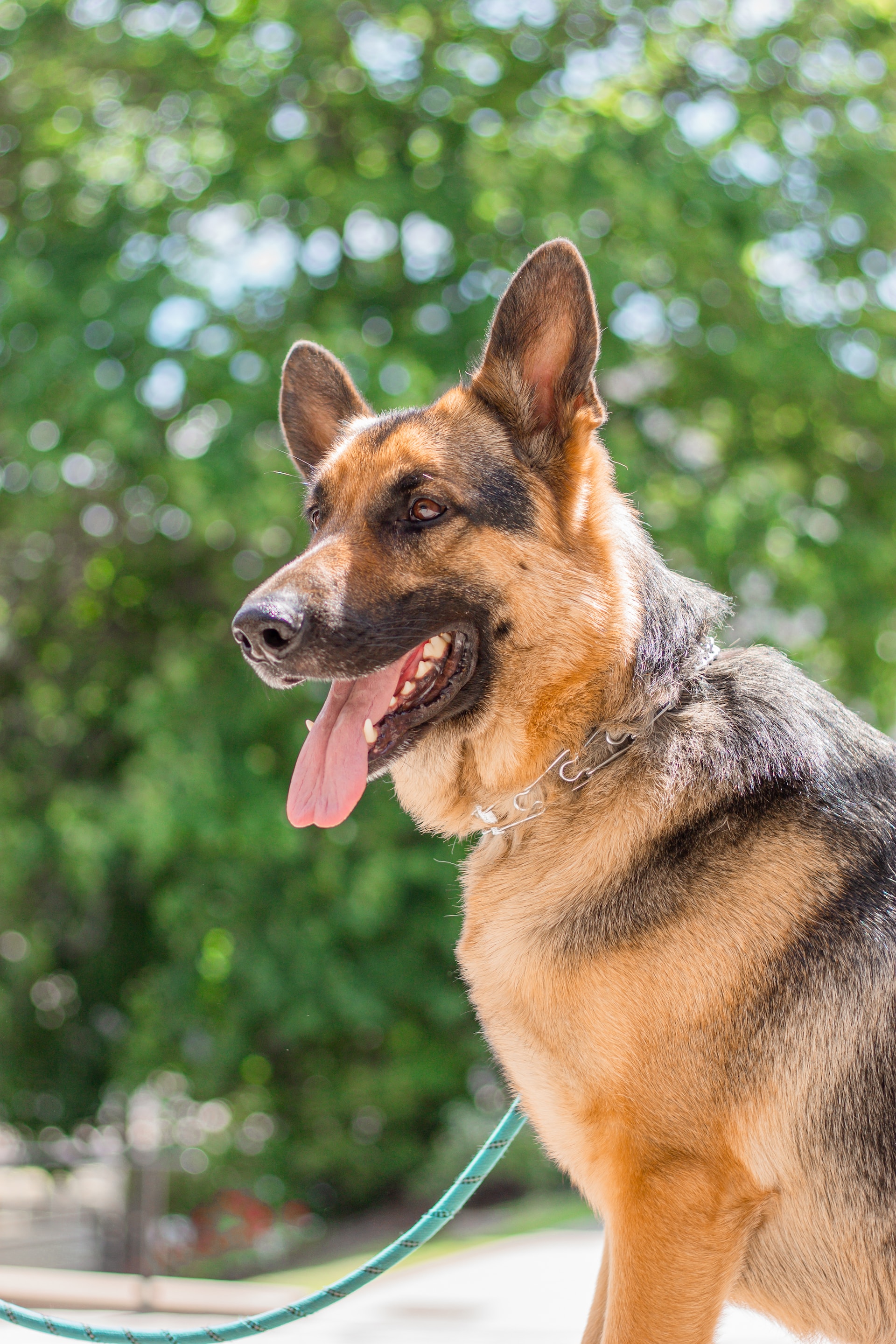
The Benefits of Spaying or Neutering Your Puppy

By Souvik Ghosh.

Spaying is the removal of a dog’s reproductive organs, while neutering is the removal of a dog’s testicles. Both of these procedures are usually completed between the ages of six to nine months old. The decision to spay or neuter your puppy is an important one, and one that every pet parent should consider carefully. Spaying or neutering your puppy can have many benefits; both for your pet, and for pet owners. In this article, we will explore the many benefits of spaying or neutering your puppy.

1. Cost Benefits

A. Lower veterinary expenses

 By sanctioning spaying or neutering your puppy, you can spare yourself incurring costly veterinary bills. Not only that, but spayed and neutered pets often require fewer vet visits overall than unaltered animals, thus resulting in further financial savings.

B. Avoidance of unwanted litters and associated costs

 Opting to spay or neuter your puppy will avoid the costs associated with an unwanted or unexpected litter. Having a litter of puppies can involve additional health care expenses, such as vaccinations or deworming, as well as other costs such as food, housing supplies, and potential vet visits due to complications or illness. What’s more, finding homes for each of the puppies can take a considerable amount of time and money. If a litter is born and is not able to be cared for or placed in a permanent home, euthanasia may also become a cost consideration.

C. Reduced potential for destructive behaviors

 Spayed and neutered pets are less likely to display destructive behaviors associated with hormones, such as urine spraying, marking territory, escaping from the house, stray breeding, and aggression. Dealing with these behaviors can involve costly fence repair, kenneling, veterinary bills, and in extreme cases even legal fees. By taking preventative measures and having your puppy spayed or neutered, you can save yourself considerable financial hardship in the long-run.

2. Health Benefits

A. Reduced risk of certain cancers

 Spaying or neutering your pet has many potential health benefits for your pup. First, spaying or neutering your puppy can reduce their risk of certain cancers. Spayed females are at almost no risk for certain types of ovarian and uterine cancer, while neutered males are at a reduced risk of developing prostate cancer.

B. Decreased risk of infections and diseases

 In addition to curbing cancer risk, spayed or neutered puppies also have decreased risk of bacterial and viral infections, as well as other dog diseases, such as Urinary Tract Infection or “cherry eye.” Unneutered male dogs are a lot more likely to develop testicular tumors, while unspayed female pups are more likely to get vaginal infections or mammary tumors.

C. Prevention of reproductive issues

 Spaying or neutering your puppy can also prevent reproductive issues such as false pregnancies, proestrus, and ovarian cysts. Spaying can also reduce “hump” behavior – or the act of mounting other animals – as well as “marking” their territory by urinating on objects or other animals. If a male dog hasn’t been neutered, these behaviors may continue into adulthood.

3. Behavioral Benefits

A. Reduced aggression and territorial tendencies

 One of the primary behavioral benefits is that spayed or neutered puppies will have reduced aggression and territorial tendencies. Unneutered animals are more likely to attempt to protect their territory, which often manifests as aggressive behavior. By removing the instinct to mate and reproduce, these issues can be avoided.

 B. Decreased likelihood of wandering or escaping

 Another advantage is that spaying or neutering your puppy can decrease the likelihood of them wandering or escaping from home. Unneutered animals are more likely to attempt to find a mate, and as a result may be more tempted to roam. By removing this instinct, your puppy can enjoy a safe and secure living space.

C. Less marking and mounting behaviors

 Spaying or neutering your pet can help them to avoid certain sexual impulses. Unneutered animals are more likely to engage in marking and mounting behaviors, which can be embarrassing and bothersome. This can be avoided by removing the unneutered dog’s natural urges to seek out a mate.

4. Community Benefits

A. Control over population and homelessness

 The most obvious benefit of spaying or neutering your puppy is that it helps to control the overall population and reduce homelessness. When dogs reproduce without consequence, the population grows dramatically and shelters become overwhelmed with strays. These strays can be quite disruptive to the community, especially if they’re aggressive or overly vocal. By having your pet spayed or neutered, your community benefits significantly by avoiding this population surge.

B. Reduced noise and nuisance behaviors

 You can also reduce the amount of noise and nuisance behaviors that can plague a community. Dogs can become territorial if they haven’t been neutered or spayed, which can affect their overall behavior. Un-neutered dogs are more likely to bark more, roam, and even become aggressive. This can be a nuisance to neighbors, and even other pet owners in the area. By having your puppy spayed or neutered, your pup won’t be as prone to these behaviors, making it easier to live in harmony with your surrounding community.

C. Improved relationships with neighbors and other pet owners

 Having your puppy spayed or neutered can improve relationships with your neighbors as well as other pet owners. It can help ensure it’s better behaved when around people, making it much easier for neighbors or other pet owners to interact with your dog. It may even help build a friendlier, less fearful relationship between people and your pup, making it easier for your neighbor to come over for a visit. And better relations with pet owners in the area can help strengthen the bond between community members.

Conclusion

 Spaying or neutering your pet can have numerous benefits, both medically and behaviorally, and it is important to consider if it is the right fit for you and your pet. We would encourage all pet owners to take the steps needed in order to be responsible pet owners, and spay or neuter their pup. By doing so, you can help ensure your pet lives a long and healthy life, while contributing to a kinder, more compassionate society.

ooOOoo

That last sentence says it all. I quote, “By doing so, you can help ensure your pet lives a long and healthy life, while contributing to a kinder, more compassionate society.

Who doesn’t want a kinder and more compassionate society!

A post on preventing dog bites.

This article from the ASPCA is being shared.

Luckily dogs that have behaviour problems are unknown in our home. But that doesn’t mean that a primer on preventing dog bites is not called for. The following seems like a primer!

ooOOoo

Dog Bite Prevention

Increasing Safety, Reducing Risks

To reduce the number of injuries from dog bites, adults and children should be educated about bite prevention, and dog owners should practice responsible dog ownership.

Understanding dog body language is a key way to help avoid being bitten for people of all ages. Know the signs that dogs give to indicate that they’re feeling anxious, afraid, threatened or aggressive, and be sure to respect the dog’s feelings about interacting with or being touched by strangers.

  • An aggressive dog may try to make themselves look bigger. Their ears may be up and forward, the fur on their back and tail may stand on end or puff out, and their tail may be straight up—it may even wag. They may have a stiff, straight-legged stance and be moving toward or staring directly at what they think is an approaching threat. They may also bare their teeth, growl, lunge or bark.
  • An anxious or scared dog may try to make themselves look smaller. They may shrink to the ground in a crouch, lower their head, repeatedly lick their lips, put their tail between their legs, flatten their ears back and yawn. They may look away to avoid direct eye contact. The dog may stay very still or roll on their back and expose their stomach. Alternatively, they may try to turn away or slowly move away from what they think is an approaching threat.
  • Many dogs can show a mixture of these body postures, indicating that they feel conflicted. Remember to avoid any dog showing any of signs of fear, aggression or anxiety—no matter what else the dog is doing. It’s important to realize that a wagging tail or a crouching body doesn’t always mean friendliness.
  • Ask first before petting a dog. When meeting an unfamiliar dog, don’t reach out to pet them. First, ask their pet parent, “May I pet your dog?” A strange hand in a dog’s face may scare them, leading to a bite.
  • If you receive permission to pet a dog, let them sniff your closed hand. Then, you may proceed to pet their shoulders or chest. Avoid petting the top of the dog’s head. If the dog looks uncomfortable, speak happily to the dog and casually remove your hand. Resist moving abruptly or jerkily.
  • Avoid dogs who are barking or growling. It is also best to steer clear of dogs who are loose, behind a fence or tied up.
  • If an unknown dog approaches you, stay quiet and still. Do not run or scream.
  • Always supervise children and dogs. Never leave a baby or young child alone with a dog. Teach your children to treat your dog gently and with respect, giving the dog their own space and opportunities to rest.
  • When in public, always keep your dog on a leash for the safety of your dog and those around them.

Recommendations for Pet Parents

Although you can’t guarantee that your dog will never bite someone, there are many ways that you can significantly reduce the risk.

  • Adopt from a well-managed animal shelter whose staff and volunteers can fill you in on the dog’s background, personality and behavior in the shelter.
  • Socialize your dog! Well-socialized dogs make enjoyable, trustworthy companions. Undersocialized dogs are a risk to their owners and to others because they can become frightened by everyday things—which means they are more likely to aggress or bite. Socializing is the opposite of isolating. It’s important for puppies to meet, greet and enjoy a variety of people, animals, places and things. Done properly, socializing helps puppies feel comfortable and friendly in various situations, rather than uncomfortable and potentially aggressive. The main rule for effective socializing is to let your dog progress at their own pace and never force them to be around someone or something when they’re clearly fearful or uncomfortable.
  • Take your dog to humane, reward-based training classes—the earlier the better. We recommend starting your puppy in puppy kindergarten classes as early as eight weeks, right after their first set of vaccinations. Early training opens a window of communication between you and your dog that will help you consistently and effectively teach them good behavior.
  • Always supervise your dog while they’re outdoors—even in a fenced yard. Don’t allow your dog to roam alone.
  • Don’t wait for a serious accident to happen. The first time your dog shows aggressive behavior toward anybody, even if no injury occurs, seek professional help from a Certified Applied Animal Behaviorist (CAAB), a veterinary behaviorist (Dip ACVB), or a qualified Certified Professional Dog Trainer (CPDT). Please see our article, Finding Professional Behavior Help, for information about finding an expert in your area. Your animal shelter may also offer or be able to refer you to helpful services.
  • Err on the safe side. Be aware of common triggers of aggression, including pain, injury or sickness, the approach of strangers or strange dogs, the approach of people in uniforms, costumes or unusual attire (especially hats), unexpected touching, unfamiliar places, crowds and loud noises like thunder, wind, construction, fireworks and appliances. If possible, avoid exposing your dog to these triggers. If they seem stressed or panicked in crowds, leave them at home. If they overreact to visitors or delivery personnel, keep them in another room when they come to your house. Work with a qualified behavior and training professional to help your dog become more comfortable with these and other situations.
  • License your dog as required by law and provide regular veterinary care, including rabies vaccinations.

ooOOoo

This appears to be very good advice, and I hope there’s no-one out there that has suffered from the consequences of dog aggression. If there’s a reader who has something to share with you all, then read my Interaction page.

Dogs foraging!

A plant list from the ASPCA.

This list came in from the ASPCA recently and I though it worth sharing with you. But just before I do that let me select from the About Us page on the ASPCA website.

We Are Their Voice

The American Society for the Prevention of Cruelty to Animals® (ASPCA®) was the first humane society to be established in North America and is, today, one of the largest in the world.

Our organization was founded on the belief that animals are entitled to kind and respectful treatment at the hands of humans and must be protected under the law. Headquartered in New York City, the ASPCA maintains a strong local presence, and with programs that extend our anti-cruelty mission across the country, we are recognized as a national animal welfare organization. We are a privately funded 501(c)(3) not-for-profit corporation, and are proud to boast more than 2 million supporters across the country.

The ASPCA’s mission, as stated by founder Henry Bergh in 1866, is “to provide effective means for the prevention of cruelty to animals throughout the United States.”

Plus there is a YouTube video.

Now to that plant list. It is a long list and I am going to only show you the first few dozen plants. If you want to see more of the list then you are going to have to go here and look it up for yourself.

ooOOoo

Toxic and Non-Toxic Plant List – Dogs

Plants Toxic to Dogs

Adam-and-Eve (Arum, Lord-and-Ladies, Wake Robin, Starch Root, Bobbins, Cuckoo Plant) | Scientific Names: Arum maculatum | Family: Araceae 

African Wonder Tree () | Scientific Names: Ricinus communis | Family:

Alocasia (Elephant’s Ear) | Scientific Names: Alocasia spp. | Family: Araceae 

Aloe () | Scientific Names: Aloe vera | Family: Liliaceae 

Amaryllis (Many, including: Belladonna lily, Saint Joseph lily, Cape Belladonna, Naked Lady) | Scientific Names: Amaryllis spp. | Family: Amaryllidaceae 

Ambrosia Mexicana (Jerusalem Oak, Feather Geranium) | Scientific Names: Chenopodium botrys | Family:Chenopodiaceae 

American Bittersweet (Bittersweet, Waxwork, Shrubby Bittersweet, False Bittersweet, Climbing Bittersweet) | Scientific Names: Celastrus scandens | Family: Celastraceae 

American Holly (English Holly, European Holly, Oregon Holly, Inkberry, Winterberry) | Scientific Names: Ilex opaca | Family: Aquifoliaceae 

American Mandrake (Mayapple, Indian Apple Root, Umbrella Leaf, Wild Lemon, Hog Apple, Duck’s Foot, Raccoonberry) | Scientific Names: Podophyllum peltatum | Family: Berberidaceae 

American Yew (Canada Yew, Canadian Yew) | Scientific Names: Taxus canadensus | Family: Taxaceae 

Andromeda Japonica (Pieris, Lily-of-the-Valley Bush) | Scientific Names: Pieris japonica | Family: Ericaceae 

Angelica Tree (Hercules’ Club, Devil’s Walking Stick, Prickly Ash, Prickly Elder) | Scientific Names: Aralia spinosa | Family:Araliaceae 

Apple (Includes crabapples) | Scientific Names: Malus sylvestrus | Family: Rosaceae 

Apricot (Group also includes Plum, Peach, Cherry) | Scientific Names: Prunus armeniaca | Family: Rosaceae 

Arrow-Head Vine (Nephthytis, Green Gold Naphthysis, African Evergreen, Trileaf Wonder) | Scientific Names: Syngonium podophyllum | Family: Araceae 

Arum (Cuckoo-pint, Lord-and-Ladies, Adam-and-Eve, Starch Root, Bobbins, Wake Robin) | Scientific Names: Arum maculatum | Family: Araceae 

Arum Lily (Calla Lily, Pig Lily, White Arum, Trumpet Lily, Florist’s Calla, Garden Calla) | Scientific Names: Zantedeschia aethiopica | Family: Araceae 

Asparagus Fern (Asparagus, Emerald Feather, Emerald Fern, Sprengeri Fern, Plumosa Fern, Lace Fern, Racemose Asparagus, Shatavari) | Scientific Names: Asparagus densiflorus cv sprengeri | Family: Liliaceae 

Australian Ivy Palm (Schefflera, Umbrella Tree, Octopus Tree, Starleaf) | Scientific Names: Brassaia actinophylla | Family:Araliaceae 

Australian Nut (Macadamia Nut, Queensland Nut) | Scientific Names: Macadamia integrifolia | Family: Proteaceae 

Autumn Crocus (Meadow Saffron) | Scientific Names: Colchicum autumnale | Family: Liliaceae 

Azalea (Rosebay, Rhododendron) | Scientific Names: Rhododendron spp | Family: Ericaceae 

Baby Doll Ti Plant (Ti-Plant, Good-Luck Plant, Hawaiian Ti Plant) | Scientific Names: Cordyline terminalis | Family:Agavaceae 

Barbados Aloe (Medicine Plant, True Aloe) | Scientific Names: Aloe barbadensis | Family: Aloaceae 

Barbados Lily (Amaryllis, Fire Lily, Lily of the Palace, Ridderstjerne) | Scientific Names: Hippeastrum spp. | Family:Amaryllidaceae 

Barbados Pride (Peacock Flower, Dwarf Poinciana) | Scientific Names: Caesalpinia pulcherrima | Family:

Barbados Pride 2 (Bird of Paradise, Poinciana, Brazilwood) | Scientific Names: Poinciana gilliesii | Family: Leguminosae 

Bay Laurel (Sweet Bag, Bay Tree, Tree Laurel, Laurel Tree, Laurel) | Scientific Names: Laurus nobilis | Family: Lauraceae 

Bead Tree (China Ball Tree, Paradise Tree, Persian Lilac, White Cedar, Japanese Bead Tree, Texas Umbrella Tree, Pride-of-India, Chinaberry Tree) | Scientific Names: Melia azedarach | Family: Meliaceae 

Begonia (Over 1,000 species and 10,000 hybrids) | Scientific Names: Begonia spp. | Family: Begoniaceae 

Bergamot Orange (Bergamot, Citrus bergamia) | Scientific Names: Citrus Aurantium | Family: Rutaceae 

Bird of Paradise (Peacock Flower, Barbados Pride, Poinciana, Pride of Barbados) | Scientific Names: Caesalpinia gilliesii | Family: Leguminosae 

Bird of Paradise 2 (Peacock Flower, Barbados Pride, Poinciana, Pride of Barbados) | Scientific Names: Poinciana gilliesii | Family: Leguminosae 

Bird of Paradise Flower (Crane Flower, Bird’s Tongue Flower) | Scientific Names: Strelitzia reginae | Family: Strelitziaceae 

Bird’s Tongue Flower (Bird of Paradise Flower, Crane Flower) | Scientific Names: Strelitzia reginae | Family: Strelitziaceae 

Bishop’s Weed (Greater Ammi, False Queen Anne’s Lace) | Scientific Names: Ammi majus | Family: Apiaceae 

Bitter Root (Dogbane Hemp, Indian Hemp) | Scientific Names: Apocynum androsaemifolium | Family: Apocynaceae 

Black Calla (Solomon’s Lily, Wild Calla, Wild Arum) | Scientific Names: Arum palestinum | Family: Araceae 

Black Cherry () | Scientific Names: Prunus serotina | Family: Rosaceae 

Black Laurel (Dog Hobble, Dog Laurel, Fetter Bush, Sierra Laurel) | Scientific Names: Leucothoe spp. | Family: Ericaceae 

Black Nightshade (Nightshade, Deadly Nightshade) | Scientific Names: Solanum nigrum | Family: Solanaceae 

Black Walnut () | Scientific Names: Juglans nigra | Family: Juglandaceae 

Bobbins (Arum, Lord-and-Ladies, Adam-and-Eve, Starch Root, Wake Robin, Cuckoo Plant) | Scientific Names: Arum maculatum | Family: Araceae 

Bog Laurel (Pale Laurel, Bog Kalmia) | Scientific Names: Kalmia poliifolia | Family: Ericaceae 

Borage (Starflower) | Scientific Names: Borage officinalis | Family: Boraginceae 

Boxwood () | Scientific Names: Buxus spp. | Family: Buxaceae 

Branching Ivy (English Ivy, Glacier Ivy, Needlepoint Ivy, Sweetheart Ivy, California Ivy) | Scientific Names: Hedera helix | Family: Araliaceae 

Brazilwood (Bird of Paradise, Poinciana, Barbados Pride) | Scientific Names: Poinciana gilliesii | Family: Leguminosae 

Bread and Butter Plant (Indian Borage, Spanish Thyme, Coleus, Maratha, Militini, East Indian Thyme) | Scientific Names:Coleus ampoinicus | Family: Labiatae 

Brunfelsia (Yesterday, Today, Tomorrow, Kiss-Me-Quick, Lady-of-the-Night, Fransiscan Rain Tree) | Scientific Names:Brunfelsia species | Family: Solanaceae 

Buckeye (Horse Chestnut) | Scientific Names: Aesculus spp | Family: Hippocastanaceae 

Buckwheat () | Scientific Names: Fagopyrum spp. | Family: Polygonaceae 

Buddhist Pine (Yew Pine, Japanese Yew, Southern Yew, Podocarpus) | Scientific Names: Podocarpus macrophylla | Family: Podocarpaceae 

Burning Bush (Wahoo, Spindle Tree) | Scientific Names: Euonymus atropurpurea | Family: Celastraceae 

Buttercup (Butter Cress, Figwort) | Scientific Names: Ranunculus spp. | Family: Ranunculaceae 

Butterfly Iris (Spuria Iris) | Scientific Names: Iris spuria | Family: Iridaceae

ooOOoo

That was only the ‘A’ and ‘B’ selection!

I did say it was a long list. Again, if you want to go there here is the link.

If by sharing this information one dog’s life is saved then it was worthwhile.

Picture Parade Four Hundred and Eighty-One

This time, pictures of Labradors; again from Unsplash.

oooo

oooo

oooo

oooo

oooo

oooo

oooo

Another wonderful set of pictures! Thank you, Unsplash.

Picture Parade Four Hundred and Eighty.

More dogs from Unsplash.

This time Siberian Husky Dogs!

oooo

oooo

oooo

oooo

oooo

oooo

What a fantastic group of photographs; apologies if I have shown these before.

Keeping dogs from fighting each other.

A video courtesy of Zak George’s Dog Training Revolution.

I was in a bit of a hurry yesterday and looked through my folder of blog posts and came across this video.

ooOOoo

The words that accompanied the video are also presented:

Discover the secrets to successful dog training in a multi-dog household! We delve into the challenges and rewards of training multiple dogs, offering practical tips and expert advice to help you create a harmonious home. From establishing routines and managing individual training sessions to addressing common behavioral issues, we’ve got you covered in this informative and insightful video. I’ll guide you through essential techniques for managing multiple dogs, including establishing boundaries, promoting positive reinforcement, and tailoring training approaches to each dog’s unique personality and needs. Whether you’re a seasoned dog owner or new to multi-dog households, these expert tips will help you transform potential chaos into a well-coordinated, stress-free environment. Don’t miss out on this valuable resource for training multiple dogs effectively and efficiently. Be sure to like, share, and subscribe to our channel for more dog training tips and tricks. We’d love to hear about your own experiences with multi-dog households and training, so leave a comment below to join the conversation!

Sponsored by PupBox! Get your first PupBox for ONLY $5!!! Use code: ZAK5 at https://pupbox.com

ooOOoo

Needless to say I have no affiliation with PupBox.

Picture Parade Four Hundred and Seventy-Nine

Back to Unsplash and Sleeping Dogs!

oooo

oooo

oooo

oooo

oooo

oooo

oooo

Perfect photographs! Thanks to Unsplash; it is a great site!

A treasure of a dog story

A guest post from Connie Hart.

This is a most amazing story about Connie’s dogs and was sent to me as a guest post.

You will love it!

ooOOoo

A Dog Story

by Connie Hart, March 14th., 2023

Having been raised by my father from the age of three, I spent many hours sitting on his lap as he read to me. Often, as he read, I looked up at his face, and into his eyes. It was always a marvel to me. As an adult, I know it as heterochromia, or different colored eyes. He had one brown eye, and one blue.

This is a condition that is very rare in humans; only 1% have this. But it was something that I, as a child, loved about my father.

In dogs, heterochromia is more common, but still rare. It occurs 3.5% of the time in dogs. That being said, here is my story;

This is Bernie:

Bernie is 145 lbs. of pure love. He was a gift from a friend, after a tragic loss of two of my sweet dogs. I still had one old dog, Bo. But even he passed when Bernie was about a year old. So we took Bernie to the County Shelter, and let him pick out a new friend. Hence, Rosie came into our lives.

oooo

But two years later, unfortunately, we lost Rosie.

We moved after that, but Bernie was not to be alone. Believe it or not, the people who moved out of the house we bought, moved from Oregon to Arizona and left behind their dog, Endy. Endy was a sweet, old dog. When I inquired about him, the owners simply said, ‘Oh, he can fend for himself.”

I was horrified. I couldn’t believe it as I watched those people drive out, leaving Endy crying on the porch.

But we made it up to him. We loved him and played with him. He and Bernie became inseparable. But, alas, time and age forced a sad good-bye.

Again, we took Bernie to the County Shelter to pick out a new friend. With Bernie in the ‘meet and greet’ yard, I went through and picked out a handful of dogs I liked, first. One in particular, struck me. A Shepard/Pyrenees mix, with one blue eye and one brown.

One at a time, each dog was taken out to the yard to meet Bernie. Some, he barely even sniffed, some, he totally ignored. But when the heterochromatic dog was put in the yard, there was instant frolic!

Bernie had lost three of his besties and we didn’t want him to have to go through that again. This dog, Cassie, was young and vibrant, in so many ways. They romped and played while I went in to do the paperwork. While looking through the paperwork, I noticed her birthdate. November 23….

She and my beloved father have the same birthday!

ooOOoo

This is a lovely story.

For those that want more information on Heterochromia, I took from the Mount Sinai website the following:

Heterochromia is the presence of different colored eyes in the same person. Heterochromia in humans appears either as a hereditary trait unassociated with other disease, as a symptom of various syndromes or as the result of a trauma.

What an unusual, but pretty, condition in her face.

Thank you, Connie.

Getting older and older!

An interesting post for all of us, albeit, those on the right side of 70? will find this less important.

It is very difficult for me to add anything useful to this article so I will not try.

Except to say that the author, Aditi Gurkar, is Assistant Professor of Geriatric Medicine at the University of Pittsburgh so she should know what she is talking about!

ooOOoo

Are you a rapid ager? Biological age is a better health indicator than the number of years you’ve lived, but it’s tricky to measure

Healthspan measures incorporate quality of life in ways that lifespan does not. Ira T. Nicolai/The Image Bank via Getty Images

Aditi Gurkar, University of Pittsburgh

Do you ever wake up some days and think, “When I was younger, I could survive on just four hours of sleep, but now it seems like I need 10”? Or have you ever walked out of the gym and “felt” your knees?

Almost everyone experiences these kinds of signs of aging. But there are some people who seem to defy their age. The late U.S. Supreme Court Justice Ruth Bader Ginsberg stayed on the bench until her death at age 87. The “Great British Bake Off” judge Mary Berry, now in her 80s, continues to inspire people all over the world to bake and enjoy life. And actor Paul Rudd was named People magazine’s “Sexiest Man Alive” in 2021 at age 52 while still looking like he’s in his 30s. Is age just a number then?

Researchers have focused a lot of attention on understanding the causes and risk factors of age-related diseases like Alzheimer’s, dementia, osteoporosis and cancer. But many ignore the major risk factor for all of these diseases: aging itself. More than any individual risk factor such as smoking or lack of exercise, the number of years you’ve lived predicts onset of disease. Indeed, aging increases the risk of multiple chronic diseases by up to a thousandfold.

However, no two people age the same. Although age is the principal risk factor for several chronic diseases, it is an unreliable indicator of how quickly your body will decline or how susceptible you are to age-related disease. This is because there is a difference between your chronological age, or the number of years you’ve been alive, and your biological age – your physical and functional ability.

As the author notes in her TED Talk, aging is not just a number.

I am a scientist interested in redefining “age.” Instead of benchmarking chronological age, my lab is invested in measuring biological age. Biological age is a more accurate measure of healthspan, or years lived in good health, than chronological age, and doesn’t directly correlate with wrinkles and gray hairs. Rapid agers experience a faster rate of functional deterioration relative to their chronological age.

My grandmother, who lived to be 83 but was bedridden and could not remember who I was for the last few years of her life, was a rapid ager. My grandfather, on the other hand, also lived until he was 83, but he was active, functional and even did my homework with me until he passed away – he was a healthy ager.

With the unprecedented growth of the world’s aging population, I believe that figuring out ways to measure biological age and how to maintain or delay its advance is critical not only for individual health, but also for the social, political and economic health of our society. Detecting rapid agers early on presents an opportunity to delay, change or even reverse the trajectory of biological aging.

Genetics and biological age

Biological aging is multifaceted. It arises from a complex mix of genetic traits and is influenced by factors like microbiome composition, environment, lifestyle, stress, diet and exercise.

Genetics were once thought to have no influence on aging or longevity. However, in the early 1990s, researchers reported the first studies identifying genes that were able to extend the lifespan of a small roundworm. Since then, multiple observations support the influence of genetics on aging.

For example, children of long-lived parents and even those with long-lived siblings tend to live longer. Researchers have also identified multiple genes that influence longevity and play a role in resilience and protection from stress. These include genes that repair DNA, protect cells from free radicals and regulate fat levels.

However, it is clear from studies in identical twins – who share the same genes but not the same exact lifespans – that genes are not the only factor that influences aging. In fact, genes probably account for only 20% to 30% of biological age. This suggests that other parameters can strongly influence biological aging.

Environmental and lifestyle effects

Researchers have found that environmental and lifestyle factors heavily influence biological age, including social connectedness, sleeping habits, water consumption, exercise and diet.

Social connectedness is essential for well-being throughout life. But social connections can be challenging to maintain over time due to loss of family and friends, depression, chronic illness or other factors. Several studies have reported a strong link between social isolation and increased stress, morbidity and mortality.

Three women dancing together in a park
Social connectedness and physical activity are linked to well-being throughout life. Filippo Bacci/E+ via Getty Images

Similarly, diet and exercise are strong influencers of biological age. Blue zones, which are areas around the world where people live long lives, attribute their successful aging to diet, exercise and social connectedness. Mostly plant-based meals and spurts of activity throughout the day are well-known “secrets” of healthspan and longevity. Although newer studies on the effects of diet interventions such as intermittent fasting and time-restricted feeding on longevity have not been rigorously tested, they do show multiple health benefits, including better glucose and insulin regulation

While genetics is difficult to control, diet and exercise can be modified to delay biological aging.

How to measure biological age

Currently, there is no effective test to predict an individual’s health trajectory early enough in life in order to intervene and improve quality of life with age. Scientists are interested in identifying a molecule that is sensitive and specific enough to serve as a unique fingerprint for biological age.

Considering the health and resilience of the individual instead of focusing solely on disease state is important in discussions on biological age. Resilience is the state of adapting and bouncing back from a health challenge and is often more predictive of functional health. A molecular aging fingerprint may provide a tool to help identify people who are less resilient and require more aggressive monitoring and early intervention to preserve their health and help reduce gender, racial and ethnic health disparities.

There are several promising molecular markers that may serve as biological age fingerprints.

One of these markers are epigenetic clocks. Epigenetics are chemical modifications of DNA that control gene function. Several scientists have found that DNA can get “marked” by methyl groups in a pattern that changes with age and could potentially act as a readout for aging.

It is important to note, however, that while epigenetic clocks have been valuable in predicting chronological age, they do not equate to biological age. In addition, it is unclear how these epigenetic marks work or how they contribute to aging.

Older adult holding gold balloons of the number 70 in a backyard
Age is so much more than a number. Klaus Vedfelt/DigitalVision via Getty Images

Another well-regarded marker of biological age is the build-up of dysfunctional cells called senescent or zombie cells. Cells become senescent when they experience multiple types of stress and become so damaged that they cannot divide anymore, releasing molecules that cause chronic low-grade inflammation and disease.

Animal studies have shown that getting rid of these cells can improve healthspan. However, what clearly defines senescent cells in humans is still unknown, making them challenging to track as a measure of biological age.

Lastly, the body releases unique metabolites, or chemical fingerprints, as byproducts of normal metabolism. These metabolites play a dynamic and direct role in physiological regulation and can inform functional health. My lab and others are figuring out the exact makeup of these chemicals in order to figure out which can best measure biological age. A lot of work still remains on not only identifying these metabolites, but also understanding how they affect biological age.

People have long sought a fountain of youth. Whether such an elixir exists is still unknown. But research is starting to show that delaying biological age may be one way to live healthier, fuller lives.

Aditi Gurkar

This article is republished from The Conversation under a Creative Commons license. Read the original article.

ooOOoo

There is no arguing the fact that more and more great articles are appearing online. Indeed, the whole world is changing radically in many areas.

Onwards and upwards! 😉

Footnote: This appeared online on the Inspiring Quotes website. The link is here, from which I reproduce the following:

Growing older is one of the most pervasive preoccupations of humankind. The passing of time is, after all, an inescapable part of the human condition. And aging, like love, is one of the most common themes in literature, be it the calm of poet Robert Brownings’ “Grow old along with me! The best is yet to be,” or poet Dylan Thomas’ raging against the dying of the light.