Category: Health

That dreadful ‘C’ word.

It is a rare family that is not touched by cancer.

My father died at the age of 55 from lung cancer. That was December 20th, 1956 and while he did not smoke he did have his regular cigar every Sunday afternoon. I suspect he may have smoked from time to time in his office. It was a tragic time for me and Elizabeth, my younger sister. Speaking personally I did not fully understand the personal implications until shortly after the 50th anniversary of his death: December 20th, 2006.

Tony is a keen blogger and he writes under the blog name of Wellness Secrets of a SuperAger. His latest post is 5 Things You Can Do to Prevent Cancer. I have pleasure in republishing Tony’s post below. Please read it!

ooOOoo

5 Things You Can Do to Prevent Cancer.

We all know that steering clear of tobacco is a crucial way to reduce your cancer risk. But there’s a lot more than you can do.

RUSH family physician Joyce Chen, MD, and clinical dietitian Kristin Gustashaw explain how we can make better choices to protect our health.

Photo by Brett Sayles on Pexels.com

You may not realize it, but aging is a risk factor for cancer. The longer your cells are turning over, the more likely miscopying can happen. Though we can’t control aging, we can control the speed at which we age. “We know, in theory, we can kind of age ourselves faster or slower, depending on how much insult we give our bodies,” Gustashaw says.

Chen explains: “Lifestyle is key. So when you are concerned about cancer from external forces, it’s important to realize that you can actually do something about a lot of them.”

Here are some key lifestyle changes you can make to reduce your cancer risk.

Cancer prevention action plan

1. Stop smoking — or better yet, don’t start.

Choosing not to use tobacco is one of the most effective forms of cancer prevention.

And it’s not just lung cancer that’s preventable either. By not smoking you can also prevent the following types of cancer:

  • Bladder cancer
  • Mouth cancer
  • Oral cancer
  • Pancreatic cancer
  • Tongue cancer
  • Throat cancer

Traditional cigarettes pose the biggest threat. But e-cigarettes, or vaping, also pose a risk of cancer. With cigarette smoking, the nicotine and tar can cause cancer. With e-cigarettes, you’re still getting the nicotine in your lungs but without the smoke and tar of regular cigarettes.

Since e-cigarettes are still relatively new to the market, the long-term health effects remain unknown, but they’re still potentially problematic.

“The vapor you’re breathing in has chemicals and particles, especially the flavored ones, that can damage or scar your lungs,” Chen says.

“It’s one of those lifestyle factors that I tell my patients, ‘We’ll do all we can as a provider to help you quit or at least cut down, but if you haven’t started, don’t start.’ Because once you start, it’s hard to stop; it’s an addiction.”

2. Watch your alcohol consumption

With alcohol, the main cancer mechanism is how it breaks down in our bodies. The ethanol in alcohol is metabolized through acetaldehyde, which is a poisonous byproduct and a known carcinogen.

After you drink, the alcohol is metabolized as acetaldehyde. It doesn’t stay around in our bodies for long because it gets further broken down into less toxic compounds, and then it’s eliminated in our bodies. That means the more you drink, the more you increase your risk for developing cancer.

“Acetaldehyde is a carcinogen that causes the cancer,” says Chen. “So when you’re drinking large quantities of alcohol then you’re going to build up acetaldehyde. And that buildup can accumulate in your saliva, your stomach acid and your GI tract.” 

Alcohol also has a solvent property, which means it allows other carcinogens to get into our cells and wreak havoc. So, for example, if you smoke and drink alcohol together, alcohol’s solvent property helps harmful chemicals in tobacco get into the cells that line your mouth, throat and esophagus — putting you at a higher risk of developing oral cancers.

Nutrient absorption, specifically the vitamin folate, can also be affected by alcohol. Folate tells our body to stay healthy so alcohol inhibits its ability to pass that message on to the body.

“Alcohol also acts as an irritant to our bodies, specifically to the cells lining our mouths, throats and stomach cells,” says Chen. “When exposed to that irritant, your cells try to repair themselves, which could lead to your cells making mistakes and mutations that lead to cancer.”

3. Maintain a healthy weight.

Maintaining a healthy weight is another opportunity to reduce your risk for cancer. That means your diet plays a large role in cancer prevention.

A recent study in The Lancet Public Health revealed that younger adults (ages 25 to 49) in the U.S. are at an increased risk of developing obesity-related cancers. The study also reports that because of the obesity epidemic over the past 40 years, due in part to poor diet, younger generations have weight issues for a longer period of time than previous generations. This indicates that in the future, cancer may be more prevalent in this generation as they age into older adults.

According to Chen, carrying excessive weight is associated with increased risk for the following cancers:

  • Colorectal cancer
  • Gallbladder cancer
  • Gastrointestinal cancers
  • Kidney cancer
  • Liver cancer
  • Ovarian cancer
  • Pancreatic cancer
  • Post-menopausal breast cancer
  • Stomach cancer

In addition to a healthy diet, exercise can also help you maintain a healthy weight and keep cancer at bay.

In fact, a recent study published in Cell Metabolism found that exercise can reduce your chances of getting cancer by improving your immune system, lowering the risk of recurrence and slows cancer progression by reducing tumor growth and lessening the harsh effects of cancer treatment on the body.

Reducing your stress is key if you’re looking at trying to avoid or outlive cancer.

4. Avoid UV exposure from the sun, tanning beds and other culprits.

Yet another lifestyle factor you can control that prevents cancer is limiting ultraviolet (UV) ray exposure. Whether it’s natural UV exposure from the sun or artificial UV exposure from tanning beds, both put you at risk for skin cancer. UV exposure causes gene mutations that can cause cancer.

A tan is a result of your skin cells being damaged. There are also spray tans and lotions that don’t give you exposure to UV radiation but have other concerns. There’s a color additive in the spray tans and lotions called dihydroxyacetone or DHA. While DHA is FDA-approved for external application to the skin, with spray tans you could be inhaling some of that ingredient.

The FDA states that it shouldn’t be inhaled or applied to areas that are covered by mucous membranes. Mucous membranes are your lips, mouth, your nose, around your eyes and your face.

“Protect yourself in a spray booth by using eye protection like goggles, nose plugs or put lip balm on beforehand and try to keep your mouth closed to not inhale that ingredient. That would be a safer way to get that sun-kissed glow that everyone wants,” Chen says.

Also, don’t be fooled into thinking that a spray tan offers protection against the sun. Just because you think you’re getting a so-called base tan, you still have to use sunscreen.

With UV exposure, certain tanning salons might propose that it’s the UV rays that help your body get vitamin D. But UVB are the UV rays needed for the body to produce vitamin D.

“The majority of tanning bulbs are actually UVA rays so you’re not getting vitamin D from a tanning bed,” Chen explains.

Like alcohol, UV exposure also builds up over time. So, for example, if you start young and go frequently to tanning beds, that will put you more at risk for skin cancer.

Gel manicures can also pose UV exposure risk that increases your likelihood for cancer. UVA rays are used to dry or set the polish. But once again, it’s dose cumulative. If you regularly get gel manicures and you started in your teenage years, you may have a greater risk for developing cancer because you’re exposing your hands to UVA rays more often.

Chen recommends giving your nails a break by not getting this type of manicure week after week.

5. Visit your doctor regularly for preventive care and well visits.

One of the best things you can do to help prevent cancer and other diseases is to see your primary care physician regularly.

“Try to prevent cancer by getting your routine care, your routine immunizations and your proper screenings,” says Chen. “It’s great that you are healthy, but preventive care/well visits are important because a lot of conditions, especially cancer, can be treated properly if we catch it early.” 

Other effective prevention strategies

All in all, your best strategy for cancer prevention, particularly for the external agents you can control, is to limit your exposures — or avoid them, if at all possible.

Gustashaw also cites the importance of stress management. “How you manage stress is associated with longevity. Stress itself is not directly associated with an increased risk of cancer, however, stress can often lead to unhealthy habits such as making unhealthy food choices, overeating, smoking, drinking and not exercising,” she says. 

Gustashaw adds: “Reducing your stress is key if you’re looking at trying to avoid or outlive cancer and to live longer and healthier overall.”

Plenty of other opportunities for cancer prevention behavior also exist. A study from JAMA Internal Medicine found that participants with the following four lifestyle factors had approximately one-third less risk of developing cancer compared to those who had none of those lifestyle factors:

  1. Never having smoked
  2. Having a body mass index (BMI) of less than 30
  3. Getting physical activity more than 3.5 hours each week (or basically 30 minutes daily)
  4. Eating a healthy diet

ooOOoo

So there we are. It is a long post but so important to us all.

Picture Parade Four Hundred and Ninety-Three

Hoping to be back to normal!

July 20th was my last post. Here are some of my own photographs taken while Maija, my daughter, Marius, her husband, and Morten, their son were with us. That was after Alex, my son, had come to see us in June.

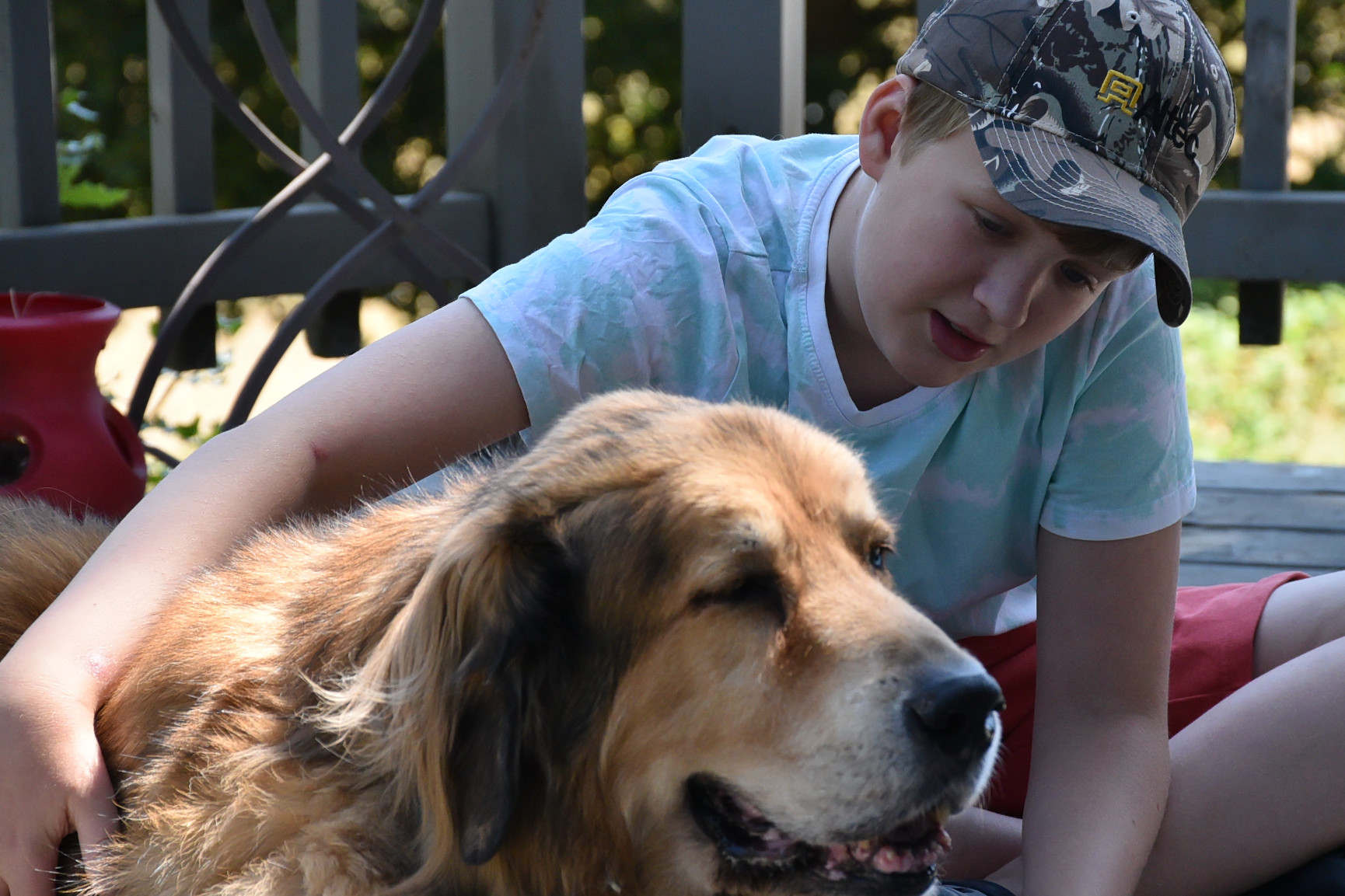
Here is Morten, who spent hours caressing and fondling Brandy, our largest dog.

oooo

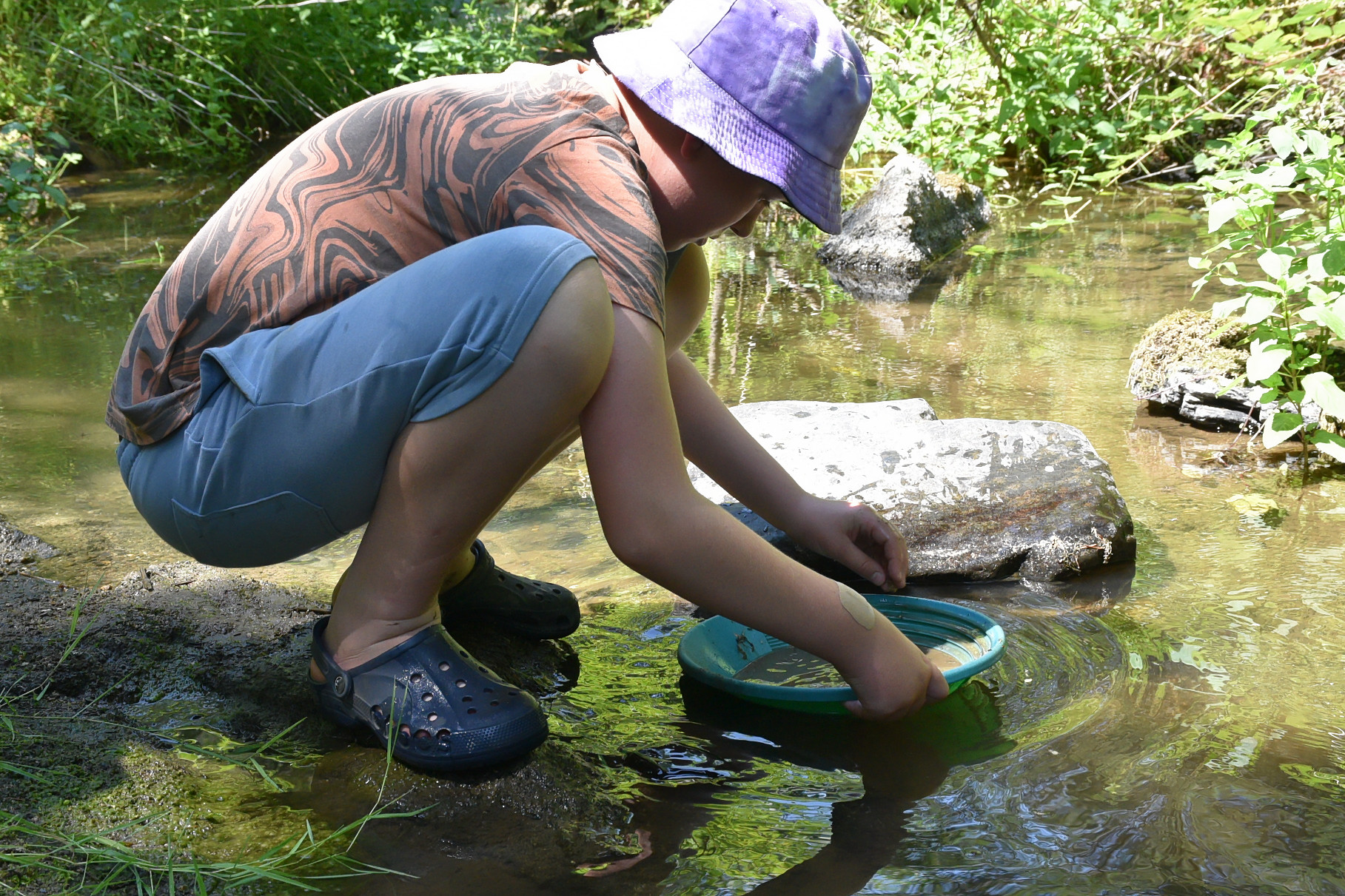
His other passion was exploring for gold. We have Bummer Creek flowing through the property. It is called ‘Bummer’ because as the locals would have it there is no gold to be found. But that didn’t stop Morten spending time looking for gold!

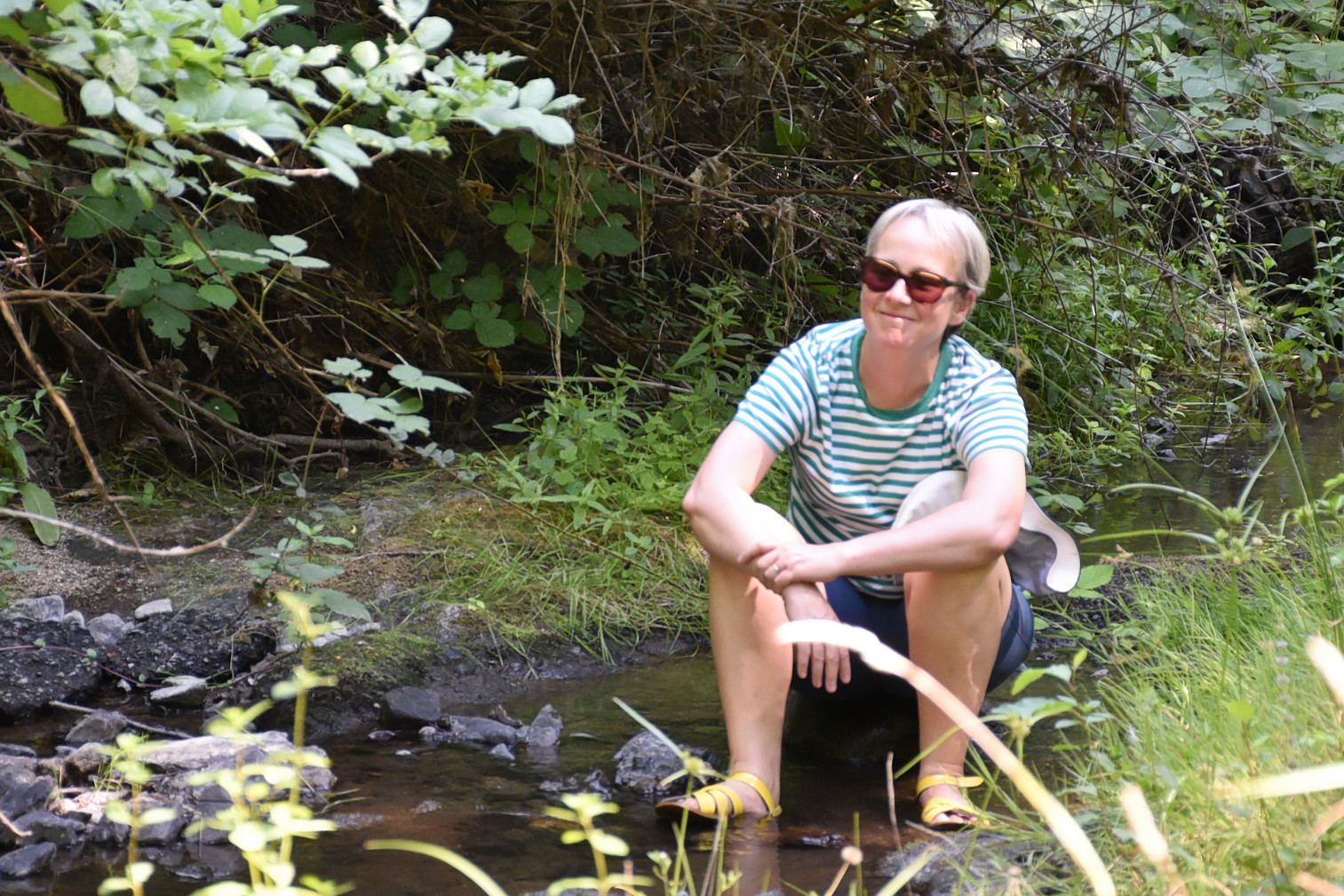
And this is Maija (photo slightly out of focus).

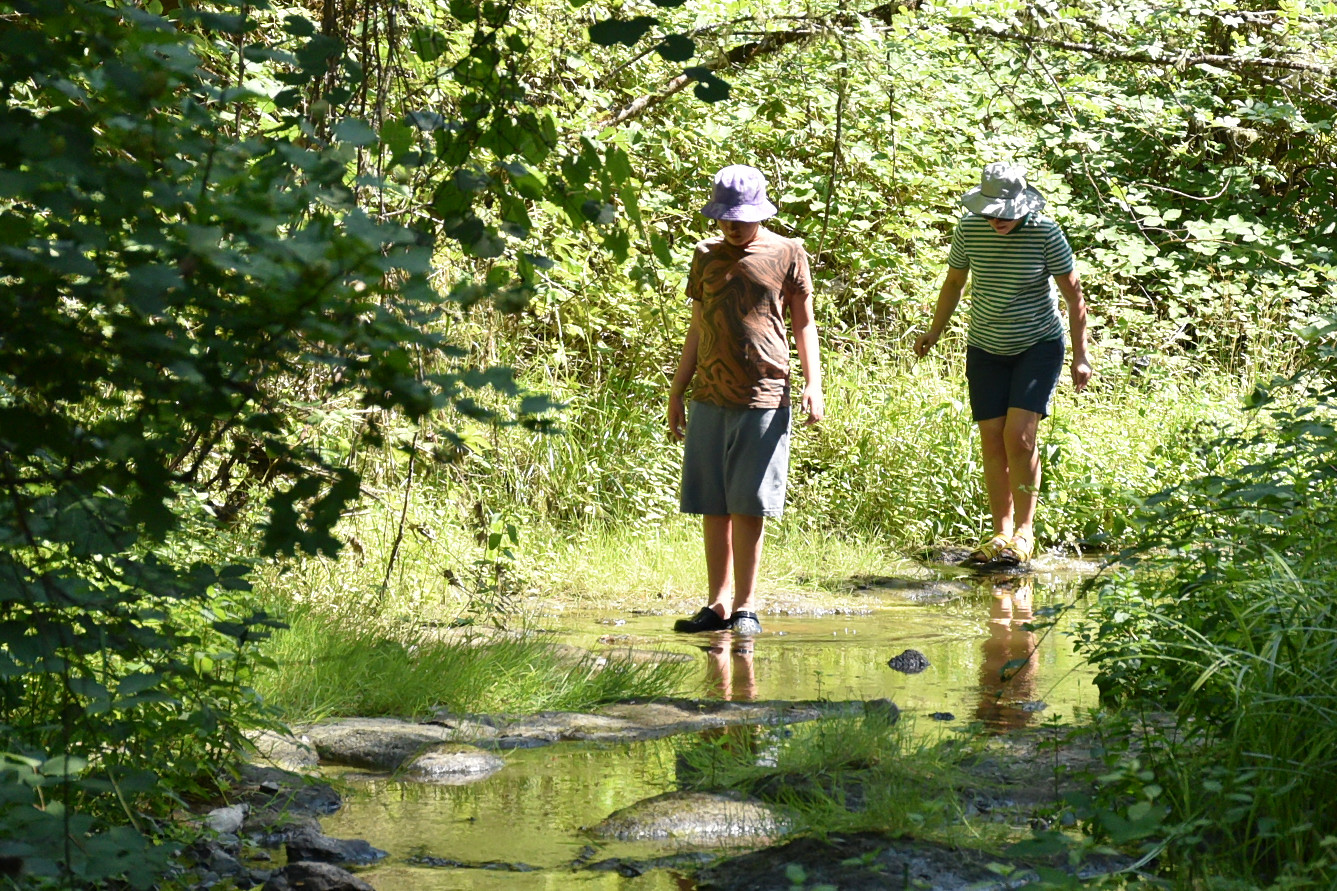
The next photo shows Maija and Morten strolling along the creek.

oooo

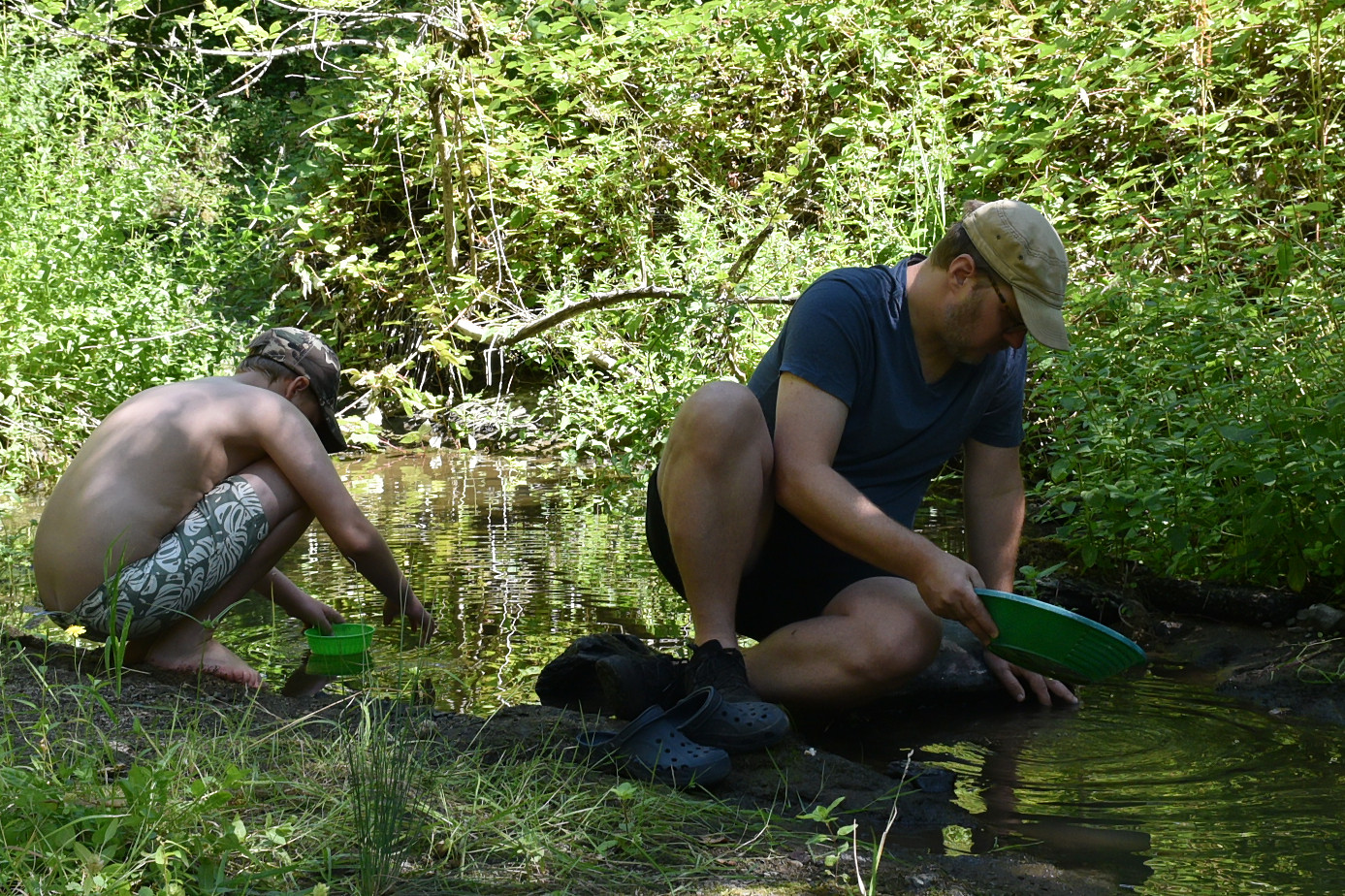
Above a shot showing Marius and Morten looking for the illusive metal!

I close with the Morten and Marius hoping to see a trace of gold in the gold-pan, and Maija looking on.

My next post will be on Tuesday.

Picture Parade Four Hundred and Ninety-Two

Rather than post nothing I have published the next Picture Parade. This time a series of fabulous photographs from jkm757 of Ugly Hedgehog.

The Retriever

“Look Ma, No paws! I’m Flying!”

Ready To Play

Spin Dry

Leader of the Pack

Flying Fido

Izzy

Airborne Beagle

Queen Of The Beach

Halfpint

The photos are fabulous. Thank you, ‘jkm‘.

Picture Parade Four Hundred and Ninety-One

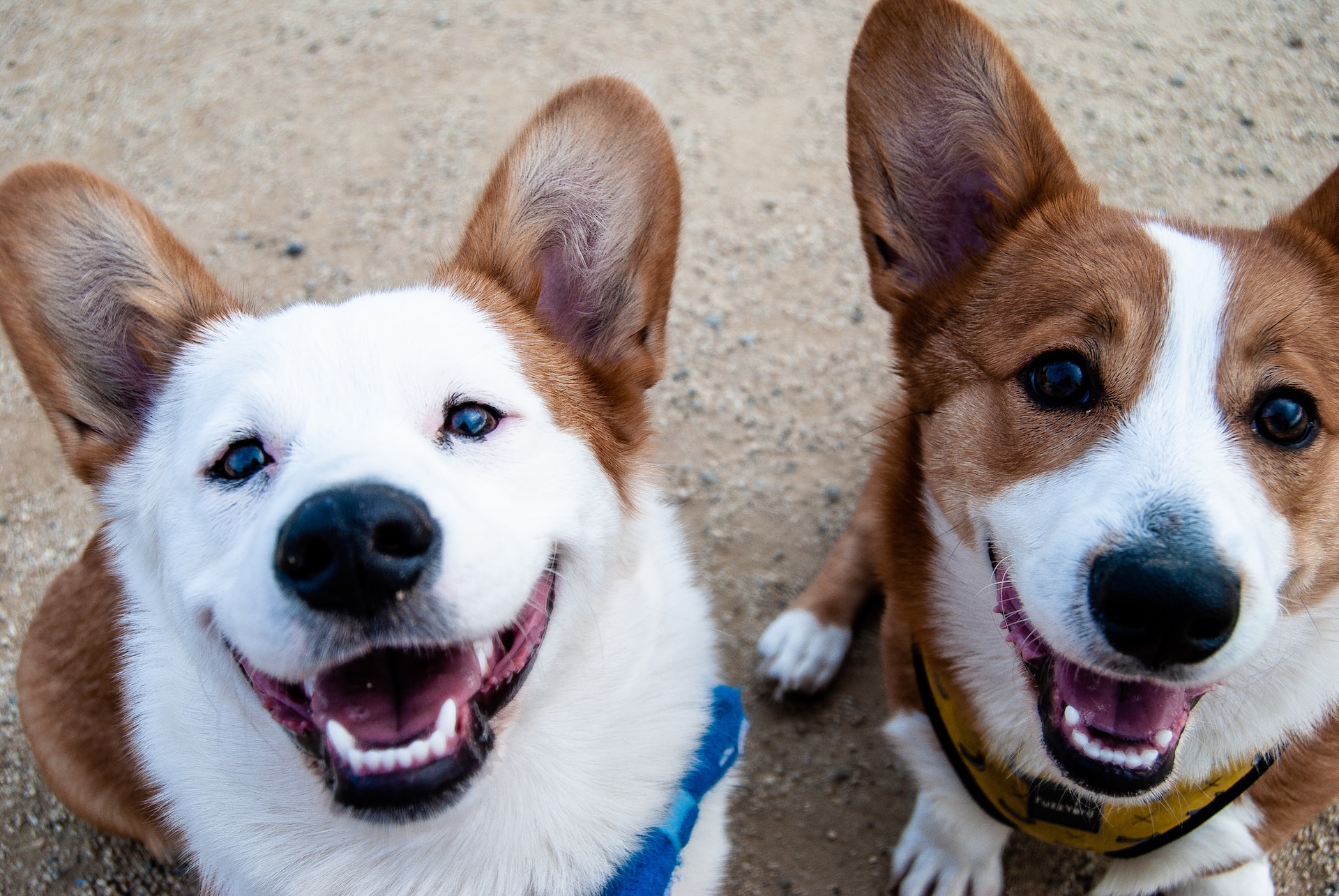
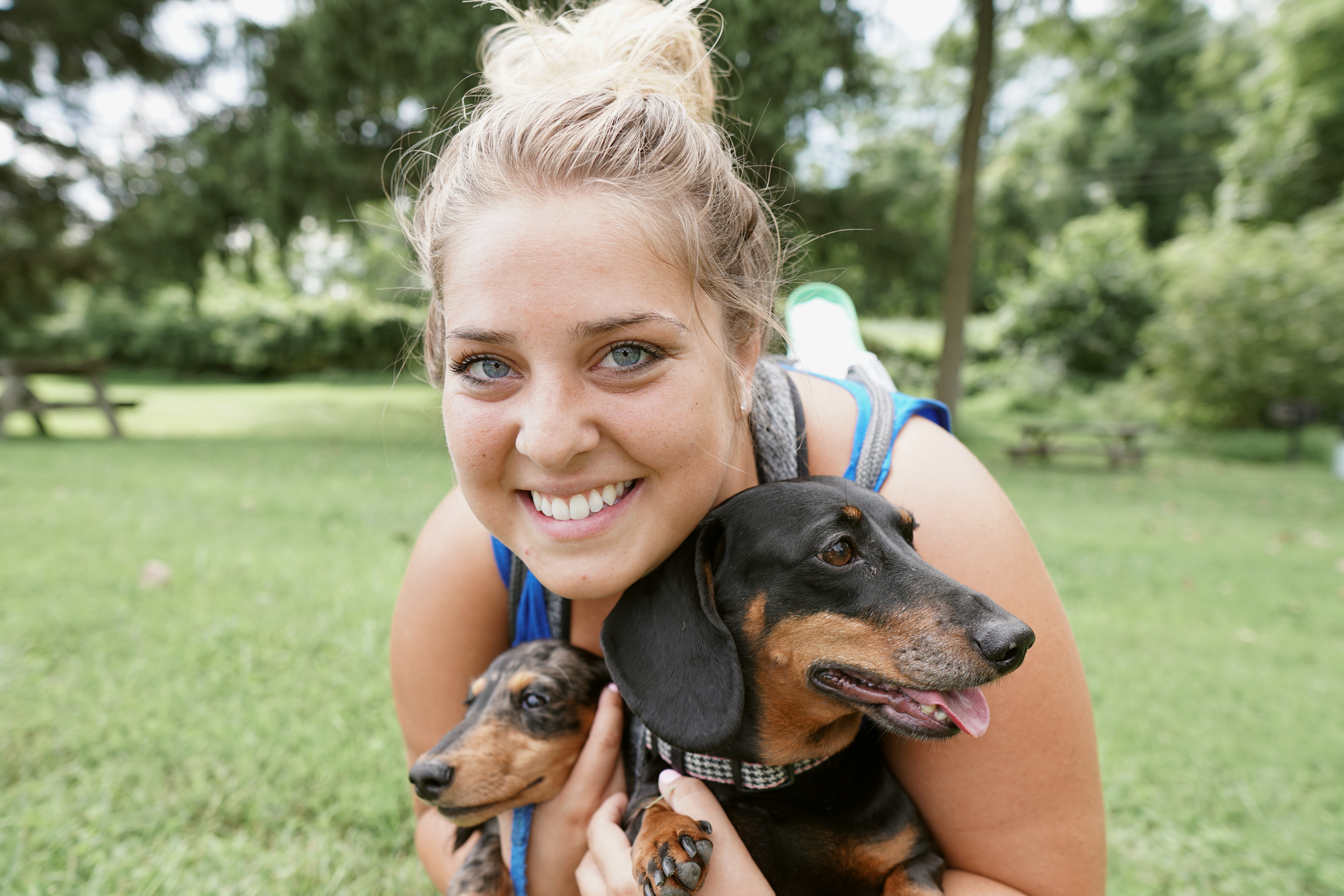
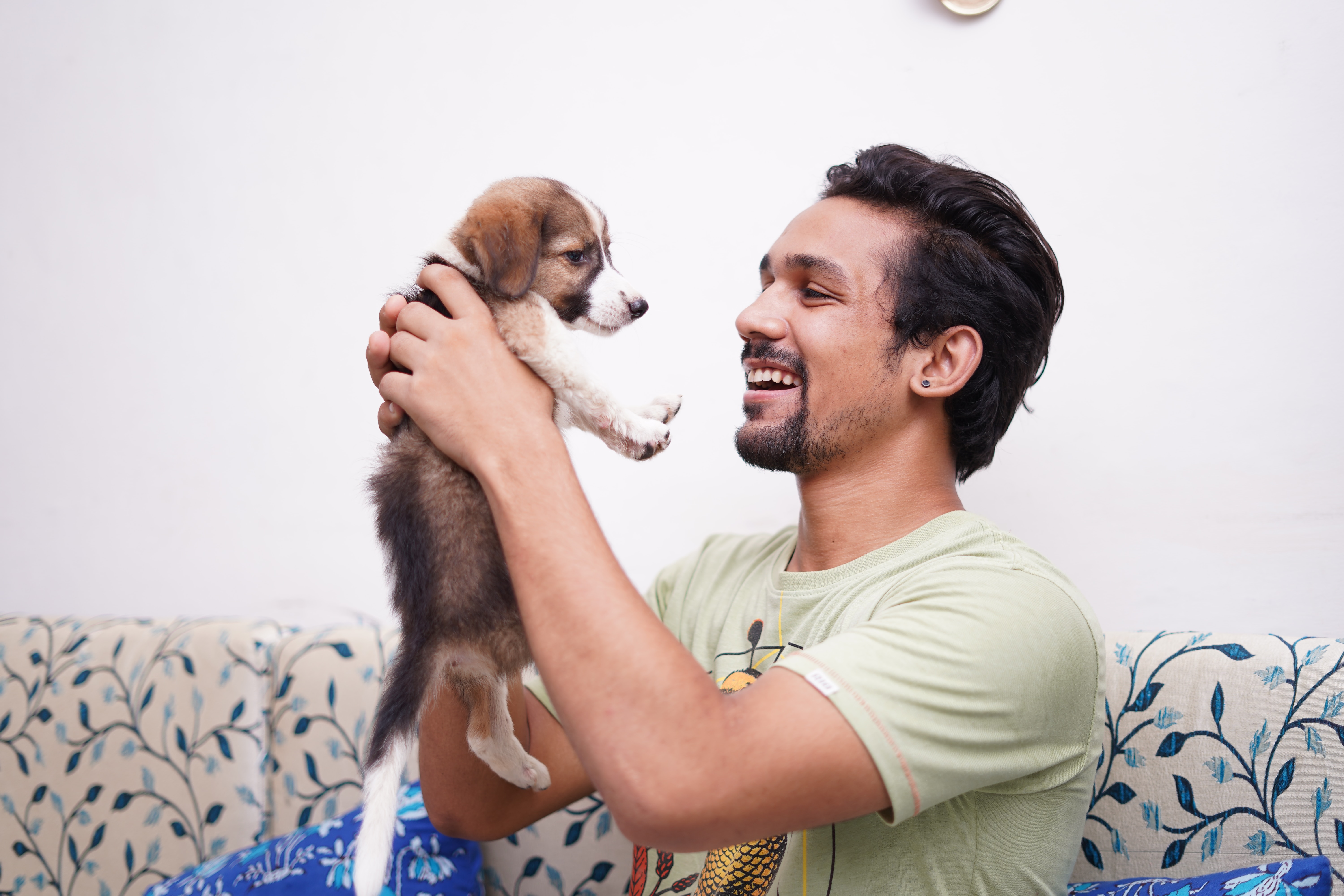
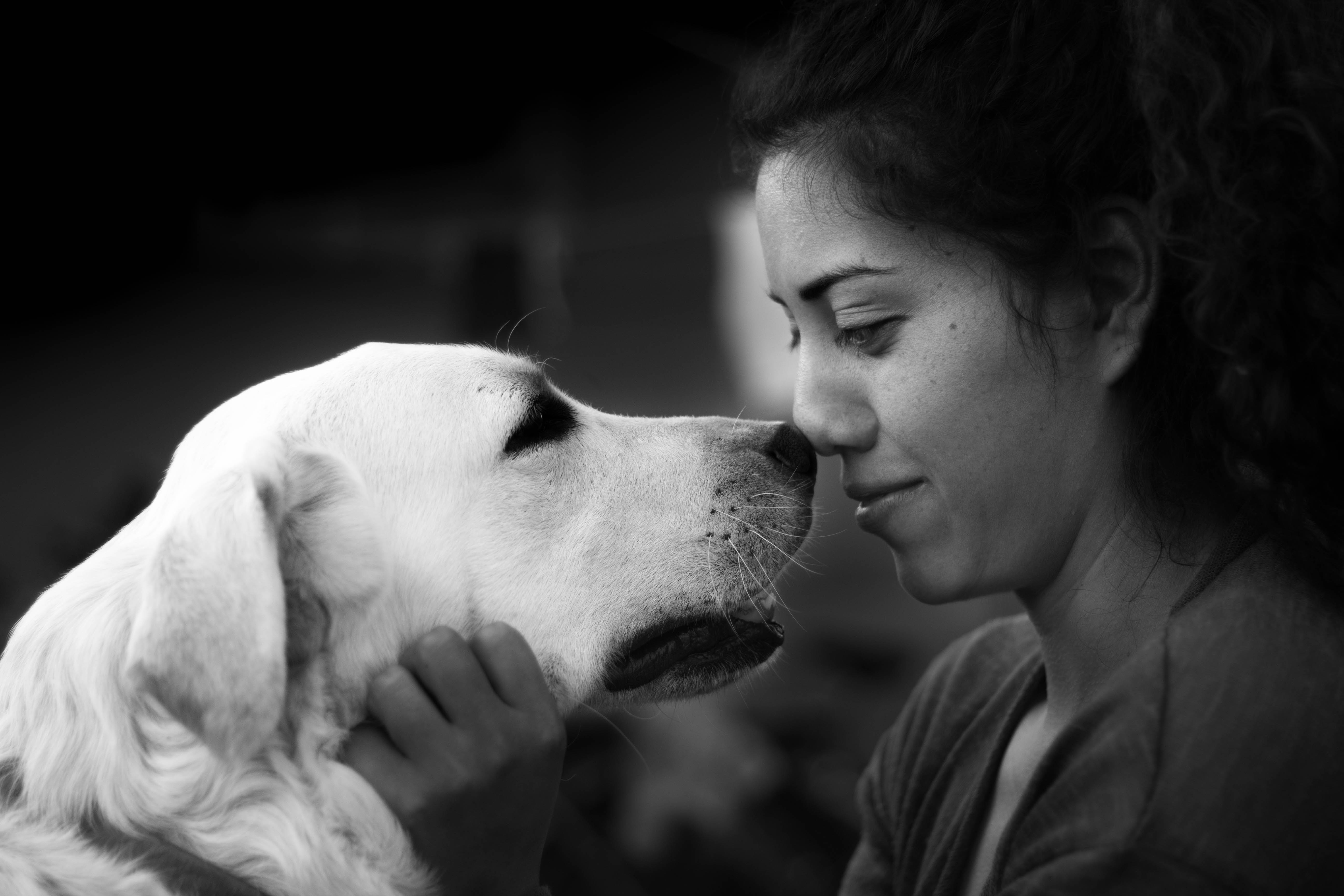
Yes, you guessed it! Back to Unsplash.

(And a postscript: This was meant to have been published next Sunday, the 16th. So enjoy an early Picture Parade!)

oooo

oooo

oooo

oooo

oooo

oooo

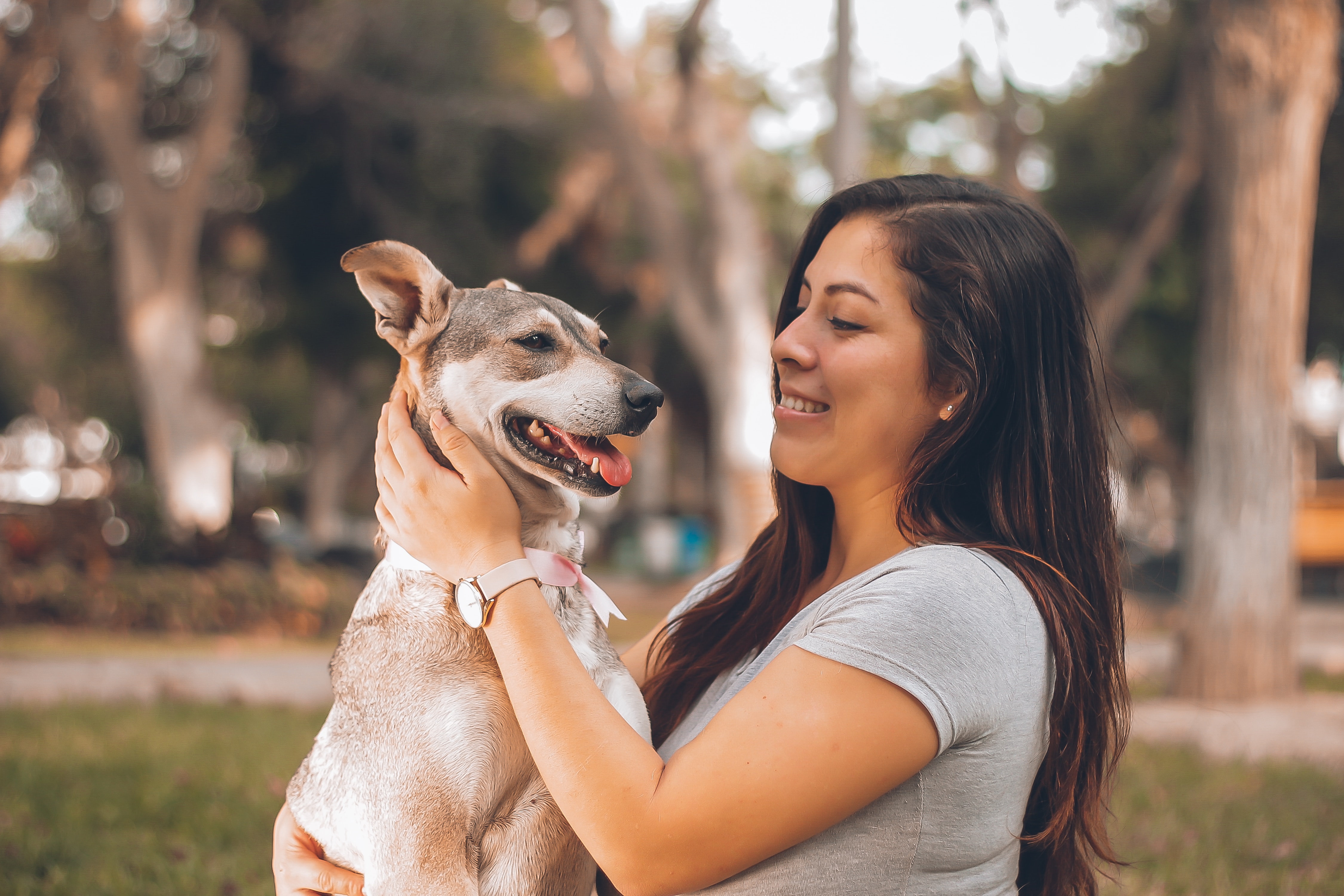
They are all beautiful and underline in spades why dogs are so, so special to us humans.

When the music stops!

One of the few things that is common to us all!

Death!

Hate to say it but it is the great leveller. Some believe in some form of afterlife but not me (nor Jeannie). But how we all get to that final state is far from being simple or straightforward.

That’s why I am republishing, with permission, a recent article in The Conversation.

ooOOoo

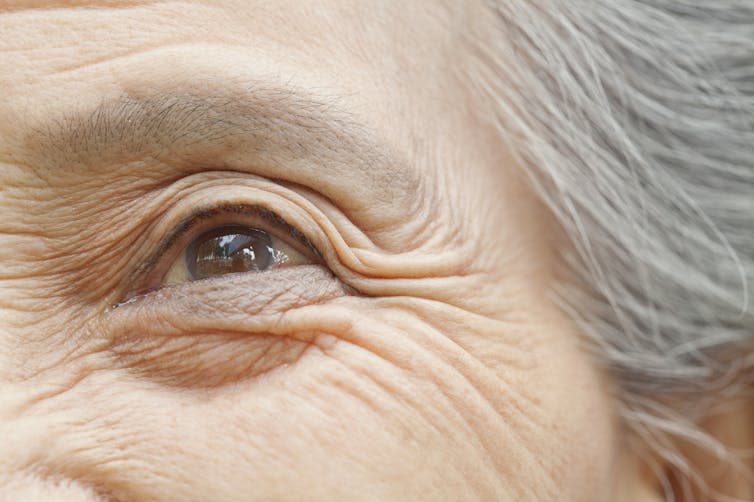
Aging is complicated – a biologist explains why no two people or cells age the same way, and what this means for anti-aging interventions

While some people may be older in chronological age, their biological age might be much younger. FangXiaNuo/E+ via Getty Images

Ellen Quarles, University of Michigan

Assistant Professor in Molecular, Cellular, and Developmental Biology.

You likely know someone who seems to age slowly, appearing years younger than their birth date suggests. And you likely have seen the opposite – someone whose body and mind seem much more ravaged by time than others. Why do some people seem to glide though their golden years and others physiologically struggle in midlife?

I have worked in the field of aging for all of my scientific career, and I teach the cellular and molecular biology of aging at the University of Michigan. Aging research doesn’t tend to be about finding the one cure that fixes all that may ail you in old age. Instead, the last decade or two of work points to aging as a multi-factoral process – and no single intervention can stop it all.

What is aging?

There are many different definitions of aging, but scientists generally agree upon some common features: Aging is a time-dependent process that results in increased vulnerability to disease, injury and death. This process is both intrinsic, when your own body causes new problems, and extrinsic, when environmental insults damage your tissues.

Your body is comprised of trillions of cells, and each one is not only responsible for one or more functions specific to the tissue it resides in, but must also do all the work of keeping itself alive. This includes metabolizing nutrients, getting rid of waste, exchanging signals with other cells and adapting to stress.

The trouble is that every single process and component in each of your cells can be interrupted or damaged. So your cells spend a lot of energy each day preventing, recognizing and fixing those problems.

Aging can be thought of as a gradual loss of the ability to maintain homeostasis – a state of balance among body systems – either by not being able to prevent or recognize damage and poor function, or by not adequately or rapidly fixing problems as they occur. Aging results from a combination of these issues. Decades of research has shown that nearly every cellular process becomes more impaired with age.

Repairing DNA and recycling proteins

Most research on cellular aging focuses on studying how DNA and proteins change with age. Scientists are also beginning to address the potential roles many other important biomolecules in the cell play in aging as well.

One of the cell’s chief jobs is to maintain its DNA – the instruction manual a cell’s machinery reads to produce specific proteins. DNA maintenance involves protecting against, and accurately repairing, damage to genetic material and the molecules binding to it.

Proteins are the workers of the cell. They perform chemical reactions, provide structural support, send and receive messages, hold and release energy, and much more. If the protein is damaged, the cell uses mechanisms involving special proteins that either attempt to fix the broken protein or send it off for recycling. Similar mechanisms tuck proteins out of the way or destroy them when they are no longer needed. That way, its components can be used later to build a new protein.
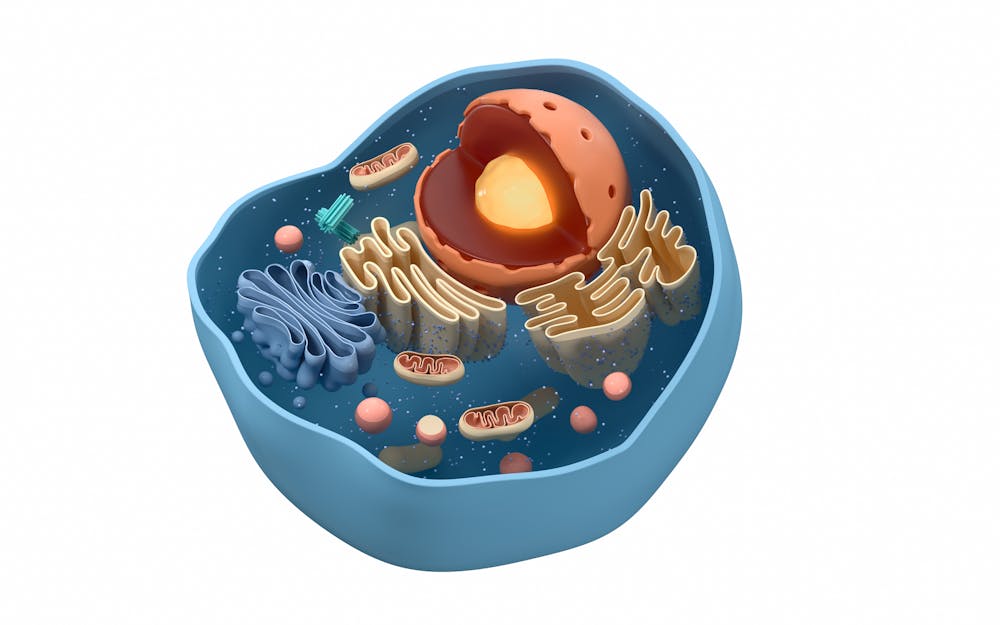
Aging disrupts a delicate biological network

The cross-talk between the components inside cells, cells as a whole, organs and the environment is a complex and ever-changing network of information.

When all processes involved in creating and maintaining DNA and protein function are working normally, the different compartments within a cell serving specialized roles – called organelles – can maintain the cell’s health and function. For an organ to work well, the majority of the cells that make it up need to function well. And for a whole organism to survive and thrive, all of the organs in its body need to work well.

Aging can lead to dysfunction at any of these levels, from the sub-cellular to the organismal. Maybe a gene encoding an important protein for DNA repair has become damaged, and now all of the other genes in the cell are more likely to be repaired incorrectly. Or perhaps the cell’s recycling systems are unable to degrade dysfunctional components anymore. Even the communication systems between cells, tissues and organs can become compromised, leaving the organism less able to respond to changes within the body.

Random chance can lead to a growing burden of molecular and cellular damage that is progressively less well-repaired over time. As this damage accumulates, the systems that are meant to fix it are accruing damage as well. This leads to a cycle of increasing wear and tear as cells age.

Anti-aging interventions

The interdependence of life’s cellular processes is a double-edged sword: Sufficiently damage one process, and all the other processes that interact with or depend on it become impaired. However, this interconnection also means that bolstering one highly interconnected process could improve related functions as well. In fact, this is how the most successful anti-aging interventions work.

There is no silver bullet to stop aging, but certain interventions do seem to slow aging in the laboratory. While there are ongoing clinical trials investigating different approaches in people, most existing data comes from animals like nematodes, flies, mice and nonhuman primates.

One of the best studied interventions is caloric restriction, which involves reducing the amount of calories an animal would normally eat without depriving them of necessary nutrients. An FDA-approved drug used in organ transplantation and some cancer treatments called rapamycin seems to work by using at least a subset of the same pathways that calorie restriction activates in the cell. Both affect signaling hubs that direct the cell to preserve the biomolecules it has rather than growing and building new biomolecules. Over time, this cellular version of “reduce, reuse, recycle” removes damaged components and leaves behind a higher proportion of functional components.

Other interventions include changing the levels of certain metabolites, selectively destroying senescent cells that have stopped dividing, changing the gut microbiome and behavioral modifications.

What all of these interventions have in common is that they affect core processes that are critical for cellular homeostasis, often become dysregulated or dysfunctional with age and are connected to other cellular maintenance systems. Often, these processes are the central drivers for mechanisms that protect DNA and proteins in the body.

There is no single cause of aging. No two people age the same way, and indeed, neither do any two cells. There are countless ways for your basic biology to go wrong over time, and these add up to create a unique network of aging-related factors for each person that make finding a one-size-fits-all anti-aging treatment extremely challenging.

However, researching interventions that target multiple important cellular processes simultaneously could help improve and maintain health for a greater portion of life. These advances could help people live longer lives in the process.

Ellen Quarles, Assistant Professor in Molecular, Cellular, and Developmental Biology, University of Michigan

This article is republished from The Conversation under a Creative Commons license. Read the original article.

ooOOoo

I was born in London towards the tail end of 1944. I was the product of an affair between my father and mother. I came before my younger sister, Elizabeth, born in 1948. Then my father died on December 20th, 1956 and eventually my mother remarried my stepfather but he died in 1979 and then my mother died in 2016.

Elizabeth is still alive and so is my step-sister, Eleanor. I also had two half-sisters, Rhona, Corinne, born of my father and his first wife, but they are long dead.

But my family still continue and with a bit of luck I have a few years left; I shall be 80 in November, 2024.

When the music stops it will have been a fabulous life!

And speaking of music:

Thank you, Alan!

Jean is coming home!

Probably about 10am PDT today!

Just a short update to say that discussions that I had yesterday afternoon with the Discharge Officer at Regency Care, Julia H., resulted in Jean being ready to be collected by me this morning.

It is a great advance although Jean and I will have a whole series of different situations to deal with. But they will be dealt with one at a time.

The kindness shown by both the staff and Regency and our friends is overwhelming. Thank you everyone!

Wretched Parkinson’s

Jean had another fall yesterday!

You all know that Jeannie has Parkinson’s Disease but it is not without its shocks.

Yesterday, at about 3.30 am there was a crash in the kitchen. Jeannie had tripped up and fallen down. She was laying very awkwardly all crumpled up. I came into the kitchen immediately, saw her on the floor, saw that she was in agony but couldn’t lift her up without hurting her more. So I called an ambulance.

It came from Asante Hospital in Grants Pass.

I followed the ambulance in our car shortly thereafter. Jean was admitted to the emergency room.

After Jean had been given an x-ray and pain meds later on she was transferred to Room 350 in the main hospital. I was told that she needed surgery on her right hip, maybe a hip replacement, and she will be in overnight.

I had returned home before noon to let the dogs out and to have some breakfast! Then I went back to Jeannie.

I stayed with her until nearly 3pm. Jean was due to have surgery at 4:45 pm.

What the longer term implications are I do not know. I sincerely hope the surgery is successful and Jean returns home.

Another day with this terrible disease!

P.S. In the early evening it felt so lonely. I cuddled the three dogs many times but it still felt as though my world had been turned upside down. I am writing this before 6pm so do not even want to think of being on my own in bed. The dogs are acutely aware of Jean’s absence and are doing their best to comfort me. Wonderful Brandy, Oliver and Cleo!

Picture Parade Four Hundred and Eighty-Nine

More from Unsplash.

oooo

oooo

oooo

oooo

oooo

oooo

oooo

They are all beyond beautiful. They are the reason we love dogs so much!

Meditation

About keeping oneself mentally healthy.

I follow the website The Conversation and read most of their posts on a very regular basis. Back in May they published the following. It caught my eye because my own mental health is drifting downwards, or so it seems, due to age, I shall be 80 in November, 2024, plus a couple of brain bleedings that occurred in 2017 that were attended to by the Regional Trauma Center in Eugene.

I then had two sub-durnal (sp?) operations overnight before being put onto the ICU ward. The lead surgeon explained that I was within 24 hours of dying! As in if I had not gone back to hospital.

I find that difficult to realise that it was 6 years ago! Anyway, to the post published by The Conversation.

ooOOoo

Mindfulness, meditation and self-compassion – a clinical psychologist explains how these science-backed practices can improve mental health

Studies show that consistent meditation practice is key. pixdeluxe/E! via Getty Images

Rachel Goldsmith Turow, Seattle University

Mindfulness and self-compassion are now buzzwords for self-improvement. But in fact, a growing body of research shows these practices can lead to real mental health benefits. This research – ongoing, voluminous and worldwide – clearly shows how and why these two practices work.

One effective way to cultivate mindfulness and self-compassion is through meditation.

For more than 20 years, as a clinical psychologist, research scientist and educator, I taught meditation to students and clinical patients and took a deep dive into the research literature. My recent book, “The Self-Talk Workout: Six Science-Backed Strategies to Dissolve Self-Criticism and Transform the Voice in Your Head,” highlights much of that research.

I learned even more when I evaluated mental health programs and psychology classes that train participants in mindfulness and compassion-based techniques.

Defining mindfulness and self-compassion

Mindfulness means purposefully paying attention to the present moment with an attitude of interest or curiosity rather than judgment.

Self-compassion involves being kind and understanding toward yourself, even during moments of suffering or failure.

Both are associated with greater well-being.

But don’t confuse self-compassion with self-esteem or self-centeredness, or assume that it somehow lowers your standards, motivation or productivity. Instead, research shows that self-compassion is linked with greater motivation, less procrastination and better relationships.

Could mindfulness meditation be the next public health revolution?

Be patient when starting a meditation practice

I didn’t like meditation – the specific practice sessions that train mindfulness and self-compassion – the first time I tried it as a college student in the late ‘90s. I felt like a failure when my mind wandered, and I interpreted that as a sign that I couldn’t do it.

In both my own and others’ meditation practices, I’ve noticed that the beginning is often rocky and full of doubt, resistance and distraction.

But what seem like impediments can actually enhance meditation practice, because the mental work of handling them builds strength.

For the first six months I meditated, my body and mind were restless. I wanted to get up and do other tasks. But I didn’t. Eventually it became easier to notice my urges and thoughts without acting upon them. I didn’t get as upset with myself.

After about a year of consistent meditation, my mind seemed more organized and controllable; it no longer got stuck in self-critical loops. I felt a sense of kindness or friendliness toward myself in everyday moments, as well as during joyful or difficult experiences. I enjoyed ordinary activities more, such as walking or cleaning.

It took a while to understand that anytime you sit down and try to meditate, that’s meditation. It is a mental process, rather than a destination.

How meditation works on the mind

Just having a general intention to be more mindful or self-compassionate is unlikely to work.

Most programs shown to make meaningful differences involve at least seven sessions. Studies show these repeated workouts improve attention skills and decrease rumination, or repeated negative thinking.

They also lessen self-criticism, which is linked to numerous mental health difficulties, including depression, anxiety, eating disorders, self-harm and post-traumatic stress disorder.

Meditation is not just about sustaining your attention – it’s also about shifting and returning your focus after the distraction. The act of shifting and refocusing cultivates attention skills and decreases rumination.

Trying repeatedly to refrain from self-judgment during the session will train your mind to be less self-critical.

An interconnected group of brain regions called the default mode network is strikingly affected by meditation. Much of this network’s activity reflects repetitive thinking, such as a rehash of a decadeslong tension with your sister. It’s most prominent when you’re not doing much of anything. Activity of the default mode network is related to rumination, unhappiness and depression.

Research shows that just one month of meditation reduces the noise of the default mode network. The type of meditation practice doesn’t seem to matter.

Don’t be discouraged if your mind wanders as you meditate.

Establishing the formal practice

A common misconception about mindfulness is that it’s simply a way to relax or clear the mind. Rather, it means intentionally paying attention to your experiences in a nonjudgmental way.

Consider meditation the formal part of your practice – that is, setting aside a time to work on specific mindfulness and self-compassion techniques.

Cultivating mindfulness with meditation often involves focusing on paying attention to the breath. A common way to start practice is to sit in a comfortable place and bring attention to your breathing, wherever you feel it most strongly.

At some point, probably after a breath or two, your mind will wander to another thought or feeling. As soon as you notice that, you can bring your attention back to the breath and try not to judge yourself for losing focus for five to 10 minutes.

When I was just getting started meditating, I would have to redirect my attention dozens or hundreds of times in a 20-to-30-minute session. Counting 10 breaths, and then another 10, and so on, helped me link my mind to the task of paying attention to my breathing.

The most well-established technique for cultivating self-compassion is called loving-kindness meditation. To practice, you can find a comfortable position, and for at least five minutes, internally repeat phrases such as, “May I be safe. May I be happy. May I be healthy. May I live with ease.”

When your attention wanders, you can bring it back with as little self-judgment as possible and continue repeating the phrases. Then, if you like, offer the same well wishes to other people or to all beings.

Every time you return your focus to your practice without judging, you’re flexing your mental awareness, because you noticed your mind wandered. You also improve your capacity to shift attention, a valuable anti-rumination skill, and your nonjudgment, an antidote to self-criticism.

These practices work. Studies show that brain activity during meditation results in less self-judgment, depression and anxiety and results in less rumination.

Mindfulness also occurs when you tune into present-moment sensations, such as tasting your food or washing the dishes.

An ongoing routine of formal and informal practice can transform your thinking. And again, doing it once in a while won’t help as much. It’s like situps: A single situp isn’t likely to strengthen your abdominal muscles, but doing several sets each day will.

When thoughts pop up during meditation, no worries. Just start again … and again … and again.

Meditation reduces self-criticism

Studies show that mindfulness meditation and loving-kindness meditation reduce self-criticism, which leads to better mental health, including lower levels of depression, anxiety and PTSD. After an eight-week mindfulness program, participants experienced less self-judgment. These changes were linked with decreases in depression and anxiety.

One final point: Beginning meditators may find that self-criticism gets worse before it gets better.

After years or decades of habitual self-judgment, people often judge themselves harshly about losing focus during meditation. But once students get through the first few weeks of practice, the self-judgment begins to abate, both about meditation and about oneself in general.

As one of my students recently said after several weeks of mindfulness meditation: “I am more stable, more able to detach from unhelpful thoughts and can do all of this while being a little more compassionate and loving toward myself.”

Rachel Goldsmith Turow, Adjunct Assistant Professor in Population Health Science and Policy, Seattle University

This article is republished from The Conversation under a Creative Commons license. Read the original article.

ooOOoo

I do not meditate; have never done so.

In reading this article I think I should try and find a way to start the process. There are a great number of articles and websites. I will share my journey with you.

Time will tell!

Picture Parade Four Hundred and Eighty-Eight

Yet more dogs from Unsplash.

My son is unable to provide his fabulous photographs of birds every other week. More from him on an ‘as and when‘ basis.

oooo

oooo

oooo

oooo

oooo

oooo

oooo

There we go! More photographs in a week’s time.