More dogs from the ‘pages’ of Unsplash.

oooo

oooo

oooo

oooo

oooo

oooo

oooo

oooo
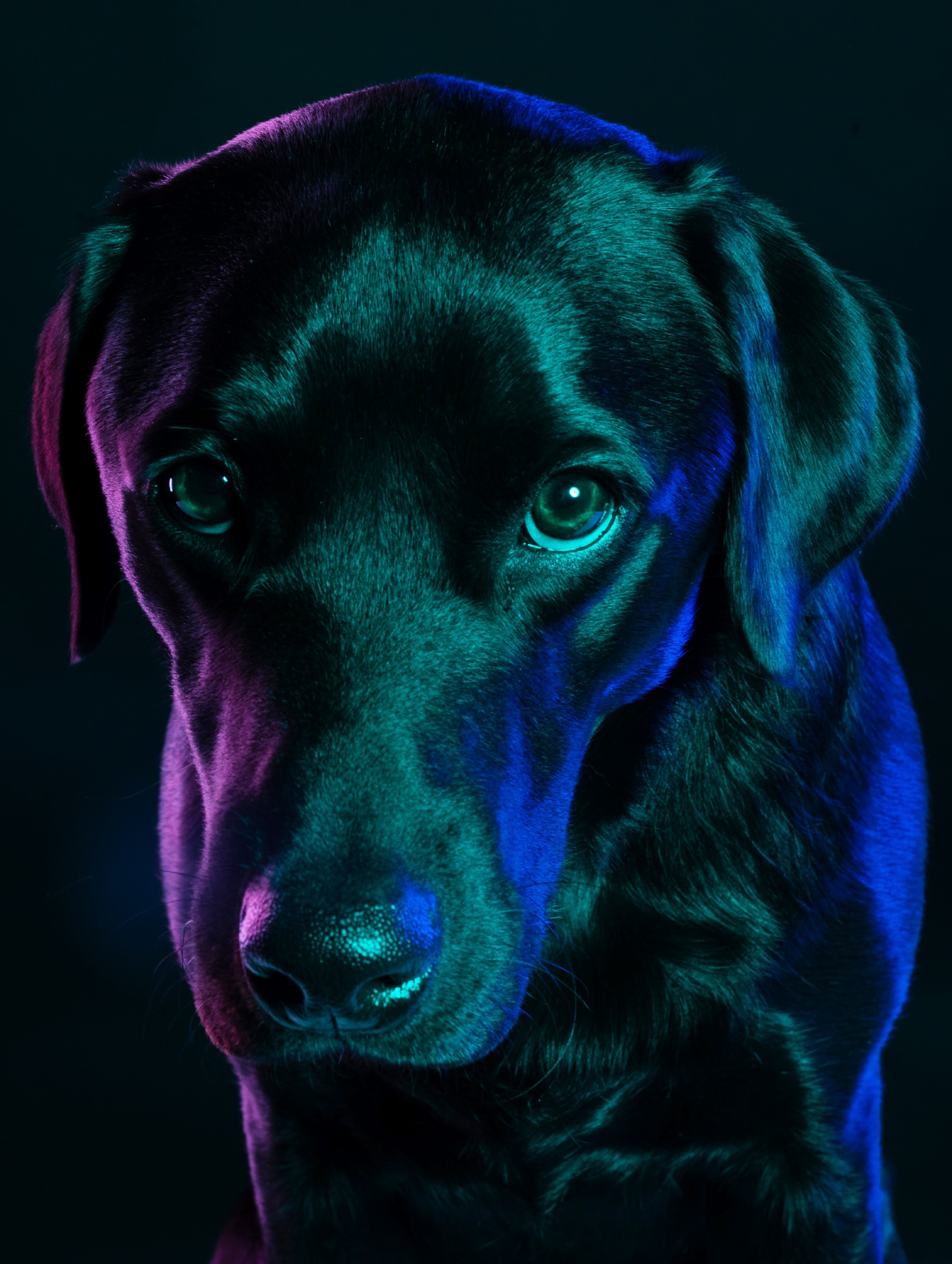
oooo

Amazing, fabulous photographs!
Dogs are animals of integrity. We have much to learn from them.
Category: Health
More dogs from the ‘pages’ of Unsplash.
oooo
oooo
oooo
oooo
oooo
oooo
oooo
oooo
oooo
Amazing, fabulous photographs!
Back to Unsplash.
All these photos show dogs together with other dogs.

oooo
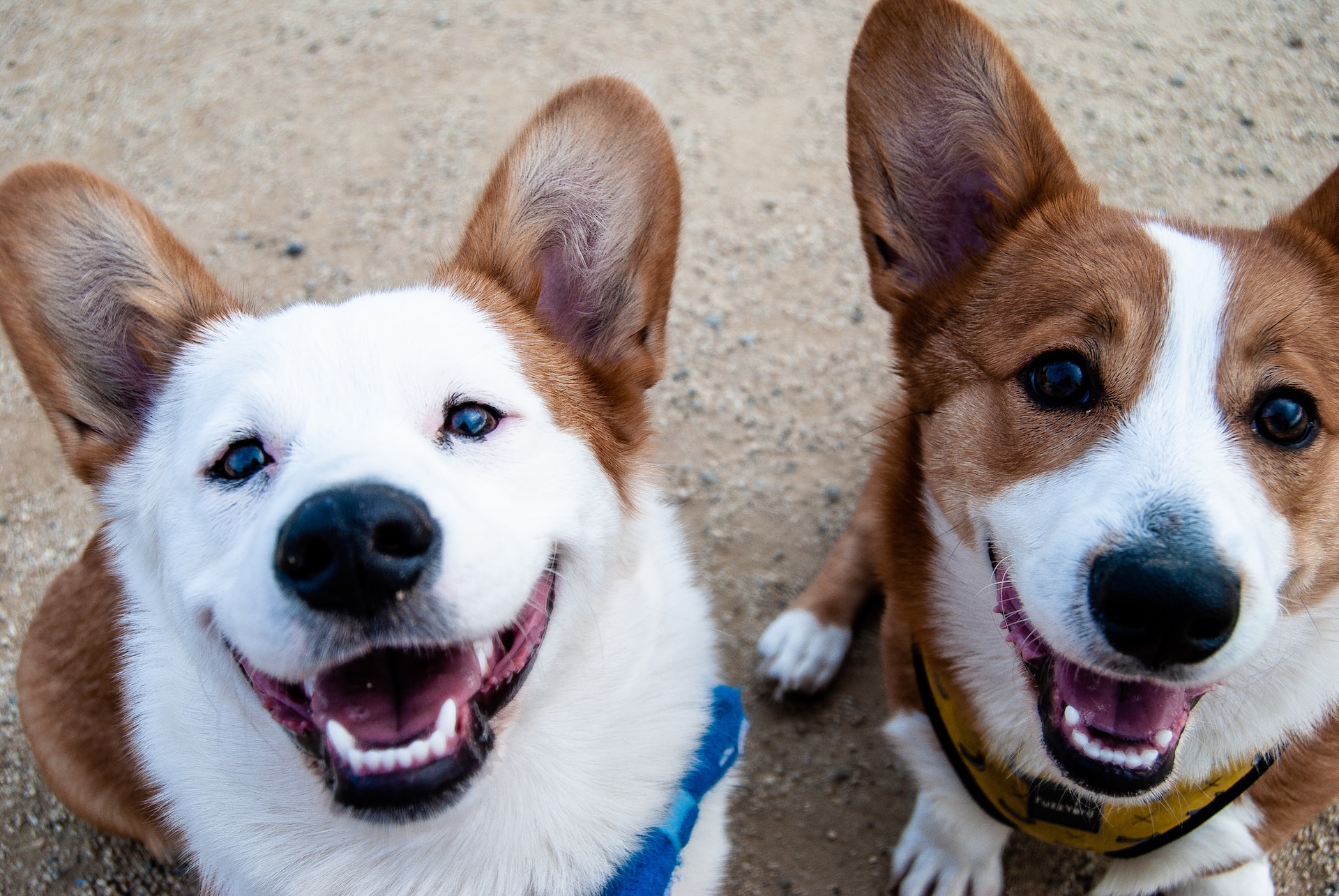
oooo

oooo

oooo
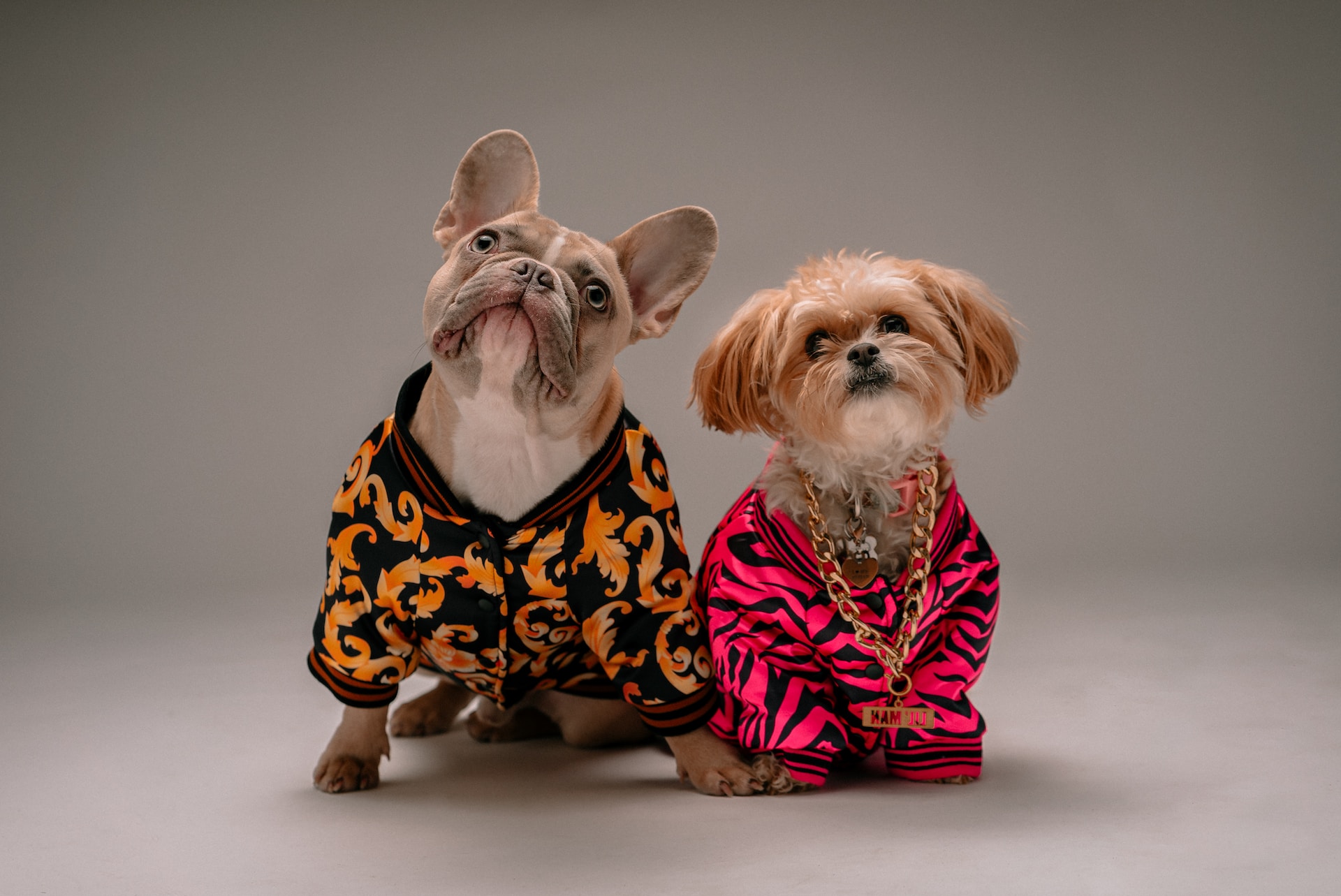
oooo

oooo
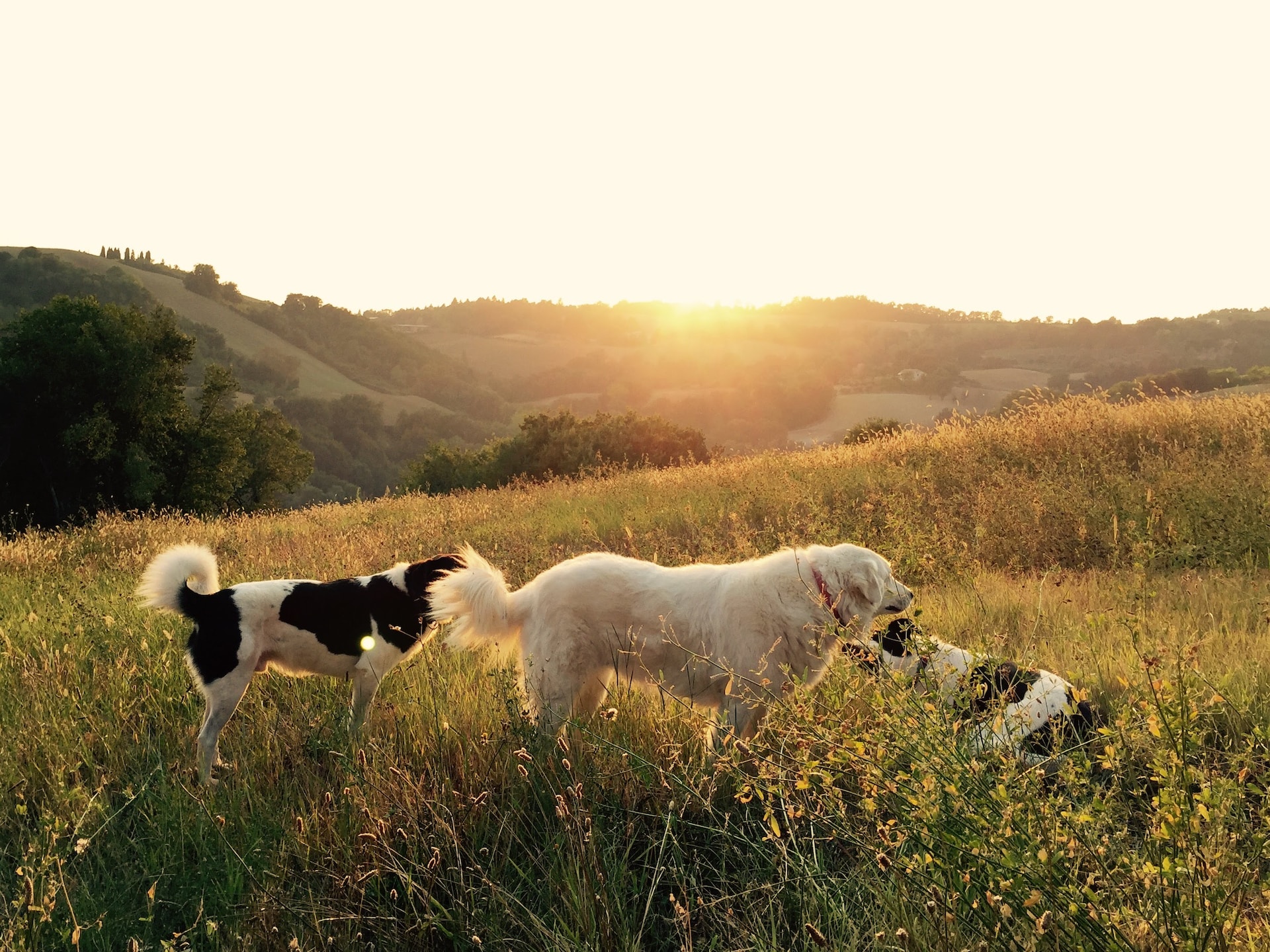
I can’t guarantee that some of these haven’t been shared with you in previous Picture Parades.
A fascinating post on Treehugger.
It is Wednesday morning in Southern Oregon and already I am having to think about the post for tomorrow. Not that this is a problem it is just one more thing that I want to do. Plus we are in the middle of a local heat wave with temperatures expected to be well above 100 degrees F and possibly 109 deg F (42.8 deg C.).
So I am turning to Treehugger for a dog post and hoping that I shall be able to share it with you all.
ooOOoo
Dogs Could Revolutionize the Sustainability of Future Pandemic Testing
Scent dogs are quicker, more effective, and create less healthcare waste than conventional COVID tests.
Senior Editorial Director
Published July 17, 2023

One of the more frustrating roadblocks in navigating the COVID-19 pandemic was the difficulty in getting quick, accurate test results. Sometimes, results for PCR tests took up to two weeks, rendering their diagnosis useless for planning isolation scenarios. Meanwhile, rapid tests still oftentimes provide a false negative if taken too soon after infection. When I had COVID, I was four days into symptoms before I got a positive at-home test—I’ve heard many people recount similar stories.
The testing we have is certainly better than nothing, but it leaves a lot to be desired. If only there were a better way, say, using something with remarkable innate sensitivity. Like, dogs. Far-fetched? Not at all.
A review of recent research concluded that scent dogs may represent a cheaper, faster, and more effective way to detect COVID-19 and could be a key tool in future pandemics. This could be a game-changer for sustainability as well, eliminating the enormous amount of waste that comes with billions of testing kits.
The review, published in De Gruyter’s Journal of Osteopathic Medicine, found that scent dogs are as effective, or even more effective, than conventional COVID-19 tests such as PCR tests.
Most of us know that dogs have a remarkable sense of smell; they sniff out drugs and explosives and have even successfully identified patients with certain cancers, Parkinson’s, and diabetes. They have up to 300 million olfactory cells, compared to 5 or 6 million in humans. And they use one-third of their brains to process scent information—humans just use 5%.
Professor Tommy Dickey of the University of California, Santa Barbara, and Heather Junqueira of BioScent Detection Dogs analyzed 29 different studies in which dogs detected COVID-19. “The studies were performed using over 31,000 samples by over 400 scientists from more than 30 countries using 19 different dog breeds. In some studies, the scent dogs sniffed people directly, sometimes in public places as a health screening. In others, the dogs sniffed patient samples such as sweat, saliva, or urine samples,” explains a press statement from De Gruyter.
The dogs ranged from Labrador retrievers and Belgian malinois to beagles and English springer spaniels. In most of the studies, the dogs demonstrated similar or better sensitivity and specificity than the current gold-standard PCR tests or antigen tests.
“In one study, four of the dogs could detect the equivalent of less than 2.6 x 10⁻¹² copies of viral RNA per milliliter. This is equivalent to detecting one drop of any odorous substance dissolved in ten and a half Olympic-sized swimming pools and is three orders of magnitude better than modern scientific instruments,” notes De Gruyter.
Remarkably, they not only detected COVID-19 in symptomatic, pre-symptomatic, and asymptomatic patients, but they could also sniff out COVID variants and even long COVID.
One thing we certainly don’t want is for dogs to become collateral damage in the pursuit of better testing. The study authors acknowledge this, writing that the “safety of scent dogs, their handlers, and those who are inspected by the dogs is critical for the acceptance and implementation of the scent dog screening and testing approach.”
“This is consistent with the One Health paradigm,” they add, “which defines health as more than the absence of disease and recognizes the interrelationships among humans, animals, and environmental welfare.”
The authors evaluated whether medical detection dogs could contract and become ill with the COVID-19 virus and if dogs pass on the COVID-19 virus to humans. From a number of studies, they concluded that dogs are in the low-risk category. “To our knowledge, there have been no deaths of dogs that can be unequivocally attributed to COVID-19,” the authors explain. “Importantly, the studies described above suggest that it is safe for healthy individual handlers to utilize scent dogs to directly screen and test individuals who may be infected with the COVID-19 virus.”
A major benefit of using the dogs is their speed. In one study, researchers were able to do a lineup with 40 samples, including sample collection, lineup loading, and unloading, within just 3 minutes.
“The time between RT-PCR sampling and the return of results can be up to days, whereas the RAG test results are obtained within about 15 min.,” write the study authors. “Again, if scent dogs directly sniff individuals, results are learned in seconds, or a few minutes if samples are taken and sniffed soon after by the dogs.”
“The criticality of the speed of the return of test results cannot be overemphasized,” the authors add.
That dogs could provide a result in seconds to minutes is crucial. But additionally, and importantly, scent tests by dogs don’t require expensive lab equipment or create mountains of plastic waste, unlike conventional diagnostic approaches.
As of December 22, 2022, the United States alone had performed around 1.15 billion tests for COVID-19. Thinking of all the material for the testing kits and all the resources used for testing labs and sending samples around, etc., the reduction in ecological footprint is potentially tremendous.
Not to mention the cost. Some of the research in the review was, in fact, motivated by the need for inexpensive testing in developing nations, the authors note.
“Although many people have heard about the exceptional abilities of dogs to help humans, their value to the medical field has been considered fascinating, but not ready for real-world medical use,” says Dickey. “Having conducted this review, we believe that scent dogs deserve their place as a serious diagnostic methodology that could be particularly useful during pandemics, potentially as part of rapid health screenings in public spaces. We are confident that scent dogs will be useful in detecting a wide variety of diseases in the future.”
ooOOoo
In the interests of expanding the argument, here is a copy of a comment left to that original post:
Here we go again, using animals for testing. I believe that dogs can’t smell covid and detected it 100%, but we humans NEVER treat animals with the respect and equality they deserve, so I am very concern for the safety and health of testing “smell Covid” dogs… I know a person that have esophageal cancer and for almost 5 years before it was diagnosed, his dog (an adorable mutt) insisted on crawling over her owner chest every single time that he laid down, in an attempt to “cure” the inflammation in that spot. After the cancer was eliminated with chemo and surgery the dog stopped doing it…
I which we humans were more connected and attentive with animal wisdom, to learn from them, respecting and became better people.
I think that second sentence should read can smell covid but have left it how it was printed.
Anyway, I will leave readers to cover the main article which speaks very highly of man’s best friend.
A brilliant set of lovely photographs.
These photos were shown on the website Ugly Hedgehog by a user called ‘daldds‘. I sent daldds a private message asking if I could republish the photos and he said ‘Yes’.
ooOOoo

oooo

oooo

oooo

oooo

oooo

ooOOoo
Brilliant!
It is a rare family that is not touched by cancer.
My father died at the age of 55 from lung cancer. That was December 20th, 1956 and while he did not smoke he did have his regular cigar every Sunday afternoon. I suspect he may have smoked from time to time in his office. It was a tragic time for me and Elizabeth, my younger sister. Speaking personally I did not fully understand the personal implications until shortly after the 50th anniversary of his death: December 20th, 2006.
Tony is a keen blogger and he writes under the blog name of Wellness Secrets of a SuperAger. His latest post is 5 Things You Can Do to Prevent Cancer. I have pleasure in republishing Tony’s post below. Please read it!
ooOOoo
5 Things You Can Do to Prevent Cancer.
We all know that steering clear of tobacco is a crucial way to reduce your cancer risk. But there’s a lot more than you can do.
RUSH family physician Joyce Chen, MD, and clinical dietitian Kristin Gustashaw explain how we can make better choices to protect our health.
You may not realize it, but aging is a risk factor for cancer. The longer your cells are turning over, the more likely miscopying can happen. Though we can’t control aging, we can control the speed at which we age. “We know, in theory, we can kind of age ourselves faster or slower, depending on how much insult we give our bodies,” Gustashaw says.
Chen explains: “Lifestyle is key. So when you are concerned about cancer from external forces, it’s important to realize that you can actually do something about a lot of them.”
Here are some key lifestyle changes you can make to reduce your cancer risk.
Choosing not to use tobacco is one of the most effective forms of cancer prevention.
And it’s not just lung cancer that’s preventable either. By not smoking you can also prevent the following types of cancer:
Traditional cigarettes pose the biggest threat. But e-cigarettes, or vaping, also pose a risk of cancer. With cigarette smoking, the nicotine and tar can cause cancer. With e-cigarettes, you’re still getting the nicotine in your lungs but without the smoke and tar of regular cigarettes.
Since e-cigarettes are still relatively new to the market, the long-term health effects remain unknown, but they’re still potentially problematic.
“The vapor you’re breathing in has chemicals and particles, especially the flavored ones, that can damage or scar your lungs,” Chen says.
“It’s one of those lifestyle factors that I tell my patients, ‘We’ll do all we can as a provider to help you quit or at least cut down, but if you haven’t started, don’t start.’ Because once you start, it’s hard to stop; it’s an addiction.”
With alcohol, the main cancer mechanism is how it breaks down in our bodies. The ethanol in alcohol is metabolized through acetaldehyde, which is a poisonous byproduct and a known carcinogen.
After you drink, the alcohol is metabolized as acetaldehyde. It doesn’t stay around in our bodies for long because it gets further broken down into less toxic compounds, and then it’s eliminated in our bodies. That means the more you drink, the more you increase your risk for developing cancer.
“Acetaldehyde is a carcinogen that causes the cancer,” says Chen. “So when you’re drinking large quantities of alcohol then you’re going to build up acetaldehyde. And that buildup can accumulate in your saliva, your stomach acid and your GI tract.”
Alcohol also has a solvent property, which means it allows other carcinogens to get into our cells and wreak havoc. So, for example, if you smoke and drink alcohol together, alcohol’s solvent property helps harmful chemicals in tobacco get into the cells that line your mouth, throat and esophagus — putting you at a higher risk of developing oral cancers.
Nutrient absorption, specifically the vitamin folate, can also be affected by alcohol. Folate tells our body to stay healthy so alcohol inhibits its ability to pass that message on to the body.
“Alcohol also acts as an irritant to our bodies, specifically to the cells lining our mouths, throats and stomach cells,” says Chen. “When exposed to that irritant, your cells try to repair themselves, which could lead to your cells making mistakes and mutations that lead to cancer.”
Maintaining a healthy weight is another opportunity to reduce your risk for cancer. That means your diet plays a large role in cancer prevention.
A recent study in The Lancet Public Health revealed that younger adults (ages 25 to 49) in the U.S. are at an increased risk of developing obesity-related cancers. The study also reports that because of the obesity epidemic over the past 40 years, due in part to poor diet, younger generations have weight issues for a longer period of time than previous generations. This indicates that in the future, cancer may be more prevalent in this generation as they age into older adults.
According to Chen, carrying excessive weight is associated with increased risk for the following cancers:
In addition to a healthy diet, exercise can also help you maintain a healthy weight and keep cancer at bay.
In fact, a recent study published in Cell Metabolism found that exercise can reduce your chances of getting cancer by improving your immune system, lowering the risk of recurrence and slows cancer progression by reducing tumor growth and lessening the harsh effects of cancer treatment on the body.
Reducing your stress is key if you’re looking at trying to avoid or outlive cancer.
Yet another lifestyle factor you can control that prevents cancer is limiting ultraviolet (UV) ray exposure. Whether it’s natural UV exposure from the sun or artificial UV exposure from tanning beds, both put you at risk for skin cancer. UV exposure causes gene mutations that can cause cancer.
A tan is a result of your skin cells being damaged. There are also spray tans and lotions that don’t give you exposure to UV radiation but have other concerns. There’s a color additive in the spray tans and lotions called dihydroxyacetone or DHA. While DHA is FDA-approved for external application to the skin, with spray tans you could be inhaling some of that ingredient.
The FDA states that it shouldn’t be inhaled or applied to areas that are covered by mucous membranes. Mucous membranes are your lips, mouth, your nose, around your eyes and your face.
“Protect yourself in a spray booth by using eye protection like goggles, nose plugs or put lip balm on beforehand and try to keep your mouth closed to not inhale that ingredient. That would be a safer way to get that sun-kissed glow that everyone wants,” Chen says.
Also, don’t be fooled into thinking that a spray tan offers protection against the sun. Just because you think you’re getting a so-called base tan, you still have to use sunscreen.
With UV exposure, certain tanning salons might propose that it’s the UV rays that help your body get vitamin D. But UVB are the UV rays needed for the body to produce vitamin D.
“The majority of tanning bulbs are actually UVA rays so you’re not getting vitamin D from a tanning bed,” Chen explains.
Like alcohol, UV exposure also builds up over time. So, for example, if you start young and go frequently to tanning beds, that will put you more at risk for skin cancer.
Gel manicures can also pose UV exposure risk that increases your likelihood for cancer. UVA rays are used to dry or set the polish. But once again, it’s dose cumulative. If you regularly get gel manicures and you started in your teenage years, you may have a greater risk for developing cancer because you’re exposing your hands to UVA rays more often.
Chen recommends giving your nails a break by not getting this type of manicure week after week.
One of the best things you can do to help prevent cancer and other diseases is to see your primary care physician regularly.
“Try to prevent cancer by getting your routine care, your routine immunizations and your proper screenings,” says Chen. “It’s great that you are healthy, but preventive care/well visits are important because a lot of conditions, especially cancer, can be treated properly if we catch it early.”
All in all, your best strategy for cancer prevention, particularly for the external agents you can control, is to limit your exposures — or avoid them, if at all possible.
Gustashaw also cites the importance of stress management. “How you manage stress is associated with longevity. Stress itself is not directly associated with an increased risk of cancer, however, stress can often lead to unhealthy habits such as making unhealthy food choices, overeating, smoking, drinking and not exercising,” she says.
Gustashaw adds: “Reducing your stress is key if you’re looking at trying to avoid or outlive cancer and to live longer and healthier overall.”
Plenty of other opportunities for cancer prevention behavior also exist. A study from JAMA Internal Medicine found that participants with the following four lifestyle factors had approximately one-third less risk of developing cancer compared to those who had none of those lifestyle factors:
ooOOoo
So there we are. It is a long post but so important to us all.
Hoping to be back to normal!
July 20th was my last post. Here are some of my own photographs taken while Maija, my daughter, Marius, her husband, and Morten, their son were with us. That was after Alex, my son, had come to see us in June.
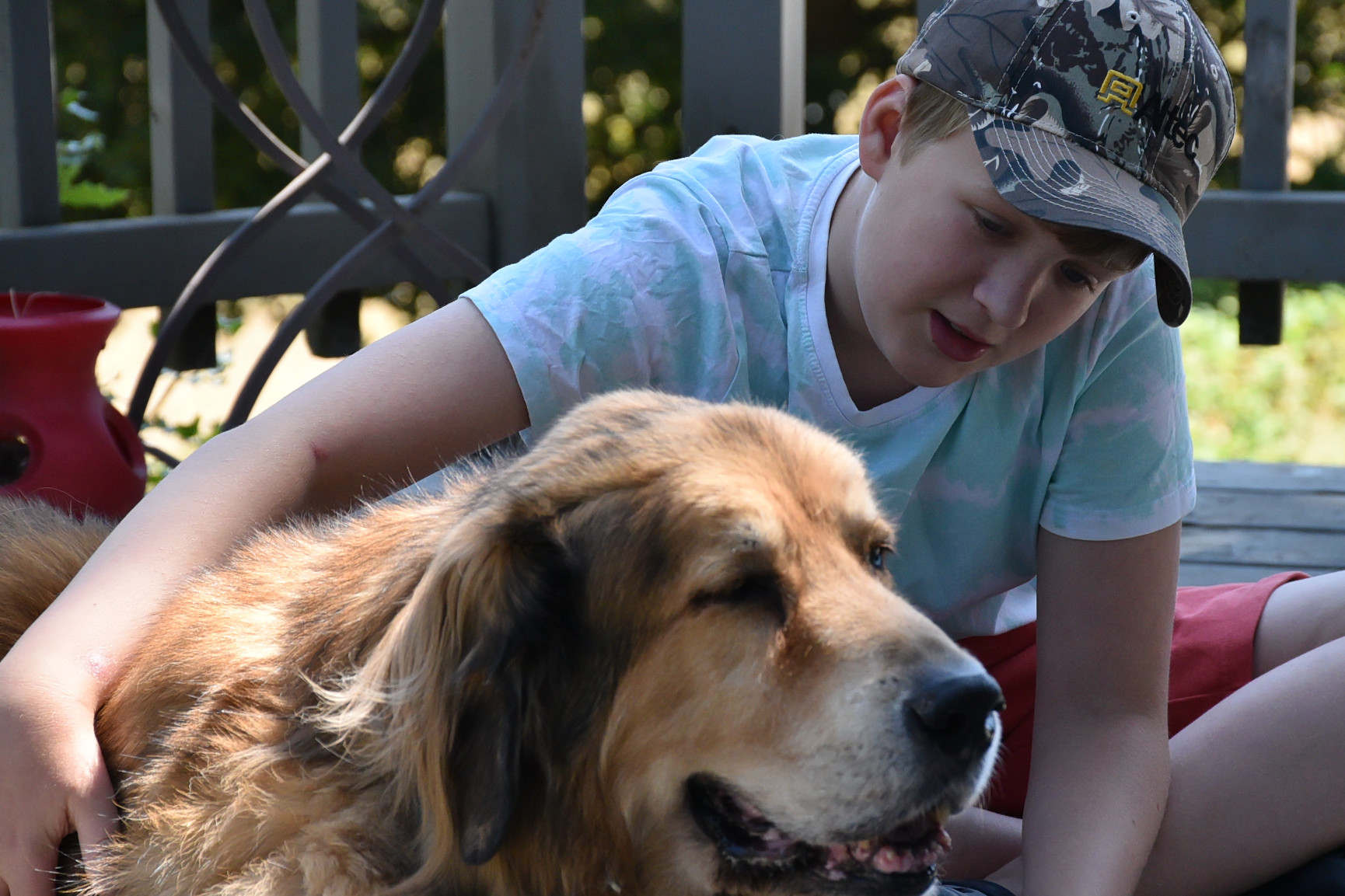
Here is Morten, who spent hours caressing and fondling Brandy, our largest dog.
oooo
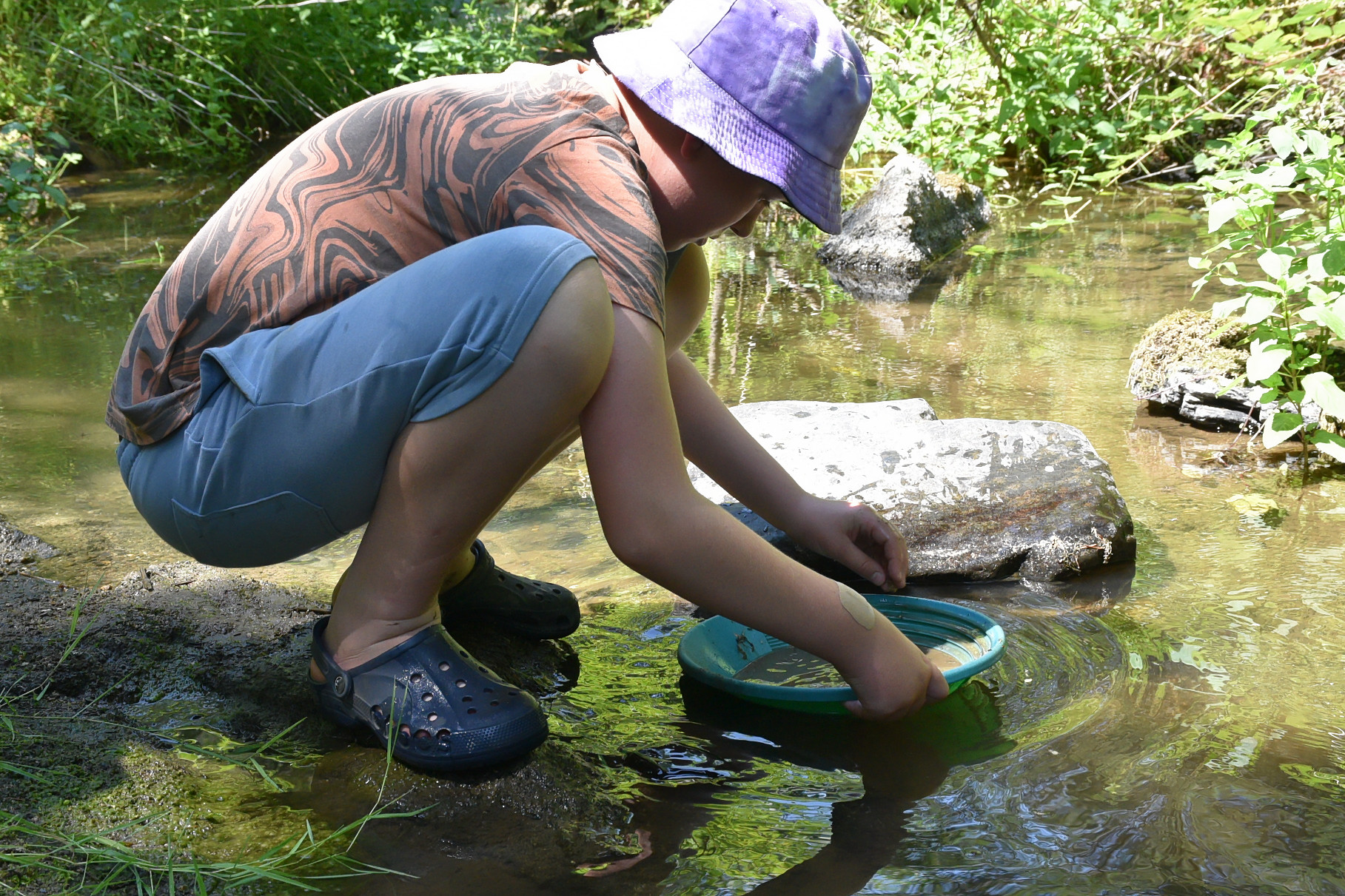
His other passion was exploring for gold. We have Bummer Creek flowing through the property. It is called ‘Bummer’ because as the locals would have it there is no gold to be found. But that didn’t stop Morten spending time looking for gold!
And this is Maija (photo slightly out of focus).
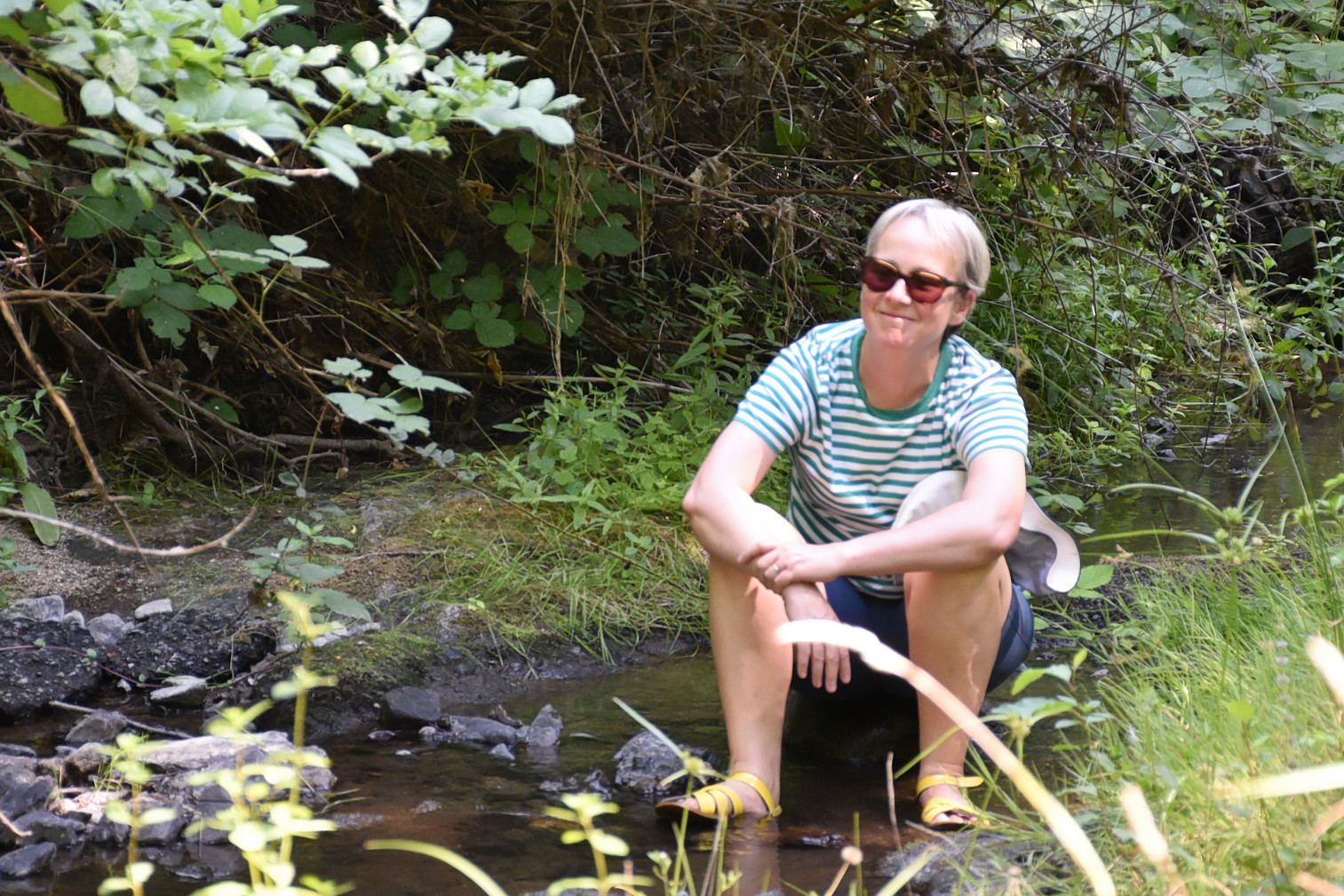
The next photo shows Maija and Morten strolling along the creek.
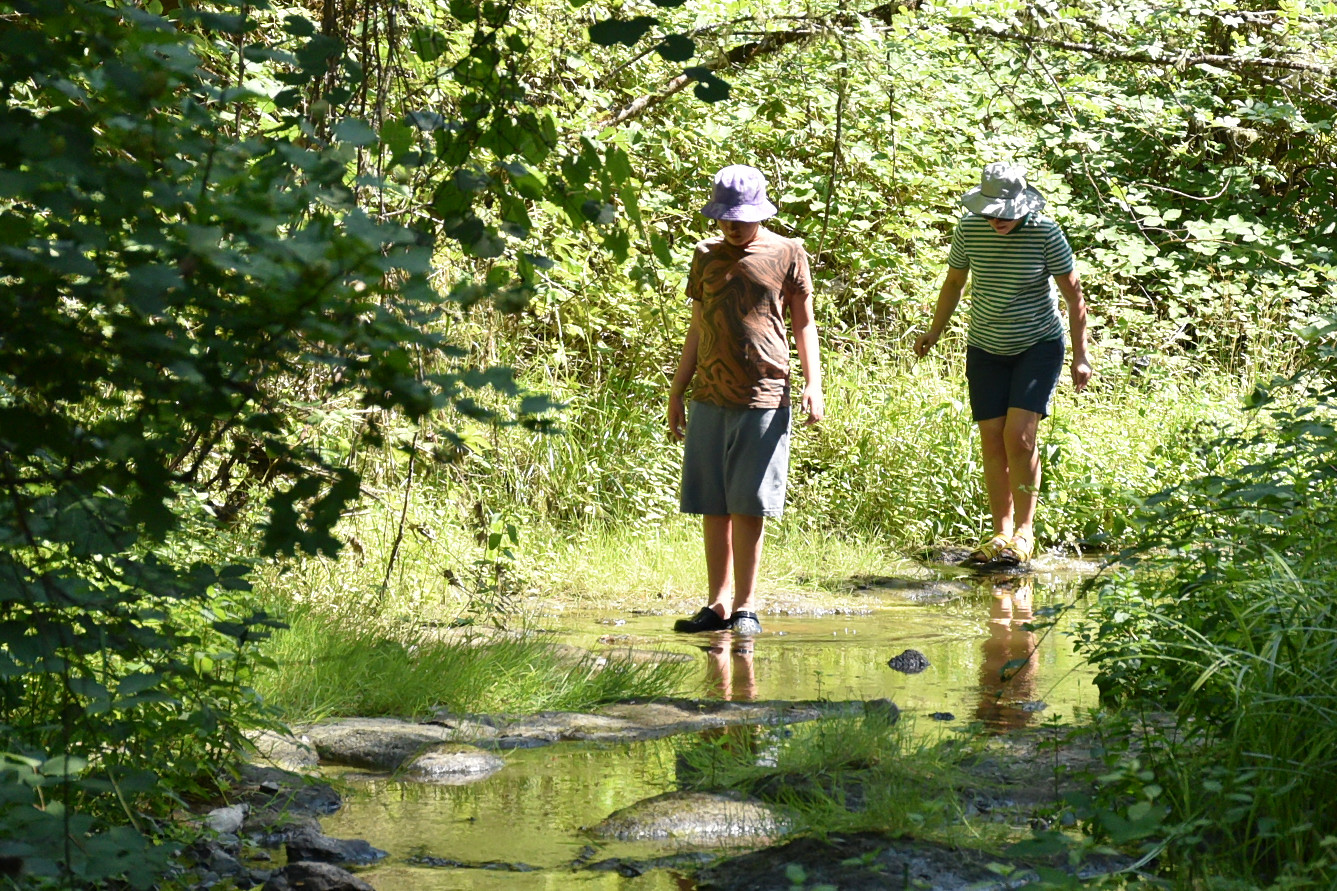
oooo
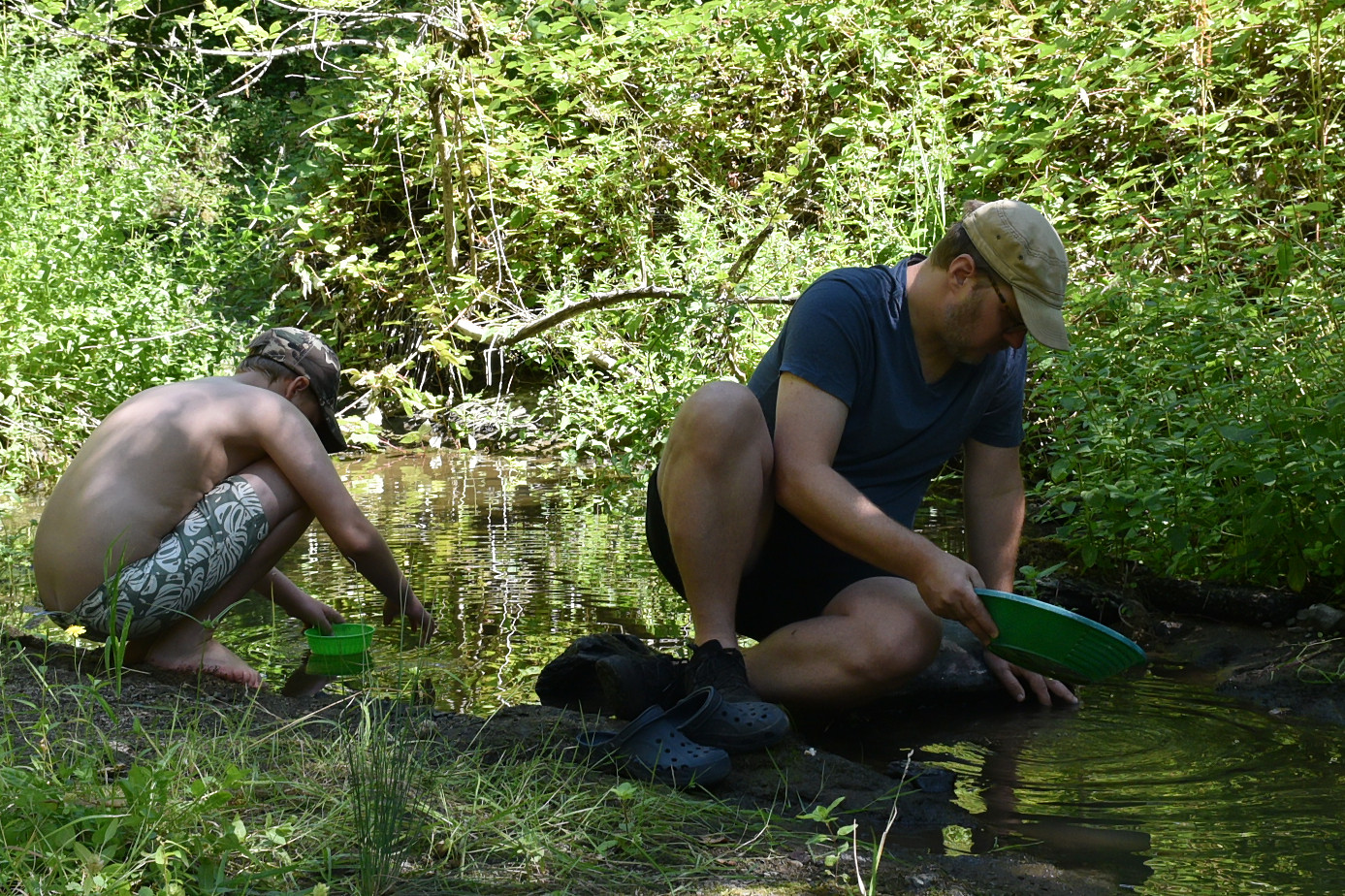
Above a shot showing Marius and Morten looking for the illusive metal!

I close with the Morten and Marius hoping to see a trace of gold in the gold-pan, and Maija looking on.
My next post will be on Tuesday.
Rather than post nothing I have published the next Picture Parade. This time a series of fabulous photographs from jkm757 of Ugly Hedgehog.
The Retriever

“Look Ma, No paws! I’m Flying!”

Ready To Play

Spin Dry

Leader of the Pack

Flying Fido

Izzy
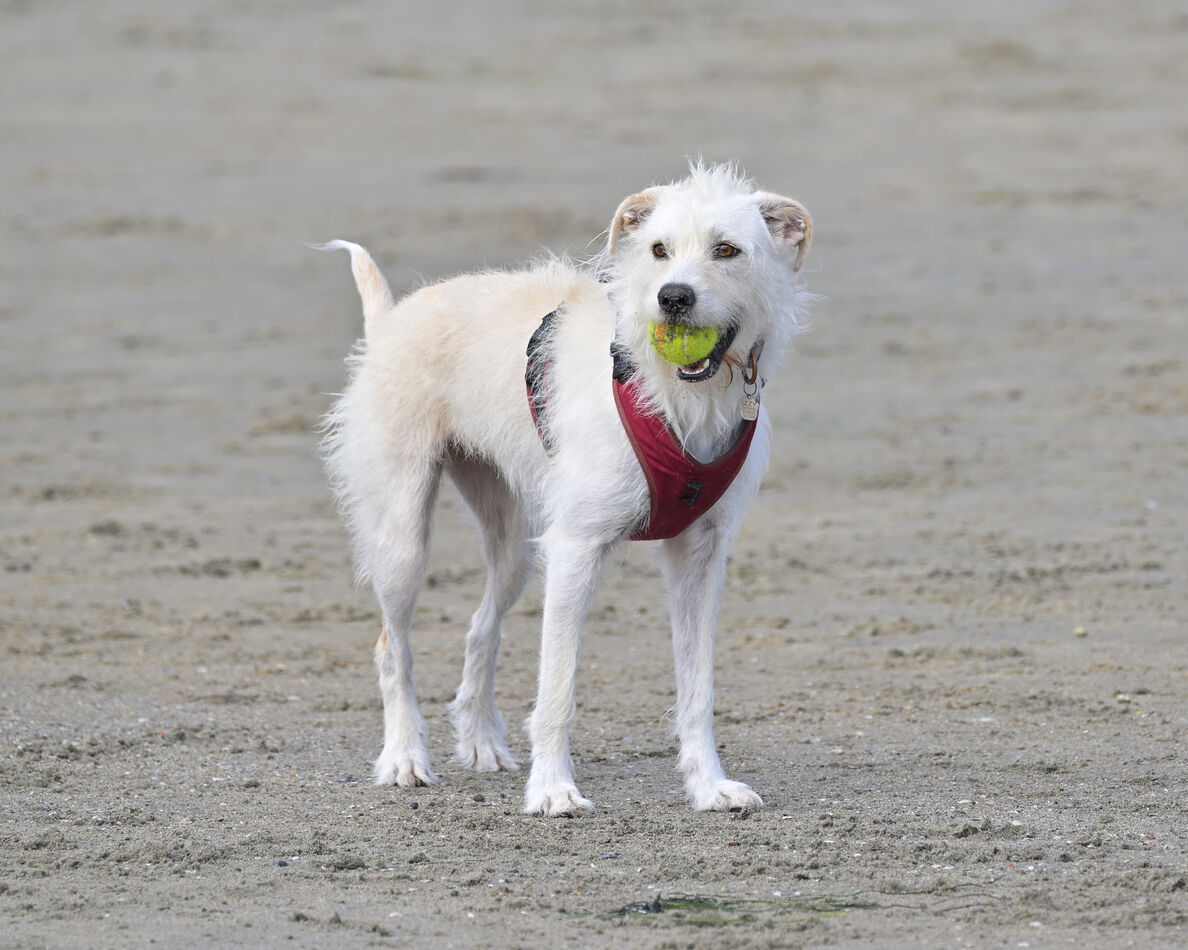
Airborne Beagle

Queen Of The Beach

Halfpint
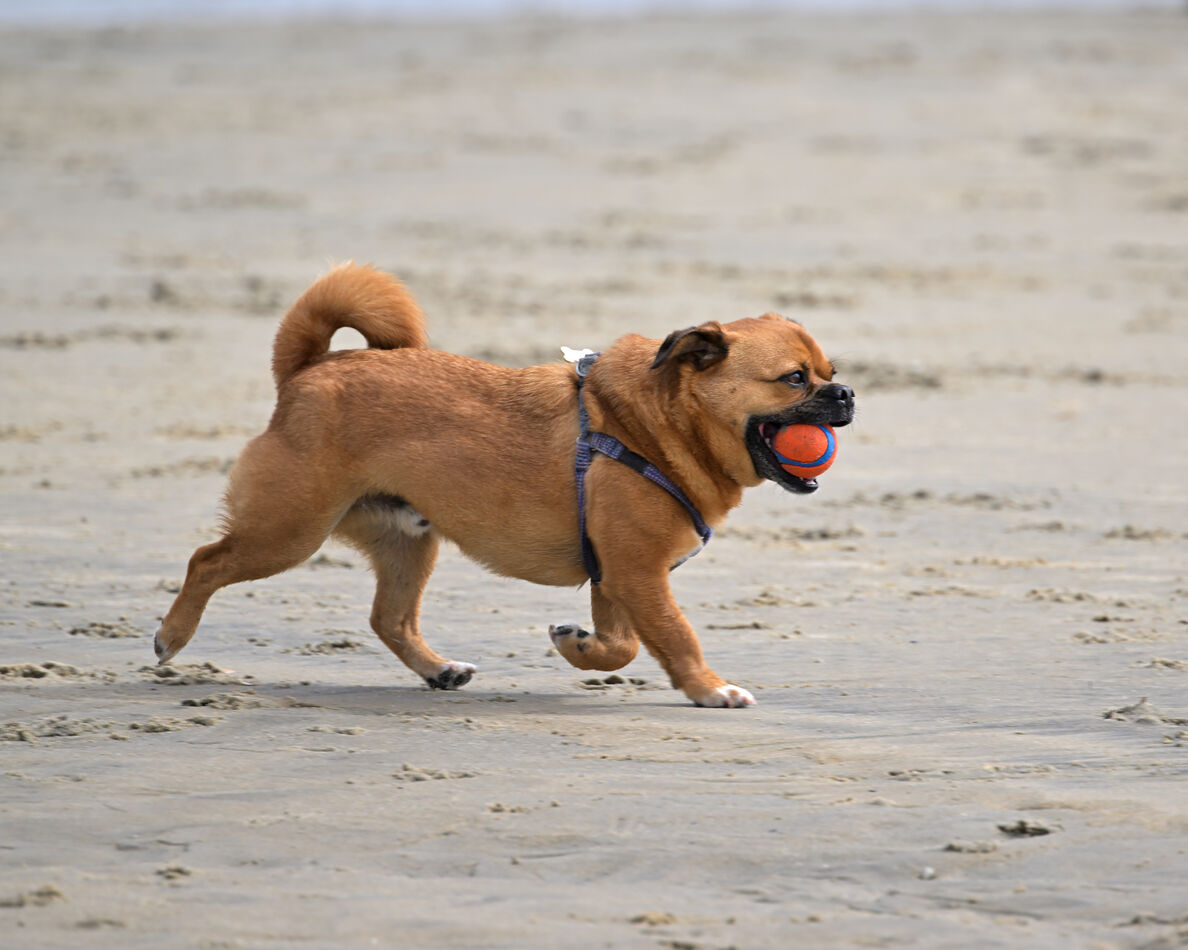
The photos are fabulous. Thank you, ‘jkm‘.
Yes, you guessed it! Back to Unsplash.
(And a postscript: This was meant to have been published next Sunday, the 16th. So enjoy an early Picture Parade!)
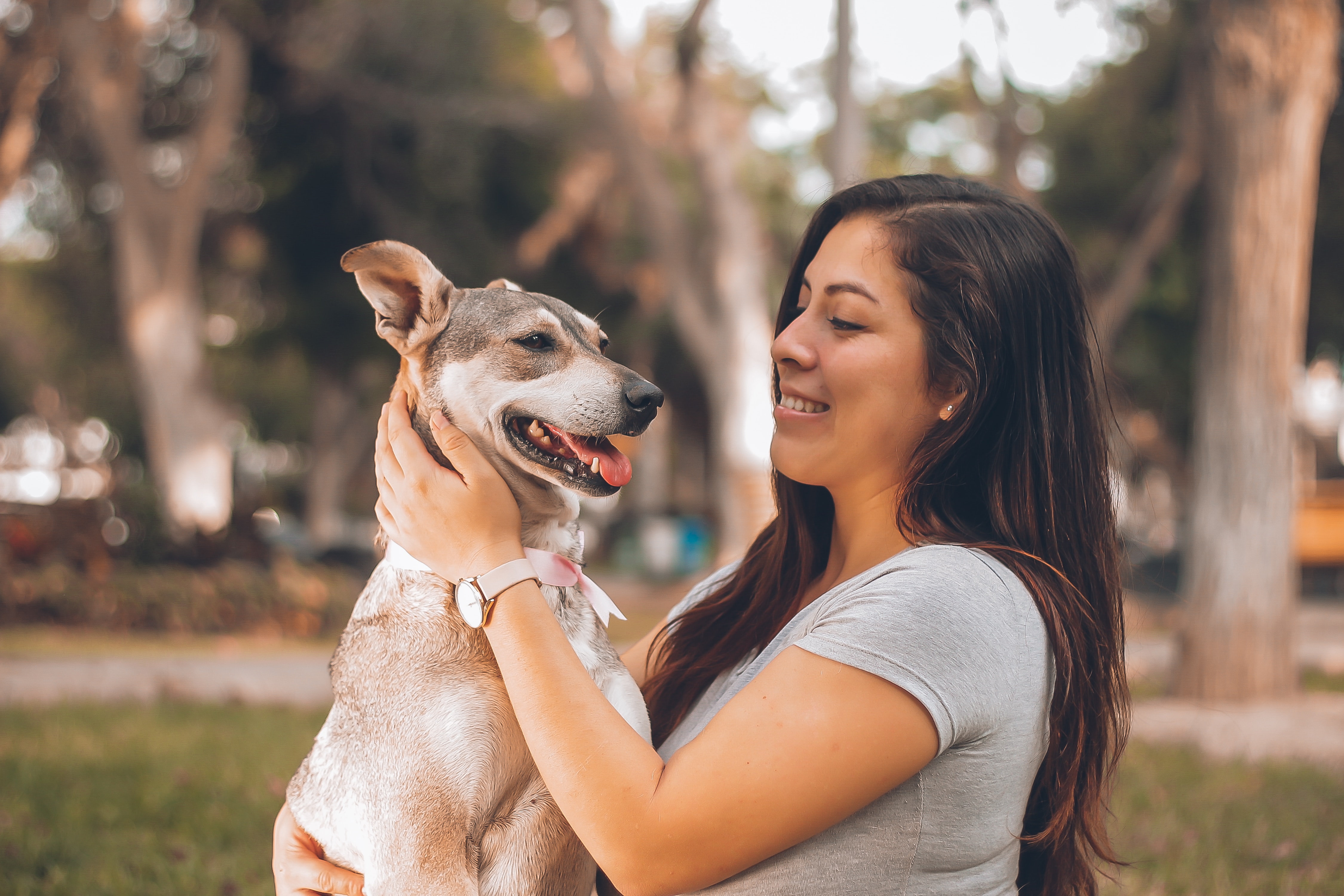
oooo

oooo
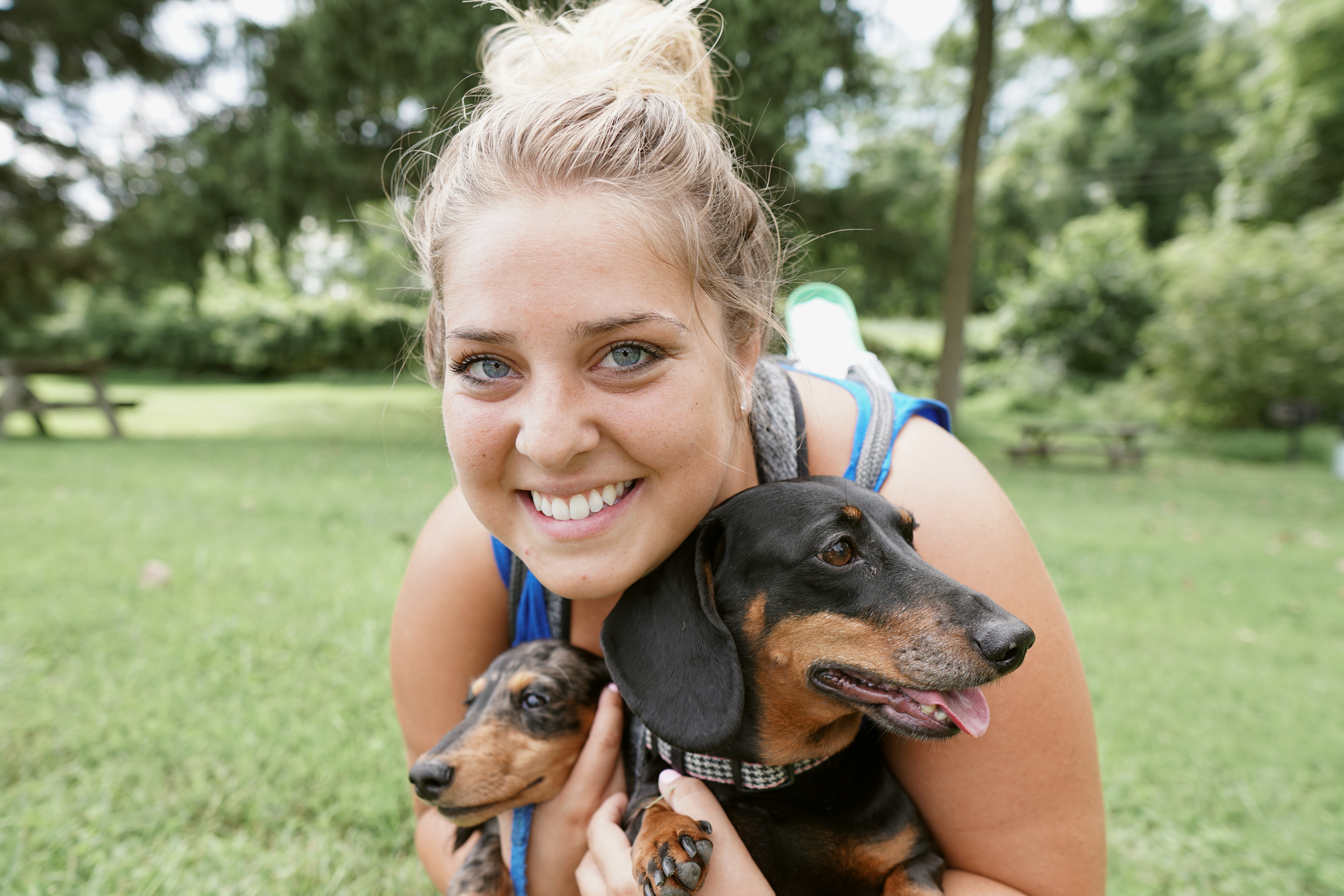
oooo
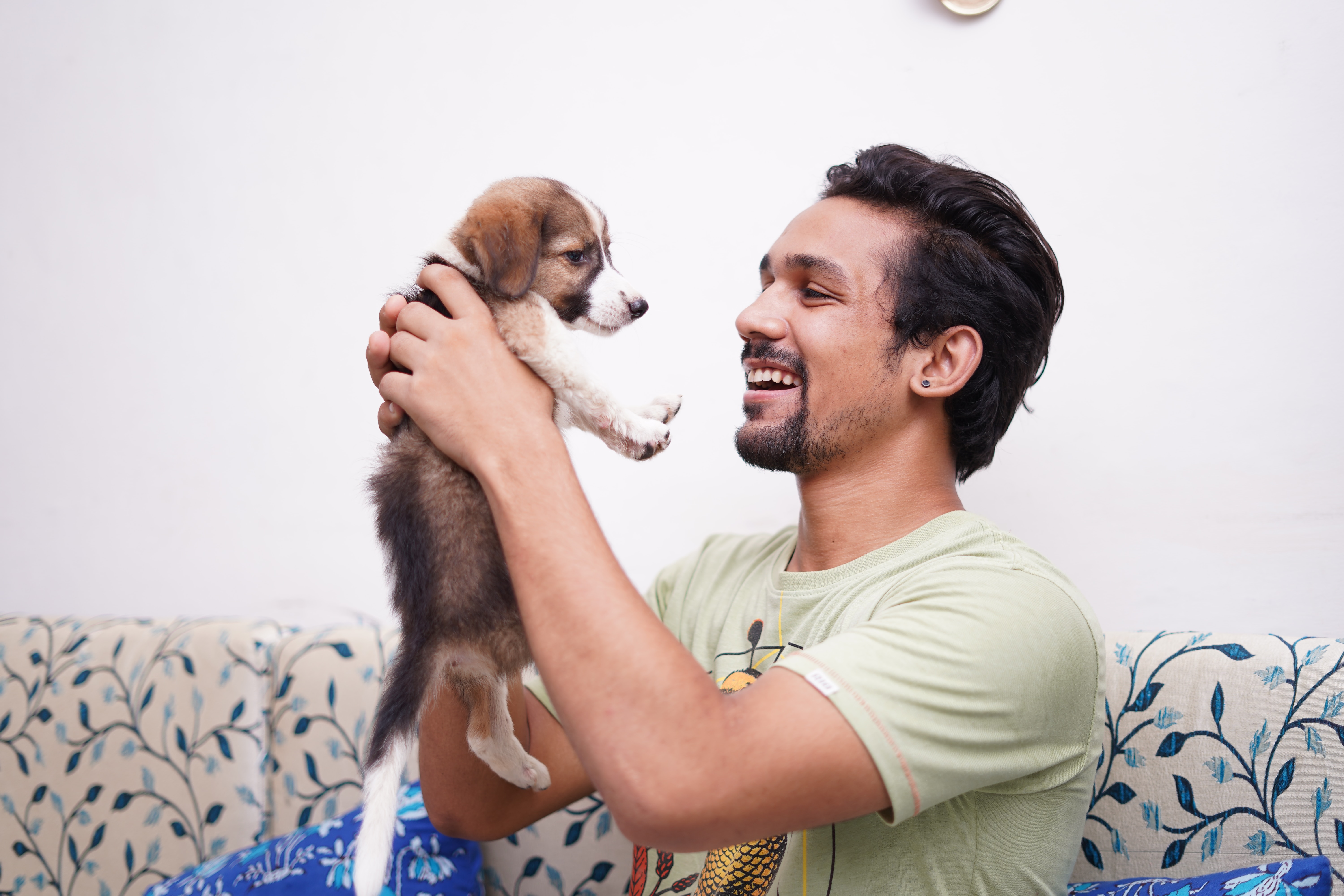
oooo
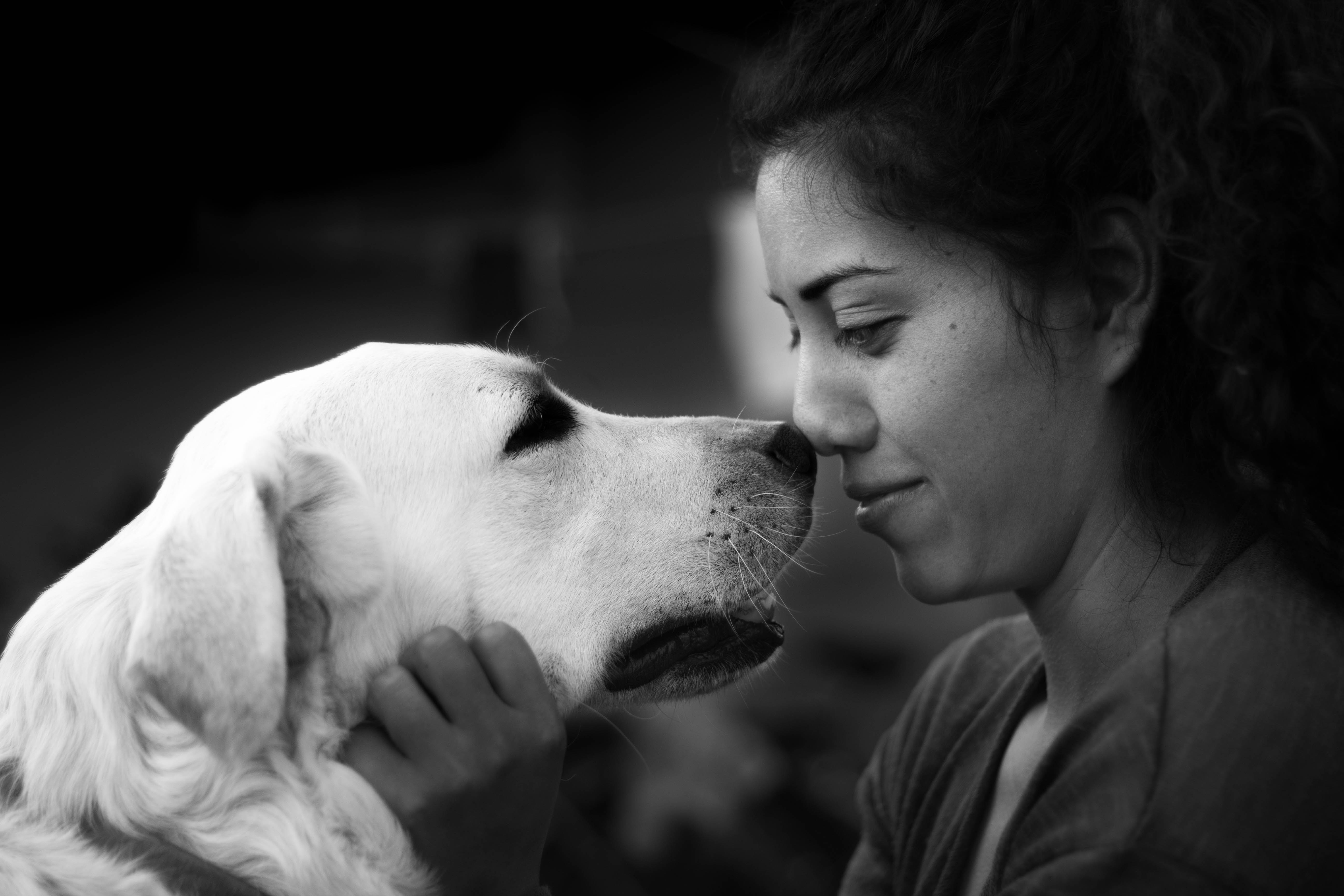
oooo

oooo

They are all beautiful and underline in spades why dogs are so, so special to us humans.
One of the few things that is common to us all!
Death!
Hate to say it but it is the great leveller. Some believe in some form of afterlife but not me (nor Jeannie). But how we all get to that final state is far from being simple or straightforward.
That’s why I am republishing, with permission, a recent article in The Conversation.
ooOOoo
Ellen Quarles, University of Michigan
Assistant Professor in Molecular, Cellular, and Developmental Biology.
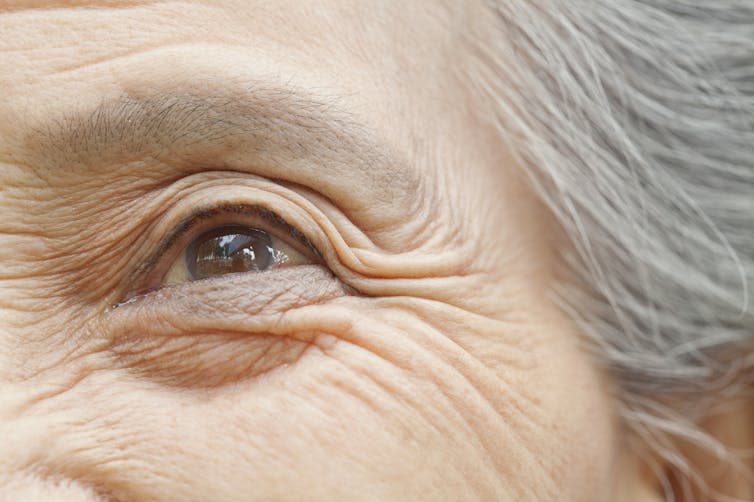
You likely know someone who seems to age slowly, appearing years younger than their birth date suggests. And you likely have seen the opposite – someone whose body and mind seem much more ravaged by time than others. Why do some people seem to glide though their golden years and others physiologically struggle in midlife?
I have worked in the field of aging for all of my scientific career, and I teach the cellular and molecular biology of aging at the University of Michigan. Aging research doesn’t tend to be about finding the one cure that fixes all that may ail you in old age. Instead, the last decade or two of work points to aging as a multi-factoral process – and no single intervention can stop it all.
There are many different definitions of aging, but scientists generally agree upon some common features: Aging is a time-dependent process that results in increased vulnerability to disease, injury and death. This process is both intrinsic, when your own body causes new problems, and extrinsic, when environmental insults damage your tissues.
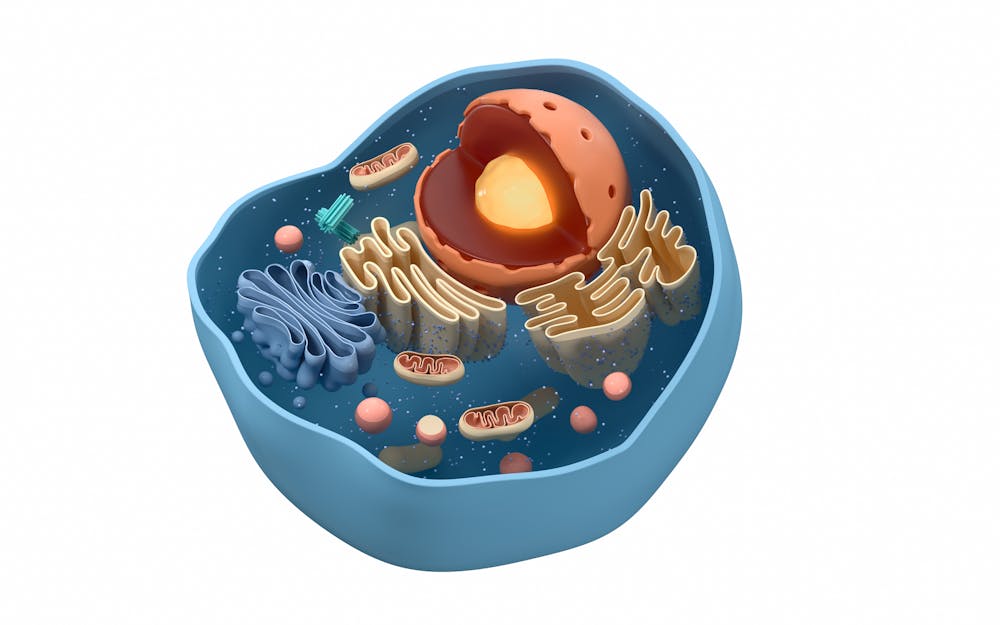
Your body is comprised of trillions of cells, and each one is not only responsible for one or more functions specific to the tissue it resides in, but must also do all the work of keeping itself alive. This includes metabolizing nutrients, getting rid of waste, exchanging signals with other cells and adapting to stress.
The trouble is that every single process and component in each of your cells can be interrupted or damaged. So your cells spend a lot of energy each day preventing, recognizing and fixing those problems.
Aging can be thought of as a gradual loss of the ability to maintain homeostasis – a state of balance among body systems – either by not being able to prevent or recognize damage and poor function, or by not adequately or rapidly fixing problems as they occur. Aging results from a combination of these issues. Decades of research has shown that nearly every cellular process becomes more impaired with age.
Most research on cellular aging focuses on studying how DNA and proteins change with age. Scientists are also beginning to address the potential roles many other important biomolecules in the cell play in aging as well.
One of the cell’s chief jobs is to maintain its DNA – the instruction manual a cell’s machinery reads to produce specific proteins. DNA maintenance involves protecting against, and accurately repairing, damage to genetic material and the molecules binding to it.
Proteins are the workers of the cell. They perform chemical reactions, provide structural support, send and receive messages, hold and release energy, and much more. If the protein is damaged, the cell uses mechanisms involving special proteins that either attempt to fix the broken protein or send it off for recycling. Similar mechanisms tuck proteins out of the way or destroy them when they are no longer needed. That way, its components can be used later to build a new protein.
The cross-talk between the components inside cells, cells as a whole, organs and the environment is a complex and ever-changing network of information.
When all processes involved in creating and maintaining DNA and protein function are working normally, the different compartments within a cell serving specialized roles – called organelles – can maintain the cell’s health and function. For an organ to work well, the majority of the cells that make it up need to function well. And for a whole organism to survive and thrive, all of the organs in its body need to work well.
Aging can lead to dysfunction at any of these levels, from the sub-cellular to the organismal. Maybe a gene encoding an important protein for DNA repair has become damaged, and now all of the other genes in the cell are more likely to be repaired incorrectly. Or perhaps the cell’s recycling systems are unable to degrade dysfunctional components anymore. Even the communication systems between cells, tissues and organs can become compromised, leaving the organism less able to respond to changes within the body.
Random chance can lead to a growing burden of molecular and cellular damage that is progressively less well-repaired over time. As this damage accumulates, the systems that are meant to fix it are accruing damage as well. This leads to a cycle of increasing wear and tear as cells age.
The interdependence of life’s cellular processes is a double-edged sword: Sufficiently damage one process, and all the other processes that interact with or depend on it become impaired. However, this interconnection also means that bolstering one highly interconnected process could improve related functions as well. In fact, this is how the most successful anti-aging interventions work.
There is no silver bullet to stop aging, but certain interventions do seem to slow aging in the laboratory. While there are ongoing clinical trials investigating different approaches in people, most existing data comes from animals like nematodes, flies, mice and nonhuman primates.
One of the best studied interventions is caloric restriction, which involves reducing the amount of calories an animal would normally eat without depriving them of necessary nutrients. An FDA-approved drug used in organ transplantation and some cancer treatments called rapamycin seems to work by using at least a subset of the same pathways that calorie restriction activates in the cell. Both affect signaling hubs that direct the cell to preserve the biomolecules it has rather than growing and building new biomolecules. Over time, this cellular version of “reduce, reuse, recycle” removes damaged components and leaves behind a higher proportion of functional components.
Other interventions include changing the levels of certain metabolites, selectively destroying senescent cells that have stopped dividing, changing the gut microbiome and behavioral modifications.
What all of these interventions have in common is that they affect core processes that are critical for cellular homeostasis, often become dysregulated or dysfunctional with age and are connected to other cellular maintenance systems. Often, these processes are the central drivers for mechanisms that protect DNA and proteins in the body.
There is no single cause of aging. No two people age the same way, and indeed, neither do any two cells. There are countless ways for your basic biology to go wrong over time, and these add up to create a unique network of aging-related factors for each person that make finding a one-size-fits-all anti-aging treatment extremely challenging.
However, researching interventions that target multiple important cellular processes simultaneously could help improve and maintain health for a greater portion of life. These advances could help people live longer lives in the process.
Ellen Quarles, Assistant Professor in Molecular, Cellular, and Developmental Biology, University of Michigan
This article is republished from The Conversation under a Creative Commons license. Read the original article.
ooOOoo
I was born in London towards the tail end of 1944. I was the product of an affair between my father and mother. I came before my younger sister, Elizabeth, born in 1948. Then my father died on December 20th, 1956 and eventually my mother remarried my stepfather but he died in 1979 and then my mother died in 2016.
Elizabeth is still alive and so is my step-sister, Eleanor. I also had two half-sisters, Rhona, Corinne, born of my father and his first wife, but they are long dead.
But my family still continue and with a bit of luck I have a few years left; I shall be 80 in November, 2024.
When the music stops it will have been a fabulous life!
And speaking of music:
Thank you, Alan!
Probably about 10am PDT today!
Just a short update to say that discussions that I had yesterday afternoon with the Discharge Officer at Regency Care, Julia H., resulted in Jean being ready to be collected by me this morning.
It is a great advance although Jean and I will have a whole series of different situations to deal with. But they will be dealt with one at a time.
The kindness shown by both the staff and Regency and our friends is overwhelming. Thank you everyone!
 Learning from Dogs