“The Future of Democracy” is, for me, incredibly interesting.
I haven’t a clue as to how long I have been listening to the annual Reith Lecture on BBC Radio 4. It has been many years.
As Wikipedia explains:
The Reith Lectures is a series of annual BBCradiolectures given by leading figures of the day. They are commissioned by the BBC and broadcast on Radio 4 and the World Service. The lectures were inaugurated in 1948 to mark the historic contribution made to public service broadcasting by Lord Reith, the corporation’s first director-general.
Reith maintained that broadcasting should be a public service that aimed to enrich the intellectual and cultural life of the nation. It is in this spirit that the BBC each year invites a leading figure to deliver the lectures. The aim is to advance public understanding and debate about issues of contemporary interest.
Wikipedia
From the BBC’s History of the BBC.
As the BBC explains on the BBC Sounds website:
Released On: 29 Nov 2023
Available for over a year
This year’s BBC Reith Lecturer is Ben Ansell, Professor of Comparative Democratic Institutions at Nuffield College, Oxford University.
He will deliver four lectures called “Our Democratic Future,” asking how we can build a politics that works for all of us with systems which are robust to the challenges of the twenty first century, from climate change to artificial intelligence. In this first lecture, recorded at New Broadcasting House in London in front of an audience, Professor Ansell asks whether we are in a ‘democratic recession’, where longstanding democracies are at risk of breakdown and authoritarianism is resurgent. And he examines how resilient democracies are to the challenges of artificial intelligence, social media and if they can effectively address core challenges from climate change to inequality.
The Reith Lectures are presented by Anita Anand and produced by Jim Frank. The Editor is China Collins. Reith Co-ordinator is Brenda Brown. The series is mixed by Rod Farquhar and Neil Churchill.
Welcome to my website. I am Professor of Comparative Democratic Institutions at Nuffield College, University of Oxford. My work focuses on a variety of issues in political economy, including both comparative politics and international relations.
I am also co-editor (with David Samuels) of Comparative Political Studies.
My 2010 book, From the Ballot to the Blackboard, published by Cambridge University Press, is available here. My 2014 book (with David Samuels), Inequality and Democratization: An Elite-Competition Approach, published by Cambridge University Press, is available here.
This site contains a variety of working papers, syllabi, my biography, and other information about my academic work. My CV is available here.
I was born in London before the end of World War II and to a great extent my upbringing was in the times of yesterday. But the world has moved on in many, many ways. It is too easy to say that we live in very strange times.
Thus it was enlightening to come across this talk, under the TED Talks banner, quite recently. I have great pleasure in sharing it with you. Plus, Hannah’s website is here. (From which I have taken the following words!)
(P.S. The YouTube video is just over thirteen minutes long. It automatically runs into the next video so you will have to stop it yourself.)
ooOOoo
The word “sustainability” gets thrown around a lot these days. But what does it actually mean for humanity to be sustainable? Environmental data scientist Hannah Ritchie digs into the numbers behind human progress across centuries, unpacking why the conventional understanding of sustainability is misleading and showing how we can be the first generation of humans to actually achieve it.
Why you should listen
Hannah Ritchie is deputy editor and research lead at Our World in Data, an online publication making data and research on the world’s largest problems accessible and understandable for non-experts. She is a senior researcher at the University of Oxford, where she studies how environmental issues intersect with others like poverty, global health and education. She has also done extensive research into the question of how to feed everyone in the world a nutritious diet without wrecking the planet. Her work has appeared in The New York Times, The Washington Post, Vox, Wired, BBC, Al Jazeera, The Economist and New Scientist.
In 2022, Ritchie was named Scotland’s Youth Climate Champion. She is also an honorary fellow at the University of Edinburgh and Edinburgh Centre for Carbon Innovation, and a fellow at the Energy for Growth Hub, focused on ending global energy poverty. Her forthcoming book,The First Generation, makes an evidence-based case for why we have a meaningful chance to solve global environmental problems for the first time in human history.
We take it for granted! Of that I am sure. But the question of how oxygen first came to be built up in our atmosphere is fascinating. There was a recent article written by Elizabeth Swanner, who is Associate Professor of Geology, Iowa State University that was published in The Conversation. It makes for a very interesting read.
ooOOoo
A layered lake is a little like Earth’s early oceans − and lets researchers explore how oxygen built up in our atmosphere billions of years ago
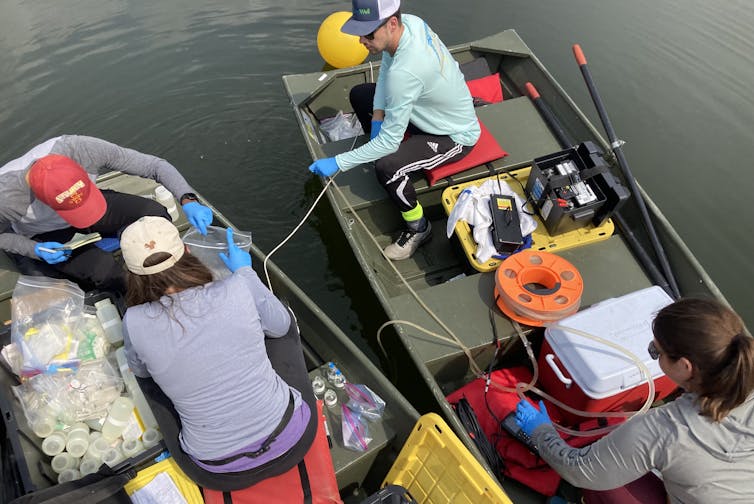
Researchers sample water from various layers to analyze back in the lab. Elizabeth Swanner, CC BY-ND
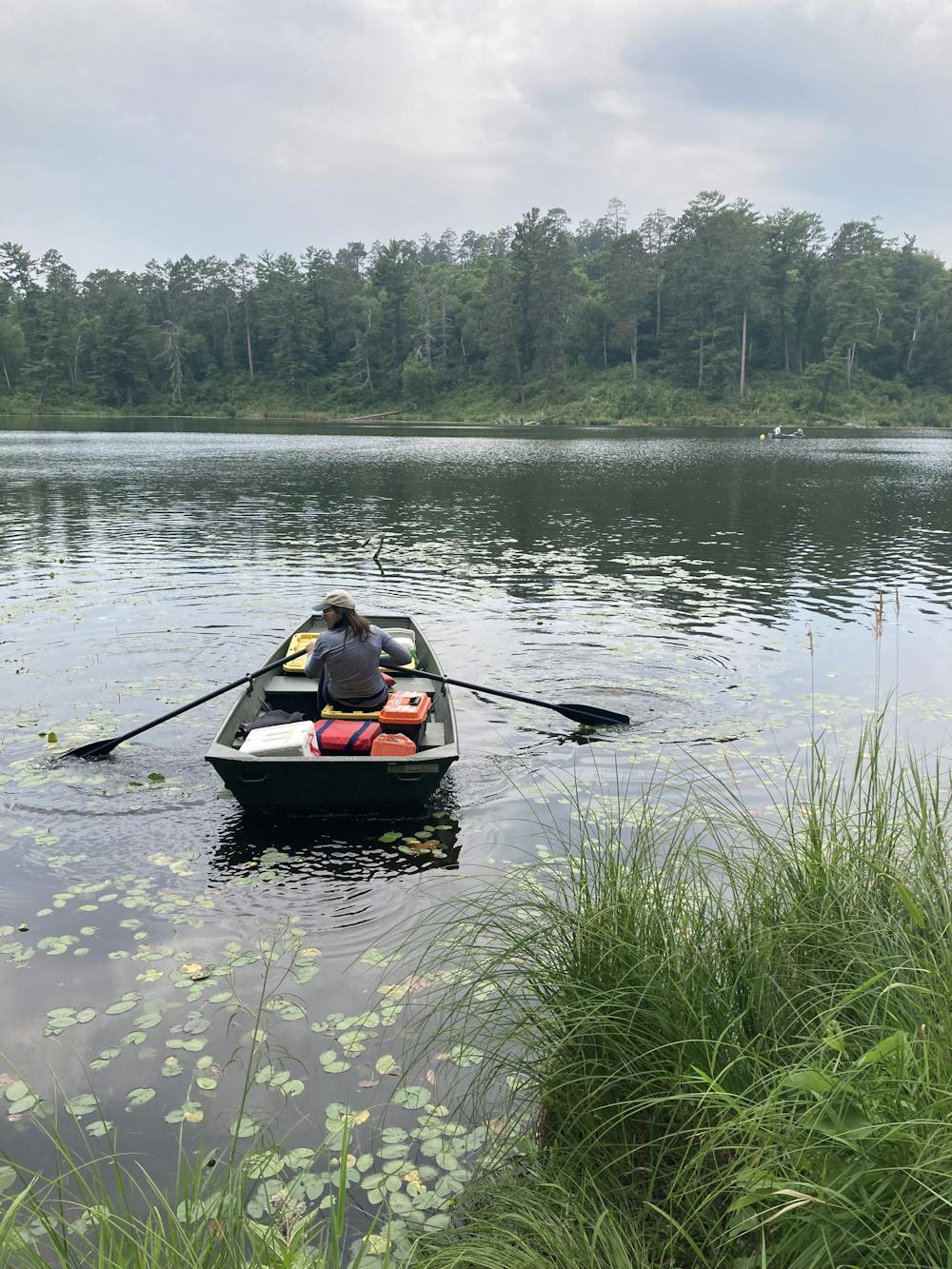
Little Deming Lake doesn’t get much notice from visitors to Itasca State Park in Minnesota. There’s better boating on nearby Lake Itasca, the headwaters of the Mississippi River. My colleagues and I need to maneuver hundreds of pounds of equipment down a hidden path made narrow by late-summer poison ivy to launch our rowboats.
But modest Deming Lake offers more than meets the eye for me, a geochemist interested in how oxygen built up in the atmosphere 2.4 billion years ago. The absence of oxygen in the deep layers of Deming Lake is something this small body of water has in common with early Earth’s oceans.
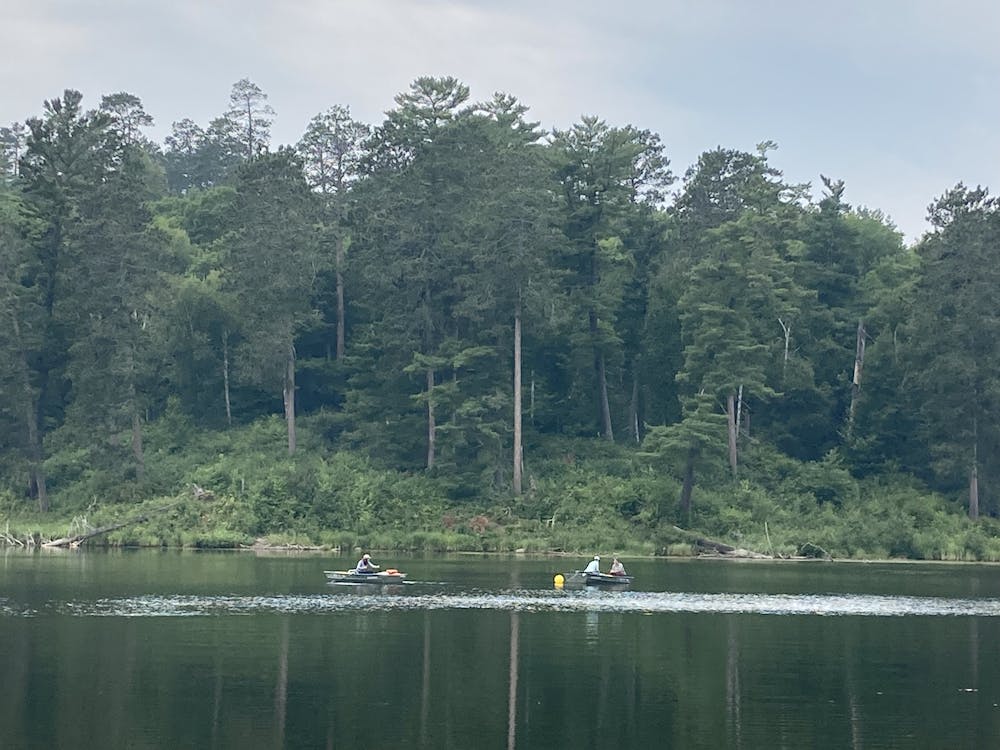
On each of our several expeditions here each year, we row our boats out into the deepest part of the lake – over 60 feet (18 meters), despite the lake’s surface area being only 13 acres. We drop an anchor and connect our boats in a flotilla, readying ourselves for the work ahead.
Researchers’ boats on Deming Lake. Elizabeth Swanner, CC BY-ND
Deming Lake is meromictic, a term from Greek that means only partially mixing. In most lakes, at least once a year, the water at the top sinks while the water at the bottom rises because of wind and seasonal temperature changes that affect water’s density. But the deepest waters of Deming Lake never reach the surface. This prevents oxygen in its top layer of water from ever mixing into its deep layer.
Less than 1% of lakes are meromictic, and most that are have dense, salty bottom waters. Deming Lake’s deep waters are not very salty, but of the salts in its bottom waters, iron is one of the most abundant. This makes Deming Lake one of the rarest types of meromictic lakes.
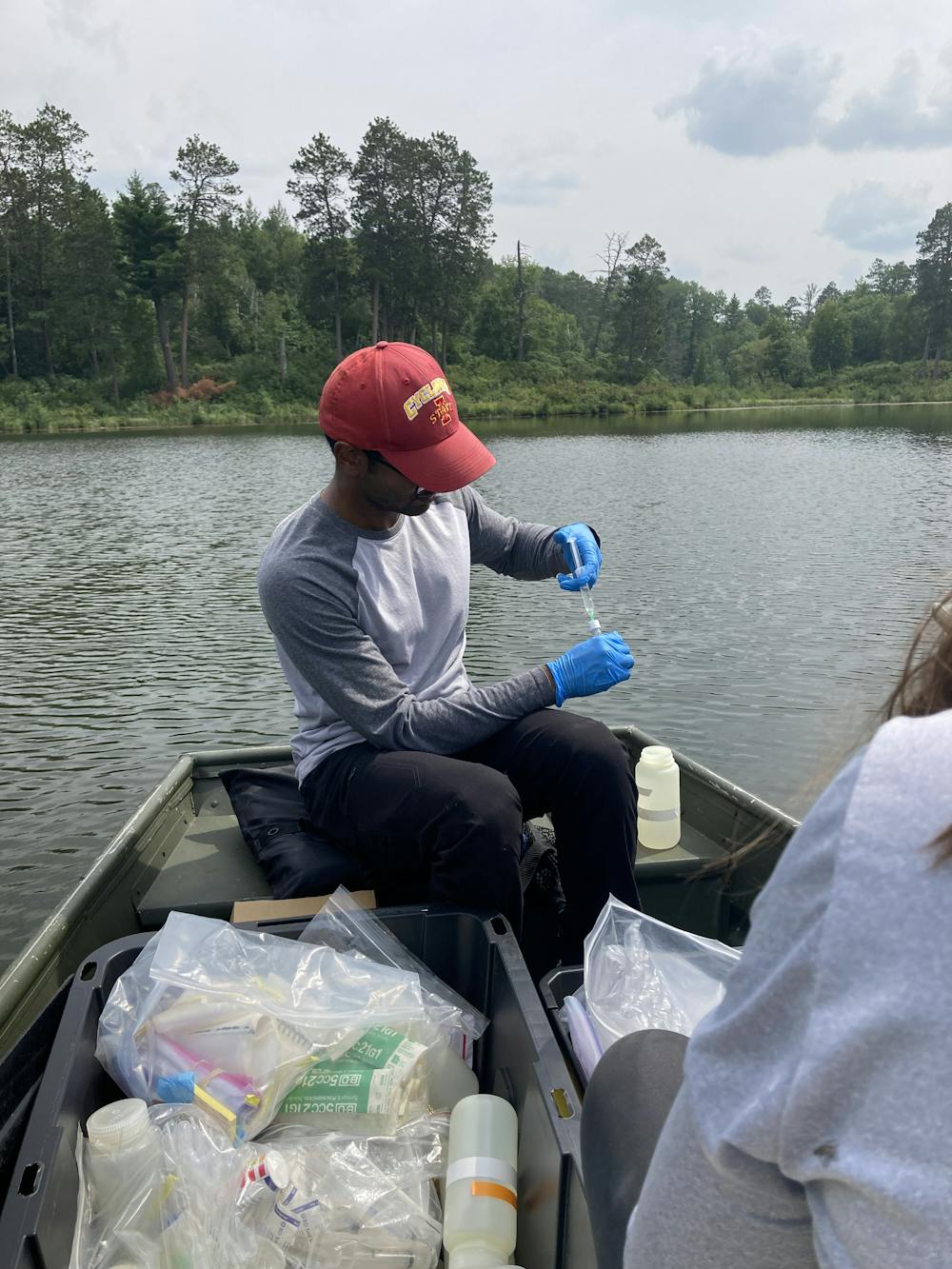
Postdoc researcher Sajjad Akam collects a water sample for chemical analysis back in the lab. Elizabeth Swanner, CC BY-ND
The lake surface is calm, and the still air is glorious on this cool, cloudless August morning. We lower a 2-foot-long water pump zip-tied to a cable attached to four sensors. The sensors measure the temperature, amount of oxygen, pH and amount of chlorophyll in the water at each layer we encounter. We pump water from the most intriguing layers up to the boat and fill a myriad of bottles and tubes, each destined for a different chemical or biological analysis.
My colleagues and I have homed in on Deming Lake to explore questions about how microbial life adapted to and changed the environmental conditions on early Earth. Our planet was inhabited only by microbes for most of its history. The atmosphere and the oceans’ depths didn’t have much oxygen, but they did have a lot of iron, just like Deming Lake does. By investigating what Deming Lake’s microbes are doing, we can better understand how billions of years ago they helped to transform the Earth’s atmosphere and oceans into what they’re like now.
Chlorophyll colors water from the lake slightly green. Elizabeth Swanner, CC BY-ND
At Deming Lake, my colleagues and I pay special attention to the water layer where the chlorophyll readings jump. Chlorophyll is the pigment that makes plants green. It harnesses sunlight energy to turn water and carbon dioxide into oxygen and sugars. Nearly 20 feet (6 meters) below Deming’s surface, the chlorophyll is in cyanobacteria and photosynthetic algae, not plants.
But the curious thing about this layer is that we don’t detect oxygen, despite the abundance of these oxygen-producing organisms. This is the depth where iron concentrations start to climb to the high levels present at the lake’s bottom.
This high-chlorophyll, high-iron and low-oxygen layer is of special interest to us because it might help us understand where cyanobacteria lived in the ancient ocean, how well they were growing and how much oxygen they produced.
We suspect the reason cyanobacteria gather at this depth in Deming Lake is that there is more iron there than at the top of the lake. Just like humans need iron for red blood cells, cyanobacteria need lots of iron to help catalyze the reactions of photosynthesis.
A likely reason we can’t measure any oxygen in this layer is that in addition to cyanobacteria, there are a lot of other bacteria here. After a good long life of a few days, the cyanobacteria die, and the other bacteria feed on their remains. These bacteria rapidly use up any oxygen produced by still photosynthesizing cyanobacteria the way a fire does as it burns through wood.
We know there are lots of bacteria here based on how cloudy the water is, and we see them when we inspect a drop of this water under a microscope. But we need another way to measure photosynthesis besides measuring oxygen levels.
Long-running lakeside laboratory
The other important function of photosynthesis is converting carbon dioxide into sugars, which eventually are used to make more cells. We need a way to track whether new sugars are being made, and if they are, whether it’s by photosynthetic cyanobacteria. So we fill glass bottles with samples of water from this lake layer and seal them tight with rubber stoppers.
We drive the 3 miles back to the Itasca Biological Station and Laboratories where we will set up our experiments. The station opened in 1909 and is home base for us this week, providing comfy cabins, warm meals and this laboratory space.
In the lab, we inject our glass bottle with carbon dioxide that carries an isotopic tracer. If cyanobacteria grow, their cells will incorporate this isotopic marker.
We had a little help to formulate our questions and experiments. University of Minnesota students attending summer field courses collected decades worth of data in Itasca State Park. A diligent university librarian digitized thousands of those students’ final papers.
My students and I pored over the papers concerning Deming Lake, many of which tried to determine whether the cyanobacteria in the chlorophyll-rich layer are doing photosynthesis. While most indicated yes, those students were measuring only oxygen and got ambiguous results. Our use of the isotopic tracer is trickier to implement but will give clearer results.
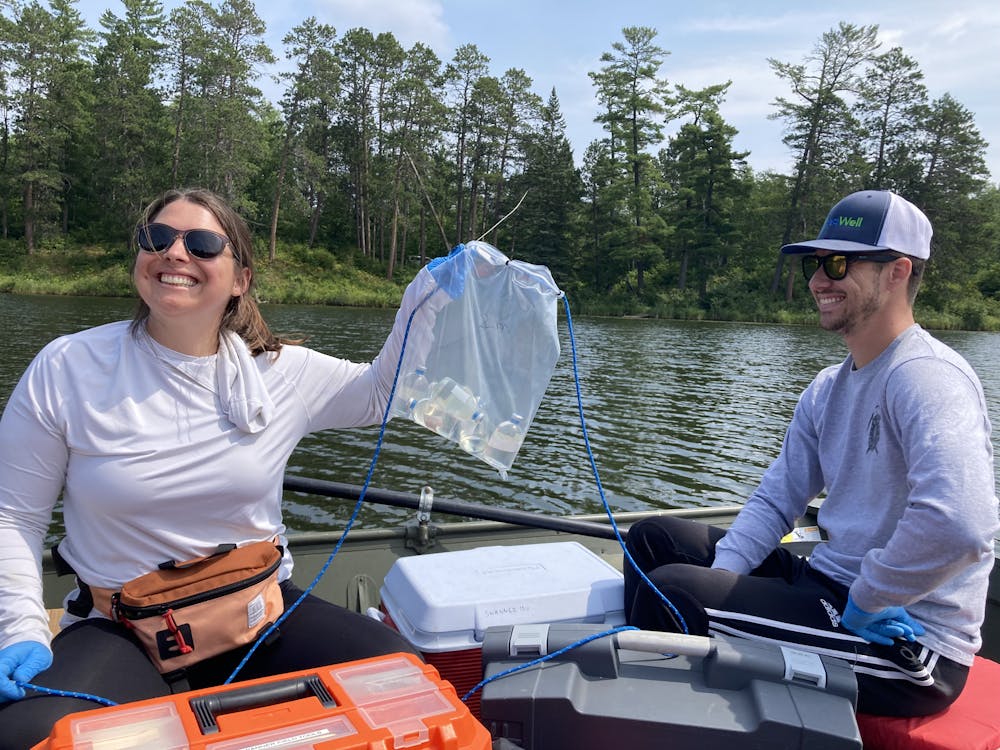
Graduate students Michelle Chamberlain and Zackry Stevenson about to sink the bottles for incubation in Deming Lake. Elizabeth Swanner, CC BY-ND
That afternoon, we’re back on the lake. We toss an anchor; attached to its rope is a clear plastic bag holding the sealed bottles of lake water now amended with the isotopic tracer. They’ll spend the night in the chlorophyll-rich layer, and we’ll retrieve them after 24 hours. Any longer than that and the isotopic label might end up in the bacteria that eat the dying cyanobacteria instead of the cyanobacteria themselves. We tie off the rope to a floating buoy and head back to the station’s dining hall for our evening meal.
Iron, chlorophyll, oxygen
The next morning, as we wait for the bottles to finish their incubation, we collect water from the different layers of the lake and add some chemicals that kill the cells but preserve their bodies. We’ll look at these samples under the microscope to figure out how many cyanobacteria are in the water, and we’ll measure how much iron is inside the cyanobacteria.
That’s easier said than done, because we have to first separate all the “needles” (cyanobacteria) from the “hay” (other cells) and then clean any iron off the outside of the cyanobacteria. Back at Iowa State University, we’ll shoot the individual cells one by one into a flame that incinerates them, which liberates all the iron they contain so we can measure it.
Biogeochemist Katy Sparrow rows a research vessel to shore. Elizabeth Swanner, CC BY-ND
Our scientific hunch, or hypothesis, is that the cyanobacteria that live in the chlorophyll- and iron-rich layer will contain more iron than cyanobacteria that live in the top lake layer. If they do, it will help us establish that greater access to iron is a motive for living in that deeper and dimmer layer.
These experiments won’t tell the whole story of why it took so long for Earth to build up oxygen, but they will help us to understand a piece of it – where oxygen might have been produced and why, and what happened to oxygen in that environment.
Deming Lake is quickly becoming its own attraction for those with a curiosity about what goes on beneath its tranquil surface – and what that might be able to tell us about how new forms of life took hold long ago on Earth.
I thought it very worthwhile to repeat this, plus a real treat at the end of the post!
Scamming in all its forms has only got worse in the last couple of years, since I parted with $9,000 in 2021!
As a direct result of that error, I changed my bank, installed a VPN at home (Proton), changed my email account to ProtonMail, and also changed my calendar (also to Proton).
But I still do not take it as important as it is. I guess because it is not my first thought whenever I come across an unfamiliar email.
ooOOoo
Please read this; and do not make the same mistake as me!
The Story of a Scam
(or how I lost the thick end of $10,000.)
On Friday, 6th August, 2021 at 05:51 in came the following email:
Norton Customer ,
User name:paulhandover
*we like to confim you that the NortonDesk re-newal. has been done on your request*
It is very easy to unsubscribe it,
and related to your any query, reach us at +1-(860) – (852) – (6259).
Product-Name : NortonDesk
……………………………………………………………………………………………………..
Price : $475.04
……………………………………………………………………………………………………..
Subscription ID : 8837-77942826-947192-8126
……………………………………………………………………………………………………..
Expiration Date : 3 Year from the Date of Purchase
………………………………………………………………………………………………
* If you wish to Cancel this Membership then please feel free to Contact our Billing department as soon as Possible*
……………………………………………………………………………………………………..
*Please do not write to this mail address, that will not help*
Reach us on +1 – (860) – (852) – (6259)
……………………………………………………………………………………………………..
Regards,
Billing department
Contact: +1 – (860) – (852) – (6259)
693 Amwell Rd, Hillsborough, NJ
My first mistake was not to check the incoming email address. It was mahaliashomakerxhv928@gmail.com
I telephoned the number given and told the person that I wanted to cancel this membership. Indeed that I had never subscribed for this membership in the first place.
I spoke with ‘Adam’. I was then asked to go to a webpage where I filled in a Refund Application Order form. I filled in my details including the refund amount and my bank details: Sort Code & Account Number.
I then submitted the form and imagine my surprise when a few minutes later I was informed that I had received the sum of $10,000. I quickly checked our bank account online and there was the $10,000 credit in our checking account.
My second mistake was me not examining the total in our accounts. I have the facility to show the total funds in our accounts. Why I didn’t do that I can not explain.
Then it was back on the telephone and Adam also was surprised (later I realised that this was a feigned surprise and all part of the scam) and said could I go to the bank and fill in an International Wire Transfer for the amount of $9,500. Adam also said that he would give me the details of the person in Thailand that was to receive the funds, and could I say this was for a medical operation because it would save ‘Norton’ the taxation.
My third mistake was not to discuss this with Jeannie and to assume that it was just a harmless error.
The details came through and I went to our bank in Grants Pass. I got to the bank a little after 09:00. I saw a staff member of the bank and explained what I needed to do. The bank member queried this and said that it sounded like a scam. I lied and said I knew the woman in Thailand and wanted to go ahead. That was what I had been instructed to say.
My fourth mistake was not listening to the woman at the bank. (And I still thought that the ‘Norton’ funds were in my account.)
The International Wire Transfer was completed and I signed it. I also asked the balances on our two accounts. It was about $10,000 less than I expected and I queried it but was told that there had been a transfer from my savings account to my checking account of $10,000 for Norton. I thought that this was still a little low but that I could check it carefully once I got home. I had a thirty-minute window to change my mind.
Mistake number five, a huge mistake, was while at the bank not to ask them carefully to go through all my transactions that day because that would have revealed that the receipt of $10,000 that I had seen online had mysteriously disappeared. Indeed had never been received. That would have enabled me to stop the wire transfer within the thirty-minute window.
I returned home and found out the truth. I had been scammed out of $9,500.
The strange thing was that ‘Adam’ of the billing department of so-called Norton kept ringing me throughout the day to say that the funds would be sent back to me and gave me the details of three wires and that the funds would be back in my bank account on Monday, 9th August!
Later that morning I rang Kevin Dick who manages our investments and told him the tale. He said that there was a huge amount of scamming about and that I should make three phone calls: to the bank and report the fraud; to the Sheriff’s office and report the fraud; and to my insurance company. The first two were done straight away. Kevin also told me to close my bank accounts and amend my email address. Alex, my son, said to use my Proton mail account and straight away I started to make the change.
A person from the humanists group that we belong to said also to inform The Daily Courier.
On Monday morning Ryan of ‘Norton’ called me at 07:15 and said that Adam Prescott was no longer with the firm. Ryan said that their General Manager, Ron Cooper, would call me shortly. Ron did indeed call me and said that they would return the money but that the minimum cheque they could write was $30,000. I was then told that in advance of me receiving the money I would have to pay a small amount to them. At this point I put the phone down for it was clearly a second attempt to steal more funds from me.
Finally we went back to the bank on Monday morning. We were informed that there was never a credit of $10,000 but that a clever switch of the money from one account to another made it look as though the money had been credited. The event had been reported to the bank’s fraud department.
On Tuesday morning, the 10th August, the bank said that as well as our two accounts being locked out from us and that only cheques and cash withdrawals would be honoured for the time being, the fraud department had made the decision to issue us with a ten-day notice to terminate our accounts. In other words, within ten days the bank would no longer want us as customers. Since then I have done much research and found out via the Forbes website that this was more to do with the bank being ultra conservative than anything else. Indeed Kevin said that he had spoken with his IT department and they thought that it was strange that my ex-bank had terminated us so quickly. The IT department thought that the teller at the bank realised that she had been partly culpable.
However the bank did recommend another bank to go to in Grants Pass.
I have since reset my iMac and changed my email address.
It is a most humiliating affair. I have beaten myself up several times over and have at last understood the frame of mind that I had gotten myself into.
To explain that, first of all I thought that I needed to stop the billing urgently and because it was early on a Friday morning thought that the best thing to do was to call immediately.
Secondly, during the call that scammers spoke to me in friendly tones and quietly complimented me on my integrity. I am sure that this ‘spoke’ to my psychological fear of rejection that I have had since I my father died in 1956.
Then in the morning of the 11th August I received a call from a regular contact at the English company who manage my UK SIPP. He wanted to check if I had tried to log on at 09:00 UK time and I replied that there was no way that was me for that UK time was 01:00 Pacific time. There were apparently three attempts to log on. Unsuccessfully as it turned out and my SIPP account is temporarily closed as a result.
The scammers are very thorough in their crooked craft!
Now as of Thursday, the 12th August, we are pretty much out of the grim shadow of this event. We have new accounts at The People’s Bank here in Grants Pass. I have changed my email address and yesterday afternoon I decided that the only safe way of protecting myself was to get another iMac. I was speaking to the sales department of Apple and mentioned the scam and the woman immediately said I should speak with their Technical Support and transferred me. Then I was helped via screen sharing to go through many pages deleting unnecessary files and other stuff. And the helpful woman found another item of malware that was deleted and removed. She spent 54 minutes getting me properly cleaned out and then forwarded an email with all the links for me to do the same process at a later date. It was a superb experience.
So that is it.
Now watch these two YouTube videos. The first is just 5 minutes long and is important to all who use computers and want to be protected against scammers. (NB: This first video is now not included.)
and then watch this slightly longer video from Jim
Be safe! Please!
An addendum dated Saturday, 14th August, at 7am Pacific Time.
Only to say that I also posted my scamming report on Ugly HedgeHog under their General Chit Chat forum. Of the many responses that came in I wanted to post here two of them.
The first from ‘Stanikon’:
Sorry you had to go through this. Your first clue should have been the grammar and phrasing of the original email. That would have given it away. Legitimate companies go to great lengths to make sure their grammar, phrasing and language are correct. I have avoided several scams by paying attention to that so there is some value in being slightly OCD.
and the second from ‘Red6’:
The safest thing to do in these situations is simply not to open the email. I receive on a daily basis, emails telling me that the items I ordered are being shipped, my subscription to something has been renewed etc, etc. 99.9% of these are scams and nothing bad will happen if you just delete them. Older working people often have the fear that there’s a bill out there that has not been paid and they are afraid of getting a bad credit report. So they aggressively try to send someone money for something they cannot even recognize. If it is a true debt, you will be reminded of it several times before any reports are made.
I follow several simple rules in preventing scams. There are many more but this will take care of most of them.
1. Examine the sender’s email address, if you do not recognize it then DO NOT OPEN and DELETE immediately. Most of these scammer’s email addresses will not have the company name in the email address OR it will be combined with other names. Most will not have the .com, .org, etc but will be gmail, Hotmail, or other generic URL. Many of these scammers “broadcast” their emails to everyone on a purchased email list not knowing whether some or valid or not. If you open or reply to these it verifies your email as valid and active and worthy of more attention. Also, if it is an unknown email address, it could be a carrier of a virus or some other bad computer/software infection.
2. If you do get involved with something that does not feel right and you take it to the bank – TRUST THE BANK if they tell you it is suspicious. They see these things every day and develop a feel for them. I received a cashier’s check for something I sold on craigslist. I took it to the bank to deposit and the bank rep immediately recognized the cashier’s check as a fake. She even called the bank the check was supposed to be drawn on and they checked the records and told her that it was counterfeit. You trust your bankers, credit union, etc with your money every day so trust them when they tell you something does not seem right.
3. Scammers know that many older people do NOT like to use credit cards. So a lot of their dealings involve checks, bank transfers, and other forms of older less secure payment methods that older citizens are comfortable with. I NEVER, NEVER send money for something I purchase or order online unless it is through a credit card. In fact, I rarely buy ANYTHING anymore that does not go on the credit card. They are safer, quicker, and easier. If somehow you do get something on your bill that you did not authorize, the credit card company will investigate and go after the person or company that charged you. This is one more safety step that protects the consumer. This does not always apply to debit cards. Debit cards are issued by individual banks or credit unions and some have policies in the fine print that they do NOT have the same policies as the big credit card companies and may not forgive or relieve the user for bad charges made to their debit card.
4. Just do not believe anyone or any company that says they sent you a huge refund or overpayment or some amount of money by mistake. That rarely happens. It is even rarer if they also tell you to return the money to some foreign address, email, or wire transfer. When in doubt, wait for a week or so before you do ANYTHING. If they sent you the check, transfer etc, wait to see if it clears or is valid. We are conditioned by TV and movies that we need to act immediately in situations such as this. This is rarely the case. Take time to see what happens. During this cooling-off period check them out, research the internet to see if others have experienced this scam. It is almost a sure thing that if you are being scammed, others have been also and it has been reported somewhere with law enforcement agencies or on websites on the internet. Check them out before acting. Or better yet, do nothing for a while and most likely they will just go away. Much like the telephone scammers, they make their money on volume, calling as many as possible in the least amount of time. Scammers will not waste time working on you for days, they have thousands of other emails, accounts to call. Remember, they are after the fastest, easiest targets – the low-hanging fruit.
If it is a true mistake or debt you owe then most likely you will receive some official correspondence in regards to the debt. A good example is the IRS and Social Security phone scams in the past couple of years. You get a call from the IRS or Social Security informing you that you may have committed fraud and law enforcement is on their way to arrest you. But if you arrange repayment with their representative, an arrest can be avoided. The IRS and Social Security NEVER take action without first sending several official US Postal letters to you. If you are still inclined to send money to someone in a foreign country then discuss it with your bank and listen.
Hope this helps.
ooOOoo
All very sound advice and as relevant today as it was when first published.
Finally, for something completely different; have a look at the recent Hunter’s Moon as featured on YouTube.
So writing a fancy blog post was a long way from my mind.
Sorry!
And a P.S.
This morning Jean and I went round with all our files and notes to see Niobe of AAPS and she was terrific. Niobe took complete control of the situation and patiently worked her way through the myriad of details and a couple of hours later it was done! 🙂
I was struggling with the post for tomorrow and then saw this article on The Conversation. It may not be everyone’s cup of tea but nevertheless I find it sufficiently interesting to publish it.
ooOOoo
Psychedelics plus psychotherapy can trigger rapid changes in the brain − new research at the level of neurons is untangling how
The human brain can change – but usually only slowly and with great effort, such as when learning a new sport or foreign language, or recovering from a stroke. Learning new skills correlates with changes in the brain, as evidenced by neuroscience research with animals and functional brain scans in people. Presumably, if you master Calculus 1, something is now different in your brain. Furthermore, motor neurons in the brain expand and contract depending on how often they are exercised – a neuronal reflection of “use it or lose it.”
People may wish their brains could change faster – not just when learning new skills, but also when overcoming problems like anxiety, depression and addictions.
Clinicians and scientists know there are times the brain can make rapid, enduring changes. Most often, these occur in the context of traumatic experiences, leaving an indelible imprint on the brain.
A transformative experience can be like a fork in the road, changing the path you are on. Westend61 via Getty Images
Social scientists call events like these psychologically transformative experiences or pivotal mental states. For the rest of us, they’re forks in the road. Presumably, these positive experiences quickly change some “wiring” in the brain.
How do these rapid, positive transformations happen? It seems the brain has a way to facilitate accelerated change. And here’s where it gets really interesting: Psychedelic-assisted psychotherapy appears to tap into this natural neural mechanism.
Psychedelic-assisted psychotherapy
Those who’ve had a psychedelic experience usually describe it as a mental journey that’s impossible to put into words. However, it can be conceptualized as an altered state of consciousness with distortions of perception, modified sense of self and rapidly changing emotions. Presumably there is a relaxation of the higher brain control, which allows deeper brain thoughts and feelings to emerge into conscious awareness.
Research suggests that new skills, memories and attitudes are encoded in the brain by new connections between neurons – sort of like branches of trees growing toward each other. Neuroscientists even call the pattern of growth arborization.
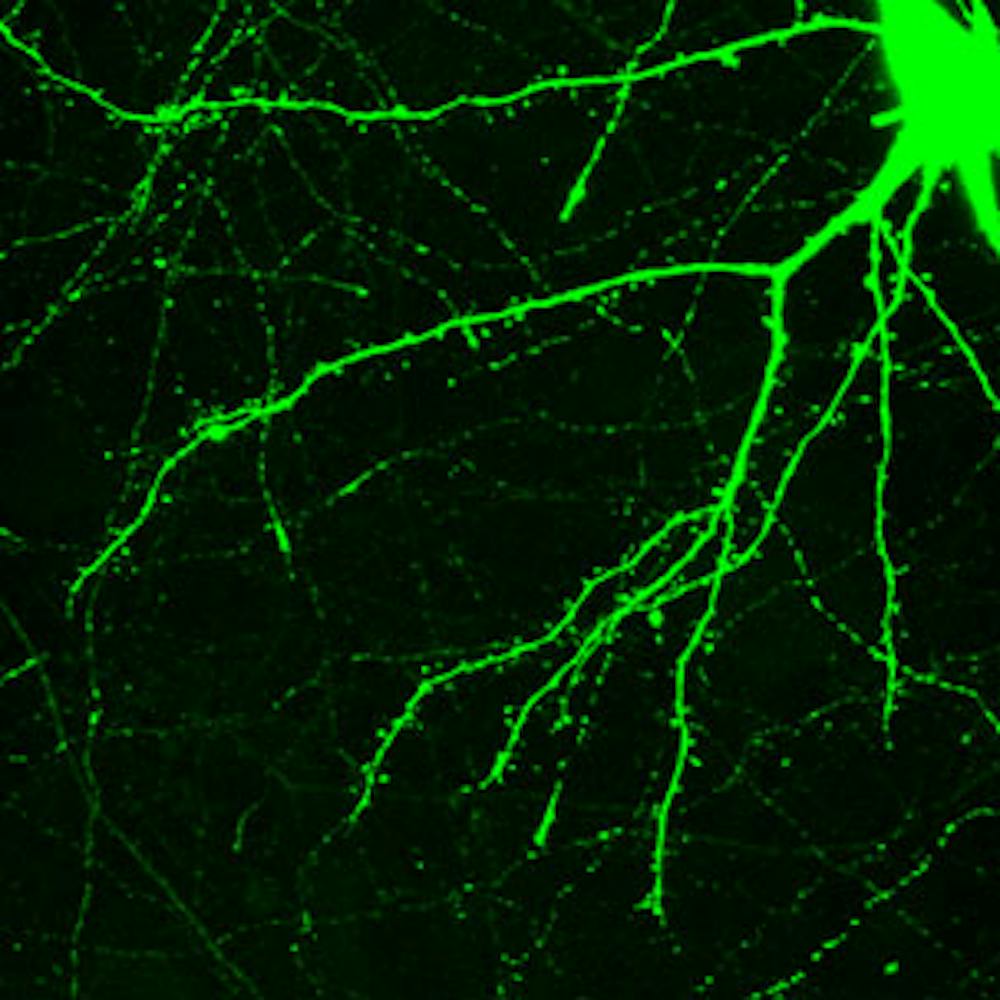
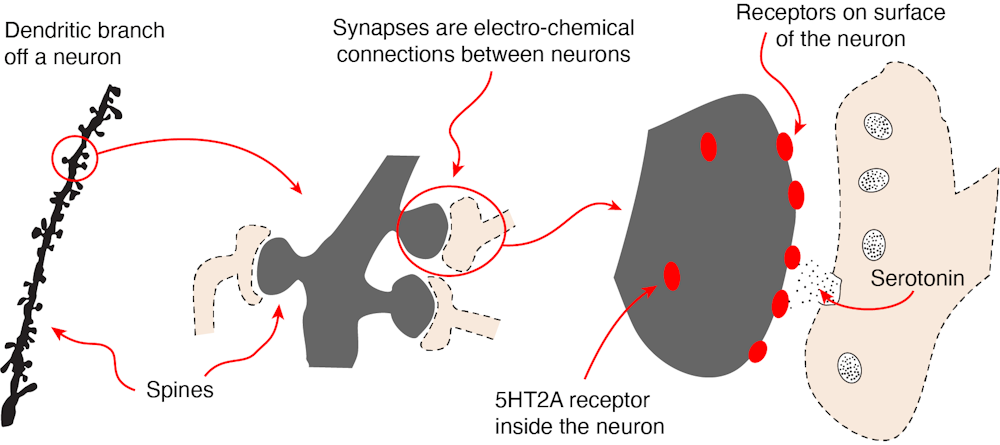
Researchers using a technique called two-photon microscopy can observe this process in living cells by following the formation and regression of spines on the neurons. The spines are one half of the synapses that allow for communication between one neuron and another.
Scientists have thought that enduring spine formation could be established only with focused, repetitive mental energy. However, a lab at Yale recently documented rapid spine formation in the frontal cortex of mice after one dose of psilocybin. Researchers found that mice given the mushroom-derived drug had about a 10% increase in spine formation. These changes had occurred when examined one day after treatment and endured for over a month.
Tiny spines along a neuron’s branches are a crucial part of how one neuron receives a message from another. Edmund S. Higgins
A mechanism for psychedelic-induced change
Psychoactive molecules primarily change brain function through the receptors on the neural cells. The serotonin receptor 5HT, the one famously tweaked by antidepressants, comes in a variety of subtypes. Psychedelics such as DMT, the active chemical in the plant-based psychedelic ayahuasca, stimulate a receptor cell type, called 5-HT2A. This receptor also appears to mediate the hyperplastic states when a brain is changing quickly.
These 5-HT2A receptors that DMT activates are not only on the neuron cell surface but also inside the neuron. It’s only the 5-HT2A receptor inside the cell that facilitates rapid change in neuronal structure. Serotonin can’t get through the cell membrane, which is why people don’t hallucinate when taking antidepressants like Prozac or Zoloft. The psychedelics, on the other hand, slip through the cell’s exterior and tweak the 5-HT2A receptor, stimulating dendritic growth and increased spine formation.
Here’s where this story all comes together. In addition to being the active ingredient in ayahuasca, DMT is an endogenous molecule synthesized naturally in mammalian brains. As such, human neurons are capable of producing their own “psychedelic” molecule, although likely in tiny quantities. It’s possible the brain uses its own endogenous DMT as a tool for change – as when forming dendritic spines on neurons – to encode pivotal mental states. And it’s possible psychedelic-assisted psychotherapy uses this naturally occurring neural mechanism to facilitate healing.
A word of caution
In her essay collection “These Precious Days,” author Ann Patchett describes taking mushrooms with a friend who was struggling with pancreatic cancer. The friend had a mystical experience and came away feeling deeper connections to her family and friends. Patchett, on the other hand, said she spent eight hours “hacking up snakes in some pitch-black cauldron of lava at the center of the Earth.” It felt like death to her.
Psychedelics are powerful, and none of the classic psychedelic drugs, such as LSD, are approved yet for treatment. The U.S. Food and Drug Administration in 2019 did approve ketamine, in conjunction with an antidepressant, to treat depression in adults. Psychedelic-assisted psychotherapy with MDMA (often called ecstasy or molly) for PTSD and psilocybin for depression are in Phase 3 trials.
Back on September 19th I received an email offering me a guest post. It was from Luna Angeni. At first I was highly suspicious thinking of scams and the like and replied: “Before responding further please explain what your niche is?”
Luna replied: “Thank you for your response. I’m working on Animal Health care. It’s the perfect fit for your site.”
I agreed and this is her article.
ooOOoo
How to Control and Prevent Common Dog Diseases Effectively
By Luna Angeni
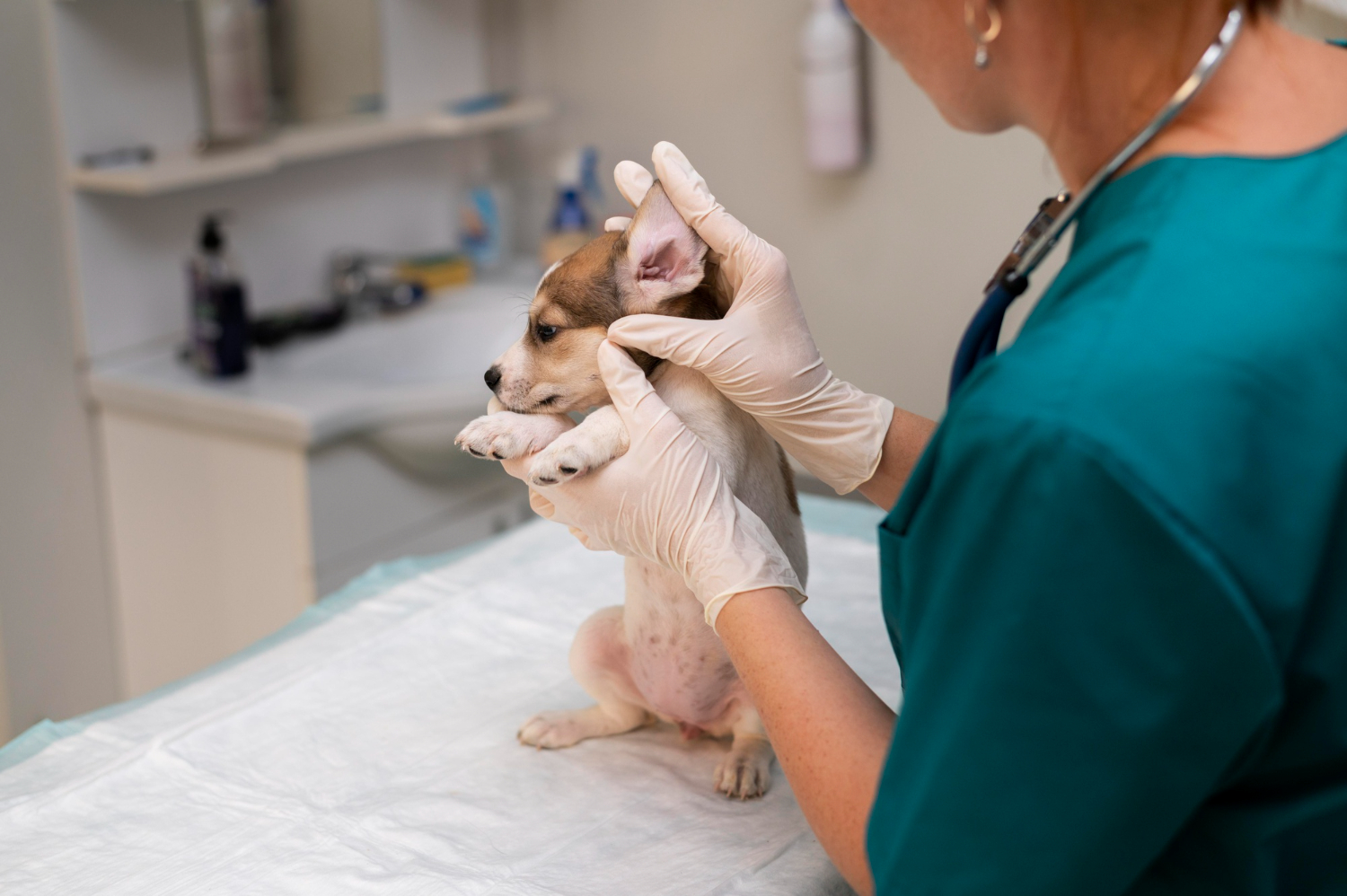
“Man’s best friend” is a phrase that perfectly defines the deep bond between humans and their canine companions.
It’s our duty to ensure the health and well-being of our furry friends. One of the most critical aspects of canine care is disease prevention and control. This is what we are going to focus on here.
In this blog, we will learn about some effective ways we can control and prevent common dog diseases to keep our canine fellows happy and healthy.
Let’s get started!
Understanding Common Dog Diseases
Dogs, like humans, are susceptible to a range of diseases and health issues.
To effectively control and prevent these complications, we need to understand them first.
Let’s review some common canine diseases:
Canine Parvovirus (Parvo)
Canine parvovirus is a highly contagious and potentially fatal disease that affects puppies and unvaccinated dogs.
It spreads through direct contact with an infected dog or contaminated environment.
Symptoms include:
1. Severe diarrhea
2. Vomiting 3. Lethargy 4. Loss of appetite
To prevent parvo, ensure your dog is up-to-date on vaccinations and avoid areas where the virus may be present.
Canine Distemper
Canine distemper is another contagious viral disease that can be fatal, particularly in puppies.
It affects various body systems and presents symptoms such as:
1. Fever 2. Nasal discharge
3. Coughing 4. Neurological signs
Vaccination is the most effective way to prevent distemper.
Heartworm Disease
Heartworm disease is transmitted through mosquito bites and can be life-threatening if left untreated.
It affects the heart and lungs, leading to symptoms like:
1. Coughing 2. Exercise intolerance
3. Weight loss
Prevention through vaccination is key for this common dog disease.
Preventive Measures for Common Canine Diseases
Preventing common dog diseases is often more manageable than treating them.
Here are some essential preventive measures every dog owner should follow:
Vaccination
Regular vaccination is the cornerstone of disease prevention in dogs.
As your veterinarian recommends, ensure your dog receives all necessary vaccinations against parvovirus, distemper, rabies, and others.
Regular Exercise
Exercise not only keeps your dog physically fit but also mentally stimulated.
Engaging in regular exercise helps boost dogs’ overall health and keeps obesity-related diseases at bay.
Proper Nutrition
A balanced diet is crucial for maintaining a healthy immune system.
Consult your veterinarian to determine the best diet for your dog’s specific needs.
Avoid feeding your canine human food, as some ingredients can be toxic to them.
Hygiene and Cleanliness
Maintaining proper hygiene for your dog and their living environment is essential.
In this regard, you must ensure:
1. Regular grooming 2. Cleaning your dog’s bedding 3. Keeping their living area free from parasites and bacteria
Regular Vet Check-ups
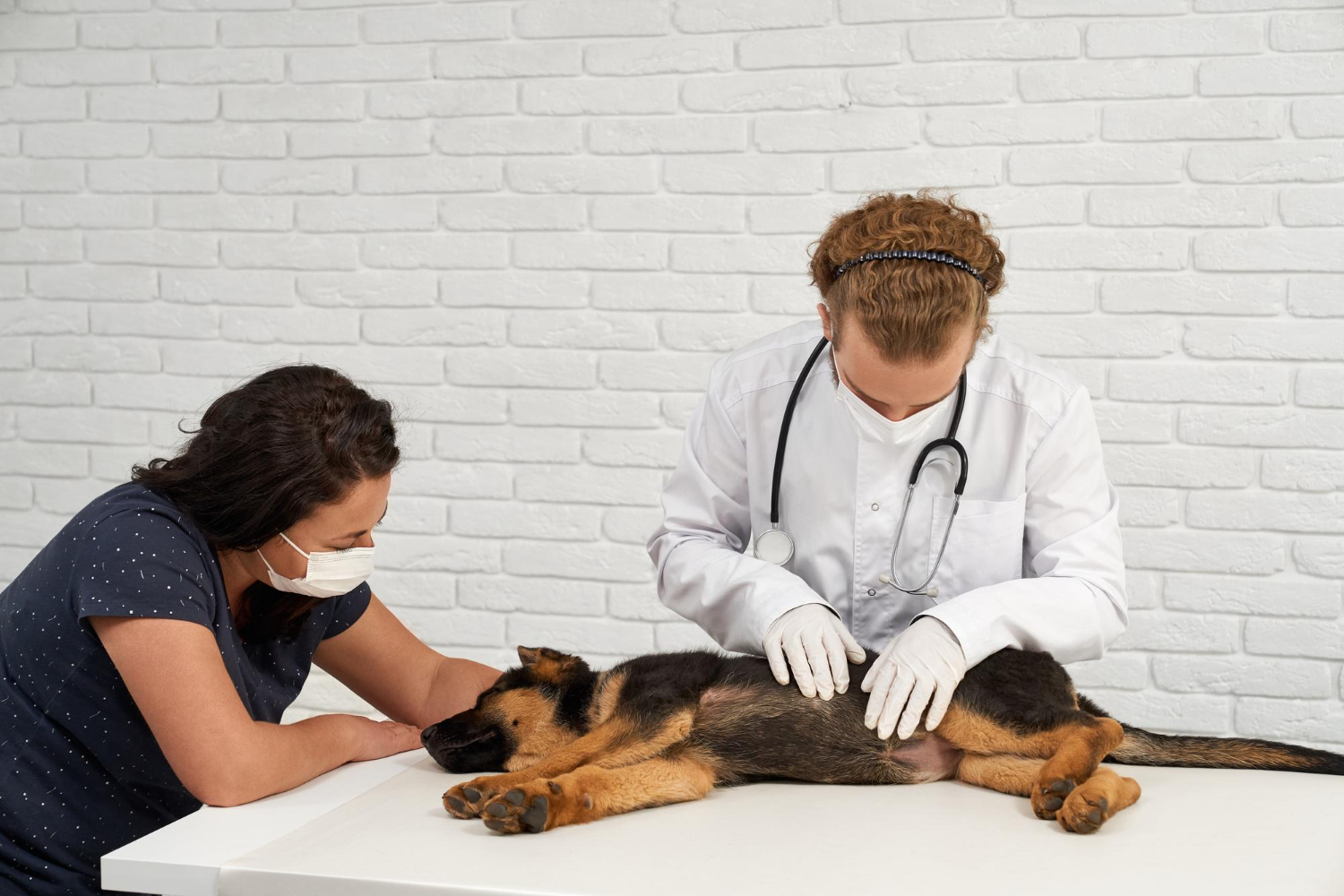
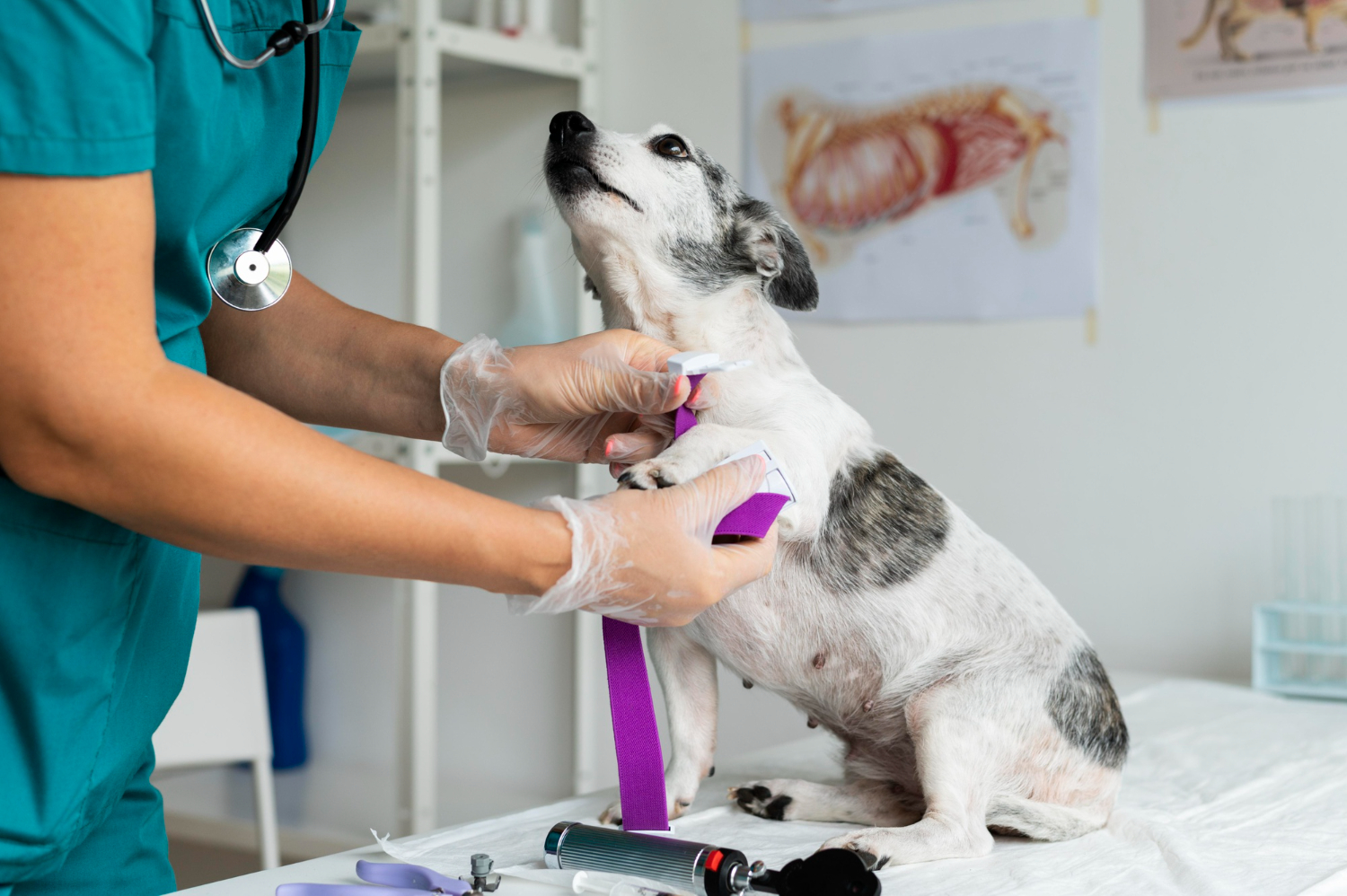
Routine visits to the veterinarian are crucial for early disease detection and prevention.
Your vet can identify potential health issues before they become severe and provide guidance on maintaining your dog’s health.
Recognizing the Signs of Illness
Despite your best efforts, your dog may still fall ill occasionally.
Recognizing the early signs of common dog diseases is essential for prompt treatment.
Here are some common signs of complications in dogs:
Changes in Appetite
A sudden loss of appetite or excessive hunger can indicate a health issue.
So, you must monitor your dog’s eating habits closely.
Changes in Behavior
Drastic changes in behavior, such as increased aggression, withdrawal, or excessive vocalization, can be indicative of pain or discomfort.
Vomiting and Diarrhea
Frequent vomiting or diarrhea can be symptomatic of various diseases, including gastrointestinal complications.
Lethargy
If your dog is unusually lethargic or lacks energy, it could be a sign of an underlying problem.
In such cases, seek a veterinarian’s help immediately.
Breathing Problems
Labored breathing, coughing, or wheezing may suggest respiratory or cardiac problems.
Immediate Action and Veterinary Care
Taking immediate action is essential if you notice any signs of illness or discomfort in your dog.
Contact your veterinarian and follow their guidance.
Early intervention can often make a significant difference in the outcome of the disease.
Conclusion
Your dog’s health is in your hands.
Effective disease control and prevention are crucial for ensuring your furry friend’s long and happy life.
Understanding common dog diseases and treatment and following preventive measures can significantly reduce the risk of complications and provide them with the best possible care.
For more guides on animal health solutions and tips for healthy dogs, you must visit Vet and Tech – a source for online veterinary education.
FAQs
What Vaccinations Does My Dog Need?
Consult your vet for a personalized vaccination schedule. Common dog vaccinations include rabies, distemper, parvovirus, and kennel cough.
What’s the Best Diet for My Dog?
High-quality commercial dog food is a good option. Still, you need to consult your vet for a diet tailored to your dog’s age, breed, and health.
How Often Should I Take My Dog to the Vet?
Generally, annual check-ups are recommended, but older dogs can benefit more from biannual visits. And–puppies may need more frequent check-ups.
ooOOoo
That is a wonderful set of recommendations and advice. Really of no surprise when one considers Luna’s biography:
I am a clinical veterinarian, researcher, and professional content writer. Being a medical professional and a content writer, I hold key writing skills such as Blog writing. I shall provide beautifully crafted, interesting to read, easily understood, highly informative, 100% original, error, and plagiarism-free content.
Luna Angeni
I sincerely hope this will be far from the one and only post!
P.S. I also openly admit that I have featured her blog site Vet and Tech but will also explain that I have no special association with her blog or with Luna Angeni.
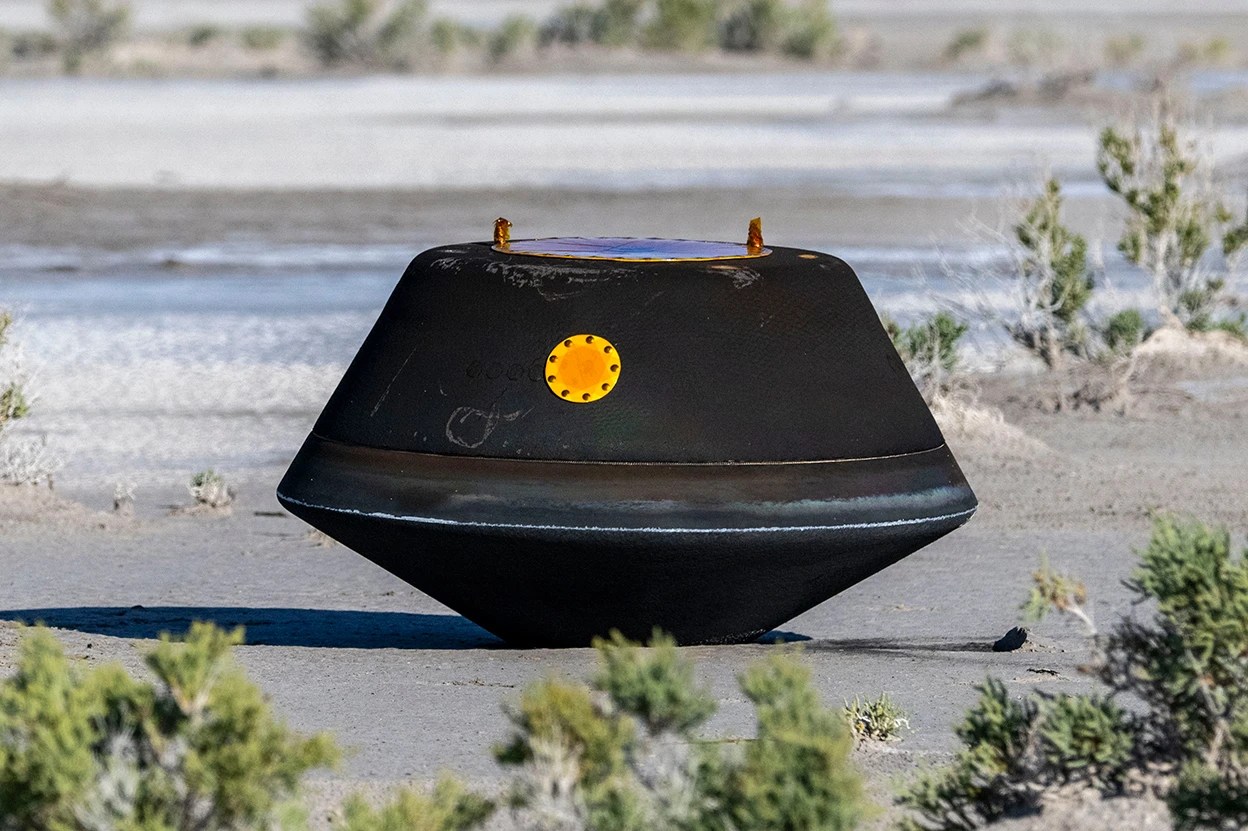
The OSIRIS-REx sample capsule, which contains pieces of the asteroid Bennu, landed safely in the Utah desert on 24 September. Credit: Keegan Barber/NASA via Getty
Dugway Proving Ground, Utah
A saucer-shaped capsule parachuted down gently in the Utah desert today, after a years-long journey through space. Its cargo is a precious collection of rocks and dust from the asteroid Bennu — the first time NASA has ever brought pieces of this type of celestial object back to Earth.
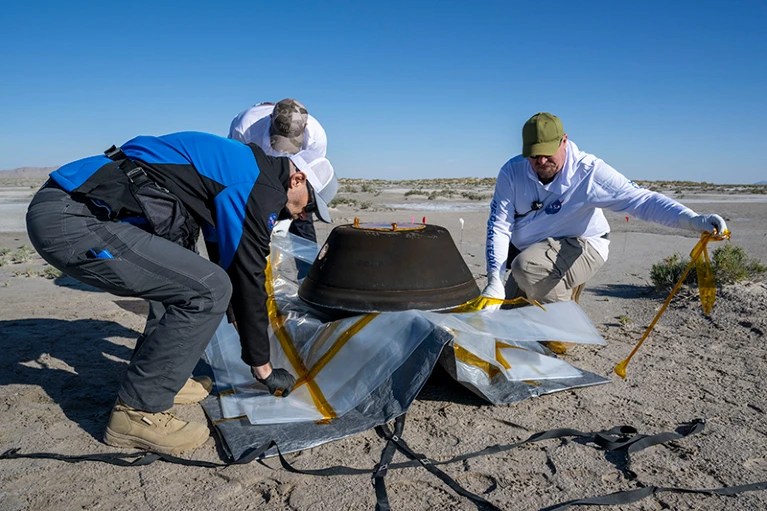
Over the coming days, NASA will fly the bits of Bennu to the Johnson Space Center in Houston, Texas. There, curators will carefully disassemble the container and begin analysing the chemistry and mineralogy of the pristine samples — which might hold clues to the origins of the Solar System.
“I feel like a kid on Christmas Eve who is just too excited to go to sleep,” says Michelle Thompson, a planetary scientist at Purdue University in West Lafayette, Indiana, and a member of the ‘quick look’ team who will have the first chance to study the rocks.
Space hoover
The material comes from the US$1.2-billion OSIRIS-REx (Origins, Spectral Interpretation, Resource Identification, Security-Regolith Explorer) mission, which launched in 2016 and arrived at Bennu in 2018. It spent nearly two years studying the dark-coloured, diamond-shaped asteroid before extending its robotic arm to the rocky surface, blasting it with a puff of gas and collecting the dust and rocks it kicked up. That ‘fist bump’ hoovered up so much material that pieces of rock got jammed in the collection mechanism, allowing some of the smaller pebbles to escape. Watching some of those samples get away was “heart breaking”, says Dante Lauretta, a planetary scientist at the University of Arizona in Tucson who was the first principal investigator of the OSIRIS-REx mission.
Still, the spacecraft managed to collect around 250 grams of rocks and dirt — a large cupful — including several chunks that are at least one centimetre long. It is by far the largest amount of material ever brought back from an asteroid. The Japan Aerospace Exploration Agency (JAXA) had previously collected less than one milligram from the asteroid Itokawa in 2005, and 5.4 grams from the asteroid Ryugu in 2019.
Bringing planetary samples back to Earth allows researchers to use cutting-edge laboratory techniques to study what the rocks are made of. The NASA curation team planned to put the Bennu samples into an atmosphere of pure nitrogen soon after the capsule touched down, to reduce the potential for contamination. That will enable scientists to study the asteroid’s geology and chemistry, preserved all the way back to the formation of the Solar System, more than 4.5 billion years ago. The pristine material hasn’t been altered by passing through Earth’s atmosphere, as happens with meteorites. “The thing that will really be different about this sample is we’ll have that chain of custody of keeping it protected from Earth’s atmosphere,” says Nicole Lunning, the mission’s lead sample curator at the Johnson Space Center.
Precious cargo
Bennu is a carbon-rich asteroid, so the samples might resemble carbon-rich meteorites that have fallen to Earth, Thompson says. The bits collected by OSIRIS-REx probably contain organic compounds — carbon-based molecules found in many meteorites that are the building blocks of many exciting types of chemistry, including those conducive to life. “What I find most fascinating are the nucleobases, the components of the genetic code that make up all life from DNA and RNA,” says Daniel Glavin, the senior scientist for sample return at NASA’s Goddard Space Flight Center in Greenbelt, Maryland. These compounds have been found in meteorites before, but those rocks have not been as pristine as the Bennu samples are expected to be. “We can trust the results, because this stuff is clean,” he says.
NASA curators will work their way through unpacking and studying the dust and pebbles inside OSIRIS-REx’s storage container in the coming weeks. Using nitrogen-filled gloveboxes, technicians will analyse the samples with scanners and other instruments to discern how many rock types were collected, and they will record the samples’ colour, volume and porosity.
Mission specialists prepare the OSIRIS-REx sample capsule for transport to a clean room after its landing in the Utah desert on 24 September.Credit: Keegan Barber/NASA via Getty
The curators will collect up to 100 milligrams for the quick-look team to analyse over the first 72 hours. That initial sample will probably be made up of fine-grained material obtained from the outermost parts of the sample capsule, Thompson says. After that, the team will get a chance to study grains that were picked up by 24 stainless-steel contact pads on the outside of the sample container — which were the first things to actually come into contact with Bennu. It will probably be several weeks before the curators open the heart of the sample container and begin extracting the bulk of the material inside.
Early experiments could include looking at how material that was on the surface of Bennu compares with what came from deeper inside the asteroid, Thompson says. OSIRIS-REx’s robotic arm might have plunged as deep as 40 centimetres under Bennu’s rubbly surface when executing its fist bump.
Work interrupted?
NASA has scheduled a press conference on 11 October to unveil the first scientific results. But its work on the mission could be interrupted if the US government shuts down on 1 October. Republicans and Democrats in Congress have been battling over priorities for funding the federal government in 2024.
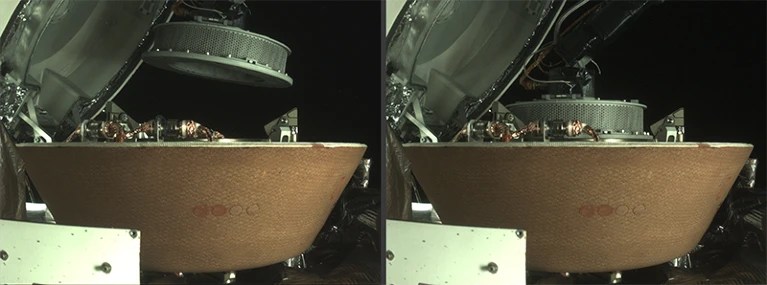
After OSIRIS-REx fist-bumped the asteroid Bennu in 2020, it pulled the collected samples into the spacecraft (left) and stowed them inside its sample-return capsule (right).Credit: NASA/Goddard/Univ. Arizona/Lockheed Martin
If the situation remains in a stalemate by the time the US fiscal year ends on 30 September, then federal agencies, including NASA, might close until an agreement can be reached. If that were to happen while the Bennu sample is at NASA, then “certain steps leading to its highly anticipated analysis will possibly be delayed, but the sample will remain protected and safe”, says Lori Glaze, head of NASA’s planetary sciences division. “The sample waited for more than 4 billion years for humans to study it, and if it takes us a little longer, I think we’ll be okay.”
At least 70% of the Bennu material will be saved for scientists outside NASA and for future generations to study. Furthermore, 4% of the sample will go to the Canadian Space Agency, which helped to build a laser instrument aboard OSIRIS-REx, and 0.5% will go to JAXA in exchange for samples of Ryugu, so that researchers can compare the two asteroids.
Meanwhile, the rest of the OSIRIS spacecraft continues to fly through space after dropping off its sample-return capsule. It is headed to study Apophis, an asteroid with a different, ‘stony’, chemical composition that will whizz dramatically close past Earth in 2029.
A fascinating article about our unique body odour.
I was researching stories that I could republish and was concentrating at first on The Conversation. Then I saw the post for today and went no further. It is primarily about the odour that each of us has.
ooOOoo
Your unique body odor could identify who you are and provide insights into your health – all from the touch of a hand
From the aroma of fresh-cut grass to the smell of a loved one, you encounter scents in every part of your life. Not only are you constantly surrounded by odor, you’re also producing it. And it is so distinctive that it can be used to tell you apart from everyone around you.
Your scent is a complex product influenced by many factors, including your genetics. Researchers believe that a particular group of genes, the major histocompatibility complex, play a large role in scent production. These genes are involved in the body’s immune response and are believed to influence body odor by encoding the production of specific proteins and chemicals.
But your scent isn’t fixed once your body produces it. As sweat, oils and other secretions make it to the surface of your skin, microbes break down and transform these compounds, changing and adding to the odors that make up your scent. This scent medley emanates from your body and settles into the environments around you. And it can be used to track, locate or identify a particular person, as well as distinguish between healthy and unhealthy people.
We areresearchers whospecialize in studying human scent through the detection and characterization of gaseous chemicals called volatile organic compounds. These gases can relay an abundance of information for both forensic researchers and health care providers.
Science of body odor
When you are near another person, you can feel their body heat without touching them. You may even be able to smell them without getting very close. The natural warmth of the human body creates a temperature differential with the air around it. You warm up the air nearest to you, while air that’s farther away remains cool, creating warm currents of air that surround your body.
Researchers believe that this plume of air helps disperse your scent by pushing the millions of skin cells you shed over the course of a day off your body and into the environment. These skin cells act as boats or rafts carrying glandular secretions and your resident microbes – a combination of ingredients that emit your scent – and depositing them in your surroundings.
Your scent is composed of the volatile organic compounds present in the gases emitted from your skin. These gases are the combination of sweat, oils and trace elements exuded from the glands in your skin. The primary components of your odor depend on internal factors such as your race, ethnicity, biological sex and other traits. Secondary components waver based on factors like stress, diet and illness. And tertiary components from external sources like perfumes and soaps build on top of your distinguishable odor profile.
Identity of scent
With so many factors influencing the scent of any given person, your body odor can be used as an identifying feature. Scent detection canines searching for a suspect can look past all the other odors they encounter to follow a scent trail left behind by the person they are pursuing. This practice relies on the assumption that each person’s scent is distinct enough that it can be distinguished from other people’s.
Researchers have been studying the discriminating potential of human scent for over three decades. A 1988 experiment demonstrated that a dog could distinguish identical twins living apart and exposed to different environmental conditions by their scent alone. This is a feat that could not be accomplished using DNA evidence, as identical twins share the same genetic code.
The field of human scent analysis has expanded over the years to further study the composition of human scent and how it can be used as a form of forensic evidence. Researchers have seen differences in human odor composition that can be classified based on sex, gender, race and ethnicity. Our research team’s 2017 study of 105 participants found that specific combinations of 15 volatile organic compounds collected from people’s hands could distinguish between race and ethnicity with an accuracy of 72% for whites, 82% for East Asians and 67% for Hispanics. Based on a combination of 13 compounds, participants could be distinguished as male or female with an overall 80% accuracy.
Researchers have trained dogs to sniff out COVID-19 infections.
Researchers are also producing models to predict the characteristics of a person based on their scent. From a sample pool of 30 women and 30 men, our team built a machine learning model that could predict a person’s biological sex with 96% accuracy based on hand odor.
Scent of health
Odor research continues to provide insights into illnesses. Well-known examples of using scent in medical assessments include seizure and diabetic alert canines. These dogs can give their handlers time to prepare for an impending seizure or notify them when they need to adjust their blood glucose levels.
While these canines often work with a single patient known to have a condition that requires close monitoring, medical detection dogs can also indicate whether someone is ill. For example, researchers have shown that dogs can be trained to detect cancer in people. Canines have also been trained to detect COVID-19 infections at a 90% accuracy rate.
Similarly, our research team found that a laboratory analysis of hand odor samples could discriminate between people who are COVID-19 positive or negative with 75% accuracy.
Forensics of scent
Human scent offers a noninvasive method to collect samples. While direct contact with a surface like touching a doorknob or wearing a sweater provides a clear route for your scent to transfer to that surface, simply standing still will also transfer your odor into the surrounding area.
Although human scent has the potential to be a critical form of forensic evidence, it is still a developing field. Imagine a law enforcement officer collecting a scent sample from a crime scene in hopes that it may match with a suspect.
Further research into human scent analysis can help fill the gaps in our understanding of the individuality of human scent and how to apply this information in forensic and biomedical labs.





 Learning from Dogs
