Category: Government

The brain

A fascinating account

I was struggling with the post for tomorrow and then saw this article on The Conversation. It may not be everyone’s cup of tea but nevertheless I find it sufficiently interesting to publish it.

ooOOoo

Psychedelics plus psychotherapy can trigger rapid changes in the brain − new research at the level of neurons is untangling how

New research hints at how psychedelics can trigger rapid, lasting change. wildpixel/iStock via Getty Images Plus

Edmund S. Higgins, Medical University of South Carolina

The human brain can change – but usually only slowly and with great effort, such as when learning a new sport or foreign language, or recovering from a stroke. Learning new skills correlates with changes in the brain, as evidenced by neuroscience research with animals and functional brain scans in people. Presumably, if you master Calculus 1, something is now different in your brain. Furthermore, motor neurons in the brain expand and contract depending on how often they are exercised – a neuronal reflection of “use it or lose it.”

People may wish their brains could change faster – not just when learning new skills, but also when overcoming problems like anxiety, depression and addictions.

Clinicians and scientists know there are times the brain can make rapid, enduring changes. Most often, these occur in the context of traumatic experiences, leaving an indelible imprint on the brain.

But positive experiences, which alter one’s life for the better, can occur equally as fast. Think of a spiritual awakening, a near-death experience or a feeling of awe in nature.

a road splits in the woods, sun shines through green leafy trees
A transformative experience can be like a fork in the road, changing the path you are on. Westend61 via Getty Images

Social scientists call events like these psychologically transformative experiences or pivotal mental states. For the rest of us, they’re forks in the road. Presumably, these positive experiences quickly change some “wiring” in the brain.

How do these rapid, positive transformations happen? It seems the brain has a way to facilitate accelerated change. And here’s where it gets really interesting: Psychedelic-assisted psychotherapy appears to tap into this natural neural mechanism.

Psychedelic-assisted psychotherapy

Those who’ve had a psychedelic experience usually describe it as a mental journey that’s impossible to put into words. However, it can be conceptualized as an altered state of consciousness with distortions of perception, modified sense of self and rapidly changing emotions. Presumably there is a relaxation of the higher brain control, which allows deeper brain thoughts and feelings to emerge into conscious awareness.

Psychedelic-assisted psychotherapy combines the psychology of talk therapy with the power of a psychedelic experience. Researchers have described cases in which subjects report profound, personally transformative experiences after one six-hour session with the psychedelic substance psilocybin, taken in conjunction with psychotherapy. For example, patients distressed about advancing cancer have quickly experienced relief and an unexpected acceptance of the approaching end. How does this happen?

glowing green tendrils of a neuron against a black background
Neuronal spines are the little bumps along the spreading branches of a neuron. Patrick Pla via Wikimedia Commons, CC BY-SA

Research suggests that new skills, memories and attitudes are encoded in the brain by new connections between neurons – sort of like branches of trees growing toward each other. Neuroscientists even call the pattern of growth arborization.

Researchers using a technique called two-photon microscopy can observe this process in living cells by following the formation and regression of spines on the neurons. The spines are one half of the synapses that allow for communication between one neuron and another.

Scientists have thought that enduring spine formation could be established only with focused, repetitive mental energy. However, a lab at Yale recently documented rapid spine formation in the frontal cortex of mice after one dose of psilocybin. Researchers found that mice given the mushroom-derived drug had about a 10% increase in spine formation. These changes had occurred when examined one day after treatment and endured for over a month.

diagram of little bumps along a neuron, enlarged at different scales
Tiny spines along a neuron’s branches are a crucial part of how one neuron receives a message from another. Edmund S. Higgins

A mechanism for psychedelic-induced change

Psychoactive molecules primarily change brain function through the receptors on the neural cells. The serotonin receptor 5HT, the one famously tweaked by antidepressants, comes in a variety of subtypes. Psychedelics such as DMT, the active chemical in the plant-based psychedelic ayahuasca, stimulate a receptor cell type, called 5-HT2A. This receptor also appears to mediate the hyperplastic states when a brain is changing quickly.

These 5-HT2A receptors that DMT activates are not only on the neuron cell surface but also inside the neuron. It’s only the 5-HT2A receptor inside the cell that facilitates rapid change in neuronal structure. Serotonin can’t get through the cell membrane, which is why people don’t hallucinate when taking antidepressants like Prozac or Zoloft. The psychedelics, on the other hand, slip through the cell’s exterior and tweak the 5-HT2A receptor, stimulating dendritic growth and increased spine formation.

Here’s where this story all comes together. In addition to being the active ingredient in ayahuasca, DMT is an endogenous molecule synthesized naturally in mammalian brains. As such, human neurons are capable of producing their own “psychedelic” molecule, although likely in tiny quantities. It’s possible the brain uses its own endogenous DMT as a tool for change – as when forming dendritic spines on neurons – to encode pivotal mental states. And it’s possible psychedelic-assisted psychotherapy uses this naturally occurring neural mechanism to facilitate healing.

A word of caution

In her essay collection “These Precious Days,” author Ann Patchett describes taking mushrooms with a friend who was struggling with pancreatic cancer. The friend had a mystical experience and came away feeling deeper connections to her family and friends. Patchett, on the other hand, said she spent eight hours “hacking up snakes in some pitch-black cauldron of lava at the center of the Earth.” It felt like death to her.

Psychedelics are powerful, and none of the classic psychedelic drugs, such as LSD, are approved yet for treatment. The U.S. Food and Drug Administration in 2019 did approve ketamine, in conjunction with an antidepressant, to treat depression in adults. Psychedelic-assisted psychotherapy with MDMA (often called ecstasy or molly) for PTSD and psilocybin for depression are in Phase 3 trials.

Edmund S. Higgins, Affiliate Associate Professor of Psychiatry & Family Medicine, Medical University of South Carolina

This article is republished from The Conversation under a Creative Commons license. Read the original article.

ooOOoo

This is not for the innocents and it requires someone of the ilk of Professor Higgins to advise.

Plus one needs to stay close to the U.S. Food and Drug Administration. To close, I will repeat the phrase above, psychedelics are powerful.

Common dog diseases

A very valuable guest post.

Back on September 19th I received an email offering me a guest post. It was from Luna Angeni. At first I was highly suspicious thinking of scams and the like and replied: “Before responding further please explain what your niche is?”

Luna replied: “Thank you for your response. I’m working on Animal Health care. It’s the perfect fit for your site.”

I agreed and this is her article.

ooOOoo

How to Control and Prevent Common Dog Diseases Effectively

By Luna Angeni

Man’s best friend” is a phrase that perfectly defines the deep bond between humans and their canine companions.

It’s our duty to ensure the health and well-being of our furry friends. One of the most critical aspects of canine care is disease prevention and control. This is what we are going to focus on here.

In this blog, we will learn about some effective ways we can control and prevent common dog diseases to keep our canine fellows happy and healthy.

Let’s get started!

Understanding Common Dog Diseases

Dogs, like humans, are susceptible to a range of diseases and health issues.

To effectively control and prevent these complications, we need to understand them first.

Let’s review some common canine diseases:

Canine Parvovirus (Parvo)

Canine parvovirus is a highly contagious and potentially fatal disease that affects puppies and unvaccinated dogs.

It spreads through direct contact with an infected dog or contaminated environment.

Symptoms include:

1. Severe diarrhea

2. Vomiting
3. Lethargy
4. Loss of appetite

To prevent parvo, ensure your dog is up-to-date on vaccinations and avoid areas where the virus may be present.

Canine Distemper

Canine distemper is another contagious viral disease that can be fatal, particularly in puppies.

It affects various body systems and presents symptoms such as:

1. Fever
2. Nasal discharge

3. Coughing
4. Neurological signs

Vaccination is the most effective way to prevent distemper.

Heartworm Disease

Heartworm disease is transmitted through mosquito bites and can be life-threatening if left untreated.

It affects the heart and lungs, leading to symptoms like:

1. Coughing
2. Exercise intolerance

3. Weight loss

Prevention through vaccination is key for this common dog disease.

Preventive Measures for Common Canine Diseases

Preventing common dog diseases is often more manageable than treating them.

Here are some essential preventive measures every dog owner should follow:

Vaccination

Regular vaccination is the cornerstone of disease prevention in dogs.

As your veterinarian recommends, ensure your dog receives all necessary vaccinations against parvovirus, distemper, rabies, and others.

Regular Exercise

Exercise not only keeps your dog physically fit but also mentally stimulated.

Engaging in regular exercise helps boost dogs’ overall health and keeps obesity-related diseases at bay.

Proper Nutrition

A balanced diet is crucial for maintaining a healthy immune system.

Consult your veterinarian to determine the best diet for your dog’s specific needs.

Avoid feeding your canine human food, as some ingredients can be toxic to them.

Hygiene and Cleanliness

Maintaining proper hygiene for your dog and their living environment is essential.

In this regard, you must ensure:

1. Regular grooming
2. Cleaning your dog’s bedding
3. Keeping their living area free from parasites and bacteria

Regular Vet Check-ups

Routine visits to the veterinarian are crucial for early disease detection and prevention.

Your vet can identify potential health issues before they become severe and provide guidance on maintaining your dog’s health.

Recognizing the Signs of Illness

Despite your best efforts, your dog may still fall ill occasionally.

Recognizing the early signs of common dog diseases is essential for prompt treatment.

Here are some common signs of complications in dogs:

Changes in Appetite

A sudden loss of appetite or excessive hunger can indicate a health issue.

So, you must monitor your dog’s eating habits closely.

Changes in Behavior

Drastic changes in behavior, such as increased aggression, withdrawal, or excessive vocalization, can be indicative of pain or discomfort.

Vomiting and Diarrhea

Frequent vomiting or diarrhea can be symptomatic of various diseases, including gastrointestinal complications.

Lethargy

If your dog is unusually lethargic or lacks energy, it could be a sign of an underlying problem.

In such cases, seek a veterinarian’s help immediately.

Breathing Problems

Labored breathing, coughing, or wheezing may suggest respiratory or cardiac problems.

Immediate Action and Veterinary Care

Taking immediate action is essential if you notice any signs of illness or discomfort in your dog.

Contact your veterinarian and follow their guidance.

Early intervention can often make a significant difference in the outcome of the disease.

Conclusion

Your dog’s health is in your hands.

Effective disease control and prevention are crucial for ensuring your furry friend’s long and happy life.

Understanding common dog diseases and treatment and following preventive measures can significantly reduce the risk of complications and provide them with the best possible care.

For more guides on animal health solutions and tips for healthy dogs, you must visit Vet and Tech – a source for online veterinary education.

FAQs

What Vaccinations Does My Dog Need?

Consult your vet for a personalized vaccination schedule. Common dog vaccinations include rabies, distemper, parvovirus, and kennel cough.

What’s the Best Diet for My Dog?

High-quality commercial dog food is a good option. Still, you need to consult your vet for a diet tailored to your dog’s age, breed, and health.

How Often Should I Take My Dog to the Vet?

Generally, annual check-ups are recommended, but older dogs can benefit more from biannual visits. And–puppies may need more frequent check-ups.

ooOOoo

That is a wonderful set of recommendations and advice. Really of no surprise when one considers Luna’s biography:

I am a clinical veterinarian, researcher, and professional content writer. Being a medical professional and a content writer, I hold key writing skills such as Blog writing. I shall provide beautifully crafted, interesting to read, easily understood, highly informative, 100% original, error, and plagiarism-free content. 

Luna Angeni

I sincerely hope this will be far from the one and only post!

P.S. I also openly admit that I have featured her blog site Vet and Tech but will also explain that I have no special association with her blog or with Luna Angeni.

OSIRIS-REx report

I just find this incredible!

Firstly, I am simply going to post three YouTube videos of this amazing feat by NASA.

The first by Associated Press at less than two minutes:

And the next two from NASA with the second at just over an hour long:

and the third at over three hours long:

Then I am going to republish, hopefully with permission, an article from Nature that further explains what has just happened:

ooOOoo

Special delivery! Biggest-ever haul of asteroid dust and rock returns to Earth

Samples collected by NASA’s OSIRIS-REx mission excite scientists with their potential to reveal secrets of the Solar System.

The OSIRIS-REx sample capsule, which contains pieces of the asteroid Bennu, landed safely in the Utah desert on 24 September. Credit: Keegan Barber/NASA via Getty

Dugway Proving Ground, Utah

A saucer-shaped capsule parachuted down gently in the Utah desert today, after a years-long journey through space. Its cargo is a precious collection of rocks and dust from the asteroid Bennu — the first time NASA has ever brought pieces of this type of celestial object back to Earth.

Over the coming days, NASA will fly the bits of Bennu to the Johnson Space Center in Houston, Texas. There, curators will carefully disassemble the container and begin analysing the chemistry and mineralogy of the pristine samples — which might hold clues to the origins of the Solar System.

“I feel like a kid on Christmas Eve who is just too excited to go to sleep,” says Michelle Thompson, a planetary scientist at Purdue University in West Lafayette, Indiana, and a member of the ‘quick look’ team who will have the first chance to study the rocks.

Space hoover

The material comes from the US$1.2-billion OSIRIS-REx (Origins, Spectral Interpretation, Resource Identification, Security-Regolith Explorer) mission, which launched in 2016 and arrived at Bennu in 2018. It spent nearly two years studying the dark-coloured, diamond-shaped asteroid before extending its robotic arm to the rocky surface, blasting it with a puff of gas and collecting the dust and rocks it kicked up. That ‘fist bump’ hoovered up so much material that pieces of rock got jammed in the collection mechanism, allowing some of the smaller pebbles to escape. Watching some of those samples get away was “heart breaking”, says Dante Lauretta, a planetary scientist at the University of Arizona in Tucson who was the first principal investigator of the OSIRIS-REx mission.

Still, the spacecraft managed to collect around 250 grams of rocks and dirt — a large cupful — including several chunks that are at least one centimetre long. It is by far the largest amount of material ever brought back from an asteroid. The Japan Aerospace Exploration Agency (JAXA) had previously collected less than one milligram from the asteroid Itokawa in 2005, and 5.4 grams from the asteroid Ryugu in 2019.

Bringing planetary samples back to Earth allows researchers to use cutting-edge laboratory techniques to study what the rocks are made of. The NASA curation team planned to put the Bennu samples into an atmosphere of pure nitrogen soon after the capsule touched down, to reduce the potential for contamination. That will enable scientists to study the asteroid’s geology and chemistry, preserved all the way back to the formation of the Solar System, more than 4.5 billion years ago. The pristine material hasn’t been altered by passing through Earth’s atmosphere, as happens with meteorites. “The thing that will really be different about this sample is we’ll have that chain of custody of keeping it protected from Earth’s atmosphere,” says Nicole Lunning, the mission’s lead sample curator at the Johnson Space Center.

Precious cargo

Bennu is a carbon-rich asteroid, so the samples might resemble carbon-rich meteorites that have fallen to Earth, Thompson says. The bits collected by OSIRIS-REx probably contain organic compounds — carbon-based molecules found in many meteorites that are the building blocks of many exciting types of chemistry, including those conducive to life. “What I find most fascinating are the nucleobases, the components of the genetic code that make up all life from DNA and RNA,” says Daniel Glavin, the senior scientist for sample return at NASA’s Goddard Space Flight Center in Greenbelt, Maryland. These compounds have been found in meteorites before, but those rocks have not been as pristine as the Bennu samples are expected to be. “We can trust the results, because this stuff is clean,” he says.

NASA curators will work their way through unpacking and studying the dust and pebbles inside OSIRIS-REx’s storage container in the coming weeks. Using nitrogen-filled gloveboxes, technicians will analyse the samples with scanners and other instruments to discern how many rock types were collected, and they will record the samples’ colour, volume and porosity.

Mission specialists prepare the OSIRIS-REx sample capsule for transport to a clean room after its landing in the Utah desert on 24 September.Credit: Keegan Barber/NASA via Getty

The curators will collect up to 100 milligrams for the quick-look team to analyse over the first 72 hours. That initial sample will probably be made up of fine-grained material obtained from the outermost parts of the sample capsule, Thompson says. After that, the team will get a chance to study grains that were picked up by 24 stainless-steel contact pads on the outside of the sample container — which were the first things to actually come into contact with Bennu. It will probably be several weeks before the curators open the heart of the sample container and begin extracting the bulk of the material inside.

Early experiments could include looking at how material that was on the surface of Bennu compares with what came from deeper inside the asteroid, Thompson says. OSIRIS-REx’s robotic arm might have plunged as deep as 40 centimetres under Bennu’s rubbly surface when executing its fist bump.

Work interrupted?

NASA has scheduled a press conference on 11 October to unveil the first scientific results. But its work on the mission could be interrupted if the US government shuts down on 1 October. Republicans and Democrats in Congress have been battling over priorities for funding the federal government in 2024.

After OSIRIS-REx fist-bumped the asteroid Bennu in 2020, it pulled the collected samples into the spacecraft (left) and stowed them inside its sample-return capsule (right).Credit: NASA/Goddard/Univ. Arizona/Lockheed Martin

If the situation remains in a stalemate by the time the US fiscal year ends on 30 September, then federal agencies, including NASA, might close until an agreement can be reached. If that were to happen while the Bennu sample is at NASA, then “certain steps leading to its highly anticipated analysis will possibly be delayed, but the sample will remain protected and safe”, says Lori Glaze, head of NASA’s planetary sciences division. “The sample waited for more than 4 billion years for humans to study it, and if it takes us a little longer, I think we’ll be okay.”

At least 70% of the Bennu material will be saved for scientists outside NASA and for future generations to study. Furthermore, 4% of the sample will go to the Canadian Space Agency, which helped to build a laser instrument aboard OSIRIS-REx, and 0.5% will go to JAXA in exchange for samples of Ryugu, so that researchers can compare the two asteroids.

Meanwhile, the rest of the OSIRIS spacecraft continues to fly through space after dropping off its sample-return capsule. It is headed to study Apophis, an asteroid with a different, ‘stony’, chemical composition that will whizz dramatically close past Earth in 2029.

Copyright © 2023, Springer Nature Limited

ooOOoo

There we go, my credit to an incredible feat of exploration that, hopefully, will lead to some interesting results over the next few weeks.

Dogs and scents

A fascinating article about our unique body odour.

I was researching stories that I could republish and was concentrating at first on The Conversation. Then I saw the post for today and went no further. It is primarily about the odour that each of us has.

ooOOoo

Your unique body odor could identify who you are and provide insights into your health – all from the touch of a hand

The scent emitted from your hands could offer clues about who you are. Siro Rodenas Cortes/Moment via Getty Images

Chantrell Frazier, Framingham State University; Kenneth G. Furton, Florida International University, and Vidia A. Gokool, Lawrence Livermore National Laboratory

From the aroma of fresh-cut grass to the smell of a loved one, you encounter scents in every part of your life. Not only are you constantly surrounded by odor, you’re also producing it. And it is so distinctive that it can be used to tell you apart from everyone around you.

Your scent is a complex product influenced by many factors, including your genetics. Researchers believe that a particular group of genes, the major histocompatibility complex, play a large role in scent production. These genes are involved in the body’s immune response and are believed to influence body odor by encoding the production of specific proteins and chemicals.

But your scent isn’t fixed once your body produces it. As sweat, oils and other secretions make it to the surface of your skin, microbes break down and transform these compounds, changing and adding to the odors that make up your scent. This scent medley emanates from your body and settles into the environments around you. And it can be used to track, locate or identify a particular person, as well as distinguish between healthy and unhealthy people.

We are researchers who specialize in studying human scent through the detection and characterization of gaseous chemicals called volatile organic compounds. These gases can relay an abundance of information for both forensic researchers and health care providers.

Science of body odor

When you are near another person, you can feel their body heat without touching them. You may even be able to smell them without getting very close. The natural warmth of the human body creates a temperature differential with the air around it. You warm up the air nearest to you, while air that’s farther away remains cool, creating warm currents of air that surround your body.

Researchers believe that this plume of air helps disperse your scent by pushing the millions of skin cells you shed over the course of a day off your body and into the environment. These skin cells act as boats or rafts carrying glandular secretions and your resident microbes – a combination of ingredients that emit your scent – and depositing them in your surroundings.

Your scent is composed of the volatile organic compounds present in the gases emitted from your skin. These gases are the combination of sweat, oils and trace elements exuded from the glands in your skin. The primary components of your odor depend on internal factors such as your race, ethnicity, biological sex and other traits. Secondary components waver based on factors like stress, diet and illness. And tertiary components from external sources like perfumes and soaps build on top of your distinguishable odor profile.

Identity of scent

With so many factors influencing the scent of any given person, your body odor can be used as an identifying feature. Scent detection canines searching for a suspect can look past all the other odors they encounter to follow a scent trail left behind by the person they are pursuing. This practice relies on the assumption that each person’s scent is distinct enough that it can be distinguished from other people’s.

Researchers have been studying the discriminating potential of human scent for over three decades. A 1988 experiment demonstrated that a dog could distinguish identical twins living apart and exposed to different environmental conditions by their scent alone. This is a feat that could not be accomplished using DNA evidence, as identical twins share the same genetic code.

The field of human scent analysis has expanded over the years to further study the composition of human scent and how it can be used as a form of forensic evidence. Researchers have seen differences in human odor composition that can be classified based on sex, gender, race and ethnicity. Our research team’s 2017 study of 105 participants found that specific combinations of 15 volatile organic compounds collected from people’s hands could distinguish between race and ethnicity with an accuracy of 72% for whites, 82% for East Asians and 67% for Hispanics. Based on a combination of 13 compounds, participants could be distinguished as male or female with an overall 80% accuracy.

Researchers have trained dogs to sniff out COVID-19 infections.

Researchers are also producing models to predict the characteristics of a person based on their scent. From a sample pool of 30 women and 30 men, our team built a machine learning model that could predict a person’s biological sex with 96% accuracy based on hand odor.

Scent of health

Odor research continues to provide insights into illnesses. Well-known examples of using scent in medical assessments include seizure and diabetic alert canines. These dogs can give their handlers time to prepare for an impending seizure or notify them when they need to adjust their blood glucose levels.

While these canines often work with a single patient known to have a condition that requires close monitoring, medical detection dogs can also indicate whether someone is ill. For example, researchers have shown that dogs can be trained to detect cancer in people. Canines have also been trained to detect COVID-19 infections at a 90% accuracy rate.

Similarly, our research team found that a laboratory analysis of hand odor samples could discriminate between people who are COVID-19 positive or negative with 75% accuracy.

Forensics of scent

Human scent offers a noninvasive method to collect samples. While direct contact with a surface like touching a doorknob or wearing a sweater provides a clear route for your scent to transfer to that surface, simply standing still will also transfer your odor into the surrounding area.

Although human scent has the potential to be a critical form of forensic evidence, it is still a developing field. Imagine a law enforcement officer collecting a scent sample from a crime scene in hopes that it may match with a suspect.

Further research into human scent analysis can help fill the gaps in our understanding of the individuality of human scent and how to apply this information in forensic and biomedical labs.

Chantrell Frazier, Assistant Professor of Chemistry and Food Science, Framingham State University; Kenneth G. Furton, Professor of Chemistry and Biochemistry, Florida International University, and Vidia A. Gokool, Postdoctoral Researcher, Lawrence Livermore National Laboratory

This article is republished from The Conversation under a Creative Commons license. Read the original article.

ooOOoo

This is so interesting and I, for one, learnt a great deal more about the human body and in particular the scent glands.

Plus, it was a joy to read about the role of canines in all of this.

The Southern Ring Nebula

Just had to share this incredible vista with you!

The James Webb Space Telescope is amazing. Wikipedia have a long article on the telescope from which one reads (in part):

The James Webb Space Telescope (JWST) is a space telescope specifically designed to conduct infrared astronomy. Its high-resolution and high-sensitivity instruments allow it to view objects too old, distant, or faint for the Hubble Space Telescope. This enables investigations across many fields of astronomy and cosmology, such as observation of the first stars and the formation of the first galaxies, and detailed atmospheric characterization of potentially habitable exoplanets.

But I want to share with you this video, please watch it now it is just a minute long:

Time to forget about our earthly challenges for just a short time.

And for those that want more here is the home page of the Webb Telescope.

The Book – “The Climate Casino”

Three hundred plus pages of vital information.

I bought this book from Thriftbooks and was so fired up that I sat down and started reading it almost immediately. For as the back cover explains:

Climate change is profoundly altering our world in ways that pose major risks to human societies and natural systems. We have entered the Climate Casino and are rolling the global-warming dice, warns William Nordhaus. But there is still time to turn around and walk back out of the casino, and in this book the author explains how.

William Nordhaus

William Nordhaus is a brilliant economist as Fred Andrews describes above. Indeed he is the Sterling Professor of Economics at Yale University and he has his website here.

Now I am going straight to two videos.

The first is William Nordhaus receiving the Nobel Prize in 2018.

And the second is that lecture given at the same venue in 2018.

Hopefully you got to watch them both!

Dogs learn things in a way we may not realise.

A fascinating article in The Conversation.

I was very short of time yesterday so my apologies for going straight into this post. Plus, it is a post that talks about the learning process for dogs and, as such, looking more thoroughly will discover more material.

ooOOoo

Canines go to college in this class that seeks to give shelter dogs a fresh start

By Shlomit Flaisher-Grinberg

Associate Professor of Psychology, Saint Francis University

Published August 24th, 2023

Shelter animals often display problematic behaviors. Can they be retrained? Shlomit Flaisher-Grinberg

What prompted the idea for the course?

When I was growing up, my love for animals led me to volunteer at animal shelters. But it wasn’t until I started teaching psychology that I found another way to support the well-being of shelter animals. During my first year of teaching a psychology course about learning, I realized that the course’s content could be used to train shelter dogs.

Since some shelter dogs display problematic behaviors, such as fearfulness, destructiveness and disobedience, they are less likely to get adopted. I wanted my students to use their knowledge, passion and care to train shelter dogs and improve their chances of finding a permanent home.

What does the course explore?

The course teaches students how to apply behavioral analysis and modification techniques toward the training of shelter dogs. Students work with dogs on learning to follow cues such as “sit,” “down,” “stay” and “come”; perform tricks such as “high-five,” and “roll over”; and complete agility courses made of tunnels, hoops and weaving poles.

The course also explores the emotional, psychological and physiological benefits of the human-animal bond, such as reduced stress, by integrating the dogs into educational and therapeutic environments. For instance, the students train the dogs to sit by them calmly for the entire duration of a lecture. This skill may be important for future adopters who work within an educational setting or need their dog to accompany them into the classroom.

The students also train the dogs to visit our clinical educational facility, the Experiential Learning Commons, which was built as a mock hospital. Within our simulated emergency room, intensive care room, patient room, maternity room and exam room, students train the dogs to walk next to simulated patients’ wheelchairs, sit by patients’ beds and provide them with affectionate and nurturing companionship.

Finally, the course instructs students on how to apply for grants for nonprofits, with the idea being to secure funding to support animal shelters.

Why is this course relevant now?

This course creates a collaborative and reciprocal partnership between a university and the community in which it is located. Focusing on the care for shelter dogs, it allows for faculty, students and a shelter’s staff and volunteers to exchange knowledge and resources. As such, it uses an instructional approach known as community engagement.

What’s a critical lesson from the course?

Working alongside our animal shelter community partners, and under the direction of my co-instructor, talented dog trainer Megan Mills, students learn that they can make a true and visible impact on society, one dog at a time.

What materials does the course feature?

Michael Domjan’s “The Principles of Learning and Behavior

Cynthia K. Chandler’s “Animal-Assisted Therapy in Counseling

Handbook on Animal-Assisted Therapy,” edited by Aubrey H. Fine

What will the course prepare students to do?

Students will learn to use psychological learning principles to work effectively with shelter dogs – and this knowledge can later be translated to other domains of their lives. I believe that by training shelter dogs and learning to write nonprofit grant proposals, my students will develop into ethical and responsible citizens – both locally and globally.

Shlomit Flaisher-Grinberg, Associate Professor of Psychology, Saint Francis University

This article is republished from The Conversation under a Creative Commons license. Read the original article.

ooOOoo

Further to my introduction I want to explore the links in the article for I’m sure they have a great deal more to say about dogs.

The more that we explore what dogs mean to us humans the more I find out about the incredible qualities of Canis familiaris or Canis lupus familiaris.

Return to Parkinson’s

Three promising developments in Parkinson’s research.

As I am sure most of you know Jean was diagnosed in having Parkinson’s Disease (PD) in late 2015 and from that moment on I have taken more than a superficial interest in PD. Especially as my best friend in England, Richard M. was similarly diagnosed in late 2015 – “the fickle finger of fate“.

So a recent Neuro Talk from the Parkinson’s Foundation is my contribution for today.

ooOOoo

Three Promising Developments in Parkinson’s Research

Jun 27, 2023

For more information on this topic, visit: https://www.parkinson.org/advancing-r…

Every year, the Parkinson’s Foundation funds the most exciting and promising research ideas in the Parkinson’s disease (PD) field.

In our latest Neuro Talk, Chief Scientific Officer James Beck, PhD, is joined by three researchers whose studies were funded by the Parkinson’s Foundation. Their projects, which range from investigating environmental factors to understanding cognition, explain how research is helping us further our understanding of Parkinson’s.

Helpful resources: – Parkinson’s Foundation Helpline: 1-800-4PD-INFO (1-800-473-4636) | Helpline@Parkinson.org | https://www.parkinson.org/resources-s…

– Resources for those who are new to Parkinson’s disease: http://www.parkinson.org/living-with-parkinsons/new-to-parkinsons

– Aware in Care hospital safety kit: https://www.parkinson.org/resources-s…

– PD Health @ Home programs: https://www.parkinson.org/resources-s…

What is the Parkinson’s Foundation? The Parkinson’s Foundation makes life better for people with Parkinson’s disease (PD) by improving care and advancing research toward a cure. In everything we do, we build on the energy, experience and passion of our global Parkinson’s community. Learn more on our website: https://www.parkinson.org/

ooOOoo

For those that wish to understand PD in a scientific manner, here is a quote from the PD:

What is Parkinson’s disease? Parkinson’s disease (PD) is a neurodegenerative, progressive disorder that affects predominately dopamineproducing neurons in a specific area of the brain called substantia nigra

The James Webb telescope

Just astounding!

I was looking for something else on YouTube and came across this 8:56 video of what the James Webb has seen.

ooOOoo

Every Stunning Image Captured By James Webb Space Telescope So Far

21 Jul 2023

The James Webb Space Telescope has completed its first year of science operations. In its first year, the $10-billion infrared space observatory challenged our understanding of the cosmos and showed the universe in a way no other telescope in the past could. In this video, you will find every James Webb Space Telescope image released so far: From the mesmerizing images of the planets of the solar system to the gigantic galaxies seen at the edge of time.

Sunday Discovery Series: https://bit.ly/369kG4p

COSMOS in a Minute Series: https://bit.ly/470VLL8

Music 1: Ambient Piano by LukePN

Music 2: Interstellar by Stereonuts

Created by: Rishabh Nakra

Images: NASA/ESA/JWST

ooOOoo

Not everyone’s cup of tea but for those that cast their eyes to the stars this was astounding!

There is so much more to our dogs than we realise!

A fascinating post on Treehugger.

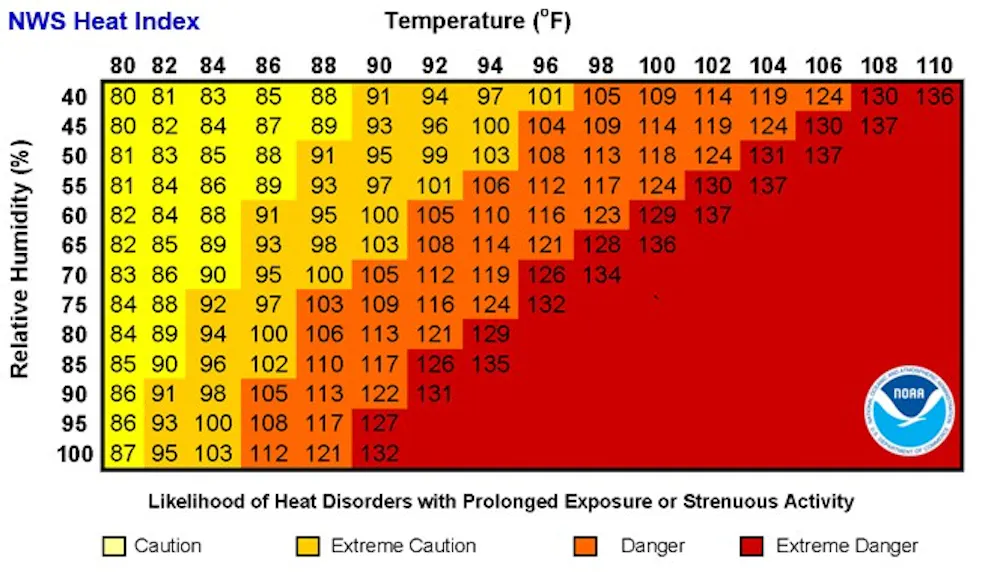
It is Wednesday morning in Southern Oregon and already I am having to think about the post for tomorrow. Not that this is a problem it is just one more thing that I want to do. Plus we are in the middle of a local heat wave with temperatures expected to be well above 100 degrees F and possibly 109 deg F (42.8 deg C.).

So I am turning to Treehugger for a dog post and hoping that I shall be able to share it with you all.

ooOOoo

Dogs Could Revolutionize the Sustainability of Future Pandemic Testing

Scent dogs are quicker, more effective, and create less healthcare waste than conventional COVID tests.

By Melissa Breyer

Senior Editorial Director

  • Hunter College
  • F.I.T., State University of New York
  • Cornell University

Published July 17, 2023 

Joe McDonald / Getty Images

One of the more frustrating roadblocks in navigating the COVID-19 pandemic was the difficulty in getting quick, accurate test results. Sometimes, results for PCR tests took up to two weeks, rendering their diagnosis useless for planning isolation scenarios. Meanwhile, rapid tests still oftentimes provide a false negative if taken too soon after infection. When I had COVID, I was four days into symptoms before I got a positive at-home test—I’ve heard many people recount similar stories.

The testing we have is certainly better than nothing, but it leaves a lot to be desired. If only there were a better way, say, using something with remarkable innate sensitivity. Like, dogs. Far-fetched? Not at all.

review of recent research concluded that scent dogs may represent a cheaper, faster, and more effective way to detect COVID-19 and could be a key tool in future pandemics. This could be a game-changer for sustainability as well, eliminating the enormous amount of waste that comes with billions of testing kits.

The review, published in De Gruyter’s Journal of Osteopathic Medicine, found that scent dogs are as effective, or even more effective, than conventional COVID-19 tests such as PCR tests.

Most of us know that dogs have a remarkable sense of smell; they sniff out drugs and explosives and have even successfully identified patients with certain cancers, Parkinson’s, and diabetes. They have up to 300 million olfactory cells, compared to 5 or 6 million in humans. And they use one-third of their brains to process scent information—humans just use 5%.

Professor Tommy Dickey of the University of California, Santa Barbara, and Heather Junqueira of BioScent Detection Dogs analyzed 29 different studies in which dogs detected COVID-19. “The studies were performed using over 31,000 samples by over 400 scientists from more than 30 countries using 19 different dog breeds. In some studies, the scent dogs sniffed people directly, sometimes in public places as a health screening. In others, the dogs sniffed patient samples such as sweat, saliva, or urine samples,” explains a press statement from De Gruyter.

Dogs’ Incredible Accuracy 

The dogs ranged from Labrador retrievers and Belgian malinois to beagles and English springer spaniels. In most of the studies, the dogs demonstrated similar or better sensitivity and specificity than the current gold-standard PCR tests or antigen tests.

“In one study, four of the dogs could detect the equivalent of less than 2.6 x 10⁻¹² copies of viral RNA per milliliter. This is equivalent to detecting one drop of any odorous substance dissolved in ten and a half Olympic-sized swimming pools and is three orders of magnitude better than modern scientific instruments,” notes De Gruyter.

Remarkably, they not only detected COVID-19 in symptomatic, pre-symptomatic, and asymptomatic patients, but they could also sniff out COVID variants and even long COVID.

Considering the Safety of the Dogs 

One thing we certainly don’t want is for dogs to become collateral damage in the pursuit of better testing. The study authors acknowledge this, writing that the “safety of scent dogs, their handlers, and those who are inspected by the dogs is critical for the acceptance and implementation of the scent dog screening and testing approach.”

“This is consistent with the One Health paradigm,” they add, “which defines health as more than the absence of disease and recognizes the interrelationships among humans, animals, and environmental welfare.”

The authors evaluated whether medical detection dogs could contract and become ill with the COVID-19 virus and if dogs pass on the COVID-19 virus to humans. From a number of studies, they concluded that dogs are in the low-risk category. “To our knowledge, there have been no deaths of dogs that can be unequivocally attributed to COVID-19,” the authors explain. “Importantly, the studies described above suggest that it is safe for healthy individual handlers to utilize scent dogs to directly screen and test individuals who may be infected with the COVID-19 virus.”

Speedy Test Results 

A major benefit of using the dogs is their speed. In one study, researchers were able to do a lineup with 40 samples, including sample collection, lineup loading, and unloading, within just 3  minutes.

“The time between RT-PCR sampling and the return of results can be up to days, whereas the RAG test results are obtained within about 15 min.,” write the study authors. “Again, if scent dogs directly sniff individuals, results are learned in seconds, or a few minutes if samples are taken and sniffed soon after by the dogs.”

“The criticality of the speed of the return of test results cannot be overemphasized,” the authors add.

Elimination of Plastic Waste 

That dogs could provide a result in seconds to minutes is crucial. But additionally, and importantly, scent tests by dogs don’t require expensive lab equipment or create mountains of plastic waste, unlike conventional diagnostic approaches.

As of December 22, 2022, the United States alone had performed around 1.15 billion tests for COVID-19. Thinking of all the material for the testing kits and all the resources used for testing labs and sending samples around, etc., the reduction in ecological footprint is potentially tremendous.

Not to mention the cost. Some of the research in the review was, in fact, motivated by the need for inexpensive testing in developing nations, the authors note.

“Although many people have heard about the exceptional abilities of dogs to help humans, their value to the medical field has been considered fascinating, but not ready for real-world medical use,” says Dickey. “Having conducted this review, we believe that scent dogs deserve their place as a serious diagnostic methodology that could be particularly useful during pandemics, potentially as part of rapid health screenings in public spaces. We are confident that scent dogs will be useful in detecting a wide variety of diseases in the future.”

ooOOoo

In the interests of expanding the argument, here is a copy of a comment left to that original post:

Here we go again, using animals for testing. I believe that dogs can’t smell covid and detected it 100%, but we humans NEVER treat animals with the respect and equality they deserve, so I am very concern for the safety and health of testing “smell Covid” dogs… I know a person that have esophageal cancer and for almost 5 years before it was diagnosed, his dog (an adorable mutt) insisted on crawling over her owner chest every single time that he laid down, in an attempt to “cure” the inflammation in that spot. After the cancer was eliminated with chemo and surgery the dog stopped doing it… 
I which we humans were more connected and attentive with animal wisdom, to learn from them, respecting and became better people.

I think that second sentence should read can smell covid but have left it how it was printed.

Anyway, I will leave readers to cover the main article which speaks very highly of man’s best friend.