Category: Food

The slippery food slope.

The second in this three-part focus on food; both for us and our dogs!

A republication, within the terms of The Conversation site, of an article that was originally published on June 26th, 2018.

ooOOoo

Why it’s time to curb widespread use of neonicotinoid pesticides

By  Associate Professor of Entomology and Extension Specialist, Pennsylvania State University

Planting season for corn and soybeans across the U.S. corn belt is drawing to a close. As they plant, farmers are participating in what is likely to be one of the largest deployments of insecticides in United States history.

Almost every field corn seed planted this year in the United States – approximately 90 million acres’ worth – will be coated with neonicotinoid insecticides, the most widely used class of insecticides in the world. The same is true for seeds in about half of U.S. soybeans – roughly 45 million acres and nearly all cotton – about 14 million acres. In total, by my estimate, these insecticides will be used across at least 150 million acres of cropland, an area about the size the Texas.

Neonicotinoids are very good at killing insects. In many cases they require only parts per billion, equivalent to a few drops of insecticide in a swimming pool of water.

In recent years, concerns have been raised about the influence of neonicotinoids on bee populations. As an applied insect ecologist and extension specialist who works with farmers on pest control, I believe the focus on bees has obscured larger concerns. In my view, U.S. farmers are using these pesticides far more heavily than necessary, with potential negative impacts on ecosystems that are poorly understood.

Pesticides on seeds 

Most neonicotinoids in the United States are used to coat field crop seeds. Their role is to protect against a relatively small suite of secondary insect pests – that is, not the main pests that tend to cause yield loss. National companies or seed suppliers apply these coatings, so that when farmers buy seed, they just have to plant it.

The percentage of corn and soybean acreage planted with neonicotinoid seed coatings has increased dramatically since 2004. By 2011, over 90 percent of field corn and 40 percent of soybeans planted were treated with a neonicotinoid. Between 2011 and 2014, the area treated crept toward 100 percent for corn and 50 percent for soybeans. And the mass of neonicotinoids deployed in each crop doubled, indicating that seed suppliers applied about twice as much insecticide per seed. Unfortunately, many farmers are unaware of what is coated on their seeds, while others like the peace of mind that comes from an apparently better protected seed.

Unlike most insecticides, neonicotinoids are water soluble. This means that when a seedling grows from a treated seed, its roots can absorb some of the insecticide that coated the seed. This can protect the seedling for a limited time from insects. But only a small fraction of the insecticide applied to seeds is actually taken up by seedlings. For example, corn seedlings only take up about 2 percent, and it only persists in the plant for two to three weeks. The critical question is where the rest goes.

Clothianidin is a neonicotinoid used almost exclusively as a coating on seed corn. Maps from USGS.

Pervading the environment

Because neonicotinoids are water soluble, the leftover insecticide not taken up by plants can easily wash into nearby waterways. Neonicotinoids from seed coatings are now routinely found polluting streams and rivers around the country.

Here it is likely that they are poisoning and killing off some of the aquatic insects that are vital food sources for fishes, birds and other wildlife. In the Netherlands, neonicotinoids in surface waters have been associated with widespread declines in insectivorous bird populations – a sign that concentrations of these insecticides are having strong effects on food webs.

Neonicotinoids also can strongly influence pest and predator populations in crop fields. My lab’s research has revealed that use of coated seeds can indirectly reduce crop yield by poisoning insect predators that usually kill slugs, which are important crop pests in mid-Atlantic corn and soybeans fields.

More broadly, planting coated seeds generally decreases populations of insect predators in crop fields by 15 to 20 percent. These predatory insects can eat insect pests, such as black cutworm and armyworm, that can reduce yield. Crop fields with fewer resident predators are more vulnerable to pest infestations.

Slugs, shown here on a soybean plant, are unaffected by neonicotinoids, but can transmit the insecticides to beetles that are important slug predators. Nick Sloff/Penn State University, CC BY-ND

An exaggerated need

Neonicotinoid advocates point to reports – often funded by industry – which argue that these products provide value to field crop agriculture and farmers. However, these sources typically assume that insecticides of some type are needed on every acre of corn and soybeans. Therefore, their value calculations rest on comparing neonicotinoid seed coatings to the cost of other available insecticides.

History shows that this assumption is clearly faulty. In the decade before neonicotinoid seed coatings entered the market, only about 35 percent of U.S. corn acres and 5 percent of soybean acres were treated with insecticides. In other words, pest populations did not cause economically significant harm very often.

Importantly, the pest complex attacking corn today is more or less the same as it was in the 1990s. This suggests that it is not necessary to treat hundreds of millions of acres of crops with neonicotinoid seed coatings.

Neonicotinoids can harm birds via multiple pathways, sometimes in very small quantities.

From overkill to moderation

Should the United States follow the European Union’s lead and pass a broad ban on neonicotinoids? In my view, action this drastic is not necessary. Neonicotinoids provide good value in controlling critical pest species, particularly in vegetable and fruit production. However, their use on field crops needs to be reined in.

In the Canadian province of Ontario, growers can only use neonicotinoid seed treatments on 20 percent of their acres. This seems like a good start, but does not accommodate farmers’ needs very well.

Integrated Pest Management (IPM), a control strategy based on using pesticides only when they are economically justified, offers valuable guidelines. It was introduced in the late 1950s in response to issues stemming from overuse of insecticides, including environmental damage and pest populations that had evolved resistance. Field-crop growers have a good history of using IPM, but current use of neonicotinoids ignores pest risk and conflicts with this approach.

To implement IPM in field crops with neonicotinoids, seed companies need to acknowledge that the current approach is overkill and poses serious environmental hazards. Extension entomologists will then need to provide growers with unbiased information on strengths and limitations of neonicotinoids, and help farmers identify crop acres that will benefit from their use. Finally, the agricultural industry needs to eliminate practices that encourage unnecessary use of seed coatings, such as bundling together various seed-based pest management products, and provide more uncoated seeds in their catalogs.

These steps could end the ongoing escalation of neonicotinoid use and change the goal from “wherever possible” to “just enough.”

ooOOoo

It’s enough to make one give up!!

We truly are what we eat!

That’s both us and our beloved dogs!

Today through to Wednesday is all about increasing awareness of the risk of not being ultra-careful as to what we put into the mouths of both ourselves and our beloved dogs.

Thus, on Wednesday I will be republishing a recent post from Colette about the power of eating a vegan diet. Tomorrow will be a post about curbing the widespread use of neonicotinoid pesticides. Today is a republication of an important article that appeared on the Healthy Pets website on June 25th. (Thank you Belinda for the ‘heads up’!)

ooOOoo

Dozens of Dog Deaths Now Linked to This Pentobarbital-Tainted Food

By Dr. Karen Shaw Becker, June 25th, 2018

Earlier this year I wrote about a second incident of the euthanasia drug pentobarbital discovered in dog food. The first incident was in 2017 and involved Evanger’s formulas. Then came the more recent recall of Gravy Train tainted with pentobarbital.

Background on Contaminated Gravy Train Dog Food

The Gravy Train situation was investigated by WJLA ABC 7 in Washington D.C. The station teamed up with Ellipse Analytics, a laboratory that specializes in testing food for contami­nants. They tested 62 samples of over 24 brands of wet (canned) dog food for pentobarbital.

“After months of tests and re-tests, one brand repeatedly came back positive for pentobarbital,” says WJLA. “In total, we tested 15 cans of Gravy Train. Nine cans — 60 percent of the sample — were positive for pentobarbital. And while the levels detected were not lethal, under federal law they are also not permitted at any concentration.”1

The WJLA investigation resulted in a class action lawsuit against J.M. Smucker/Big Heart Pet Brands filed on February 9 of this year in a U.S. District Court in California by a Missouri woman who believes Gravy Train may have contributed to the death of her Miniature Schnauzer.2

The lawsuit wants Smucker/Big Heart to “… disclose its pet food sold throughout the United States is adulterated and contains pentobarbital and to restore monies to the consumers and businesses who purchased the Contaminated Dog Foods ….”3

Later in February, Smucker/Big Heart voluntarily withdrew 10 varieties of Gravy Train dog food, along with certain shipments of Kibbles ‘N Bits, Ol’ Roy and Skippy.4 A complete list of the products pulled from store shelves — all of it canned dog food — can be found here. In early March, the FDA notified Smucker/Big Heart that its voluntary removal of products was now considered a recall, based on a test confirming the presence of pentobarbital in the tallow the company used in the recalled pet foods.

The Plot Thickens

My friend and pet food consumer advocate Susan Thixton of Truth About Pet Food recently wrote an update regarding the class action lawsuit, noting a Master Consolidated Complaint filed on May 1.5 The newly filed document names 11 additional plaintiffs (pet owners), and as Susan says, “… reveals some damning information against pet food manufacturer Smucker.”6

The updated filing asserts that “… Defendant [Smucker/Big Heart] knew the Contaminated Dog Foods contained pentobarbital.” The plaintiffs did not make this claim in the initial lawsuit, which means that between February 9 and May 1, their investigation revealed additional unfavorable details about Smucker’s business practices.

On February 16, 2018, the FDA issued an alert to consumers about the recalled Gravy Train dog foods, stating very clearly that pentobarbital should not be in pet food.

A week or so later, Smucker issued a press release stating it had identified the source of the pentobarbital and described it as “a single ingredient (beef fat).” According to the updated filing, Smucker was less than forthcoming about what they tested to arrive at their conclusion:

“Defendant did not identify what exactly was tested — whether it was cans of the food pulled from the shelves, cans shipped directly from the manufacturing plant, and/or isolated samples of beef fat from the supplier. Defendant did claim the tested beef fat was sourced from cattle from the United States. However, Defendant has offered no information about how it identified this particular ingredient or whether it tested any other ingredients included in the recalled pet foods.

Defendant also did not specify what animals they tested the Contaminated Dog Foods for beyond cattle. When doing DNA testing, it must be determined beforehand what species will be looked for (i.e. dog, cat, cattle, horse, etc.). Defendant has not disclosed whether its testing looked for dog, cat, or horse DNA.”

In early March, Smucker updated the above statement, claiming the animal fat was from “cow, pig and chicken and no other animal of the nine types tested.” Smucker still didn’t identify what types of animals were included in the testing, nor did it disclose the name of the manufacturing plant and/or supplier that is the suspected source of the tainted raw materials.

Later the same day, Smucker changed its statement yet again, now claiming the source of contamination was pig and chicken fat (no cow this time) and “no other animal of the nine types tested,” again neglecting to name the nine types of animals tested. From the updated filing:

“In the end, over ninety million cans of food manufactured and distributed by Defendant were recalled because of the inclusion of pentobarbital.

Moreover, the testing results showed alarmingly high levels of pentobarbital in the tallow. Specifically, the current supply tested showed levels ranging from 801 ppb to 852 ppb, and the retained sample from 2017 contained pentobarbital at the level of 529 ppb.

Despite this, Defendant has publicly represented that the testing showed ‘extremely low levels of pentobarbital do not pose a threat to pet safety’ but failed to disclose or acknowledge the testing results that showed the high levels of pentobarbital in the tallow.”

Smucker/Big Heart ‘Knew or Recklessly Chose to Ignore That the Contaminated Dog Foods Were Adulterated Pet Food’

Smucker ultimately named the source of the contaminated tallow as a single supplier, JBS USA Holdings, Inc. and its rendering facility. According to the plaintiffs, JBS “knowingly” works with meat byproduct recycling, including animal byproducts not suitable for human consumption.

And in addition, JBS “has been plagued by investigations, recalls, and other red flag situations.” This should have alerted Smucker that it needed to routinely confirm the safety and quality of products purchased from this supplier, especially since it claims to “regularly audit our suppliers and have assurances from them about the quality and specifications of the materials they supply us.” From the updated filing:

“Yet Defendant chose to utilize JBS as a supplier even though it maintains that it keeps rigorous quality and supplier standards from ‘start to finish’ and performs three-tier auditing that includes third party auditors, to ensure pure ingredients and fair labor are used in its products, including the Contaminated Dog Foods.

Given this rigorous auditing process, Defendant knew or recklessly chose to ignore that the Contaminated Dog Foods were adulterated pet food as it retained samples of the tallow that should have been tested based on the claimed practices and standards by Defendant.”

According to Susan Thixton, who’s been conducting her own investigation of Big Pet Feed business practices for years, these clearly shady dealings are commonplace.

“Audits of pet food ingredient suppliers, [and] testing of ingredients for safety and quality are mostly to support a paper trail,” she writes. “Little to no true quality control testing is ever performed.

Truck drivers delivering ingredients to pet food facilities have been instructed to carry in the truck cab ‘clean’ samples provided for testing; not a sample of what is actually delivered to the plant. Drivers have also shared that when a load of pet food ingredients is actually tested and fails, lot numbers are changed and the delivery is then accepted without question.

It has been shared multiple times from multiple individuals — the main goal is to keep the pet food plant in production … not the quality of ingredients.”

At an AAFCO meeting Susan attended a few years ago, pet food company employees shared that manufacturers keep a supply of clean samples on hand in the event regulatory authorities or auditors ask to test ingredients. “Rarely, if ever, are the actual ingredients used in a pet food tested by regulatory or auditors,”she writes.

Naming the Dead

Sadly, the victims of Big Pet Food’s unconscionable business practices and lack of regulatory oversight by the FDA and individual State Departments of Agriculture are innocent pets and their unsuspecting owners. From the Master Consolidated Complaint:

“In August 2017, Plaintiff Sebastiano’s dog became weak and confused, began vomiting, had blood in his stool, lost weight, no longer wanted to eat, and had trouble standing and walking. At only [7] and a half years old, Samson died, on December 4, 2017.

Plaintiff Johnson … fed the Contaminated Dog Foods to his thirteen border collie and Australian shepherd mixes he used as herding dogs for his cattle. Plaintiff Johnson had seven males and six female dogs that ranged from [10] months to approximately [7] years old. … Devastatingly, Plaintiff Johnson lost all thirteen dogs, including one pregnant female, on January 14 and 15, 2018.

At that time, all of his dogs were showing symptoms of kidney failure so the veterinarian recommended that all thirteen be put down. All of the dogs were fed the Contaminated Dog Foods at the same time and all were sick within hours after eating the Contaminated Dog Foods. They subsequently all died within two days of eating the Contaminated Dog Foods.

Plaintiff Williamson purchased certain lines of the Contaminated Dog Foods … and fed the Contaminated Dog Foods to her two Great Danes, Nova and Sadie. Sadie passed away on Wednesday, September 7, 2016, and Nova passed away on Sunday, January 22, 2017.

Plaintiff Todd purchased certain lines of the Contaminated Dog … and fed the Contaminated Dog Foods to his American pit bull, Tito. Tito passed away on November 18, 2017.” Plaintiff Brown purchased certain lines of the Contaminated Dog Foods … She rescues stray dogs and has fed all of them the Contaminated Dog Foods.

Several of her dogs have died over the course of the class period, including: Speedy, a [2]-year-old Chihuahua mix who died in December 2016; Humpty, an [8]– or [9]-year-old lab-chow mix who died in November 2017; Elly Mae, a [10]-year-old lab-chow mix who died in December 2017; Sara, an [8]-year-old lab who died in October 2017; Red, an [8]-year-old lab who died November 2017; Mary, a [9]-year-old lab-chow mix who died in August 2017; Duke, a [7]-year-old Great Pyrenees who died in August 2017.

Plaintiff Mayo purchased the Contaminated Dog Foods … and fed the Contaminated Dog Foods to her dogs, including Cocheese (a lab mix), Glory B (a chocolate lab mix), and Blade (an Alaskan husky mix). Most recently, Glory B passed away on or around February 2, 2018, two days after she consumed a can of Gravy Train with Chicken Chunks on or around January 31, 2018. On February 5, 2018, Plaintiff Mayo’s cat, Midnight, also passed away after having accidentally ingested some of the Contaminated Dog Food fed to Glory B on January 31st.”

Plaintiff Collins purchased the Contaminated Dog Foods … and fed the Contaminated Dog Foods to his miniature poodle, Duffy. Duffy passed away in February 2018, soon after consuming a can of Gravy Train.”

As Susan Thixton points out, had it not been for intrepid reporters at WJLA ABC 7 in D.C., specifically Lisa Fletcher, the deaths of these precious pets and probably many more would have gone unnoticed by the FDA and others.

“Nobody cared … until they got caught,” writes Susan. “That is the real crime of pet food — nobody cares if ingredients contain pentobarbital, violate law, or pets die … until they get caught.”

Protecting Furry Family Members From Poisoned Pet Food

Between low-grade ingredients, too-frequent recalls, and an exploding population of pets with chronic digestive issues, allergies and degenerative disease, it’s no wonder so many pet parents are exploring homemade diets, fresh food diets made by smaller, transparent pet food producers, raw diets, and other alternatives to the dead, rendered, dubious, processed stuff.

My advice? Search this website for more information on choosing the best diet for your pet. There are dozens of videos and articles here that can help you become more knowledgeable about pet nutrition so that you can make the best diet choices for your own dog or cat.

If you want to help change the deceptive practices occurring in the pet food industry, I recommend becoming a member of the Association for Truth in Pet Food, which is the only organization out there committed to holding the regulatory agencies and AAFCO accountable.

ooOOoo

Dr. Becker opens up her important article with a summary of the situation.

I have chosen to close the post with that summary.

Story at-a-glance

  • Dog food contaminated with pentobarbital triggered a class action lawsuit that has been recently updated to reveal several additional plaintiffs and jaw-dropping allegations of pet food manufacturer misconduct
  • Over 90 million cans of Gravy Train were recalled due to alarmingly high levels of pentobarbital in tallow (animal fat)
  • Smucker/Big Heart Brands, manufacturer of Gravy Train products, has not been forthcoming with information about the company’s business practices or testing methods as requested by plaintiffs in the class action lawsuit
  • It seems likely Smucker knew it was selling dog food contaminated with pentobarbital
  • The Master Consolidated Complaint lawsuit update filed on May 1 reveals that tragically, many dogs fed pentobarbital-tainted Gravy Train diedGravy 

On plant-based diets!

Serendipity!

Last Friday I published a post under the title of On Veganism. Earlier that same day I opened up an email promoting the latest essay from George Monbiot. It had been published in The Guardian newspaper two days previously.

I am delighted to republish it here with George Monbiot’s kind permission.

ooOOoo

Butchery of the Planet

Defending the living world and its people requires a shift from meat to a plant-based diet

By George Monbiot, published in the Guardian 8th June 2018

Whether human beings survive this century and the next, whether other lifeforms can live alongside us: above all this depends on the way we eat. We can cut our consumption of everything else close to zero and still drive living systems to collapse, unless we change our diets.

All the evidence now points in one direction: the crucial shift is from an animal to a plant-based diet. A paper published last week in Science reveals that while some kinds of meat and dairy production are more damaging than others, all are more harmful to the living world than growing plant protein. It shows that animal farming takes up 83% of the world’s agricultural land, but delivers only 18% of our calories. A plant-based diet cuts the use of land by 76% and halves the greenhouse gases and other pollution caused by food production.

Part of the reason is the extreme inefficiency of feeding livestock on grain: most of its nutritional value is lost in conversion from plant protein to animal protein. This reinforces my contention that if you want to eat less soya, you should eat soya: most of the world’s production of this crop, and the accompanying destruction of forest, savannah and marshland, is driven by the wasteful practice of feeding animals on food that humans can eat.

More damaging still is free range meat: the environmental impacts of converting grass into flesh, the paper remarks, “are immense under any production method practiced today”. This is because so much land is required to produce every grass-fed steak or lamb chop. Though roughly twice as much land is used for grazing worldwide than for crop production, it provides just 1.2% of the protein we eat. While much of this pastureland cannot be used to grow crops, it can be used for rewilding: allowing the many rich ecosystems destroyed by livestock farming to recover, absorbing carbon from the atmosphere, protecting watersheds and halting the sixth great extinction in its tracks. The land that should be devoted to the preservation of human life and the rest of the living world is used instead to produce a tiny amount of meat.

Whenever I raise the crucial issue of yield per hectare, I receive a barrage of vituperation and abuse. But I’m not having a go at farmers, just pointing out that the figures don’t add up. We can neither feed the world’s growing population nor protect its living systems through animal farming. Meat and dairy are an extravagance we can no longer afford.

There is no way out of this. Those who claim that “regenerative” or “holistic” ranching mimics nature deceive themselves. It relies on fencing, while in nature wild herbivores roam freely, often across vast distances. It excludes or eradicates predators, crucial to the healthy functioning of all living systems. It tends to eliminate tree seedlings, ensuring that the complex mosaics of woody vegetation found in many natural systems – essential to support a wide range of wildlife – are absent.

The animal industry demands ever greater assaults on the living world. Witness the badger slaughter in the UK, now spreading across the country in response to the misguided requests of dairy farmers. People ask how I would justify the return of wolves, knowing that they will kill some sheep. I ask how they justify the eradication of wolves and a vast range of other wildlife to make way for sheep. The most important environmental action we can take is to reduce the amount of land used by farming.

Unless you can cook well – and many people have neither the skills nor the space – a plant-based diet can be either boring or expensive. We need better and cheaper vegan ready meals and quick and easy meat substitutes. The big shift will come with the mass production of cultured meat. There are three main objections. The first is that the idea of artificial meat is disgusting. If you feel this way, I invite you to look at how your sausages, burgers and chicken nuggets are currently raised, slaughtered and processed. Having worked on an intensive pig farm, I’m more aware than most of what disgusting looks like.

The second objection is that cultured meat undermines local food production. Perhaps those who make this claim are unaware of where animal feed comes from. Passing Argentinian soya through a nearby pig before it reaches you does not make it any more local than turning it directly into food for humans. The third objection has greater merit: cultured meat lends itself to corporate concentration. Again, the animal feed industry (and, increasingly, livestock production) has been captured by giant conglomerates. But we should fight to ensure that cultured meat does not go the same way: in this sector as in all others, we need strong anti-trust laws.

This could also be a chance to break our complete dependence on artificial nitrogen. Traditionally, animal and plant farming were integrated through the use of manure. Losses from this system led to a gradual decline in soil fertility. The development of industrial fertilisers saved us from starvation, but at a high environmental cost. Today, the link between livestock and crops has mostly been broken: crops are grown with industrial chemicals while animal slurry stacks up, unused, in stinking lagoons, wipes out rivers and creates dead zones at sea. When it is applied to the land, it threatens to accelerate antibiotic resistance.

In switching to a plant-based diet, we could make use of a neat synergy. Most protein crops – peas and beans – capture nitrogen from the air, fertilising themselves and raising nitrate levels in the soil that subsequent crops, such as cereals and oilseeds, can use. While the transition to plant protein is unlikely to eliminate the global system’s need for artificial fertiliser, the pioneering work of vegan organic growers, using only plant-based composts and importing as little fertility as possible from elsewhere, should be supported by research, that governments have so far conspicuously failed to fund.

Understandably, the livestock industry will resist all this, using the bucolic images and pastoral fantasies that have beguiled us for so long. But they can’t force us to eat meat. The shift is ours to make. It becomes easier every year.

http://www.monbiot.com

ooOOoo

Thus, along with the argument presented last Friday that a vegan diet is critically important for one’s health and long-term fitness, Mr. Monbiot presents another argument: “Whether human beings survive this century and the next, whether other lifeforms can live alongside us: above all this depends on the way we eat.

On veganism!

Just in case this reaches out to others concerned about their diet!

The one thing we know for sure about our fabulous dogs is that they are meat-eaters!

As the The Natural Doggie website offers (my italics):

Dogs have always been a part of our families, so much so that many dog owners even save a seat on their dining tables for their furry friends. While this is all good and well that we shower the canine members of our family with as much love and affection as we do the other members of our family, it’s important for us to remember that their digestive systems and dietary requirements differ from ours.

However, for us humans with our distinctly human dietary requirements, meat is far, far from being an essential food ingredient!

When I met Jeannie back in 2007 it quickly became clear that she was, and had been since the age of 14, a vegetarian. As soon as were living together I joined ‘the club’!

Then a few days ago we both watched a documentary that we saw on Netflix. The film was called What The Health! and, boy oh boy, did it open our eyes. Not just to the very real dangers of eating meat but also fish and chicken. We resolved to become vegans immediately.

There is a website for the film, as in What The Health Film. While the film is only available for Netflix subscribers or may be purchased in other forms, as that website explains, there is a trailer available on YouTube. (The text that follows that trailer is from the Vimeo website.)

What the Health is the groundbreaking follow-up film from the creators of the award winning documentary Cowspiracy. The film follows intrepid filmmaker Kip Andersen as he uncovers the secret to preventing and even reversing chronic diseases – and investigates why the nation’s leading health organizations don’t want us to know about it. With heart disease and cancer the leading causes of death in America, and diabetes at an all-time high, the film reveals possibly the largest health cover-up of our time.

With the help of medical doctors, researchers, and consumer advocates, What the Health exposes the collusion and corruption in government and big business that is costing us trillions of healthcare dollars, and keeping us sick.

Join Kip as he tracks down the leading and most trusted American health nonprofits to find out why these groups are staying silent, despite a growing body of evidence. Audiences will be shocked to learn the insidious roles played by pharmaceutical companies, agribusiness, and processed animal food companies in the nation’s health, especially in the most vulnerable communities, and will cheer at the transformation and recovery of those who took their lives into their own hands.

What The Health is a surprising, and at times hilarious, investigative documentary that will be an eye-opener for everyone concerned about our nation’s health and how big business influences it.

However, in fairness a quick web search comes up with other perspectives. Try this 27-minute interview with Dr. Neal Barnard.

You really should watch it even before you decide to watch What The Health. Please!

Or you may want to read the review that was published by TIME Magazine in August, 2017.

The recent pro-vegan Netflix documentary, What the Health, is under fire from nutrition experts. The film, which is co-directed by Kip Andersen and Keegan Kuhn—the creators of another Netflix documentary, Cowspiracy—and co-produced by actor Joaquin Phoenix, is being criticized by some health professionals for exaggerating weak data and misrepresenting science to promote a diet that avoids all animal foods.

TIME fact-checked the film. Here are four things that What the Health got wrong—and what it got right.

Ultimately, it all comes down to personal choices.

But for those that want to explore the pros and cons try the information on the American Vegan Society website. Or call into Vegsource.com.

Plus, on Monday I shall be republishing a recent article from George Monbiot that addresses the issue.

But I started with a reference to dogs and I shall close by doing the same thing. How many saw the item on the BBC News website about how “A dog that transformed a 104-year-old’s life“?

Image copyright Dona Tracy

Milt Lessner has “always had dogs” throughout his life – and he’s 104 years old, he tells writer Jen Reeder. So are dogs the secret to longevity?

“I’d like to think so,” he says.

“I enjoy the familiarity with them, and the pleasantness, and the bonding – especially the bonding.”

Do read the full news story here.

Have a great weekend all of you!

Guess What! Another dog food recall!

That came in yesterday morning.

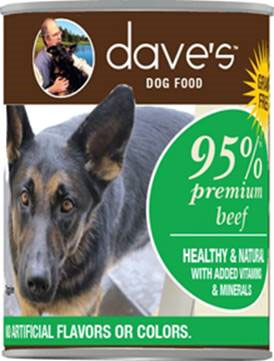
Dave’s Pet Food is recalling one lot of its Dave’s Dog Food 95% Premium Beef due to elevated levels of beef thyroid hormone.

To learn which products are affected, please visit the following link:

Dave’s Dog Food Recall of June 2018

Please share the news of this alert with other pet owners.

Mike Sagman, Editor
The Dog Food Advisor

As usual, I include what you will see when you go to that link.

ooOOoo

Dave’s Dog Food Recall of June 2018

June 12, 2018 — Dave’s Pet Food of Agawam, MA, is voluntarily recalling a single lot of Dave’s Dog Food 95% Premium Beef cans because the products potentially contain elevated levels of beef thyroid hormone.

What’s Recalled?

The recalled product consists of a single batch (548 cases) of 13 oz., 95% premium beef dog food with a UPC # of 85038-11167 and a date code of 08/2020.

  • Dave’s Dog Food 95% Premium Beef
    Size: 13-ounce cans
    UPC Code: 85038-11167
    Date Code: 08/2020

Where Was It Sold?

The affected product was distributed all along the east coast of the US, sold in pet stores and e-commerce sites.

About Beef Thyroid Hormone

Dogs consuming high levels of beef thyroid hormone may exhibit symptoms such as increased thirst and urination, weight loss, increased heart rate and restlessness.

These symptoms may resolve when the consumption of these levels is discontinued.

However, with prolonged consumption these symptoms may increase in severity and may include vomiting, diarrhea, and rapid or labored breathing.

Should these symptoms occur, we recommend pet owners contact their veterinarian immediately.

What Caused the Recall?

The recall was initiated after FDA informed Dave’s that one lot of product was analyzed and found to have elevated levels of thyroid hormone.

FDA analyzed the product after receiving a complaint that four dogs consuming it were found to have low Free T4 (fT4) and Thyroid stimulating hormone (TSH).

No other Dave’s products, or any other product manufactured by Dave’s Pet Food, are impacted.

The voluntary recall is being conducted in cooperation with the U.S. Food and Drug Administration.

What to Do?

Consumers who have purchased the specific product listed above should stop feeding it to their dogs.

If consumers have questions or would like to receive a refund or coupon for replacement product, they should call the company at 888-763-2738 Monday through Friday, 9:00 AM and 5:00 PM ET.

U.S. citizens can report complaints about FDA-regulated pet food products by calling the consumer complaint coordinator in your area.

Or go to http://www.fda.gov/petfoodcomplaints.

Canadians can report any health or safety incidents related to the use of this product by filling out the Consumer Product Incident Report Form.

Get Dog Food Recall Alerts by Email

Get free dog food recall alerts sent to you by email. Subscribe to The Dog Food Advisor’s emergency recall notification system.

ooOOoo

All of which reminds me that I wanted to publish a post explaining the reasons why a week ago both of us switched from being vegetarian to vegan.

That post coming out tomorrow.

Best laid plans!

Our tree work is now set for Wednesday, 30th!

Our arborist called early afternoon yesterday to say that they had ended up too late with their prior job for them to fell our tree that day. It has been re-scheduled for next Wednesday.

Conveniently, there was another dog food recall notice issued yesterday and that is the topic of today’s post.

Dear Fellow Dog Lover,Because you signed up on our website and asked to be notified, I’m sending you this special recall alert. If you no longer wish to receive these emails, please click the “unsubscribe” link at the bottom of this message.
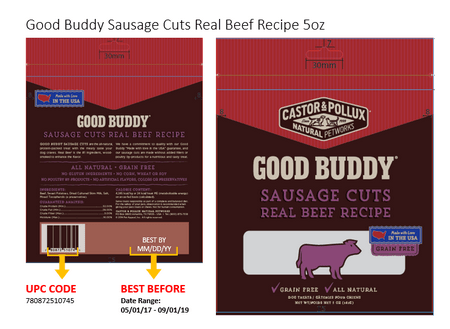
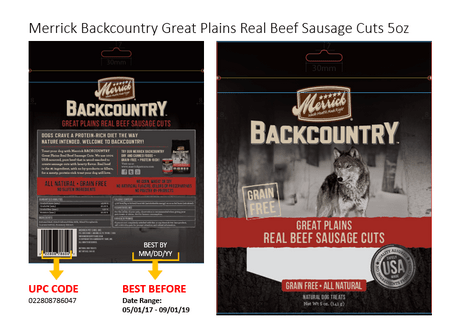
Merrick Pet Care of Amarillo, Texas, is voluntarily recalling a limited amount of its dog treats due to elevated levels of naturally occurring beef thyroid hormone.

To learn which products are affected, please visit the following link:
Merrick Recalls Multiple Dog Treats

Please share the news of this alert with other pet owners.

Mike Sagman, Editor
The Dog Food Advisor

P.S. Get instant access to a list of The Dog Food Advisor’s safest and most recommended dog food brands. Click here for details.

That link offers much more information that is re-published here.

ooOOoo

Merrick Recalls Multiple Dog Treats

May 23, 2018 – Merrick Pet Care, of Amarillo, Texas, is initiating a voluntary recall of a limited amount of beef dog treat varieties due to the potential that they contain elevated levels of a naturally-occurring beef thyroid hormone.

What’s Recalled?

Batch Information

The voluntary recall is limited to the production codes listed below.

To locate the production code, consumers should look on the lower back of the treat bag.

No other production codes, sizes or varieties of these products are affected. The voluntary recall covers only specific production codes of the following beef treat products:

About Beef Thyroid

Dogs consuming high levels of beef thyroid hormone may exhibit the following symptoms: increased thirst and urination, weight loss, increased heart rate and restlessness.

These symptoms may resolve when consumption decreases.

If a dog consumes high levels for a long period of time, these symptoms may increase in severity and may include vomiting, diarrhea and rapid or labored breathing.

If your pet has consumed the product listed and has exhibited any of these symptoms, please discontinue feeding and contact your veterinarian.

What Caused the Recall?

This potential health risk was brought to Merrick’s attention as a result of the FDA sharing one consumer complaint where the dog’s health was temporarily impacted while eating Merrick Backcountry Great Plains Real Beef Jerky 4.5 ounce.

The dog’s health improved and fully recovered after discontinuing consumption of the treat.

Message from Merrick

Pet owners should know there is limited risk given treats are not intended for full nutrition and should only be occasionally consumed.

However, out of an abundance of caution and to maintain trust with our consumers, we are withdrawing all potentially impacted product.

We have not received any similar reports to date from consumers about issues with these products.

As a company of pet owners and pet lovers, we know our consumers place a tremendous amount of trust in us when their pet uses our products.

The quality and safety of our products are the top priority for our company.

We apologize to our retail customers and consumers and sincerely regret any inconvenience and concerns caused by this voluntary recall.

We are working with the U.S. Food and Drug Administration on this voluntary recall and will cooperate with them fully.

What to Do?

If you have product, please contact Merrick at 800-664-7387 from 8 am to 5 pm Central Time Monday through Friday.

Or by email at customerservice@merrickpetcare.com so we can provide a refund.

Or visit Merrick’s website and fill out a form: http://www.merrickpetcare.com/customerrelations.

No other Merrick or Castor & Pollux products are impacted. These treats are distributed in the U.S. through pet specialty, grocery and online retailers with limited distribution in Canada.

For more information visit http://www.MerrickPetCare.com.

U.S. citizens can report complaints about FDA-regulated pet food products by calling the consumer complaint coordinator in your area.

Or go to http://www.fda.gov/petfoodcomplaints.

Canadians can report any health or safety incidents related to the use of this product by filling out the Consumer Product Incident Report Form.

ooOOoo

As I always say, do share this post as much as you can because we all care so much for the health of our dogs!

More tips for healthy dogs

Another interesting article from Susan Combs.

It’s self-explanatory and needs no further introduction from me save to say that this is the third guest post from Susan.

ooOOoo

Four Essential Tips to Make Your Dog Healthy and Active Round the Year

(Susan asked me to remove her article. The background to that decision may be read in my post of the 25th May, 2018: Living and Learning.)

ooOOoo

Susan also included the following graphic that I will leave you with.

We all love our dogs too much to take any risks with them!

To England and France, Part Five

Beautiful, peaceful and relaxing days!

We were in Reggie and Chris’s villa in the village of La Croix des Luques inland from the Cote d’Azur, Southern France.

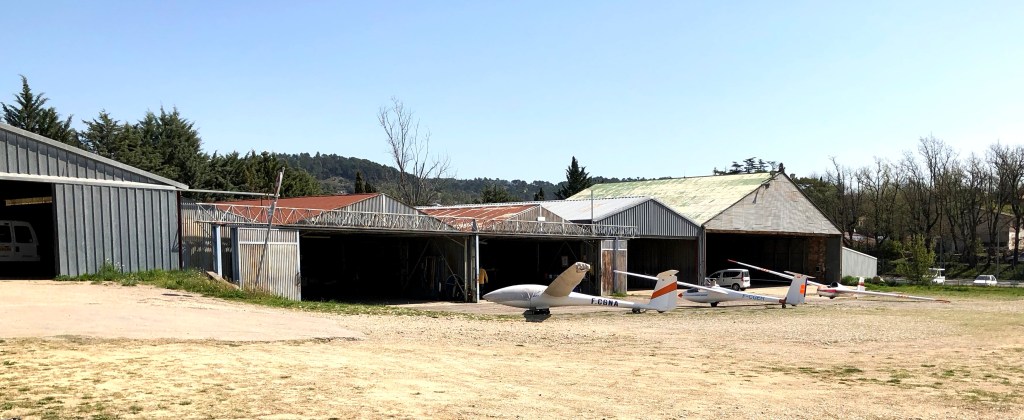
I quickly realised that their villa was not far from the world-famous sailplaning airfield at Fayence. Or LES PLANEURS DE FAYENCE as it is known. Reggie gladly offered to take Jean and me across to the airfield.

Many years ago, when I was living and working in Colchester, Essex, I became a very keen and active pilot with the Rattlesden Gliding Club in Suffolk eventually qualifying as a gliding instructor. So when Reggie suggested that I see about getting a dual flight at the Fayence Club I didn’t need asking twice.

Unfortunately, they couldn’t accommodate my wishes before we had to leave France so that opportunity had to be let go.

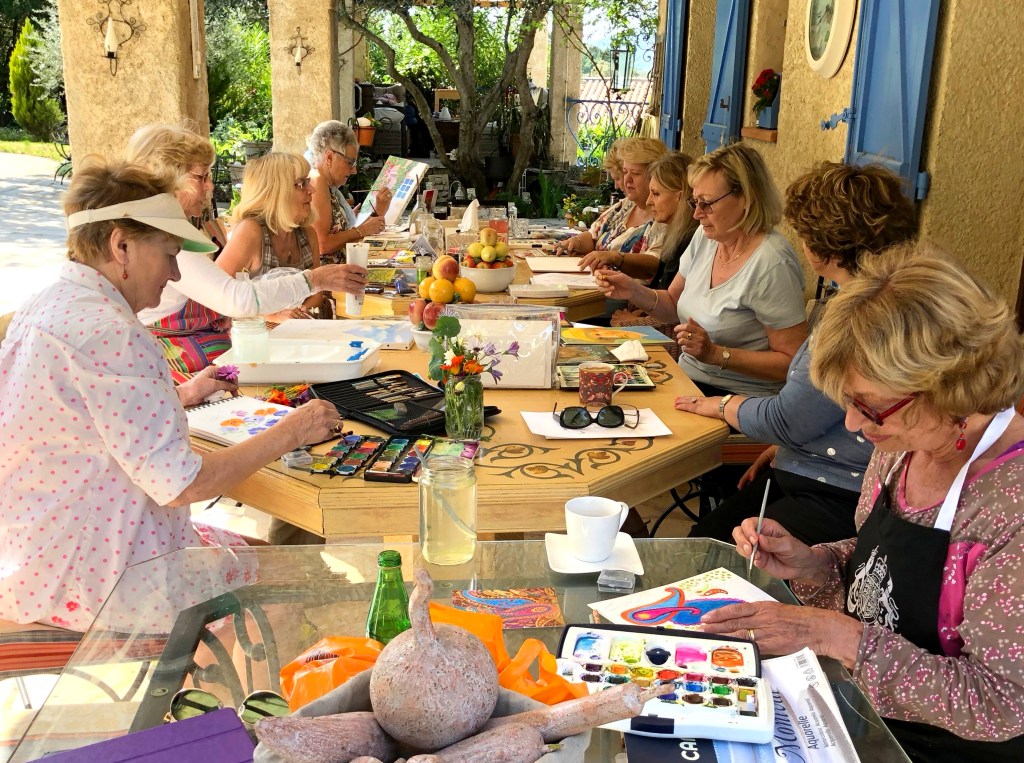
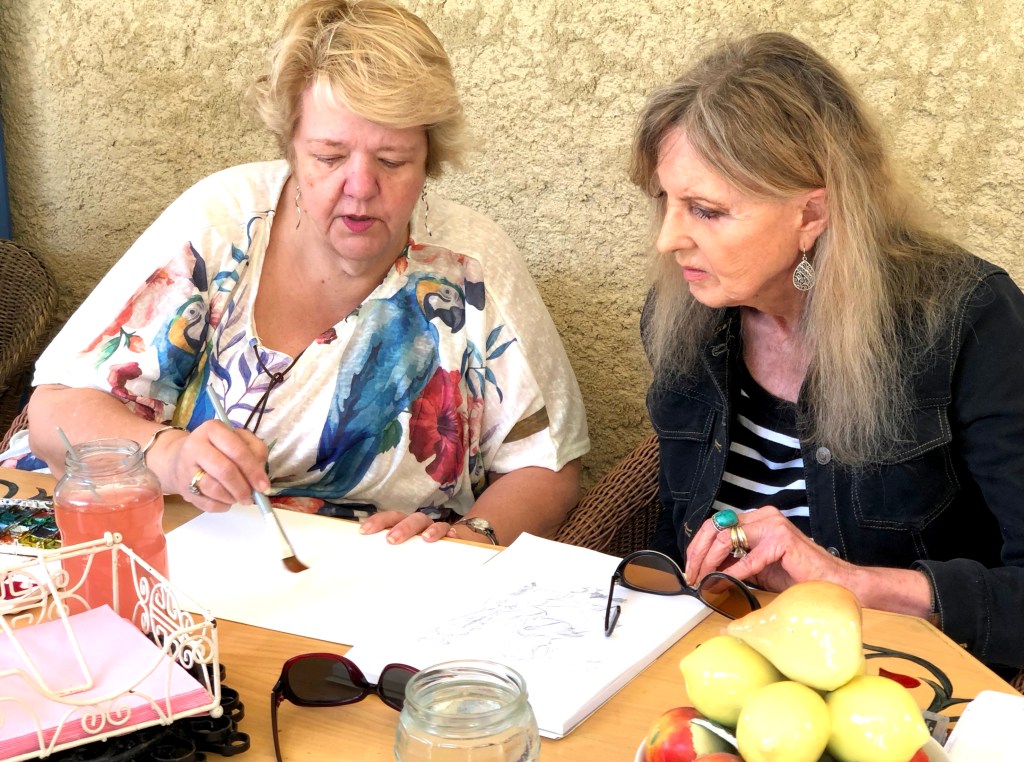
Another opportunity, this time for Jeannie, was taken advantage of. Chris was a member of a local art class and while we were going to be there the class would be meeting at the villa. Would Jean like to take part?

Jean is a good amateur artist, as many of her paintings and sketches around our house attest to. So that did take place and it was a wonderful afternoon for all concerned.

oooo

Stella, Christine’s sister, working alongside my Jeannie.

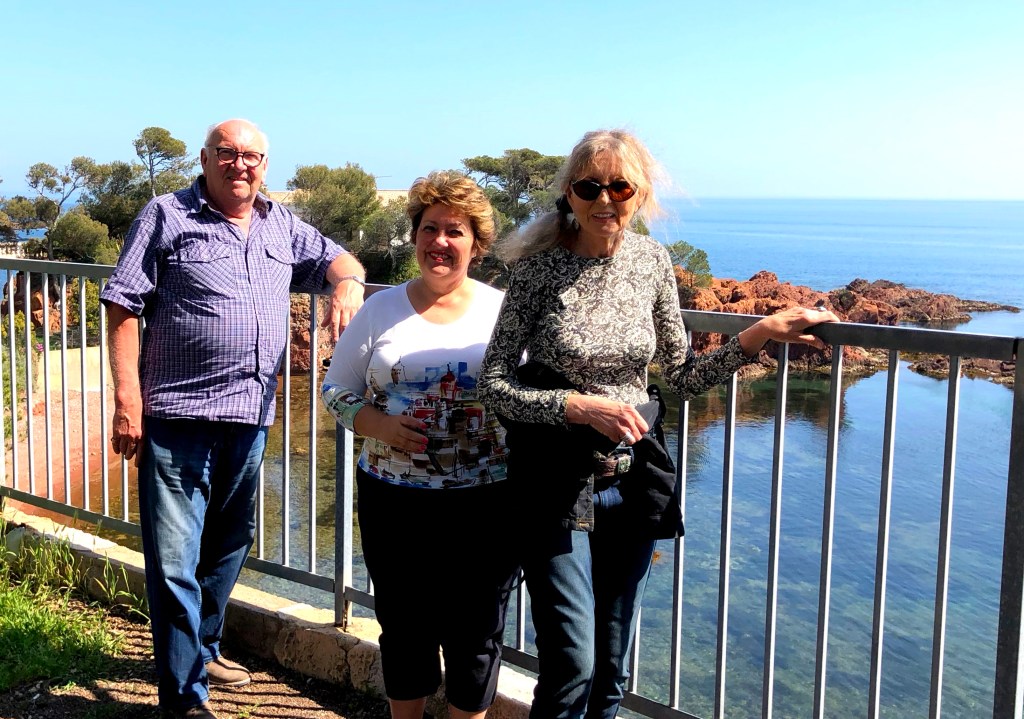
Then on a subsequent day Reggie and Chris took us for a drive along the beautiful coastline that is the essence of the Cote d’Azur.

To reach the coast Reggie took a route that went down towards Frejus and Saint-Raphael and then joined the coast road just west of Le Dramont.

I found this was stirring up very old memories. For my father, a Chartered Architect, had a passion for this part of France and every summer back in the 1950s took the four of us (Mum, Dad, me and my sister Elizabeth) for a month’s holiday. Thus many of the coastal town names had echoes from over 60 years ago. (Father died in December, 1956 of cancer.)

As we drove along, I reminisced aloud to Reggie and Chris that when I was 15 my mother decided that it would be a good thing for me to do a student exchange with a French boy. It was arranged and in the early part of the summer of 1959 in to our house in Preston Road, Wembley came Philippe, whose home was in Paris.

Then in about 4 weeks it was my turn to accompany Philippe back to Paris. It was a very ornate apartment with an air of luxury living and I felt very lost in the place. Apparently, Philippe’s father was a director with Air France.

Anyway, the father announced just a couple of days after I had arrived that all the family the following day would be flying from Paris to Nice airport, (with Air France, of course!) to then spend a month at the family’s French villa in the coastal town of Antheor.

On me mentioning Antheor Reggie immediately exclaimed that we were just a few miles from going through Antheor and that we should stop there. I wondered if I would remember anything of the place.

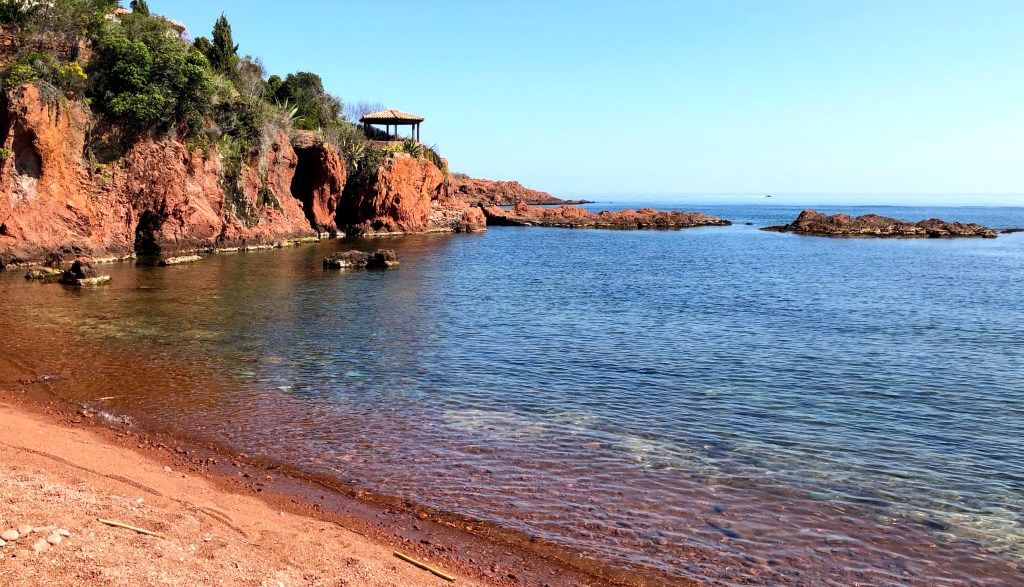
Well I did!! To my amazement when we stopped to look down at the beaches below the level of the road I thought that we were very close to the beach in front of the villa at Antheor where I used to swim, frequently on my own, every day that I stayed there.

I told everyone to stay where they were and ran on to the next beach.

Bingo!!

It was the same beach that I now recalled so clearly.

Swimming memories from 1959!

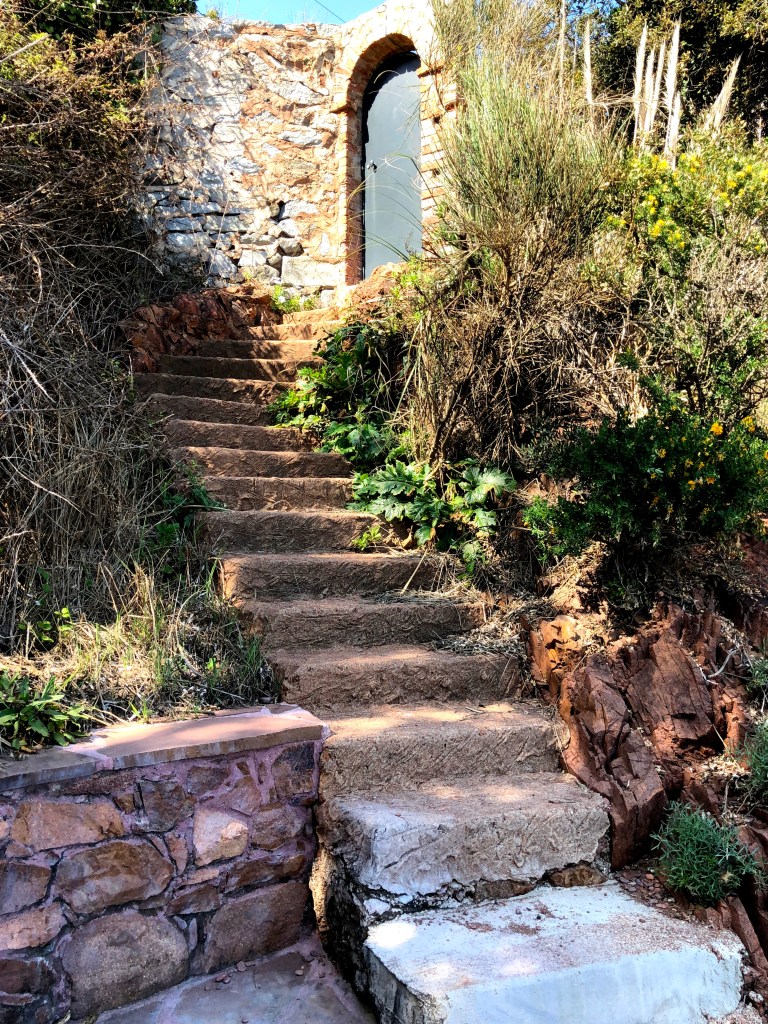
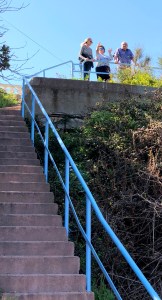
Even more amazing for me was that the iron gate and steep stone steps down to the beach were still there, albeit no longer being used as a more modern set of steps was in place.

By this time, the others had arrived at the head of the new steps and were looking down at me as I became truly lost in days so very long ago.
 

I have no recollection why back then the rest of the family so rarely came down to the beach that was so close to where their villa was. Indeed, it was just a case of crossing the coast road, much quieter in those years, and descending the steps to the beach.

But for this London boy it was bliss beyond measure. Maybe at some level it reminded me of family holidays for our, as in sister Elizabeth and me, father’s death was still a painful memory.

I stood still and just looked at the beach and at the sea and was transported so very clearly back to the times when I swam around the rocks, wearing a face mask and snorkel, just lost forever in what one could see underwater.

Then it was time to return to the car and resume our delightful drive.

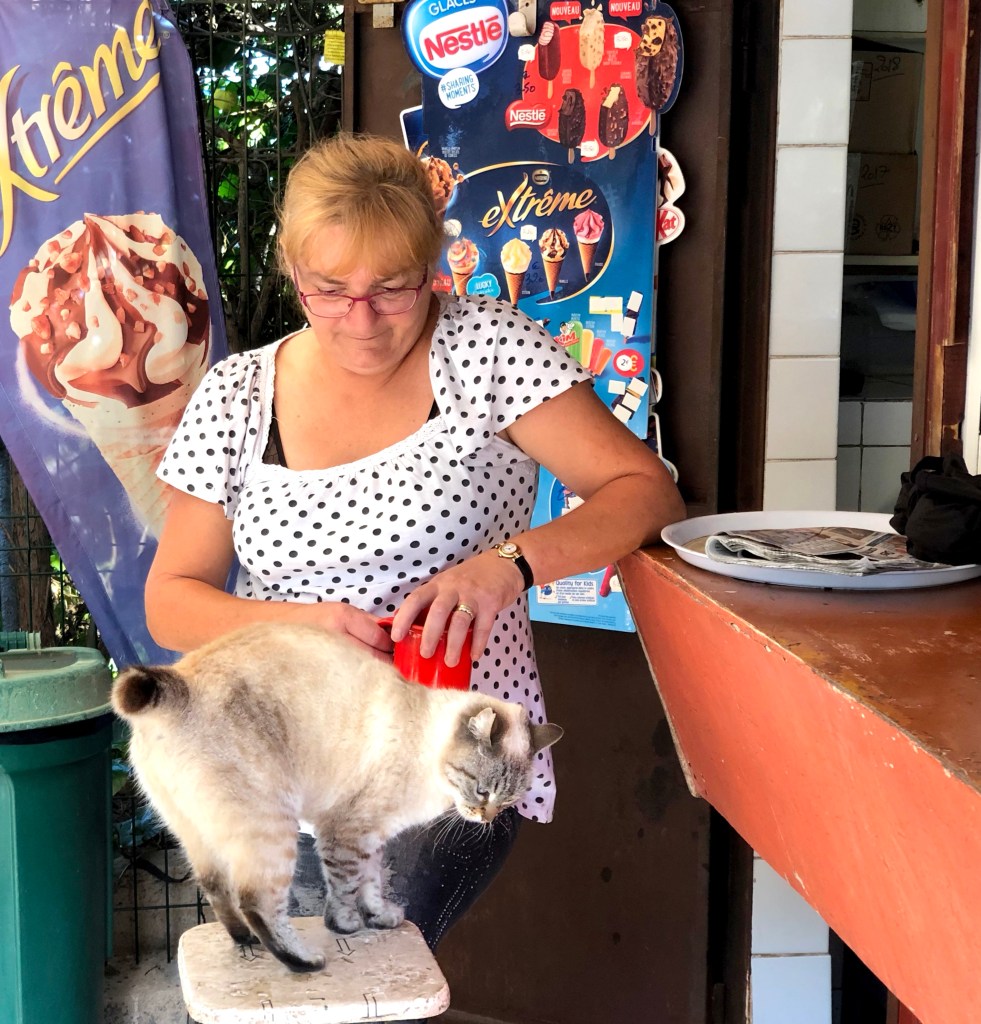
Soon after we stopped at a small beach cafe for an afternoon drink of something cool.

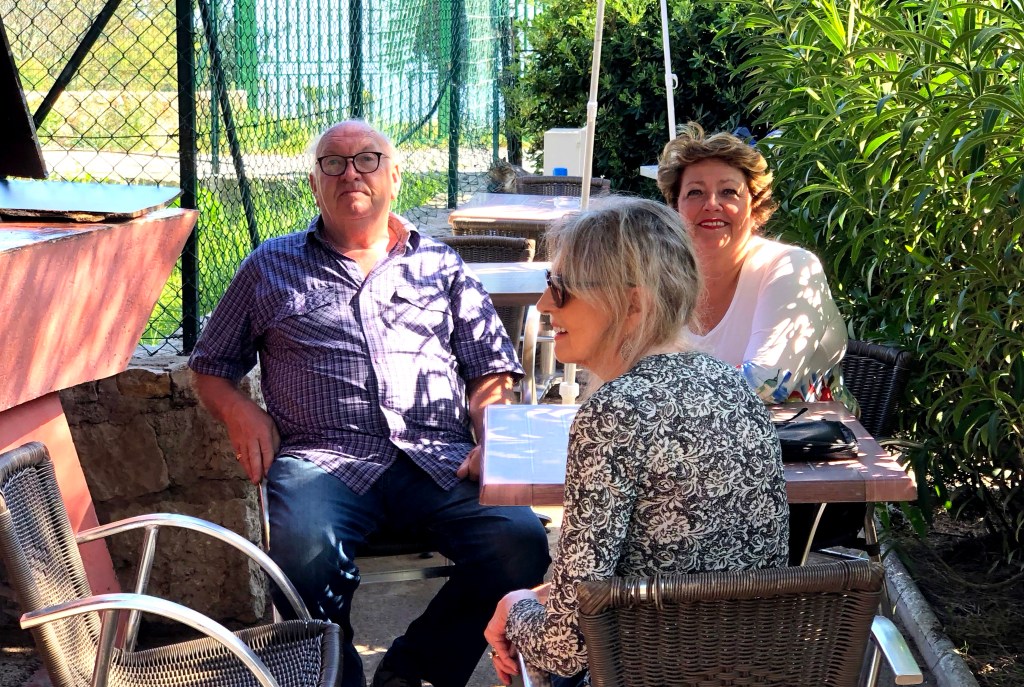
Everything, well for me at least, still seemed a little unreal; a little larger than life! I think that’s what inspired me to take the photograph above of the cafe proprietor and her cat!

Then we moved on again.

In due course, to another delightful evening meal somewhere local. The French expression “en famille” says it all!

These wonderful days were going by far too quickly!

In a flash it was Tuesday and Jean and I were being driven to Nice airport for another easyJet flight. But instead of returning to Bristol we had booked an easyJet flight into Gatwick. Because the last 36-hours of our vacation were being spent with my daughter’s family.

Maija’s husband, Marius, who is employed by The Royal National Theatre, near Waterloo Bridge on the south bank of the River Thames in London, frequently is working evenings but in order to spend time with me and Jeannie he had taken a day’s holiday on the 25th.

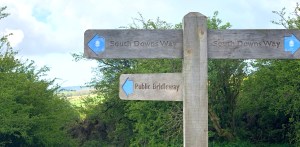
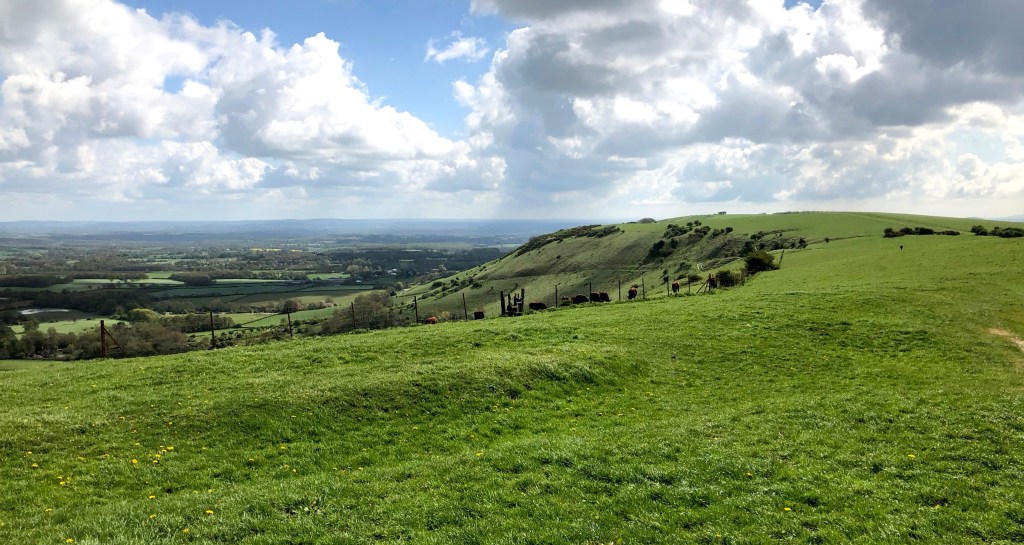
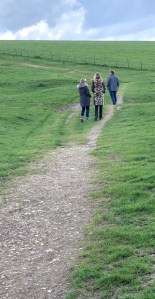
Our last day of our vacation dawned bright and sunny. It was a school day for Morten and after he had left for school Marius and Maija suggested going for a walk along the South Downs. Perfect!

For those unfamiliar with the South Downs let me quote a little of what may be read on Wikipedia.

The South Downs are a range of chalk hills that extends for about 260 square miles (670 km2)[1] across the south-eastern coastal counties of England from the Itchen Valley of Hampshire in the west to Beachy Head, near Eastbourne, East Sussex, in the east. The Downs are bounded on the northern side by a steep escarpment, from whose crest there are extensive views northwards across the Weald. The South Downs National Park forms a much larger area than the chalk range of the South Downs and includes large parts of the Weald.

The South Downs are characterised by rolling chalk downland with close-cropped turf and dry valleys, and are recognised as one of the most important chalk landscapes in England.[2] The range is one of the four main areas of chalk downland in southern England.[3]

It is a beautiful place to walk.

It was a magical way of spending our last day.

Again, I was aware of stirrings in my old memory box from many years ago, possibly when I might have taken young Alex and Maija for a walk along the Downs, or something along those lines.

But today it meant so much for Jeannie and me to be with Maija and Marius for this gorgeous walk.

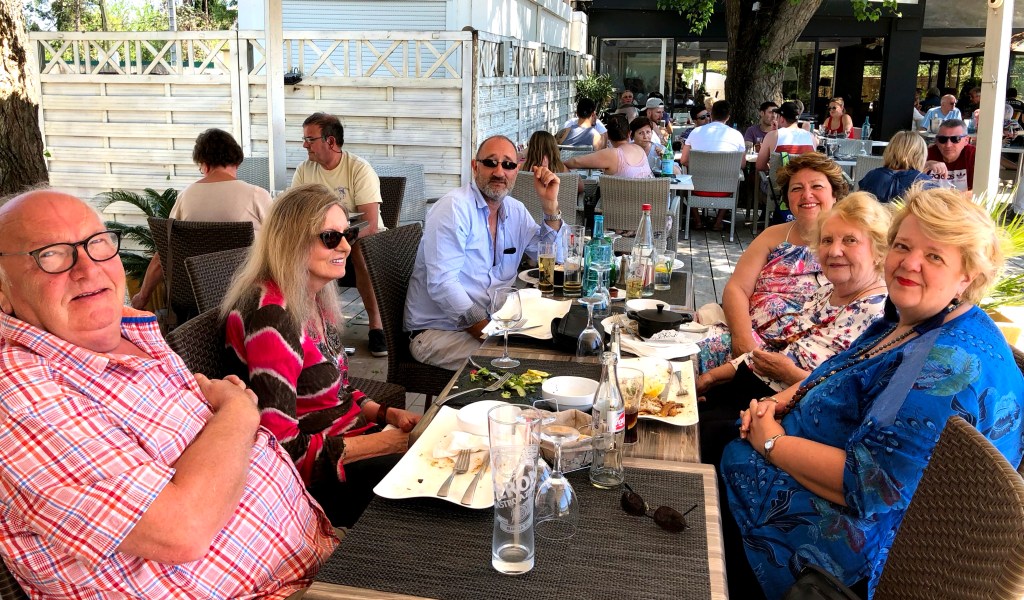
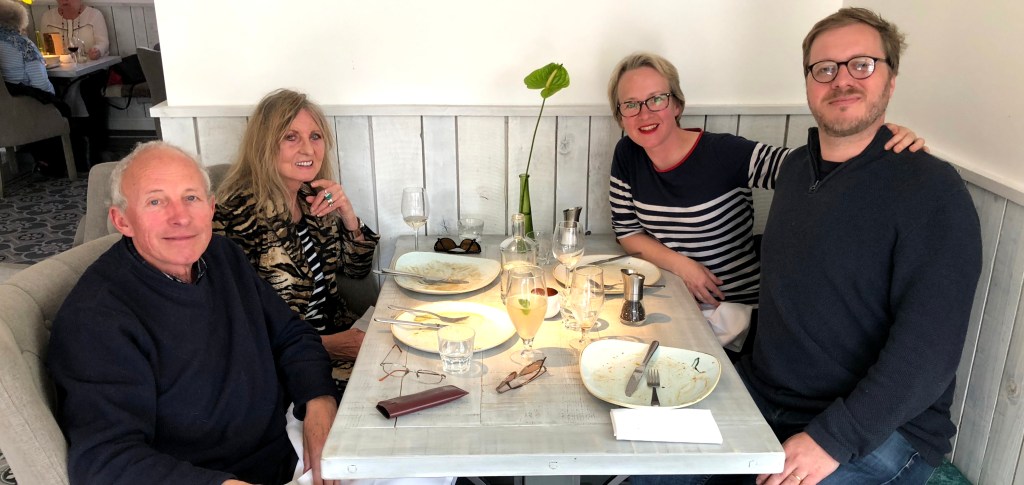
A couple of hours later we found a place to have a late lunch and asked the lady serving our table to take a photograph of all four of us!

Obviously, we had to be home in time for Morten’s return from school.

Those last hours of that day were focussed on keeping Morten company. What else mattered!

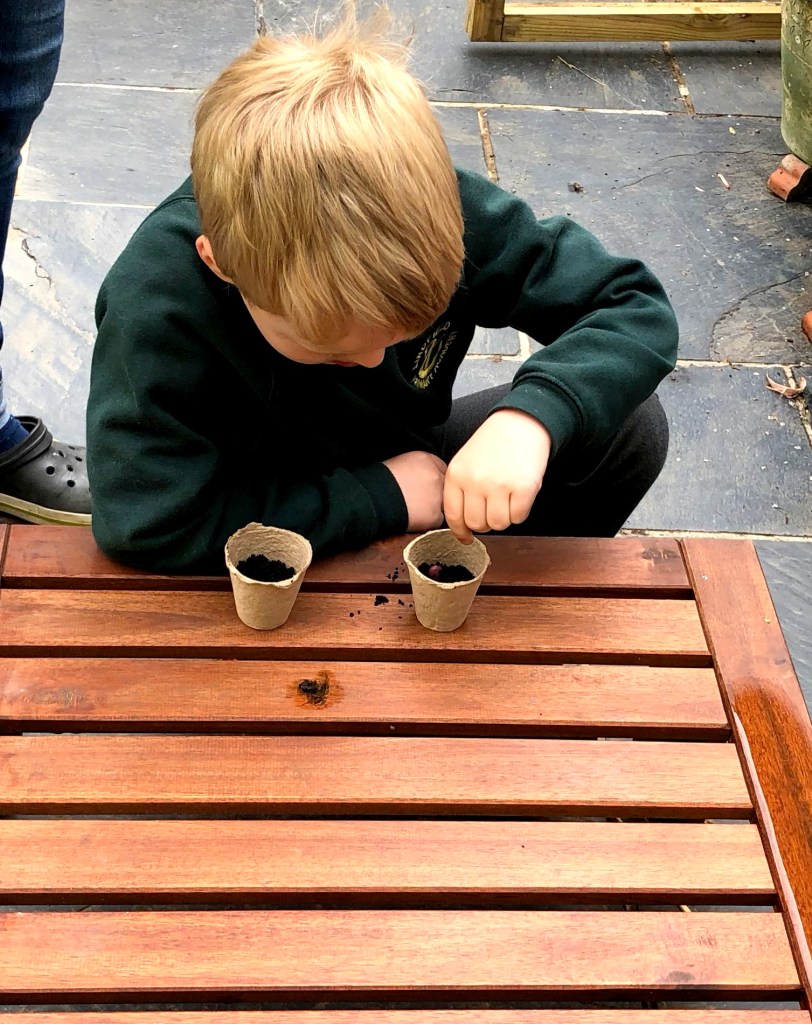
So the last photograph of the whole vacation is the one below. A picture taken of Morten planting some seeds that were bought while we were out that day.

We arrived back in Portland, Oregon around 6pm on the 26th and too late to drive all the way back to Merlin.

So after we had collected the car from the long-term parking we stopped off at the first motel that we saw heading though southern Portland.

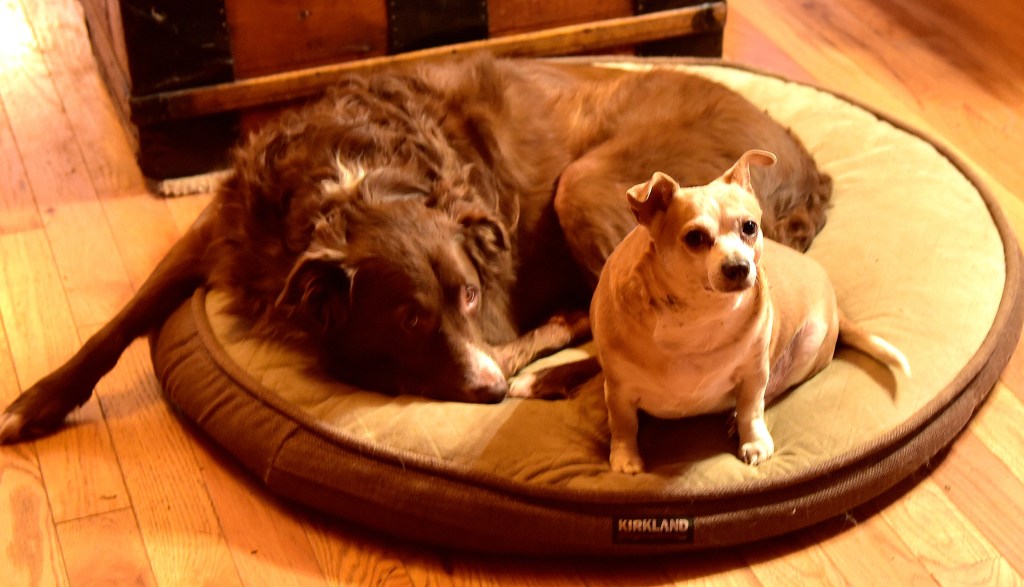
Then around 11am on Friday, 27th April we pulled up in front of the house to be greeted by six very loving and contented dogs. Well done, Jana!

That evening those contented dogs demonstrating their happiness did more than anything to communicate a precious message.

Oliver and Pedi

oooo

Brandy.

Welcome Home Jeannie and Paul!

The End!

To England and France, Part Three

Refreshing dear connections from the past!

So on Friday the 13th of April daughter Maija ran Jean and me to the railway station at Haywards Heath to catch a train into London, specifically to Victoria Station.

Then we boarded the London Underground to get ourselves from Victoria Station to Bounds Green tube station on the Picadilly Line. It was a bit of a culture shock for both Jean and me; to say the least. But we managed it somehow and once at Bounds Green there was my sister Eleanor to greet us. Eleanor lives in Johannesburg in South Africa (long story) but needed to come to England and made arrangements that meant she could meet with us for this one afternoon and evening. For Eleanor had pre-booked a bed and breakfast in Coniston Road, London N10.

Eleanor is twelve years my younger sister and it was only later on in life that both of us realised what a precious age gap that was. For as Eleanor was growing up in her early years I was at the age of wanting to be the big brother to her and it became, and still is, a very close bond.

Eleanor holding her arms around Jean and me!

Immediately upon meeting we found a nearby cafe to grab some lunch and do a bit of catching up!

The afternoon and evening went by far too quickly and fairly smartly on the Saturday morning, the 14th, we said our ‘goodbyes’ and Jean and I struggled for the second time in twenty-four hours with the Underground! This time making our way from Bounds Green to Paddington Station, the main line station that serves Bristol and places in between, as in the Great Western Railway, as well as down to the South-West including Exeter and then on to Plymouth and into Cornwall.

Our train journey was from Paddington to Swindon Station to be met by Richard and Julie.

Richard is my longest, closest and dearest male friend.

He and I go back very many years, for we met not long after I had left IBM in 1978, where I had been an Office Products salesman, and then started my own company. Richard had, in turn, recently left Olivetti where he, too, had been an Office Products salesman.

We hit it off immediately and over the intervening years, as in the thick end of 40 years, there’s not a lot that we haven’t shared in terms of fun and frolics, and especially a great many flying exploits in my group-owned Piper Super Cub!

Piper Cub R151

When Jean and I got together in 2008 as you might imagine she quickly became close friends with Richard and Jules, as Richard calls Julie.

Plus Jean and Richard share a rather ironic, if that’s the right term, event. For both of them were diagnosed in December, 2015 with the early stages of Parkinson’s Disease!

As with seeing Eleanor, the time with Richard and Jules was far too short but, nonetheless, very

Murphy being cuddled by Jules

precious. Plus, dear Murphy gave Jean and me a much-needed dog fix!

Thus on the morning of the 15th, Richard and Jules ran us across to Bristol which is where my son, Alex, is living with Lisa, his partner.

The plan was to spend from Sunday, the 15th, through to Wednesday, the 18th, with Alex and Lisa. Alex had booked time off work for those days but Lisa unfortunately was working during the weekdays.

Yet another meeting of dear friends, as in Richard and Jules catching up with Alex.

Alex had arranged for Jean and me to go down to South Devon on Monday, 16th, to meet with John Joiner, my dear brother-in-law.

Let me explain some family background. My father had had two daughters with a previous wife to my mother. Their names were Rhona and Corinne and when they were alive they both lived in South Devon. In the years that followed my father’s death in December, 1956, both Rhona and Corinne, and their respective husbands, Reider and John, made me feel very special and very deeply loved by both of them. (Indeed, it was because of wanting to be close to Rhona and Corinne’s families that I settled in South Devon when I returned from Cyprus in 1991.)

Corinne died in June, 2013. John, who is now well into his 80s, lives in a small apartment in the village of South Brent just a few miles from Totnes in South Devon. I make a point of calling him from Oregon at least once a week but to be able to see John again after so many years was another big highlight of the vacation.

Inevitably, along came another lunch and in the photograph above you can see John on the right-hand side and sitting next to him, as in the left of the photo, is Greta, my cousin as in Rhona’s daughter, who spends a great deal of her spare time looking after John. Dear Greta!

After the pub lunch we returned to John’s apartment for tea and carried on sharing many special memories.

Indeed, one of those special memories was Benji the wonderful dog that Corinne and John had for many years. On one of John’s walls was this wonderful painting of Benji.

The other fact about John is his incredible use of the English language. Both in terms of his vocabulary and his diction. John’s legacy to me is, and will be for the rest of my days, the value of speaking well.

Another wonderful connection with past times.

The truth is that the odds are that I may never see John again. That made this day with John so incredibly special. Huge thanks to Alex and Greta. What a fabulous day!

The next day, Tuesday, the 17th, was Lisa’s birthday and yet another wonderful evening out.

Then came the 18th and the last few hours of being with Alex. At 12:50 that day we were due to fly from Bristol down to Nice in Southern France to spend six nights with Reggie, Jean’s brother.

Those beautiful days will be the topic of tomorrow’s post. See you then!

But before I turn away from today’s description of our days in England, let me address a question that John Zande raised yesterday. Namely: “Have to ask, do you miss the English village life? It’s so beautiful.

Here’s my answer:

John, yes there was no question that there were stirrings of great familiarity when down with John near Totnes. In my mind’s eye, I could still walk up Totnes High Street and name many of the stores that I used to visit on an almost weekly basis when living in Harberton.

But at the same time I was shocked and disappointed by the huge growth in new housing, someone said an additional 500 homes built in the area in the last 5 years, and all the traffic and crowded lanes that go with that expansion. Many of the lanes were so crowded with parked cars that they were effectively single-lane carriageways.

The relatively sparse housing in the part of Oregon where we now live, the way that the natural world seems untouched by us humans here on Hugo Road, felt very beautiful in comparison. We looked forward to being back in Merlin.

Upper Barn, Harberton, where I used to live before meeting my Jeannie!

To England and France, Part Two.

Fun days with my daughter’s family!

We had arrived in England, via Gatwick airport, yesterday, as in Monday the 9th April, and were staying with Maija and family until Friday when Jean and I travelled up to London to meet my sister Eleanor.

So these three days were to be spent doing as many fun things as we could; it being the Easter school holiday week so Morten was at home each day.

Thus today’s post is a fairly quick run through of all the things that we did.

First thing on Tuesday morning was to see how adept young Morten was in riding his bike.

Thankfully it was dry but still overcast. The forecast was for the weather to improve over the coming days. But whatever the weather we were not going to let it get in the way.

Maija mentioned that Wakehurst, part of Kew Royal Botanical Gardens was close by and we readily agreed to go there. As the Kew website explains:

Our wild botanic garden on the High Weald of West Sussex has over 500 acres of beautiful ornamental gardens, woodlands and a nature reserve. Wakehurst is also home to the Millennium Seed Bank, the largest wild seed conservation project in the world.

Morten got it into his head to ‘dress up’!

He is a very lively young man!

Wakehurst was a very tranquil place.


As well as the beautiful grounds it was possible to buy plants.

Slowly the weather improved.

In the blink of an eye it was Wednesday and the plan that day was a visit to the Bluebell Railway. As the website offers:

The volunteer-run Bluebell Line was the UK’s first preserved standard gauge passenger railway, re-opening part of the Lewes to East Grinstead line of the old London Brighton & South Coast Railway in 1960. Since then it has developed into one of the largest tourist attractions in Sussex, yet it still remains true to its objectives of the preservation for posterity of a country branch line, its steam locomotives, coaches and goods stock, signalling systems, stations and operating practices.

One’s never too old to go on a steam railway!

Sheffield Park Station, East Sussex

As the above photograph shows it was another day of intermittent rain and low clouds.

But did that stop four people having a fun time???

A ‘self-pic’ of four happy faces aboard the Bluebell train.

On the Thursday, the 12th, Maija had an engagement in London in connection with her company, SOUND UK, and Jeannie and I were in charge of Morten for the day.

Well I think that was the arrangement although Morten woke up with very clear ideas as to how the day was to be spent. Primarily walking into Lindfield village so he could show Jean and me all the places of note!

Lindfield is the classic English village complete with cricket field, village pond and a pub or two. As Wikipedia offers:

The village stands on high ground above the upper reaches of the River Ouse. It is situated close to both the natural beauty of the High Weald and to Haywards Heath with its amenities and station on the main London-Brighton railway line.

Lindfield has a rich historic and architectural heritage. The ancient High Street, lined with lime trees, has over forty medieval and post medieval timber-framed houses, with many individual shops. At the bottom of the High Street is a natural spring-fed pond with fish, ducks, and herons. Beyond lies the Common which, over the centuries, has witnessed many events – fairs, festivals, bonfire celebrations and sporting activities; cricket has been played there since 1747. Today, it is still central to village celebrations and leisure activities. In addition to the Common there is Pickers’ Green, providing pitches for cricket, football, stoolball and a children’s play area.

History

The High Street follows an ancient north-south track that has existed for thousands of years, long before the Romans built a major road, the London to Brighton Way, a mile to the west of the village.

Lindfield first appeared as Lindefeldia, ‘open land with lime trees’, in a Saxon charter of 765 AD, in which King Ealdwulf granted lands for the building of a Minster church. When the Domesday Book was compiled the lands were held by the Archbishop of Canterbury.[4]

King Edward III recognised the importance of medieval Lindfield and in 1343 granted the town a royal charter to hold a market every Thursday and two annual eight-day fairs. For centuries the fairs continued each April and August with the summer fair becoming one of the largest sheep sales in Sussex.[5]

Lindfield was once part of the thriving Wealden iron industry. As early as 1539, William Levett of Buxted, a county curate with a thriving sideline in iron and armaments, was recorded as extracting iron ore at Lindfield. Later the Henslowe family of Lindfield were actively engaged in the iron milling business in association with Ralph Hogge, parson Levett’s former servant and later a major ironmaster in his own right.

In 1841 the London-Brighton railway opened, passing to the west of the parish with a ‘Station for Cuckfield and Lindfield Towns’ on open land that was to become the town of Haywards Heath. The construction of the Ouse Valley branch line reached Lindfield in 1866 with a proposed station to the north of All Saints’ Church but the line was abandoned for financial reasons.

Charles Eamer Kempe, a leading church stained glass designer and manufacturer lived at Lindfield until his death in 1907. Kempe renovated and redecorated an Elizabethan manor house near the village which he renamed Old Place,[6] from where he entertained clients and professional partners. Internally the house was appointed to the highest standard of Victorian splendour. After his death in the 1930s, the house was partitioned into six individual residences, with the main reception rooms forming part of the new “East Wing”.[7]

Lindfield also had a children’s play area which is where I snapped this photograph of Morten on that Thursday.

Then before we knew it the morning of Friday, 13th was upon us and it was time to catch the train up to London.

However these days with Morten had put in place a precious bond that was one of the primary reasons for us coming to England.

In tomorrow’s post I offer the experiences of meeting Eleanor, Richard and my son Alex.