In yesterday’s post I included the full documentary that was recently broadcast by the BBC. It was really interesting and a great insight into the uniqueness of the Welsh Sheepdog. More of that in a moment but first some details about Kate. As WikiPedia puts it:
Katherine “Kate” Humble (born 12 December 1968) is an English television presenter, mainly for the BBC, specialising in wildlife and science programmes. She was also the President of the RSPB until 2013.
Inevitably, Kate has her own website where one reads on the ‘home’ page:
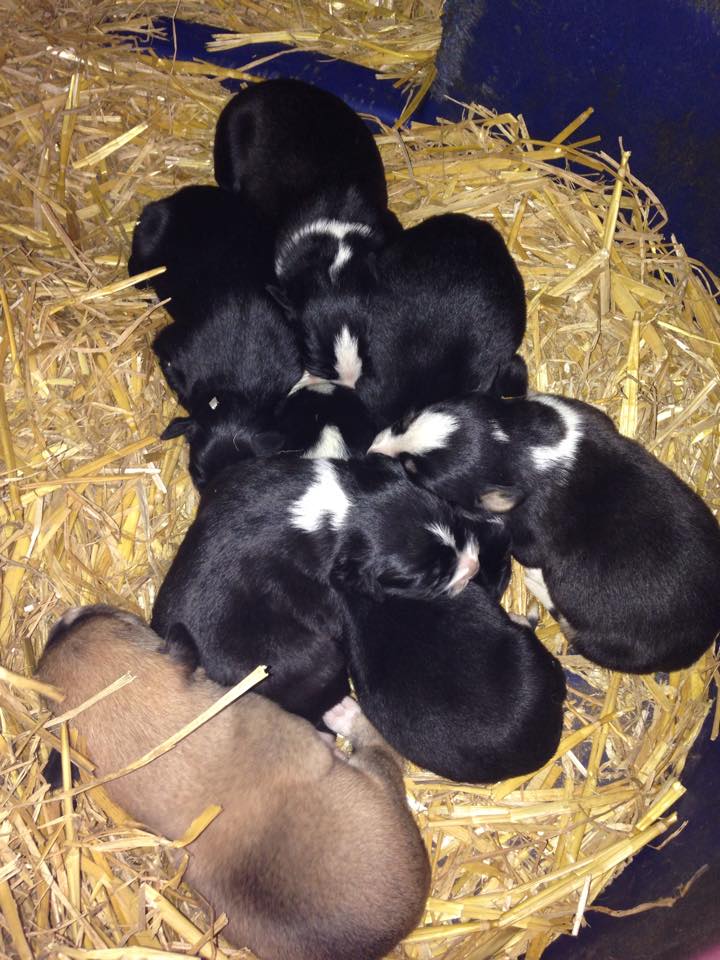
Kate Humble and her sheepdog Teg set off to learn about the threats to British herding dogs. Filmed over a year, and with an exclusive insight into Kate’s shepherding life, ‘Kate Humble: My Sheepdog and Me’, unveils the story of the Welsh Sheepdog, explores the challenges of breed recognition and celebrates the simple joy of a handful of puppies.
‘Kate Humble: My Sheepdog and Me’ will be on BBC 2 on the 15th August 2016 at 9pm.
As changing farming practices, cross breeding and dog shows came about, so too did the decline of Britain’s working dogs. Of 22 British herding dog breeds, 12 are now extinct and the 10 remaining are mostly show dogs or pets. Kate sets out to discover if Teg belongs to one of these rare breeds, criss-crossing Wales as she uncovers the story of the Welsh Sheepdog and tries to find a mate for Teg.
From sheepdog trials to droving, from DNA profiling to a nationwide search for a mate, Kate and Teg’s journey is a celebration of the Welsh landscape and rural traditions. It also delves into the hi-tech, hi-value world of breeding rare dogs, and explores the timeless bond between humans and their dogs.
Join Kate and Teg as they play their part in the continuing survival of Britain’s herding dogs.
Now we hear a great deal about this endangered animal and that endangered animal but British herding dog breeds wouldn’t for me come to mind as one such endangered breed.
Clearly the effort to save the future of the Welsh sheepdog is significant underpinned by the fact that there is a society devoted exclusively to the breed: The Welsh Sheepdog Society. The website of the Welsh Sheepdog Society also has a page where registered sheepdogs are for sale. I’m going to republish the details on that page not only to show readers what the dogs look like but also to promote them to a wider audience.
ooOOoo
FOR SALE
Registered Welsh Sheepdogs of Sale from Society Members
Red and white welsh sheepdog pups for sale, pictured below. 6 bitches and 2 dogs by Fferm Mynydd Morgan out of Safn y Coed Erin. Both parents good workers. Ready to go now. Contact Edward Hopkins phone 07867 474 866.
Welsh sheepdog pups for sale. Black and white and red and white. By Wilden Gel out of Fron Felen Fflei. Good working stock. Contact Bob Williams 01745 550 304.
Welsh sheepdog pups for sale. By Hendrerhys Gelert out of Fron Felen Nel. Both parents good workers. Contact John Williams 01745 5870 657.
Welsh sheepdog pups for sale, picture below, ready December. Sire Ty Llwyd Bonnie trophy winner Penlanlwyd Tango. Dam Glyngwilym Rose. Contact Simon and Emma Mogford, 07846 017 669
ooOOoo
Here’s hoping they all find wonderful loving homes.
Like other types of working dog, Welsh sheepdogs are normally bred for their herding abilities rather than appearance, and so they are generally somewhat variable in build, colour and size. Welsh sheepdogs are of collietype, usually black-and-white, red-and-white or tricolour, and merle markings may occur over any of these combinations. The coat may be short or fairly long, and the ears are pricked, but usually folded at the tip. They are longer in leg, broader in chest and wider in muzzle than the Border Collie. They are extremely active and intelligent, and therefore need much exercise and mental stimulation, if they are to be kept as pets. Welsh sheepdogs are more commonly known as Welsh collies, however these are the same breed.
Over many decades the Welsh sheepdog has largely been replaced for working sheep in Wales by the Border Collie, a standardised breed. However, in more recent years, efforts have been made to maintain the indigenous Welsh sheepdog as a distinct variety.
Welsh sheepdogs are usually of loose-eyed action, not fixing the stock with their gaze like the strong-eyed (de)Border Collie. They are able to work independently without necessarily being under direct human control. Welsh sheepdogs are most often used for herding sheep, but also readily work cattle, goats, and even horses and pigs. Traditionally they were often used as droving dogs to take cattle and sheep to markets locally or elsewhere in Britain.
The Welsh sheepdog’s life span is 12–15 years.
History
At one time there existed many sheep-herding dogs peculiar to Wales; during the 18th century Welsh drovers taking sheep for sale took with them five or six Welsh sheepdogs as “herders on the narrow roads, guards against highwaymen, and providers of game on the route”. These were an early type of Welsh sheepdog, higher on the leg and more racily built than the modern day breed.
However, by the 1940s the group had decreased to two or three breeds only. The ancient pure breeds of black-and-tan sheepdog and Welsh hillman were almost extinct, and were scarcely ever seen working. The type best known in Wales at that time was mostly descended from the old black-and-tan with an infusion of working Border Collie blood.
In the 1940s the Welsh sheepdog was still common throughout the north and central Welsh counties. In herding activities, it did not normally work low to the ground in “the showy manner sometimes seen in the work of the working [Border] Collies”, as British dog fancier C. L. B. Hubbard put it in 1948. It was variable in type; approximately 18 in (46 cm) in height, but the weight ranged from the lighter built, leggier dog of North Wales at 35 lb (16 kg) to the more solid 40 to 45 lb (18 to 20 kg) dogs of Glamorganshire and Monmouthshire. There were no dog show classes for the Welsh sheepdog as it was purely a working breed.
The incredible story of one stray dog and a desert racer.
This has been widely reported in many other places but, nonetheless, seemed a perfect fit for a blog called Learning from Dogs!
This is the story of a stray dog that took a liking to a runner participating in the 2016 Gobi March 4 Deserts race in China. I first saw the story when it was carried on the Care2 Causes site.
How hard are you willing to work to improve your position in life? For one stray dog, the answer is: pretty darn hard.
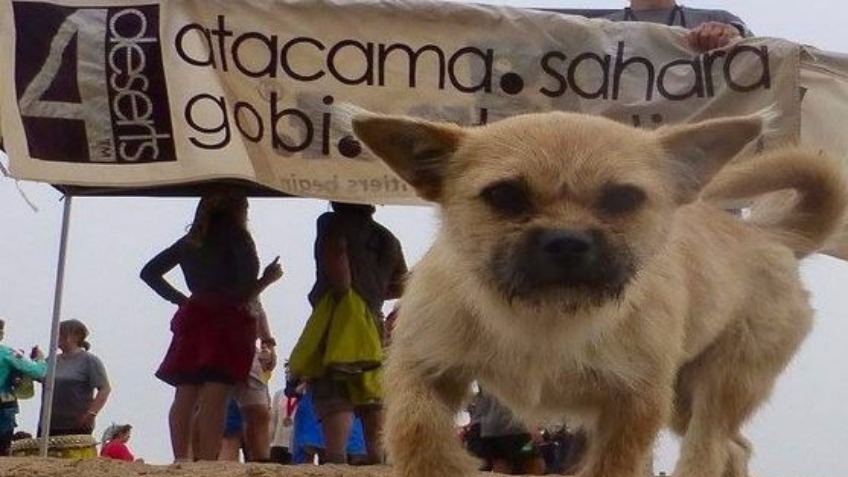
During the 2016 Gobi March 4 Deserts race in China, extreme runner Dion Leonard from Scotland was racing through the rugged terrain of the Tian Shan mountain range. That’s when a stray female pooch (eventually and aptly named) Gobi started following him.
The runner figured that she’d tire out eventually. She was a small dog, so keeping up with a life-sized human (who is an extreme jogger) probably didn’t seem likely. But amazingly, the little dog kept up.
Man who befriended stray dog during extreme desert marathon launches reunion appeal
The dog ran alongside Dion Leonard for 124 kilometres
May Bulman Tuesday 2 August 2016
Mr Leonard hopes to be reunited with the dog who ran with him during the 250 kilometre race in the Gobi desert 4Deserts.com / Omni Cai
An extreme marathon runner has launched an appeal to be reunited with a stray dog with whom he formed an “unbreakable bond” during a 250-kilometre (155 mile) race in the Gobi desert in China.
Dion Leonard, 41, hopes to raise the funds that will allow him to be reunited with the dog, named Gobi, who joined him during the annual 4 Deserts Race Series in March.
Gobi began running alongside the 101 competitors as they ran through the Tian Shan mountain range. Despite her small size the dog managed to run half of the race.
Later on in that Independent article it is reported:
Mr Leonard set up the crowdfunding page to raise funds towards organising for Gobi to be transported from China to live with him in Scotland.
The process will take up to four months and cost £5,000, with the dog having to be medically checked and quarantined before she can be cleared for entry.
A simple mouse click then takes the reader to that Crowdfunding page where the headline then shows that already over £19,000 has been raised.
That page explains:
Gobi, a friendly stray dog joined 101 other competitors running 250km over the Tian Shan Mountains down to the Black Gobi Desert during a 6 stage 7 day self sufficiency foot race. Gobi ran 4 stages including the final 10km stage to the finish line, showing unique strength and stamina for a little dog to keep up with the runners in such grueling conditions.
Everyone from the competitors, volunteers and race crew fell in love with this little dog that captured all our hearts. Gobi took a shine to me and over the week we developed an unbreakable bond as I shared my sleeping space, food/water and ultimately our companionship.
Now let’s hear from Dion.
Time and time again our wonderful dogs inspire us to reach out; to never say never!
The lesson of love from our dogs just keeps rolling along.
Neighbour Dordie had the following sent to her in an email and, subsequently, passed it on to me.
I share it with you and hope that it brightens your day.
ooOOoo
After losing his parents, this three-year-old orangutan was so depressed he wouldn’t eat and didn’t respond to any medical treatments. The veterinarians thought he would surely die from sadness.
The zoo keepers found an old sick dog on the grounds in the park at the zoo where the orangutan lived. They took the dog to the animal treatment center; the dog arriving at the same time that the orangutan was there being treated.
The two lost souls met and have been inseparable ever since. The orangutan found a new reason to live and each always tries his best to be a good companion to his new-found friend. They are together 24-hours-a-day in all their activities.
They live in Northern California where swimming is their favorite past-time, although Roscoe (the orangutan) is a little afraid of the water and needs his friend’s help to swim.
Setting a fabulous example of what an animal shelter should be like!
The chances are that the great majority of domestic animal lovers have an impression of the standard animal shelter. The chances are that this impression is not one of wall-to-wall approval. It is tragic that animal shelters are required but it is a fact of life that they are needed. Many of them depend heavily on volunteers and donated money.
But that’s not to say that there can’t be a shelter setting a very high example of how a shelter should be.
The words “county animal services” don’t really evoke thoughts of luxury, comfort or state of the art anything, but Miami-Dade is about to change that.
In June, the county opened its first ever “adoption mall,” an air-conditioned, high tech building where potential adopters can “shop” for their new furry best friend without even realizing they’re in a shelter.
“The old shelter was outdated and we wanted more capacity and to improve the wellness of the shelter pets,” explains Alex Muñoz, Director of the Animal Services Department about the project. “We have both cages and free roaming rooms and all areas for pets are air-conditioned.”
The Miami-Dade Animal Services Pet Adoption and Protection Center is a massive 72,000 square-foot facility that sits on five acres. Instead of sitting in kennels that don’t have much more than a small bed or sometimes just a couple of blankets on the concrete floor, adoptable dogs have plenty of space to move around and they stay stimulated in the outdoor canine exercise areas. When they’re done playing they can then retreat inside where the temperature controlled rooms keep them safe from the Florida heat.
For the kitties, a lounge area filled with toys allows them to play or just communally nap–after all, they are cats.
In 2015, Miami-Dade became a no-kill county, reaching a 90 percent save rate for all animals going into its shelters. Now with the larger building, the department was also able to expand the number of animals it houses. The new facility has 25 percent more dogs and 50 percent more cats than the previous shelter.
Since disease outbreaks are not uncommon in shelters, the new facility was built to prevent the spread of viruses among the animals.
“The HVAC System includes multiple air exchanges per hour to clean the air in order to avoid air borne diseases,” says Muñoz adding that “dogs are separated in different pods to avoid cross contamination.”
With the new spiffy location, the county is also hoping to fight the association people make of shelters being depressing and its animals sad or broken.
A 2013 study done by Best Friends Animal Society found that 46 percent of people considered shelter pets second-rate compared to dogs from breeders and only 31 percent of young people were willing to consider a shelter adoption.
In addition to happier and more comfortable animals, the building also houses professionals and volunteers who will spearhead programs advocating for rescuing, fostering, caring for neonatal kittens and working with Miami-Dade County Public Schools to teach kids about responsible pet care.
This new type of shelter comes with a hefty price tag of $15 million but Muñoz says it could definitely be implemented anywhere.
And, please, if anyone who reads this is thinking of getting another cat or dog then do make a visit to your nearest shelter your first step. For if all the dogs and cats in shelters were found good homes there would be no need for shelters. An idyillic dream, I know!
Another day yesterday where my creative juices had evaporated; if that’s what creative juices do!
But that doesn’t devalue the following article in the slightest! An article that was recently read on the Care2 blogsite and is republished here for your pleasure.
ooOOoo
Prisoners Care for Deaf Dogs Displaced by Wildfire
The so-called Sand Fire that burned for over a week near Los Angeles didn’t only threaten wildlife sanctuaries. Soon after the wildfire started on July 22, Mark and Lisa Tipton, owners of Deaf Dog Rescue of America (DDRA), a non-profit organization that rescues, trains and rehomes hearing-impaired dogs, decided it was better to be safe than sorry. They evacuated the rescue ranch’s nearly 50 residents.
“It was no small feat to assemble crates, pack them into trucks and trailers, and load the dogs,” Lisa wrote on the DDRA Facebook page. “Backbreaking and stressful. We have wonderful paid kennel staff here which is why we were able to evacuate the dogs so smoothly. Nobody got bitten, no loose dogs, no drugs were used. They stayed with us in our time of need and they were rock stars.”
The Tiptons were eventually able to find a temporary home for the dogs at the California state prison in Lancaster, which invited them to bring the dogs there. Mark happens to operate the Karma Rescue Paws for Life dog-training program for the prison’s inmates. It is California’s first and only dog program in a high-security prison. Many of the participants are serving life sentences.
In this program, dogs rescued from high-kill shelters around Los Angeles County live full-time with the participating inmates. Over a 12-week period, the inmates learn how to train the dogs for Canine Good Citizen certification. This certification helps the dogs become more adoptable and, in turn, helps save more dogs from shelters. The inmates benefit by learning real-world skills and giving back to society by helping these dogs get another chance at life.
“Paws for Life restored my faith in humanity that I’m a person, that I matter,” inmate trainer Jon Grobman told KABC. “It gave me the opportunity to care for something, love something.”
In the two years the program has been offered at the Lancaster prison, 75 former death-row dogs have found forever homes.
‘They Were Thriving Under Their Care’
After the Tiptons dropped off the dogs, they returned to the DDRA ranch to check on the fire, get some sleep and gather up more supplies for the dogs.
“The dogs were bewildered and watched us walk out the gates,” Lisa wrote on Facebook. “The looks on their faces made me cry when things quieted down and I had time to think about it. I have to admit that I felt guilty leaving them there.”
The couple returned to the prison the next morning with food for the dogs – which, along with the feelings of guilt, wasn’t necessary.
“The inmates had handled breakfast beautifully,” Lisa wrote. “They were getting the dogs out for exercise and cleaning their runs… I have never, ever seen anyone clean up dog poop with such glee.”
Nor had she ever seen the dogs so comfortable around strangers. “[They] were thriving under their care,” Lisa wrote, “and had wagging tales and smiles on their faces.”
Thankfully, DDRA survived the Sand Fire. All the dogs returned to their home July 30.
“Can pretty much guarantee that when they are all safely in their kennels snoring,” Lisa wrote, “I’m going to melt into a huge puddle of tears from sheer thankfulness and relief.”
Coincidentally, while the inmates at the Lancaster prison were caring for the displaced deaf dogs, L.A. County Supervisor Michael D. Antonovich proposed that, to help with overcrowding in animal shelters, a new one should be built at the Pitchess Detention Center in Castaic.
“Such a program could be a cost-effective and progressive way to integrate the needed care of animals with positive benefits to our inmates,” he wrote.
The feasibility of such a shelter is being analyzed by county animal welfare officials and the sheriff’s department. A report on their findings is expected later this month.
This essay from George Monbiot just has to be read as widely as possible.
Dear followers of this blog know that from time to time I dip into politics. I do so because something I read strikes me with such force that I want others to read the article or essay. Not infrequently, my ‘dip’ is in the form of republishing an essay from George Monbiot who, long ago, gave me blanket permission to republish his essays. That is the case today.
I was inspired to write my book, subsequently self-published last December, because I truly believe that the values that we see in our longest animal companions are values that we, as in our societies, from top to bottom, have to embrace if we are to stand any chance of surviving as a species.
Reflect on the fact that dogs do not lie, they do not set out to deceive or influence others for their own personal gain and they are utterly creatures of integrity.
OK, I can hear some of you thinking that dogs are dogs and humans are humans and it’s just plain daft to link the two in this fashion. My only answer to that is to read the book or, at the very least, download and read the first twenty-five pages (for free). Better still purchase the book and have 50% of my net income donated to the Rogue Valley Humane Society.
On the 28th July, George Monbiot published an essay entitled So Much For Sovereignty. I read the essay and, frankly, was apalled at what George was describing: the background of the UK’s new international trade secretary, Liam Fox, recently appointed by Theresa May.
Read it for yourself and see if you react the same way that I did!
ooOOoo
So Much For Sovereignty
28th July 2016
To this government, “taking back control” means handing Britain to a different set of foreign powers
By George Monbiot, published in the Guardian 27th July 2016
What does it mean to love your country? What does it mean to defend its sovereignty? For some of the leaders of the Brexit campaign, it means reducing the United Kingdom to a franchise of corporate capital, governed from head offices overseas. They will take us out of Europe to deliver us into the arms of other powers.
No one embodies this contradiction as much of the man now charged with determining the scope of our sovereignty: the new international trade secretary, Liam Fox. He explained his enthusiasm for leaving Europe thus: “We’ll be able to make our own laws unhindered by anyone else, and our democratic parliament will not be overruled by a European Court.” But of all the people Theresa May could have appointed to this post, he seems to me the most likely to ensure that our parliament and laws are overruled by foreign bodies.
Dr Fox looks to me like a corporate sleeper cell implanted in government. In 2011, he resigned his post as defence secretary in disgrace, after his extracurricular interests were exposed. He had set up an organisation called Atlantic Bridge, financed in large part by a hedge fund owner. Atlantic Bridge formed a partnership with a corporate lobbying group called the American Legislative Exchange Council, which is funded by tobacco, pharmaceutical and oil companies. Before it was struck off by the Charity Commission, it began assembling a transatlantic conclave of people who wished to see public services privatised and corporations released from regulation.
He allowed a lobbyist to attend his official meetings, without government clearance. He made misleading statements about these meetings, which were later disproved. It seems extraordinary to me that a man with such a past could have been brought back into government, let alone given such a crucial and sensitive role. Most newspapers have brushed his inconvenient history under the political carpet. He is, after all, their man.
This is the man who has been put in charge of making new trade agreements. What he wants to do with them is pretty clear. “We need to see a reinvigoration of our transatlantic relationship,” he argues. “We have a low regulation and low taxation environment which is only likely to improve outside the EU.” Improve, in this context, means becoming yet more hostile to human welfare, social mobility and the defence of the living world.
They threaten to reduce to the lowest common denominator the laws protecting us from predatory finance, the exploitation of workers, food adulteration, climate change and environmental destruction. They threaten to force the privatisation of public services. They would allow corporations to sue governments for compensation in offshore tribunals that – unlike the European Court Dr Fox professes to hate – are unaccountable, opaque and wildly imbalanced. The EU has no mandate to strike such agreements: a consultation on the offshore tribunals TTIP proposes attracted 150,000 responses, 97% of which were negative.
Leaving Europe should enable us to leave behind biased, destructive treaties of this kind; we will, after all, have to renegotiate most of our trade agreements. But by putting the Fox in charge of the chicken coop, Theresa May seems determined to replace them with something even worse.
The corporate army is already at the gates. The Republican senator Tom Cotton proposes that Britain should join the North American Free Trade Agreement (NAFTA). Using the kind of international tribunals that TTIP threatens to impose, NAFTA has undermined labour rights and environmental protection. It has blocked attempts to produce more progressive laws and greatly restricted legislative sovereignty. Whether we formally join NAFTA, or connect to that trading area through TTIP or another such agreement, the results will gravely threaten our sovereignty – unless negotiations are run on an entirely different basis.
In response to the Philip Green scandal, Theresa May says she wants to “tackle corporate irresponsibility” and “reform capitalism so that it works for everyone not just the privileged few.” We have no idea what she means, but here’s where it should begin. Before her government starts negotiating any new trade treaties, it should open a public consultation about their purpose and scope. The UK’s trading relationships should be debated in parliament and the people of this nation should be allowed to determine how much control over national life our representatives should retain, and how much should be ceded to international agreements and international bodies.
Does this mean a referendum? If we can be trusted to decide whether or not to share our sovereignty with Europe, should we not also be trusted to decide whether or not to share it with transnational capital?
But the Conservative vision of sovereignty is highly selective. People like Dr Fox appear to hate much of what others love about this country: the NHS, our public broadcasters, our social safety net, the protection of the countryside, the notion that power resides in the people, rather than in corporations and their shadowy lobbyists. There are traitors in our midst, who would rip down our most treasured institutions on behalf of the transnational elite and its offshore holdings. This, it seems, is what they mean by taking back control.
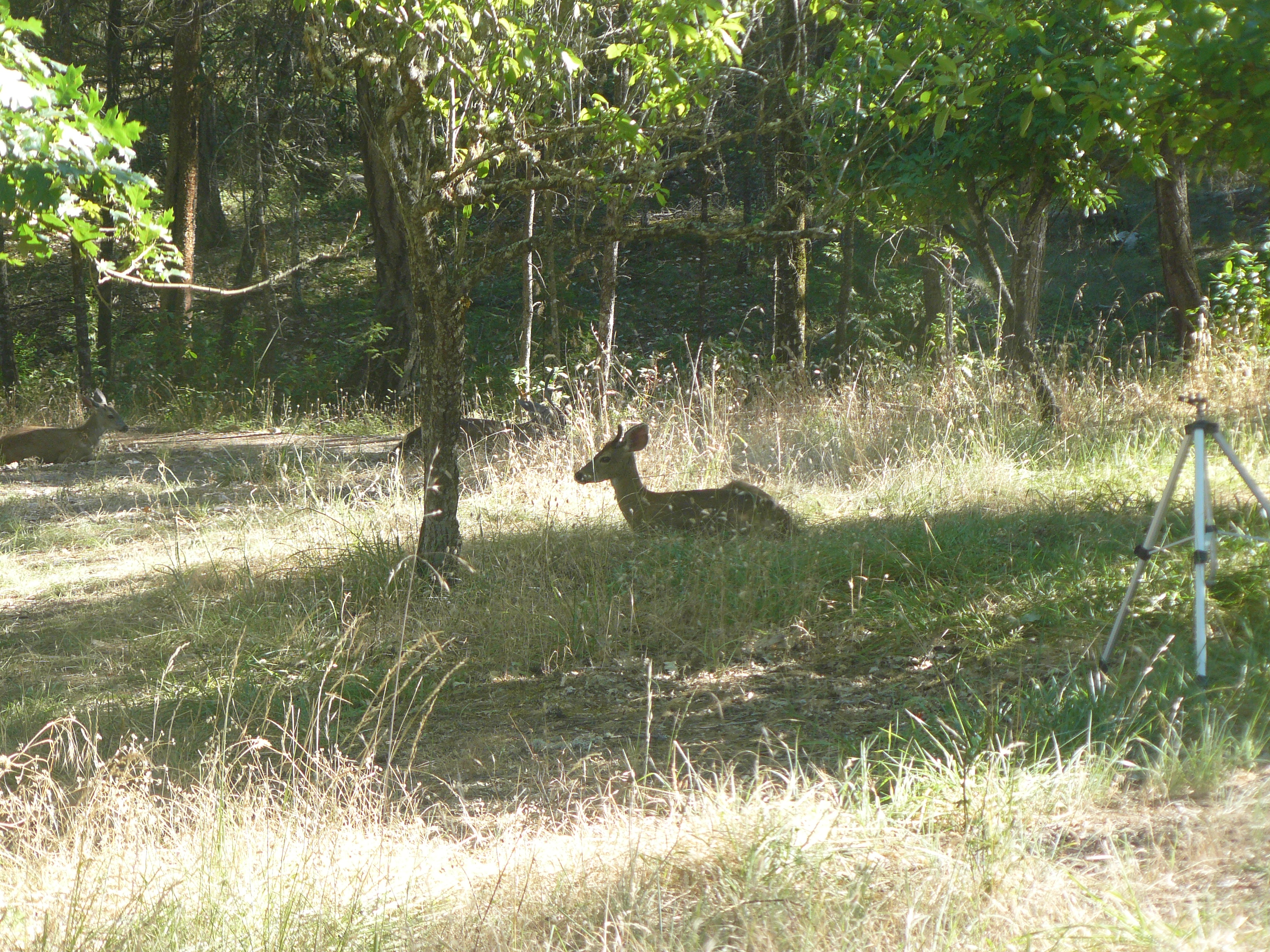
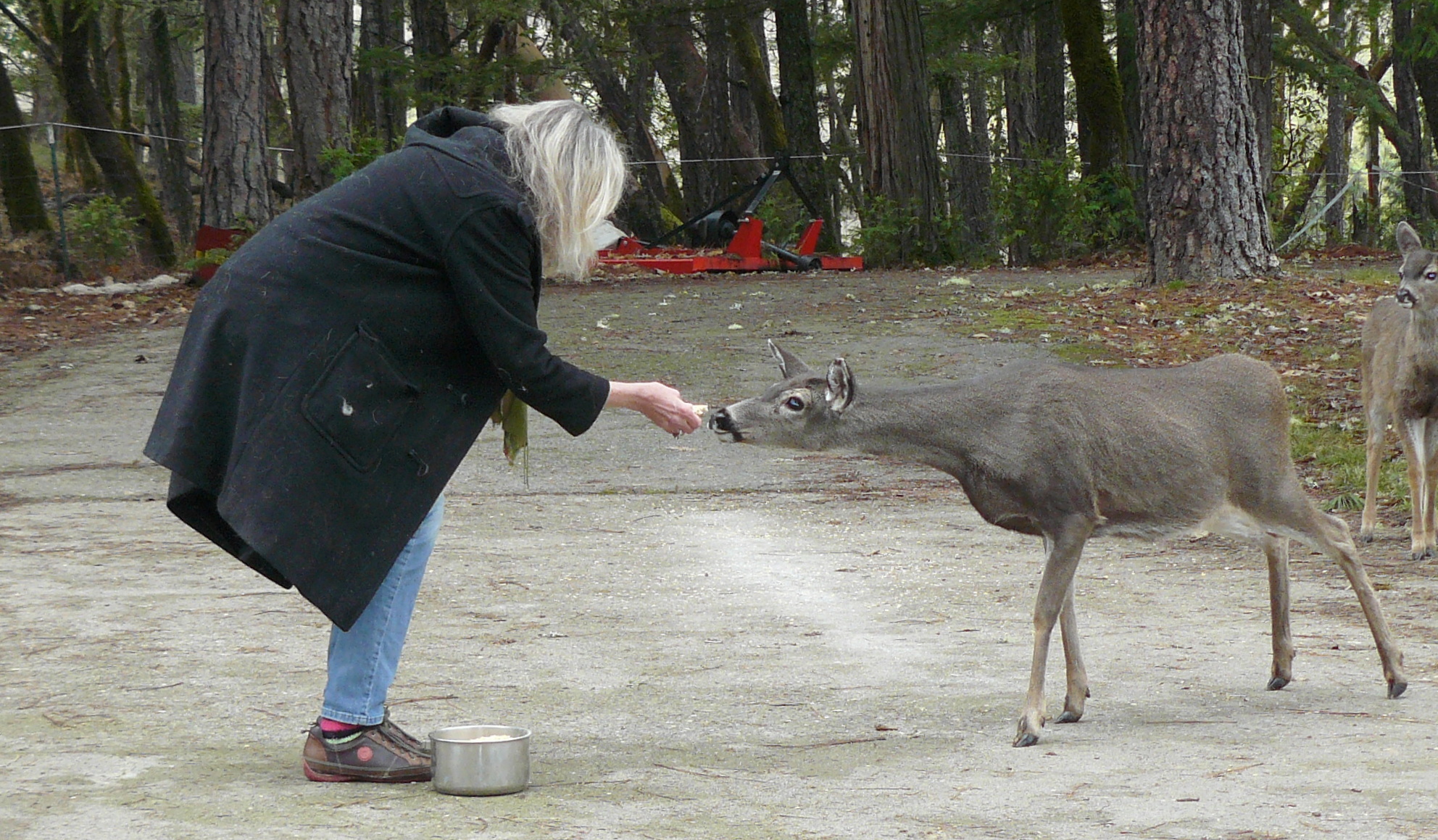
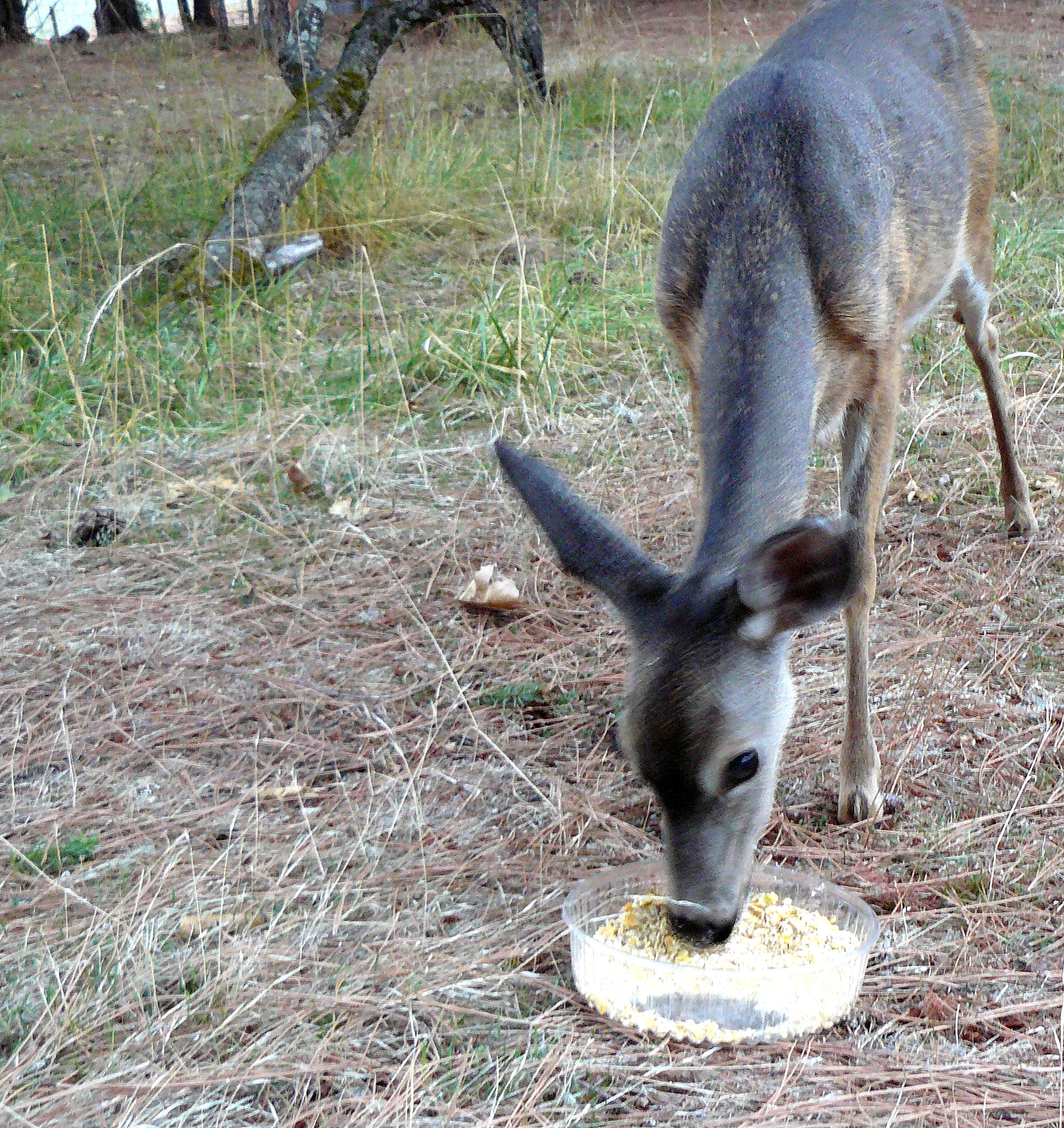
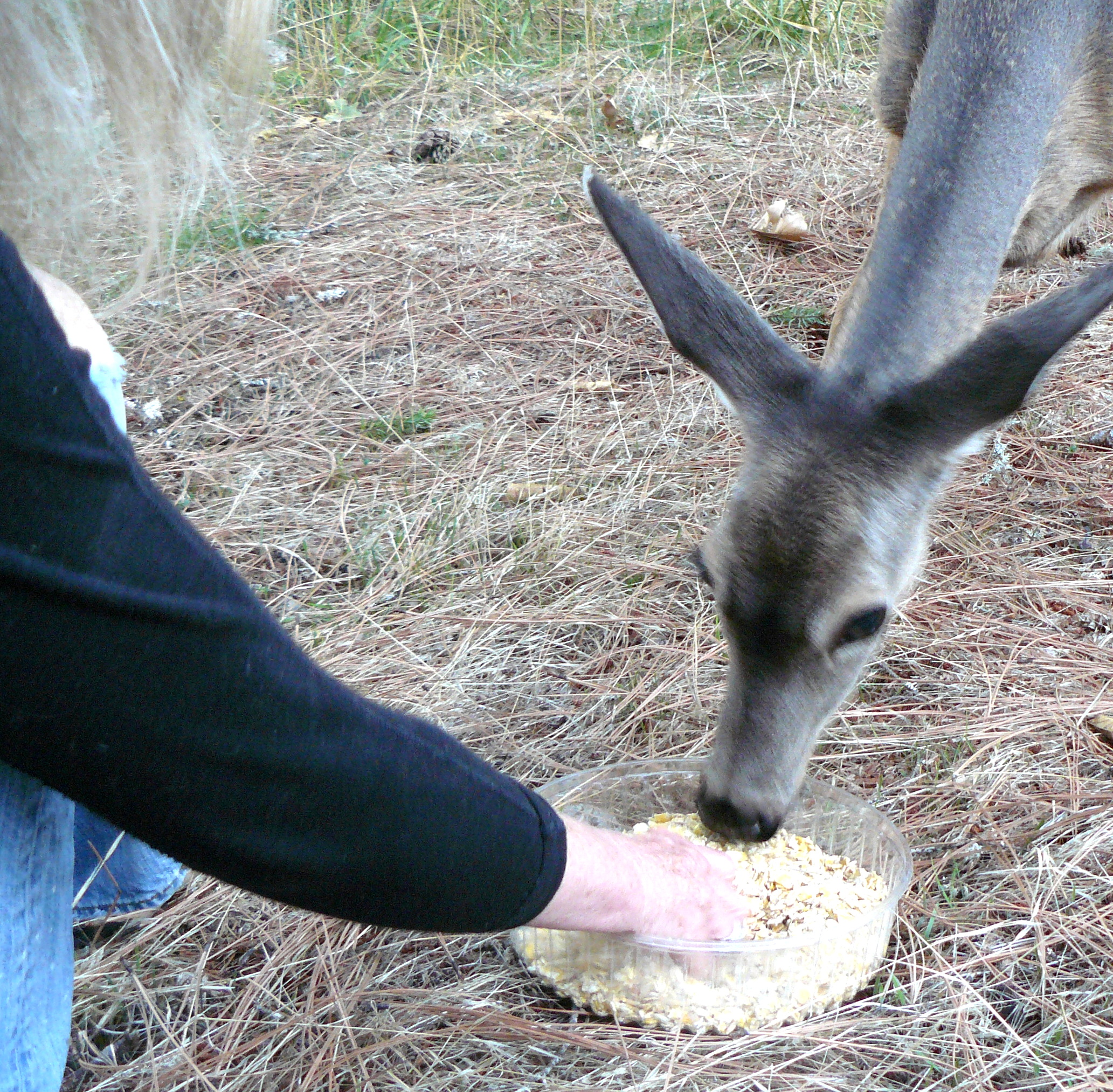
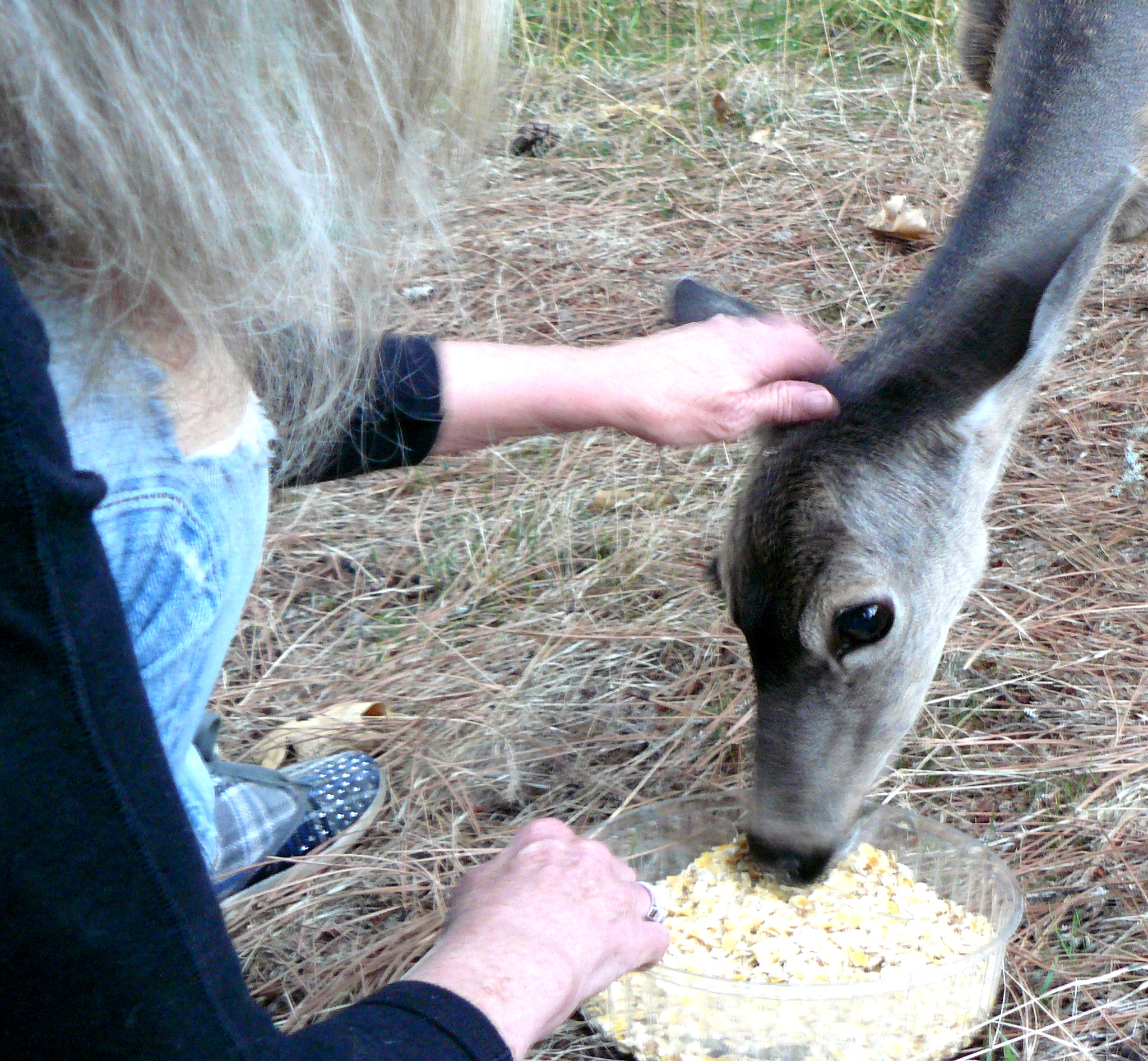
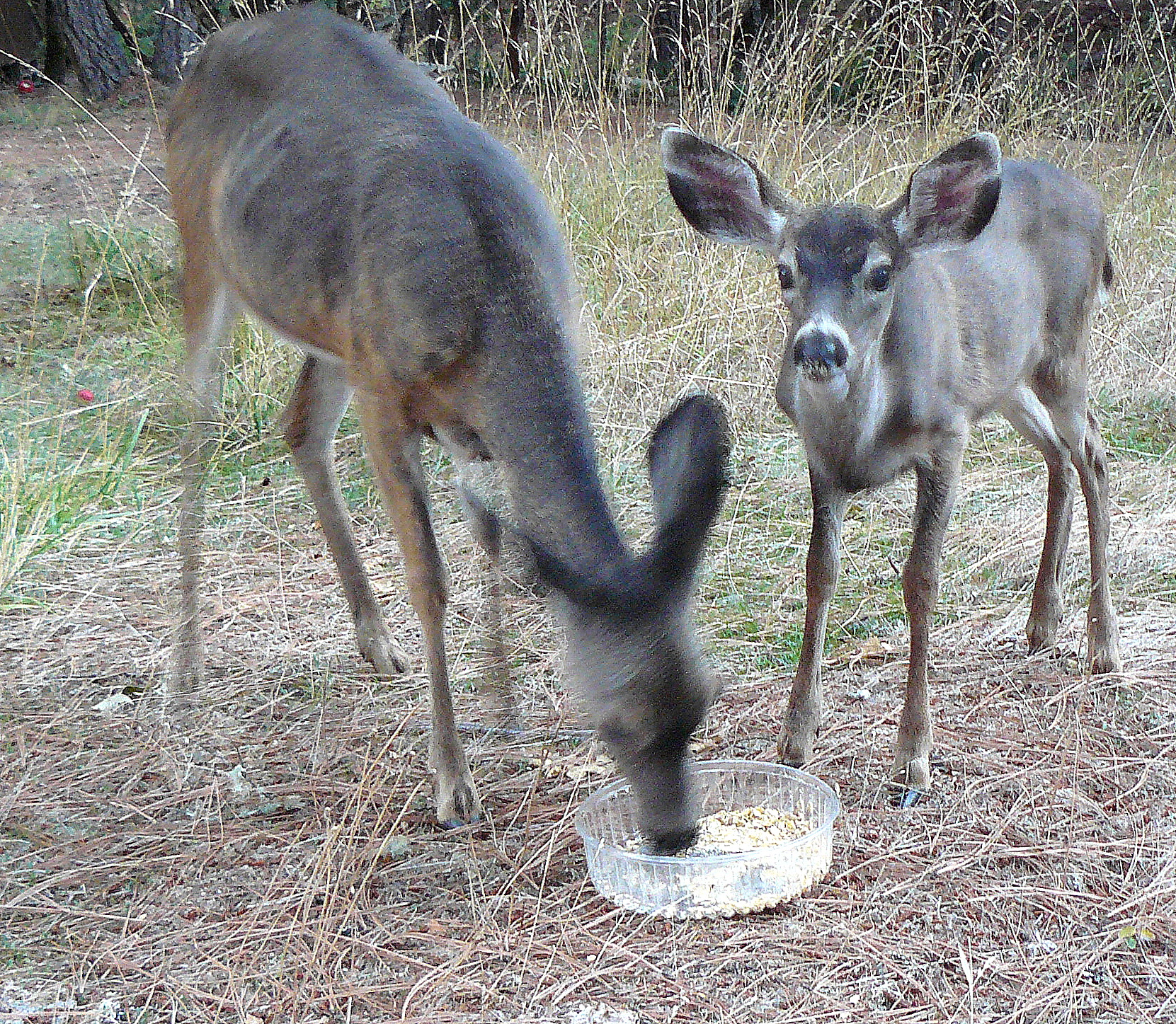
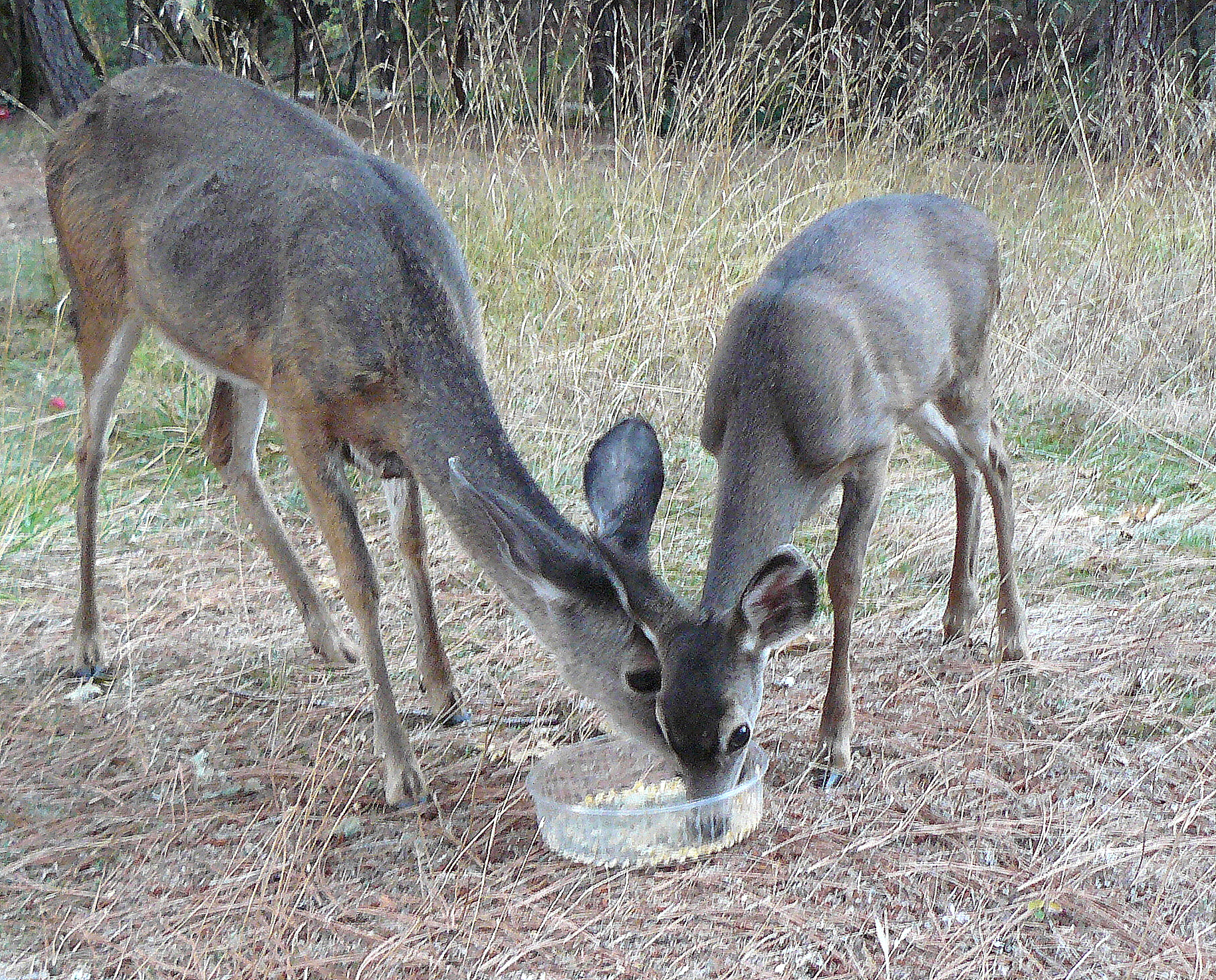
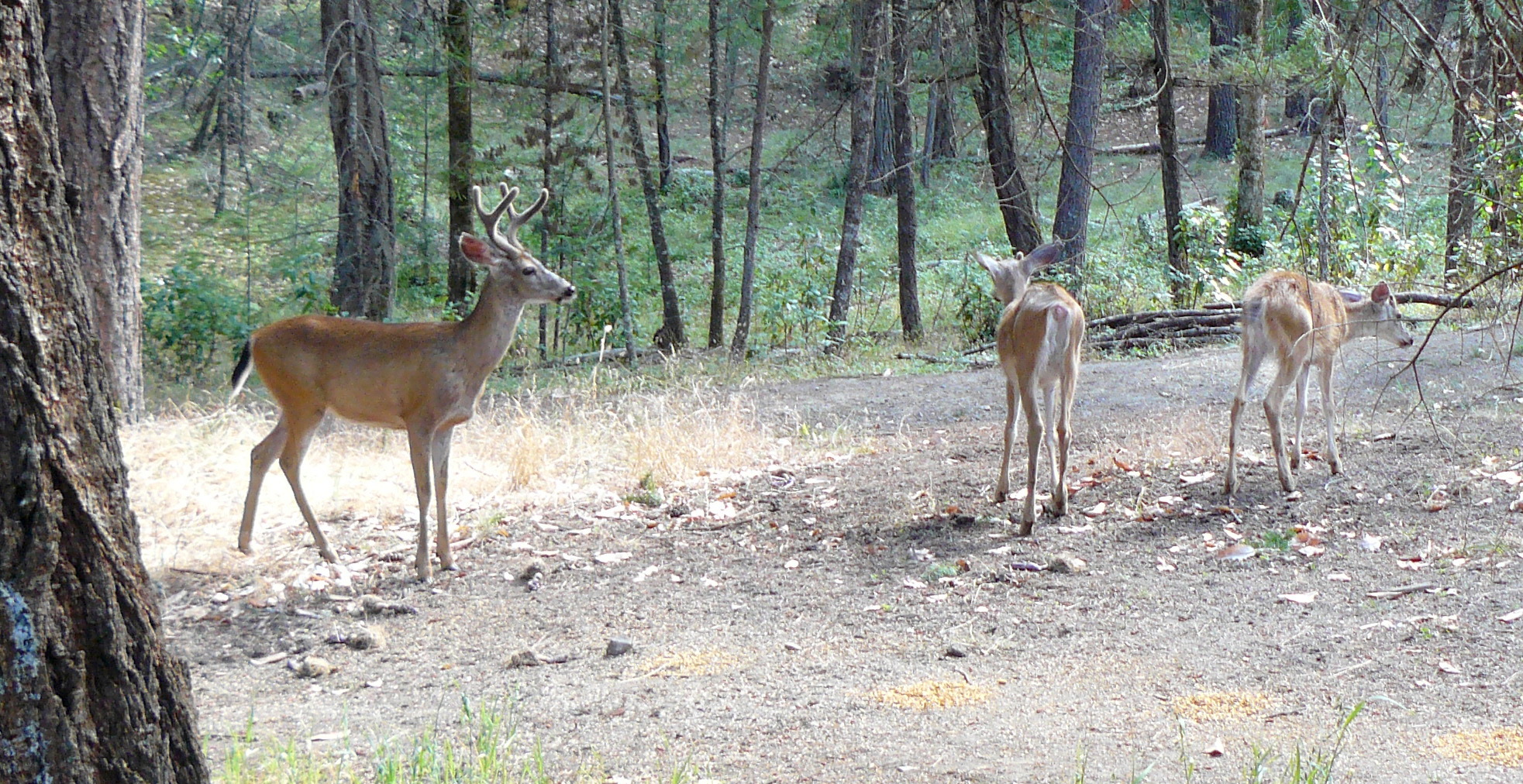
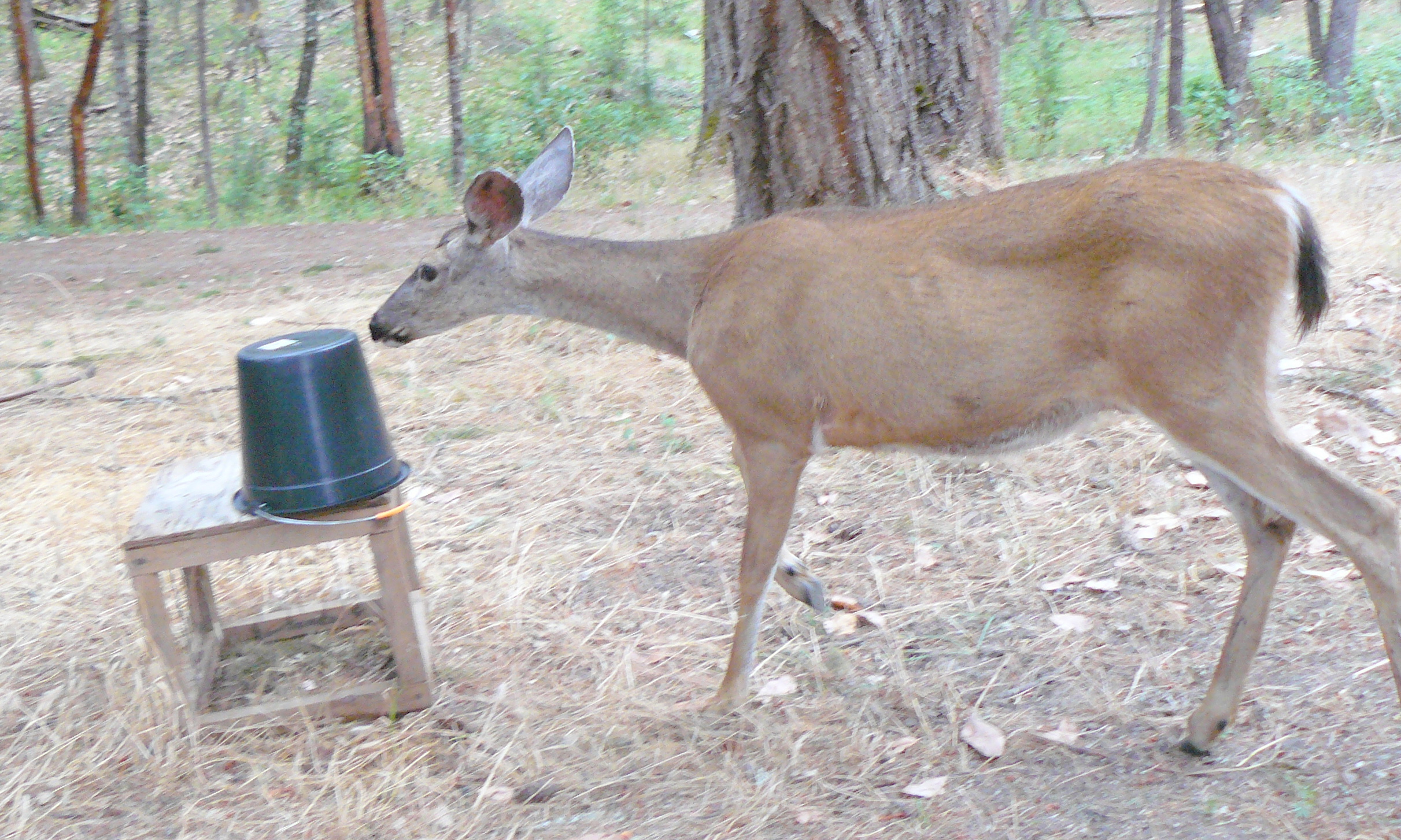
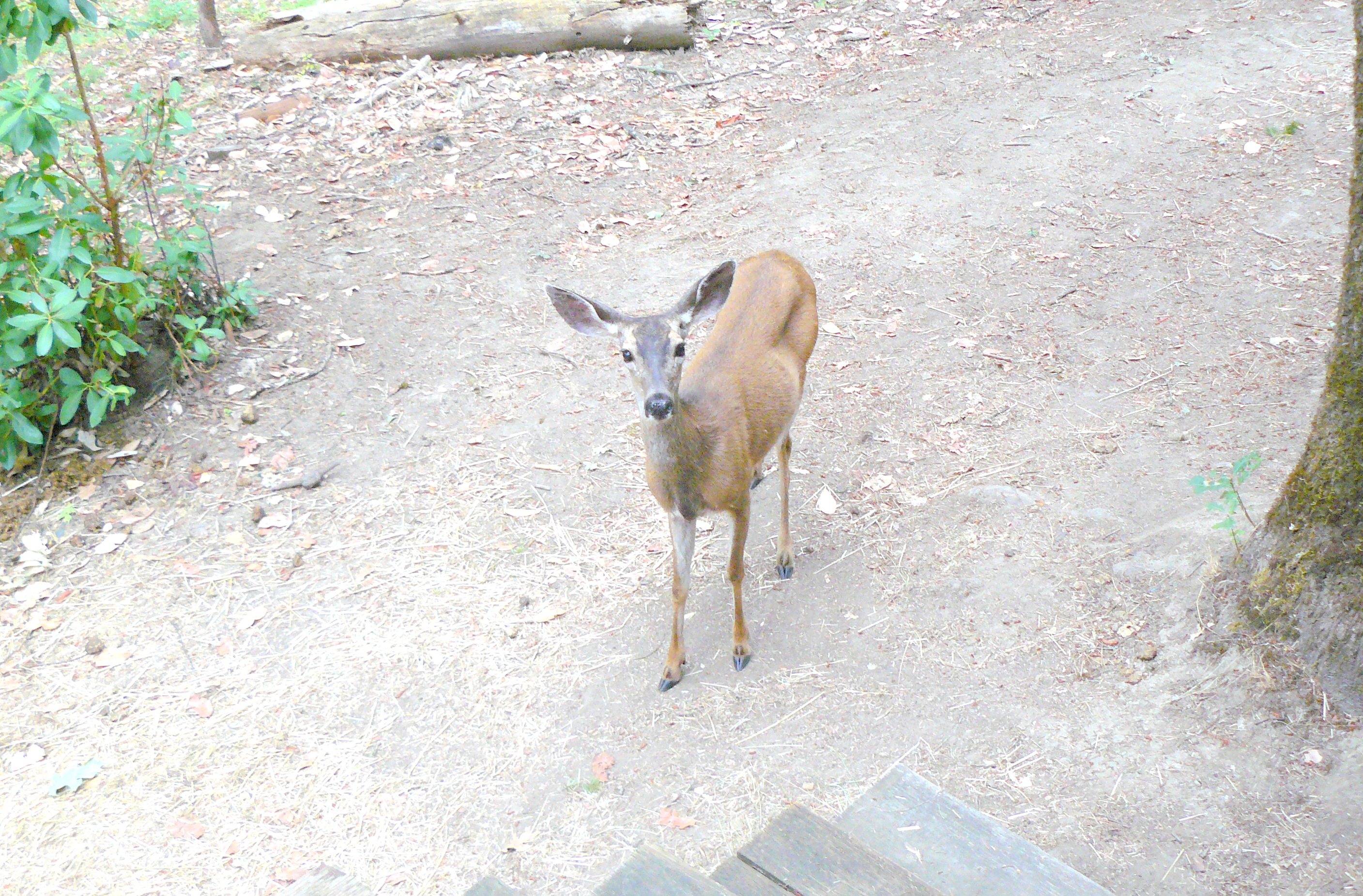
Returning to the photographs of the deer that come to our property.
Feeding the deer has been featured before on Learning from Dogs but I just wanted to devote today and next Sunday to nothing more sophisticated than photographs; all of them taken here at home.
Photograph taken mid-January, 2014
oooo
A deer reaches down to feed; the tray is about three feet in front of Jean and me. (October, 2014)
oooo
Jean reaches forward and gently draws the tray closer to us. The deer continues to feed. (October, 2014)
oooo
Then, unbelievably, the wild deer continues feeding as Jean fondles the deer’s head and neck. (October, 2014)
oooo
The trust between the deer and Jean then enabled the deer to feed from Jean’s hand. (October, 2014)
oooo
Then there was a rustle in the leaves some twenty feet away and we saw the fawn watching her mother feeding on the cob. Jean and I backed away, just by a few feet, and the fawn came right up to her mother. (October, 2014)
oooo
The culmination of the most magical of experiences: mother deer and her fawn eating together some three feet in front of us. (October, 2014)
 oooo
oooo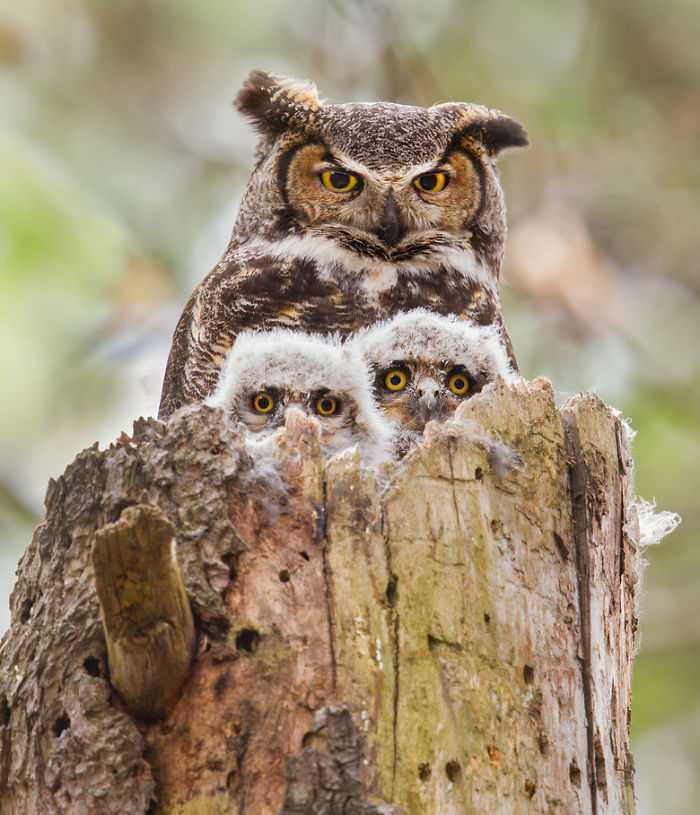 oooo
oooo oooo
oooo oooo
oooo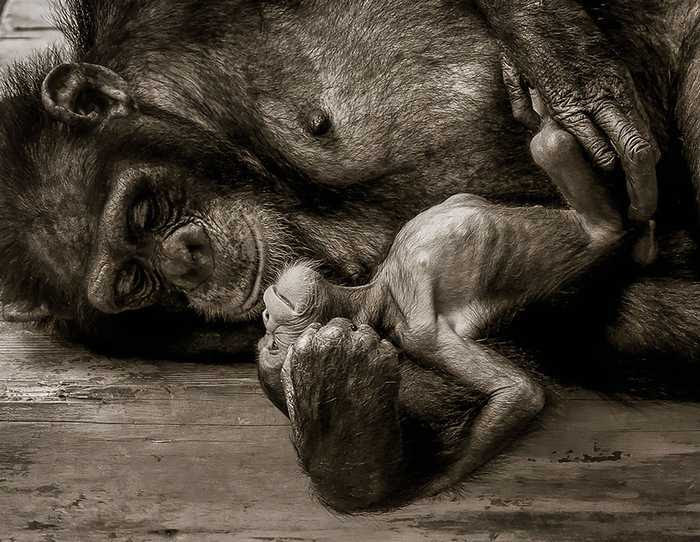 oooo
oooo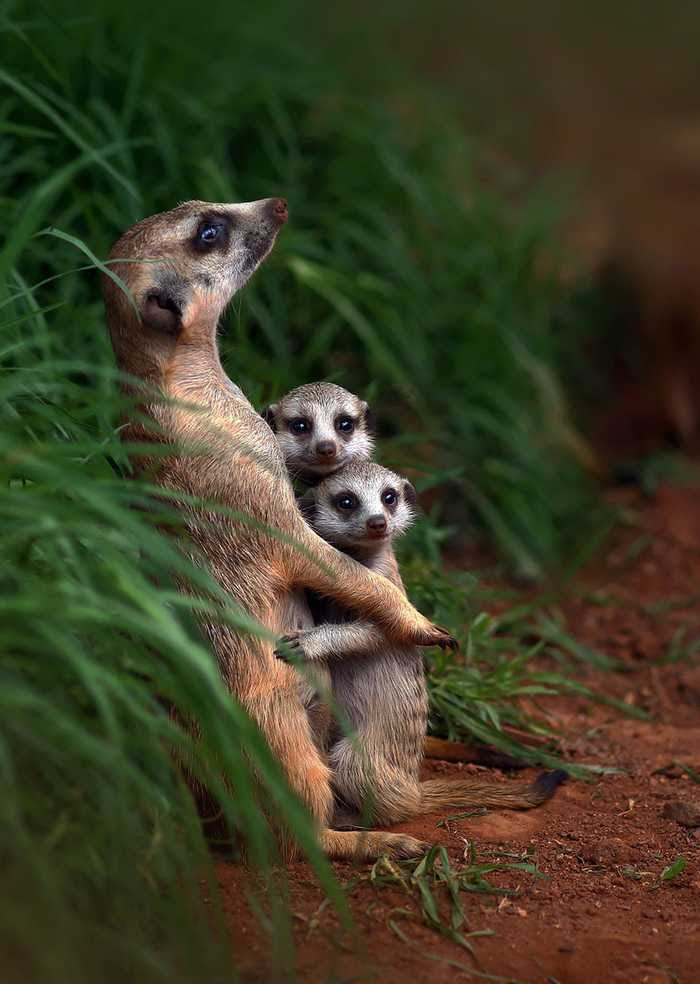 The third set will be out in a week’s time. Thank you to neighbour Dordie for sending me the link to these wonderful pictures.
Kate Humble and her sheepdog Teg set off to learn about the threats to British herding dogs. Filmed over a year, and with an exclusive insight into Kate’s shepherding life, ‘Kate Humble: My Sheepdog and Me’, unveils the story of the Welsh Sheepdog, explores the challenges of breed recognition and celebrates the simple joy of a handful of puppies.

 ooOOoo
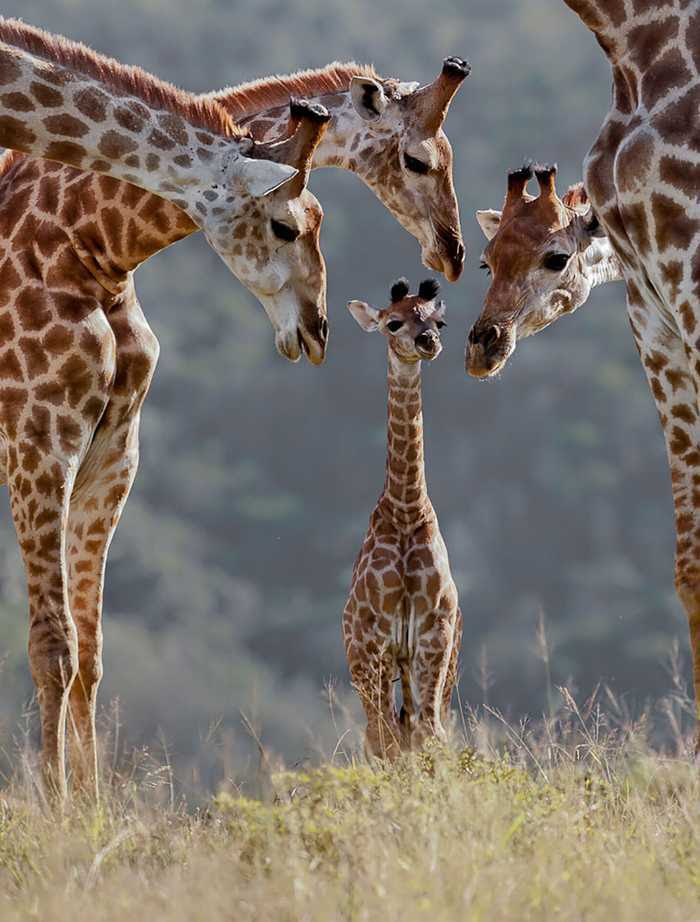
 Fabulous animals!
 oooo
oooo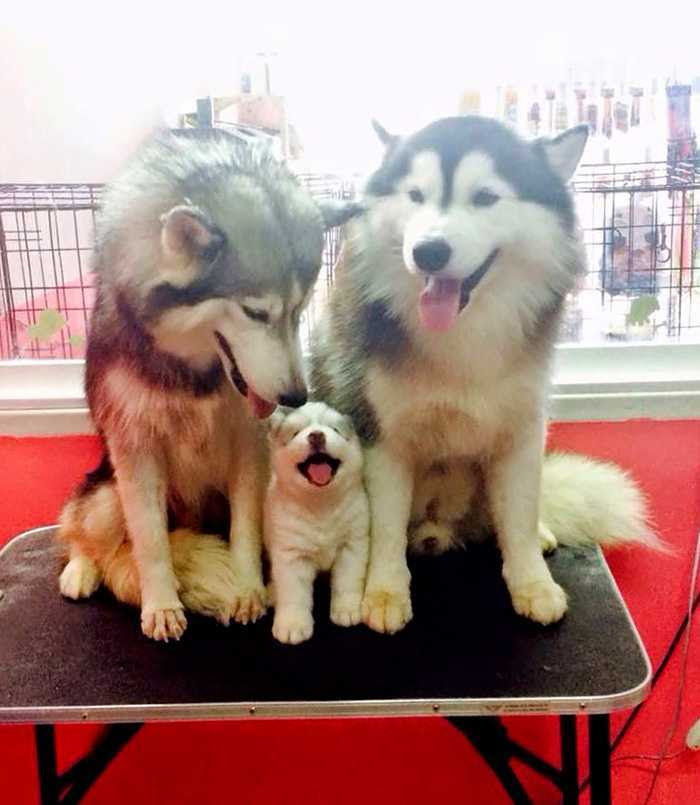 oooo
oooo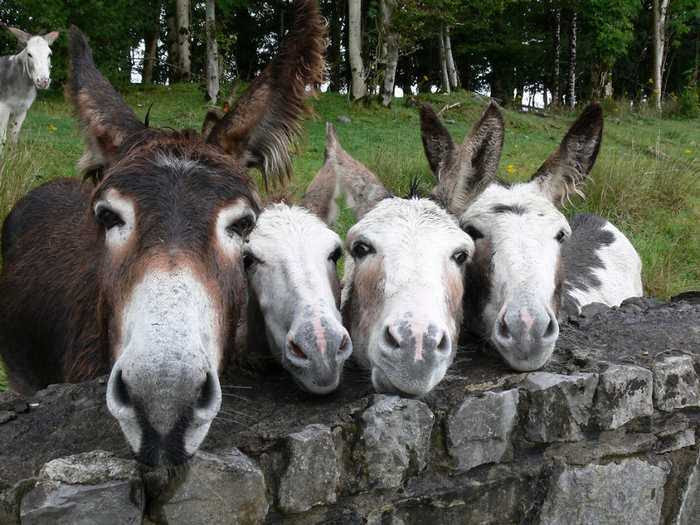 oooo
oooo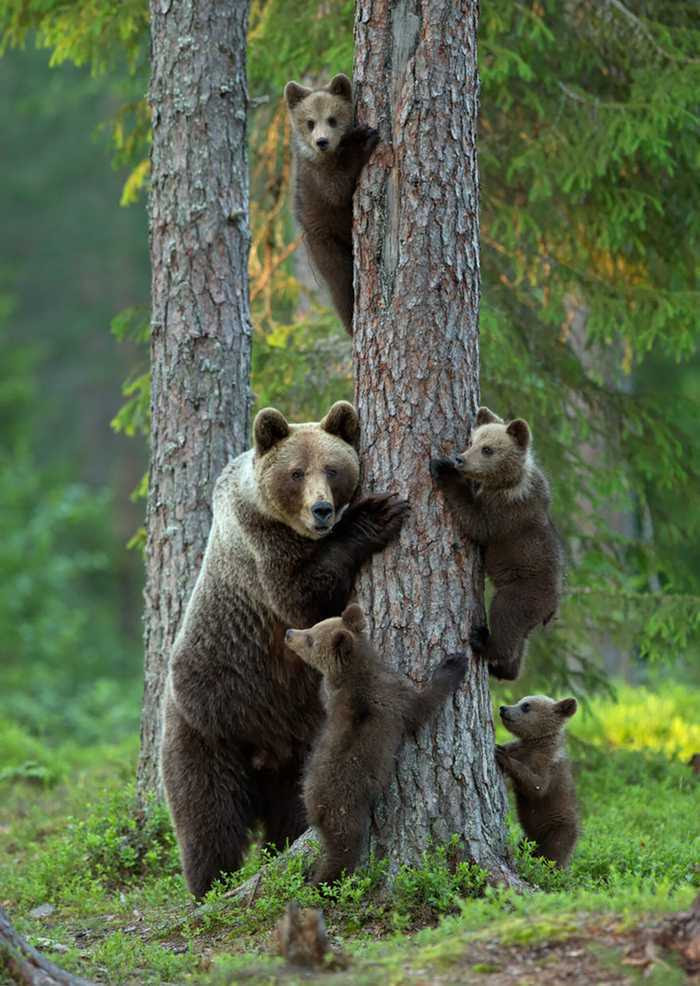 oooo
oooo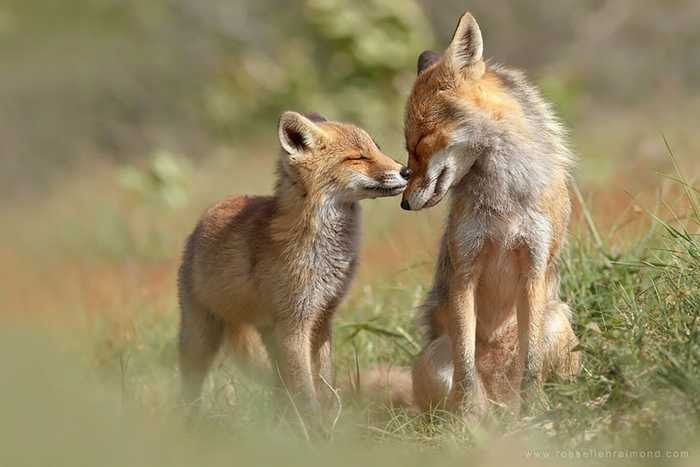 oooo
oooo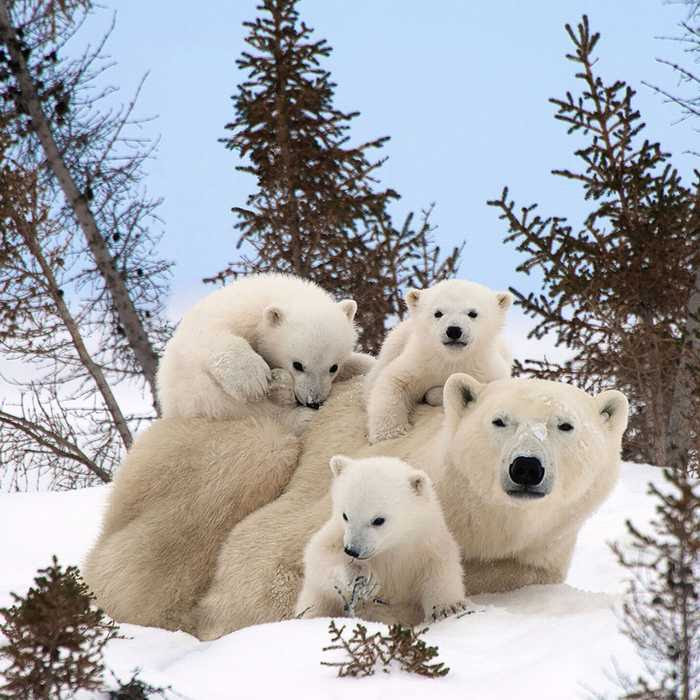 oooo
oooo Another set of these wonderful pictures in a week’s time.
 That page explains:
Everyone from the competitors, volunteers and race crew fell in love with this little dog that captured all our hearts. Gobi took a shine to me and over the week we developed an unbreakable bond as I shared my sleeping space, food/water and ultimately our companionship.
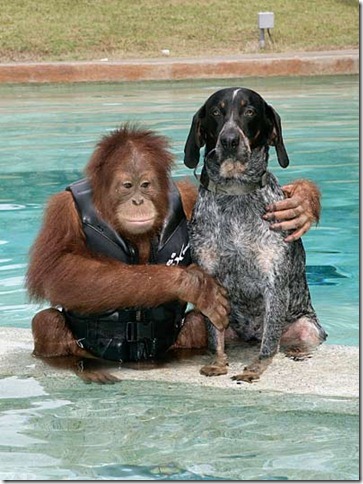 The zoo keepers found an old sick dog on the grounds in the park at the zoo where the orangutan lived. They took the dog to the animal treatment center; the dog arriving at the same time that the orangutan was there being treated.
 The two lost souls met and have been inseparable ever since. The orangutan found a new reason to live and each always tries his best to be a good companion to his new-found friend. They are together 24-hours-a-day in all their activities.
 They live in Northern California where swimming is their favorite past-time, although Roscoe (the orangutan) is a little afraid of the water and needs his friend’s help to swim.
 Together, they have discovered the joy and laughter in life and the value of friendship.
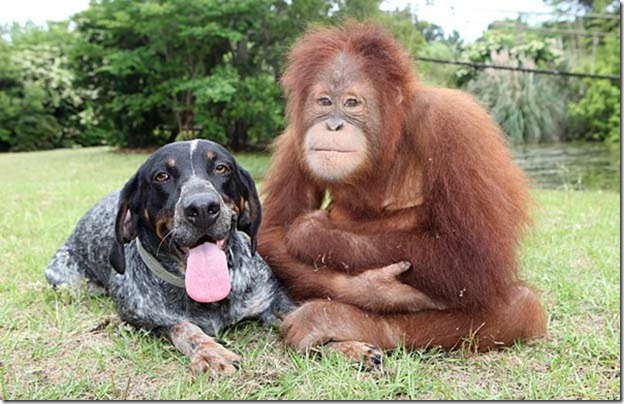 They have found more than a friendly shoulder to lean on.
 Long Live Friendship!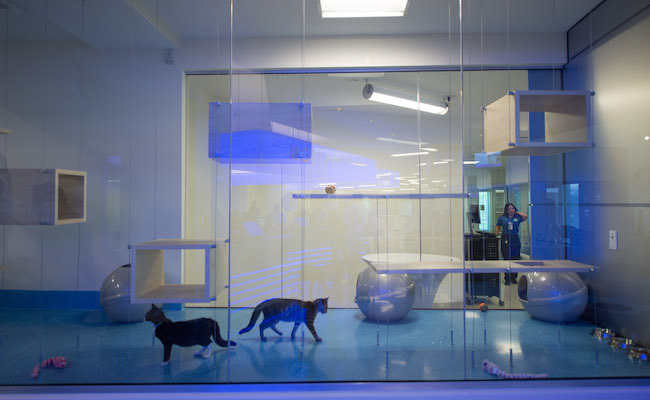
 By: Natalia Lima August 6, 2016 About Natalia
 For the kitties, a lounge area filled with toys allows them to play or just communally nap–after all, they are cats.
 In 2015, Miami-Dade became a no-kill county, reaching a 90 percent save rate for all animals going into its shelters. Now with the larger building, the department was also able to expand the number of animals it houses. The new facility has 25 percent more dogs and 50 percent more cats than the previous shelter.
 With the new spiffy location, the county is also hoping to fight the association people make of shelters being depressing and its animals sad or broken.
 oooo
oooo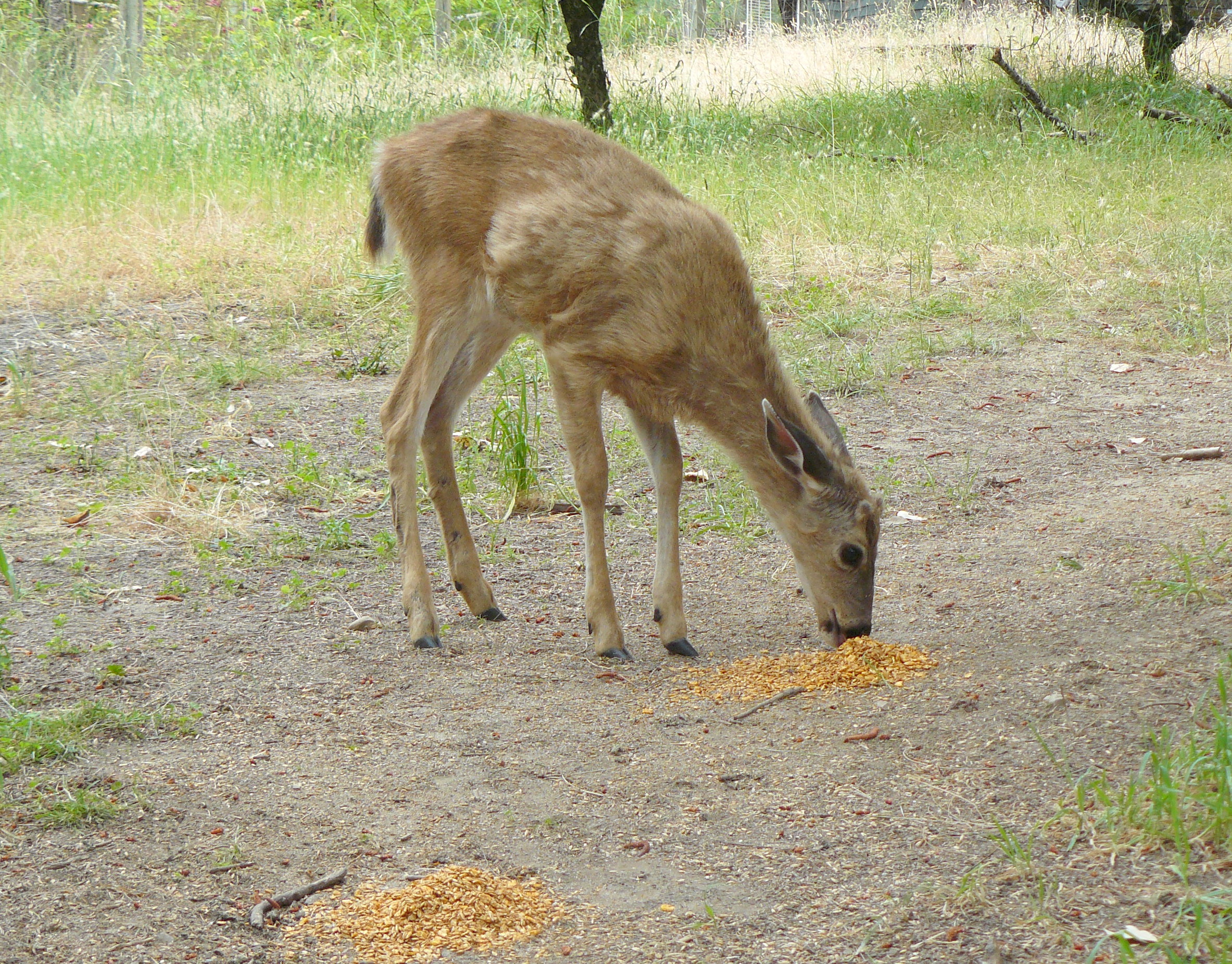 oooo
oooo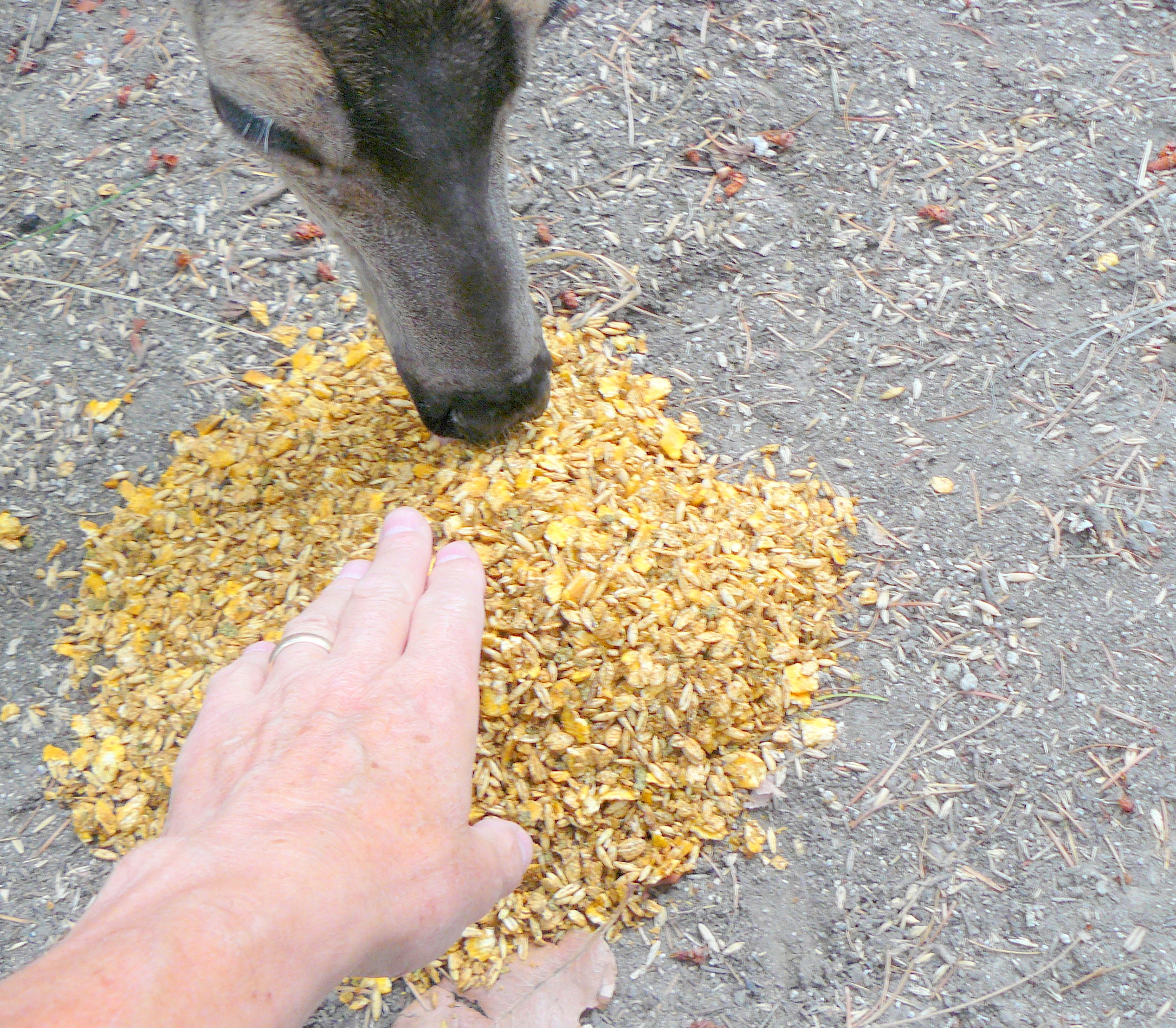 oooo
oooo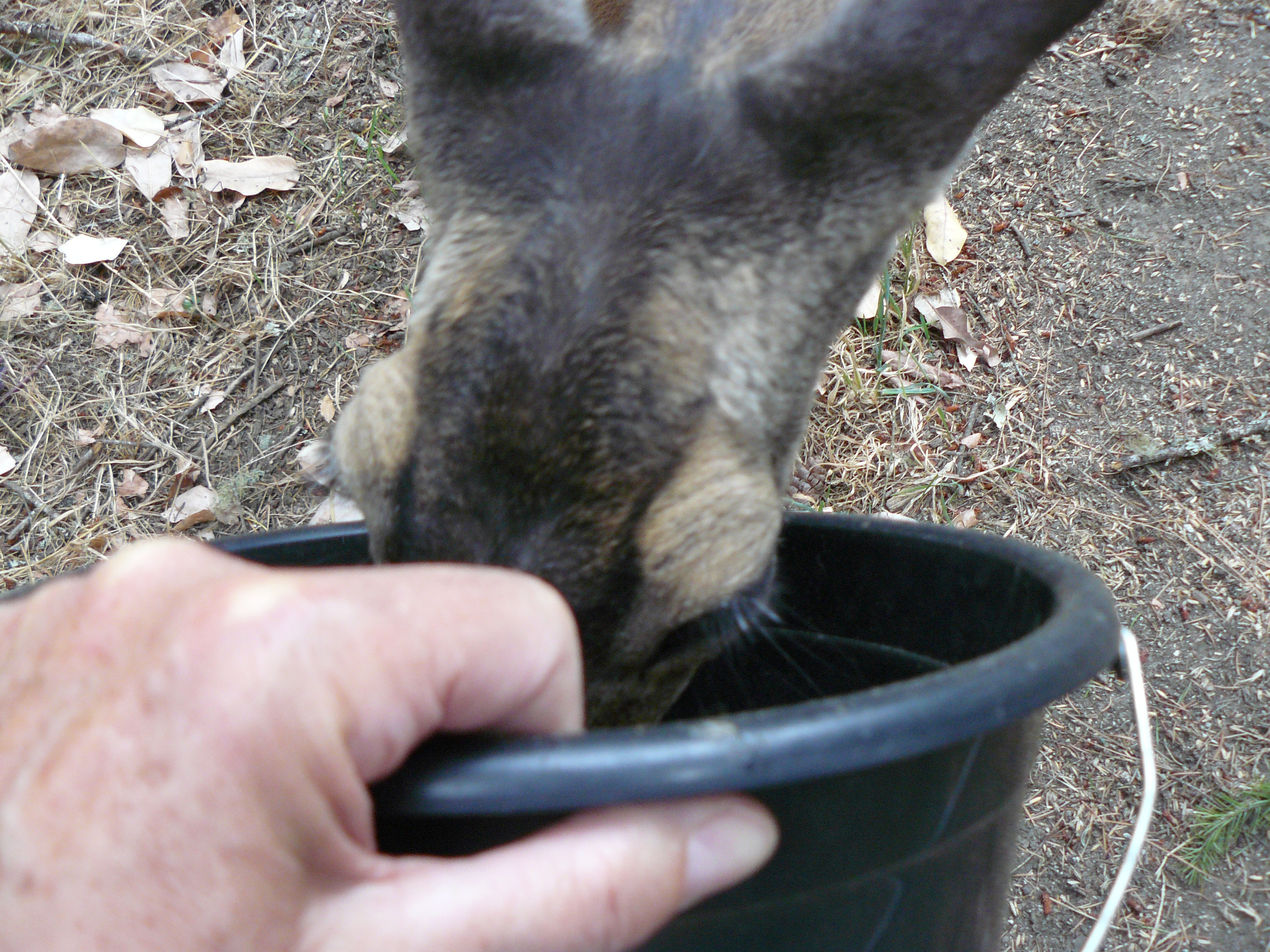 oooo
oooo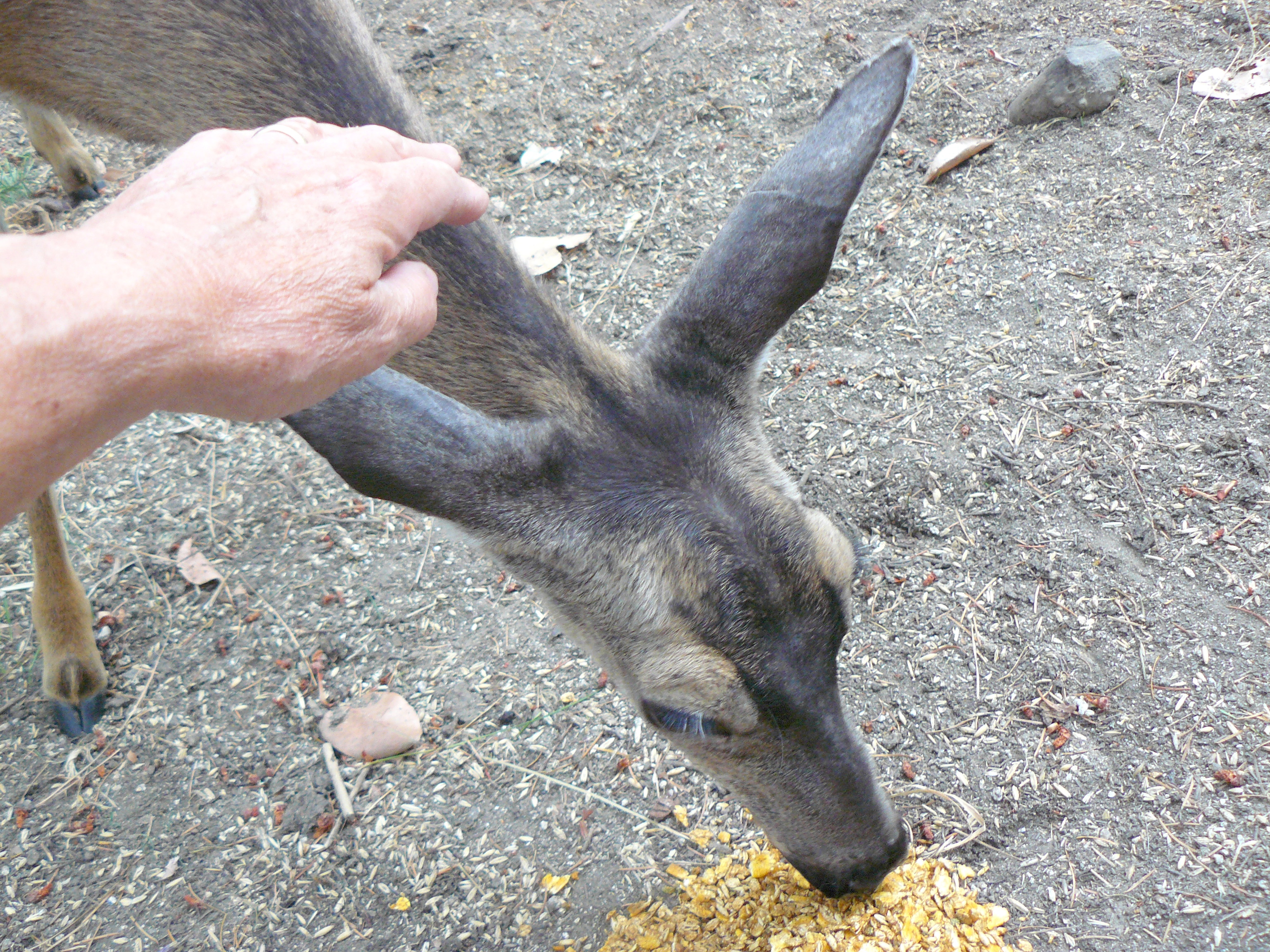 oooo
oooo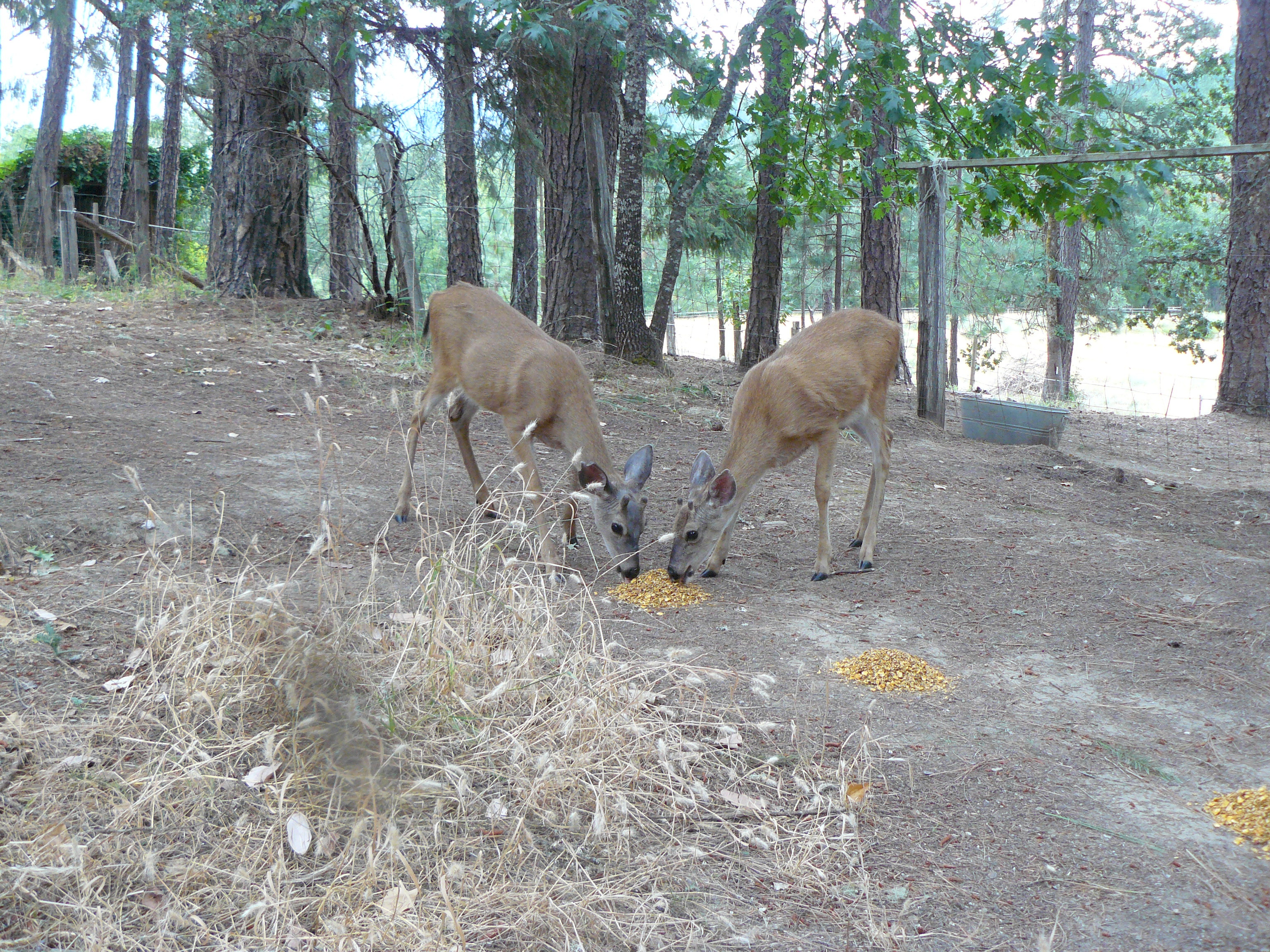 oooo
oooo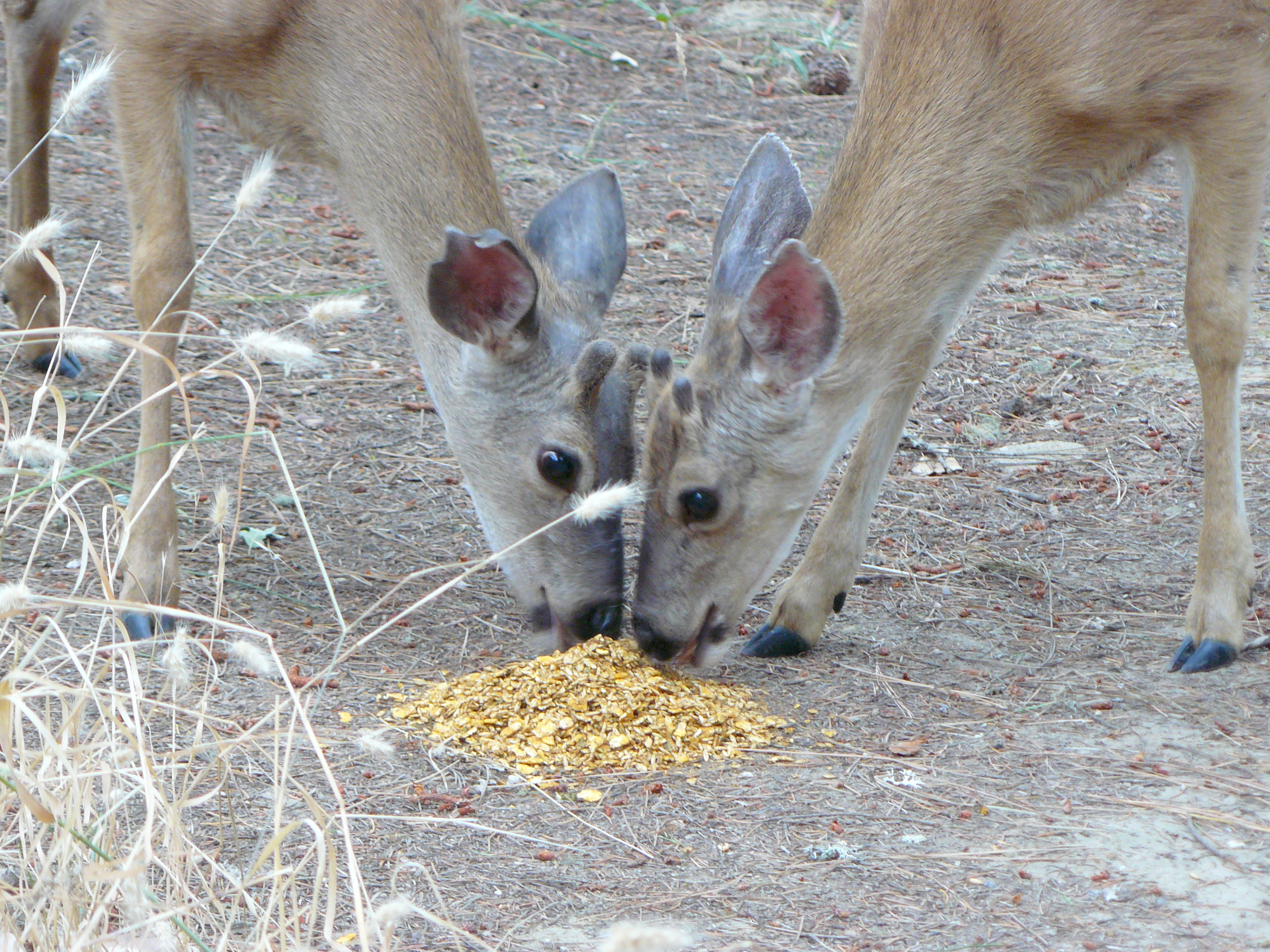 Hope you all share the same warm feeling that Jean and I enjoy seeing these pictures.
 By: Laura Goldman August 3, 2016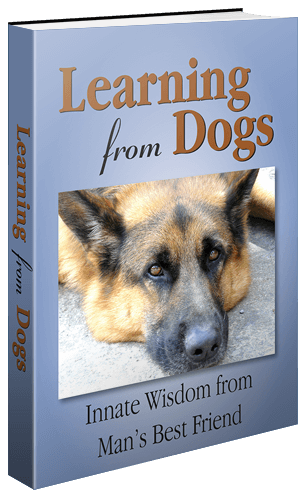



 Learning from Dogs