Category: Environment

Picture Parade Two Hundred and Sixteen

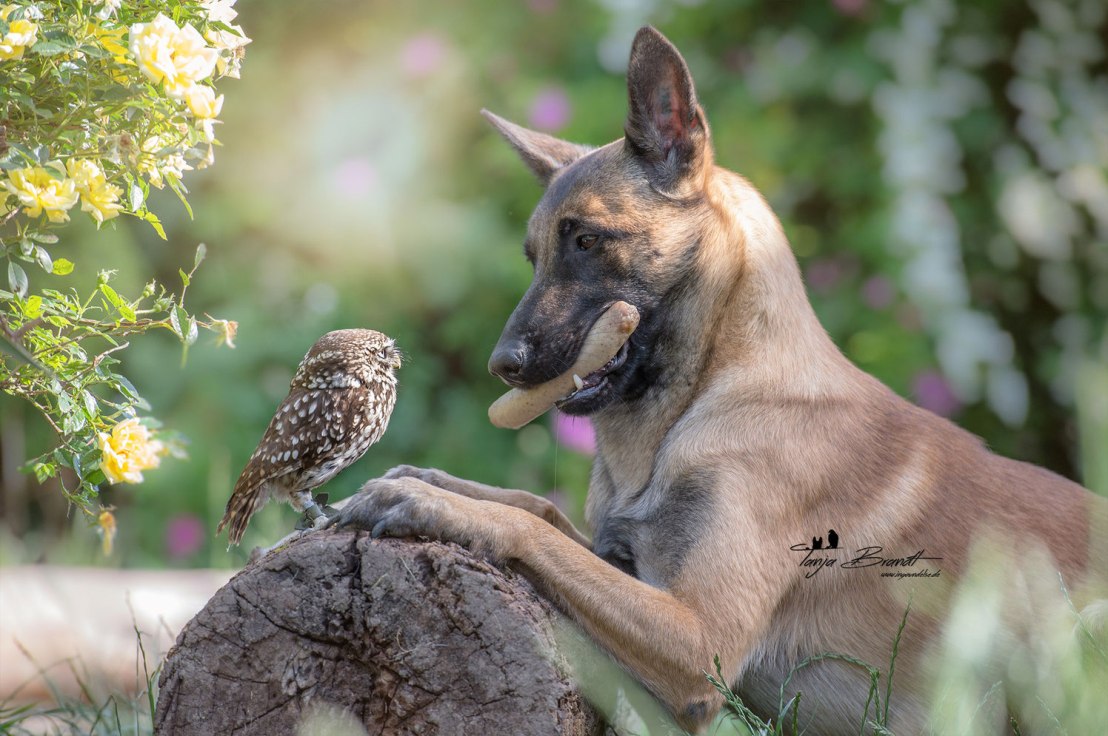
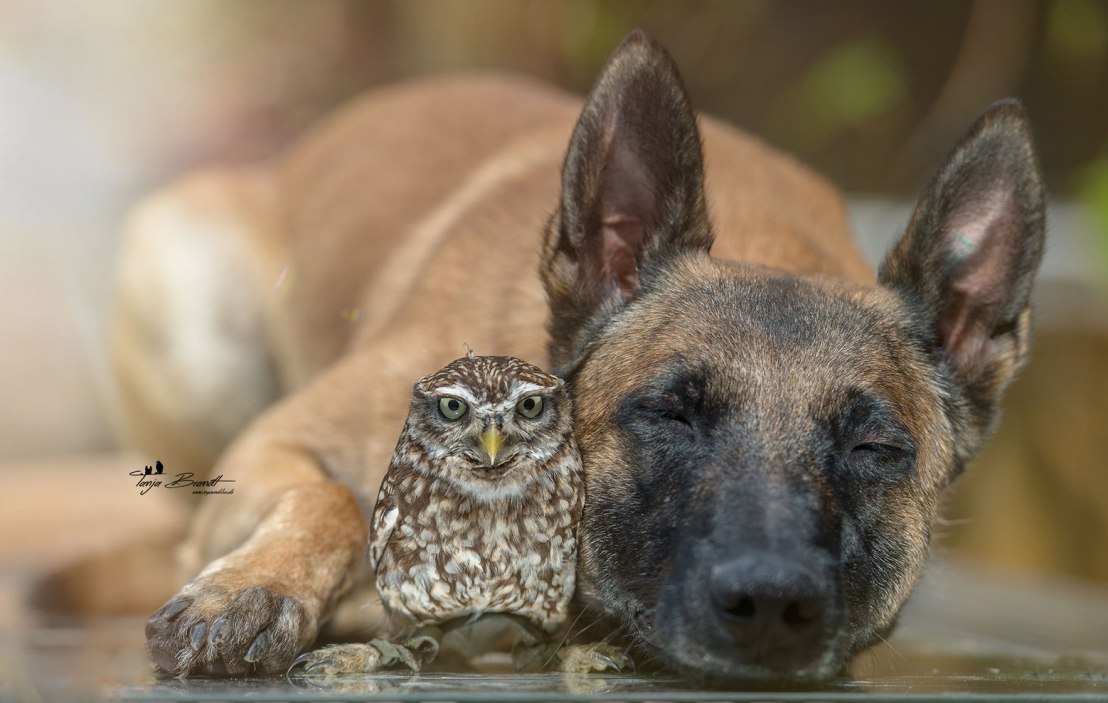
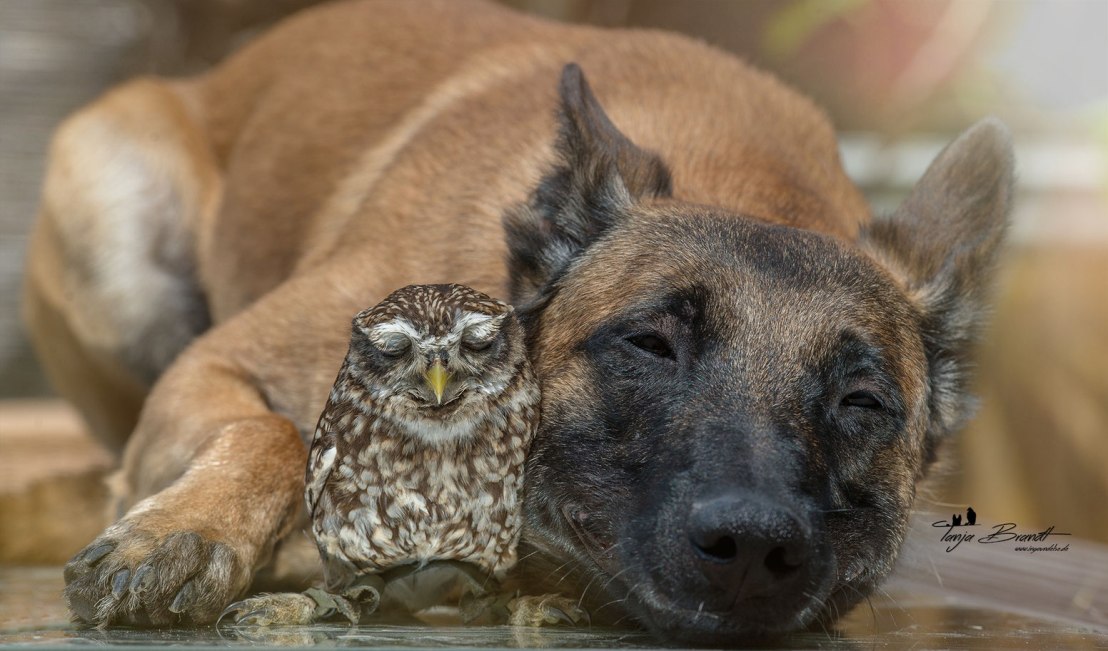
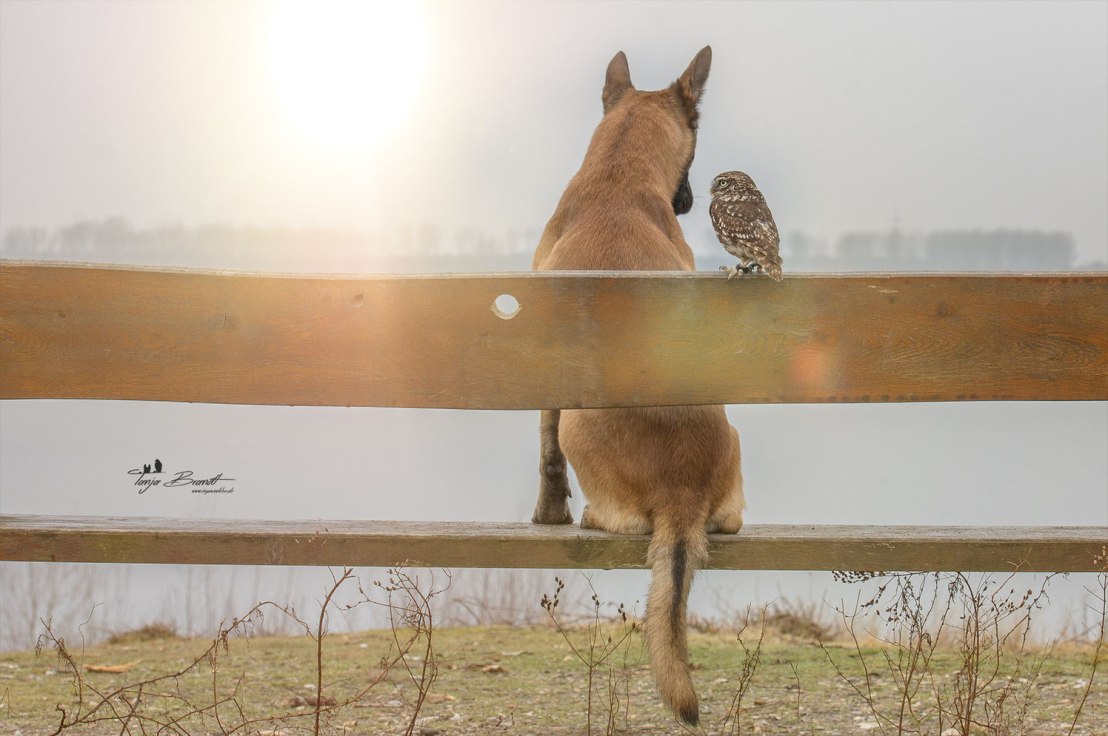
Another Picture Parade: Another visit to Tanja Brandt’s gorgeous photographs.

Republished with Tanja’s very kind permission and copied from here.

(I’m sharing twelve of Tanja’s photos today because I know all of you are like me: We cannot get enough of these magical images!)

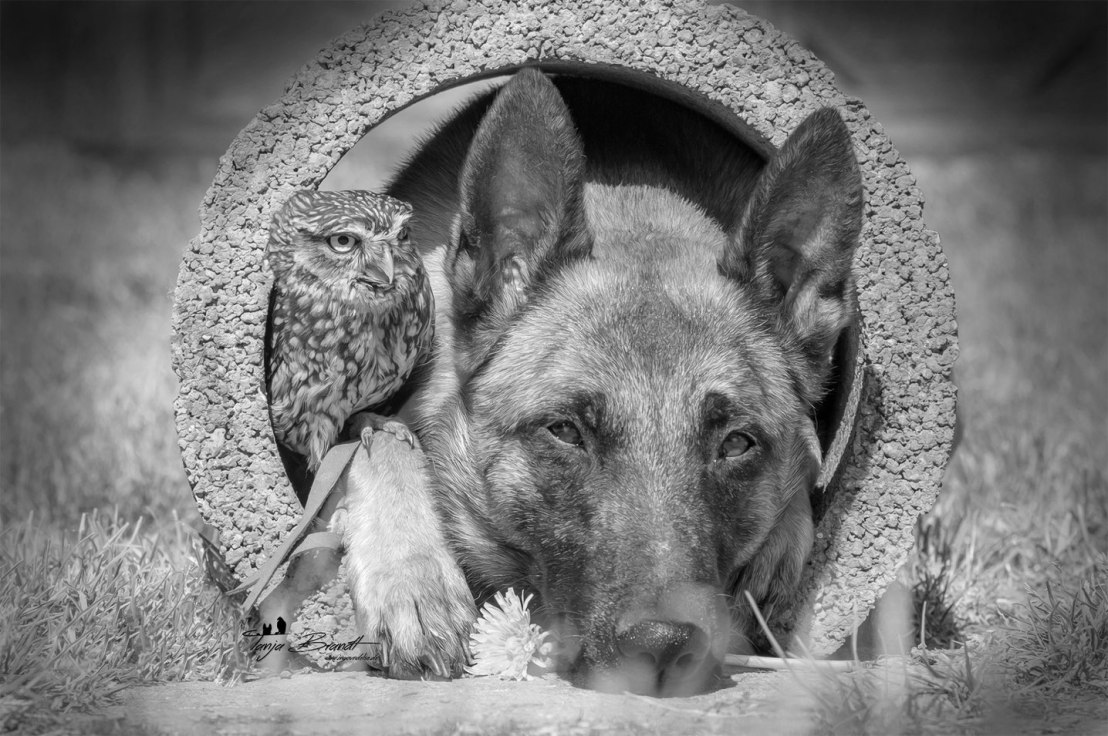
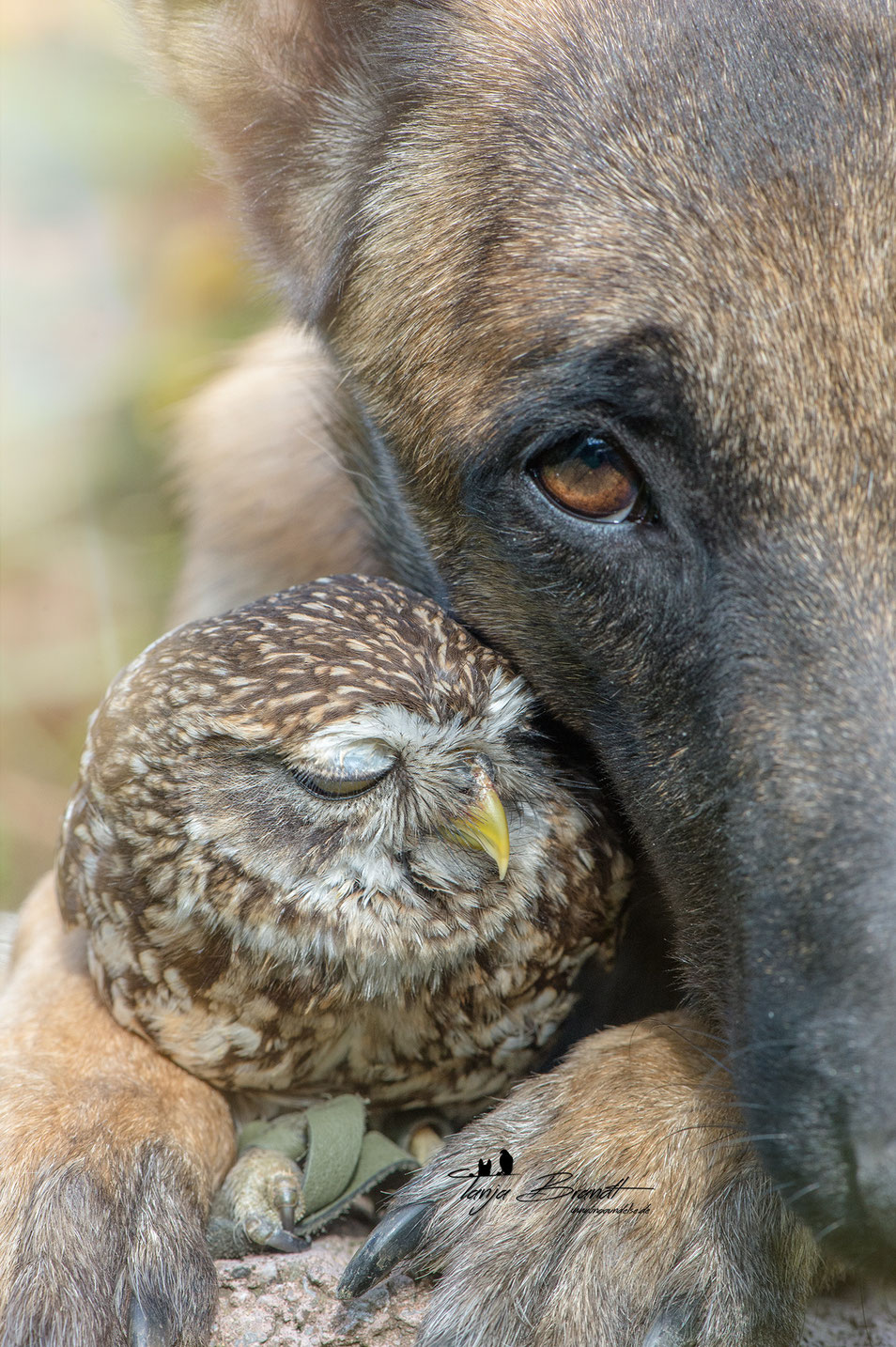
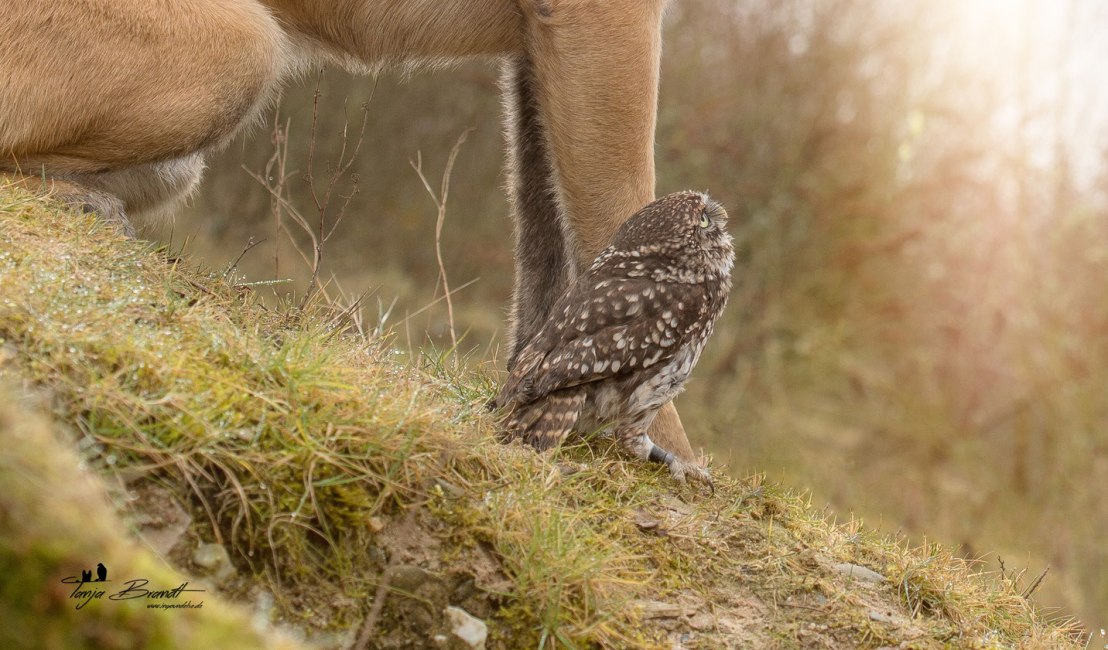
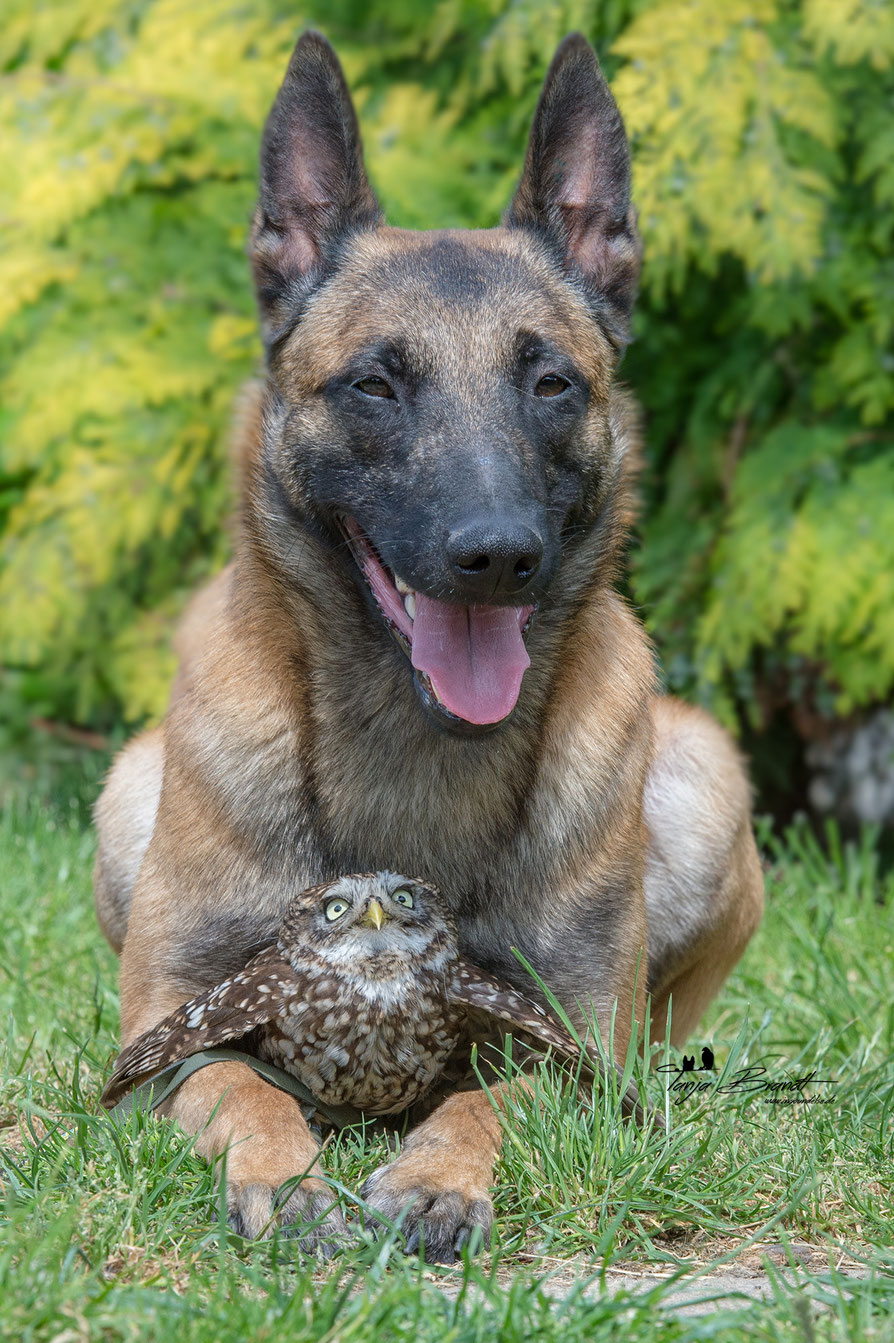
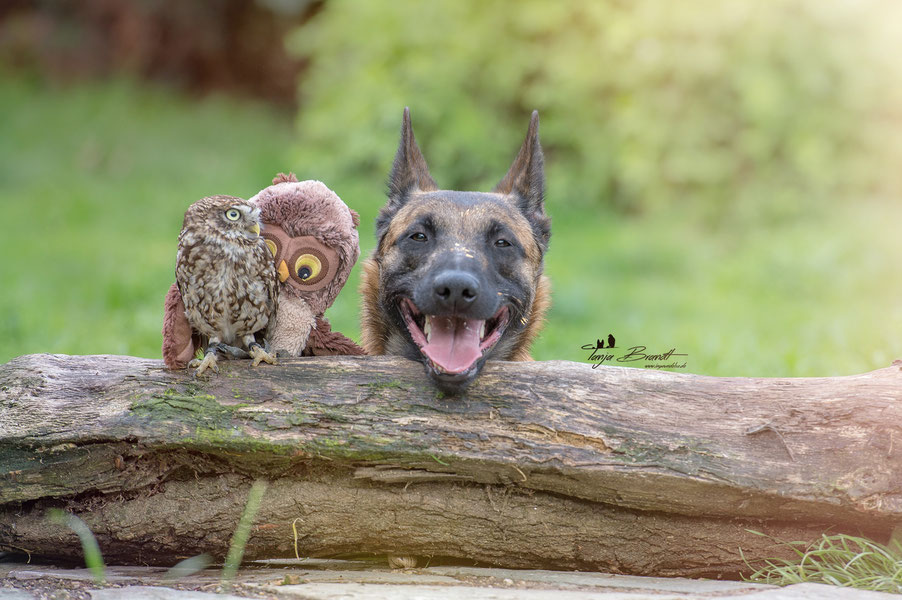
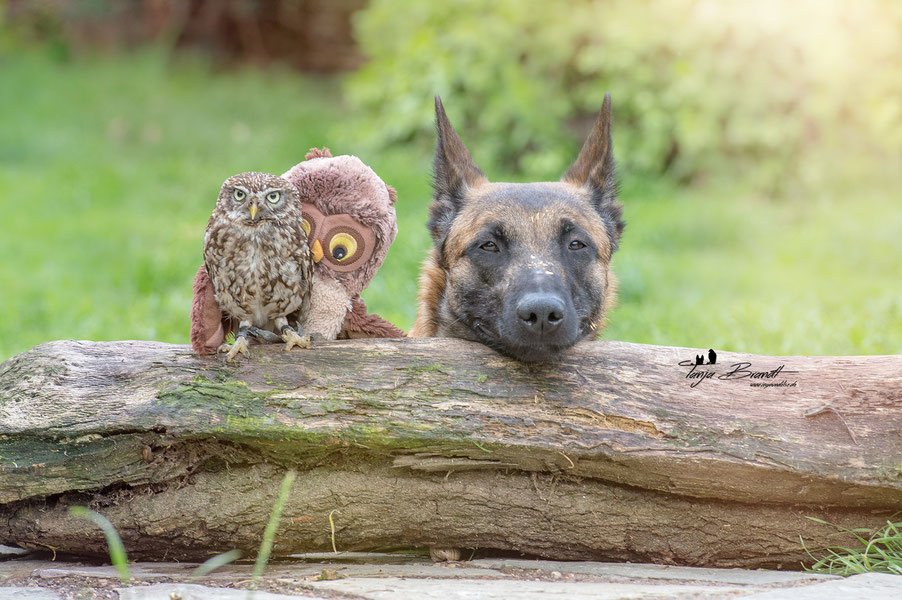
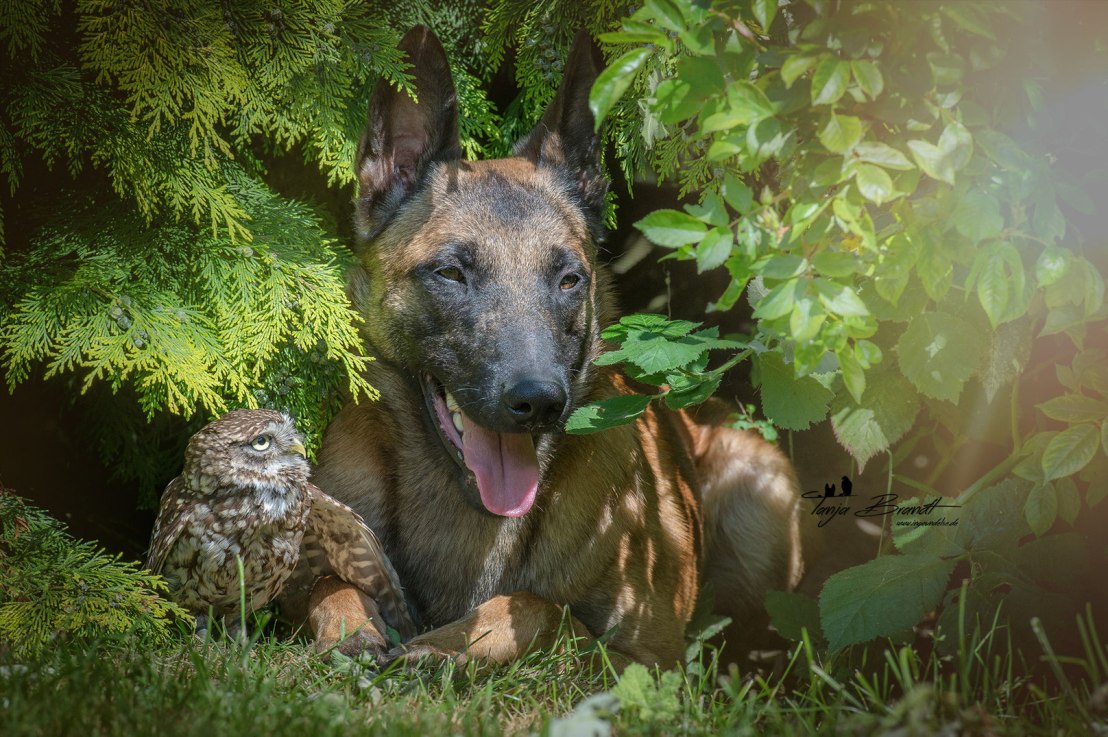
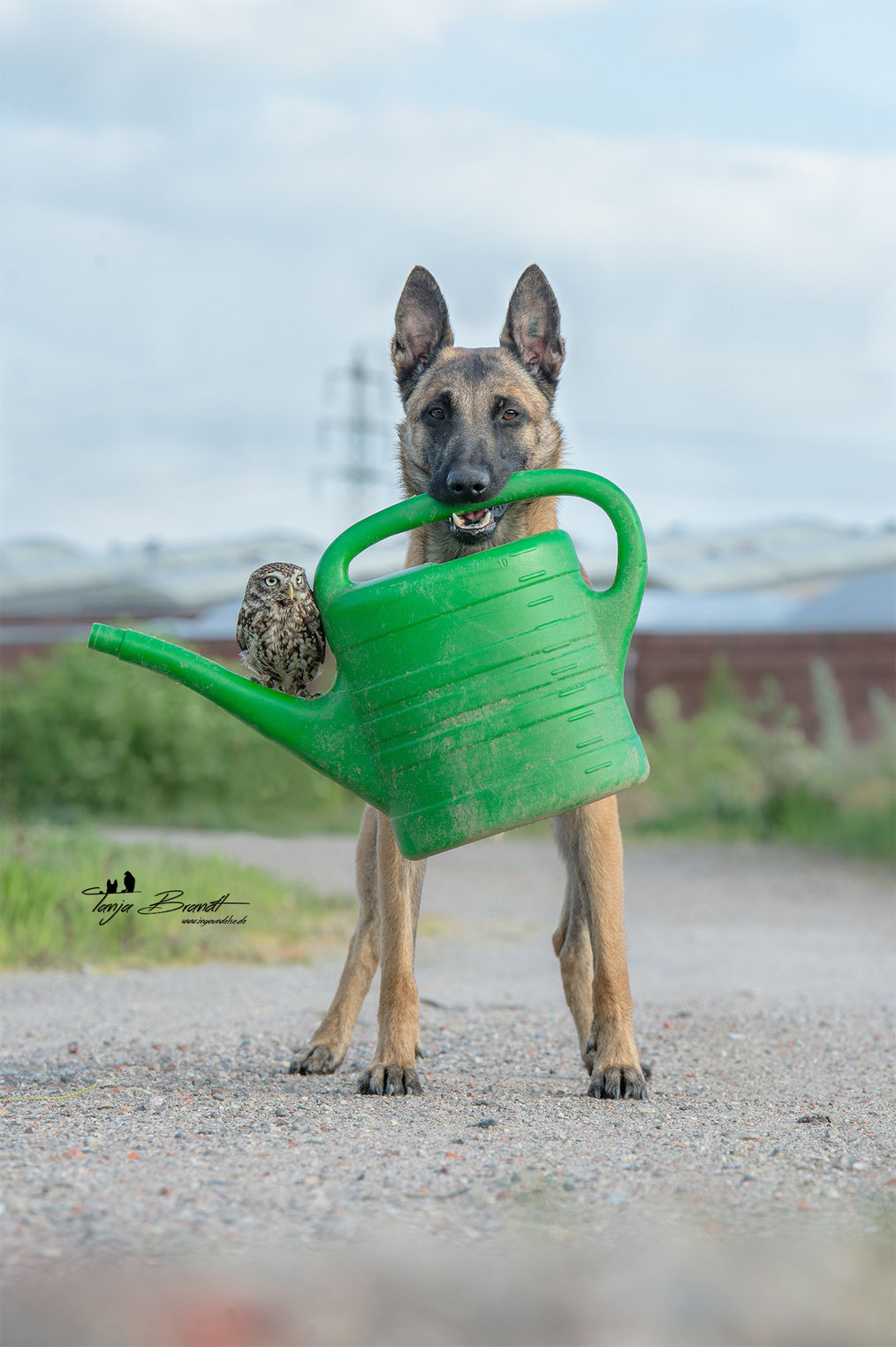
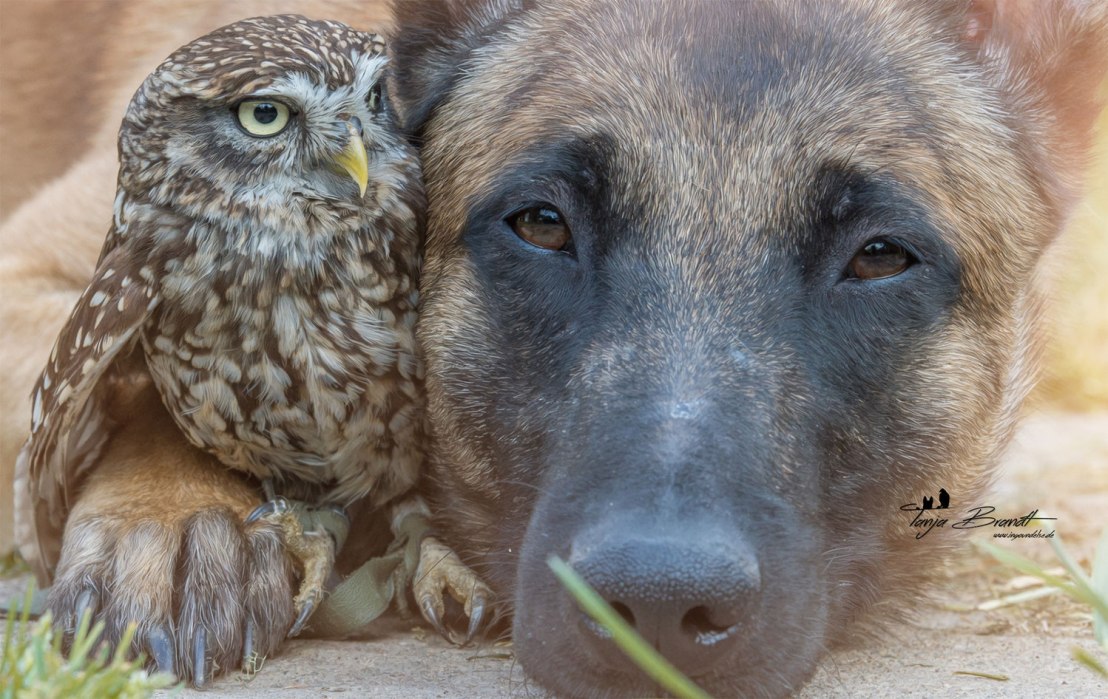
Ingo and Friends.

oooo

oooo

oooo

oooo

oooo

oooo

oooo

oooo

oooo

oooo

oooo

Would you like some more next week? Do tell me if these Picture Parades are getting too much for you!

Out Of The Wreckage: A Review

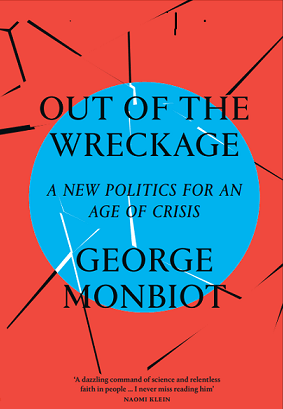
This is one powerful book!

(Please note that I am letting this post run until Sunday, 15th Oct.)

For many years I have both read George Monbiot’s writings, especially those published by The Guardian newspaper, and deeply respected his insight, intelligence and analysis of the world in which we now live.

So when I heard of his latest book, published by Verso Books both sides of the ‘pond’, it was ordered immediately. It was a book I badly wanted to read. I was not disappointed.

So what is Mr. Monbiot’s message?

To answer that question let me lean on a forthcoming talk being given by him in Edinburgh in eight days time. For he is speaking at a Scottish Green Party event on October 20th.
Here’s the thrust of what is to be covered at that meeting:

What does the good life—and the good society—look like in the twenty-first century?

A toxic ideology rules the world – of extreme competition and individualism. It misrepresents human nature, destroying hope and common purpose. Only a positive vision can replace it, a new story that re-engages people in politics and lights a path to a better world.

Join us for an evening of discussion with George Monbiot as he talks about his new book: ‘Out of the wreckage: a new politics in an age of crisis‘. New findings in psychology, neuroscience and evolutionary biology cast human nature in a radically different light: as the supreme altruists and cooperators. George argues that we can build on these findings to create a new politics: a ‘politics of belonging’.

So what does this mean for social and environmental justice campaigning in Edinburgh? How do we create a politics of belongings here in Scotland? There will be plenty of opportunity for George Monbiot and the audience to share their insights.

Doors open: 6pm

George Monbiot will speak from 7-7.30pm and there will then be a Q&A, plus a chance buy books, mingle and browse stalls.

This event is jointly hosted by Global Justice Now and the Scottish Green party.

To my mind, this book not only addresses, full on, the madness (my word) of these present times but also offers strong, positive recommendations as to how we, as in the societies of all the major nations, can turn it around and offer a decent future for future generations. That’s why I am so strongly recommending it.

Take this extract from the review of George Monbiot’s book published by the Guardian newspaper on the 14th September this year:

For George Monbiot, neoliberalism should best be understood as a “story”, one that was conveniently on offer at precisely the moment when the previous “story” – namely Keynesianism – fell to pieces in the mid-1970s. The power of stories is overwhelming, as they are “the means by which we navigate the world. They allow us to interpret its complex and contradictory signals”. The particular story of neoliberalism “defines us as competitors, guided above all other impulses by the urge to get ahead of our fellows”.

Or this extract from the review published by The New Statesman:

It should be said at once that we are desperately in need of new ideas for a society and a democracy where trust in all established institutions is at a record low and even a Tory prime minister admits the country doesn’t work for everyone. Monbiot’s ideas are clear, well-reasoned and sometimes compelling. Many will mock his attempt at a “story of hope and restoration”; even some of his Guardian colleagues call him “George Moonshine”. Human beings, his critics will say, are inherently selfish and self-maximising. Give them the opportunity to freeload off others’ efforts and they will take it.

Such objections are easily dismissed. Yes, there’s a self-interested streak in all of us but, as Monbiot observes, we also have instincts for co-operation and sensitivity to others’ needs. Think of the hundreds who volunteer to run food banks and of the thousands more who donate to them. Think of those Europeans who, at great risk to themselves, sheltered Jews from the Nazis during the Second World War. The altruistic instinct can be kindled in almost anybody. It is suppressed, however, in a society that rewards the selfish but penalises – and brands as “mugs” – those who are more mindful of our needs, and the planet’s. That society has led to loneliness, high levels of mental illness and increasingly discordant political discourse. Shouldn’t we at least try developing a society that does more to nurture the better angels of our nature?

Better still, settle down with a cup of tea, put your feet up for fifteen minutes and listen to this:

This book struck me as the most important book I have ever read in my lifetime. Why? Because it gets to the heart of what is happening today. But it offers even more than that. For instead of a shrug of the shoulders or eyes turned skywards from a friend when one mutters about the fact that we are living in ‘interesting times’, George Monbiot offers hope and guidance.

Take the very last two paragraphs from the final chapter of his book.

Coming Home to Ourselves

Through restoring community, renewing civic life and claiming our place in the world, we build a society in which our extraordinary nature – our altruism, empathy and deep connection – is released.

When we emerge from the age of loneliness and alienation, from an obsession with competition and extreme individualism, from the worship of image and celebrity and power and wealth, we will find a person waiting for us. It is a person better than we might have imagined, whose real character has been suppressed. It is one who lives inside us, who has been there all along.

“- our altruism, empathy and deep connection -”

I see these persons every day of my life. Via the pages of this blog.

Yes, I am referring to all of you who wander in and out of this place, who demonstrate your compassion, your love and your dedication to the dogs and all the other animals of this world.

Read this book!

Picture Parade Two Hundred and Fifteen

Another Picture Parade: Another visit to Tanja Brandt’s gorgeous photographs.

Republished with Tanja’s very kind permission and copied from here.

Ingo and Friends.

oooo

oooo

oooo

oooo

oooo

If ever one had doubt about whether dogs can display smiles then these incredible photographs from Tanja prove that they most certainly can!

Will find a few more to share with you in a week’s time. Meantime you all take good care of yourselves and your wonderful pets!

Well done HSUS!

Here’s what HSUS are doing for the poor dogs out in Puerto Rico.

From time to time we do donate a few cents to The Humane Society of the United States (HSUS) because their size and huge support from so many people does allow them to step up to the really big needs.

And Hurricane Maria certainly left a big need in its wake for dogs.

So a recent item that was published over on Mother Nature Network just had to be shared with you all.

ooOOoo

Hundreds of dogs are being airlifted out of hurricane-ravaged Puerto Rico

One beach famous for its stray dogs is now hauntingly empty.

Christian Cotroneo, October 3, 2017.

The HSUS Animal Rescue Team (ART) assists with animal rescue and response following Hurricane Maria on the island of Vieques, Puerto Rico. (Photo: Dennis M. Rivera Pichardo/AP Images for The HSUS)

In the wake of Hurricane Maria, hundreds of dogs, as well as cats, horses and even a few pigs, are getting off the island.

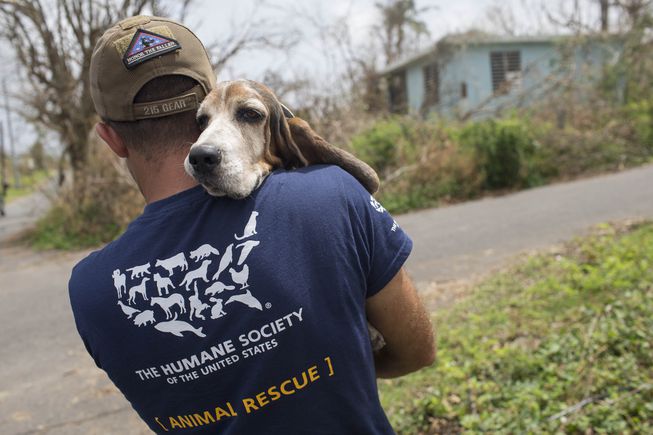
Several rescue groups, including the Humane Society of the United States, have waded into the breach to rescue some of the island’s most defenseless residents: its burgeoning population of stray dogs, as well as those currently in shelters.

HSUS has a history with the territory, helping with law enforcement training and horse care, and working closely with animal shelters across the island.

“Since the storm hit, we’ve been doing our best to stay in contact, given the communication challenges, with all of our shelter partners and other partners on the island,” Inga Fricke, director of pet retention programs for HSUS, tells MNN.

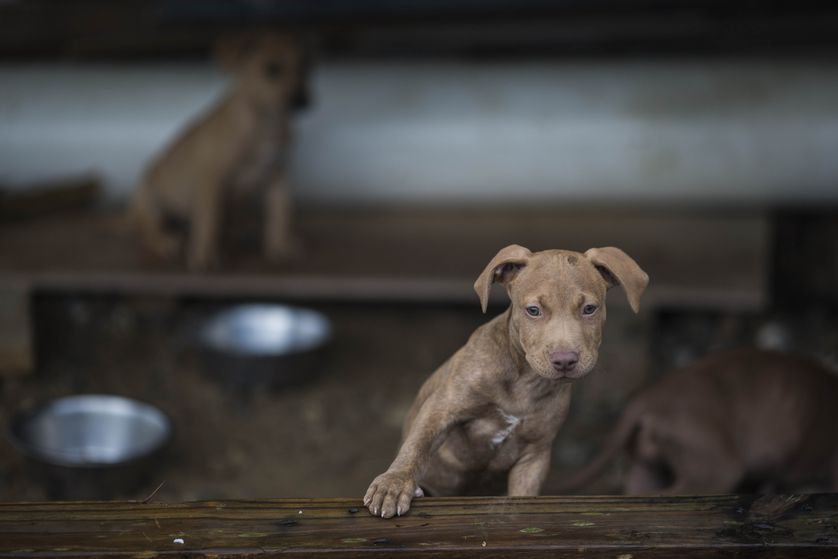
Puppies under a house in Vieques, Puerto Rico. (Photo: Dennis M. Rivera Pichardo/AP Images for The HSUS)

This week, the organization — with help from partners like Wings of Rescue and St. Hubert’s Animal Welfare Center — began airlifting dogs from stressed island shelters to a processing center in New Jersey.

“They get vetted there, get the care they need and then get parceled out to other partners around the country,” Fricke says.

Not every animal survived Maria’s onslaught. Notably, a southeast corner of the island once teeming with strays — nicknamed “Dead Dog Beach” — was found to be desolate when rescuers arrived.

“We’re hearing from our rescuers who have a feeding area where they go every day and we are hearing that most of those dogs have perished,” Twig Mowatt, co-founder of All Sato Rescue, tells MNN.

While the organization is based in San Juan, Puerto Rico, Mowatt is just outside of Boston, coordinating with the Humane Society of Puerto Rico to get vulnerable dogs airlifted to the mainland.

“I’m kind of like an air traffic controller these days,” she says. “My group is largely rescue and transport but we partner with the humane society for those really badly affected.”

“We were able to get dogs out on Friday and then yesterday,” Mowatt adds.

John Peaveler, an inspector with HSUS, does a field inspection in Vieques. (Photo: Dennis M. Rivera Pichardo/AP Images for The HSUS)

Described as “apocalyptic,” the hurricane left much of the island in the dark, without electricity or communications. And while the humanitarian relief effort is ongoing — much of the island was still without power in early October — the search for animals in distress may be even more complicated.

With an estimated 150,000 dogs in Puerto Rico and not enough animal shelters, there’s no space for dogs found roaming at large. As a result, many of them are put down immediately.

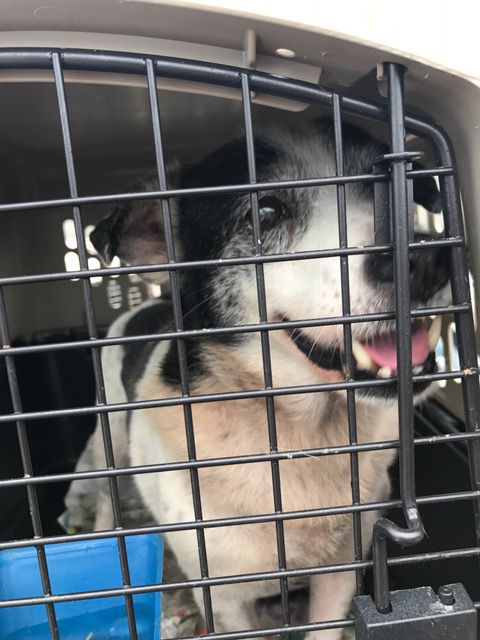
A crated dog is prepared for transport to New Jersey. (Photo: Dennis M. Rivera Pichardo/AP Images for The HSUS)

“We have even done several transports, even just this year, to try and alleviate some of the overcrowding and the pressures on the shelters across the island,” Fricke explains.

“But certainly our focus now, after the hurricane, is to try and remove as many of the sheltered animals as possible so we can allow them to make room for animals that unfortunately have been affected by the storm and can’t be kept by their families any more for any reason.”

If you would like to help HSUS in its efforts to to save Puerto Rico’s displaced animals, consider making a donation here.

ooOOoo

That’s a great way to end the week. See you all on Sunday!

Picture Parade Two Hundred and Fourteen

Returning to Tanja Brandt’s gorgeous photographs.

Republished with Tanja’s very kind permission and copied from here.

They are so very special!

Ingo and Friends.

oooo

oooo

oooo

oooo

oooo

oooo

I could gaze at these fantastic photographs for the rest of my life!

More to savour in a week’s time.

And we save dogs!

Only right that we save dogs as well.

(I couldn’t have asked for a better post to follow yesterday’s post on dogs saving us.)

As seen on the Lady Freethinker’s site.

ooOOoo

Tiny Dog Rescued from Mexico Rubble 6 Days After Quake

Posted by Nina Jackel | September 26, 2017

Six days after Mexico City was ravaged by an earthquake, there seemed little hope of finding anyone alive among the rubble.

But a Japanese rescue team was thrilled to find one more tiny survivor — a schnauzer, who they managed to pull from the ruins of a collapsed apartment building.

The lucky dog was checked out by vets, and had somehow managed to remain in good health. Authorities now hope to reunite the schnauzer with her family as soon as possible.

Thank you to rescuers who travelled from around the world to save lives — both human and animal — in the wake of this tragic disaster.

ooOOoo

The video and news item was carried by the New York Post and for reasons I am unsure about I couldn’t include the video in this post. But you can view that video by going here. Luckily other newspapers carried the wonderful event and the following photograph appeared in The Independent newspaper two days ago.

A schnauzer dog who survived the quake is pulled out of the rubble from a flattened building by rescuers in Mexico City 24 September. ALFREDO ESTRELLA/AFP/Getty Images

My guess is that dogs and humans have been saving each other for thousands of years and long may it continue.

Dogs save us in many ways.

With the recent earthquakes in Mexico being a glorious example of that!

Nobody would have missed out on the news of the terrible catastrophe of the  recent earthquakes in Mexico.

As seen on the NBC news site.

Mexico Earthquake Death Toll Climbs as Dozens Sleep on Streets

JUCHITAN, Mexico — The death toll from one of the most powerful earthquakes ever recorded in Mexico rose to at least 61 early Saturday as workers scrambled to respond to the destruction just as Hurricane Katia struck its coastline.

The 8.1 quake off the southern Pacific coast just before midnight Thursday toppled hundreds of buildings in several states. Hardest-hit was Juchitan, Oaxaca, where 36 people died and a third of the city’s homes collapsed or were otherwise rendered uninhabitable, President Enrique Pena Nieto said late Friday in an interview with the Televisa news network.

It’s impossible to truly appreciate the terror of such an event unless one has had the misfortune of already living through such an earthquake. Likewise, almost as difficult to appreciate the terror of being trapped.

But thank goodness for dogs that are trained to sniff out those trapped persons. Such as Frida who saved so many lives down in Mexico. Here’s the account of Frida’s special deeds as carried on the Care2 site.

ooOOoo

Frida, the Heroic Rescue Dog, Saves Lives After Mexico’s Earthquake

By: Laura Goldman,   September 25, 2017

About Laura   Follow Laura at @lauragoldman

Photos and videos of a rescue dog named Frida have gone viral — complete with her cute-yet-necessary work uniform: doggie goggles, vest and four protective, Velco-strapped booties. She has become a four-legged symbol of hope during these dark times in Mexico.

Although, contrary to some early news reports, Frida didn’t really rescue 52 people after the devastating 7.1 earthquake struck Mexico Sept. 19, the 7-year-old yellow Labrador retriever has nonetheless become a media sensation.

What’s true is that prior to the earthquake, Frida (she’s named after the artist Frida Kahlo) had helped rescue 12 people and recover the bodies of 40 people during her career as a disaster rescue dog with the Mexican Navy’s (SEMAR) Canine Unit.

Working with 14 other dogs in the unit, she has located 12 victims of the Sept. 19 quake so far.

Frida’s first mission after the earthquake struck was to find survivors at the Enrique Rebsamen School in Mexico City. Eleven children were found alive by other emergency workers. Tragically, 19 children and six adults did not survive.

Frida suffered from exhaustion after searching the school Sept. 20, her handler, Israel Arauz Salinas, told the Los Angeles Times. After napping and drinking plenty of water with electrolytes, she was in better spirits the following day and ready to go back to work.

Frida has two colleagues in the Canine Unit, Evil and Echo, who are both one-year-old Belgian Malinois dogs. Because Frida is getting on in years, Evil and Echo enter collapsed buildings before she does. If they find someone, Frida enters and spends no longer than 20 minutes inside the building.

The disaster rescue dogs can reach areas that are inaccessible to human responders, including spaces that are less than 20 inches high. When they find a victim who’s alive, the dogs bark. Otherwise they stop and slowly approach the body. “They act afraid,” Salinas told the L.A. Times. “That indicates to us that there is a cadaver.”

Like the other dogs in the Canine Unit, Frida began training when she was just two months old. The skills the dogs show in training determine whether they will go on to detect people, narcotics or explosives.

To train dogs to find people, they are first taught to fetch toys and balls. Once they learn how to do that, their trainers run with the toy or ball in their hands. The dogs learn to associate the smell of the person with the reward of the ball, Salinas told the L.A. Times. Before they’re ready to be dispatched to disaster areas, the dogs train for about three hours a day for a year.

Just two weeks before the Sept. 19 earthquake, Frida helped locate the body of a policeman after a massive 8.1 quake struck Juchitan. She also worked in Ecuador after an earthquake there in April last year.

Before Frida won the hearts of the rest of the world, even the president of Mexico, Enrique Pena Nieto, was a fan of hers (or at least the person in charge of his official Twitter account was).

“She is @Frida, belongs to the #SEMAR_mx and has helped save 52 lives in various natural disasters at the national and international levels,” says a @PresidenciaMX tweet on Sept. 13.

ooOOoo

I’m going to finish off today’s post with a recent video aired by Quebec News. (Actually, a series of still photographs.)

Quebec NEWS Published on Sep 21, 2017

Thousands of emergency services, military, and civilians are currently searching through rubble across the country for survivors. Among them are Frida, a rescue dog who has saved 52 people throughout her career, according to the office of Mexico’s President. Frida’s adorable outfit has a purpose. The goggles are to protect her eyes from smoke and debris, while the boots protect her feet from rough terrain. A massive 7.1 earthquake rocked Mexico earlier this week,It was the second major earthquake to hit Mexico in two weeks


Picture Parade Two Hundred and Thirteen.

Contrasts!

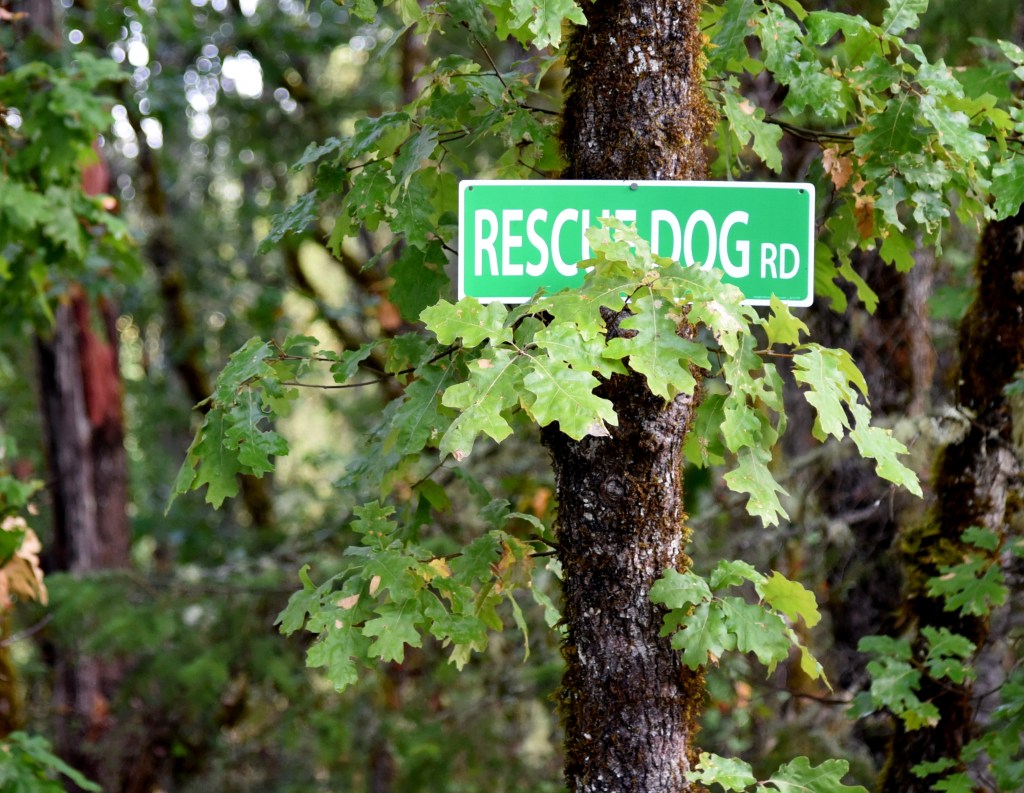
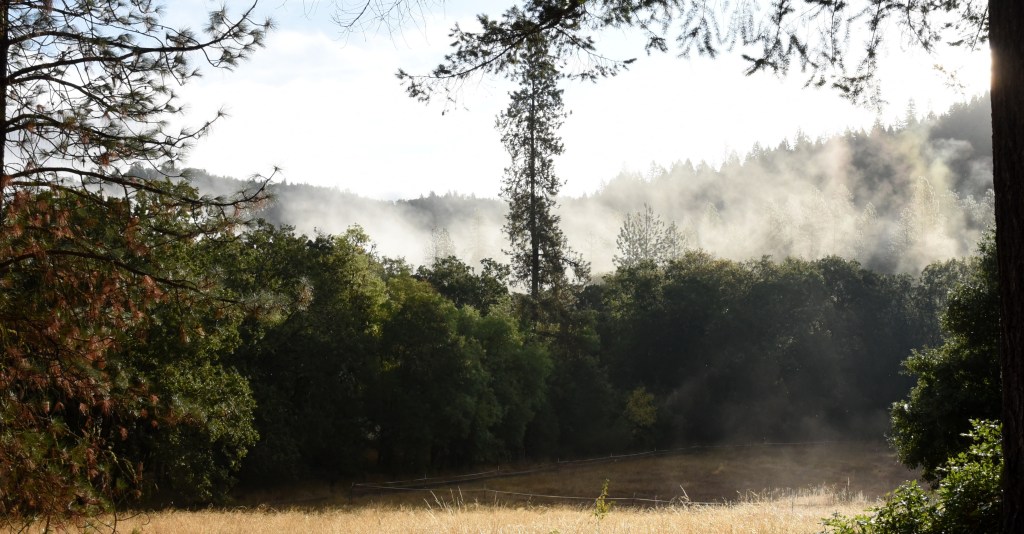
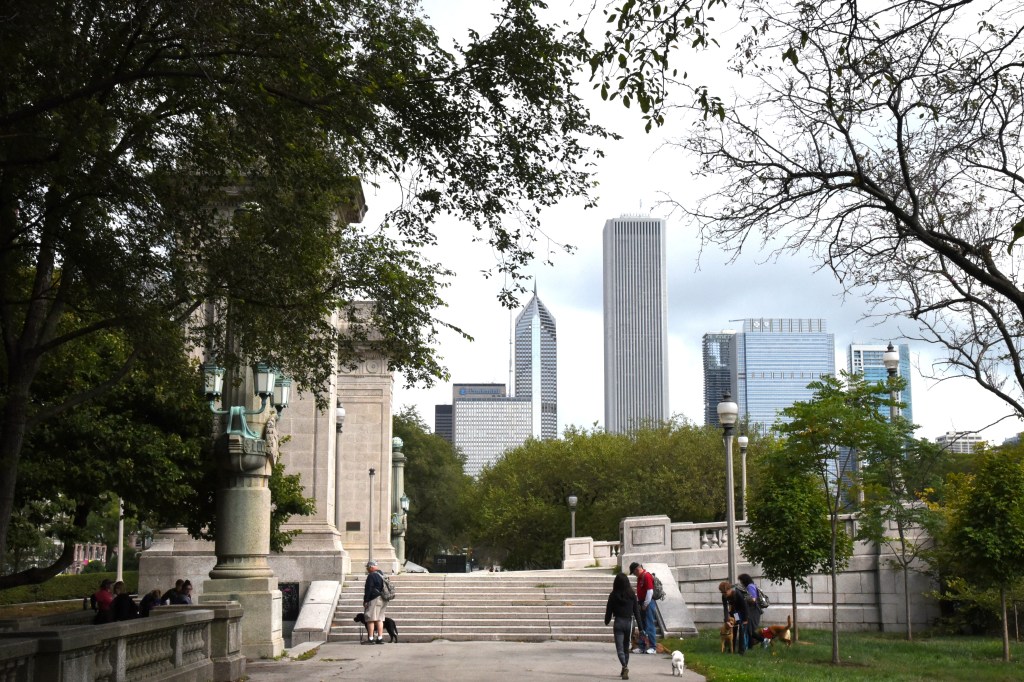
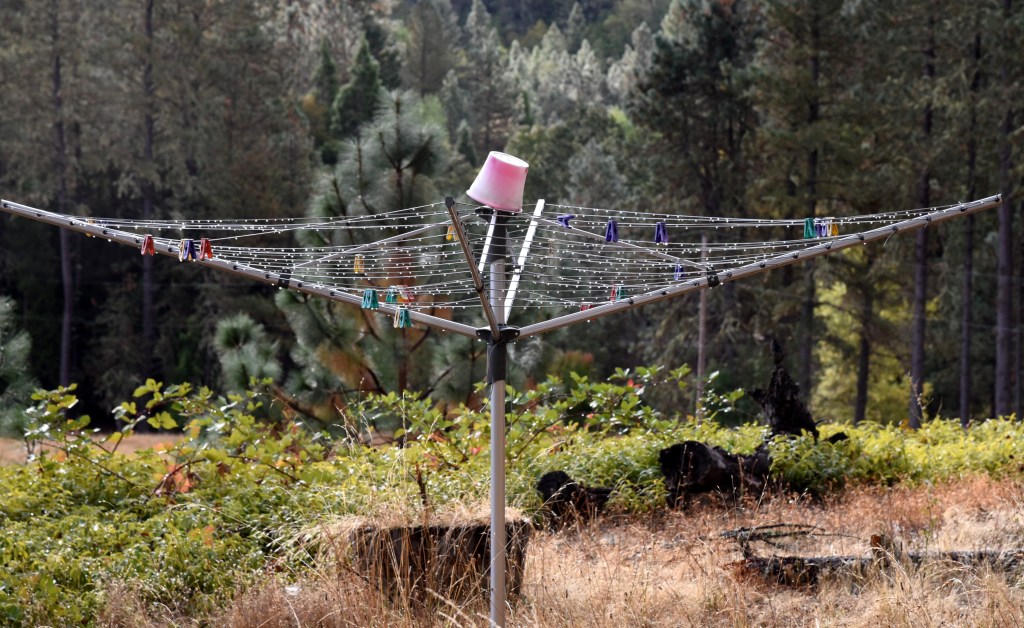
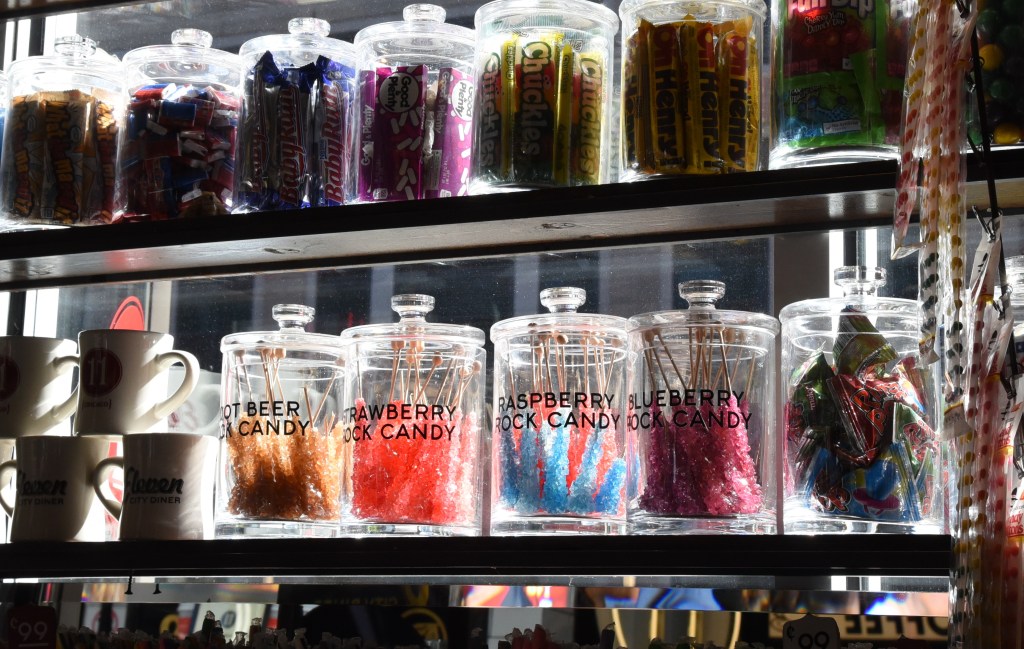
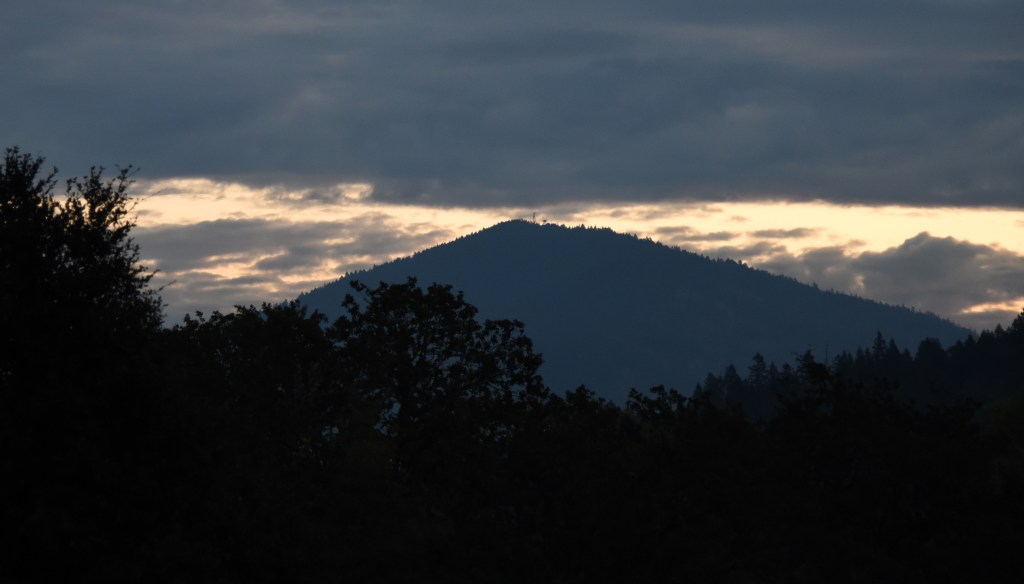
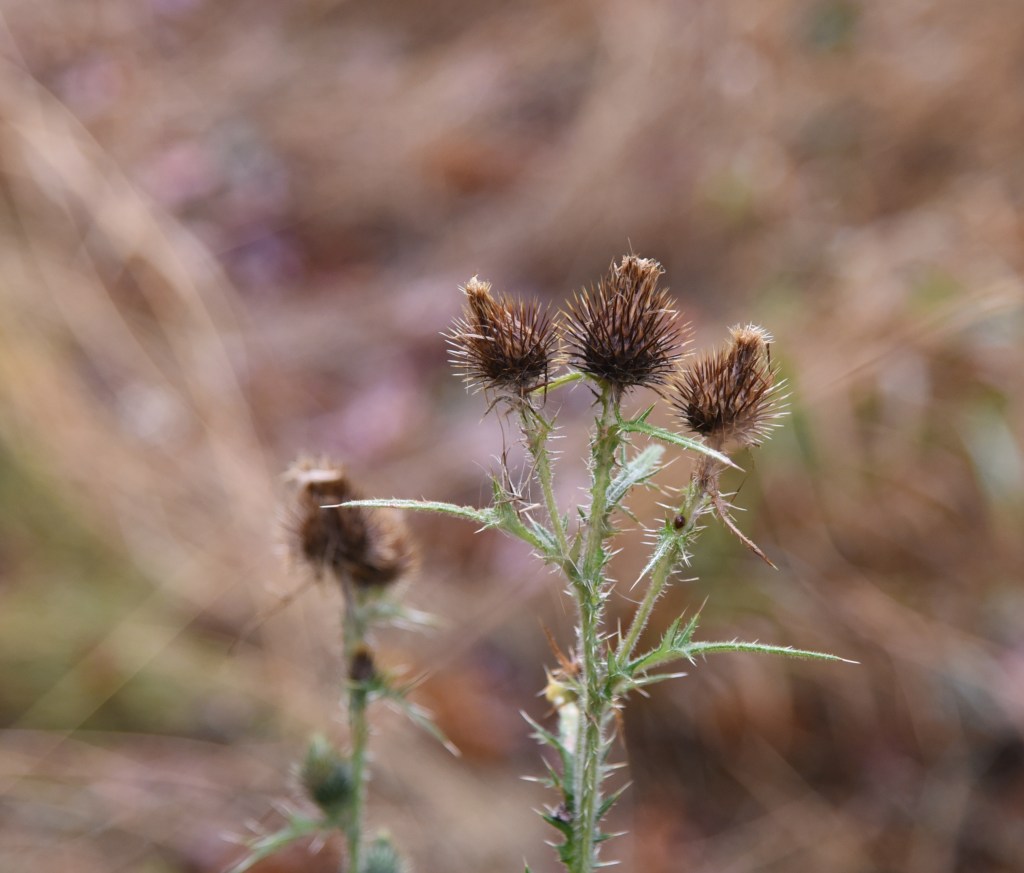
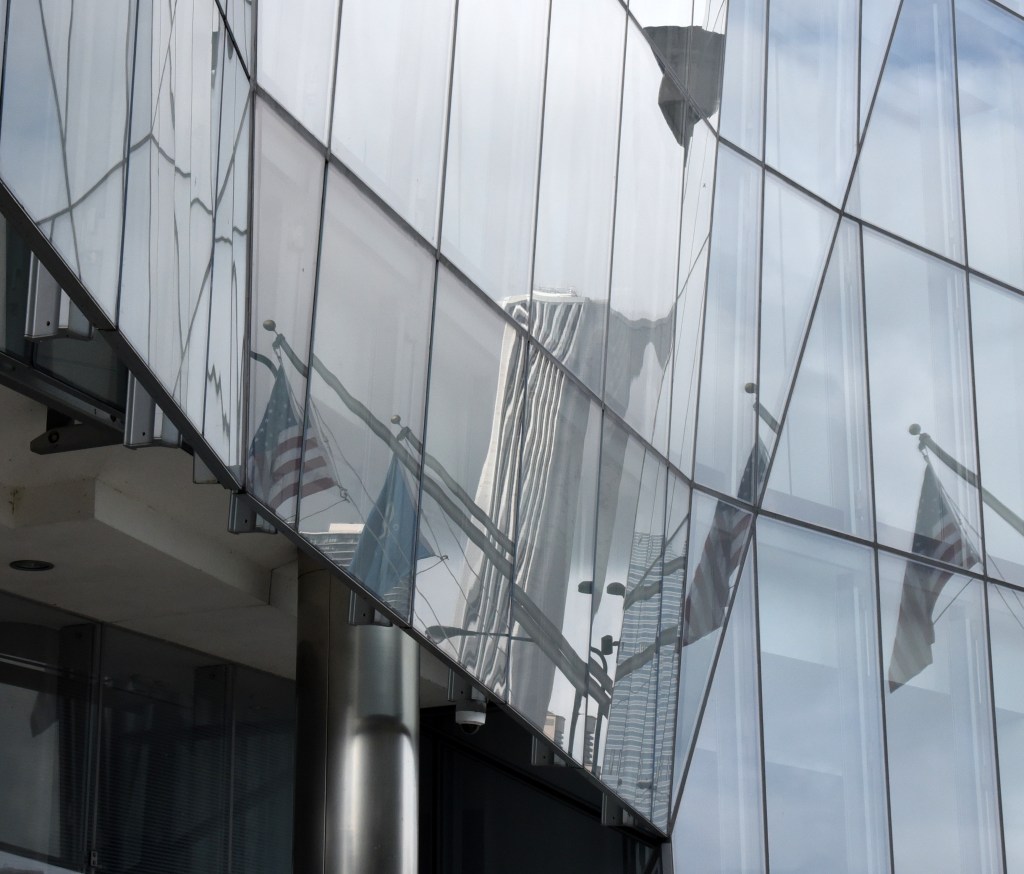
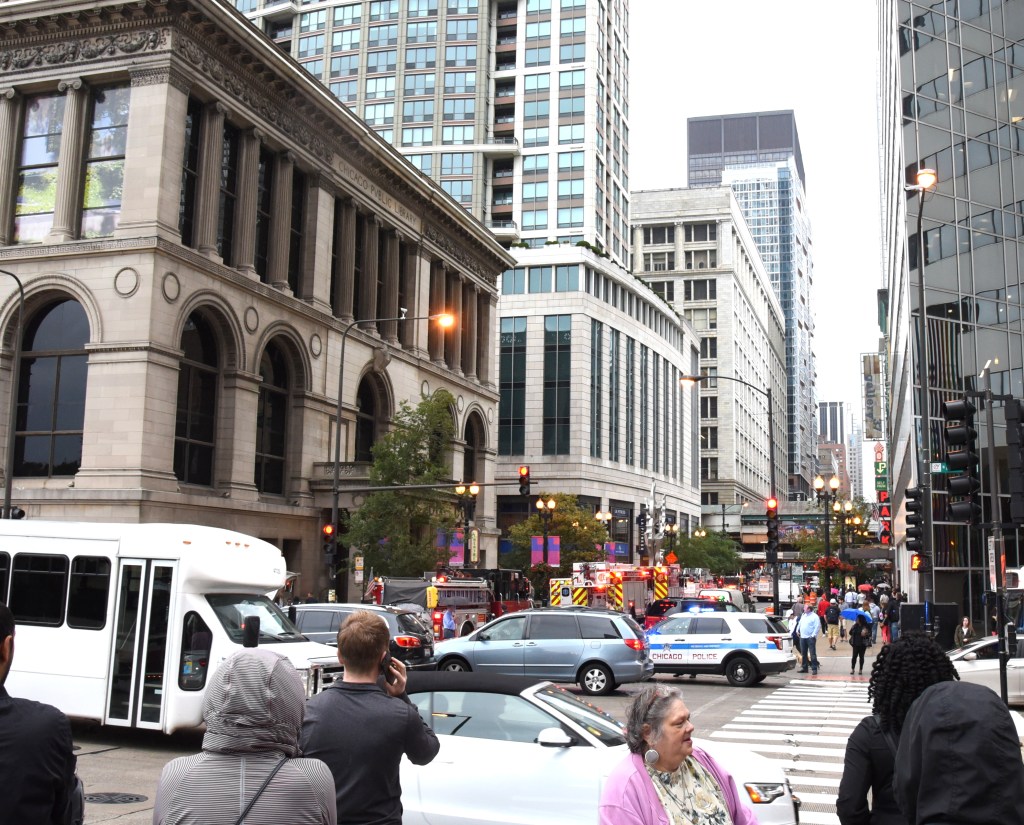
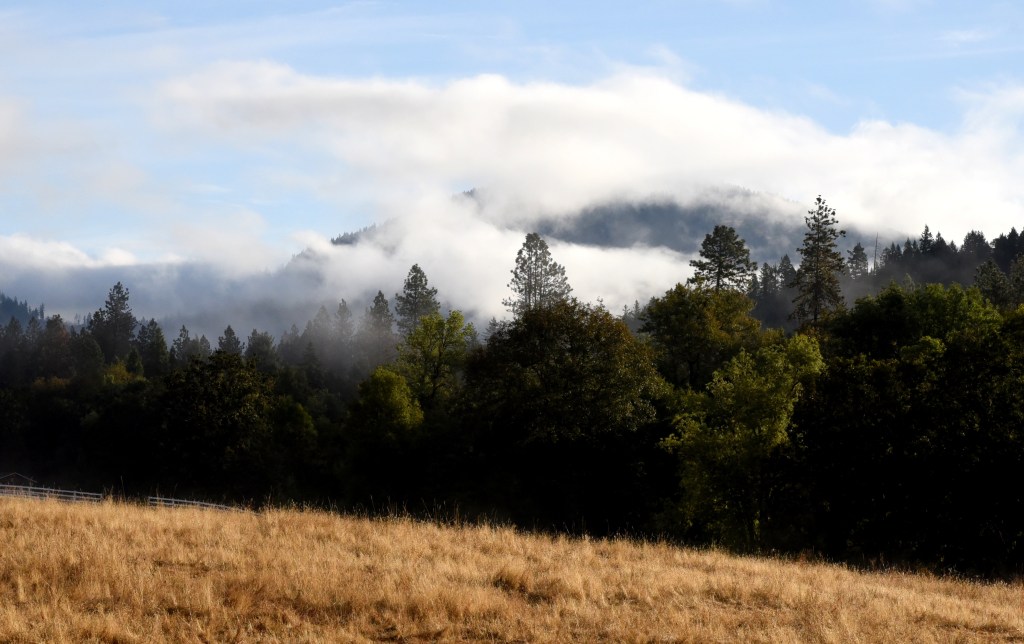
The first weekend of this month saw Jeannie and me in Chicago. Then back home in Merlin, earlier this week, half-an-inch of rain fell to break a long spell of dry weather. I went out last Thursday morning to capture some sights of the first misty morning of Autumn. The contrast between our rural home and Chicago was dramatic; to say the least! Enjoy!

(P.S. I sensed there was no need to describe each photograph in terms of which one was taken in Merlin or in Chicago!)

oooo

oooo

oooo

oooo

oooo

oooo

oooo

oooo

oooo

oooo

oooo

oooo

You all have a good week!

So who is Sam?

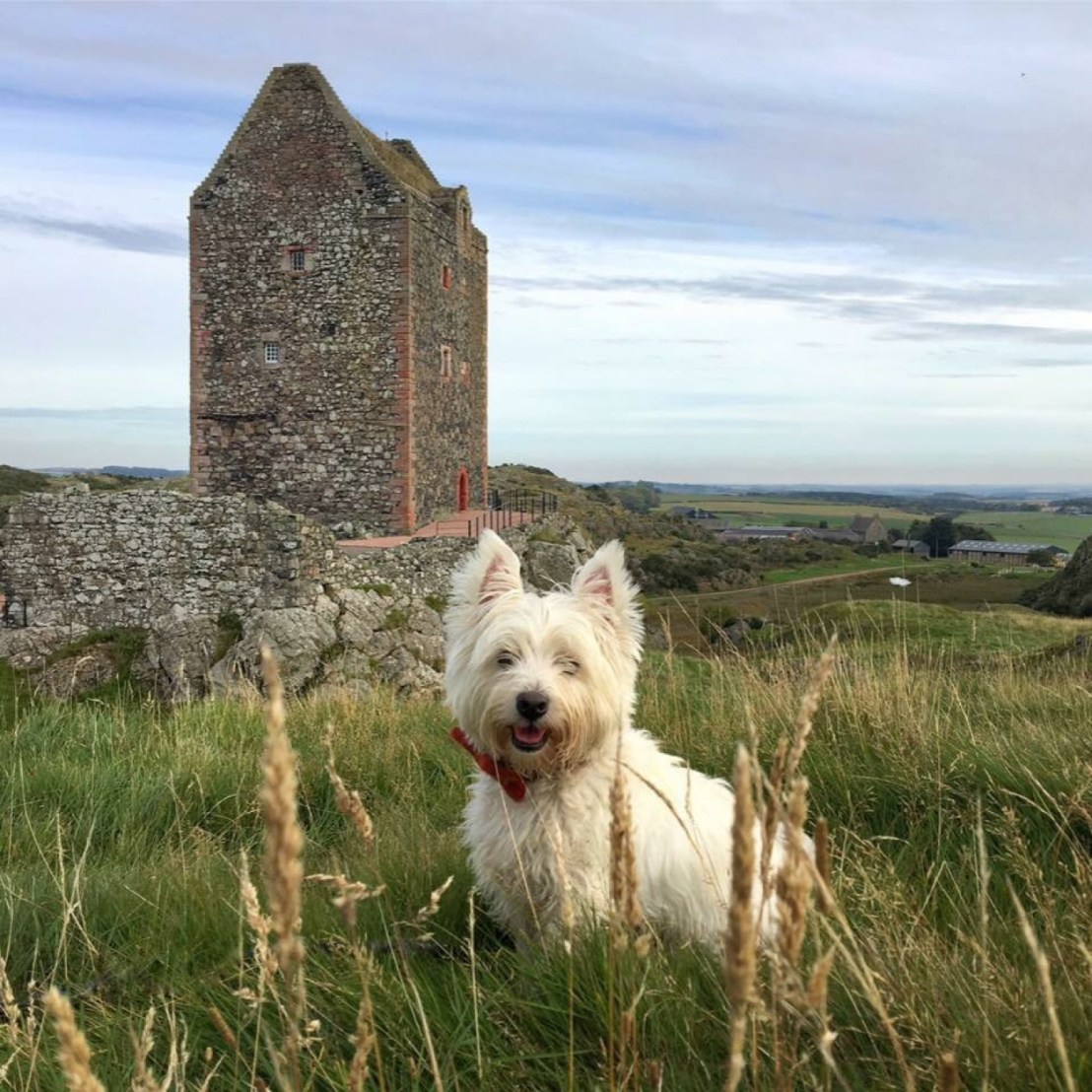
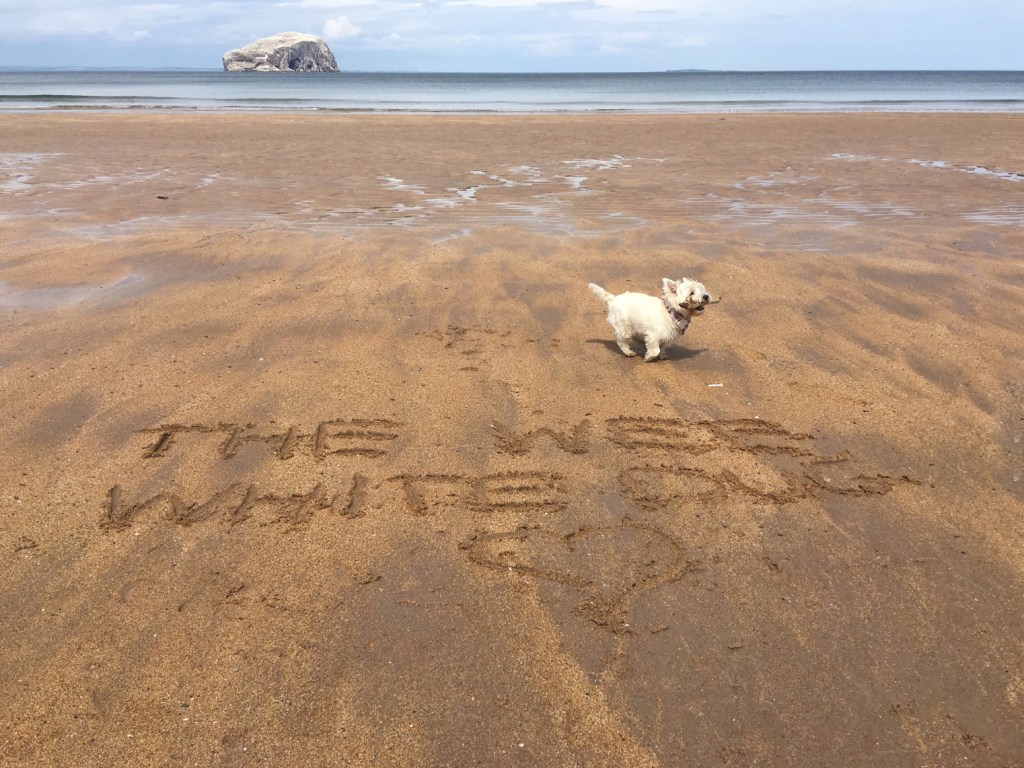
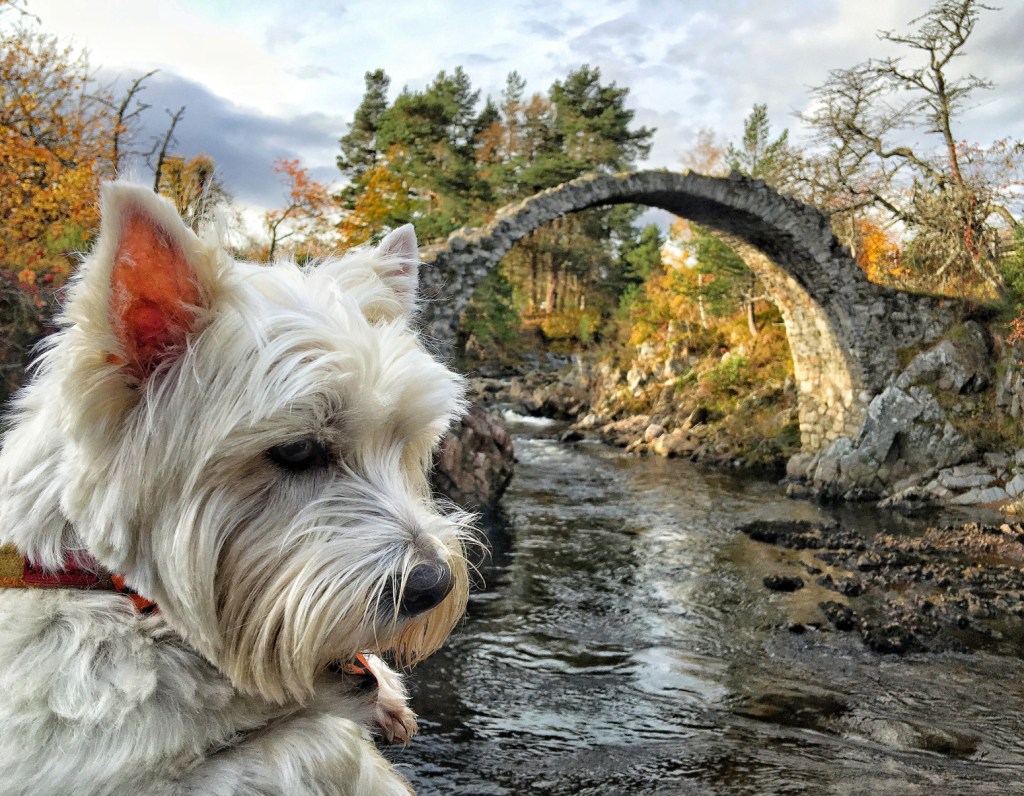
You loved Sam Grant’s photos of Casper and Scotland. Learn more about her.

Last Sunday my Picture Parade was primarily a recent item that appeared on the BBC website.

Meet Scotland’s ‘most well-travelled dog’

By Ewan Murrie, BBC Scotland news website, 3rd June 2017

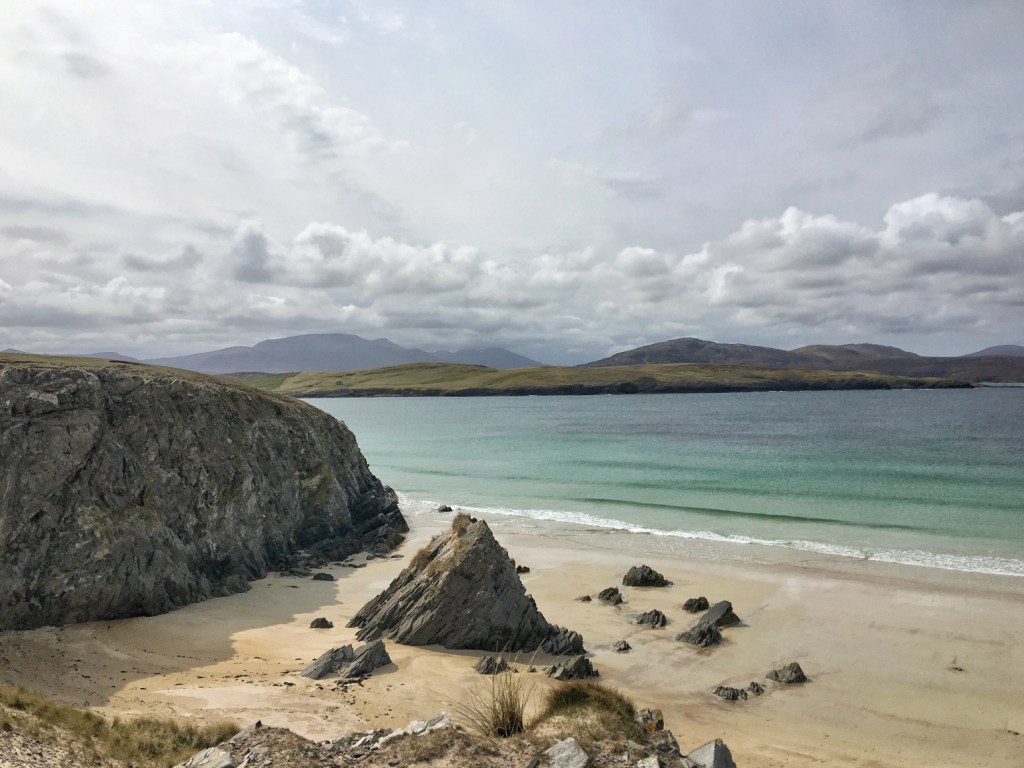
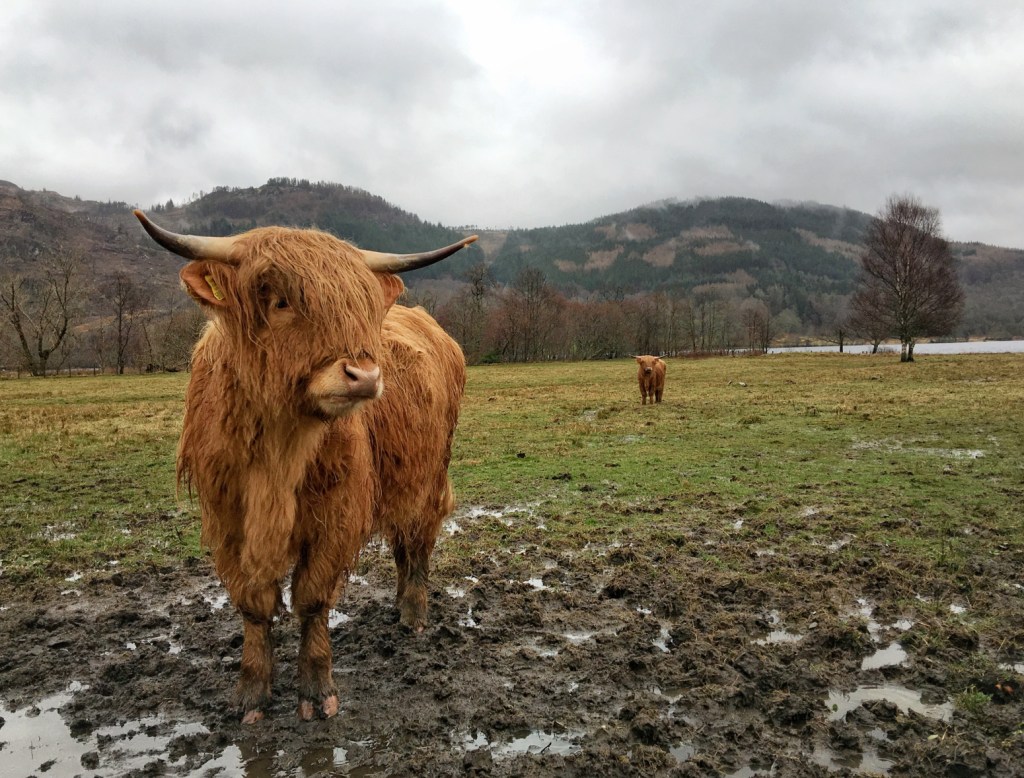
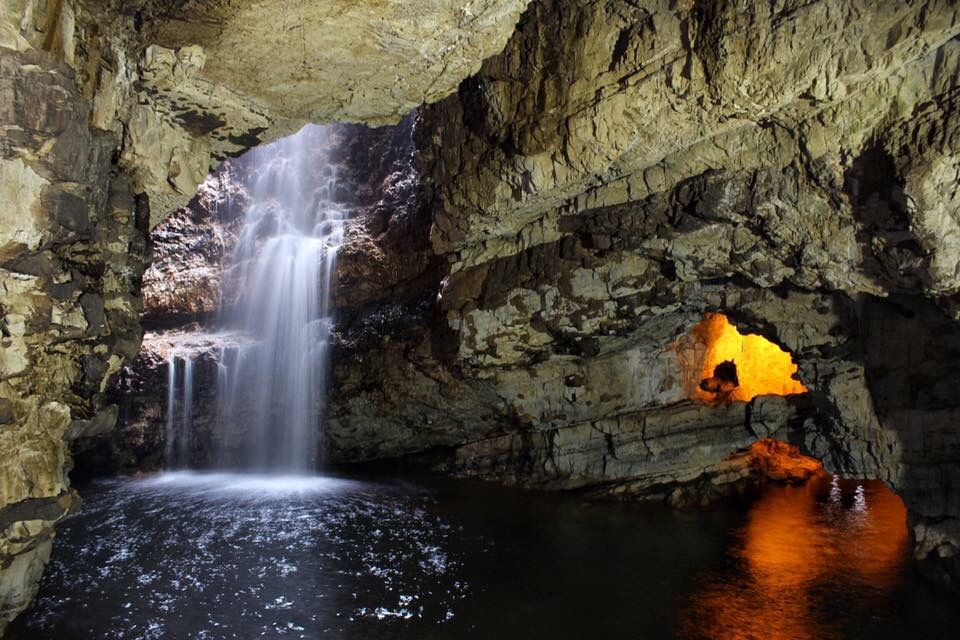
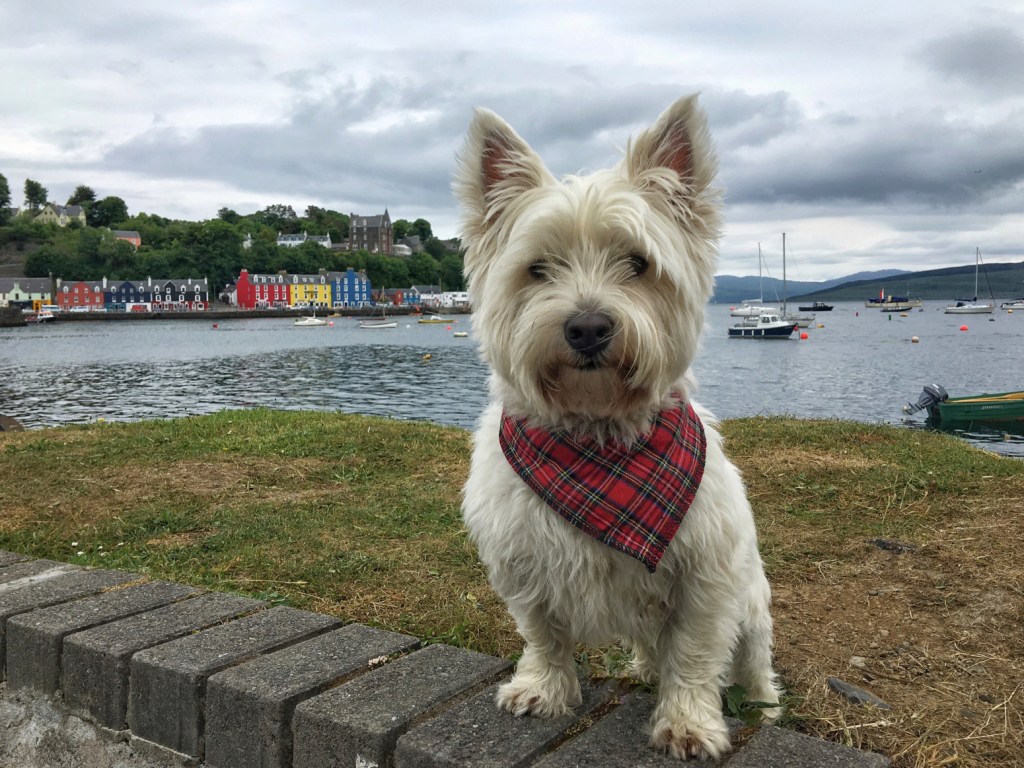
After photographs of her West Highland Terrier received more “likes” on social media than even the most stunning Glencoe landscapes she could capture, Sam Grant conceded that “the wee white dug” should star in her Scottish travel blog.

I went on to republish a wonderful set of photographs that had been taken by Sam. You all loved them and that led me to ask Sam if I could republish her About Me page on her blog. Sam very kindly said that would be fine.

ooOOoo

Scotland with the Wee White Dug

A Scottish travel blog showcasing the best of Scotland. Scotland with the Wee White Dug is a comprehensive and informative guide to Scotland, covering history, outdoor activities, events, visitor attractions, accommodation, eating out and more.

About Me

A little bit about me

Hello and welcome to my Scottish travel blog which I hope you’ll find informative and interesting, but most of all fun.

I’m Samantha but am generally known as Sam, Mrs G or Mum.  I’m married to Alex (Mr G) and we live in Edinburgh with a well travelled wee white dug called Casper.  We also share our home with the The Teen, Casper’s sloth like and gadget obsessed big sister.

All of my free time is spent road-tripping around Scotland.  I’ve travelled extensively throughout the country and never tire of its jawdropping and diverse beauty.

I have a vast knowledge of where to stay, eat and what to do in Scotland. Whether it be an afternoon out, a day trip or an extended tour. I also know all of the best places to go with your four legged friend.

I’m a Visit Scotland Ambassador and I helped launch their online Community in the spring of 2016.  The Community is a Scottish travel forum for sharing insider hints and tips about visiting Scotland.  Visit Scotland’s Ambassadors were selected for their expert knowledge of the country.

In January 2017 I took up the role of resident blogger for East Lothian Council on their Visit East Lothian website.  I write a fortnightly post for their blog, highlighting the delights of East Lothian.

I’m passionate about the history, language, literature, customs and myths of Scotland. I read History at the University of Edinburgh and during my time there I studied Scottish History, Literature and Politics which gave me an excellent understanding of how Scotland became the country that it is today.

I absolutely adore the great outdoors – it’s my happy place.  I love hiking, have been known to summit a Munro or two and am happiest when surrounded by lochs, moors and mountains.

My photography

I’ve been an avid hobby photographer since joining Instagram several years ago.  I’m part of a diverse group of Scottish Instagrammers with a passion for sharing Scotland with the World.

My feed @bean_nighe has appeared on Instagram’s prestigious Suggested User list.  You’ll find the Wee White Dug on Instagram too @theweewhitedug.  His feed is also dedicated to sharing our Scottish travels.

I’ve featured in articles recommending the best Scottish Instagram accounts to follow by The ScotsmanMatador Network and the award winning travel blog Stories my suitcase could tell.

My photos appear regularly on various social media channels including those of Canon UK, BBC, Skyscanners, Scottish Memories Magazine, Scotrail, Historic Scotland, Visit Scotland and The Guardian.

I share my Scottish travels on Facebook and Twitter too so if you’re on those sites stop by and say hello.

I’m passionate about promoting Scotland as a wonderful place to visit.  It’s a country with a rich history and heritage. A country full of stories just waiting to be told.

I appreciate you taking the time to stop by my blog to join me on my travels.  I hope ‘Scotland with the Wee White Dug’ inspires you to visit Scotland, helps you to plan for a forthcoming trip or makes you reminisce fondly about a past visit.

If you’re interested in working with me you can find out more here.

Sam

ooOOoo

Just glorious!

Foreboding times?

Something brooding in the air!

The smoke from the forest fires in Oregon and California has been thick in the air here in Merlin for days.

As can be seen in the photograph below. The photograph is as it was captured by the camera at 7:15 am yesterday morning. No changes by me made at all. The middle tree line is at the Eastern end of our property about a 1/4 mile away.

We are fed up with the smoke and the terrible air conditions.

But what drew me to grab the camera and take the photograph was that the image had some sort of, Oh, I don’t know, some sort of end of the world feeling about it.

It also seemed a most apt image to be an introduction to the latest essay from George Monbiot. It is republished here with Mr. Monbiot’s kind permission.

ooOOoo

Don’t Look Now

2nd September 2017

The media avoids the subject of climate breakdown – to do otherwise is to bring the entire infrastructure of thought crashing down

By George Monbiot, published in the Guardian 29 August 2017

It is not only Donald Trump’s government that censors the discussion of climate change; it is the entire body of polite opinion. This is why, though the links are clear and obvious, the majority of news reports on Hurricane Harvey have made no mention of the human contribution.

In 2016, the United States elected a president who believes that human-driven global warming is a hoax. It was the hottest year on record, in which the US was hammered by a series of climate-related disasters. Yet the total combined coverage for the entire year on the evening and Sunday news programmes on ABC, CBS, NBC and Fox News amounted to 50 minutes. Our greatest predicament, the issue that will define our lives, has been blotted from our minds.

This is not an accident. But nor (with the exception of Fox News) is it likely to be a matter of policy. It reflects a deeply ingrained and scarcely conscious self-censorship. Reporters and editors ignore the subject because they have an instinct for avoiding trouble. To talk about climate breakdown (which in my view is a better term than the curiously bland labels we attach to this crisis) is to question not only Donald Trump, not only current environmental policy, not only current economic policy, but the entire political and economic system.

It is to expose a programme that relies on robbing the future to fuel the present, that demands perpetual growth on a finite planet. It is to challenge the very basis of capitalism; to inform us that our lives are dominated by a system that cannot be sustained, a system that is destined, if it is not replaced, to destroy everything.

To claim that there is no link between climate breakdown and the severity of Hurricane Harvey is like claiming that there is no link between the warm summer we have experienced and the end of the last ice age. Every aspect of our weather is affected by the fact that global temperatures rose by around 4° between the ice age and the 19th Century. And every aspect of our weather is affected by the 1° of global warming caused by human activities. While no weather event can be blamed solely on human-driven warming, no weather event is unaffected by it.

We know that the severity and impact of hurricanes on coastal cities are exacerbated by at least two factors: higher sea levels, caused primarily by the thermal expansion of seawater, and greater storm intensity, caused by higher sea temperatures and the ability of warm air to hold more water than cold air.

Before it reached the Gulf of Mexico, Harvey had been demoted from a tropical storm to a tropical wave. But as it reached the Gulf, whose temperatures this month have been far above average, it was upgraded first to a tropical depression, then to a category 1 hurricane. It might have been expected to weaken as it approached the coast, as hurricanes churn the sea, bringing cooler waters to the surface. But the water it brought up from 100 metres and more was also unusually warm. By the time it reached land, Harvey had intensified to a category 4 hurricane.

We were warned about this. In June, for example, Robert Kopp, a professor of earth sciences, predicted that “In the absence of major efforts to reduce emissions and strengthen resilience, the Gulf Coast will take a massive hit. Its exposure to sea-level rise – made worse by potentially stronger hurricanes – poses a major risk to its communities.”

To raise this issue, I’ve been told on social media, is to politicise Hurricane Harvey. It is an insult to the victims and a distraction from their urgent need. The proper time to discuss it is when people have rebuilt their homes, and scientists have been able to conduct an analysis of just how great the contribution from climate breakdown might have been. In other words, talk about it only when it’s out of the news. When researchers determined, 9 years on, that human activity had made a significant contribution to Hurricane Katrina, the information scarcely registered.

I believe it is the silence that’s political. To report the storm as if it were a entirely natural phenomenon, like last week’s eclipse of the sun, is to take a position. By failing to make the obvious link and talk about climate breakdown, media organisations ensure that our greatest challenge goes unanswered. They help push the world towards catastrophe.

Hurricane Harvey offers a glimpse of a likely global future; a future whose average temperatures are as different from ours as ours are from those of the last ice age. It is a future in which emergency becomes the norm and no state has the capacity to respond. It is a future in which, as a paper in the journal Environmental Research Letters notes, disasters like Houston’s occur in some cities several times a year. It is a future that, for people in countries such as Bangladesh, has already arrived, almost unremarked by the rich world’s media. It is the act of not talking that makes this nightmare likely to materialise.

In Texas, the connection could scarcely be more apparent. The storm ripped through the oil fields, forcing rigs and refineries to shut down, including those owned by some of the 25 companies that have produced over half the greenhouse gas emissions humans have released since the start of the Industrial Revolution. Hurricane Harvey has devastated a place in which climate breakdown is generated, and in which the policies that prevent it from being addressed are formulated.

Like Donald Trump, who denies human-driven global warming, but who wants to build a wall around his golf resort in Ireland to protect it from the rising seas, these companies, some of which have spent millions sponsoring climate deniers, have progressively raised the height of their platforms in the Gulf of Mexico, in response to warnings about higher seas and stronger storms. They have grown from 40 feet above sea level in 1940, to 70ft in the 1990s, to 91ft today.

This is not, however, a story of mortal justice. In Houston, as everywhere else, it is generally the poorer communities, that are least responsible for the problem, who are hit first and hit worst. But the connection between cause and effect should appeal to even the slowest minds.

The problem is not confined to the United States. Across the world, the issue that hangs over every aspect of our lives is marginalised, except on the rare occasions on which world leaders gather to discuss it in sombre tones (then sombrely agree to do almost nothing), whereupon the instinct to follow the machinations of power overrides the instinct to avoid a troubling subject. When they do cover the issue, they tend to mangle it. In the UK, the BBC distinguished itself in customary fashion this month, by yet again inviting the climate change denier Lord Lawson onto the Today programme, in the mistaken belief that impartiality requires a balance between correct facts and false ones. They seldom make such a mess of other topics, because they take them more seriously.

When Trump’s enforcers instruct officials and scientists to purge any mention of climate change from their publications, we are scandalised. But when the media does it, without the need for a memo, we let it pass. This censorship is invisible even to the perpetrators, woven into the fabric of organisations that are constitutionally destined to leave the major questions of our times unasked. To acknowledge this issue is to challenge everything. To challenge everything is to become an outcast.

www.monbiot.com

ooOOoo

Dear people, I sat staring at the screen for 10 minutes and then went off when Jeannie called lunchtime. Returned to the screen a little after 2pm yesterday and still couldn’t come up with a closing thought that merited being shared with you all.

See you tomorrow!