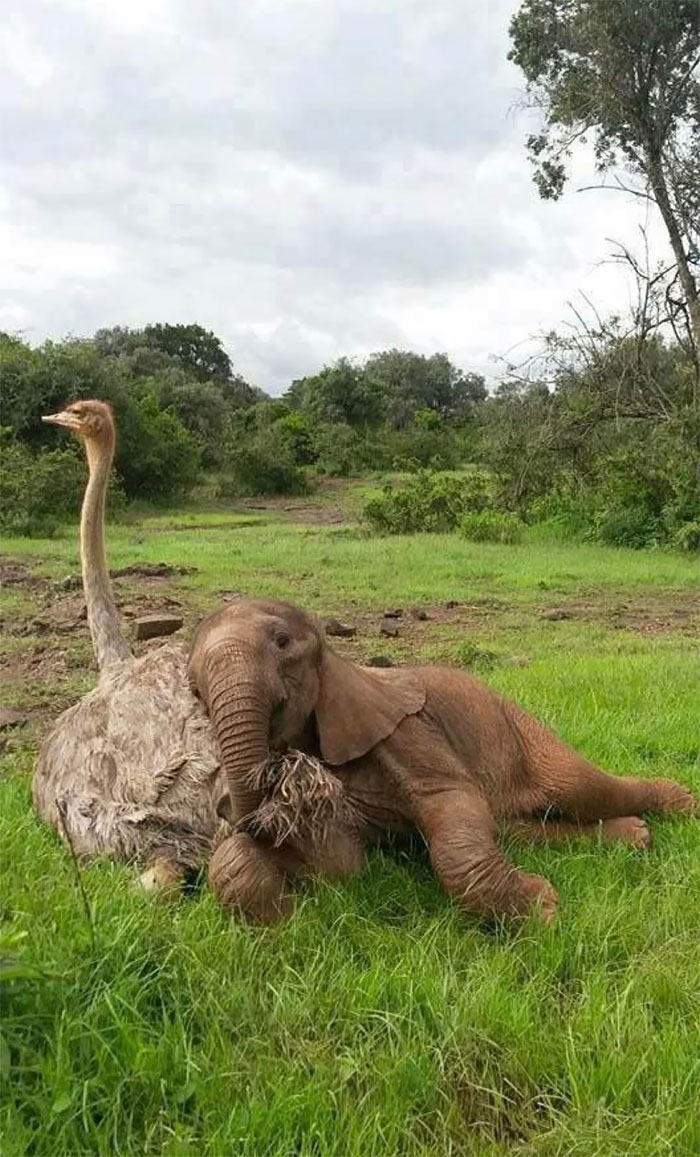
More delightful photographs sent in to me.

oooo

oooo

oooo

oooo

oooo
oooo

They are so special!
And more to come in a week’s time!
Dogs are animals of integrity. We have much to learn from them.
Category: Environment
More delightful photographs sent in to me.
oooo
oooo
oooo
oooo
oooo
They are so special!
And more to come in a week’s time!
A Steller Jay comes to visit!
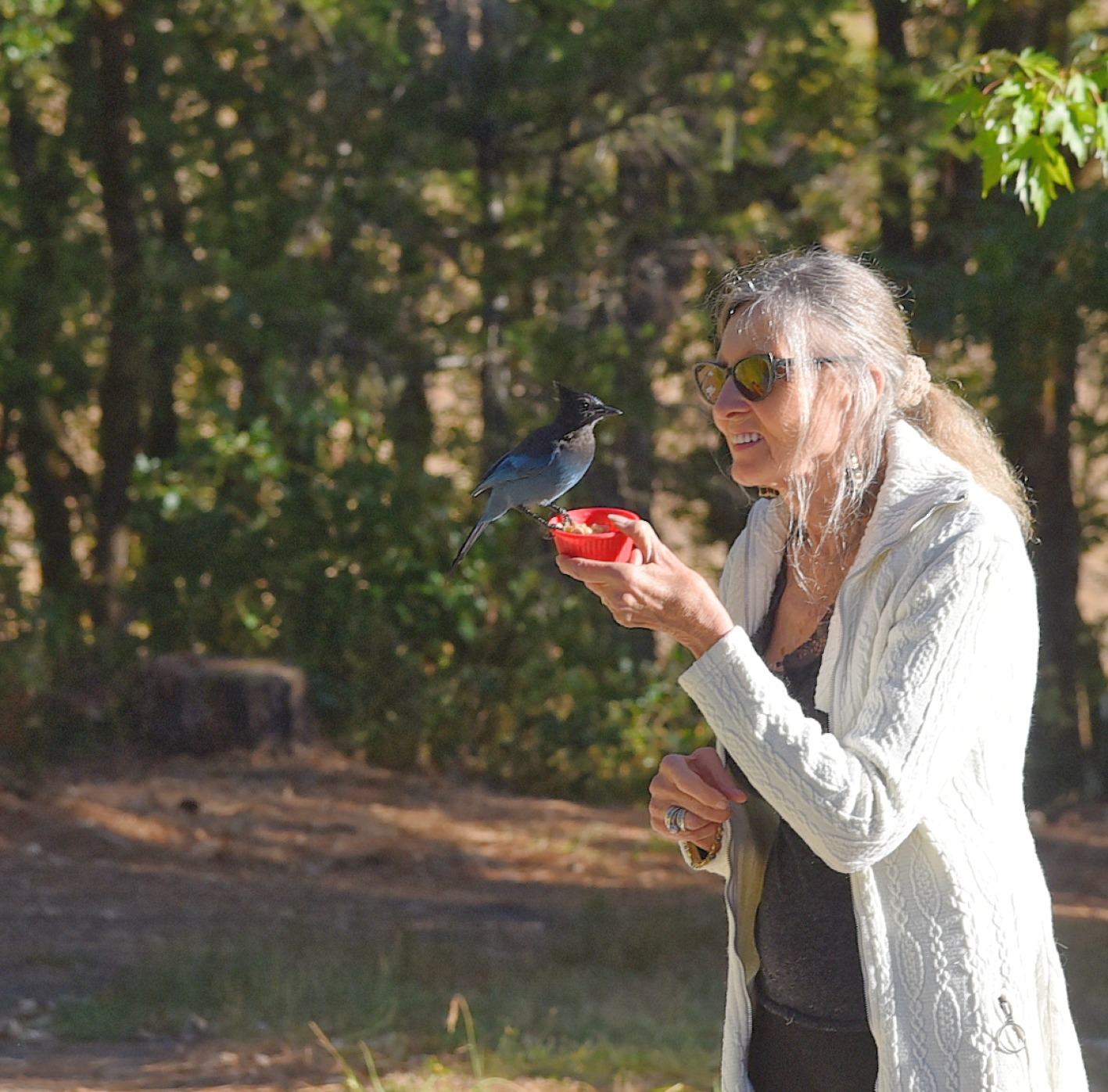
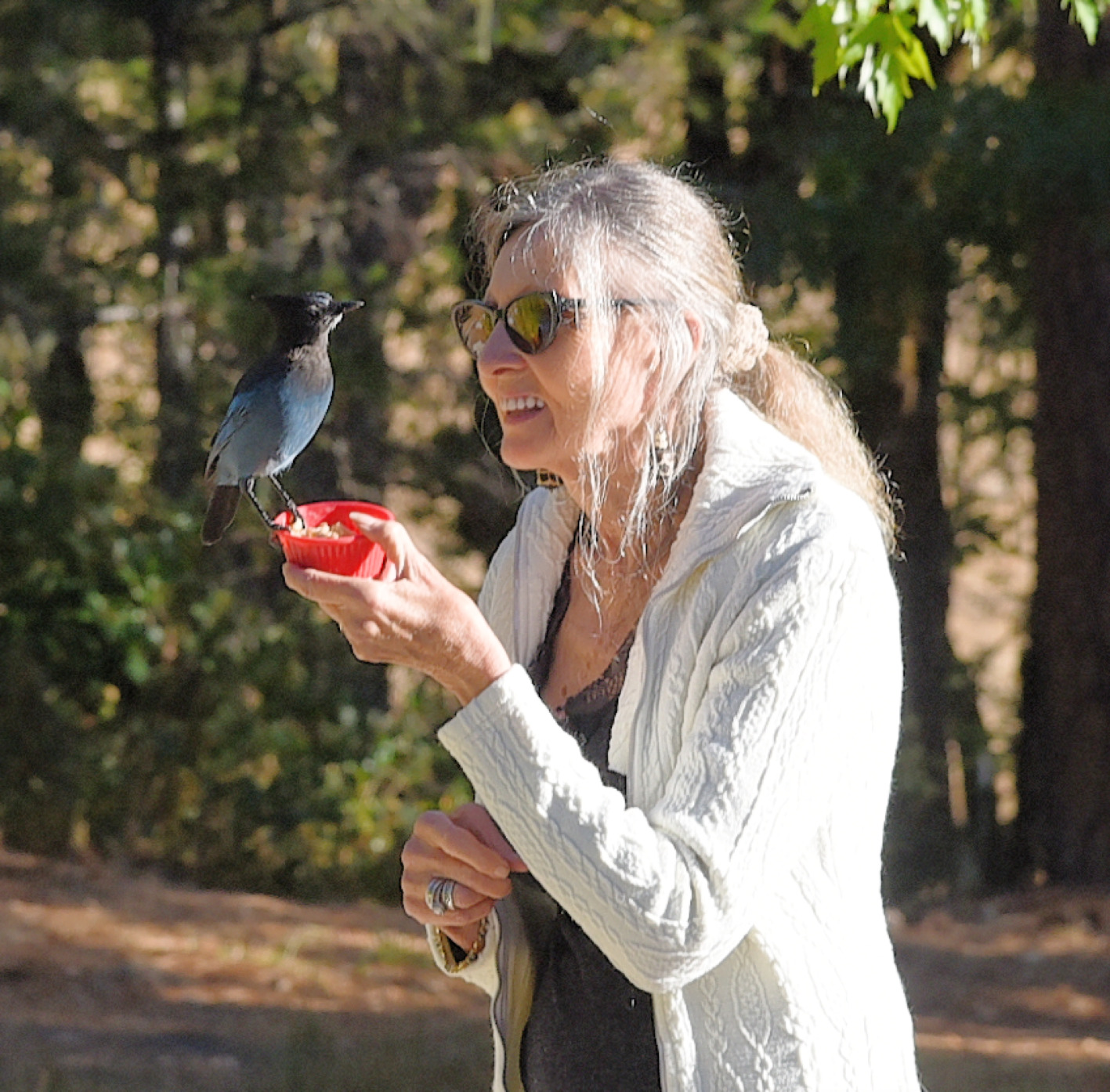
It doesn’t get any better than that!
A timely reminder from The Conversation.
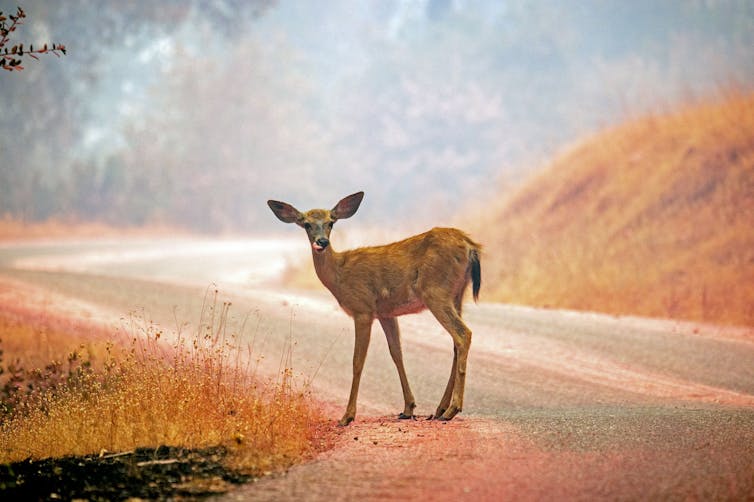
We live in a rural part of Southern Oregon. The number of deer hit on our roads is appalling. Not infrequently when out cycling I come across a deer that seems uninjured. Often I get off my bike and stroke the animal, or drag it from the centre of the road to the shoulder. But it is dead.
Once recently the deer was still warm. What surprises me is that they are always dead. There never seems to be a deer that has been wounded. Probably just as well as I wouldn’t want to leave the animal.
We feed the deer at home on a daily basis and there is a young stag that has become familiar with me and starts eating the COB (corn, oats and barley mixed together) even before I have finished setting out the six piles of food. They are very dear creatures.
So this article has to be shared with you!
ooOOoo
Tom Langen, Clarkson University
Autumn is here, and that means the risk of hitting deer on rural roads and highways is rising, especially around dusk and during a full moon.
Deer cause over 1 million motor vehicle accidents in the U.S. each year, resulting in more than US$1 billion in property damage, about 200 human deaths and 29,000 serious injuries. Property damage insurance claims average around $2,600 per accident, and the overall average cost, including severe injuries or death, is over $6,000.
While avoiding deer – as well as moose, elk and other hoofed animals, known as ungulates – can seem impossible if you’re driving in rural areas, there are certain times and places that are most hazardous, and so warrant extra caution.
Transportation agencies, working with scientists, have been developing ways to predict where deer and other ungulates enter roads so they can post warning signs or install fencing or wildlife passages under or over the roadway. Just as important is knowing when these accidents occur.
My former students Victor Colino-Rabanal, Nimanthi Abeyrathna and I have analyzed over 86,000 deer-vehicle collisions involving white-tailed deer in New York state using police records over a three-year period. Here’s what our research and other studies show about timing and risk:
The risk of hitting a deer varies by time of day, day of the week, the monthly lunar cycle and seasons of the year.
These accident cycles are partly a function of driver behavior – they are highest when traffic is heavy, drivers are least alert and driving conditions are poorest for spotting animals. They are also affected by deer behavior. Not infrequently, deer-vehicle accidents involve multiple vehicles, as startled drivers swerve to miss a deer and collide with a vehicle in another lane, or they slam on the breaks and are rear-ended by the vehicle behind.
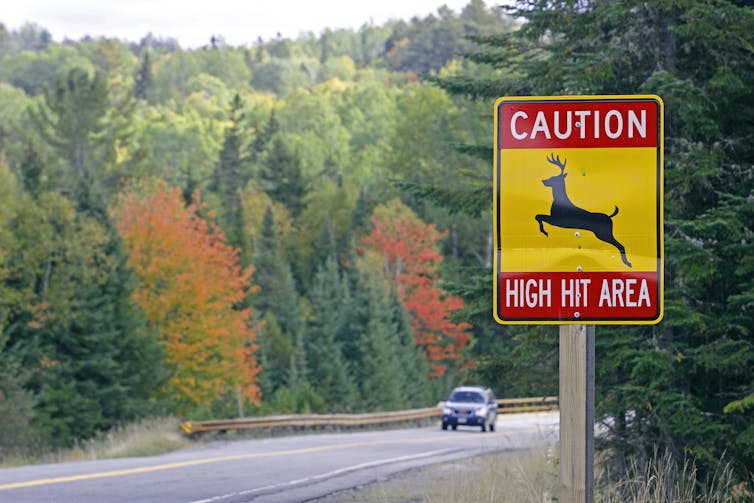
In analyzing thousands of deer-vehicle collisions, we found that these accidents occur most frequently at dusk and dawn, when deer are most active and drivers’ ability to spot them is poorest. Only about 20% of accidents occur during daylight hours. Deer-vehicle accidents are eight times more frequent per hour of dusk than daylight, and four times more frequent at dusk than after nightfall.
During the week, accidents occur most frequently on days that have the most drivers on the road at dawn or dusk, so they are associated with work commuter driving patterns and social factors such as Friday “date night” traffic.
Over the span of a month, the most deer-vehicle accidents occur during the full moon, and at the time of night that the moon is brightest. Deer move greater distances from cover and are more likely to enter roadways when there is more illumination at night. The pattern holds for deer and other ungulates in both North America and Europe.

Over a year, by far the highest numbers of deer-vehicle accidents are in autumn, and particularly during the rut, when bucks search and compete to mate with does. In New York state, the peak number of deer-vehicle accidents occurs in the last week of October and first weeks of November. There are over four times as many deer-vehicle accidents during that period than during spring. Moose-vehicle accidents show a similar pattern.
That high-risk period is also when daylight saving time ends – it happens on Nov. 7, 2021, in the U.S. Shifting the clock one hour back means more commuters are on the road during the high-risk dusk hours. The result is more cars driving at the peak time of day and during the peak time of the year for deer-vehicle accidents.
Overall, given that most U.S. states and more than 70 countries have seasonal “daylight saving” clock shifts, elevated ungulate-vehicle accident rates caused by clock shift may be a widespread problem.
[Over 100,000 readers rely on The Conversation’s newsletter to understand the world. Sign up today.]
There is a longstanding debate about the benefit of a daylight saving clock shift, given how it disrupts humans’ circadian rhythms, causing short-term stress and fatigue. Risk of deer-vehicle accidents may be another reason to reconsider whether clock shifts are worthwhile.
It’s important to remember that deer-vehicle accidents can occur at any time of day or night, on any day of the year – and that deer can show up in urban areas as well as rural ones.

The insurance company State Farm found that on average, U.S. drivers have a 1 in 116 chance of hitting an animal, with much higher rates in states such as West Virginia, Montana and Pennsylvania. Over the 12 months ending in June 2020, State Farm counted 1.9 million insurance claims for collisions with wildlife nationwide. Around 90% of those involved deer.
Where deer or other ungulates are likely to be present, drivers should always be alert and cautious, especially at dawn, dusk, on bright moonlit nights and during the fall rut.
Tom Langen, Professor of Biology, Clarkson University
This article is republished from The Conversation under a Creative Commons license. Read the original article.
ooOOoo
Nothing else to say but we drivers need to slow down and extra vigilant. Driving safely means always allowing for the unexpected and never following the vehicle in front too close. The minimum safe distance is one vehicle length for every 10 miles per hour in speed!
Day and Night are equal.
(Technically it is early on the 22nd.)
Please enjoy the following video:
In next to no time it will be the Winter solstice and a hop, skip and a jump into 2022!
A variety of photographs!
Sent to me by a neighbour.

oooo

oooo

oooo

oooo

oooo

They are very special.
More of these delightful photographs next week.
A rare treat
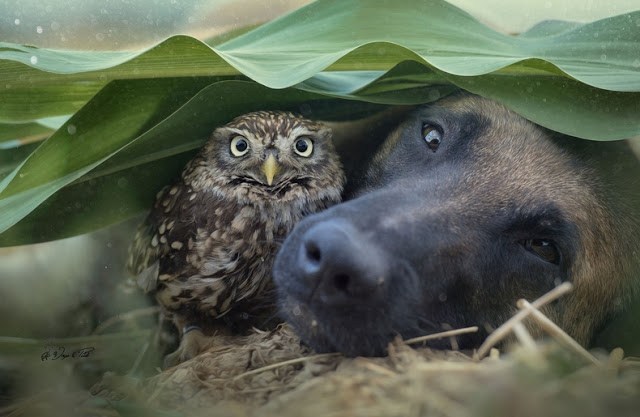
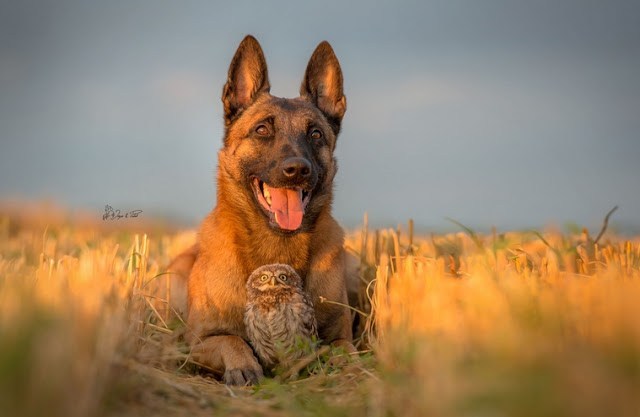
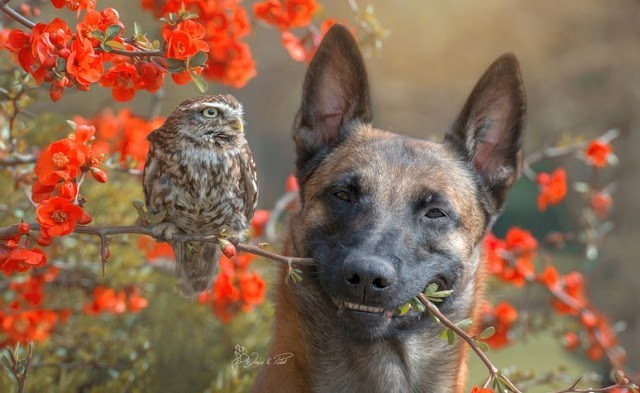
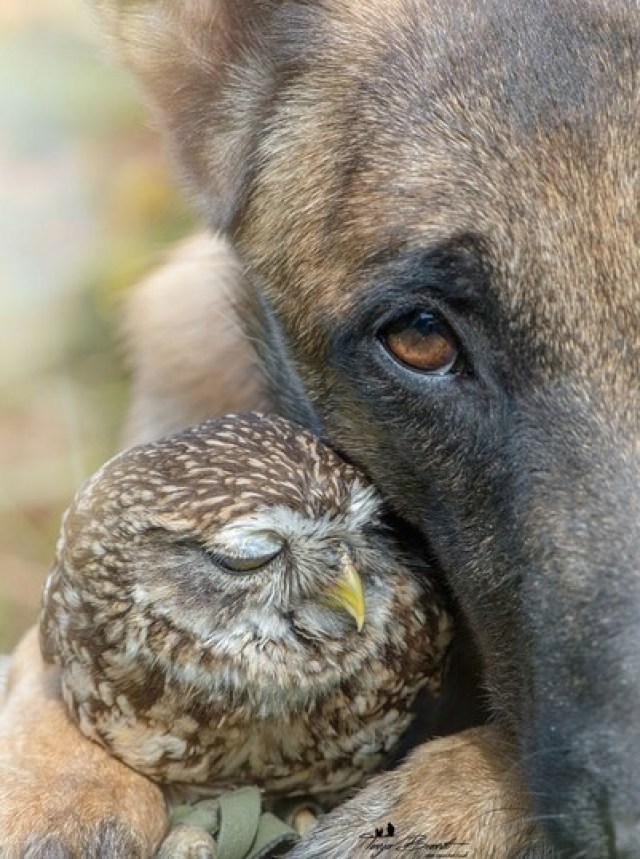
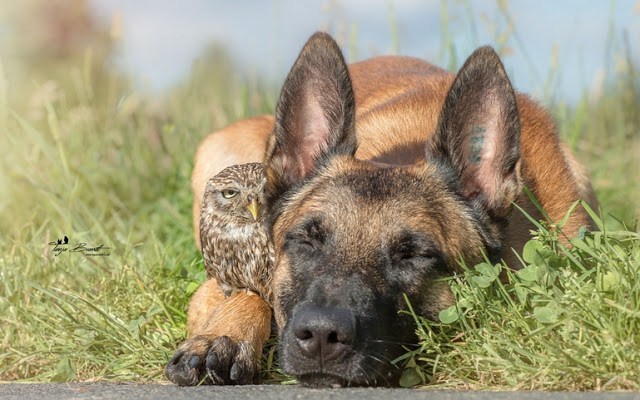
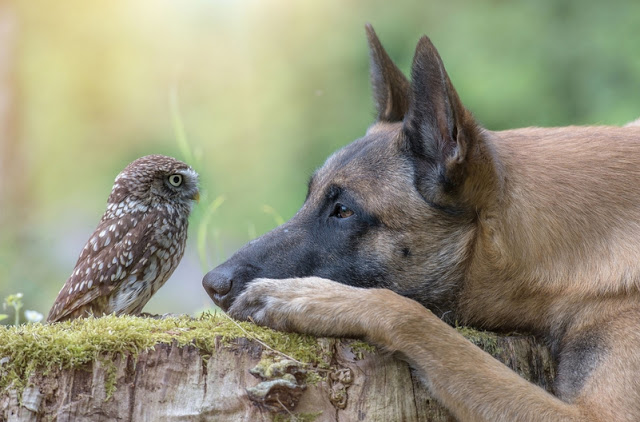
The following photographs were sent to me by Jess Anderson. But first here is the story:
For years, photographer Tanja Brandt has made it her mission to capture magnificent photos of animals and wildlife and has drawn accolades in the German and international photography world with her heart-warming animal portraits.
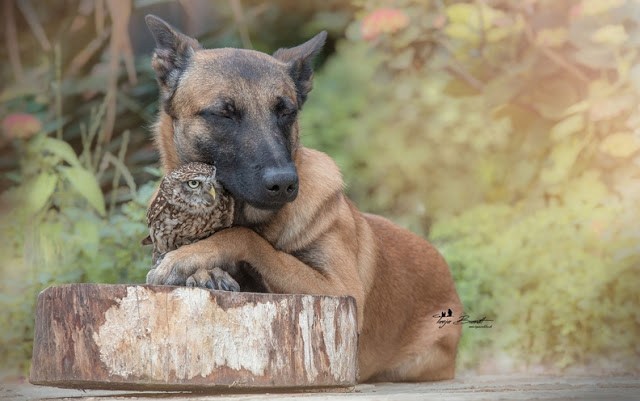
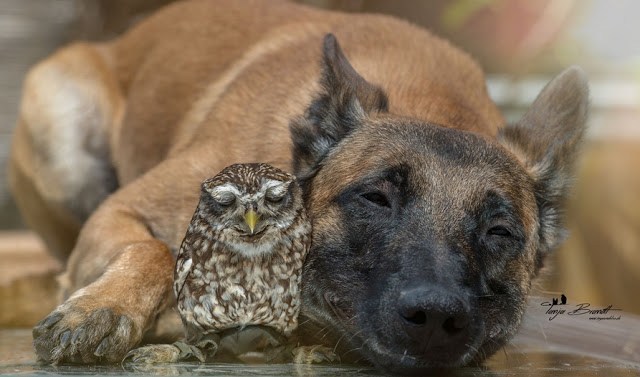
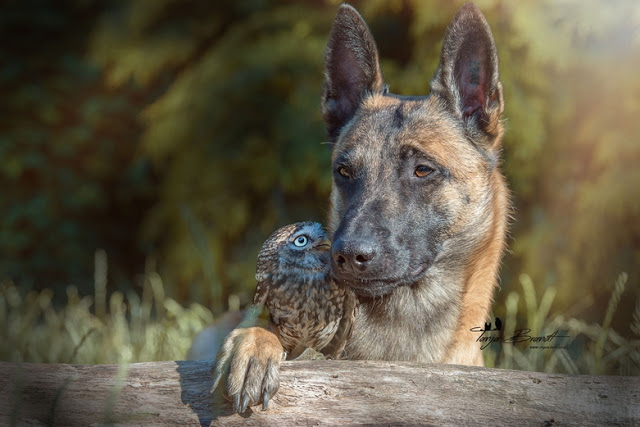
Recently, the German artist found a new challenge when she photographed the unique bond between two unlikely friends: Ingo, a Belgian Shepherd, and Poldi (Napoleon), a one-year-old owlet.
The owlet and canine have a special protector-protected relationship. Their affection toward each other couldn’t be any more evident. Ingo lovingly guards Poldi, who apparently doesn’t know how to live free.
The owlet hatched two days after his six brothers and sisters, therefore, has always been very vulnerable due to his small size. They respect each other and they can read each other, says the photographer.
oooo
oooo
oooo
oooo
oooo
oooo
oooo
oooo
oooo
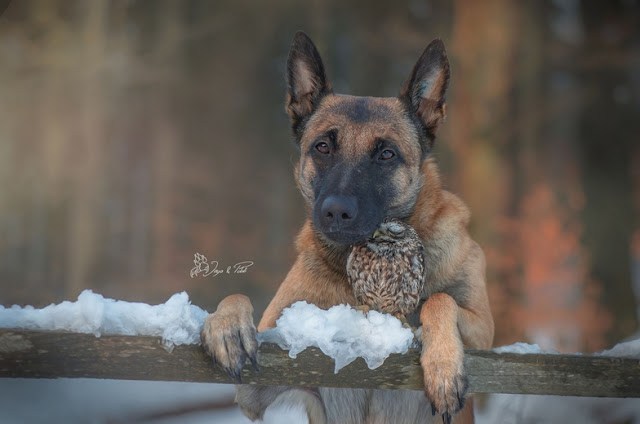
These photographs are truly unique. Plus they are astoundingly beautiful.
Of a hummingbird!
Thursday was a chaotic day for me and I only got to my desk at 3pm. Then I found that I didn’t have any posts to share about dogs.
I was mulling what to do and then came across this article on Treehugger and wanted to share it with you.
ooOOoo
Hummingbirds Are Able to Smell Danger
By Mary Jo DiLonardo September 9, 2021
:max_bytes(150000):strip_icc()/MaryJoDiLonardo-bw-treehugger-6d5044d7d4ae44298fb31df11a3d5a66.jpg)
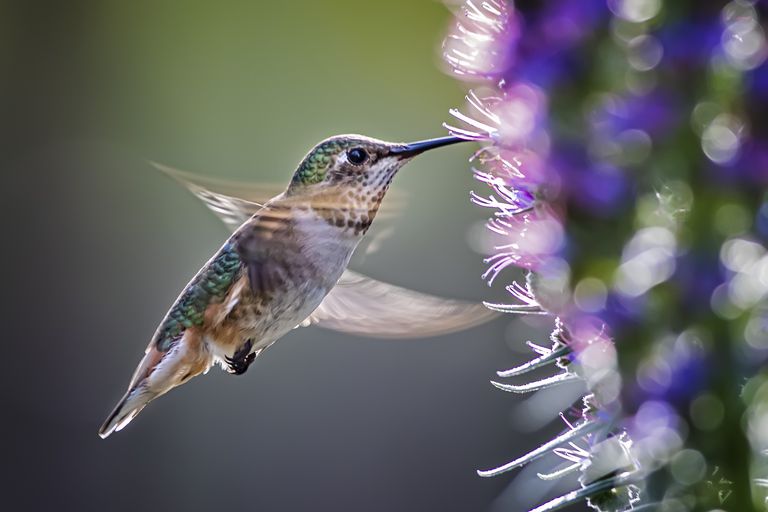
Glittery and graceful, hummingbirds hover and flit in midair as they gather nectar. But it’s not just their athleticism that helps them source food.
New research finds that these tiny birds have a great sense of smell that helps them detect potential danger when they are hunting for nectar.
“In the last 10-15 years, researchers have just now begun to realize the importance of smell in birds in general. For a very long time, it has been known that some birds, such as vultures, have a keen sense of smell and use it to find food,” study co-author Erin Wilson Rankin, an associate entomology professor at the University of California Riverside, tells Treehugger.
“However, the role of olfaction in most birds has only been recently recognized. That may be in part because many birds do not appear to use odor to help them locate food.”
In earlier studies, researchers were unable to show that hummingbirds preferred the smell of flowers that contained nectar. Also, flowers that have been pollinated by birds don’t have strong aromas, like those that have been pollinated by insects. That’s why scientists didn’t believe that birds had the ability to smell odors.
But with this new study, researchers believe otherwise.
For their experiment, Rankin and her colleagues observed more than 100 hummingbirds in the wild and in aviaries. The birds were given the choice between feeders that contained just sugar water, or sugar water with the addition of one of several chemicals with a scent that meant there was an insect present. The feeders otherwise looked exactly the same.
The scents included one deposited on flowers by European honeybees, a chemical produced by Argentine ants, and formic acid, which is released defensively by some formica ants and can injure birds and mammals.
“If a bird has any exposed skin on their legs, formic acid can hurt, and if they get it in their eyes, it isn’t pleasant,” Rankin said in a statement. “It’s also extremely volatile.”
In the experiments, the hummingbirds avoided the feeders with the sugar water that contained the ant-derived chemicals. They didn’t react to the sugar water with the honeybee scent, even though it’s been known to keep other bees from visiting flowers.
To make sure the bees weren’t avoiding the feeders due to a fear of a new smell, the researchers performed an extra test with sugar water and ethyl butyrate, which is a common additive in human food.
“It smells like Juicy Fruit gum, which is not a smell known in nature,” Rankin said. “I did not enjoy it. The birds did not care about it though and didn’t go out of their way to avoid it.”
The results were published in the journal Behavioral Ecology and Sociobiology.
For hummingbirds, recognizing smells isn’t just about finding a meal. They use their sense of smell much differently than vultures. These birds use the massive olfactory bulb in their brain like an “airborne bloodhound” to detect decaying carcasses.
Instead, hummingbirds use their excellent vision to locate flowers from which they collect nectar.
“Flowers, while specific species may be patchy in distribution, are much more common and numerous than the animal carcasses that vultures rely on. Thus, it is not surprising that vultures use their sense of smell to find carcasses which they then scavenge,” Rankin explains.
Hummingbirds use their ability to smell in a different way.
“Rather than using odors to find flowers, they will avoid flowers or feeders that have specific insect odors on them, such as formic acid or an Argentine ant aggregation pheromone. A hummingbird can use the chemical cues associated with ants to help them determine if the hummingbird should feed from there, or avoid it because it’s already occupied by ants, which can drink the nectar first or potentially harm them,” Rankin says.
“Ants are also very hard for hummingbirds to see until they are up close, so being able to smell them even when they are hidden deep in a flower could be advantageous. By avoiding defensive chemicals, hummingbirds can avoid interactions with ants and focus on feeding at safer food resources.”
ooOOoo
As long as I shall live I will never stop being amazed at what science discovers and then reports. And the photograph is gorgeous!
Bill McKibben steps forward.
I heard yesterday from Erik Hoffner who is responsible for the Mongabay website that Bill McKibben is stepping up to the mark in wanting to take action regarding climate change.
I very quickly signed up and received the following email:
Dear Friend,
Many thanks for signing up to be a part—and we hope a big part—of Third Act.
My name is Bill McKibben, and I’m one of the volunteers helping to launch this effort for Americans 60 and older who want to build a fairer and more sustainable nation and planet.
We’re very much in the early days of this, and we need your help—especially if you’re good at the behind-the-scenes tasks like administration, development, and project management. If you’ve got some time to donate right now, write to us at info@thirdact.org.
And we will be back in touch as autumn rolls on, with some early campaigns focused on climate action and on ending voter suppression. As you can tell, we’re making this up as we go along. So it should be interesting, and also a little bumpy!
If you can assemble a sizable group of people, I’ll do my best to join you for a virtual talk to explain more about this idea. (And when the pandemic ends, we’ll try to do it in person!).
And if you can donate some small sum of money to help with the launch, here’s the place.
Thank you. This is our time to make some powerful change—we’ve got the skills, the resources, and the desire. So let’s try.
Thanks, Bill McKibben for Third Act
The website is here.
WELCOME TO YOUR THIRD ACT
We’re over 60—the Baby Boomers and the Silent Generation. We have skills, we have resources, we have time—and many of us have kids and grandkids. We also have a history. In our early years we saw remarkable shifts in politics and society; now, in our latter years, we want to see those changes made real and lasting.
We were there for the first Earth Day, and we’ve been glad to see cleaner air and water—but now we know that the climate crisis presents an unparalleled threat. The heat is on and we must act quickly to turn it down.
We watched or participated in the civil rights movement—and now we know that its gains were not enough, and that gaps in wealth have only widened in our lifetimes. We’ve got to repair divisions instead of making them worse.
We saw democracy expand—and now we’re seeing it contract, as voter suppression and gerrymandering threaten the core of the American experiment. We know that real change can only come if we all get to participate.
You are the key to this work. Maybe you’ve asked yourself: how can I give back on a scale that matters? The answer is, by working with others to build movements strong enough to matter. That’s why we hope you’ll join us.
Clearly I have signed up and I hope an enormous number of other people will do as well.
Because the time left is not very long and even me at the age of 76 fear for the near future if nothing is done urgently.
Please, please consider joining Third Act.
As the headline says: THIRD ACT — EXPERIENCED PEOPLE WORKING FOR A FAIR AND STABLE PLANET.
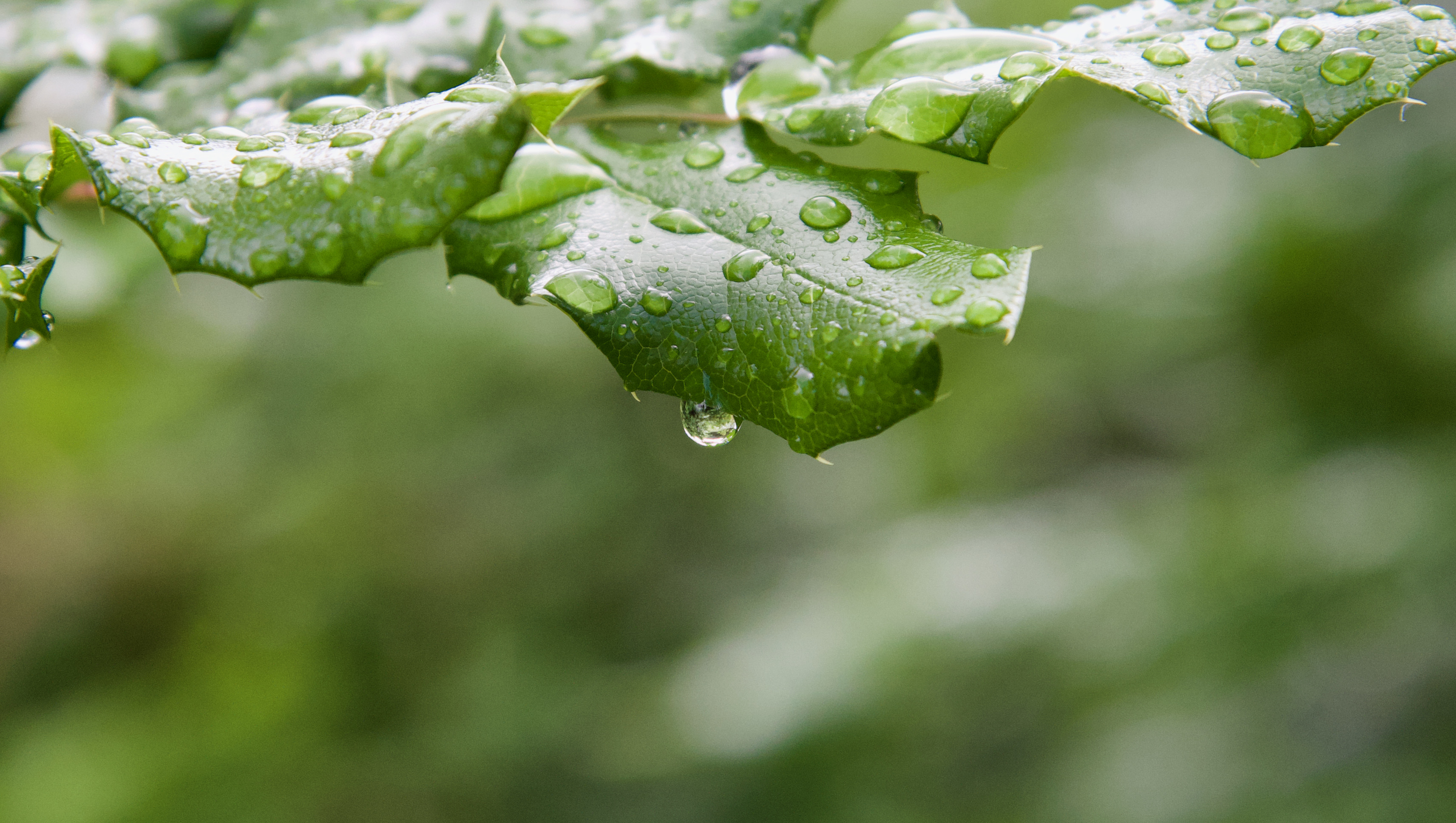
That I wonder if it will ever be answered?
For the first day of September I wanted to change the topic to an item that was recently published by The Conversation.
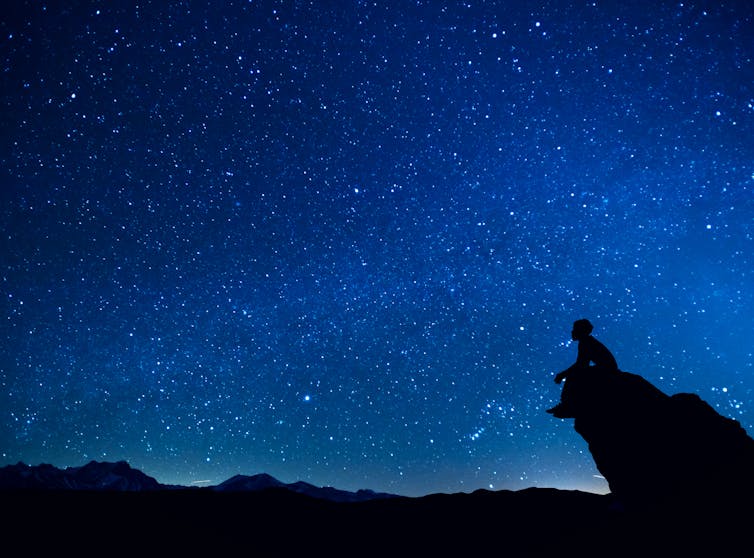
Space has always been fascinating to me. One of my enduring memories was standing on the roof of my Land Rover in 1969 during a long journey around the interior of Australia. We were in the Nullabor desert and it was flat, and lonely, for miles and miles. This particular night I clambered up onto the roof and just took in the night sky. There was not a single spot of human-caused light pollution and the night sky was beautiful beyond words.
Later on when I was sailing I used to regard the North Star as my friend.
Anyway, here’s a little question for this day.
ooOOoo
Jack Singal, University of Richmond
What is beyond outer space? – Siah, age 11, Fremont, California
Right above you is the sky – or as scientists would call it, the atmosphere. It extends about 20 miles (32 kilometers) above the Earth. Floating around the atmosphere is a mixture of molecules – tiny bits of air so small you take in billions of them every time you breathe.
Above the atmosphere is space. It’s called that because it has far fewer molecules, with lots of empty space between them.
Have you ever wondered what it would be like to travel to outer space – and then keep going? What would you find? Scientists like me are able to explain a lot of what you’d see. But there are some things we don’t know yet, like whether space just goes on forever.
At the beginning of your trip through space, you might recognize some of the sights. The Earth is part of a group of planets that all orbit the Sun – with some orbiting asteroids and comets mixed in, too.
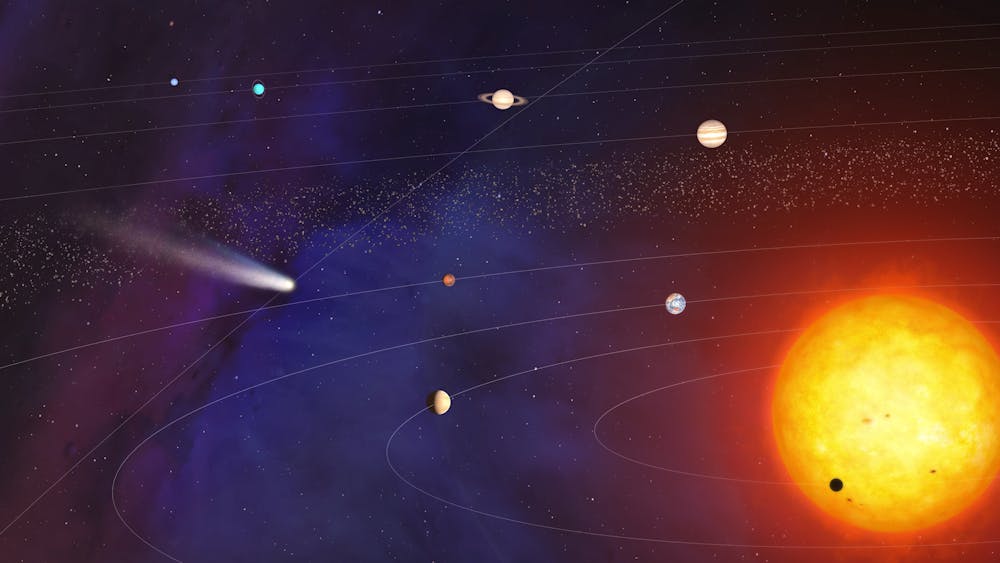
You might know that the Sun is actually just an average star, and looks bigger and brighter than the other stars only because it is closer. To get to the next nearest star, you would have to travel through trillions of miles of space. If you could ride on the fastest space probe NASA has ever made, it would still take you thousands of years to get there.
If stars are like houses, then galaxies are like cities full of houses. Scientists estimate there are 100 billion stars in Earth’s galaxy. If you could zoom out, way beyond Earth’s galaxy, those 100 billion stars would blend together – the way lights of city buildings do when viewed from an airplane.
Recently astronomers have learned that many or even most stars have their own orbiting planets. Some are even like Earth, so it’s possible they might be home to other beings also wondering what’s out there.
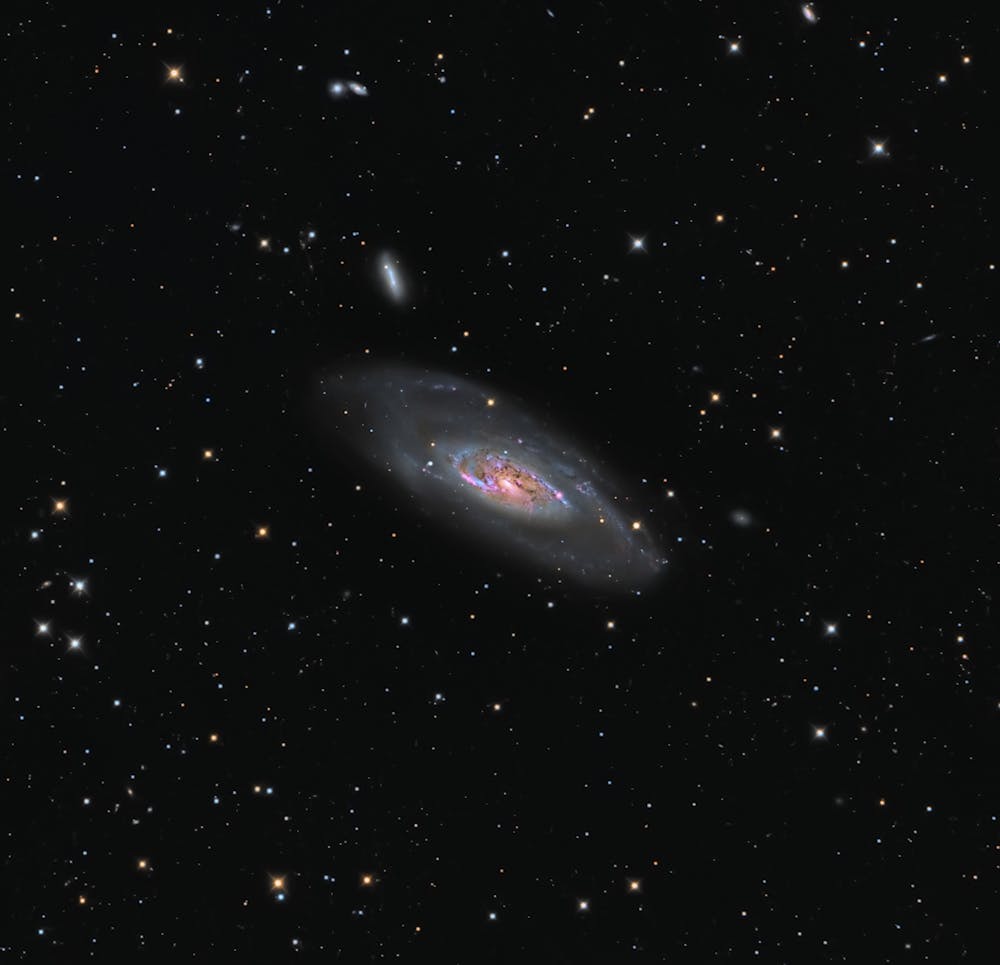
You would have to travel through millions of trillions more miles of space just to reach another galaxy. Most of that space is almost completely empty, with only some stray molecules and tiny mysterious invisible particles scientists call “dark matter.”
Using big telescopes, astronomers see millions of galaxies out there – and they just keep going, in every direction.
If you could watch for long enough, over millions of years, it would look like new space is gradually being added between all the galaxies. You can visualize this by imagining tiny dots on a deflated balloon and then thinking about blowing it up. The dots would keep moving farther apart, just like the galaxies are.
If you could keep going out, as far as you wanted, would you just keep passing by galaxies forever? Are there an infinite number of galaxies in every direction? Or does the whole thing eventually end? And if it does end, what does it end with?
These are questions scientists don’t have definite answers to yet. Many think it’s likely you would just keep passing galaxies in every direction, forever. In that case, the universe would be infinite, with no end.
Some scientists think it’s possible the universe might eventually wrap back around on itself – so if you could just keep going out, you would someday come back around to where you started, from the other direction.
One way to think about this is to picture a globe, and imagine that you are a creature that can move only on the surface. If you start walking any direction, east for example, and just keep going, eventually you would come back to where you began. If this were the case for the universe, it would mean it is not infinitely big – although it would still be bigger than you can imagine.
In either case, you could never get to the end of the universe or space. Scientists now consider it unlikely the universe has an end – a region where the galaxies stop or where there would be a barrier of some kind marking the end of space.
But nobody knows for sure. How to answer this question will need to be figured out by a future scientist.
Jack Singal, Associate Professor of Physics, University of Richmond
This article is republished from The Conversation under a Creative Commons license. Read the original article.
ooOOoo
“But nobody knows for sure. How to answer this question will need to be figured out by a future scientist.”
I wonder if that future scientist will ever be able to answer the question.
Then there’s the thought that the universe may be infinite. That is an astounding idea, that it goes on forever.
There’s only one way to close this post. With this photograph from Unsplash.
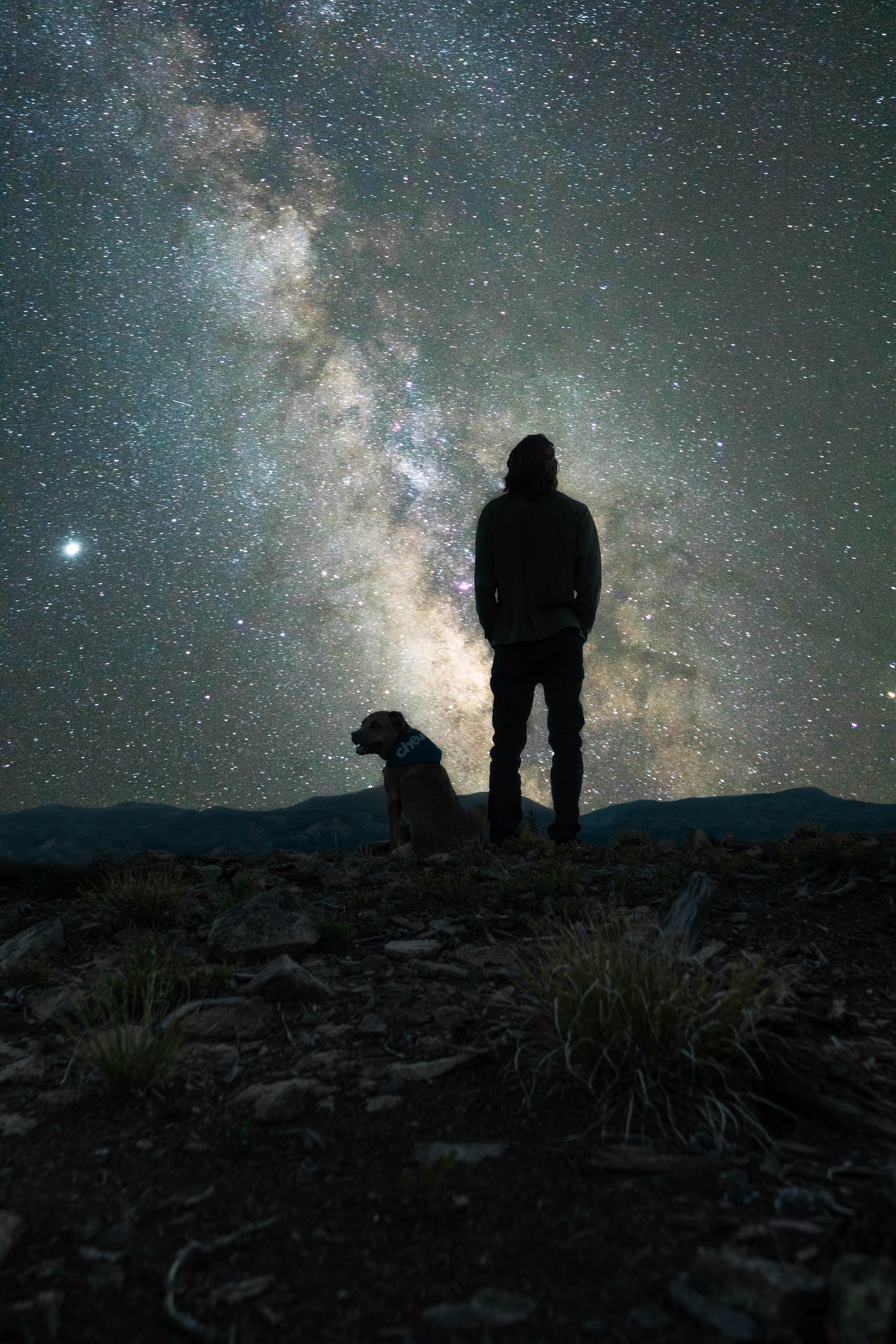
Yet more from Unsplash!

oooo

oooo

oooo

oooo

oooo

oooo
And one more from my own stable.

There you go for another week!
 Learning from Dogs