Category: Environment

The clue to making us human

A really fascinating article from The Conversation on Imagination.

The website The Conversation had another very interesting link to something that sorts out the humans from all other life forms. It is imagination!

I have pleasure in republishing it!

ooOOoo

Imagination makes us human – this unique ability to envision what doesn’t exist has a long evolutionary history
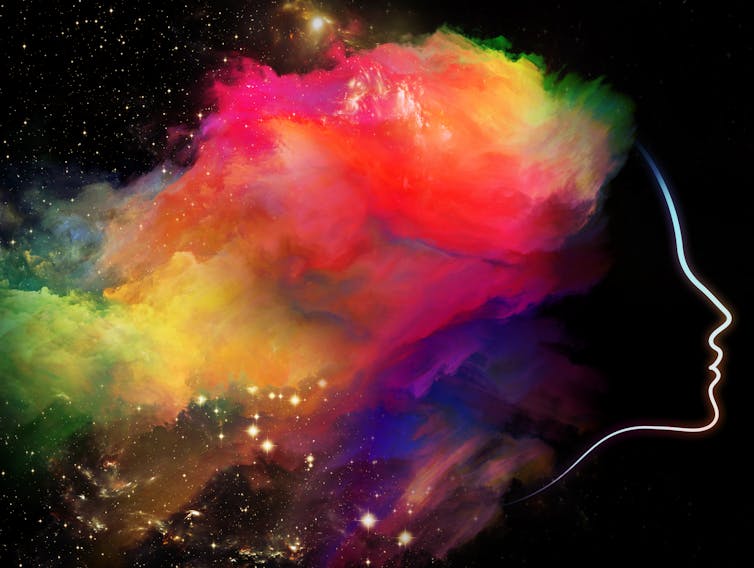
Your brain can imagine things that haven’t happened or that don’t even exist. agsandrew/iStock via Getty Images Plus

Andrey Vyshedskiy, Boston University

Published February, 23rd, 2023

You can easily picture yourself riding a bicycle across the sky even though that’s not something that can actually happen. You can envision yourself doing something you’ve never done before – like water skiing – and maybe even imagine a better way to do it than anyone else.

Imagination involves creating a mental image of something that is not present for your senses to detect, or even something that isn’t out there in reality somewhere. Imagination is one of the key abilities that make us human. But where did it come from?

I’m a neuroscientist who studies how children acquire imagination. I’m especially interested in the neurological mechanisms of imagination. Once we identify what brain structures and connections are necessary to mentally construct new objects and scenes, scientists like me can look back over the course of evolution to see when these brain areas emerged – and potentially gave birth to the first kinds of imagination.

From bacteria to mammals

After life emerged on Earth around 3.4 billion years ago, organisms gradually became more complex. Around 700 million years ago, neurons organized into simple neural nets that then evolved into the brain and spinal cord around 525 million years ago.
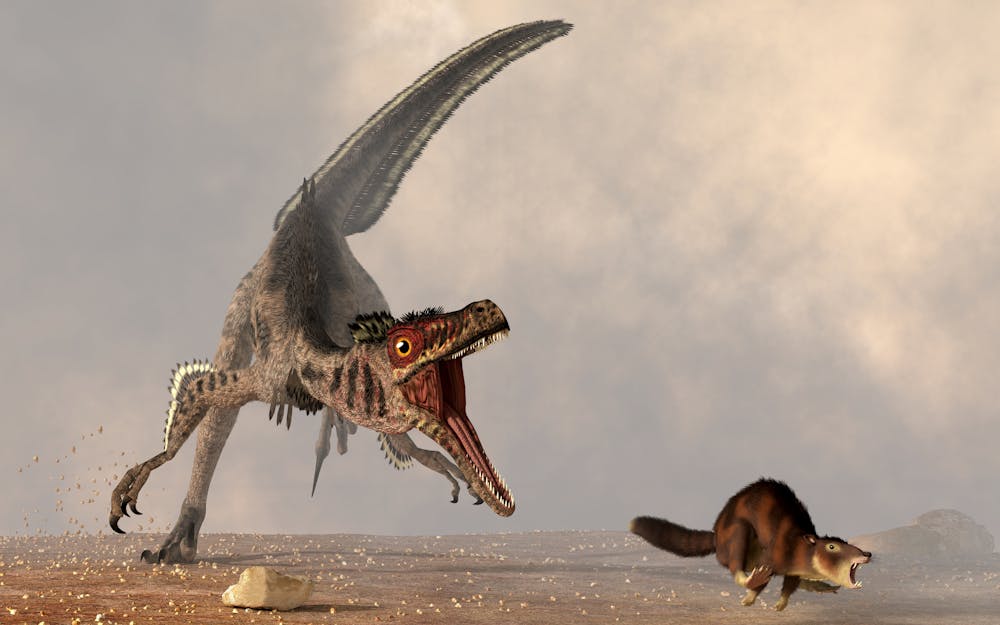
Velociraptor chasing a furry critter
It was to mammals’ advantage to hide out while cold-blooded dinosaurs hunted during the day. Daniel Eskridge/Stocktrek Images via Getty Images

Eventually dinosaurs evolved around 240 million years ago, with mammals emerging a few million years later. While they shared the landscape, dinosaurs were very good at catching and eating small, furry mammals. Dinosaurs were cold-blooded, though, and, like modern cold-blooded reptiles, could only move and hunt effectively during the daytime when it was warm. To avoid predation by dinosaurs, mammals stumbled upon a solution: hide underground during the daytime.

Not much food, though, grows underground. To eat, mammals had to travel above the ground – but the safest time to forage was at night, when dinosaurs were less of a threat. Evolving to be warm-blooded meant mammals could move at night. That solution came with a trade-off, though: Mammals had to eat a lot more food than dinosaurs per unit of weight in order to maintain their high metabolism and to support their constant inner body temperature around 99 degrees Fahrenheit (37 degrees Celsius).

Our mammalian ancestors had to find 10 times more food during their short waking time, and they had to find it in the dark of night. How did they accomplish this task?

To optimize their foraging, mammals developed a new system to efficiently memorize places where they’d found food: linking the part of the brain that records sensory aspects of the landscape – how a place looks or smells – to the part of the brain that controls navigation. They encoded features of the landscape in the neocortex, the outermost layer of the brain. They encoded navigation in the entorhinal cortex. And the whole system was interconnected by the brain structure called the hippocampus. Humans still use this memory system for remembering objects and past events, such as your car and where you parked it.
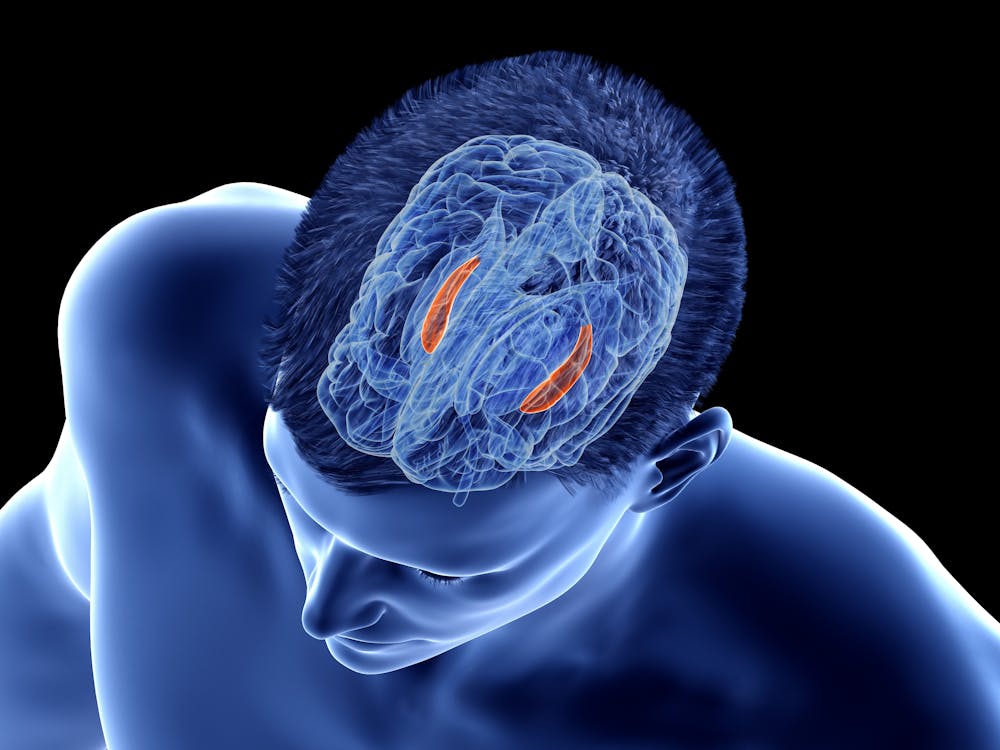
two bits of human brain are highlighted, one on each side
An interior brain structure called the hippocampus helps synthesize different kinds of information to create memories. Sebastian Kaulitzki/Science Photo Library via Getty Images

Groups of neurons in the neocortex encode these memories of objects and past events. Remembering a thing or an episode reactivates the same neurons that initially encoded it. All mammals likely can recall and re-experience previously encoded objects and events by reactivating these groups of neurons. This neocortex-hippocampus-based memory system that evolved 200 million years ago became the first key step toward imagination.

The next building block is the capability to construct a “memory” that hasn’t really happened.

Involuntary made-up ‘memories’

The simplest form of imagining new objects and scenes happens in dreams. These vivid, bizarre involuntary fantasies are associated in people with the rapid eye movement (REM) stage of sleep.

Scientists hypothesize that species whose rest includes periods of REM sleep also experience dreams. Marsupial and placental mammals do have REM sleep, but the egg-laying mammal the echidna does not, suggesting that this stage of the sleep cycle evolved after these evolutionary lines diverged 140 million years ago. In fact, recording from specialized neurons in the brain called place cells demonstrated that animals can “dream” of going places they’ve never visited before.

In humans, solutions found during dreaming can help solve problems. There are numerous examples of scientific and engineering solutions spontaneously visualized during sleep.

The neuroscientist Otto Loewi dreamed of an experiment that proved nerve impulses are transmitted chemically. He immediately went to his lab to perform the experiment – later receiving the Nobel Prize for this discovery.

Elias Howe, the inventor of the first sewing machine, claimed that the main innovation, placing the thread hole near the tip of the needle, came to him in a dream.

Dmitri Mendeleev described seeing in a dream “a table where all the elements fell into place as required. Awakening, I immediately wrote it down on a piece of paper.” And that was the periodic table.

These discoveries were enabled by the same mechanism of involuntary imagination first acquired by mammals 140 million years ago.

young professionals looking at glass wall with post-it notes
Intentionally brainstorming ideas depends on being able to control your imagination. Goodboy Picture Company/E+ via Getty Images

Imagining on purpose

The difference between voluntary imagination and involuntary imagination is analogous to the difference between voluntary muscle control and muscle spasm. Voluntary muscle control allows people to deliberately combine muscle movements. Spasm occurs spontaneously and cannot be controlled.

Similarly, voluntary imagination allows people to deliberately combine thoughts. When asked to mentally combine two identical right triangles along their long edges, or hypotenuses, you envision a square. When asked to mentally cut a round pizza by two perpendicular lines, you visualize four identical slices.

This deliberate, responsive and reliable capacity to combine and recombine mental objects is called prefrontal synthesis. It relies on the ability of the prefrontal cortex located at the very front of the brain to control the rest of the neocortex.

When did our species acquire the ability of prefrontal synthesis? Every artifact dated before 70,000 years ago could have been made by a creator who lacked this ability. On the other hand, starting about that time there are various archeological artifacts unambiguously indicating its presence: composite figurative objects, such as lion-man; bone needles with an eye; bows and arrows; musical instruments; constructed dwellings; adorned burials suggesting the beliefs in afterlife, and many more.

Multiple types of archaeological artifacts unambiguously associated with prefrontal synthesis appear simultaneously around 65,000 years ago in multiple geographical locations. This abrupt change in imagination has been characterized by historian Yuval Harari as the “cognitive revolution.” Notably, it approximately coincides with the largest Homo sapiens‘ migration out of Africa.

Genetic analyses suggest that a few individuals acquired this prefrontal synthesis ability and then spread their genes far and wide by eliminating other contemporaneous males with the use of an imagination-enabeled strategy and newly developed weapons.

So it’s been a journey of many millions of years of evolution for our species to become equipped with imagination. Most nonhuman mammals have potential for imagining what doesn’t exist or hasn’t happened involuntarily during REM sleep; only humans can voluntarily conjure new objects and events in our minds using prefrontal synthesis.

Andrey Vyshedskiy, Professor of Neuroscience, Boston University

This article is republished from The Conversation under a Creative Commons license. Read the original article.

ooOOoo

There we are! As the author of the article says: “Most nonhuman mammals have potential for imagining what doesn’t exist or hasn’t happened involuntarily during REM sleep; only humans can voluntarily conjure new objects and events in our minds using prefrontal synthesis.

It has been a very long journey for us humans to be equipped with imagination. One wonders what the next ten or twenty years will bring? Any thoughts you want to leave as comments?

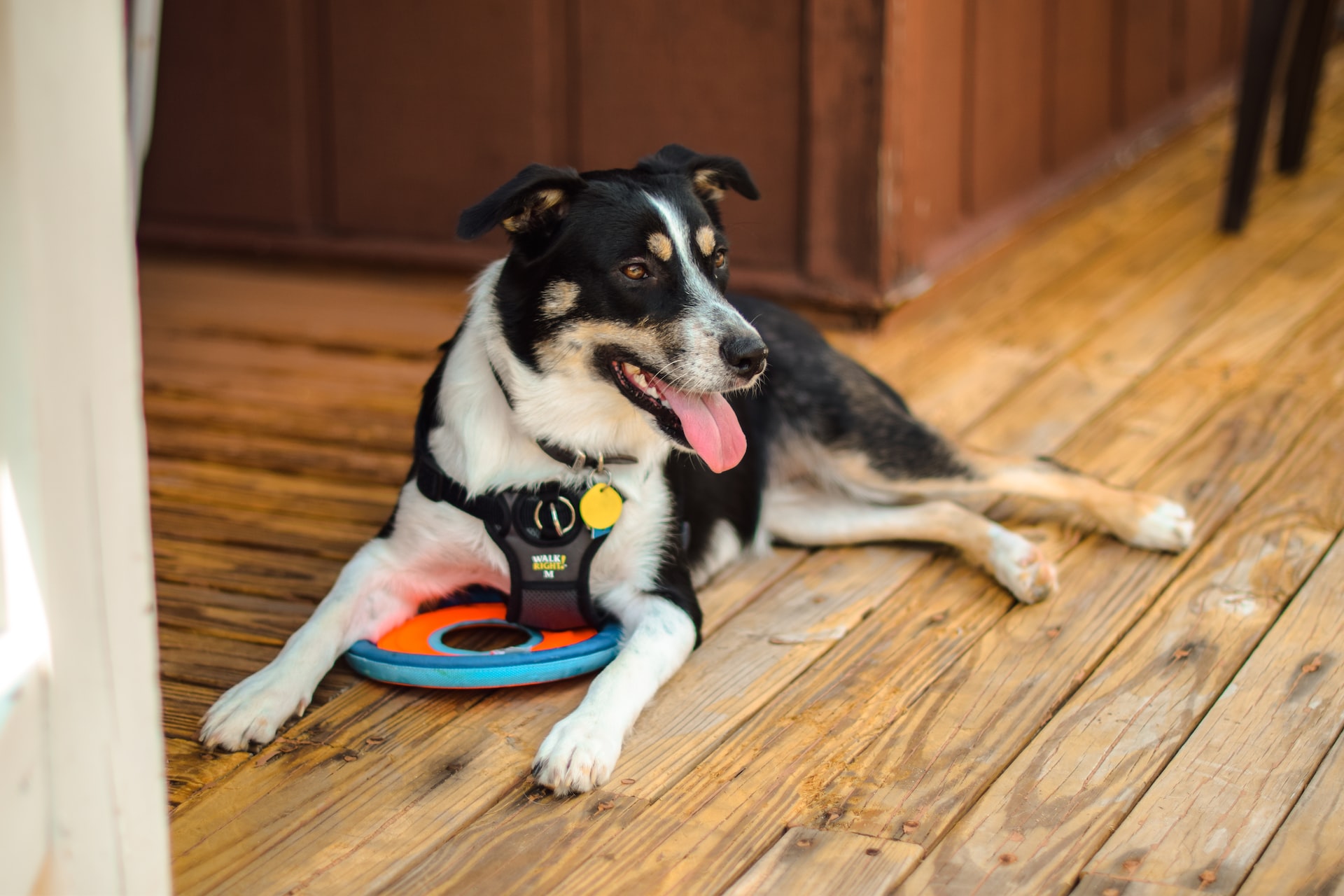
Picture Parade Four Hundred and Seventy-Four

Back to Unsplash!

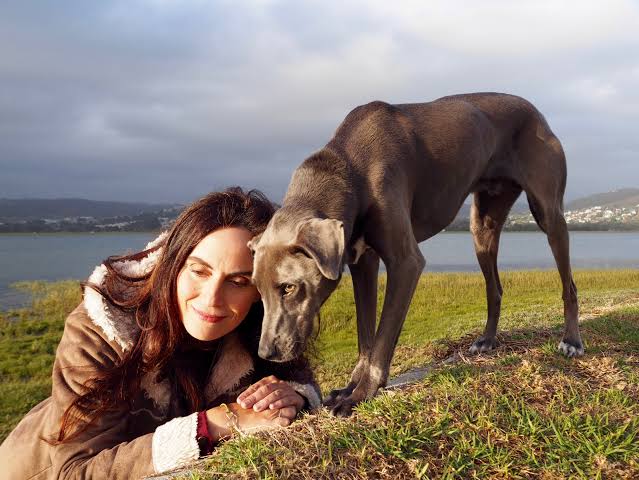
I put in the search description ‘Service dogs’ but that didn’t seem to be the correct way of describing the search. Anyway, I liked what was seen!

ooOOoo

oooo

oooo

oooo

oooo

oooo

oooo

oooo

oooo

There you are, good people!

Plastics in the ocean

A fascinating insight into recovered plastic.

Like so many others we do our little bit regarding plastic but do not properly think about the issue. I have to admit that I am not even sure if all plastics are harmful or just some.

But I comprehend art!

That is why I am republishing, with permission, this article from The Conversation.

ooOOoo

My art uses plastic recovered from beaches around the world to understand how our consumer society is transforming the ocean

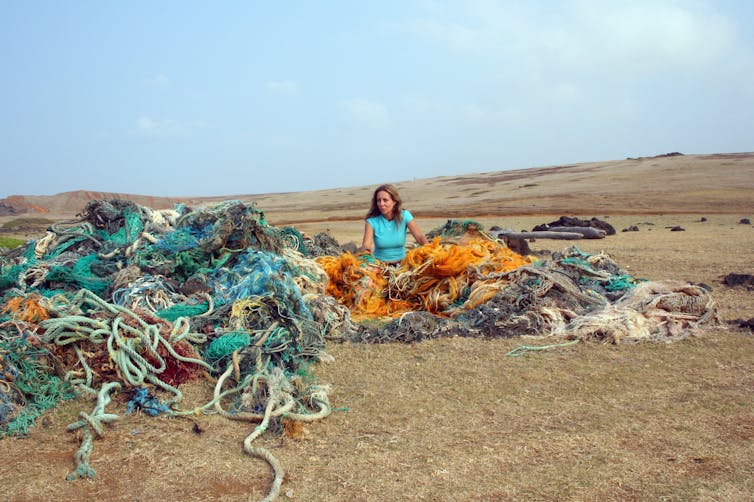
Pam Longobardi amid a giant heap of fishing gear that she and volunteers from the Hawaii Wildlife Fund collected in 2008. David Rothstein, CC BY-ND

Pam Longobardi, Georgia State University

I am obsessed with plastic objects. I harvest them from the ocean for the stories they hold and to mitigate their ability to harm. Each object has the potential to be a message from the sea – a poem, a cipher, a metaphor, a warning.

My work collecting and photographing ocean plastic and turning it into art began with an epiphany in 2005, on a far-flung beach at the southern tip of the Big Island of Hawaii. At the edge of a black lava beach pounded by surf, I encountered multitudes upon multitudes of plastic objects that the angry ocean was vomiting onto the rocky shore.

I could see that somehow, impossibly, humans had permeated the ocean with plastic waste. Its alien presence was so enormous that it had reached this most isolated point of land in the immense Pacific Ocean. I felt I was witness to an unspeakable crime against nature, and needed to document it and bring back evidence.

I began cleaning the beach, hauling away weathered and misshapen plastic debris – known and unknown objects, hidden parts of a world of things I had never seen before, and enormous whalelike colored entanglements of nets and ropes.

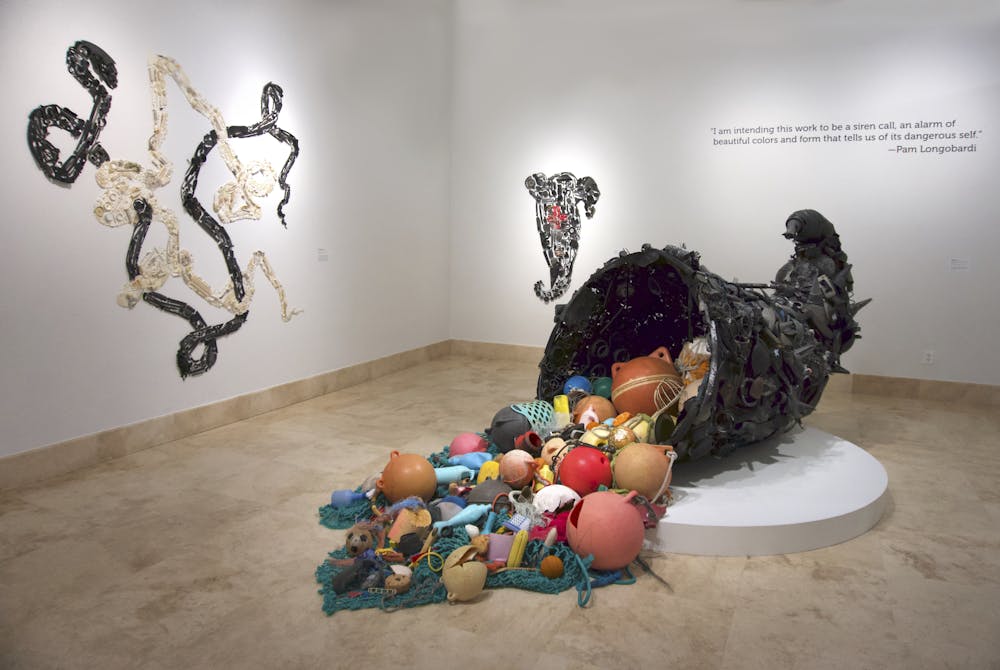
Three large plastic art installations, the central one a cornucopia spilling plastic objects onto the floor.
‘Bounty Pilfered’ (center), ‘Newer Laocoön’ (left) and ‘Threnody’ (right). All made of ocean plastic from the Atlantic, Pacific and Gulf of Mexico, installed at the Baker Museum in Naples, Fla., 2022. Pam Longobardi, CC BY-ND

I returned to that site again and again, gathering material evidence to study its volume and how it had been deposited, trying to understand the immensity it represented. In 2006, I formed the Drifters Project, a collaborative global entity to highlight these vagrant, translocational plastics and recruit others to investigate and mitigate ocean plastics’ impact.

My new book, “Ocean Gleaning,” tracks 17 years of my art and research around the world through the Drifters Project. It reveals specimens of striking artifacts harvested from the sea – objects that once were utilitarian, but have been changed by their oceanic voyages and come back as messages from the ocean.

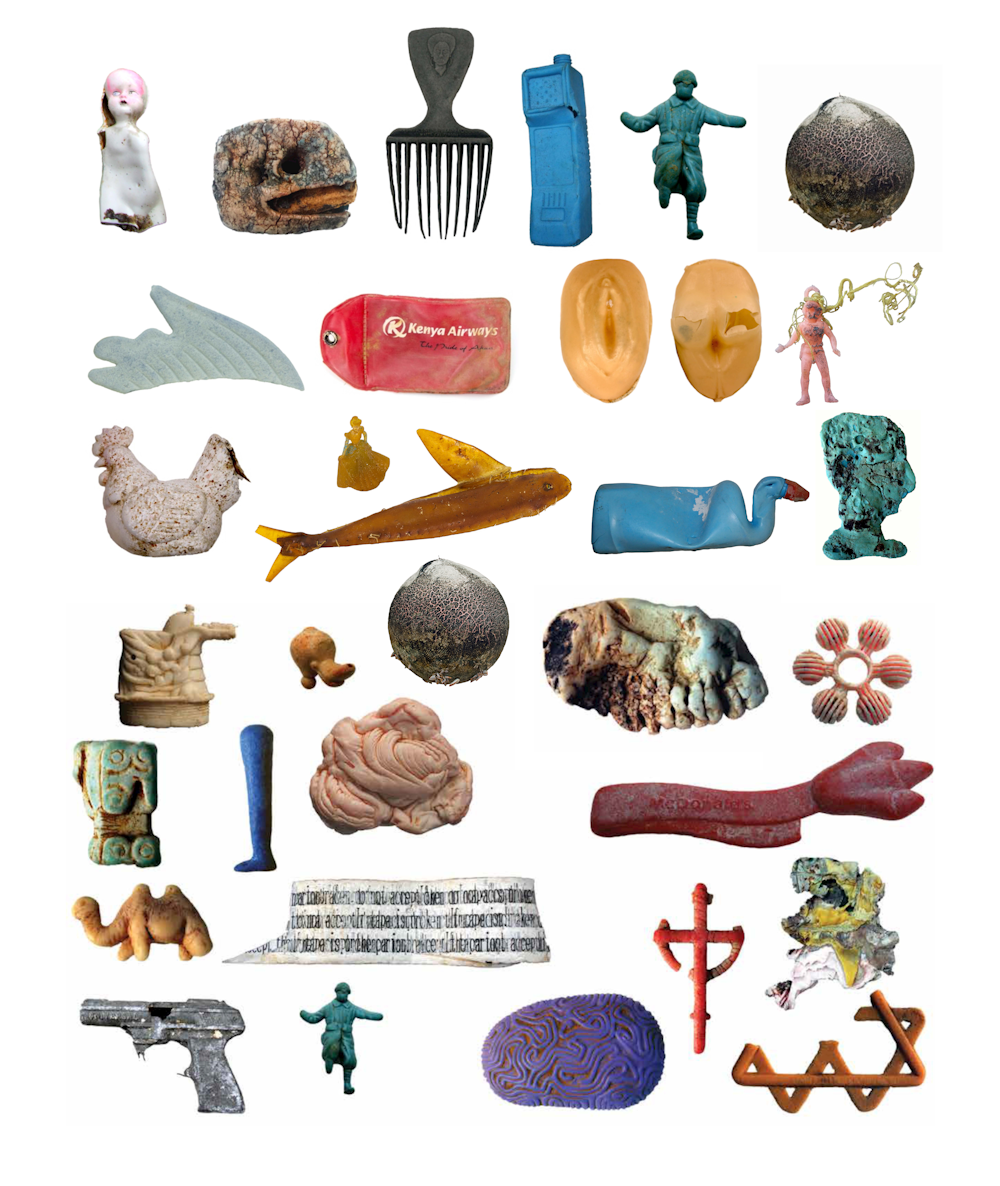
Array of plastic objects, including toys, action figures and fragments of larger objects.
‘Drifters Objects,’ a tiny sample of the plastic artifacts Pam Longobardi has collected from beaches worldwide. Pam Longobardi, CC BY-ND

Living in a plastic age

I grew up in what some now deem the age of plastic. Though it’s not the only modern material invention, plastic has had the most unforeseen consequences.

My father was a biochemist at the chemical company Union Carbide when I was a child in New Jersey. He played golf with an actor who portrayed “The Man from Glad,” a Get Smart-styled agent who rescued flustered housewives in TV commercials from inferior brands of plastic wrap that snarled and tangled. My father brought home souvenir pins of Union Carbide’s hexagonal logo, based on the carbon molecule, and figurine pencil holders of “TERGIE,” the company’s blobby turquoise mascot.

On the 2013 Gyre Expedition, Pam Longobardi traveled with a team of scientists, artists and policymakers to investigate and remove tons of oceanic plastic washing out of great gyres, or currents, in the Pacific Ocean, and make art from it.

Today I see plastic as a zombie material that haunts the ocean. It is made from petroleum, the decayed and transformed life forms of the past. Drifting at sea, it “lives” again as it gathers a biological slime of algae and protozoans, which become attachment sites for larger organisms.

When seabirds, fish and sea turtles mistake this living encrustation for food and eat it, plastic and all, the chemical load lives on in their digestive tracts. Their body tissues absorb chemicals from the plastic, which remain undigested in their stomachs, often ultimately killing them.

Two piles of tiny particles of virtually identical sizes.
Plastic ‘nurdles,’ (left), tiny pellets that serve as raw materials for manufacturing plastic products, and herring roe, or eggs (right). These visually analogous forms exemplify how fish can mistake plastic for food. Pam Longobardi, CC BY-ND

The forensics of plastic

I see plastic objects as the cultural archaeology of our time – relics of global late-capitalist consumer society that mirror our desires, wishes, hubris and ingenuity. They become transformed as they leave the quotidian world and collide with nature. By regurgitating them ashore or jamming them into sea caves, the ocean is communicating with us through materials of our own making. Some seem eerily familiar; others are totally alien.

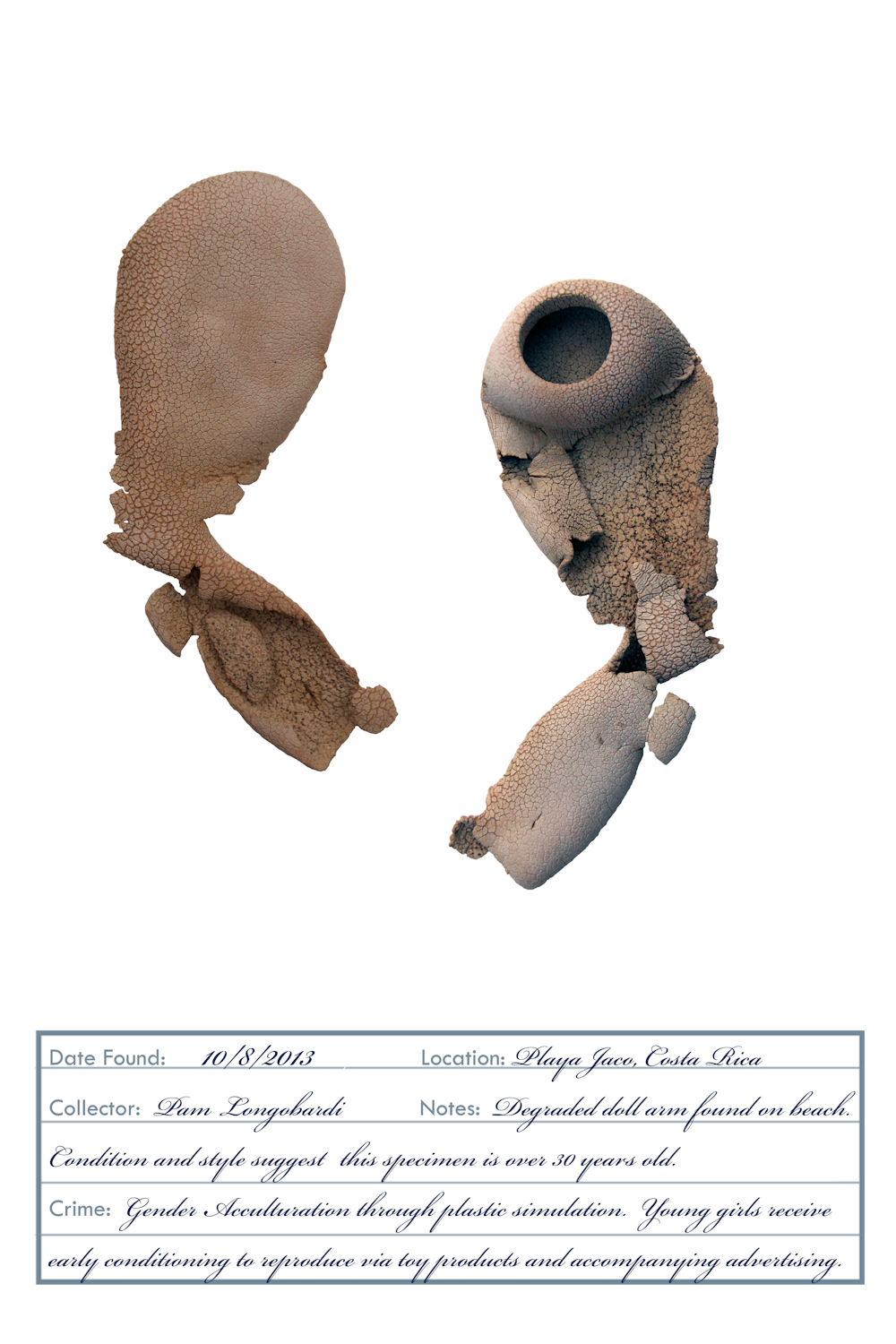
Two views of a degraded arm from a plastic doll, found on Playa Jaco in Costa Rica.
A degraded plastic doll arm, from the series ‘Evidence of Crimes.’ Pam Longobardi, CC BY-ND

A person engaging in ocean gleaning acts as a detective and a beacon, hunting for the forensics of this crime against the natural world and shining the light of interrogation on it. By searching for ocean plastic in a state of open receptiveness, a gleaner like me can find symbols of pop culture, religion, war, humor, irony and sorrow.

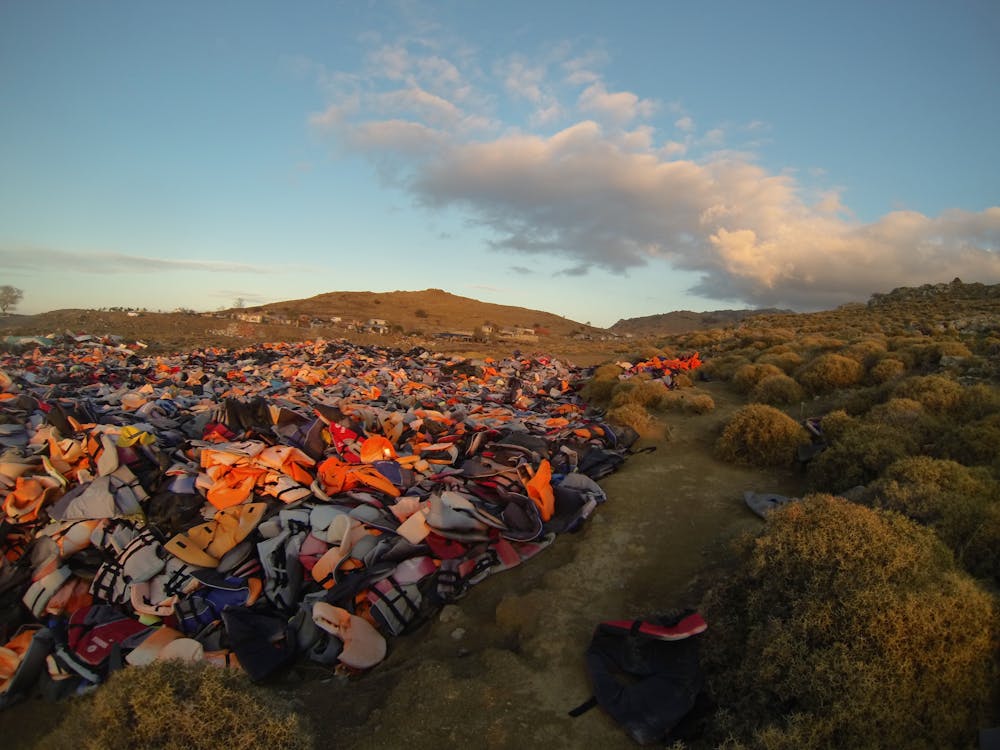
A rolling landscape covered with thousands of life vests.
‘Division Line,’ 2016. This photograph shows the ‘life-jacket cemetary’ in Lesvos, Greece. Traumatized asylum-seekers and migrants arriving by boat from Türkiye leave the life vests on shore as they stagger inland. Most of the waste is plastic. © Pam Longobardi, CC BY-ND

In keeping with the drifting journeys of these material artifacts, I prefer using them in a transitive form as installations. All of these works can be dismantled and reconfigured, although plastic materials are nearly impossible to recycle. I display some objects as specimens on steel pins, and wire others together to form large-scale sculptures.

A plastic bottle cap inscribed 'Endless' and a photograph of a beach littered with plastic objects.
From the series ‘Prophetic Objects,’ a plastic cap from a Greek manufacturer of cleaning products, found on the Greek island of Kefalonia. Pam Longobardi, CC BY-ND

I am interested in ocean plastic in particular because of what it reveals about us as humans in a global culture, and about the ocean as a cultural space and a giant dynamic engine of life and change. Because ocean plastic visibly shows nature’s attempts to reabsorb and regurgitate it, it has profound stories to tell.

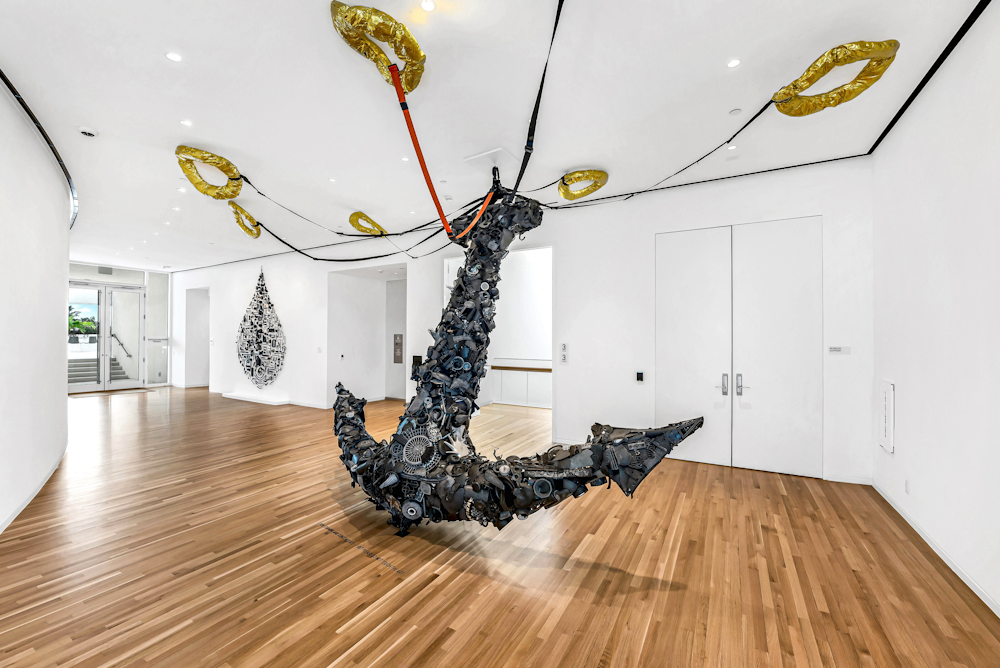
A large sculpted anchor in the center of an art gallery, with ties to life preservers mounted on the ceiling.
‘Albatross’ and ‘Hope Floats,’ 2017. Recovered ocean plastic, survival rescue blankets, life vest straps and steel. Pam Longobardi, CC BY-ND

I believe humankind is at a crossroads with regards to the future. The ocean is asking us to pay attention. Paying attention is an act of giving, and in the case of plastic pollution, it is also an act of taking: Taking plastic out of your daily life. Taking plastic out of the environment. And taking, and spreading, the message that the ocean is laying out before our eyes.

Pam Longobardi, Regents’ Professor of Art and Design, Georgia State University

This article is republished from The Conversation under a Creative Commons license. Read the original article.

ooOOoo

Pam at one point describes the ocean plastic”… because of what it reveals about us as humans in a global culture, and about the ocean as a cultural space and a giant dynamic engine of life and change …”. It raises questions that I can only ponder the answer. Ultimately, are there too many inhabitants on this planet? What does the next generation think? Is there an answer?
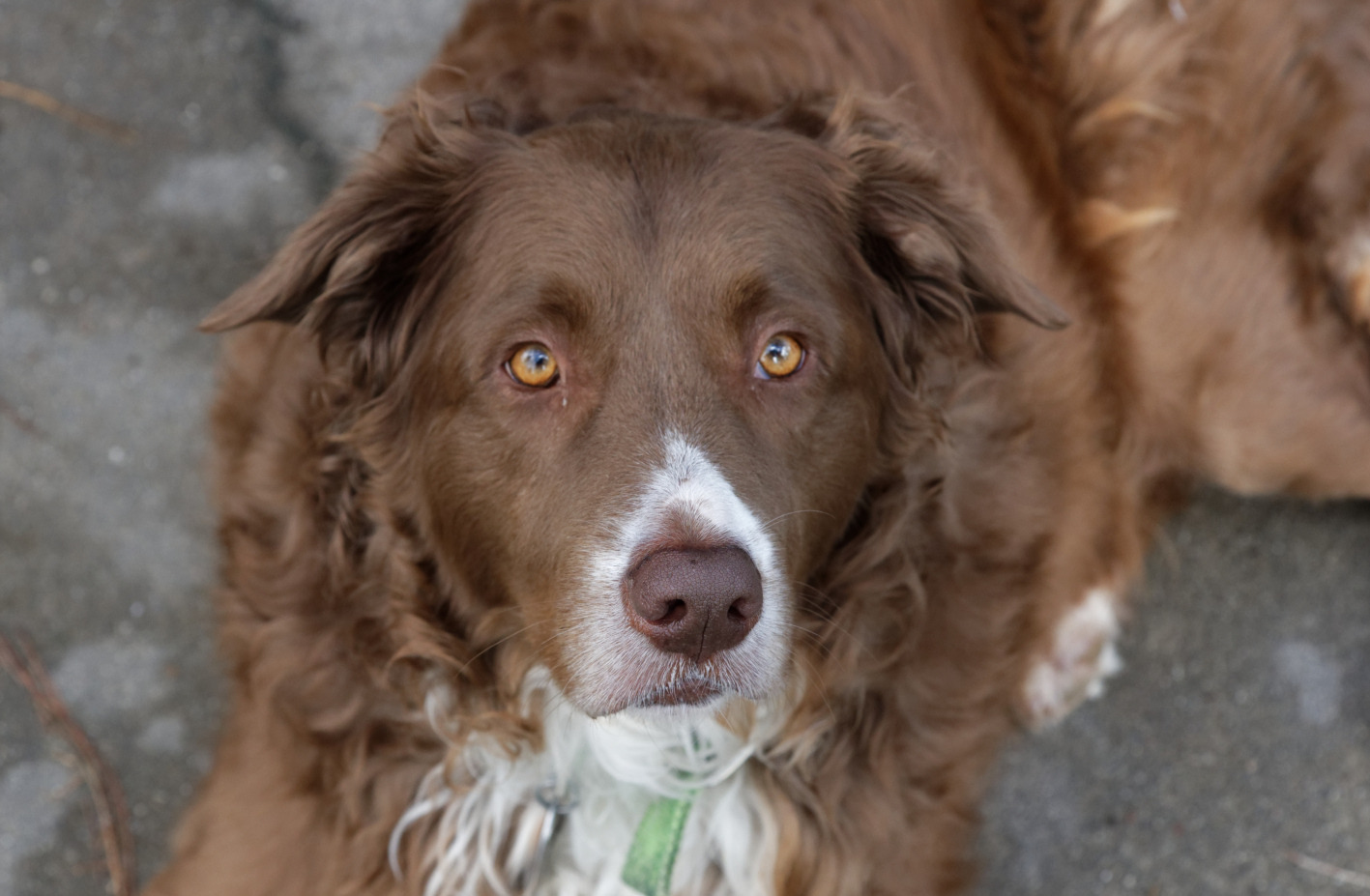
Rescue dogs in action

A powerful three-minute video from the BBC.

Just another example of the wonderful abilities of our dogs.

Fossils

A fascinating article about the fossilisation of teeth.

Change is a constant! That’s not my saying but it is still a very good one. There are many, many articles online about the pace of change and I am not going to pick a particular one; you can do that yourself if you are interested.

But I am going to republish an article about the fossilisation of teeth. It was published on January 25th, 2023 and it was an article in The Conversation.

ooOOoo

Fossil teeth reveal how brains developed in utero over millions of years of human evolution – new research

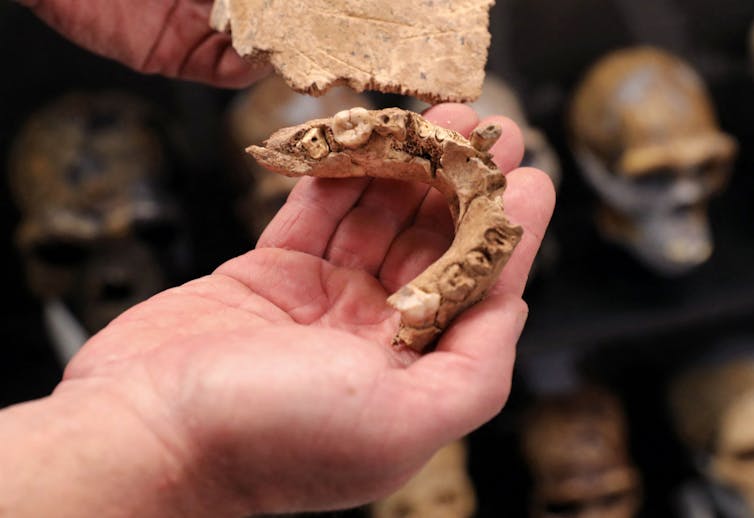
Any hominid fossil find with molar teeth can be plugged into a new equation that reveals its species’ prenatal growth rate. Gil Cohen-Magen/AFP via Getty Images

Tesla Monson, Western Washington University

Fossilized bones help tell the story of what human beings and our predecessors were doing hundreds of thousands of years ago. But how can you learn about important parts of our ancestors’ life cycle – like pregnancy or gestation – that leave no obvious trace in the fossil record?

The large brains, relative to overall body size, that are a defining characteristic of our species make pregnancy and gestation particularly interesting to paleoanthropologists like me. Homo sapiens’ big skulls contribute to our difficult labor and delivery. But the big brains inside are what let our species really take off.

My colleagues and I especially wanted to know how fast our ancestors’ brains grew before birth. Was it comparable to fetal brain growth today? Investigating when prenatal growth and pregnancy became humanlike can help reveal when and how our ancestors’ brains became more like ours than like our ape relatives’.

To investigate the evolution of prenatal growth rates, we focused on the in-utero development of teeth – which do fossilize. By building a mathematical model using the relative lengths of molar teeth, we were able to track evolutionary changes in prenatal growth rates in the fossil record. Based on our model, it looks as if pregnancy and prenatal growth became more humanlike than chimplike almost 1 million years ago.

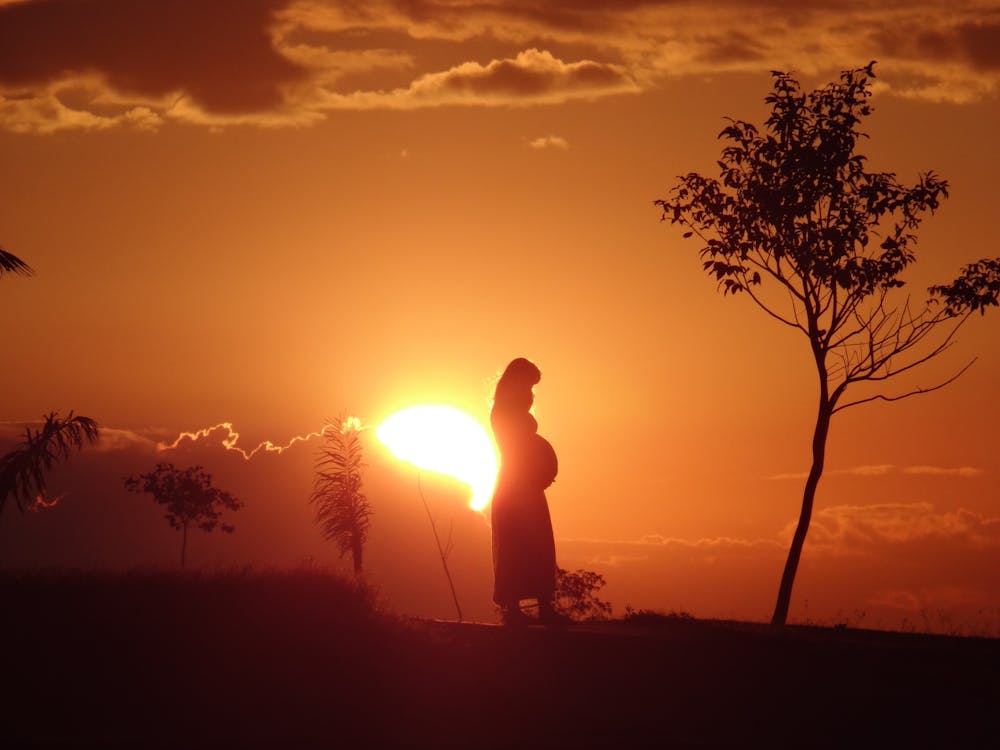
pregnant woman's silhouette against sunset on landscape
Pregnancy and delivery come with a lot of risks for parent and baby. Jimy Lindner/EyeEm via Getty Images

Gestation and the human brain

Pregnancy and gestation are important periods – they guide future growth and development and set the biological course for life.

But human pregnancy, and particularly labor and delivery, cost a lot of energy and are often dangerous. The large fetal brain requires a lot of nutrients during development. The rate of embryonic growth during gestation, also known as the prenatal growth rate, exacts a metabolic and physiological toll on the gestating parent. And the tight fit of the infant’s head and shoulders through the pelvic canal during delivery can lead to death, for both the mother and child.

As a trade-off to those potential downsides, there must be a really good reason to have such large heads. The justification is all the abilities that come along with having a big human brain. The evolution of our large brain contributed to our species’ dominance and is associated with increased use of technology and tools, creation of art and the ability to survive in diverse landscapes, among other advances.

The timing and sequence of events that led to the evolution of our large brains is entangled with the ability to find and process more resources, through the use of tools and cooperative group work, for example.

By investigating changes in prenatal growth, we are also investigating changes in how parents gathered food resources and distributed them to their offspring. These increasing resources would have also helped drive the evolution of an even bigger brain. Understanding more about when prenatal growth and pregnancy became humanlike at the same time reveals information about when and how our brains did too.

Humans have the highest prenatal growth rate of all primates living today, at 0.41 ounces/day (11.58 grams/day). Gorillas, for example, have a much larger adult body size than humans, but their prenatal growth rate is only 0.29 ounces/day (8.16 grams/day). Because more than a quarter of all human brain growth is completed during gestation, the rate of prenatal growth directly relates to how big an adult brain grows. How and when Homo sapiens‘ high prenatal growth rate evolved has been a mystery, until now.

What teeth can tell about prenatal growth

Researchers have spent centuries investigating variation in fossilized skeletal remains. Unfortunately brains – let alone gestation and prenatal growth rate – don’t fossilize.

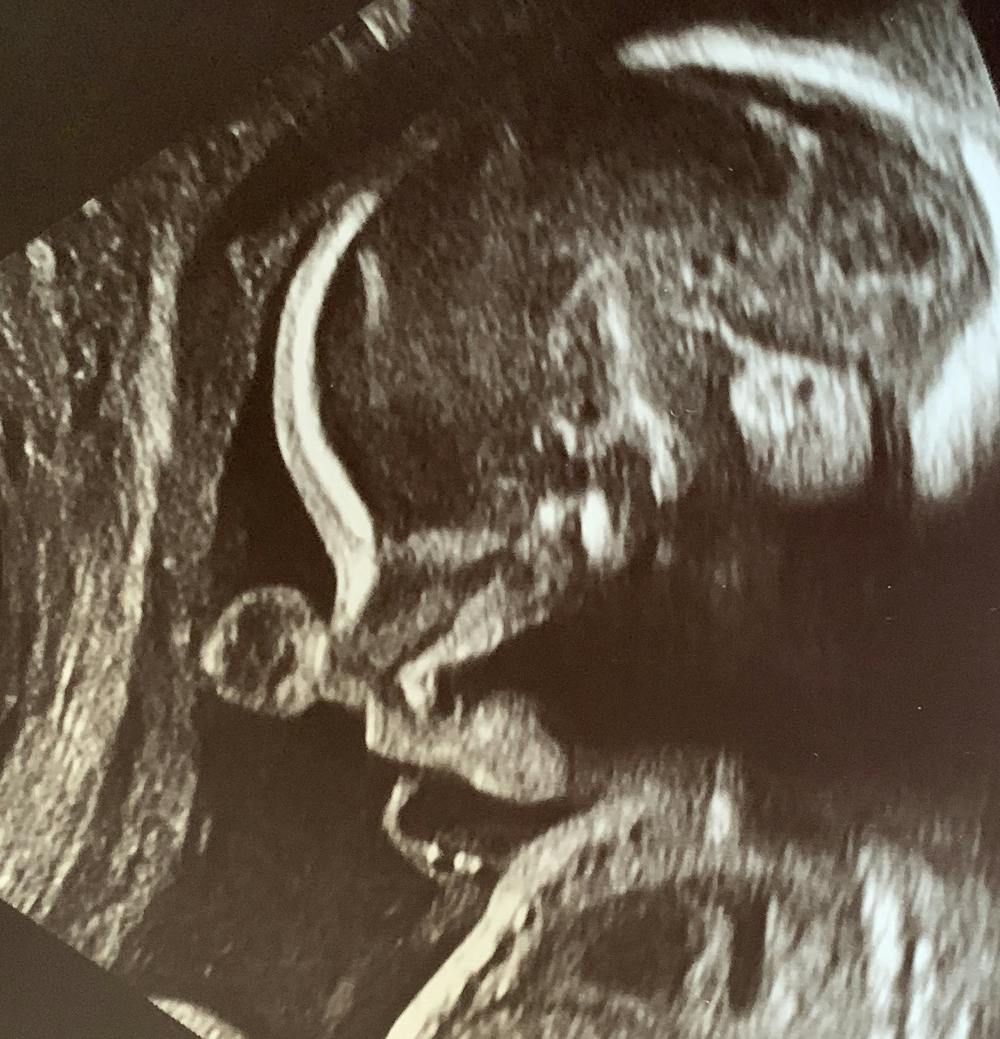
ultrasound of a baby in utero
The developing brain of a human being gestating at 26 weeks. Tesla Monson

But my colleagues and I started thinking about how teeth develop very, very early in utero. Your permanent adult teeth started developing long before you were born, when you were just a 20-week-old fetus. Tooth enamel is more than 95% inorganic, and the vast majority of everything we see in the vertebrate fossil record is teeth, or has teeth.

Building off this realization, we decided to investigate the relationship between prenatal growth rate, brain size and the lengths of teeth.

We measured the teeth of 608 recently living primates from skeletal collections all around the world. We compared those measurements to rates of prenatal growth that we calculated from average gestation length and mass at birth for each species. We also looked at endocranial volume – essentially how much space is inside the skull – as a proxy for brain size.

We found that the rate of prenatal growth is significantly correlated with both adult brain size and relative tooth lengths, across apes and monkeys.

Because prenatal growth is so tightly correlated with relative molar lengths, we were able to use this statistical relationship to generate a mathematical equation that predicts prenatal growth rate from teeth alone. With this equation, we can take a few molar teeth from an extinct fossil species and reconstruct exactly how fast their offspring grew during gestation.

alt
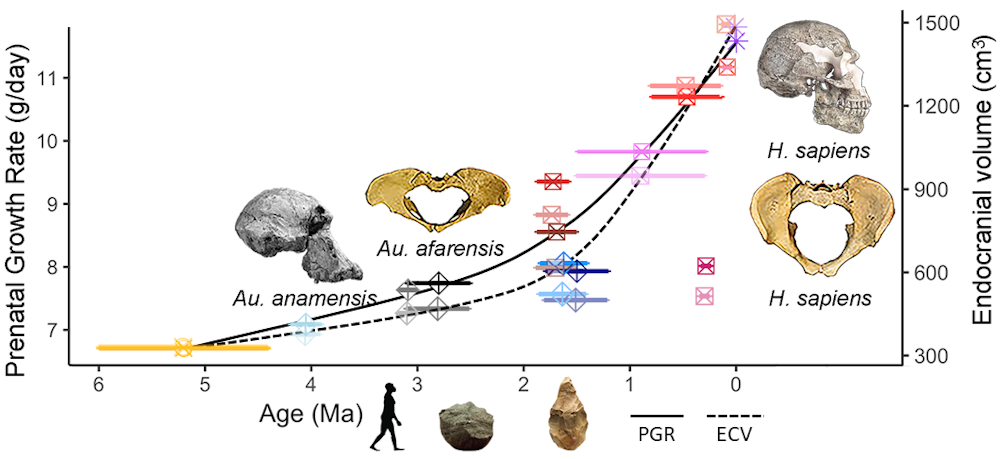
Using the new equation, researchers found that prenatal growth rates increased over millions of years of human and hominid evolution. Tesla Monson, CC BY-ND

Using our new method, we then reconstructed prenatal growth rates for 13 fossil species, building a timeline of changes over the past 6 million years of human and hominid evolution. “Hominid” describes all the species on the human side of the family tree after the split about 6 million to 8 million years ago from the common ancestor we shared with chimpanzees. From our new research, we now know that prenatal growth rates increased throughout hominid evolution, reaching a humanlike rate that exceeds what we see in all other apes less than 1 million years ago.

A fully human prenatal growth rate appeared with the evolution of our species Homo sapiens only around 200,000 years ago. But other hominid species living in the past 200,000 years, such as Neanderthals, also had “human” prenatal growth rates. Which genes were involved in these changes in growth rate remains to be investigated.

Equation means teeth now reveal even more

Even with only a few teeth and some of the jaw, a trained expert can tell countless things about an extinct individual – what species it was, what kind of diet it ate, whether it competed for mates through fighting, how old it was when it died, whether or not it had any serious health issues and more.

Now, for the first time, we can add to that list knowing what pregnancy and gestation were like for that individual and other members of its species. Teeth can even indirectly hint at the emergence of human consciousness, via evolving brain size.

Interestingly, our model suggests that prenatal growth rates started increasing well before the emergence of our Homo sapiens species. We can hypothesize that having a fast prenatal growth rate was necessary for growing that big brain and evolving human consciousness and cognitive abilities.

These are the sorts of big-picture questions this research lets us start to formulate now – all from just a few teeth.

Tesla Monson, Assistant Professor of Anthropology, Western Washington University

This article is republished from The Conversation under a Creative Commons license. Read the original article.

ooOOoo

Tesla Monson is the Assistant Professor of Anthropology at Western Washington University.

This may not make the daily headlines but, personally, I think that is a shame. The discovery has all sorts of implications for life, including ancient life, on this planet. And speaking of life let us bear a thought for the carnage that is happening in Turkey at this present time. A BBC headline:

A rescue operation is under way across much of southern Turkey and northern Syria following a huge earthquake that has killed more than 2,300 people

A lost, and found, dog in Utah

A story that was widely reported.

I was short on time yesterday so no pre-amble.

ooOOoo

Search and rescue team save dog near frozen waterfall in Utah 

The dog separated from its owner on Christmas Eve.

By Teddy Grant, December 27, 2022.

A dog that was stranded near a frozen waterfall in Utah on Christmas Eve was saved by search and rescue officials and reunited with her owner.

According to the Weber County Sheriff’s Office Search and Rescue, a local man was hiking near Waterfall Canyon on Saturday when he became separated from his dog Nala.

The unidentified hiker couldn’t find Nala by nightfall and resumed his search the morning of Christmas Day, the sheriff’s office wrote on its Facebook page.

The hiker’s family members contacted authorities around 1:00 p.m., local time, saying he wasn’t responding to their calls or text messages, officials said.

Nala’s owner answered one of the phone calls once he regained cellphone service and was able to let people know that Nala was around the waterfall, but couldn’t reach her because of the steepness and the icy condition of the terrain, according to Weber County Sheriff’s Office Search and Rescue.

A grab from video posted by Weber County Sheriff’s Office Search and Rescue shows the dog Nala at Waterfall Canyon in Ogden, Utah, Dec. 25, 2022.

Weber County Sheriff’s Office Search and Rescue

The search and rescue team responded to the call and were able to save a skittish Nala after a little coaxing, officials said.

“Nala was cold with a few minor injuries, but was able to hike down with the rescuers,” officials wrote. “She is one tough puppy! Once reaching the trailhead parking lot, both human and canine couldn’t have been happier to be reunited.”

According to Waterfall Canyon it is a “moderately challenging,” 2.4-mile trail near Ogden, Utah, according to AllTrails. Ogden is around 38 miles north of Salt Lake City.

ooOOoo

I’m sure you read that the human and the dog were very grateful to be reunited.

Picture Parade Four Hundred and Sixty-Four

Beautiful photographs from Alex!

Last Friday I received an email from my son in which he said: “… bit chilly here -9C (16F) overnight but we heard that some short-eared owls had turned up in a nature reserve near Minehead so have been down there the last few days, here are the pictures.”

He included the many photographs separately as well. If you want to see more then please go here plus I want to credit Alex Handover as the photographer.

Here they are:

oooo

oooo

oooo

oooo

oooo

oooo

oooo

oooo

I have no doubt that many of you will find these very exciting!

A very small step.

But an important one!

From the 21st November until the 23rd Sunshine Solar installed a solar panel system. But we were then told to wait until Pacific Power had come to the house to put in a new electricity meter. Last Thursday, 1st December, Brent from Pacific Power called by and replaced our electricity meter. He replaced it with a bi-directional meter that when we were producing more power than we are consuming then the surplus would be ‘banked’ to be used at times when we required the surplus.

This was the result of us investing in a ground-mounted solar system.

We purchased the system from Solar Sunshine after doing a great deal of research. Indeed Brent said that they were a great company.

The other thing that we had no choice over was to install a ground-mounted system some 120 feet from the house. Because neither the house nor the roof face East and therefore are no use for solar. But as Brent pointed out last Thursday the ground-mounted system, despite being more expensive, was a good alternative to the roof system because new roof tiles were irrelevant.

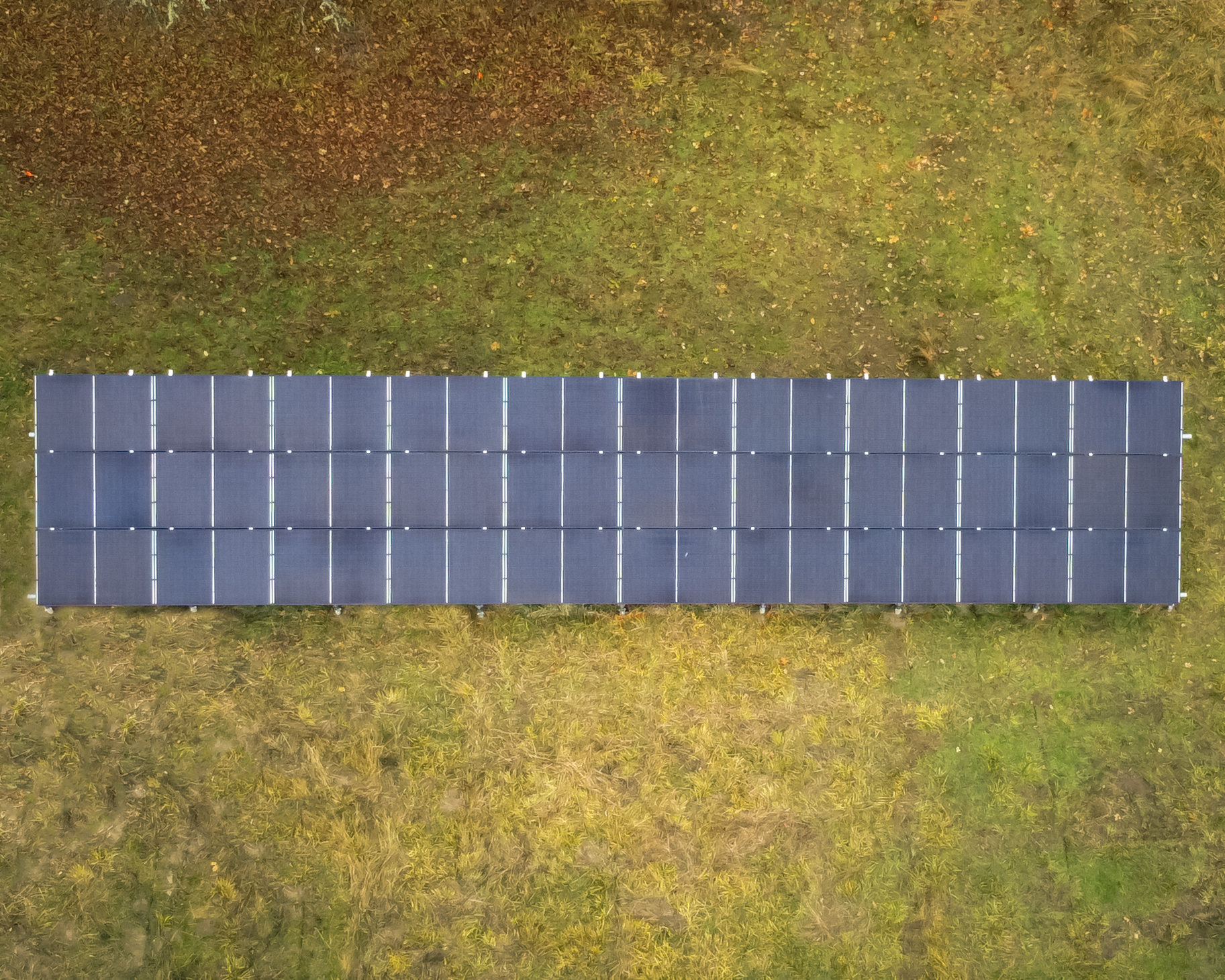
The system consists of 30 individual panels capable of producing a maximum output of 65 amps at 240 volts; in other words 15,600 watts!

Yesterday, Cory and Brandon (sp?) came out to the system and checked that it was alright. Plus they gave us an digital application so we could see how much power we were generating, plus more, and they also took some photographs, that I offer you now.

oooo

oooo

oooo

This last photograph was one taken by yours truly with Cory on the left and Brandon on the right with Jeannie in the middle.

Finally, the ‘app’ is going to be very useful.

Already it shows that last Saturday the array produced 29 kilowatts and then yesterday, the 4th December, the array produced 22.9 kilowatts and these were by no means sunlit days all the time. That brings the total for all 5 days in December, in other words since the system went live, to 91.1 kilowatts as of 15:27 PT on the 5th.

We are most pleased with the company and the installation.

The incredible story of Diablo

Just watch this after the introduction.

Countless numbers of people have dreamt that they can communicate with animals and I would imagine an enormous percentage of those would have dreamt that they can communicate with dogs.

Certainly of the three dogs we have alive still here at home (we had in the past some fifteen dogs) Oliver below appears to understand much of what is said to him by me and Jean

If one goes to the YouTube website then one is introduced to Anna Breytenbach who has made it her life’s passion to better communicate with animals. Here’s a small piece from the extensive WikiPedia entry:

In her twenties she decided to pursue her passion for wildlife (big cats in particular) by becoming a cheetah handler at a conservation education project. On moving to America, she explored wolf and other predator conservation. She has also served on committees for wolf, snow leopard, cheetah and mountain lion conservation.

Anna Breytenbach and friend

So now we come to this video of Anna and Diablo, more properly called Spirit, (and the video will make that clear).

Arjan Postma explains the background to the film:

I just want to share this message as much as possible without any commercial intent, personal benefit or whatsoever. All used materials and therefore copyrights do not belong to me. I hope you enjoy discovering and watching this story and skill as much as I did: What if you could talk to animals and have them talk back to you? Anna Breytenbach has dedicated her life to what she calls interspecies communication. She sends detailed messages to animals through pictures and thoughts. She then receives messages of remarkable clarity back from the animals. In this section, Anna transforms a deadly snarling leopard into a relaxed content cat. The amazing story of how leopard Diabolo became Spirit… I found the source of this amazing documentary here: http://www.cultureunplugged.com/docum… This is the first full length documentary film on the art of animal communication. Nominated for Best Long Documentary, Best Director of “Jade Kunlun” Awards of 2012 World Mountain Documentary Festival of Qinghai China. Director: Craig Foster | Producer: Vyv Simson | Narrator: Swati Thiyagarajan Genre: Documentary | Produced In: 2012.

P.S. Happy Thanksgiving to everyone!

Why is intelligent life so rare?

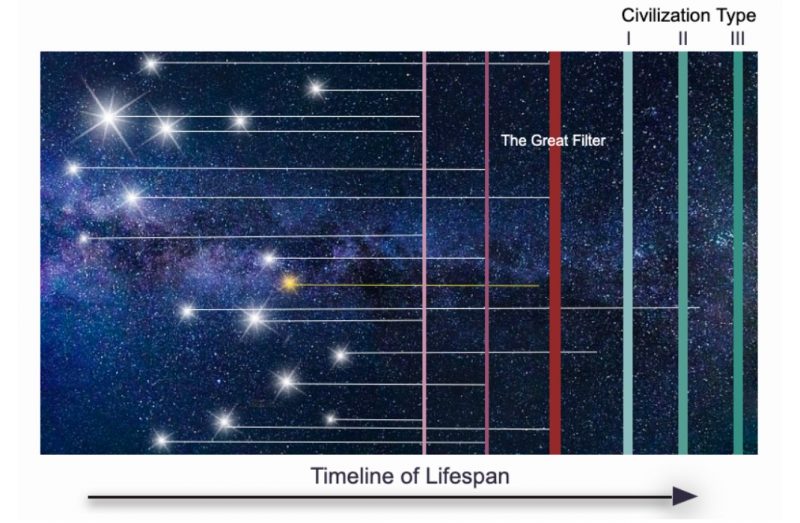
Maybe it is because of a ‘Great Filter‘.

Like so many others I read many items online. One of the websites that I follow is the EarthSky site because for a long time I have been interested in space.

So when I saw an article on why intelligent life is so rare in our Milky Way I read it fully. And hoped it would be of interest to others.

Here it is:

ooOOoo

What is the Great Filter, and can we survive it?

Posted by

Kelly Kizer Whitt and Deborah Byrd

November 17, 2022

This graphic depicts intelligent civilizations as stars. The vertical lines represent Great Filters that civilizations do or don’t survive. This graphic depicts Earth’s human population (the yellow “star”) approaching its own Great Filter. How would we surpass it, and keep going? Image via NASA/ arXiv.

What is the Great Filter?

Is intelligent life common, or rare in our Milky Way galaxy? If it’s common, why haven’t we encountered it? While discussing UFOs on a walk to lunch in the year 1950, the physicist Enrico Fermi is famously said to have asked, “But where is everybody?” Scientists today call that riddle Fermi’s Paradox. Now a new paper by NASA scientists explores one possible answer to the paradox. The answer may be what’s called the Great Filter.

Economist Robin Hanson first proposed the Great Filter, in the late 1990s. It’s the idea of that – even if life forms abundantly in our Milky Way galaxy – each extraterrestrial civilization ultimately faces some barrier to its own survival. The barrier might come from without (for example, an asteroid striking a planet, and wiping out all life forms). Or it might come from within (for example, all-out nuclear war).

Hanson proposed that a Great Filter might be at work within our Milky Way galaxy. He argued – from what we can see here on Earth – life expands to fill every niche. And so, he argued, we should see signs of intelligent life beyond Earth in nearby star systems, perhaps even in our solar system. But we don’t see this.

Is humanity facing a Great Filter?

The authors of the new paper take Hanson’s idea further. They explore the idea that humanity may now be facing a Great Filter. The authors wrote:

We postulate that an existential disaster may lay in wait as our society advances exponentially towards space exploration, acting as the Great Filter: a phenomenon that wipes out civilizations before they can encounter each other … In this article, we propose several possible scenarios, including anthropogenic and natural hazards, both of which can be prevented with reforms in individual, institutional and intrinsic behaviors. We also take into account multiple calamity candidates: nuclear warfare, pathogens and pandemics, artificial intelligence, meteorite impacts, and climate change. 

And they offer solutions, beginning with, as they say:

… a necessary period of introspection, followed by appropriate refinements to properly approach our predicament, and addressing the challenges and methods in which we may be able to mitigate risk to mankind and the nearly 9 million other species on Earth.

In a sense, the authors of the new paper – including lead author Jonathan H. Jiang of NASA’s Jet Propulsion Laboratory in Pasadena, California – are engaging in a “necessary period of introspection” by the act of writing their paper.

And, with their paper, they’re laying out the challenges we’re facing and methods of addressing them.

We’ve already survived some ‘filters’

The scientists point to life’s resilience. Life on Earth has already survived a number of filters in the form of mass extinction events. The Permian-Triassic extinction – aka the Great Dying – occurred 250 million years ago and nearly ended all life on the planet. This extinction event wiped out about 96% of marine life and 70% of land species. The exact cause of the Great Dying is still a matter of study, but some scientists have said it was a combination of warming temperatures and decreasing oxygen.

But these previous filters, or extinction events, have been natural, arising from the evolution of our planet and solar system, including volcanic eruptions and asteroid impacts

A Great Filter of our own making

But now, clearly, humanity may be facing a Great Filter of our own making, and one that other intelligent civilizations in the galaxy have faced … and failed to withstand. Perhaps it’s no surprise that the technological advancements humans have achieved might ultimately lead to our undoing. Perhaps that’s nature’s way. As the new paper said:

It seems as though nearly every great discovery or invention, while pushing back the borders of our technological ignorance, is all too quickly and easily turned to destructive ends. Examples such as splitting the atom, biomedical innovations and resource extraction and consumption come to mind with disconcerting swiftness. Still, some have suggested artificial intelligence (AI) as yet another factor, which, pending substantial technical hurdles, may yet have its chance to prove friend or foe.

Here’s a look at some of the issues that might compose Earth’s Great Filter.

Unchecked population growth

One of the factors Earth faces, according to the paper, is unchecked population growth. Earth just passed a milestone on November 15, 2022, when it reached 8 billion human inhabitants. The paper said with our current population figures, Earth has experienced:

… an exponential rise from about 1.6 billion [people] at the start of the 20th century.

Technological advancements in farming, energy production and distribution have made such a large population possible on Earth. But, as the paper said, these advancements cannot:

… indefinitely offset the multifaceted stresses imposed by an ever-escalating population.

When will Earth’s human population reach its peak size? Some projections report that education in developing nations might allow Earth’s population to peak at 10 billion in the 2060s. But, of course, no one really knows.

Nuclear war

While warfare has long been a factor of life on Earth, only in the past century has humanity had a weapon that could destroy all nations, not just those participating in a nuclear war. The scientists said the greater the number of democracies in the world, the better our chances for avoiding nuclear war. The scientist also saw other encouraging signs, including:

Peace agreements in the historically troubled Middle East, a vast reduction in nuclear warheads since the height of the Cold War and a wide coalition of nations rallying their support for the besieged in Eastern Europe.

Pathogens and pandemics

The threat of illness and pandemics continues to grow simply because our world is so interconnected. Spreading diseases have a much easier time in our global society. But on the positive side, advancements in medicine have also given us an edge. The scientists said that having current and reliable data is crucial:

… in predicting how future pandemics will spread, how deadly they will be and how quickly and effectively we will be able to leverage our knowledge of the life sciences to counter this manifestation of the Great Filter.

Artificial intelligence

While true artificial intelligence as a separate sentient being is not yet reality, the authors of the paper urge a proactive plan to peacefully share Earth. They project that computer sophistication will one day rival that of the human mind. The scientists said:

As for whether AI would be benign or otherwise, self-imposing a Great Filter of our own invention, that will depend on the evolving nature and disposition of Earth’s first high-tech species.

Asteroid and comet impacts

Here’s an extinction event from the past that could still spell our doom in the future. While large impacts are exceedingly rare, there is, as the scientists said:

… a non-zero percentage [of asteroids or comets] which are large enough to survive passage through the atmosphere and, impacting the surface, cause catastrophic destruction to our sensitive biosphere.

The odds of a mass extinction level event in the coming years is vanishingly small. But, over time periods extending into the very distant future, the odds increase toward 100%. Meanwhile, with projects such as the DART mission, and given enough lead time, humanity has a way of defending itself.

Climate change

Climate change has become one of the most studied threats to life on Earth. Because the threats from climate change happen on a slower time scale than, say, the time it takes to launch a nuclear weapon, the efforts to curb these effects have not been as rapid as they could have been. The scientists said:

The major impediment to taking more decisive actions, however, are the challenges imposed by transitioning to non-carbon-based energy sources such as solar, wind, nuclear power. Here again, rapidly advancing technologies in areas such as modularized nuclear power plants and carbon capture and sequestration (CCS) are among the best hopes for avoiding slow-motion ensnarement by this lulling but lethal Great Filter.

Avoiding the Great Filter

So you see there’s not just one possible Great Filter for Earth, but many. Any one of them could be our downfall. These scientists are suggesting something that sounds simple on its face, but is (apparently) hard to do. That is, in order to avoid the Great Filter, humans must work together and recognize the big picture. As the paper said:

History has shown that intraspecies competition and, more importantly, collaboration, has led us toward the highest peaks of invention. And yet, we prolong notions that seem to be the antithesis of long-term sustainable growth. Racism, genocide, inequity, sabotage … the list sprawls.

Meanwhile, we continue to look outward, peering at the dark depths between the stars, hoping for a sign that we aren’t alone in the universe. Ultimately, our quest to find life beyond Earth is part of trying to understand life on our planet and where we fit in. As Carl Sagan said:

In the deepest sense, the search for extraterrestrial intelligence is a search for ourselves.

Bottom line: Scientists say the reason we haven’t found intelligent civilizations in the galaxy is that they may not have survived the Great Filter. And they say we may be facing down our own Great Filter.

Source: https://arxiv.org/ftp/arxiv/papers/2210/2210.10582.pdf

ooOOoo

We are a funny bunch! As was said just a couple of paragraphs ago we humans must work together and recognise the big picture. But we do not!

Why do we not do that?

I wish I knew the answer to that conundrum! Nevertheless, I hope you enjoyed the article.