(Of an Englishman helping Americans to ‘Ramp Up Their English’! 😉
Good followers of this place will recall that in March I published a ‘thank-you’ piece showing my appreciation for Rogue Valley TV and John Letz. Here’s how I opened that post:
Huge thank you to Producer John Letz and the whole crew.
A week ago last Saturday Jean and I travelled down to Ashland and to the studios of Rogue Valley Community Television (RVTV). This is how RVTV describe themselves:
Based at the Southern Oregon Digital Media Center, RVTV provides access television and streaming media services for the citizens and local governments of Jackson and Josephine Counties. Please visit rvtv.sou.edu for more information.
John Letz, the Producer for Adventures in Education and Ramping Up your English, had read my book and thought it might make a good programme.
Anyway, leaving the irony to one side, John recently sent me a link to the 30-minute episode that is included below.
To be honest if you are comfortable with your English then I strongly recommend that you skip this video unless you can’t live another minute without peeking into the Handover household and our dogs.
Mind you, even if you want to skip the video I can’t let you get away entirely Scot free. For at the 3:30 minute mark in the video John sets out the definition of pet:
PET: A dependent animal with a close emotional connection to the pet-owner.
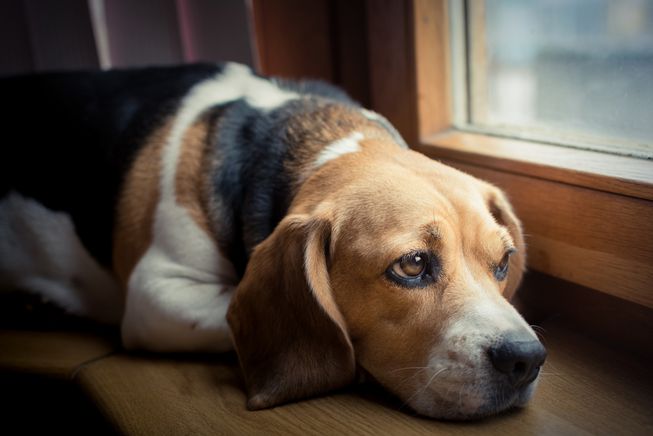
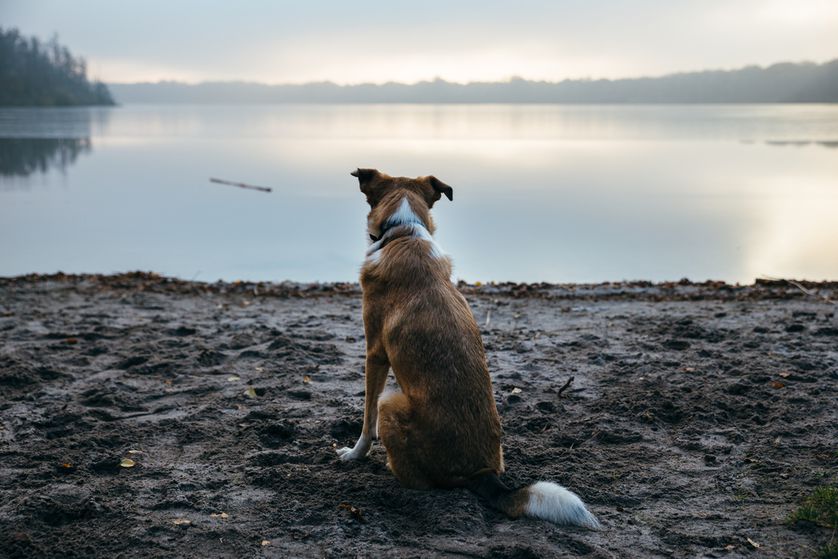
I wonder if John had this in mind (photos taken yesterday morning in our bedroom):
oooo
oooo
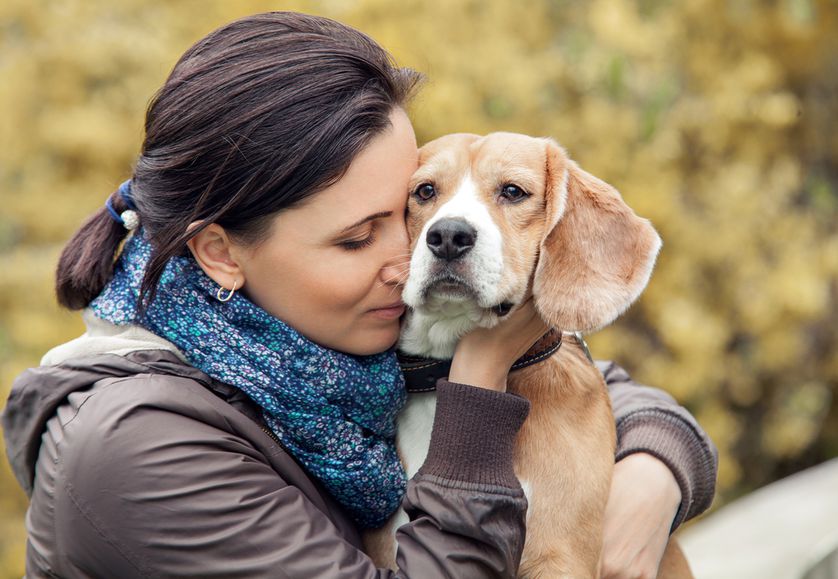
Please give all your dogs out there a big hug! Now! 🙂
(That’s your loved pet in case you wondered where I was coming from 😉 )
I have only ever flown once with a pet. That was back in 2008 when I flew one-way from London to Los Angeles on a British Airways flight when coming to live with Jeannie. Yes, I was alone in the cabin but I was not alone in the aircraft. For in a special part of the hold devoted to carrying animals rode Pharaoh.
I will never forget that day when I had to travel to the unit at London Heathrow Airport where dogs, and other pets, were dropped off about an hour before I was due to check-in to the same flight.
For this reason.
Every other time that Pharaoh had been left by me at the kennels when I was going away on business, or some other journey, Pharaoh had always barked in sadness at being left. I always got back in my car feeling a traitor for having something to go to that didn’t involve dogs.
So in this instance I was fully expecting Pharaoh to really sound out how unhappy he was at being left. For it was a very unfamiliar place on an unfamiliar airfield and he was being ‘processed’ in a manner that he had never experienced before.
So the time came that the attendant had Pharaoh in the flight cage and I had to turn my back and walk out of the area where some thirty minutes before Pharaoh and I had entered. I was expecting terrible sad howls. But not a single sound came from Pharaoh. To this day I like to think that he knew that he and I were on our way to the greatest and most wonderful life-changing event of our whole lives. Going to live with Jeannie and all her animals!
OK! Got that off my chest!
I love guest posts for all sorts of reasons but most importantly of all because you dear readers also like guest posts.
I was approached by Brenda Leary with her offer of writing a guest post for Learning from Dogs. She gave me a choice from a number of essay titles and, as you might expect from my introduction, I chose an article from Brenda about flying with your pet.
Enjoy!
ooOOoo
Tips to Flying With your Dog
Or
Flying With Your Pet Made Easier
Jetting out for a well-deserved vacation? If you plan to go with your furry friend, we have great news for you. While traveling with pets may evoke tension and constant hair pulling, find out how to travel with a dog on a plane with these excellent tips.
Select the airline
Not all airlines allow their passengers to travel with their pets. The first step is identifying pet-friendly airlines and their pet limit. Once you get an affirmative answer, make the reservations immediately before you lose the seat.
Obviously, you cannot have your dog sit a few rows behind or in front of you; make sure to book two seats adjacent to each other. Depending on the airlines you choose, you could fork up to $100 for a one-way trip.
Compare different rates from various carriers and select the most affordable one. Alternatively, leave your pet with a sitter or a family member while you vacation.
Health checks
Similar to humans, pets need a full medical check- up before boarding a flight. Make an appointment with your veterinarian at least ten days before the trip. Have your dog vaccinated and give him any extra shots that he needs.
Obtain a health certificate and be sure to bring it to the check-in counter. Your vet will suggest packing a first aid kit with gauze and pet medications in case of emergencies. If you are traveling overseas, investigate the health care requirements of your destination.
Buy a dog carrier
When traveling with your pet, you need to keep him as comfortable as you possibly can to calm his nerves long enough until you land. Find a carrier that is spacious enough, so your dog or cat has some wiggle room to stretch during the flight.
The recommended size of a pet carrier is sixteen to nineteen inches long, and ten inches tall. Test out your carrier days before the trip and observe how your puppy behaves when he is locked in. If he shows signs of anxiety, try a different carrier until you find one that pleases him. If your dog weighs more than fifteen pounds, the airline will advise that he travels in a hard-sided kennel in the plane’s stowaway.
Pack wisely
When traveling with your kids or alone, packing is a crucial step that can make all the difference between a smooth or long flight. Similarly, pets behave like children and we gladly oblige and treat them as so.
Bring your pet’s favorite toys to keep him entertained (read: distracted), during the flight. You cannot underestimate the power of a dog bone on a trans-Atlantic flight! Airlines do not provide in-flight menus for pets. Pack enough food and water to last the duration of the trip.
Remember, traveling with your puppy counts as a carry on which leaves you with one carry on. Put your creatures of comfort in your bag and utilize the space on the pet carrier such as side pockets.
Arrive early
If you are traveling alone, you can expedite the check-in process by using mobile boarding passes. This convenience is not possible when traveling with your furry animal.
Traveling with your pet means additional time spent at the security desk while checking in. Pets do not go through x-ray machines; you will need to carry the dog through the metal detector and have the dog cage inspected separately.
To avoid last minute rush and a near-miss of your flight, arrive the airport earlier by at least one hour so you can comfortably go through these procedures without frowning.
Leash your dog
As we mentioned earlier, pets do not go through x-ray scans so you will have to remove him from the carrier for a separate inspection through the metal detector. If your pet is already showing signs of anxiety, they may attempt to make a run for it upon release from the cage. Make sure to have a leash on their collar to prevent this from happening. Besides being a total nuisance to other travelers, running after a pet across the airport is hardly something you wish to do. Tag the leash and carrier with your dog’s name on it and your contact details. You can also insert a microchip in your puppy days leading up to the journey. When traveling with your dog, planning ahead gives you ample time to research on how to travel with a dog on a plane. Make a list of luggage items for your pet and other travel companions and counter-check before leaving the house. Buckle down and enjoy a smooth flight.
ooOOoo
I asked Brenda to let us know a little about herself. This is what she said:
I’m Brenda Leary. I have a passion for dogs. My ambition is to found a community for dogaholics that everyone could share useful knowledge about dogs.
I’m here to break down all the complex dog’s tips/advices and try my best to give you the stuff that is actually useful and works!
Follow my steps at Cuddle Your Dogs to discover dogs’ daily routines, tips and advices on caring for a dog/puppy and many, many things about this wonderful world.
I never thought of myself as a small-dog person. When I was growing up, I much preferred my dad’s German Shepherds to my stepmom’s Toy Poodles. The first dog I acquired as an adult was a retired racing Greyhound. But although Greyhounds are wonderful apartment and condo dogs, we have stairs, and it became difficult to get Savanna up and down them after she lost a leg to bone cancer.
The next dog, we decided, would be smaller. That’s how we ended up with Cavalier King Charles Spaniels (and one Chihuahua mix). But although they are more portable, small dogs come with their own set of issues. If you are considering acquiring a small-breed dog because you think one will be easier to live with, here’s what you should know.
It Ain’t Easy Being Small
Small dogs are, well, small. It’s easy to step on them, no matter how careful you try to be. It’s not so bad with the larger Toy breeds such as Pugs and Cavaliers — at least, not once they reach adult size — but smaller dogs such as Chihuahuas, Papillons and Yorkies run the risk of getting stepped on or kicked not just by the humans in the home but also by other pets. We frequently joke about attaching a balloon on a long string to the collar of our Chihuahua mix so we’ll be more likely to notice where she is.
Other pets may bully them. Lots of small dogs rule the roost, but when they have a gentle personality, their size can work against them. Esmeralda, a Papillon, was stalked by her owner’s much larger cat, who seemed to view the small, fluffy dog as a toy at best, potential dinner at worst. It was a painful dilemma for the owner, who finally ended up placing her cat in a new home to save her dog’s life.
Little dogs can hurt themselves jumping on and off furniture. It’s an especially common problem with breeds such as Italian Greyhounds, who have long, thin legs, or Japanese Chin, who often enjoy being on high places such as the back of the sofa. This is more common in young dogs, who are not only still growing but also tend to be fearless, but any small dog can suffer a broken bone if he lands the wrong way jumping off the furniture, is stepped on by an errant guest or is dropped to the floor by a child.
For this reason, it is often necessary to buy steps so small dogs can get off furniture safely and easily (getting up on their own can be an issue, too). It’s better to teach them this habit at an early age than to risk a broken bone.
Tiny dogs often think they’re bigger than they actually are. In their head, they’re just as big and badass as that Rottweiler down the street. It’s not uncommon to see a Yorkshire Terrier, Chihuahua or Miniature Pinscher take his life in his hands by challenging a bigger dog. Owners must always be prepared to keep their small dogs out of harm’s way — especially when their dogs try to bring it on themselves.
Too Cute To Train?
Little dogs can be just as smart as big ones — sometimes more so. But people often don’t make the effort to train them. That’s a shame, because small dogs are just as much in need of manners as large ones.
There are a couple of issues with training small dogs. One is that they’re so low to the ground it can be difficult to get their attention or to reach down and reward them with treats.
Another is that some can be slow to learn house training. But it doesn’t have to be that way. As with any other dog, perseverance and consistency win the day.
By Kim Campbell Thornton | Vetstreet.com
ooOOoo
I’m not completely sure whether I totally agree with everything that Kim writes about: what do you think?
So far as me and Jean are concerned our Sweeny and Pedy are adorable and at this time of the year are most welcome as all-night sleepers on our bed!
Pedy in front of Sweeny. Picture taken yesterday afternoon.
Back in September, I received an email from a Paige Johnson. He offered to write a guest post for Learning from Dogs. Now I love guest posts simply because I think that different perspectives are always valuable, and let’s face it you get enough of me ‘rabbiting on’ most days.
This is what Paige’s email said:
I reached out to your recently with a guest article offer and just wanted to send a quick note to follow up.
I’ve had my dog, GG, since my early 20s, and though it wasn’t easy — in fact, it was quite the trial and error process for both of us! — I’m happy to report that she has become a well-trained pup, great with kids, adults, and other animals.
That said, GG and I are about to face another challenge together. Moving. I know that uprooting her from the only home she’s ever known won’t be easy for her so I’ve been doing some research on how to make the process go as smoothly as possible for both of us.
I run LearnFit.org with some friends, and collectively, we love helping readers find balance in their life. Adding a dog to the mix definitely brings happiness, but it can be a tough adjustment, especially when you face another big life event, like moving or having a child.
Who wouldn’t warm to that approach!
So here is Paige’s guest post.
ooOOoo
4 Tips for New Dog Owners Who Need to Break Up with Your Vet
When you become a new dog owner, you worry about what to feed him, how often to bathe him, the best type of flea and tick treatment to use to protect him, and a litany of other things involved in caring for him. You also need to make sure that your veterinarian is on the same page with you so that you are comfortable with relying on him to deliver the best quality care for him and advice for you. Sometimes, however, you need to break up with your vet for one reason or another. If you are a new dog owner who needs to break up with your vet, we offer four tips to help you do it as quickly and painlessly as possible.
1. Consider all of the interactions you have had with your veterinarian
If you are having a difficult time deciding whether to leave your veterinarian, think about how you have been treated by the vet and his office staff and how your new dog has been cared for at the office. If your vet has been pushing you to purchase pet food and care products from him, or he has a policy that you must board your dog only at his office when you go out of town, you most likely are justified in thinking that it is time to break up with him. Vets who try to monopolize services unfortunately are in the business more for making money than for providing quality animal care.
As a new dog owner, you need to be aware of your right to feed your dog whatever food you feel is best for his nutrition and health and not just what your vet sells. You also have the right to choose a dog boarding provider who will provide one-to-one care for your dog while you are out of town, rather than put your dog in an impersonal kennel at the vet’s office. When you leave the vet, you should consider all of the interactions you have had with him, and if you feel that you are being pushed into choosing products and services that he offers without having a freedom of choice, you should break up with him.
2. Break up sooner, rather than later
As soon as you feel that you need to break up with your vet, you should take action. Breaking up with your vet sooner rather than later will make the process much easier on you. Prolonging your relationship with your vet when you are considering cutting ties with him will increase your uneasiness and make an awkward situation even more uncomfortable.
You especially need to break up with your vet as soon as your instincts tell you to do so if you are concerned that he is not providing adequate care for your dog. The last thing you want is to put your dog’s health in jeopardy because you are afraid to break up with your vet. As a new dog owner, it is your responsibility to put your dog’s health above everything else when you deal with your veterinarian and make decisions regarding his treatment and care.
3. Ask office personnel to transfer your records to a new veterinarian
You want to be sure you have a new veterinarian on board with your new dog before you leave your old vet’s office, so that your dog’s health is never at risk during the transition. Call your current veterinarian’s office and politely ask office personnel to transfer your records to your new vet. Even if you have had issues with office staff before, it is well within your rights as a pet owner to switch vets and have your records sent to the vet of your choice. The staff should treat you with professional courtesy as long as you are straightforward and polite as well during the interaction.
4. Explain the situation to your veterinarian if you are leaving because of extenuating circumstances
Sometimes, even people who love their veterinarians need to break up with them because of extenuating circumstances. For example, you may be moving to a new town and cannot take the time to drive to your current vet’s office from your new home. If you have been happy with the care from your veterinarian and are sad to leave his care, explain the situation to him and ask for some recommendations for your new area. Your vet may be able to refer you to a new office that shares his level of care and commitment to your new dog. Your vet also may be able to refer you to other services for your dog in your new area, such as reputable dog walkers or accommodating dog parks.
Breaking up with your veterinarian is not a fun thing to do for new dog owners, especially if you love your vet and don’t want to leave his care. However, you need to put your dog’s health first, and if your current veterinarian cannot meet your dog’s needs, it is time to break up and go elsewhere. Our four tips will make the process easier for you.
October 7, 2016 — Mars Petcare has announced it has initiated a voluntary recall of a limited number of Cesar Filet Mignon Flavor wet dog food due to a potential choking risk from small pieces of plastic which entered the food during the production process.
What’s Recalled?
Cesar Classics Filet Mignon can be purchased individually as well as in flavor variety multipacks.
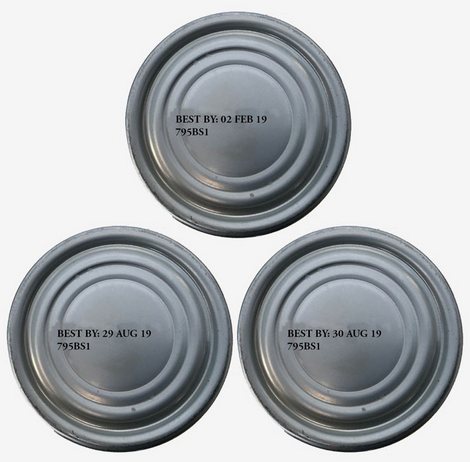
The affected dog food can be identified by checking the Best Before and Lot Code on the product lid.
Each product will have a lot code printed on the side of the tray that begins with 631FKKC or 631GKKC and best before date that falls between 08/04/18 and 08/05/18.
The Cesar Classics Filet Mignon Flavor can also be found in variety packs with the following lot codes:
632D14JC
633B24JC
634A14JC
634A24JC
634B14JC
634B24JC
634E14JC
635A24JC
635B14JC
636D24JC
636E14JC
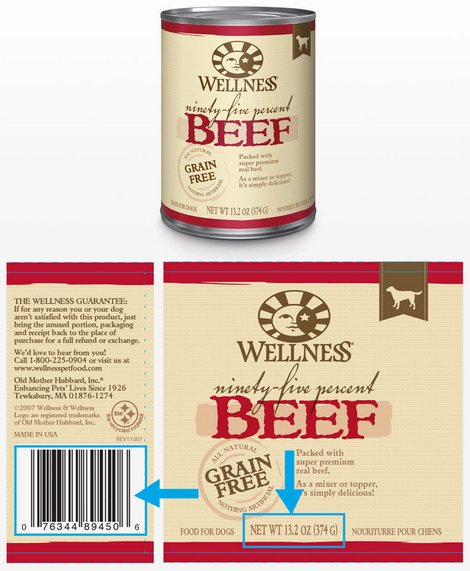
Lot Code is indicated by the red box below:
The Lot Codes listed above are the only affected products. All other Cesar products can be safely consumed.
Why the Recall?
Select packages of this product may contain small pieces of plastic, which entered the food during the production process.
What to Do?
Mars Petcare encourages consumers who have purchased affected product to discard the food or return it to the retailer for a full refund or exchange.
While a small number of consumers have reported finding the plastic pieces, we have not received any reports of injury or illness associated with the affected product.
At Mars Petcare, we take our responsibility to pets and their owners seriously and are working with all of our distributors and retail customers to ensure the recalled products are no longer sold and are removed from inventory.
Consumers can reach the company at 800-421-6456.
U.S. citizens can report complaints about FDA-regulated pet food products by calling the consumer complaint coordinator in your area.
Another fascinating insight into the behaviours of dogs.
Every dog owner knows how dogs appear to have their mouths directly linked to their emotions. From licking to growling, from dribbling to holding stuff, we humans don’t really have a clue as to the role of the canine mouth over and above eating food.
Some dogs seem to love to entertain. When guests come to the door, these dogs become delighted hosts, racing to greet their visitors with something — anything — they find to put in their mouths.
What’s behind this amusing behavior?
Vetstreet checked in with Dr. Wailani Sung, a veterinary animal behaviorist, to find out.
There are several different reasons your dog might be doing this, she says. Among them: They’re offering a gift, they’re looking for attention or they want to show us they’re happy.
“I think some dogs are so excited to see a visitor because it may represent a new person who will play with him/her, so the dog grabs a toy to try to entice the person to play, whether it is tug or throwing the object,” Dr. Sung explains.
A Welcome Distraction?
For other dogs, it may be a behavior that the owners taught them or encouraged to give them something more appropriate to do in place of jumping on people or barking.
“Other owners have recognized that their dogs may appear anxious or worried, but if they get the dog engaged with their toys, they appear less concerned about new visitors in the house,” she says. “Some dogs may naturally grab a toy on their own, whether to solicit play or to have something to do.”
The dog may also be reacting to your own excitement and responding in kind.
Dr. Sung has seen the behavior mainly in Retrievers but said it’s something any breed might exhibit.
Avoiding an Embarrassing Moment
In some cases, owners report some rather embarrassing situations — like when the first thing their pooch spotted to grab was dirty laundry or other “unmentionables.”
Dr. Sung says it’s best to be sure those things are out of the dog’s reach. But if the arrival is a surprise and the dog does get something he shouldn’t have, the owner should try to keep calm and get the dog to exchange the contraband for another toy or treat.
“They should distract the dog, redirect to a more appropriate behavior, such as come and sit, and then ask the dog to drop it,” Dr. Sung said. “Sometimes people forget and raise their voices or go chasing after their dog and it becomes a game to the dog. Then the next time visitors arrive, the dog remembers how much fun he had last time people arrived and grabbed an item.”
It can be flattering to be the source of a canine host’s excitement — unless he’s so thrilled, he’s jumping or running into people. In those cases, Dr. Sung recommends putting him in another room or in his kennel or bed while guests arrive to try to avoid the excitement.
By Amy Sinatra Ayres | Vetstreet.com
ooOOoo
Anyone got any wonderful stories about what their dog has put in their mouth? (That you would like to share!!)
Here Are Some Heavy Duty Dog Toys You Can Make Yourself
#1: “Indestructible Dog Toy (Made with Dried Sweet Potato)
I love this toy because it’s both healthy for my dog and has no unnecessary additives. It’s a great chew toy and treat all in one.
Shesparticular on instructibles.com came up with this idea for a DIY chew toy for her mom’s dog. Her mom’s dog, Molly, loves to play. She says when Molly plays it “usually involves rounding up all her toys and ripping them to shreds.”
In Shesparticular’s pictures of Molly, you can tell she’s a little dog. It may seem surprising, but little dogs can do just as much damage as big ones. So this recipe she’s come up with is pure genius if you want to make strong dog toys that are healthy for your dog.
Here’s what you’ll need and instructions on how to make this toy at home:
Hemp or jute rope. Nine 2 1/2 foot ropes braided together to make a larger rope works for medium sized dogs. You’ll need to adjust the length of the rope based on your dog’s size.
Sweet potatoes or yams. One potato for a smaller toy, two for a medium toy and three to four for a larger toy
Sheet pan and parchment or foil
A sharp knife
Round cookie cutter a bit larger than the diameter of your rope
Vegetable peeler (optional)
Instructions:
Preheat your oven to 250 degrees Fahrenheit
Wash your sweet potatoes well. Peeling them isn’t necessary unless you prefer it.
Slice the sweet potato into rounds approximately 1/2″ thick
Using the cookie cutter, remove the center of each round
Place rounds on cookie sheet and bake for 2 1/2 hours then flip them over and bake for another 2 1/2 hours.
They’re done when they’re dried out and hard. If there are any soft parts, bake them longer and check them every 30 minutes.
Once they’re done, allow them to cool.
These sweet potato rings look like hollowed out dog bones, without the risk of splintering
Once your sweet potato rings have cooled, you can start making your toy.
Start by tying a knot at the end of your hemp rope. If you’re using many thinner pieces, braid them together. This will make it easier to string the sweet potato pieces on.
String two potato rings onto your rope then tie a knot in the rope. Continue adding two rings at a time and tying a knot after each pair until you reach the end of the rope.
When you’ve finished, hand this toy over to your dog and watch them chew for hours.
# 2: Knotted Hand Towel Toy
I have so many old hand towels that I didn’t know what to do with until I saw this clever idea.
This toy’s so easy to make, even a dog could do it. Taylor Martin from cnet.com came up with this simple way to repurpose old linens and make a great dog toy.
All you have to do is take an old, tattered hand towel and tie a knot in the middle. You can even use a full sized towel and make several knots.
My dog is a Pitbull mix, so though this is a tough toy, he would likely still rip it to shreds. The good news is, it doesn’t cost a cent. So even if it only lasts a few days, you didn’t lose any money on it.
#3: Ring Dog Toy
Just looking at this toy, you can tell it’s tough. No way my Pitt mix will be able to destroy this.
A user called J3443RY at instructables.com designed this indestructible dog toy. This is just a basic rope knot toy.
If you know how to tie a crown knot, all you need to do is create two lengths of rope by tying 4 lengths of rope in crown knots. All you need to make this toy is some nylon repelling rope.
Here are some step by step instructions for creating this toy
Cut 4 equal lengths of rope. You can adjust the size of the toy based on the size of your dog. 4 Inches of rope is equal to 1 inch of the finished toy. For example; for a 6 inch finished knot you would need 24 inches of rope to start.
Use 2 of the 4 ropes to create a 7″ long finished crown knot.
For step three, the user has included an instructional video. This will help you to combine the two finished knots into one ring.
When you’re finished with this toy, you will have a nearly chew proof dog toy that your dog can enjoy for hours.
For more advice on caring for your dog and other great recipes, visit metroeastrba.com.
Now Check Out Some Cool Doggy Dental Treats
#4: Darla Cook’s Homemade Greenies
I can’t get over how adorable these little tooth brush shapes are.
Darla Cook is a blogger and a lover of culinary arts. She is a student at The Culinary Institute of America, so you know her recipes must be the best.
Darla’s blog focuses on general cooking and there aren’t many dog recipes on her blog. But I found a pretty great recipe there for homemade Greenies for dogs. She calls these adorable toothbrush shaped treats Franks Breath Brushes.
If you’re a pet owner, you know that Greenies are a great dental treat for your dog, but they’re expensive to buy.
If you want to save money and have more control over what goes into your dog’s treats, make them yourself at home.
Here is Darla’s recipe.
Franks Breath Brushes
Ingredients:
3 1/2 brown rice flour plus 2 cups more (rice flour for crunch)
1 tablespoon of activated charcoal (I opened 12 capsules for 1 tablespoon.)
Preheat over to 400F. Line your baking sheet with parchment paper.
Combine the charcoal with 3 1/2 cups brown rice flour and set it aside.
Put parsley, mint oil and 1/4 cup of broth or water into food processor. Process until chopped, like pesto. Add 3-4 droppers full of chlorophyll. Pulse a few times to mix. Add this green paste to flour mixture and mix well. Beat egg and mix in. Knead adding the rest of water/broth. By this time you should have a sticky dough ball. Flour the work surface and knead dough until an even green color. Divide dough into workable portions and roll out to about 1/4 inch thick. Add flour to the work surface and dough surface as needed to take away stickiness as you work. Cut out with your favorite shapes, and dock with a fork to keep puffiness down. Bake for 25 or 20 minutes. Cool and store in an airtight container in the fridge.
I will be trying these treats on my dog, for sure. I feel much more confident in the treats I feed my dog when I can make them myself and I know what’s in them.
#5 DIY Doggy Breath Mints
These treats look good enough for even humans to eat.
I’ve found yet another great dog breath freshening recipe. This recipe, by Clifford Genece at skinnyms.com, has something in common with Darla’s recipe. It doesn’t contain any wheat flour.
It is so important to avoid giving your dog anything that contains wheat flour. Many dogs are allergic to wheat products. It can cause some pretty intense itching and skin irritation.
Rather than using flower at all, this recipe calls for oatmeal. This recipe also calls for eggs. So Clifford even provides advice for people whose dogs are allergic to poultry products.
Here’s Clifford’s simple recipe for these yummy treats.
Ingredients:
2 1/2 cups old-fashioned oats
1/2 cup fresh parsley, finely chopped
1/2 cup fresh mint, finely chopped
1 large egg
1/4 cup of water, plus 1 teaspoon
3 tablespoons coconut oil (unrefined extra-virgin is best)
Directions:
Preheat the oven to 325° F
Add oats to a blender and pulse to a flour like consistency. In a large bowl whisk together diced parsley and mint, egg, water, and oil. Add oat flour and stir to combine. Knead dough a few times then turn out onto a lightly floured surface.
Using your hands or a rolling pin, flatten dough to about 1/8″ thick. Using a cookie cutter or knife cut out approximately 40 (1-inch mints) mints. Place mints about 1/4-inch apart on a parchment lined or non-stick cookie sheet. Bake 35-40 minutes, or until golden and crispy.
Allow mints to cool completely before serving. Store in an airtight container.
Tip: For dogs with allergies to chicken products, substitute one large egg with 1/4 cup unsweetened applesauce.
These are some of my favorite DIY dental treats and dog toys for powerful chewers. These treats and toys are a great way to keep your dog’s jaws strong and breath fresh. Don’t forget to take a look in your dog’s mouth every now and then and make sure their teeth are in good condition.
Description: Dental treats and dog toys for powerful chewers can be expensive, so why not make your own at home? Give these helpful recipes and DIY dog toys a try.
ooOOoo
Don’t know about you but we think this has been a very valuable and useful article from Sarah!
I was contacted by Sarah a few weeks ago with regard to her writing a guest post for you good people. For reasons that have escaped me I kept overlooking to publish it. That is now being corrected; indeed it has so much great information that I am splitting it over today and tomorrow.
ooOOoo
Top 5 Homemade Treats and Dog Toys for Powerful Chewers
I’ve never met a dog that didn’t love to chew, but it’s not just a fun canine pastime. It’s necessary for their dental health and for training Fido to stay away from your shoes. Are you too busy to brush your dog’s teeth every day? There’s no need to feel guilty, I am too.
Not everyone has time to do a full dental routine for their dog every day. However, there are other ways to ensure your dog’s dental health. I’ve done some research and found that there are many ways to do this without lifting a finger. Including some dog toys for powerful chewers and even some yummy dental treats.
Why Your Dog’s Dental Health is Important
Dogs aren’t in the habit of brushing and flossing. Most dog owners don’t even realize how important a dog’s dental health is. In fact, I didn’t even know that it was necessary to brush my dog’s teeth until I did some research on the subject.
There are other things you can do to keep your dog’s teeth sparkling if you don’t have time to brush them every day. You need to give them fun things to chew on and snack on in place of regular brushing. Such as some sturdy dog toys or rawhide chews.
According to PetMD “Actively encouraging the dog to utilize chew treats that require some “exercising” of the teeth, such as is provided by compressed rawhide chewies, hard rubber or nylon chew toys, can assist in keeping the mouth structures vital.”
If you do have time to brush your dog’s teeth, it’s important that you do it correctly. Here is how you should do it, according to Banfield.com.
Use a toothbrush that is just for dogs.
Never use your toothpaste to brush your dog’s teeth. There is toothpaste that you can buy just for your dog that is not toxic if swallowed.
Give Fido a small sample of the toothpaste so that they become familiar with the flavor.
Lift your dog’s lips to expose the gums and teeth. Brush the teeth like you would your own, but be gentle.
Most dogs won’t allow you to brush the inside surface of the teeth. Focus on the outside surfaces.
The molars and canines tend to build up tartar, so make sure you give them a good brushing. And of course, reward your dog for letting you put them through that. They are likely confused to why you were all in their mouth, so pats, play, and healthy treats are in order.
Now that you know how to brush your dog’s teeth, let’s learn other ways to improve their dental health.
Rawhide Treat Benefits
Dog tired of waiting to eat a treats
Rawhide treats and chews are a tasty way for your dog to keep their teeth clean and jaws strong. It’s good for cleaning their teeth and keeping their breath fresh but it also gives their jaws a good workout.
All dogs need to chew. Providing treats like rawhide keeps them from chewing on your nice leather shoes.
There’s not a whole lot of risk to letting your dog chew on rawhide. But there are some risks you should know about. For example, rawhide can sometimes contain small amounts of chemicals, according to Pets. WebMD. Your dog can even come in contact with E. Coli or Salmonella when chewing on rawhide.
Some dogs can be allergic to rawhide anything that’s used to make rawhide treats. This can cause unpleasant discomfort associated with diarrhea.
Sometimes rawhide can be a choking hazard. If a piece breaks off it can become lodged in the esophagus. If this happens, in some cases, a vet can remove any lodged pieces through the throat.
You should always talk to your vet before you decide to introduce any new treats into your dog’s diet. Here Are Some Heavy Duty Dog Toys You Can Make Yourself
ooOOoo
Come back tomorrow to learn how to make these great toys.
Yes, nature can be cruel but in ways that we understand. Animals, to the best of my knowledge, do not hunt for sport. Animals do not lie. They don’t seek political power (sorry; couldn’t resist that!).
All of which is my short introduction to an item that Dan sent me yesterday.
ooOOoo
Cesare Brai’s photo.
A wolf pack: the first 3 are the old or sick, they give the pace to the entire pack.
If it was the other way round, they would be left behind, losing contact with the pack. In case of an ambush they would be sacrificed.
Then come 5 strong ones, the front line. In the center are the rest of the pack members, then the 5 strongest following. Last is alone, the alpha. He controls everything from the rear.
In that position he can see everything, decide the direction. He sees all of the pack. The pack moves according to the elders pace and help each other, watch each other.
For once I am speechless, I knew that wolves are different, but didn’t realize how much we could learn from them…
ooOOoo
Compelling, eh! But factually correct?
No!
In this case Nature is not guiding us. It is man misguiding us.
That makes for a compelling and inspirational story about teamwork — but it’s not true.
David Attenborough took the photo in question for the BBC’s “Frozen Planet” Series in 2011. It shows 25 timber wolves hunting bison in Wood Buffalo National Park in Canada. The female alpha wolf led the pack, and the others followed in a single file line to save energy as they made their way through deep snow, according to the environmental website Benvironment.
Wolf packs are typically about half the size of the pack pictured in the photo from 2011. Most packs don’t hunt prey the size of bison (which is 10 times the size of a wolf), but the larger pack is able to. And the wolves walking in a single file line through deep snow is a classic example of how they’re able to use weather conditions to their advantage while hunting prey that’s much larger than them.
Also, the idea that wolves have to be on the lookout for “ambushes” or attacks isn’t true, either. Wolves are at the top of the food chain and have no natural predators. Aside from turf battles with other wolves (which wouldn’t start in an ambush) bears are the only threat to wolves in Canada. Even so, experts say that bears are only able to prey on wolf pups because grown wolves are too fast, swift and clever to get caught by them.
I will close with this quotation from Andre Gide:
Believe those who are seeking the truth. Doubt those who find it.
Back on the 13th September, I published a post under the title of Listening to our pets in more difficult times. I mentioned that Pharaoh was suffering pain in his rear hip joints and struggling at times to get up on all four feet and that we had started giving him Rimadyl.
Don’t wait around for a vet to tell you that your dog is in pain. You live in a state with legal MJ plus hemp oil is legal in all 50 states. I give CBD oil to my BC X Aussie 12 year old dog. He could not get up and yelped in pain before I began giving him 0.7ml daily that I drizzle over his food., After second dose he could stand up without help. Now he walks and runs with fluid movements of all limbs. It is totally safe and doesn’t require expensive tests, The danger of Rimadyl and other meds in that class used to treat arthritis, is that these types of meds cause kidney damage and your pet will have a shortened life span. Hemp oil works like a charm with no side effects.
We did some research and came across the following brand of Hemp (CBD) Oil specifically for dogs. We ordered it and it arrived last Saturday. Jean did not delay in adding* it twice a day to the food for both Pharaoh and Paloma.
Here we are at the end of Tuesday, at the time of writing this post, and already we can see observable improvements in both dogs.
Yes, it’s early days but I wanted to share this with you now.
There will be a more extensive report from me once these dogs have been using the oil for a few weeks.
One dropperful twice a day for Pharaoh, approx. 105 lbs, and half a dropperful twice a day for Paloma, approx. 45 lbs.