Another great guest post from Emily Ridgewell.
Last October 4th, just three weeks ago tomorrow, I introduced Emily Ridgewell to you. She had written a guest post for us Return to the Movies. It was well-received.
For many, the next few weeks are an important time of the year to do a spot of gardening. A time when dog-owners allow their loved ones to ‘help’, especially in the digging department. But are our gardens as safe for dogs as many of us might like to believe? Emily’s second guest post addresses that question.
ooOOoo
How to Create a Dog-Friendly Garden
by Emily Ridgewell, October 18th, 2017

Being a pet owner is not only a great pleasure but also a huge responsibility. While most of the people think that taking care of dog only included feeding and walking it three times a day, the truth is that being a good dog owner means much more than that. There are plenty of unobvious things that might pose potential threats to the health and wellbeing of dogs, and plants from home garden is a telling example of such threats.
Turns out, not all home plants are equal and your favorite flowers might be a poison for your dog if ingested. The consequences might be serious, which is why it’s important for you as a responsible dog owner to ensure your home garden is dog-friendly and learn what to do if your dog ingested a poisonous plant. The goal of this article is to help you on this matter.
Basic Rules to Follow
Before listing all home plants and flowers that might pose threat to your dog, it makes sense to say a bit about general rules of creating a dog-friendly garden. After all, it is not about the right or wrong plants only.
-
If possible, choose robust plants
Young plants or plants with especially delicate stems might not survive if your dog will run through them every now and then. That’s why you are strongly advised to plant large and robust plants like astilbe, hardy geranium, or lavender.
-
Remember to protect your garden
If you don’t want your home garden to be ruined by a happy running dog, make sure your garden has clearly defined boundaries and borders. Low-growing box hedge serves perfectly for this matter.
-
Be careful using chemicals
The importance of this point is paramount. Plenty of gardeners use non-organic slug pellets and other chemicals when taking care of a garden. If you own a dog, the only option for you is to learn how to deal with snails and slugs organically and avoid any chemicals altogether.
-
Choose gentle materials
If you want garden decorations, avoid sharp stones and kinds of materials that might become extremely hot under the sun or too slippery when wet.
Which home plants and flowers are not dog-friendly?
By now you know the most common rules you should follow when creating a dog-friendly garden. Now it is time to learn which particular plants and flowers might be dangerous for dogs and should be avoided at all cost.
All poisonous plants range from slightly toxic (those that might cause vomiting, but nothing more serious) to extremely toxic (those that might cause serious health problems, including death). The list of plants that are dangerous to dogs is long, so it makes sense to divide all plants into subcategories.
In the case with perennial flowers, you should avoid Foxglove, Mums, Lenten Rose, Bleeding Hearts, Hosta, Lily-of-the-valley, Monkshood, Yarrow, and Iris. Speaking of vines, your home garden should not have Morning Glory, English Ivy, Clematis, Bittersweets, Boston Ivy, and Wisteria. As for annuals, you’d better stay away from Lantana and Begonia. The list of poisonous shrubs includes Rose of Sharon, Hydrangea, Yew Bushes, Burning Bush, Azalea Genus, Boxwood, Daphne, and Andromeda. You should also be careful with certain trees, including American Holly, Golden Chain, Oak Trees, Yellow Bird of Paradise, and Oleander.
Armed with this information, you should not have any problems creating a beautiful and dog-friendly home garden. Just make sure to double-check all plants that you decide to plant and refer to common sense when choosing home garden decorations.
ooOOoo
I thought this was valuable information and a very helpful article from Emily.
Then wanted to close this post by sharing with you an example of how our dogs help with the gardening around here.
But all I could find was this photograph of Cleo ‘thinking’ of doing the front lawn.
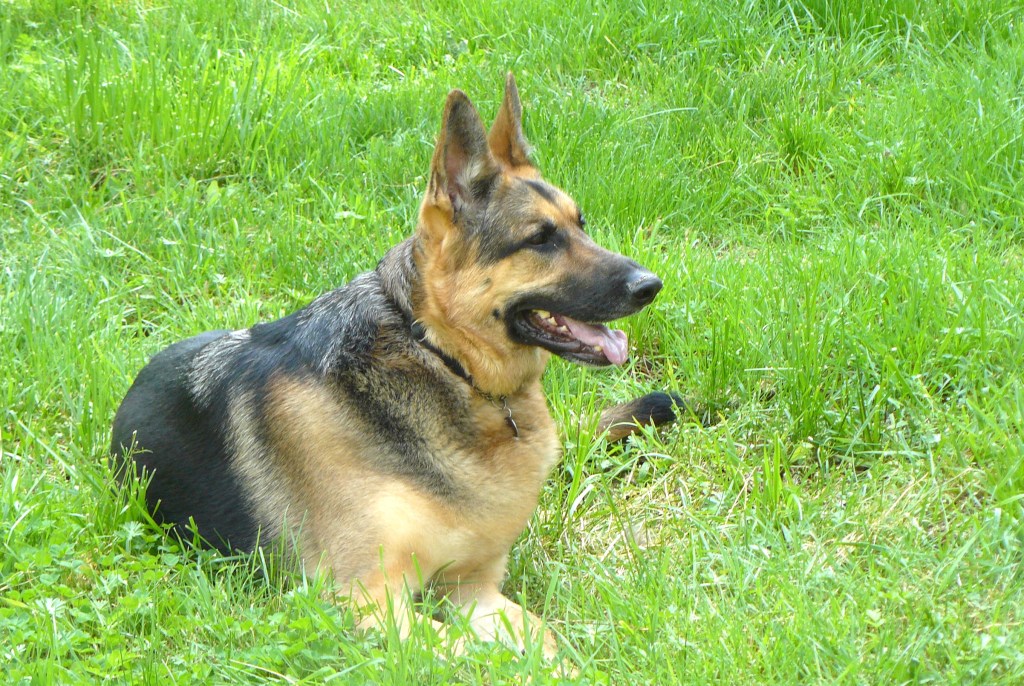
Win some: Lose some!


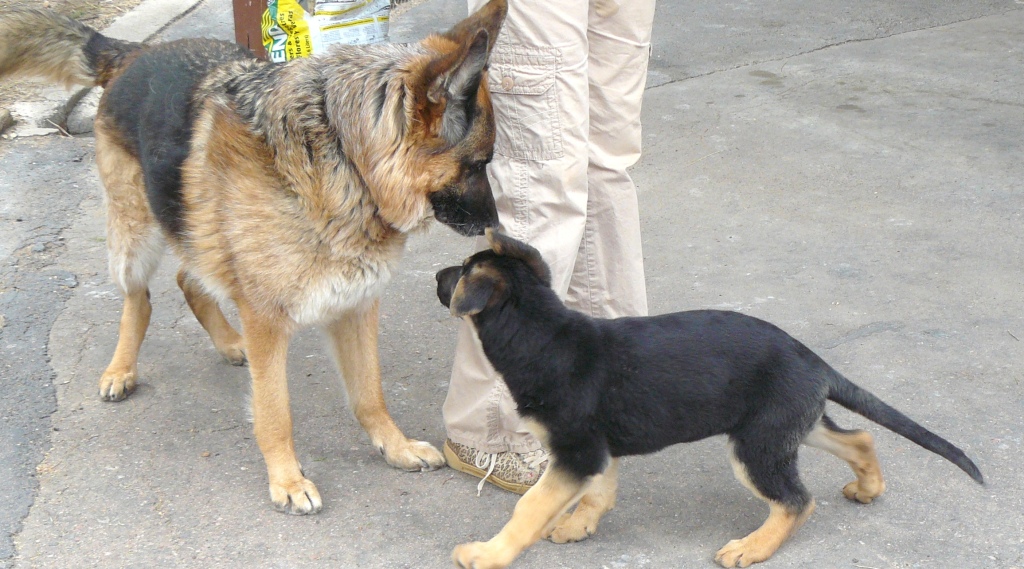











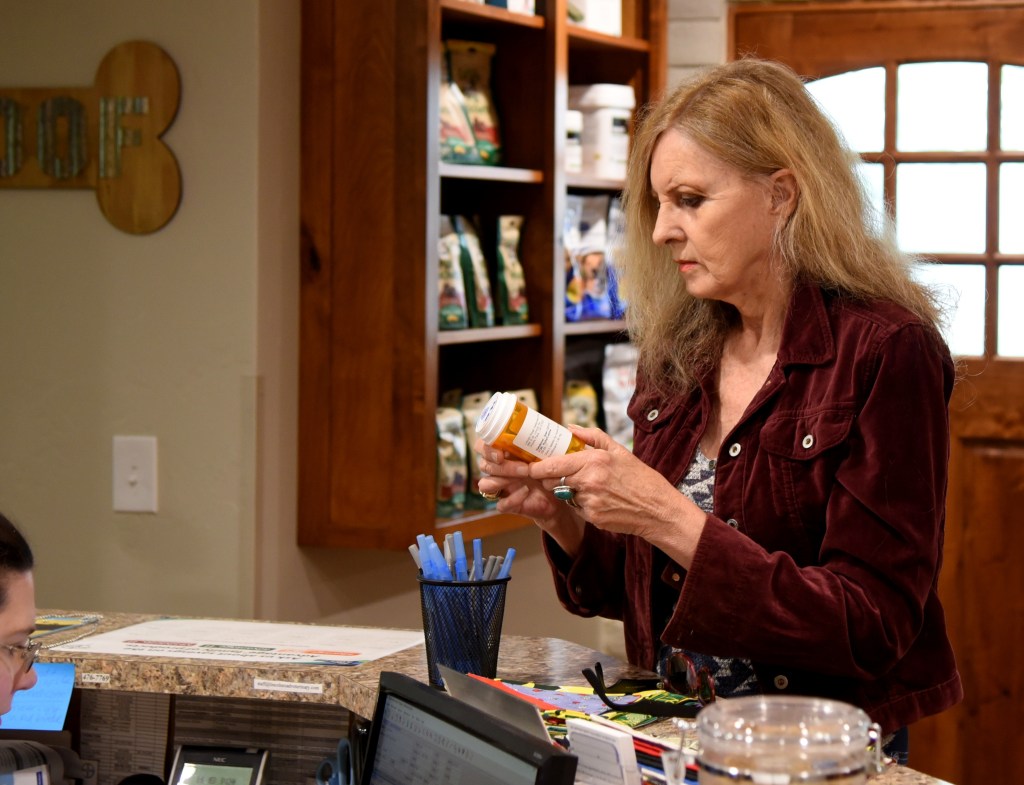


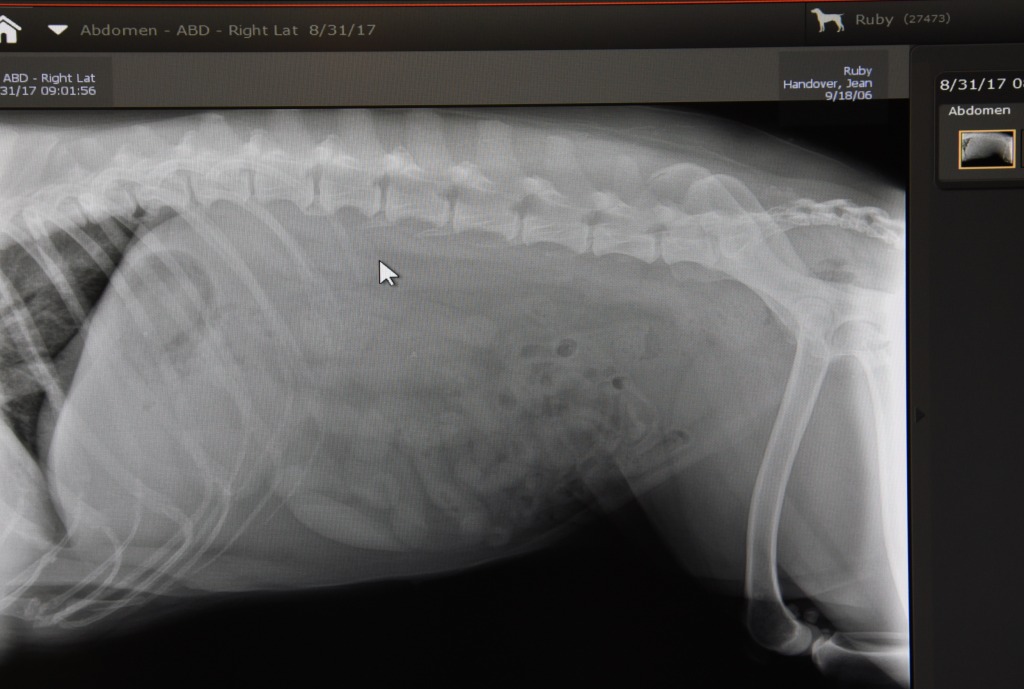

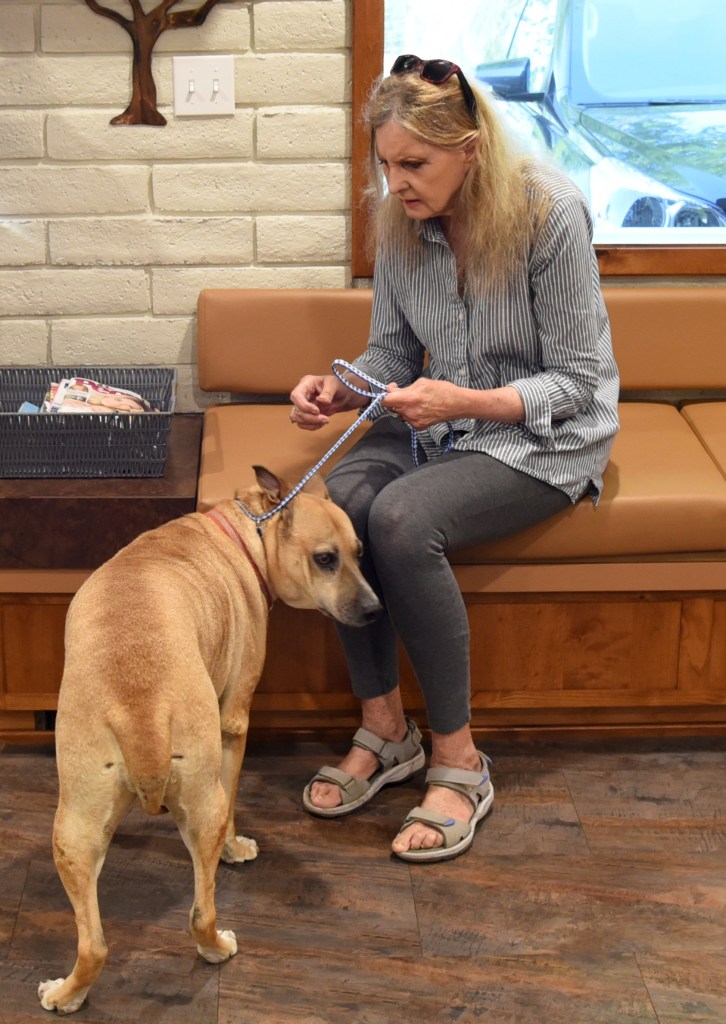 There Jim took some urine for analysis and then started examining Ruby. Jim was worried that Ruby might have kidney stones.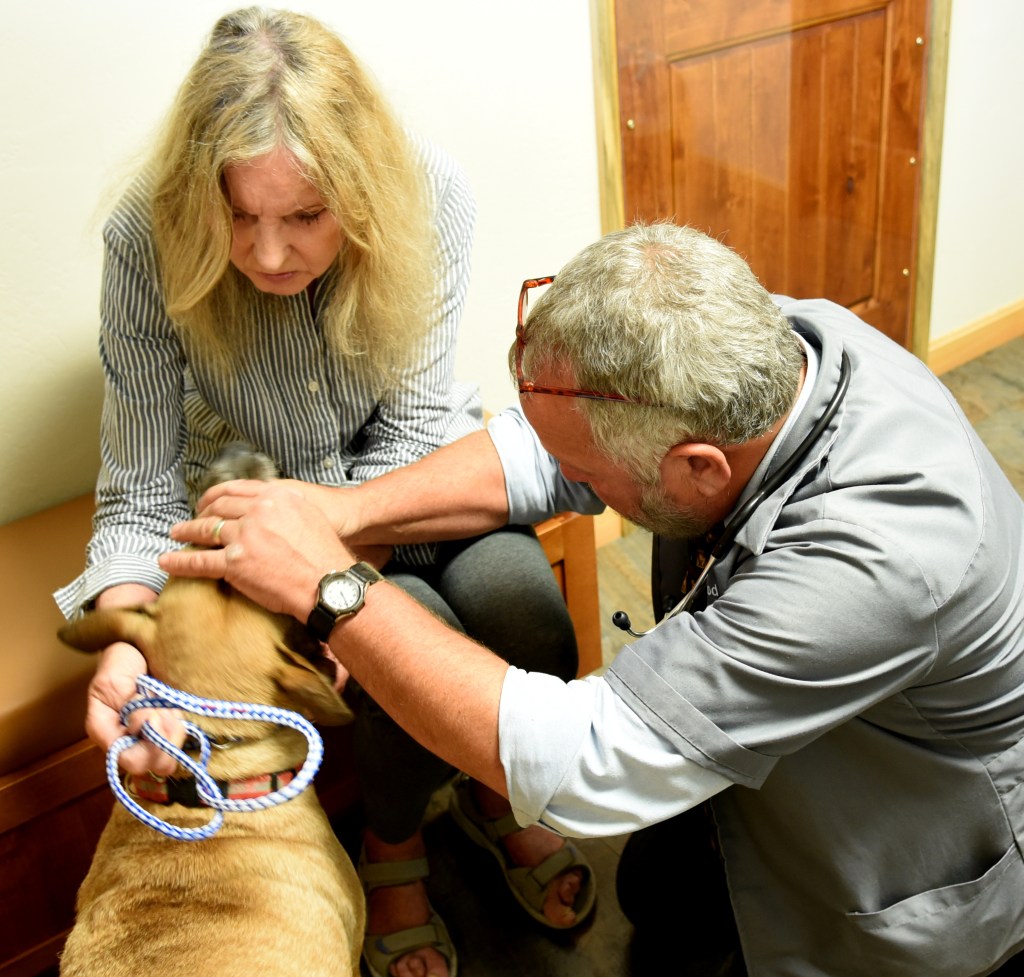
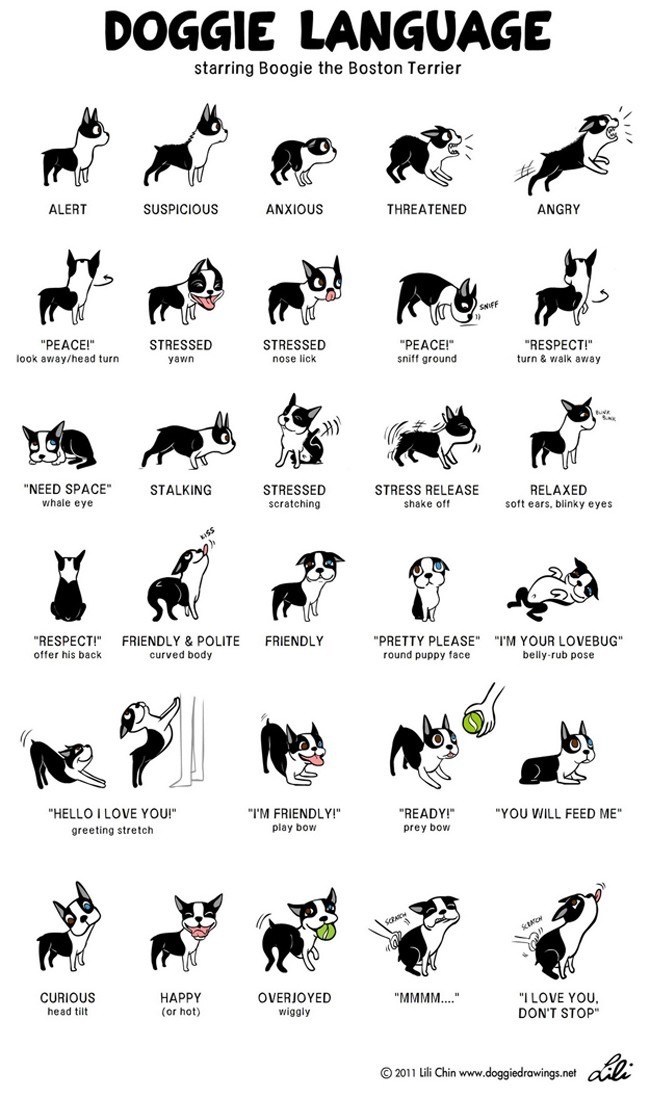
 You may have noticed that when a dog is feeling frisky and energetic, he or she will bow their front end to the ground and push their rear end into the air. Typically, this means that the dog wants to play.

 When a dog rolls over, it usually means that he or she is submissive- but it’s important to pay attention to the dog’s whole body. If your dog’s tail and mouth are hanging loose, it can mean that he or she wants a belly rub or some attention. If the tail is tucked in or his or her mouth is stiff, it can mean that your dog is scared or nervous. Before you touch a dog who is rolled over, look for the signs of comfort.
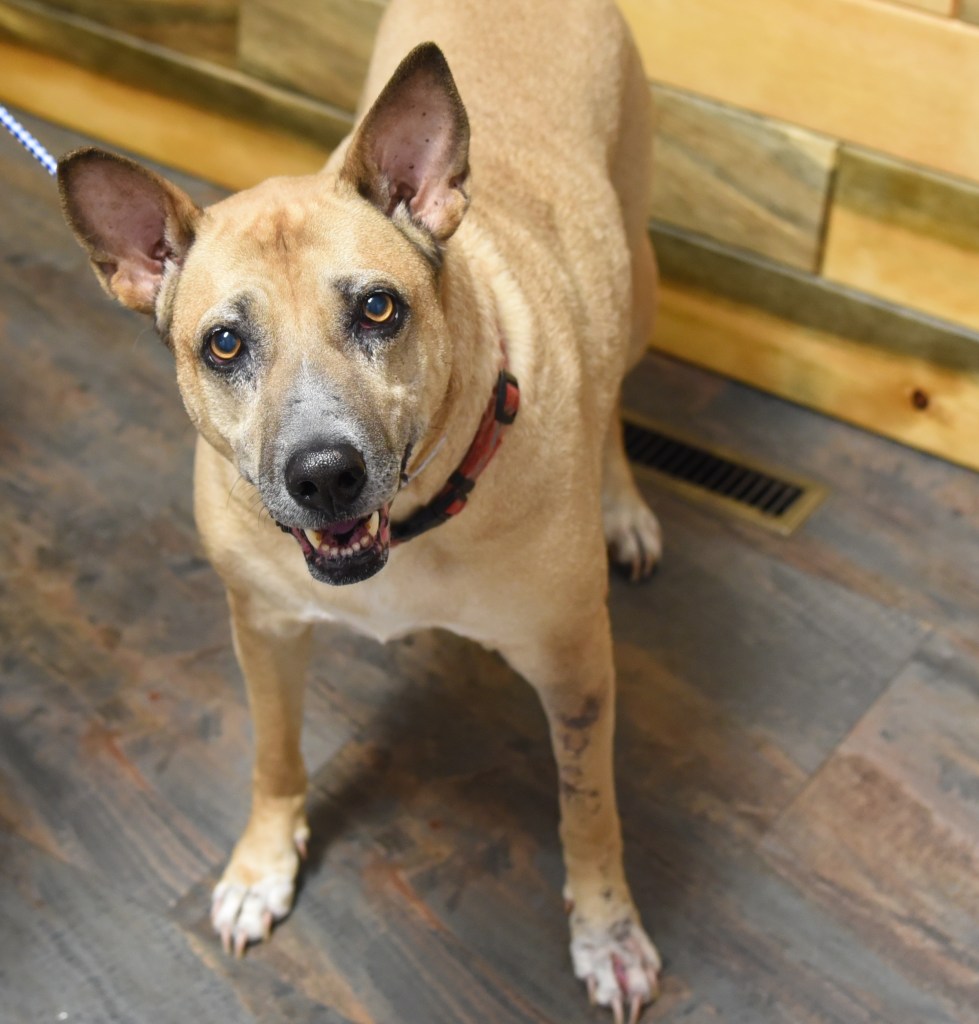
 Chances are, if you own a dog, you’ve seen him or her with his ears perked up. This means that your dog is alert and attentive.
 When a dog tucks his or her tail between his legs, this is a classic sign of fear. Dogs who are scared, as a general rule of thumb, are prone to becoming aggressive in an attempt to protect themselves- so be careful when getting too close to a dog who is acting fearful.
 Like humans, dogs can become stressed. Stress in dogs can make them act in certain ways and exhibit specific body language. Some of the signs that mean that a dog is stressed are:
 Dogs exhibit easy-to-read signs of fear. Some of these signs are:
 Emma is the founder of
  Learning from Dogs