Category: Education

The weather conundrum!

We are in an era of unknown weather, across the world!

Niccolò Ubalducci Photographer
Photo by Niccolò Ubalducci

ooOOoo

The climate is changing so fast that we haven’t seen how bad extreme weather could get

Simon H. Lee, University of St Andrews; Hayley J. Fowler, Newcastle University, and Paul Davies, Newcastle University

Published: July 30, 2024

Extreme weather is by definition rare on our planet. Ferocious storms, searing heatwaves and biting cold snaps illustrate what the climate is capable of at its worst. However, since Earth’s climate is rapidly warming, predominantly due to fossil fuel burning, the range of possible weather conditions, including extremes, is changing.

Scientists define “climate” as the distribution of possible weather events observed over a length of time, such as the range of temperatures, rainfall totals or hours of sunshine. From this they construct statistical measures, such as the average (or normal) temperature. Weather varies on several timescales – from seconds to decades – so the longer the period over which the climate is analysed, the more accurately these analyses capture the infinite range of possible configurations of the atmosphere.

Typically, meteorologists and climate scientists use a 30-year period to represent the climate, which is updated every ten years. The most recent climate period is 1991-2020. The difference between each successive 30-year climate period serves as a very literal record of climate change.

This way of thinking about the climate falls short when the climate itself is rapidly changing. Global average temperatures have increased at around 0.2°C per decade over the past 30 years, meaning that the global climate of 1991 was around 0.6°C cooler than that in 2020 (when accounting for other year-to-year fluctuations), and even more so than the present day.

A moving target for climate modellers

If the climate is a range of possible weather events, then this rapid change has two implications. First, it means that part of the distribution of weather events comprising a 30-year climate period occurred in a very different background global climate: for example, northerly winds in the 1990s were much colder than those in the 2020s in north-west Europe, thanks to the Arctic warming nearly four times faster than the global average. Statistics from three decades ago no longer represent what is possible in the present day.

Second, the rapidly changing climate means we have not necessarily experienced the extremes that modern-day atmospheric and oceanic warmth can produce. In a stable climate, scientists would have multiple decades for the atmosphere to get into its various configurations and drive extreme events, such as heatwaves, floods or droughts. We could then use these observations to build up an understanding of what the climate is capable of. But in our rapidly changing climate, we effectively have only a few years – not enough to experience everything the climate has to offer.

Extreme weather events require what meteorologists might call a “perfect storm”. For example, extreme heat in the UK typically requires the northward movement of an air mass from Africa combined with clear skies, dry soils and a stable atmosphere to prevent thunderstorms forming which tend to dissipate heat.

Such “perfect” conditions are intrinsically unlikely, and many years can pass without them occurring – all while the climate continues to change in the background. Based on an understanding of observations alone, this can leave us woefully underprepared for what the climate can now do, should the right weather conditions all come together at once.

Startling recent examples include the extreme heatwave in the Pacific north-west of North America in 2021, in which temperatures exceeded the previous Canadian record maximum by 4.6°C. Another is the occurrence of 40°C in the UK in summer 2022, which exceeded the previous UK record maximum set only three years earlier by 1.6°C. This is part of the reason why the true impact of a fixed amount of global warming is only evident after several decades, but of course – since the climate is changing rapidly – we cannot use this method anymore.

Playing with fire

To better understand these extremes, scientists can use ensembles: many runs of the same weather or climate model that each slightly differ to show a range of plausible outcomes. Ensembles are routinely used in weather prediction, but can also be used to assess extreme events which could happen even if they do not actually happen at the time.

When 40°C first appeared in ensemble forecasts for the UK before the July 2022 heatwave, it revealed the kind of extreme weather that is possible in the current climate. Even if it had not come to fruition, its mere appearance in the models showed that the previously unthinkable was now possible. In the event, several naturally occurring atmospheric factors combined with background climate warming to generate the record-shattering heat on July 19 that year.

The highest observed temperature each year in the UK, from 1900 to 2023
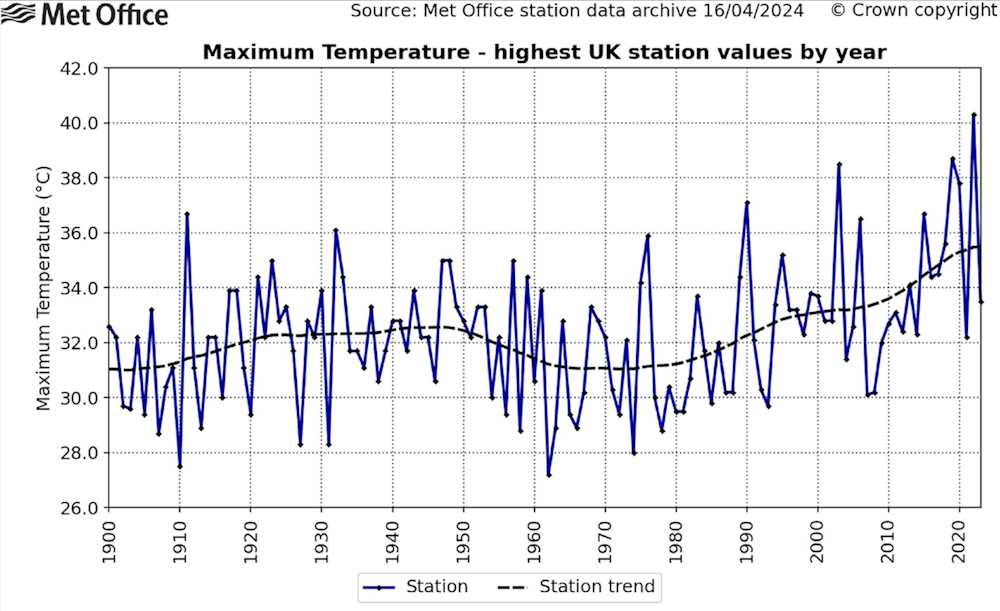
A graph showing the highest observed temperature in the UK between 1900 and 2023.
The hottest days are getting hotter in the UK. Met Office/Kendon et al. 2024

Later in summer 2022, after the first occurrence of 40°C, some ensemble weather forecasts for the UK showed a situation in which 40°C could be reached on multiple consecutive days. This would have posed an unprecedented threat to public health and infrastructure in the UK. Unlike the previous month, this event did not come to pass, and was quickly forgotten – but it shouldn’t have been.

It is not certain whether these model simulations correctly represent the processes involved in producing extreme heat. Even so, we must heed the warning signs.

Despite a record-warm planet, summer 2024 in the UK has been relatively cool so far. The past two years have seen global temperatures far above anything previously observed, and so potential extremes have probably shifted even further from what we have so far experienced.

Just as was the case in August 2022, we’ve got away with it for now – but we might not be so lucky next time.

Simon H. Lee, Lecturer in Atmospheric Science, University of St Andrews; Hayley J. Fowler, Professor of Climate Change Impacts, Newcastle University, and Paul Davies, Chief Meteorologist, Met Office and Visiting Professor, Newcastle University

This article is republished from The Conversation under a Creative Commons license. Read the original article.

ooOOoo

That last sentence says it all: “Just as was the case in August 2022, we’ve got away with it for now – but we might not be so lucky next time.”

I am giving a talk, The Next Ten Years, next Saturday to our local Freethinkers group in Grants Pass. Close to the start of the presentation I say: “The Global Temperature anomaly, as of last year, 2023, is 1.17 C, 2.11 F, above the long-term average from 1951 to 1980. The 10 most recent years are the warmest years on record.

Finally, I am getting on in age and part of me wants to die, hopefully naturally, before more climate extremes are reached, but then another part of me would like to experience it!
Essentially, life is about play

We take our decision from watching the animal kingdom.

A recent post in The Conversation provides the article for today’s blog post.

ooOOoo

At its core, life is all about play − just look at the animal kingdom

David Toomey, UMass Amherst

At Cambridge University Library, along with all the books, maps and manuscripts, there’s a child’s drawing that curators have titled “The Battle of the Fruit and Vegetable Soldiers.”

The drawing depicts a turbaned cavalry soldier facing off against an English dragoon. It’s a bit trippy: The British soldier sits astride a carrot, and the turbaned soldier rides a grape. Both carrot and grape are fitted with horses’ heads and stick appendages.

A child's drawing of two soldiers ridind a grape and a carrot
‘The Battle of the Fruit and Vegetable Soldiers,’ a drawing on the back of a manuscript page from Charles Darwin’s ‘On the Origin of Species,’ attributed to Darwin’s young son Francis. Cambridge University Library, CC BY-ND

It’s thought to be the work of Francis Darwin, the seventh child of British naturalist Charles Darwin and his wife, Emma, and appears to have been made in 1857, when Frank would have been 10 or 11. And it’s drawn on the back of a page of a draft of “On the Origin of Species,” Darwin’s masterwork and the foundational text of evolutionary biology. The few sheets of the draft that survive are pages Darwin gave to his children to use for drawing paper.

Darwin’s biographers have long recognized that play was important in his personal and familial life. The Georgian manor in which he and Emma raised their 10 children was furnished with a rope swing hung over the first-floor landing and a portable wooden slide that could be laid over the main stairway. The gardens and surrounding countryside served as an open-air laboratory and playground.

Play also has a role in Darwin’s theory of natural selection. As I explain in my new book, “Kingdom of Play: What Ball-bouncing Octopuses, Belly-flopping Monkeys, and Mud-sliding Elephants Reveal about Life Itself,” there are many similarities – so many that if you could distill the processes of natural selection into a single behavior, that behavior would be play.

No goal, no direction

Natural selection is the process by which organisms that are best adapted to their environments are more likely to survive, and so able to pass on the characteristics that helped them thrive to their offspring. It is undirected: In Darwin’s words, it “includes no necessary and universal law of advancement or development.”

Through natural selection, the rock pocket mouse has evolved a coat color that hides it from predators in the desert Southwest.

In contrast to foraging and hunting – behaviors with clearly defined goals – play is likewise undirected. When a pony frolics in a field, a dog wrestles with a stick or chimpanzees chase each other, they act with no goal in mind.

Natural selection is utterly provisional: The evolution of any organism responds to whatever conditions are present at a given place and time. Likewise, animals at play are acting provisionally. They constantly adjust their movements in response to changes in circumstances. Playing squirrels, faced with obstacles such as falling branches or other squirrels, nimbly alter their tactics and routes.

Natural selection is open-ended. The forms of life are not fixed, but continually evolving. Play, too, is open-ended. Animals begin a play session with no plan of when to end it. Two dogs play-fighting, for instance, cease playing only when one is injured, exhausted or simply loses interest.

Natural selection also is wasteful, as Darwin acknowledged. “Many more individuals of each species are born than can possibly survive,” he wrote. But in the long term, he allowed, such profligacy could produce adaptations that enable an evolutionary line to become “more fit.”

Keepers noticed that Shanthi, a 36-year-old elephant at the Smithsonian national zoo, liked to make noise with objects, so they gave her horns, harmonicas and other noisemakers.

Play is likewise profligate. It requires an animal to expend time and energy that perhaps would be better devoted to behaviors such as foraging and hunting that could aid survival.

And that profligacy is also advantageous. Animals forage and hunt in specific ways that don’t typically change. But an animal at play is far more likely to innovate – and some of its innovations may in time be adapted into new ways to forage and hunt.

Competing and cooperating

As Darwin first framed it, the “struggle for existence” was by and large a competition. But in the 1860s, Russian naturalist Pyotr Kropotkin’s observations of birds and fallow deer led him to conclude that many species were “the most numerous and the most prosperous” because natural selection also selects for cooperation.

Scientists confirmed Kroptokin’s hypothesis in the 20th century, discovering all manner of cooperation, not only between members of the same species but between members of different species. For example, clown fish are immune to anemone stings; they nestle in anemone tentacles for protection and, in return, keep the anemones free of parasites, provide nutrients and drive away predators.

Play likewise utilizes both competition and cooperation. Two dogs play-fighting are certainly competing, yet to sustain their play, they must cooperate. They often reverse roles: A dog with the advantage of position might suddenly surrender that advantage and roll over on its back. If one bites harder than intended, it is likely to retreat and perform a play bow – saying, in effect, “My bad. I hope we can keep playing.”

River otters at the Oregon Zoo repeatedly separate and reunite while playing in a tub of ice.

Natural selection and play also may both employ deception. From butterflies colored to resemble toxic species to wild cats that squeal like distressed baby monkeys, many organisms use mimicry to deceive their prey, predators and rivals. Play – specifically, play-fighting – similarly offers animals opportunities to learn about and practice deception.

To live is to play

Darwin wrote that natural selection creates “endless forms most beautiful and most wonderful.” Play also creates beauty in countless ways, from the aerial acrobatics of birds of prey to the arcing, twisting leaps of dolphins.

In 1973, Ukrainian-American geneticist Theodosius Dobzhansky published an essay with the take-no-prisoners title “Nothing in Biology Makes Sense Except in the Light of Evolution.” Many biologists would agree. Perhaps the most satisfying definition of life attends not to what it is but to what it does – which is to say, life is what evolves by natural selection.

And since natural selection shares so many features with play, we may with some justification maintain that life, in a most fundamental sense, is playful.

David Toomey, Professor of English, UMass Amherst

This article is republished from The Conversation under a Creative Commons license. Read the original article.

ooOOoo

Prof. Toomey’s analysis is spot-on.

All of life involves some form of play.

Dogs can smell our human stress

An article from Live Science tells all.

Before I share the article with you, I felt I should mention that I haven’t found a link to share the Live Science item and it may need to be moved. We will see what happens.

ooOOoo

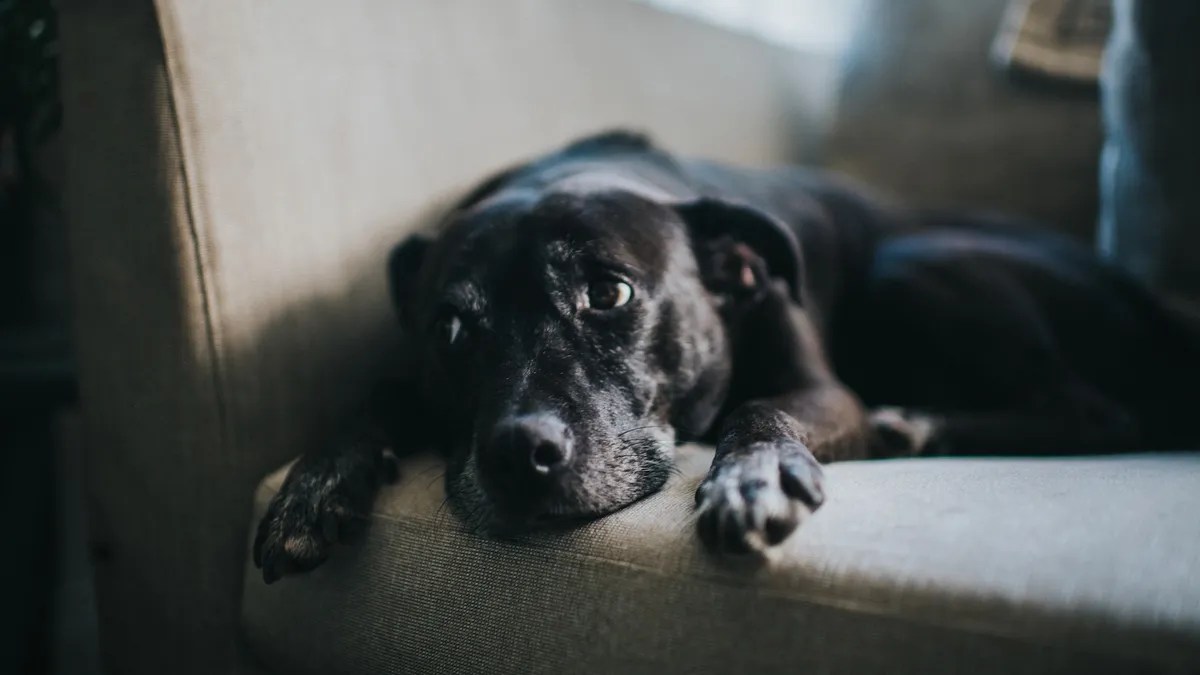
Dogs can smell their humans’ stress, and it makes them sad.

By Sara Novak,  published July 27, 2024.

Dogs can smell when people are stressed, and it seems to make them feel downhearted.

A new study shows that dogs pick up on our emotions through their sense of smell. (Image credit: Catherine Falls Commercial via Getty Images)

Humans and dogs have been close companions for perhaps 30,000 years, according to anthropological and DNA evidence. So it would make sense that dogs would be uniquely qualified to interpret human emotion. They have evolved to read verbal and visual cues from their owners, and previous research has shown that with their acute sense of smell, they can even detect the odor of stress in human sweat. Now researchers have found that not only can dogs smell stress—in this case represented by higher levels of the hormone cortisol—they also react to it emotionally.

For the new study, published Monday in Scientific Reports, scientists at the University of Bristol in England recruited 18 dogs of varying breeds, along with their owners. Eleven volunteers who were unfamiliar to the dogs were put through a stress test involving public speaking and arithmetic while samples of their underarm sweat were gathered on pieces of cloth. Next, the human participants underwent a relaxation exercise that included watching a nature video on a beanbag chair under dim lighting, after which new sweat samples were taken. Sweat samples from three of these volunteers were used in the study.

Participating canines were put into three groups and smelled sweat samples from one of the three volunteers. Prior to doing so, the dogs were trained to know that a food bowl at one location contained a treat and that a bowl at another location did not. During testing, bowls that did not contain a treat were sometimes placed in one of three “ambiguous” locations. In one testing session, when the dogs smelled the sample from a stressed volunteer, compared with the scent of a cloth without a sample, they were less likely to approach the bowl in one of the ambiguous locations, suggesting that they thought this bowl did not contain a treat. Previous research has shown that an expectation of a negative outcome reflects a down mood in dogs.

The results imply that when dogs are around stressed individuals, they’re more pessimistic about uncertain situations, whereas proximity to people with the relaxed odor does not have this effect, says Zoe Parr-Cortes, lead study author and a Ph.D. student at Bristol Veterinary School at the University of Bristol. “For thousands of years, dogs have learned to live with us, and a lot of their evolution has been alongside us. Both humans and dogs are social animals, and there’s an emotional contagion between us,” she says. “Being able to sense stress from another member of the pack was likely beneficial because it alerted them of a threat that another member of the group had already detected.”

The fact that the odor came from an individual who was unfamiliar to the dogs speaks to the importance of smell for the animals and to the way it affects emotions in such practical situations, says Katherine A. Houpt, a professor emeritus of behavioral medicine at Cornell University’s College of Veterinary Medicine. Houpt, who was not involved in the new study, suggests that the smell of stress may have reduced the dogs’ hunger because it’s known to impact appetite. “It might not be that it’s changing their decision-making but more that it’s changing their motivation for food,” she says. “It makes sense because when you’re super stressed, you’re not quite as interested in that candy bar.”

This research, Houpt adds, shows that dogs have empathy based on smell in addition to visual and verbal cues. And when you’re stressed, that could translate into behaviors that your dog doesn’t normally display, she says. What’s more, it leaves us to wonder how stress impacts the animals under the more intense weight of an anxious owner. “If the dogs are responding to more mild stress like this, I’d be interested to see how they responded to something more serious like an impending tornado, losing your job or failing a test,” Houpt says. “One would expect the dog to be even more attuned to an actual threat.”

Sara Novak, Science Writer

Sara Novak is a science writer based on Sullivan’s Island, S.C. Her work has appeared in Discover, Sierra Magazine, Popular Science, New Scientist, and more. Follow Novak on X (formerly Twitter) @sarafnovak

ooOOoo

Dogs are such perfect animals and Sara brings this out so well. As was pointed out in the article dogs have learned to live with us humans over thousands of years.

Well done, Sara!

Parkinson’s Disease (PD)

More information on this terrible condition.

As you know, Jean suffers from PD and was diagnosed in 2015.

Very recently there was this article on PD and I reproduce parts of it (I have not applied for permission to republish) but I have provided the link to a pdf.

ooOOoo

Protein discovery linked to Parkinson’s disease opens future research areas

by WEHI

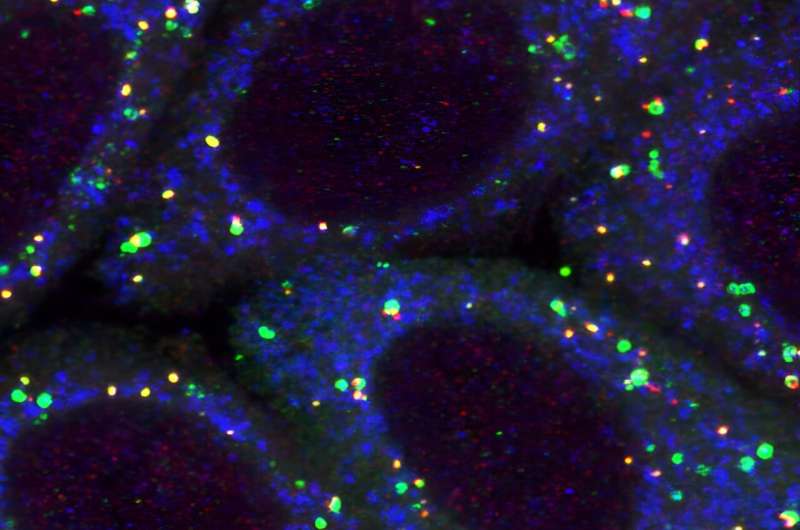
Mitochondria (blue) being targeted by mitophagy (green and red). Credit: WEHI

Parkinson’s disease is the world’s fastest growing neurological condition. Currently there are no drugs or therapies that slow or stop the progression of the disease.

In Australia, someone is diagnosed with Parkinson’s approximately every 30 minutes. Current estimates show there are more than 219,000 people living with Parkinson’s in Australia, a number forecast to double in the next 15 years.

WEHI’s Parkinson’s Disease Research Center has some of the world’s leading researchers tackling the problem using a multi-disciplinary collaborative approach.

New proteins linked to Parkinson’s pathway

Mitochondria are the energy generating machines in our cells and are kept healthy by mitophagy, which is the molecular process of removing or recycling damaged or dysfunctional mitochondria.

PINK1 and Parkin are two key genes involved in mitophagy, and mutations in these genes are linked to early-onset Parkinson’s disease.

Until the discovery of two proteins, NAP1 and SINTBAD, exactly how PINK1/Parkin mitophagy activation was regulated was unknown.

ooOOoo

We wish the scientists all the best as they delve into PD.

That link to the PDF file is https://www.nature.com/articles/s41594-024-01338-y

An article on ageing

Musings on getting older and older!

I shall be 80 in November; I was born in London some six months before the end of World War II in Europe. I was the result of an affair between my father, Frederick, and my mother, Elizabeth. My father died in December, 1956 when I had recently become twelve years old.

I think that age spans have their own characteristics. So, for example, a person in their 20’s or their 40’s cannot sense what it is like to be in their 70’s or 80’s. Just a theory of mine and I have no evidence that this is a fact.

But as an introduction to today’s post it serves the task perfectly. And today’s post comes from The Conversation.

(And when I was writing this on the 11th July Biden was still the US President. My hunch is that he will not be by the 16th!)

ooOOoo

‘The immortal Gods alone have neither age nor death’

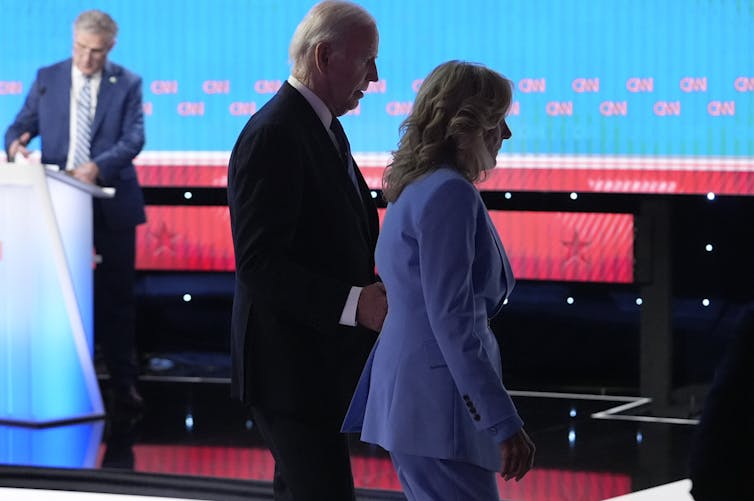
President Joe Biden, left, and first lady Jill Biden depart following a presidential debate with Donald Trump on June 27, 2024, in Atlanta. AP Photo/Gerald Herbert

Rachel Hadas, Rutgers University – Newark

President Joe Biden’s current fraught situation, showcasing both his weakness and his determination, is dramatic because it touches upon more than the political moment and more than one man’s character.

After his disastrous debate performance sparked calls for him to step aside as the Democratic presidential candidate, Biden’s position is not only inextricably entangled with issues of temperament and family dynamics. There’s also the challenge of making a crucial decision swiftly, at a moment when no decision is easy or clearly right.

And that’s not all. Biden has come to symbolize both the biological challenges and the existential poignancy of aging – of aging in power, certainly, but also just the unrelenting wear and tear of growing old.

The pressure of all these factors makes Biden a tragic figure.

Others reluctant to step down

To see this clamorous moment in the light of the past doesn’t make living in the present easier, but it does widen the perspective. Biden is far from the first person in a position of power who has been reluctant to step down – even when common sense or sheer weariness might dictate otherwise. In recent history, Supreme Court Justice Ruth Bader Ginsburg is often cited as an unfortunate example, and there are many other figures historians can cite.

Literature has always been concerned not only with people in power but also with the life cycle and the complexities of family relationships. Myths stay fresh and timeless; as we age, our understanding of a myth may change.

As the poet Eavan Boland writes in “The Pomegranate:”

“And the best thing about the legend is I can enter it anywhere. And have.”

The immense cohort of aging baby boomers, of whom I am one, is likely to sympathize with Biden because he has come to symbolize the vulnerability of aging – vulnerability to humiliation and, more subtly, to isolation.

A woman sitting in a room puts her face in her hands, covering her eyes.
Tonya Morris reacts at Tillie’s Lounge in Cincinnati during the presidential debate between President Joe Biden and the Republican candidate, former President Donald Trump, on June 27, 2024. AP Photo/Carolyn Kaster

Age ‘is not protection against suffering’

Greek poets like Homer and Sophocles present old age realistically.

In Homer’s “Iliad,” the elderly Nestor endlessly reminisces. Although listened to respectfully, he is a figure from an earlier generation whose role in war has dwindled to that of counselor.

Priam, the old king of Troy, heartbroken after the death of his son Hector, still finds the energy to berate his surviving sons as they clumsily hitch the mules that will draw the cart loaded with ransom so Priam can redeem his dead son’s body from the warrior who killed him, Achilles.

The subsequent moment of recognition between Priam and Achilles is one of the most poignant in literature, not least because the sight of old Priam reminds Achilles of his own aged father. Achilles might be expected to be enraged, but seeing Priam turns his anger to grief. Achilles knows he won’t see his father, Peleus, again. Being old is no protection against suffering; the aged Priam, mourning his son Hector, is assailed by the same desolate grief as Achilles.

In Shakespeare’s “Henry IV,” the once jovial and resilient Falstaff, publicly rejected and insulted by Prince Hal, is old, vulnerable – and alone. Macbeth, widowed and isolated, seems to have aged decades in the course of the play; he thinks forlornly of the comforts old age might be expected to provide: “honor, love, obedience, troops of friends.”

King Lear opens the tragedy named for him by ostensibly retiring. He announces his “intent/To shake all cares and business from our age,/Committing them to younger strengths, while we/Unburdened crawl toward death.”

But Lear refuses to cede control. Finally, as he sinks into confusion, he discovers humility and compassion – too late. Lear is reunited in prison with his loyal daughter Cordelia, who hasn’t been afraid to speak truth to power but who also has never ceased to love him – but she is summarily executed, and Lear, heartbroken, dies.

Decision requires ‘rare detachment’

Political commentator Bill Maher has called ageism the last respectable prejudice. It’s as if age and its accompanying disabilities create a force field keeping others at a distance. Or perhaps age bestows a universally recognized vulnerability on people who seemed powerful.

Either way, old people can seem somehow separated from the rest of us.

It’s hard even to imagine President Biden alone; on the contrary, he is apparently surrounded by loyal family and advisers. But the vulnerability of old age was on full display in the first presidential debate. News reports convey how hard it has become for anyone outside Biden’s tight circle to really see or know him.

One of the countless contrasts between Biden and Donald Trump is Biden’s almost sphinxlike unknowability, especially now. With Trump, as has frequently been noted, what you see is what you get. For better or for worse, his qualities are consistently on full display.

Age has been traditionally associated with wisdom, yet the wisdom old age can bestow seems out of reach for a figure still in the thick of politics. Lear’s “all-licensed” Fool rebukes the king: “Thou shouldst not have been old till thou had been wise.”

Only withdrawing from the fray might bestow some tranquility. But the vision to make the difficult decision to withdraw requires a kind of detachment that seems to be very rare in history, and not common in literature either.

An old man being comforted by two women, with a soldier in front of him.
The aged and blind Oedipus at Colonus, in an 1800 drawing by Bertel Thorvaldsen, says, ‘The immortal Gods alone have neither age nor death! All other things almighty Time disquiets.’ Sepia Times/Universal Images Group via Getty Images

‘Almighty time disquiets’

Greek tragedy does offer an eloquent example of just such wisdom.

Sophocles’s “Oedipus at Colonus” is a play about an old man written by an old man – Sophocles was in his 90s when the drama was presented.

The aged, self-blinded and self-exiled former king Oedipus, guided by his loyal daughter, finds himself in Colonus, a holy district outside Athens. When Theseus, the ruler of Athens, arrives on the scene, Oedipus’s words to him transcend both the immediate situation and Oedipus’s dire backstory.

“The immortal
Gods alone have neither age nor death!
All other things almighty Time disquiets.
Earth wastes away; the body wastes away;
Faith dies, distrust is born.
And imperceptibly the spirit changes
Between a man and his friend, or between two cities ….
… but time goes on,
Unmeasured Time, fathering numberless
Nights, unnumbered days ….”

By touching upon the shared human condition of mortality, as well as another universal, the inevitability of change, this speech bestows a stark tranquility on the situation.

Oedipus knows that he has come to Colonus to die, and his words convey a vision that seems to issue from beyond the grave. His detachment has an authority that now seems almost out of the reach of any of us, let alone a politician. But it’s good to remember that such qualities exist.

Of course this is a different moment. The looming juggernaut that Trump represents makes it hard for Biden’s supporters, or any Democrats, to be calm. Nevertheless, it’s useful to think about the potential strengths, as well as the vulnerabilities, of age.

The widespread anxiety now rampant among Biden’s supporters is sometimes mocked as unjustified panic. Time, as Oedipus might remind us, will tell. I personally find this anxiety touching and heartening for its humanity; there’s widespread compassion for Biden’s vulnerability.

In the ugly spectacle of American politics, it’s hard to keep humanity in sight. Literature can remind us of what we already know about growing old, about change, and about mortality.

Rachel Hadas, Professor of English, Rutgers University – Newark

This article is republished from The Conversation under a Creative Commons license. Read the original article.

ooOOoo

I cannot add anything to this first-class post!

Introspection.

A recent article by George Monbiot gets me thinking.

George Monbiot is 61; his birthday is on January 27th. Thus he is 14 years younger than me. He is an experienced writer for The Guardian newspaper. Plus he has authored quite a few books and founded a charity, and given TED Talks, and I am sure more than this.

I read all of the articles that are published by him. His website is widely read. Please read his biography. Some of his many articles really get me thinking.

Some time ago I asked Mr. Monbiot for permission to republish his articles and that was granted. A small number of them have been republished on Learning from Dogs.

Today I want to republish an article that was presented on July 3rd.

ooOOoo

The Fight Against Oligarchy

Oligarchy is the default state of politics, and it is surging back. How do we stop it?

By George Monbiot, published in the Guardian  27th June 2024

We are about to return to normal politics. After 14 years of Tory corruption and misrule, a Labour government will put this country back on track. Justice and decency will resume, public services will be rebuilt, our global standing will be restored, we will revert to a familiar state. Or so the story goes.

What is the “normal” envisaged by pundits and politicians of the left and centre? It is the most anomalous politics in the history of the world. Consciously or otherwise, they hark back to a remarkable period, roughly 1945 to 1975, in which, in certain rich nations, wealth and power were distributed, almost everyone could aspire to decent housing, wages and conditions, public services were ambitious and well-funded and a robust economic safety net prevented destitution. There had never been a period like it in the prior history of the world, and there has not been one since. Even during that period, general prosperity in the rich nations was supported by extreme exploitation, coups and violence imposed on the poor nations. We lived in a bubble, limited in time and space, in which extraordinary things happened. Yet somehow we think of it as normal.

Those “normal” politics were the result of something known to economic historians as the “great compression”: a drastic reduction in inequality caused by two world wars. In many powerful countries, a combination of the physical destruction of assets, the loss of colonial and overseas possessions, inflation, very high taxes, wage and price controls, requisitioning and nationalisation required by the wartime economy, as well as the effects of rising democracy and labour organisation, greatly reduced the income and assets of the rich. It also greatly improved, once the wars had ended, the position of the poor. For several decades, we benefited from the aftermath of these great shocks. Now the effect has faded. We are returning to true “normality”.

The history of many centuries, including our own, shows that the default state of politics is not redistribution and general welfare, but a spiral of accumulation by the very rich, the extreme exploitation of labour, the seizure of common resources and exaction of rent for their use, extortion, coercion and violence. Normal is a society in which might is right. Normal is oligarchy.

In his magisterial book The Great Leveler, published in 2017, the historian Walter Scheidel explains that only four forces have ever significantly reversed inequality: mass-mobilisation warfare (such as the two world wars), total and violent revolution, state collapse and devastating plagues. Decisions, decisions.

He shows how warfare economies were turned into welfare economies, sometimes by force. For example, following the defeat of Japan, the US occupation government, led by General Douglas MacArthur, sought what it called “the democratization of Japanese economic institutions” to ensure “a wide distribution of income and ownership of the means of production and trade”. To this end, it imposed high property taxes, with a top marginal rate of 90%; broke up business conglomerates; demanded a labour union law enabling the right to organise and strike, and higher wages for workers; organised comprehensive land reform, which dissolved large holdings and distributed them to peasants; and introduced fiscal reform that led eventually to taxes on the highest incomes of 75% and an inheritance tax on the largest estates of 70%. These programmes resulted in the near-total destruction of income from capital and the creation in Japan of a political and economic democracy, almost from scratch.

All the major combatants were similarly transformed. In the US, the top rate of estate (inheritance) tax rose to 71% in 1941, and income tax to 94% in 1944. The National War Labor Board raised workers’ pay while holding down executive pay. Union membership soared. In the UK, the top rate of income tax was held at 98% from 1941 to 1952. It took decades to decline to current levels. A purchase tax on luxury goods was introduced in 1940, with rates that later rose to 100%. The share of incomes captured by the richest 0.1% fell from 7% in 1937 to just over 1% in 1975.

In the absence of one of the four great catastrophes, income and capital inexorably accumulate in the hands of the few, and oligarchy returns. Oligarchs are people who translate their inordinate economic power into inordinate political power. They build a politics that suits them. Scheidel shows that as inequality rises, so does polarisation and political dysfunction, both of which favour the very rich, as a competent, proactive state is a threat to their interests. Dysfunction is what the Tories delivered and Donald Trump promises.

Oligarchs seek the destruction of oversight, which is why UK bodies such as the Environment Agency and the Health and Safety Executive have been comprehensively gutted. The same desire was the driving force behind Brexit. They want the cessation of protest. They want a failing NHS, to justify privatisation. They want malleable politiciansand a tame BBC. They get what they want, distorting every aspect of national life. They pour money into neoliberal and far-right political movements, which help capital to solve its perennial problem: democracy. The arc of history bends towards injustice. But every so often it is broken over the knee of catastrophe.

If you want a return to the rich nations’ “normality” of 1945 to 1975 – in other words, to redistribution, a shared sense of national purpose, robust public services and a strong economic safety net, high employment and good wages – and I think most people would, you need a politics that is not just abnormal, but unprecedented. Snapping the arc of injustice would mean going way beyond Jeremy Corbyn’s 2019 manifesto, let alone Keir Starmer’s limp offering, which treads so carefully around the interests of the rich. We would need to do what the world wars did, without the violence and physical destruction: a peacetime MacArthur programme for overthrowing the oligarchs.

Political parties would need to overcome their fear of economic power: of the newspaper barons, the property developers, the fossil fuel companies, hedge funds, private equity bosses and assorted oligarchs who now fund and influence our politics. The longer we leave this confrontation, the more extreme and entrenched oligarchic power becomes. If we want even a modicum of democracy, equality, fairness and a functioning state, we need not the accommodation with economic power that Starmer seeks, but the mother of all battles with it.

ooOOoo

Let me repeat a sentence from the article: “Oligarchs are people who translate their inordinate economic power into inordinate political power.”

I am towards the end of my life. Whether or not things will change politically, as Monbiot suggests above, I do not know. But if asked to guess I would say probably not.

I would love to see a different, as in a better way, of us humans running things. I can’t put it better than how George Monbiot expressed it in that last sentence: “If we want even a modicum of democracy, equality, fairness and a functioning state, we need not the accommodation with economic power that Starmer seeks, but the mother of all battles with it.”

Finally, George Monbiot has a saying on his website: “I love not man the less, but Nature more.” I wish that were not the case, I wish oligarchy was a dead word, but Nature is so beautiful.

Photo by Daniel Beilinson on Unsplash

Independence Day

July 4th, 2024

From WikiPedia (in part):

Independence Day, known colloquially as the Fourth of July, is a federal holiday in the United States commemorating the Declaration of Independence, which was ratified by the Second Continental Congress on July 4, 1776, establishing the United States of America.

The Founding Father delegates of the Second Continental Congress declared that the Thirteen Colonies were no longer subject (and subordinate) to the monarch of BritainKing George III, and were now united, free, and independent states.[1] The Congress voted to approve independence by passing the Lee Resolution on July 2 and adopted the Declaration of Independence two days later, on July 4.

Photo by charlesdeluvio on Unsplash

This is home!

Reflections on Oregon.

Or more precisely Southern Oregon.

We live in a beautiful State.

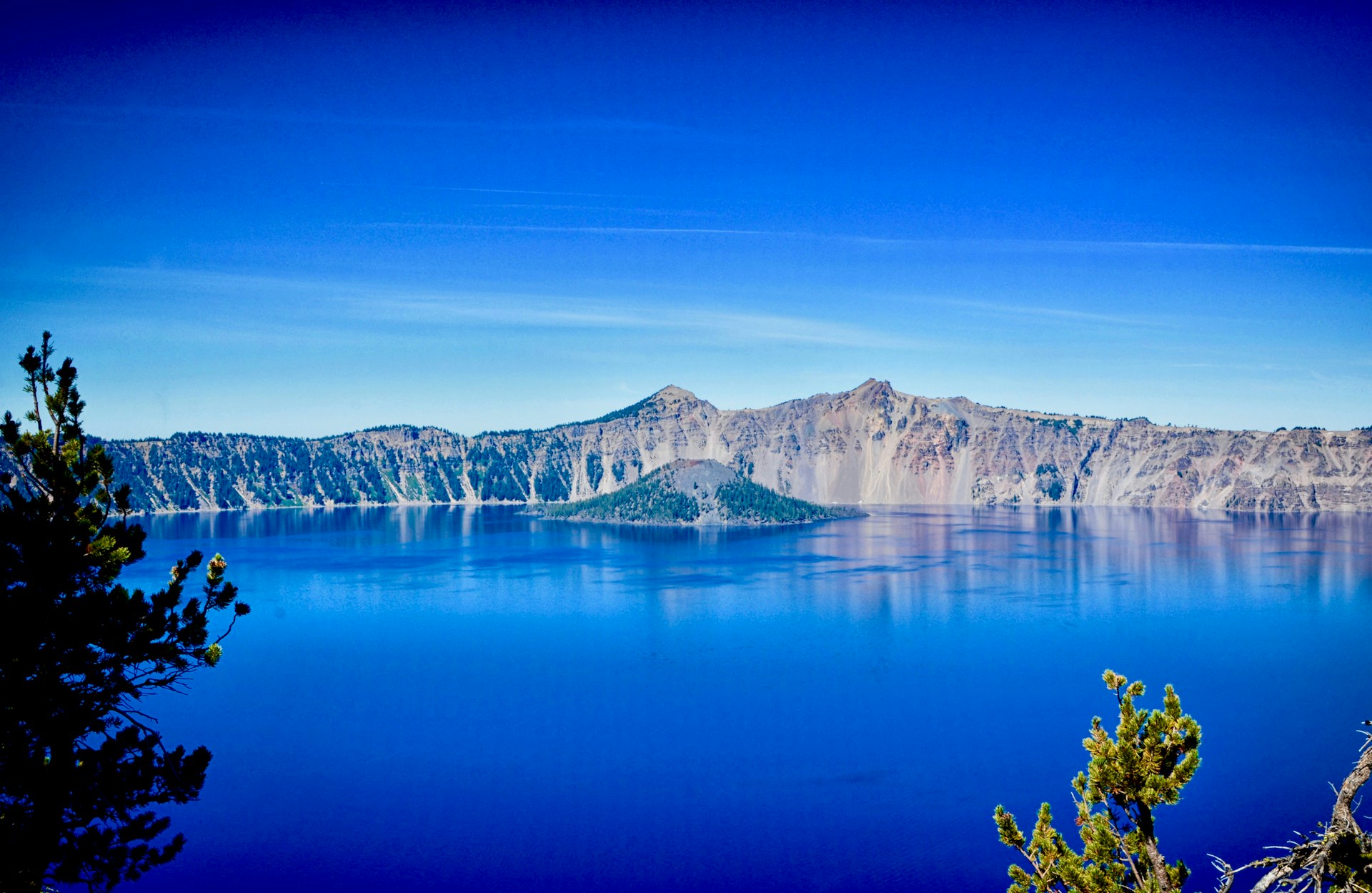
Roughly 100 miles North-East of us is Crater Lake.

Photo by Anukrati Omar on Unsplash

It was formed when this former volcano, “which collapsed on itself during an eruption just 7,700 years ago and slowly filled with melted snow, now stands as Oregon’s only national park.”

At over 2,000 feet deep it is the deepest lake in the United States of America.

There is a website, 16 Reasons Why Oregon is the Best State in the Country, and Jean and I believe it. Do visit this web page.

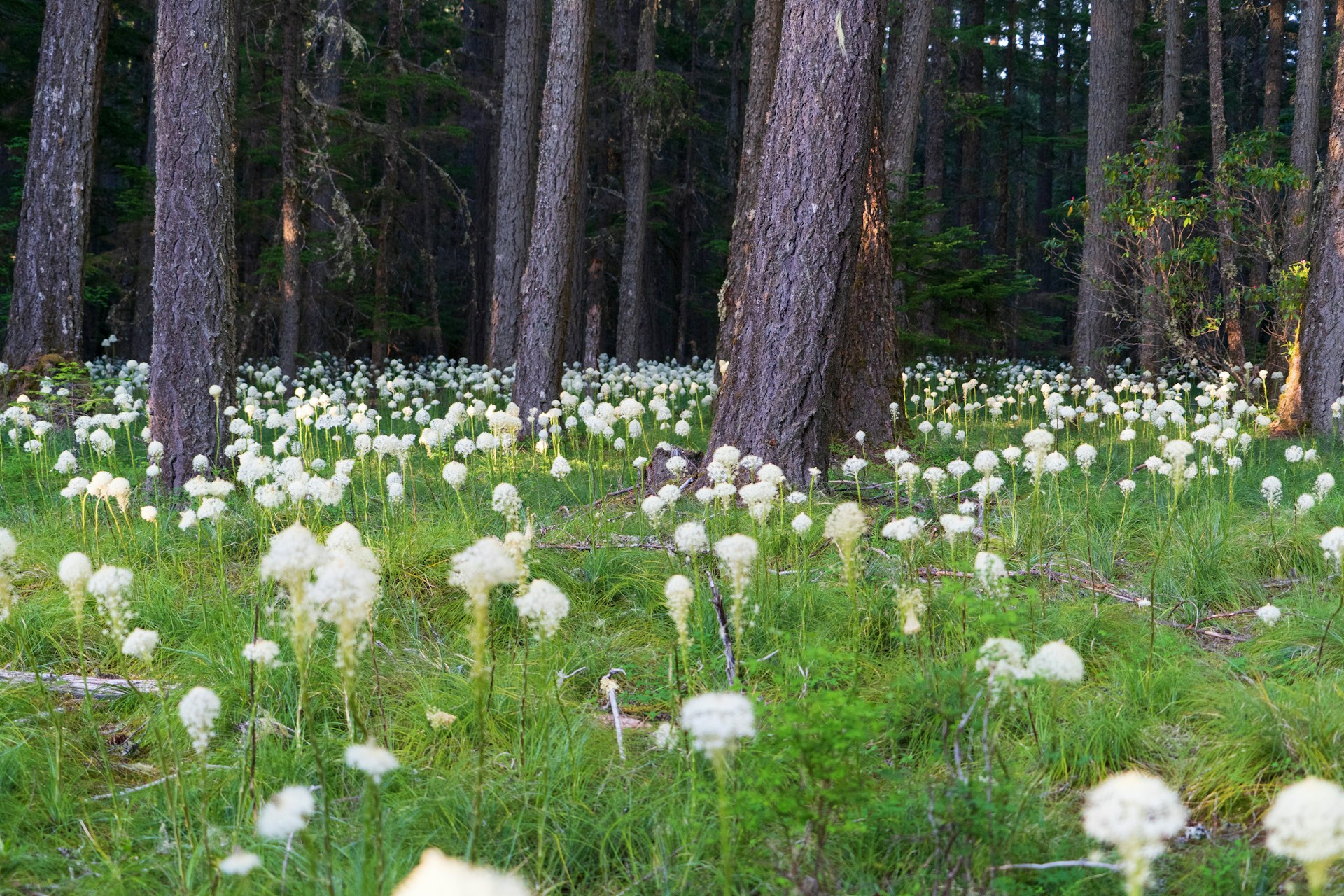
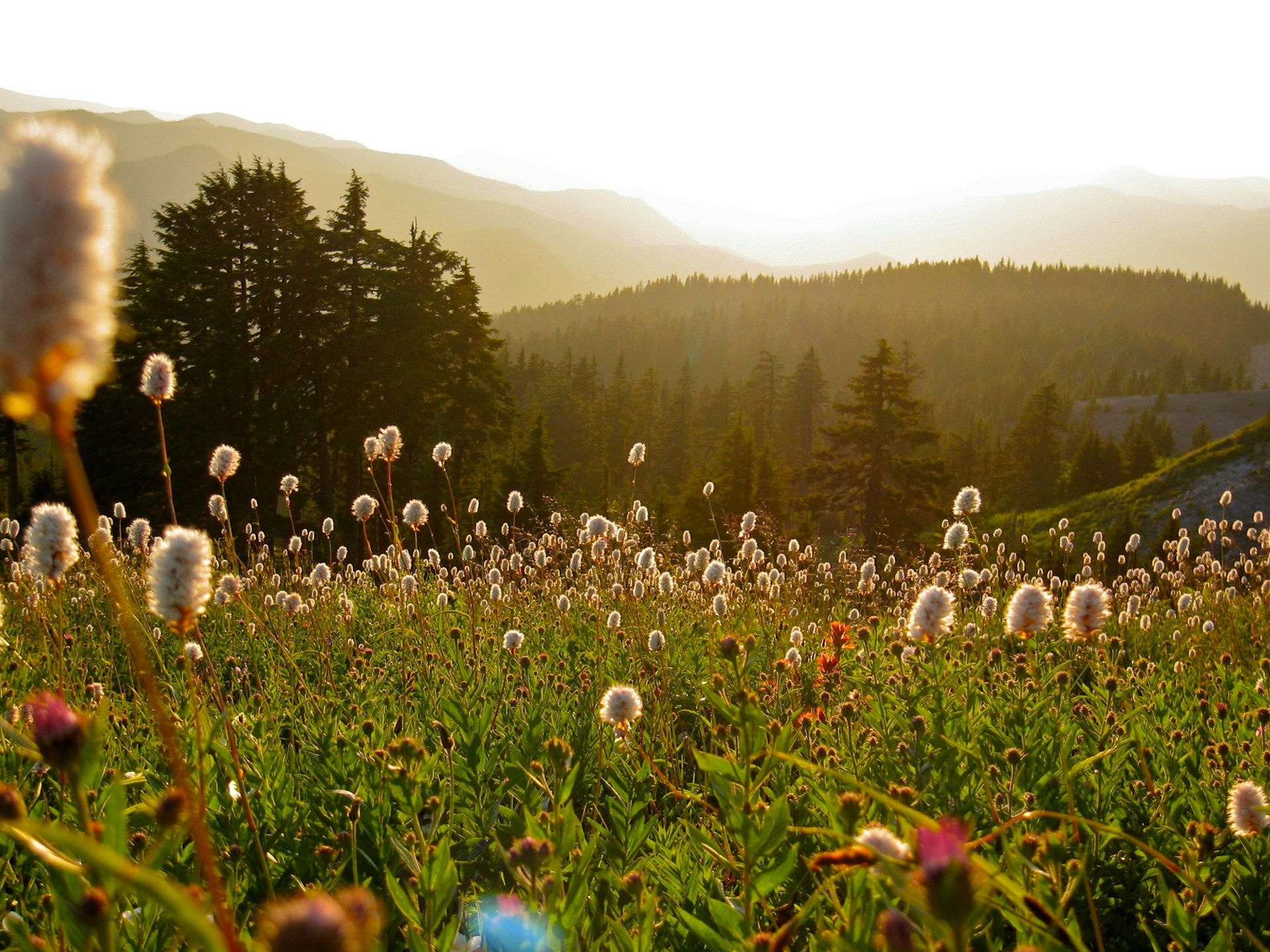
Oregon has acres and acres of forest and wild lands.

Photo by Dan Meyers on Unsplash

Photo by Moss and Fog on Unsplash

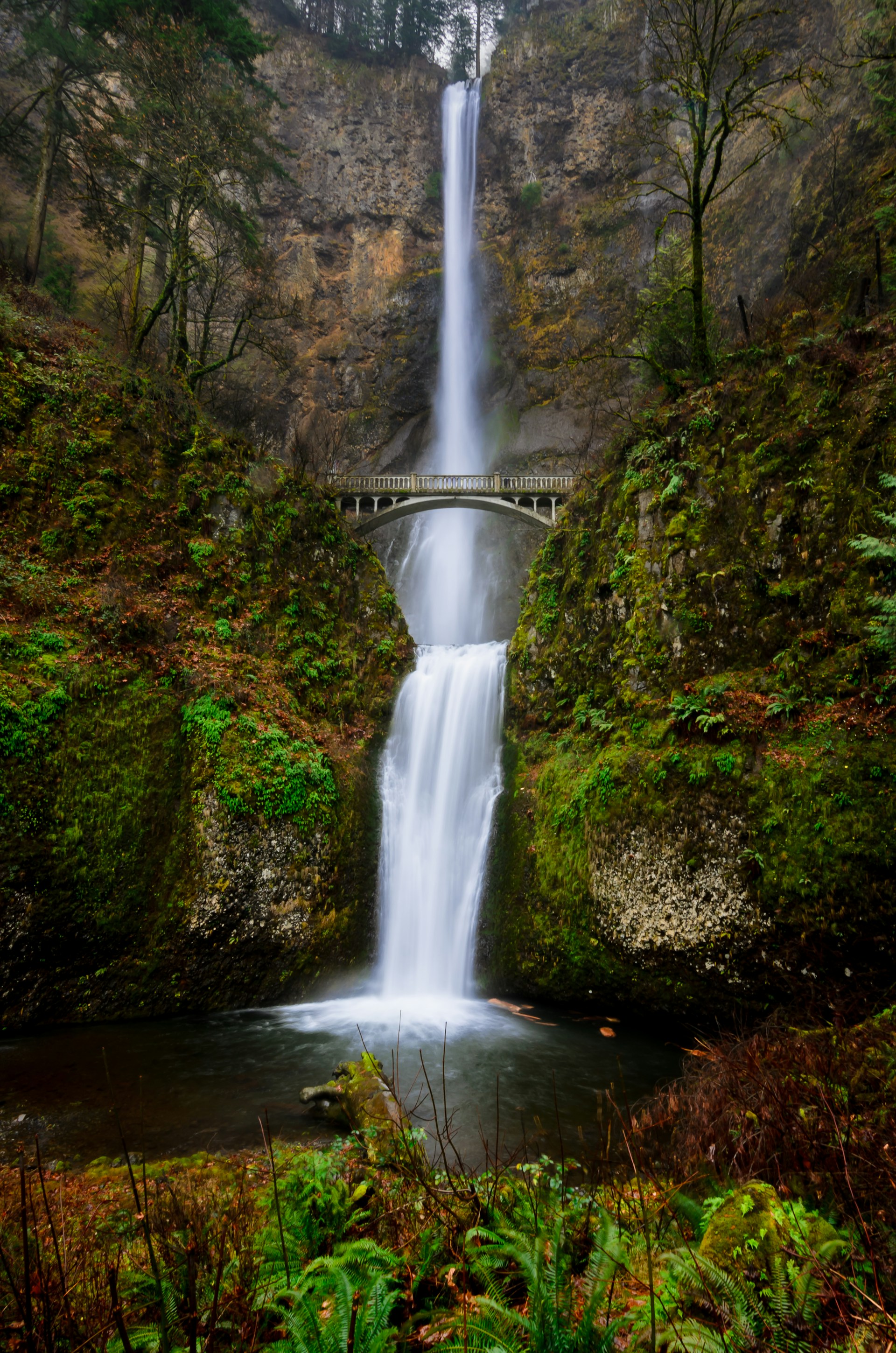
Oregon has many truly wild places. Here is a photograph of one of Oregon’s famous waterfalls.

Photo by Chris Briggs on Unsplash

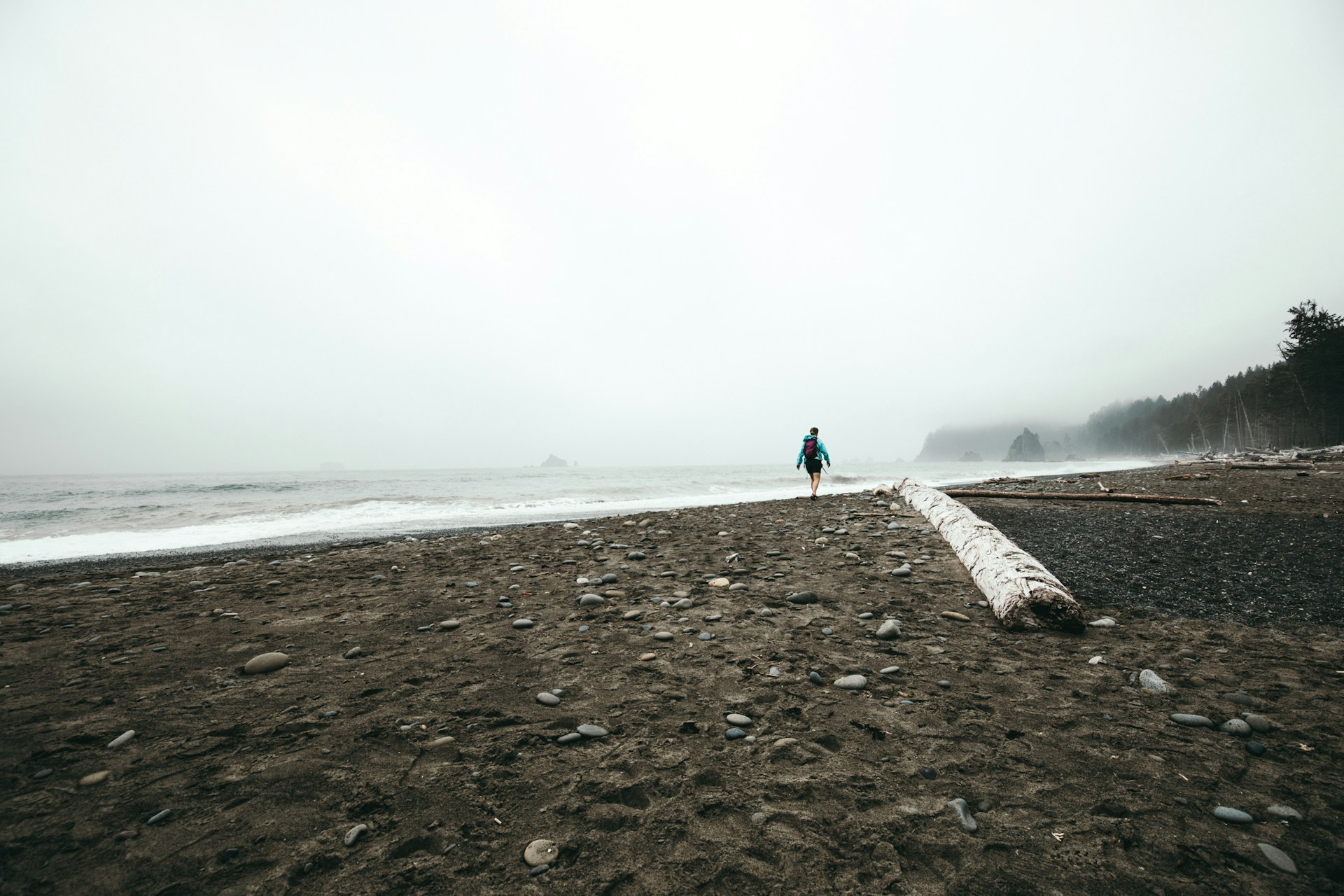
Here is a photo of the wild coast and the ocean.

Photo by KAL VISUALS on Unsplash

Photo by Jordan Steranka on Unsplash

As was said at the start, Jean and I live in a very beautiful part of America.

Plus the people are incredibly friendly.

Do we understand our cosmos?

A recent article from The Conversation suggests not.

As much as I am interested in the cosmos my brain cannot tackle the subject with any form of intelligence.

Thus I really want to share this with you all, in the hope that some of you will appreciate the article.

ooOOoo

Scientists can’t agree on how fast the universe is expanding – why this matters so much for our understanding of the cosmos

Gemma Ware, The Conversation

It’s one of the biggest puzzles in cosmology. Why two different methods used to calculate the rate at which the universe is expanding don’t produce the same result. Known as the Hubble tension, the enigma suggests that there could be something wrong with the standard model of cosmology used to explain the forces in the universe.

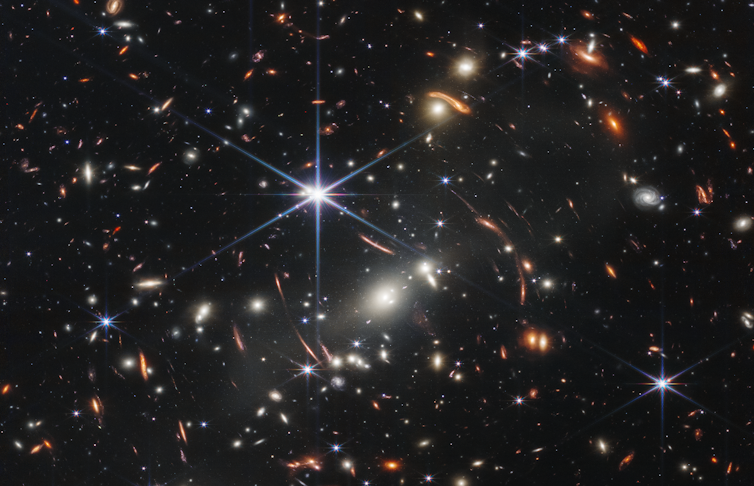
Now, recent observations using the new James Webb Space Telescope (JWST) are shaking up the debate on how close the mystery is to being resolved.

In this episode of The Conversation Weekly podcast, two professors of astronomy explain why the Hubble tension matters so much for our understanding of the universe.

(The Conversation included two files that one could listen to but they could not be played directly. But I have left them in the post just in case.)

https://embed.acast.com/60087127b9687759d637bade/6669a6f9efa053001194ed11

https://shows.acast.com/60087127b9687759d637bade/6669a6f9efa053001194ed11

In February, the Nobel prize-winning physicist Adam Reiss, published a new paper. It said that new observations of far-away stars using the JWST matched those obtained by the Hubble Space Telescope.

These stars, called Cepheids, are commonly used in one method of calculating the rate at which the universe is expanding. Known as the local distance ladder, or cosmic distance ladder, this method has been around since observations first made by Edwin Hubble himself in 1929. And it generally produces a rate of expansion of around 73km per second per mega parsec.

But a second method, using predictions of the cosmic microwave background radiation left over by the Big Bang, has constantly arrived at a different number for the rate of expansion of the universe: 67km per second per mega parsec.

Reiss said that when the new data confirmed the earlier observations from the Hubble Space Telescope, the gap between the numbers remains unresolved. “What remains is the real and exciting possibility that we have misunderstood the universe,” he said.

A few months later, however, more data from the JWST, presented by Wendy Freedman, a physicist at the University of Chicago, using observations from a different set of stars, arrived at 69km per second per mega parsec, a number closer to the cosmic microwave background figure of 67. Freedman is excited that the numbers seem to be converging.

Vicent Martínez and Bernard Jones are fascinated by the Hubble tension. Jones is an emeritus professor of astronomy at the University of Groningen in the Netherlands. Martínez, his former student, is now a professor of astronomy and astrophysics at the University of València in Spain.

“The fundamental basis of science, what distinguishes science from science fiction, is our ability to verify the information we are getting,” explains Jones.

That’s why Martinez says the mystery of the Hubble tension is still driving people to:

Research and imagine experiments and organise huge projects with the complicated observation of the cosmos in order to understand what’s going on. At the end, this will affect your idea of the whole universe and probably you will need to change some fundamental ingredient of your cosmological model.

Martinez and Jones have just written a book, along with their co-author Virginia Trimble, about moments in history when scientists realised they’d got something very wrong, and had to readjust their way of thinking. Martínez thinks this could happen again with the Hubble tension:

It could happen that, for example, a new theory of gravity could solve the problem of dark energy or dark matter. We have to be open to those ideas.

Listen to Bernard Jones and Vicent Martínez talk more about the Hubble tension, and how it fits in the wider history of science, on The Conversation Weekly podcast. The episode also features an introduction from Lorena Sánchez, science editor at The Conversation in Spain.

Gemma Ware, Editor and Co-Host, The Conversation Weekly Podcast, The Conversation

This article is republished from The Conversation under a Creative Commons license. Read the original article.

ooOOoo

Fascinating, albeit much of this article a little beyond me. But still fascinating.

A post on Heat

Not the first and I’m sure it won’t be the last on this topic!

We are experiencing the first week of Summer’s heat.

Where it is going, temperature-wise, who knows but the consensus is that it is becoming warmer year on year.

So this seemed like a great post to republish. It was on The Conversation.

ooOOoo

Heat index warnings can save lives on dangerously hot days − if people understand what they mean

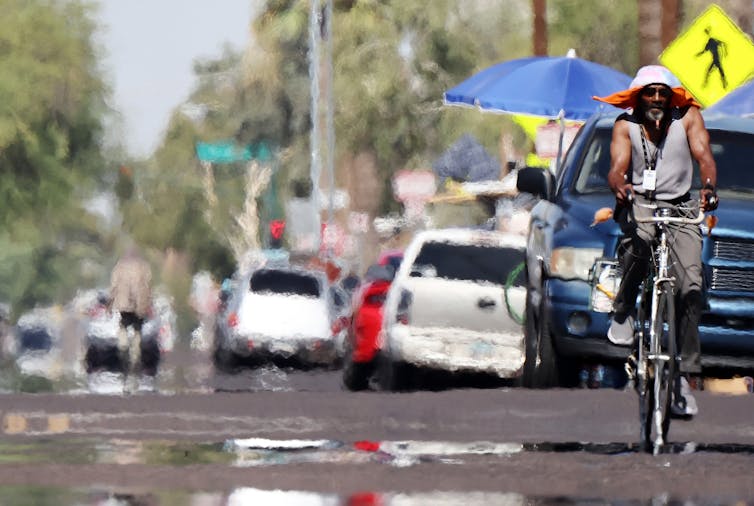
The sticky combination of heat and high humidity can be more than uncomfortable – it can be deadly. Mario Tama/Getty Images

Micki Olson, University at Albany, State University of New York

You’ve probably heard people say, “It’s not the heat, it’s the humidity.” There’s a lot of truth to that phrase, and it’s important to understand it as summer temperatures rise.

Humidity doesn’t just make you feel sticky and uncomfortable – it also creates extra dangerous conditions on hot days. Together, too much heat and humidity can make you sick. And in severe cases, it can cause your body to shut down.

Meteorologists talk about the risk of heat and humidity using the heat index, but it can be confusing.

I’m a risk communication researcher. Here’s what you need to know about the heat index and some better ways meteorologists can talk about the risks of extreme heat.

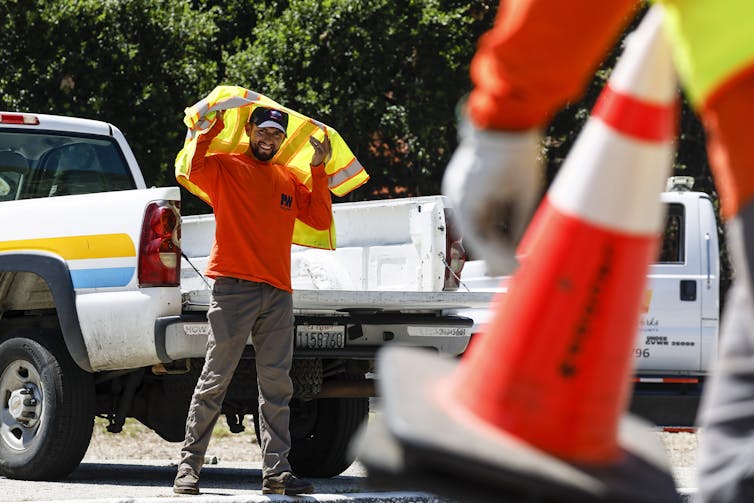
A construction worker in reflective gear holds a jacket over his head against the sun.
Outdoor workers can be at high risk of heat illnesses. Robert Gauthier/Los Angeles Times via Getty Images

What is the heat index, and how is it measured?

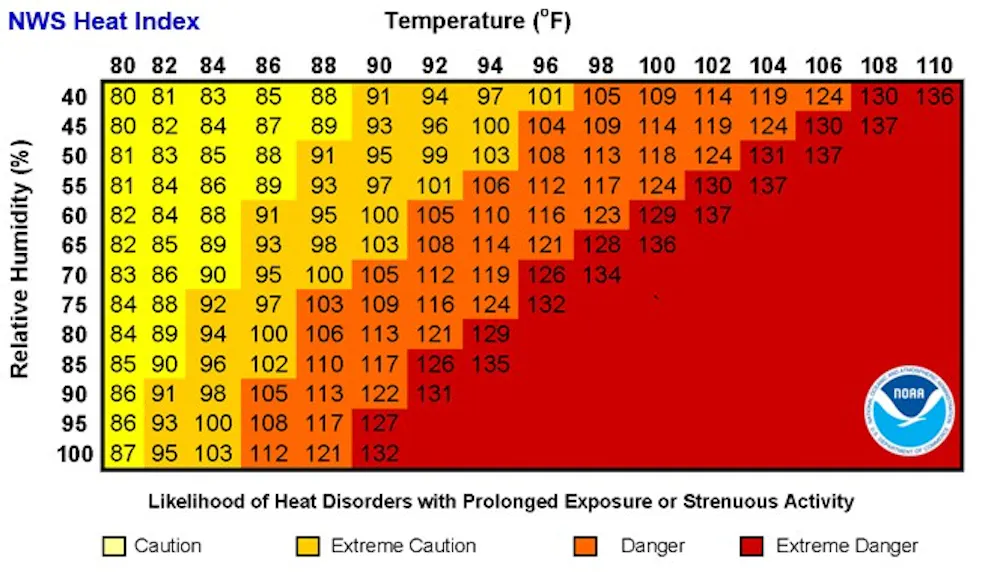
Heat index is the combination of the actual air temperature and relative humidity:

  • Air temperature is how hot or cold the air is, which depends on factors such as the time of day, season of the year and local weather conditions. It is what your thermometer reads in degrees Celsius or Fahrenheit.
  • Relative humidity compares how much water vapor is in the air with how much water vapor the air could hold at that temperature. It’s expressed as a percentage.

The heat index tells you what it “feels like” outside when you factor in the humidity. For example, if it’s 98 degrees Fahrenheit (36.7 Celsius) with 55% relative humidity, it might feel more like a scorching 117 F (47.2 C).

A chart with a grid showing heat and humidity risks.
NOAA’s heat index chart shows how heat and humidity combine for dangerous temperatures. NOAA

But there’s a catch: Heat index is measured in shady conditions to prevent the sun’s angle from affecting its calculation. This means if you’re in direct sunlight, it will feel even hotter.

Apparent temperature, alerts and wet bulb

“Apparent temperature” is another term you might hear this summer.

Apparent temperature is the “feels like” temperature. It considers not only temperature and humidity but also wind speed. This means it can tell us both the heat index and wind chill – or the combination of the temperature and wind speed. When conditions are humid, it feels hotter, and when it’s windy, it feels colder.

We found that apparent temperature is even less well understood than the heat index, possibly due to the word apparent having various interpretations.

There are a few other ways you may hear meteorologists talk about heat.

Wet bulb globe temperature considers temperature, humidity, wind and sunlight. It’s especially useful for those who spend time outdoors, such as workers and athletes, because it reflects conditions in direct sunlight.

HeatRisk is a new tool developed by the National Weather Service that uses colors and numbers to indicate heat risks for various groups. More research is needed, however, to know whether this type of information helps people make decisions.

In many places, the National Weather Service also issues alerts such as excessive heat watches, warnings and advisories.

The risk is getting lost in translation

Knowing about heat and humidity is important, but my colleagues and I have found that the term heat index is not well understood.

We recently conducted 16 focus groups across the United States, including areas with dry heat, like Phoenix, and more humid areas, like Houston. Many of the people involved didn’t know what the heat index was. Some confused it with the actual air temperature. Most also didn’t understand what the alerts meant, how serious they were or when they should protect themselves.

In our discussions with these groups, we found that meteorologists could get across the risk more clearly if, instead of using terms like heat index, they focus on explaining what it feels like outside and why those conditions are dangerous.

Watches, warnings and advisories could be improved by telling people what temperatures to expect, when and steps they can take to stay safe.

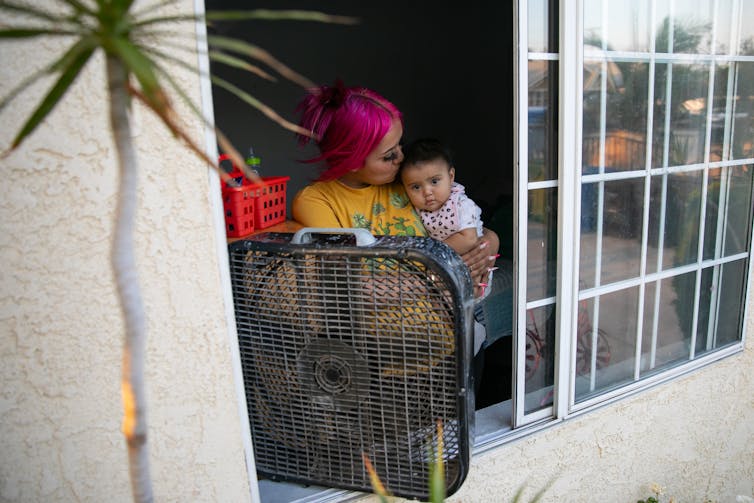
A woman holds a baby at an open window with a fan blowing in.
Clear warnings can help residents understand their risk and protect themselves, which is especially important for small children and older adults, who are at greater risk of heat illness. Jason Armond/Los Angeles Times via Getty Images

Climate change is exacerbating heat risks by making extreme heat more common, intense and long-lasting. This means clear communication is necessary to help people understand their risk and how they can protect themselves.

What you can do to protect yourself

With both hot and humid conditions, extra precautions are necessary to protect your health. When you get hot, you sweat. When sweat evaporates, this helps the body cool down. But humidity prevents the sweat from evaporating. If sweat cannot evaporate, the body has trouble lowering or regulating its temperature.

Although everyone is at risk of health issues in high heat, people over 65, pregnant women, infants and young children can have trouble cooling their bodies down or may run a higher risk of becoming dehydrated. Certain health conditions or medications can also increase a person’s risk of heat-related illness, so it’s important to talk to your doctor about your risk.

Heat illnesses, such as heat exhaustion and heat stroke, are preventable if you take the right steps. The U.S. Centers for Disease Control and Prevention focuses on staying cool, hydrated and informed.

  • Stay cool: Use air conditioning in your home, or spend time in air-conditioned spaces, such as a shopping mall or public library. Limit or reschedule your exercise and other outdoor plans that occur in the middle of the day when it is hottest.
  • Stay hydrated: Drink more water than you might otherwise, even if you don’t feel thirsty, so your body can regulate its temperature by sweating. But avoid sugary drinks, caffeine or drinks with alcohol, because these can cause you to become dehydrated.
  • Stay informed: Know the signs of heat illness and symptoms that can occur, such as dizziness, weakness, thirst, heavy sweating and nausea. Know what to do and when to get help, because heat illnesses can be deadly.
Heat exaustion includes dizziness, thirst, heavy sweating, nausea and weakness. Move to cooler area, loosen clothing, sip cool water and get medical help if no improvement. If heat stroke, including confusion, dizziness and unconsciousness, also call 911.
The difference between heat exhaustion and heat stroke and the CDC’s advice on how to respond. NOAA, CDC

Micki Olson, Senior Researcher in Emergency and Risk Communication, University at Albany, State University of New York

This article is republished from The Conversation under a Creative Commons license. Read the original article.

ooOOoo

That last diagram on staying cool, staying hydrated, and staying informed is one element in me choosing this article for publication. Further, if one looks up the website for the Centers for Disease Control and Prevention then immediately one comes across:

Stay cool indoors.Stay in an air-conditioned place as much as possible. If your home does not have air conditioning, go to the shopping mall or public library—even a few hours spent in air conditioning can help your body stay cooler when you go back into the heat.

Please take care!