But when I read the latest article from The Dodo about a corgi that freaked out when she saw a bush made to look like a dog I did wonder. But whatever it makes a nice story.
ooOOoo
Corgi Freaks Out When She Sees A Bush That Looks Just Like Her
“She looked confused and concerned” 😂
Lily Feinn
Published on 8/28/2020.
Luna isn’t usually scared of other dogs — in fact, she’s kinda bossy.
“Luna, like a lot of other corgis, has a big dog attitude in a smaller package,” Matt, Luna’s dad who asked that his last name not be included, told The Dodo. “She loves policing other dogs at the dog park.”
INSTAGRAM/LELUNABERRY
So it came as a surprise when the little dog freaked out when she met a larger, greener version of herself.
Luna and Matt were visiting a friend earlier this year when they spotted an adorable topiary in the neighbor’s yard. “I just thought it was hilarious ’cause I instantly thought it was a corgi-shaped hedge,” Matt said. “Maybe that’s just what my brain defaults to ’cause my dog is a corgi.”
INSTAGRAM/LELUNABERRY
Matt placed Luna in front of the hedge for a photo and it became clear she was not interested in making friends.
“I think she was afraid cause it was so large and maybe the way I reacted to it,” Matt said. “She looked confused and concerned.”
Matt was surprised to learn that his tough dog is actually a bit of a scaredy cat — when it comes to large plants, at least. “She has a pretty expressive face so it feels like I know what she’s thinking,” Matt said.
INSTAGRAM/LELUNABERRY
Matt snapped the photo of Luna and posted it to Twitter, with the caption: “Neighbors are a big fan of Luna apparently.”
People were so impressed by the likeness that the post quickly went viral. However, all the attention didn’t change Luna’s mind when it came to topiaries.
After eight years of living with Luna, Matt appreciates her now more than ever.
“She’s been great to have around,” Matt said. “The neighbors love her as well and I’m glad I can appreciate her more right now, having to stay home more often.”
But, to keep Luna happy, they haven’t walked by the bush since.
This is a post about dogs being of comfort to the Californian firefighters. A post presented on The Dodo that I am republishing.
But yesterday afternoon came news that here in Oregon we have a blaze. As the Washington Post reported it, in part:
An unusually expansive outbreak of large and fast-moving wildfires threatens communities in three states Wednesday, with the greatest risks focused on Medford, Ore., and Oroville, Calif., as large fires advance in those areas.
In Oregon on Wednesday afternoon, Gov. Kate Brown (D) announced that four towns have experienced significant damage, and she warned residents to expect news of fatalities.
“Oregon has experienced unprecedented fire with significant damage and devastating consequences for the entire state,” she said. Brown said the communities of Detroit, Blue River, Vida, Phoenix and Talent are “substantially destroyed.”
But back to those Californian firefighters.
ooOOoo
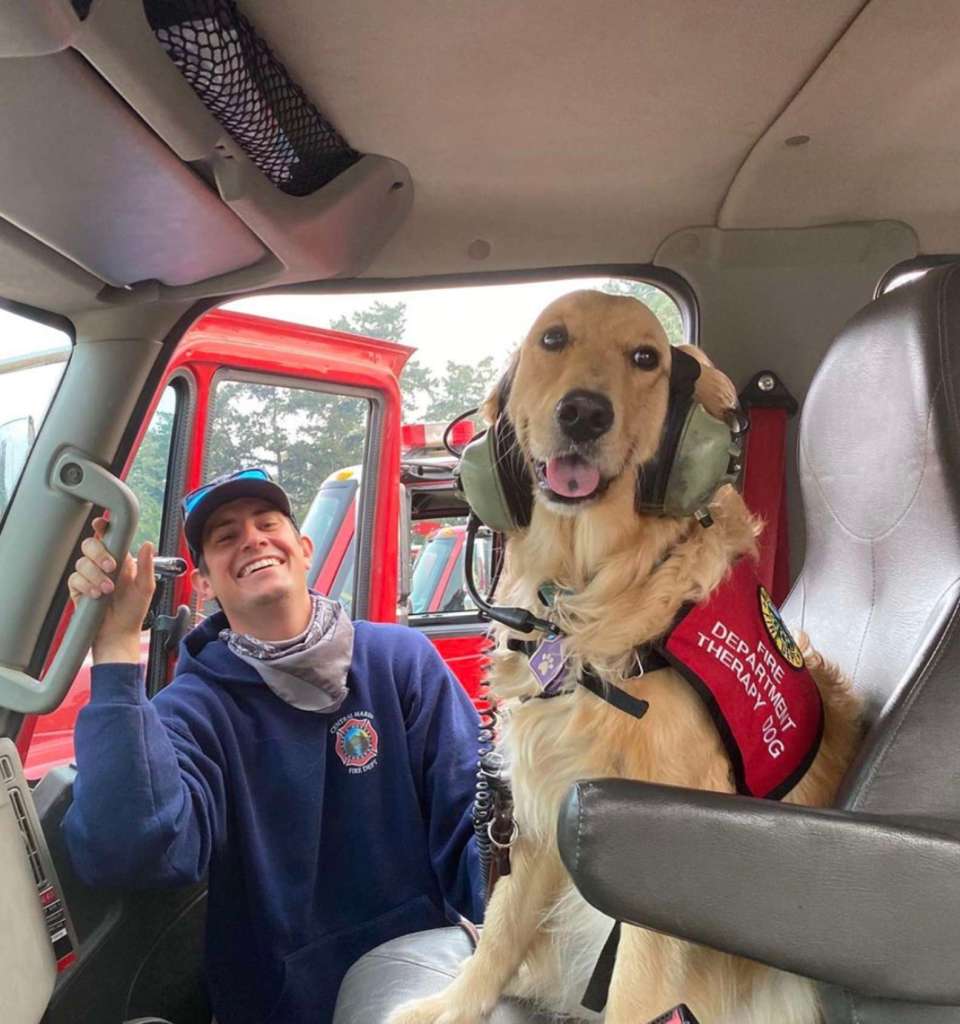
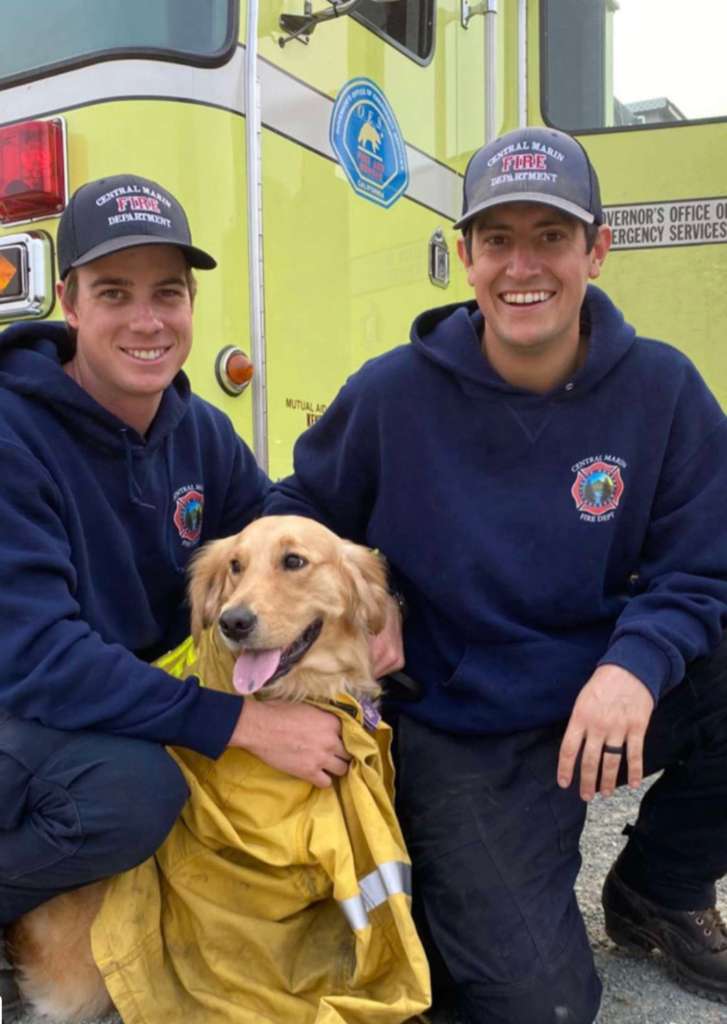
Dog Helps Comfort Firefighters Fighting The California Wildfires
Ever since she was a puppy, Kerith has been the bubbliest, most joyful dog, and her mom always knew that she was born to help people.
HEIDI CARMAN
Kerith was originally being trained to be a guide dog for individuals who are blind, but ended up changing career paths to become a therapy dog instead. For the past year she’s been working with local firefighters, providing them comfort in times of need — and with the recent wildfires spreading across California, they need her now more than ever.
HEIDI CARMAN
“Kerith has been going to base camps where the crews start their day before they roll out to fight one of the many wildfires in CA,” Carman said. “She lightens the mood first thing in the morning. We walk around to visit all the crews while they are getting ready for their day of fighting fires. Everyone wants to see her to get some love.”
HEIDI CARMAN
As the fires rage across California, the firefighters’ jobs become more and more stressful as they work hard every moment of the day to save homes and lives. Kerith provides them a moment of relief and joy from the realities of their job — and when many of them see her, they can’t help but envelop her in a huge hug.
HEIDI CARMAN
Kerith loves all her firefighter friends so much, and is more than happy to let them hug her close. She seems to know that what she’s doing is important, and that the hugs she’s getting are more than just hugs. She’s helping to bring comfort when the firefighters need it most.
“Kerith clearly loves what she is doing,” Carman said. “When she sees a fire engine she gets so excited because she knows she is going to see her firefighter friends.”
HEIDI CARMAN
Hopefully the wildfires will be under control soon, but until then, Kerith will continue to give her firefighter friends as many hugs as they need.
ooOOoo
I find it amazing that there are dogs such as Kerith who love to be loved. Now plenty of dogs fall into that category but Kerith is part of a team; the rest of the team are human and working their backsides off fighting fires.
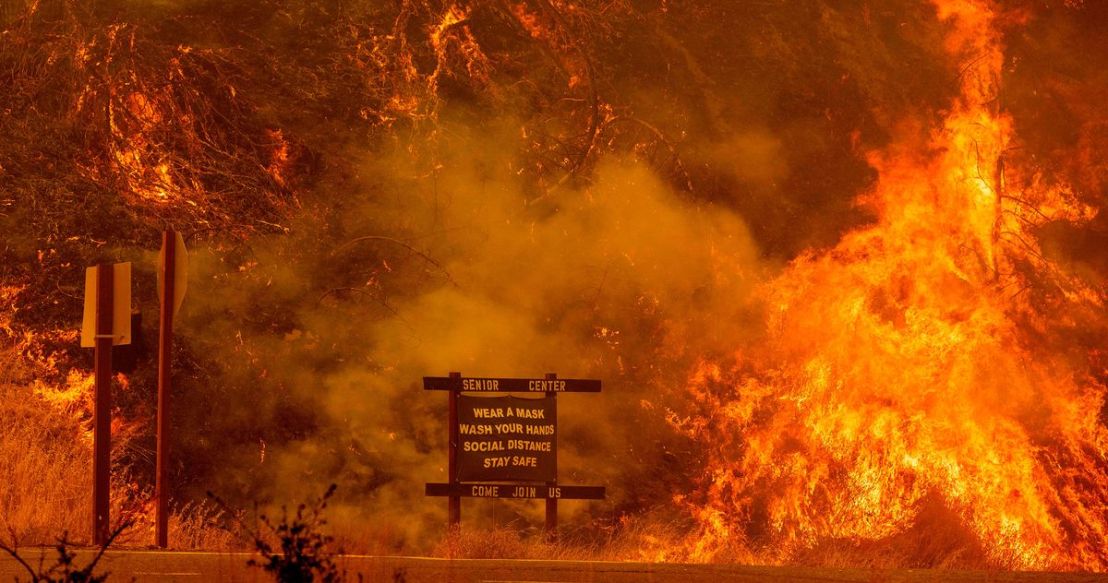
I will leave you for today with a random photograph I found from the ABC News website of one of those fires in California.
Roll on the rain!
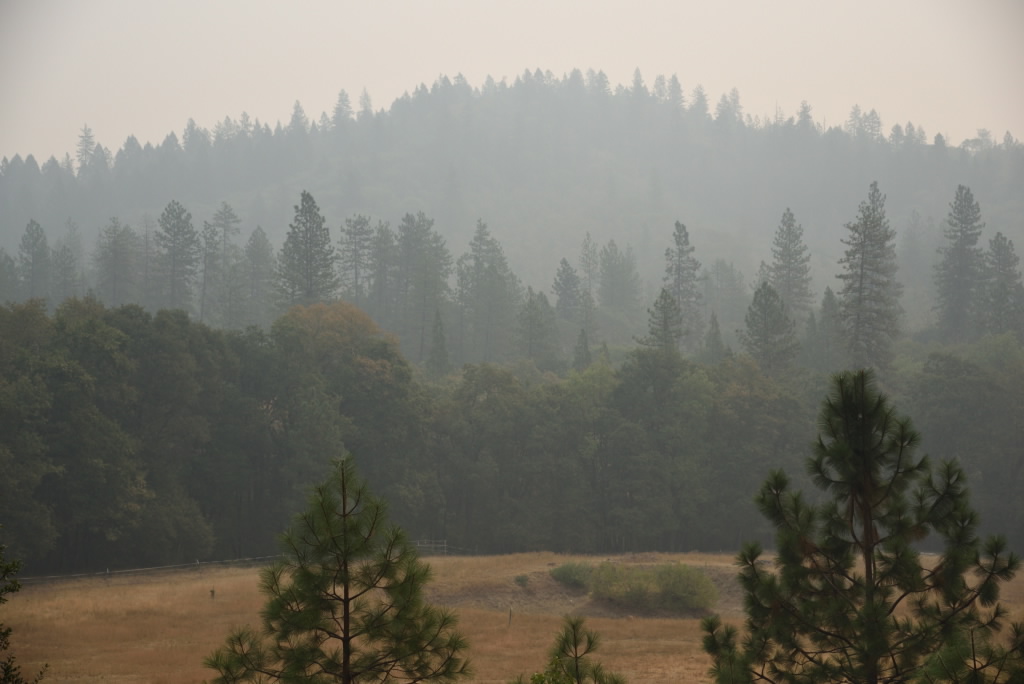
And a photograph taken at 11am PDT today of the hills to the East. It includes our own property.
It shows the extent of the smoke; the nearest run of trees across the photograph are on our property.
The instinct of dogs to come to the aid of us humans, friends and strangers alike, never fails to impress.
Here’s a recent story on The Dodo that endorses that in spades!
ooOOoo
Stray Dog Interrupts Performance To Comfort Actor Pretending To Be Injured
“I was very touched. He was like an angel who wanted to help me.”
By Stephen Messenger
Published on 9/3/2020
During a recent theatrical performance in Turkey, the script called for actor Numan Ertuğrul Uzunsoy’s character to get hurt — but, of course, it was all pretend.
The adorable reaction of one furry audience member that day, however, was not.
İZMIT BELEDIYESI
“The character I played was injured and in great pain,” Uzunsoy told The Dodo. “He’d fallen off a horse, and was breathing hard.”
As Uzunsoy lay on the ground, his pretend suffering didn’t go unnoticed. From the wings, a concerned stray dog made his entrance — interrupting the play to offer the “injured” stranger comfort.
Uzunsoy didn’t see it coming.
“I felt warmth on my face. First, I thought my costar was approaching me,” Uzunsoy said. He was wrong.
Realizing the truth, Uzunsoy couldn’t help but break character. His face gave way to a smile.
“I was very happy when I felt the dog’s kisses,” Uzunsoy said. “I was very touched. He was like an angel who wanted to help me. It was a very emotional moment for me. I was not expecting it.”
No one seemed to mind that pause in the action. Rather, the reaction to the pup’s interruption was quite the opposite.
“My castmates loved the dog, and the audience was very happy,” Uzunsoy said. “Everyone cheered.”
İZMIT BELEDIYESI
A crew member eventually escorted the sweet dog offstage, where he remained awhile before strolling away. Uzunsoy, however, hopes their meeting that day is just the first of many acts to come.
He wants to reunite with the pup and help him find a home — returning the favor for the kindness he’d shown Uzunsoy.
“The next day I went to the same place, looking for him. People told me he usually hangs out there. I went again today,” Uzunsoy said. “I’ll look for him until I find him. I’ve always loved animals.”
ooOOoo
Here’s a video of the incident (but unless you understand Turkish it will be eyes only).
Here’s me admitting that yesterday’s post was a little late and, bingo, into my email inbox yesterday came another food recall.
ooOOoo
Sunshine Mills Recalls Multiple Dog Food Brands Due to Aflatoxin
September 2, 2020 — Sunshine Mills, Inc. is issuing a voluntary recall of multiple dog food products due to elevated levels of aflatoxin that are potentially above the acceptable limit.
Aflatoxin is a naturally occurring mold by-product from the growth of Aspergillus flavus and can be harmful to pets if consumed in significant quantities.
What’s Being Recalled?
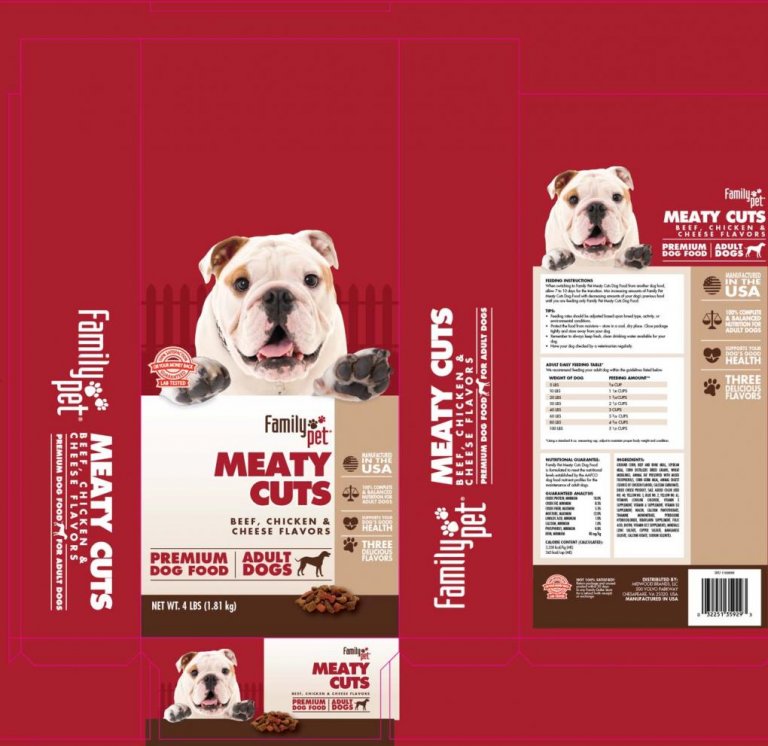
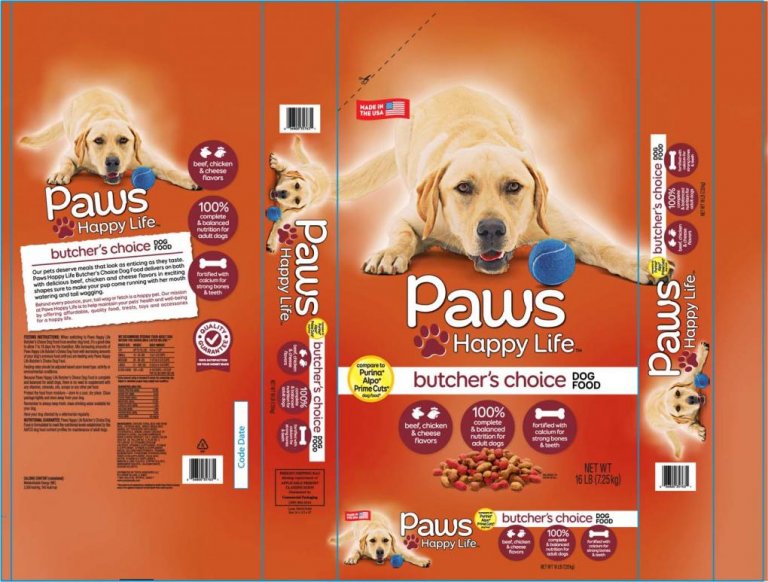
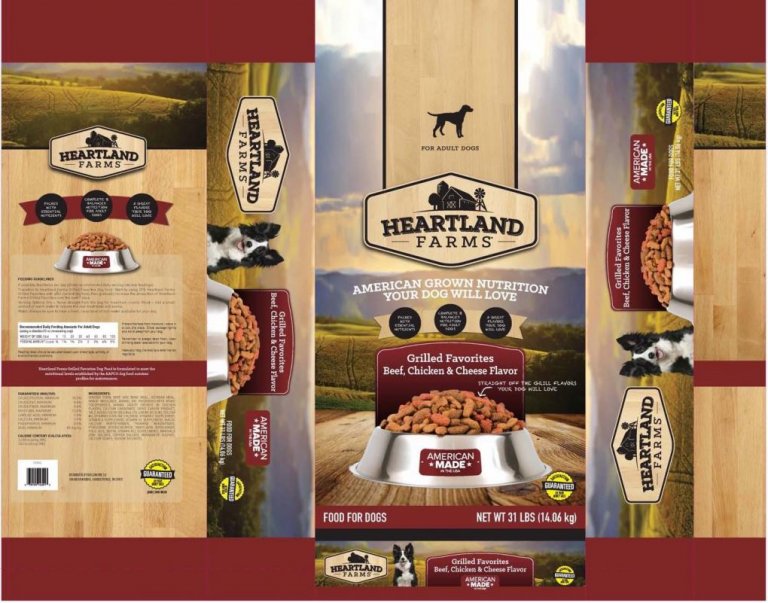
Here are images of the products affected by this recall:
oooo
oooo
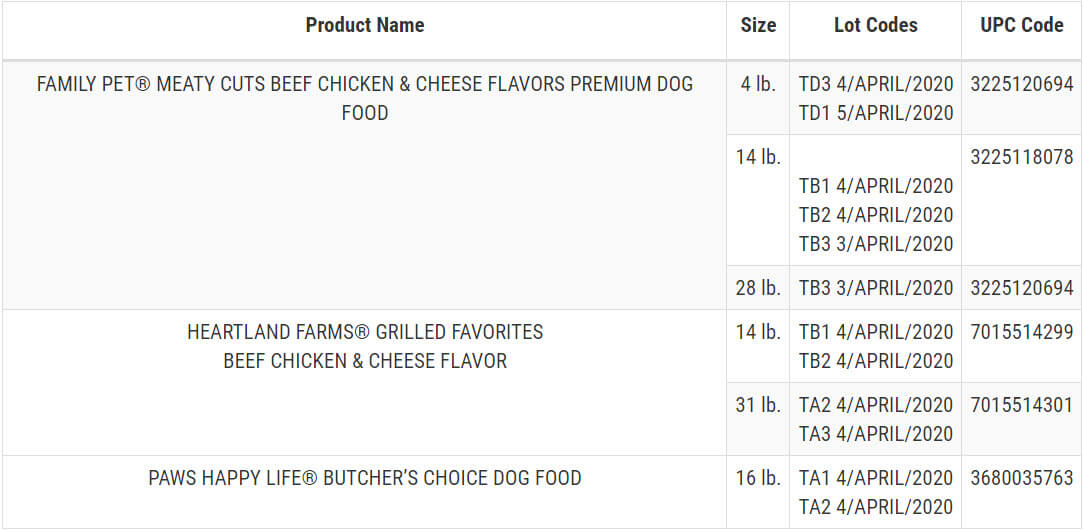
Here are the lot codes and dates of the products affected by this news:
What Caused the Recall?
The potential for aflatoxin levels above the acceptable limit in these products was discovered by routine sampling performed by the Louisiana Department of Agriculture and Forestry showing that a sample of a single 4-pound bag of one lot of the product contained elevated levels of aflatoxin.
No illnesses have been reported in association with these products to date, and no other Sunshine Mills, Inc. pet food products are affected by this announcement.
While no adverse health effects related to these products have been reported, Sunshine Mills, Inc. has chosen to issue a voluntary recall of these products as a precautionary measure in furtherance of its commitment to the safety and quality of its products.
About Aflatoxin
Pets that have consumed any of the recalled products and exhibit symptoms of illness including sluggishness or lethargy combined with a reluctance to eat, vomiting, yellowish tint to the eyes or gums, or diarrhea should be seen by a veterinarian.
The affected products were distributed in retail stores nationally.
Retailers who received the recalled lots have been contacted and asked to pull these lots from their inventory and shelves.
There are no other Family Pet, Heartland Farms, or Paws Happy Life products or other lot codes of these products affected by this precautionary recall.
This is a voluntary recall being conducted in cooperation with the U.S. Food and Drug Administration.
What to Do?
Consumers who have purchased the recalled products should discontinue use of the product and may return the unused portion to the place of purchase for a full refund.
Consumers may contact Sunshine Mills, Inc. Customer Service at 800-705-2111 from 7 AM to 4 PM Central Time, Monday through Friday… or by email at customer.service@sunshinemills.com for additional information.
U.S. citizens can report complaints about FDA-regulated pet food products by calling the consumer complaint coordinator in your area.
This came in 9 days ago. I put it in my ‘blog’ file and then got waylaid by other stuff.
Here it is:
ooOOoo
Sunshine Mills Recalls Nature’s Menu Dog Food
August 24, 2020 — Sunshine Mills, Inc. is issuing a voluntary recall of Nature’s Menu Super Premium Dog Food with a Blend of Real Chicken and Quail because it has the potential to be contaminated with Salmonella bacteria.
What’s Being Recalled?
The recalled Nature’s Menu dog foods were distributed in retail stores nationwideand can be identified with the following UPC 7015514363 and UPC 7015514365.
The product comes in a 3-pound bag with the following lot codes:
There are no other Nature’s Menu® products or other lot codes of the Nature’s Menu® Super Premium Dog Food with a Blend of Real Chicken & Quail affected by this precautionary recall.
No illnesses, injuries or complaints have been reported to date.
About Salmonella
Salmonella can affect animals eating the products and there is risk to humans from handling contaminated products, especially if they have not thoroughly washed their hands after having contact with the products or any surfaces exposed to these products.
Healthy people infected with Salmonella should monitor themselves for some or all of the following symptoms: nausea, vomiting, diarrhea or bloody diarrhea, abdominal cramping and fever.
Rarely, Salmonella can result in more serious ailments, including arterial infections, endocarditis, arthritis, muscle pain, eye irritation, and urinary tract symptoms.
Consumers exhibiting these signs after having contact with this product should contact their healthcare providers.
Pets with Salmonella infections may be lethargic and have diarrhea or bloody diarrhea, fever, and vomiting.
Some pets will have only decreased appetite, fever and abdominal pain.
Infected but otherwise healthy pets can be carriers and infect other animals or humans.
If your pet has consumed the recalled product and has these symptoms, please contact your veterinarian.
What Caused the Recall?
According to the company…
The potential for contamination was noted after the firm was notified by the Georgia Department of Agriculture when a sample of a single 3-pound bag of the product was collected and tested positive for Salmonella.
The firm conducted testing of multiple samples of the same lot which all tested negative for Salmonella.
Salmonella may not be evenly distributed throughout a lot which is why it could have been found on one sample and not on multiple other samples of the same lot.
However, out of an abundance of caution, Sunshine Mills, Inc. has chosen to issue a voluntary recall of the above-referenced lots of Nature’s Menu Super Premium Dog Food with a Blend of Real Chicken and Quail in furtherance of its commitment to the safety and quality of its products.
What to Do?
Retailers who received the recalled lots have been contacted and asked to pull these lots from their inventory and shelves.
Consumers who have purchased Nature’s Menu® Super Premium Dog Food with a Blend of Real Chicken & Quail from the recalled lots should discontinue use of the product and may return the unused portion to the place of purchase for a full refund.
Consumers may contact Sunshine Mills, Inc. customer service at (800) 705-2111 from 7 am to 4 pm Central Time, Monday through Friday… or by email at customer.service@sunshinemills.com for additional information.
This is a voluntary recall being conducted in cooperation with the U.S. Food and Drug Administration.
U.S. citizens can report complaints about FDA-regulated pet food products by calling the consumer complaint coordinator in your area.
I came upon Elizabeth when she left a comment to my post on the 26th August, The science of dog learning.
This is what she wrote:
Reblogged this on The Last Chapter and commented:
Please visit Paul’s website, something new to read and learn each day. Thank you Paul for bringing your site to the blogging world.
Naturally, I replied:
Elizabeth, thank you for leaving your response, and thank you so much for your republication of my post. I read a little about yourself and, I must say, found it fascinating. And your poem The Last Chapter – wow!
Now I will hopefully republish The Last Chapter for another day. (And I have now heard that I have permission to republish it!)
But today, I want to publish the words of Elizabeth in writing about her dear, dear, recently departed dog.
ooOOoo
Mason Murphree
A tribute
Mason Murphee
Mason Murphree was born on January 31, 2012; what can one say about Mason, I bought him off the back of a pick-up truck, only two pups left out of the litter I held both in my hands as they lay upon my chest; one yellow and the other white. I did not see their mother or father; I was told that the father was Bichon Frise and his mother Shih Tzu. The white one instantly begins to crawl into my sports bra, nuzzled himself against my warm flesh and I was instantly in love.
I did not believe that he was six-weeks-old he was still wobbly on his feet when trying to walk. I made him what the old folks call a “Sugar Tit”, a rag rolled on the end tightly and the tip soaked in warm sweet milk. I fed him laying on his back in my hand for a week, the second week I started him on baby food. Then, what I thought to be the seventh-week, he begins to walk with unsteady confidence and I thought was ready for the big world around him.
I found quickly that he had a set of razor-sharp teeth, yep, time for the hard bits of puppy food. I took him to the Vet when I brought him home, and he was given an “A” in health. But, I am getting ahead of myself. When I brought him home I sat him on a potty pad he used until he was six-months-old, then he discovered grass. I might add that in the nine years he was with me he never did his business in the house.
Alas, it was his six-month birthday, and his first time to the groomer, which I found that he had to be calmed down by medicine to get groomed. It was not too long until the Vet announced that he was out of this world’s atmosphere with anxiety. He had “MaMa” withdrawal big time when he was not with me. He would bark for half-an-hour before settling down to wait for me to come back from the store, gym, or anywhere I had gone! He disliked children, anyone less than teenagers. He loved every adult he met. He begins life attached to my hip and me to his.
Mason loved paper products; he would wait patiently to see if anyone would drop a Kleenex, paper towel, or napkin. The pursuit would begin chasing a four-legged speed demon around the floor, me never winning. We called him the Tasmanian devil, and he looked like it when he tried to defend his catch of the day. It was impossible to go on vacation without him; he would stay with one of his two-legged siblings. Of course, that was only for one day, he would accept his situation for about twenty-four-hours, then once again turn into the Tasmanian devil, the telephones would ring trying to find him another place to stay, he traveled back and forth from house to house until my return. A chore to his brothers and sisters, but finally he must have thought he had caused enough trouble for me to return home, and he did.
He loved everyone he met except children, let me explain; when he was six-months-old I took him to the park. On the playground were about a dozen small children, when they spied him, they came running. He jumped up for me to protect him, and that was that. He loved his favorite human friends and his family.
He was the best companion anyone could have; his personality was so individual those who would see him thought he would start talking at any moment. He look intently at you when you were talking, always smiling. He thought he was a Great Dane when in his protection mode, but a clap of lighting and boisterous thunder would send him under my feet. He loved to walk; he loved all the trees on his block and several other blocks.
I won’t describe Mason’s death other than it was quick and painless, he got to spend one day saying good-bye to his two-legged brothers and sisters. We covered our faces and our tears and sadness until we walked away, he knew. As his MaMa, I watched him go from a lively, wonderful, sweet little dog to one that was holding on to every minute waiting for his family to arrive. There are not enough words for me to describe the heartache and loneliness with him gone.
My heart feels much like a patchwork quilt, many little pieces sewn back together after being shattered. Saying good-bye, he took a piece of my heart and soul with him. I know that I will see him again, that is the only thing I have to hold on to this moment. And, that is how I am living my life one moment at a time until I see my four-legged fur baby again. He loved and he was loved.
Sweet dreams little boy.
ooOOoo
How we become so attached to our dogs. Elizabeth not only was beautifully attached to Mason but also wrote perfect words in her tribute.
So who is Elizabeth Ann Johnson-Murphree?
This is her biography but it doesn’t really tell me who she is; in a feeling, living, emotional sense. I suspect one has to read her writings to learn more.
Born in Alabama to a Native American father and an emotionally absent mother.
Raised by her father, her Native American Great-grandmother, her Aunt, and an African-American woman, all magnificent storytellers. Her childhood was filled with listening to the stories her great-grandmother would tell about the grandfathers and grandmothers that perished on the Trail of Tears, of she and the grandmother living in the slave quarters in northern Alabama.
Aunt Francis needed a home when her son went to prison, she would tell the stories of her parents being slaves and how she survived the Civil War. Aunt Vina, her father’s sister a fantastic storyteller; she could bring together characters and build a story that would have you at the edge of your chair, only to find it was all fiction.
As a child, Elizabeth ran free in the woods, fields, and the caves below Burleson Mountain where she grew up. Elizabeth has been writing all of her life, seriously since 2010. She has published a memoir about her daughter who passed in 2010; a small coffee table book filled with pictures of her precious Mason, and ten books of poetry. Her poetry is filled with happiness, sadness, spirit, and anger. The memoir is the private life of her daughter, living with bipolar, and schizophrenia. The books of poetry range from light to darkness that appeared during the creation of each book.
That is a special post, as I said at the start.
I look forward immensely to sharing with you Elizabeth’s poetry.
How hard could it be, really? Just a few snips here and there should do it.
I hadn’t intended to publish a post for today. But then I saw Stephen Messenger’s post over at The Dodo and I thought that it was far too good not to share with you.
ooOOoo
Well-Meaning Mom Decides To Try Cutting Dog’s Hair Herself
How hard could it be, really? Just a few snips here and there should do it.
That, apparently, was what one well-meaning dog mom thought when she decided to cut her dog’s overgrown hair herself at home.
And, well, you’ll see how that turned out.
SUSANA SOARES
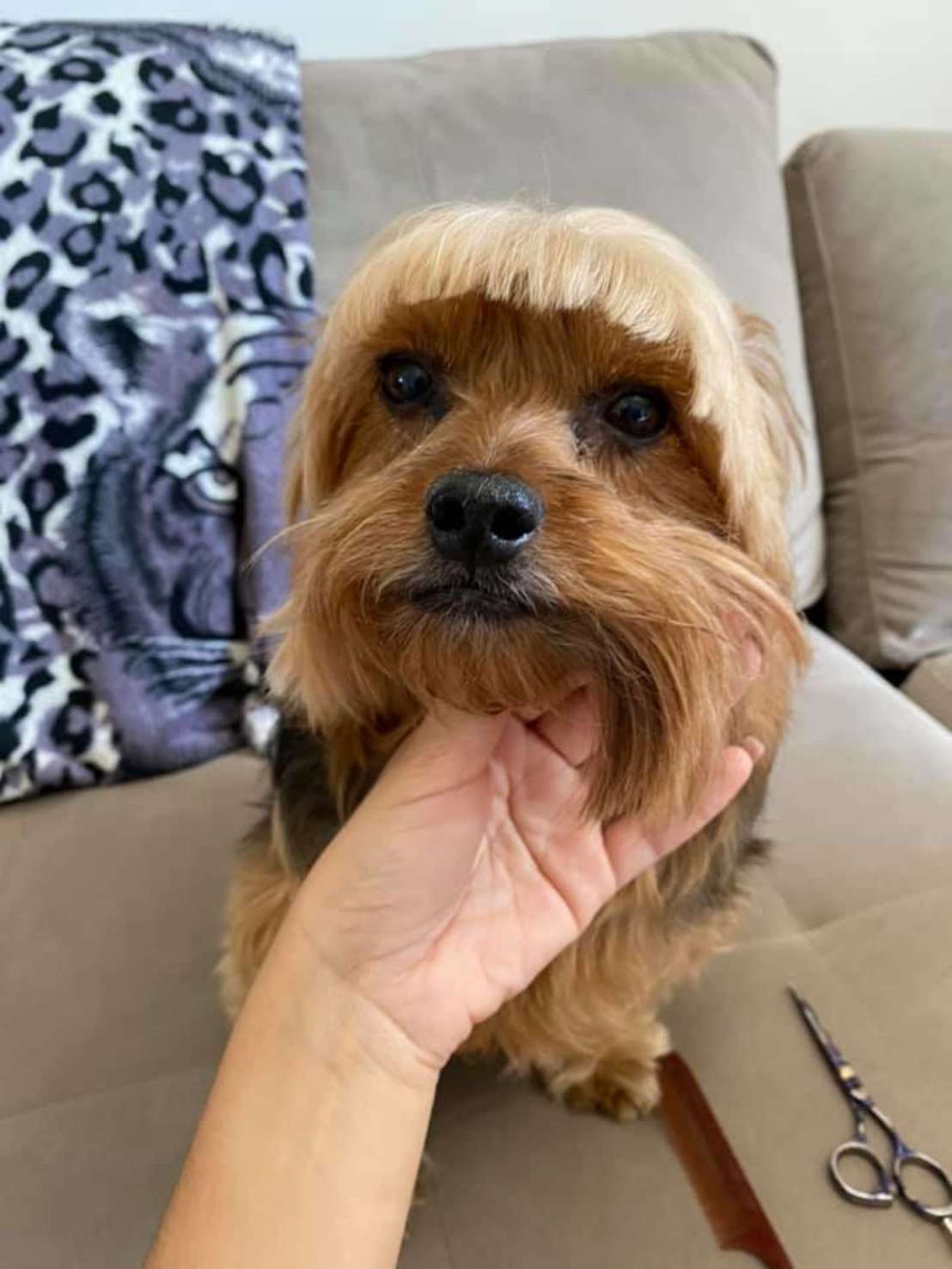
The other week, Susana Soares was hanging out with her dog, Mano, when she realized his hair had gotten rather overgrown. It’d been a while since Mano had been to the groomers, and his shag was becoming a bit of an issue.
“Hair was getting in his eyes,” Soares told The Dodo.
Mano wasn’t loving it.
SUSANA SOARES
Soares, who’s actually worked as a hair stylist for humans, figured that taming Mano’s unruly mane would be no sweat.
“I decided to cut his hair at home,” she said.
So, Soares grabbed some scissors and got down to business — and this is what resulted:
SUSANA SOARES
Soares had solved Mano’s hair-in-the-eyes issues sure enough.
She gave him bangs — bangs that inadvertently gave Mano a questionable new look.
It was almost as if the little dog had cut his bangs himself. Without a mirror.
SUSANA SOARES
Mano didn’t have to ask Soares how she thought his new ‘do’ turned out.
“I fell on the floor laughing,” she said.
SUSANA SOARES
Did the cut look ridiculous? Yes, of course it did. But Mano’s not vain. He could see clearly again, after all.
“He likes it,” Soares said.
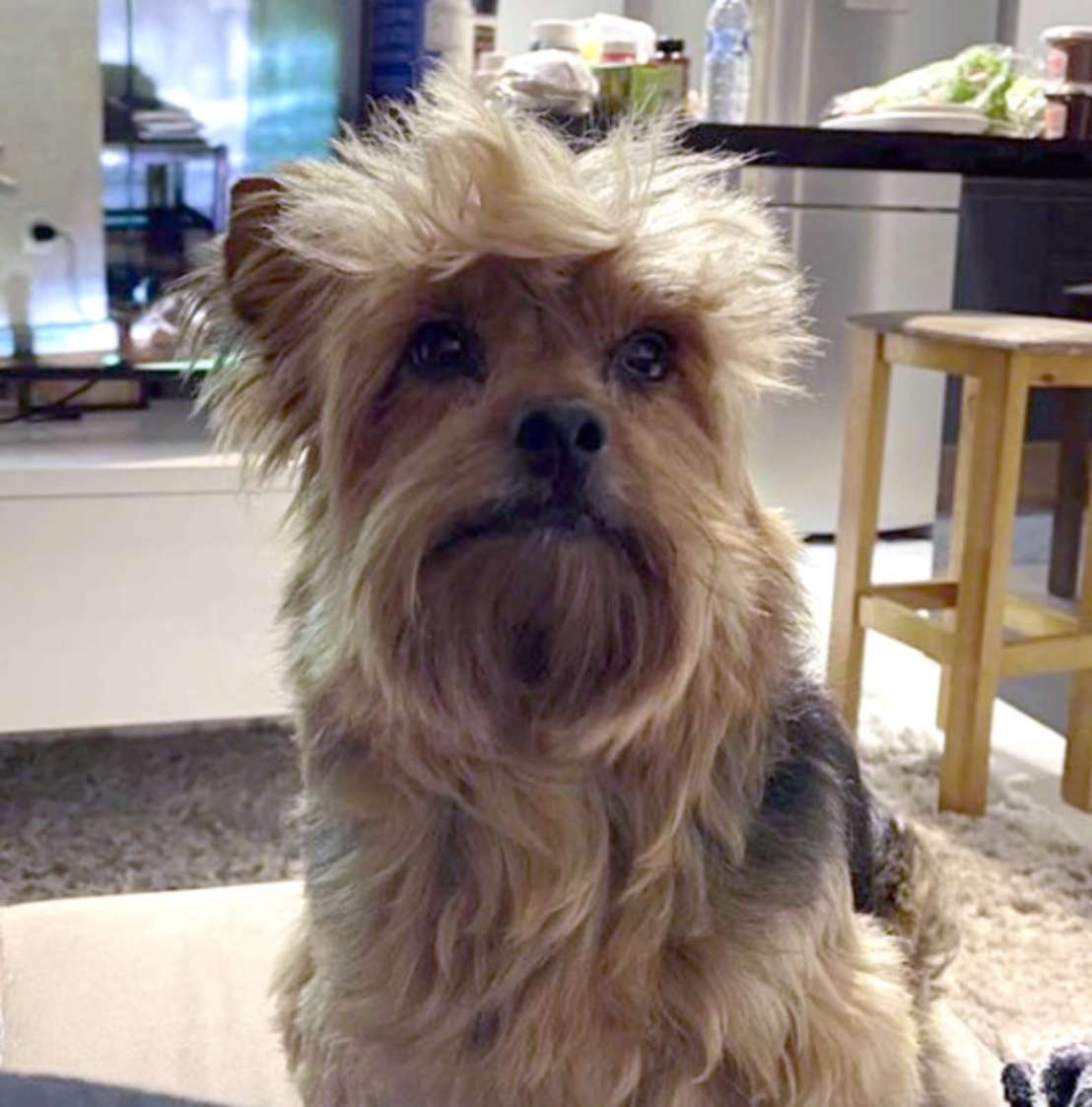
Fortunately, when tussled, Mano’s haircut looks less silly. If only slightly so.
SUSANA SOARES
Despite how things turned out, Soares did have the best intentions — and that’s what matters most.
SUSANA SOARES
Bad haircuts come and go. And thankfully, in time, Mano’s bangs will grow back into a more natural look.
When it comes time to trim them again, Soares plans to keep her scissors in the drawer and leave it to the pros.
“I will not be repeating that!” she said.
ooOOoo
See what I mean. This was a delightful story and I really have nothing to add other than joining in with the laughter!
Dog lovers have two fears in their hearts: their dog dying and their dog going missing.
I think in many ways a dog going missing is the more difficult of the two to handle. There are so many questions unanswered!
So when The Dodo published this story earlier this Summer I immediately put it in my ‘blog’ folder. Somehow I overlooked the story but that is remedied today!
ooOOoo
Dog Is Overjoyed To Reunite With His Mom After 2 Years Apart.
“[He] looked me straight in the eyes as if he was saying, ‘I gotta see that this is really you.’”
By Lily Feinn
Published on 7/1/2020.
Two years ago, Linda Harmon’s beloved dog Twixx went missing from her yard.
Twixx had been a bit of an escape artist, known for digging tunnels under the fence. That’s how he ended up with a little scar on the top of his head.
Harmon’s husband had recently installed metal posts around the fence making it impossible for Twixx to get out. After checking the gate and the fence, they couldn’t find any signs of tampering — it was as if Twixx had just disappeared.
Linda Harmon
Harmon began searching the neighborhood, making posters, posting on Facebook and checking with the local animal control. Then a woman who had been following Twixx’s story on Facebook reached out to Harmon via text.
“She said, ‘I’m so sorry to send you this, but I found your Twixx. He’s been hit on the side of the road and here’s his picture,’” Harmon told The Dodo. The woman sent Harmon a photo of the top of the dog’s head, and there was Twixx’s little scar.
Linda Harmon
Harmon reported Twixx as deceased to the microchip company, but still had difficulty accepting that he was really gone. “I never truly believed it in my heart,” Harmon said. “My husband said, ‘You’ve got to let this go. You’re grieving over him.’ But I said I would never get another dog and I didn’t for two years.”
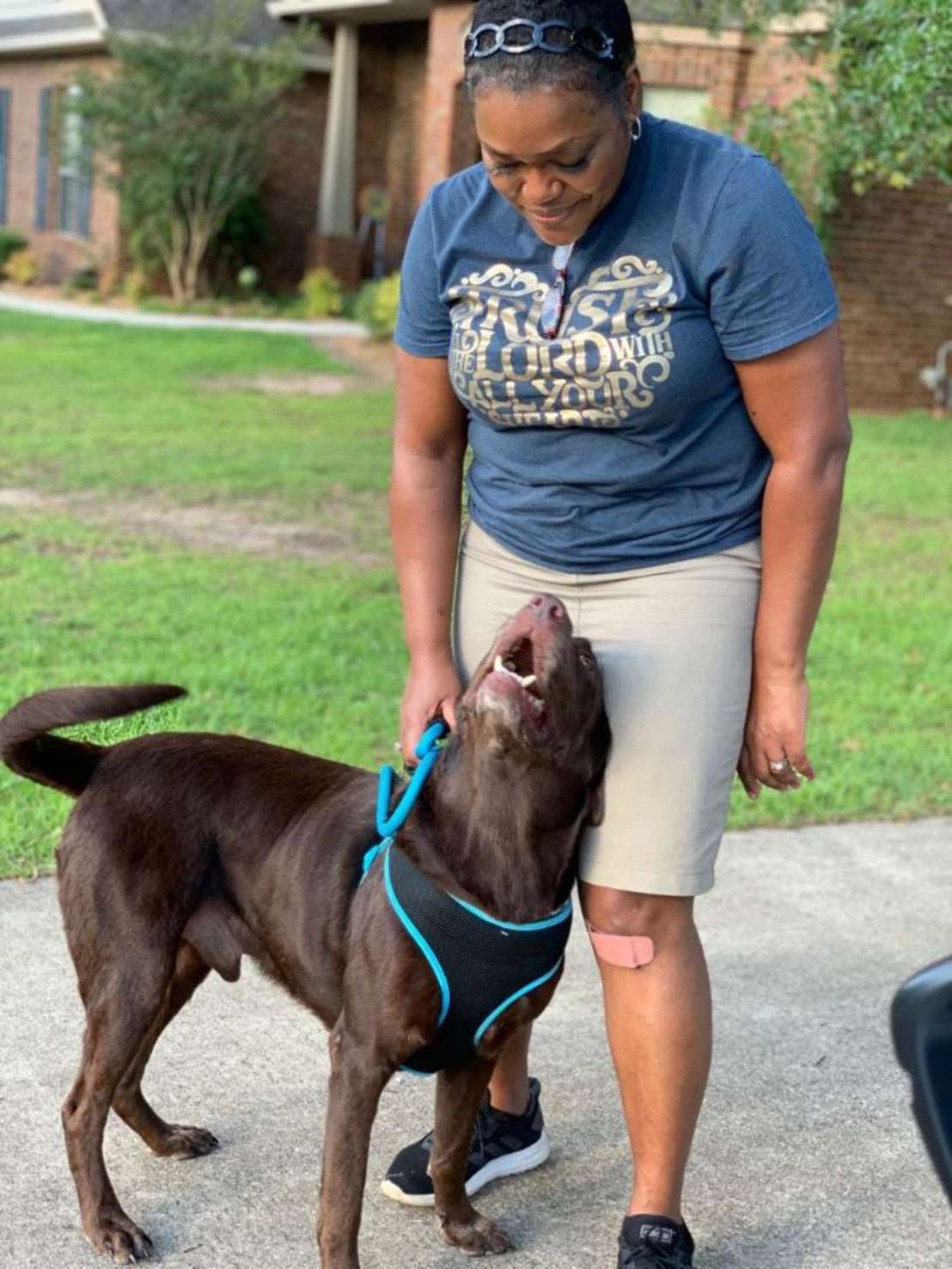
Then, earlier this month, Harmon was sitting with her church group when a miracle happened — she received a call from the local animal shelter asking if she had ever owned a chipped pet.
“I just started bawling. I was crying endlessly, and I was around quite a few church members and they rushed to me, thinking I had bad news,” Harmon said. “But when they looked at me I was smiling.”
FACEBOOK/MOBILE COUNTY ANIMAL SHELTER
After so long apart, Harmon worried that Twixx wouldn’t remember her. And the last thing she wanted was to make her dog feel scared or uncomfortable.
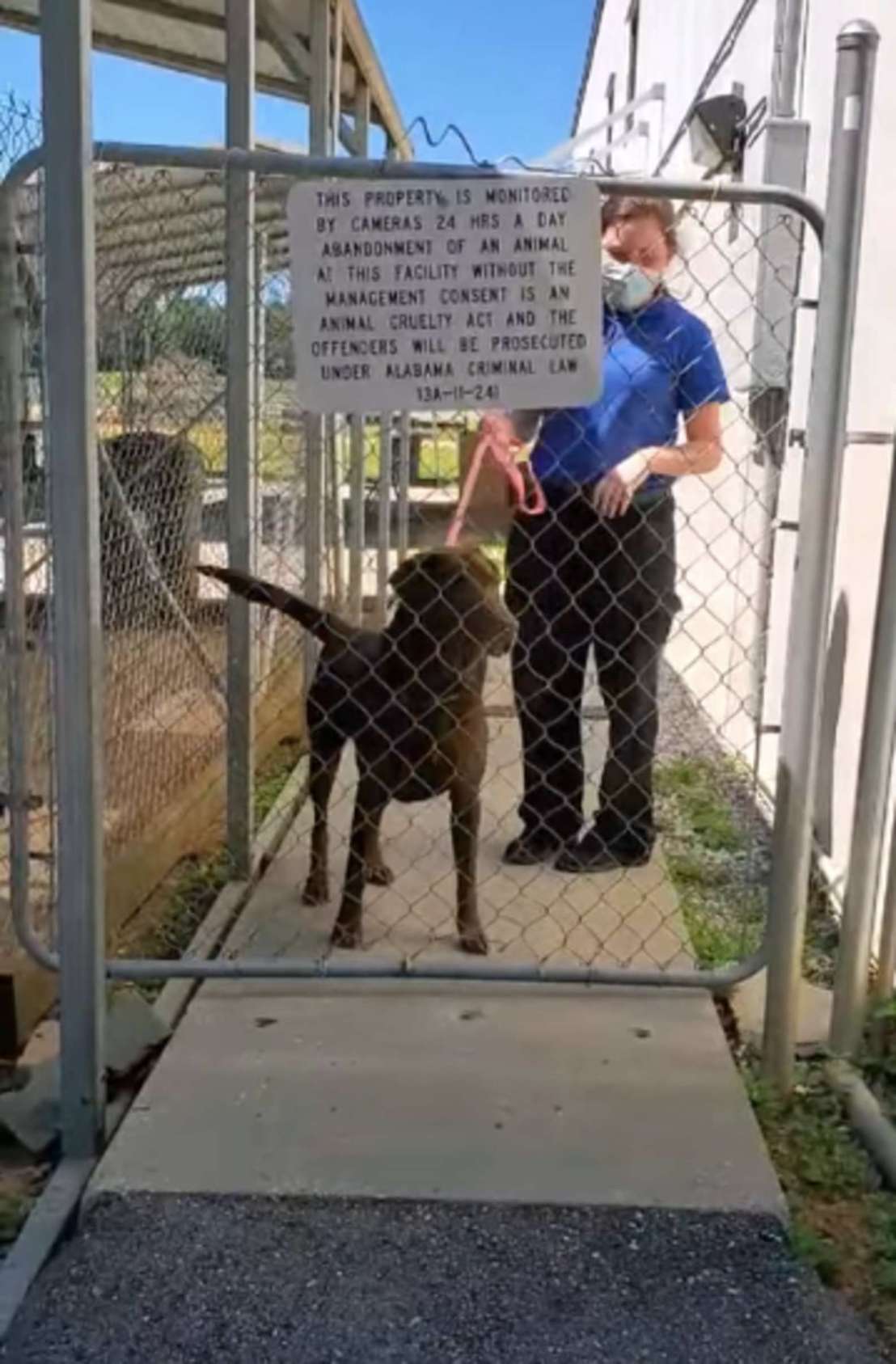
So the shelter came up with a plan: When Harmon came to pick up Twixx, they would hold him behind the gate while she called his name, and shelter staffers would watch the dog’s reaction.
FACEBOOK/MOBILE COUNTY ANIMAL SHELTER
When Twixx arrived at the shelter gate, Harmon began to gently say his nickname — Tootaroota — and as soon as the dog heard her, he put his snout on the ground as if sniffing for his mom.
“Finally, when I bellowed out ‘Twixx’ he ran to the gate and stood at attention,” Harmon said. “And I heard the lady say, ‘Let him out because he’s trying to find her.’”
As soon as they opened the gate, Twixx turned the corner and ran straight to his mom. It was as if he remembered every minute they had spent together, and the two years apart faded away.
“He couldn’t stop wiggling — oh my goodness — and he just jumped on me,” Harmon said. “Then he laid his head in my arms and looked me straight in the eyes as if he was saying, ‘I gotta see that this is really you.’”
FACEBOOK/MOBILE COUNTY ANIMAL SHELTER
Soon everyone watching the reunion had tears in their eyes — including Harmon.
Now, Twixx is home safe and sound with the family that loves him. And he hasn’t dug another hole since.
ooOOoo
Dogs store the scents of humans that have loved them forever. In a very real sense it is part of their memory system albeit it is very different to the memories that you and I have. For dogs have a scenting ability, call in a nose, that is 100 million times better than ours. It is impossible for us humans to truly comprehend what that means to a dog.
But Twixx demonstrated this superbly because the first thing he did was to “put his snout on the ground as if sniffing for his mom.”