Just a wonderful photograph!
Sent in to me from Gary.
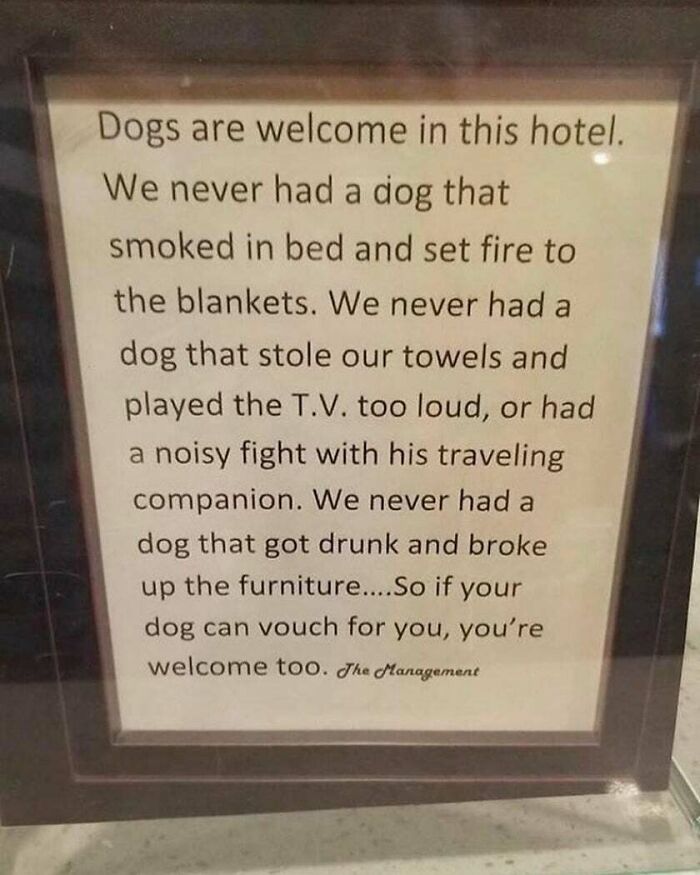
If ever something was true then this is it!
Splendid!
Dogs are animals of integrity. We have much to learn from them.
Category: Dogs
Just a wonderful photograph!
Sent in to me from Gary.
If ever something was true then this is it!
Splendid!
Not just for kids!
The Conversation blog recently had a question in the Curious Kids section:
Curious Kids is a series for children of all ages. If you have a question you’d like an expert to answer, send it to CuriousKidsUS@theconversation.com.
But to be honest the answer is just as interesting for those a tad older than a kid!
ooOOoo
By Clive Wynne
Professor of Psychology, Arizona State University
February 8th, 2021
When dogs bark, do they have words? – Sarah W., age 9, Clinton, New York
Does your dog bark a lot? Or is he one of those quiet pooches who barks only when things get really exciting? Most dogs bark at least a little.
Dog barks are not words. But although your dog will never tell you about his parents or the weather or the amazing bone he had yesterday, his barks still communicate important information.
Dog barks are much closer to the noises people make when they accidentally hit their thumb with a hammer – “Ow!” – or open a fantastic present – “Wow!” These sounds convey how someone feels, but not why they feel that way. When other people hear these kinds of sounds, they often come over to see what has happened: How did you hurt yourself? What is this wonderful gift you received?
All dogs, even the tiniest chihuahua, are descended from great grey wolves. Wolves almost never bark. They howl. Sometimes dogs howl too – but howling is rarer in dogs. Understanding why wolves howl and dogs bark helps explain what barking is for.
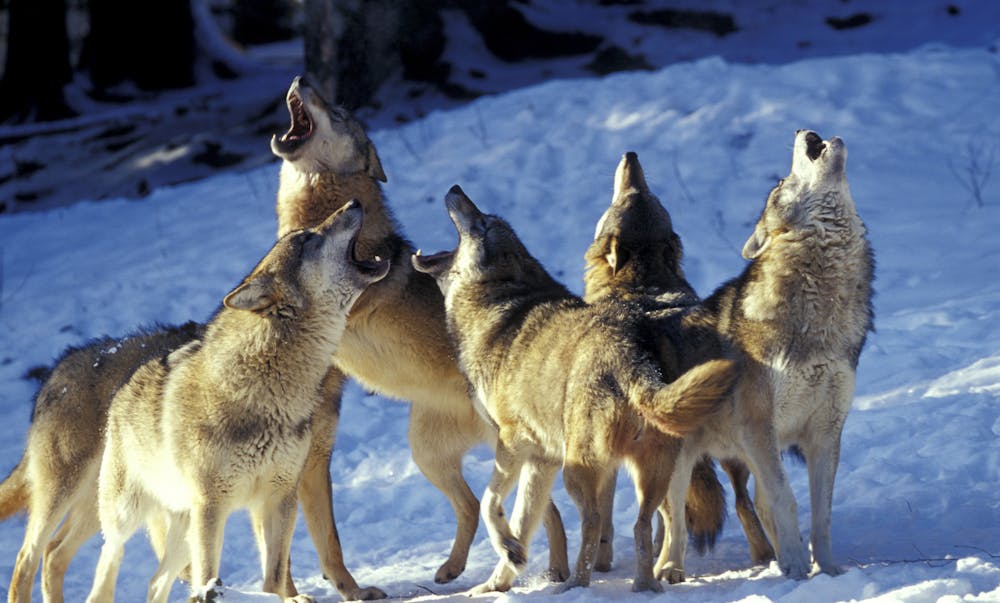
A howl can be a beautiful sound – almost like a kind of music. And, just as group singing brings people together, so too does group howling help a pack of wolves feel united.
Dog barking also brings groups together – but it’s not a beautiful sound. It is a much more urgent noise, just like the sounds you make when you are hurt or very pleased. Many smaller animals, like scrub jays, meerkats and California ground squirrels, make such noisy sounds. They do this when they feel frightened by something. In dogs, barking can bring a group together to defend against a danger that can’t be coped with alone.
Wolves don’t need to make sounds like this because they are big and fearsome and don’t often feel threatened. Dogs, on the other hand, are much smaller and weaker than their wolf ancestors – and often need to call the group together.
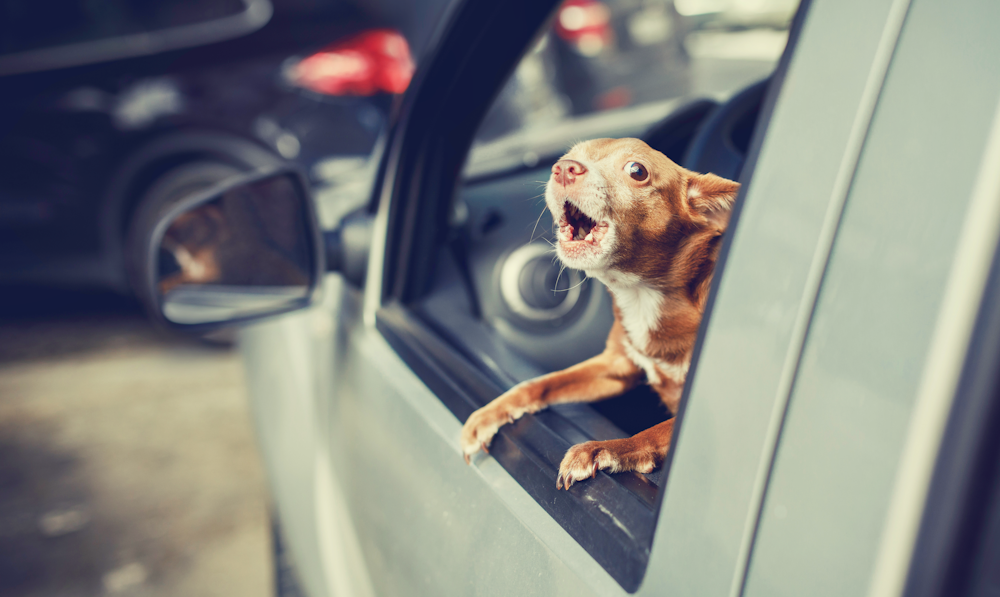
This is why dogs bark. They are calling their group to get help with something they are not confident they can handle on their own. This doesn’t mean a barking dog is always frightened. He may just be very excited. He badly needs the family to know that there is a stranger coming to the door, or another dog coming close to the house.
Your dog’s barks may not be words, but he probably barks a little differently depending on what kind of thing has got him excited. If you listen closely, you may find you can tell the difference between a bark directed at a package deliverer and one directed toward a friend at the door. The bark to a passing dog may be different than the bark at a passing car.
Your dog doesn’t understand much of what you say, but he listens hard to try to make sense of human language. If you return the compliment and listen hard to his sounds, you may find you can also understand him better, and the two of you will have a richer life together.
ooOOoo
This touches on something that I saw elsewhere; the business of dogs having emotions (which they really do!).
I will try and find the article and see if I have permission to republish it.
Until then, keep safe all of you!
Ancient DNA shows that dogs probably came from Siberia.
There has been much discussion recently that Siberia may have been the site of dog domestication. In that a research team examining the origins of the domestic dog via the genetic past found that all American dogs carried a genetic signature.
This signature, dubbed A2b, in dogs descended from a canine ancestor that lived in Siberia some 23,000 years ago. An article in the January 2021 issue of Science went on to say:
That ancestral dog probably lived with people who belonged to a genetic grouping known as the ancient north Siberians, the team speculates. The group, which appeared more than 31,000 years ago, lived in a relatively temperate part of northeastern Siberia for thousands of years, and they shared this refuge with the gray wolf, the direct ancestor of today’s dogs.
The assumption being that this group of people brought the dogs with them when, about 15,000 years ago, they splintered into four groups as they spread around North America and Europe.

I wish I could say more but all the texts and pictures that I have come across have all been protected by copywrite.
Yet more from Nimbushopper.
Last Thursday he sent me the following email:
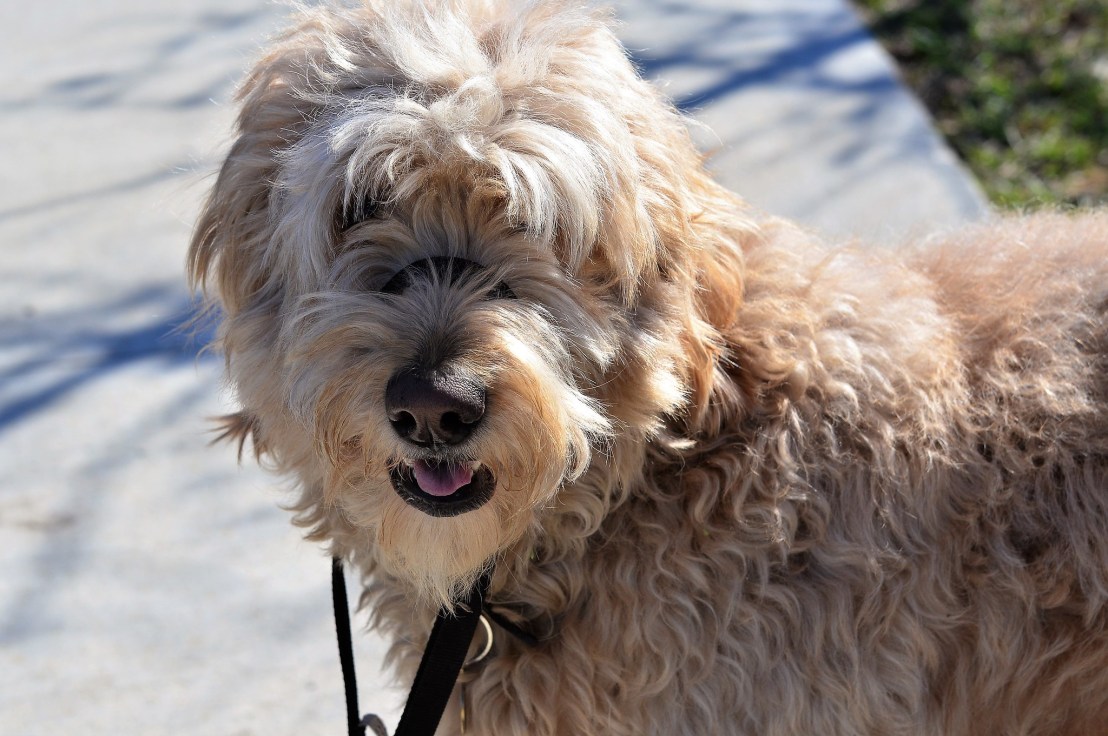
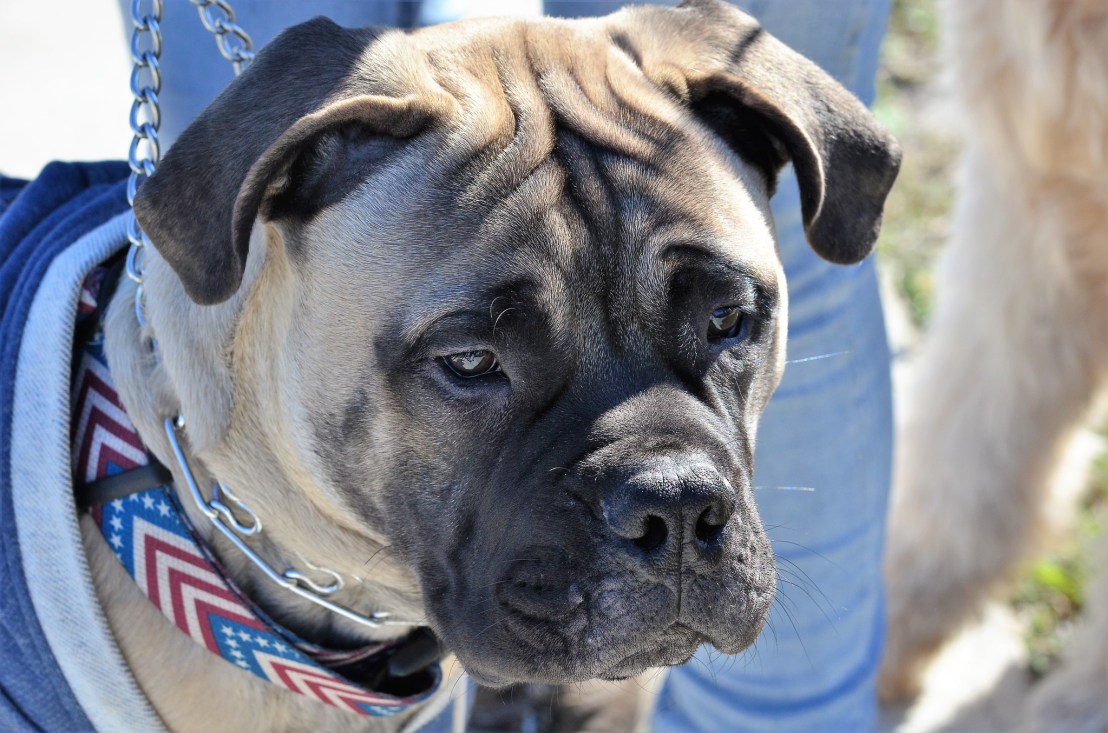
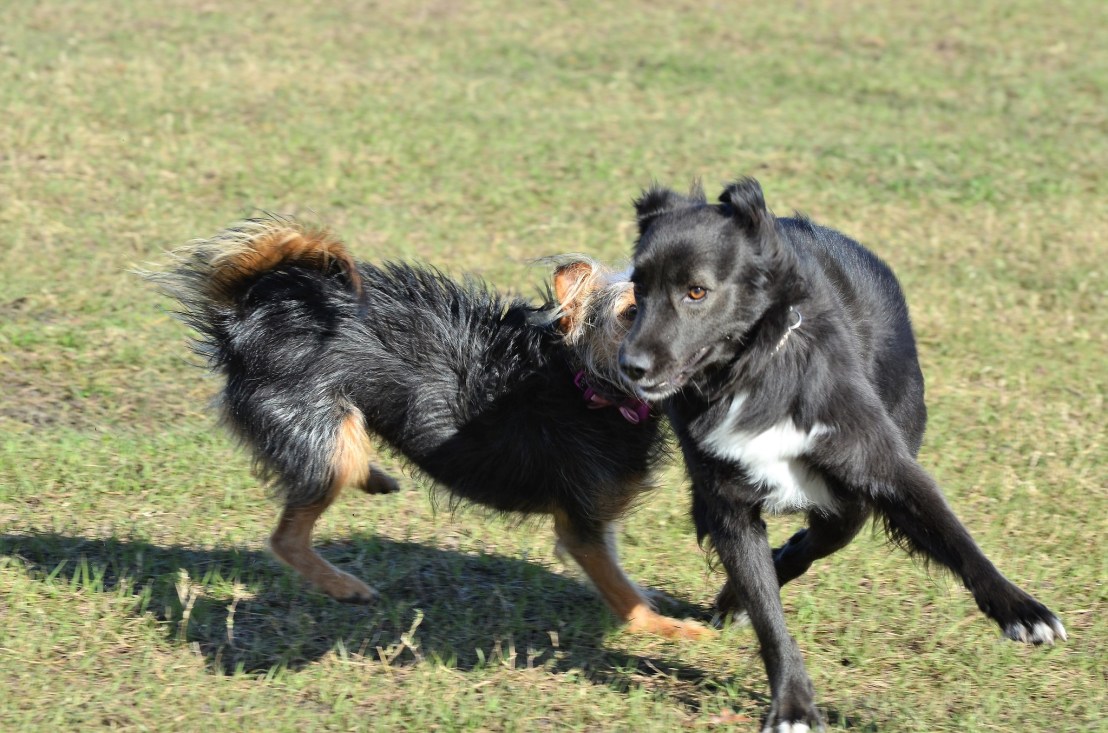
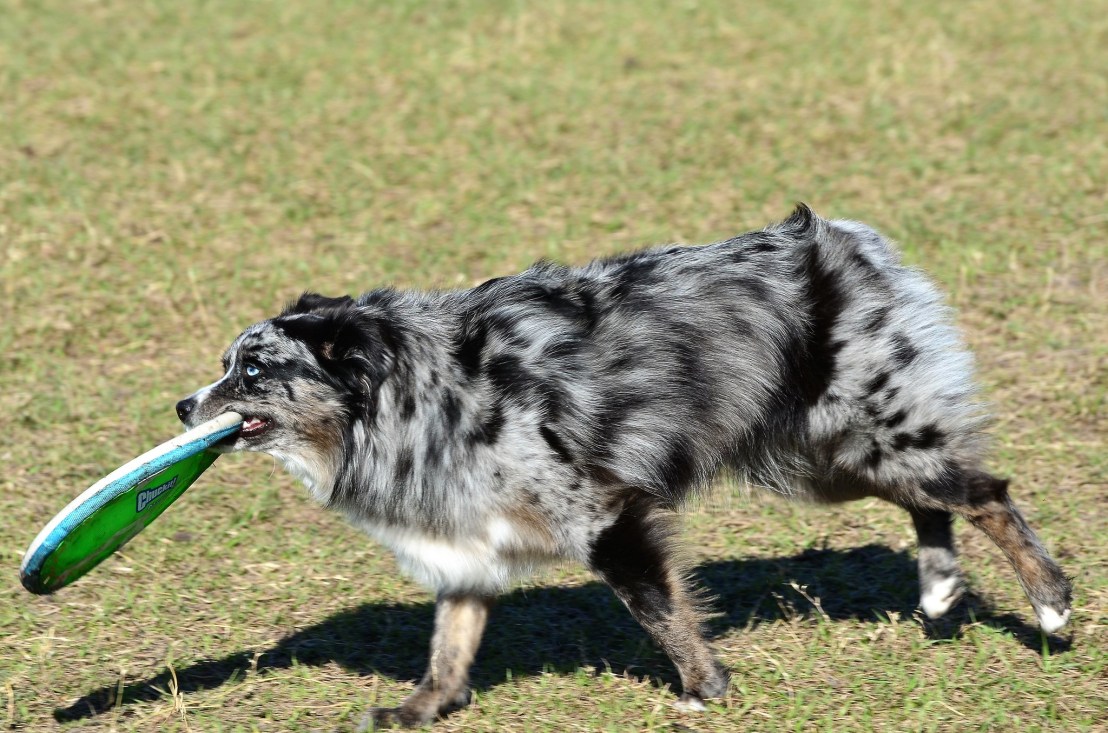
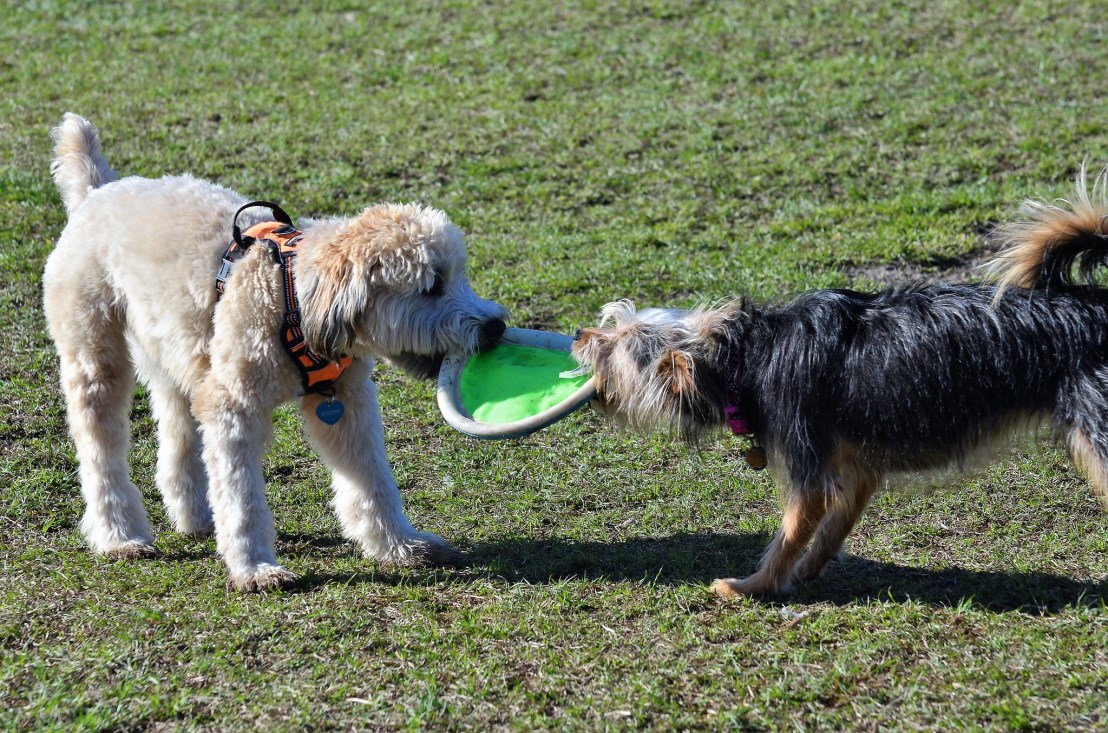
Good morning Paul, I just added 13 more pictures that I took this morning at the dog park. I thought you might like to see them.
He also included a Flickr link. It is my very great pleasure to share some of them with you; the remaining in a week’s time!
oooo
oooo

oooo
oooo
oooo

oooo
oooo
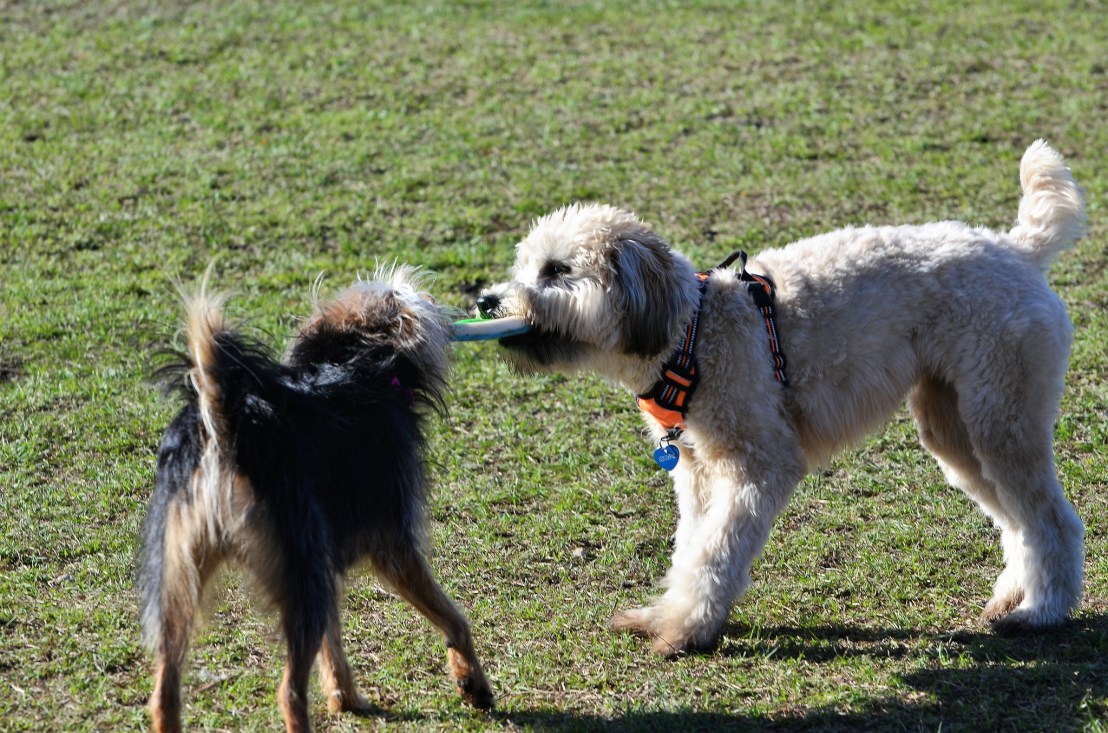
These photographs of dogs are so incredibly beautiful.
I, for one, never want them to end!
Our very ancient bond with dogs!
Earlier this week Dan recommended me coming off Gmail and also finding a VPN to use. I chose CyberGhost. It was the same VPN that Dan uses. So when I have drawn breath I will to go for ProtonMail as an alternative to Gmail. But the last couple of days had me puzzling why my browser, Safari, was so ineffective and thank goodness for the LiveHelp function on CyberGhost for they saved my bacon. The consequence is that I am now using Firefox as my new browser and all seems to be in order and CyberGhost is now working perfectly. The reason for all these changes is to stop the ‘big boys’ from stealing metadata. (Just one of many links on the topic!)
But again I ran out of time and energy to publish a post for yesterday.
Then I saw this on The Smithsonian website and thought another brilliant one to share with you good people. It is a long article but that doesn’t take a single thing away from it!
ooOOoo
By Jeff MacGregor; Photographs by Daniel Dorsa
SMITHSONIAN MAGAZINE | December 2020
A growing number of researchers are hot on the trail of a surprisingly profound question: What makes dogs such good companions?

This is a love story.
First, though, Winston is too big. The laboratory drapery can conceal his long beautiful face or his long beautiful tail, but not both. The researchers need to keep him from seeing something they don’t want him to see until they’re ready for him to see it. So during today’s brief study Winston’s tail will from time to time fly like a wagging pennant from behind a miniature theater curtain. Winston is a longhaired German shepherd.
This room at the lab is small and quiet and clean, medium-bright with ribs of sunlight on the blinds and a low, blue overhead fluorescence. Winston’s guardian is in here with him, as always, as is the three-person team of scientists. They’ll perform a short scene—a kind of behavioral psychology kabuki—then ask Winston to make a decision. A choice. Simple: either/or. In another room, more researchers watch it all play out on a video feed.

In a minute or two, Winston will choose.
And in that moment will be a million years of memory and history, biology and psychology and ten thousand generations of evolution—his and yours and mine—of countless nights in the forest inching closer to the firelight, of competition and cooperation and eventual companionship, of devotion and loyalty and affection.
It turns out studying dogs to find out how they learn can teach you and me what it means to be human.
It’s late summer at Yale University. The laboratory occupies a pleasant white cottage on a leafy New Haven street a few steps down Science Hill from the divinity school.
I’m here to meet Laurie Santos, director of the Comparative Cognition Laboratory and the Canine Cognition Center. Santos, who radiates the kind of energy you’d expect from one of her students, is a psychologist and one of the nation’s preeminent experts on human cognition and the evolutionary processes that inform it. She received undergraduate degrees in biology and psychology and a PhD in psychology, all from Harvard. She is a TED Talks star and a media sensation for teaching the most popular course in the history of Yale, “Psychology and the Good Life,” which most folks around here refer to as the Happiness Class (and which became “The Happiness Lab” podcast). Her interest in psychology goes back to her girlhood in New Bedford, Massachusetts. She was curious about curiosity, and the nature of why we are who we are. She started out studying primates, and found that by studying them she could learn about us. Up to a point.

“My entry into the dog work came not from necessarily being interested in dogs per se, but in theoretical questions that came out of the primate work.” She recalls thinking of primates, “If anybody’s going to share humanlike cognition, it’s going to be them.”
But it wasn’t. Not really. We’re related, sure, but those primates haven’t spent much time interacting with us. Dogs are different. “Here’s this species that really is motivated to pay attention to what humans are doing. They really are clued in, and they really seem to have this communicative bond with us.” Over time, it occurred to her that understanding dogs, because they are not only profoundly attuned to but also shaped by people over thousands of years, would open a window on the workings of the human mind, specifically “the role that experience plays in human cognition.”
So we’re not really here to find out what dogs know, but how dogs know. Not what they think, but how they think. And more important, how that knowing and thinking reflect back on us. In fact, many studies of canine cognition here and around the academic world mimic or began as child development studies.
Understand, these studies are entirely behavioral. It’s problem-solving. Puzzle play. Selection-making. Either/or. No electrodes, no scans, no scanners. Nothing invasive. Pavlov? Doesn’t ring a bell.
* * *
Zach Silver is a PhD student in the Yale lab; we’re watching his study today with Winston. Leashed and held by his owner, Winston will be shown several repetitions of a scene performed in silence by two of the researchers. Having watched them interact, Winston will then be set loose. Which of the researchers he “chooses”—that is, walks to first—will be recorded. And over hundreds of iterations of the same scene shown to different dogs, patterns of behavior and preference will begin to emerge. Both researchers carry dog treats to reward Winston for whichever choice he makes—because you incentivize dogs the same way you incentivize sportswriters or local politicians, with free food, but the dogs require much smaller portions.
In some studies the researchers/actors might play out brief demonstrations of cooperation and non-cooperation, or dominance and submission. Imagine a dog is given a choice between someone who shares and someone who doesn’t. Between a helper and a hinderer. The experiment leader requests a clipboard. The helper hands it over cheerfully. The hinderer refuses. Having watched a scene in which one researcher shares a resource and another does not, who will the dog choose?
The question is tangled up with our own human prejudices and preconceptions, and it’s never quite as simple as it looks. Helping, Silver says, is very social behavior, which we tend to think dogs should value. “When you think about dogs’ evolutionary history, being able to seek out who is prosocial, helpful, that could have been very important, essential for survival.” On the other hand, a dog might choose for “selfishness” or for “dominance” or for “aggression” in a way that makes sense to him without the complicating lens of a human moral imperative. “There could be some value to [the dog] affiliating with someone who is stockpiling resources, holding onto things, maybe not sharing. If you’re in that person’s camp, maybe there’s just more to go around.” Or in certain confrontational scenarios, a dog may read dominance in a researcher merely being deferred to by another researcher. Or a dog may just choose the fastest route to the most food.

What Silver is trying to tease out with today’s experiment is the most elusive thing of all: intention.
“I think intention may play a large role in dogs’ evaluation of others’ behavior,” says Silver. “We may be learning more about how the dog mind works or how the nonhuman mind works broadly. That’s one of the really exciting places we are moving in this field, is to understand the small cognitive building blocks that might contribute to valuations. My work in particular is focused on seeing if domestic dogs share some of these abilities with us.”
As promising as the field is, in some ways it seems that dog nature, like human nature, is infinitely complex. Months later, in a scientific paper, Silver and others will point out that “humans evaluate other agents’ behavior on a variety of different dimensions, including morally, from a very early age” and that “given the ubiquity of dog-human social interactions, it is possible that dogs display humanlike social evaluation tendencies.” Turns out that a dog’s experience seems important. “Trained agility dogs approached a prosocial actor significantly more often than an antisocial actor, while untrained pet dogs showed no preference for either actor,” the researchers found. “These differences across dogs with different training histories suggest that while dogs may demonstrate preferences for prosocial others in some contexts, their social evaluation abilities are less flexible and less robust compared to those of humans.”
Santos explained, “Zach’s work is beginning to give us some insight into the fact that dogs can categorize human actions, but they require certain kinds of training to do so. His work raises some new questions about how experience shapes canine cognition.”
It’s important to create experiments measuring the dog’s actual behaviors rather than our philosophical or social expectation of those behaviors. Some of the studies are much simpler, and don’t try to tease out how dogs perceive the world and make decisions to move through it. Rather than trying to figure out if a dog knows right from wrong, these puzzles ask whether the dog knows right from left.
An example of which might be showing the subject dog two cups. The cup with the treat is positioned to her left, near the door. Do this three times. Now, reversing her position in the room, set her loose. Does she head for the cup near the door, now on her right? Or does she go left again? Does she orient things in the world based on landmarks? Or based on her own location in the world? It’s a simple experimental premise measuring a complex thing: spatial functioning.
Just joking!
I was thinking yesterday morning that it was about time for me to publish a post.
Tuesday was a busy day with us in the morning going to collect the tractor from Runaway Tractors where it had been in for a service. Then in the afternoon I decided to go for a bike ride, something I try and do every other day. It was grand and I clocked up 18 miles.
The forecast for Wednesday was grim. And we awoke to a morning with much land covered in snow.

So my item that I wanted to republish from The Smithsonian Magazine seemed apt. It is about the history of dogs.
ooOOoo
Northern Siberians and ancestral native Americans may have traded pups at the time
By Elizabeth Gamillo
SMITHSONIANMAG.COM
FEBRUARY 1, 2021

Dogs have been companions to humans for many millennia, but exactly when this relationship started is highly debated among scientists.
A study published this week in the Proceedings of the National Academy of Sciences reveals that canine domestication may have first occurred in Siberia 23,000 years ago when humans and wolves were isolated together during the Last Glacial Maximum. After this initial domestication event, dogs most likely followed humans when they migrated across the Bering Land Bridge from East Asia to the Americas 15,000 years ago, reports Megan Marples for CNN.
“Wolves likely learned that scavenging from humans regularly was an easy free meal, while humans allowed this to happen so long as wolves were not aggressive or threatening,” Angela Perri, an archaeologist at Durham University and lead author of the study tells CNN.
The study was brought to fruition after Perri and her co-authors—David Meltzer, an archeologist at Southern Methodist University, and Gregor Larson, a scientist from Oxford University—were brainstorming how DNA evidence tells the story of migrating humans and dogs, reports James Gorman for the New York Times. After the authors scribbled down ideas on a whiteboard, they saw that both humans and canines had similar migration patterns and divergence that could explain how dogs and humans began their bond, reports the New York Times.
To see if the similarities between the timelines linked up with archeological evidence, Perri and her team analyzed the genome of 200 ancient dogs from around the world. They found that the canines had one genetic signature, A2b, in common. Once they reached the New World 15,000 years ago, they dispersed into four groups, reports David Grimm for Science.
The researchers found this dispersal matched a similar migration pattern of ancestral Native Americans that descended from Northern Siberia about 21,000 years ago. Connecting these timeline events between humans and dogs, the researchers concluded that humans must have brought dogs into the Americas somewhere around 15,000 years ago.
“Dogs are not going to go to the new world without people,” Meltzer tells the New York Times.
Further exploring the dogs’ genetic evidence, the team found all dogs with the genetic signature A2b descended from the same Siberian canines roughly 23,000 years ago, Science reports.
Looking back at human’s ancestral timeline and genetic evidence, the researchers found that ancient Northern Siberians intermingled with ancestral Native Americans before crossing the land bridge into the Americas. These meetings could have resulted in the two groups of people trading pups.
“People are exchanging information, they’re exchanging mates, they’re maybe exchanging their wolf pups,” Meltzer tells the New York Times.
While there is strong evidence that the initial domestication event occurred 23,000 years ago, the study relied only on mitochondrial DNA and could be missing the complete picture of domestication events, explains Pontus Skoglund, an ancient canine DNA expert from Crick Institute in London who was not involved in the study, to the New York Times. Likewise, Peter Savolainen, a geneticist at the Royal Institute of Technology, tells Science that the A2b signature has been found in other places in the world and is not unique to dogs in the Americas as the researchers suggested.
Still, the study reveals how the relationship between humans and dogs may have begun and how it may have dispersed across the globe. Perri and her team plan on looking at older dog fossils to gather more evidence.
“We have long known that the first Americans must have possessed well-honed hunting skills, the geological know-how to find stone and other necessary materials and been ready for new challenges,” Meltzer tells Peter Dockrill for Science Alert. “The dogs that accompanied them as they entered this completely new world may have been as much a part of their cultural repertoire as the stone tools they carried.”
ooOOoo
There is a huge number of dogs throughout the world. The exact figure is impossible to determine. Here’s an extract from WoofDog’s piece on the global population:
Determining the exact number of pups that inhabit our planet is a bit of a challenge. The fact that many of them live on their own, rather than side by side with people, presents the main obstacle to providing accurate figures.
According to 2012 data, there were around 525 million canines in the world. This figure has grown considerably until the present day, so today, it is estimated to be about 900 million pooches.
And from the same website, here is an estimate of the global population of owned dogs:
Statistics related to canine ownership vary across different countries. Nevertheless, the task of calculating the number of canines owned by people around the globe is far less complicated than it is the case with free-range ones.
The reason for this lies in the fact that many countries have introduced legal regulations on mandatory registration of household animals.
My analysis is that the USA is second in the league of owned dogs.
But wherever there are dogs they are a rich and bountiful addition to the ambitions of humans.
An insight into the bringing up of young dogs out in Patagonia.
I subscribe to Treehugger. It is an online service that features Sustainability for All.
A few days ago it had an article that I just had to share with you all. It is how puppy dogs will grown up to protect pumas.
Here it is:
ooOOoo
Published January 25th, 2021
Their main job is to guard livestock, but wildlife benefits too.

A new litter of livestock dogs was just delivered by Wildlife Conservation Society (WCS) Argentina. Currently cuddly and very cute, the puppies will be specially trained to protect goats and sheep from predators. Not only will this help save the livestock, but these dogs will help limit conflicts between herders and the pumas and other native carnivores living around them in the Patagonian Desert.
The puppies are a mix of Great Pyrenees and Anatolian shepherd — large, working breeds trained to guard livestock. In the early weeks of the project, the puppies bond with the livestock to form protective relationships. WCS representatives work closely with herders to provide care and training for the puppies and the livestock during what’s known as this key “imprinting” period.
“During the first eight weeks of life, puppies will create a very strong bond, first with their mother and then with their social group. During the first 40 days, puppies remain with their mother, but livestock is kept in the same pen or corral with the dogs so they can smell them, see them, and progressively make physical contact with livestock,” Martín Funes, project manager of WCS Argentina, tells Treehugger.
“Progressively, during three months the bond between puppies and livestock will get stronger, and dogs will start to show a protective behavior. After this period they will recognize a certain species (we work with sheep and goats) as their social group, and that will remain for the rest of its life.”
For many years, WCS Argentina has been working with area herders to come up with new ways to stop conflicts with area predators. In the past, herders have resorted to shooting, poisoning, or trapping wildlife that have threatened their flocks.
WCS Argentina places the puppies with herders based on their location, the amount of conflict they’re having with carnivores, and their willingness to participate in the program, which includes proper care of the dogs through adulthood.
The dogs become a very powerful tool, says Funes.
“Livestock guarding dogs (LGD) stay with livestock 24/7, which is impossible for the other methods [of predator control]. They behave as part of the flock, and they will protect it against any threat,” he says.
“They tend to be very protective but they don’t have the hunting instinct of wolves or some other dog breeds (i.e., greyhounds or lebrels). However we should always consider a basic principle for reducing livestock losses by carnivores: The more methods you use, the safer your livestock will be. Combining different strategies is always an efficient approach to reduce attacks by carnivores.”

In the Patagonian Desert, also known as the Patagonia Steppe, livestock face threats from several wild cats including pumas, Geoffroy’s cat, pampas cat, and the threatened Andean cats. Other predators include Patagonian foxes and Andean condors.
“Even though we have been hunting, trapping, and killing carnivores, it has never been effective in reducing our losses,” said Flavio Castillo, a herder participating in the program, in a statement. “It is our hope that [the dogs] will be a very useful tool to stop predation. With the dogs, we can co-exist with carnivores and protect our production. Wildlife belongs here and we have to protect and co-exist with it.”
In addition to saving the lives of the flocks and their predators, the presence of the guardian dogs also can have a positive impact on habitat restoration.
“As attacks from carnivores diminish, producers tend to stop trapping, hunting and poisoning of wild animals, which is an outstanding benefit for the entire ecosystem,” says Funes.
“A secondary benefit, as producers perceive a reduction in annual livestock losses, is that herders might adjust livestock stocking rates density and improve soil and vegetation conditions and its performance, reducing overgrazing and desertification, a major and widespread environmental problem in arid Patagonia for the last two centuries.”
ooOOoo
This is a powerful story of the many ways that dogs may be used to help humans.
Dogs are by far the longest domesticated animal that has bonded to humans and I’m trying to receive permission to republish a wonderful article that John Zande sent me to read. It is about the Neanderthals and homo sapiens and the relationship with dogs.
On and on!
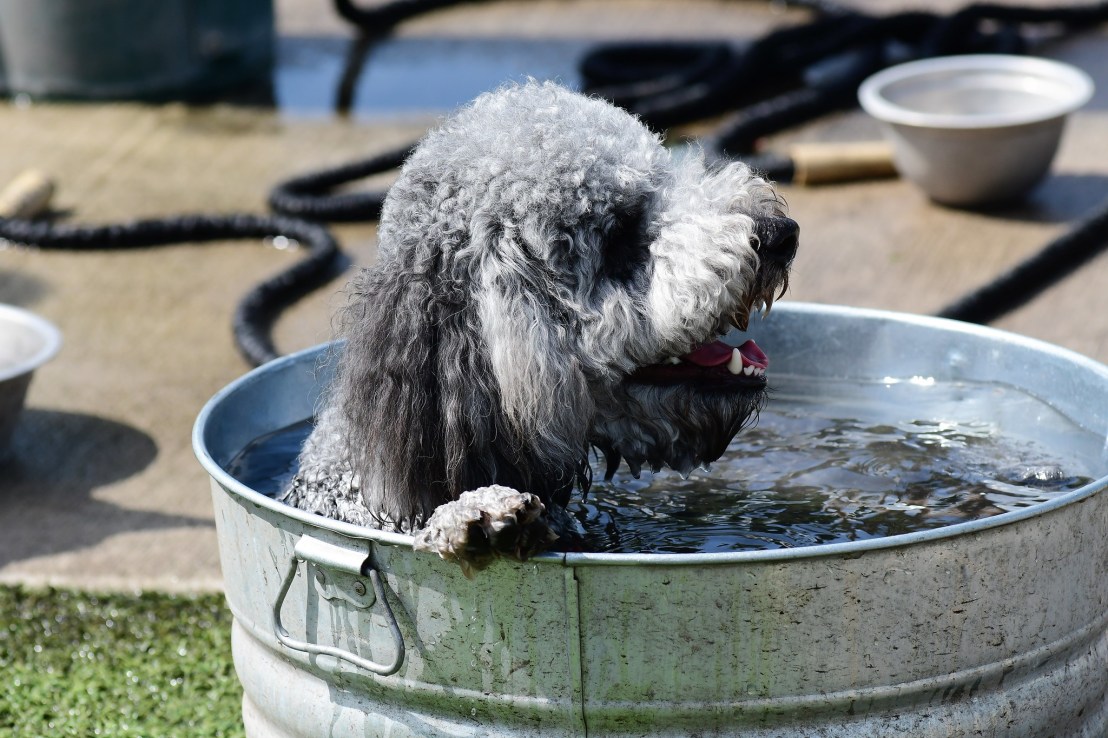
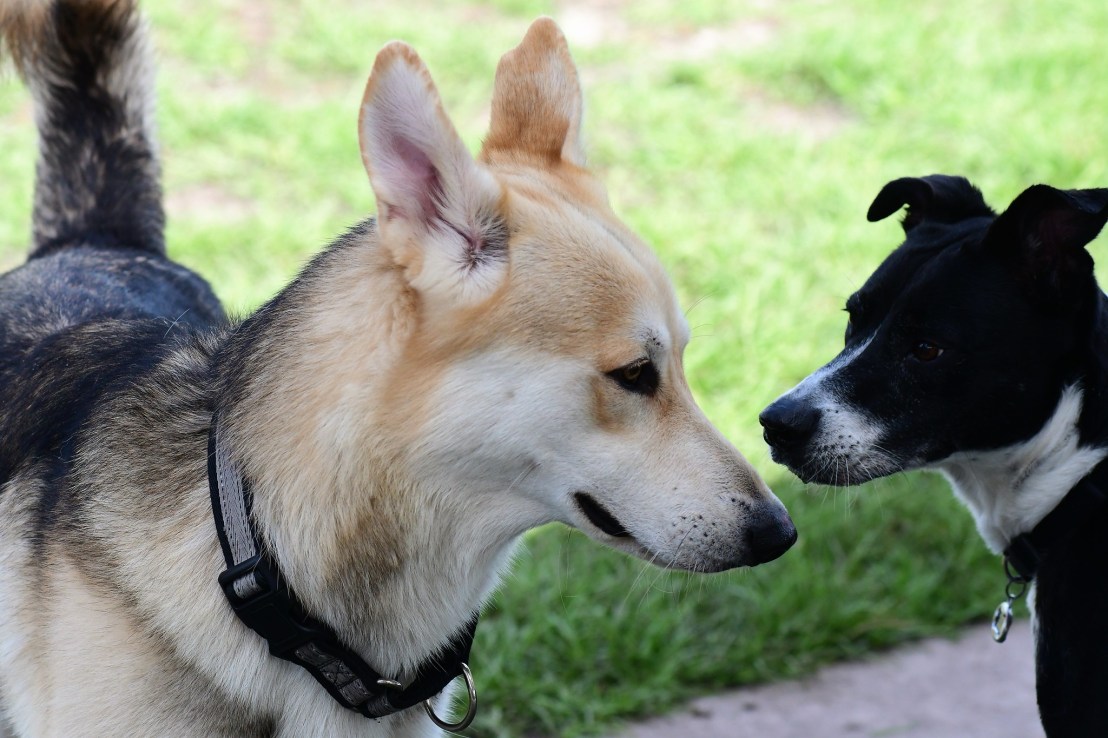
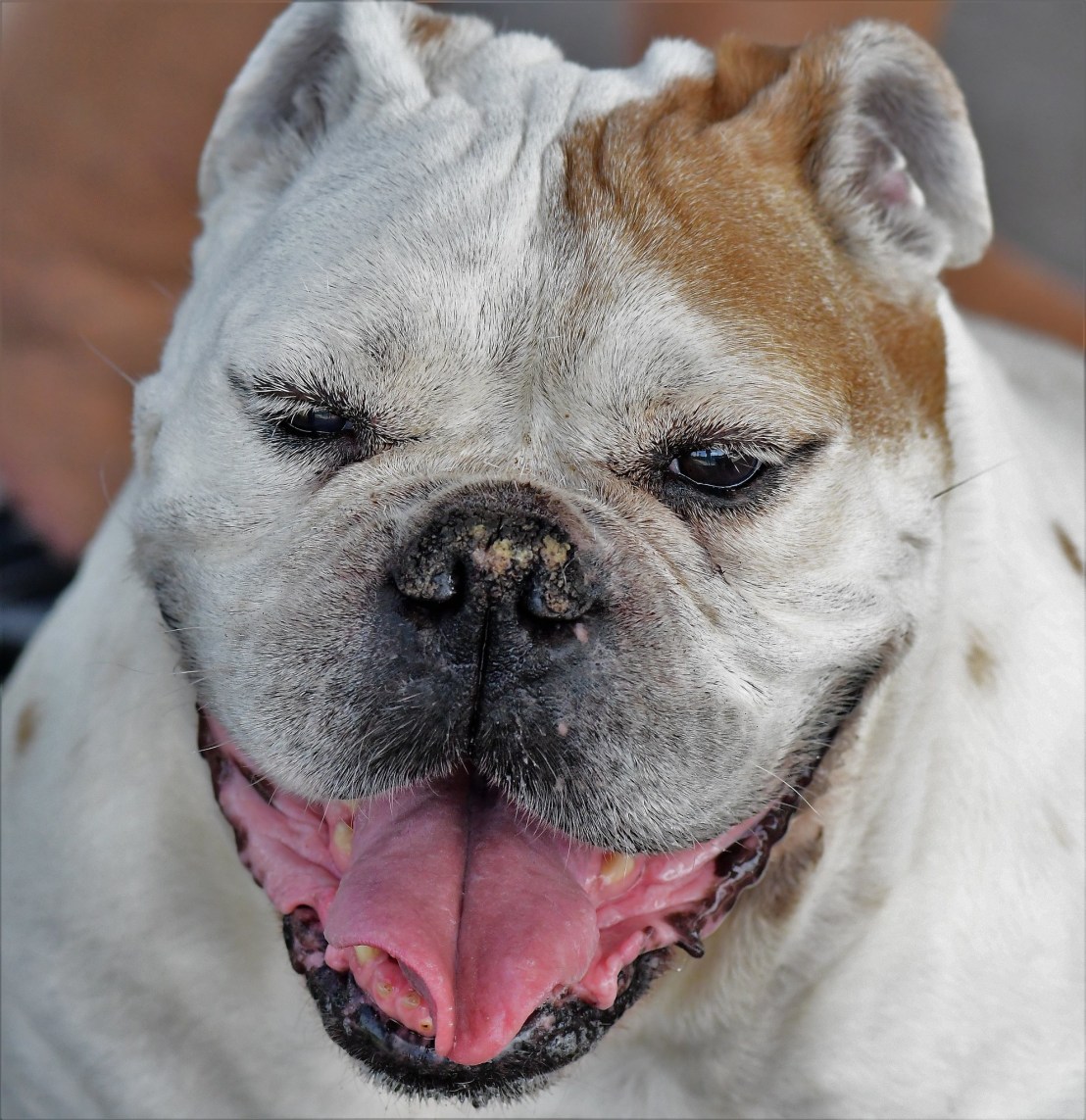
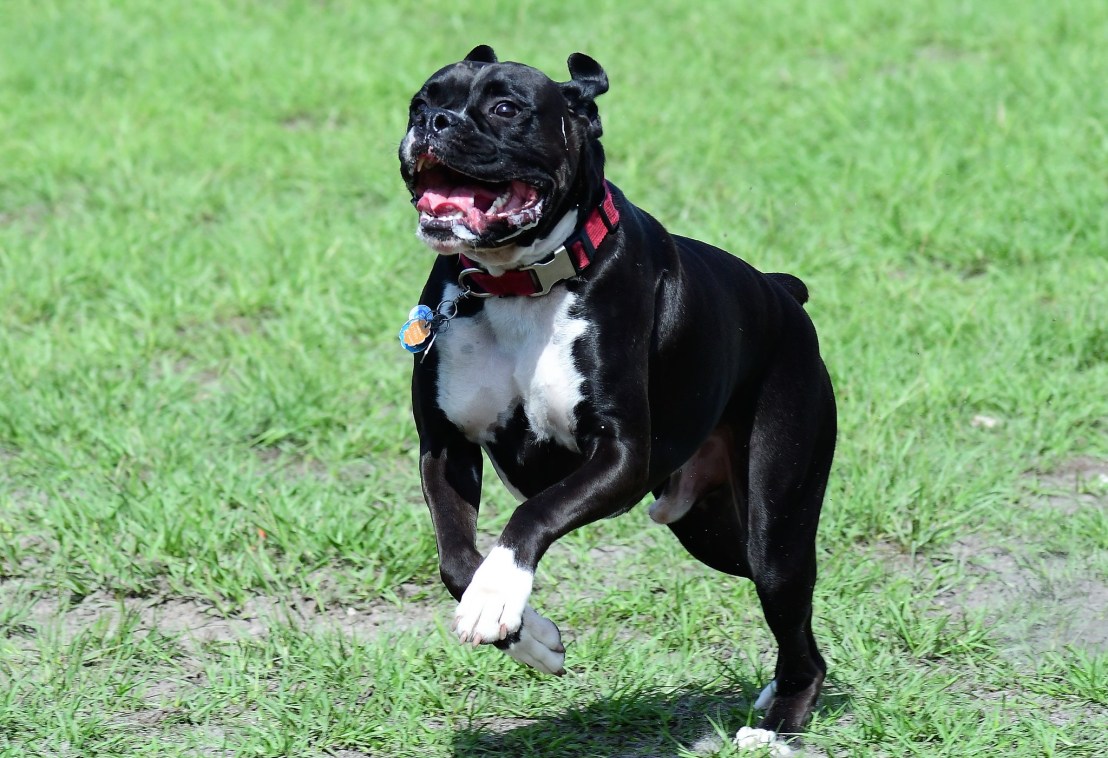
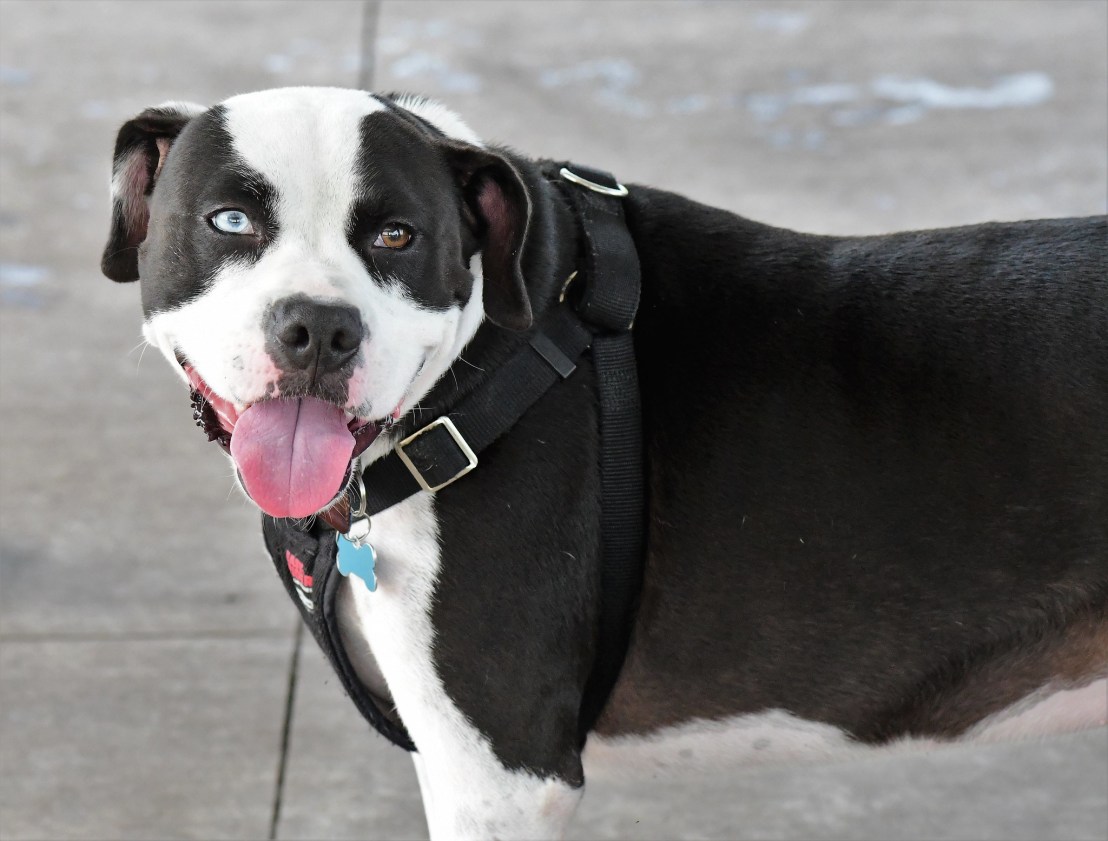
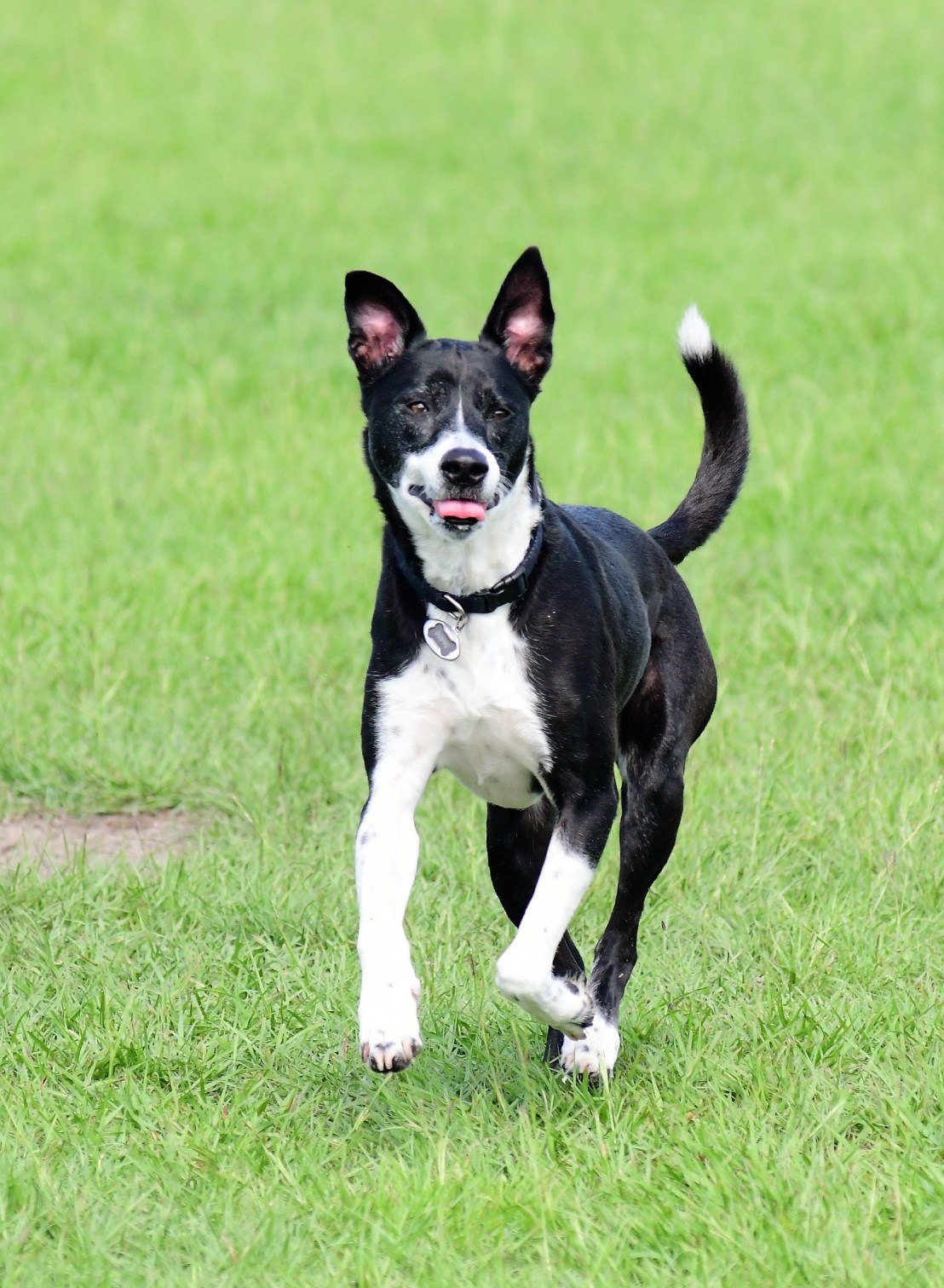
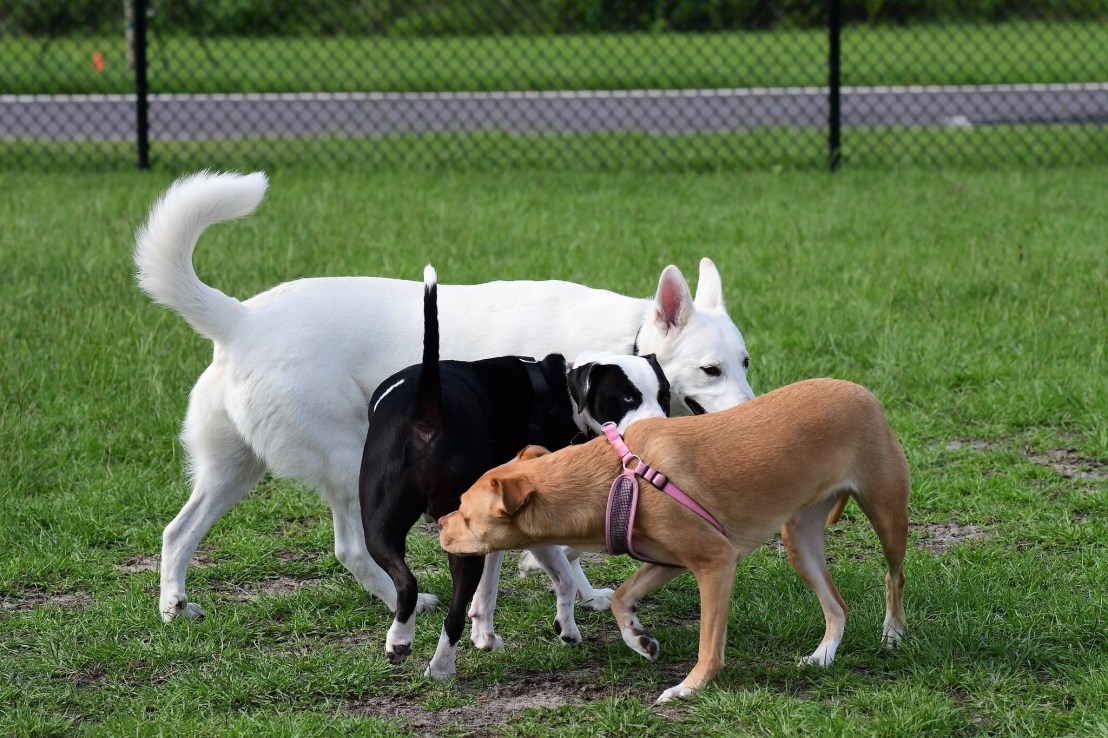
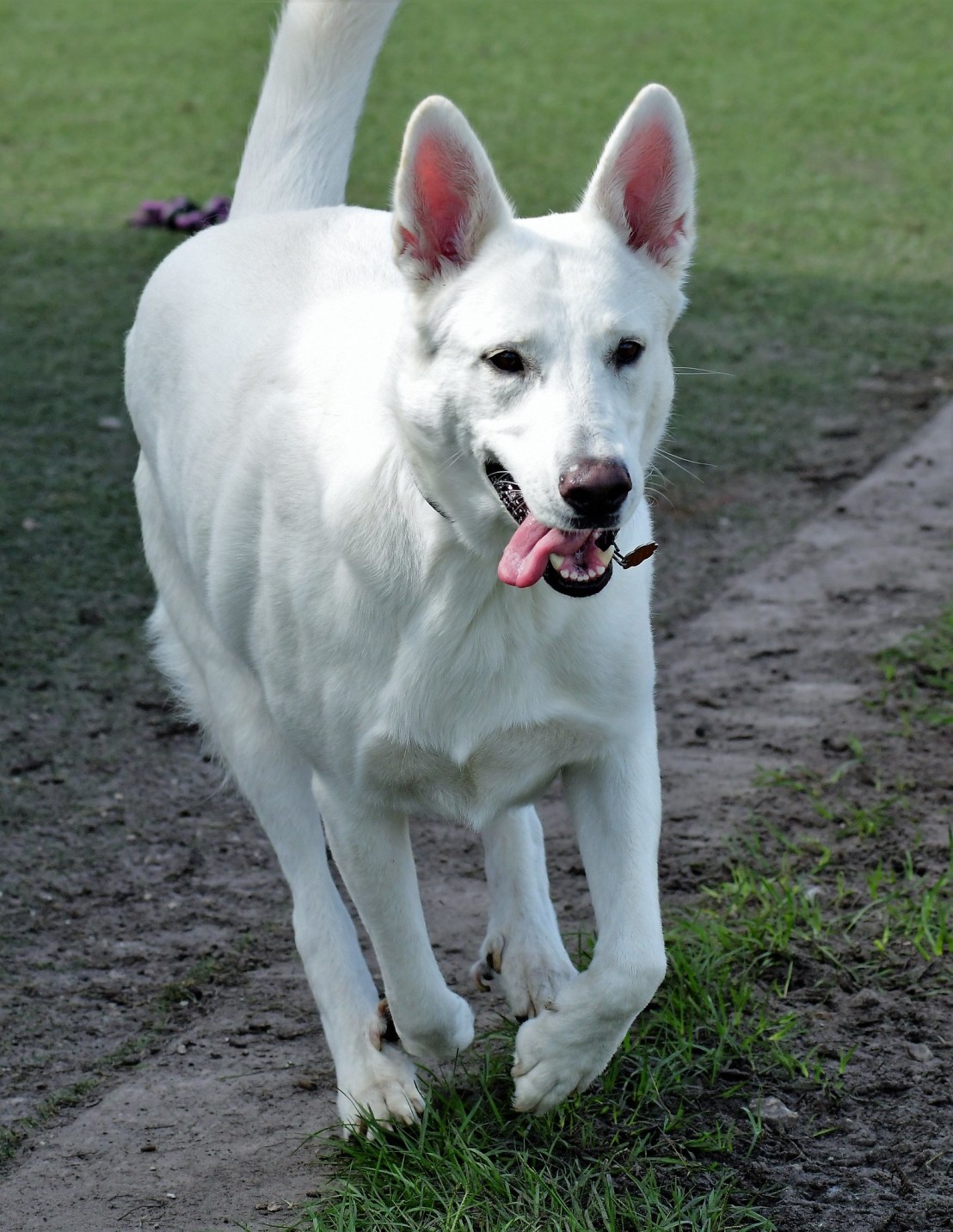
These wonderful photographs from Nimbushopper.
oooo

oooo
oooo
oooo
oooo

oooo
oooo
oooo
oooo
oooo

Just wonderful!
Hopefully some more photographs of dogs in a week’s time.
Again, there is an increase in the issue!
I am sure that you will recall my post of the 13th January, this year, entitled More on that Aflatoxin alert. Well it keeps on increasing.
Read the latest update and share it!
ooOOoo

Important: Illustrations not complete. Additional images will be added if or when they become available. Original report published January 11, 2021 and updatedJanuary 26, 2021
January 26, 2021 — The FDA is alerting consumers that Midwestern Pet Foods, Inc. is expanding its recent recall to include over 1000 lots of Sportmix and 2 other brands of dog and cat food because they contain potentially fatal levels of aflatoxin.
As of January 21, 2021, FDA is aware of more than 110 deaths and 210 illnesses in pets that have eaten the affected products.
This is an ongoing investigation. This count is approximate and may not reflect the total number of pets affected.
What’s Recalled?
On December 30, 2020, Midwestern Pet Foods announced a recall of nine total lots of Sportmix pet food products.
On January 11, 2021, the company expanded its recall to include all pet food products containing corn that were made in the firm’s Oklahoma plant and that expire on or before July 9, 2022.
More than 1000 lot codes are affected, so they are not listed individually.
Lots of the following pet food products have been recalled if the date/lot code includes an expiration date on or before “07/09/22” and includes “05” in the date/lot code, which identifies products made in the Oklahoma plant:
Lot code information may be found on the back of bag and will appear in a three-line code, with the top line in format “EXP 03/03/22/05/L#/B###/HH:MM”

Where Were the Products Distributed?
The affected products were distributed to online retailers and stores nationwide within the United States.
Midwestern Pet Foods, Inc. may have exported the recalled product to one consignee, respectively, in each of the following countries: Bahrain, Barbados, Chile, Costa Rica, Curacao, Cyprus, Czech Republic, Ecuador, El Salvador, French Polynesia, Ghana, Guatemala, Honduras, Hong Kong, Iceland, Indonesia, Ireland, Israel, Korea, Kuwait, Lebanon, Lithuania, Malaysia, Mexico, New Zealand, Nicaragua, Panama, Peru, Singapore, Taiwan, Trinidad, Ukraine, UAE, Uruguay, and Vietnam.
About Aflatoxin
Aflatoxin is a toxin produced by the mold Aspergillus flavus and at high levels it can cause illness and death in pets.
The toxin can be present even if there is no visible mold.
Pets are highly susceptible to aflatoxin poisoning because, unlike people, who eat a varied diet, pets generally eat the same food continuously over extended periods of time.
If a pet’s food contains aflatoxin, the toxin could accumulate in the pet’s system as they continue to eat the same food.
Pets with aflatoxin poisoning may experience symptoms such as sluggishness, loss of appetite, vomiting, jaundice (yellowish tint to the eyes, gums or skin due to liver damage), and/or diarrhea.
In some cases, this toxicity can cause long-term liver issues and/or death.
Some pets suffer liver damage without showing any symptoms.
Pet owners whose pets have been eating the recalled products should contact their veterinarians, especially if they are showing signs of illness.
There is no evidence to suggest that pet owners who handle products containing aflatoxin are at risk of aflatoxin poisoning.
However, pet owners should always wash their hands after handling pet food.
What to Do?
Affected products may still be on store shelves, online, or in pet owners’ homes.
Pet owners should stop feeding their pets the recalled products listed above and consult their veterinarian, especially if the pet is showing signs of illness.
The pet owner should remove the food and make sure no other animals have access to the recalled product.
Contact Midwestern Pet Foods Consumer Affairs at 800-474-4163, ext. 455 from 7 am to 4 pm CT, Monday through Friday, or by email at info@midwesternpetfoods.com for additional information.
Further information regarding this recall can be found in the related FDA Bulletin.
U.S. citizens can report complaints about FDA-regulated pet food products by calling the consumer complaint coordinator in your area.
Or go to the FDA’s “Report a Pet Food Complaint” page.
Canadians can report any health or safety incidents related to the use of this product by filling out the Consumer Product Incident Report Form.
ooOOoo
This is still a very serious issue and, please, make sure that all your friends and neighbours who have dogs and cats and who don’t read this blog are made aware of the situation.
Dogs have been a regular part of the White House.
It will be of no surprise that dogs have been regular pets of Presidents over the years. Apart from the fact that they provide companionship and love the dogs are also never left alone unlike many adults in normal life who often have difficult decisions to make.
So here’s an article in The Conversation that I am republishing.
ooOOoo
By
 Ellen Furlong
Associate Professor of Psychology, Illinois Wesleyan University
January 26th, 2021
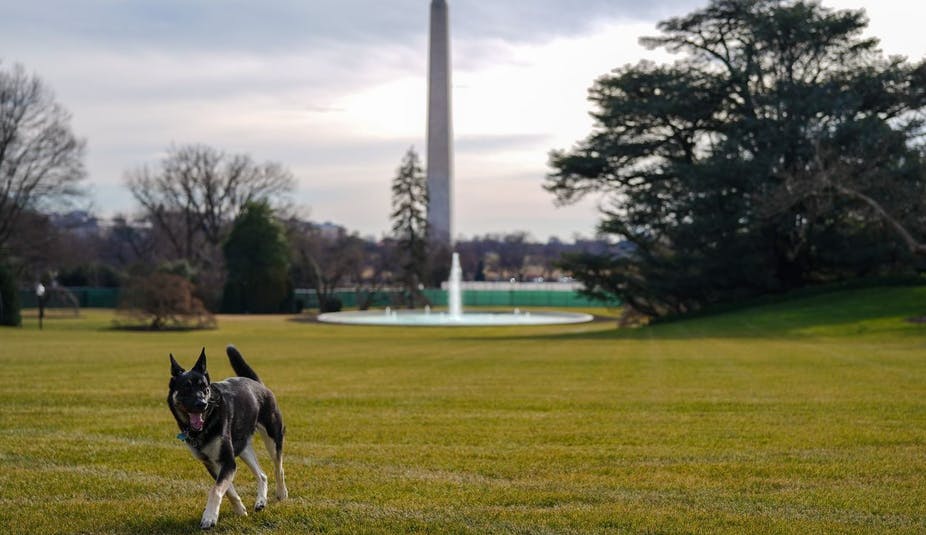
On Jan. 24 the White House welcomed two new residents: Champ and Major, the newly minted first dogs of the United States. The first dogs are poised to offer special benefits to workers in the White House.

Since entering the political spotlight, Champ and Major have achieved celebrity status, making news when then-President-elect Joe Biden fractured his foot while playing with Major and stumping for Biden on the campaign trail. The dogs even share a Twitter account, which features photos and doggie press releases. Major, the first shelter dog to live in the White House, has delighted so many people, the Delaware Humane Association, from which Major was adopted, held an “indoguration” ceremony for him.
Pets in the Oval Office have long fascinated many on both sides of the aisle. George H.W. Bush’s springer spaniel, Millie, “authored” a book on life in the White House that charmed many readers – and even outsold her presidential guardian’s autobiography. More recently, Buddy Clinton, Barney and Miss Beazley Bush and Bo and Sunny Obama have captivated the American public while roaming the halls of the White House.
As a dog enthusiast, I too take enormous delight in seeing presidents’ dogs run down the White House hallways, deplane from Air Force One or campaign with their guardians. But as a psychologist studying dog cognition and behavior, I must add a crucial point: Dogs have much more to offer than feel-good stories and cute photo ops. A growing area of research suggests that dogs can provide real benefits, not only to their daily companions, but also to those in their orbit.
Promoting well-being
These benefits explain why many workplaces – from Amazon to Zygna – have begun welcoming dogs into their offices. Recent research suggests that dogs in the workplace can lead to increased worker engagement, lower employee turnover, greater work satisfaction and even enhanced employee cohesion and communication.
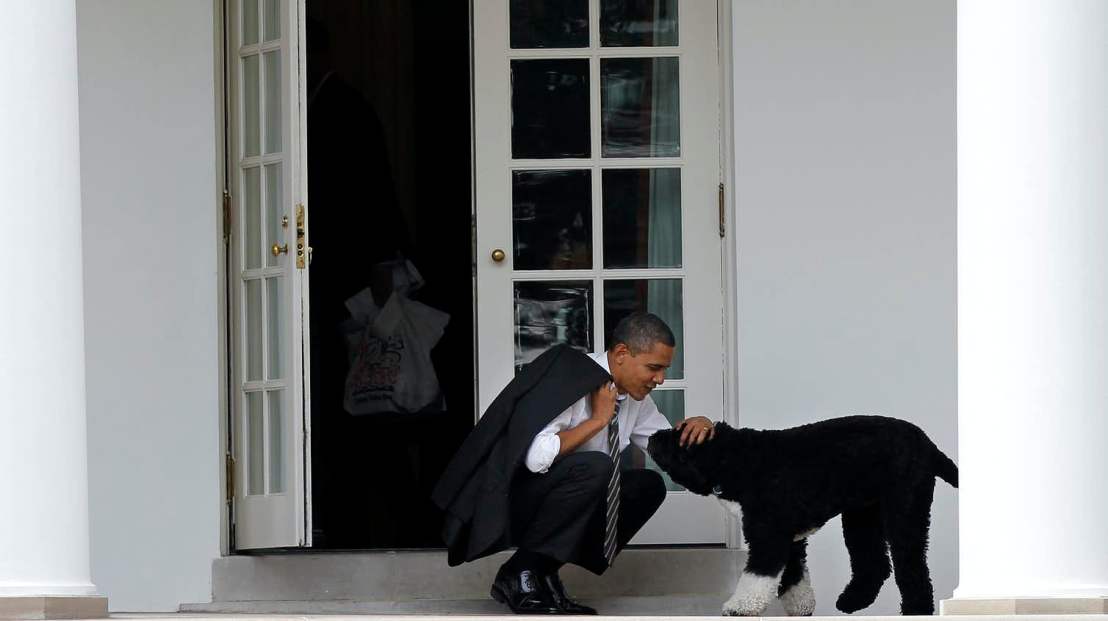
The Oval Office, the site of momentous decisions, enormous stress and complex social dynamics, may benefit from dogs even more than typical workplaces. After all, stress can compromise decision-making and problem-solving abilities. Pets can alleviate stress, however, dampening these effects and leading to improved performance on difficult tasks.
Not only do people report feeling less workplace stress around dogs, but their very bodies tend to support this claim. A growing area of research suggests human heart rates slow, levels of the stress hormone cortisol shrink and blood pressure decreases when people hang out with dogs. Interestingly, the positive effects of pups on stress levels exceed that of even a close friend or family member: A dog will reduce your stress more than your spouse or best friend will. After all, dogs are naturally inclined to love you unconditionally and will never find fault with the way you slurp your soup.
Dogs may reduce stress because they provide social support. You may feel supported by your pooch, in part, because of the oxytocin feedback loop between humans and dogs. Oxytocin, a hormone involved in promoting social bonds, is released in both dogs and humans when gazing into each other’s eyes.
President George H.W. Bush holds one of Millie’s six puppies at the White House in 1989. AP Photo/Ron EdmondsPeople report improved mood, increased happiness and greater energy levels around dogs. And, on the flip side, they enjoy reduced feelings of depression, loneliness and negativity when dogs are present.
Creating connection
Given dogs’ skill at providing these supports and boosting mood, it may not surprise you to learn they work their magic not only one on one, but also in group settings. In the presence of a dog, people in groups have better social interactions, engage in more conversations and are more likely to form long-term friendships with one another.
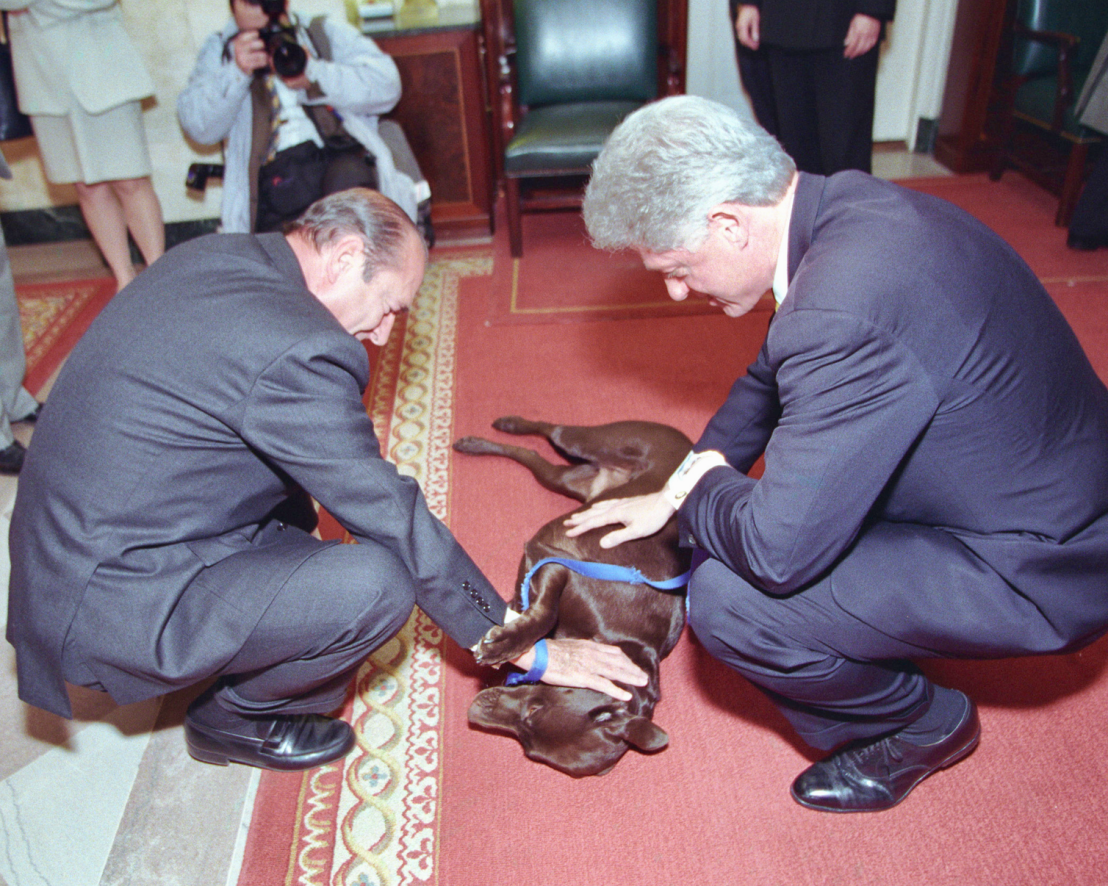
The effects of dogs as social lubricants can go further: Dogs even foster development of social support networks among their humans, leading to a sense of community, and more social interactions between people in their vicinity. These engagements offer opportunities for even more social support in high-stress environments. And perhaps most importantly, people are more likely to offer help when a dog is present.
Having Champ and Major in the White House may help President Biden and his staff navigate the stresses and tensions of the current political landscape. Beyond “indogurations,” tweets and cute photo ops, Champ and Major will offer physical, psychological and social benefits in the Oval Office.
In short, pets (yes, cats too!) improve the quality of life in almost every context – including presidential ones. Perhaps they can, even in a small way, play a role in uniting a divided country. After all, personal politics aside, isn’t it comforting to know there will be paws pattering around the White House again?
ooOOoo
As was said in the article: “In the presence of a dog, people in groups have better social interactions, engage in more conversations and are more likely to form long-term friendships with one another.”
Dogs are miracle creatures and if you think of the benefits that dogs provide in crucial groupings and discussions that go on the White House then, frankly, they should be a non-negotiable addition to any White House incumbent!


/https://public-media.si-cdn.com/accounts/headshot/Jeff_MacGregor2.jpg.jpeg) About the Author: Jeff MacGregor is the award-winning Writer-at-Large for Smithsonian. He has written for the New York Times, Sports Illustrated, Esquire, and many others, and is the author of the acclaimed book
About the Author: Jeff MacGregor is the award-winning Writer-at-Large for Smithsonian. He has written for the New York Times, Sports Illustrated, Esquire, and many others, and is the author of the acclaimed book 
 Learning from Dogs