That very ancient relationship between man and dog.
The website Eye Witness to History has a lovely item on Mount Vesuvius:
On August 24, 79 Mount Vesuvius literally blew its top, spewing tons of molten ash, pumice and sulfuric gas miles into the atmosphere. A “firestorm” of poisonous vapors and molten debris engulfed the surrounding area suffocating the inhabitants of the neighboring Roman resort cities of Pompeii, Herculaneum and Stabiae. Tons of falling debris filled the streets until nothing remained to be seen of the once thriving communities. The cities remained buried and undiscovered for almost 1,700 years until excavation began in 1748. These excavations continue today and provide insight into life during the Roman Empire.
An ancient voice reaches out from the past to tell us of the disaster. This voice belongs to Pliny the Younger whose letters describe his experience during the eruption while he was staying in the home of his Uncle, Pliny the Elder. The elder Pliny was an official in the Roman Court, in charge of the fleet in the area of the Bay of Naples and a naturalist. Pliny the Younger’s letters were discovered in the 16th century.
If you are keen to read the full article then it may be found here.
My reason for quoting those opening paragraphs is because they offer a good historical introduction to another item from the BBC News website. That item is about a dog mosaic that is back on show after its restoration at Pompeii.
ooOOoo
Pompeii guard dog mosaic back on show
One of Pompeii’s finest mosaics – a guard dog at the entrance to a villa.
A vivid Roman dog mosaic is back on show after restoration at Pompeii, despite Italy’s problems funding the historical site’s conservation.
A glass shield now protects the House of the Tragic Poet, where tourists can see the dog with the inscription “Cave Canem” – Latin for “Beware of the dog“.
Frescoes at the house’s entrance were also restored. Ash from a volcanic eruption buried Pompeii in AD79.
A staffing dispute caused long queues at Pompeii on Friday, in searing heat. Pompeii gives visitors an extraordinary insight into everyday life in ancient Rome because many buildings were protected from the elements under the thick blanket of ash from Mount Vesuvius.
The restored mosaic now has better protection.
The site, near the southern city of Naples, has suffered from funding problems for years. Staff unions at Pompeii have criticised a management reorganisation there.
The House of the Tragic Poet has some of Pompeii’s finest examples of interior decoration, including scenes from Greek mythology.
But the house’s owners remain unknown – they may have died in the eruption along with many other Pompeii citizens.
ooOOoo
Now we all know that the relationship between dogs and man goes way, way back before Pompeii but, nonetheless, it’s rather nice to see dogs commemorated in this way from 1,936 years ago.
From time to time I receive unsolicited emails asking if I would be interested in publishing posts from this or that particular person. They always strike me as suspicious and receive, in turn, a polite ‘no thank you’.
However, a few weeks ago, the following came in:
My name is Intan and I am a community team member at ShihTzu Web, a website dedicated to providing breed-specific information just for shih tzu owners. We share articles regularly about shih tzu grooming, training, and health.
We would love to help provide some free high-quality content for the shih tzu owners in your audience with a guest blog post. We have two specialist writers for our blog: veterinarian Jill Coleman, who writes about shih tzu health topics, and Sally Gutteridge, who writes about shih tzu grooming and training.
That website ShihTzu Web clearly sets out a part commercial proposition but after thinking about the offer, I decided to accept the guest post.
So here is that guest post, authored by Dr. Jill Coleman*:
Jill Coleman
ooOOoo
What to Do If Your Dog Is Pregnant
First things first: were you planning on your dog getting pregnant? There are many convincing arguments that until the pet overpopulation problem is under control, there should be no planned canine pregnancies. This article is not going get into that debate (although the last sentence pretty much wraps up my opinion).
Let’s first assume you did NOT mean for your dog to get pregnant. Oops! You will hear about “morning after” shots and pills. None of these are recommended because they all seem to have side effects that are far worse than having a litter of puppies. We’re talking life threatening uterine infections and bone marrow suppression– nasty stuff, so this definitely does not keep your dog healthy. An option if you are planning on spaying your dog anyway, is to have her spayed. Waiting until she is out of heat is a good idea because the surgery is considered safer when they aren’t in heat because they lose less blood.
Now we’ll assume that you either did plan on your dog getting pregnant and/or you just need advice for a pregnant dog: what should you do? Not a lot, really. Dogs have been successfully reproducing with no human intervention for many years. A good quality diet is important. For the first half of their pregnancy a normal adult, high quality diet is fine. Switch to puppy food (sometimes referred to as “growth”) for the second half of the pregnancy and the entire time she is nursing the puppies. Do NOT supplement with any vitamins. Studies have shown that not only is this unnecessary, it is detrimental. Supplementing with calcium for example can make the bitch produce less of her own and thus interfere with her normal milk production.
Dogs are pregnant for approximately 63 days. At about day 55, it’s a good idea to start taking their temperature twice a day. Rectal thermometers are more accurate, but I have never met a dog that enjoys this process. There are many non-rectal thermometers available now that work perfectly for this because even if they read a little low, what you look for is a drop from their normal temperature. So go ahead and get one and establish what “normal” is for your dog well before she is due to whelp. Dog’s temperatures drop about 2 full degrees approximately 24 hours before they give birth. This is a fantastic way to tell when they are about to give birth. A dog’s normal resting rectal temperature is 101.5*F +/- about 1*.
Go ahead and prepare a whelping box that is comfortable and tucked away in a safe, preferably familiar area to the bitch. It is important for it to be quiet to allow her to relax. The less people running around and stressing out the better. You can actually cause your bitch to go out of labor by freaking her out.
As far as exercise, she doesn’t have to be a couch potato but avoid strenuous exercise especially late in her pregnancy. Walks are fine, but be sure she doesn’t overheat. Be careful approaching other dogs, even if she has been fine with them in the past. Most dog’s personalities don’t really change significantly but some will become more aggressive during their pregnancy. (Almost all will become protective of the puppies once they are born.)
Check your flea and tick medications to be sure they are safe. You will probably have to check with your veterinarian because most flea and tick medications are not labeled for use on pregnant or lactating females because they simply didn’t conduct studies on pregnant bitches. Your veterinarian should know which ones are safe if you are having flea and tick issues.
Last but not least and possibly most important is to go ahead and put emergency numbers where you can easily find them. You don’t want to be trying to find the emergency clinics number in the middle of the night if your furry child is having problems.
ooOOoo
*Dr. Jill Coleman, DVM, is a small animal veterinarian with 20 years of clinical experience. She graduated from Furman University with a BA in English in 1991. She graduated with honors from The University of Georgia College of Veterinary Medicine in 1995. She loves small dogs like Shih Tzu and loves writing about them. She shares her experience about Shih Tzu at ShihTzu Web.
I will leave you with this delightful photograph …
… and the following few words from me.
Namely, that I have had no dealings with Shih Tzu Web or the organisation and people behind the website. Please don’t assume that the posting of this guest post offers any endorsement, or otherwise, of Shih Tzu Web. Any relevant feedback would be most welcome.
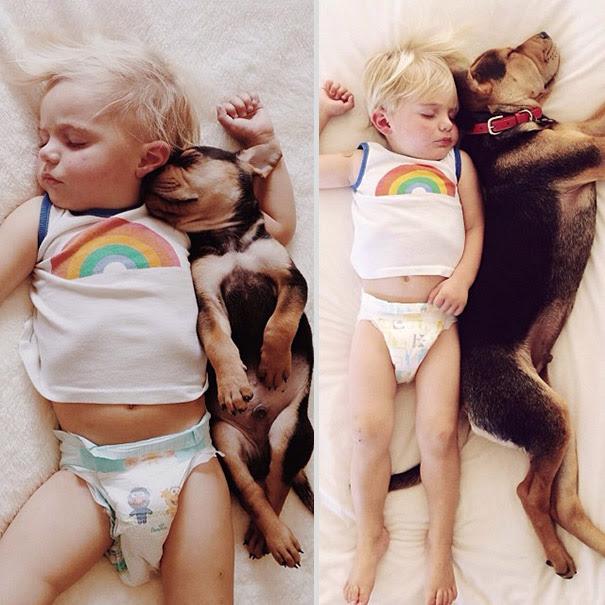
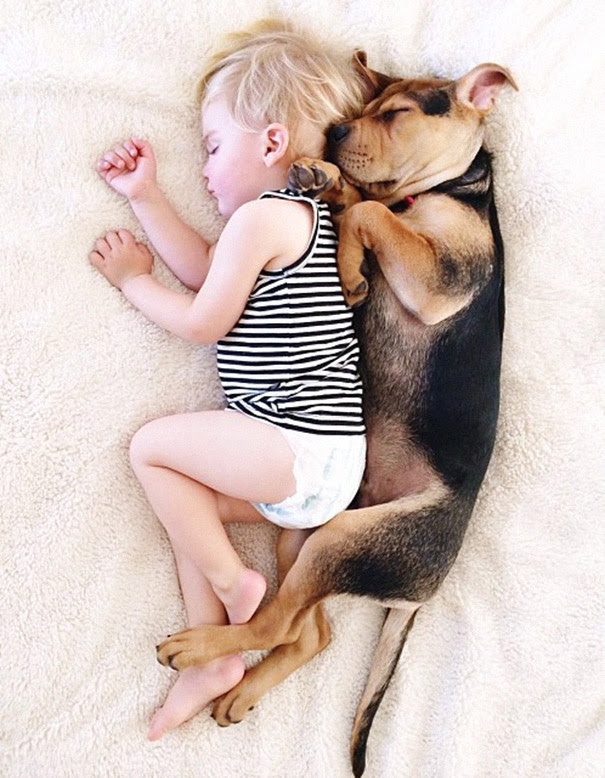
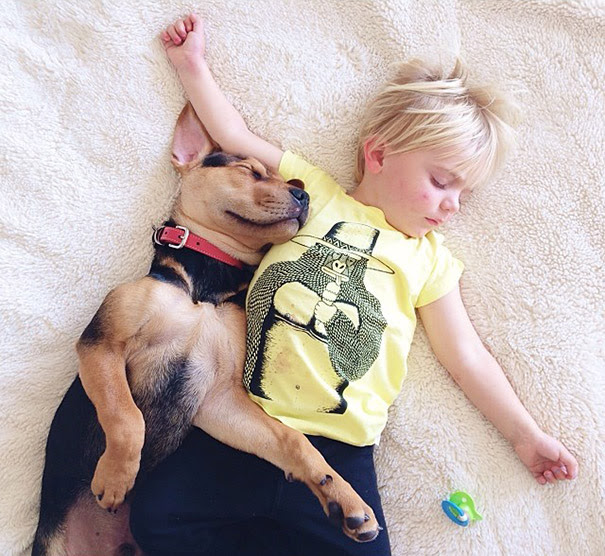
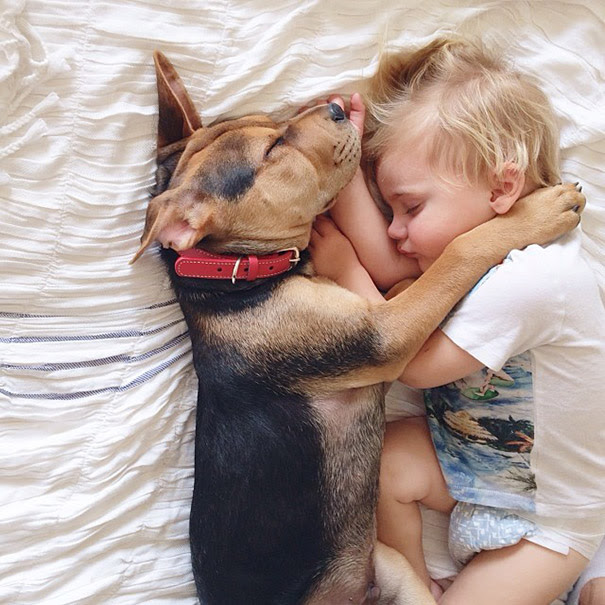
The theme for the next three Picture Parades: The Perfect Puppy
Suzann sent me some wonderful pictures with the following background story:
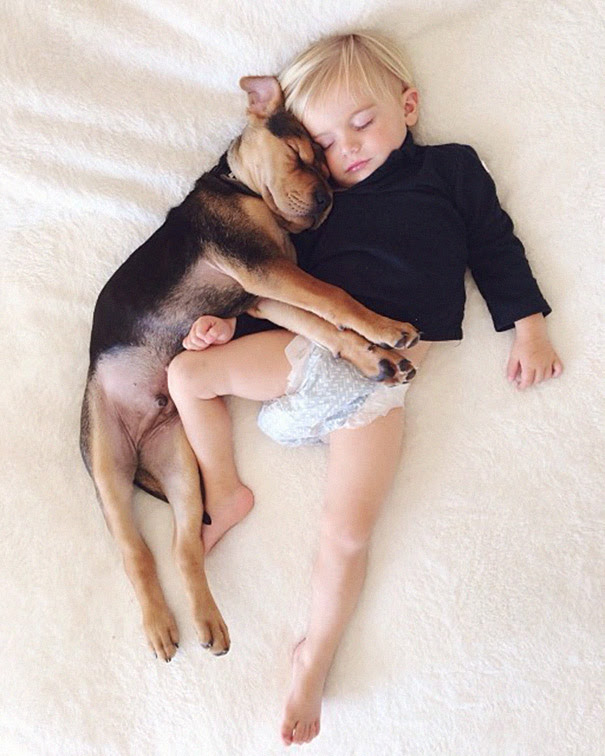
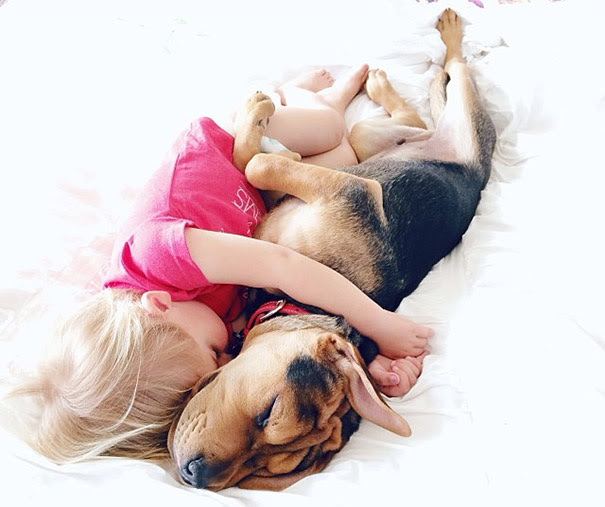
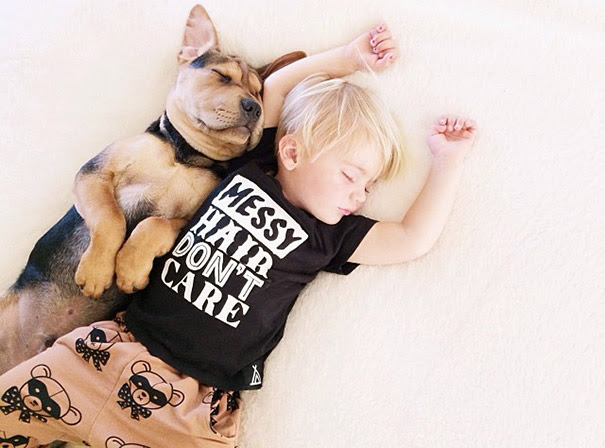
A family in New York began visiting shelters to look for the perfect pup. After a few weeks of searching local shelters, they found a puppy that they fell in love with – Theo. He craved human friendship and attention. Three days after coming home with them, he joined their son Beau for his daily nap. Beau’s mother began taking “nap” pictures and now they are warming hearts around the world.
So here is the first set of seven pictures.
ooOOoo
oooo
oooo
oooo
oooo
oooo
oooo
oooo
Another wonderful set of pictures in a week’s time.
(I’m conscious that many recent posts have been more of me republishing stuff than being creative on my own account. Blame it on ‘the book’: my first edit is now complete and the next stage is sending the manuscript out to those who have volunteered to proof-read the book.)
I saw this article on Mother Nature Network and it struck me immediately as being full of common-sense and well worth sharing with you.
ooOOoo
How to build the perfect backyard for dogs
Learn which plants are hardy, which are poisonous, and how to create a beautiful but functional layout.
Designing your garden with your dog in mind will prevent an infinite number of headaches down the road. (Photo: upixa/Shutterstock)
A dog and a healthy, beautiful backyard don’t often go hand in hand. The amount of wear and tear a dog throws at a garden can leave it in tatters. But it doesn’t have to be this way! With a bit of planning and a careful selection of plants able to hold up to whatever dogs spray at them, your backyard can be both a haven for humans and a paradise for your pups.
Here are helpful strategies for planning out a yard and a list of plants to use or to avoid.
7 tips for dog-friendly garden design
Build raised beds for the more sensitive plants or for any fruits and vegetables you may want to grow. Add in some fencing or netting around the boxes to protect them if your dog is still tempted to hop up and snoop around in them.
Build a dog-friendly path around the yard. This will guide your dog through the garden and minimize the detours into the flowerbeds. You may want to start by watching where your dog goes on his own, and creating the path along that route. That way you aren’t trying to train your dog to go somewhere he doesn’t normally want to go, and you aren’t frustrated when your dog goes where he wants to anyway.
Providing pathways for your dogs will show them where they’re allowed to run and will help keep them out of more sensitive areas of the garden. (Photo: Julius Elias/Shutterstock)
Discourage digging through design. If your dog sometimes digs holes, you can help keep your garden beds safe by making them raised beds. However, if your dog is a relentless digger and no part of the yard is safe, then consider building an area where your dog can do anything he’d like within that space, including dig. This could be a fenced area that has a sand box, where the outlet of digging is welcomed.
Create a designated area for bathroom breaks. This will of course require training your dog to use it, but the time and effort spent in training will counter any time and money spent in replacing dead plants.
Provide places to sun. Many dogs love to sunbathe and might pick the sunniest spot in the middle of your favorite bed of flowers. Avoid a dog selecting his own area by providing one for him instead. A small deck, or a few paving stones in a pretty design, or even an area with bark chips will be a welcoming place for your dog to lie down, out of the way of the plants.
Create shaded areas to keep your pet comfortable. Yards are the perfect place to hang out in the sun, but on hot days it can feel pretty miserable without relief with a little shade. Plant trees or tall shrubs where your dog can enjoy a cool break from playing in the sun.
If you have a water feature, make sure the water is drinkable and free of chemicals.
Safe and hardy plants for dogs
After figuring out a few design elements to make your yard a place where both dogs and humans can feel comfortable, it’s time to review your plant selection. There are a fair number of plants that are resistant to dog urine. By placing these plants in the areas your dog frequents, you can reduce how much replanting you need to do as well as keep your yard looking fresh and healthy.
Many herbs are not only safe but also healthy for dogs. But you’ll still want to protect them from your dog by growing them in a raised bed or pots. (Photo: Jamie Hooper/Shutterstock)
Luckily, the herbs you likely want to have in your kitchen garden are also healthy for dogs. If you like cooking with these savory staples, you’ll be happy to know they’re more than welcome in your dog-friendly garden! The five best options include:
Basil — antioxidant, antiviral and antimicrobial properties
Oregano — helps digestive problems including diarrhea and gas
Parsley — a source of flavonoids, antioxidants and vitamins
Peppermint — soothes upset stomachs, reduces gas and nausea, and helps with travel sickness
Rosemary — high in iron, calcium and Vitamin B6
Groundcovers are a great alternative to a grassy lawn. Many varieties can withstand abuse from dogs better than any grasses. Great options include:
Carpet bugle
Elfin thyme
Kinnikinick
Miniature stonecrop
Silver carpet
Snow in summer
Winter creeper
Another staple for a dog-friendly yard are urine-resistant plants. Here are a few suggestions:
Bears breech
Burkwood osmanthus
Doublefile viburnum
Feather reed grass
Holly fern
Japanese spindle tree
Mexican sage
New Zealand flax
Redtwig dogwood
Snowball viburnum
Spider plants
Sword fern
Plants poisonous to dogs
Even if they look pretty, there are quite a few plants you should avoid having in your yard because ingesting them can mean illness or death for your pet. It doesn’t mean you can’t have these plants around; it just means you’ll want to plant them in areas your dog can’t access, such as fenced-off portions of the yard or in hanging baskets out of reach. University of California, Davis put together a list of the 12 plants that cause the most visits to their vet hospital. They include:
Aloe vera
All species of amaryllis
Anemone
Asparagus fern
Chrysanthemums
Cycads (including Sago palm and cardboard palm)
Cyclamen
Daffodil
Jade plants
Lilies
Lily of the valley
Philodendrons
The ASPCA provides a full list of plants toxic to dogs. Reviewing this list before planting will help prevent trips to the vet in the future.
Be sure to double check if the plants you’re adding to your garden are toxic to dogs. While some dogs stay out of the plants, others may munch on anything they feel like, which could lead to a trip to the vet’s office. (Photo: Dora Zett/Shutterstock)
Other things your dog could, but shouldn’t eat
Which mulch you select could be important to your dog’s health. Cocoa mulch, made of cocoa bean shells, is a by-product of chocolate production and can be toxic. Most dogs aren’t going to eat mulch and if they do, they probably wouldn’t eat enough to cause a problem. However, if you have a dog that seems to dine on anything and everything, you may want to consider using something like shredded pine instead.
Much like eating mulch, ingesting large amounts of fertilizer can be unhealthy or even life-threatening for your pet. Be sure to use all-natural fertilizers, follow the directions and make sure that your pet isn’t allowed into the fertilized area within the suggested waiting period after application.
Compost piles are a great addition to any garden but depending on what you’re tossing in them, they can also pose problems for pets. Coffee grinds, moldy food and certain types of fruit and vegetables are toxic to dogs. In addition, fungal toxins can grow within the compost piles that can cause problems for your pet’s health and overall immunity if consumed. It’s a good idea to keep your compost in a bin that is off limits to your dog.
It is also a smart idea to ditch the chemical herbicides and pesticides. Not only are they terrible for the environment but they can also have disastrous effects on pets, including causing cancer.
ooOOoo
This is so brimful of good advice that it deserves to be shared as widely as possible.
Igor the bulldog had never spent a day without his family. From day one, he has been loved, doted on, and the center of the family’s attention. So when the family planned a vacation to a place where Igor couldn’t go, there was a lot of guilt and worry over how he would do on his own.
That’s when Igor’s dad came up with an amazing plan. While Igor would have to go into a kennel, it wasn’t going to be just any kennel. The plan was kept as a surprise for both Igor and the rest of the family, until it was time to leave. And what a surprise it was!
Friends, treats, bones and a home away from home is everything a dog could want! It also probably helped the family feel a bit better about leaving him behind. It’s not often people go to such amazing lengths to make sure their dog is comfortable!
Igor’s family came back from vacation and brought him back to the real version of home, but we’re pretty sure Igor won’t mind the next time they decide to head off without him!
Do animals feel pain in the way that we humans do?
Last week, shortly after Paloma had been let out for a ‘call of nature’, she emitted the most terrible of screams. No other dog had gone near her and there was no immediate explanation for the heart-rending cry.
While this was not the first time that Paloma had suddenly cried out for no apparent reason this was by far the worst cry that Paloma had made so Jean and I thought that an immediate visit to our local vet practice was sensible, that being Lincoln Road Veterinary Clinic. We were seen by Dr. Goodbrod and he came to the conclusion that she had a spinal disc problem: Paloma is thirteen years old.
Paloma, December 29th 2011
All of which serves as a relevant introduction to a recent essay over on The Conversationblogsite. The essay was written by Professor Andrea Nolan, who became Principal and Vice-Chancellor of Edinburgh Napier University in July 2013. (Andrea graduated as a veterinary surgeon from Trinity College Dublin, Ireland.) Her essay is called Do animals feel pain like we do? and is republished here within the terms of The Conversation blogsite.
ooOOoo
Do animals feel pain like we do?
July 7, 2015 6.35am EDT
Not hard to read. Eddy Van 3000, CC BY-SA
Pain is a complex experience involving sensory and emotional components: it is not just about how it feels, but also how it makes you feel. And it is these unpleasant feelings that cause the suffering we humans associate with pain.
The science of suffering is well documented in the book of the same name by Patrick Wall. We know that animals certainly feel physical pain, but what is less clear is whether this emotional suffering that we feel can be said to be true of animals. And if it is, how we go about measuring it.
As a subjective emotion, pain can be experienced even in the absence of physical tissue damage, and the level of feeling can be modified by other emotions including fear, memory and stress. Pain also has different dimensions – it is often described in terms of intensity but it also has “character”, for example the pain of a pin-prick is very different from that of a toothache, a slipped disc or labour pain. Nearly all of us have experienced pain in our lives, but for each person, the experience is uniquely individual.
To understand or appreciate others’ pain we mostly rely on what they report. But there are many who either cannot communicate their pain verbally, babies for example, or effectively, like those with dementia or learning disabilities. In these situations, others must use a range of factors to judge the presence of pain and its impact on the individual.
Pain is not all bad – it serves a protective function, to keep us away from further danger, to help us heal, for example by stopping us from putting weight on a sprained ankle. But if it isn’t managed effectively it can have a major negative impact on our lives inducing fear, anger, anxiety or depression – all emotions which may in turn exacerbate it. And chronic pain is a major concern to millions of individuals and to our societies around the world.
Pain in animals
The nature of pain is perhaps even more complex in animals. How pain is sensed and the physical processes behind this are remarkably similar and well conserved across mammals and humans. There are also many similarities in pain behaviours across the species, for example they may stop socialising with people and/or other animals, they may eat less, they may vocalise more and their heart rate may rise. The capacity of animals to suffer as sentient creatures is well established and enshrined in law in many countries, however we don’t understand well how they actually experience pain.
Some aspects of the experience and expression of pain are not likely to be the same as in humans. First, animals cannot verbally communicate their pain. Dogs may yelp and you may notice behaviour change but what about your pet rabbit, cat, tortoise or horse? Animals rely on human observers to recognise pain and to evaluate its severity and impact. Without the ability to understand soothing words that explain that following surgery to repair a bone fracture, their pain will be managed (hopefully) and will subside, animals may also suffer more when in pain than we do.
Loud and clear. William Heron, CC BY-SA
The debate around animals’ capacity to experience pain and suffer raged in the 20th century, but as we developed a greater understanding of pain, and studied its impact on the aspects of animal life that we could measure, we veterinary surgeons, along with many behavioural and animal scientists, recognised the significant impact of untreated pain, and we now believe this experience causes them to suffer.
Similarly many studies in a range of domestic animals have indicated that animals who have had surgery but not had adequate pain relief demonstrate behaviours reflective of pain which are alleviated when they are treated with analgesics such as morphine.
We also know that it is not just our dogs and cats that can suffer pain – there is an equally strong evidence base for the presence and negative impact of pain in sheep, cattle, pigs and horses among other species. But recognising pain in these different species is part of the complexity associated with animal pain. Managing it in animals that we rear for food and those that we keep as companions is equally challenging.
Behavioural disturbances have long been recognised as potential indicators of the presence of pain in animals. However it is important to recognise that each species manifests its own sometimes unique pain-related behaviours or behavioural disturbances in different ways, often rooted in the evolutionary process, so prey species, for example, are less likely to “advertise” an increased vulnerability to predators. Dogs may become aggressive, or quiet, or may stop socialising with “their” humans and other dogs. Sheep, on the other hand, may appear largely the same when casually observed.
Some expressions of pain however may be conserved. A recent paper suggested commonality in some features of facial expression during acute pain experiences in several animal species and humans.
These findings and much other work are being incorporated into tools to evaluate animal pain, because in the words of Lord Kelvin, the great Glaswegian scientist behind the Kelvin temperature scale, said: “When you cannot measure it, when you cannot express it in number … you have scarcely, in your thoughts, advanced to the stage of science, whatever the matter may be”.
So in order to treat and manage pain effectively we must measure it.
And there is a huge demand for these tools. The Glasgow Composite Pain Scale, a simple tool to measure acute pain in dogs and first published in 2007, has been translated into six languages. It is used in veterinary practices to measure pain to treat it effectively. It has also been used to evaluate the effectiveness of new analgesic drugs that are being developed by animal health companies. Tools to measure the impact of chronic pain, such as osteoarthritis, on the quality of life of dogs are now available and are a significant advance in managing chronic conditions.
There is now a global effort to raise awareness of pain in animals. Recently the World Small Animal Veterinary Association launched the Global Pain Council and published a treatise for vets and animal keepers worldwide to promote pain recognition, measurement and treatment. Dogs may be man’s best friend, but for all those who work with, care for and enjoy the company of animals, understanding how their pain feels is essential to improving the quality of their lives.
ooOOoo
Back to Paloma. Dr. Goodbrod prescribed muscle relaxers and a mild pain killer.
Dear, sweet Paloma. Found by Jean on a Mexican street in Guaymas in 2005 with her eight puppies. Jean found homes for all the eight puppies in the USA and adopted Paloma because she was very wild.
As I explained yesterday, Jean and I are taking part in a local garage sale that isn’t leaving much time for the usual things each day.
I’m very embarrassed in not recalling if someone sent me the link to the following video or whether I saw it on one of the general blogs that I subscribe to.
Sent in to me by Cynthia Gomez, and it’s just gorgeous.
Marieles Dinner – Funny dog eats elegant at table
Published on Nov 22, 2013
Mariele, the German Shorthaired Pointer is the top model. She likes to eat in high-class places.
This little show took place in summer 2013. Mariele is sitting at the table and is looking forward to getting served. It took just a few training lessons for Mariele to get used to the situation because there is nothing further to do for her as to sit quite comfortable on a cushion and wait patiently for the food to come. Mariele is 12 years old and in younger years she worked as a rescue dog. She loves to make new experiences and she is very gentle. The temptation to wolf down sausages and meat would have been too strong to her. So we decided to serve carrots and potatoes which she likes too — but not too much…
We got inspired by TWO DOGS DINING — thank you very much.
The following was received a little before 4pm today, Pacific Daylight Time.
ooOOoo
I and Love and You Dog Treats Recall of 2015
July 10, 2015 — I and Love and You of Boulder, Colorado, has announced it is voluntarily recalling 1,299 cases of Cow-Boom! Strips Beef Gullet because the product has the potential to be contaminated with Salmonella.
What’s Being Recalled?
This voluntary recall is limited to Cow-Boom! Strips Beef Gullet with the following identifying information:
Cow-Boom! Strips Beef Gullet Dog Treats
2.0 ounce bags
Lot numbers C20130-1994T1 and C20130-2024T1
Best-By Date 07/2016
UPC number 8 18336 01134 4
The Company has notified its distributors and retailers and is taking this voluntary action as a precautionary measure.
No other products of the company are affected by this recall.
There have been no reported pet or human illnesses associated with this recall.
What Caused the Recall?
Routine sampling by an inspector for the Colorado Department of Agriculture revealed the presence of Salmonella, which prompted this voluntary recall.
The product is sourced from a U.S. supplier.
About Salmonella
Salmonella can affect animals eating the product.
And there is risk to humans who handle the product, especially if the handler does not thoroughly wash his or her hands after having contact with the product or any surfaces exposed to the product.
Healthy people handling the product contaminated by Salmonella should monitor themselves for some or all of the following symptoms: nausea, vomiting, diarrhea or bloody diarrhea, abdominal cramping, and fever.
Although rare, Salmonella may result in more serious ailments, including arterial infections, endocarditis, arthritis, muscle pain, eye irritation and urinary tract symptoms.
Consumers exhibiting these signs after having contact with the product should contact their healthcare providers immediately.
Pets with Salmonella infections may be lethargic and have diarrhea or bloody diarrhea, fever, and vomiting.
Some pets will have only decreased appetite, fever and abdominal pain.
Infected but otherwise healthy pets can be carriers and infect other animals or humans.
If your pet has consumed the product and has exhibited these symptoms, you should contact your veterinarian immediately.
What to Do?
Consumers should look at the lot numbers and best-by-dates printed on the bag to determine if it is subject to this recall.
People who have purchased these products are instructed to dispose of the product or return it to the place of purchase for a full refund.
Consumers with questions may contact the company at 855-459-5683 Monday through Friday between 8 AM and 5 PM MT. Or via email at service@ilypet.com.
Members of the media are invited to contact 817-329-3257 24 hours a day.
U.S. citizens can report complaints about FDA-regulated pet food products by calling the consumer complaint coordinator in your area.











 Learning from Dogs