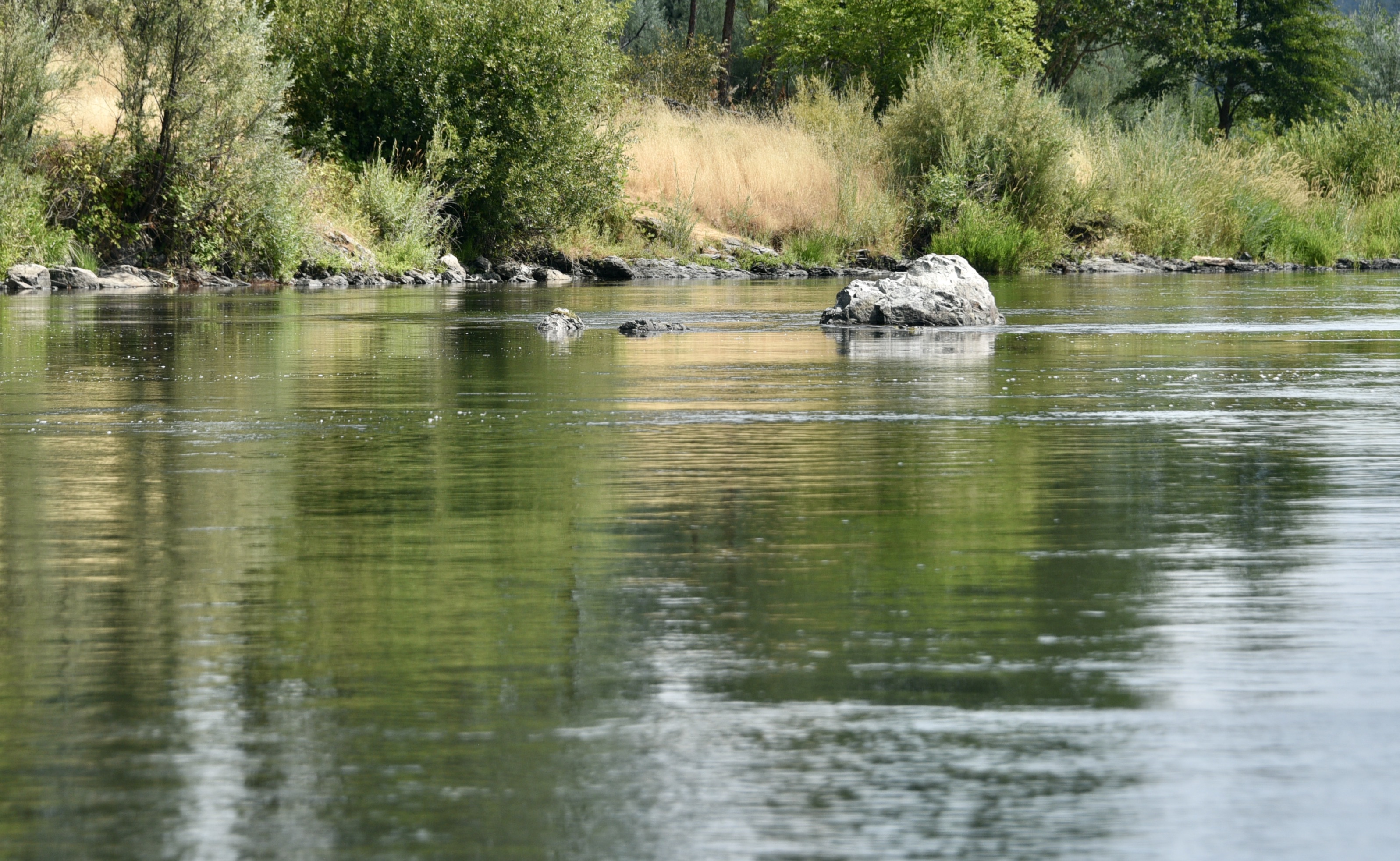
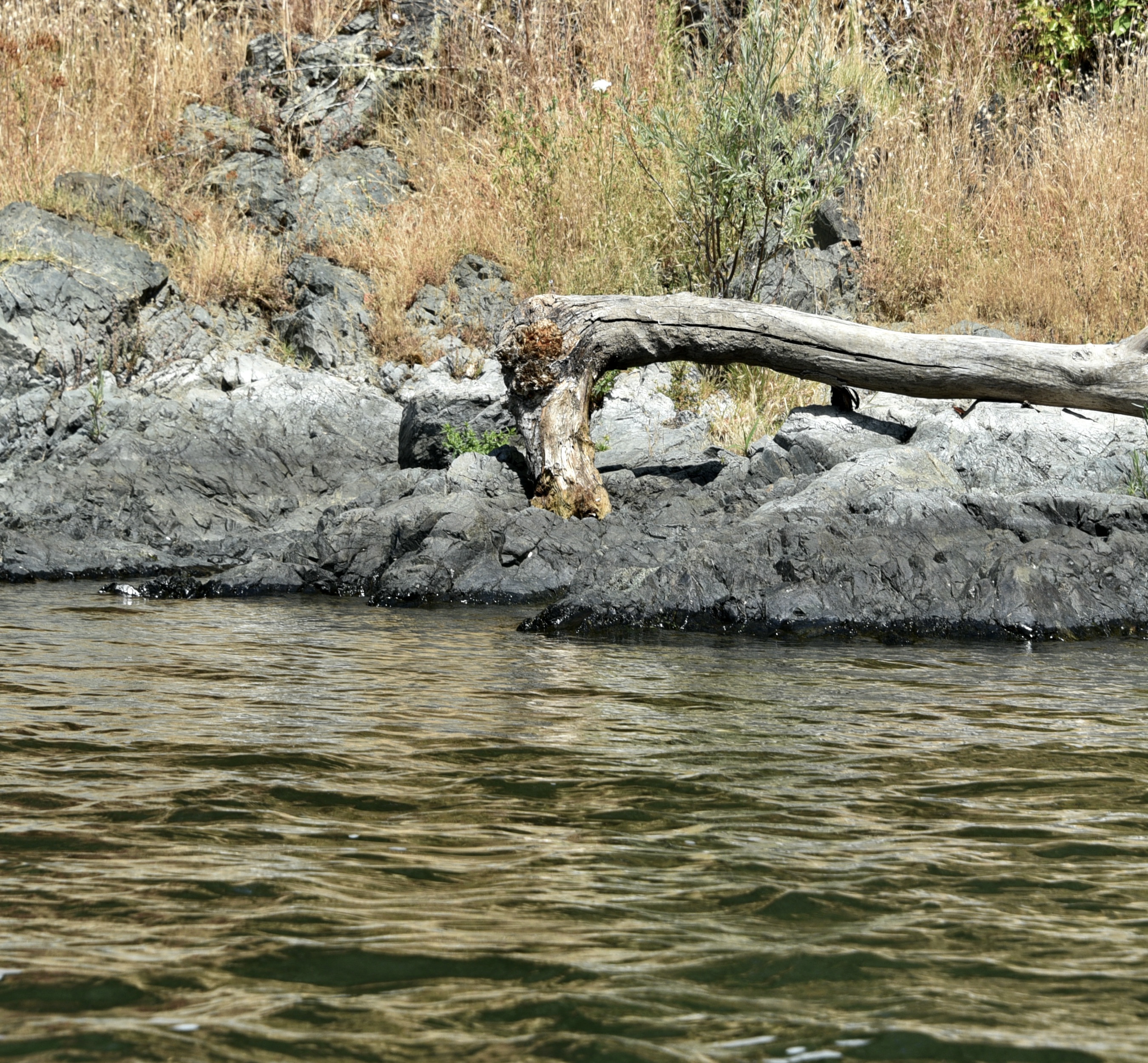
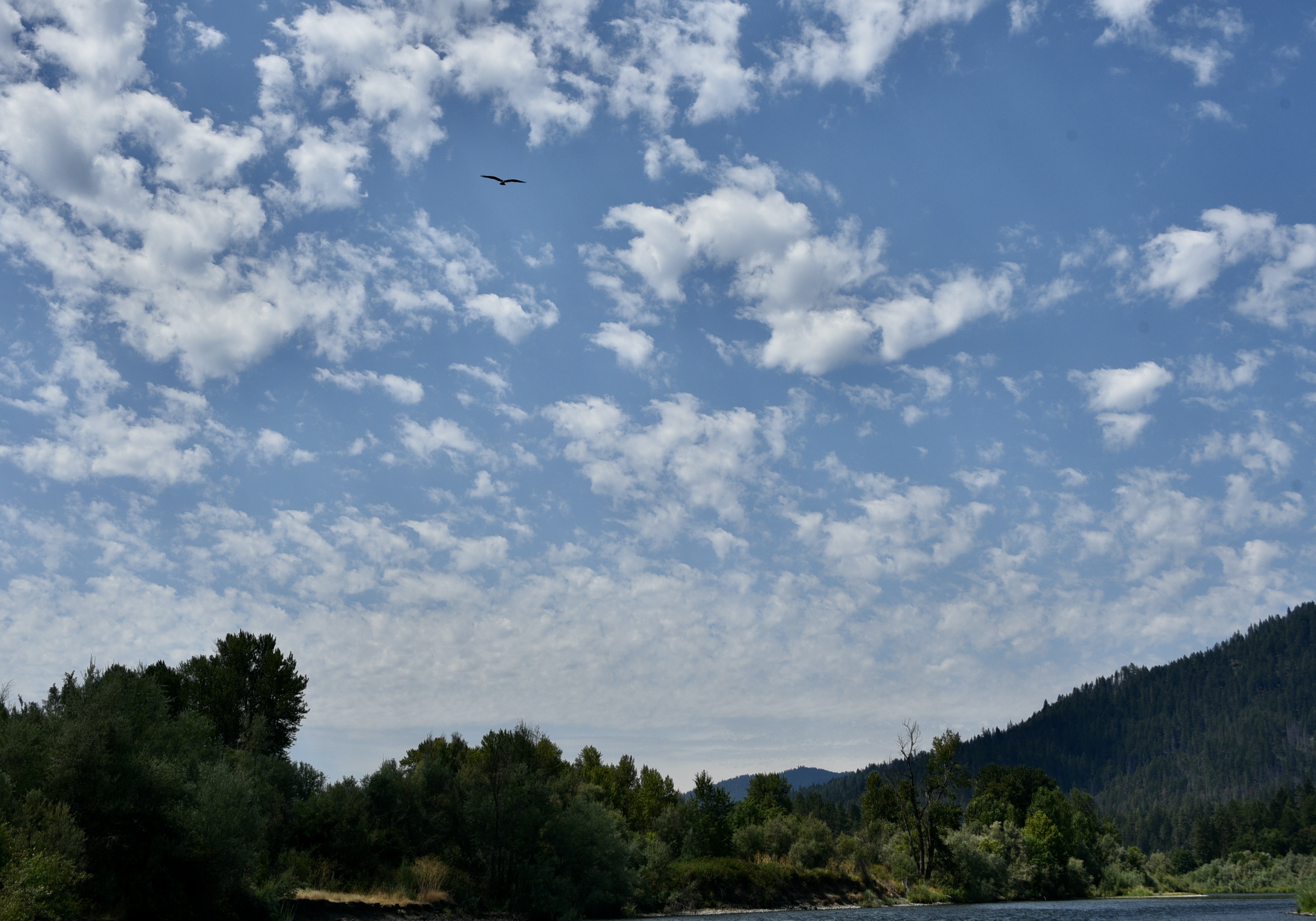
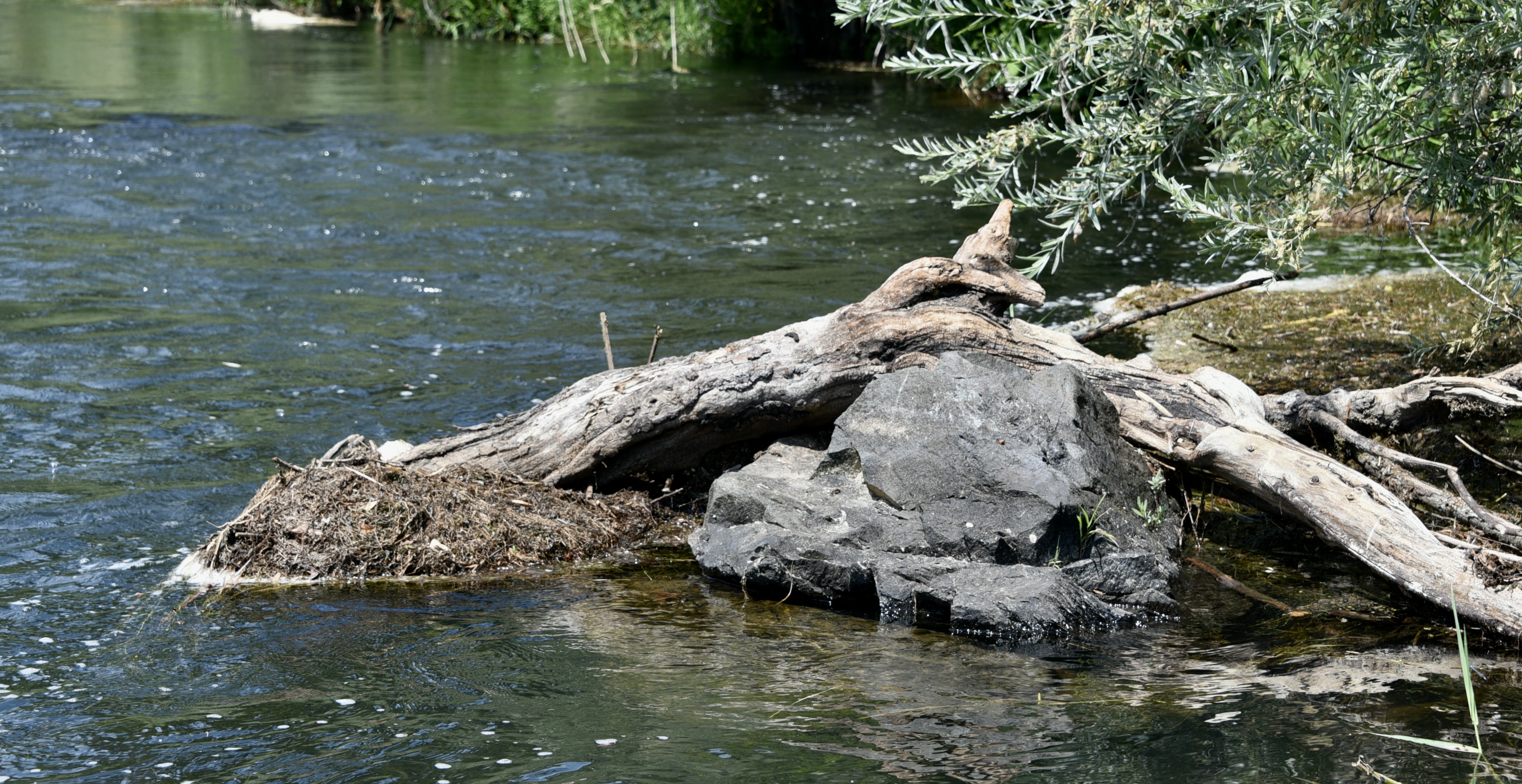
The second batch of photographs taken recently on the Rogue River
oooo

oooo
oooo
oooo

oooo
oooo
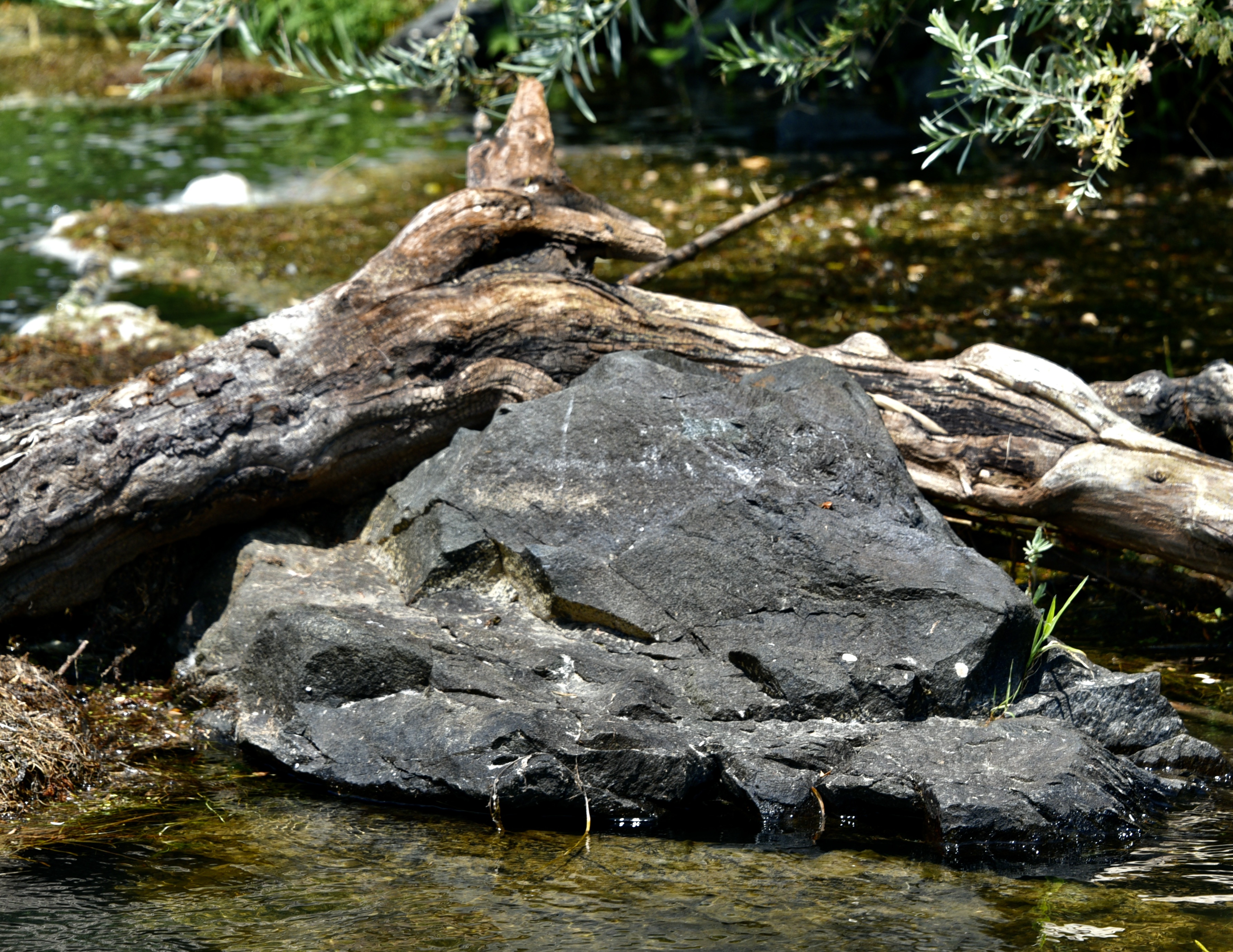
That is the last photograph from what was a gorgeous trip.
My thanks to Rusty and his dog, Mercy.
Dogs are animals of integrity. We have much to learn from them.
Category: Culture
The second batch of photographs taken recently on the Rogue River
oooo
oooo
oooo
oooo
oooo
oooo
That is the last photograph from what was a gorgeous trip.
My thanks to Rusty and his dog, Mercy.
Musings on getting older and older!
I shall be 80 in November; I was born in London some six months before the end of World War II in Europe. I was the result of an affair between my father, Frederick, and my mother, Elizabeth. My father died in December, 1956 when I had recently become twelve years old.
I think that age spans have their own characteristics. So, for example, a person in their 20’s or their 40’s cannot sense what it is like to be in their 70’s or 80’s. Just a theory of mine and I have no evidence that this is a fact.
But as an introduction to today’s post it serves the task perfectly. And today’s post comes from The Conversation.
(And when I was writing this on the 11th July Biden was still the US President. My hunch is that he will not be by the 16th!)
ooOOoo
‘The immortal Gods alone have neither age nor death’

Rachel Hadas, Rutgers University – Newark
President Joe Biden’s current fraught situation, showcasing both his weakness and his determination, is dramatic because it touches upon more than the political moment and more than one man’s character.
After his disastrous debate performance sparked calls for him to step aside as the Democratic presidential candidate, Biden’s position is not only inextricably entangled with issues of temperament and family dynamics. There’s also the challenge of making a crucial decision swiftly, at a moment when no decision is easy or clearly right.
And that’s not all. Biden has come to symbolize both the biological challenges and the existential poignancy of aging – of aging in power, certainly, but also just the unrelenting wear and tear of growing old.
The pressure of all these factors makes Biden a tragic figure.
To see this clamorous moment in the light of the past doesn’t make living in the present easier, but it does widen the perspective. Biden is far from the first person in a position of power who has been reluctant to step down – even when common sense or sheer weariness might dictate otherwise. In recent history, Supreme Court Justice Ruth Bader Ginsburg is often cited as an unfortunate example, and there are many other figures historians can cite.
Literature has always been concerned not only with people in power but also with the life cycle and the complexities of family relationships. Myths stay fresh and timeless; as we age, our understanding of a myth may change.
As the poet Eavan Boland writes in “The Pomegranate:”
“And the best thing about the legend is I can enter it anywhere. And have.”
The immense cohort of aging baby boomers, of whom I am one, is likely to sympathize with Biden because he has come to symbolize the vulnerability of aging – vulnerability to humiliation and, more subtly, to isolation.

Greek poets like Homer and Sophocles present old age realistically.
In Homer’s “Iliad,” the elderly Nestor endlessly reminisces. Although listened to respectfully, he is a figure from an earlier generation whose role in war has dwindled to that of counselor.
Priam, the old king of Troy, heartbroken after the death of his son Hector, still finds the energy to berate his surviving sons as they clumsily hitch the mules that will draw the cart loaded with ransom so Priam can redeem his dead son’s body from the warrior who killed him, Achilles.
The subsequent moment of recognition between Priam and Achilles is one of the most poignant in literature, not least because the sight of old Priam reminds Achilles of his own aged father. Achilles might be expected to be enraged, but seeing Priam turns his anger to grief. Achilles knows he won’t see his father, Peleus, again. Being old is no protection against suffering; the aged Priam, mourning his son Hector, is assailed by the same desolate grief as Achilles.
In Shakespeare’s “Henry IV,” the once jovial and resilient Falstaff, publicly rejected and insulted by Prince Hal, is old, vulnerable – and alone. Macbeth, widowed and isolated, seems to have aged decades in the course of the play; he thinks forlornly of the comforts old age might be expected to provide: “honor, love, obedience, troops of friends.”
King Lear opens the tragedy named for him by ostensibly retiring. He announces his “intent/To shake all cares and business from our age,/Committing them to younger strengths, while we/Unburdened crawl toward death.”
But Lear refuses to cede control. Finally, as he sinks into confusion, he discovers humility and compassion – too late. Lear is reunited in prison with his loyal daughter Cordelia, who hasn’t been afraid to speak truth to power but who also has never ceased to love him – but she is summarily executed, and Lear, heartbroken, dies.
Political commentator Bill Maher has called ageism the last respectable prejudice. It’s as if age and its accompanying disabilities create a force field keeping others at a distance. Or perhaps age bestows a universally recognized vulnerability on people who seemed powerful.
Either way, old people can seem somehow separated from the rest of us.
It’s hard even to imagine President Biden alone; on the contrary, he is apparently surrounded by loyal family and advisers. But the vulnerability of old age was on full display in the first presidential debate. News reports convey how hard it has become for anyone outside Biden’s tight circle to really see or know him.
One of the countless contrasts between Biden and Donald Trump is Biden’s almost sphinxlike unknowability, especially now. With Trump, as has frequently been noted, what you see is what you get. For better or for worse, his qualities are consistently on full display.
Age has been traditionally associated with wisdom, yet the wisdom old age can bestow seems out of reach for a figure still in the thick of politics. Lear’s “all-licensed” Fool rebukes the king: “Thou shouldst not have been old till thou had been wise.”
Only withdrawing from the fray might bestow some tranquility. But the vision to make the difficult decision to withdraw requires a kind of detachment that seems to be very rare in history, and not common in literature either.

Greek tragedy does offer an eloquent example of just such wisdom.
Sophocles’s “Oedipus at Colonus” is a play about an old man written by an old man – Sophocles was in his 90s when the drama was presented.
The aged, self-blinded and self-exiled former king Oedipus, guided by his loyal daughter, finds himself in Colonus, a holy district outside Athens. When Theseus, the ruler of Athens, arrives on the scene, Oedipus’s words to him transcend both the immediate situation and Oedipus’s dire backstory.
“The immortal
Gods alone have neither age nor death!
All other things almighty Time disquiets.
Earth wastes away; the body wastes away;
Faith dies, distrust is born.
And imperceptibly the spirit changes
Between a man and his friend, or between two cities ….
… but time goes on,
Unmeasured Time, fathering numberless
Nights, unnumbered days ….”
By touching upon the shared human condition of mortality, as well as another universal, the inevitability of change, this speech bestows a stark tranquility on the situation.
Oedipus knows that he has come to Colonus to die, and his words convey a vision that seems to issue from beyond the grave. His detachment has an authority that now seems almost out of the reach of any of us, let alone a politician. But it’s good to remember that such qualities exist.
Of course this is a different moment. The looming juggernaut that Trump represents makes it hard for Biden’s supporters, or any Democrats, to be calm. Nevertheless, it’s useful to think about the potential strengths, as well as the vulnerabilities, of age.
The widespread anxiety now rampant among Biden’s supporters is sometimes mocked as unjustified panic. Time, as Oedipus might remind us, will tell. I personally find this anxiety touching and heartening for its humanity; there’s widespread compassion for Biden’s vulnerability.
In the ugly spectacle of American politics, it’s hard to keep humanity in sight. Literature can remind us of what we already know about growing old, about change, and about mortality.
Rachel Hadas, Professor of English, Rutgers University – Newark
This article is republished from The Conversation under a Creative Commons license. Read the original article.
ooOOoo
I cannot add anything to this first-class post!
Memories of July 4th!
This was seen online in the afternoon of July 4th.
Dogs have appeared at U.K. polling stations wearing bows, rosettes and colourful leads as the public go to vote in the British General Election. The hashtag #dogsatpollingstations has become a highlight of election days for animal lovers on social media as people share photos of themselves exercising their pets and democratic rights at the same time. This year did not disappoint, with dogs on X, formerly known as Twitter, photographed in badges, bows and colourful leashes.
It is an alternative to the normal Picture Parade.
A recent article by George Monbiot gets me thinking.
George Monbiot is 61; his birthday is on January 27th. Thus he is 14 years younger than me. He is an experienced writer for The Guardian newspaper. Plus he has authored quite a few books and founded a charity, and given TED Talks, and I am sure more than this.
I read all of the articles that are published by him. His website is widely read. Please read his biography. Some of his many articles really get me thinking.
Some time ago I asked Mr. Monbiot for permission to republish his articles and that was granted. A small number of them have been republished on Learning from Dogs.
Today I want to republish an article that was presented on July 3rd.
ooOOoo
The Fight Against Oligarchy
Oligarchy is the default state of politics, and it is surging back. How do we stop it?
By George Monbiot, published in the Guardian 27th June 2024
We are about to return to normal politics. After 14 years of Tory corruption and misrule, a Labour government will put this country back on track. Justice and decency will resume, public services will be rebuilt, our global standing will be restored, we will revert to a familiar state. Or so the story goes.
What is the “normal” envisaged by pundits and politicians of the left and centre? It is the most anomalous politics in the history of the world. Consciously or otherwise, they hark back to a remarkable period, roughly 1945 to 1975, in which, in certain rich nations, wealth and power were distributed, almost everyone could aspire to decent housing, wages and conditions, public services were ambitious and well-funded and a robust economic safety net prevented destitution. There had never been a period like it in the prior history of the world, and there has not been one since. Even during that period, general prosperity in the rich nations was supported by extreme exploitation, coups and violence imposed on the poor nations. We lived in a bubble, limited in time and space, in which extraordinary things happened. Yet somehow we think of it as normal.
Those “normal” politics were the result of something known to economic historians as the “great compression”: a drastic reduction in inequality caused by two world wars. In many powerful countries, a combination of the physical destruction of assets, the loss of colonial and overseas possessions, inflation, very high taxes, wage and price controls, requisitioning and nationalisation required by the wartime economy, as well as the effects of rising democracy and labour organisation, greatly reduced the income and assets of the rich. It also greatly improved, once the wars had ended, the position of the poor. For several decades, we benefited from the aftermath of these great shocks. Now the effect has faded. We are returning to true “normality”.
The history of many centuries, including our own, shows that the default state of politics is not redistribution and general welfare, but a spiral of accumulation by the very rich, the extreme exploitation of labour, the seizure of common resources and exaction of rent for their use, extortion, coercion and violence. Normal is a society in which might is right. Normal is oligarchy.
In his magisterial book The Great Leveler, published in 2017, the historian Walter Scheidel explains that only four forces have ever significantly reversed inequality: mass-mobilisation warfare (such as the two world wars), total and violent revolution, state collapse and devastating plagues. Decisions, decisions.
He shows how warfare economies were turned into welfare economies, sometimes by force. For example, following the defeat of Japan, the US occupation government, led by General Douglas MacArthur, sought what it called “the democratization of Japanese economic institutions” to ensure “a wide distribution of income and ownership of the means of production and trade”. To this end, it imposed high property taxes, with a top marginal rate of 90%; broke up business conglomerates; demanded a labour union law enabling the right to organise and strike, and higher wages for workers; organised comprehensive land reform, which dissolved large holdings and distributed them to peasants; and introduced fiscal reform that led eventually to taxes on the highest incomes of 75% and an inheritance tax on the largest estates of 70%. These programmes resulted in the near-total destruction of income from capital and the creation in Japan of a political and economic democracy, almost from scratch.
All the major combatants were similarly transformed. In the US, the top rate of estate (inheritance) tax rose to 71% in 1941, and income tax to 94% in 1944. The National War Labor Board raised workers’ pay while holding down executive pay. Union membership soared. In the UK, the top rate of income tax was held at 98% from 1941 to 1952. It took decades to decline to current levels. A purchase tax on luxury goods was introduced in 1940, with rates that later rose to 100%. The share of incomes captured by the richest 0.1% fell from 7% in 1937 to just over 1% in 1975.
In the absence of one of the four great catastrophes, income and capital inexorably accumulate in the hands of the few, and oligarchy returns. Oligarchs are people who translate their inordinate economic power into inordinate political power. They build a politics that suits them. Scheidel shows that as inequality rises, so does polarisation and political dysfunction, both of which favour the very rich, as a competent, proactive state is a threat to their interests. Dysfunction is what the Tories delivered and Donald Trump promises.
Oligarchs seek the destruction of oversight, which is why UK bodies such as the Environment Agency and the Health and Safety Executive have been comprehensively gutted. The same desire was the driving force behind Brexit. They want the cessation of protest. They want a failing NHS, to justify privatisation. They want malleable politiciansand a tame BBC. They get what they want, distorting every aspect of national life. They pour money into neoliberal and far-right political movements, which help capital to solve its perennial problem: democracy. The arc of history bends towards injustice. But every so often it is broken over the knee of catastrophe.
If you want a return to the rich nations’ “normality” of 1945 to 1975 – in other words, to redistribution, a shared sense of national purpose, robust public services and a strong economic safety net, high employment and good wages – and I think most people would, you need a politics that is not just abnormal, but unprecedented. Snapping the arc of injustice would mean going way beyond Jeremy Corbyn’s 2019 manifesto, let alone Keir Starmer’s limp offering, which treads so carefully around the interests of the rich. We would need to do what the world wars did, without the violence and physical destruction: a peacetime MacArthur programme for overthrowing the oligarchs.
Political parties would need to overcome their fear of economic power: of the newspaper barons, the property developers, the fossil fuel companies, hedge funds, private equity bosses and assorted oligarchs who now fund and influence our politics. The longer we leave this confrontation, the more extreme and entrenched oligarchic power becomes. If we want even a modicum of democracy, equality, fairness and a functioning state, we need not the accommodation with economic power that Starmer seeks, but the mother of all battles with it.
ooOOoo
Let me repeat a sentence from the article: “Oligarchs are people who translate their inordinate economic power into inordinate political power.”
I am towards the end of my life. Whether or not things will change politically, as Monbiot suggests above, I do not know. But if asked to guess I would say probably not.
I would love to see a different, as in a better way, of us humans running things. I can’t put it better than how George Monbiot expressed it in that last sentence: “If we want even a modicum of democracy, equality, fairness and a functioning state, we need not the accommodation with economic power that Starmer seeks, but the mother of all battles with it.”
Finally, George Monbiot has a saying on his website: “I love not man the less, but Nature more.” I wish that were not the case, I wish oligarchy was a dead word, but Nature is so beautiful.
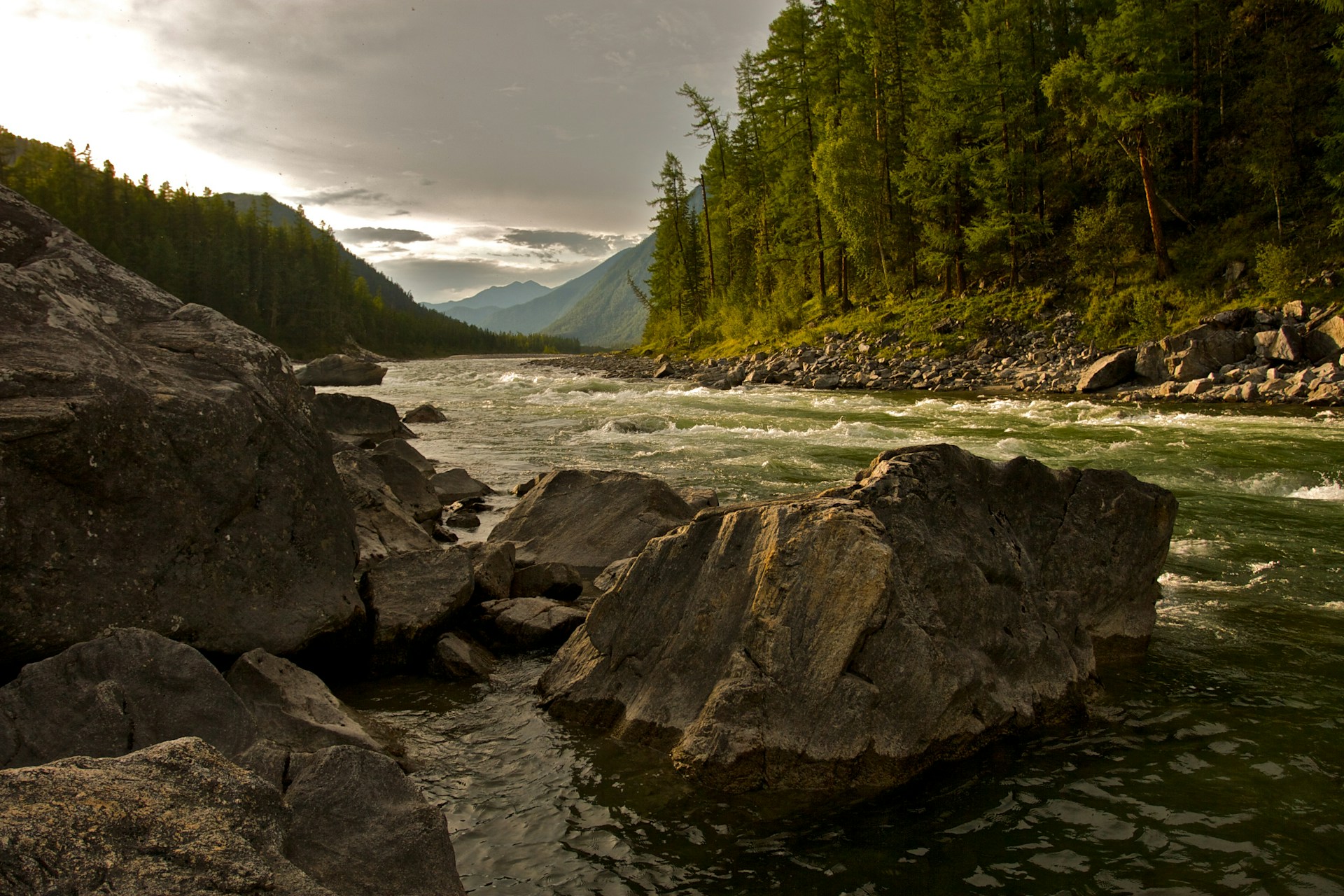
Photo by Daniel Beilinson on Unsplash
A few more of my own!

oooo

oooo

oooo

oooo

oooo
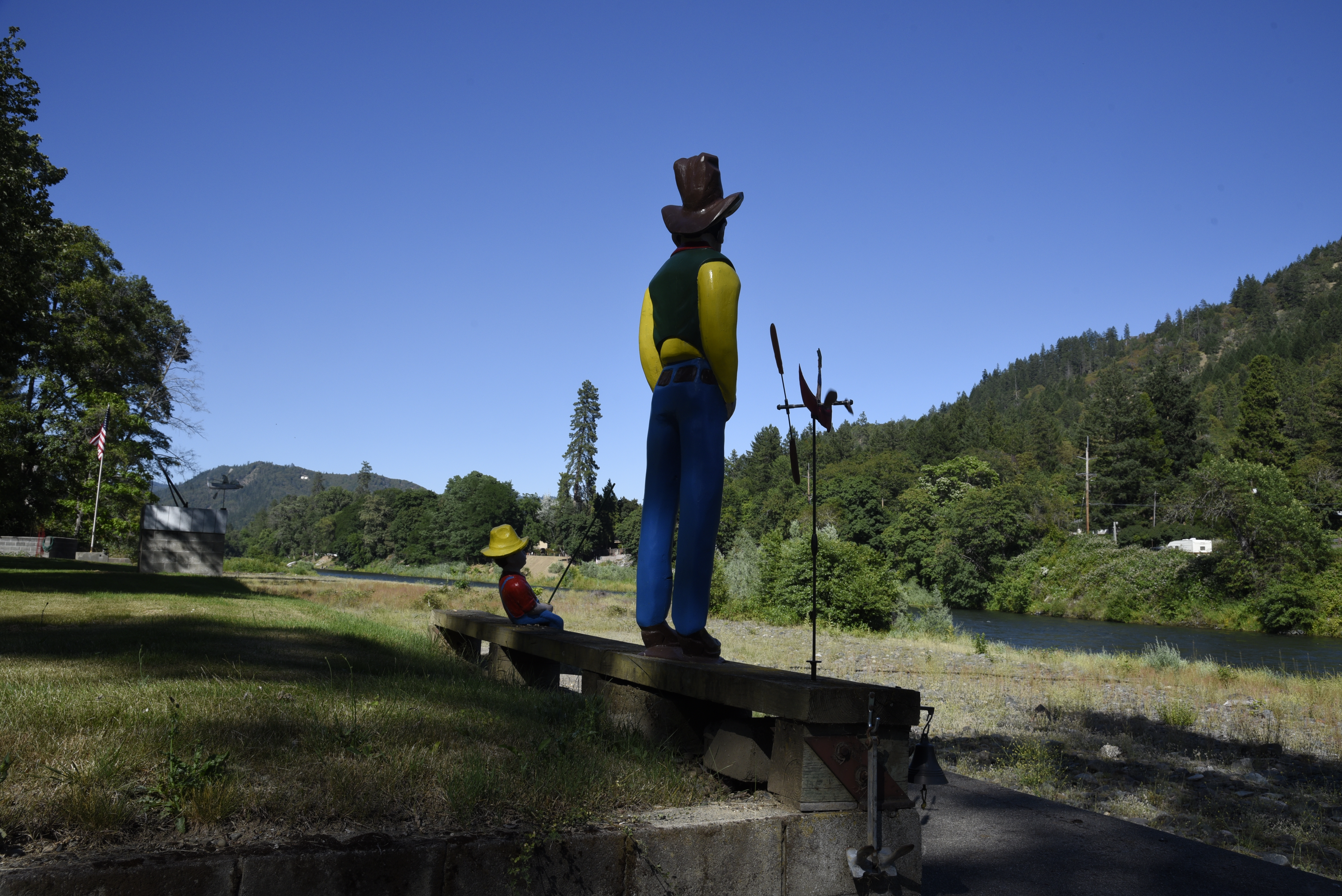
Hope you enjoy them.
July 4th, 2024
From WikiPedia (in part):
Independence Day, known colloquially as the Fourth of July, is a federal holiday in the United States commemorating the Declaration of Independence, which was ratified by the Second Continental Congress on July 4, 1776, establishing the United States of America.
The Founding Father delegates of the Second Continental Congress declared that the Thirteen Colonies were no longer subject (and subordinate) to the monarch of Britain, King George III, and were now united, free, and independent states.[1] The Congress voted to approve independence by passing the Lee Resolution on July 2 and adopted the Declaration of Independence two days later, on July 4.
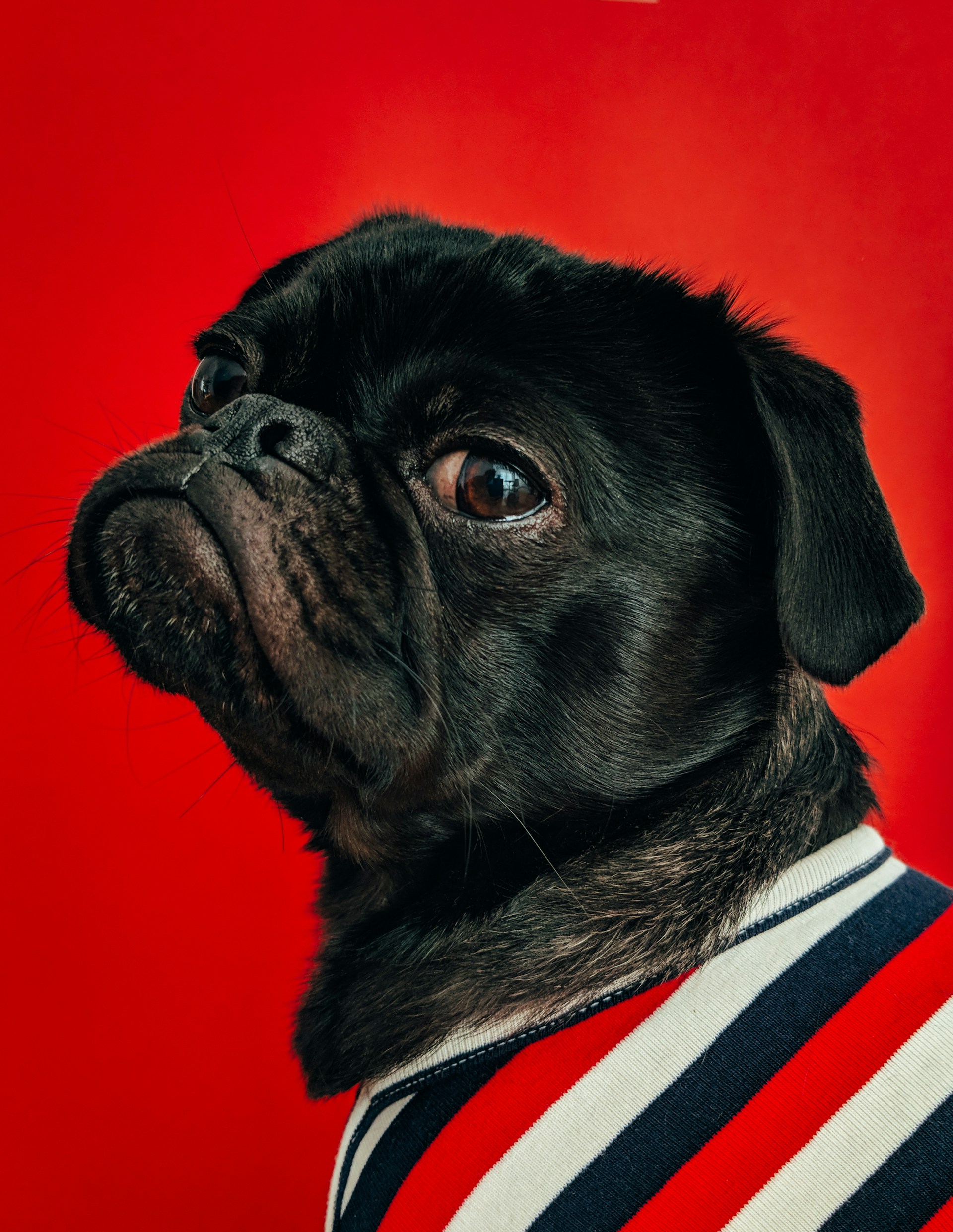
Photo by charlesdeluvio on Unsplash
Reflections on Oregon.
Or more precisely Southern Oregon.
We live in a beautiful State.
Roughly 100 miles North-East of us is Crater Lake.
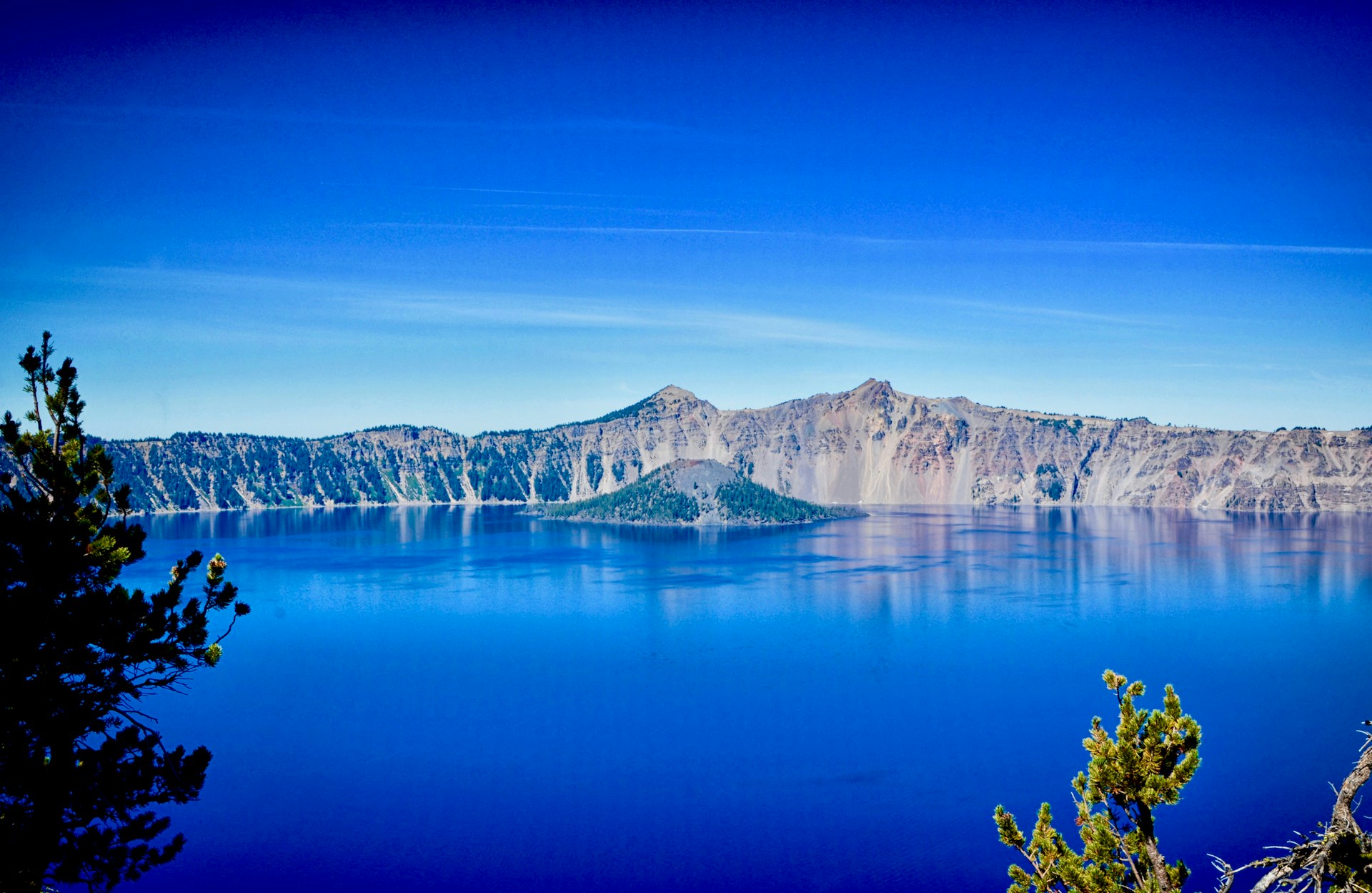
Photo by Anukrati Omar on Unsplash
It was formed when this former volcano, “which collapsed on itself during an eruption just 7,700 years ago and slowly filled with melted snow, now stands as Oregon’s only national park.”
At over 2,000 feet deep it is the deepest lake in the United States of America.
There is a website, 16 Reasons Why Oregon is the Best State in the Country, and Jean and I believe it. Do visit this web page.
Oregon has acres and acres of forest and wild lands.
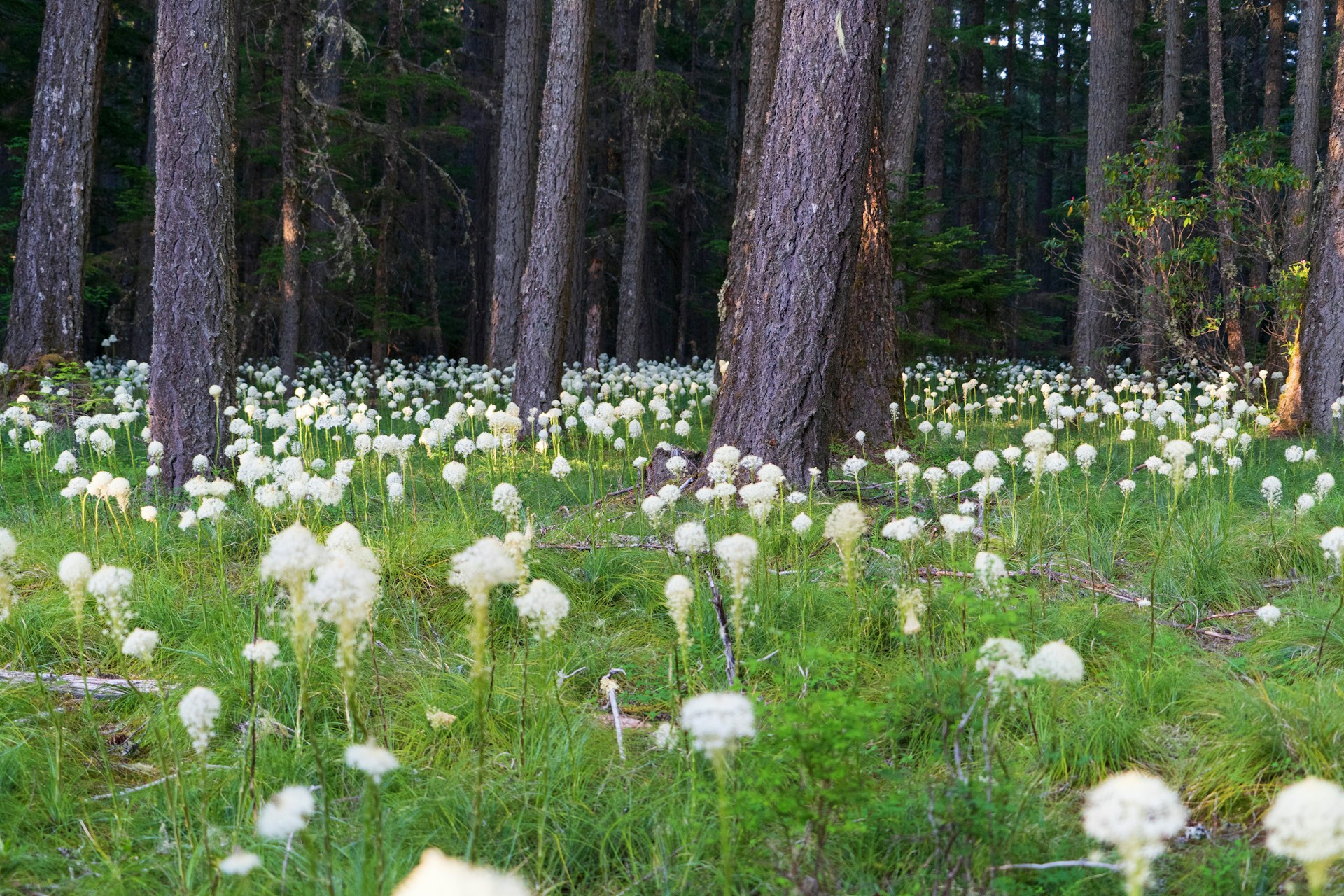
Photo by Dan Meyers on Unsplash
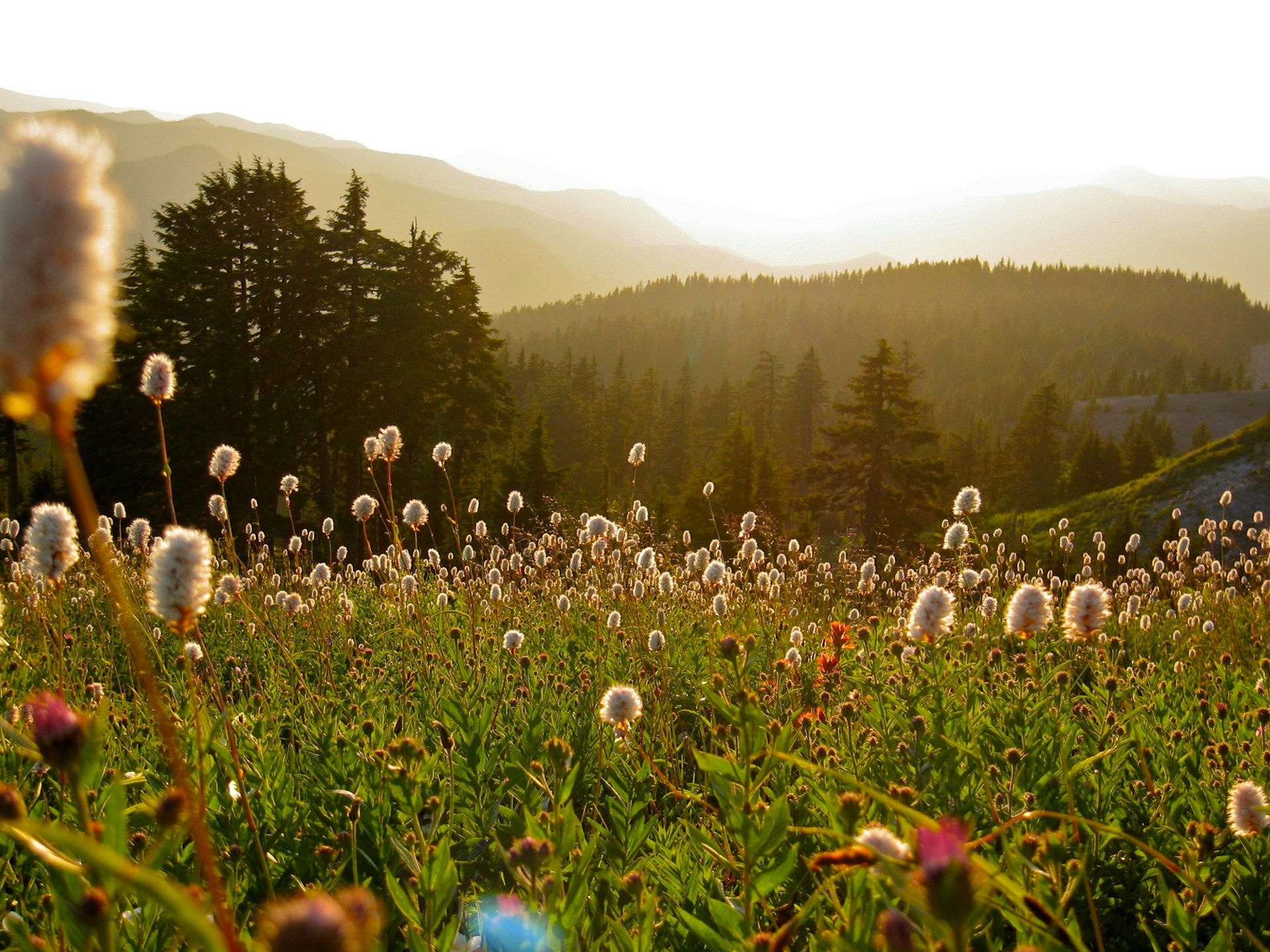
Photo by Moss and Fog on Unsplash
Oregon has many truly wild places. Here is a photograph of one of Oregon’s famous waterfalls.
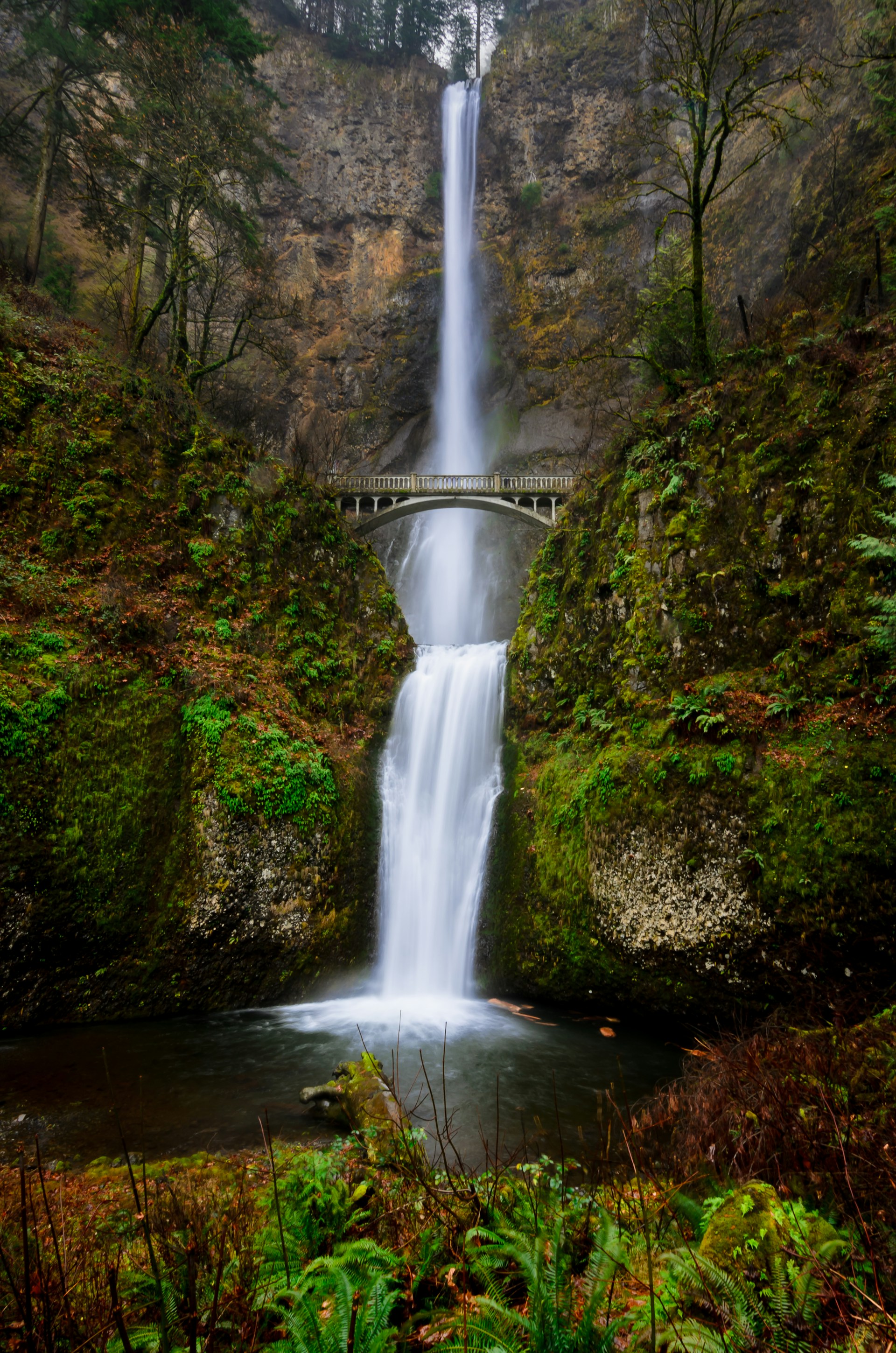
Photo by Chris Briggs on Unsplash
Here is a photo of the wild coast and the ocean.
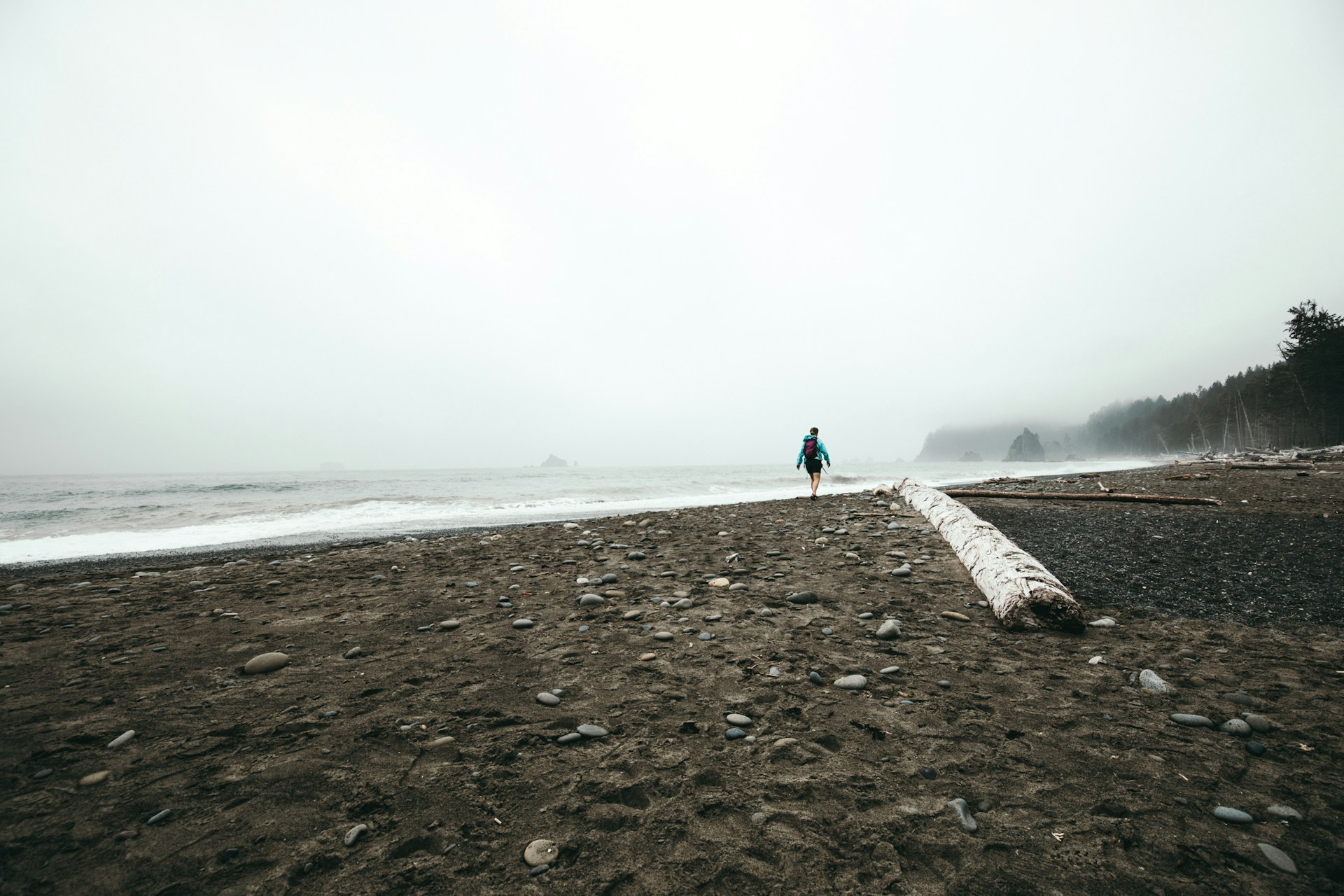
Photo by KAL VISUALS on Unsplash

Photo by Jordan Steranka on Unsplash
As was said at the start, Jean and I live in a very beautiful part of America.
Plus the people are incredibly friendly.
Back to Unsplash!

Photo by Robert Koorenny on Unsplash

Photo by Tracey Hocking on Unsplash

Photo by Tadeusz Lakota on Unsplash

Photo by Marcus Löfvenberg on Unsplash

Photo by Nick Fewings on Unsplash

Photo by Kevin Noble on Unsplash

Photo by Vico Pradipta on Unsplash
That’s all for this week, and for the month of June.
See you again soon.
Just a single image today!
That of 50 years ago.
In other words when Apollo 8 was in Lunar Orbit and William Anders, who died on June 7th, aged 90, captured Earth-rise.
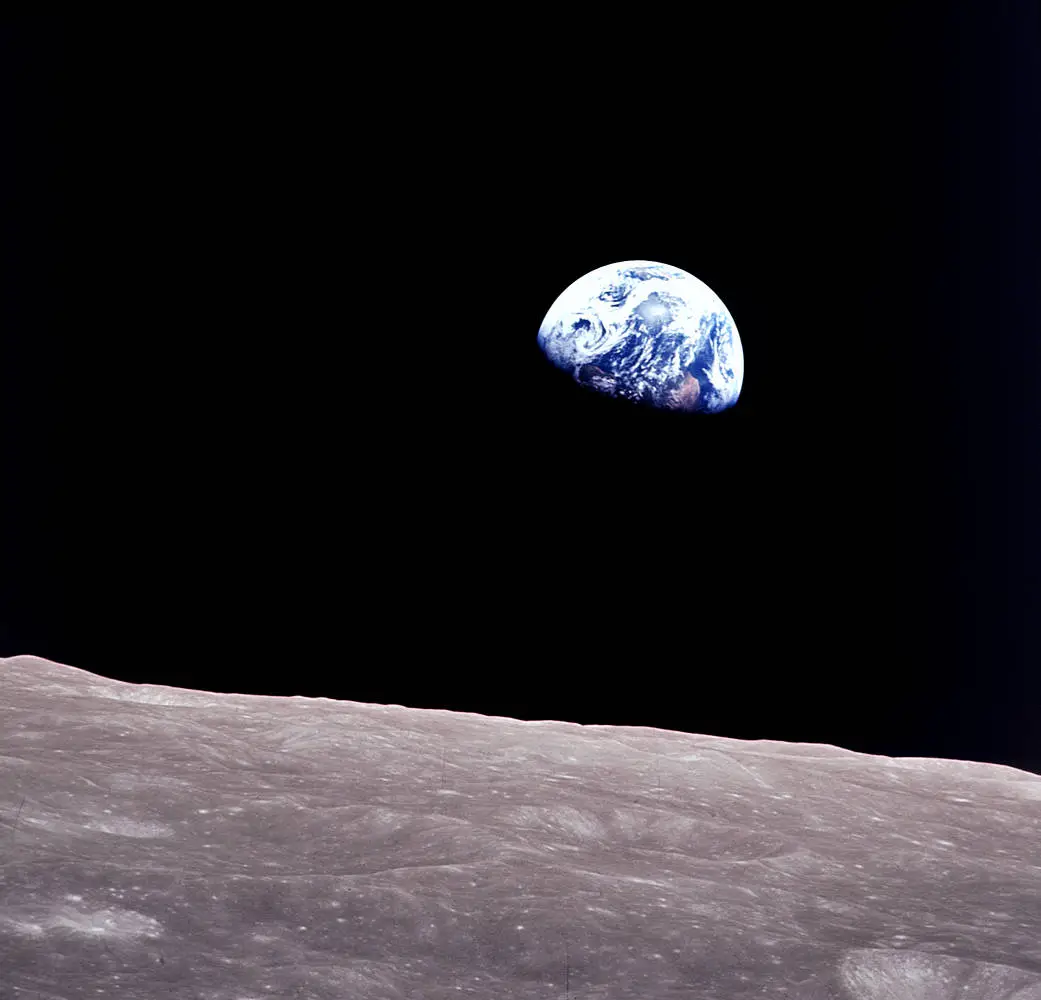
Image credit: NASA
What a photograph!
Thanks to the Dodo for this.
I just love articles about dogs being rescued. Such as this one:
ooOOoo
Tiny Dog Trapped In Canal For Days Almost Loses Hope Of Being Found
By Ashley Ortiz, Published on May 28, 2024.
It was a sunny spring day in Compton, California, when a group of residents spotted something white bolt across an unused canal. It’s not uncommon to find discarded items strewn along the canal, known as Compton Creek, but this was the first time they’d seen a dog trapped inside.
Situated tens of feet below ground level, the worried onlookers were unsure how a tiny pup made it into the canal in the first place.
“[T]here was no way in except to climb down,” Suzette Hall, founder of Logan’s Legacy 29 dog rescue, wrote on Facebook.

The Good Samaritans rushed to help the pup, later named Sammy, but he was too scared to let anyone get close.
“There were people who went to try to get the dog, but they were unable to secure [him],” Kristina Ross, one of Sammy’s original helpers, wrote in a Facebook comment.

Ross posted footage of Sammy sprinting down the canal on Facebook and pleaded for someone to save him. After three days of failed attempts, they contacted Logan’s Legacy, and Hall was eager to help.
Hall soon arrived with a humane dog trap in hand. As she figured out a way to lower herself into the canal to set up the trap, another pair of Good Samaritans descended.
“I [saw] the post today and jumped down the sewer with a rope,” one of the Good Samaritans wrote on Instagram. “[I] felt the need to rescue this poor baby.”

The pair trudged through muddy sewer water and trash to reach Sammy. As dangerous and uncomfortable as wading through the canal was, they knew that Sammy’s experience was even worse.
Hall watched as the men tried to catch Sammy multiple times. On their final attempt, one of the guys, Nelson, successfully cornered Sammy and threw a net around him to stop him from bolting again.
Nelson then carefully gathered up the net with Sammy still in it, and his partner lifted the pup out of the canal. They handed Sammy over to Hall, who gave the dog a big, triumphant hug before loading him up in her car.
“He literally melted in my arms,” Hall wrote. “He knew he was finally safe.”

Ross, the woman who had originally posted about Sammy, offered to foster him for the night. The grateful pup slept through the night in a cozy bed before heading to the veterinary clinic the next day, where he was immediately treated for a rotten tooth and an injured paw.
The tiny dog was soon on the mend, but his rescuers still couldn’t believe what he’d been through.
“I can’t imagine how scared he was down here in that big, huge canal, all by himself,” Hall wrote on Facebook. “He’s in recovery and doing just fine.”

While Sammy recovered at the vet clinic, he stole the heart of one of the vet techs caring for him. Instantly smitten with the pup, the loving vet tech decided to give him the best forever home he could’ve ever dreamed of.
“She said, ‘We have fallen in love … can we please adopt him?’” Hall wrote on Facebook. “[It’s] just so meant to be. He is beyond loved and getting spoiled.”

Over a month after his rescue, Sammy is thriving in his new home alongside his equally tiny Chihuahua sibling. His days are filled with cozy beds, walks with his family and play sessions with his doting sibling — and he wouldn’t have it any other way.
For his rescuers, it seems like Sammy’s journey through the canal was just yesterday. But for Sammy, his days of feeling alone and scared are far in the past. Now, he only knows love.
To help pups like Sammy get the care they need, you can donate to Logan’s Legacy 29 here.
ooOOoo
I have included the link to Logan’s Legacy 29 just in case you wanted to help Sammy as well. We have made a small donation.
This is the most perfect outcome one can imagine. Beautiful Sammy!
 Learning from Dogs