Category: Culture

Well done HSUS!

Here’s what HSUS are doing for the poor dogs out in Puerto Rico.

From time to time we do donate a few cents to The Humane Society of the United States (HSUS) because their size and huge support from so many people does allow them to step up to the really big needs.

And Hurricane Maria certainly left a big need in its wake for dogs.

So a recent item that was published over on Mother Nature Network just had to be shared with you all.

ooOOoo

Hundreds of dogs are being airlifted out of hurricane-ravaged Puerto Rico

One beach famous for its stray dogs is now hauntingly empty.

Christian Cotroneo, October 3, 2017.

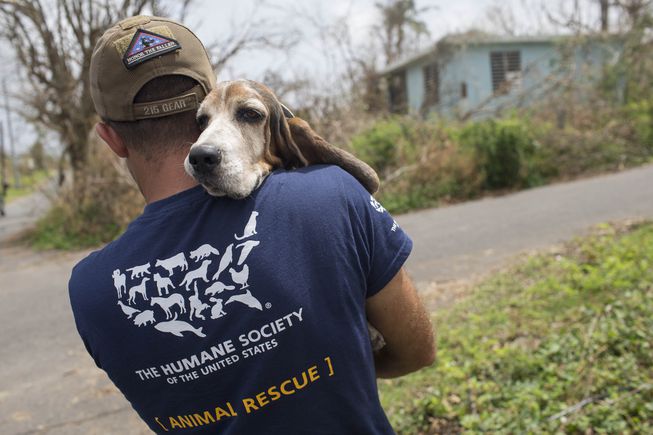
The HSUS Animal Rescue Team (ART) assists with animal rescue and response following Hurricane Maria on the island of Vieques, Puerto Rico. (Photo: Dennis M. Rivera Pichardo/AP Images for The HSUS)

In the wake of Hurricane Maria, hundreds of dogs, as well as cats, horses and even a few pigs, are getting off the island.

Several rescue groups, including the Humane Society of the United States, have waded into the breach to rescue some of the island’s most defenseless residents: its burgeoning population of stray dogs, as well as those currently in shelters.

HSUS has a history with the territory, helping with law enforcement training and horse care, and working closely with animal shelters across the island.

“Since the storm hit, we’ve been doing our best to stay in contact, given the communication challenges, with all of our shelter partners and other partners on the island,” Inga Fricke, director of pet retention programs for HSUS, tells MNN.

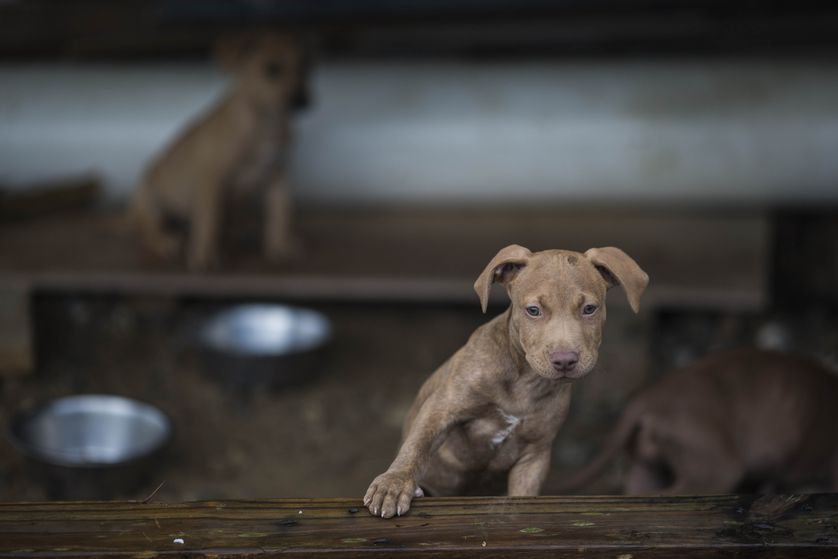
Puppies under a house in Vieques, Puerto Rico. (Photo: Dennis M. Rivera Pichardo/AP Images for The HSUS)

This week, the organization — with help from partners like Wings of Rescue and St. Hubert’s Animal Welfare Center — began airlifting dogs from stressed island shelters to a processing center in New Jersey.

“They get vetted there, get the care they need and then get parceled out to other partners around the country,” Fricke says.

Not every animal survived Maria’s onslaught. Notably, a southeast corner of the island once teeming with strays — nicknamed “Dead Dog Beach” — was found to be desolate when rescuers arrived.

“We’re hearing from our rescuers who have a feeding area where they go every day and we are hearing that most of those dogs have perished,” Twig Mowatt, co-founder of All Sato Rescue, tells MNN.

While the organization is based in San Juan, Puerto Rico, Mowatt is just outside of Boston, coordinating with the Humane Society of Puerto Rico to get vulnerable dogs airlifted to the mainland.

“I’m kind of like an air traffic controller these days,” she says. “My group is largely rescue and transport but we partner with the humane society for those really badly affected.”

“We were able to get dogs out on Friday and then yesterday,” Mowatt adds.

John Peaveler, an inspector with HSUS, does a field inspection in Vieques. (Photo: Dennis M. Rivera Pichardo/AP Images for The HSUS)

Described as “apocalyptic,” the hurricane left much of the island in the dark, without electricity or communications. And while the humanitarian relief effort is ongoing — much of the island was still without power in early October — the search for animals in distress may be even more complicated.

With an estimated 150,000 dogs in Puerto Rico and not enough animal shelters, there’s no space for dogs found roaming at large. As a result, many of them are put down immediately.

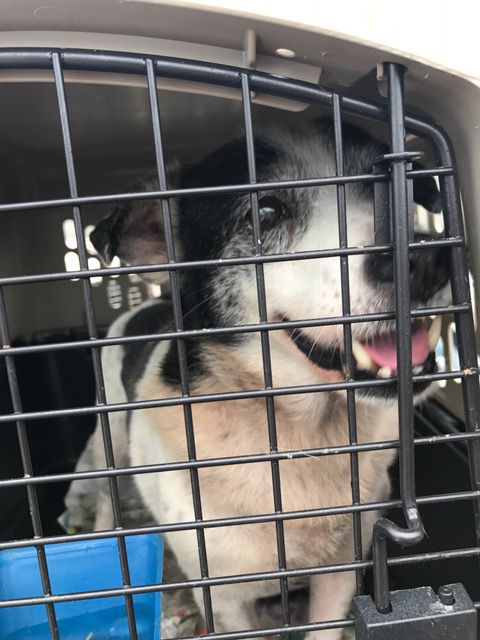
A crated dog is prepared for transport to New Jersey. (Photo: Dennis M. Rivera Pichardo/AP Images for The HSUS)

“We have even done several transports, even just this year, to try and alleviate some of the overcrowding and the pressures on the shelters across the island,” Fricke explains.

“But certainly our focus now, after the hurricane, is to try and remove as many of the sheltered animals as possible so we can allow them to make room for animals that unfortunately have been affected by the storm and can’t be kept by their families any more for any reason.”

If you would like to help HSUS in its efforts to to save Puerto Rico’s displaced animals, consider making a donation here.

ooOOoo

That’s a great way to end the week. See you all on Sunday!

Return to the movies!

Another movie, another dog! Correction: another world-famous dog!

Monday’s post Hail the Hero was about Max.

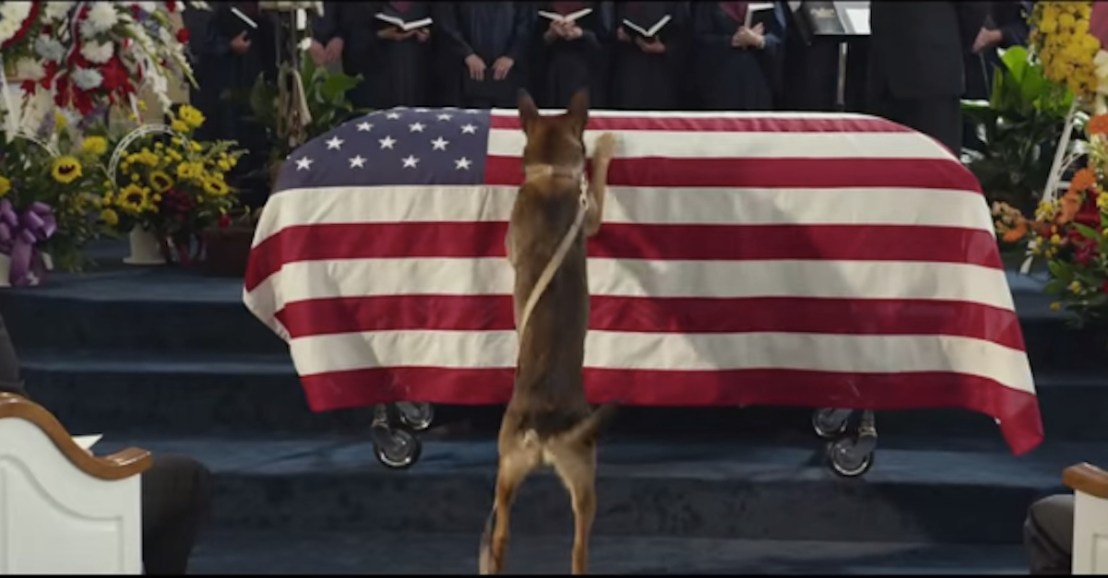
Max, a feature film by the producers of the doggie classic Marley and Me, intends to explore a soldier dog’s journey that doesn’t end with this heartbreaking image of a pup chasing down his fallen brother, but rather begins with it.

So it’s rather nice to welcome a guest post from Emily Ridgewell that features a dog that became known far and wide thanks to television and the cinema.

ooOOoo

An Incredible Rescue: An Often Forgotten “Tail” From The Golden Age Of Hollywood

By Emily Ridgewell

In the shadow of recent world tragedies, and long before cute puppies and kittens graced the internet, there were former movie legends in the form of incredible canines that found their way onto the big screen in the golden age of Hollywood. Think of adorable dogs like Toto from The Wizard of Oz or Lassie from many different types of these movies and television shows.

But there’s another “tail” (pardon the pun) about a German Shepherd named Rin Tin Tin who stole America’s heart and eventually had millions of fans all around the world long before the advent of the internet. Few of us today know the real-life story of this precious little puppy who was rescued from a war zone long before Toto or Lassie gained their fame and fortune as canine celebrities.

According to a historically-related biography published long-after this rag-tag dog shot to fame in the late twenties and early thirties, there was a young American soldier stationed in Europe shortly before the end of World War I. Corporal Lee Duncan was traipsing through the aftermath of formerly German-occupied farming village in France when he came across a single building, actually it was a kennel, that remained somewhat intact after a devastating bombing had leveled the entire town.

After cautiously entering the building, the young trooper painfully walked over more than a dozen dead German Shepherd dogs. These canine soldiers were trained for combat and left behind by the Third Reich. Corporal Duncan heard whimpering coming from deeper inside this solitary structure and continued on with his mission. To his amazement, Lee discovered some unlikely survivors of this terrible tragedy.

AFTER THE UNTHINKABLE – LIVING & LOVABLE

Lying in the rubble, there Lee saw a female shepard with five young puppies who were just a few days old. Corporal Duncan was no stranger to abandonment since his own father had left him and his mother to fend for themselves back in 1898. Just a year later, his Mom took him and a younger sibling to an orphanage. Perhaps this tugged on his heartstrings and he couldn’t leave behind this young family so he took them all underneath his wing.

He took the entire brood back to his barracks in a living and loving rescue effort. The young Corporal quickly realized he couldn’t care for all of them and found loving homes for all but two of the pups. He kept a little boy and girl, named them Nanette and Rin Tin Tin, both titles given to good luck charms found in France.

THE CANINES AFTER CHAOS

Lee continued to care for his beloved best buddies as the chaos of the war continued. After the conflict had concluded, Corporal Duncan was bound and determined to take his little war refugees home with him. Imagine the red-tape he was faced with and, long story short, he lost Nanette to pneumonia after bringing them both home to the states.

The WWI veteran got a job in his home state of California and began training Rin Tin Tin to perform some tricks in their spare time. After some filming occurred, the former Corporal wrote a screenplay and the rest (as they say) is history.

There’s an old saying (later turned into a Beatles song – also from many days gone by) that rings true in this case, you “Can’t Buy Me Love.” And that’s the whole point.

You can’t purchase the love and affection of an animal, but if you rescue one, you’ll find unconditional love that lasts forever. You might not become rich and famous after rescuing an animal, but you’ll never find a deeper love and connection with your four-legged best friend.

ooOOoo

Emily Ridgewell is an arts professional and a pet enthusiast from sunny LA. Emily has a creative energy and an aesthetic sense of living, where everything beautiful is worth sharing. She loves her yorkie Olivia and writes original and fun articles on ways to learn and improve your pet-best friend’s life. She finds exciting new things to explore and experience! Don’t forget to connect with her on Twitter: @ridgewell_j

Picking up on that ‘old saying’ with regard to The Beatles makes it easy to close today’s post. (And sorry if this makes some of you feel old!)

Here’s a little bit of music history:

Written by: Lennon-McCartney
Recorded: 29 January; 25 February; 10 March 1964
Producer: George Martin
Engineers: Norman Smith, Geoff Emerick

Released: 20 March 1964 (UK), 16 March 1964 (US)

Can’t Buy Me Love was The Beatles’ sixth British single, released with the b-side You Can’t Do That. It was written while the group were in Paris for a 19-date residency at the city’s Olympia Theatre.

Ah! Nostalgia!

One calculating dog, and

… one unsuspecting human.

The title and sub-title are almost the complete sub-title to a book from Colin Chappell. As sub-titles so often do, they offer the flavor of the book to come.

OK! Let me start properly!

Some time ago, Colin and I agreed to do a book swap and then review each other’s book. We duly exchanged books and Colin held to his side of the agreement! I sent Colin Learning from Dogs and Colin sent me Who Said I Was Up For Adoption?

For reasons that now escape me first I gave the book to Jeannie and she read it and very much liked it. I was going to ask Jeannie to dictate a review for me but, oh I don’t know why not, that never happened. To add to me embarrassment, I still haven’t read the book myself plus Colin ages ago published his review of my book over on his blog Me and Ray.

So when author Deborah Taylor-French reviewed the book on her blog Dog Leader Mysteries I held my breath very tightly and asked Deborah and Colin if I might republish her review here.

I am delighted to say that both were very happy for me to so do! Here it is.

ooOOoo

Overcoming challenges to adopting, Ray

By Colin Chappell, Guest Blogger

When Ray came to live with us, he brought with him many issues. We had been advised that he had no social skills. We had ascertained that he had no training relevant to living in a home, and we knew that he was very cautious around people and other dogs. It was not long before he displayed “Startle Response” (never touch a sleeping Ray!), and “Fear Aggression”. The “Fear Aggression” was Ray’s way of handling uncomfortable situations such as being close to other people and dogs. Ray was a fast learner at home with us and, while he made some mistakes, he was trying to adapt to his new life. He did seem to want to please us, just as we wanted him to be happy. The first thing we had to do however was to arrange for him to have a full medical. When the vet called us to discuss the results, we knew we had a problem.
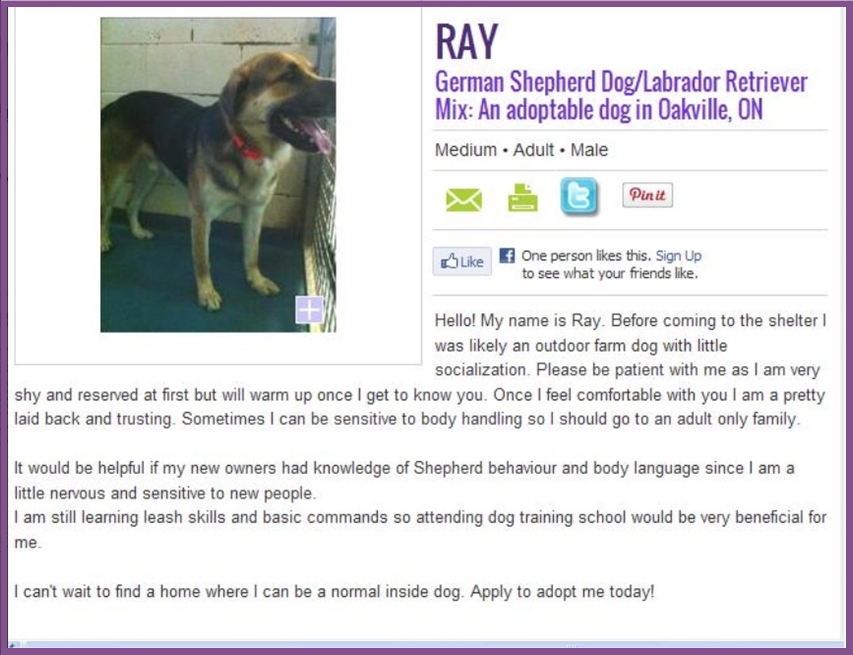
His dog’s diagnosis? Read about a heartbreaking medical condition.

Medical professionals assess Heartworm status as Stage One to Stage Four. Stage Four, the most advanced, is considered terminal. They estimated Ray at Stage Two, which provided hope that treatment could be successful. Treating heartworm is very expensive and offers no guarantee that the dog will survive the treatment, and so we now had to make the difficult decision of how to proceed with a dog that had lived with us for only a short time. There were some theoretical options for consideration.

1. Commit a lot of money to a treatment program, which may kill Ray? – We were fortunate in that we could manage the estimated $3500.00 financial burden of the treatment program, but did we want to? Ray had not been with us very long and was carrying a lot of emotional “baggage” from his past. While it would be nice to believe that he would adapt to be a lovely family pet, nobody could offer us that guarantee so that we would be investing a considerable amount of money in a dog with unknown potential. Furthermore, treatment consisted of a series of deep muscle injections with an arsenic-based compound, which should kill all the heartworms, however, when heartworms die, the pieces of worm can cause restrictions or even a blockage.

There was a significant possibility that Ray could die from congestive heart failure. To reduce the risk of this potential outcome; a dog must be kept as calm as possible to maintain a very low heart rate. Life for Ray, and for us, would be complicated for the next six months or so.

2. Do nothing? – An option but, in reality, a cruel and irresponsible decision. His quality of life would have slowly deteriorated as the heartworms spread, causing damage to his lungs and other organs throughout his body. Death would have been his only escape.

3. Return Ray to the shelter? – We knew they would have taken him back, but that raised some issues. We would be avoiding making the difficult decision by transferring the responsibility to the shelter. This rationale is against my core belief of accepting one’s responsibilities. Returning him also had some very questionable ramifications in that they would probably not be able to adopt him out again.

Who would want to take on an unknown dog with a serious (and expensive) health issue? Would the shelter be prepared to finance the treatment of a single dog when they are dependent on voluntary financial contributions and are constantly fund-raising to maintain their day-to-day services?

Given our excellent relationship with the shelter, we presented them with our dilemma and asked what they would do if Ray were returned. The answer was, not too surprisingly, very diplomatic. They would not be able to make any decision until he had been reassessed as a possible candidate for future adoption. They also made it clear that whatever decision we made, they would support it wholeheartedly. While their support was appreciated, my feelings were that his future would probably not be too long if returned.

4. Euthanize Ray? – The thought of euthanizing Ray gave me a lot of problems because of Skeeta, my first cat in Canada. Skeeta always seemed to love the company of pretty much anybody and her original owners did not feel that they had the time for her any longer, and so were looking for an alternative home for her. She made a tremendous impact on us all but, after only three months she was distressed. The diagnosis came that she had feline leukemia. Her condition considered untreatable, so the medical staff recommended euthanasia. Looking back, I still struggle with Skeeta’s death. (Terms like “euthanize”, “put down”, and “put to sleep” are all gentle words that only mask the reality of killing.)

The issue with Skeeta was not that her life could not be saved, but that it was far too easy to euthanize her. To have an animal killed, regardless of the justification, should take far more than signing a piece of paper and handing over a relatively small amount of money. Such a simple process was somehow offensive to me in that it resulted in the death of a living creature that had displayed an unquestionable ability to connect with us on an emotional level.

The more I thought about Skeeta, the more I decided that Ray deserved an opportunity to live and it would be my goal to ensure that he had that opportunity. My decision, therefore, was to keep Ray with us and start treatment as soon as possible. Fortunately, Carol had come to the same conclusion, and so treatment was scheduled for the summer.

It did cross my mind that Carol may not be able to justify the cost of the treatment so while I was not anticipating an issue over this, I had made plans to cover the cost on myself. Less than three years old, Ray had not enjoyed a good start to his life. Now Ray worked hard to adapt to our family environment. This big dog had already made a niche for himself in our family. Ray showed signs of wanting to stay with us.

Most importantly to me, Ray was a dog who had invited me to be his friend**.

Friends for life, rare and welcome as love and kinship.

What sort of friend would I be to walk away from him, and leave him to whatever fate would await? Ray could well die during the heartworm treatment, but then he could also survive it. I committed to whatever became necessary to ensure that he had the best chance possible of a long and happy life. I suddenly realized just how important he was to me. I loved this guy!

** The details of this life-changing moment (for both of us) are in his book.

About Colin Chappell: Born in England, part of the post-war “baby boomers” Chappell moved to Canada in 1975 with a wife and two children. Through no planning, he happened to fall into a position that included a mandatory deduction for a pension plan. Less than 30 years later, he retired and pursued new interests. When his children had grown he chose a fresh start. Chappell explored music and, due to lack of finances, he bought a “fixer upper” for his new home.

All photos by Colin Chappell

A few years later, Chappell found himself in a new relationship. The question of owning a dog often came into their conversations. It resulted in him being adopted by Ray, and their lives have never been the same since.

Experiences and day-to-day incidents with Ray prompted starting a blog using Word Press, Please visit meandray.com Writing this blog he got the idea of writing a book about Ray. Find this book on Amazon at Who Said I Was Up for Adoption?

Chappell’s writings continued and, after experimenting with some poetry, decided to put together a book of simple, but hopefully thought-provoking, verse.

Just Thinking by Colin Chappell

ooOOoo

Colin, I do hope this makes up somewhat for me not sticking to our agreement!

In fact, me reading this post out aloud to Jeannie yesterday evening, and being most moved by your words (and photographs), makes it easy for me to read your book without delay!
Hail the Hero!

A Marine Died In Battle, But What His Dog Did After The Funeral? I’m Speechless!

That subtitle is the main title of an article over on the site: Dogs Make Life Better For You.

The article was brought to my attention by Julie back in England who sent me the above link.

ooOOoo

A Marine Died In Battle, But What His Dog Did After The Funeral? I’m Speechless!

A dog is the only thing on earth who loves you more than he loves himself – so imagine a soldier dog’s mourning when his handler dies in the line of duty!

Max, a feature film by the producers of the doggie classic Marley and Me, intends to explore a soldier dog’s journey that doesn’t end with this heartbreaking image of a pup chasing down his fallen brother, but rather begins with it.

Max, a precision-trained military dog, loses his handler Kyle in Afghanistan. Max is too troubled to continue to fight, and the only human willing to take the dog in is the late Kyle’s little brother, Justin. Fortunately, Justin is able to relate to the troubled pup because he has problems of his own.

This isn’t the first time we’ve seen military dogs do great things after their time serving our country overseas – and I’m sure it won’t be the last.

Watch the trailer for the full-length feature below, and tell us in the comments: Would you watch the film Max?

Please SHARE this powerful story of a soldier dog’s heroic journey after war with all of your friends! Military dogs deserve to be treated like heroes both during and after wartime.

ooOOoo

OK, it’s a plea for people to watch the film and, frankly, why not!

WikiPedia have a good summary of the film:

Max, a Malinois used to help U.S. Marines in Afghanistan, is handled by Kyle Wincott (Robbie Amell) (Marine MWD). Kyle is questioned when weapons seized by his squad go missing. Realizing his friend Tyler Harne (Luke Kleintank) is among those involved with the shady dealings, he warns Tyler that he cannot cover for him. The two then go into the battlefield with their squad, with Max on point. While advancing on a suicide bomber, Max is injured by an explosion. In the ensuing gunfight, Kyle is shot and killed.

Kyle’s brother Justin (Josh Wiggins), who makes money selling illegally copied video games, their mother Pamela (Lauren Graham) and their father Ray (Thomas Haden Church) are informed of his death. After Kyle’s body is brought home for burial, the other Marines notice that Max is only calm when he is around Justin, apparently sensing that he is Kyle’s brother. The family adopts the dog, who would otherwise be euthanized for his disturbed behavior. Justin initially wants little to do with Max but eventually warms up to him. While meeting up with his friend Chuy (Dejon LaQuake), Justin meets Chuy’s cousin Carmen (Mia Xitlali), who offers to go to his house and show him some handling tricks for Max. Little by little, Max’s behavior improves around other people.

Tyler visits the Wincott’s one evening, provoking an aggressive response by Max. Later, after the Fourth of July, Ray asks Tyler what really happened. Tyler implies that Max turned on Kyle and caused him to discharge his weapon on himself, leading to his death. Justin decides to investigate the matter. Calling on one of Kyle’s old friends, Sergeant Reyes, for help, he is given a DVD of Kyle training Max that moves him to tears.

The full details of the plot can be read on that WikiPedia page.

There is also a movie trailer on YouTube; presented here for you.

Whatever one thinks about this specific film, or films like this in general, that doesn’t alter the fact that all of us who live with dogs understand the capacity of dogs to offer unconditional love to us.

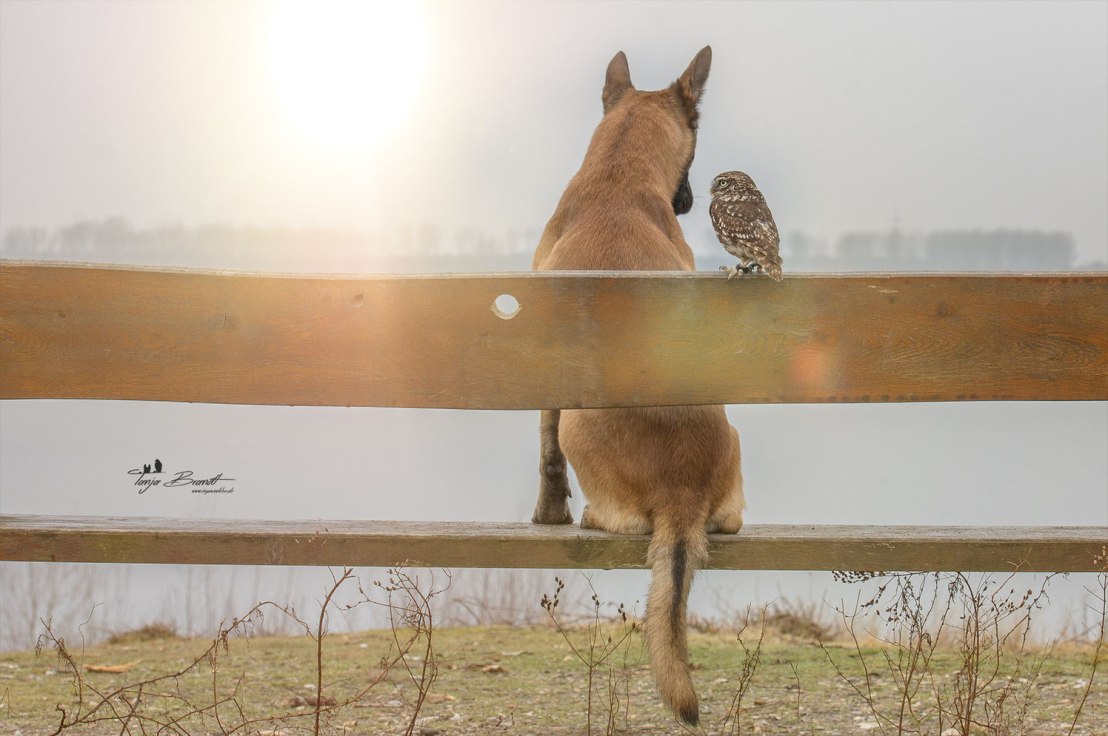
Picture Parade Two Hundred and Fourteen

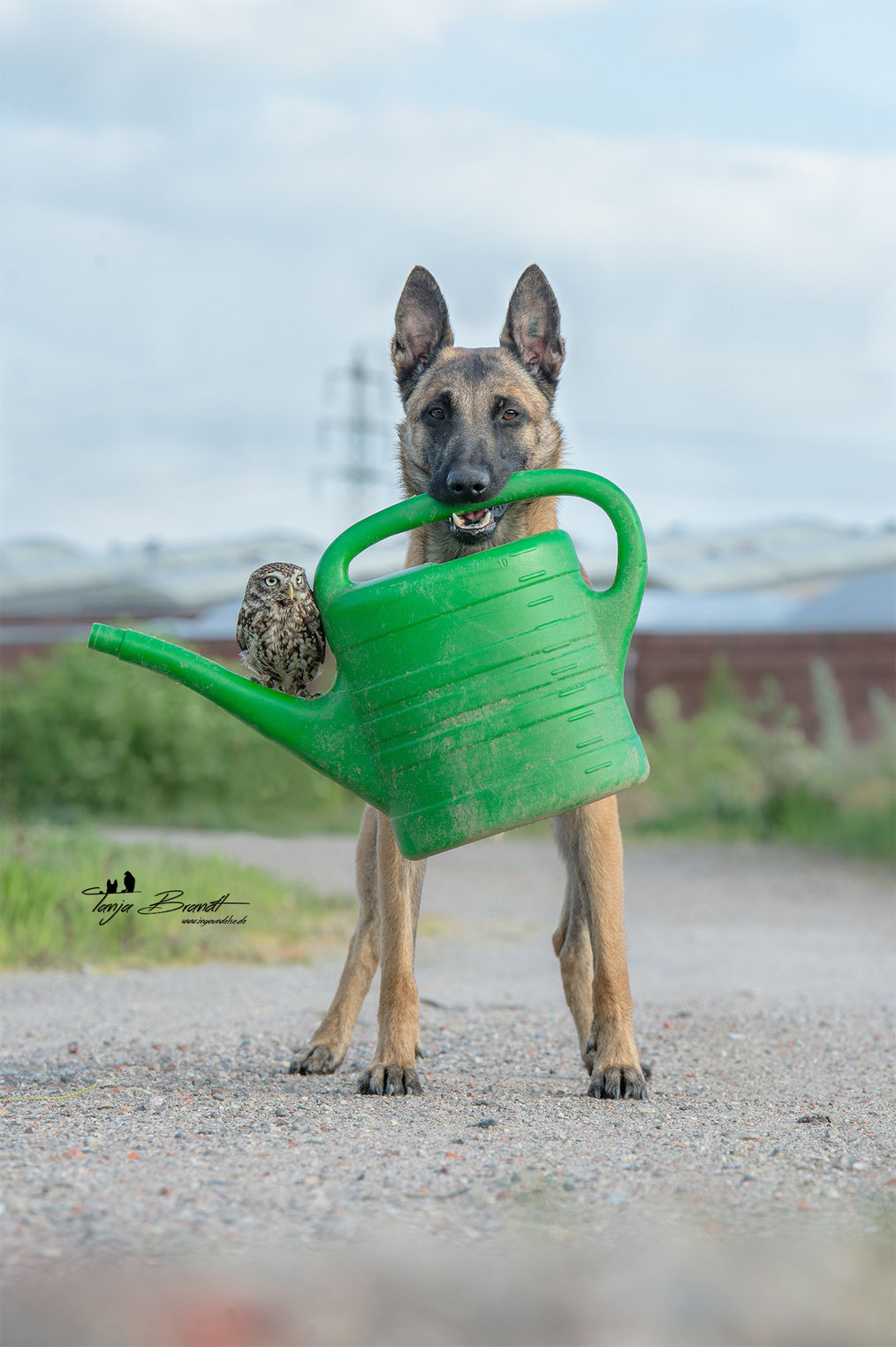
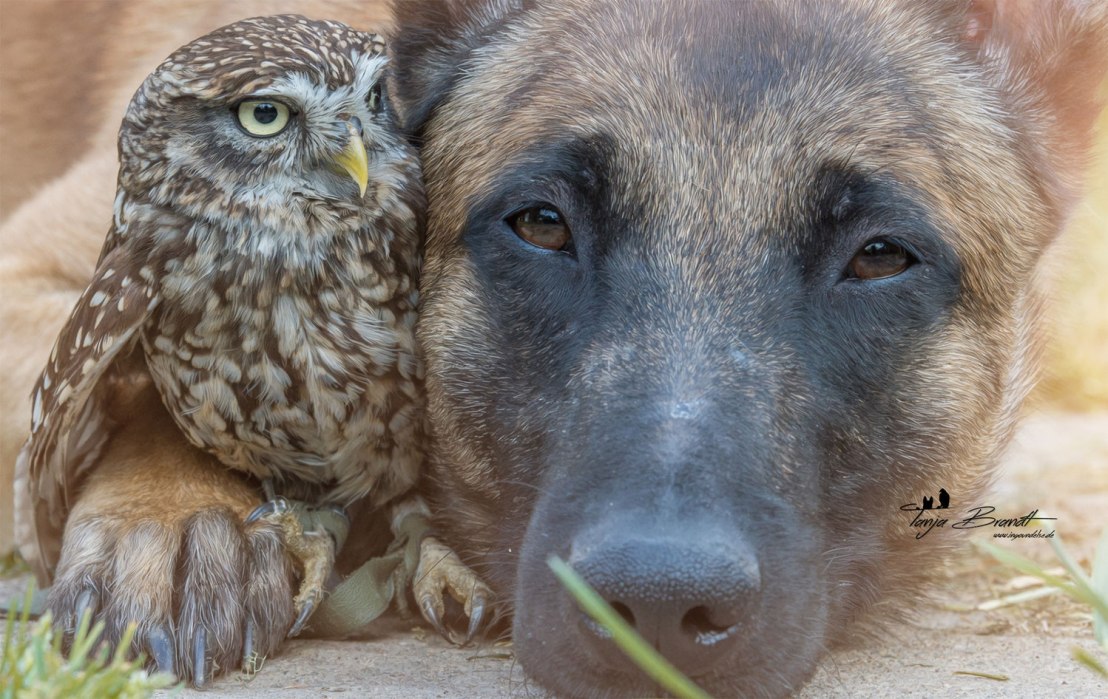
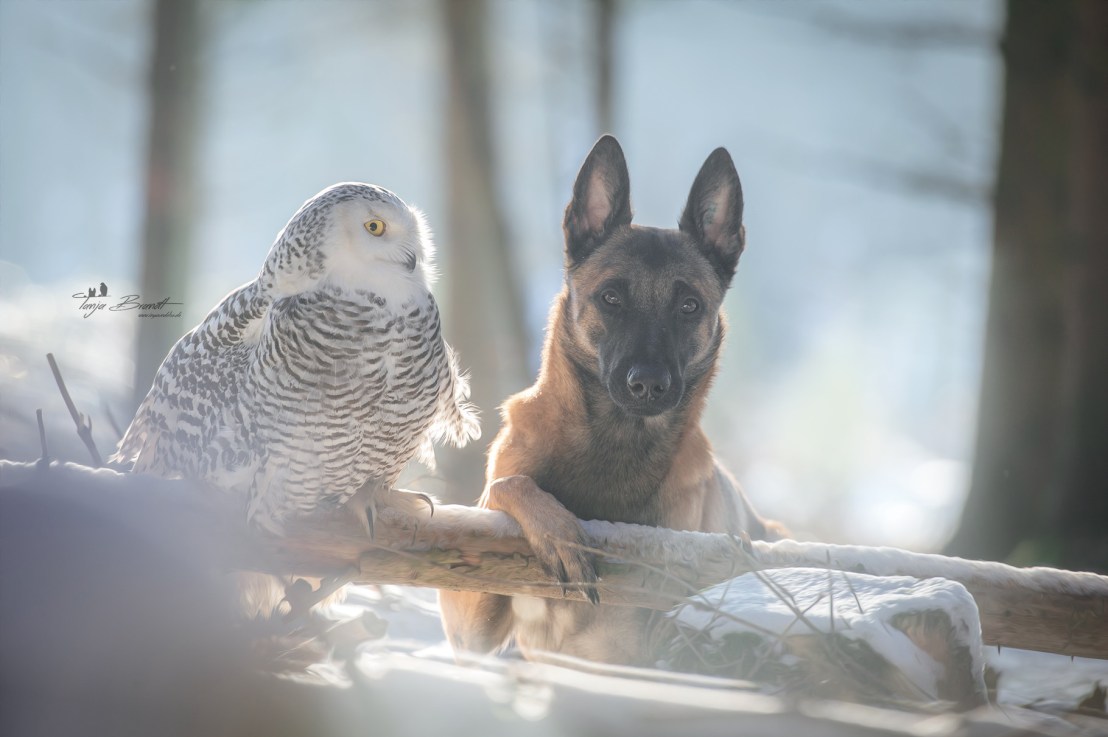
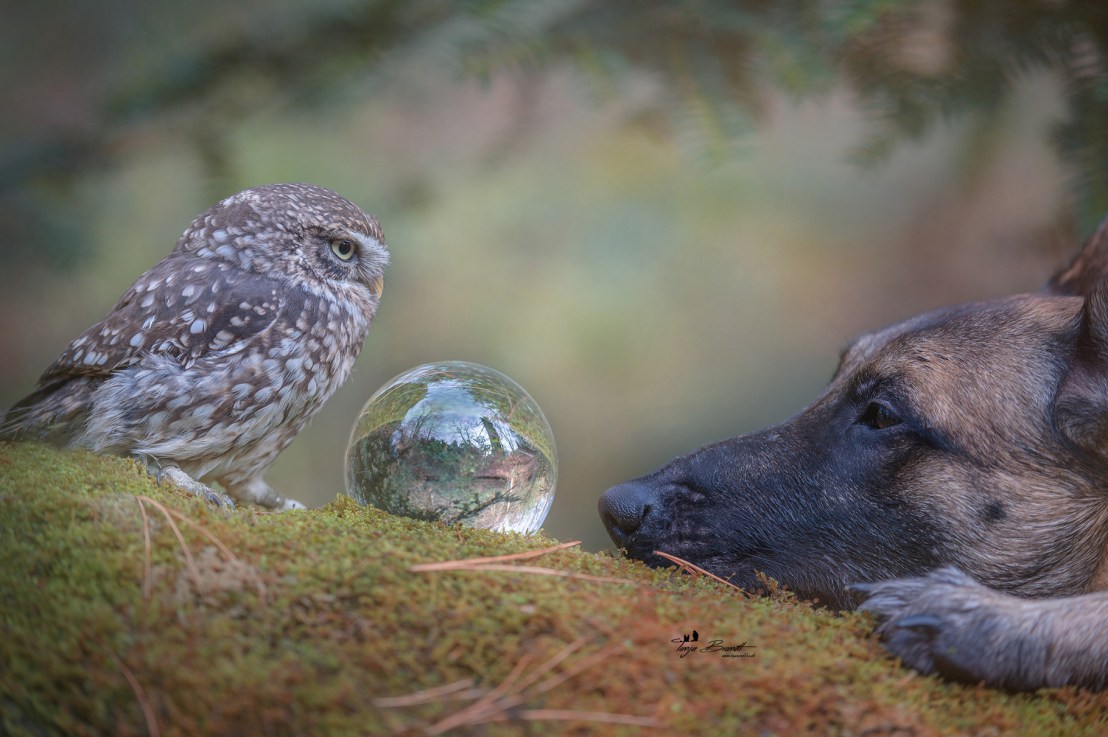
Returning to Tanja Brandt’s gorgeous photographs.

Republished with Tanja’s very kind permission and copied from here.

They are so very special!

Ingo and Friends.

oooo

oooo

oooo

oooo

oooo

oooo

I could gaze at these fantastic photographs for the rest of my life!

More to savour in a week’s time.

Book Two – Clarity at last!

This is where you all come in!!

From time to time I have let it be known that I had a second book stewing on the back burner. The title that had first come to me was: ‘Of Pets … And Of People’. The book idea and initial title had come to me from visits to our local Lincoln Road Vet Clinic where I had sat in on both Dr. Jim Goodbrod and Dr. Russel Codd as they saw pet patients. As I described it in my original post when I introduced the idea in June:

Some time ago, when we were visiting Lincoln Road, it struck me that the detail of what takes place ‘behind the counter’ of a busy vet clinic is most likely not commonly appreciated by those that visit said clinic.

I asked Russel one day if I might be allowed to spend time watching and listening to what goes on behind the scenes; so to speak. Russel said that he would be delighted for me to do that.

Dr. Jim at work


I subsequently started publishing posts under the general title of Visiting the Vet.

Back to the book.

Recently it came to me that the title was wrong. Because it didn’t speak directly to the potential reader about dogs.

So I came up with a different name: An Insight into Dogs and Owners.

Here is the Vision for this next book:

An examination of the world of the veterinary clinic including those who care professionally for our dogs and an insight into those people, from many varied backgrounds and circumstances, who have dogs in their own lives.

The first section, dipping into the extraordinary work that goes on in a modern vet’s clinic, is inspired by my belief that the majority of dog owners have very little idea of such work and the skills displayed by DVMs.

But let me move on by sharing with you the Introduction to the book. Firstly, these paragraphs:

There’s a tiny amount of domesticated wolf in all of us. The relationship between canids and humans goes back nearly 40,000 years, when dogs split away from wolves. With our dogs, we have traveled the ancient track from hunter-gatherers to modern humans. That track that in this 21st century sees us having untold numbers of dogs in our lives. In the USA alone there are: “In 2017, a total of about 89.7 million dogs lived in households in the United States as pets. In comparison, some 68 million dogs were owned in the United States in 2000.” 1

Yet a surprising number of those who have dogs as pets and are lovers of those same dogs admit to not really understanding what goes on behind the scenes in a busy veterinarian clinic. Yes, they know what happens when they take their dog to their vet but that view is almost certainly from the perspective of that dog and the specific reason why that animal had to to be seen by a vet.

An Insight into Dogs and Owners seeks to broaden the understanding of the reader to the range of treatments and procedures that are undertaken in a modern veterinarian clinic.

OK! More or less what I explained earlier on in this post.

But!!

But here’s where I do believe (fingers tightly crossed) many of you dear readers can help.

Back to the remaining part of that introduction:

But just as dogs do not live in isolation then nor do we humans. So the book sets out to explore the range of relationships that humans have with dogs. Perhaps better put as the book exploring the range of human circumstances that have led to people having a dog in their life. The homeless, those disabled persons who care for their dog, the service dogs that are, for example, the eyes and ears of the partially sighted and the hard-of-hearing. But not excluding exploring the relationship between police dogs and their handlers, those who work with cancer-sniffing dogs, and all the way through to Mr. and Mrs. Joe Public having a pet dog or two.

1The Statistics Portal

.. explore the range of relationships that humans have with dogs.

If, dear reader, you fancy working with me and can comfortably reply to the following questions, then I want to hear from you!

  1. Where were you born?
  2. Were there dogs in your family home from an early age?
  3. When did you first have a direct relationship with a dog?
  4. Describe that relationship.
  5. Do you presently have a dog in your life?
  6. And if so, what is the name of your dog and how did this dog come into your life?
  7. Finally, can you articulate more or less in a single sentence just what having a dog in your life means to you?

These questions can apply equally to persons who have a dog in their life as part of the family and to those who work with dogs in their professional lives, those who train dogs, hunt with dogs, and those who care for dogs.

If all of this hasn’t put you off then email me at paulhandover (…at…) gmail (…dot…) com putting ‘Book Two’ in the email title. I will then contact you directly looking at the best way to listen and record your answers to those questions.

THANK YOU!!

And we save dogs!

Only right that we save dogs as well.

(I couldn’t have asked for a better post to follow yesterday’s post on dogs saving us.)

As seen on the Lady Freethinker’s site.

ooOOoo

Tiny Dog Rescued from Mexico Rubble 6 Days After Quake

Posted by Nina Jackel | September 26, 2017

Six days after Mexico City was ravaged by an earthquake, there seemed little hope of finding anyone alive among the rubble.

But a Japanese rescue team was thrilled to find one more tiny survivor — a schnauzer, who they managed to pull from the ruins of a collapsed apartment building.

The lucky dog was checked out by vets, and had somehow managed to remain in good health. Authorities now hope to reunite the schnauzer with her family as soon as possible.

Thank you to rescuers who travelled from around the world to save lives — both human and animal — in the wake of this tragic disaster.

ooOOoo

The video and news item was carried by the New York Post and for reasons I am unsure about I couldn’t include the video in this post. But you can view that video by going here. Luckily other newspapers carried the wonderful event and the following photograph appeared in The Independent newspaper two days ago.

A schnauzer dog who survived the quake is pulled out of the rubble from a flattened building by rescuers in Mexico City 24 September. ALFREDO ESTRELLA/AFP/Getty Images

My guess is that dogs and humans have been saving each other for thousands of years and long may it continue.

Picture Parade Two Hundred and Thirteen.

Contrasts!

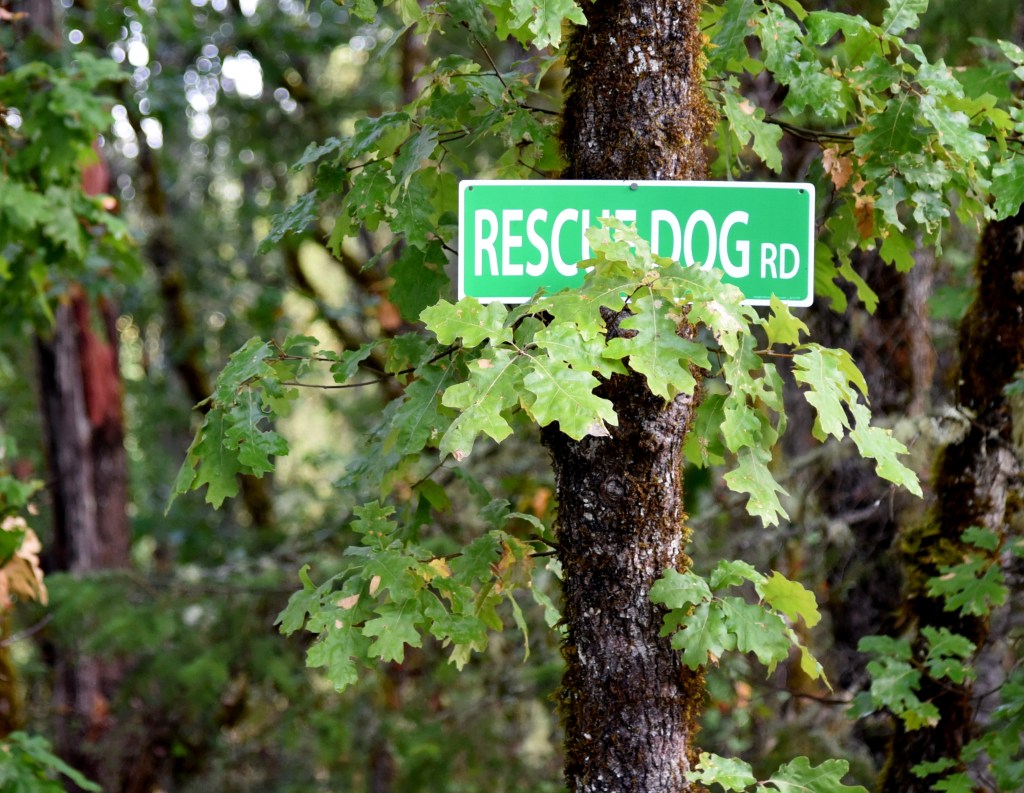
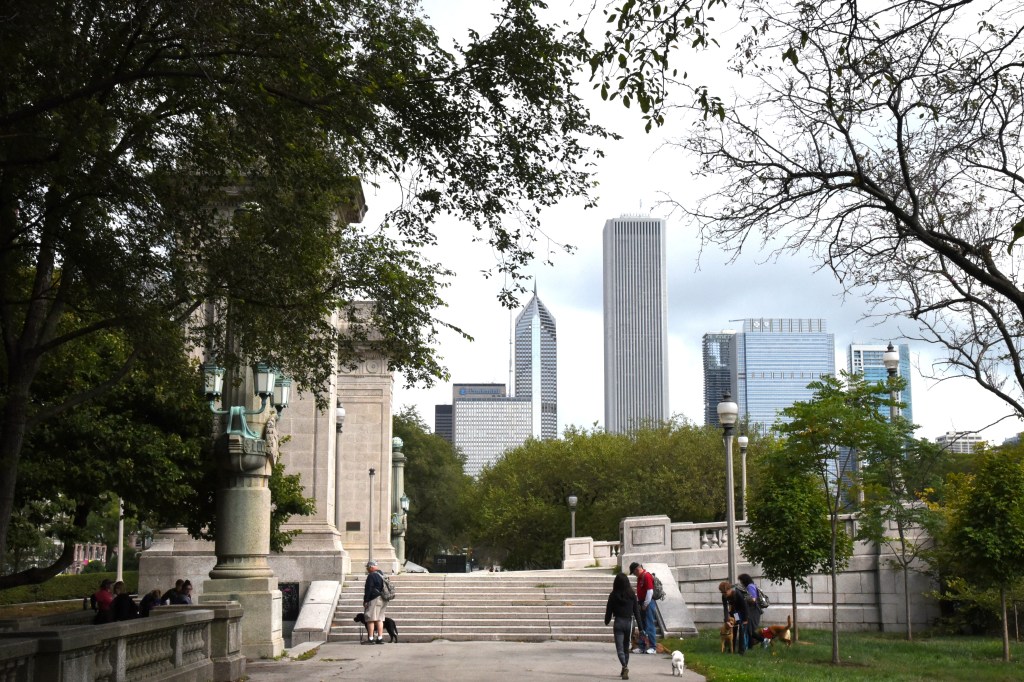
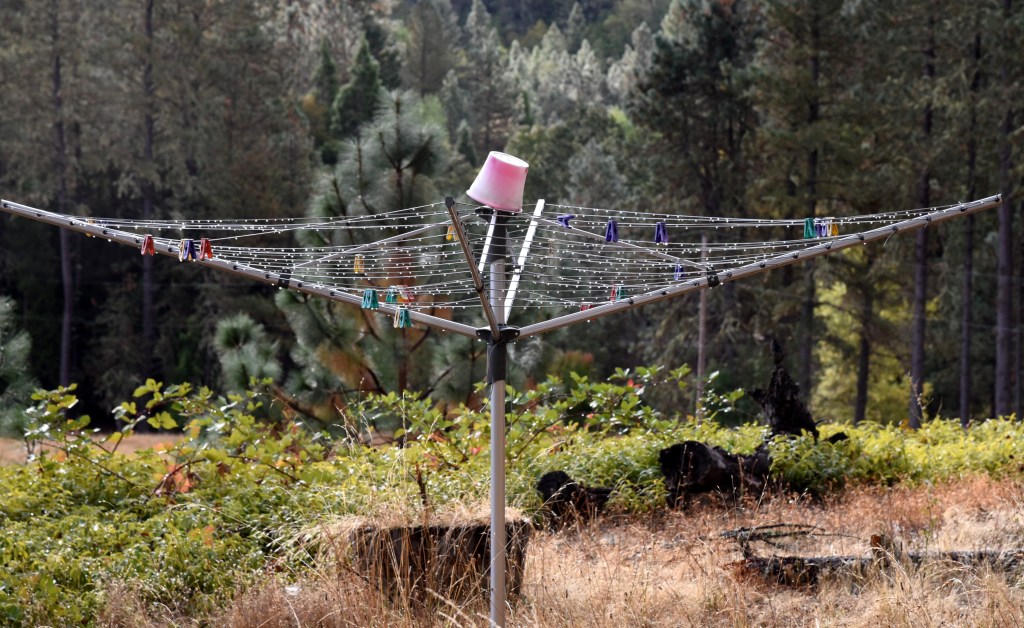
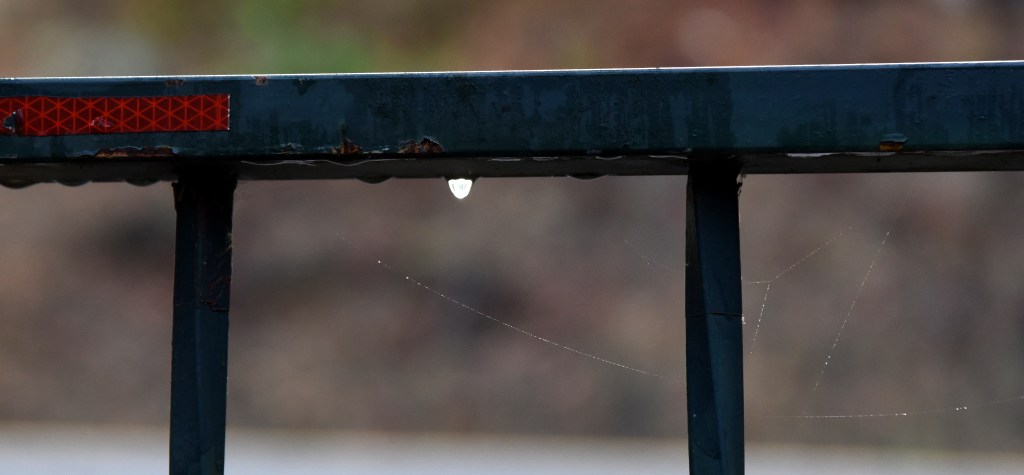
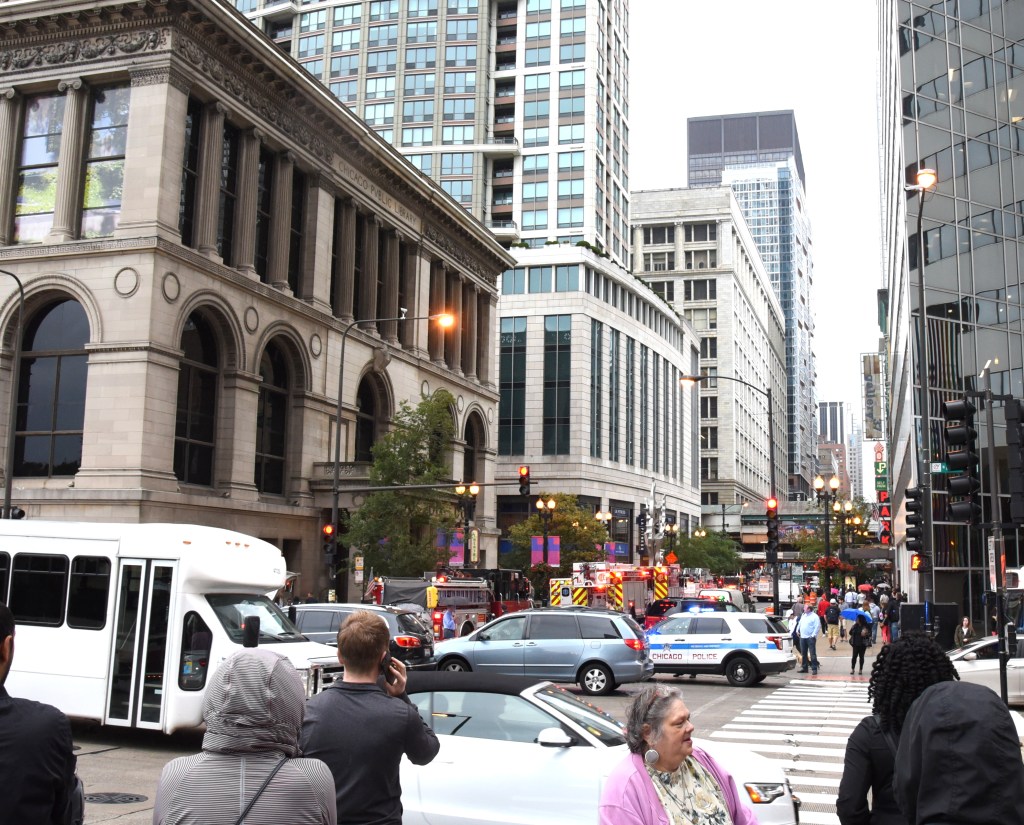
The first weekend of this month saw Jeannie and me in Chicago. Then back home in Merlin, earlier this week, half-an-inch of rain fell to break a long spell of dry weather. I went out last Thursday morning to capture some sights of the first misty morning of Autumn. The contrast between our rural home and Chicago was dramatic; to say the least! Enjoy!

(P.S. I sensed there was no need to describe each photograph in terms of which one was taken in Merlin or in Chicago!)

oooo

oooo

oooo

oooo

oooo

oooo

oooo

oooo

oooo

oooo

oooo

oooo

You all have a good week!

Saturday Smile

Back to daily posts!

And how better than to share a track that I listened to on BBC Radio (Radio 2) during the week.

You all have a great weekend!

Picture Parade Two Hundred and Twelve

Yes, it’s photos from Tanja Brandt again!

(As per last week, all republished from here.)

oooo

oooo

oooo

oooo

oooo

Just supremely beautiful!