Category: Culture

Dogs and human health

There’s no shortage of good news about the benefits of a dog in your life.

I have been reading recently about how having a dog, or six, in your life is linked to that life being extended. As I shall be 75 in eleven days time this was not a casual thought.

The reading was as a result of two new studies being published recently: Cardiovascular Quality and Outcomes. I was going to ‘top and tail’ one of these articles and publish it in this place.

But then I decided to do my own research and first off went to the American Heart Association website.

I was blown away by the results. Using their own search facility I put in the word ‘dog’ and received 313 responses. Top of the list were the two articles that I just mentioned.

But first a word about the Association. As their History page very comprehensively says (just a small extract from me):

Before the American Heart Association existed, people with heart disease were thought to be doomed to complete bed rest — or destined to imminent death.

But a handful of pioneering physicians and social workers believed it didn’t have to be that way. They conducted studies to learn more about heart disease, America’s No. 1 killer. Then, on June 10, 1924, they met in Chicago to form the American Heart Association — believing that scientific research could lead the way to better treatment, prevention and ultimately a cure. The early American Heart Association enlisted help from hundreds, then thousands, of physicians and scientists.

“We were living in a time of almost unbelievable ignorance about heart disease,” said Paul Dudley White, one of six cardiologists who founded the organization.

In 1948, the association reorganized, transforming from a professional scientific society to a nationwide voluntary health organization composed of science and lay volunteers and supported by professional staff.

Since then, the AHA has grown rapidly in size and influence — nationally and internationally — into an organization of more than 33 million volunteers and supporters dedicated to improving heart health and reducing deaths from cardiovascular diseases and stroke.

Here is a timeline of American Heart Association milestones in more than 90 years of lifesaving history:

Read more if you want to here.

Now I’m going to republish the first two articles from that long list of published items. The first is Do dog owners live longer?

ooOOoo

Do dog owners live longer?
As dog lovers have long suspected, owning a canine companion can be good for you. In fact, two recent studies and analyses published in Circulation: Cardiovascular Quality and Outcomes, a scientific journal of the American Heart Association, suggest your four-legged friend may help you do better after a heart attack or stroke and may help you live a longer, healthier life. And that’s great news for dog parents!

Dog owners have better results after a major health event.

The studies found that, overall, dog owners tend to live longer than non-owners. And they often recover better from major health events such as heart attack or stroke, especially if they live alone.

Some exciting stats for dog owners:

  • Heart attack survivors living by themselves had a 33% reduced risk of death if they owned a dog, while survivors living with someone else (a partner or child) had a 15% reduced risk.
  • Stroke survivors living by themselves had a 27% reduced risk of death if they owned a dog, while survivors living with someone else (a partner or child) had a 12% reduced risk.
  • Dog owners are 31% less likely to die from a heart attack or stroke than non-dog owners.

Learn more about what the research shows.

Move more, stress less.

Interacting with dogs can boost your production of “happy hormones” such as oxytocin, serotonin and dopamine. This can lead to a greater sense of well-being and help lower levels of the stress hormone cortisol. And having a dog can help lower blood pressure and cholesterol, ease depression and improve fitness.

Studies show that people who walk their dogs get significantly more exercise than those who don’t. And there’s a bonus: our pets can also help us feel less social anxiety and interact more with other humans. Maybe that’s why dog owners report less loneliness, depression and social isolation.

Make the most of dog ownership.

Here are some tips to make the most of your four-legged companion time:

  • Playing and interacting with your pooch will bring the most health benefits for both of you.
  • Get out with your pet. Not only are the walks good for both of you, you may find yourself meeting other dog owners in your area. And socializing can be a good thing!
  • Some dogs love to travel. Research pet-friendly hotels so you and your furry friend can have all sorts of adventures together.
  • Everybody loves a good snuggle. Give lots of scratches behind the ears, belly rubs or good old-fashioned head pats. The more you love your pet, the more they’ll love you back.

\Source:

Dog ownership associated with longer life, especially among heart attack and stroke survivors, Circulation: Cardiovascular Quality and Outcomes Journal Report, October 2019

ooOOoo

The second is also very recent, about the findings from Sweden.

ooOOoo

Here’s more evidence your dog might lengthen your life

By American Heart Association News

(filadendron/E+, Getty Images)

Letting your health go to the dogs might turn out to be a great idea: New research bolsters the association between dog ownership and longer life, especially for people who have had heart attacks or strokes.

Earlier studies have shown dog ownership alleviates social isolation, improves physical activity and lowers blood pressure. The new work builds on that, said Dr. Glenn N. Levine, who led a committee that wrote a 2013 report about pet ownership for the American Heart Association.

“While these non-randomized studies cannot prove that adopting or owning a dog directly leads to reduced mortality, these robust findings are certainly at least suggestive of this,” he said in a news release.

The two new studies were published Tuesday in Circulation: Cardiovascular Quality and Outcomes.

One study, from Sweden, compared dog owners and non-owners after a heart attack or stroke. Records of nearly 182,000 people who’d had heart attacks and nearly 155,000 people who’d had strokes were examined. Dog ownership was confirmed with data from the Swedish Board of Agriculture, where registration of dog ownership has been mandatory since 2001, and the Swedish Kennel Club, where pedigree dogs have been registered since 1889.

When compared with people who didn’t own dogs, owners who lived alone had a 33% lower risk of dying after being hospitalized for a heart attack. For dog owners who lived with a partner or child, the risk was 15% lower.

Dog-owning stroke survivors saw a similar benefit. The risk of death after hospitalization for those who lived alone was 27% lower. It was 12% lower if they lived with a partner or child.

What’s behind the canine advantage?

“We know that social isolation is a strong risk factor for worse health outcomes and premature death,” said study co-author Dr. Tove Fall, a doctor of veterinary medicine and a professor at Uppsala University in Sweden. “Previous studies have indicated that dog owners experience less social isolation and have more interaction with other people. Furthermore, keeping a dog is a good motivation for physical activity, which is an important factor in rehabilitation and mental health.”

The second set of researchers reviewed patient data from more than 3.8 million people in 10 separate studies.

Compared to non-owners, dog owners had a 24% reduced risk of dying from any cause; a 31% reduced risk of dying from cardiovascular-related issues; and a 65% reduced risk dying after a heart attack.

The study did not account for factors such as better fitness or an overall healthier lifestyle that could be associated with dog ownership, said co-author Dr. Caroline Kramer, an endocrinologist and clinician scientist at Leadership Sinai Centre for Diabetes at Mount Sinai Hospital in Toronto. “The results, however, were very positive.”

As a dog owner herself, Kramer said adopting her miniature Schnauzer, Romeo, “increased my steps and physical activity each day, and he has filled my daily routine with joy and unconditional love.”

Tove, however, cautioned more research needs to be done before people are prescribed dogs for health reasons. “Moreover, from an animal welfare perspective, dogs should only be acquired by people who feel they have the capacity and knowledge to give the pet a good life.”

If you have questions or comments about this story, please email editor@heart.org.

American Heart Association News Stories

American Heart Association News covers heart disease, stroke and related health issues. Not all views expressed in American Heart Association News stories reflect the official position of the American Heart Association.

Copyright is owned or held by the American Heart Association, Inc., and all rights are reserved. Permission is granted, at no cost and without need for further request, to link to, quote, excerpt or reprint from these stories in any medium as long as no text is altered and proper attribution is made to the American Heart Association News. See full terms of use.

HEALTH CARE DISCLAIMER: This site and its services do not constitute the practice of medical advice, diagnosis or treatment. Always talk to your health care provider for diagnosis and treatment, including your specific medical needs. If you have or suspect that you have a medical problem or condition, please contact a qualified health care professional immediately. If you are in the United States and experiencing a medical emergency, call 911 or call for emergency medical help immediately.

ooOOoo

Case made; hook, line and sinker!

It’s not just me!

I thought this was worth sharing!

The problem with coming up to the age of 75, and aware that I am close to the average life expectancy in the US, is that one increasingly worries about stuff. Such as it seems like the world is becoming more unsettled. But then it is put down to age!

But this article does imply that it is a more unsettled world and we should take notice. Republished with permission.

ooOOoo

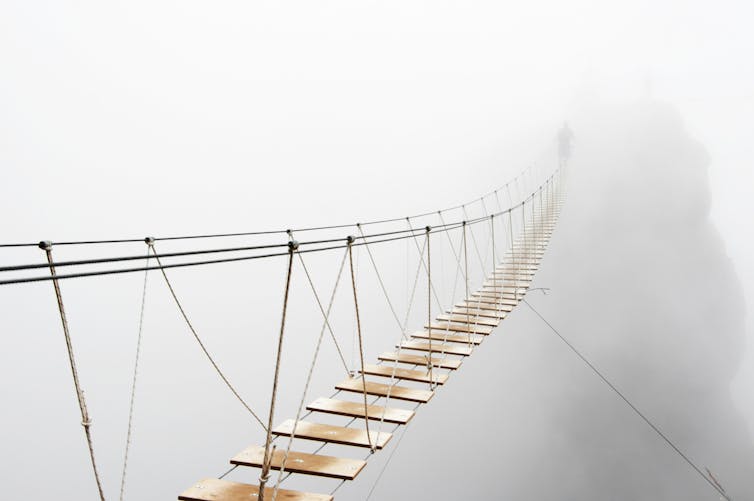
5 tips for surviving in an increasingly uncertain world

What does the future hold – and how will you handle what comes next?
Svetlana Lukienko/Shutterstock.com

Jelena Kecmanovic, Georgetown University

A recent study showed that North Americans are becoming less tolerant of uncertainty.

The U.S. presidential impeachment inquiry has added another layer of uncertainty to an already unstable situation that includes political polarization and the effects of climate change.

As a clinical psychologist in the Washington, D.C. area, I hear people report being stressed, anxious, worried, depressed and angry. Indeed, an American Psychological Association 2017 survey found that 63% of Americans were stressed by “the future of our nation,” and 57% by the “current political climate.”

Humans dislike uncertainty in most situations, but some deal with it better than others. Numerous studies link high intolerance of uncertainty to anxiety and anxiety disorders, obsessive-compulsive disorder, depression, PTSD and eating disorders.

While no one person can reduce the uncertainty of the current political situation, you can learn to decrease intolerance of uncertainty by implementing these scientifically sound strategies.

1. Commit to gradually facing uncertainty

Even though humans encounter uncertain situations every day, we often avoid feeling the discomfort of facing the uncertainty.

When unsure how to best proceed with a work assignment, you might either immediately seek help, over-research or procrastinate. As you prepare for the day, uncertainty about the weather or traffic is quickly short-circuited by checking a phone. Similarly, inquiries about family or friends’ whereabouts or emotions can be instantly gratified by texting or checking social media.

All this avoidance of uncertainty leads to relief in the short run, but lessens your ability to tolerate anything short of complete certainty in the long run.

Tolerance for uncertainty is like a muscle that weakens if not used. So, work that muscle next time you face uncertainty.

Start gradually: Resist the urge to reflexively check your GPS the next time you are lost and aren’t pressured for time. Or go to a concert without Googling the band beforehand. Next, try to sit with the feelings of uncertainty for a while before you pepper your teenager with texts when he is running late. Over time, the discomfort will diminish.

2. Connect to a bigger purpose

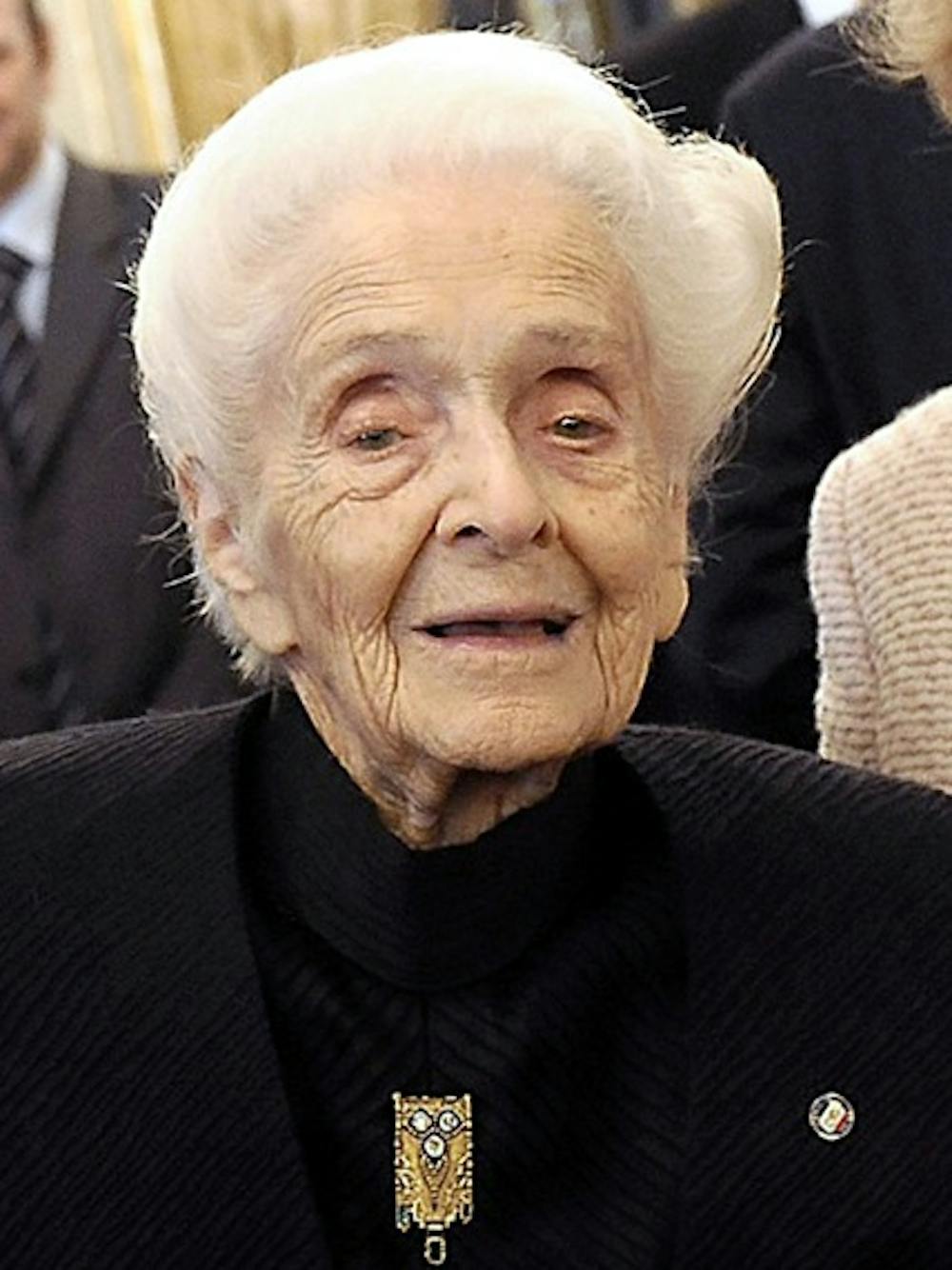
Rita Levi-Montalcini.
Presidency of Italian Republic/Wikimedia, CC BY

Rita Levi-Montalcini was a promising young Jewish scientist when fascists came to power in Italy and she had to go into hiding. As World War II was raging, she set up a secret lab in her parents’ bedroom, studying cell growth. She would later say that the meaning that she derived from her work helped her to deal with the evil outside and with the ultimate uncertainty of whether she would be discovered.

What gives your life meaning? Finding or rediscovering your life purpose can help you deal with uncertainty and the stress and anxiety related to it.

Focusing on what can transcend finite human existence – whether it is religion, spirituality or dedication to a cause – can decrease uncertainty-driven worry and depression.

3. Don’t underestimate your coping ability

You might hate uncertainty because you fear how you would fare if things went badly. And you might distrust your ability to cope with the negative events that life throws your way.

Most people overestimate how bad they will feel when something bad happens. They also tend to underestimate their coping abilities.

It turns out that humans are generally resilient, even in the face of very stressful or traumatic events. If a feared outcome materializes, chances are you will deal with it better than you could now imagine. Remember that the next time uncertainty rears its head.

4. Bolster resilience by increasing self-care

You have probably heard it many times by now: Sleep well, exercise and prioritize social connections if you want to have a long and happy life.

What you might not know is that the quantity and quality of sleep is also related to your ability to deal with uncertainty. Exercise, especially of the cardio variety, can increase your capacity to cope with uncertain situations and lower your stress, anxiety and depression. A new review study suggests that regular exercise may even be able to prevent the onset of anxiety and anxiety disorders.

Possibly the best tool for coping with uncertainty is making sure that you have an active and meaningful social life. Loneliness fundamentally undermines a person’s sense of safety
and makes it very hard to deal with the unpredictable nature of life.

Having even a few close family members or friends imparts a feeling that “we are in this all together,” which can protect you from psychological and physical problems.

5. Appreciate that absolute certainty is impossible

Nothing is certain in life. The sooner you start thinking about that fact, the easier it will be to face it.

Moreover, repeated attempts at predicting and controlling everything in life can backfire, leading to psychological problems like OCD.

In spite of civilization’s great progress, the fantasy of humankind’s absolute control over its environment and fate is still just that – a fantasy. So, I say to embrace the reality of uncertainty and enjoy the ride.

[ You’re smart and curious about the world. So are The Conversation’s authors and editors. You can read us daily by subscribing to our newsletter. ]The Conversation

Jelena Kecmanovic, Adjunct Professor of Psychology, Georgetown University

This article is republished from The Conversation under a Creative Commons license. Read the original article.

ooOOoo

Photo Credit: Twitter/bendemistims

Now whatever uncertainty exists in your life a dog or two will make things a great deal better.

That’s a fact!

Dogs that changed the world.

A full-length documentary.

This is a post that you will have to settle down to watch; it’s 1 hour and 20 minutes long. (But see note underneath.)

The link was provided by my good friend of many years, Dan Gomez, and I haven’t yet watched the video. That will be the night of the 22nd when Jeannie and I will watch it.

But I sense it’s a good video!

Enjoy!


21:15 We watched the video. It is very interesting but at the 40-minute mark it comes to the end and then restarts. So you only  need to watch it for about 40 minutes.

There’s no end to the things dogs do.

This is about a dog that lives near a golf course.

This was a story that appeared on The Dodo website in September. Unfortunately I can’t seem to republish the video nor the entry in Instagram but it is still a cute story and worth sharing with you all.

ooOOoo

Friendly Dog Who Lives Near Golf Course Loves Begging For Pets

She even has her own little window ❤️️

BY
PUBLISHED ON 09/27/2019

Loni Gaisford was out golfing with her family last Sunday at the Mick Riley Golf Course in Murray, Utah, when she saw something unusual by the fourth hole.

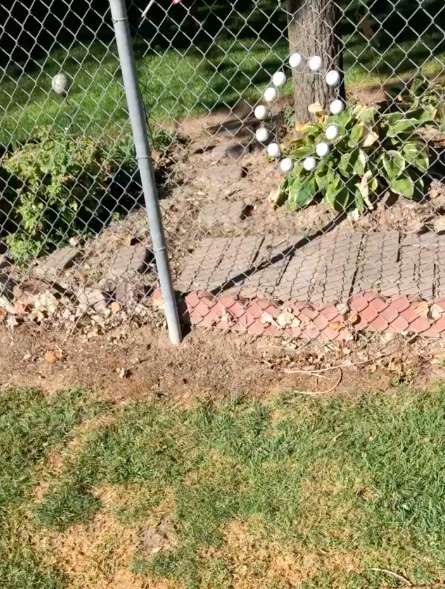
Golf balls were attached in a ring to the metal fence separating the green from a neighboring house. Gaisford decided to investigate, curious why someone would make such a strange display.

Loni Gaisford

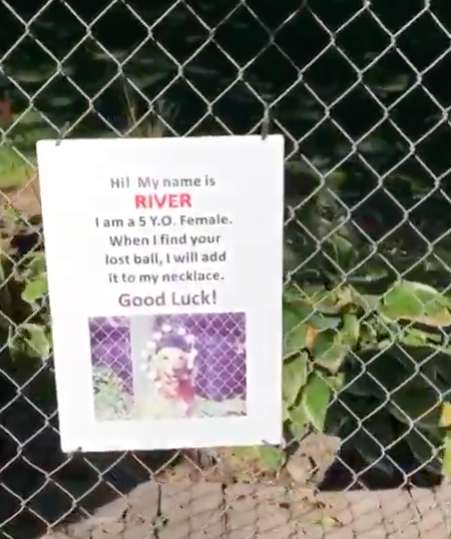
“When we pulled up to the tee box … we noticed the golf ball ring in the fence with a sign next to it,” Gaisford told The Dodo. “I walked over to read the sign thinking it was a memorial for someone.”
The sign read: “Hi! My name is River. I’m a 5 Y.O. female. When I find your lost ball, I will add it to my necklace. Good luck!”

Loni Gaisford

Gaisford finally understood the hilarious meaning behind the golf ball ring — and then she spotted the dog from the photo, playing nearby.
“We noticed River was in the backyard with a toy,” Gaisford said. “[She] walked over to the hole in the fence but the toy was too big to stick her head through the window so she just let us rub her back.”

After Gaisford teed off, she returned to say goodbye to River. The dog suddenly dropped the toy and stuck her head through the “necklace” to receive a few head scratches
Gaisford posted the video to her Instagram later that night, and as the comments came in, she realized that River was something of a local celebrity. “Every time I play that course she never does that … Jealous,” one commenter wrote.
Another commenter couldn’t resist making a few golf puns: “What’s the best type of fence for a dog who lives next to a golf course!? A fence with a hole in one!”
When the video made it to Reddit, more golf lovers shared stories of their own special experiences with the pup: ”One day, I was at McRiley and the owner of that dog was walking her (no leash) and she jumped right into our cart and sat down,” la_fern72 wrote on Reddit. “She was super friendly.”

Gaisford couldn’t be happier that her video has reached so many people — including those who will never set foot on a golf course. “Meeting River brightened my day,” Gaisford said, “and I knew the internet would love meeting River as much as I did.”

ooOOoo

Well I tried ever so hard to find a way of showing you the video, and unfortunately it is not on YouTube, so you are going to have to go across to the website to watch it. Sorry!

Picture Parade Three Hundred and Ten

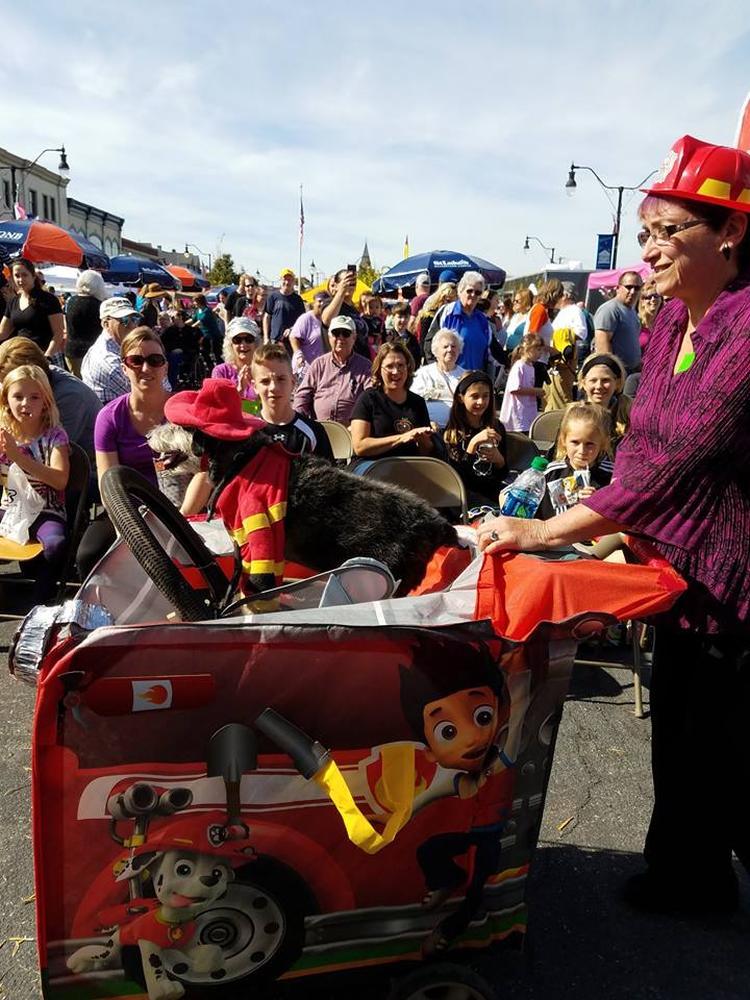
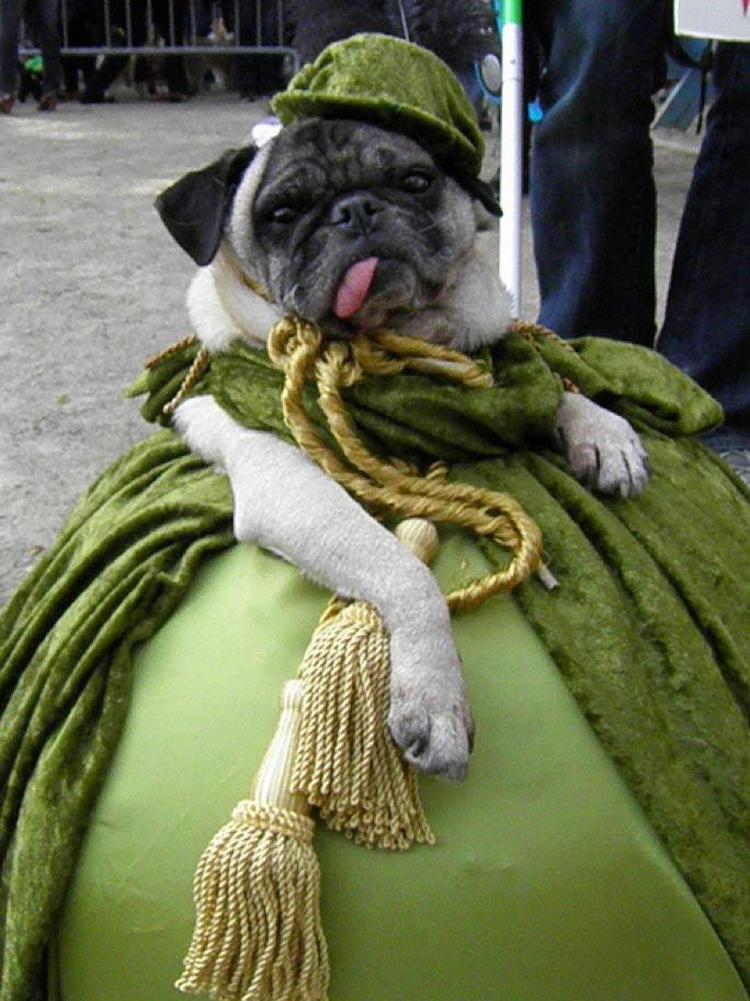
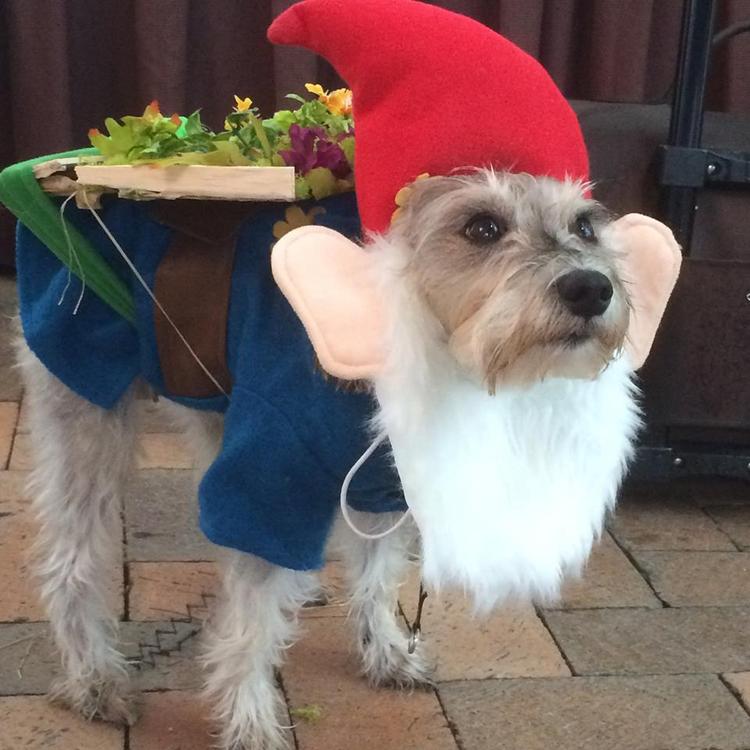
As it’s coming up to Halloween.

Photographs taken from all over the USA and shared with you today and next Sunday.

oooo

oooo

oooo

oooo

oooo

oooo

More of these in a week’s time.

Not all things to do with Turkey are bad.

This is a delightful man-meets-dog story.

I was pondering that I really should return to sharing stories about dogs. After all this is a blog that is called Learning from Dogs.

Then I recently saw this story from Turkey. It’s about a stray dog and it is in Turkey and it’s from The Dodo so is republished with permission.

That did it!

ooOOoo

Security Camera Catches Man Sharing Adorable Moment With Stray Dog

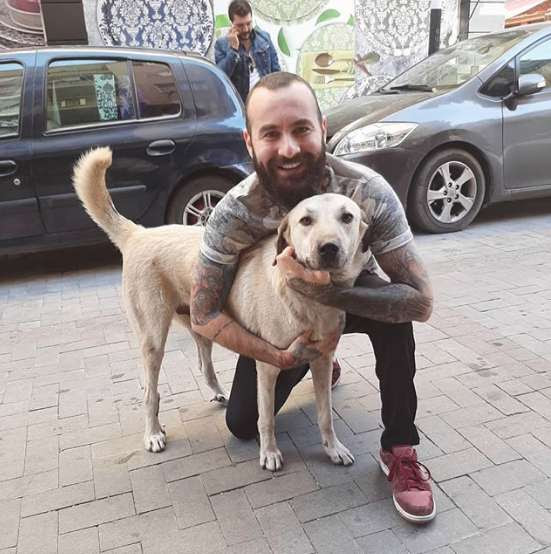
Photo Credit: Twitter/bendemistim

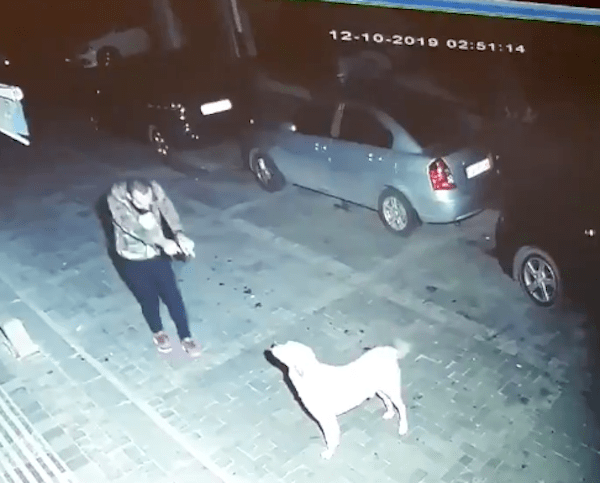
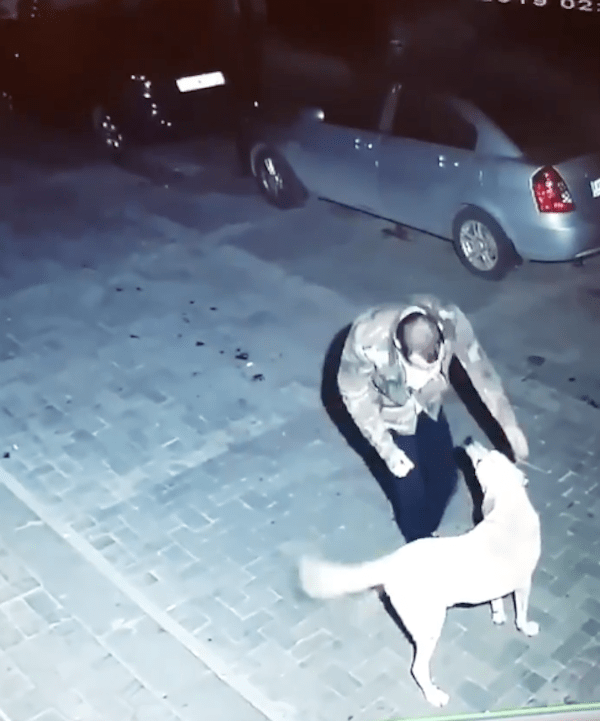
In the early hours of Saturday morning, Metin Can Şener was walking home along a street in Turkey when a figure emerged from the darkness in front of him.

It was a pup — his tail wagging eagerly at the sight of Şener approaching.

Şener had seen the dog before, but apparently only during the day; he often hangs out at Şener’s local coffee shop, where this random encounter at 2:51 a.m. took place.

“He comes to that street all the time,” Şener told The Dodo. “I always see him by the café.”

Photo Credit: Twitter/bendemistims

On this particular early morning, however, Şener and the dog became much better acquainted. As if compelled by the same joyful spirit upon seeing a familiar face on that empty street, the two of them reacted in the sweetest way: “We started dancing,” Şener said.

The adorable moment was captured on video.

Şener and the dog were passing strangers no longer.

“We became good friends,” Şener said. “I already have four dogs, so I couldn’t take him home.”

Fortunately, despite apparently living as a stray, the dog appears to be well-fed — perhaps having endeared himself to people in the area. Their random meeting this particular morning certainly had that effect on Şener.

Photo Credit: Twitter/bendemistims

Neither Şener nor the dog knew at the time that their heartwarming encounter had been caught on film. The owner of the café had evidently reviewed the security footage and shared it with Şener the next day.

And since posting it online, the happy scene has gone viral.

“I was surprised to see it had been caught on camera. I thought it was so much fun,” Şener said. “I always like to dance with animals like this. I love animals even more than people.”

ooOOoo

The video on YouTube follows. But before I go let me comment about that last photograph, the one just above, because this is what having a dog in your life is all about!

Delightful!

Being alone!

We have had a taste of this a week-and-a-half ago.

We were truly alone when we went to Utah.

But then again, one of the privileges of being on 13 acres, 13 very rural acres, here in Southern Oregon is that being alone is not that far away!

I don’t want to underplay the importance of this posting, republished from The Conversation website (with permission), because we live in so busy times.

Written by three professors, it’s a very wise and profound article.

ooOOoo

Spending time alone in nature is good for your mental and emotional health

June 4th, 2018

By

Professor of Outdoor Education, Montreat College

Associate Professor and Program Director of Parks and Recreation Management, Western Carolina Universit

Associate Professor of Outdoor Education, Montreat College

Today Americans live in a world that thrives on being busy, productive and overscheduled. Further, they have developed the technological means to be constantly connected to others and to vast options for information and entertainment through social media. For many, smartphones demand their attention day and night with constant notifications.

As a result, naturally occurring periods of solitude and silence that were once commonplace have been squeezed out of their lives. Music, reality TV shows, YouTube, video games, tweeting and texting are displacing quiet and solitary spaces. Silence and solitude are increasingly viewed as “dead” or “unproductive” time, and being alone makes many Americans uncomfortable and anxious.

But while some equate solitude with loneliness, there is a big difference between being lonely and being alone. The latter is essential for mental health and effective leadership.

We study and teach outdoor education and related fields at several colleges and organizations in North Carolina, through and with other scholars at 2nd Nature TREC, LLC, a training, research, education and consulting firm. We became interested in the broader implications of alone time after studying intentionally designed solitude experiences during wilderness programs, such as those run by Outward Bound. Our findings reveal that time alone in nature is beneficial for many participants in a variety of ways, and is something they wish they had more of in their daily life.

On an average day in 2015, individuals aged 15 and over spent more than half of their leisure time watching TV. Bureau of Labor Statistics, Americans Time Use Survey

Reflection and challenge

We have conducted research for almost two decades on Outward Bound and undergraduate wilderness programs at Montreat College in North Carolina and Wheaton College in Illinois. For each program, we studied participants’ experiences using multiple methods, including written surveys, focus group interviews, one-on-one interviews and field notes. In some cases, we asked subjects years later to look back and reflect on how the programs had affected them. Among other questions, our research looked at participant perceptions of the value of solo time outdoors.

Our studies showed that people who took part in these programs benefited both from the outdoor settings and from the experience of being alone. These findings build on previous research that has clearly demonstrated the value of spending time in nature.

Scholars in fields including wilderness therapy and environmental psychology have shown that time outdoors benefits our lives in many ways. It has a therapeutic effect, relieves stress and restores attention. Alone time in nature can have a calming effect on the mind because it occurs in beautiful, natural and inspirational settings.

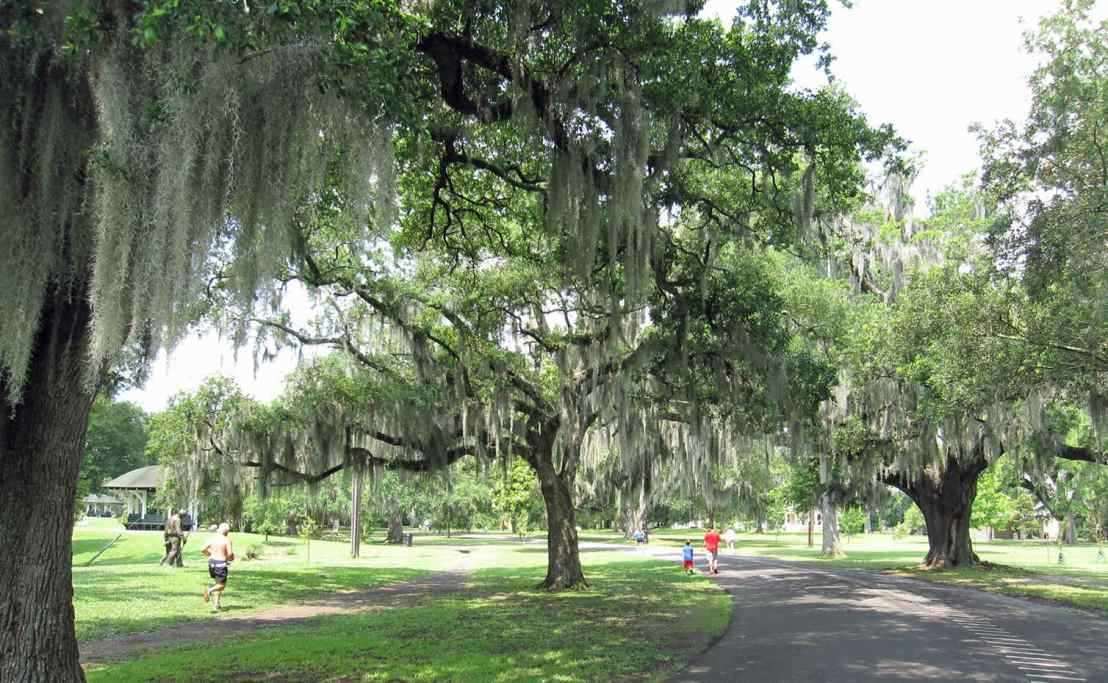
Spending time in city parks like Audubon Park in New Orleans provides some of the same benefits as time in wilderness areas, including reduced stress levels and increased energy levels. InSapphoWeTrust, CC BY-SA

Nature also provides challenges that spur individuals to creative problem-solving and increased self-confidence. For example, some find that being alone in the outdoors, particularly at night, is a challenging situation. Mental, physical and emotional challenges in moderation encourage personal growth that is manifested in an increased comfort with one’s self in the absence of others.

Being alone also can have great value. It can allow issues to surface that people spend energy holding at bay, and offer an opportunity to clarify thoughts, hopes, dreams and desires. It provides time and space for people to step back, evaluate their lives and learn from their experiences. Spending time this way prepares them to re-engage with their community relationships and full work schedules.

Putting it together: The outdoor solo

Participants in programmed wilderness expeditions often experience a component known as “Solo,” a time of intentional solitude lasting approximately 24-72 hours. Extensive research has been conducted on solitude in the outdoors because many wilderness education programs have embraced the educational value of solitude and silence.

Solo often emerges as one of the most significant parts of wilderness programs, for a variety of reasons. Alone time creates a contrasting experience to normal living that enriches people mentally, physically and emotionally. As they examine themselves in relation to nature, others, and in some cases, God, people become more attuned to the important matters in their lives and in the world of which they are part.

Solo, an integral part of Outward Bound wilderness trips, can last from a few hours to 72 hours. The experience is designed to give participants an opportunity to reflect on their own thoughts and critically analyze their actions and decisions.

Solitary reflection enhances recognition and appreciation of key personal relationships, encourages reorganization of life priorities, and increases appreciation for alone time, silence, and reflection. People learn lessons they want to transfer to their daily living, because they have had the opportunity to clarify, evaluate and redirect themselves by setting goals for the future.

For some participants, time alone outdoors provides opportunity to consider the spiritual and/or religious dimension of life. Reflective time, especially in nature, often enhances spiritual awareness and makes people feel closer to God. Further, it encourages their increased faith and trust in God. This often occurs through providing ample opportunities for prayer, meditation, fasting, Scripture-reading, journaling and reflection time.

Retreating to lead

As Thomas Carlyle has written, “In (solitary) silence, great things fashion themselves together.” Whether these escapes are called alone time, solitude or Solo, it seems clear that humans experience many benefits when they retreat from the “rat race” to a place apart and gather their thoughts in quietness.

In order to live and lead effectively, it is important to be intentional about taking the time for solitary reflection. Otherwise, gaps in schedules will always fill up, and even people with the best intentions may never fully realize the life-giving value of being alone.

ooOOoo

I would modify that advice from Thomas Carlyle and that is to include a dog.

For in my experience when one is in the mood for a bit of solitary reflection your dog seems to sense it as well.

Our trip to Utah, part two.

Continuing the journey.

Thursday, September 26th.

So, on the road again soon after 7am.

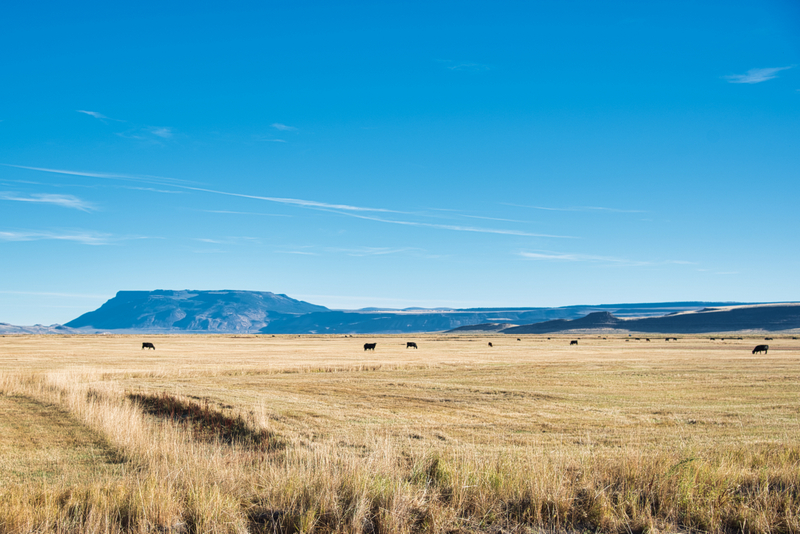
The countryside was enormous, a phrase that I will probably repeat. Our cattle experience of yesterday was repeated, albeit in a different way, today. Cattle feasting on the grass over hundreds of acres.

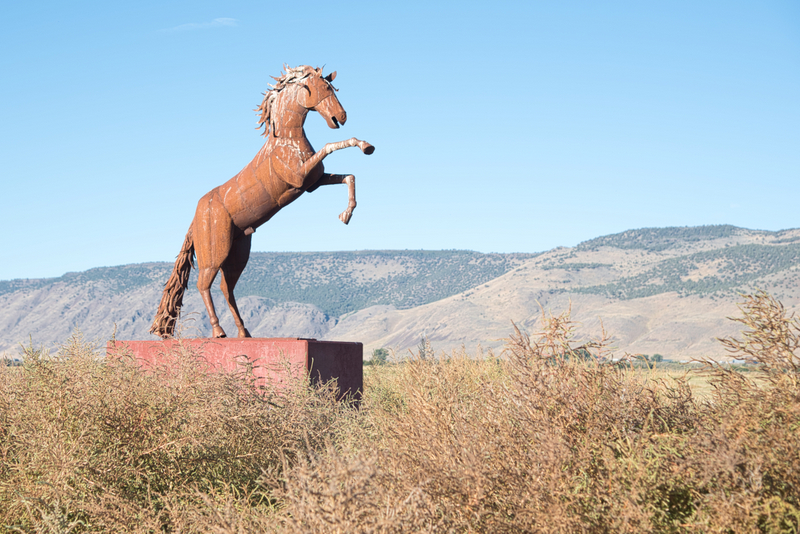
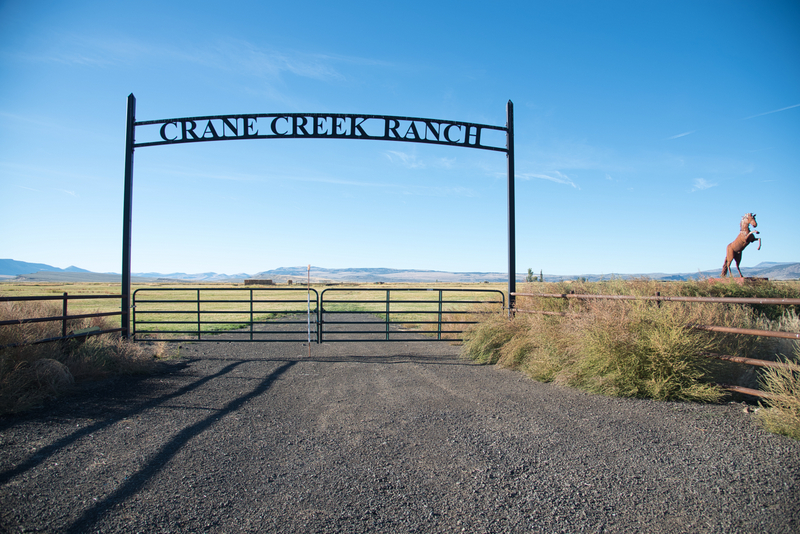
Then we came across this fine statue of a horse.

It was on the property of Crane Creek Ranch, another enormous homestead.

On and on we went.

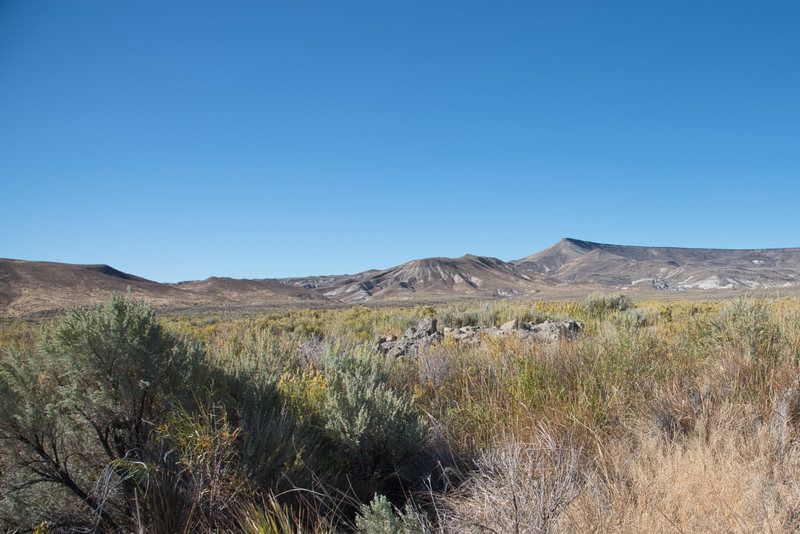
The scenery gradually changed and more rocky land came closer to the road.

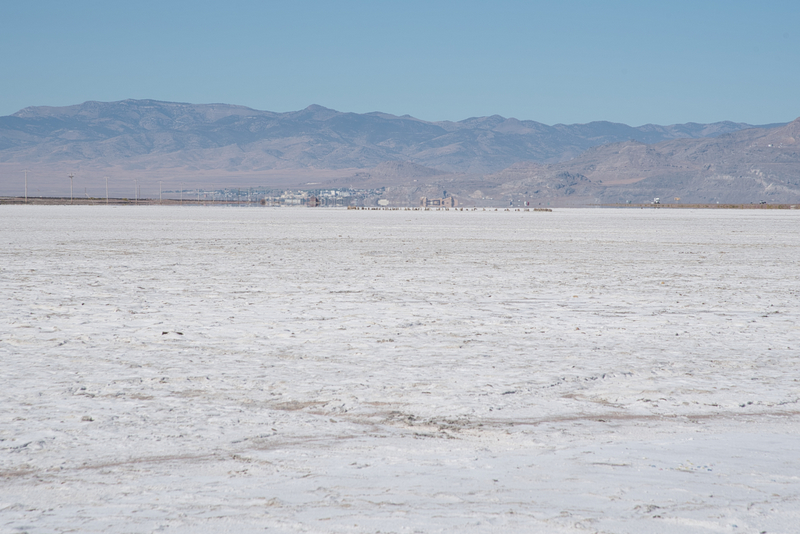
But we eventually got to the Salt Lake flats and continued to Loa, Utah, population less than 600 persons!

Where we stayed at the Sunny Motel. There was only about 20 miles to go, to the East, before we reached Capitol Reef National Park.

Tomorrow is another day!

Our trip to Utah and back, part one.

The story and photographs.

I’m going to post every other day or so trying to give an idea of what we experienced.

Monday, September 23rd.

This was a barn that we stopped at to photograph on the way through South-Eastern Oregon.

We had Brandy with us and he was loving the journey.

But after we reached Lakeview where we stopped for the night we found that he didn’t enjoy the motel.

Tuesday, September 24th.

So in the morning there was no question about what we had to do. Drive the 4 hours back to Merlin, reunite Brandy with his doggy friends that he missed too much, and then drive the 4 hours back to Lakeview!

(As it turned out this was a very good decision by us. There were too many places where dogs were not allowed!)

Wednesday, September 25th.

First thing in the morning we took a closer look at the water that is the origin of the name Lakeview.

Then followed a long drive, a very long drive, out of Oregon and into Nevada. They were in the main lonely roads.

But stunning scenery alongside the lonely road.

Including a spectacular sight of the mist in the bottom of a particular valley.

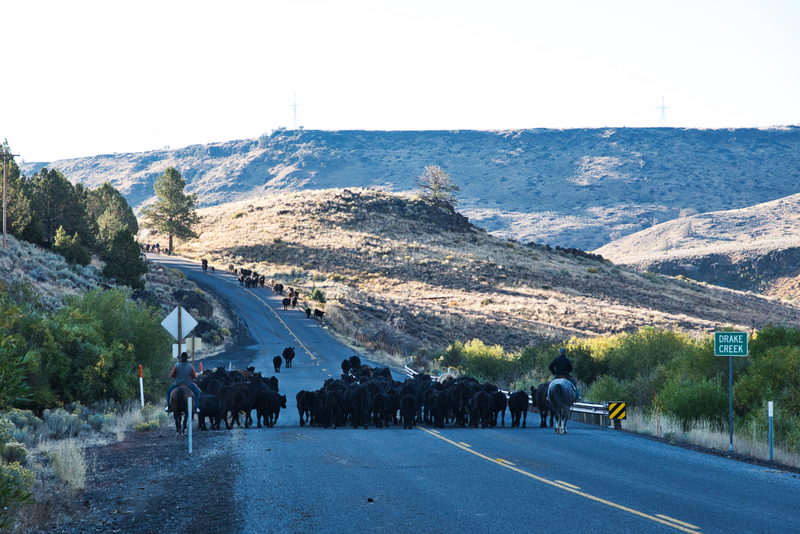
Then we came across a herd of cattle being moved along the road.

It was unique to our eyes.

So, that’s the start of our travels.

More in a couple of days time.