Category: Culture

Learning love from our dogs

Just a very beautiful true story. (And I am indebted to Suzann for sending it on to me.) One couldn’t ask for a better post to follow on from yesterday’s Picture Parade theme on parenting.

ooOOoo

The Greyhound

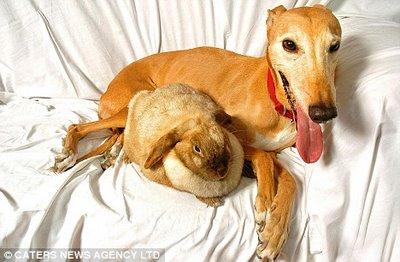
In 2003, police in Warwickshire, England, opened a garden shed and found a whimpering, cowering dog. The dog had been locked in the shed and abandoned. It was dirty and malnourished, and had quite clearly been abused.

In an act of kindness, the police took the dog, which was a female greyhound, to the Nuneaton Warwickshire Wildlife Sanctuary, which is run by a man named Geoff Gruecock, and known as a haven for animals abandoned, orphaned, or otherwise in need.

Geoff and the other sanctuary staff went to work with two aims: to restore the dog to full health, and to win her trust. It took several weeks, but eventually both goals were achieved. They named her Jasmine, and they started to think about finding her an adoptive home.

Jasmine
Jasmine

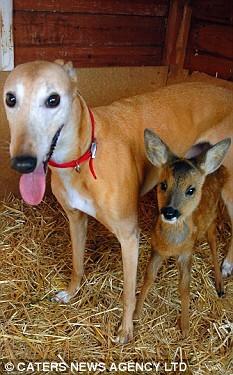
Jasmine, however, had other ideas. No one quite remembers how it came about, but Jasmine started welcoming all animal arrivals at the sanctuary. It would not matter if it were a puppy, a fox cub, a rabbit or, any other lost or hurting animal. Jasmine would just peer into the box or cage and, when and where possible, deliver a welcoming lick. MD2 Geoff relates one of the early incidents. “We had two puppies that had been abandoned by a nearby railway line. One was a Lakeland Terrier cross and another was a Jack Russell Doberman cross. They were tiny when they arrived at the centre, and Jasmine approached them and grabbed one by the scruff of the neck in her mouth and put him on the settee. Then she fetched the other one and sat down with them, cuddling them.” “But she is like that with all of our animals, even the rabbits. She takes all the stress out of them, and it helps them to not only feel close to her, but to settle into their new surroundings. She has done the same with the fox and badger cubs, she licks the rabbits and guinea pigs, and even lets the birds perch on the bridge of her nose.MD3 Jasmine, the timid, abused, deserted waif, became the animal sanctuary’s resident surrogate mother, a role for which she might have been born. The list of orphaned and abandoned youngsters she has cared for comprises five fox cubs, four badger cubs, fifteen chicks, eight guinea pigs, two stray puppies and fifteen rabbits – and one roe deer fawn. Tiny Bramble, eleven weeks old, was found semi-conscious in a field. Upon arrival at the sanctuary, Jasmine cuddled up to her to keep her warm, and then went into the full foster-mum role. Jasmine the greyhound showers Bramble the roe deer with affection, and makes sure nothing is matted. MD4They are inseparable,” says Geoff. “Bramble walks between her legs, and they keep kissing each other. They walk together round the sanctuary. It’s a real treat to see them.MD5 Jasmine will continue to care for Bramble until she is old enough to be returned to woodland life. When that happens, Jasmine will not be lonely. She will be too busy showering love and affection on the next orphan or victim of abuse. MD6 Pictured left to right are: “Toby”, a stray Lakeland dog; “Bramble”, orphaned roe deer; “Buster”, a stray Jack Russell; a dumped rabbit; “Sky”, an injured barn owl; and “Jasmine”. All told a mother’s heart doing best what a caring mother does.
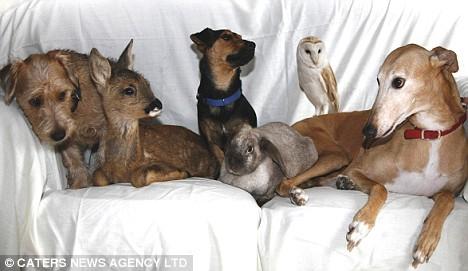
ooOOoo

It was but a moment to find a video about Jasmine over on YouTube:

http://www.youtube.com/watch?v=6a57ibUayKc Finally, if you feel like translating your affection for Jasmine and the good folk over at Nuneaton & Warwickshire Wildlife Sanctuary into a donation, here’s the page to go to:

We are completely self funded. We receive no financial backing and so have to raise every single penny towards the upkeep of the sanctuary. It costs on average £360 per week to keep the sanctuary open, and a further £120 per week on food and bedding for the animals in our care. Please help us continue to rescue and rehabilitate Britain’s wildlife.

If you go to this link you can see what would be the best donation method for you. Plus, because the Sanctuary is not open for callers on Sundays I will call today (Monday) * and see if there are more details about the best way to offer support from those living outside the UK. Unconditional love is so perfectly demonstrated by our incredible dogs.

* I did call and speak with Catherine who recommended PayPal as the best means of donating to their cause, especially for those outside the UK.

Picture parade ninety-six

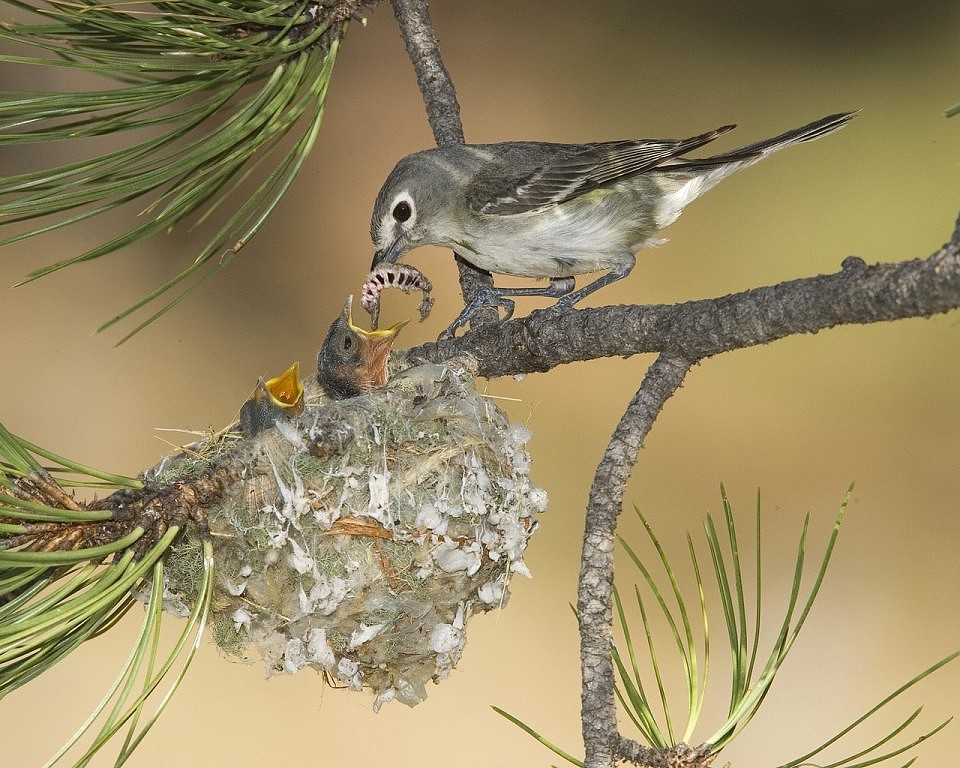
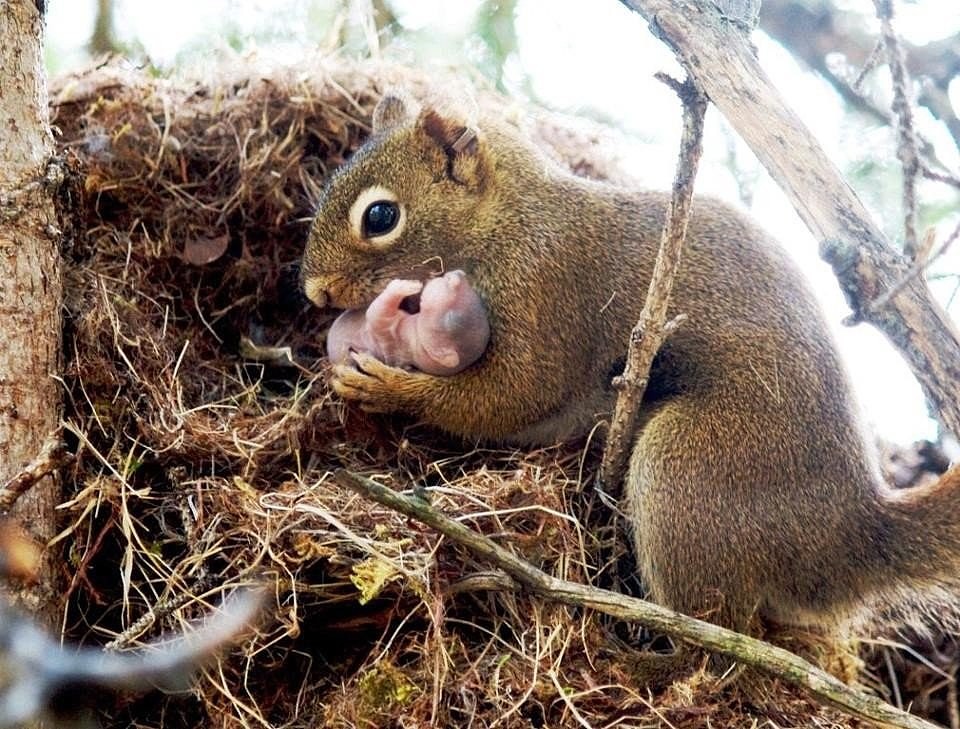
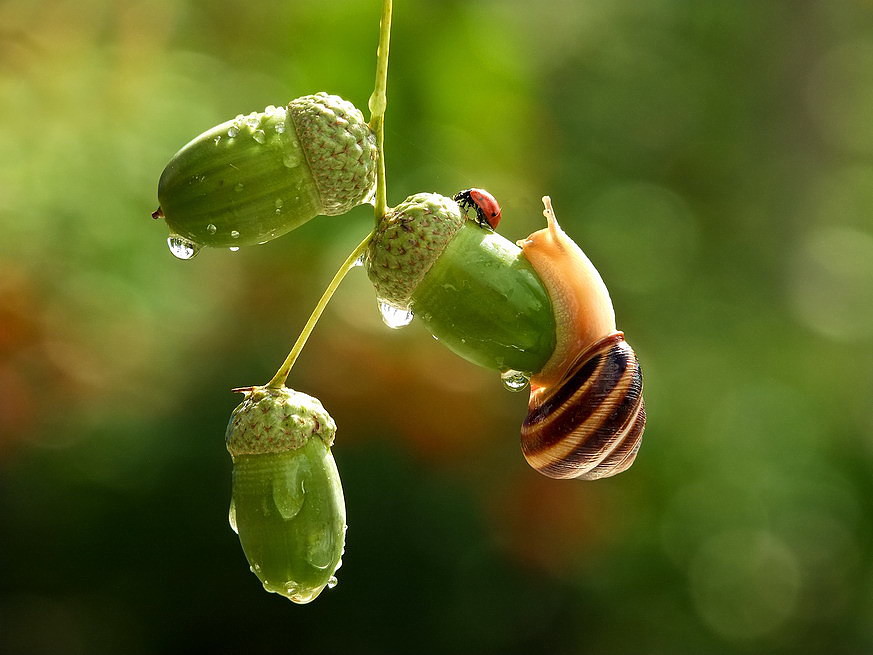
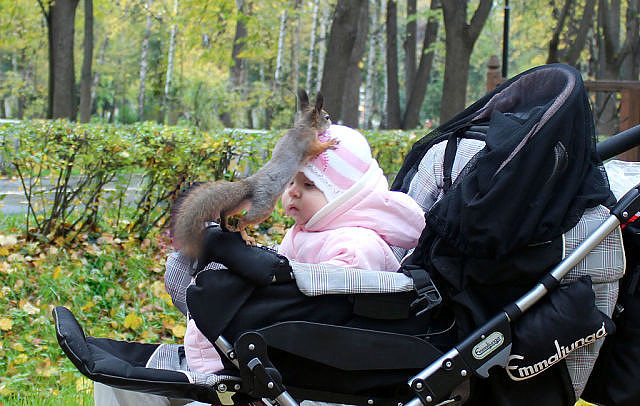
Adorable parenting moments

The first of three Sundays showing the most fabulous photographs courtesy of the Higher Perspective website.

Image credits: David Lazar

oooo

HP2

oooo

Image credits: Anton Belovodchenko

oooo

HP4

oooo

HP5
Image credits: dailymail.co.uk

oooo

Image credits: Wolfgang von Vietinghoff

oooo

Image credits: Udayan Rao Pawar

oooo

Image credits: Daniel Münger

Come back next Sunday for the second set of incredible parenting moments.

Hugs for all concerned.

A most fabulous story of rescuing dogs.

Seen recently over on Mother Nature Network and shamelessly republished in full!

ooOOoo

36 golden retrievers rescued from streets of Turkey

Rescuers in Atlanta shower the lucky pups with love, medical attention and playtime.
By: Mary Jo DiLonardo
Tue, May 12, 2015 at 04:00 PM

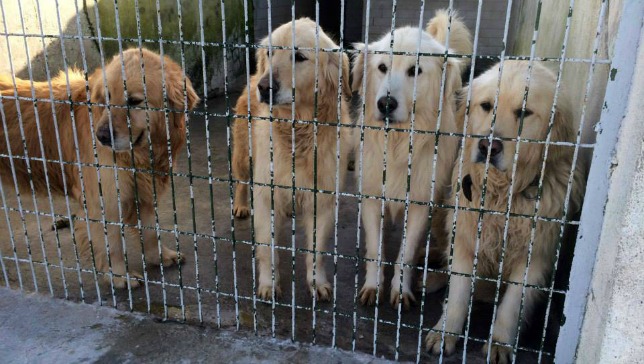
Golden retrievers are packed into an animal shelter in Turkey before being rescued and flown to Atlanta. (Photo: Adopt a Golden Atlanta/Facebook)

Three dozen abandoned golden retrievers made the long trek from the streets of Istanbul, Turkey, to an Atlanta suburb this week thanks to the efforts of an animal rescue group.

The dogs were discovered by an American living in Turkey, who said she saw them living on the streets and taking over shelters. The breed was once considered a status symbol, but as the dogs became more prolific, their popularity waned and the pets were quick to be discarded. On the harsh streets of Istanbul, the gentle dogs didn’t fare well against vicious feral dogs.

Adopt a Golden Atlanta arranged for 36 of the dogs to be flown to the U.S. where they’re now housed at the Pet Lodge Pet Resort in Alpharetta, an Atlanta suburb. They’ve been given medical attention, baths and lots of playtime. Although they don’t yet understand English commands, volunteers say they seem happy with all the attention — wagging tails all around.

[See footnote]

The goldens made a 12-hour flight and seven-hour layover to get to their new home. They range in age from 6 months to 10 years.

The pups should be available for adoption in a few weeks, and they already have names, says Adopt a Golden founder Lauren Genkinger, who spearheaded the rescue effort.

“They’re the freedom dogs and all of them have been given names, Freedom, Patriot, Liberty, Glory…” Genkinger told WXIA TV in the video above. “It wasn’t easy coming up with 36 patriotic names. The only thing missing from this story … is someone to call America in from the yard … to dinner.”


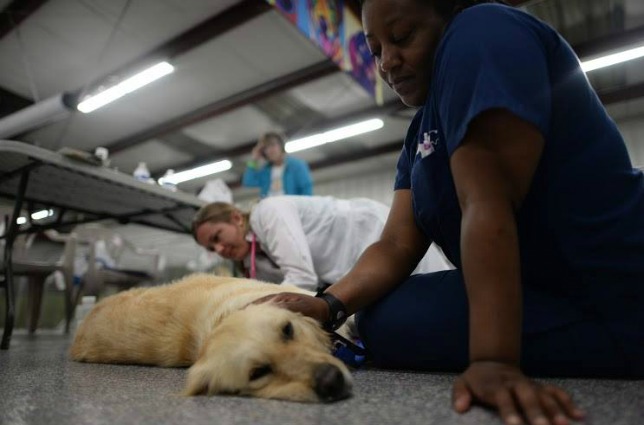
A golden retriever is examined in Atlanta after arriving from Turkey. (Photo: Adopt a Golden Atlanta)

ooOOoo

Footnote:

There is a two-minute video in the MNN version that I was unable to transport over to here.  It may be watched here.

Save the lives of these dogs: Please.

Johnny Depp’s dogs face death in Australia.

There was an item on the BBC News website yesterday morning that jumped out at me. The BBC headline is my sub-title for today. Here’s how the BBC opened that item:

Actor Johnny Depp has been told he has until Saturday to remove his dogs from Australia or they will be put down.

Depp and his wife Amber Heard are accused of not declaring Yorkshire Terriers Boo and Pistol to customs officials when they flew into Queensland by private jet last month.

Australia has strict animal quarantine laws to prevent importing infections.

Agriculture Minister Barnaby Joyce said he understood the dogs were being sent back to the US.

The dogs were discovered when a picture was posted of them at grooming parlour.

Later on that BBC report mentioned:

An online petition to save the “cute dogs” had received nearly 5,000 signatures by late on Thursday local time in Australia.

“Have a heart Barnaby! Don’t kill these cute puppies,” it appealed.

OK, Mr. Depp was a silly boy but his mistake must not be paid for with the lives of these wonderful dogs.

That petition is over on Change.org and here is the direct link. You will read these details.

There’s just 48 hours before Johnny Depp’s two puppies Boo & Pistol could be euthanised by Australian authorities. Please help save them!

Johnny Depp brought them to Australia with him to shoot the next Pirates of the Caribbean.

But today Agriculture Minister Barnaby Joyce has said that because he didn’t follow particular travel rules that he’ll seize and destroy them by the weekend if they’re not removed from Australia.

This seems so extreme and unnecessary. He shouldn’t kill these cute dogs simply because Depp didn’t follow particular rules.

Help me tell Barnaby Joyce not to kill or remove Johnny Depp’s dogs from Australia!

Have a heart Barnaby! Don’t kill these cute puppies.

Here’s the article: http://www.news.com.au/national/johnny-depp-amber-heard-face-death-row-wait-for-pet-dogs-after-dodging-australian-quarantine/story-e6frfkp9-1227353879412

PLEASE SIGN & SHARE!

Please sign!

Our beautiful bees.

Incredible, intimate portraits of bees.

While Jean and I no longer attend meetings of the Southern Oregon Beekeepers Association, the meetings are a little too far away for us, I still subscribe to their email updates. Thus that’s how I was informed of a most incredible set of photographs on the National Geographic website. Here’s how the article opens:

Researchers take advantage of photography technology developed by the U.S. Army to capture beautiful portraits of bees native to North America.

Text by Jane J. Lee

Photography by Sam Droege, USGS

1-carpenter-bee-1600

Bees are the workhorses of the insect world. By transferring pollen from one plant to another, they ensure the next generation of the fruits, nuts, vegetables, and wildflowers we so enjoy.

There are 4,000 species of North American bees living north of Mexico, says Sam Droege, head of the bee inventory and monitoring program at the U.S. Geological Survey (USGS).

Only 40 of them are introduced species, including the European honeybee. (See “Pictures: Colored Honey Made by Candy-Eating French Bees.”)

Most of the natives are overlooked because “a lot of them are super tiny,” Droege says. “The bulk of the bees in the area are about half the size of a honeybee.”

The native species also go unnoticed because they don’t sting, he adds. They quietly go about their business gathering pollen from flowers in gardens, near sand dunes, or on the edges of parks.

The bee pictured above is a species of carpenter bee from the Dominican Republic known as Xylocopa mordax. It nests in wood or yucca stems, and is closely related to the U.S. species that chews through the wood in backyard decks.

2-golden-dusting-1600

Trust me when I say that to view these images, and more, in their breathtaking beauty you need to go here and revel in what you see and read. Plus, in the text above I didn’t include the many links that are in the Nat Geo site’s version – so go there!

The natural world is so deserving of man’s care and protection.

On your bike, Mrs. H.!

My dear wife takes to cycling.

Like most young boys I was on a bicycle at a very young age. Then once sufficiently old to drive a motor car that was the end of bike riding for almost forever. Except that a few months ago the argument for anaerobic exercise as a means of delaying the worst of all the ailments that come with an ageing body (and mind!) convinced me to get back on a bike.  That was made a lot easier because a small group of close neighbours ride three times a week and that seemed an opportunity not to be missed.

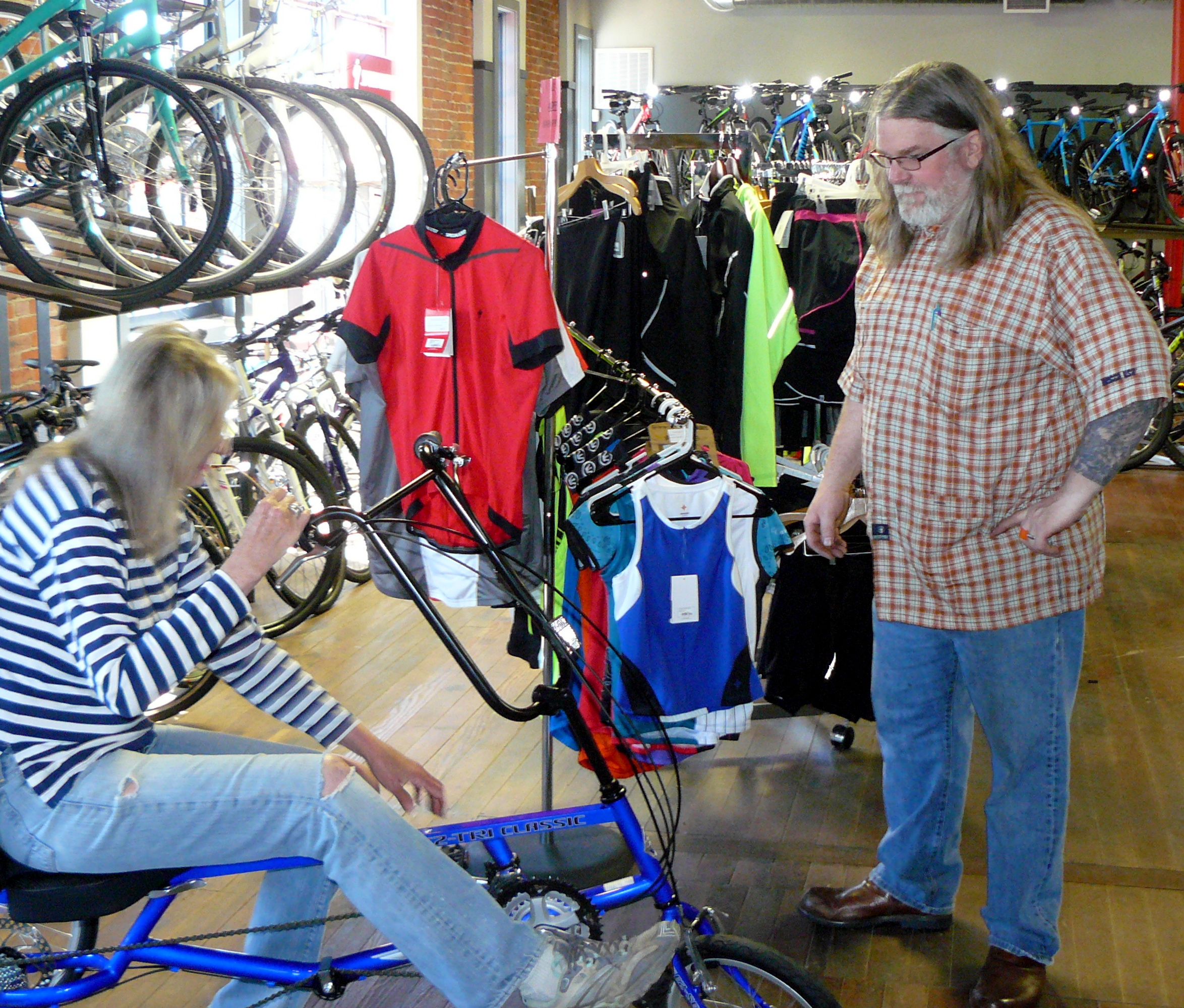
Those same neighbours supported, and recommended, a local bike shop in Grants Pass and I have ‘borrowed’ this picture of the store from their website.

Views of the interior of Don's Bike Center, Grants Pass, Oregon.
Views of the interior of Don’s Bike Center, Grants Pass, Oregon.

Having now been riding an average of 35 miles a week for the last ten or twelve weeks, I can vouch for the benefits it is providing.

Logically, therefore, it was going to be much better if Jean could come with me, and the rest of the riding group, each week. But there was a small challenge: Jean had never ridden a bike in her life. Horses, yes! Bicycles, no!

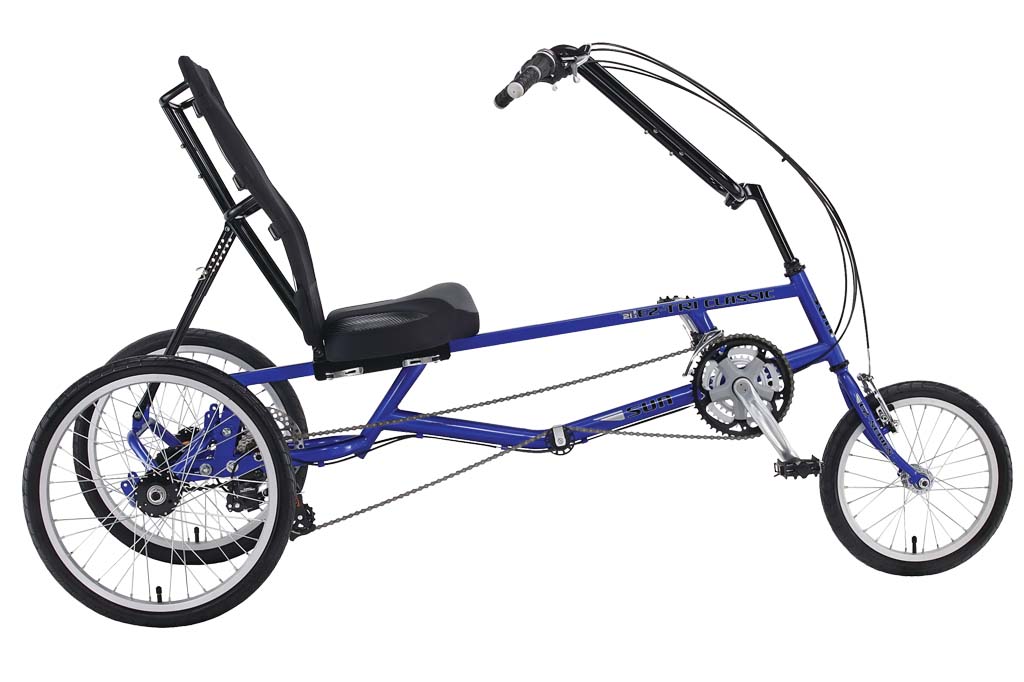
Eric over at the bike centre lent Jean a two-wheeler to try but very quickly it was clear that Jean would not easily develop the confidence to ride on our local roads. The next suggestion from Erik was a tricycle! Not one that was designed in the days of Noah and his Arc but a modern model of the ‘recumbent’ design. In particular, one manufactured by Sun Bicycles. Here’s an image of the trike from the Sun’s website.

Sun EZ Tri Classic SX

Thus it came about that last Friday Jean and I went over to Don’s Bike Center to collect her new bike.

Eric at the store checking that the bike was properly set up for Jean.

Then once home it was time for Jean to learn a number of very new skills. At first just by riding around our turning circle in front of the house.

P1150655

Then trying out our quarter-mile driveway that includes a couple of steep gradients; well steep for a cycle rider!

P1150660

Another view of Jean getting to know her new bike here at home.

P1150656

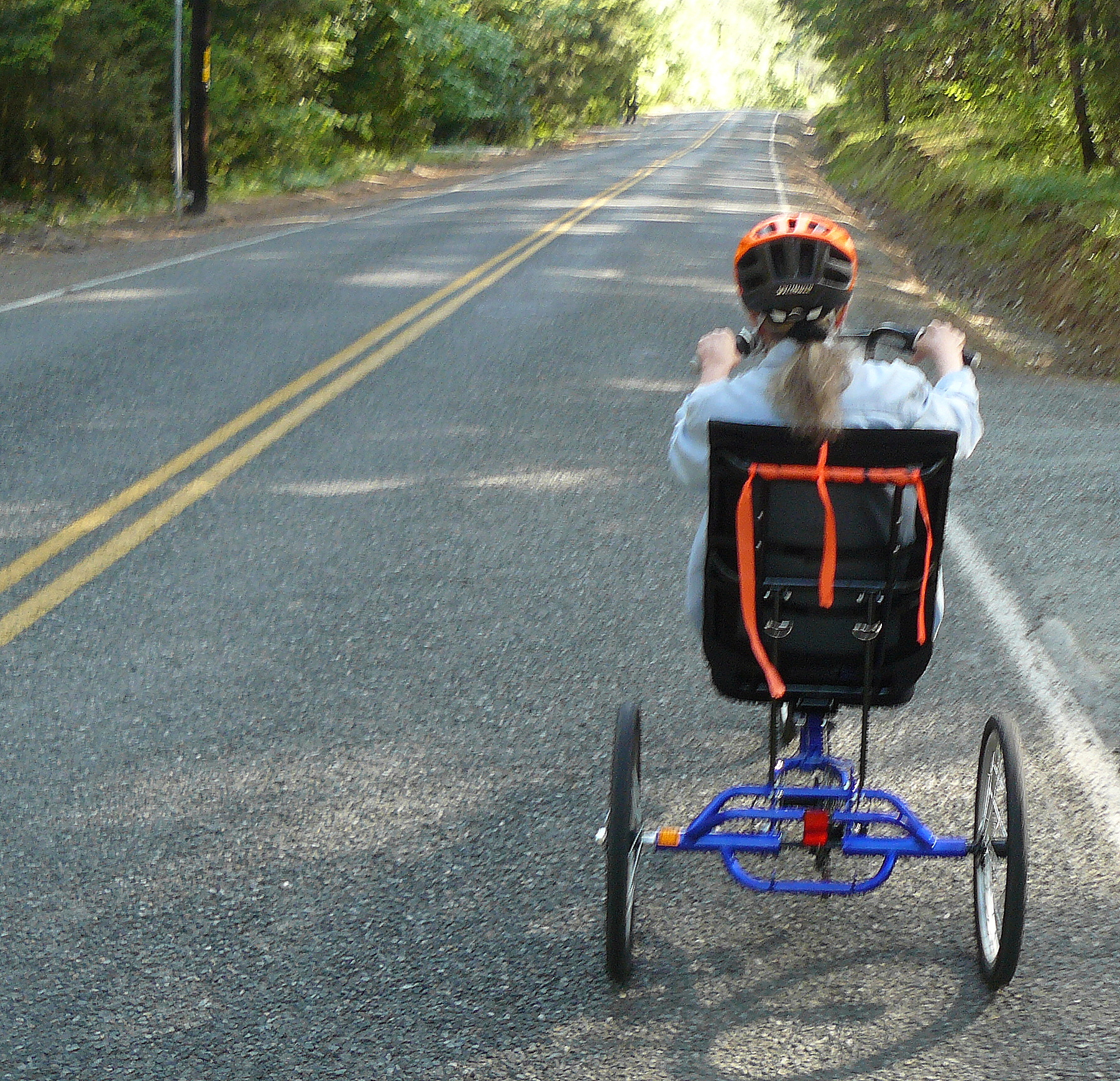
Then, deep breath, time to put on the safety helmet and go for a short ride on Hugo Road, our local road that runs past our property.

Slightly blurred image as I had the camera in my hand as I was riding behind Jean.

So all’s well that ends well!

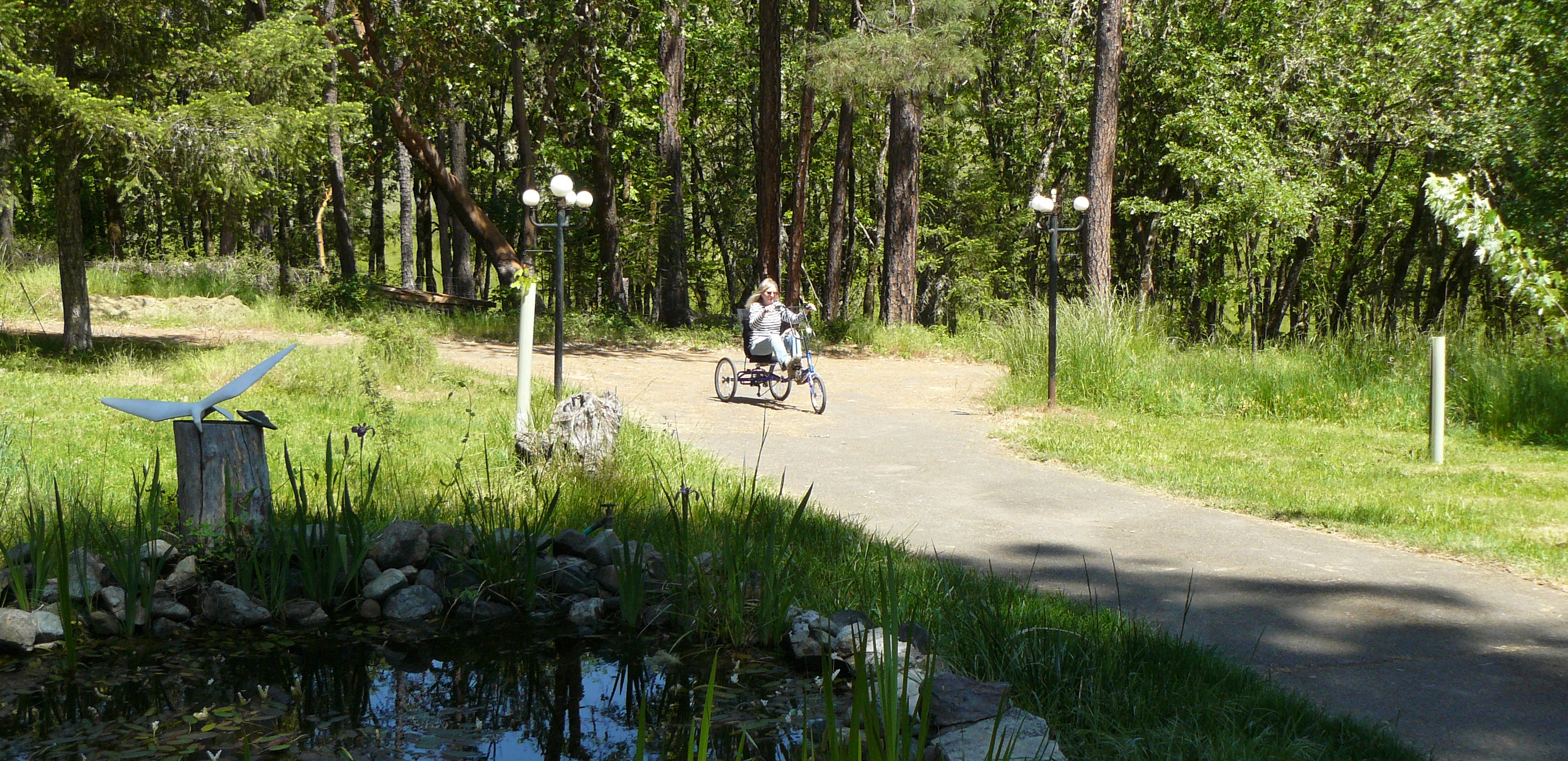
Jean coming up the road towards the driveway entrance!

I will embarrass Jean by saying to my dear readers that Jean is already getting familiar with riding her trike and it won’t be too long before our riding group will be increased by one Mrs. Handover on her bike!

The things we do to stay healthy in our increasing years!

More sharing of ideas

A positive message from George Monbiot.

I ran out of writing time yesterday so looked for a quick and easy post to offer you.

Not that that undervalues what is presented; far from it!

George Monbiot’s essays are frequently on topics that concern him and rightly so. However, last Thursday George published an essay that offers real hope to those that want to see an end to the ceaseless news of lost species.  It is called Otter Joy and is published with George Monbiot’s kind permission.

ooOOoo

Otter Joy

The return of Britain’s otters offers a glimpse of rewilding’s great rewards

By George Monbiot, published on the Guardian’s website, 7th May 2015

I spent last week travelling with my family across the Scottish Highlands, meeting land managers to discuss possibilities of rewilding. The speed of change there is astonishing, and opportunities for a mass restoration of living systems are emerging faster than I could have imagined even a year ago. I’ll be writing about this in a few weeks, when Rewilding Britain is launched.

But for now I want to talk not about the practicalities of rewilding but about its essence: the reason why this idea excites and inspires me so much that I’ve chosen to devote much of the rest of my life to it.

During our tour across the Highlands we stopped for a few days in the village of Shieldaig, at the head of a sea loch on the west coast. We took a cottage overlooking Shieldaig Island, partly because, for the past few years, white-tailed eagles have been nesting there. After becoming extinct in Britain in 1916, this magnificent bird, bigger than a golden eagle, was reintroduced to the island of Rum in 1975. It has been spreading slowly along the west coast. (It could have moved further across Scotland were it not for shooting and poisoning by grouse estates and others). This is one of the species I would love to see returning to much of the rest of Britain.

Unfortunately, the eagles have chosen another place to nest this year. But there were other returning species to see. I woke one morning when it was still dark, and lay in bed until I heard the song thrush in the sycamore behind the cottage start to sing. I slipped out as the light began to rise over the hills.

There’s a path that leads out of the village, winding north over the headlands and around the small bays of Loch Shieldaig. The willow warblers in the trees along the path had started to sing, and from behind the crest of a hill I heard the cry of an unfamiliar raptor – listening later to recordings, I felt it might have been a white-tailed eagle. There was not a tremor of wind and the air was clear. I could see the promontories and islands stepping away for many miles across a polished sea.

As I came over a low ridge, I noticed a disturbance in the water below me, a few metres from the shore. I dropped into the heather and watched. A moment later, two small heads broke from the sea, then the creatures arced over and disappeared again.

After another moment, the larger one – the dog otter – scrambled out of the water with something thrashing in its mouth. He dropped it onto the rocks, gripped it again, then chewed it up. Then the bitch emerged from the sea beside him, also carrying something, that she dispatched just as quickly. They plunged in again, and I watched the trails of bubbles they made as they rummaged round the roots of the kelp that filled the shallow bay.

When they emerged once more, each with a fish in its mouth, I was able to identify the quarry. They were catching rocklings: small, very slippery fish of the same olive-brown as the kelp. Over the next half hour, each of them caught about fifteen. I marvelled at their ability to grab such difficult prey. I loved the slick, swift movements with which they dived and dolphined and twisted underwater. It looked to me like an expression of pure joy.

Hiding among the rocks and heath, I could keep ahead of the otters without being seen, as they foraged round the coast. As the cliffs became lower, I found myself coming ever closer to them. Then, though I don’t know why, the otters emerged from the water without fish, shook themselves out, and climbed up the rocks, long low bodies undulating, towards me. The dog grunted and huffed while his mate made a high whickering noise. They kept raising their heads and staring in my direction. But as I was buried in the heather and they have weak eyesight, I doubt they could have seen me. Soon they were standing about 20 or 30 feet away, raising their bristly little faces to smell the air. I could hear them panting.

Then they turned and rippled back down the rocks, slipped into the water with scarcely a splash and started hunting round the coast once more. Soon they disappeared around a cliff I couldn’t negotiate.

I walked back elated, recharged with wonder and enchantment. A week later, the feeling still buoys me up.

While many species in this country are in rapid decline, the otter is among the few whose prospects are improving. This is partly because it’s no longer hunted, and partly because of a reduction in the organochlorine insecticides that accumulated up the food chain. But, especially in England, it still inhabits just a fraction of its former range.

Otters are an adaptable species that, given the chance, can quickly recolonise the habitats from which they have been excised. Their hesitant return sharpens the hopes of those of us who want a wilder Britain, who strive for the re-establishment of magnificent, enthralling wildlife that you don’t have to travel halfway around the world to see.

Already otters are beginning to appear in a few towns and cities. As they become accustomed to their protected status, they’re likely to become less shy and easier to watch, bringing nature’s wonders closer to the lives of people who have become disconnected from the living planet. If our advocacy of the widespread return to Britain of animals such as beavers, boar and lynx succeeds (and one day, perhaps, of wolves, bison, pelicans, bluefin tuna and whales of several species), the opportunities for re-enchantment will begin to blossom in places that are currently little more than wildlife deserts.

Everyone should be able to experience such marvels, and to step outside the ordered, regulated, predictable world of our own making, that sometimes seems to crush the breath out of us.

www.monbiot.com

ooOOoo

If you, like me, are uncertain what the White-tailed eagle looks like then here’s a photograph of one.

Image: Niall Benvie. RSPB.

The image was taken from a news item on the website of the Royal Society for the Protection of Birds and opens:

2011 has proved another record breaking year for breeding pairs of Scotland’s largest bird of prey. White-tailed eagles soared to new heights despite heavy storms throughout the 2011 breeding season.

Conservationists, and many sea eagle enthusiasts, had been concerned that the high winds felt across Scotland in May could have had a detrimental impact on breeding white-tailed eagles at the vulnerable part of the season when most nests contain small chicks. Indeed, some nests failed including that of BBC Springwatch star, nicknamed “Itchy”, who experts fear lost his chicks in the storm.

However, the bad weather failed to blow the species off course. Recent survey figures for the 2011 breeding season reveal that there were 57 territorial pairs in Scotland, an increase of 10 per cent on the previous year. A total of 43 young fledged successfully from these nests.

George’s essay also mentioned the Scottish sea otter.

RICHARD PETERS photography

This image came from a post on Richard Peters’ Wildlife Photography blog which is very well worth visiting.

Picture parade ninety-five

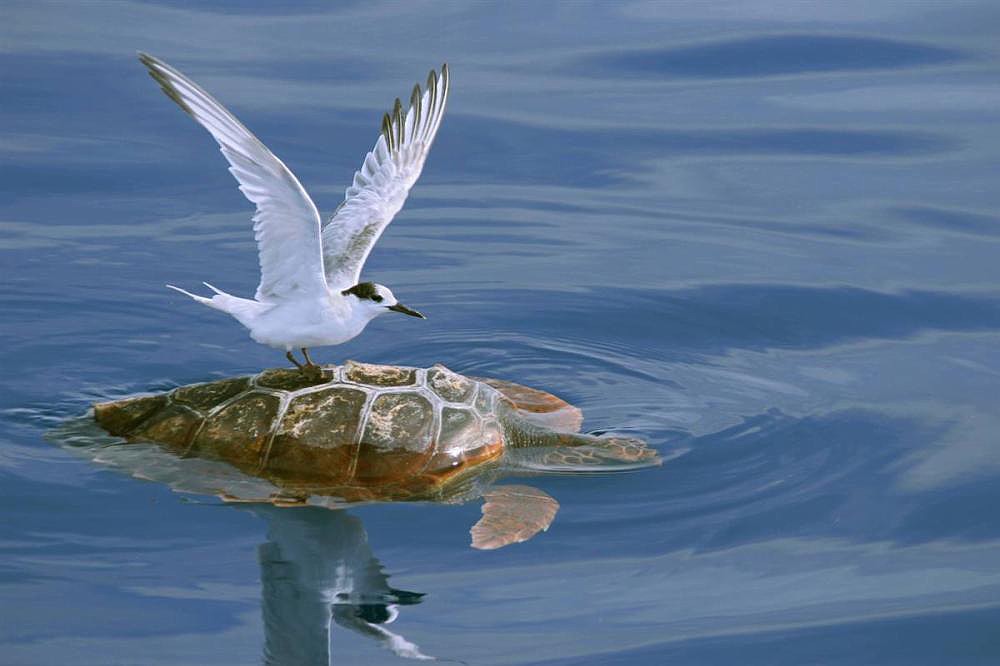
The last in the series of the power of a good camera, an exceptional eye and patience!

JH22a

oooo

JH23a

oooo

JH24a

oooo

JH25a

oooo

JH26a

oooo

JH27a

oooo

JH29a

Going to be very difficult to follow these for next week!

And another Saturday smile.

As seen on a New Zealander’s blog.

News from the Scientific World: New Element Discovered

Victoria University of Wellington researchers have discovered the heaviest element yet known to science. The new element, Governmentium (symbol=Gv), has one neutron, 25 assistant neutrons, 88 deputy neutrons and 198 assistant deputy neutrons, giving it an atomic mass of 312.

These 312 particles are held together by forces called morons, which are surrounded by vast quantities of lepton-like particles called pillocks. Since Governmentium has no electrons, it is inert. However, it can be detected, because it impedes every reaction with which it comes into contact.

A tiny amount of Governmentium can cause a reaction that would normally take less than a second, to take from 4 days to 4 years to complete. Governmentium has a normal half-life of 1 to 3 years (in NZ). It does not decay, but instead undergoes a re-organisation in which a portion of the assistant neutrons and deputy neutrons exchange places.

In fact, Governmentium’s mass will actually increase over time, since each reorganisation will cause more morons to become neutrons, forming isodopes.

This characteristic of moron promotion leads some scientists to believe that Governmentium is formed whenever morons reach a critical concentration. This hypothetical quantity is referred to as a critical morass. When catalysed with money, Governmentium becomes Administratium (symbol=Ad), an element that radiates just as much energy as Governmentium, since it has half as many pillocks but twice as many morons.

I think it is best all round if I say nothing!

Except to wish you all a very pleasant weekend.

Praise for Medical Detection Dogs

Just a simple post for today but one that inspires such love for our dogs.

Med Dogs

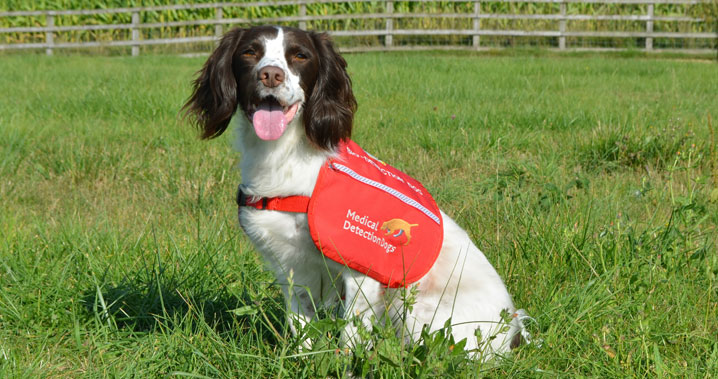
Long-time follower of this place, Per Kuroski, himself a blogger, author of A view from the Radical Middle, recently emailed me a link to the website that is all about Medical Detection Dogs. Please do visit the website for their great work needs to be promoted widely.

Plus enjoy this video: