Category: consciousness

A fascinating article about Pit Bulls

The breed has come full circle!

We have had a couple of pit bull mixes here at home and they have been nothing but fabulous dogs.

So just three weeks ago The Conversation published an extensive account of the recent history of the breed. It is republished for you all today.

ooOOoo

Pit bulls went from America’s best friend to public enemy – now they’re slowly coming full circle.
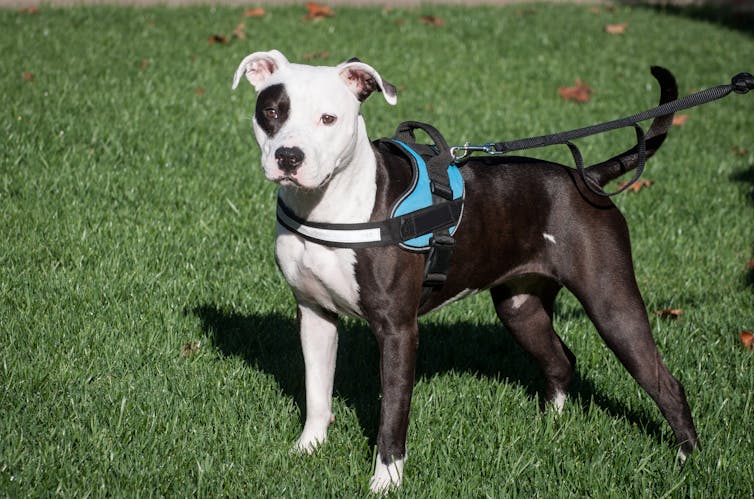
A pit bull is not an official breed – it’s an umbrella term for a type of dog. Barbara Rich via Getty Images

Colin Dayan, Vanderbilt University

As recently as 50 years ago, the pit bull was America’s favorite dog. Pit bulls were everywhere. They were popular in advertising and used to promote the joys of pet-and-human friendship. Nipper on the RCA Victor label, Pete the Pup in the “Our Gang” comedy short films, and the flag-wrapped dog on a classic World War I poster all were pit bulls.

With National Pit Bull Awareness Day celebrated on Oct. 26, it’s a fitting time to ask how these dogs came to be seen as a dangerous threat.
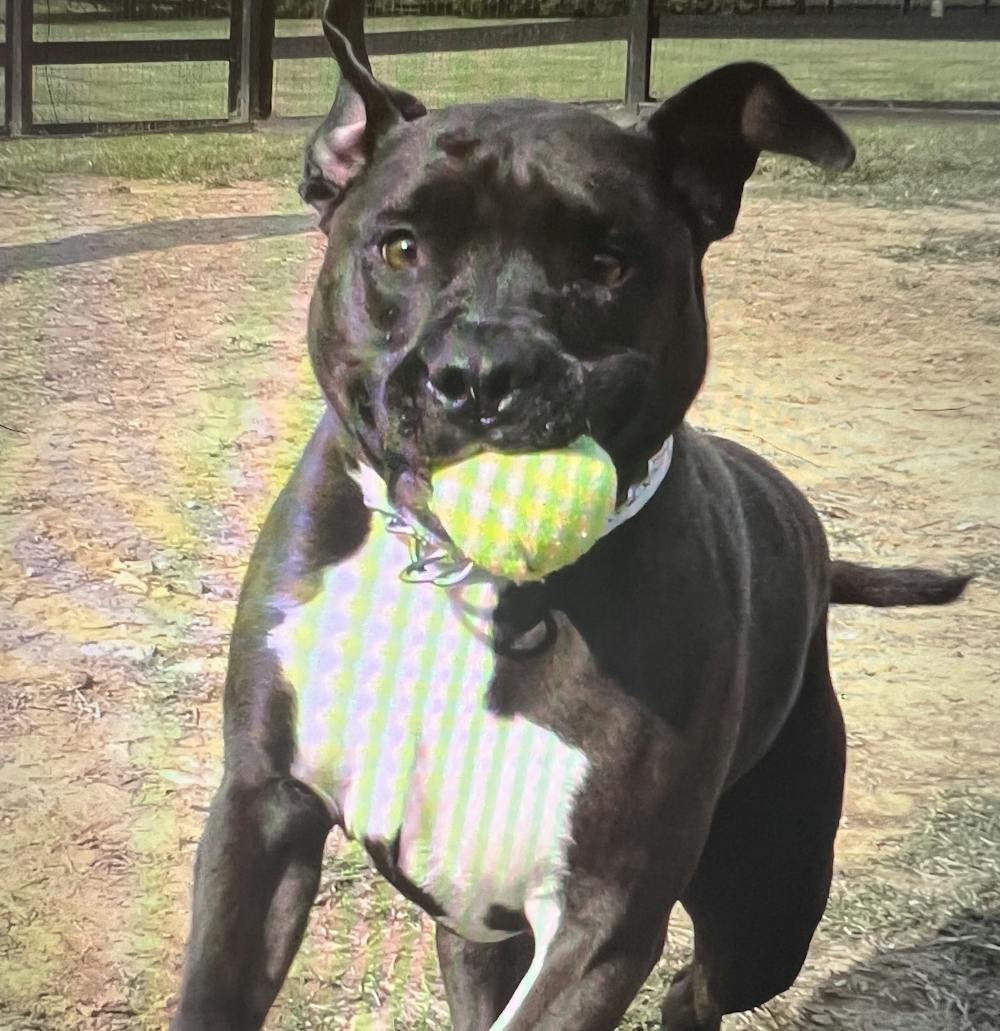
A black and white dog runs with a tennis ball in its mouth
Stella, a pit bull owned by author Colin Dayan. Colin Dayan, CC BY-ND

Starting around 1990, multiple features of American life converged to inspire widespread bans that made pit bulls outlaws, called “four-legged guns” or “lethal weapons.” The drivers included some dog attacks, excessive parental caution, fearful insurance companies and a tie to the sport of dog fighting.

As a professor of humanities and law, I have studied the legal history of slaves, vagrants, criminals, terror suspects and others deemed threats to civilized society. For my books “The Law is a White Dog” and “With Dogs at the Edge of Life,” I explored human-dog relationships and how laws and regulations can deny equal protection to entire classes of beings.

In my experience with these dogs – including nearly 12 years living with Stella, the daughter of champion fighting dogs – I have learned that pit bulls are not inherently dangerous. Like other dogs, they can become dangerous in certain situations, and at the hands of certain owners. But in my view, there is no defensible rationale for condemning not only all pit bulls, but any dog with a single pit bull gene, as some laws do.

I see such action as canine profiling, which recalls another legal fiction: the taint or stain of blood that ordained human degradation and race hatred in the United States.

Painting of a black and white dog looking into the horn of a Victorian record player
English artist Francis Barraud (1856-1924) painted his brother’s dog Nipper listening to the horn of an early phonograph in 1898. Victor Talking Machine Co. began using the symbol in its trademark, His Master’s Voice, in 1900. Wikipedia

Bred to fight

The pit bull is strong. Its jaw grip is almost impossible to break. Bred over centuries to bite and hold large animals like bears and bulls around the face and head, it’s known as a “game dog.” Its bravery and strength won’t allow it to give up, no matter how long the struggle. It loves with the same strength; its loyalty remains the stuff of legend.

For decades pit bulls’ tenacity encouraged the sport of dogfighting, with the dogs “pitted” against each other. Fights often went to the death, and winning animals earned huge sums for those who bet on them.

But betting on dogs is not a high-class sport. Dogs are not horses; they cost little to acquire and maintain. Pit bulls easily and quickly became associated with the poor, and especially with Black men, in a narrative that connected pit bulls with gang violence and crime.

That’s how prejudice works: The one-on-one lamination of the pit bull onto the African American male reduced people to their accessories.
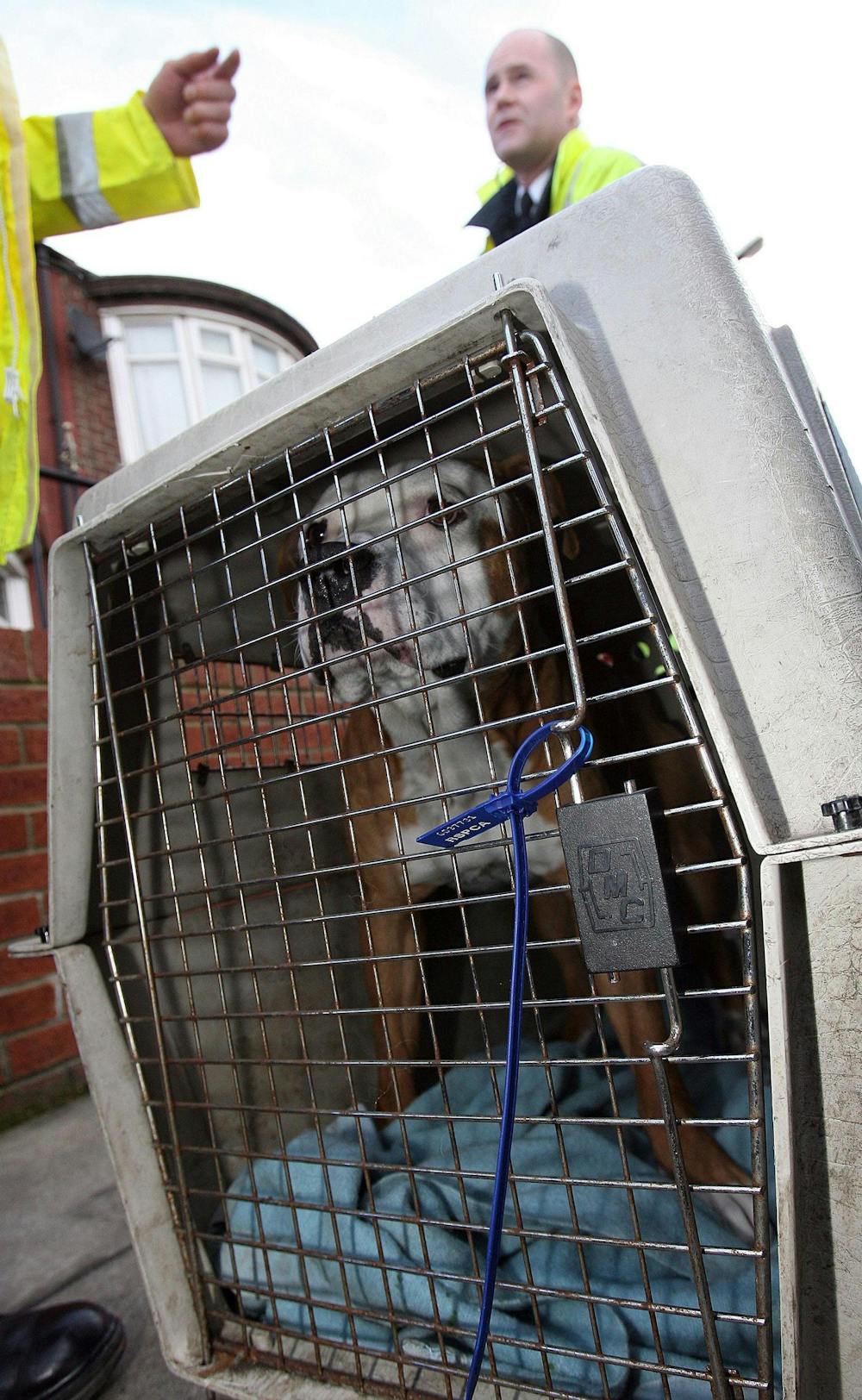
A dog confined in an animal crate, with police in the background.
A pit bull-type dog seized during a 2007 raid on an illegal dogfighting operation in East Cleveland, Ohio. Owen Humphreys – PA Images via Getty Images

Dogfighting was outlawed in all 50 states by 1976, although illegal businesses persisted. Coverage of the practice spawned broad assertions about the dogs that did the fighting. As breed bans proliferated, legal rulings proclaimed these dogs “dangerous to the safety or health of the community” and judged that “public interests demand that the worthless shall be exterminated.”

In 1987 Sports Illustrated put a pit bull, teeth bared, on its cover, with the headline “Beware of this Dog,” which it characterized as born with “a will to kill.” Time magazine published “Time Bombs on Legs” featuring this “vicious hound of the Baskervilles” that “seized small children like rag dolls and mauled them to death in a frenzy of bloodletting.”

Presumed vicious

If a dog has “vicious propensities,” the owner is assumed to share in this projected violence, both legally and generally in public perception. And once deemed “contraband,” both property and people are at risk.

This was evident in the much-publicized 2007 indictment of Atlanta Falcons quarterback Michael Vick for running a dogfighting business called Bad Newz Kennels in Virginia. Even the Humane Society of the United States and People for the Ethical Treatment of Animals – two of the nation’s leading animal welfare advocacy groups – argued that the 47 pit bulls recovered from the facility should be killed because they posed a threat to people and other animals.

If not for the intervention of Best Friends Animal Society, Vick’s dogs would have been euthanized. As the film “Champions” recounts, a court-appointed special master determined each dog’s fate. Ultimately, nearly all of the dogs were successfully placed in sanctuaries or adoptive homes.

This 2010 report describes the successful rehabilitation of dogs rescued from Michael Vick’s Bad Newz dogfighting operation.

Debating breed bans

Pit bulls still suffer more than any other dogs from the fact that they are a type of dog, not a distinct breed. Once recognized by the American Kennel Club as an American Staffordshire terrier, popularly known as an Amstaff, and registered with the United Kennel Club and the American Dog Breeders Association as an American pit bull terrier, now any dog characterized as a “pit bull type” can be considered an outlaw in many communities.

For example, in its 2012 Tracey v. Solesky ruling, the Maryland Court of Appeals modified the state’s common law in cases involving dog injuries. Any dog containing pit bull genes was “inherently dangerous” as a matter of law.

This subjected owners and landlords to what the courts call “strict liability.” As the court declared: “When an attack involves pit bulls, it is no longer necessary to prove that the particular pit bull or pit bulls are dangerous.”

Dissenting from the ruling, Judge Clayton Greene recognized the absurdity of the majority opinion’s “unworkable rule”: “How much ‘pit bull,’” he asked, “must there be in a dog to bring it within the strict liability edict?”

It’s equally unanswerable how to tell when a dog is a pit bull mix. From the shape of its head? Its stance? The way it looks at you?

Conundrums like these call into question statistics that show pit bulls to be more dangerous than other breeds. These figures vary a great deal depending on their sources.

Any statistics about pit bull attacks depend on the definition of a pit bull – yet it’s really hard to get good dog bite data that accurately IDs the breed

Prince George’s County, Md., is negotiating with advocates suing to revoke the county’s pit bull ban.

Over the past decade, awareness has grown that breed-specific legislation does not make the public safer but does penalize responsible owners and their dogs. Currently 21 states prohibit local government from enforcing breed-specific legislation or naming specific breeds in dangerous dog laws. Maryland passed a law reversing the Tracey ruling in 2014. Yet 15 states still allow local communities to enact breed-specific bans.

Pit bulls demand a great deal more from humans than some dogs, but alongside their bracing way of being in the world, we humans learn another way of thinking and loving. Compared with many other breeds, they offer a more demanding but always affecting communion.

Colin Dayan, Professor of English, Robert Penn Warren Professor in the Humanities, and Professor of Law, Vanderbilt University

This article is republished from The Conversation under a Creative Commons license. Read the original article.

ooOOoo

That is a very interesting account of the breed and shows the complexities of owning Pit Bulls in certain States, or rather local communities enacting breed-specific bans.

However, in our experience, we have found them to be smart, loving animals, and we know we are not alone in having those thoughts.


Our climate: Welcome to the New Normal!

An article read on Sunday is the motivation for today’s post.

The article, published by The Conversation blog site, was made public last Wednesday week.

I make no apologies for banging the climate change gong again, it is in my opinion the most important subject going.

Enough from me; now to the article.

(And it had been planned for last Tuesday but because of Pedi it is now today.)

ooOOoo

By Professor Shuang-Ye Wu

This article was written by Professor Shuang-Ye Wu. It is very good.

Professor Wu is the Professor of Geology and Environmental Geosciences at the University of Dayton, USA.

Looking back on America’s summer of heat, floods and climate change: Welcome to the new abnormal!

Much of the South and Southern Plains faced a dangerous heat wave in July 2022, with highs well over 100 degrees for several days. Brandon Bell/Getty Images

The summer of 2022 started with a historic flood in Montana, brought on by heavy rain and melting snow, that tore up roads and caused large areas of Yellowstone National Park to be evacuated.

It ended with a record-breaking heat wave in California and much of the West that pushed the power grid to the breaking point, causing blackouts, followed by a tropical storm that set rainfall records in southern California. A typhoon flooded coastal Alaska, and a hurricane hit Puerto Rico with more than 30 inches of rain.

In between, wildfires raged through California, Arizona and New Mexico on the background of a megadrought in Southwestern U.S. that has been more severe than anything the region has experienced in at least 1,200 years. Near Albuquerque, New Mexico, a five-mile stretch of the Rio Grande ran dry for the first time in 40 years. Persistent heat waves lingered over many parts of the country, setting temperature records.

At the same time, during a period of five weeks between July and August, five 1,000-year rainfall events occurred in St. Louis, eastern Kentucky, southern Illinois, California’s Death Valley and in Dallas, causing devastating and sometimes deadly flash floods. Extreme rainfall also led to severe flooding in Mississippi, Virginia and West Virginia.

The United States is hardly alone in its share of climate disasters.

In Pakistan, record monsoon rains inundated more than one-third of the country, killing over 1,500 people. In India and China, prolonged heat waves and droughts dried up rivers, disrupted power grids and threatened food security for billions of people.

In Europe, heat waves set record temperatures in Britain and other places, leading to severe droughts and wildfires in many parts of the continent. In South Africa, torrential rains brought flooding and mudslides that killed more than 400 people. The summer may have come to an end on the calendar, but climate disasters will surely continue.

This isn’t just a freak summer: Over the years, such extreme events are occurring in increasing frequency and intensity.

Climate change is intensifying these disasters

The most recent international climate assessment from the United Nations’ Intergovernmental Panel on Climate Change found significant increases in both the frequency and intensity of extreme temperature and precipitation events, leading to more droughts and floods.

A recent study published in the scientific journal Nature found that extreme flooding and droughts are also getting deadlier and more expensive, despite an improving capacity to manage climate risks. This is because these extreme events, enhanced by climate change, often exceed the designed levels of such management strategies.

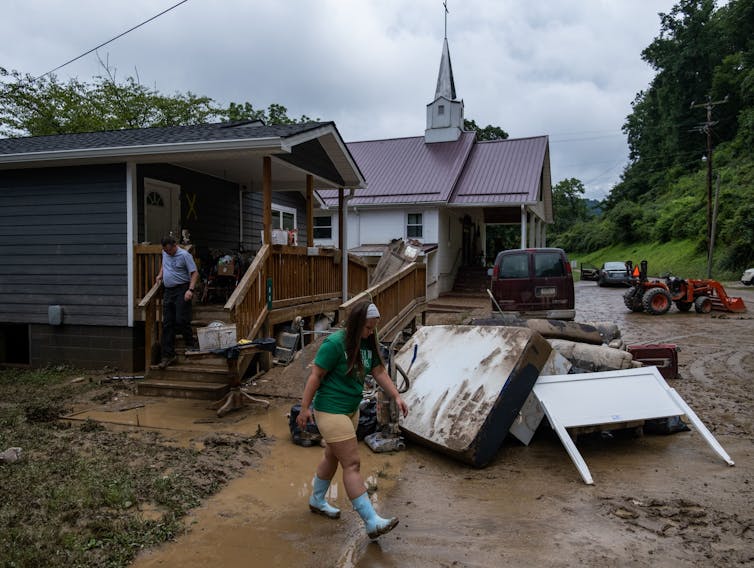
A girl in rain boots walks through a mud-filled yard. Damaged mattresses and other belongings from a flooded house are piled nearby.
Flash flooding swept through mountain valleys in eastern Kentucky in July 2022, killing more than three dozen people. It was one of several destructive flash floods. Seth Herald/AFP via Getty Images

Extreme events, by definition, occur rarely. A 100-year flood has a 1% chance of happening in any given year. So, when such events occur with increasing frequency and intensity, they are a clear indication of a changing climate state.

The term “global warming” can sometimes be misleading, as it seems to suggest that as humans put more heat-trapping greenhouse gases into the atmosphere, the world is going to get a bit warmer everywhere. What it fails to convey is that warming temperatures also lead to a more violent world with more extreme climate disasters, as we saw this past summer.

Climate models showed these risks were coming

Much of this is well-understood and consistently reproduced by climate models.

As the climate warms, a shift in temperature distribution leads to more extremes. The magnitudes of changes in extreme temperature are often larger than changes in the mean. For example, globally, a 1 degree Celsius increase in annual average temperature is associated with 1.2 C to 1.9 C (2.1 Fahrenheit to 3.4 F) of increase in the annual maximum temperature.

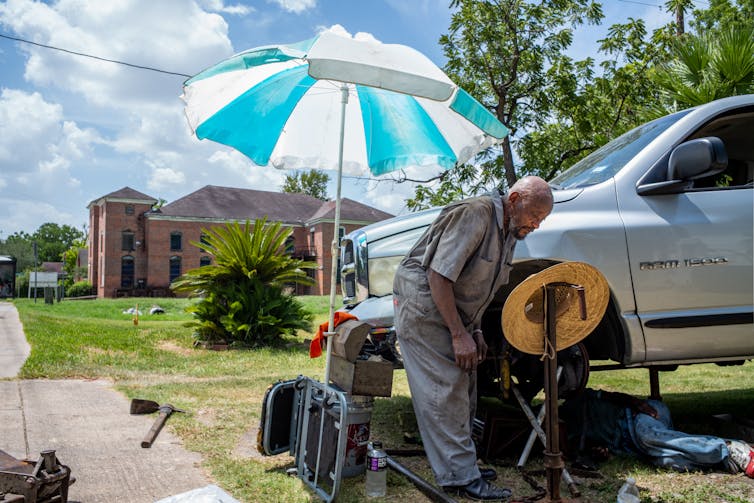
A man works on a car with an older mechanic in overalls standing next to him under the shade of a large beach umbrealla.
Heat waves, like the heat dome over the South in July 2022, can hit outdoor workers especially hard. Brandon Bell/Getty Images

In addition, global warming causes changes in the vertical profile of the atmosphere and equator-to-pole temperature gradients, leading to changes in how the atmosphere and ocean move. The temperature difference between equator and the poles is the driving force for global wind. As the polar regions warm at much higher rates then the equator, the reduced temperature difference causes a weakening of global winds and leads to a more meandering jet stream.

Some of these changes can create conditions such as persistent high-pressure systems and atmosphere blocking that favor more frequent and more intense heat waves. The heat domes over the Southern Plains and South in June and the West in September are examples.

The initial warming can be further amplified by positive feedbacks. For example, warming increases snow melt, exposing dark soil underneath, which absorbs more heat than snow, further enhancing the warming.

Warming of the atmosphere also increases its capacity to hold water vapor, which is a strong greenhouse gas. Therefore, more water vapor in the air leads to more warming. Higher temperatures tend to dry out the soil, and less soil moisture reduces the land’s heat capacity, making it easier to heat up.

These positive feedbacks further intensify the initial warming, leading to more heat extremes. More frequent and persistent heat waves lead to excessive evaporation, combined with decreased precipitation in some regions, causing more severe droughts and more frequent wildfires.

Higher temperatures increase the atmosphere’s capacity to hold moisture at a rate of about 7% per degree Celsius.

This increased humidity leads to heavier rainfall events. In addition, storm systems are fueled by latent heat, or the large amount of energy released when water vapor condenses to liquid water. Increased moisture content in the atmosphere also enhances latent heat in storm systems, increasing their intensity. Extreme heavy or persistent rainfall leads to increased flooding and landslides, with devastating social and economic consequences.

Even though it’s difficult to link specific extreme events directly to climate change, when these supposedly rare events occur with increasing frequency in a warming world, it is hard to ignore the changing state of our climate.

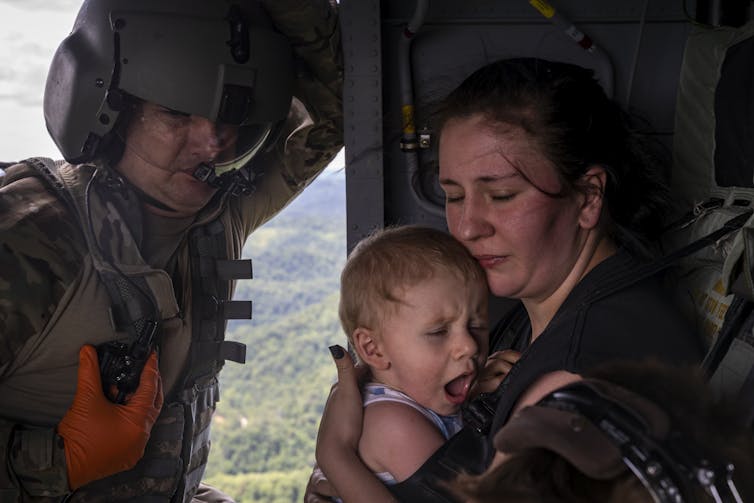
A woman with her eyes closed holds a screaming 1-year-old boy in a National Guard helicopter, with a guardsman standing in the open helicopter door.
A family had to be airlifted from their home in eastern Kentucky after it was surrounded by floodwater in July 2022. Michael Swensen/Getty Images

The new abnormal

So this past summer might just provide a glimpse of our near future, as these extreme climate events become more frequent.

To say this is the new “normal,” though, is misleading. It suggests that we have reached a new stable state, and that is far from the truth.

Without serious effort to curb greenhouse gas emissions, this trend toward more extreme events will continue. Things will keep getting worse, and this past summer will become the norm a few years or decades down the road – and eventually, it will seem mild, like one of those “nice summers” we look back on fondly with nostalgia.

This article is republished from The Conversation under a Creative Commons license. Read the original article.

ooOOoo

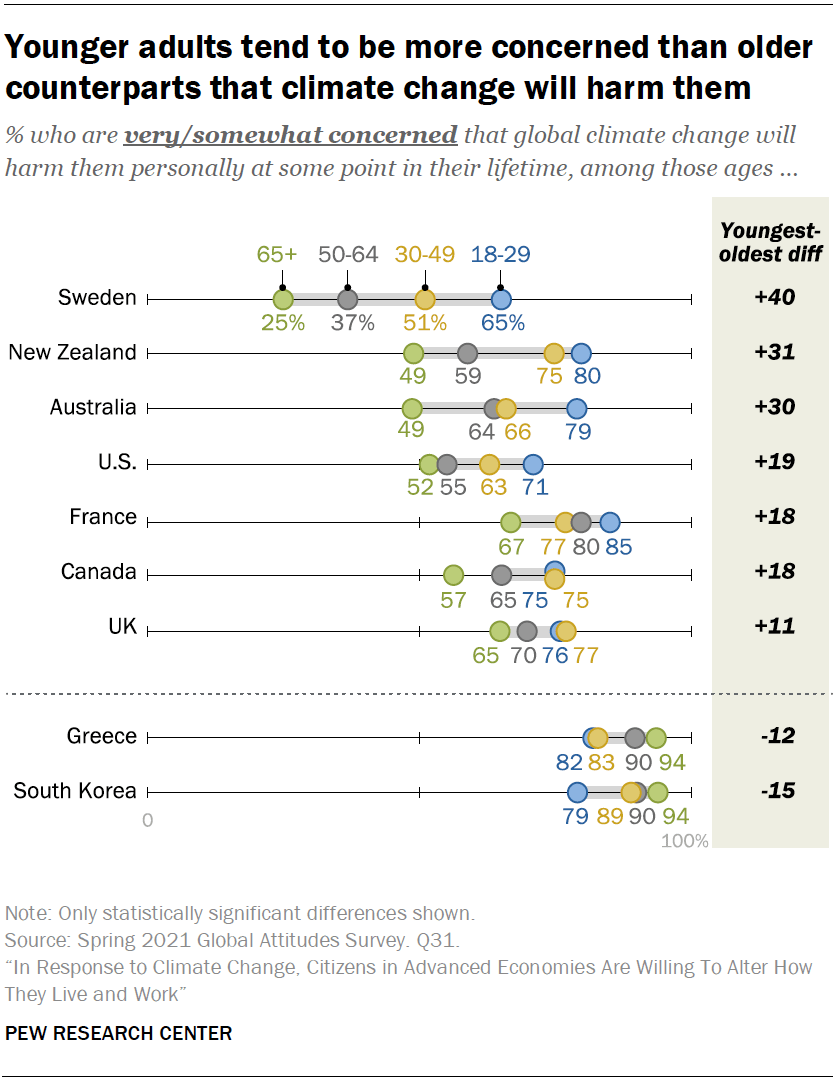
There is growing evidence that things are really changing globally. I used to say that I would be dead before the impacts of climate change really hit home. As in, it would be a good twenty years before things really took a hold. But it is now much more likely that the next five years are going to see a continuation of the changes and that there isn’t time to hang around.

I may not be as sharp as I used to be but the changing climate will affect me and Jean and all those in our area. Will our leaders grasp this nettle now? I wish I knew.

We are getting close to it being too late!

As in we humans living on this planet.

Next Saturday I am giving a talk to our local Freethinkers and Humanists group on climate change. As a result of this I was doing some research on the subject and I thought that I would share what I found with you.

But first may I say that the new King of the United Kingdom, King Charles III, may not have ages and ages on the throne but he is a committed environmentalist. In a recent VoA article the Prince of Wales, as he was then, reported that when Charles opened the COP26 climate summit, held in Scotland last year, and gave the opening speech, urging world leaders seated in front of him to redouble their efforts to confront global warming, he warned: “Time has quite literally run out.”

It is us!

The UN’s Intergovernmental Panel on Climate Change (IPCC) kicked off its 2021 report with the following statement: “It is unequivocal that human influence has warmed the atmosphere, ocean and land.

A little later the article says: It took a while, but climate modelling is now refined enough to predict how things would go without human influence, within a margin of error. What we are observing today, however, is beyond that margin of error, therefore proving that we have driven the change.

It is getting hot

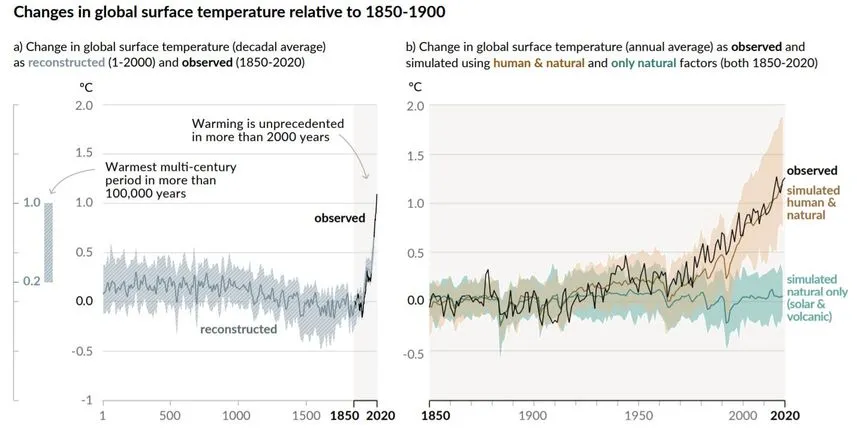
The last decade was the hottest in 125,000 years. There are a number of graphs to support this. Here is one:

The oceans

One of the facts of having a water world, 71% of the Earth’s surface is water-covered, and the oceans hold about 96.5% of all Earth’s water, is that a 2019 study found that oceans had sucked up 90% of the heat gained by the planet between 1971 and 2010. Another found that it absorbed 20 sextillion joules of heat in 2020  – equivalent to two Hiroshima bombs per second.

Carbon-dioxide

In fact CO2 levels are now the highest that they have been in 2 million years. Today, they stand at close to 420 parts per million (ppm). To put that into context pre-industrial levels, before 1750, had CO2 levels around 280 parts per million.

We are losing ice big time

I can do no better than to quote from Earth.org: Since the mid-1990s, we’ve lost around 28 trillion tons of ice, with today’s melt rate standing at 1.2 trillion tons a year. To help put that into perspective, the combined weight of all human-made things is 1.1 trillion tons. That’s about the same weight as all living things on earth.

I repeat: Every single year we are losing 1,200,000,000,000 tons of ice!

Extreme weather

We can now attribute natural disasters to human-driven climate change with certainty. We can now say with precision how much likelier we made things like the North American summer 2021 heatwave, which the World Weather Attribution says was “virtually impossible” without climate change as well as the Indian heatwave, which experts believe it was made 30 times more likely because of climate change.

Climate change mitigation

There is a long and comprehensive article on the above subject on WikiPedia. I will quote from the paragraph Needed emissions cuts.

If emissions remain on the current level of 42 GtCO2, the carbon budget for 1.5 °C could be exhausted in 2028. (That’s 42 gigatones, as in 1 gigaton is a unit of explosive force equal to one billion (109) tons of trinitrotoluene (TNT).

In 2022, the Intergovernmental Panel on Climate Change (IPCC) released its Sixth Assessment Report on climate change, warning that greenhouse gas emissions must peak before 2025 at the latest and decline 43% by 2030, in order to likely limit global warming to 1.5°C (2.7°F). Secretary-general of the United Nations, António Guterres, clarified that for this “Main emitters must drastically cut emissions starting this year”.

Then just before that paragraph WikiPedia reports that: The UNFCCC aims to stabilize greenhouse gas (GHG) concentrations in the atmosphere at a level where ecosystems can adapt naturally to climate change, food production is not threatened, and economic development can proceed in a sustainable fashion. Currently human activities are adding CO2 to the atmosphere faster than natural processes can remove it.

We need to act now, otherwise…

… it will be too late for billions of us.

This may be the most catastrophic of our climate change facts. As of now, only 0.8% of the planet’s land surface has mean annual temperatures above 29°C, mostly in the Sahara desert and Saudi Arabia (solid black in the map below).

study by Xu et al. (2020) called “Future of the Human Niche” found that by 2070, under a high emissions scenario, these unbearable temperatures could expand to affect up to 3 billion people (dark brown areas).

Doing nothing is much worse than doing something

On the current path, climate change could end up costing us 11 to 14% of the global GDP by mid-century. Regression into a high emissions scenario would mean an 18% loss, while staying below 2°C would reduce the damage to only 4%. 

It has been proposed that ending climate change would take between $300 billion and $50 trillion over the next two decades. Even if $50 trillion is the price tag, that comes down to $2.5 trillion a year, or just over 3% of the global GDP. 

Climate change is an incredibly complex phenomenon, and there are many other things happening that were not covered above.

These are the facts. There is no disputing them. Jean and I are relatively immune from the effects, because of our ages, but not entirely so. The last few weeks with the imminent risk of our property being damaged by wildfires is one example. The last three winters being below average rainfall is another. But it is the youngsters I fear most for. On a personal note, my daughter and husband have a son and he is now 12. What sort of world is he growing up in?

So here is a view of the global population of young people.

Just before I close let me show you my final chart. It goes to show our attitudes.

I am not a political animal. However I recognise that it is our leaders, globally, but especially in the top 10 countries in the world, who have to be leaders! Here are the top 10 countries.

So, please, dear leader, make this the number one priority for your country and for the world (areas of their country in square kilometres): Russia. 17,098,242, Canada. 9,984,670, United States. 9,826,675, China. 9,596,961, Brazil. 8,514,877, Australia. 7,741,220, India. 3,287,263 and Argentina. 2,780,400.

Sir David Attenborough.

There are not many who achieve so much, but Sir David most definately has!

This is our planet. It is the only one we have (stating the obvious!).

This beautiful photograph taken from the Apollo 11 mission says it all. That Commander Neil Armstrong and lunar module pilot Buzz Aldrin landed the Apollo Lunar Module Eagle on July 20, 1969 changed everything.

But one thing that was not on anyone’s mind then; the state of the planet!

This view of Earth rising over the Moon’s horizon was taken from the Apollo 11 spacecraft. The lunar terrain pictured is in the area of Smyth’s Sea on the nearside. Coordinates of the center of the terrain are 85 degrees east longitude and 3 degrees north latitude.
While astronaut Neil A. Armstrong, commander; and Edwin E. Aldrin Jr., lunar module pilot, descended in the Lunar Module (LM) “Eagle” to explore the Sea of Tranquility region of the moon, astronaut Michael Collins remained with the Command and Service Modules (CSM) “Columbia” in lunar orbit.
Image Credit: NASA

How that has changed since 1969.

David Attenborough is a giant of a man, and I say this out of humility and respect for what he has done in his long life, he was born in May, 1926, and he is still fighting hard to get us humans to wake up to the crisis that is upon us.

Wikipedia has an entry that lists all the television shows, and more, that David Attenborough has made. As is quoted: “Attenborough’s name has become synonymous with the natural history programmes produced by the BBC Natural History Unit.”

Please take 45 minutes and watch this film. It is so important.

But before you do please read this extract taken from this site about the film:

For decades David Attenborough delighted millions of people with tales of life on Earth, exploring wild places and documenting the living world in all its variety and wonder. Now, for the first time he reflects upon both the defining moments of his lifetime as a naturalist and the devastating changes he has seen.

Honest, revealing and urgent, the film serves as a witness statement for the natural world – a first-hand account of humanity’s impact on nature, from Australia’s Great Barrier Reef to the jungles of central Africa, the North Pole and Antarctica. It also aims to provide a message of hope for future generations.

“I’ve had a most extraordinary life. It’s only now I appreciate how extraordinary,” Sir David says in the film’s trailer, in which he also promises to tell audiences how we can “work with nature rather than against it”.

The film retraces Sir David’s career, his life stages and natural history films, within the context of human population growth and the loss of wilderness areas. “I don’t think that the theoretical basis for the reason why biodiversity is important is a widely understood one,” he told the Guardian in September.

This autumn, a series of publications warned that “humanity is at a crossroads” in its relationship with nature, culminating in a UN report that the world has failed to meet a single target to stop the destruction of nature in the past decade.

Sir David has been vocal about the threat of climate change in recent years, calling on politicians to take their “last chance” to act rather than continue to “neglect long-term problems”.

We need to learn how to work with nature, rather than against it”, according to Sir David. In the film, he is going to tell us how.

Now watch the film. Please!

As you can see, in the film Sir David states that the only way out of this mess is a massive focus on rewilding.

Coincidentally, Patrice Ayme last Sunday wrote about rewilding: California Grizzly: Rewilding Is A Moral Duty. In the latter half of that essay, he wrote: “One should strive to reintroduce American megafauna, starting with the more innocuous species (and that includes the grizzly). By the way, I have run and hiked in grizzly country (Alaska), with a huge bear pepper spray cannister at the ready. I nearly used the cannister on a charging moose (with her calf which was as big as a horse). The calf slipped off, and I eluded the mom through a thicket of very closely spaced tough trees. But I had my finger on the trigger, safety off. Moose attack more humans than grizzlies and wolves combined (although a bear attack is more dangerous). In any case, in the US, stinging insects kill around 100, deer around 200 (mostly through car collisions), and lightning around three dozen people, per year.

As it is, I run and hike a lot in California wilderness, out of rescue range. I generally try to stay aware of where and when I could come across bears, lions and rattlers. My last close call with a large rattlesnake, up a mountain slope, was partly due to hubris and not realizing I was moving in dangerous terrain. Fortunately I heard the slithering just in time. Dangerous animals make us aware of nature in its full glory, and the real nature of the human condition. They keep us more honest with what is real, what humanity is all about.

And that should be the primordial sense.

I will close by offering you this photograph. May it inspire you to rewild, in small ways and also, if you can, in bigger ways. All of us must be involved. Otherwise…

Photo by Cosmic Timetraveler on Unsplash

…otherwise… (sentence left unfinished).

Musings from a 77 year old!

Where did it all go? That is: Life! Or more accurately my life.

I was born in Acton, London before the end of WWII. I am in my 77th year. Life these days seems to be more or less a paradox.

There are so many challenges at the moment. Not just in the USA nor in the UK but globally. We love where we live here in rural Merlin but we are already in the third year of below normal rainfall.

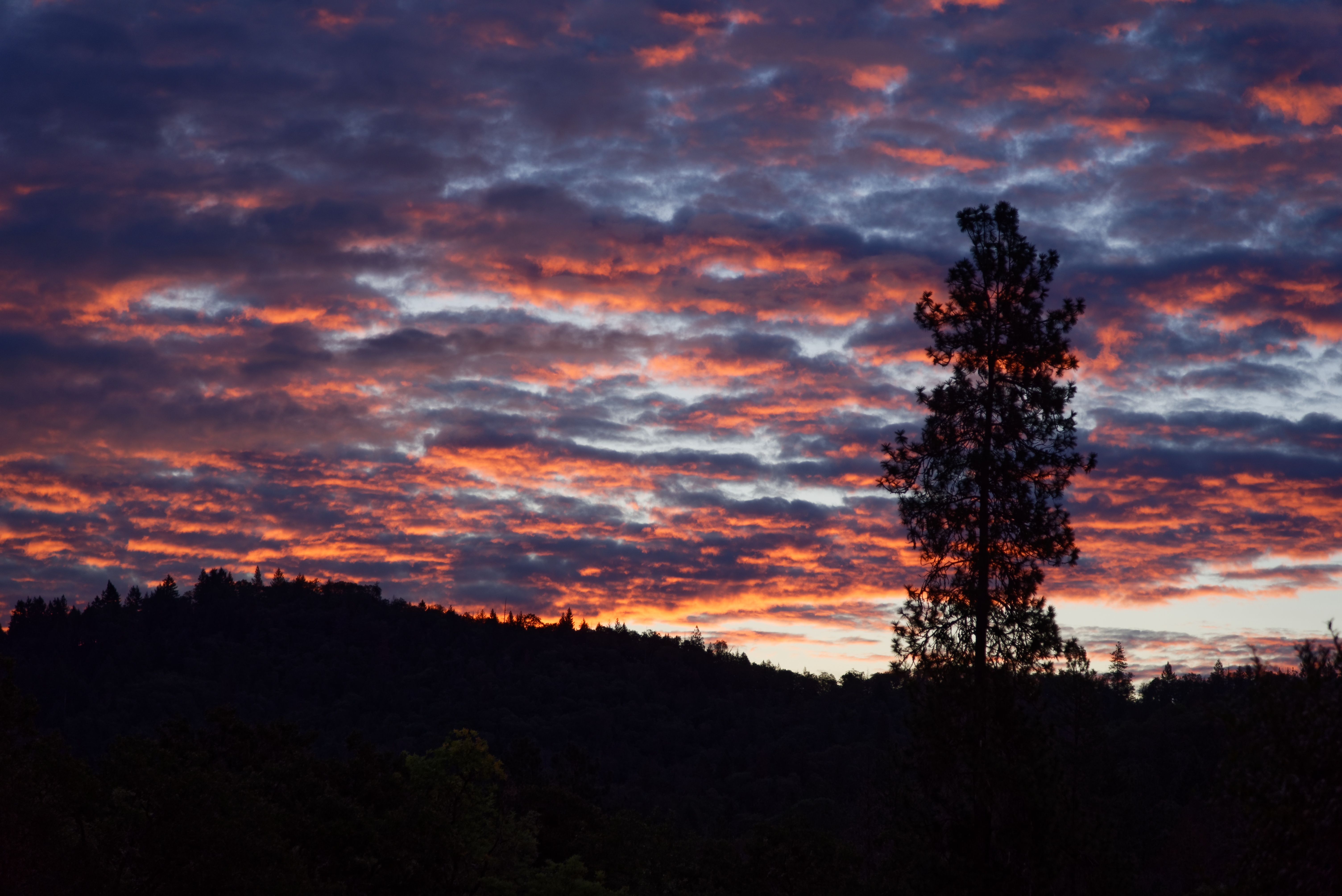
A view of the sunrise from taken from our property.

The contradictions in terms of our life locally and the global scene are huge. This is all leading to me quoting extracts from a recent George Monbiot article. The article starts by saying: “On both sides of the Atlantic, powerful interests seem determined to trigger the collapse of life on Earth. Why?

Sexton Mountain last winter. Again photo taken from our property.

A little later on in Geo. Monbiot’s article, he writes: “When I began work as an environmental journalist in 1985, I knew I would struggle against people with a financial interest in destructive practices. But I never imagined that we would one day confront what appears to be an ideological commitment to destroying life on Earth. The UK government and the US supreme court look as if they are willing the destruction of our life support systems.

Because it does seem as though the political leaders are not taking the future of the planet seriously. As Patrice Ayme concluded recently in a remark to that post: “Biden ought to declare a climate emergency.” But it won’t happen!

(Well I may stand corrected. Yesterday it was widely reported, and I chose Renewable Energy: “The clean energy industry celebrated a moment on August 7 that would have seemed impossible just a few weeks earlier: The Senate passed a budget measure that includes the largest investments in clean energy and climate change in U.S. history.“)

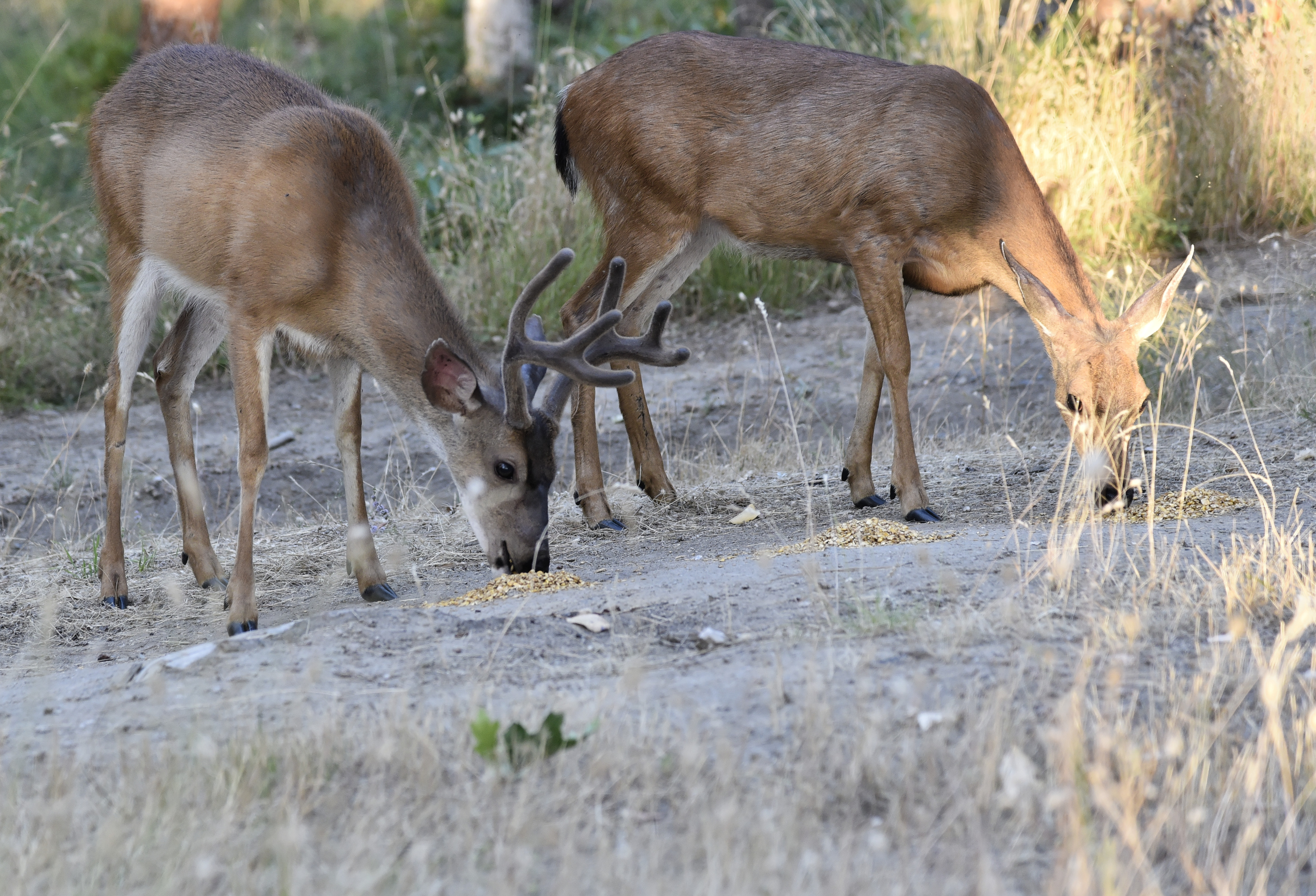
Every morning when I go down to feed our two ex-rescue horses I also feed the wild deer. I have been doing it for many years. Long enough that a young buck has turned into an adult and comes within a few feet of me.

It never ceases to delight.

The contradiction between me going every morning down to the stable area and feeding the horses and the wild deer, and the outcome for the planet is beyond words. In a very real way it is incomprehensible.

Again, Geo. Monbiot writes: “All this might seem incomprehensible. Why would anyone want to trash the living world? Surely even billionaires want a habitable and beautiful planet? Don’t they like snorkelling on coral reefs, salmon fishing in pristine rivers, skiing on snowy mountains? We suffer from a deep incomprehension of why such people act as they do. We fail to distinguish preferences from interests, and interests from power. It is hard for those of us who have no desire for power over others to understand people who do. So we are baffled by the decisions they make, and attribute them to other, improbable causes. Because we do not understand them, we are the more easily manipulated.”

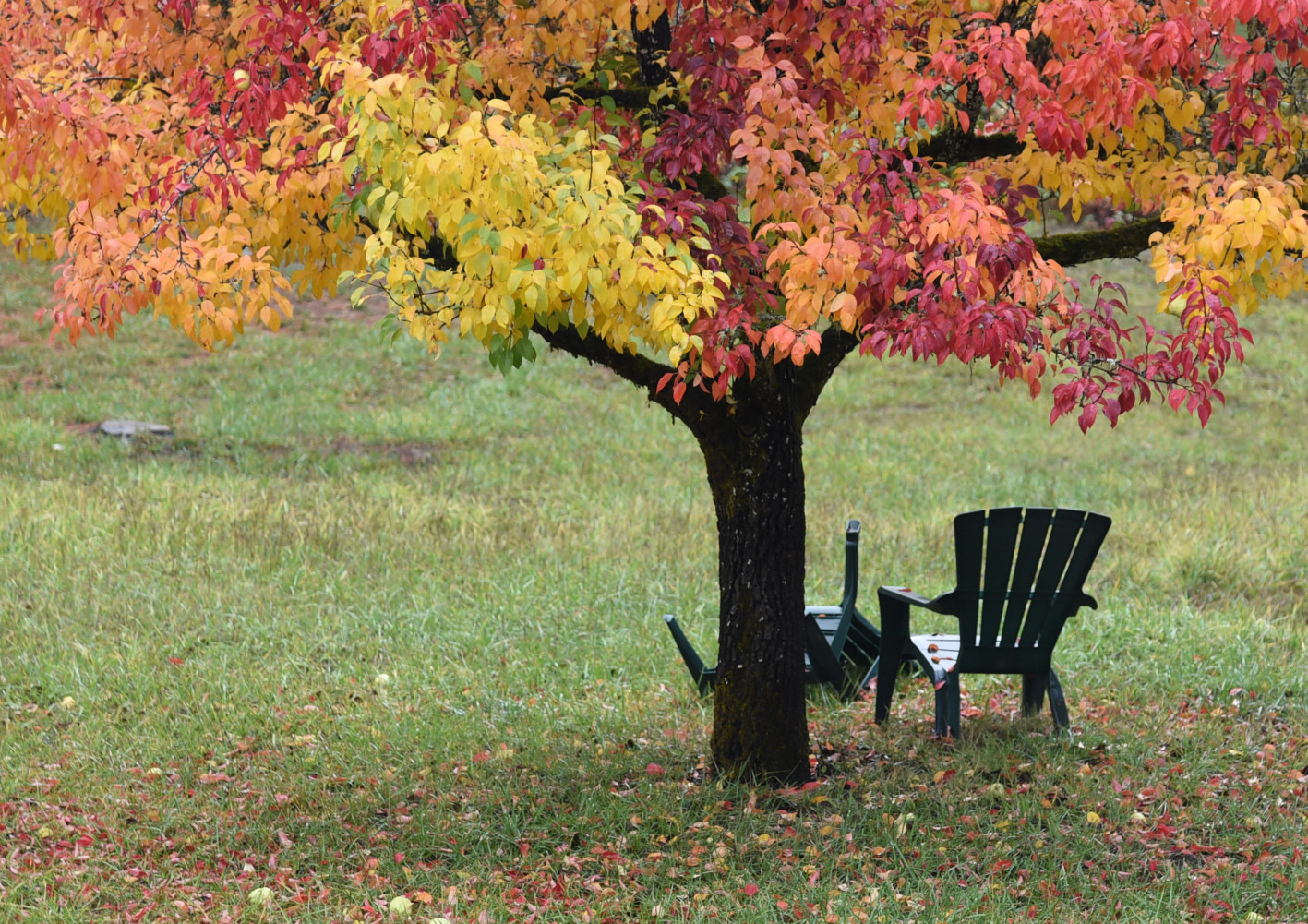
Under our apple tree!

It really is a paradox! And who knows the outcome. All I can say is that, despite me being the age I am, I would not want to be any younger and aware that soon one would be facing the global changes full on.

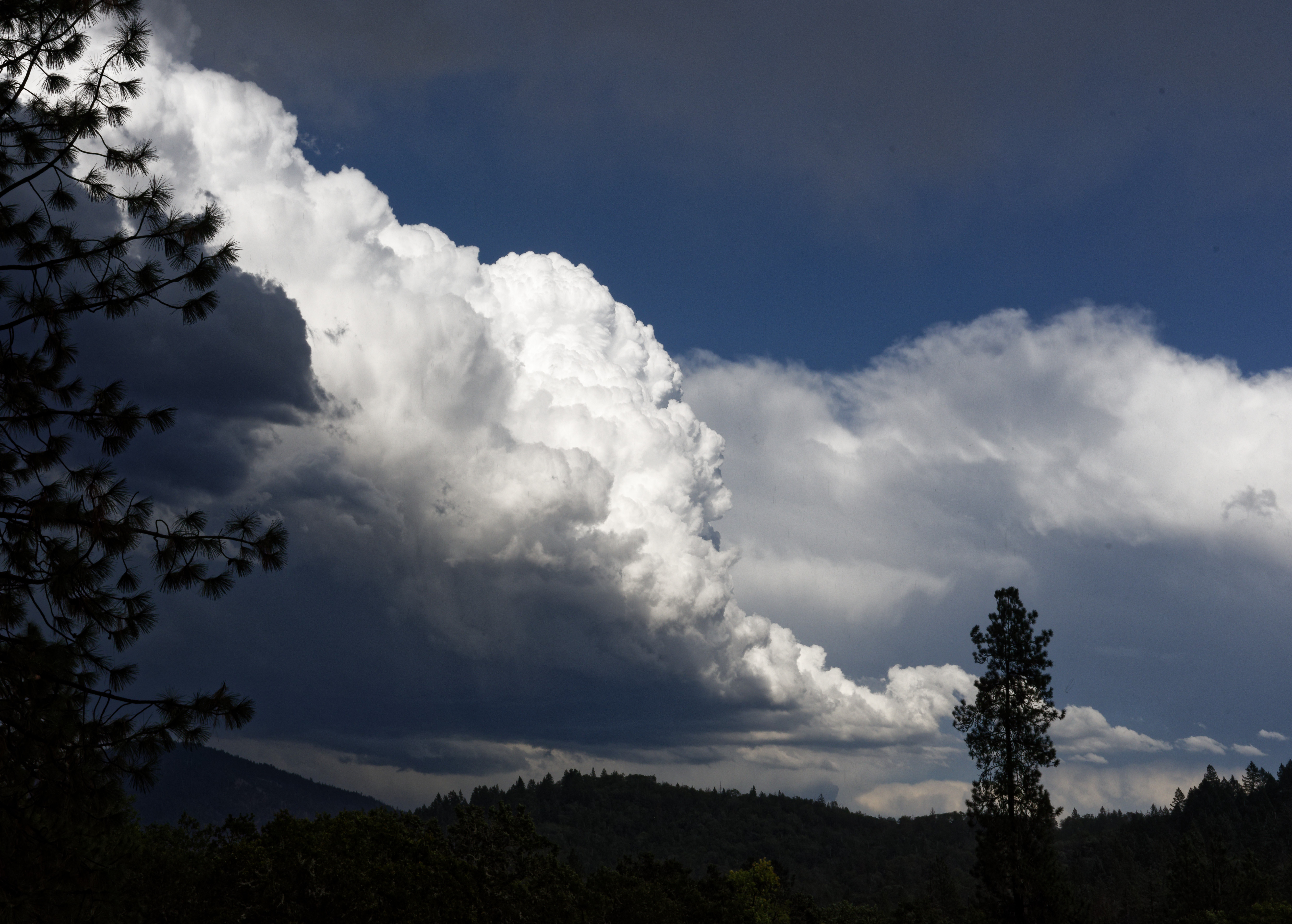
Stacked cumulus clouds to the North-East.

More words from Geo. Monbiot: “Since 1985, I’ve been told we don’t have time to change the system: we should concentrate only on single issues. But we’ve never had time not to change the system. In fact, because of the way in which social attitudes can suddenly tip, system change can happen much faster than incrementalism. Until we change our political systems, making it impossible for the rich to buy the decisions they want, we will lose not only individual cases. We will lose everything.”

I have no idea of the global changes that are afoot and how they will affect us in Merlin. Indeed, I have no idea how long I have to live.

Jean and I met in December, 2007. We met in Mexico but Jean was also born in London, just a few years after me. How’s that for chance!

Jean’s American husband had died in 2005. She was rescuing dogs off the streets, sorting them out, and finding homes for them, mainly in Arizona.

Jean and me in San Carlos, Mexico.

I went out to Mexico with Pharaoh in 2008. With a one-way ticket!

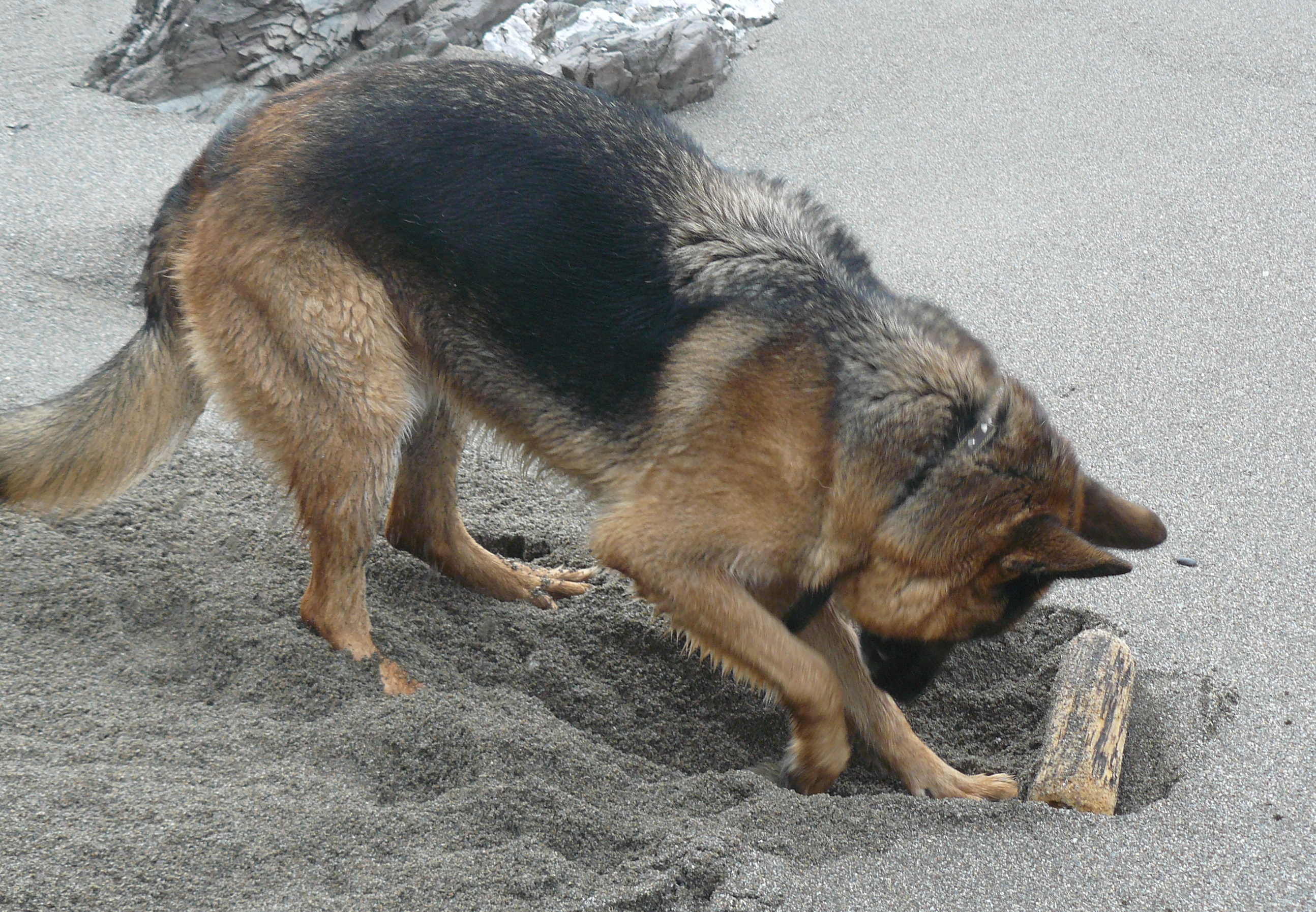
Pharaoh digging in the sand in Mexico.

However of one thing I am sure. Since that meeting in December, 2007 life has been as good as it comes. I have never been happier.

What a contradiction!

A pool party with a difference

Dogs are such fun!

Over at The Dodo is an item that I want to share with you. And my apologies for keeping my own comments really short; it is a hectic couple of hours here.

ooOOoo

Random Dog Crashes Pool Party And Everyone Is Overjoyed 

“He floated around the pool, got pets and kisses, went swimming and had a great time!”

By Caitlin Jill Anders

Published on the 24th June, 2022

A bunch of friends were having a pool party when they noticed two dogs hanging around outside the fence on the edge of the yard. The dogs seemed like they wanted to come in, so a bunch of partygoers went over to investigate. One of the dogs had a tag, so they decided to let the dogs into the yard to hang out until they could track down their owners.

The dogs ran into the yard, and while one of them was a little shy, the other immediately decided he was joining the party.

“At that point, some of us were on the deck, some in the pool, and some out in the yard,” Jennifer Motes, one of the partygoers, told The Dodo. “The golden was down to party right away and immediately started running around, wagging its tail, going up to everyone and getting pets. The shepherd was much more timid, kinda stayed in the yard for a bit, but then when she saw her friend up on the deck with us, she eventually came up there too.”

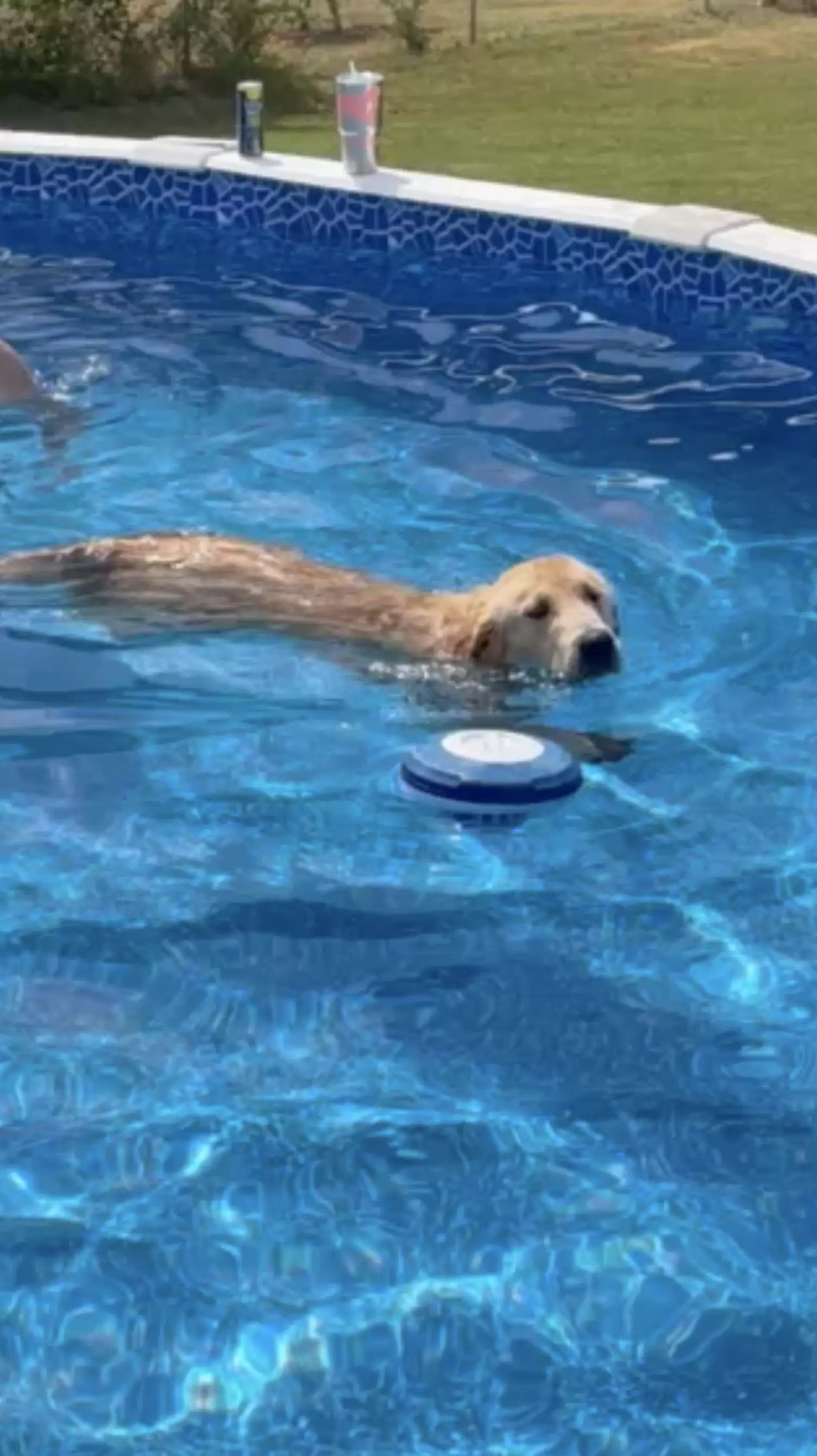
The golden retriever, who they later found out is named Stoker, clearly knew how to have a good time. He didn’t hesitate to join the fun and ran around playing fetch, begging for food, stealing shoes and eventually even hopping into the pool with everyone.

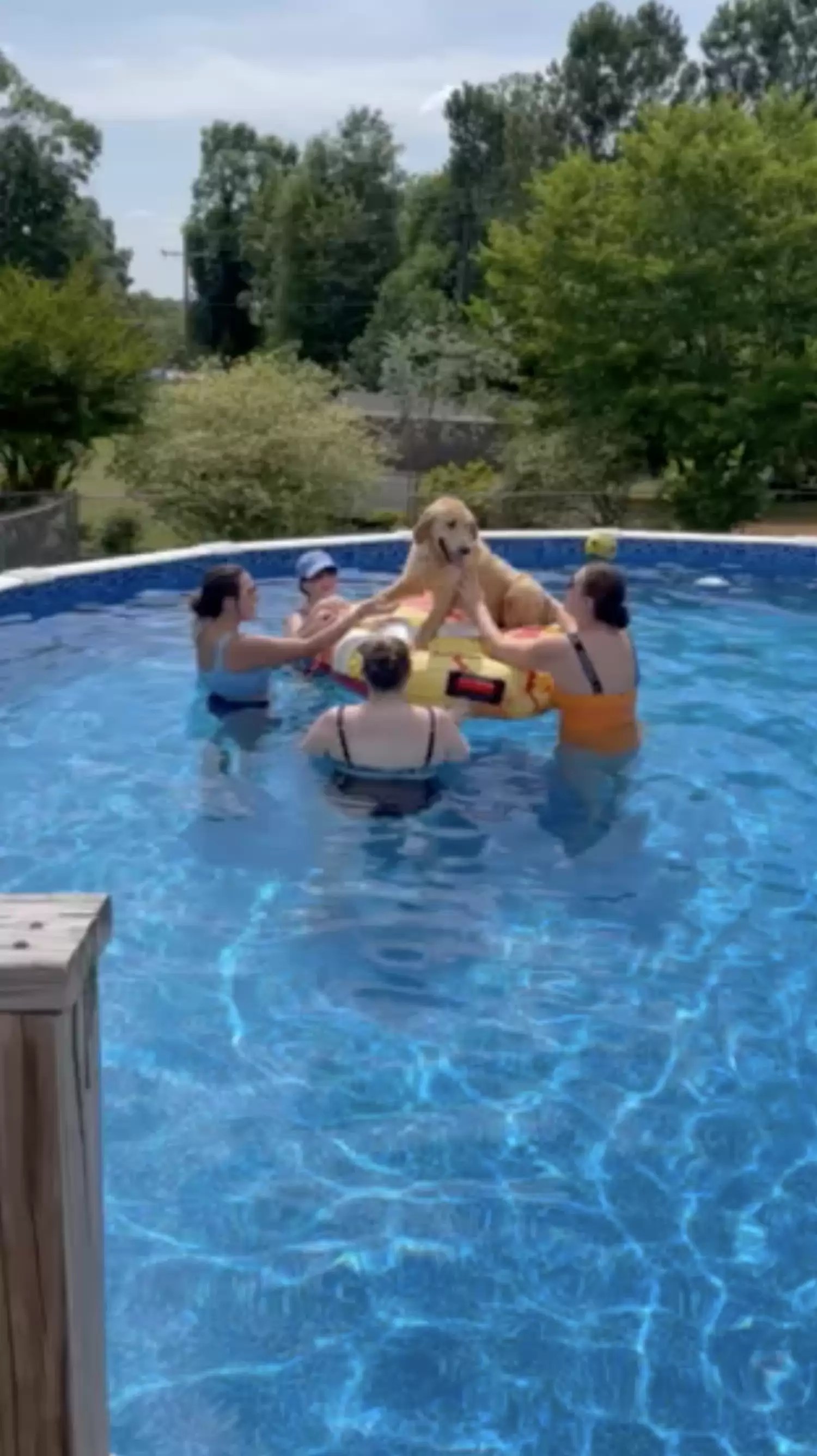
“Some of the people in the pool had slid the innertube raft over to the edge and Stoker climbed right on,” Motes said. “He floated around the pool, got pets and kisses, went swimming and had a great time! The shepherd never was brave enough to go in the pool, she just walked around and watched us, let some of us pet her and she chased after Stoker.”

As the dogs partied, someone was able to get in touch with Stoker’s dad, who said the other dog belonged to his neighbor and that she and Stoker were best friends who played together all the time. Apparently, the pair had run off together in search of a party, and they’d certainly succeeded in that endeavor.

The dogs were there for a few hours before they got picked up — and the party hosts made sure to emphasize that they’re absolutely welcome to come back anytime they want.

The only thing that can make a pool party even better is dogs, and Stoker and his best friend were more than happy to make that dream come true.

ooOOoo

(All pictures are by Jennifer Motes.)

Dogs and cell phones!

This may be so!

We have people with us so forgive me for being brief. I saw this article the other day and wondered if that was the case.

ooOOoo

Too Much Time On Your Phone Might Be Making Your Dog Depressed 

He might be sad about all your screen time.

By Ellen Schmidt

Published on the 18th May, 2022.

It’s fair to say that our relationships in life require mental presence and a willingness to connect in order to thrive. Well, the same goes for your relationship with your dog.

In a busy world of daily distractions (social media being a prime example), what happens when we spend too much time on our phones — do our pets notice? Is your phone making your dog depressed?

Dr. Iain Booth, a veterinary surgeon in the United Kingdom, made this assertion more than four years ago. We’ve decided to revisit the topic because during the pandemic, many people became pet parents while simultaneously spending more time on their phones.

We spoke with Colleen Safford, a dog trainer, behavior expert and owner of Far Fetched Acres, for more insight on our relationship with our pets and what dogs might be thinking when we’re on our phones.

Is your phone making your dog depressed?

While no two relationships are the same, each benefits from communication and attention. When it comes to the friendship between humans and dogs, we should try and understand their wants and needs so every pet can live their best life. While we rely on our dogs for love and companionship, they rely on us for, well, everything.

“While I hesitate to ever say that humans can fully understand exactly what is going on in the brain of man’s best friend, dogs by their very nature are deeply dependent on humans,” Safford told The Dodo. “We control every resource in their life, including food, exercise, affection, guidance and support. By their very nature, dogs are codependents in the world of domestic living! Simply put, we are their everything.”

While the larger issue of our dependence on phones is worth countless studies, a few things are clear: Too much screen time can lead to depression and anxiety in humans, among other issues. And it can isolate us from anyone in our presence — including our dogs.

“In relationship to dog depression, if an owner has thumbs too busy to provide petting, eyes too distracted to see that their dog is trying to play fetch, and a brain too busy to provide all those verbal ‘good boys,’ it is easy to understand why phone use can impact a dog’s overall health,” Safford said. “By not supplying our dogs with exercise, verbal attention or physical contact, we are ignoring their needs and increasing the chances of behavior issues and anxiety.”

As Booth said in his interview (in reference to ignoring your dog in favor of your phone), “You do that consistently for weeks, months and years on end, and you’re going to get some real behavioral issues.” So some dogs may even start misbehaving to get your attention.

While wholly dependent on the individual dog, this is something that every dog parent should be aware of, especially considering current events — as mentioned above, during the pandemic, dog adoptions went up as did smartphone usage.

Putting the phone down is step one

“Humans and dogs both release oxytocin from petting and affection, and release endorphins during exercises,” Safford said. “No petting or affection — no love hormone. No movement — no feel-good hormones. It’s as simple as that.”

Physical activity is necessary to maintain a bond with your dog. “Grab a ball and leash, and nurture and deepen that bond. Give your dog all those words of affirmation,” Safford said.

He definitely deserves it.

ooOOoo

I guess the question is how much is too much. But I have my doubts that the majority of dog owners are that disconnected from their precious animals

Back again, and with a guest post!

It has been a great time and yet too short!

Last Sunday week, the 22nd May, seems both a long time ago and yet seems as though it was yesterday. Having my son here was fabulous and he was able to take plenty of mountain bike rides and photographs of birds, in particular hummingbirds at our hummingbird feeder.

But that picture does not make a post. What does is an article written by Cara Achterberg about very special mothers and their work in rescuing dogs. It was published on the website Who Will Let the Dogs Out.

ooOOoo

Moms Who Rescue

BY CARA SUE ACHTERBERG

Polk County, Florida is ranked first in Florida and fourth in the nation for the number of dogs ‘euthanized’ each year. The Polk County shelter killed 5000 dogs in 2020. Which is even more remarkable considering 2020 was the year so many shelters were emptied (momentarily).

The only way a dog labeled a bully breed can leave the Polk County Shelter alive is if a rescue pulls it. They are not allowed to adopt out any bully breeds. In 2020, the county took in 16,000 dogs; they killed nearly a third of them.

This is the harsh reality that Shannon and Angie, of the Polk County Bully Project stepped into. Like so many others, they never set out to create a rescue. They met through their children, and their relationship should have revolved around play dates and pool parties, but when they learned the plight of bully breeds in Polk County, they instead bonded over saving lives.

Initially, they volunteered with the Polk County SPCA to secure rescues and transport dogs out of Polk County a handful at a time. That simply wasn’t enough for these smart, driven, passionate women and they realized that with their own rescue they could save more than a handful of dogs. The Polk County Bully Project was born. PCBP saves about 600 dogs a year – almost all bully breeds, but also dogs with medical needs and lots of heartworm positive dogs—the dogs that would otherwise be killed at the shelter.

I asked how they were able to save so many of the breed of dog that others struggle to rescue or find placement for and Shannon shrugged, “We hustle,” she said.

But it’s also that they don’t know any different. They’ve never tried to rescue any other kind of dog. They don’t know there are easier dogs to rescue. To my mind, they jumped right in the deep end of rescue with very little swimming experience. And the remarkable thing is they are succeeding in every measure.

When we visited the rescue a few months ago, the dogs we met were sweet and happy and obviously well-cared for. The shelter is small, a remodeled brick rancher in a nondescript neighborhood. The dogs are divided into separate rooms with maybe four dogs in a room. We arrived at naptime when everyone was contentedly in their kennels, listening to soft music or watching TV. The staff had already had everyone out for walks and playtime, something that happens several times a day.

PCBP is big on enrichment—something critical to these smart, active dogs who need to be challenged. At Christmas they had 25 days of enrichment and every day brought the dogs special treats (anchovies, cheeseburgers, special individual cakes baked by a volunteer) and special activities (like a bubble machine and dog art, which they’ll be auctioning off).

On rainy days, the staff keeps the dogs busy with puzzles and their doggy treadmill. In their play area, where they also have regular play groups (all the staff has been trained to run playgroups), there is AstroTurf, lots of toys, even an agility teeter.

PCBP is a 501c3 run on 100% donations. Many of their adopters become their supporters, but they work hard with fundraising and events to pay for not just the staff (although Angie and Shannon do not take a salary and both work the rescue fulltime and more), but for their medical bills. Last year their bill was 115K! (If you’d like to donate directly towards their vet bills, give Lakeland Vet a call 863-648-4886.)

Beyond treating so many heartworm positive dogs, the rescue takes on lots of medical cases who would otherwise not make it out of the shelter. We met Aspen, a sweet little pitmix whose scarred face, protruding teeth, and wiggly butt combine to make him adorable. He was removed from a home where he’d had a leash wrapped so tightly and permanently around his nose that it was embedded in his skin. He’s had eight reconstruction surgeries to repair his face. But now he’s ready for an adopter.

Other dogs have had amputations, orthopedic surgeries, and Agatha, a sweet senior bulldog mix, has had vaginal reconstruction and eye surgery. We watched as Pippi, one of the staff brought her out to meet us off-leash. She’s 102 pounds of sweetness. When it was time to go back inside, Pippi pointed the way and Agatha ran/ambled back inside to her kennel on her own. Agatha is 11-12 years old, but the rescue would love to find an adopter, or even a foster for her because every dog deserves to live out their lives in a home not a shelter, even one as nice as this.

oooo
oooo

Polk County is a tough county for dogs, but even tougher for pit bulls. There are no animal laws, no spay/neuter vouchers available for community animals, and backyard breeders abound. At the time of our visit (January), the rescue had 64 puppies.

Beyond that, it’s simple prejudice (my words, not theirs). The leadership in Polk County judges these dogs not adoptable and condemns them based on their appearance. The rescue hopes that with education and advocacy, they can influence the commissioners in the county to enact anti-tethering laws, require dog licenses and breeder permits, and prioritize spay/neuter resources. Any of those would help to turn the tide.

To reach the next generation (these are two moms after all), they created an Ambassador program to get kids ages 8 and up involved at the rescue. They make toys, treats, and paint rocks in honor of the dogs at the shelter, but more than that they learn about the situation and how important it is we do better for our animals.

Rescues that focus on pit bulls are few and far between, but rescues who do it so well in such numbers are even harder to find. The Polk County Bully Project is saving the dogs who are the hardest to save. As their van says, “We fight for them, so they don’t have to.”

Shannon and Angie are positive people who operate on a currency of hope—that they can change the narrative here in Polk County.

They save the dogs that need them the most through sheer determination with the resourcefulness and creativity of moms, counting on their dog-loving community to come through for them. And they have.

Spending just an hour or so with them, it was clear that these two women are game-changers, rescue warriors, and then some. I believe they will do it, but they will need even more support to fight this battle.

If you’d like to help, you can donate through the secure link on their website, or by calling Lakeland Vet and donating to their vet bills directly (863-648-4886).

We are getting ready to head out on another shelter tour in two weeks. If you’d like to support our tour or sponsor one of the shelters, find out more here.

Until each one has a home,

Cara

Please help us raise awareness by subscribing and sharing this blog. You can also keep track of us on FacebookInstagramYouTube, and now Tik Tok!

The mission of Who Will Let the Dogs Out (we call it Waldo for short) is to raise awareness and resources for homeless dogs and the heroes who fight for them.

You can learn more about what is happening in our southern shelters and rescues in the book, One Hundred Dogs & Counting: One Woman, Ten Thousand Miles, and a Journey Into the Heart of Shelters and Rescues (Pegasus Books, 2020). It’s the story of a challenging foster dog who inspired me to travel south to find out where all the dogs were coming from. It tells the story of how Who Will Let the Dogs Out began. Find it anywhere books are sold. A portion of the proceeds of every book sold go to help unwanted animals in the south.

Amber’s Halfway Home  is our short documentary film produced in partnership with Farnival Films. It follows the work of a remarkable woman and one day of rescue in western Tennessee. Selected for sixteen film festivals (to date), it’s won eight awards (including Best Short Doc, Best Soundtrack, Best of Fest, and Audience Choice), and was nominated for an Emmy! It is a beautiful, heartbreaking, inspiring story we hope will compel viewers to work for change. Please watch it and share it far and wide.

For more information on any of our projects, to talk about rescue in your neck of the woods, or become a Waldo volunteer, please email whowillletthedogsout@gmail.com or carasueachterberg@gmail.com.

ooOOoo

I am privileged to be allowed to share this post with you.

Please help!

The never-ending sensitivity of dogs!

How about this for a story from Peru.

Not only do dogs come in a myriad of sizes and shapes, witness our own Brandy and Pedi, but they are also conscious creatures, as in they remember and grieve; albeit in a dog fashion.

The Dodo presented this story back on the 4th March about just a dog. Read it and be swept away in the world of dogs.

ooOOoo

Woman At The Beach Meets A Dog Who Won’t Stop Staring Out To Sea

The reason why touched her heart ❤️️

By Stephen Messenger

Published on the 4th March, 2022

The other day, Jolie Mejía and her family decided to visit Punta Negra, a small seaside community near their home in Peru.

It was there, along a rocky shore overlooking the sea, that they came to learn a story of love in its purest form.

After Mejía and her family settled down along the shore, they were approached by a random dog who appeared to be all by himself.

“He didn’t seem abandoned. He wore a ribbon around his neck and his fur was clean,” Mejía told The Dodo. “I pet him, waiting for his owner, but minutes passed and no one came.”

The dog enjoyed Mejía’s pets, but all the while his gaze remained fixed upon the ocean.

And Mejía soon came to learn the touching reason why.

Mejía and her family considered adopting the dog themselves, assuming he had indeed been abandoned. So, when a man local to the area walked by, Mejía asked him if he knew the dog’s status.

“He explained that practically everyone in the area knows the dog and is very fond of him,” Mejía said. “He told us that the dog’s owner was a fisherman who passed away some time ago, and that the dog comes to the beach every day and stares out to sea.”

The dog, it seems, has been holding vigil — awaiting the return of his friend who will never come home.

“We were very moved,” said Mejía.

Mejía believes the dog’s owner died at sea about a year ago, and that the dog has been watching out for him daily ever since.

But though the dog’s owner may never return, the dog isn’t without friends who care for him.

The dog’s sad story is evidently well-known by people in the community, who feed him, shelter him and provide him with health care when he needs it.

A local veterinarian in Punta Negra confirmed to The Dodo that the dog’s name is Vaguito, and that he’s currently in the care of a woman who lives nearby.

By day’s end, Mejía and her family eventually parted ways with Vaguito, his eyes still cast out to sea. But his bittersweet story — one of loyalty to a love he lost, and the loyalty and love he found in the community — is one she won’t soon forget.

“I have a dog at home,” Mejía said. “I love dogs in general. His story really touched my heart.”

(Photos by Jolie Mejía)

ooOOoo

This is the perfect story. But it is more! It is the perfect story of how special a dog is. For this particular dog, Vaguito, clearly was loved by his fisherman and even after a year Vaguito still holds a vigil for him. It is a very lovely article, but that is the unconditional love shown by dogs to humans who care and love them back.

Are we alone?

As in: Is there life on other planets?

Last Saturday, we went to the local Freethinkers meeting in Grants Pass. It was a fascinating presentation by fellow member, Chas Rogers. Chas teaches Earth Science courses for the Rogue Community College and elsewhere.

Here is a taste of what we saw:

The Rare Earth Hypothesis argues that the development of complex life on Earth, not to mention intelligence, was an incredibly improbable thing in terms of the geological and astronomical variables involved, suggesting that the galaxy is not filled with other intelligent life forms waiting to be found.

One important factor is the Drake Equation. Here it is explained on the SETI website:

How many alien societies exist, and are detectable? This famous formula gives us an idea. The Drake Equation, which was the agenda for a meeting of experts held in West Virginia in 1961, estimates N, the number of transmitting societies in the Milky Way galaxy.

Here is that Drake Equation.

N    : The number of civilizations in the Milky Way galaxy whose electromagnetic emissions are detectable.

R*   : The rate of formation of stars suitable for the development of intelligent life (number per year).

fp   : The fraction of those stars with planetary systems.

ne   : The number of planets, per solar system, with an environment suitable for life.

fl    : The fraction of suitable planets on which life actually appears.

fi    : The fraction of life bearing planets on which intelligent life emerges.

fc    : The fraction of civilizations that develop a technology that produces detectable signs of their existence.

L    : The average length of time such civilizations produce such signs (years).

There is a great deal of information online for those that want to look into the question in much more detail. But I rather like this YouTube video by Carl Sagan.

(Sorry about the funny ending to that video.)

Carl was speaking of the Milky Way. There are plenty of astronomers who believe that the universe holds many galaxies. Plus, the universe is expanding drawn ever outwards by something that is completely unknown!

What a way to think outside the box for a while!

John Fowler