Back again to Unsplash!

oooo

oooo

oooo

oooo

oooo

oooo

There we go for another week.
You all take care out there!
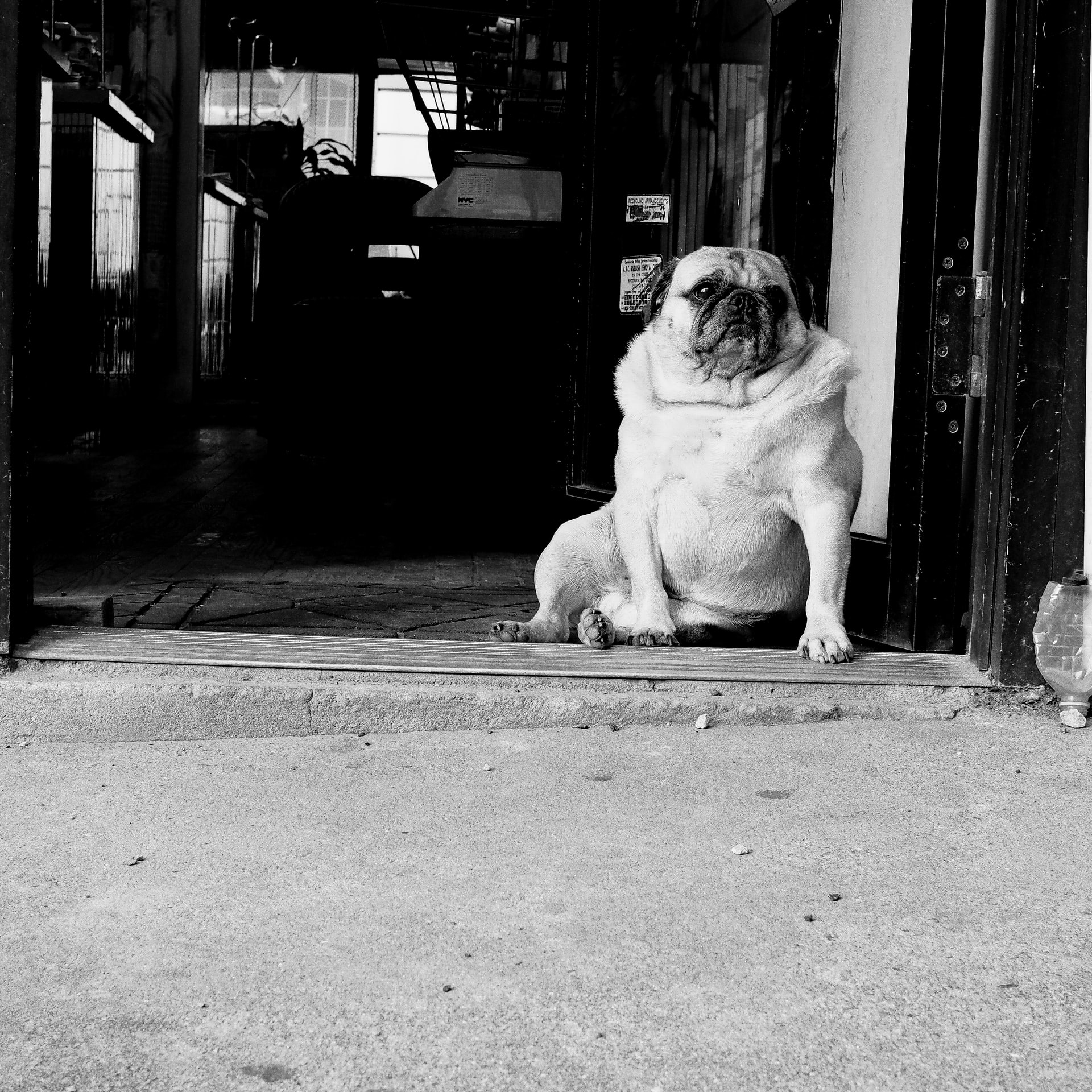
Dogs are animals of integrity. We have much to learn from them.
Category: Communication
Back again to Unsplash!
oooo
oooo
oooo
oooo
oooo
oooo
There we go for another week.
You all take care out there!
More dogs courtesy of Unsplash.

oooo

oooo

oooo
oooo

oooo

oooo

Again, just wonderful. Where in the world would we be without our dear dogs!
Tik: Tok – The Endless Clock.
Here we are on the last day of June and I am going to share a post with you in a few minutes. But I just wanted ahead of that to muse about the passing of time. I’m 77 and who knows how long I have to go before I die. Luckily Oregon is one of the States that has a right do die statute on the books. It is a strange phenomena this business of time. It is a constant but from a personal point of view it seems to be anything but that. Twenty or thirty years ago one thought that time was almost limitless. Now it seems very fragile and restless.
This thought comes to me because of Pebbles. Apparently he is the oldest living dog. Here is the story courtesy of The Dodo.
ooOOoo
Published on the 7th June, 2022
Turns out there’s competition when it comes to who’s truly the oldest living dog. A toy fox terrier named Pebbles just unseated TobyKeith, a 21-year-old Chihuahua, who held the title for only a month.
When news broke in April of TobyKeith’s appointment, Pebbles’ pet parents, Bobby and Julie Gregory of Taylors, South Carolina, realized their dog was even older than TobyKeith. So, the couple decided to apply for the title, and at 22 years, 50 days old, Pebbles was officially crowned “Oldest Dog Living” by Guinness World Records.

In response to Pebbles’ new status, Julie Gregory told Guinness World Records, “We are truly honored. Pebbles has been with us through everything; ups and downs, good times and bad, and she has always been the beacon of our lives.”
Weighing in at 4 pounds, the brand-new oldest living dog winner was adopted over 20 years ago, and according to the Gregorys, it was love at first sight. Originally looking for a larger dog, the couple came across Pebbles in their search for a new pet.
“She was jumping and barking so much at Bobby that he had no choice but to pick her up and check her out,” Julie Gregory said.
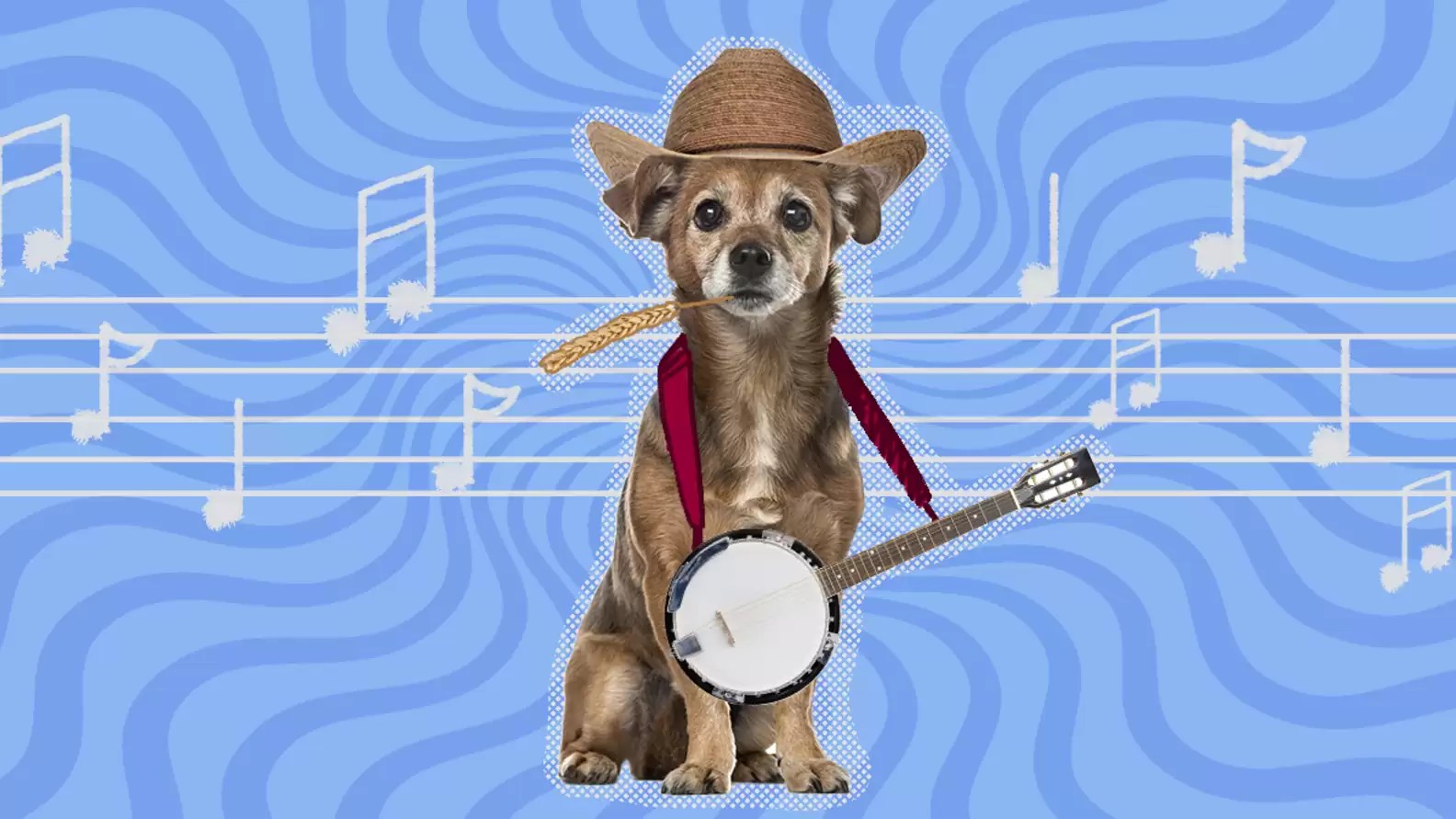
Flash forward over two decades later, Pebbles was already wearing an unofficial crown before Guinness World Records made it official. The much-loved terrier enjoys sleeping in (and staying up late!), snuggling underneath blankets, listening to country music and taking warm baths — a bubble bath was even part of her 22nd birthday celebration!
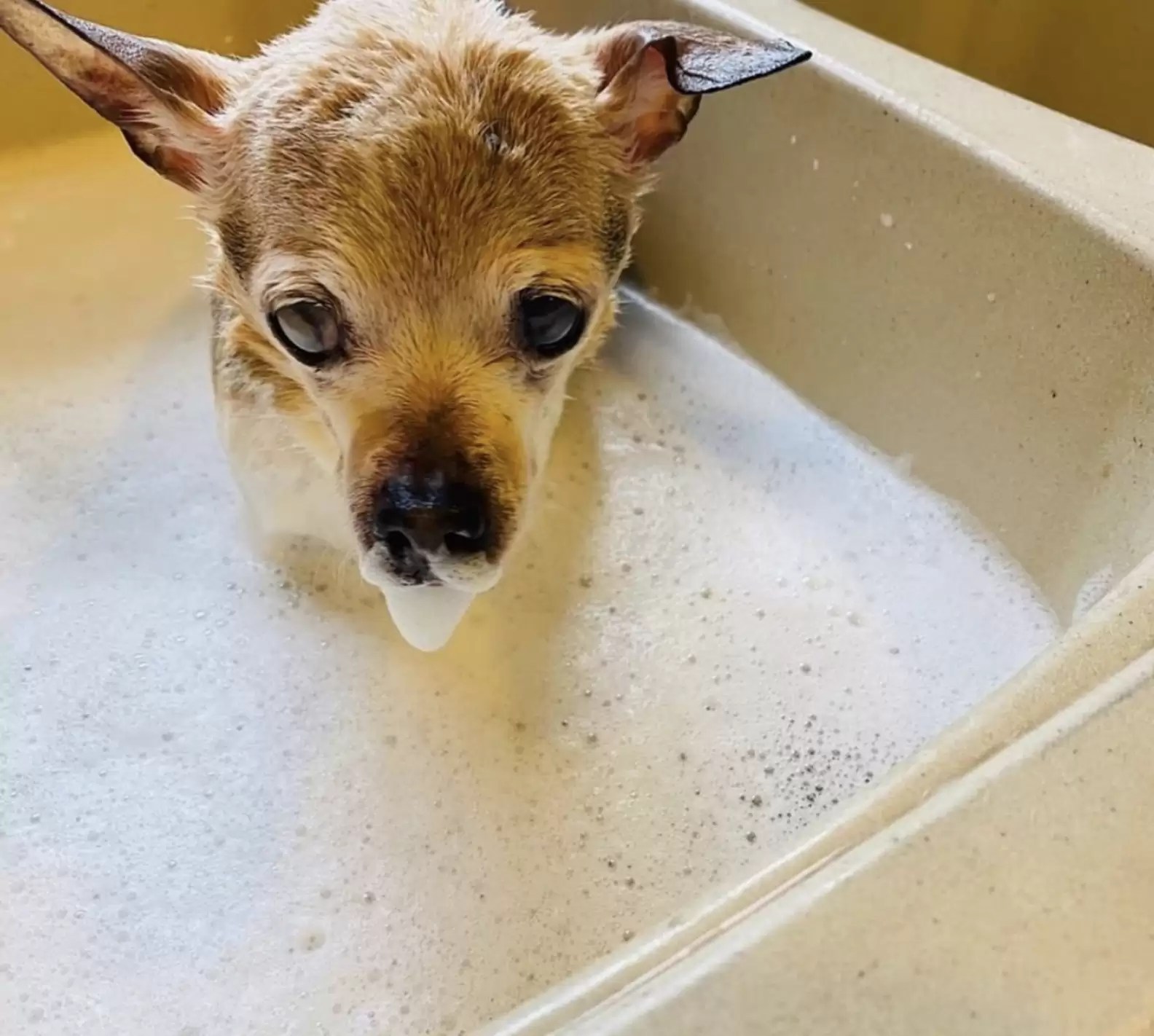
Pebbles has enjoyed a wonderful life thanks to good health and lots of love and attention from her pet parents. While she did enjoy snacking on some ribs and dog-friendly cake for her birthday, in general, Pebbles sticks to a healthy diet and is in good health for her advanced age.
Pebbles’ mom said that her secret to supporting pet longevity is to treat each animal, “like family, because they are. Give them a happy, positive environment as much as possible, good clean food, and proper healthcare.”
That pretty much sums it up, right? We like Gregory’s thinking. And by the way, no matter your pup’s age, we think it’s safe to say that all dogs should get to wear a crown, just for being awesome (we’re looking at you, TobyKeith).
ooOOoo
(All photographs Instagram/Pebbles_Since_2000)
Twenty-two! Huge congratulations to Pebbles and her Mom and Dad.
Another very useful post from Penny Martin.
So today is the longest day of the year in the Northern Hemisphere; here we are halfway through 2022! But somethings are constant and, hopefully, will never change.
That’s what I feel towards the group of people that write posts for me. Included in that special set is Penny Martin. Here is her latest about how to go to a smaller home when you have a pet. (We listened to the BBC’s You and Yours yesterday morning about rental housing. This article from Penny could be highly relevant.)
ooOOoo
How to Downsize the Stress-Free Way With a Pet
By Penny Martin
June 15th, 2022
If you’re tired of your current home and you need to move for work or personal reasons, or you just want a change of scenery, downsizing might be a good choice. Downsizing can be a great way to save money, especially if you don’t need all of the space you’re using. However, downsizing when you have a pet can become complicated because your pet needs ample space to live comfortably. Keep reading for some tips, courtesy of Learning from Dogs.
Finding a New Home
Wherever you move, you’ll need to make sure that it offers a suitable amount of space for your pet. If you own a dog or a cat, it can be a big adjustment for them to have less room to move around and live. Downsizing will also affect larger pets more than smaller ones since they’ll feel the effects of having less room more noticeably. If you can place your pet with a friend, family member, or boarding service during the move, that might be a good choice to reduce the stress involved and make the process simpler.
If your pets live in a cage or a tank, you’ll have to make sure you have a secure place to put their home. Also, consider how the lighting and noise in their immediate environment will affect their sleep patterns and anxiety.
When you purchase a new home, you’ll likely need a mortgage. Inquire with more than one mortgage broker to compare the rates they offer you and choose the best deal. Visit a lender’s website to get an idea about the current rates available. If you’re a veteran, consider applying for a VA loan, which can save you significant amounts of money on the downpayment and the interest rate. If not, an FHA or conventional loan might be the way to go.
Before moving your pet into your new home, it’s crucial that you pet-proof both indoors and outdoors. Check your yard for any poisonous plants and consider installing a fence to prevent your pup from escaping.
Preparing Your Home for Sale
If you own your home, you’ll have to prepare it for sale. How well you do this will be a big factor in how fast it sells. You’ll need to clean and organize the home and look into storage for your belongings if there’s going to be a gap between residences, plus you’ll have to make any repairs or upgrades so prospective buyers are more likely to find the property appealing.
Give special attention to curb appeal as well. A neat and well-kept yard will make a great impression on buyers. If your outdoor area could use some beautification, a lawn care company offers mowing, trimming, and debris removal services. Only hire experienced and insured contractors.
Consider hiring a real estate agent to help you prepare the home for sale and guide you through any difficulties or processes you might not understand. Having an agent to show the house and represent you in negotiations can also make the process easier and protect you from losing money.
Do What’s Best for You and Your Pet
Moving into a smaller home is a big decision, and you’ll need to make sure that you’re fully prepared and able to make your pet amply comfortable both during and after the move. Selling a home can be a complicated and financially stressful process, and buying a new one may require a mortgage, so do thorough research to avoid wasting time or losing money. When selling your home, clean and declutter, make repairs, and hire lawn care professionals to boost your curb appeal. Most importantly, be empathetic to what your pet is experiencing during a change in their environment.

ooOOoo
Reading this great advice from Penny reminds me that moving home with a pet or two can be a major upheaval and her tips are valuable. However, when it comes to Jean and me we just have too many pets and we are too old to think of moving, plus we really love where we live (but I don’t want to think about what happens if I can no longer drive!)
Good article!
Another set of photographs from Gary.

oooo

oooo

oooo

oooo

oooo

Always gorgeous!
Thank you, Gary.
ooOOoo
A footnote.
Last Friday, Jean and I were musing about the mice that had appeared in the house and the idea came up that we might return to having a cat. Our online research found a place in Medford, Committed Alliance to Strays or C.A.T.S., a place devoted to rescuing cats. We made an appointment for 2pm.
We came home with two Siamese. They are twins, both male, born on 15th March, 2017. Their names are Hogan and Skippy but we are thinking of renaming them.

oooo

One is more confident than the other but all the dogs, save Sheena, have had cats in their lives when we had our cats before.
The previous owner left a note on their cage at C.A.T.S. It read:
This is Skippy and Hogan! They were my cats and unfortunately my living situation changed drastically and I couldn’t keep them. 😦 They are very sweet, just a bit shy and timid. If you consider adopting them just know that they deserve the world. All I can hope is that they go to a good home!! They need to stay together; they are very attached.
It is early days but we have a hunch that this was a good move!
This may be so!
We have people with us so forgive me for being brief. I saw this article the other day and wondered if that was the case.
ooOOoo
Published on the 18th May, 2022.
It’s fair to say that our relationships in life require mental presence and a willingness to connect in order to thrive. Well, the same goes for your relationship with your dog.
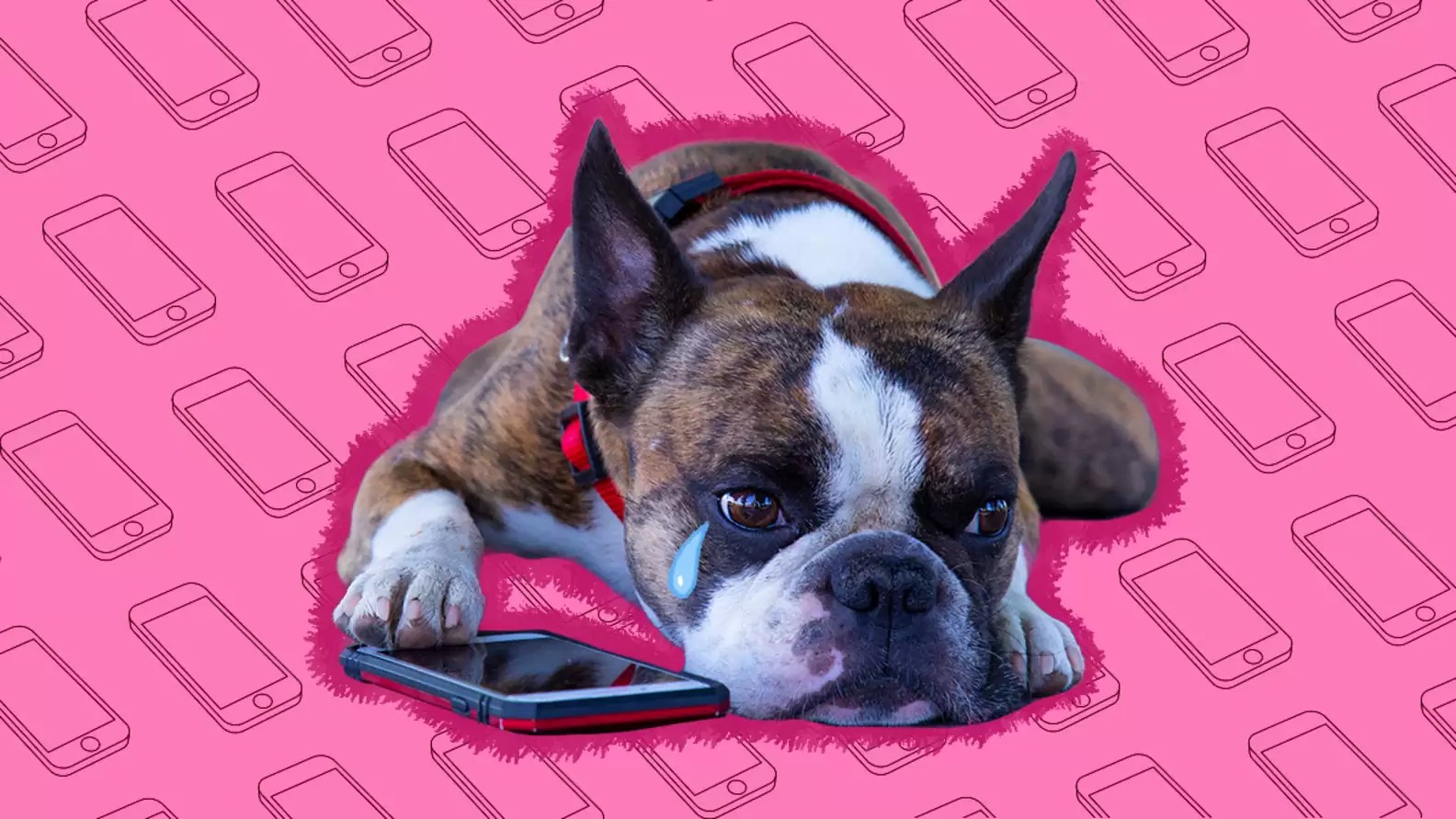
In a busy world of daily distractions (social media being a prime example), what happens when we spend too much time on our phones — do our pets notice? Is your phone making your dog depressed?
Dr. Iain Booth, a veterinary surgeon in the United Kingdom, made this assertion more than four years ago. We’ve decided to revisit the topic because during the pandemic, many people became pet parents while simultaneously spending more time on their phones.
We spoke with Colleen Safford, a dog trainer, behavior expert and owner of Far Fetched Acres, for more insight on our relationship with our pets and what dogs might be thinking when we’re on our phones.
While no two relationships are the same, each benefits from communication and attention. When it comes to the friendship between humans and dogs, we should try and understand their wants and needs so every pet can live their best life. While we rely on our dogs for love and companionship, they rely on us for, well, everything.
“While I hesitate to ever say that humans can fully understand exactly what is going on in the brain of man’s best friend, dogs by their very nature are deeply dependent on humans,” Safford told The Dodo. “We control every resource in their life, including food, exercise, affection, guidance and support. By their very nature, dogs are codependents in the world of domestic living! Simply put, we are their everything.”
While the larger issue of our dependence on phones is worth countless studies, a few things are clear: Too much screen time can lead to depression and anxiety in humans, among other issues. And it can isolate us from anyone in our presence — including our dogs.
“In relationship to dog depression, if an owner has thumbs too busy to provide petting, eyes too distracted to see that their dog is trying to play fetch, and a brain too busy to provide all those verbal ‘good boys,’ it is easy to understand why phone use can impact a dog’s overall health,” Safford said. “By not supplying our dogs with exercise, verbal attention or physical contact, we are ignoring their needs and increasing the chances of behavior issues and anxiety.”
As Booth said in his interview (in reference to ignoring your dog in favor of your phone), “You do that consistently for weeks, months and years on end, and you’re going to get some real behavioral issues.” So some dogs may even start misbehaving to get your attention.
While wholly dependent on the individual dog, this is something that every dog parent should be aware of, especially considering current events — as mentioned above, during the pandemic, dog adoptions went up as did smartphone usage.
“Humans and dogs both release oxytocin from petting and affection, and release endorphins during exercises,” Safford said. “No petting or affection — no love hormone. No movement — no feel-good hormones. It’s as simple as that.”
Physical activity is necessary to maintain a bond with your dog. “Grab a ball and leash, and nurture and deepen that bond. Give your dog all those words of affirmation,” Safford said.
He definitely deserves it.
ooOOoo
I guess the question is how much is too much. But I have my doubts that the majority of dog owners are that disconnected from their precious animals
Funny how things turn up!
On the morning of the 1st June I read the latest from the Parkinson’s Foundation. It was a report that covered Can We Put the Brakes on Parkinson’s Progression? Essentially it said that diet and exercise were key. I quote:
Making nutritious food the mainstay of your meals and enjoying regular exercise has countless proven benefits. Studies show targeted nutrition may slow Parkinson’s advancement. Eating a whole-food, plant-based, Mediterranean-style diet — including fresh vegetables, fruit and berries, nuts, seeds, fish, olive and coconut oils and more — may be linked to slower PD progression. When you live with PD, exercise is also critical to optimal health. In fact, the Parkinson’s Outcomes Project shows at least 2.5 hours a week of physical activity can slow PD symptom progression. Research reveals regular exercise also shows neuroprotective effects in animal models with Parkinson’s.
I showed the article to Jean. Later that morning Jean had her regular visit with Doctor David Tullar at our local Asante hospital. He is described on the Asante website as: David is a certified physician assistant with specialized expertise in neurology. But Jean sees him more as a neurologist in her own mind. I attend the appointment just to listen to David for we find him a most interesting man.
Here are some of the key messages from that meeting:
Then David Tullar turned to the question of freezing. Freezing when one has Parkinson’s is the temporary, involuntary inability to move. For Jean this happens occasionally in the kitchen area especially when she goes to turn around. David recommended practising ‘freezing’ where Jean deliberately stops what she is doing and actively ‘trembles’ on the spot.
The other thing was that while the cause of freezing is unknown, David said that the likelihood was that the brain became overwhelmed with extra, different thoughts when Jean was turning. Most likely with other thoughts that were in her inner mind. Such as what she was she turning for? Maintaining a balance? Doing things with her arms or hands?
In other words Jean was thinking about other stuff! All of these thinking processes were exercising the brain, of course, and the amount of brain power devoted to just the business of turning was smaller than it should be.
Answer: Focus on the business of turning first and foremost. Complete the turn and then think of the next item.
For other people who also suffer from Parkinson’s and have different spots in their lives where they freeze, then the advice from Dr. David Tullar is the same. Focus only on what you are doing at that moment.
For example some of his patients freeze when they are walking through a doorway. Answer: Focus on a point that you are walking towards and do not think of anything else.
Here’s a YouTube video on the topic (and it is very short but you will get the idea):
In conclusion, this is nothing more than me reporting back from Jean’s meeting with Dr. Tullar. If this strikes you as sensible advice and you have Parkinson’s then see your doctor responsible for your condition and discuss it with him or her.
Finally a little more about David Tullar from the Asante website:
David is dedicated to providing advanced care to patients of all ages. He has a special interest in evaluating and treating neurological concerns such as headaches, dementia, movement disorders, multiple sclerosis, and other neurodegenerative diseases.
Services
We wanted to recognise the Queen’s Platinum Jubilee.
So I thought that I would find some photos of the Queen’s corgis that I could share with you. Unfortunately all the photographs were copyrighted.
It is a well-known fact that Her Majesty Queen Elizabeth II is a dog lover and has been all her long life. There is a delightful story about the Queen and her corgis on the BBC at this moment and you may like to read it. Meanwhile today’s picture parade is all Corgis!

oooo
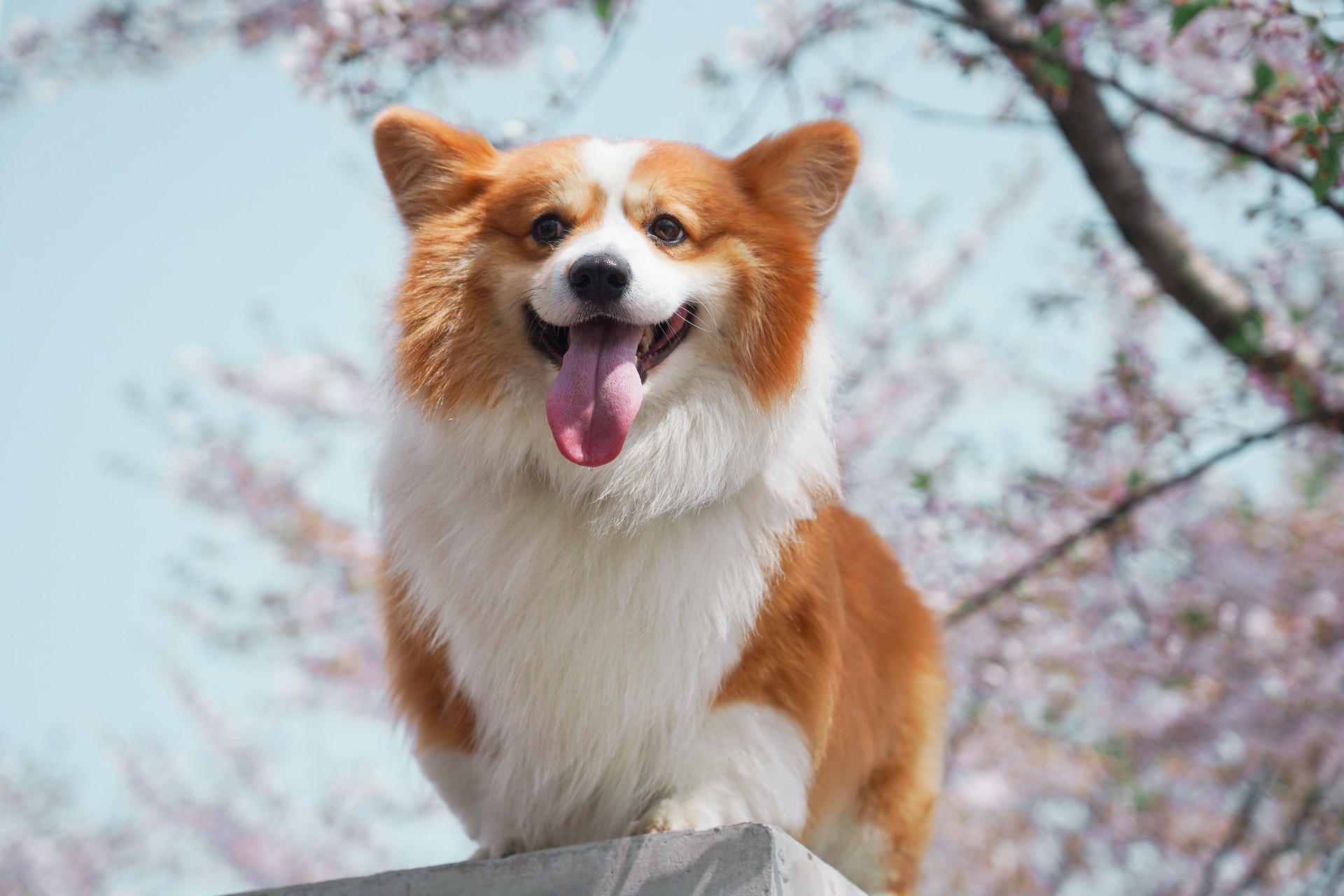
oooo

oooo

oooo

oooo
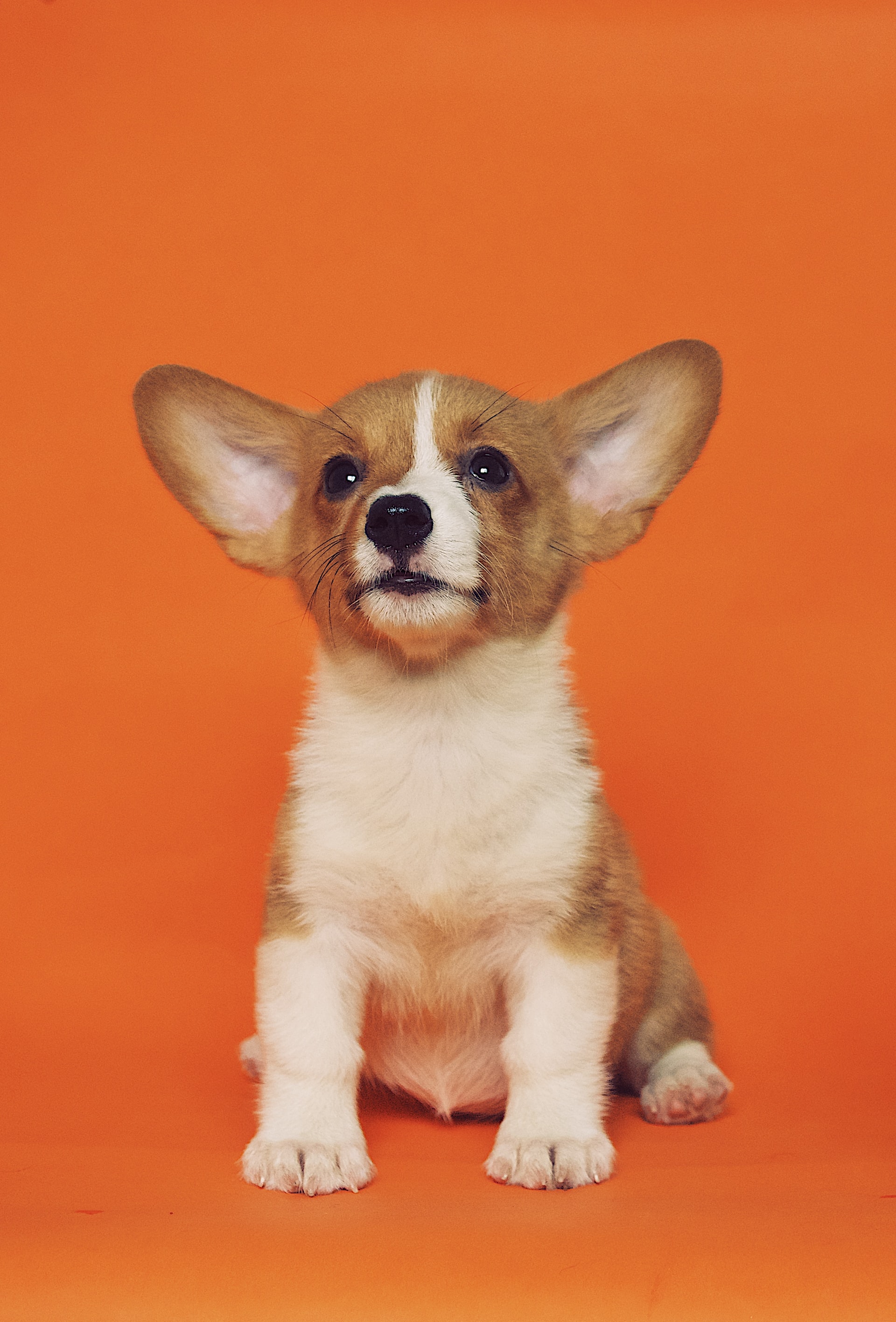
oooo

oooo

That’s it folks for another week.
I will close by thanking Her Majesty for all that she done over the years. Her Majesty gave her promise when she was 21 to devote her life to the Crown and all that flows from that commitment. Whatever her private thoughts have been over the years she has remained loyal to the Nation and the Commonwealth and it is an unparalleled record that will never be surpassed!
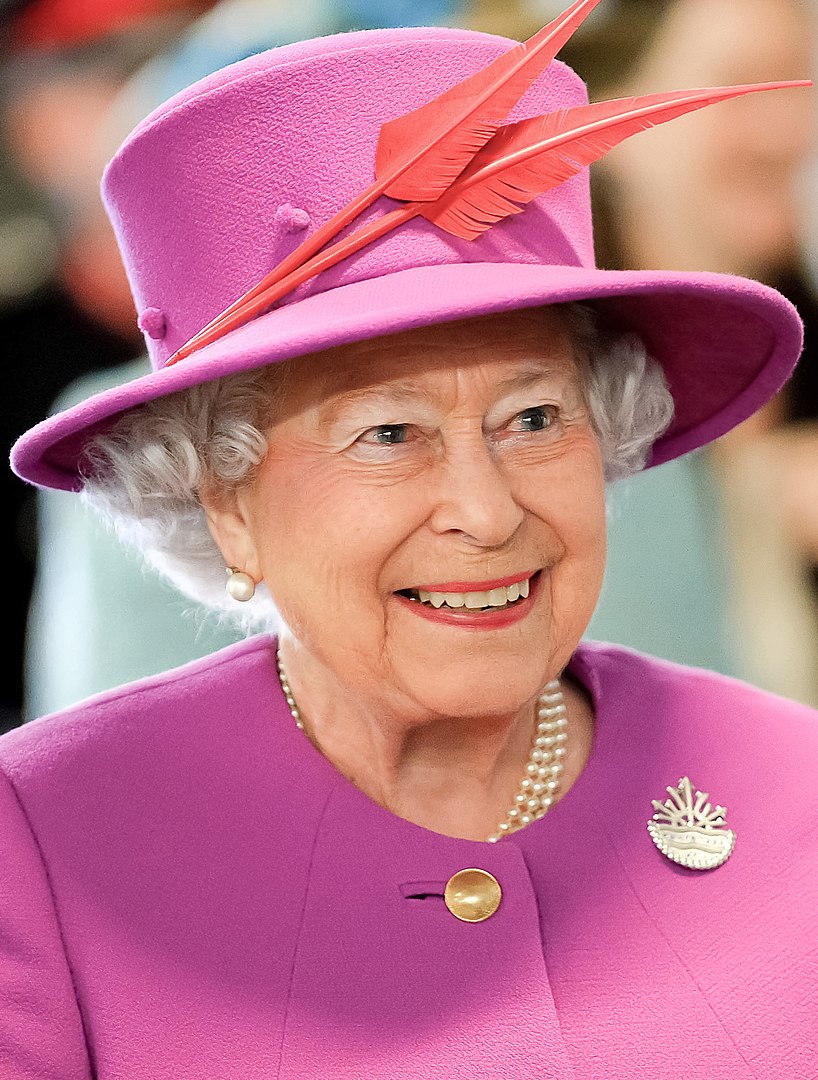
A final photograph of Queen Elizabeth II that is attributed to the author, see below, and I hope it is alright to show it.
Dogs and cats, but especially dogs, are the perfect animals for giving us emotional support.
The topic of dogs came up in Jean’s regular review yesterday at the Department of Neurology, Asante. But more on that next Tuesday, which is my next non-doggie day.
Today I want to republish an article presented by the American Kennel Club from February, 2021. The article was a very good one on the emotional support given to us by our dogs.
ooOOoo
By Stephanie Gibeault, MSc, CPDT
Key Points
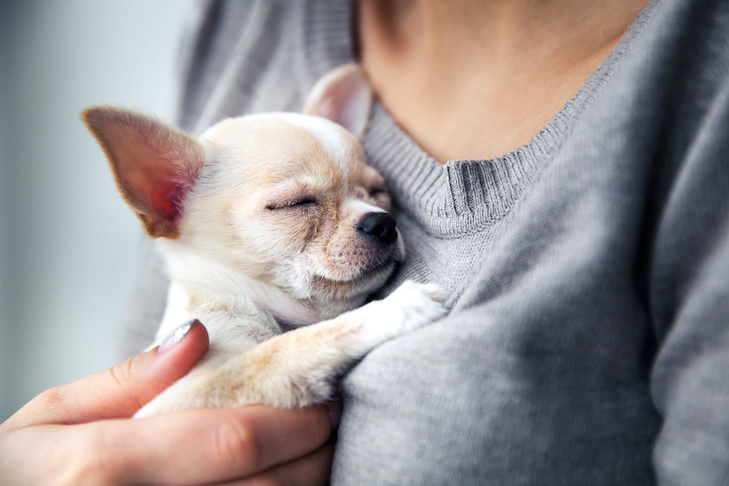
Every dog owner knows there are many benefits to having a dog, from getting themselves out for exercise to receiving loyal companionship. However, for some people with mental or emotional conditions, the presence of a dog is critical to their ability to function normally on a daily basis. The pet provides emotional support and comfort that helps them deal with challenges that might otherwise compromise their quality of life. These pets are known as emotional support animals (ESAs).
Although all dogs offer an emotional connection with their owner, to legally be considered an emotional support dog, also called an emotional support animal (ESA), the pet needs to be prescribed by a licensed mental health professional to a person with a disabling mental illness. A therapist, psychologist, or psychiatrist must determine that the presence of the animal is needed for the mental health of the patient. For example, owning a pet might ease a person’s anxiety or give them a focus in life. The dogs can be of any age and any breed.
ESAs provide support through companionship and can help ease anxiety, depression, and certain phobias. However, they are not service dogs, and ESA users do not receive the same accommodations as service dog users.
A service dog, such as a guide dog or psychiatric service dog, is generally allowed anywhere the public is allowed; ESAs are not. For example, ESAs generally cannot accompany their owners into restaurants or shopping malls.
The Americans With Disabilities Act (ADA) defines service animals as “dogs that are individually trained to do work or perform tasks for people with disabilities.” The act clearly states that animals that simply provide emotional comfort do not qualify as service animals. Some state and local laws have a broader definition, so be sure to check with local government agencies to learn if ESAs qualify for public access in your area.
The key difference between a service dog and an emotional support dog is whether the animal has been trained to perform a specific task or job directly related to the person’s disability. For example, service dogs are trained to alert a hearing-impaired person to an alarm or guide a visually impaired person around an obstacle or provide pressure on someone with PTSD who is suffering from a panic attack.
Behaviors such as cuddling on cue, although comforting, do not qualify. The tasks need to be specifically trained to mitigate a particular disability, not something instinctive the dog would do anyway.

Emotional Support Dogs Are Not Psychiatric Service Dogs
There are service dogs, known as psychiatric service dogs that require extensive training to work specifically with people whose disability is due to mental illness. These dogs detect the beginning of psychiatric episodes and help ease their effects. Although this sounds similar to the role of an ESA, the difference between a psychiatric service dog and an ESA is again in the tasks performed by the dog and the training received to perform these tasks.
Psychiatric service dogs (recognized by the ADA as service dogs) have been trained to do certain jobs that help the handler cope with a mental illness. For example, the dog might remind a person to take prescribed medications, keep a disoriented person in a dissociative episode from wandering into a hazardous situation such as traffic or perform room searches for a person with post-traumatic stress disorder. If it is simply the dog’s presence that helps the person cope, then the dog does not qualify as a psychiatric service dog.
Housing Accommodations for Individuals Who Use Emotional Support Dogs
Individuals who use ESAs are provided certain accommodations under federal law in the areas of housing and air travel. The Fair Housing Act includes ESAs in its definition of assistance animals. Under the act, people cannot be discriminated against due to a disability when obtaining housing. Rules such as pet bans or restrictions are waived for people who have a prescription for an ESA, and they cannot be charged a pet deposit for having their ESA live with them.
Are Emotional Support Dogs Allowed on Flights?
In December 2020, the United States Department of Transportation (DOT) announced final revisions to its Air Carrier Access Act (ACAA). The final rule, effective in January 2021, defines a service animal as a dog, regardless of breed or type, that is individually trained to do work or perform tasks for the benefit of a qualified individual with a disability, including a physical, sensory, psychiatric, intellectual, or other mental disability. This change in the DOT’s definition of “service animal” aligns closely with the definition that the Department of Justice uses under the federal Americans with Disabilities Act.
The changes also clarify that emotional support animals (ESAs), comfort animals, companionship animals, animals being trained to be service animals, and species other than dogs are not considered to be “service animals” under the new DOT definition. Instead, airlines may recognize and accommodate emotional support animals as pets. For most airlines, the new no-fly policy for ESAs started on January 11. Some airlines now require passengers with service dogs to complete a DOT-authorized form prior to travel that confirms their training, health, and certification.
In the past, the AKC has expressed concern for safety with the previous recognition of ESAs as service animals, including the growing number of people misrepresenting their pets as service animals.
Emotional support dogs can perform an important role in the life of a person with mental or emotional conditions. When people who do not have a disability abuse the system by misrepresenting a pet as an ESA to obtain special accommodation, they undermine important accommodations for individuals with a legitimate need for this assistance.
ooOOoo
We continued to be overwhelmed by the capacity of the gorgeous dog to undertake specialist tasks for us humans that they wouldn’t normally do.
I notice the AKC have a free booklet on the subject and one hopes it is still available. Go to the original document and just after the end of the article that I republished one will find the link.
See you all on Sunday!






 Learning from Dogs