Category: Cats

Ways to help stray animals.

A welcome to a new guest author from India.

A while ago I was contacted by email from Anushka Mishra about her writing a guest post. This is what I received:

Greetings,

This is Anushka Mishra, Content Strategist at Jaldee Vets. We hope this email finds you well. We are writing to propose a guest blogging opportunity for your esteemed pet care blog. Our platform, Jaldee Vets specializes in pet care with a significant emphasis towards strays. In the spirit of becoming the voice for the voiceless, we provide free consultancy to stray animals. Through our blog posts we want to convey the message of carrying out social responsibility of protecting stray and providing care to animals.

We will be providing an SEO optimized blog of 500-600 words. With our high-quality guest blog, you will benefit from fresh and engaging content that can captivate your readers. We can offer our expertise in pet care to cover topics such as nutrition, health, training, and grooming, providing valuable insights to your audience.

In return, we would gain exposure to your dedicated readership and the opportunity to showcase our #StrayLivesMatter initiative of providing free consultancy to strays. It would be an excellent platform for us to establish ourselves as a reliable resource and expand our reach within the pet care community.

We look forward to discussing the specifics and exploring potential topics. We eagerly await your positive response.

Warm regards,

Anushka Mishra

As is normal in these situations I took a look at the organisation that Anushka represented and replied:

Anushka,

Good day to you and thank you for your email and the offer.

Unfortunately, I only take guest posts from those who have no business connection because otherwise I would have the challenge of determining what businesses I would support and what businesses I would not support.

Hope you understand,

Kind regards,

Paul H.

However, I got it wrong because Jaldee Vets is in the business of doing much more. They are an Indian firm that provide online services including providing free online vet consultations for stray dogs and cats.

So here is Anushka’s guest post.

ooOOoo

Ways to help stray animals

The bigger picture of looking at the whole world is that around 200 million strays embrace the streets, finding love and joy in slight caresses and mini treats. Every nation has strays flaunting their roads. However, what differentiates one is the condition in each of these countries. In some countries, the situation of street animals is alarming, with the perpetual enmity of brutal and inhumane behaviour towards them. The indifference towards these creatures has led to a massive shoot in their population. They are usually left to cater for themselves and are more prone to fall prey to some diseases.

On the contrary, some countries look after their strays with utmost concern. They have working policies for neutering and spraying strays and adequate amenities to provide suitable shelter care. Along with the direct accommodations, there is always a persistent attempt at propagating vigilance and educating people. As a living entity endowed with the privilege to stand up for ourselves and speak our concerns out loud, it is our responsibility to tend to those devoid of such benefits. The implementation and execution of official policies and reforms are outside our hands. However, it’s well within our powers to do small bits and pieces to make life easier for these hustling babies. 

Helping stray animals

Adopt

The best way to help the button-eyed sweethearts is by welcoming them into the comfort of your abode. Bringing home a new member can add a hint of sparkling confetti to the lives of all the family members. On the other hand, it would always bestow the four-legged friend with a healthier living ribboned in kindness and surrounded by loved ones. If you have doubts about becoming a full-time parent, there’s always an option of fostering. This allows you a trial run for a life as a pet parent and gives the pet adequate living temporarily until they find a permanent residence. 

Volunteer

Various animal welfare organizations work towards rescuing and sheltering stray animals. These organizations are always open towards a helping hand who can assist with multiple works. Volunteering involves but isn’t limited to helping in the rescuing process. The job extends to several back-end works such as photography, content writing, bringing sponsors on board, etc. Volunteering in such initiatives is a noble method of helping stray animals and would also give you some quality time with these endearing pets. 

Generating awareness

Little drops accumulate together to make an entire ocean; thus, every drop counts. Just like that, every small step towards raising awareness and educating people on the cause of animal safety can eventually make a profound difference. No one alone can end all the mistreatment and cruelty happening to animals. However, we can do our best by educating our friends, family and acquaintances on the subject. You can participate in events promoting such values or engage with online campaigns to help add more voice to the cause. 

Feed and Care

All it takes to help a stray is a strong will and good food. The easiest way to bring joy to these lovely friends is by feeding them and providing them warm clothes if winter is around the corner. Good food would ensure a healthy and sound living for stray animals, which they direly require. 

When Injury strikes?

Unless you are a professional or vet, you can do only so much. On some grim day, you may stumble across an injured animal. The immediate response to such a situation should always be to consult a vet. Jaldee Vets, with its online consulting platform, is thriving to make lives more manageable for stray animals. Through our site, one can avail of free online consultancy for strays who may require the same. If you encounter an animal injured or have met with an accident and can’t find a clinic nearby, you can hop on to the site and get immediate help for the furry pal. The consultancy is online and completely free. 

Strays are a social responsibility. To help them isn’t just a noble cause but a necessary one. So, wait no further and take these small and practical steps to shower some ounces of comfort and kindness into the lives of many animals.  

ooOOoo

The only way to close this is by adding a couple of pictures from Unsplash of stray dogs.
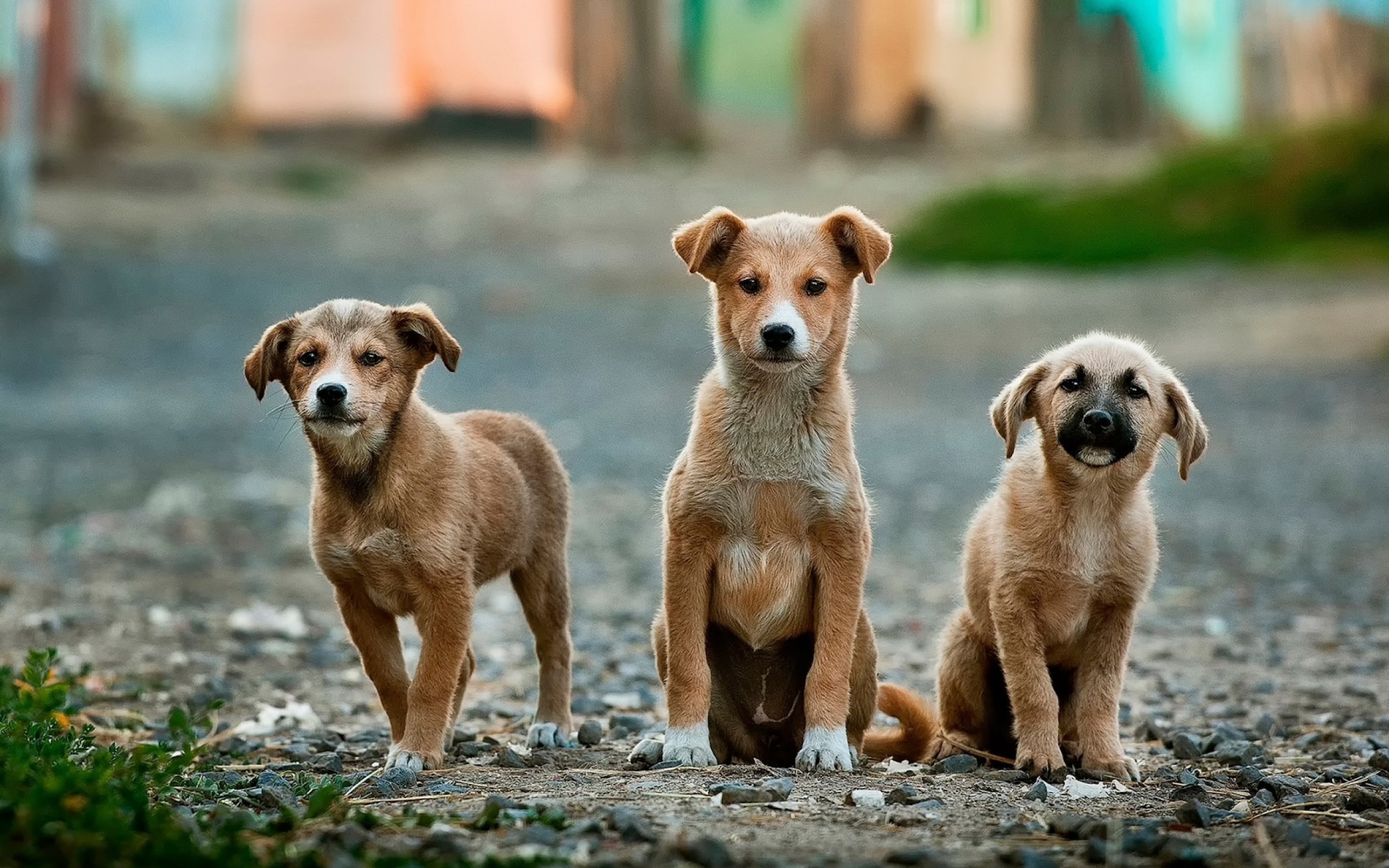
Photo by Anoir Chafik on Unsplash

oooo
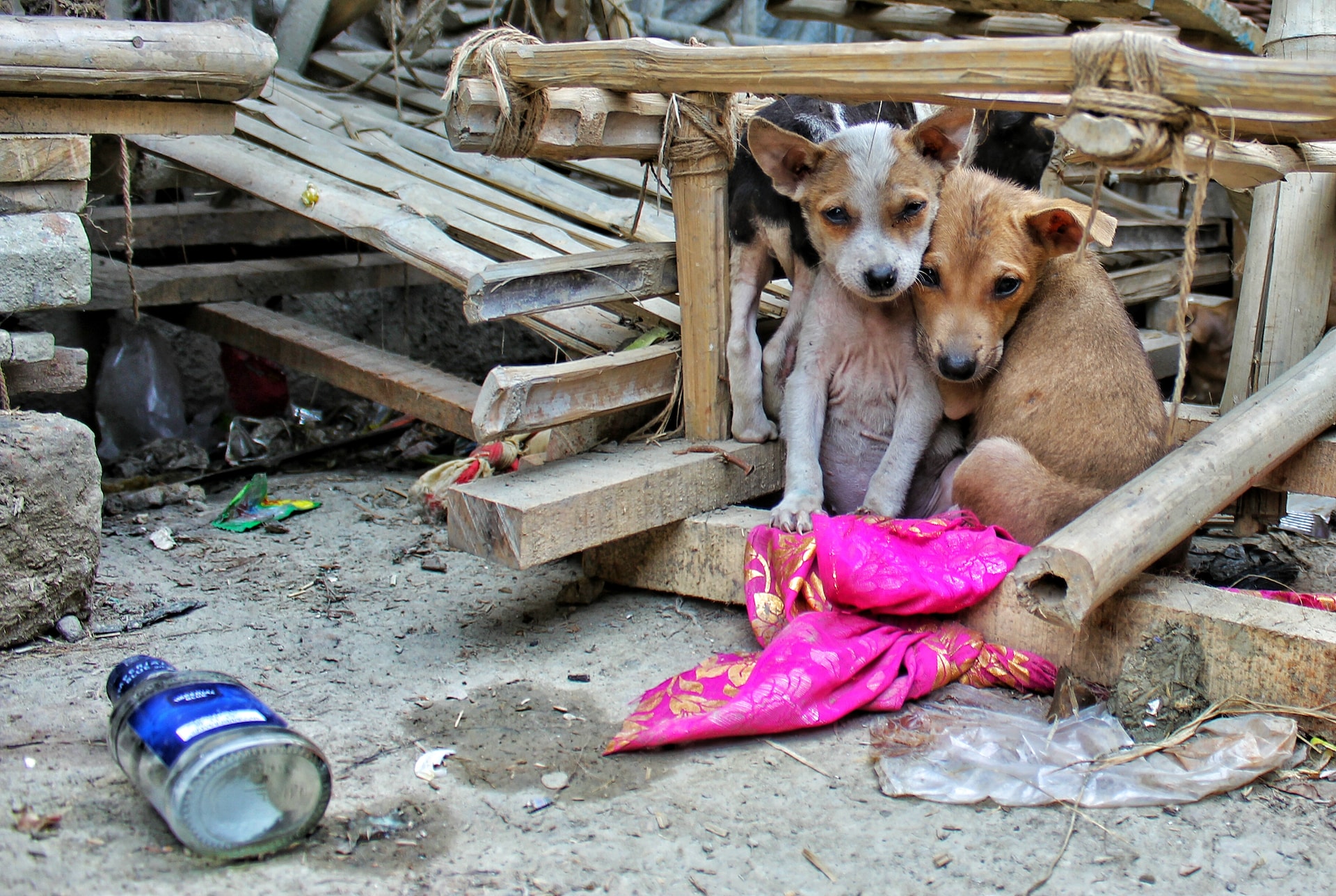
Photo by Evan Clark on Unsplash

These pictures make my heart ache and I hope you support Jaldee Vets. Finally are you in favour of me publishing guest posts from Anushka? Please give me feedback.
Common dog diseases

A very valuable guest post.

Back on September 19th I received an email offering me a guest post. It was from Luna Angeni. At first I was highly suspicious thinking of scams and the like and replied: “Before responding further please explain what your niche is?”

Luna replied: “Thank you for your response. I’m working on Animal Health care. It’s the perfect fit for your site.”

I agreed and this is her article.

ooOOoo

How to Control and Prevent Common Dog Diseases Effectively

By Luna Angeni

Man’s best friend” is a phrase that perfectly defines the deep bond between humans and their canine companions.

It’s our duty to ensure the health and well-being of our furry friends. One of the most critical aspects of canine care is disease prevention and control. This is what we are going to focus on here.

In this blog, we will learn about some effective ways we can control and prevent common dog diseases to keep our canine fellows happy and healthy.

Let’s get started!

Understanding Common Dog Diseases

Dogs, like humans, are susceptible to a range of diseases and health issues.

To effectively control and prevent these complications, we need to understand them first.

Let’s review some common canine diseases:

Canine Parvovirus (Parvo)

Canine parvovirus is a highly contagious and potentially fatal disease that affects puppies and unvaccinated dogs.

It spreads through direct contact with an infected dog or contaminated environment.

Symptoms include:

1. Severe diarrhea

2. Vomiting
3. Lethargy
4. Loss of appetite

To prevent parvo, ensure your dog is up-to-date on vaccinations and avoid areas where the virus may be present.

Canine Distemper

Canine distemper is another contagious viral disease that can be fatal, particularly in puppies.

It affects various body systems and presents symptoms such as:

1. Fever
2. Nasal discharge

3. Coughing
4. Neurological signs

Vaccination is the most effective way to prevent distemper.

Heartworm Disease

Heartworm disease is transmitted through mosquito bites and can be life-threatening if left untreated.

It affects the heart and lungs, leading to symptoms like:

1. Coughing
2. Exercise intolerance

3. Weight loss

Prevention through vaccination is key for this common dog disease.

Preventive Measures for Common Canine Diseases

Preventing common dog diseases is often more manageable than treating them.

Here are some essential preventive measures every dog owner should follow:

Vaccination

Regular vaccination is the cornerstone of disease prevention in dogs.

As your veterinarian recommends, ensure your dog receives all necessary vaccinations against parvovirus, distemper, rabies, and others.

Regular Exercise

Exercise not only keeps your dog physically fit but also mentally stimulated.

Engaging in regular exercise helps boost dogs’ overall health and keeps obesity-related diseases at bay.

Proper Nutrition

A balanced diet is crucial for maintaining a healthy immune system.

Consult your veterinarian to determine the best diet for your dog’s specific needs.

Avoid feeding your canine human food, as some ingredients can be toxic to them.

Hygiene and Cleanliness

Maintaining proper hygiene for your dog and their living environment is essential.

In this regard, you must ensure:

1. Regular grooming
2. Cleaning your dog’s bedding
3. Keeping their living area free from parasites and bacteria

Regular Vet Check-ups

Routine visits to the veterinarian are crucial for early disease detection and prevention.

Your vet can identify potential health issues before they become severe and provide guidance on maintaining your dog’s health.

Recognizing the Signs of Illness

Despite your best efforts, your dog may still fall ill occasionally.

Recognizing the early signs of common dog diseases is essential for prompt treatment.

Here are some common signs of complications in dogs:

Changes in Appetite

A sudden loss of appetite or excessive hunger can indicate a health issue.

So, you must monitor your dog’s eating habits closely.

Changes in Behavior

Drastic changes in behavior, such as increased aggression, withdrawal, or excessive vocalization, can be indicative of pain or discomfort.

Vomiting and Diarrhea

Frequent vomiting or diarrhea can be symptomatic of various diseases, including gastrointestinal complications.

Lethargy

If your dog is unusually lethargic or lacks energy, it could be a sign of an underlying problem.

In such cases, seek a veterinarian’s help immediately.

Breathing Problems

Labored breathing, coughing, or wheezing may suggest respiratory or cardiac problems.

Immediate Action and Veterinary Care

Taking immediate action is essential if you notice any signs of illness or discomfort in your dog.

Contact your veterinarian and follow their guidance.

Early intervention can often make a significant difference in the outcome of the disease.

Conclusion

Your dog’s health is in your hands.

Effective disease control and prevention are crucial for ensuring your furry friend’s long and happy life.

Understanding common dog diseases and treatment and following preventive measures can significantly reduce the risk of complications and provide them with the best possible care.

For more guides on animal health solutions and tips for healthy dogs, you must visit Vet and Tech – a source for online veterinary education.

FAQs

What Vaccinations Does My Dog Need?

Consult your vet for a personalized vaccination schedule. Common dog vaccinations include rabies, distemper, parvovirus, and kennel cough.

What’s the Best Diet for My Dog?

High-quality commercial dog food is a good option. Still, you need to consult your vet for a diet tailored to your dog’s age, breed, and health.

How Often Should I Take My Dog to the Vet?

Generally, annual check-ups are recommended, but older dogs can benefit more from biannual visits. And–puppies may need more frequent check-ups.

ooOOoo

That is a wonderful set of recommendations and advice. Really of no surprise when one considers Luna’s biography:

I am a clinical veterinarian, researcher, and professional content writer. Being a medical professional and a content writer, I hold key writing skills such as Blog writing. I shall provide beautifully crafted, interesting to read, easily understood, highly informative, 100% original, error, and plagiarism-free content. 

Luna Angeni

I sincerely hope this will be far from the one and only post!

P.S. I also openly admit that I have featured her blog site Vet and Tech but will also explain that I have no special association with her blog or with Luna Angeni.

Back to Cats!

Introducing a guest post from Gloria Peters.

Although this blog is 99% about dogs that doesn’t preclude a guest post; one that is really charming.

ooOOoo

Fun DIY Toys to Keep Your Cat Entertained

Keep your cat entertained with these easy DIY toys, including puzzle toys and toilet paper roll toys. Challenge your cat’s mind and provide hours of fun with these ideas

Fun DIY Toys to Keep Your Cat Entertained

Cats are known for being playful and curious, so it’s important to give them things to keep them occupied and their minds working. But store-bought toys can be expensive, and your cat may not always be interested in them.

That’s why making your own toys is a good idea. Making your own cat toys is not only cheaper, but it also allows you to make them just the way your cat likes them. In this article, we’ll talk about ten fun toys you can make to keep your cat busy.

  1. Cardboard fort

A cardboard box is one of the easiest and most useful toys you can make for your cat. You can make a box fortress by cutting holes and tubes in the box and filling it with soft bedding. Cats love to hide and look around, and a cardboard box fort is the right place for them.

Find a large cardboard box to start making your cardboard fort. Cut holes and tubes into the sides of the box, making sure the edges are even so the cat doesn’t get hurt. 

You can cut the paper with scissors or a utility knife. Then put something soft inside the box, such as a blanket or towel. Your cat will love hiding in his new fort and exploring it.

  1. Pen game

Cats love feathers and you can make your own feather toy by tying the feathers to a string or stick. Your cat will enjoy chasing and pouncing on feathers, which will exercise them, keep their mind active, and remind you that cat shed.

Start by getting feathers to make a feather toy. You can use feathers you find on the street or feathers bought from a craft store. Use glue or tape to attach the feathers to a string or stick. Make sure the feathers are well attached so they don’t fall off when the kids play. Then hang a feather toy in front of your cat and watch it jump and run after it.

  1. Socks with catnip

Cats love the natural catnip stimulant, and you can make your own catnip toy by placing dried catnip in a sock and tying a knot at the end. Your cat will enjoy rubbing and biting on the sock, and the smell of catnip will keep her interested.

Find a clean sock to use as the base for your catnip sock. Put the dried catnip in the sock and then tie a knot at the end so the catnip stays inside. You can also put bells or wrinkled paper inside the sock to make it more interesting. Then give your cat a sock and watch her rub and bite into it, enjoying the smell of catnip.

  1. Post for scratching

Cats naturally love to scratch, but if you give them room to scratch, they won’t scratch your furniture. You can make a scratching post by wrapping string or carpet around a cardboard tube or wooden pole.

Find a sturdy cardboard tube or wooden pole to start making your scratching post. Cut a piece of string or carpet long enough to go around the pipe or pole. Then wrap the rope or cloth tightly around the pipe or pole and glue or staple it to keep it in place. Make sure the scratching post is high enough so that the cat can stretch out its entire body when using it. Place the scratching post where your cat likes to scratch and rub it with catnip so the cat can use it.

  1. Track for ping pong balls

Make a ping pong ball track a fun and responsive toy for your cat. Make a path for the ping pong ball by cutting holes in the cardboard box and attaching the cardboard tubes. Your cat will love trying to catch the ball when you hit him with the bat.

Find a wooden box to start making a ping pong ball track. After making holes in the sides of the box, make sure they are large enough for a ping pong ball to fit through. Then make a maze by inserting cardboard tubes into the holes. The tubes can be glued with hot glue or tape. Finally, place the ping pong ball in the maze and watch your cat try to catch it by hitting it.

  1. Tunnel for paper bags

A paper bag tunnel is another easy and cheap toy you can make for your cat. You can make a tunnel for your cat by cutting the bottom out of a paper bag and sticking several bags together. You can also crumple up some paper and put it in bags to make them rustle and make the animals more excited.

Collect some paper bags to start making the paper bag tunnel. Make a long tunnel by cutting out the bottom of each bag and taping them together. You can also put crumpled paper inside the bags so that the cat makes noise while playing inside. Your cat will have a great time exploring his new cave and hiding in the bags.

  1. Toy fishing rod

Another fun toy for cats that looks like their natural prey is playing with a fishing rod. Stretch a toy or some feathers and tie them to a stick or dowel. Your cat will enjoy chasing and jumping on the toy, which will keep her active and stimulate her brain.

Find a stick or fishing rod to start making a fishing rod toy. Use glue or tape to attach the toy or feathers to the string, and tie the other end of the string to the stick. Hang the toy in front of your cat and watch it run and jump on it.

  1. A toy that gives treats

A toy that gives treats is a fun way to give your cat a treat and keep them entertained at the same time. Cut holes in a plastic bottle and fill it with treats to make a toy that dispenses treats. To get a treat, your cat will break the bottle.

Find a plastic bottle to start making a toy that gives out treats. Use a utility knife or scissors to cut some small holes in the sides of the bottle. Then put the best treats for your cat into the bottle. Your cat will love to hit the bottle and try to get treats out of the holes.

 Conclusion 

After all, making your own cat toys is a great way to keep them entertained and stimulated while saving money. But when you make these toys, it’s important to put your cat’s safety first and give her a range of toys that stimulate different senses. Don’t forget to play with your cat to bond with her and give her some exercise.

ooOOoo

Here is Gloria’s bio that she also supplied:

Gloria Peters is an experienced pet writer and enthusiast, sharing valuable insights on gadgets to keep your feline friend healthy, happy, and entertained. Her expertise in technology and pet care is well-known in the industry, as seen on her popular website blog tulip.

Gloria Peters

I must say that Gloria has done a splendid job in writing the above guest post. It is excellent and way better than I could have done myself.

Thank you, Gloria.

Being a responsible dog owner

A guest post from Souvik Ghosh.

From time to time various persons are in touch asking if I will accept a guest post. As long as the author is not connected to a commercial organisation then I am more than willing to accept.

ooOOoo

The Benefits of Spaying or Neutering Your Puppy

By Souvik Ghosh.

Spaying is the removal of a dog’s reproductive organs, while neutering is the removal of a dog’s testicles. Both of these procedures are usually completed between the ages of six to nine months old. The decision to spay or neuter your puppy is an important one, and one that every pet parent should consider carefully. Spaying or neutering your puppy can have many benefits; both for your pet, and for pet owners. In this article, we will explore the many benefits of spaying or neutering your puppy.

1. Cost Benefits

A. Lower veterinary expenses

 By sanctioning spaying or neutering your puppy, you can spare yourself incurring costly veterinary bills. Not only that, but spayed and neutered pets often require fewer vet visits overall than unaltered animals, thus resulting in further financial savings.

B. Avoidance of unwanted litters and associated costs

 Opting to spay or neuter your puppy will avoid the costs associated with an unwanted or unexpected litter. Having a litter of puppies can involve additional health care expenses, such as vaccinations or deworming, as well as other costs such as food, housing supplies, and potential vet visits due to complications or illness. What’s more, finding homes for each of the puppies can take a considerable amount of time and money. If a litter is born and is not able to be cared for or placed in a permanent home, euthanasia may also become a cost consideration.

C. Reduced potential for destructive behaviors

 Spayed and neutered pets are less likely to display destructive behaviors associated with hormones, such as urine spraying, marking territory, escaping from the house, stray breeding, and aggression. Dealing with these behaviors can involve costly fence repair, kenneling, veterinary bills, and in extreme cases even legal fees. By taking preventative measures and having your puppy spayed or neutered, you can save yourself considerable financial hardship in the long-run.

2. Health Benefits

A. Reduced risk of certain cancers

 Spaying or neutering your pet has many potential health benefits for your pup. First, spaying or neutering your puppy can reduce their risk of certain cancers. Spayed females are at almost no risk for certain types of ovarian and uterine cancer, while neutered males are at a reduced risk of developing prostate cancer.

B. Decreased risk of infections and diseases

 In addition to curbing cancer risk, spayed or neutered puppies also have decreased risk of bacterial and viral infections, as well as other dog diseases, such as Urinary Tract Infection or “cherry eye.” Unneutered male dogs are a lot more likely to develop testicular tumors, while unspayed female pups are more likely to get vaginal infections or mammary tumors.

C. Prevention of reproductive issues

 Spaying or neutering your puppy can also prevent reproductive issues such as false pregnancies, proestrus, and ovarian cysts. Spaying can also reduce “hump” behavior – or the act of mounting other animals – as well as “marking” their territory by urinating on objects or other animals. If a male dog hasn’t been neutered, these behaviors may continue into adulthood.

3. Behavioral Benefits

A. Reduced aggression and territorial tendencies

 One of the primary behavioral benefits is that spayed or neutered puppies will have reduced aggression and territorial tendencies. Unneutered animals are more likely to attempt to protect their territory, which often manifests as aggressive behavior. By removing the instinct to mate and reproduce, these issues can be avoided.

 B. Decreased likelihood of wandering or escaping

 Another advantage is that spaying or neutering your puppy can decrease the likelihood of them wandering or escaping from home. Unneutered animals are more likely to attempt to find a mate, and as a result may be more tempted to roam. By removing this instinct, your puppy can enjoy a safe and secure living space.

C. Less marking and mounting behaviors

 Spaying or neutering your pet can help them to avoid certain sexual impulses. Unneutered animals are more likely to engage in marking and mounting behaviors, which can be embarrassing and bothersome. This can be avoided by removing the unneutered dog’s natural urges to seek out a mate.

4. Community Benefits

A. Control over population and homelessness

 The most obvious benefit of spaying or neutering your puppy is that it helps to control the overall population and reduce homelessness. When dogs reproduce without consequence, the population grows dramatically and shelters become overwhelmed with strays. These strays can be quite disruptive to the community, especially if they’re aggressive or overly vocal. By having your pet spayed or neutered, your community benefits significantly by avoiding this population surge.

B. Reduced noise and nuisance behaviors

 You can also reduce the amount of noise and nuisance behaviors that can plague a community. Dogs can become territorial if they haven’t been neutered or spayed, which can affect their overall behavior. Un-neutered dogs are more likely to bark more, roam, and even become aggressive. This can be a nuisance to neighbors, and even other pet owners in the area. By having your puppy spayed or neutered, your pup won’t be as prone to these behaviors, making it easier to live in harmony with your surrounding community.

C. Improved relationships with neighbors and other pet owners

 Having your puppy spayed or neutered can improve relationships with your neighbors as well as other pet owners. It can help ensure it’s better behaved when around people, making it much easier for neighbors or other pet owners to interact with your dog. It may even help build a friendlier, less fearful relationship between people and your pup, making it easier for your neighbor to come over for a visit. And better relations with pet owners in the area can help strengthen the bond between community members.

Conclusion

 Spaying or neutering your pet can have numerous benefits, both medically and behaviorally, and it is important to consider if it is the right fit for you and your pet. We would encourage all pet owners to take the steps needed in order to be responsible pet owners, and spay or neuter their pup. By doing so, you can help ensure your pet lives a long and healthy life, while contributing to a kinder, more compassionate society.

ooOOoo

That last sentence says it all. I quote, “By doing so, you can help ensure your pet lives a long and healthy life, while contributing to a kinder, more compassionate society.

Who doesn’t want a kinder and more compassionate society!

Dogs and cats

A guest post from Ashly Brown

This is a great post. As I just said a guest post that covers an important question; for those that have cats and dogs read on!

ooOOoo

How to Stop a Dog Aggression Towards Cats

By Ashly Brown.

Meta Description

Learn how to stop dog aggression towards cats with these helpful tips and techniques. Discover how to train and manage your dog to live peacefully with cats and prevent any dangerous incidents.

How to Stop a Dog Aggression Towards Cats

Dogs and cats are known to be natural enemies, and it’s not unusual for dogs to act aggressively towards cats. Even though it’s natural for a dog to feel territorial or defensive around a cat, this can be dangerous for the cat and stressful for the owner. So, it’s important to do something to stop a dog from being mean to cats. Here are some tips:

  • Watch out for your dog around cats.

The first thing you can do to stop your dog from being mean to cats is to always watch your dog when it’s around cats. Even if you think your dog is friendly towards cats, you should never leave your dog alone with a cat. Dogs can be hard to predict, and their instincts to hunt can come out at any time.

  • Slowly get your dog used to the cat.

It’s important to go slowly and carefully when bringing a new cat into your home or letting your dog meet a cat for the first time. Keep your dog on a leash and let your cat come up to it at its own speed. Give your dog treats for being good, and keep a close eye on them at all times.

  • Teach your dog the basic commands for obedience.

If you teach your dog basic obedience commands like “sit,” “stay,” and “leave it,” it will be less likely to attack cats. By teaching your dog to do what you say, you can take its mind off the cat and keep it from chasing or hurting it.

  • Give your dog and cat separate places to live.

If your dog and cat don’t get along, you may need to give them each their own place to live. This could mean putting your cat in a different room or putting a baby gate between your cat and dog. Make sure your cat’s separate living space has a place to eat, drink, and go to the bathroom.

  • Use training with positive reinforcement

Positive reinforcement is a great way to teach your dog how to behave well. When your dog acts well around your cat, praise them or give them treats. This will make them more likely to keep behaving well and make them feel good about the cat behavior.

  • Think about asking an expert.

If your dog is very mean to cats, you may need to get help from a professional dog trainer or behaviorist. They can help you come up with a plan for training your dog that fits its needs and habits. They might also be able to give you more advice on how to stop your dog from being mean to cats.

  • Think About Medications

In some cases, a dog may need to be put on medicine to stop being mean to cats. Talk to your vet about whether your dog can take a certain medicine. They might be able to give you medicine to help your dog feel less anxious or less likely to attack cats.

  • Be steady and patient.

Stopping a dog from being mean to a cat can take a long time and patience and consistency. Don’t stop working with your dog if you don’t see results right away. You can teach your dog to get along with cats if you give it time and work at it.

  • Figure out the cause

Find out what makes your dog act mean towards cats. This can help you stop the behavior. It could be a certain sound or smell, or it could be something the cat does. You can work to get rid of the trigger or get your dog used to it if you know what it is.

  • Desensitize Your Dog

Desensitizing your dog means slowly exposing them to the thing that makes them aggressive towards cats, while keeping them far away. This can help them feel less scared or worried about the trigger and keep them from getting angry. Start by showing the trigger to your dog from a distance where they don’t show any signs of aggression. Over time, you can slowly get closer.

  • Use a muzzle or head collar.

Putting your dog in a head collar or giving it a muzzle can help keep it from attacking the cat. Dog bark collars can help you keep your dog from moving around too much, and muzzles can stop them from biting or attacking. It’s important to know how to use these tools right and to never leave your dog alone while they are on.

  • Manage Your Dog’s Environment

Taking care of your dog’s environment can help stop your dog from being mean to cats. This could mean keeping your dog on a leash when there are cats around or putting up baby gates to keep them apart. It’s important to give your dog and cat a safe and secure place to live.

Conclusion 

In conclusion, it is possible to stop a dog from being mean to a cat, but it takes time, patience, and consistent work on the part of the owner. Understanding why your dog is mean to cats is very important for coming up with a good plan to stop the behavior. You should never punish or hurt your dog physically if he or she is mean to cats. This can make the problem worse and cause fear and anxiety.

Focus instead on training with positive reinforcement, desensitization, and management techniques like making a safe space and using head collars or muzzles. Your dog can learn to live peacefully with cats with consistent training and management. This can prevent any dangerous or harmful situations from happening.

It’s important to remember that every dog is different, and what works for one dog might not work for another. Talking to a professional dog trainer or behaviorist can help you come up with a custom plan to stop your dog from being mean to cats.

Author Bio:

Ashly Brown is an experienced writer and pet enthusiast who loves to share her knowledge and insights on the latest trends in pet care. As a dedicated pet cat owner, Ashley understands the importance of finding the best gadgets to keep your feline friend healthy, happy, and entertained in the pet cats world. With her expertise in technology and pet care, Ashley provides valuable information and advice to help cat owners make informed decisions about the latest gadgets for their furry friends

ooOOoo

Ashly shows her experience as a pet lover and being a writer; in spades!

There will be many that have cats and dogs who take her advice with great interest and many of you that will find in Ashly’s tips some very educational ideas.

Thank you, Ashly!

Keeping our dogs free from poisons

Just a single image!

The vet practice we use is Lincoln Road Veterinary Clinic, and we have used them for quite a few years. They recently sent out a mailer that contained the following:

Now the ‘CALL US’ has to be the vet in your own location; that’s obvious!

But nonetheless I thought it was worth sharing with you.

Our pets are very special!

Christmas food for your pets

They can be toxic!

This is a timely warning that feeding our dogs and cats nibbles from the plate or worse can be life-threatening.

ooOOoo

Holiday foods can be toxic to pets – a veterinarian explains which, and what to do if Rover or Kitty eats them

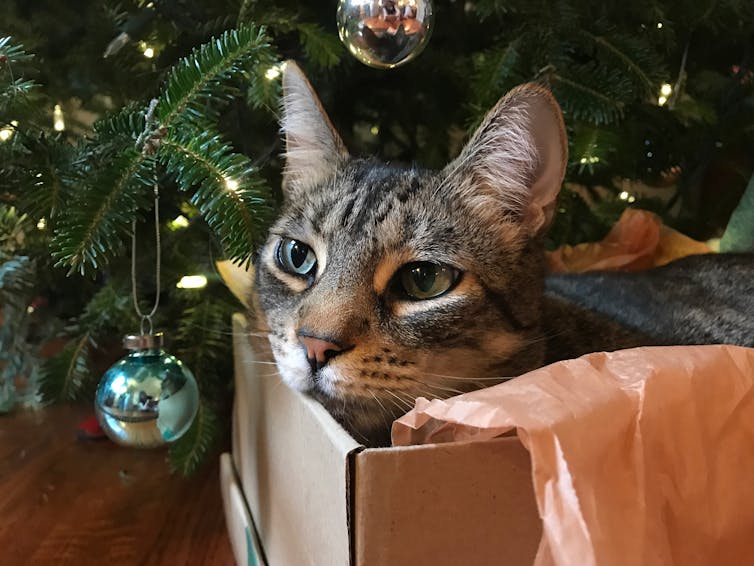
Treat Kitty to a new box or pet-safe treat, but not scraps from holiday meals. Cyndi Monaghan/Moment via Getty Images

Leticia Fanucchi, Oklahoma State University

During the holidays, it’s typical for people to indulge in special foods. Being a pet owner myself, I know that many pet parents want to give their fur babies special treats as well.

As a veterinarian and clinical veterinary researcher, however, I also know that some very common foods – including many popular holiday staples – are dangerous to pets.

Here are some of the most common food-related crises we veterinarians encounter in the animal ER during the holidays, and what to do if they happen.

Fatty food risks

Turkey with gravy is probably among the most popular holiday meals. And most dogs or cats would certainly agree with their humans that roast turkey is delicious.

However, the fat contained in turkey skin – and the excess of fatty, greasy foods that can accompany it, such as gravy, butter and bacon – don’t go down well with cats and dogs. Pets that ingest an overload of fats may develop pancreatitis, an inflammation of the pancreas, the organ that helps break down fat, protein and carbs.

Pancreatitis causes the pancreas to leak digestive enzymes and ultimately “digest” itself. If untreated, pancreatitis can affect other organ systems such as the kidneys and the liver and even cause blood clotting.

The most common symptoms of pancreatitis include vomiting and diarrhea. Pets that may have pancreatitis should be rushed to the closest veterinary hospital or ER. The vet will perform diagnostic blood tests, including a specific test for pancreatic enzymes called pancreatic lipase immunoreactivity or cPLI/fPLI.

Treatment for pancreatitis mostly involves dealing with its symptoms. The pet receives IV fluids to help establish electrolytes balance, with added anti-nausea and pain medications to stop the vomiting. Antibiotics may be necessary, as well as liver protectants and probiotics, and a special diet.

Onion offenses and bread badness

If only turkey were the sole problem! Many other common holiday ingredients can also harm pets.

Several allium species common to holiday cooking, such as leeks, garlic, onions, chives and shallots, can be healthy for people. For dogs and cats, though, alliums are toxic. If ingested, they can cause hemolytic anemia – a decreased number of red blood cells.

The signs of hemolytic anemia, which normally appear a few days after ingestion, include vomiting, diarrhea, lethargy and jaundice.

To treat hemolytic anemia in pets, veterinarians do blood tests to determine whether a transfusion is necessary. They address the symptoms of allium intoxication with IV fluids, antioxidants and anti-nausea drugs.

Yeast-risen foods like rolls and breads are also holiday dinner staples that people should keep away from their pets. The yeast in these foods can ferment in a pet’s warm stomach and produce toxic levels of ethanol. In pets, ethanol toxicity may lead to metabolic acidosis, which can cause sudden drop in blood glucose, respiratory depression, seizures and cardiac arrest.

Normally, pet owners do not suspect metabolic acidosis until it is almost too late, because it has few outward symptoms. So if there’s a possibility that a pet has swallowed any type of cooked or raw yeast dough, get it to a veterinary ER right away.

By the way, pets can also experience ethanol toxicity by lapping up cocktails or beer, so keep alcoholic drinks out of their reach as well.

No chocolate for pets

Now, what about a favorite holiday treat – chocolate?

Substances that may actually attract humans to chocolate – methylxanthines like theobromine and caffeine – are toxic to both dogs and cats. When vets provide emergency treatment for chocolate ingestion, we typically hear that children shared their candy with their beloved pet.

A boy holding a puppy sits with his family during the lighting of candles on a hanukkiah menorah.
Chocolate contains substances that are poisonous to pets, even though they are safe for people. Nathan Bilow/Photodisc via Getty Images

Pets that ingest chocolate can develop “chocolate intoxication,” a condition in which methylxanthines accumulate in the body and make them sick. Signs of chocolate intoxication in pets include tremors, increased heart rate, vomiting, diarrhea, restlessness and even seizures.

Chocolate intoxication in pets is a medical emergency. The pet needs to have its stomach emptied and receive support therapy with IV fluids and activated charcoal. The vet will probably want to know the type and how much chocolate the pet ate, because some kinds of chocolate, such as baking chocolate, can have worse toxic effects.

Chocolate also has a lot of fat, so the cat or dog’s pancreas will not enjoy it either.

Grapes and dogs don’t mix

How about fruits? Well, there is a fruit very toxic to dogs that often shows up at holiday gatherings: grapes, both fresh and dehydrated into raisins.

If eaten, the tartaric acid in grapes or raisins may cause acute kidney disease. Common signs of acute kidney disease in dogs are vomiting, intermittent diarrhea and increased intake of water.

Acute kidney disease in dogs is a medical emergency. If it is suspected, the pet should be rushed to a veterinary hospital or ER right away. Treatment is typically limited to stabilizing the pet with IV fluids.

Sweet for people, poison to pets

While xylitol toxicity is one of the more common emergencies we veterinarians see these days, it’s still largely unknown among pet owners.

Xylitol is an artificial sweetener often used in sugar-free products. While safe for humans, for cats and dogs it’s a fast-acting and potentially deadly poison.

Ingesting even the smallest amount of xylitol can cause a pet’s liver to rapidly release insulin, causing hypoglycemia – unusually low blood glucose levels. Within 30 minutes, the pet will experience symptoms such as vomiting, lethargy and seizures and lose coordination of its limbs – called ataxia.

Emergency treatment for a pet with xylitol toxicity involves giving the animal IV fluids containing dextrose to raise its blood glucose level and carefully monitoring its progress.

The bottom line? Several delicious foods that are safe for humans can be very dangerous for pets in general – not just cats and dogs, but also birds, reptiles and pocket pets like mice, hamsters and gerbils. So make the holidays special for furry or feathery babies by giving them treats from the pet food store or veterinarian’s office, and keep them away from the kitchen counter and trash can.

Leticia Fanucchi, Clinical Assistant Professor of Veterinary Clinical Sciences, Oklahoma State University

This article is republished from The Conversation under a Creative Commons license. Read the original article.

ooOOoo

That’s a very important point about Xylitol. So please take notice and have a wonderful holiday for you and for your pets.

Please take care!

The incredible story of Diablo

Just watch this after the introduction.

Countless numbers of people have dreamt that they can communicate with animals and I would imagine an enormous percentage of those would have dreamt that they can communicate with dogs.

Certainly of the three dogs we have alive still here at home (we had in the past some fifteen dogs) Oliver below appears to understand much of what is said to him by me and Jean

If one goes to the YouTube website then one is introduced to Anna Breytenbach who has made it her life’s passion to better communicate with animals. Here’s a small piece from the extensive WikiPedia entry:

In her twenties she decided to pursue her passion for wildlife (big cats in particular) by becoming a cheetah handler at a conservation education project. On moving to America, she explored wolf and other predator conservation. She has also served on committees for wolf, snow leopard, cheetah and mountain lion conservation.

Anna Breytenbach and friend

So now we come to this video of Anna and Diablo, more properly called Spirit, (and the video will make that clear).

Arjan Postma explains the background to the film:

I just want to share this message as much as possible without any commercial intent, personal benefit or whatsoever. All used materials and therefore copyrights do not belong to me. I hope you enjoy discovering and watching this story and skill as much as I did: What if you could talk to animals and have them talk back to you? Anna Breytenbach has dedicated her life to what she calls interspecies communication. She sends detailed messages to animals through pictures and thoughts. She then receives messages of remarkable clarity back from the animals. In this section, Anna transforms a deadly snarling leopard into a relaxed content cat. The amazing story of how leopard Diabolo became Spirit… I found the source of this amazing documentary here: http://www.cultureunplugged.com/docum… This is the first full length documentary film on the art of animal communication. Nominated for Best Long Documentary, Best Director of “Jade Kunlun” Awards of 2012 World Mountain Documentary Festival of Qinghai China. Director: Craig Foster | Producer: Vyv Simson | Narrator: Swati Thiyagarajan Genre: Documentary | Produced In: 2012.

P.S. Happy Thanksgiving to everyone!

Creating a healthy environment…

… for your dogs!

This is another guest post from Indiana Lee. She writes with a compassionate and loving style and I am so pleased to be able to offer this post to you.

ooOOoo

How To Create a Healthy, Eco-Friendly Environment for Your Dog

As a dog owner, it’s perfectly normal to want an environment for your canine companion that is fun, happy, and healthy. That includes making sure they have a clean and secure place that’s comfortable and safe, as well as free from hazardous materials and harmful pests. 

Creating a healthy environment for your dog is easier than you might think. By dedicating a specific space to your pooch and making some simple swaps, you can be an eco-friendly pet parent, doing something good for the planet and your pup all at once. 

Create a Safe Space

First and foremost, try to create a safe space in your home for your dog. You can always consider a pet room, but even just an area in your living room or a comfy crate can do the trick.

Having a designated area for your dog in your home can make a big difference. Dogs are den animals and like having their own safe space to go to. While you don’t necessarily need to dedicate a whole room to your four-legged friend, your space should be pet-proofed to keep them safe.

That includes keeping things organized and clearing up clutter, so your dog doesn’t get into or chew on things they shouldn’t. You can also use baby gates to keep your dog in their space or to prevent them from going into areas of your home that haven’t been pet-proofed.

Use Eco-friendly Cleaning Products

Once you have set up that space, it’s important to keep it clean for your dog. Between rest and play and dinner time, it’s all too easy for your home to get dirty quickly. This means you have to keep your home clean, regularly pick up after your dog, and sanitize their space.

However, you must keep them away from potentially toxic substances — including the supplies you use to clean their area. Make sure your dog can’t get to any of the following: 

  • Bleach
  • Aerosols
  • Ammonia
  • Phenol
  • Formaldehyde

You’ll quickly learn to become a “label reader” when it comes to the cleaning products you choose. Not only are the above ingredients bad for your pet, but they can also damage the environment. 

When shopping for cleaning supplies, choose all-natural products as often as possible. Alternatively, consider making your own so you know exactly which ingredients are used. Vinegar, baking soda, and lemon juice are all common household items that you can use in cleaners — and they’re better for your pet and the planet.

Keep Pests Away

Creating a safe environment for your pet also means protecting your pooch from pests. You might not be able to control what comes into your house — especially since many pests can sneak in through tiny cracks — but you can discourage them from bothering your dog. You can do so while still making your yard a fun place for your dog.

You can reduce the risk of certain bugs and rodents entering your home by keeping your yard clean and trimmed. Don’t give wild animals a space to “hang out” and enjoy. The more time they spend in your yard, the more likely it is that they’ll get inside.

Additionally, the more wildlife you have in your yard, the more likely it is that your dog will bring in fleas or ticks that have “jumped” from raccoons, possums, or mice. Pests like fleas and ticks can be especially harmful to dogs, and they’re quick to get into rugs, carpets, and furniture, which can end up putting everyone’s health at risk. You can vacuum frequently if you’ve seen your dog with a tick or fleas and utilize some of the cleaning supplies listed earlier to deter them from sticking around. 

If you see a bug on your dog, give them a thorough brushing and use natural shampooing solutions to get rid of the fleas quickly. Keep their fur trimmed back neatly and make sure they’re as clean as possible. Regular baths and grooming can also help keep pests away from your pet and ensure your dog doesn’t bring any extra visitors into your home.

Are you sensing a pattern? 

A clean, healthy home typically means a happier, safer space for dogs. Whether you’re trying to live more sustainably or just focus on more natural ways of doing things, these suggestions will get you on the right track. Not only will your dog have a secure and pet-friendly environment to enjoy, but you can feel good knowing you’re doing something to improve the health of your entire family, as well as the future of the planet. 

ooOOoo

This really hits the spot. For we live in the country in Southern Oregon and have more than our fair share of flies and fruit flies, and who knows what else!

Cats no more!

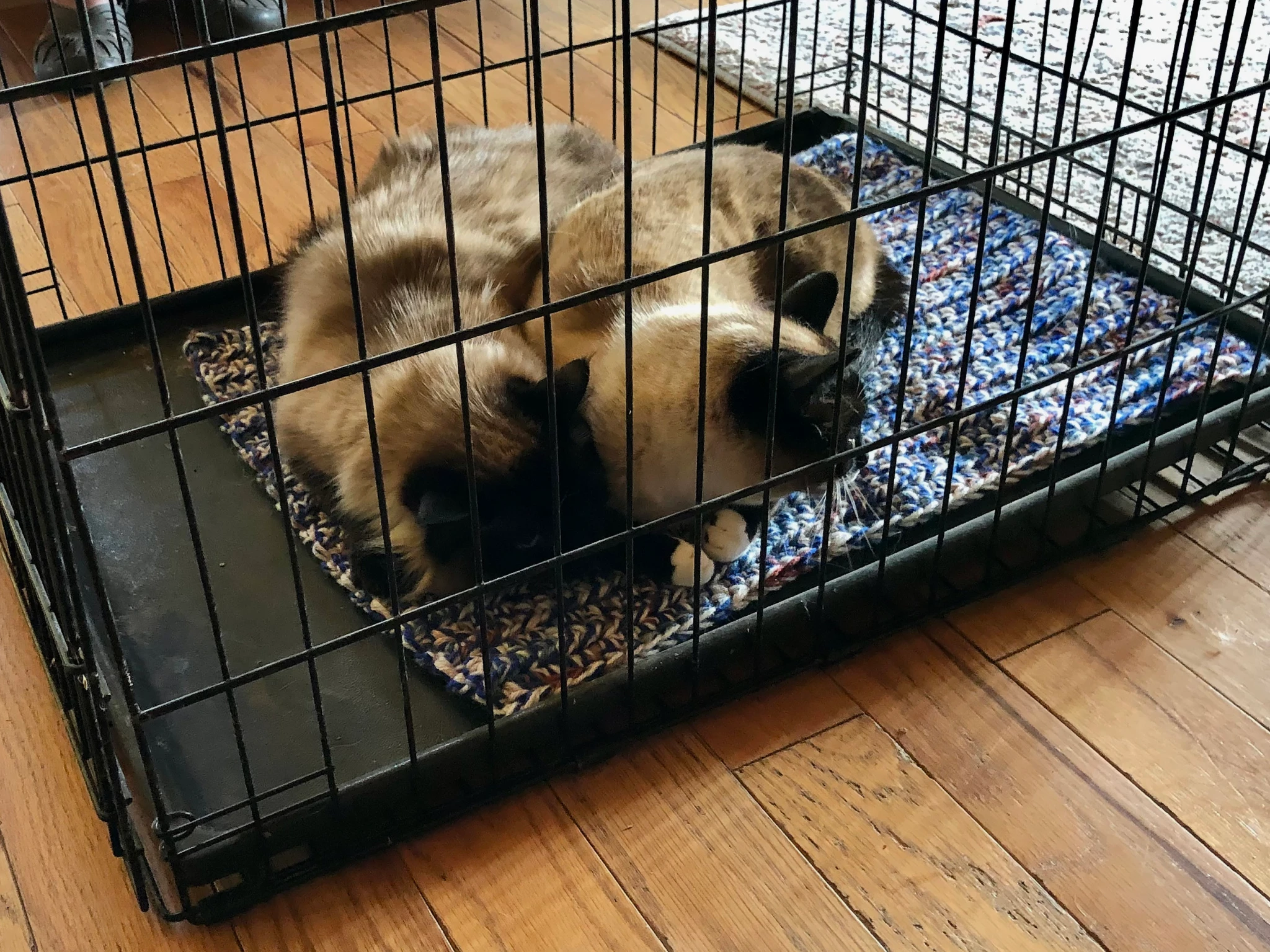
Unfortunately Skippy and Hogan couldn’t get used to the dogs.

On the 19th June I added a postscript to Picture Parade Four Hundred and Thirty-Nine to say that we had brought home two Siamese cats.

But it wasn’t to work out and very reluctantly yesterday afternoon we took the cats back to CATS in Medford.