Category: Cats

Visiting the Vet – Hunt the Foxtail

Yet another interesting case for Dr. Jim.

As soon as it was time to say ‘goodbye’ to Ace the cat then in came an entirely different case.

1020 – Back to dogs!

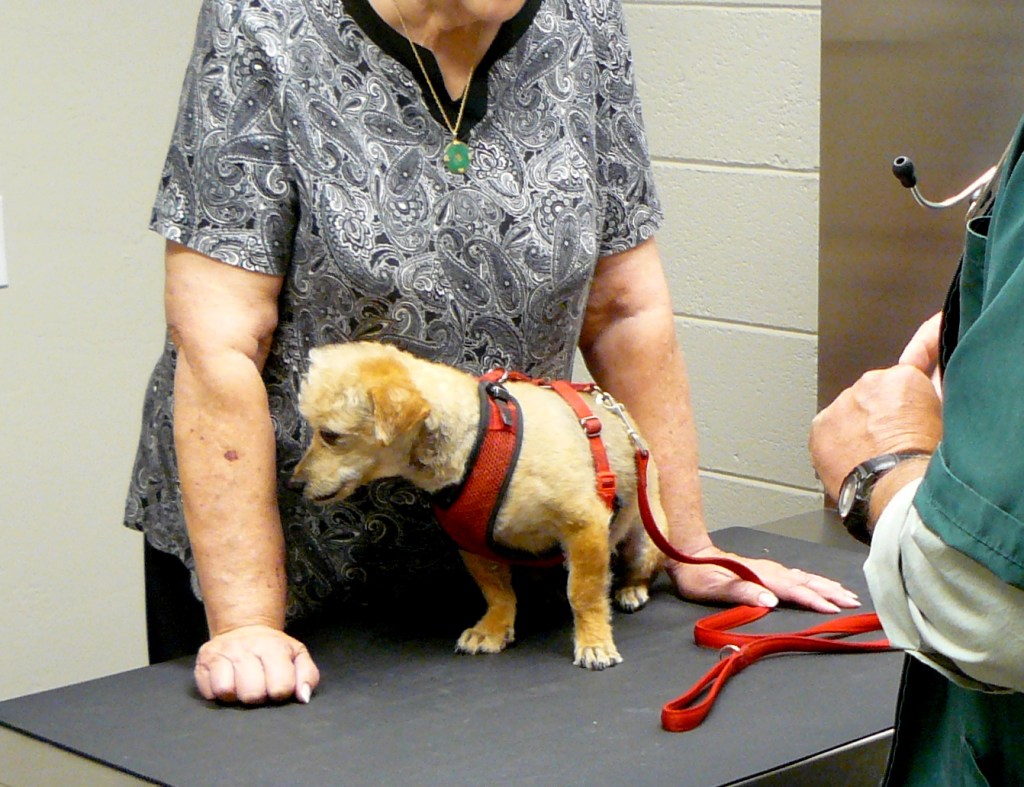
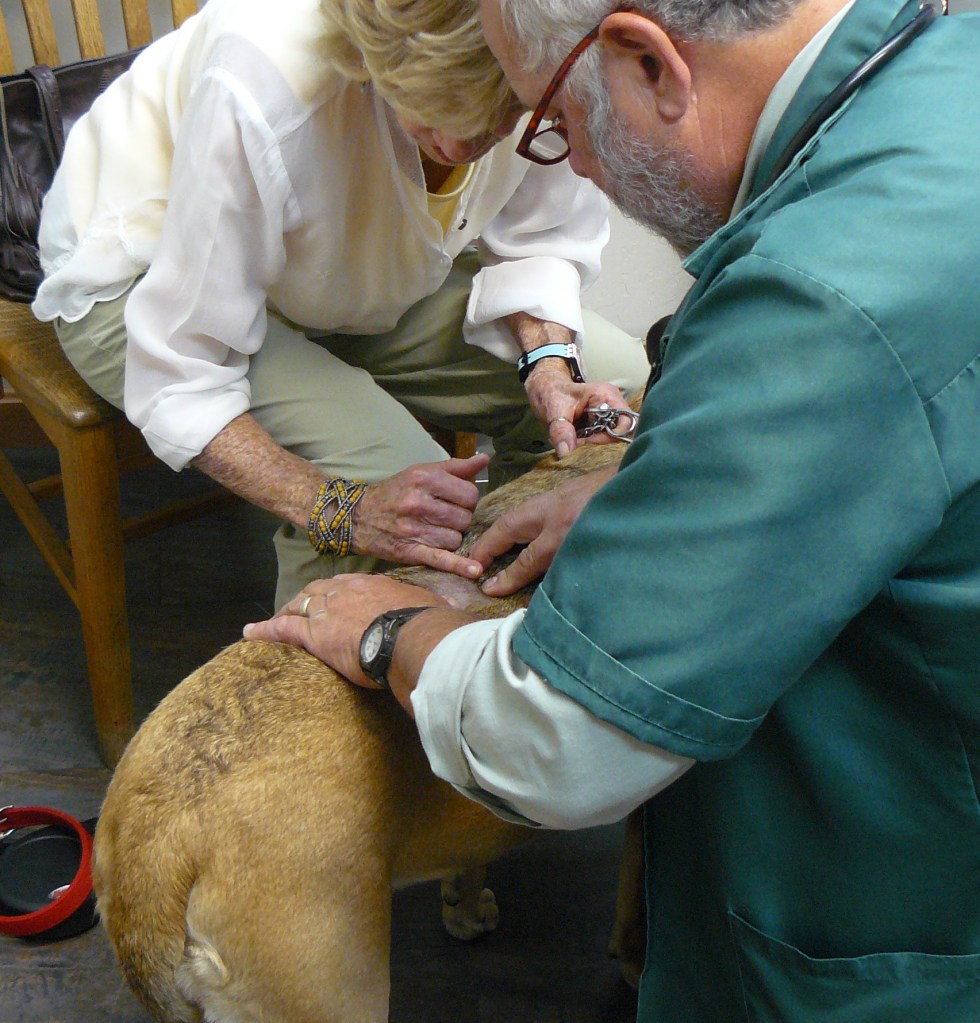
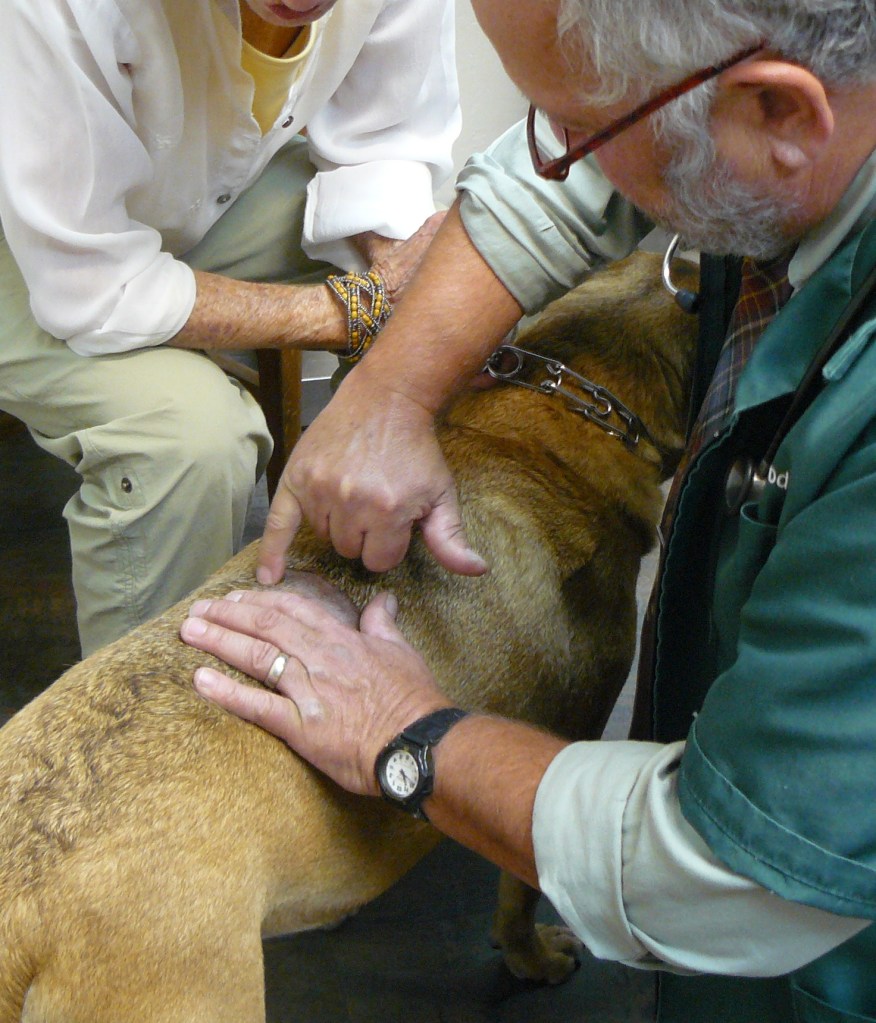
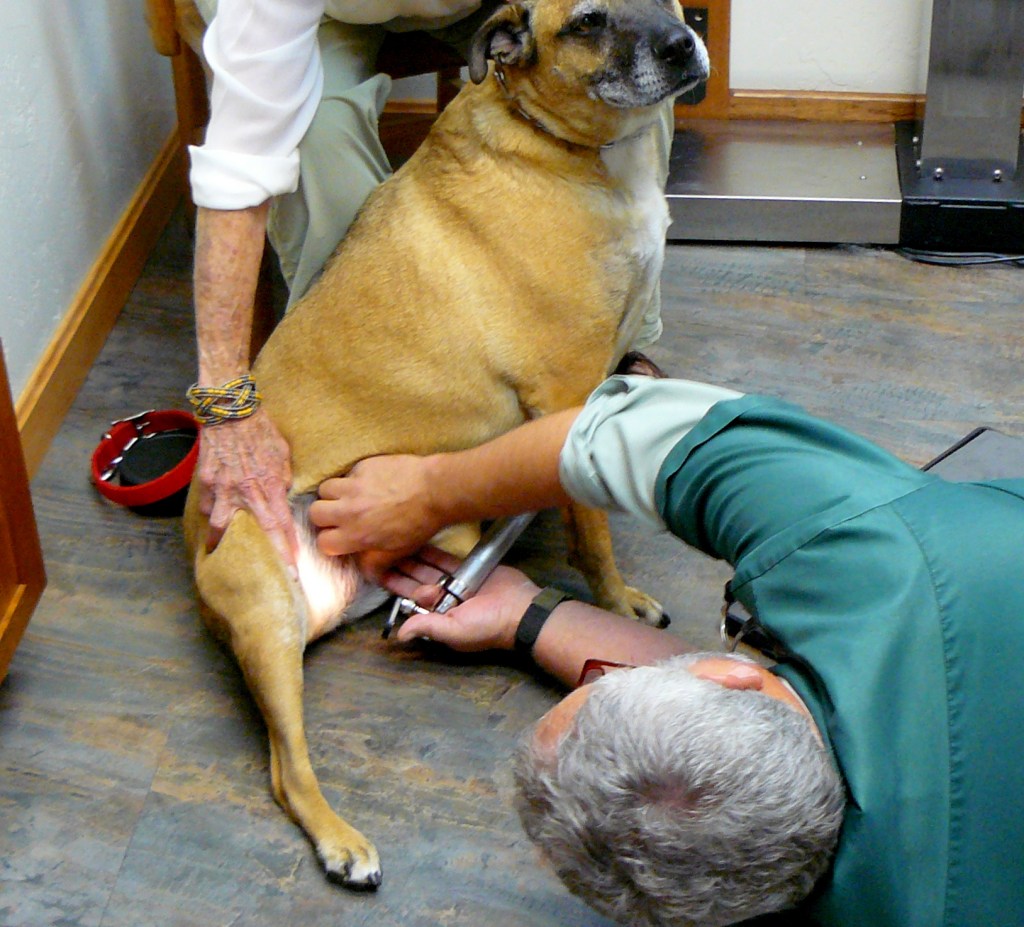
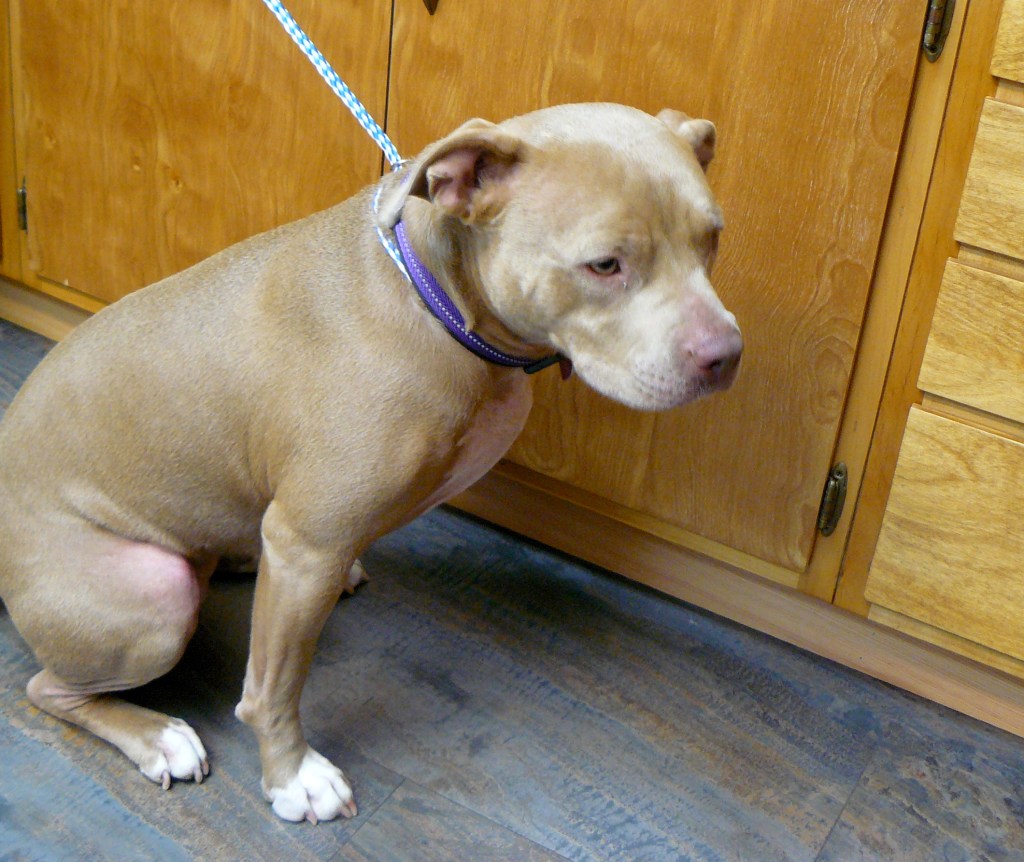
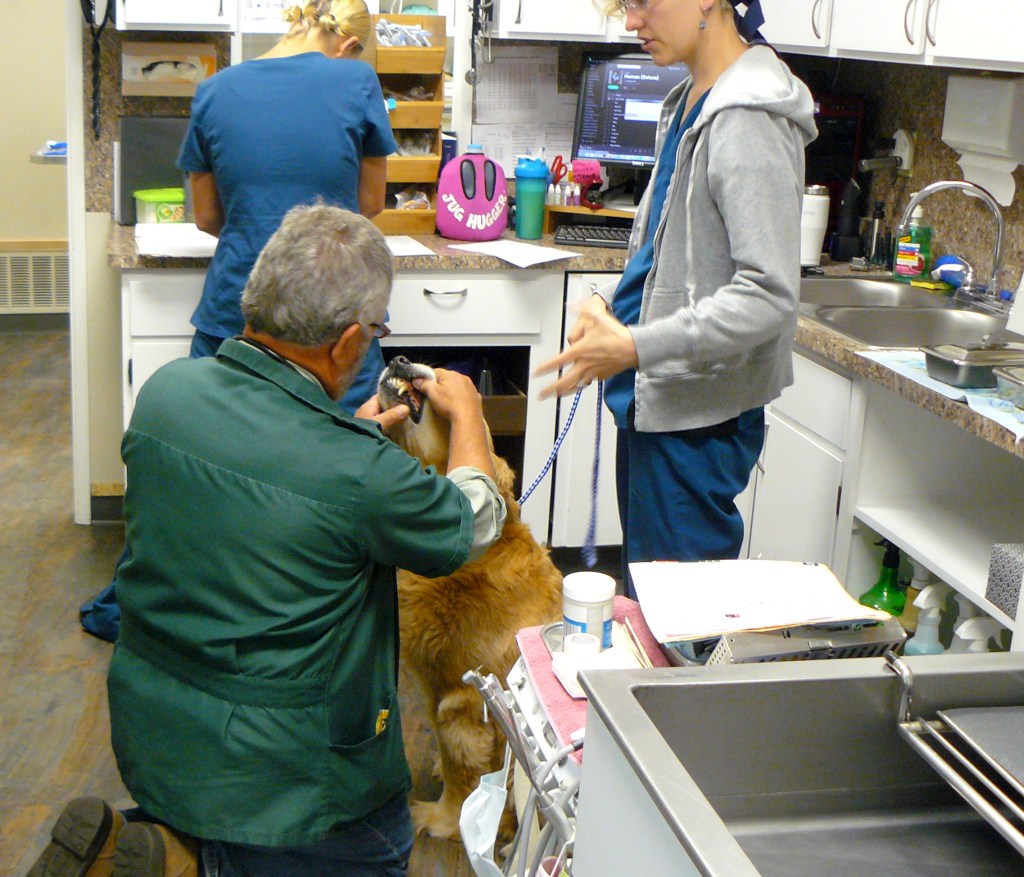
This was Millie, a pit mix, who had been dropped off at the Clinic earlier on. Millie’s owner said that there appeared to be something troubling Millie’s ears. Millie was, indeed, shaking her head a great deal.

Jim established that it was Millie’s left ear that was the source of the irritation. This was immediately obvious since Millie cried as soon as Jim touched that left ear.

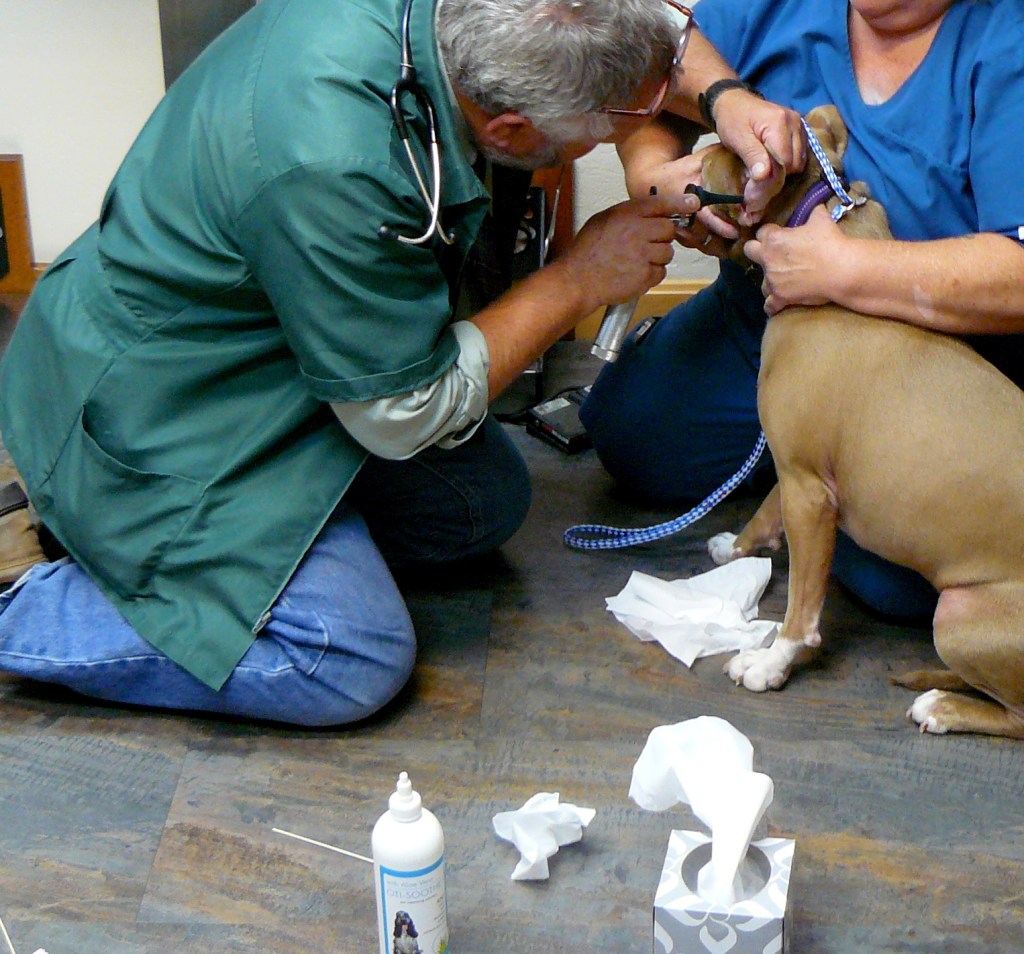
The first examination didn’t identify anything that might be the cause. But apparently the endoscope had such a narrow field of view that it was easy to miss an irritant. Time for another, more extensive examination using that same endoscope.

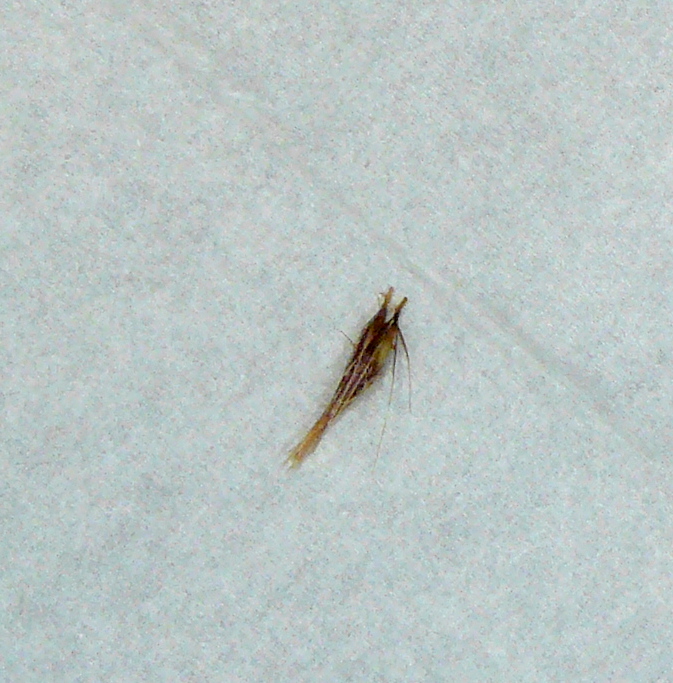
This time the problem was identified. A foxtail that had penetrated Millie’s ear so deeply that the seed-head had pierced Millie’s eardrum.

Carefully, oh so carefully, Jim pulled the foxtail out from Millie’s ear. I couldn’t believe just how large it was.

About an inch (2.5 cm) long.

I was unable to grab a photograph of Millie’s face once the foxtail had been removed. Trust me it was a face full of doggie smiles.

But I can’t move on to the next patient without remarking how Millie was so beautifully behaved. How maligned the Pitbull and Pitbull Mixes are!

10:45 All done with Millie!

To be continued:

(Please note: These observations are mine alone and because of the busy environment it must be assumed that my interpretation of what was taking place might not be totally accurate. Nothing in this blog post should be used by a reader to make any medical judgment about an animal. If you have any concern about an animal do make an appointment to see a properly qualified veterinarian doctor.)

Visiting The Vet – Cats

The morning at Lincoln Road progresses.

(This is a continuation from here.)

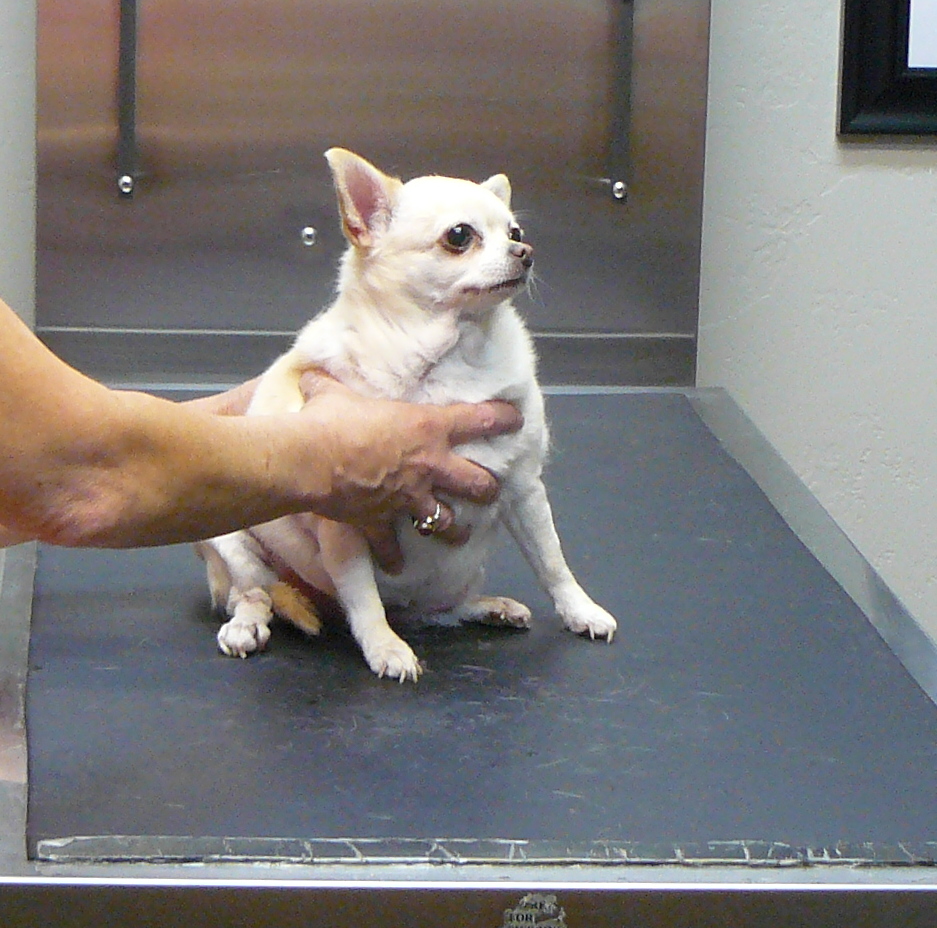
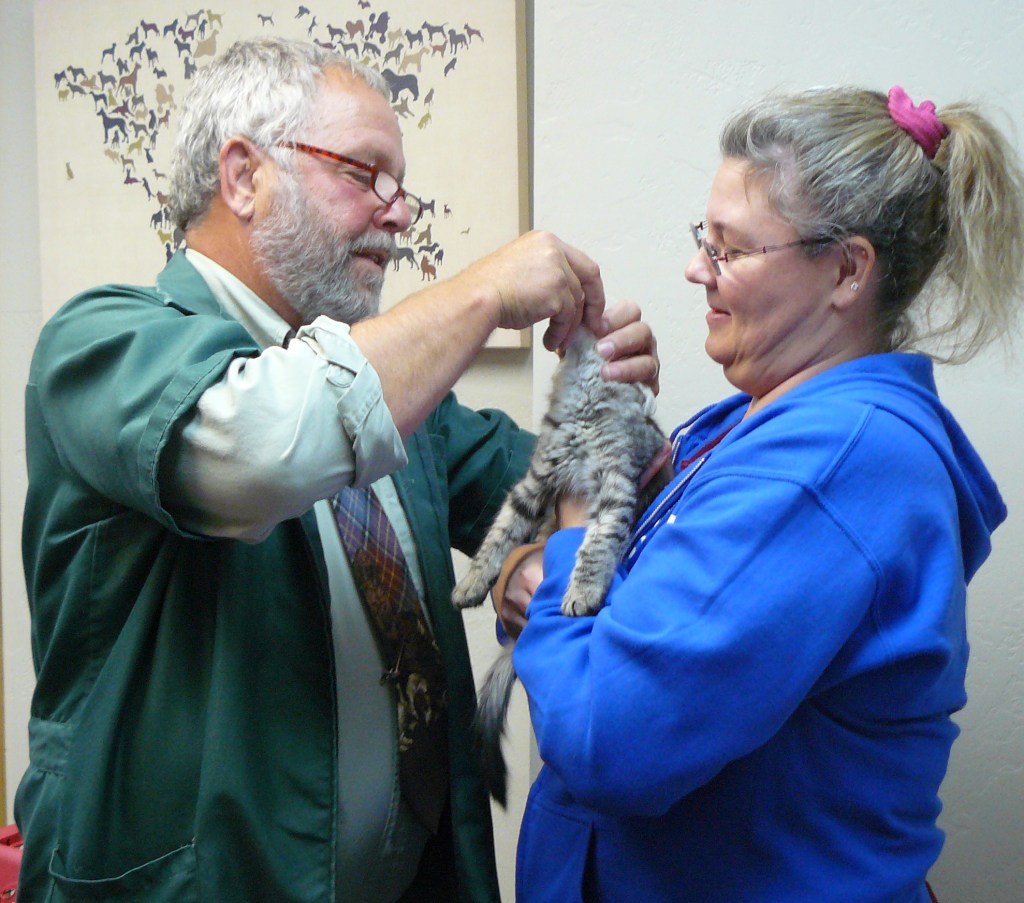
It’s 09:00 and the next animals to be brought in to see Dr. Jim are a couple of cats requiring vaccination.

The kittens are named Grace and Frankie and both were adopted from the Nevada Humane Society although I wasn’t familiar with the circumstances surrounding that adoption.

But great to see them being cared for by the two women and the degree of professional service that I saw in Jim’s briefing of these new cat owners.

That care included giving one of the kittens the necessary pills by mouth.

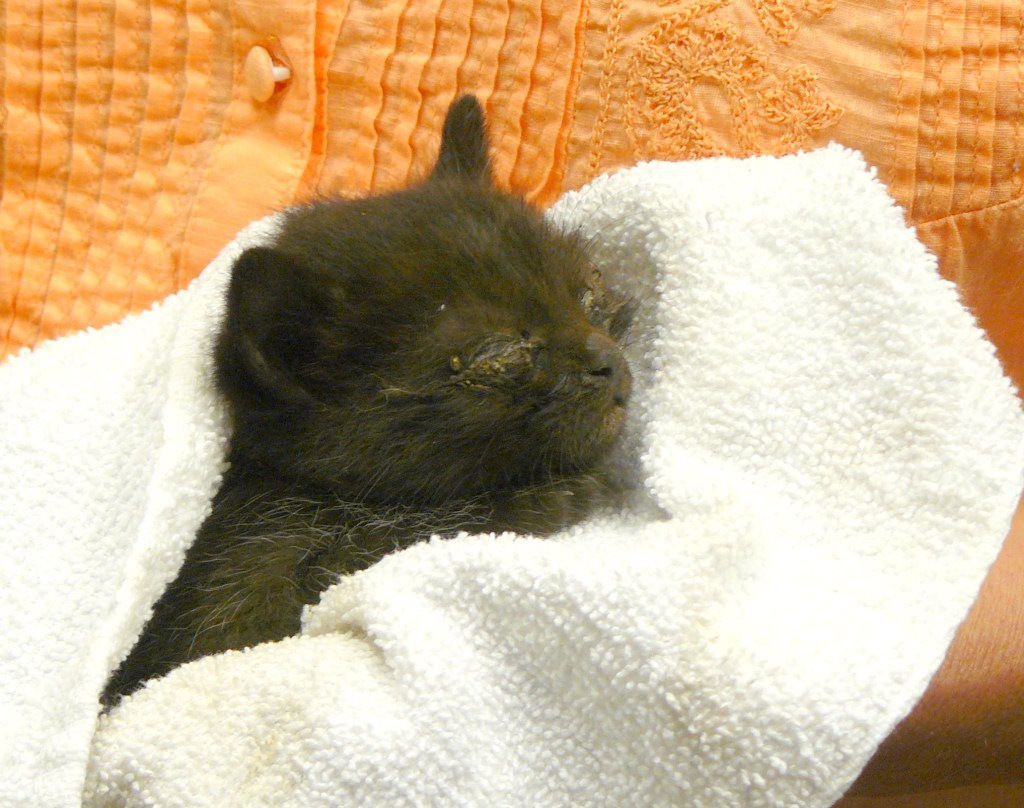
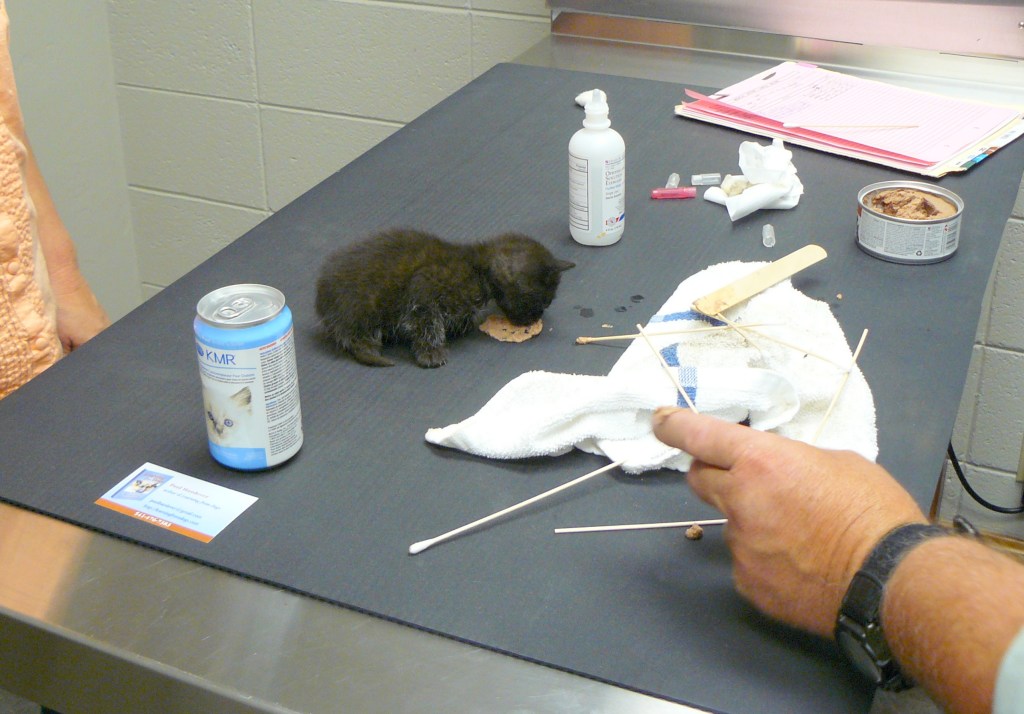
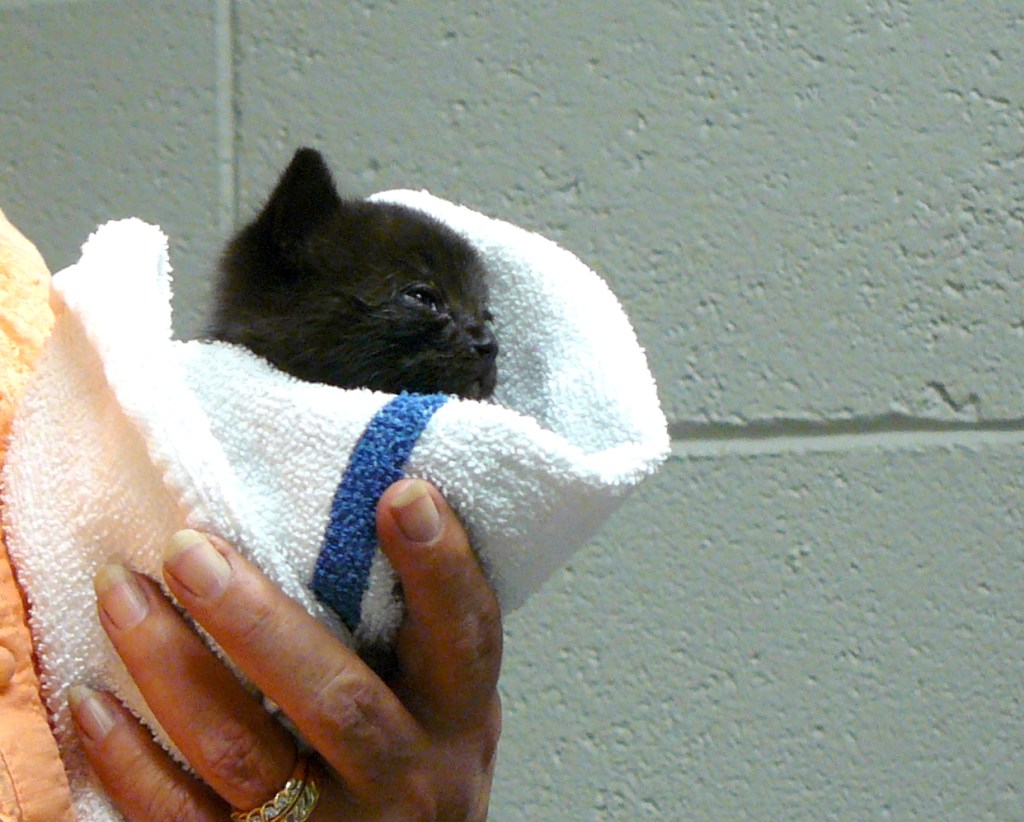
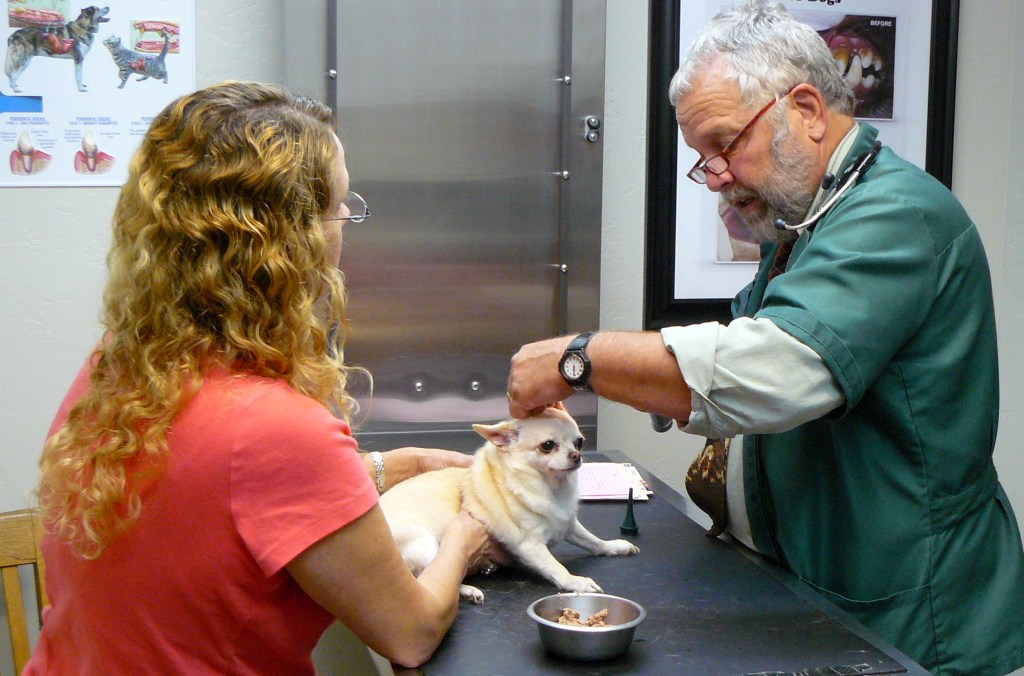
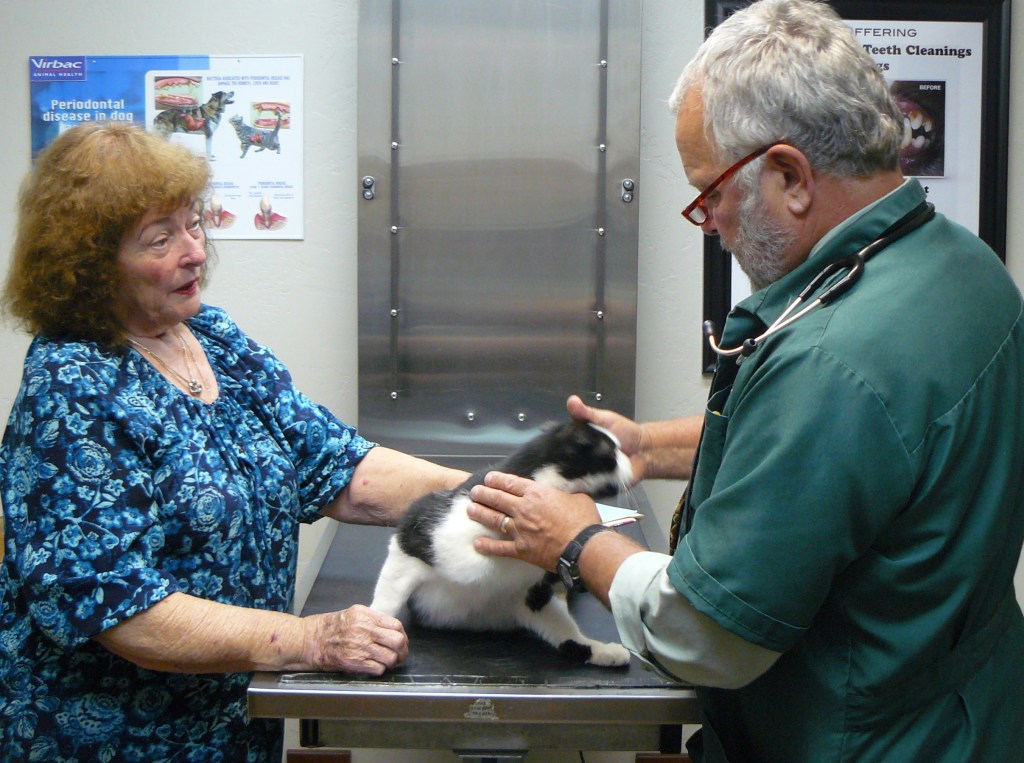
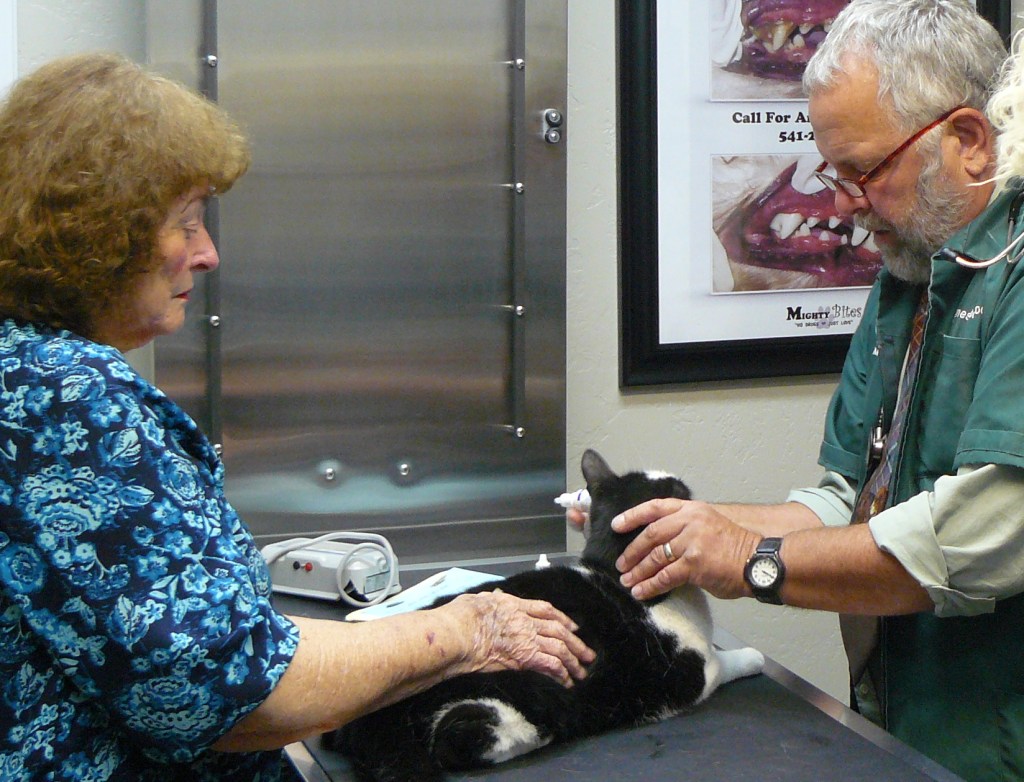
It is now 09:25 and the next case for Jim is another cat. In this case a cat, named Ace, that the owner thinks is having trouble seeing out of it’s right eye.

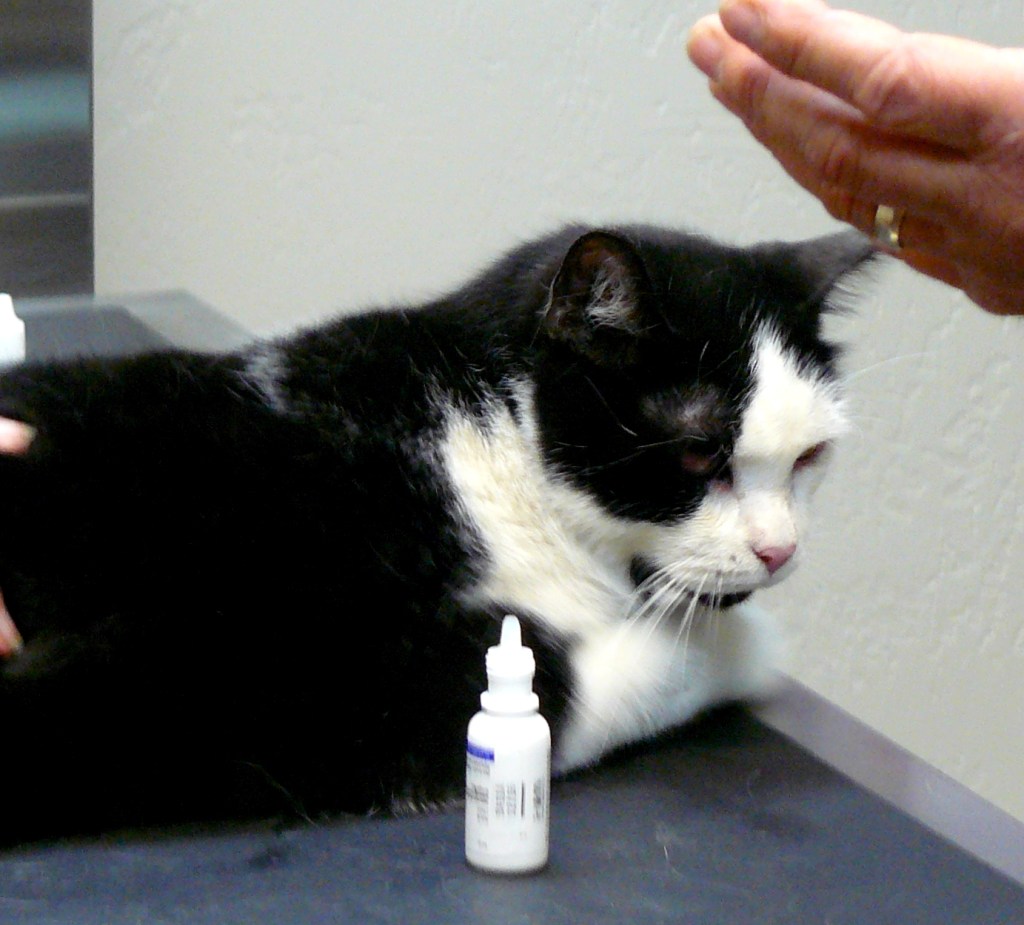
Jim applies a fluorescent stain to the Ace’s eye that then enables Jim to use a special UV lamp to determine the degree of damage to the eye.

It is determined that the pressure in Ace’s eyeball is normal and Jim is pretty certain that Ace has no sight at all in that right eye. He recommends giving the cat some antibiotics and explains to the owner that cat’s can function perfectly adequately with just one eye. Indeed, if necessary the eyeball could be removed, something that would not be a disadvantage for Ace.

The lady owner of Ace takes note of Jim’s advice and is clearly grateful for what has been explained to her.

It is 10:10.

To be continued:

(Please note: These observations are mine alone and because of the busy environment it must be assumed that my interpretation of what was taking place might not be totally accurate. Nothing in this blog post should be used by a reader to make any medical judgment about an animal. If you have any concern about an animal do make an appointment to see a properly qualified veterinarian doctor.)

Visiting The Vet – Arrival

First impressions.

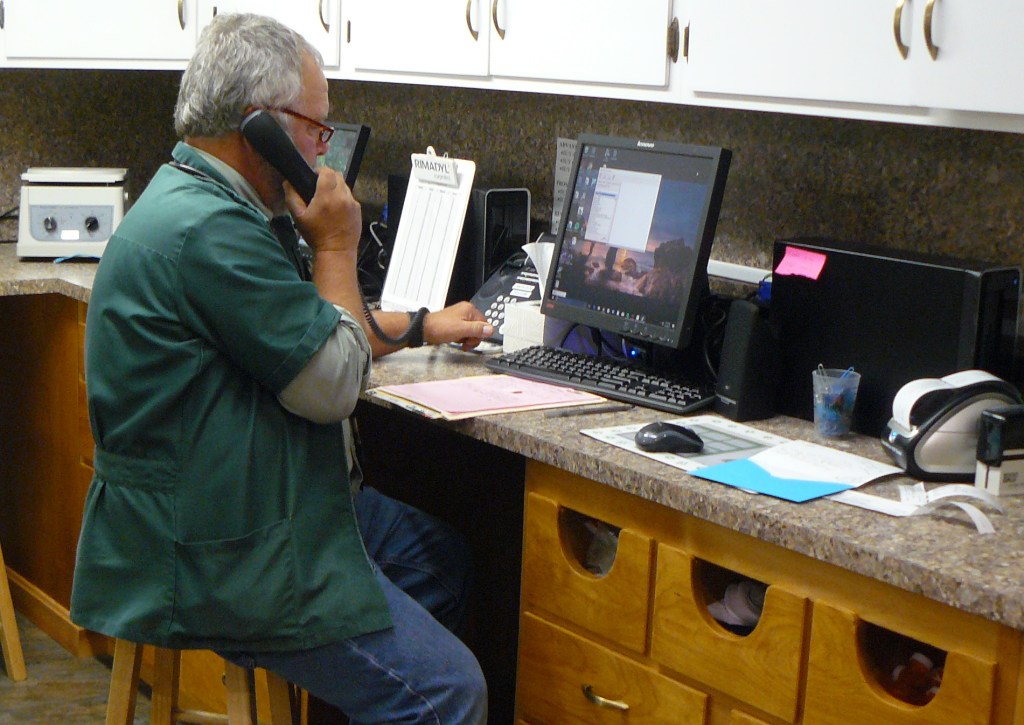
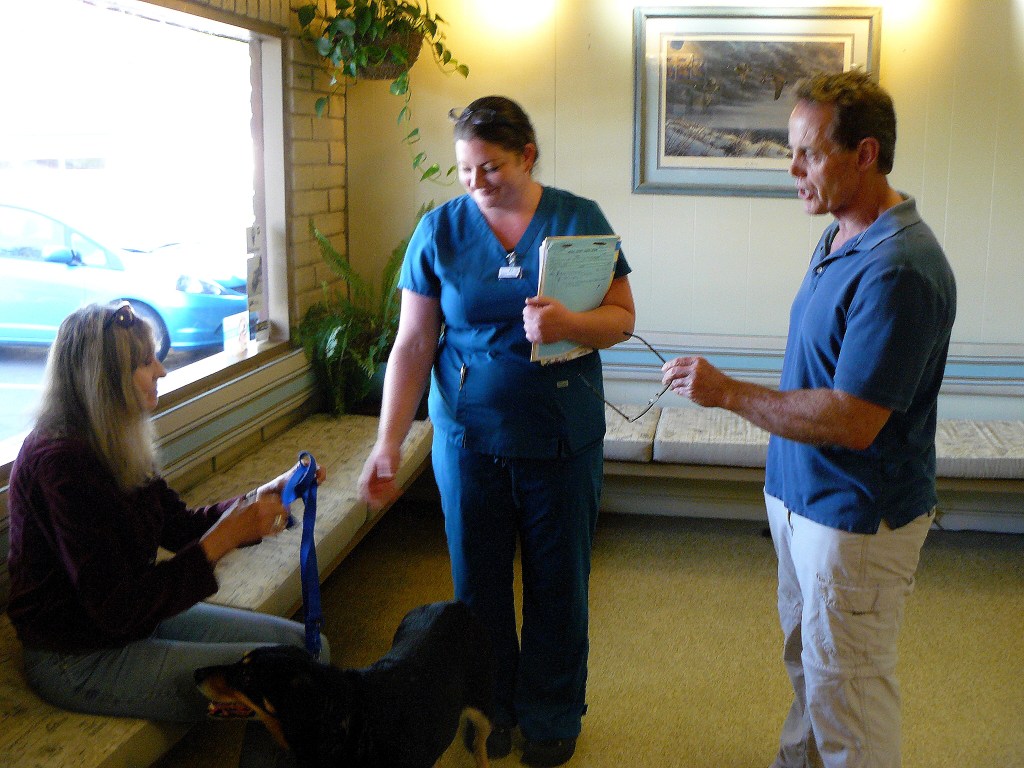
I arrived a little before 8:30 to find both receptionists busy on the telephone. They signaled for me to wait in the reception area until Dr. Jim came out to meet me.

As I waited it quickly became clear that Janice, one of persons behind the front desk, was speaking to someone who was having to make the decision to euthanize their dog. I hadn’t bargained for how that made me feel since it was so recently that Jean and I had trodden the same path. I had to give myself a stern reminder that I was here as the quiet, unobtrusive observer and that my own feelings had to be tucked out of sight.

Shortly thereafter, with Janice still on the telephone patiently and compassionately speaking with that dog’s owner,  someone came in with Daisy who was here for teeth cleaning. Jim came out to meet her and advise the owner that one of the team would be doing Daisy’s teeth not himself.

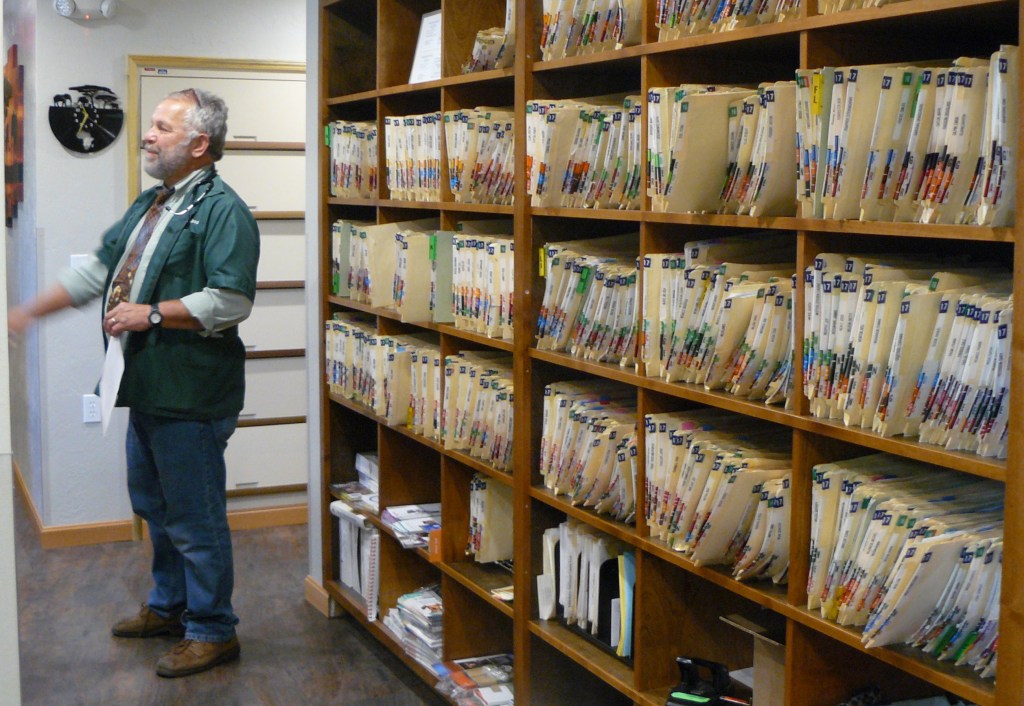
Then it was time for me to go back with Jim and start the day with him. (Jim had arrived at 8:20am.)

Jim’s first case was Ginger. Ginger, a female Golden Retriever, had been brought in earlier on because she had lost weight, was lethargic and was generally off-color.

Jim started to examine Ginger assisted by Cianna, a veterinary technician at the clinic.

It was immediately clear to Jim when he listened to Ginger’s heart that it was racing; Jim thought at something like 200 beats per minute. Jim continued to check Ginger over although, as he told me later, he had an idea that Ginger’s medical problem was a cardiac issue. Jim arranged for Ginger to be given an X-ray as well as blood work.

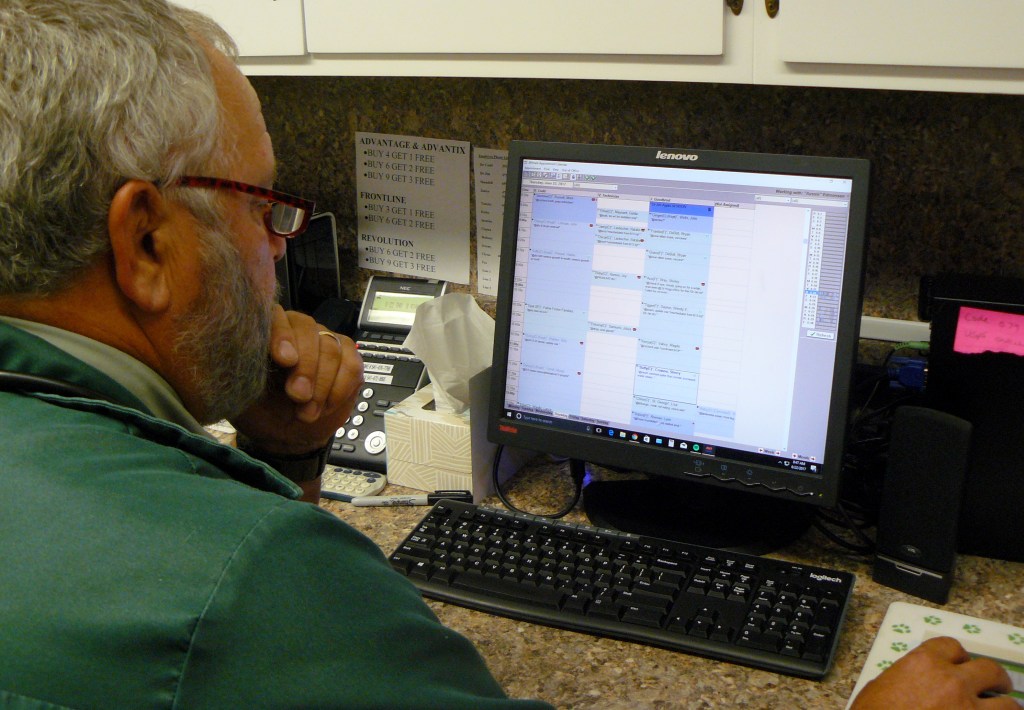
It would take a few minutes for the results of Ginger’s X-ray to come through so Jim showed me the primary software program used in the clinic to record all the details of each patient and all the individual medical details. The software was called AVImark.

I was impressed, very much so, but then again not surprised. For the veterinary business is big business in many countries. For instance, the American Veterinary Medical Association (AVMA) reports that in 2016 there were 107,995 veterinarians in the USA. Of course, there would be a wide range of software tools for the industry.

Back to Ginger’s status.

Her X-ray having been taken, the digital image of her heart was transferred electronically to Dr. Jim’s computer. It showed an extremely enlarged heart. Jim said that the owners of Ginger would be facing a potentially complex analysis but in the interim Ginger should be put on one of the ‘pril’ drugs to reduce the very high stress on Ginger’s heart: Lisinopril; Enalapril; Benazepril. That was arranged then and there. (I didn’t make a note of which drug was given to Ginger.)

Time to call Ginger’s owners and report the findings.

The owners said that they would be in to collect Ginger at 12:30.

I looked at my watch. It was 8:58!

Already the next patient is ready to be seen by the good Doctor.

To be continued:

(Please note: These observations are mine alone and because of the busy environment it must be assumed that my interpretation of what was taking place might not be totally accurate. Nothing in this blog post should be used by a reader to make any medical judgment about an animal. If you have any concern about an animal do make an appointment to see a properly qualified veterinarian doctor.)

A new feature.

Opening up the world of a busy veterinary practice.

Like the majority of pet owners, our experiences of taking a cat or a dog to the local vet clinic are gained entirely in regard to those particular animals. The only small difference between this household and most others is that we have the distinct privilege of having Jim and Janet Goodbrod as close friends just a short distance away. Jim is a Doctor of Veterinary Medicine (DVM) and thank goodness for that as it was more than wonderful that Jim was able to be on hand a week ago when it came to Pharaoh’s last few moments.

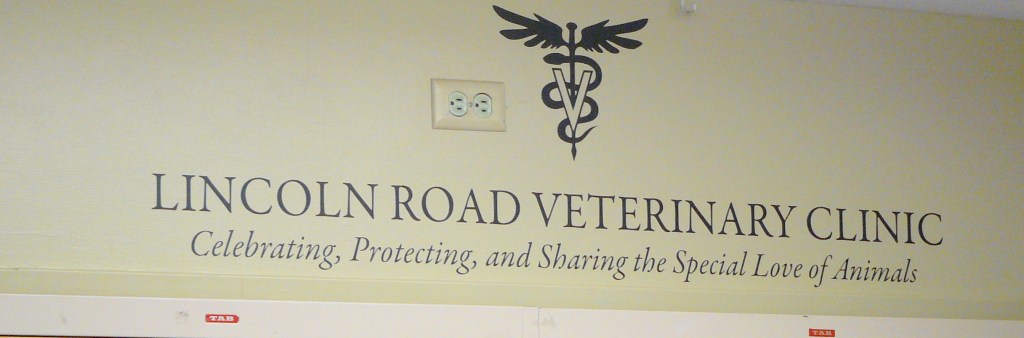
Jim is a regular DVM working at Lincoln Road Veterinary Practice in nearby Grants Pass. That practice is run by Dr. Russel Codd.

Dr. Russel Codd (RHS) speaking with Jean at the Clinic back in the days of our dear Hazel.

Some time ago, when we were visiting Lincoln Road, it struck me that the detail of what takes place ‘behind the counter’ of a busy vet clinic is most likely not commonly appreciated by those that visit said clinic.

I asked Russel one day if I might be allowed to spend time watching and listening to what goes on behind the scenes; so to speak. Russel said that he would be delighted for me to do that.

So it came to pass that last Thursday, June 22nd, I did just that.

It was a day when Dr. Jim worked a half-day at the clinic and I spent the thick end of six hours listening and observing what took place. I had a camera with me but as was only fit and proper was very sensitive to what photographs were taken. Likewise, I didn’t interrupt the proceedings with my questions although each pet owner had specifically said it was alright for me to be in the same room. In other words, what I will be writing in each post is much more my impressions of the workings of a day in the life of a veterinary clinic.

So tomorrow I will publish the first of my articles and at regular intervals report more from my day at Lincoln Road.

They will be published under the overall heading of Visiting The Vet.

I do hope you enjoy them.

Picture Parade Two Hundred.

The last in the series from Janet Goodbrod.

oooo

oooo

oooo

oooo

oooo

oooo

oooo

oooo

oooo

oooo

Have to see what we can find for all you good people for next Sunday.

Enjoy mid-Summer’s day on Wednesday!

Pet happiness in Switzerland.

Protecting the rights of animals.

In the vast majority of countries our pet animals have few, in any, legal rights.

Thus it was a wonderful reminder of another example of how the Swiss government sets the lead in so many ways to read on the Care 2 site how that country looks after their animals. Laura Burge offers the details in this republication of an essay on Care 2.

ooOOoo

10 Reasons Switzerland Is a Great Place to Be a Pet


By: Laura Burge June 10, 2017

About Laura Follow Laura at @literarylaura

Switzerland is a fairly small country, but it stills boasts an estimated seven million pets living there, not including the farm animals that dot the countryside. Although far from perfect, it has a long history of improving the working and living conditions for animals within the country, including landmark legislation in 1992 when it became the first country to include animal rights in their constitution. Specifically, it included a provision that allowed for the protection of animal dignity.

Then, in 2008, Switzerland introduced a bevy of new animal rights regulations that went even further. With that in mind, here are some of the more interesting laws that Switzerland has put in place to improve the lives of animals in their midst.

1. Guinea pigs must live with or have regular playdates with other members of their species. They can get lonely if they don’t have a companion. Since guinea pigs often don’t live the exact same amount of time, matchmaking services have sprouted up in the country to make sure they are not alone.

By Antoine Beauvillain via StockSnap.io

2. The Swiss have your cat’s social life in mind, too — if a cat doesn’t have a feline companion at home, he or she must be able to go outside to socialize with others, or at the very least, be able to see other cats from home.

3. Surprisingly, goldfish must also have friends to swim around with. The Swiss believe it is cruel to have them live alone in a small fish bowl, as they are actually social animals.

4. Rabbits’ enclosures must have a dark area that they can retreat to, if they feel the need. Rabbits are very particular about their space, and having a dark area of their enclosure helps ensure that bunnies are happy and less stressed.

5. Fish must live in aquariums that experience natural day and night cycles, and have at least one opaque side.

By Marvin Meyer via StockSnap.io

6. Before bringing a dog into a new home, a person must provide a certificate of competence demonstrating that they know how to deal with and treat dogs. If they can prove that they’ve already had a dog, though, they’re off the hook.

7. Dogs have to be exercised daily, according to what they need, and, as much as possible, off leash. Everyone knows that different dogs have different levels of energy, so whether someone has a lazy Great Dane who just wants to walk around the block, or a bouncing terrier who needs to run, the law accounts for it.

8. Dogs that are tied up must be able to run around freely for at least five hours a day, and the rest of the time, must be able to move around in at least 20 square meters of space. While this may not seem ideal, since dogs are still allowed to be tied up, it means that there’s a national law on the side of the pet if the owner is using a choke chain or the dog is not getting time to run around freely.

By Isaac Benhesed

9. Parrots, also considered social creatures, are required to have a companion to spend their days with. The legislation can be eye-opening in how many creatures need others of their own kind to have a relaxed and happy life as a companion to people.

10. Clipping the ears or tails of dogs is not allowed. It is considered undue pain and damage, and dogs get to live out their days with their natural floppy ears and wagging tails.

While Switzerland, like most other countries, are far from achieving perfect animal welfare laws and enforcement, they have made some good progress that other countries would do well to keep an eye on.

Photo credit: Laura Burge, author

ooOOoo

Did you spot that four out of those ten laws that were described in the article were for the well-being of dogs!

Fantastic!

And even better than that is a State in the USA that also comes to the rescue, legally, of abused animals. Tune in tomorrow for the full story.

Dealing with painful losses

The other side of the life-saving bond coin!

Yesterday, I shared an article about what flowed from the bond between ex-shelter dogs and special needs children. It underlined what so many dog lovers instinctively understand: The magic that flows from the relationship of a dog to a person, disadvantaged or otherwise.

However, or perhaps better said inevitably, the obverse face of that life-saving bond practically guarantees that the loss of that bond results in huge stress and emotional turmoil for the dog.

In other words helping our beloved dog cope with the loss of a family member is something else that we can be helped with by others.

That leads me neatly on to a comment left by ‘Small Talk’ to my Putting A Smile On Your Dog’s Face post last week.

Very good article…check out this article I wrote about dog depression… cheers!

https://animalwellnessmagazine.com/helping-dog-adjust-loss-separation/

I liked the article and asked for permission to share it with you here. That permission was promptly given.

ooOOoo

Helping Your Dog Adjust To Loss or Separation

by Jennifer Hinders
Whether it’s a death in the family, a child leaving home, or a divorce, your dog will notice that one of his “pack” members is missing. Learn to help him deal with his grief.

Grief has many forms, and can arise from many situations besides the death of a loved one. A relationship breakup, a child leaving home, even a prolonged business trip or hospital stay are all examples of family changes that can cause feelings of loss and grief in those remaining at home. That grief can be felt even more keenly by your dog, who doesn’t understand where the missing person is and when or even if s/he will be back.

My own dog became extremely sad when my husband left for an extended trip. Every time I sat down, he jumped in my lap (no small task since he weighs 50 pounds), lay his head on my arm and sighed pathetically. He poked around the house with his head drooping like a deflated balloon.

I asked veterinary behaviorist Dr. Nicholas Dodman about my dog’s behavior. “Dogs can get into a funk or lose interest in life because of separation,” he told me, adding that even short absences can cause changes in behavior. “For instance, if a man goes out to play a game of golf for five hours, the dog will feel temporary loss, but will be relieved when the owner returns.

“With long term separation or loss, dogs suffer bereavement and get depressed, not unlike humans,” Dr. Dodman adds. “Dogs have a difficult time adjusting to an owner or family member being removed from the household. This is especially the case if the person is someone to whom the dog is close — for example, a dog sleeps in someone’s room and then suddenly that person is out of the picture. The dog can’t understand why that person has disappeared.” 

Symptoms of bereavement or loss

Here are some common symptoms that indicate your dog is grieving over a separation or loss:

  • He seems down and depressed.
  • He has lost interest in things he formerly liked to do.
  • He’s listless, not playing with toys.
  • His appetite changes – typically, a grieving dog eats less and may lose weight.
  • He shows signs of anxiety.
  • His energy seems low when he’s out for walks.

In extreme cases, bereavement can cause compulsive behaviors like incessant licking.

How to cheer him up

Many separations and losses in life are inevitable, which means you have to help your dog adjust to the absence of the missing family member. If you’re also grieving, it might be easy to overlook your dog’s feelings; but one of the best ways to help both of you is to try and find ways to make life happy and interesting again.

  1. Act in an upbeat way around your dog; sympathy will actually make his depression worse because he’ll pick up on your own emotions. Dog behaviorist Bill Campbell calls this the “Jolly Routine”: when you act happy or jolly, it helps lift the dog’s mood. An old proverb states that “a cheerful heart is good medicine”. Being upbeat, fun and positive is good medicine for your dog (and for you).
  2. Give your dog lots of attention — treats, new toys, extra walks or play sessions. Throw a ball. Let him play with other dogs. Consider getting him a new friend in the form of a puppy, if circumstances allow. When you go back to work after the loss or separation, don’t leave your dog at home alone. If your workplace allows, take him with you, or have him stay with a friend or family member he knows well.

The good news is that your dog’s grief will ease over time. He may feel low for a few weeks, but it’s generally temporary. As his owner, being aware of his suffering and taking the necessary actions to help him through it will speed his (and your) recovery and adjustment. 

Losing a dog buddy is also hard on him

Dogs don’t just grieve when people in their lives die or go away. It’s also common for a dog to grieve over the loss of another dog he was closely bonded with. Dogs in the same household may play together, sleep together, operate as a pack, so the loss of one has a deep impact on the other.

Here’s one dramatic example involving two dogs in the same home. The older dog became terminally ill and needed to be put to sleep. The owner arranged for his healthy dog to go for a long run while the other was euthanized. Back home, the owner buried the older dog in the garden, covering the grave completely so it was basically indistinguishable from the surrounding area.

When the healthy dog was brought back from his outing, he ran around the house looking for his buddy, then begged to go outside. He immediately went to his friend’s grave and lay on it for three days.

ooOOoo

A few words of reflection from me following Jennifer Hinders useful article.

Death is inevitable. For both our beloved pets and, for that pet, their beloved humans. As they say about death and taxes!

But for that pet the loss of their beloved human can come about for other reasons apart from death.

Yet in the midst of say a divorce, or a loved young person leaving home to make their own life, it must be all too easy for people to lose the focus on what that means for the family pet, especially the family dog.

Stay connected good people!

Picture Parade One Hundred and Ninety-Nine

Back to Janet’s wonderful photographs.

oooo

oooo

oooo

oooo

oooo

oooo

oooo

oooo

oooo

oooo

The last set from this series in a week’s time.

Choosing a pet-sitter.

A guest post from Sloan McKinney.

Serendipity!

Funny how things work.

The reason I start today’s post in such a fashion is that Jean and I have been mulling over how we might consider doing some traveling once we are down to six dogs. Indeed, to that end, just last week we met Jana Stewart, a local woman who came highly recommended and who has been in the pet industry for over 30 years.

The serendipitous aspect is that quite recently I received an email from a Sloan McKinney. This is part of what she wrote:

My name is Sloan McKinney and I am freelance writer and journalist and pet enthusiast. I just wanted to say that Learning from Dogs offers great information and advice about pet care issues.

I did happen to notice that you don’t have much information about pets and sitters, which I believe your readers would love to know more about, especially with many people having to leave their pets at home for travel or work.

Since your website contains relevant issues, I was wondering if you would be interested in sharing an infographic about choosing the right sitter for your pet.

More research quickly found Sloan’s background details:

Sloan McKinney is a journalist based in Southern California. After writing about pop culture for a number of years, she has recently begun writing for a new audience. Inspired by DeAnthony, her cat, as well as her dog Max, Sloan now hopes to help other pet owners guarantee their animal companions happy and healthy lives.

I replied that I would be delighted to receive Sloan’s guest post and her accompanying infographic. Here it is:

ooOOoo

How to Choose A Professional Pet Sitter and Why It’s Important

by Sloan McKinney. 1st June, 2017.
If you live with a four-legged friend, you sure understand how nervous and stressful it can be to leave it at home alone for a couple of days.

However, so wags the world that we sometimes have to travel, and oftentimes it is impossible to bring our pets with us. When such a situation occurs, you find yourself in an ethical dilemma. You have to choose between an expensive pet hotel or a friend who’ll be coming to your place once per day to feed your ball of fluff. While the first option is not cost-efficient, the second one might put you into uncomfortable situation when you have to ask your friend or relative to spend time on something that is your responsibility. What a hard choice to make, huh?

But the good news is that there is a great alternative in between the two options described above. This option won’t make you drain your purse, not it will make you feel shy and uncomfortable. Wonder what is it? Pet sitter is the answer. Yes, you will have to pay some money, but the price will be reasonable. No, you won’t have to put pressure on your friends or family members. And the best part is that professional pet sitters know how to make friends with virtually any pet. After all, it’s their job, right?

If you need more reasons to get convinced that pet sitters are the best solution, here is the list of benefits. To begin with, professional pet sitters guarantee regular visits and care. Apart from it, they can get on the right side of even the most demanding pet (of course, it might be still hard even for professional pet sitters to tame a squirrel or raccoon living in your attic). What’s more, they will assure an easier separation for both you and your four-legged friend.

Still not sure it’s a good idea to hire a pet sitter for your favorite ball of fluff? Then you absolutely need to see this beautiful infographic:

ooOOoo

Don’t know about you but Jean and I found that a very useful aide-memoir.

How did you find Sloan’s guest article? I would love to have your feedback.

Picture Parade One Hundred and Ninety-Seven

Continuing with Janet’s wonderful pictures.

(The last set from Janet were published a fortnight ago.)

oooo

oooo

oooo

oooo

oooo

oooo

oooo

Going to round off today’s picture parade with a photograph of our growing Canadian geese goslings. The photograph was taken at 7:30pm two evenings ago. I would imagine that we aren’t that far off them all taking to the wing!