Category: Business

Puppy Mills, Part Two

Part Two of this guest post from Monika.

ooOOoo

One of the more alarming facts surrounding the audit was a lack of enforcement against violators. Enforcement has been ineffective, particularly against the worst of the worst where little or no action against a majority of violators resulted. Of the enforcement decisions for 68 sampled violators, 71% (48) resulted in no action taken, 6%  (4) received a “Letter of Information,” 19% (13) received an Official Warning and 4% (3) resulted in Stipulation. In 2007 the AC discontinued using Letter of Information as an enforcement option. Only 20 of 68 dealers (nearly 30%) were cited for repeat violations.

States with Animal Cruelty Laws

Only 5 states have a subsequent-offense felony cruelty law (Arkansas, Idaho, North & South Dakota, Mississippi); and 5 States have a misdemeanor cruelty law (Alaska, Iowa, Nevada, Ohio, Pennsylvania, the remaining 40 states have a first-offense felony cruelty law.

We all know that puppy mills put profit over the health and well-being of the dogs but here are a few of the worst examples cited in the Audit.

Example No. 1. With 83 adult dogs, a Oklahoma breeder was sited with 20 violations during 5 inspections from April 2006 to December 2007. Lack of adequate vet care for 3 dogs hair-loss over their entire bodies and raw, irritated spots on their skins. Despite continuing violations, no enforcement actions were taken due to the agency’s lenient practices against repeat violators.

During another visit, AC cited breeder for another 11 violations (one involving a dog that had been bitten by another and left untreated for at least 7 days which resulted in the flesh around the wound rotting away to the bone! The inspector required the dog be taken to a local vet who immediately euthanized it. The case was referred to IES for investigation but only after another violation was documented. AC recommended a stipulation, yet as of early June 2009 (11 months following visit), violator had not been fined.

Example No. 2 was another OK facility with 219 adult dogs. Breeder was cited for 29 violations (including 9 repeats) during 3 inspections from February 2006 to January 2007. Yet the AC did not take enforcement action, but did request an investigation in November 2007 when another inspection revealed five dogs were found dead and other starving dogs resorted to cannibalism. When asked why dogs were not confiscated when the first dead and starving dogs were discovered, inspector cited its own regulations require violator be given opportunity to correct condition before confiscation can occur. Despite those conditions, the AC did not immediately confiscate the survivors, resulting in another 22 dogs dying before the breeder’s license was revoked and surviving dogs were rehomed within a year.

Example No. 3  involved a Ohio facility with 88 adult dogs. Breeder was cited for 23 violations including 7 repeats during 3 inspections from August 2005 to January 2008. An official warning was sent in July 2007 and in a subsequent visit in January 2008, found the same violations with another official warning sent rather than a more severe penalty. When asked by a more serious action was not taken, the regional manager indicated ‘breeder was making progress’ with a ‘reasonable opportunity’ to comply. National instructions state official warning can be sent if no other action was taken against a violator in the previous 3 years. Four months later in June 2008, breeder was cited for another 9 violations (4 repeats) yet the inspector recommended no enforcement action. Upon re-inspection 4 months later, breeder was cited for 4 more violations (including 3 repeats); AC took no enforcement action noting violator was “making credible progress.”

The USDA accompanied 19 of the 99 inspectors to observe dealer facility inspections. While many inspectors are highly committed, inspections are conducted timely and thoroughly and significant efforts are made to improve humane treatment of covered animals, it was noted that at least 6 inspectors did not correctly report direct or repeat violations. Some inspectors did not always document violations with sufficient evidence and direct violations were not reported. The Agency Guide defines a direct violation as one that “has a high potential to adversely affect the health and well-being of the animal” which include: “infestation with large numbers of ticks, fleas, or other parasites” and “excessive accumulations of fecal or other waste material to the point where odors, disease hazards, or pest control problems exist.” In such cases, a facility must be re-inspected within 45 days to ensure that the violator has taken timely actions to treat the suffering animals. By contrast, an indirect violation is one that “does not have a high potential to adversely affect the health and well-being of the animal.” Minor violations include: “inadequate records” and “surfaces not resistant to moisture.” In such cases, a re-inspection may not occur for up to a year.

Major deficiencies of the APHIS administration of the AWA cited in the Audit included:

  • AC’s enforcement process was ineffective against problematic dealers.
  • AC inspectors failed to cite or document violations properly to support enforcement actions.
  • AC inspectors failed to Cite or document violations properly to support enforcement actions.
  • APHIS’ new penalty worksheet calculated minimal penalties. Although APHIS previously agreed to revise its penalty worksheet to produce “significantly higher” penalties for violators of AWA, the agency continued to assess minimal penalties that did not deter violators. This occurred because the new worksheet allowed reductions up to 145 percent of the maximum penalty.
  • APHIS misused guidelines to lower penalties for AWA violators. In completing penalty worksheets, APHIS misused its guidelines in 32 of the 94 cases we reviewed to lower the penalties for AWA violators. Specifically, violations were inconsistently counted and applied “good faith” reductions without merit. A reduction in “no history of violations” when there was a prior history; and  arbitrarily changed the gravity of some violations and the business size. AC assessed lower penalties as an incentive to encourage violators to pay a stipulated amount rather than exercise their right to a hearing.
  • Some large breeders circumvented AWA by selling animals over the Internet. Large breeders that sell AWA-covered animals over the Internet are exempt from AC’s inspection and licensing requirements due to a loophole in AWA resulting in an increasing number of unlicensed breeders are not monitored for their animals’ overall health and humane treatment.

While the USDA does not advocate assessing maximum penalties, at a time when Congress tripled the authorized maximum penalty to “strengthen fines for violations,” actual penalties were down 20 percent less through the use of a new worksheet as compared to the one previously used.

I could go on, but to do so belies cold hard facts that trying to stem puppy mills is a bit like playing a ‘Whack-A-Mole.”

Bottom line, what the Audit tells us is: (1) red tape saddles agencies with convoluted regulations that are difficult to implement or monitor, due in part to (2) the sheer number of puppy mills and (3) a lack of adequate number of inspections conducted.

No doubt resources are limited but until such time as the economics of keeping puppy mills in business is reduced, they will continue to operate with impunity. The resulting advice is make sure your breeder is legit and don’t succumb to adorable puppy faces in pet shop windows.

I shudder to think how many of Elsa’s pups are out there because who easily resists puppies? It makes me wonder how many of them have genetic diseases due to poor breeding practices (in Elsa’s case epilepsy which was diagnosed just two weeks following her adoption), but other dogs seized at the same mill with her suffered from Sebaceous Adenitis (which is also most likely an autosomal recessive inherited disease), Addison’s Disease and one whose severe aggressive behavior (due to lack of socialization) was deemed so severe, he was considered unable to be rehabilitated in any way as to place him and heartbreakingly was euthanized. Bottom line, please adopt, don’t shop (or only use a reputable breeder). Only then can the sheer numbers of puppy mill facilities be reduced and heartbreaking stories like Elsa’s be stemmed.

Live, love bark! 🐾
Tails Around the Ranch

ooOOoo

We must spread the word far and wide that puppy mills have to be brought down by publicity and  lack of business.

Only when the last puppy mill goes out of business can we relax.

Finally, here’s a picture of a million miles from a puppy mill!

Melissa Lentz

Hill’s Prescription Diet Recall

Please take note.

ooOOoo

Hill’s Prescription Diet and Science Diet Dog Food Recall Expands to Include 44 Varieties

Recall Updated 5/22/2019

March 20, 2019 — Hill’s Pet Nutrition is expanding its voluntary recall of canned dog food products due to elevated levels of vitamin D.

This recall expansion relates to the same vitamin premix that led to the January 31 voluntary recall previously announced on The Dog Food Advisor website.

Update: Additional expansion announced by the FDA May 20, 2019.

Vitamin D, when consumed at very high levels, can lead to serious health issues in dogs including kidney dysfunction.

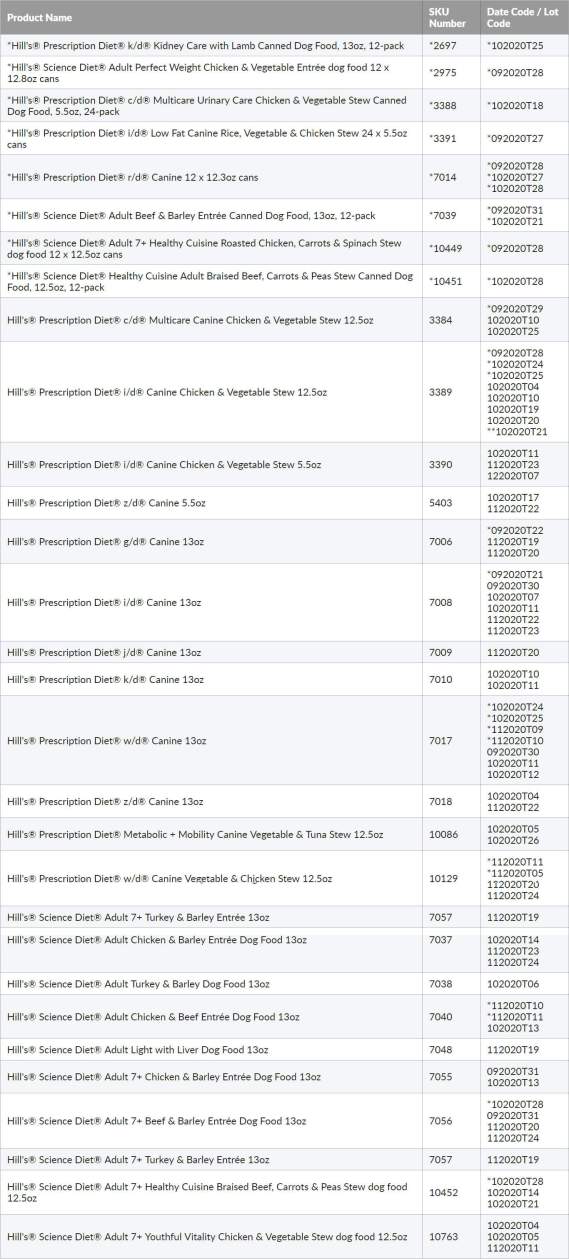
The following products and lot numbers are affected by the recall.

Items marked with * are new product SKUs that were added to the list on March 20, 2019. The item marked with ** is one additional lot code of recalled product updated on May 15, 2019.

Click here to view a text-based follow-up bulletin posted by the U.S. F.D.A. at a later date.

About Excessive Levels of Vitamin D

While vitamin D is an essential nutrient for dogs, ingestion of elevated levels can lead to potential health issues depending on the level of vitamin D and the length of exposure.

Dogs may exhibit symptoms such as vomiting, loss of appetite, increased thirst, increased urination, excessive drooling, and weight loss.

Pet parents with dogs who have consumed any of the products listed and are exhibiting any of these signs should contact their veterinarian.

In most cases, complete recovery is expected after discontinuation of feeding.

For More Complete Information

On March 21, 2019, the U.S. Food and Drug Administration published an announcement containing more complete information about this recall.

What to Do?

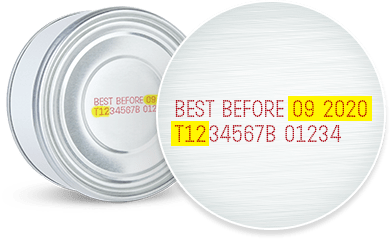
If your SKU, Date and Lot codes are found in the list above, you have an affected product.

You should stop feeding it and should return to the place of purchase for a full refund.

If you have questions, you may contact Hill’s Consumer Affairs at 800-445-5777.

U.S. citizens can report complaints about FDA-regulated pet food products by calling the consumer complaint coordinator in your area.

Or go to https://www.fda.gov/petfoodcomplaints.

Canadians can report any health or safety incidents related to the use of this product by filling out the Consumer Product Incident Report Form.

Get Dog Food Recall Alerts by Email

Get free dog food recall alerts sent to you by email. Subscribe to The Dog Food Advisor’s emergency recall notification system.

ooOOoo

Please, please read this and share it with your friends and colleagues who have dogs.

It’s time to change our habits.

Funny how things evolve!

A week ago I was casually reading a copy of our local newspaper, the Grants Pass Daily Courier, and inside was a piece by Kathleen Parker, a syndicated columnist, entitled It’s the end of everything – or not.

I found it particularly interesting especially a quotation in her piece by Robert Watson, a British chemist who served as the chair of the panel of the Intergovernmental Science-Policy Platform on Biodiversity and Ecosystem Services (IPBES). The IPBES had recently published the results of the three-year study by 145 authors from 50 countries.

So I wrote to Kathleen Parker asking if I might have permission to quote that excerpt and, in turn, received her permission to so do.

Here it is:

Robert Watson wrote in a statement that:

“the health of ecosystems on which we and all species depend is deteriorating more rapidly than ever. We are eroding the very foundation of our economies, livelihoods, food security, health and quality of life worldwide.”

But, Watson also said, it’s not too late to repair and sustain nature – if we act now in transformative ways.

It is time to change our habits both at an individual level and the level of countries working together.

Moreover we haven’t got decades. We have got to do it now!

Thogersen Family Farm Pet Food Recall

The name says it all!

ooOOoo

Thogersen Family Farm Pet Food Recall

April 7, 2019 — Thogersen Family Farm of Stanwood, WA is voluntarily recalling raw frozen ground pet food because it has the potential to be contaminated with Listeria monocytogenes.

What’s Recalled?

The following 2-pound packaged varieties are included in this recall:

  • Coarse ground rabbit frozen raw pet food
  • Coarse ground mallard duck frozen raw pet food
  • Ground llama frozen raw pet food
  • Ground pork frozen raw pet food

Recalled product labels did not contain any lot identification, batch codes, or expiration dates.

Products were packaged in 2-pound flattened, rectangular clear plastic packages and stored frozen.

The front of each package contains one large white square label with the company name, product type and weight.

About Listeria

Listeria monocytogenes can affect animals eating the products and there is risk to humans from handling contaminated pet products, especially if they have not thoroughly washed their hands after having contact with the products or any surfaces exposed to these products.

Listeria monocytogenes infections can cause serious and sometimes fatal infections in young children, frail or elderly people, and others with weakened immune systems.

Although healthy individuals may suffer only short-term symptoms such as high fever, severe headache, stiffness, nausea, abdominal pain and diarrhea, Listeria infection can cause miscarriages and stillbirths among pregnant women.

Anyone experiencing these symptoms should immediately contact a health care provider.

Pets with Listeria monocytogenes infections may be lethargic and have diarrhea or bloody diarrhea, fever, and vomiting.

Some pets will have only decreased appetite, fever and abdominal pain.

Infected but otherwise healthy pets can be carriers and infect other animals or humans.

If your pet has consumed the recalled product and has these symptoms, please contact your veterinarian.

Recalled product labels did not contain any lot identification, batch codes, or expiration dates. Products were packaged in two pound flattened, rectangular clear plastic packages and stored frozen.
The front of the package contains one large white square label with the company name, product type and weight.

Where Was It Sold?

Thogersen Family Farm stated the affected products were either sold to individual customers or two retail establishments that have been notified.

Some of the product has not been distributed and held at the manufacturing location.

What Caused the Recall?

The recall is the result of samples collected by the Washington State Department of Agriculture and revealed the finished products contained the bacteria.

No illnesses have been reported to date.

What to Do?

Consumers who have purchased affected product should discontinue use.

For questions, consumers may contact the company at 360-929-9808.

U.S. citizens can report complaints about FDA-regulated pet food products by calling the consumer complaint coordinator in your area.

Or go to https://www.fda.gov/petfoodcomplaints.

Canadians can report any health or safety incidents related to the use of this product by filling out the Consumer Product Incident Report Form.

ooOOoo

As per usual, please share this post as far and wide as you feel able.

Back to our regular posts tomorrow.

A dog food advisory.

This came in late yesterday.

ooOOoo

Dear Fellow Dog Lover,

Because you signed up on our website and asked to be notified, I’m sending you this special recall alert. If you no longer wish to receive these emails, please click the “unsubscribe” link at the bottom of this message.

Hill’s Pet Nutrition is expanding its recall of specific lots of its Prescription Diet and Science Diet dog foods due to elevated levels of vitamin D.

Very high levels of vitamin D can lead to serious health issues in dogs, including kidney dysfunction.

To learn which products are affected, please visit the following link:

Hill’s Prescription Diet and Science Diet Dog Food Recall Expands

Please share the news of this alert with other pet owners.

Mike Sagman, Editor
The Dog Food Advisor

If one then follows up that link then you will see this:

Hill’s Prescription Diet and Science Diet Dog Food Recall Expands

March 20, 2019 — Hill’s Pet Nutrition is expanding its voluntary recall of canned dog food products due to elevated levels of vitamin D.

This recall expansion relates to the same vitamin premix that led to the January 31 voluntary recall previously announced on The Dog Food Advisor website.

Vitamin D, when consumed at very high levels, can lead to serious health issues in dogs including kidney dysfunction.

What’s Recalled?

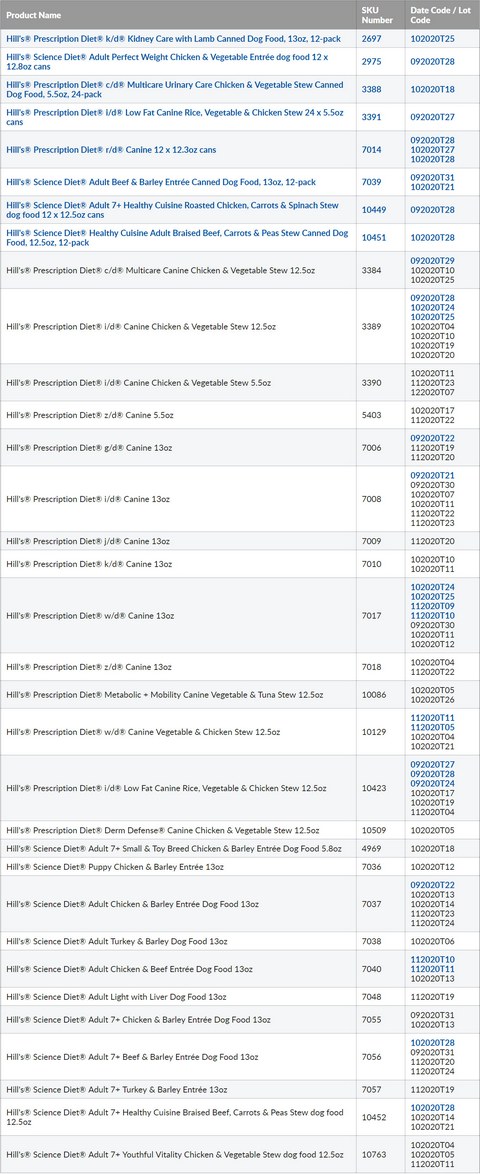
The following products and lot numbers are affected by the recall.

Items marked in blue are new SKUs that were added to the list on March 20, 2019.

About Excessive Levels of Vitamin D

While vitamin D is an essential nutrient for dogs, ingestion of elevated levels can lead to potential health issues depending on the level of vitamin D and the length of exposure.

Dogs may exhibit symptoms such as vomiting, loss of appetite, increased thirst, increased urination, excessive drooling, and weight loss.

Pet parents with dogs who have consumed any of the products listed and are exhibiting any of these signs should contact their veterinarian.

In most cases, complete recovery is expected after discontinuation of feeding.

What to Do?

If your SKU, Date and Lot codes are found in the list above, you have an affected product.

You should stop feeding it and should return to the place of purchase for a full refund.

If you have questions, you may contact Hill’s Consumer Affairs at 800-445-5777.

U.S. citizens can report complaints about FDA-regulated pet food products by calling the consumer complaint coordinator in your area.

Or go to https://www.fda.gov/petfoodcomplaints.

Canadians can report any health or safety incidents related to the use of this product by filling out the Consumer Product Incident Report Form.

Get Dog Food Recall Alerts by Email

Get free dog food recall alerts sent to you by email. Subscribe to The Dog Food Advisor’s emergency recall notification system.

ooOOoo

Hopefully, there are not people that are affected by this alert. But, nonetheless, it needs promulgating.

The End of Ice

Climate disruption at its worst!

Margaret K. recently emailed me a link to a recent Ralph Nader Radio programme.

As I said in my email to her after Jeannie and I had listened to it:

OK. Have listened to it just now.
I don’t know what to say.

Frankly, I’m overwhelmed. I need some time to let it settle down but it’s going to be featured on the blog very soon.
Thank you

Paul

I’m still ‘processing’ it but that doesn’t stop me from sharing it with you.

ooOOoo

Ralph spends the whole hour with independent journalist, Dahr Jamail, author of “The End of Ice,” his first person report on the front lines of the climate crisis.

In late 2003, award-winning journalist, Dahr Jamail, went to the Middle East to report on the Iraq War, where he spent more than a year as one of only a few independent US journalists in the country. Mr. Jamail has also written extensively on veterans’ resistance against US foreign policy. He is now focusing on climate disruption and the environment. His book on that topic is entitled, The End of Ice.

“So much of what we talk about is so dire and so extreme and so scary and also disheartening that I quote Vaclav Havel, the Czech dissident writer and statesman. And he reminds us that as he said, ‘Hope is not the conviction that something will turn out well but the certainty that something is worth doing no matter how it turns out.” And that’s where I get into this moral obligation that no matter how dire things look, that we are absolutely morally obliged to do everything we can in our power to try to make this better.”  Dahr Jamail, author of “The End of Ice”

ooOOoo

Now here’s the link to the radio programme: Link

(It’s a download so wait just a short time for it to play.)

Do put an hour to one side and listen to this important and compelling programme.

Please!

Yet another dog food recall.

This is important!

Hill’s Prescription Diet and Science Diet Dog Food Recall

January 31, 2019 — Hill’s Pet Nutrition is voluntarily recalling select canned dog food products due to potentially elevated levels of vitamin D.

Vitamin D, when consumed at very high levels, can lead to serious health issues in dogs including kidney dysfunction.

What’s Recalled?

The following products and lot numbers are affected by the recall.

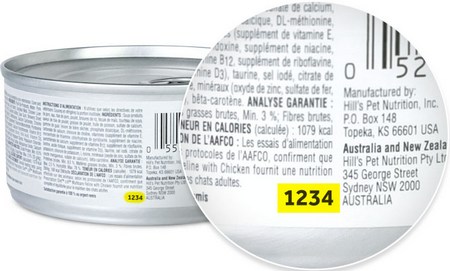
Difficulty reading the image below? Click here to view the actual FDA statement.

About Excessive Levels of Vitamin D

While vitamin D is an essential nutrient for dogs, ingestion of elevated levels can lead to potential health issues depending on the level of vitamin D and the length of exposure.

Dogs may exhibit symptoms such as vomiting, loss of appetite, increased thirst, increased urination, excessive drooling, and weight loss.

Pet parents with dogs who have consumed any of the products listed and are exhibiting any of these signs should contact their veterinarian.

In most cases, complete recovery is expected after discontinuation of feeding.

Where Were the Products Sold?

In the United States, the affected canned dog foods were distributed through retail pet stores and veterinary clinics nationwide.

No dry foods, cat foods, or treats are affected.

Message from the Company

Hill’s Pet Nutrition learned of the potential for elevated vitamin D levels in some of our canned dog foods after receiving a complaint in the United States about a dog exhibiting signs of elevated vitamin D levels.

Our investigation confirmed elevated levels of vitamin D due to a supplier error.

We care deeply about all pets and are committed to providing pet parents with safe and high quality products.

Hill’s has identified and isolated the error and, to prevent this from happening again, we have required our supplier to implement additional quality testing prior to their release of ingredients.

In addition to our existing safety processes, we are adding our own further testing of incoming ingredients.

This voluntary recall only impacts canned dog food and primarily in the United States.

It is being conducted in cooperation with the U.S. Food and Drug Administration.

What to Do?

Pet parents who purchased the product with the specific lot/date codes listed should discontinue feeding and dispose those products immediately.

To have discarded products replaced at no cost or for further information…

Please contact Hill’s Pet Nutrition, Inc. at 800-445-5777 Monday-Friday 9 AM to 5 PM (CST) or at contactus@hillspet.com.

Information can also be found at:

www.hillspet.com/productlist

Impacted products outside of the United States will be subject to separate notices on the country-specific website.

If you are outside of the United States, please check your own country’s Hill’s website for more information.

U.S. citizens can report complaints about FDA-regulated pet food products by calling the consumer complaint coordinator in your area.

Or go to https://www.fda.gov/petfoodcomplaints.

Canadians can report any health or safety incidents related to the use of this product by filling out the Consumer Product Incident Report Form.

ooOOoo

Please share with all the other dog owners you know!

Woody’s Pet Food recall

Woody’s Pet Food Deli Raw Food Recall

January 28, 2019 — The Minnesota Department of Agriculture is notifying consumers of a recall of raw turkey pet food from Woody’s Pet Food Deli due to Salmonella contamination.

This recall was issued after product samples collected by the MDA tested positive for Salmonella.

 oooo

oooo

What’s Being Recalled?

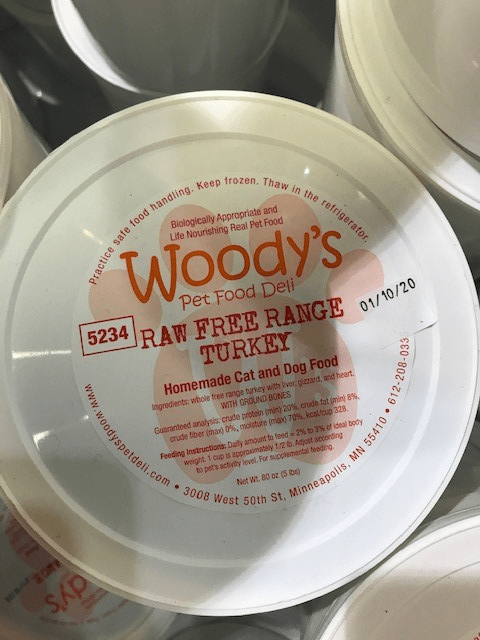
The recalled product was sold in 5-pound plastic containers labeled “Woody’s Pet Food Deli Raw Free Range Turkey” and can be identified by the white date sticker on the cover of the pet food container.

The product was sold at Woody’s Pet Food Deli locations in Minneapolis, St. Paul and Woodbury.

The following three lots of product are being recalled:

  • Woody’s Pet Food Deli Raw Free Range Turkey
    Use by date: 01/10/20
  • Woody’s Pet Food Deli Raw Free Range Turkey
    Use by date: 01/12/20
  • Woody’s Pet Food Deli Raw Free Range Turkey
    Use by date: 01/15/20

No other lots of Woody’s Pet Food Deli products are affected by the recall.

What Caused the Recall?

Sampling was begun after the Minnesota Department of Health (MDH) identified a human case of Salmonella linked to the pet food.

The person with Salmonella infection was identified as part of an ongoing, multistate investigation of Salmonella Reading infections coordinated by the Centers for Disease Control and Prevention (CDC).

MDH’s interview of the person revealed that Woody’s Pet Deli raw ground turkey pet food was regularly fed to a pet in the household.

The pet also tested positive for Salmonella, but not the outbreak strain.

In February 2018, MDA and MDH investigated two other cases of Salmonella Reading that matched the outbreak strain and were linked to raw ground turkey pet food from a different manufacturer.

About Salmonella

Symptoms of Salmonella infection include diarrhea, abdominal pain and fever.

Symptoms usually begin within 12 to 96 hours after exposure, but they can begin up to two weeks after exposure.

Infections usually resolve in five to seven days, but about 28 percent of laboratory-confirmed cases require hospitalization.

If you’ve handled these products or had contact with an animal that has eaten these products, become ill and are concerned about your health, please consult your health care provider for more information.

After eating or coming into contact with Salmonella-containing food, pets can spread the bacteria from their mouths, saliva, fur and feces, even if they’re not showing signs of illness, to humans and other animals in the household.

Pet dishes, floors and the environment around the feeding station should be thoroughly cleaned and disinfected.

Pets with a Salmonella infection may be lethargic and have decreased appetite, diarrhea, fever and vomiting.

Pets exposed to contaminated food can also be infected without showing symptoms.

If your pet has consumed the recalled product and has these symptoms, contact your veterinarian.

Salmonella bacteria can survive for weeks in the household environment, which can serve as a continuing source of infection.

CDC does not recommend feeding a raw meat diet to pets because it can make animals and people sick.

If you choose to use pet food containing raw meat, follow CDC’s tips for healthy feeding.

What to Do?

If you have recalled product in your home, you should throw it out or return it to a Woody’s Pet Food Deli for a full refund.

Do not feed the contaminated product to pets.

Consumers with questions can contact the Woody’s Pet Food Deli stores directly at the following phone numbers:

  • Minneapolis: 612-208-0335
  • St. Paul: 651-493-7269
  • Woodbury: 651-340-8678

Or by email at info@woodyspetdeli.com.

U.S. citizens can report complaints about FDA-regulated pet food products by calling the consumer complaint coordinator in your area.

Or go to https://www.fda.gov/petfoodcomplaints.

Canadians can report any health or safety incidents related to the use of this product by filling out the Consumer Product Incident Report Form.

ooOOoo

As per usual, feel free to share this as far and wide as possible.

Now here’s a thing!

Dogs eating insects and helping climate change.

I had to look twice at this but it wasn’t April 1st and it appeared to be a serious article. It’s from the BBC website.

Will say no more. You have a read of it.

ooOOoo

Climate change: Will insect-eating dogs help?

By Roger Harrabin, BBC environment analyst

10th January, 2019

Do you fret that your pet pooch is blamed by environmentalists for turning rainforests into poo in the park?

Have no fear – you can now fatten Fido on black soldier flies instead of Brazilian beef.

A pet food manufacturer now claims that 40% of its new product is made from soldier flies.

It’s one of many firms hoping to cash in on the backlash against beef by people concerned that the cattle are fed on soya.

These soya plantations are responsible for the release of greenhouse gases in significant quantities.

Is it good for the dog?

The key question is whether a diet of 40% soldier flies meets the nutritional needs of your beloved canine.

We put the question to a pet diet expert at the Royal Veterinary College, Aarti Kathrani. Her conclusion was a cautious “yes”.

“Insects can be a very useful source of protein,” she told us. “More studies are needed to show how much of these nutrients can actually be absorbed by a dog’s body – but some studies suggest that insects can provide nutrients for dogs.”

Does it help the climate if dogs eat flies?

At first sight it seems obvious that feeding your dog meaty food is bad for the environment. The link between humans eating meat and the allied emissions of CO2 and methane is well established – and pets are estimated to eat 20% of global meat.

It’s also true that flies produce protein much more efficiently than cows – using a small percentage of the water and land.

But actually the analysis is more subtle than that – because as societies become more wealthy, people often turn to muscle meat and reject the animal’s offal.

The flies are brought to maturity in about 14 days

That offal is just as nutritious – and it gets made into pet food. That means that dog food is just as sustainable – or unsustainable – as humans eating meat.

In fact, if dogs were weaned off meat and on to insects, the industry would have to find another purpose for the offal. More sausage, perhaps? Or more humans eating insect protein. Or more going vegan?

Could cat food be made out of insects, too?

Dogs are omnivores – they eat more or less anything. Cats are much more choosy, because they can’t make an essential amino acid, taurine. They find it instead in meat and fish.

But Dr Kathrani says studies show that insects do contain taurine, so it’s possible that insects could also form a useful part of the moggie diet.

The new product is from Yora, a UK start-up. The insect grubs are fed on food waste in the Netherlands.

There are several competitors which also produce pet food incorporating fly protein. They include Insectdog, Entomapetfood, Chippin and Wilderharrier.

ooOOoo

Now I have heard of some strange things but in essence this does make very good sense.

Dark money.

Back to politics of the bigger order.

I stopped and pondered whether I should share this with you but then I decided to so do. Reason is that this is …. well, let me put it in the words of the essay: “Dark money is among the greatest current threats to democracy. It means money spent below the public radar, that seeks to change political outcomes. It enables very rich people and corporations to influence politics without showing their hands.”

Enough said!

ooOOoo

You Want It Darker?

10th December 2018

The remarkable story of how the hard-right Koch brothers funded a Trotskyite splinter group.

By George Monbiot, published in the Guardian 7th November 2018

Dark money is among the greatest current threats to democracy. It means money spent below the public radar, that seeks to change political outcomes. It enables very rich people and corporations to influence politics without showing their hands.

Among the world’s biggest political spenders are Charles and David Koch, co-owners of Koch Industries, a vast private conglomerate of oil pipelines and refineries, chemicals, timber and paper companies, commodity trading firms and cattle ranches. If their two fortunes were rolled into one, Charles David Koch, with $120bn, would be the richest man on Earth.

In a rare public statement – an essay published in 1978 – Charles Koch explained his objective. “Our movement must destroy the prevalent statist paradigm.” As Jane Mayer records in her book Dark Money, the Kochs’ ideology – lower taxes and looser regulations – and their business interests “dovetailed so seamlessly it was difficult to distinguish one from the other.”

Over the years, she notes, “the company developed a stunning record of corporate malfeasance”. Koch Industries paid massive fines for oil spills, illegal benzene emissions and ammonia pollution. In 1999, a jury found that it had knowingly using a corroded pipeline to carry butane, which caused an explosion in which two people died. Company Town, a film released last year, tells the story of local people’s long fight against pollution from a huge papermill owned by the Koch brothers.

The Koch’s chief political lieutenant, Richard Fink, developed what he called a three-stage model of social change. Universities would produce “the intellectual raw materials”. Think tanks would transform them into “a more practical or useable form”. Then “citizen activist” groups would “press for the implementation of policy change.”

To these ends the Kochs set up bodies in all three categories themselves, such as the Mercatus Center at George Mason University, the Cato Institute and the “citizens’ group” Americans for Prosperity. But for the most part they funded existing organisations that met their criteria. They have poured hundreds of millions of dollars into a network of academic departments, thinktanks, journals and movements. And they appear to have been remarkably successful.

As researchers at Harvard and Columbia universities have found, Americans for Prosperity alone now rivals the Republican party in terms of size, staffing and organisational capacity. It has pulled ”the Republican party to the far-right on economic, tax, and regulatory issues.” It was crucial to the success of the Tea Party Movement, the ousting of Democrats from Congress, and the staffing of Trump’s transition team. The Koch network has helped secure massive tax cuts, the smashing of trade unions and the dismantling of environmental legislation.

But their hands, for the most part, remain invisible. A Republican consultant who has worked for Charles and David Koch told Jane Mayer that “to call them under the radar is an understatement. They are underground.”

Until now, there has been no evidence that Charles and David Koch have directly funded organisations based in the UK. But a few weeks ago, a reader pointed me to one line he found in a form submitted to the US government by the Charles Koch Foundation, which showed money transferred to a company that appears to be the US funding arm of a UK organisation. Once I had grasped its significance, I set up a collaboration with the investigative group DeSmog UK. We could scarcely believe what we were seeing.

The organisation the Charles Koch Foundation has chosen to fund is at first sight astounding: a US organisation established by an obscure magazine run by former members of a tiny Trotskyite splinter group. Some of its core contributors still describe themselves as Marxists or Bolsheviks. But the harder you look at it, the more sense the Koch donations appear to make.

The name of the magazine is Spiked. It emerged from a group with a comical history of left factionalism. In 1974, the International Socialists split after a dispute over arithmetic in Volume 3 of Das Kapital. One of the new factions formed the Revolutionary Communist Group. In 1976, it split again, and one of the splinters became the Revolutionary Communist Tendency. It was led by a sociologist at the University of Kent called Frank Furedi. In 1981 it changed its name to the Revolutionary Communist Party.

In 1988, the party launched a magazine called Living Marxism (later LM). By then, it had abandoned many of its former convictions. Among the few discernible traces of its revolutionary past was an enthusiasm for former communists in the Balkans, such as Slobodan Milošević. In 2000, it closed after losing a libel case: it falsely claimed that ITN had fabricated evidence of Serb atrocities against Bosnian Muslims. But as soon as the magazine folded, a network of new groups, with the same cast of characters – Frank Furedi, Claire Fox, Mick Hume, Brendan O’Neill, James Heartfield, Michael Fitzpatrick, James Woudhuysen – sprang up to replace it. Among these organisations were the Institute of ideas, the Academy of Ideas, the Manifesto Club and a new magazine, Spiked. It had the same editor as LM (Mick Hume) and most of the same contributors.

We found three payments over the past two years from the Charles Koch Foundation. They amount to $170,000, earmarked for “general operating support”. The payments were made to Spiked US Inc. On Spiked’s “Donate” page is a button that says “In the US? Donate here”. It takes you to the PayPal link for “Spiked US, Inc”. Spiked US, in other words, appears to be its American funding arm. Beyond a postal address is Hoboken, New Jersey, it is hard to see what presence it has in the US. It appears to have been established in 2016, the year in which the Koch donations began.

When I asked Spiked what the money was for and whether there had been any other payments, its managing editor, Viv Regan, told me that the Charles Koch Foundation has now given Spiked US a total of $300,000, “to produce public debates in the US about free speech, as part of its charitable activities.” She claims the foundation supports projects “on both the left and the right”. The Koch Foundation has funded “a free-speech oriented programme of public debates on campus titled the Unsafe Space Tour” and four live events, the first of which is titled ‘Should we be free to hate?’. She told me “We’re very proud of our work on free speech and tolerance, and we are proud to be part of the programme.”

But I have been unable to find any public acknowledgement of this funding. Neither on the videos of the debates, in the posters advertising them or in reports of the events in Spiked magazine is there any mention of the Charles Koch Foundation. From what I could see of the title slides in the videos, they acknowledged an organisation called the Institute for Humane Studies, but not the Foundation. Spiked has yet to reply to my questions on this matter.

The Koch brothers are famously careful with their money. According to Jane Mayer, they exert “unusually tight personal control over their philanthropic endeavours”. David Koch told a sympathetic journalist, “If we’re going to give a lot of money, we’ll make darn sure they spend it in a way that goes along with our intent. And if they make a wrong turn and start doing things we don’t agree with, we withdraw funding.” So what might have attracted them to this obscure organisation?

Spiked magazine, now edited by Brendan O’Neill, appears to hate left-wing politics. It inveighs against the welfare state, against regulation, the Occupy movement, anti-capitalists, Jeremy Corbyn, George Soros, #MeToo, “black privilege” and Black Lives Matter. It does so in the name of the “ordinary people”, whom, it claims, are oppressed by the “anti-Trump and anti-Brexit cultural elites”, “feministic elites”, “green elites” and “cosmopolitan politicians”.

It repeatedly defends figures on the hard right or far right: Katie Hopkins, Nigel Farage, Alex Jones, the Democratic Football Lads’ Alliance, Tommy Robinson, Toby Young, Arron Banks, Brett Kavanaugh, Viktor Orban. They are portrayed as victims of “McCarthyites” trying to suppress free speech. It demands the hardest of possible Brexits, insisting that “No Deal is nothing to fear”, as it would allow the UK to scrap EU regulations.

But what it appears to hate most is environmentalism. It rails against “climate scaremongering”, and has called for fracking and coal production to be ramped up. It blames the Grenfell Tower disaster on “the moral fervour of the climate change campaign”. It mocks the idea that air pollution is dangerous and has proposed abolishing the planning system. “We need to conquer nature, not bow to it,” it contends. “Let’s make the ‘human footprint’ even bigger”.

Spiked’s writers rage against exposures of dark money. It calls the Observer’s Carole Cadwalladr, who has won a string of prizes for exposing the opaque spending surrounding the Brexit vote, “the closest thing the mainstream British media has to an out-and-out conspiracy theorist”. It carries numerous articles by writers from the obscurely-funded Institute of Economic Affairs and from the Cato Institute, that was founded by Charles Koch. Its editor, Brendan O’Neill, also writes for Reason Magazine, owned by the Reason Foundation, which has received $1 million from the Charles Koch Foundation over the past two years.

Bizarrely, Spiked still uses Leon Trotsky to justify its positions. It claims to have built its philosophy on his objective of “increasing the power of man over nature and … the abolition of the power of man over man”. This means, it says, that “we should fight for greater human dominion over the natural world”, and that regulatory power should not be used to prevent anyone from exercising their agency. The result appears to turn Trotsky’s objective on its head: without constraint, those with the greatest agency can exercise uninhibited power over others.

Its enthusiasm for Trotsky is highly selective. As one of Spiked’s writers noted in 2002, his central message was that “the retreat behind national boundaries is a recipe for reaction”. Yet the magazine’s defence of both Brexit and Viktor Orban, Hungary’s right-wing prime minister, is founded on the notion of national sovereignty. Spiked seems to have remembered everything Leon Trotsky wrote that could be recruited to the cause of corporate capital and the hard right, and forgotten all his, shall we say, less enthusiastic musings about those forces.

Above all, its positions are justified with the claim to support free speech. But the freedom all seems to tend in one direction: freedom to lambast vulnerable people. The Unsafe Space tour that the Charles Koch Foundation financed was heavily slanted towards this line. Yet, when I exercised my freedom of speech in sending my questions to Spiked, I was denounced on the front page of the magazine as a “McCarthyite”. This is its favourite insult, which it uses prolifically to dismiss legitimate inquiries and critiques. The usual term for asking awkward questions about powerful interests is journalism. Open information and transparency are crucial to free speech: the more we know, the freer we become. Spiked has also called for schools, universities and governments to be “cleansed” of “the malign influence” of green NGOs, which it denounces as “the environmentalist enemy within.” Some friends of free speech, these.

The Kochs are mentioned in several Spiked articles, but no corresponding interests are declared. An article in 2016, when Spiked received $170,000 from the Charles Koch Foundation, attacked the Standing Rock protests against the Dakota Access Pipeline, in which the Koch brothers have a major interest.

Is this the extent of the Koch brothers’ funding of groups based in the UK? Who knows? I have not yet had a response from the Charles Koch Foundation. But I see these payments as part of a wider pattern of undisclosed funding. Democracy without transparency is not democracy.

http://www.monbiot.com

ooOOoo

If I was a younger man I would be very active in trying to stop this threat to our open society.

But I am not!

All I can do is to republish this insightful essay by George Monbiot and hope that a few of you didn’t realise this thing was going on, and are concerned!