Category: Art

Plastics in the ocean

A fascinating insight into recovered plastic.

Like so many others we do our little bit regarding plastic but do not properly think about the issue. I have to admit that I am not even sure if all plastics are harmful or just some.

But I comprehend art!

That is why I am republishing, with permission, this article from The Conversation.

ooOOoo

My art uses plastic recovered from beaches around the world to understand how our consumer society is transforming the ocean

Pam Longobardi amid a giant heap of fishing gear that she and volunteers from the Hawaii Wildlife Fund collected in 2008. David Rothstein, CC BY-ND

Pam Longobardi, Georgia State University

I am obsessed with plastic objects. I harvest them from the ocean for the stories they hold and to mitigate their ability to harm. Each object has the potential to be a message from the sea – a poem, a cipher, a metaphor, a warning.

My work collecting and photographing ocean plastic and turning it into art began with an epiphany in 2005, on a far-flung beach at the southern tip of the Big Island of Hawaii. At the edge of a black lava beach pounded by surf, I encountered multitudes upon multitudes of plastic objects that the angry ocean was vomiting onto the rocky shore.

I could see that somehow, impossibly, humans had permeated the ocean with plastic waste. Its alien presence was so enormous that it had reached this most isolated point of land in the immense Pacific Ocean. I felt I was witness to an unspeakable crime against nature, and needed to document it and bring back evidence.

I began cleaning the beach, hauling away weathered and misshapen plastic debris – known and unknown objects, hidden parts of a world of things I had never seen before, and enormous whalelike colored entanglements of nets and ropes.

Three large plastic art installations, the central one a cornucopia spilling plastic objects onto the floor.
‘Bounty Pilfered’ (center), ‘Newer Laocoön’ (left) and ‘Threnody’ (right). All made of ocean plastic from the Atlantic, Pacific and Gulf of Mexico, installed at the Baker Museum in Naples, Fla., 2022. Pam Longobardi, CC BY-ND

I returned to that site again and again, gathering material evidence to study its volume and how it had been deposited, trying to understand the immensity it represented. In 2006, I formed the Drifters Project, a collaborative global entity to highlight these vagrant, translocational plastics and recruit others to investigate and mitigate ocean plastics’ impact.

My new book, “Ocean Gleaning,” tracks 17 years of my art and research around the world through the Drifters Project. It reveals specimens of striking artifacts harvested from the sea – objects that once were utilitarian, but have been changed by their oceanic voyages and come back as messages from the ocean.

Array of plastic objects, including toys, action figures and fragments of larger objects.
‘Drifters Objects,’ a tiny sample of the plastic artifacts Pam Longobardi has collected from beaches worldwide. Pam Longobardi, CC BY-ND

Living in a plastic age

I grew up in what some now deem the age of plastic. Though it’s not the only modern material invention, plastic has had the most unforeseen consequences.

My father was a biochemist at the chemical company Union Carbide when I was a child in New Jersey. He played golf with an actor who portrayed “The Man from Glad,” a Get Smart-styled agent who rescued flustered housewives in TV commercials from inferior brands of plastic wrap that snarled and tangled. My father brought home souvenir pins of Union Carbide’s hexagonal logo, based on the carbon molecule, and figurine pencil holders of “TERGIE,” the company’s blobby turquoise mascot.

On the 2013 Gyre Expedition, Pam Longobardi traveled with a team of scientists, artists and policymakers to investigate and remove tons of oceanic plastic washing out of great gyres, or currents, in the Pacific Ocean, and make art from it.

Today I see plastic as a zombie material that haunts the ocean. It is made from petroleum, the decayed and transformed life forms of the past. Drifting at sea, it “lives” again as it gathers a biological slime of algae and protozoans, which become attachment sites for larger organisms.

When seabirds, fish and sea turtles mistake this living encrustation for food and eat it, plastic and all, the chemical load lives on in their digestive tracts. Their body tissues absorb chemicals from the plastic, which remain undigested in their stomachs, often ultimately killing them.

Two piles of tiny particles of virtually identical sizes.
Plastic ‘nurdles,’ (left), tiny pellets that serve as raw materials for manufacturing plastic products, and herring roe, or eggs (right). These visually analogous forms exemplify how fish can mistake plastic for food. Pam Longobardi, CC BY-ND

The forensics of plastic

I see plastic objects as the cultural archaeology of our time – relics of global late-capitalist consumer society that mirror our desires, wishes, hubris and ingenuity. They become transformed as they leave the quotidian world and collide with nature. By regurgitating them ashore or jamming them into sea caves, the ocean is communicating with us through materials of our own making. Some seem eerily familiar; others are totally alien.

Two views of a degraded arm from a plastic doll, found on Playa Jaco in Costa Rica.
A degraded plastic doll arm, from the series ‘Evidence of Crimes.’ Pam Longobardi, CC BY-ND

A person engaging in ocean gleaning acts as a detective and a beacon, hunting for the forensics of this crime against the natural world and shining the light of interrogation on it. By searching for ocean plastic in a state of open receptiveness, a gleaner like me can find symbols of pop culture, religion, war, humor, irony and sorrow.

A rolling landscape covered with thousands of life vests.
‘Division Line,’ 2016. This photograph shows the ‘life-jacket cemetary’ in Lesvos, Greece. Traumatized asylum-seekers and migrants arriving by boat from Türkiye leave the life vests on shore as they stagger inland. Most of the waste is plastic. © Pam Longobardi, CC BY-ND

In keeping with the drifting journeys of these material artifacts, I prefer using them in a transitive form as installations. All of these works can be dismantled and reconfigured, although plastic materials are nearly impossible to recycle. I display some objects as specimens on steel pins, and wire others together to form large-scale sculptures.

A plastic bottle cap inscribed 'Endless' and a photograph of a beach littered with plastic objects.
From the series ‘Prophetic Objects,’ a plastic cap from a Greek manufacturer of cleaning products, found on the Greek island of Kefalonia. Pam Longobardi, CC BY-ND

I am interested in ocean plastic in particular because of what it reveals about us as humans in a global culture, and about the ocean as a cultural space and a giant dynamic engine of life and change. Because ocean plastic visibly shows nature’s attempts to reabsorb and regurgitate it, it has profound stories to tell.

A large sculpted anchor in the center of an art gallery, with ties to life preservers mounted on the ceiling.
‘Albatross’ and ‘Hope Floats,’ 2017. Recovered ocean plastic, survival rescue blankets, life vest straps and steel. Pam Longobardi, CC BY-ND

I believe humankind is at a crossroads with regards to the future. The ocean is asking us to pay attention. Paying attention is an act of giving, and in the case of plastic pollution, it is also an act of taking: Taking plastic out of your daily life. Taking plastic out of the environment. And taking, and spreading, the message that the ocean is laying out before our eyes.

Pam Longobardi, Regents’ Professor of Art and Design, Georgia State University

This article is republished from The Conversation under a Creative Commons license. Read the original article.

ooOOoo

Pam at one point describes the ocean plastic”… because of what it reveals about us as humans in a global culture, and about the ocean as a cultural space and a giant dynamic engine of life and change …”. It raises questions that I can only ponder the answer. Ultimately, are there too many inhabitants on this planet? What does the next generation think? Is there an answer?

Burt Bacharach remembered

So many tuneful memories.

I grew up with the songs of Burt Bacharach in my heart, my mind and my ears. He was born on May 12, 1928 and lived until quite recently; namely the 8th February, 2023. This may be Valentine’s Day for 2023 but I think the obituary of Bacharach comes first.

The Conversation had a brilliant item on him, published on February 10th and I am going to republish that piece now.

ooOOoo

Burt Bacharach mastered the art of the perfect pop song – and that ain’t easy

A pop pioneer whose songs were performed by the great and good for decades.
Michael Ochs Archives/Getty Images

Gena R. Greher, UMass Lowell

Easy on the ear, perhaps. But the label of “easy listening” often attached to the songs of Burt Bacharach belies the mastery of his talent in crafting perfect moments in music.

Yes, Bacharach’s back catalog is filled with memorable, catchy melodies – whether they were written with longtime partner and lyricist Hal David, former wife Carole Bayer Sager or in collaboration with more contemporary artists such as Elvis Costello, Adele and Dr. Dre.

But there is a harmonic and rhythmic complexity to his music that elevates it above the sweet, often saccharine arrangements that can typify easy listening. It is full of influences from jazz chord structures and progressions, as well as rhythms.

It is why Bacharach, who died on Feb. 8, 2023, at the age of 94, appealed to generations of listeners, as well as the diverse pool of singers who chose to work with him.

Cross-generational appeal

Bacharach began his long songwriting career in the 1950s, but it was the following decade that saw him come to prominence with a series of hit songs.

But with the 1960s as a backdrop – a time of immense innovation in popular music – Bacharach may not have been taken as seriously as many of his contemporaries. It was a time when rock ‘n’ roll and the British Invasion were at the forefront, with rhythm and blues, protest music and folk rock finding their way on the musical landscape.

While Bacharach’s musical counterparts were writing and performing music that responded to and reflected the political, social and cultural upheavals that defined the era, Bacharach and David’s songs focused on different themes: Theirs was music that dealt with relationships and matters of the heart.

They also stood apart from other notable songwriting partners of the age – Lennon and McCartney, Jagger and Richards, for example – in that the songs were written for others to perform. In that way, they were a throwback to an earlier age of popular music, when the likes of Rodgers and Hart provided hit after hit for a roster of singers.

Indeed, they were a late product of Tin Pan Alley – the music industry centered around midtown Manhattan. Bacharach met David in 1957 in the storied Brill Building in New York City – a place where a young songwriter could perhaps catch a break.

Not long after they began working together, Bacharach came across a young backup singer at a recording session who seemed to have promise. The first single he produced with her, “Don’t Make Me Over,” was the first of 38 songs he and David produced with Dionne Warwick.

Her warm tones and fluid phrasing made Warwick’s voice the perfect accompaniment to Bacharach’s music.

But she was one of many collaborators. Some, like Warwick, were plucked from relative obscurity. Others, like Perry Como, were already established singers.

The list of artists who found success with Bacharach songs in that era is astonishing: Aretha Franklin, The Carpenters, Dusty Springfield, Tom Jones and The 5th Dimension, to name just a few.

Through collaborators, Bacharach’s music was able to reach a fairly diverse audience. The songs were so well written that they could easily be reworked into different genres, and break the confines of “easy listening” – a genre often maligned as unhip. In the hands of Isaac Hayes, the sweet refrains of “Walk on By” becomes a psychedelic funk classic. Years later, The White Stripes transformed “I Just Don’t Know What To Do With Myself” into a stripped-down, guitar-heavy slice of rock.

Froms Oscars to revivals

The music of David and Bacharach also worked on a different level – as the background to movie soundtracks. The 1966 Michael Caine film “Alfie” is perhaps equally known today for the title track, with versions by Cher, Warwick and British singer Cilla Black all becoming hits on the back of the film.

In 1969, Bacharach and David’s “Raindrops Keep Falling on My Head,” sung by B.J. Thomas in the western “Butch Cassidy and the Sundance Kid,” won the Academy Award for best original song. Bacharach also won the Oscar for best original score.

Adding to success on the charts and on screen, Bacharach also won acclaim for his work on Broadway. The 1968 show “Promises, Promises” was groundbreaking in its use of amplification in the orchestra, which included a rock band. The show contained a number of songs that topped the charts, most notably Warwick’s version of the show-stopping “I’ll Never Fall in Love Again.”

A mana and woman sit at a recording desk.
Burt Bacharach and Dionne Warwick recording together in 1964.
Bela Zola/Mirrorpix/Getty Images

In an NPR “Fresh Air” interview in 2010 – when the musical was being revived on Broadway – Bacharach discusses the number of rhythmic meter changes in the title song, “Promises, Promises,” and the difficulties these rhythmic changes presented for singers and musicians in the show.

The interview is also notable in that it reunited him with David – the two had a much publicized split in 1973 after working on a failed movie. The breakdown of their successful musical partnership saw Bacharach lose interest in writing music for a spell, and affected his relationship with Warwick.

This was eventually resolved with her recording of one of Bacharach’s most memorable songs, 1985’s “That’s What Friends are For,” written with his then-wife, Carole Bayer Sager. Though the song had been first recorded by Rod Stewart for the film “Night Shift,” the Warwick & Friends’ version – the friends being none other than Elton John, Gladys Knight and Stevie Wonder – is the one that became a hit and helped revive Bacharach’s career.

Though best known for the songs he wrote in the 1960s through the 1980s, Bacharach continued to write music into his old age, collaborating with Elvis Costello, Adele and Dr. Dre.

You may have noticed the sheer number – and range – of artists Bacharach worked with. It speaks to the quality and endurance of his output. Yes, he will be remembered by some as the writer of exemplary “easy listening” songs. But Burt Bacharach’s legacy will prove that he was so much more.The Conversation

Gena R. Greher, Professor of Music, UMass Lowell

This article is republished from The Conversation under a Creative Commons license. Read the original article.

ooOOoo

There are so many of his melodies on YouTube and you are free to do your own searching. But I just wanted to share one with you. It is Burt Bacharach with Barbra Streisand with Close To You and Be Aware.

Perfect!

Picture Parade Four Hundred and Seventy-One

Unsplash with a difference.

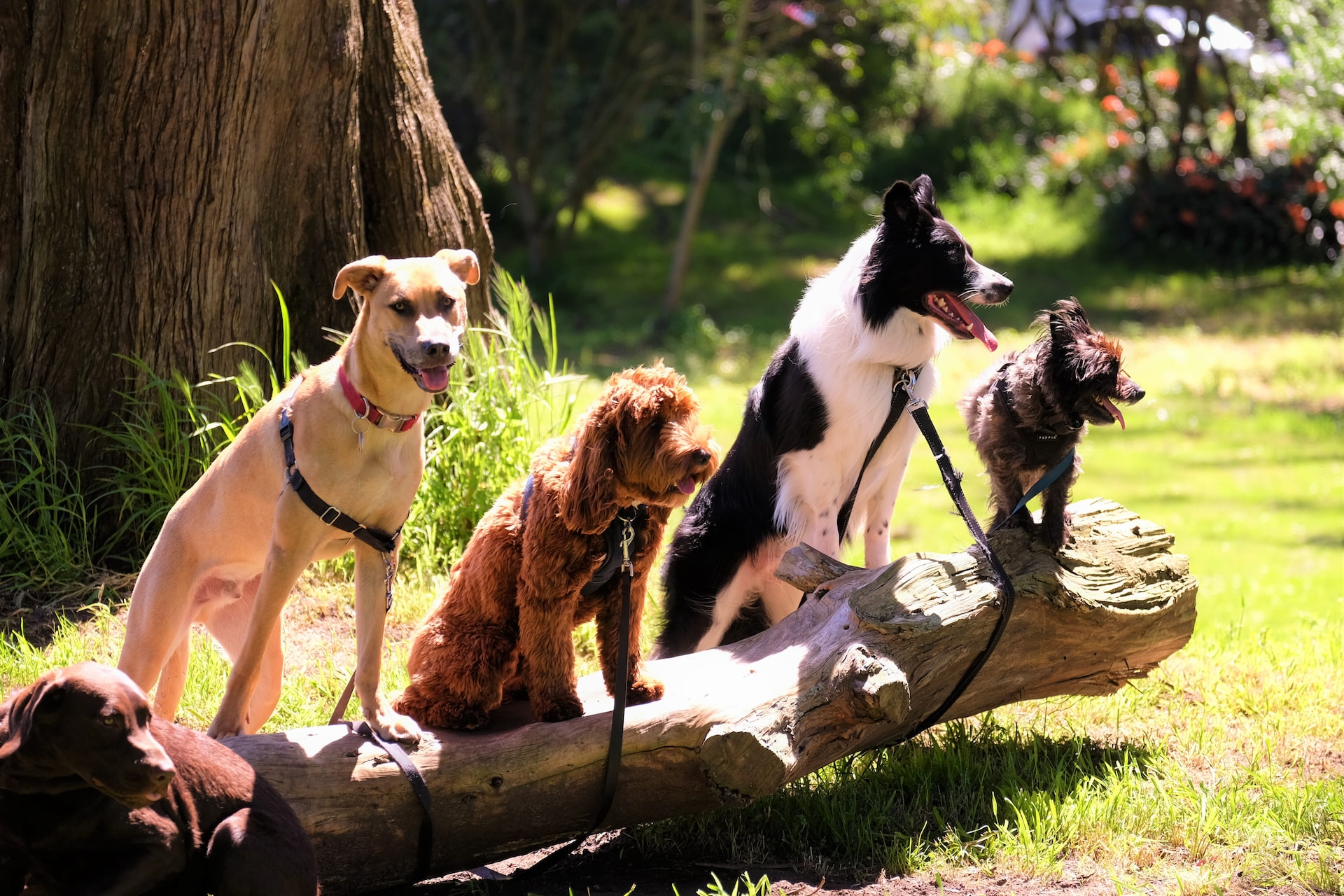
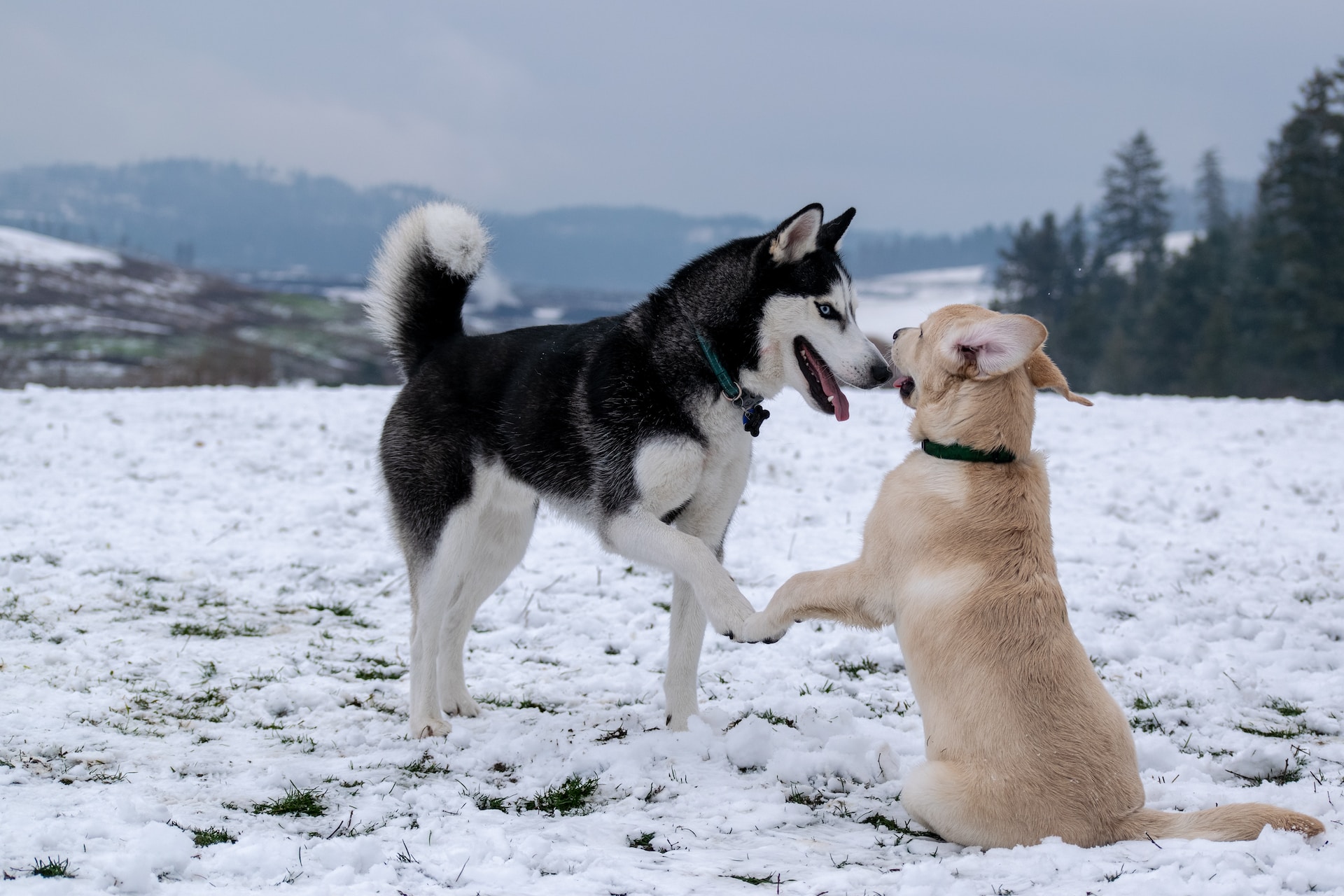
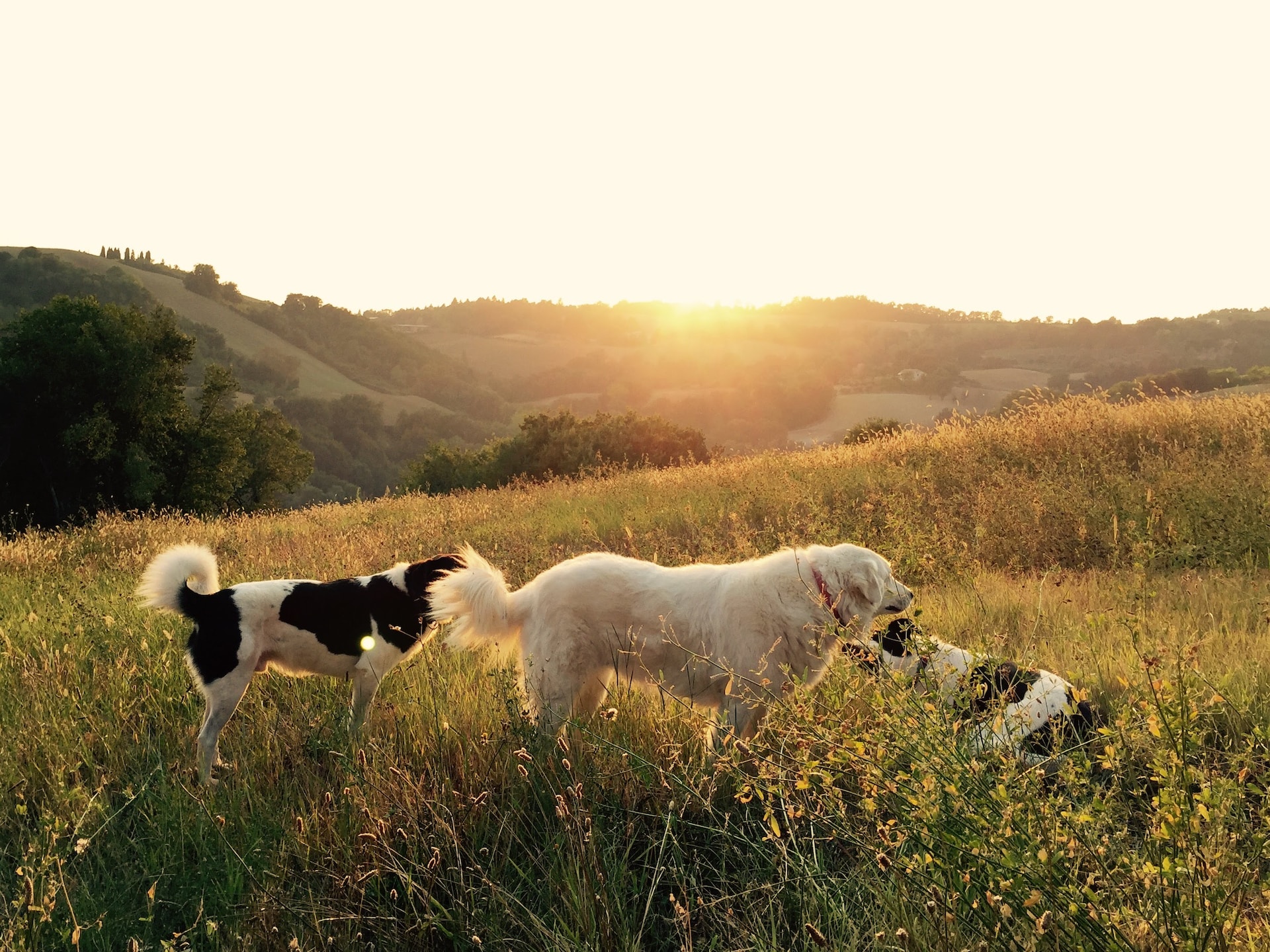
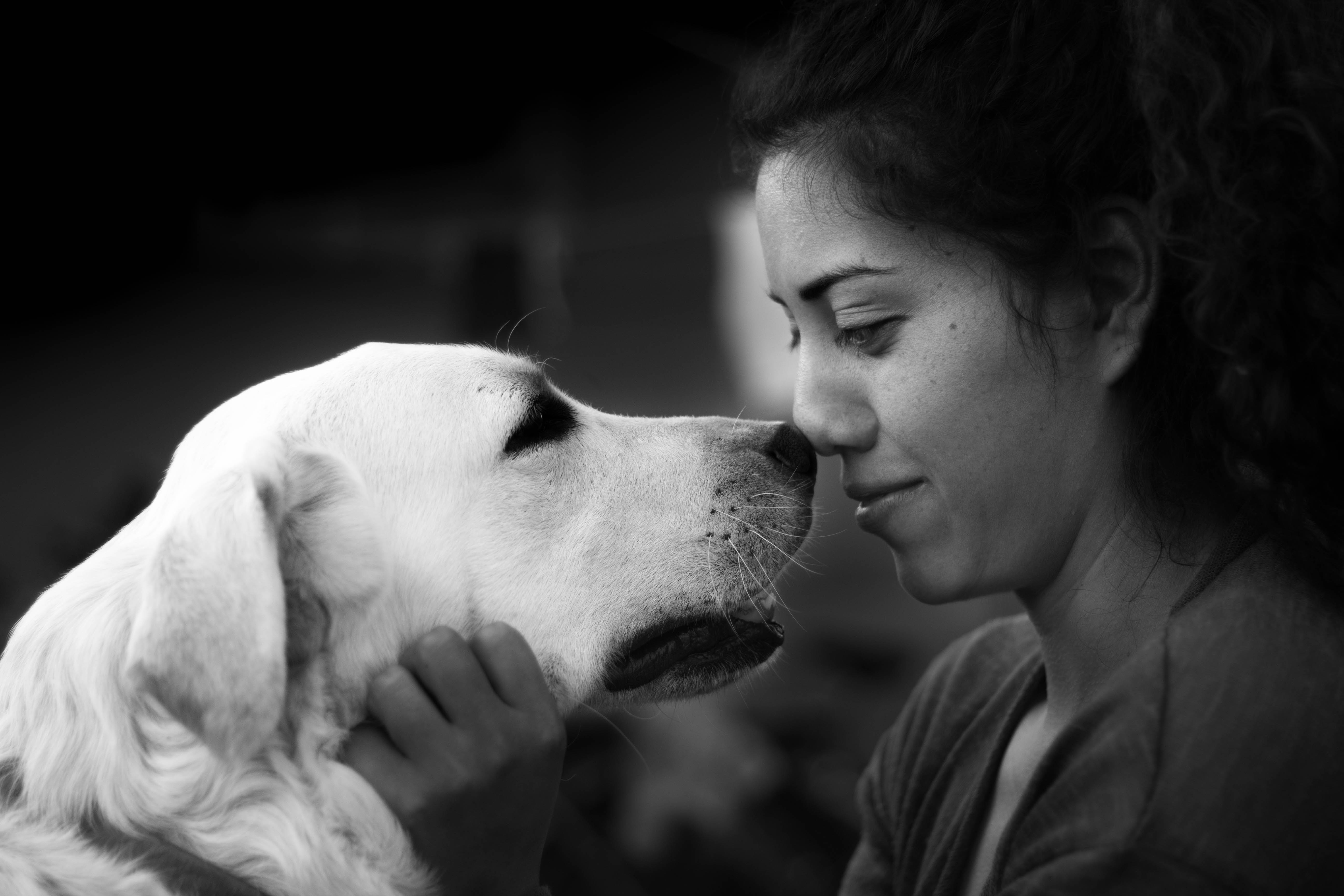
These are all photographs of Labradors.

oooo

oooo

oooo

oooo

oooo

oooo

oooo

Gorgeous, though I say it myself.

I missed stating this last week but copyright always exists in the original photographs.

Adding a dog to your life.

A guest post from Penny offers some advice.

Penny Martin has previously written some guest posts for Learning from Dogs and here she is again with today’s post. The subject is not directly about dogs but trying to turn around one’s life; and that is something that most of us have faced up to at some point in their past.

(I think the references to Learning from Dogs are not needed but I’m not Penny!)

ooOOoo

Six Simple Self-Improvement Strategies for Your Health and Career

By Penny Martin,

Published 24th January, 2023.

Are you trying to turn your life around? Focusing on improving your self-care habits, your relationships, and your career prospects can yield change your life for the better. Furthermore, Learning From Dogs can introduce you to all of the benefits of becoming a dog owner! Here’s how to invest in your education, upgrade your resume, explore business ownership, and adopt healthy routines.

Advance Your Education

If you’re looking to move up in your career, you may want to head back to school to earn another degree. It’s okay if you’re not able to commit to attending courses at a physical campus – instead, consider studying through an online degree program. This will allow you to simultaneously work and care for your family. Double-check that any online programs you’re considering are accredited and that you can easily afford the tuition. You can choose a major like marketing, education, information technology, business, healthcare administration, and more.

Update Your Resume

Perhaps you’re hunting for a new job. Make sure to revise and update your resume prior to sending out applications! To make the process easier, just pick out a free resume template from an online library – this free resume may help. Then, you’ll input your work history. Finally, you can spruce up this document with a photo or a color scheme.

Consider Entrepreneurship

What if you’re frustrated with your boss, and you feel like working at a traditional 9-to-5 job is holding you back? If you’ve got a business idea, you can always register for LLC status for limited liability and tax breaks. Remember, if you form an LLC, you’ll have to choose a registered agent who can handle communications regarding your formation documents with law firms, tax agencies, and the government. You can hire a registered agent or service for help in this area.

Health and Fitness

Even as you prioritize your career, it’s still important to take care of your physical and emotional well-being. As you plan out meals each week, The Every Girl recommends cooking with lots of leafy greens and incorporating plant-based protein into your diet. Furthermore, try to block off a few workout sessions per week in your schedule. You might want to sign up for a gym membership.

Pick Up a Good Book

Reading is a great use of your downtime, especially if you’re on a self-improvement journey! Healthline states that reading can reduce your stress levels, prevent cognitive decline, and even alleviate symptoms of depression. Plus, you’ll be able to learn more about topics that you’re interested in! You might want to choose books that cover subjects related to self-help, like nutrition, fitness, meditation, or time management.

If you feel like you don’t have time to read, consider how you could cut down on screen time. Alternatively, you could listen to audiobooks while you commute to work or do chores around the house.

Get a Dog

If you could use another companion, consider getting a dog! Owning a dog can significantly improve your mental health. Canadian Living states that having a dog around actually decreases your blood pressure, boosts your levels of mood-enhancing hormones, and even helps you make friends in your neighborhood – taking your dog for walks helps you connect with other local dog owners!

Self-improvement is a lifelong process. When you take small steps in the right direction, you’ll be able to look back in a year and feel proud of how far you’ve come. With these tips, you can earn another degree, put together an impressive resume, become a pet owner, open your own business, and more!

Are you thinking about getting a dog? Read all about the benefits on Learning from Dogs! Visit the blog today to find out why getting a dog might be right for you.

Photo via Pexels

ooOOoo

Thank you, Penny.

Let me publish again the opening remarks that are on the home page of this blog:

Dogs live in the present – they just are!  Dogs make the best of each moment uncluttered by the sorts of complex fears and feelings that we humans have. They don’t judge, they simply take the world around them at face value.  Yet they have been part of man’s world for an unimaginable time, at least 30,000 years.  That makes the domesticated dog the longest animal companion to man, by far!

Learning from Dogs

I cannot put it better than that!

Picture Parade Four Hundred and Sixty-Seven

Of dogs and girls! From UnSplash.

oooo

oooo

oooo

oooo

oooo

oooo

oooo

oooo

Perfect photographs. We are so, so lucky to have dogs in our lives! (Yes, I know I have said this before but so what!)

Picture Parade Four Hundred and Sixty-Six

Welcome everyone to the New Year!

oooo

oooo

oooo

oooo

oooo

All these photographs are glorious. of course, and the copyright stays with the individual photographers who submitted their shots to Unsplash. You may not copy them from here.

Finally, let me again wish all of you a Very Happy New Year and many more besides.

Picture Parade Four Hundred and Sixty-Five

A Christmas theme.

Back to Unsplash.

Wishing everyone a very happy holiday and the very best for the New Year.

oooo

oooo

oooo

oooo

oooo

oooo

oooo

Dear good people, I am taking a small break from blogging and will be back with you on the 1st January, 2023; in other words in a week’s time.

The tradition of Christmas

It goes back much further than the Christian church.

Jean and I are atheists and have been all our lives. Therefore we tend to take more notice of the Winter solstice (that is today as the day that I am preparing this post) rather than Christmas Day and our sense that it is a product of Jesus Christ being born on the 25th; or so I thought!

But the tradition of a Christmas tree in particular goes much further back, as this article from The Conversation sets out.

ooOOoo

The Christmas tree is a tradition older than Christmas

Public Christmas trees, like Rockefeller Center’s famous tree, didn’t start appearing in the U.S. until the 20th century. Nicholas Hunt/WireImage via Getty Images

Troy Bickham, Texas A&M University

Why, every Christmas, do so many people endure the mess of dried pine needles, the risk of a fire hazard and impossibly tangled strings of lights?

Strapping a fir tree to the hood of my car and worrying about the strength of the twine, I sometimes wonder if I should just buy an artificial tree and do away with all the hassle. Then my inner historian scolds me – I have to remind myself that I’m taking part in one of the world’s oldest religious traditions. To give up the tree would be to give up a ritual that predates Christmas itself.

A symbol of life in a time of darkness

Almost all agrarian societies independently venerated the Sun in their pantheon of gods at one time or another – there was the Sol of the Norse, the Aztec Huitzilopochtli, the Greek Helios.

The solstices, when the Sun is at its highest and lowest points in the sky, were major events. The winter solstice, when the sky is its darkest, has been a notable day of celebration in agrarian societies throughout human history. The Persian Shab-e Yalda, Dongzhi in China and the North American Hopi Soyal all independently mark the occasion.

The favored décor for ancient winter solstices? Evergreen plants.

Whether as palm branches gathered in Egypt in the celebration of Ra or wreaths for the Roman feast of Saturnalia, evergreens have long served as symbols of the perseverance of life during the bleakness of winter, and the promise of the Sun’s return.

Christmas slowly emerges

Christmas came much later. The date was not fixed on liturgical calendars until centuries after Jesus’ birth, and the English word Christmas – an abbreviation of “Christ’s Mass” – would not appear until over 1,000 years after the original event.

While Dec. 25 was ostensibly a Christian holiday, many Europeans simply carried over traditions from winter solstice celebrations, which were notoriously raucous affairs. For example, the 12 days of Christmas commemorated in the popular carol actually originated in ancient Germanic Yule celebrations.

The continued use of evergreens, most notably the Christmas tree, is the most visible remnant of those ancient solstice celebrations. Although Ernst Anschütz’s well-known 1824 carol dedicated to the tree is translated into English as “O Christmas Tree,” the title of the original German tune is simply “Tannenbaum,” meaning fir tree. There is no reference to Christmas in the carol, which Anschütz based on a much older Silesian folk love song. In keeping with old solstice celebrations, the song praises the tree’s faithful hardiness during the dark and cold winter.

Bacchanal backlash

Sixteenth-century German Protestants, eager to remove the iconography and relics of the Roman Catholic Church, gave the Christmas tree a huge boost when they used it to replace Nativity scenes. The religious reformer Martin Luther supposedly adopted the practice and added candles.

Engraving of adults and children gathered around a desk with a small Christmas tree adorned with candles.
German Protestants sought to replace ornate Nativity scenes with the simpler tree. Wikimedia Commons

But a century later, the English Puritans frowned upon the disorderly holiday for lacking biblical legitimacy. They banned it in the 1650s, with soldiers patrolling London’s streets looking for anyone daring to celebrate the day. Puritan colonists in Massachusetts did the same, fining “whosoever shall be found observing Christmas or the like, either by forbearing of labor, feasting, or any other way.”

German immigration to the American colonies ensured that the practice of trees would take root in the New World. Benjamin Franklin estimated that at least one-third of Pennsylvania’s white population was German before the American Revolution.

Yet, the German tradition of the Christmas tree blossomed in the United States largely due to Britain’s German royal lineage.

Taking a cue from the queen

Since 1701, English kings had been forbidden from becoming or marrying Catholics. Germany, which was made up of a patchwork of kingdoms, had eligible Protestant princes and princesses to spare. Many British royals privately maintained the familiar custom of a Christmas tree, but Queen Victoria – who had a German mother as well as a German grandmother on her father’s side – made the practice public and fashionable.

Victoria’s style of rule both reflected and shaped the outwardly stern, family-centered morality that dominated middle-class life during the era. In the 1840s, Christmas became the target of reformers like novelist Charles Dickens, who sought to transform the raucous celebrations of the largely sidelined holiday into a family day in which the people of the rapidly industrialized nation could relax, rejoice and give thanks.

His 1843 novella, “A Christmas Carol,” in which the miserly Ebenezer Scrooge found redemption by embracing Dickens’ prescriptions for the holiday, was a hit with the public. While the evergreen décor is evident in the hand-colored illustrations Dickens specially commissioned for the book, there are no Christmas trees in those pictures.

Drawing of royal family decorating a Christmas tree.
After the London Illustrated News published an image of Queen Victoria’s tree, the public eagerly sought to mimic the tradition. Wikimedia Commons

Victoria added the fir tree to family celebrations five years later. Although Christmas trees had been part of private royal celebrations for decades, an 1848 issue of the London Illustrated News depicted Victoria with her German husband and children decorating one as a family at Windsor Castle.

The cultural impact was almost instantaneous. Christmas trees started appearing in homes throughout England, its colonies and the rest of the English-speaking world. Dickens followed with his short story “A Christmas Tree” two years later.

Adopting the tradition in America

During this period, America’s middle classes generally embraced all things Victorian, from architecture to moral reform societies.

Sarah Hale, the author most famous for her children’s poem “Mary had a Little Lamb,” used her position as editor of the best-selling magazine Godey’s Ladies Book to advance a reformist agenda that included the abolition of slavery and the creation of holidays that promoted pious family values. The adoption of Thanksgiving as a national holiday in 1863 was perhaps her most lasting achievement.

Drawing of adults and children gathered around a decorated Christmas tree.
An engraving of Queen Victoria’s tree in Godey’s Ladies Book popularized Christmas trees in the U.S. Godey’s Lady’s Book

It is closely followed by the Christmas tree.

While trees sporadically adorned the homes of German immigrants in the U.S., it became a mainstream middle-class practice when, in 1850, Godey’s published an engraving of Victoria and her Christmas tree. A supporter of Dickens and the movement to reinvent Christmas, Hale helped to popularize the family Christmas tree across the pond.

Only in 1870 did the United States recognize Christmas as a federal holiday.

The practice of erecting public Christmas trees emerged in the U.S. in the 20th century. In 1923, the first one appeared on the White House’s South Lawn. During the Great Depression, famous sites such as New York’s Rockefeller Center began erecting increasingly larger trees.

Black and white photo of people gathered around a tall Christmas tree in Washington, D.C.
A Christmas tree was erected on the White House South Lawn for the first time in 1923. Library of Congress

Christmas trees go global

As both American and British cultures extended their influence around the world, Christmas trees started to appear in communal spaces even in countries that are not predominately Christian. Shopping districts in Dubai, United Arab Emirates, Hong Kong and Tokyo now regularly erect trees.

The modern Christmas tree is a universal symbol that carries meanings both religious and secular. Adorned with lights, they promote hope and offer brightness in literally the darkest time of year for half of the world.

In that sense, the modern Christmas tree has come full circle.

Troy Bickham, Professor of History, Texas A&M University

This article is republished from The Conversation under a Creative Commons license. Read the original article.

ooOOoo

So not a doggie post for today but nevertheless one that I hope will be of interest.

The next post will be a Picture Parade this coming Sunday: December 25th!

Picture Parade Four Hundred and Sixty-Four

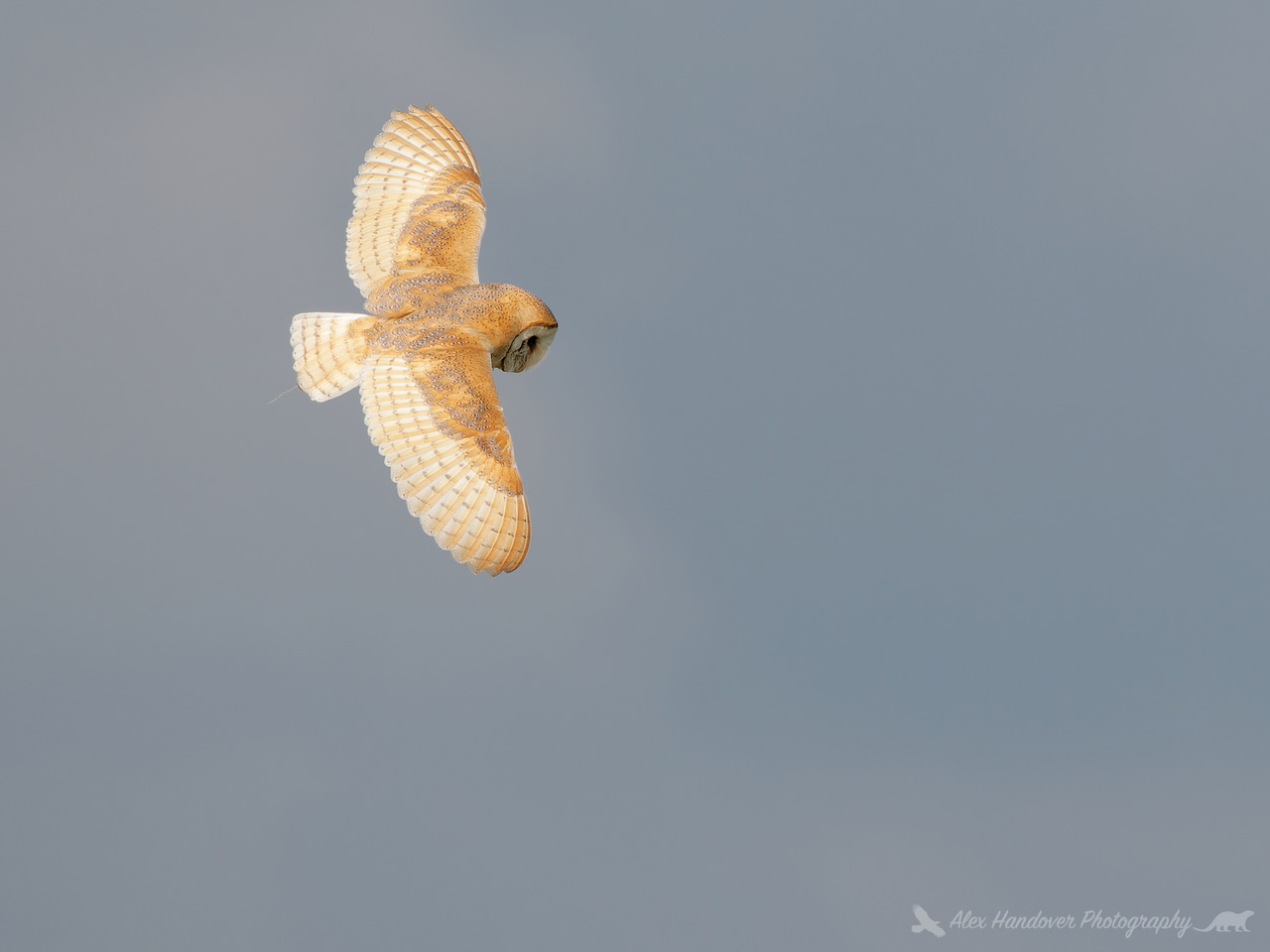
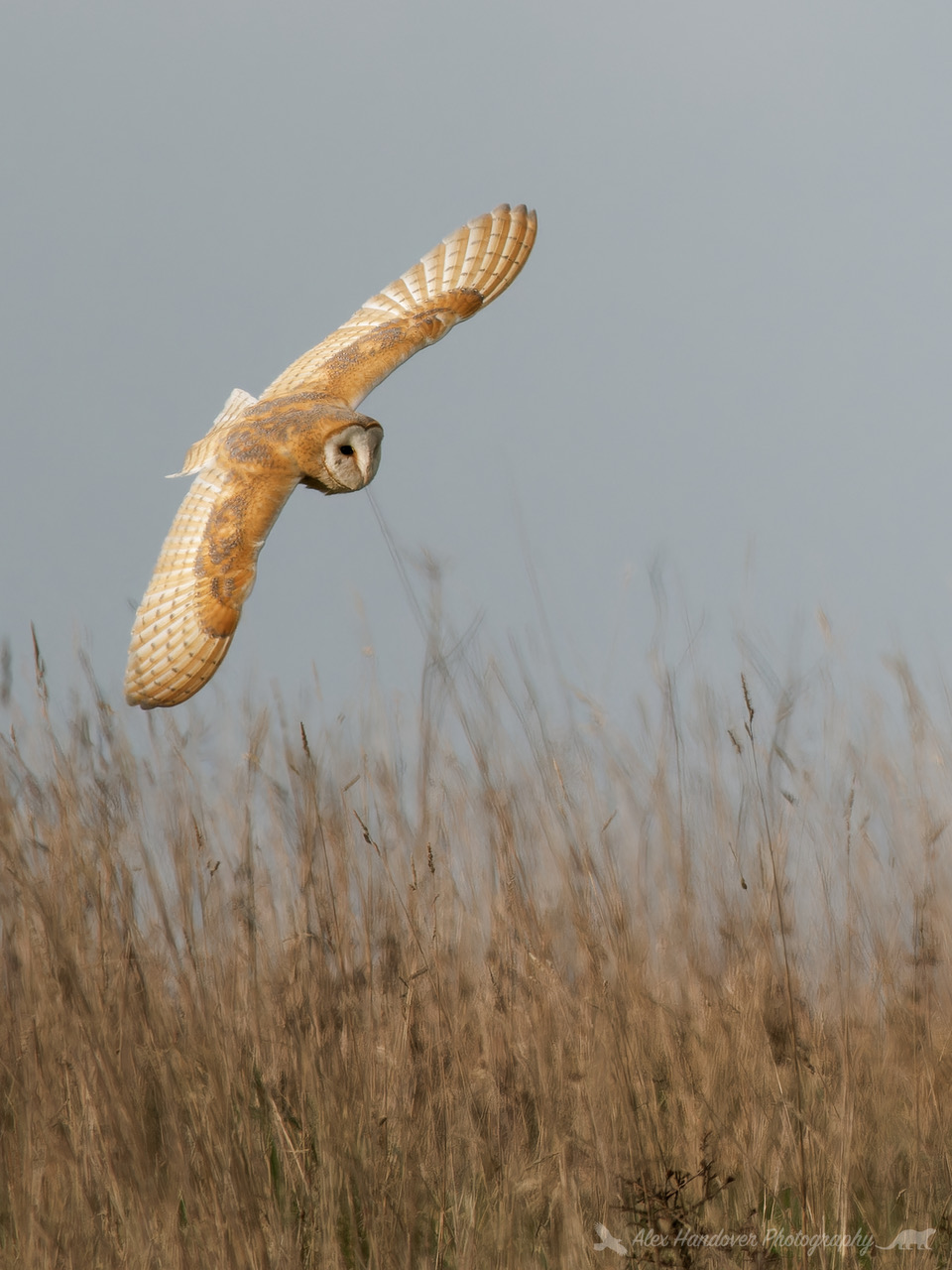
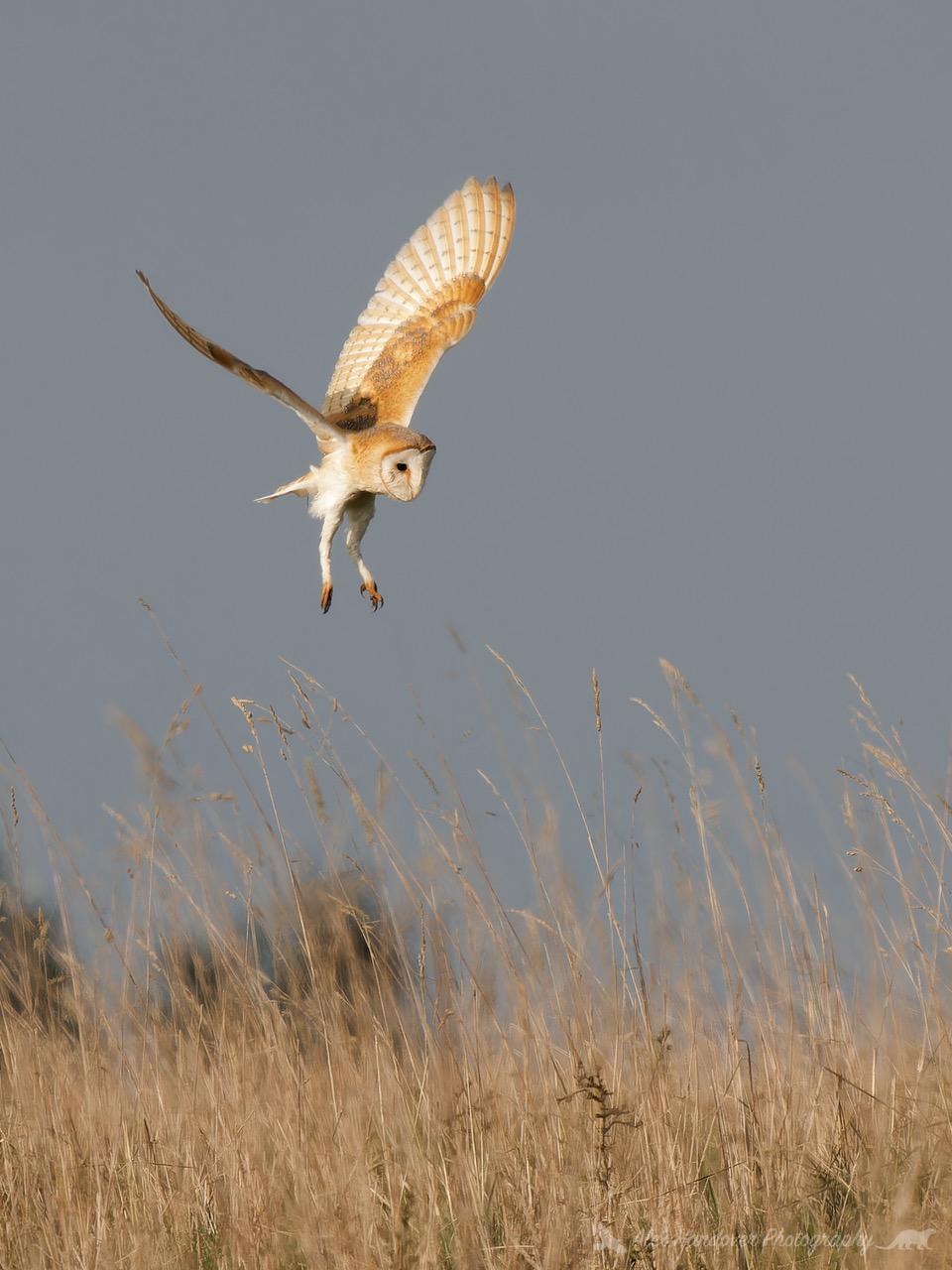
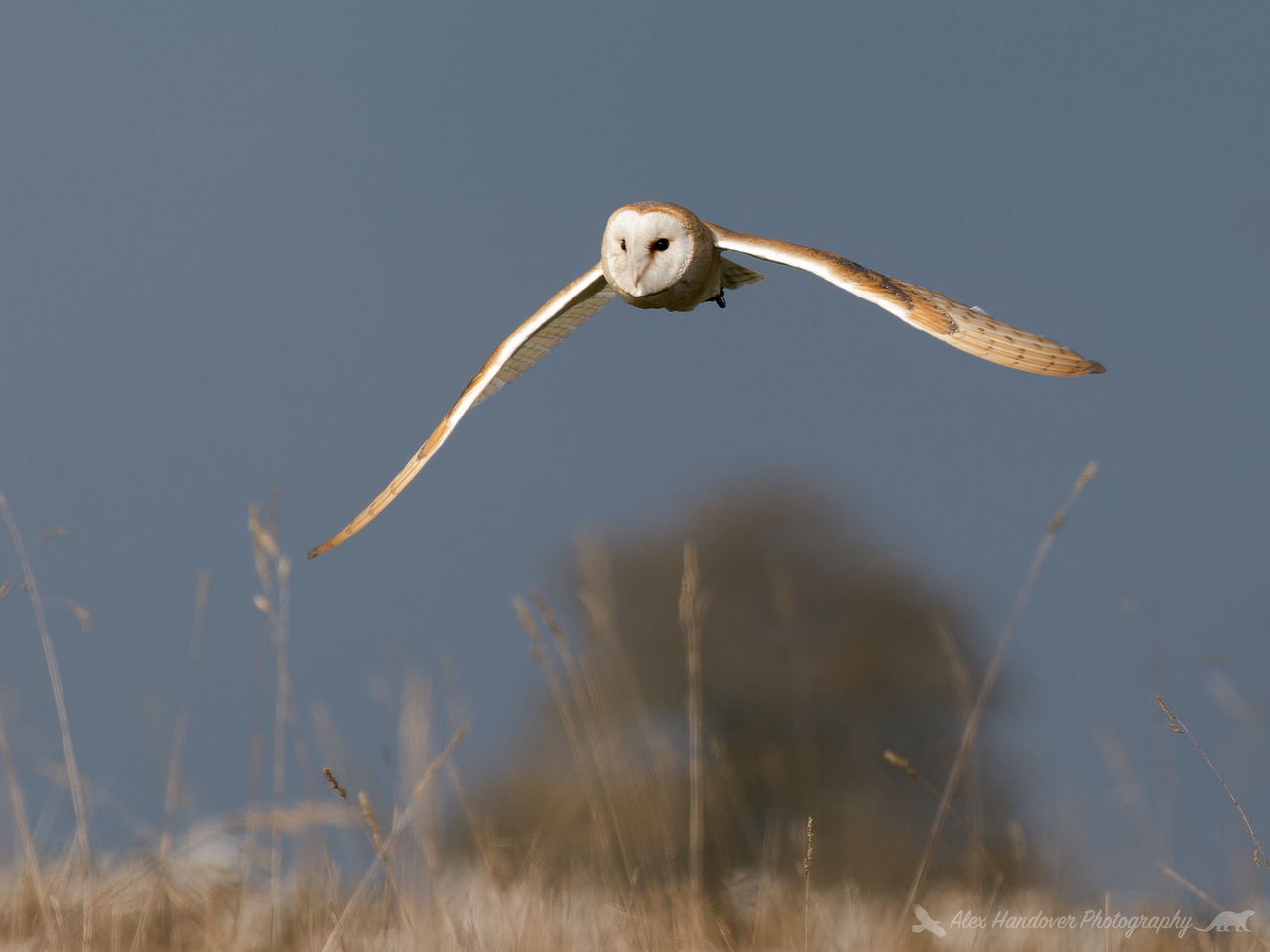
Beautiful photographs from Alex!

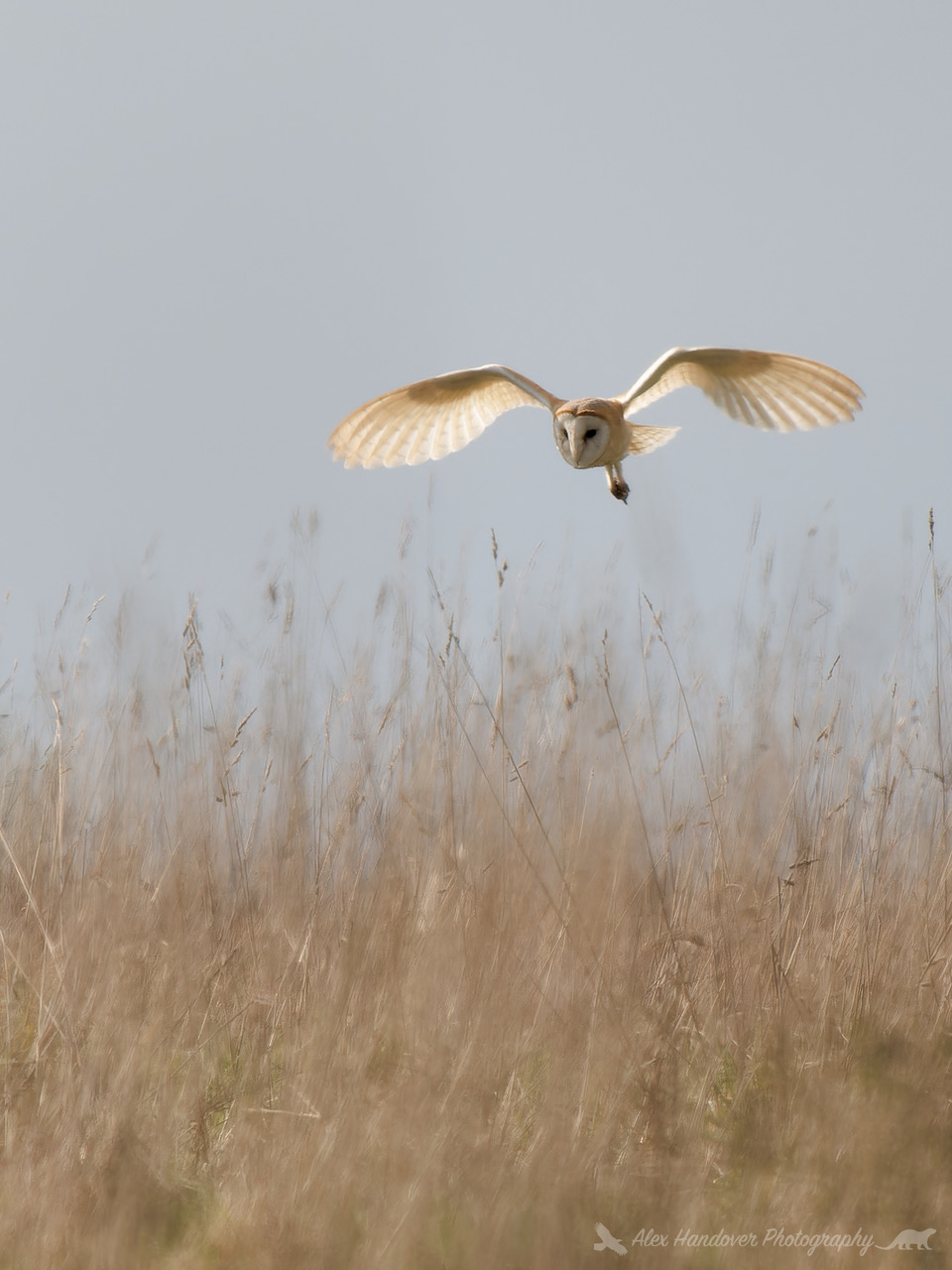
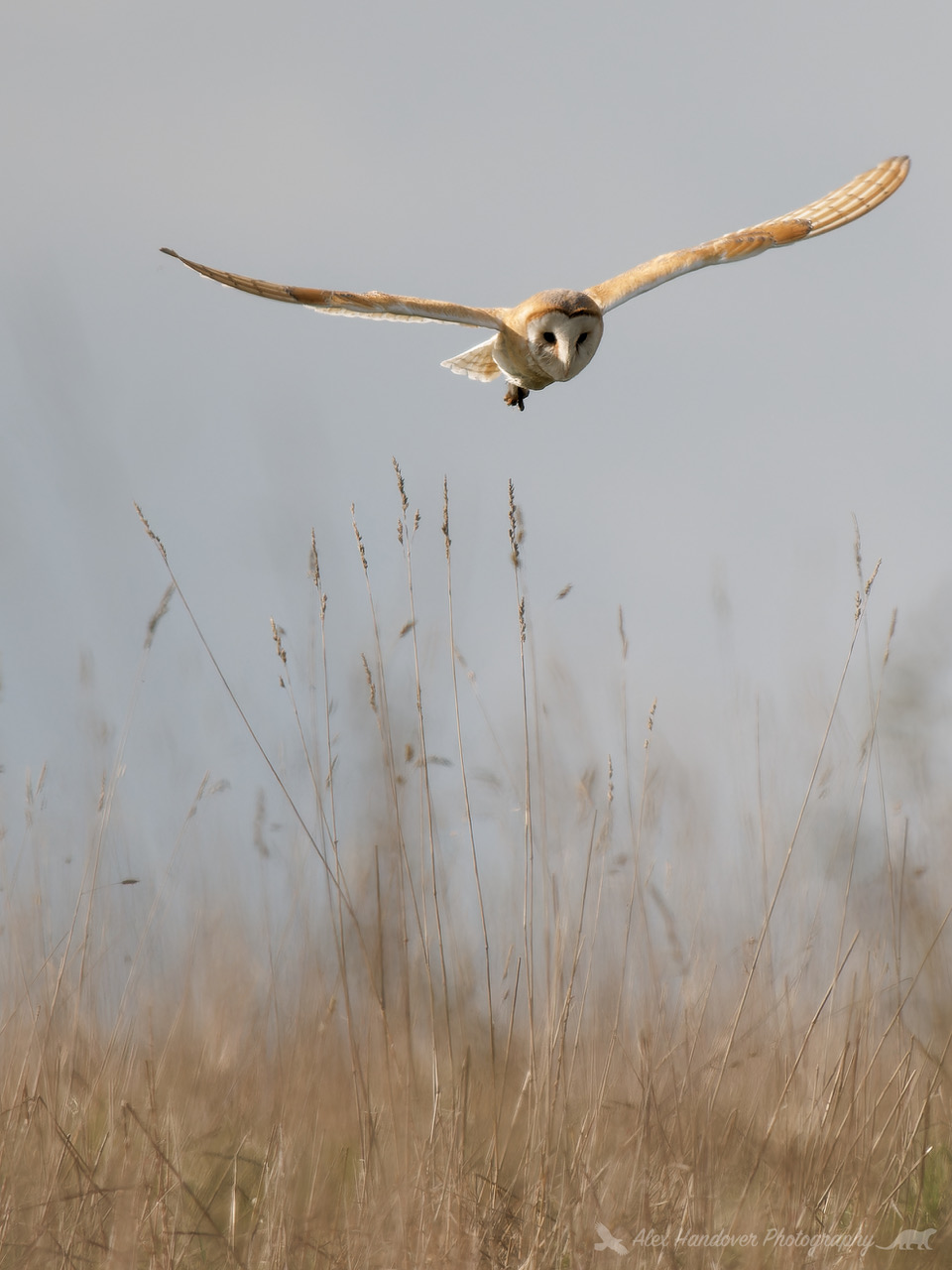
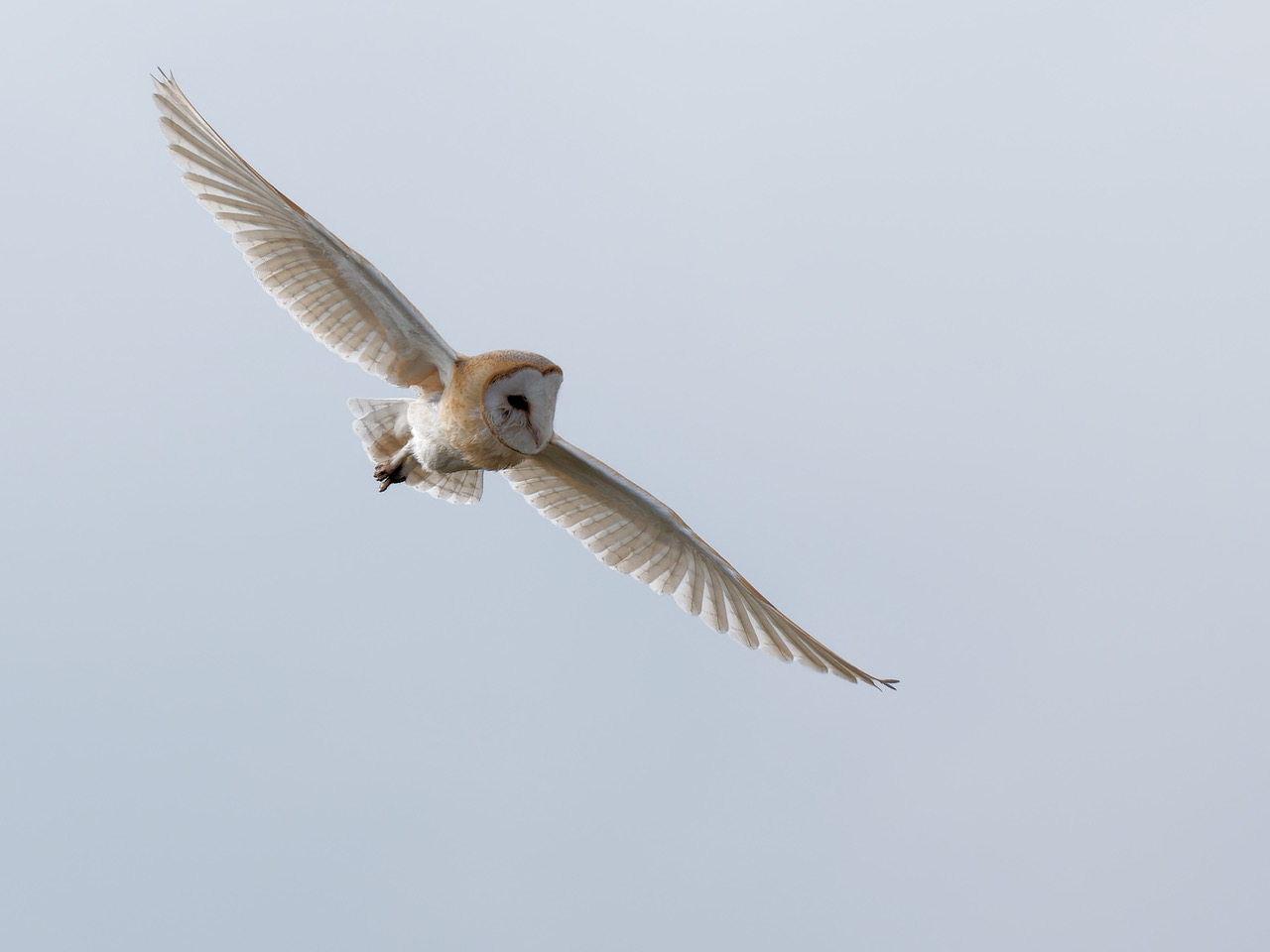
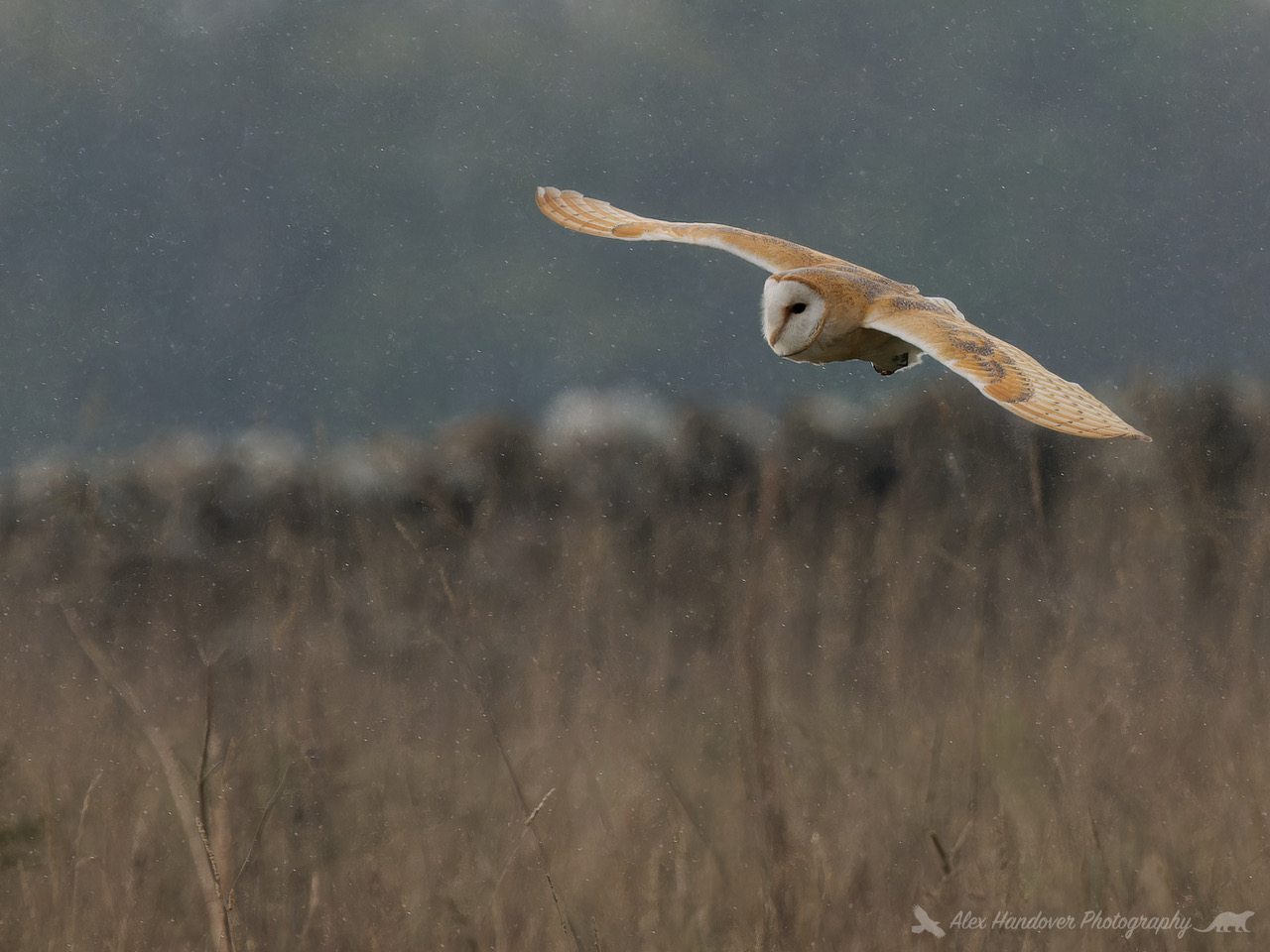
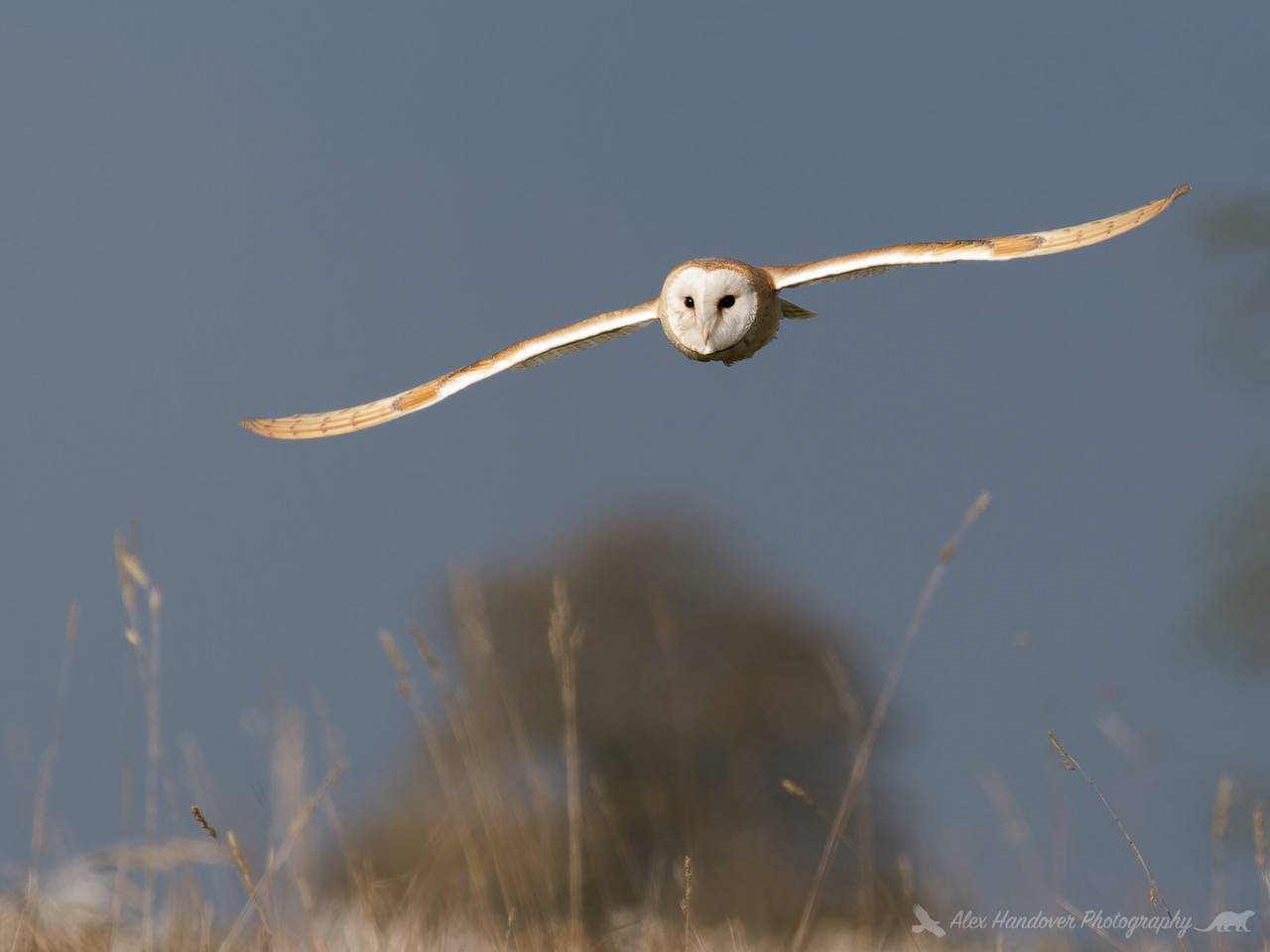
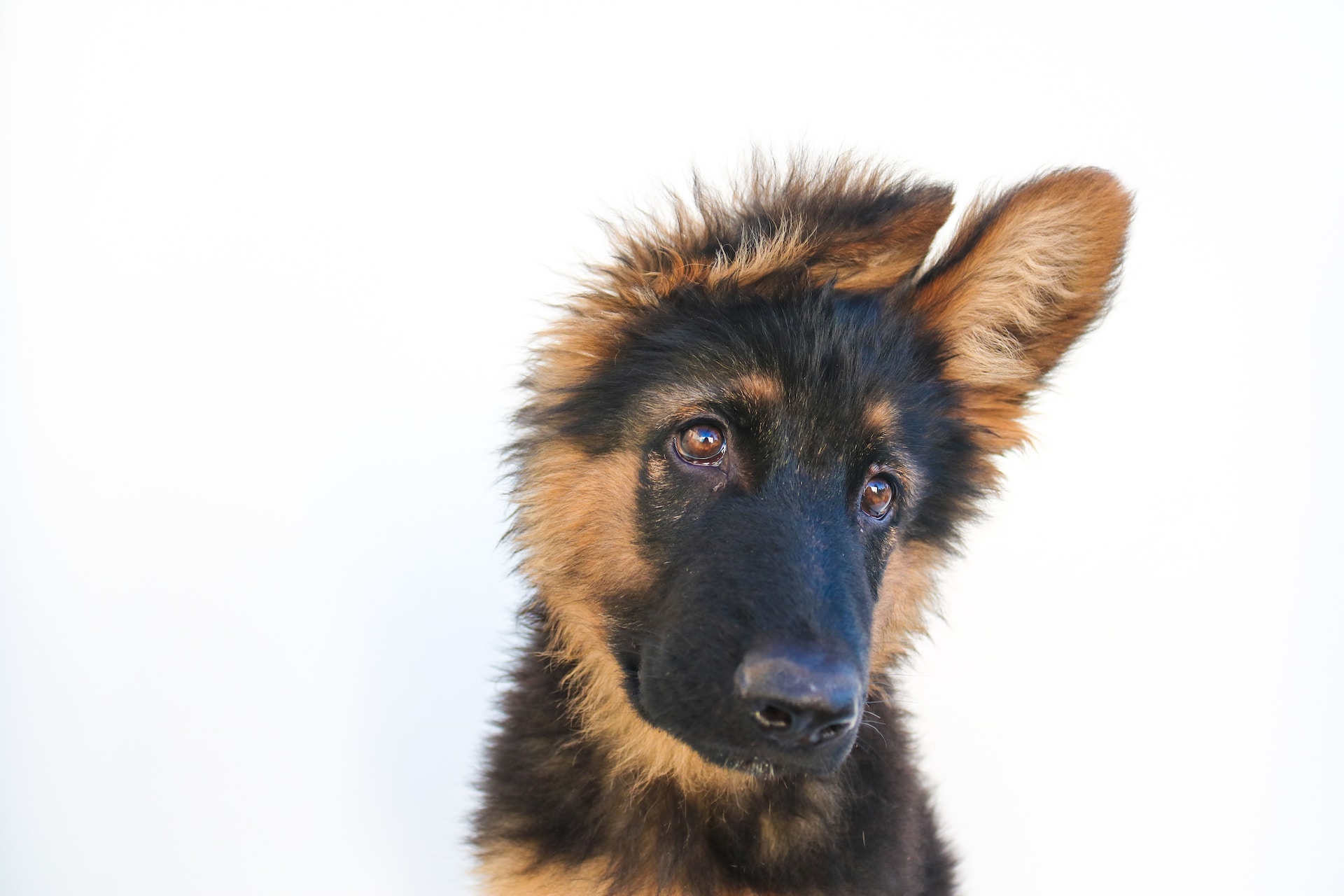
Last Friday I received an email from my son in which he said: “… bit chilly here -9C (16F) overnight but we heard that some short-eared owls had turned up in a nature reserve near Minehead so have been down there the last few days, here are the pictures.”

He included the many photographs separately as well. If you want to see more then please go here plus I want to credit Alex Handover as the photographer.

Here they are:

oooo

oooo

oooo

oooo

oooo

oooo

oooo
oooo

I have no doubt that many of you will find these very exciting!

The incredible story of Diablo

Just watch this after the introduction.

Countless numbers of people have dreamt that they can communicate with animals and I would imagine an enormous percentage of those would have dreamt that they can communicate with dogs.

Certainly of the three dogs we have alive still here at home (we had in the past some fifteen dogs) Oliver below appears to understand much of what is said to him by me and Jean

If one goes to the YouTube website then one is introduced to Anna Breytenbach who has made it her life’s passion to better communicate with animals. Here’s a small piece from the extensive WikiPedia entry:

In her twenties she decided to pursue her passion for wildlife (big cats in particular) by becoming a cheetah handler at a conservation education project. On moving to America, she explored wolf and other predator conservation. She has also served on committees for wolf, snow leopard, cheetah and mountain lion conservation.

Anna Breytenbach and friend

So now we come to this video of Anna and Diablo, more properly called Spirit, (and the video will make that clear).

Arjan Postma explains the background to the film:

I just want to share this message as much as possible without any commercial intent, personal benefit or whatsoever. All used materials and therefore copyrights do not belong to me. I hope you enjoy discovering and watching this story and skill as much as I did: What if you could talk to animals and have them talk back to you? Anna Breytenbach has dedicated her life to what she calls interspecies communication. She sends detailed messages to animals through pictures and thoughts. She then receives messages of remarkable clarity back from the animals. In this section, Anna transforms a deadly snarling leopard into a relaxed content cat. The amazing story of how leopard Diabolo became Spirit… I found the source of this amazing documentary here: http://www.cultureunplugged.com/docum… This is the first full length documentary film on the art of animal communication. Nominated for Best Long Documentary, Best Director of “Jade Kunlun” Awards of 2012 World Mountain Documentary Festival of Qinghai China. Director: Craig Foster | Producer: Vyv Simson | Narrator: Swati Thiyagarajan Genre: Documentary | Produced In: 2012.

P.S. Happy Thanksgiving to everyone!