Category: Animal rescue

Back to wolves.

Another example of the fabulous ways in which blogging connects people.

In the last twenty-four hours, Learning from Dogs has attracted a new follower. As always, I went across to this person’s blogsite and left a ‘thank you’ note. I loved what I saw because the blogsite was called Wolves of Douglas County Wisconsin authored by Rachel Tilseth. Better than that, there were a number of posts that I know LfD readers would enjoy very much.

Let me offer you an example of what you will find over on Rachel’s blog: Compassionate Conservation. Republished here with Rachel’s kind permission (but see my note at the very end of the post).

ooOOoo

Compassionate Conservation

a-wolf

When I think of compassionate conservation several well known conservationists, scientists, and psychologists come to mind. On a scale one to ten Dr. Jane Goodall, Joy Adamson, Bill Travers and Virginia McKenna, and Marc Bekoff Ph.D all rate in the top ten for their compassionate ideals and work regarding wild animals. I believe that it is wrong for humankind to kill off one species to save another because it is not acting in the best interests of wild animals and the ecosystems they support.

In a recent Facebook post on Todd Wilkinson’s timeline I was alerted to a column by Dr. Marc Bekoff on the subject of ‘compassionate conservation’ and decided to post Beckoff’s thought provoking article on my blog.

Compassionate Conservation Meets Cecil the Slain Lion A recent meeting focused on whether we should kill in the name of conservation Post published by Marc Bekoff Ph.D. on Aug 09, 2015 in Animal Emotions

The broad and interdisciplinary field of conservation biology(link is external) has received a good deal of attention in the past two weeks that has stimulated researchers and others to weigh in on what sorts of human-animal interactions are permissible as we try to save nonhuman animals (animals) and their homes. For example, some of the challenging questions that arise are: Should we kill in the name of conservation? Is it okay to trade off the lives of animals of one species for the good of their own or other species? Is seeking the “most humane” way of killing animals the only way to move forward? Is it possible to stop the killing of other animals and factor compassion that centers on the lives of individuals into our decisions? Should we try a “hands off” policy to see if it works where it’s clear our interference, despite our best intentions, has not solved the problems at hand? How do we factor in the interests of other animals and humans as we deal with the numerous — and growing — challenging and frustrating conflicts at hand? The field of anthrozoology (link is external) focuses on these and other questions.

Clearly, there are going to be differences among the people who are trying to save other animals and their homes and also take into account the interests of humans. And, this is what makes the field of conservation biology so exciting, for we are the only animals who are able to do what needs to be done to reverse the rather dismal and depressing situations in which humans and other animals find themselves in conflict. It goes without saying that the major problem is that there are too many humans and if we don’t stop making more of us it’s going to be a long and hard battle to right the wrongs for which we are responsible. And, given all of the information that is currently available, I like to call attention to a quote from William Wilberforce sent to me by Sadie Parr of Wolf Awareness(link is external), “You may choose to look the other way but you can never say again that you did not know. (link is external)”

Compassionate conservation comes of age

A recent meeting that centered on the rapidly growing international field called compassionate conservation (link is external) brought people together from all over the world, all of whom are trying to reduce or eliminate human-animal conflict. The conference was sponsored and coordinated by the Born Free Foundation (link is external) and the Centre for Compassionate Conservation(link is external) at the University of Technology, Sydney and hosted by the Animal Welfare Program(link is external) at the University of British Columbia (for more on compassionate conservation please click here, here (link is external), and here (link is external)). A most exciting part of the meetings was the presence of numerous students and young researchers. And, also very stimulating, were the obvious differences of opinion — the expected shades of gray — in what is possible and what methods are permissible as we try to deal with rampant and growing global human-animal conflicts. Some people argued that in the “real world” the “most humane” ways of killing are the only ways forward, whereas others argued that compassionate conservation is not about the “most humane” way of killing, but rather centers on stopping the killing because it is unethical and in many instances it really hasn’t worked. For them, individual animals are the focus of concern and the guide for compassionate conservation and “First do no harm (link is external)” means not harming or killing other animals “in the name of conservation.”

There also was very valuable discussion of the words people use to refer to the killing of otherwise healthy animals “in the name of conservation,” with the recognition that it is not euthanasia, or mercy-killing, but rather “zoothanasia” when it’s done in zoos or slaughter when done in other situations (please see “Animal ‘Euthanasia’ Is Often Slaughter: Consider Kangaroos“). Also of interest was the use of the word “pests” to refer to animals who are causing problems. Many agreed that it’s humans who are the pests, but because we can dominate and control other animals, they pay the price for just doing what comes naturally for them but is bothersome for us.

Clearly, there were many valuable discussions, and the abstracts of the broad array of papers that were presented can be seen here (link is external). They are a goldmine of information on the broad topics that were covered, the numerous different species discussed, and anthrozoologists should them to be indispensable for future studies of human-animal relationships. We learned that many wild animals really aren’t free (Yolanda Pretorius of the Centre for Wildlife Management at the University of Pretoria told us that elephants in South Africa are fenced and can’t migrate) and that “methods to assess the well-being of elephants are not included as a requirement for developing an elephant management plan.” Moles are ruthlessly killed in the UK because they destroy gardens and in many locations geese are killed because they poop on golf courses. We take away the geese’s habitats and then we kill them because they have nowhere else to go.

We also learned in a paper by MarÍa Fàbregas and G. M. Koehler of Save China’s Tigers(link is external) that in order to reintroduce critically endangered captive South China tigers back to restored protected areas within their historic range in China, they are allowed to practice killing ungulates. Many people were rather concerned with this practice, and it reminded me of breeding golden hamsters to allow endangered black-footed ferrets to practice killing them before being released into wild habitat. For many, these sorts of trade-offs are unacceptable.

In another project that was the focus of discussion, almost 900 wolves and other non-target animals were killed in Alberta, Canada (please also see and and), to try to save woodland caribou (it didn’t work) and not only were families broken up but there also are trans-generational effects. Simply put, far too many other animals are harmed or killed because we move into their homes and they have nowhere else to go and thus, they, innocent victims, become the “problems.” It’s a no-win situation for millions of other animals and we need to do much better so the killing stops.

Compassionate conservation meets Cecil the slain lion

It was also rather timely, and of course incredibly sad, that news about the thoroughly unnecessary killing of Cecil the lion(link is external) by Walter Palmer (please also see the numerous articles listed here (link is external) and Jennifer Jacquet’s “The Shaming of Walter Palmer (link is external)“) was making world-wide headlines as the meeting got under way. A few of us received requests for interviews the first morning of the meeting and Cecil was the topic of conversation at a number of talks and also at the coffee breaks, as was Marius, the young giraffe who was mercilessly killed at the Copenhagen Zoo in February 2014, because he didn’t fit into the zoo’s breeding program. Marius us a classic case of an animal who was zoothanized, not euthanized, as claimed by zoo administrators.

Many people are interested in the status and fate of African lions and as I was writing this essay I came across a review of a book called Lions in the Balance: Man-Eaters, Manes, and Men with Guns(link is external) by world renowned lion researcher Dr. Craig Packer(link is external) (the Kindle edition can be found here(link is external)). In the review by Iris Barber(link is external) called “Lions in the Balance: Can hunting save the kings of the jungle?” we learn that Dr. Packer argues, “‘Lions need trophy-hunting just as much as trophy-hunting needs lions.’ His plan: kill only male lions over the age of 6, so cubs aren’t killed by a lion mating with their mother who seeks to safeguard his own progeny. This is a fresh approach to conservation, where hunting is essential to survival.”

While numerous compassionate conservationists would argue against killing lions, when experts like Dr. Packer speaks, it’s highly worthwhile to listen carefully because it makes clear just how complex the issues are. As the book’s description notes, “Packer is sure to infuriate millionaires, politicians, aid agencies, and conservationists alike as he minces no words about the problems he encounters. But with a narrative stretching from far flung parts of Africa to the corridors of power in Washington, DC, and marked by Packer’s signature humor and incredible candor, Lions in the Balance is a tale of courage against impossible odds, a masterly blend of science, adventure, and storytelling, and an urgent call to action that will captivate a new generation of readers.”

Putting an end to dancing bears: All stakeholders count

Another tenet of compassionate conservation is that all stakeholders count, human and nonhuman. Of course, this is very challenging because various animals kill or harm humans or kill or harm animals on whom the livelihoods of humans and their communities depend. In an earlier essay I wrote about two projects in India that stress peaceful coexistence between humans and nonhumans who harm and kill the humans and destroy their businesses. Another excellent example of a project that took into account the interests of humans and nonhumans centered on putting an end to the use of dancing bears, discussed by Kartick Satyanarayan and Geeta Seshamani of the organization Wildlife SOS, India (link is external). The abstract for their talk reads as follows:

“Wildlife SOS spearheaded a conservation success story in India by resolving the barbaric dancing bear practice in which sloth bear cubs were poached from the wild, brutally trained in inhumane ways and spent their short tragic lives at the end of a four foot rope dragged through towns and villages to earn for the indigent, nomadic community called the Kalandars. Wildlife SOS’s initiative was to both rehabilitate the sloth bears held in captivity and the Kalandars themselves in alternative livelihoods. This in turn made a huge difference to the sloth bear population in the wild helping in its conservation.

“Compassionate Conservation and sustainability of wildlife and forests was the focus of the program which is still ongoing. Wildlife SOS also works with human-animal conflict situations similarly aiming for compassionate conservation and rehabilitation measures which educate the stakeholders, such as the villagers or dwellers around a forested area, in avoidance behavior.

“The education awareness programs are run in Maharashtra where the conflict species is the leopard and in Kashmir where the conflict species is the black bear and in Delhi and Agra the program deals with the rhesus macaque which seems to be the species humans have declared war on. Attempts at resolution involve creating safe spaces for the animals (rehabilitation centres) teaching people behaviours which do not lead to confrontation with the animals in question (awareness and education) but most importantly to inculcate a feeling for the animals in question emphasizing adjustment and acceptance of the existence of wildlife close to our human habitations. Our work with captive elephants is yet another conservation attempt at bringing down an ancient Indian traditional bastion that emphasizes training elephants using pain, fear and physical abuse by replacing it with compassion.

“Our training school – the kindness school provide straining to elephant keepers on modern and humane elephant management systems, compassionate handling, replacing negative management with positive reinforcement. However conservation also demands use of the law so the Wildlife SOS Anti-Poaching enforcement unit works to gatherintelligence on wildlife traffickers and smugglers and enforces the law working in partnership with the Indian Government.

“Compassionate conservation is the key to the future ahead of us.”

Another wonderful project in which human and nonhuman interests were taken into account and satisfied was concerned with how to deal non-lethally with “problem” raccoons at a fast food restaurant in Vancouver. Dr. Sara Dubois, who works with theBritish Columbia SPCA (link is external), outlined various strategies for coming to terms with urban “pests.” She noted, “The overall goal of developing humane standards for nuisance wildlife control is to create an educational and enforcement tool, setting a higher bar for control measures, whether they are done for conservation or nuisance purposes.”

The coming of age of compassionate conservation: It’s a “sad bad” if killing is the only viable option for “peaceful” coexistence

The field of compassionate conservation is slowly coming of age and it’s essential that all opinions come to the table to be discussed. Ethicist Bill Lynn, who supported the experimental humane killing of a few thousand barred owls to try to save endangered snowy owls, called this practice a “sad good.” While it may be a “sad good” for the snowy owls, it’s surely not for the slaughtered barred owls. I would call it a “sad bad” for the barred owls and many other animals if killing remains the only option. A “sad good” is a very slippery slope that sets a lamentable precedent for opening the door for the more widespread “experimental killing” of barred owls and other species just to see if it works.

Compassionate conservation requires a large change in heart and practices, and like any other revolutionary paradigm shift it will take time. Many hope that this most needed paradigm shift in conservation biology that entails stopping the killing “in the name of conservation” will endure its growing pains as more and more researchers and others realize that killing is not the answer. I hope those who see the “real world” as mandating killing will change their minds and hearts. Future and young researchers are critical to the development and implementation of compassionate conservation, as are those careerconservation officers, zoo administrators, and researchers who come to realize that using “the most humane killing” is not what compassionate conservation is all about. I like to imagine a world where killing is no longer part of the conservationist’s toolkit. The welfarist calculus patronizes other animals and when push comes to shove, or often when it’s merely convenient, the nonhumans suffer and are killed when it’s determined that the benefits to humans outweigh the costs to the animals.

It’s time to put away the guns, the traps, the snares, the poisons, and other “weapons of mass destruction” (as a few attendees called them) and figure out how to live in peaceful coexistence with the fascinating animals with whom we’re supposed to share our most magnificent planet. There does not have to be blood. I dedicated my talk to Cecil the lion and also to Bryce Casavant, a most courageous conservation officer who refused to kill two black bear cubs (link is external) near Port Hardy on northern Vancouver Island and was suspended because he said “no.” More people simply have to say “no” to killing other animals. We need to stop the violence and recognize that “The world becomes what we teach (link is external).” Compassion begets compassion and violence begets violence. By rewilding our hearts (link is external) and by becoming re-enchanted and reconnecting with nature I like to think that the killing will come to an end, slow as it may be.

If some people argue the killing cannot stop, it will not stop. It saddens me to think that we’ve gotten to the point where for some, killing is the only viable option for peaceful coexistence. Shame on us. As Kartick Satyanarayan and Geeta Seshamani concluded, “Compassionate conservation is the key to the future ahead of us.” I couldn’t agree more. We need to leave our comfort zones and think and act “outside of the box.”

The next meeting that will focus on compassionate conservation is slated for 2017 in Sydney, Australia. I often say that compassionate conservation is a wonderful meeting place for people who would otherwise not, but should, meet. This was so in Vancouver and I anticipate this will be the case in Sydney. Please stay tuned for more information on this future gathering and the exciting, challenging, and forward-looking field of compassionate conservation in general.

Note: I just learned of an essay titled “Mutant Animals Bred to be Brutally Killed by Hunters(link is external)” in which the person offering up these freaks outlandishly claims, “Conservation is a by-product of what I do.”

Marc Bekoff’s latest books are Jasper’s story: Saving moon bears (with Jill Robinson), Ignoring nature no more: The case for compassionate conservation, Why dogs hump and bees get depressed, and Rewilding our hearts: Building pathways of compassion and coexistence. The Jane effect: Celebrating Jane Goodall (edited with Dale Peterson) has recently been published. (marcbekoff.com; @MarcBekoff)

Source Psychology Today

ooOOoo

Note:

As Rachel points out in an earlier paragraph, the bulk of this essay was published by Marc Bekoff and I included the links in the third paragraph back to Marc’s essay.

However, Marc’s essay, via Rachel’s post, had a very great number of links including the many ‘link is external’ references and, sadly, far too many for me to enter in this reposting. So if you are curious about any aspect of Rachel/Marc’s essay then please re-read it here where all the links will be available to you.

The happiness of wolves

Loving dogs must mean, surely, loving and protecting our wolves.

In yesterday’s post, George Dvorsky wrote:

Unlike a certain companion animal that will go unnamed, dogs lose their minds when reunited with their owners. But it’s not immediately obvious why our canine companions should grant us such an over-the-top greeting—especially considering the power imbalance that exists between the two species. We spoke to the experts to find out why.

Call of the Wild

In order to gain an appreciation for dog behavior, it’s important to understand that dogs are descended from wolves (or at least a common wolf-like ancestor). Clearly, the two species, separated by about 10,000 to 15,000 years, share a lot in common.

Like dogs, wolves greet each other with vigorous face licking (Credit: Sander van der Wel CC A-SA 2.0)

That reference to wolves seemed like as good a reason as any to write further about the wonderful wolf. Or more specifically about the wolves of Oregon.

Such as this from a recent newsletter from Oregon Wild:

Dear Oregon Wild Supporter,

It’s been a busy last few days for Oregon’s wolves and those working to protect them, with new places, new dates, and new pups!

When I wrote to you last, it was about an important Oregon Department of Fish and Wildlife (ODFW) Commission meeting in Seaside. But there’s been a change! The agenda for that meeting has moved and the ODFW Commission will now be taking comments on whether to delist gray wolves on Friday, Oct. 9th in Florence, Oregon. Please sign up to attend and testify on behalf of Oregon’s wolves. After all, they can’t testify for themselves!

I also shared with you a video of the Rogue Pack yearlings playing, caught by trail cam. These were Journey’s pups from last year, but it was also reported that he and his mate had produced another litter this year. Thanks to the US Fish and Wildlife Service, we have a look at these new pups.

Here’s that video:

Published on Jul 8, 2015
A camera captured images of three yearling wolves playing in June, providing biologists with confirmation the offspring of Oregon’s wandering wolf OR7 and his mate have survived.

I can well imagine that the majority of the readers of Learning from Dogs will not be able to attend that ODFW Commission meeting in Florence, OR, on the 9th October (as we can’t) but that doesn’t stop you from wanting to support wolf recovery here in Oregon by signing and sharing the Oregon Wild petition.

Thank you.

Picture parade one hundred and eight

The last of the perfect puppy pictures.

Theo16


oooo

Theo17

oooo

Theo18

oooo

Theo19

oooo

For those of you that missed the first two sets of these puppy pictures, set number one is here and last week’s set is here.

You all take care out there.

The male of the species, Part Two

Further musings on dogs, women and men.

A few weeks ago, I read a book entitled The Republican Brain written by Chris Mooney and to quote WikiPedia:

The Republican Brain: The Science of Why They Deny Science — and Reality is a book by the journalist Chris Mooney that is about the psychological basis for many Republicans’ rejection of mainstream scientific theories, as well as theories of economics and history.

On page 83, Chris Mooney writes (my emphasis):

Here also arises a chief liberal weakness, in Lakoff’s view (*), and one that is probably amplified by academic training. Call it the Condorcet handicap, or the Enlightenment syndrome. Either way, it will sound very familiar: Constantly trying to use factual and reasoned arguments to make the world better and being amazed to find even though these arguments are sound, well-researched, and supported, they are disregarded, or even actively attacked by conservatives.

When glimpsed from a bird’s eye view, all the morality research that we’re surveying is broadly consistent. It once again reinforces the idea that there are deep differences between liberals and conservatives – differences that are operating, in many cases, beneath the level of conscious awareness, and that ultimately must be rooted in the brain.

(*) George Lakoff, Berkeley Cognitive Linguist and author of the book Moral Politics.

What Chris Mooney is proposing is that the difference between liberals and conservatives could be genetically rooted, at least in part.

That underlines in my mind how each of us, before even considering our gender differences, is truly a complex mix of ‘nature and nurture’ with countless numbers of permutations resulting.

That there are deep differences, apart from the obvious ones, between man and woman goes without saying. In earlier times, these differences were essential in us humans achieving so much and leading to, in the words of Yuval Noah Harari from yesterday’s post., ” … few would disagree that humans dominate planet Earth; we’ve spread to every continent, and our actions determine the fate of other animals (and possibly Earth itself).”

Speaking of earlier times, let me turn to dogs, for it is pertinent to my post, and I would like to quote an extract from what Doctor of Veterinarian Medicine, Jim Goodbrod, writes in the foreword of my forthcoming book:

But what exactly is this human-dog bond and why do we feel such an affinity for this species above all others? My feeling is that it may be associated with our deep but subconscious longing for that age of simple innocence and innate human goodness that we supposedly possessed before we became truly “human”: that child-like innocence or what Rousseau referred to as the “noble savage”, before being corrupted by civilization, before we were booted out of the Garden of Eden. We humans, for better or worse, somewhere along that evolutionary road acquired consciousness or so-called human nature and with it we lost that innocence. What we gained were those marvelous qualities that make us uniquely human: a sense of self-awareness, an innate moral and ethical code, the ability to contemplate our own existence and mortality, and our place in the universe. We gained the ability to think abstract thoughts and the intellectual power to unravel many of the mysteries of the universe. Because of that acquired consciousness and humans’ creative and imaginative mind we have produced the likes of Shakespeare, Mozart, and Einstein. We have peered deep into outer space, deciphered the genetic code, eradicated deadly diseases, probed the bizarre inner world of the atom, and accomplished thousands of other intellectual feats that hitherto would not have been possible without the evolution of our incredible brain and the consciousness with which it is equipped.

No other living species on this planet before or since has developed this massive intellectual power. But this consciousness was attained at what cost? Despite all the amazing accomplishments of the human race, we are the only species that repeatedly commits genocide and wages war against ourselves over political ideology, geographic boundaries, or religious superstition. We are capable of justifying the suffering and death of fellow human beings over rights to a shiny gold metal or a black oily liquid that powers our cars. We are the only species that has the capability to destroy our own planet, our only home in this vast universe, by either nuclear warfare, or more insidiously by environmental contamination on a global scale. Was it worth it? No matter what your or my opinion may be, Pandora’s Box has been opened and we cannot put the lid back on.

What can we do now to reverse this trend and help improve the quality of life for humanity and ensure the well-being of our planet? I think, if we recognize the problem and look very critically at ourselves as a unique species with awesome powers to do both good and bad, and put our collective minds to the task, it may be possible to retrieve some of the qualities of that innocence lost, without losing all that we have gained.

Dogs represent to me that innocence lost. Their emotions are pure. They live in the present. They do not suffer existential angst over who or what they are. They do not covet material wealth. They offer us unconditional love and devotion. Although they certainly have not reached the great heights of intellectual achievement of us humans (I know for a fact that this is true after having lived with a Labrador retriever for several years), at the same time they have not sunk to the depths of depravity to which we are susceptible. It could be argued that I am being overly anthropomorphic, or that dogs are simply mentally incapable of these thoughts. But nevertheless, metaphorically or otherwise, I believe that dogs demonstrate a simple and uncorrupted approach to life from which we all could benefit. I think the crux of Paul’s thesis is that, within the confines and limitations of our human consciousness, we can (and should) metaphorically view the integrity of the dog as a template for human behavior.

“Dogs demonstrate a simple and uncorrupted approach to life …”

I closed yesterday’s post with these words, “It is my contention that humankind’s evolution, our ability to “cooperate flexibly in large numbers”, is rooted in the gender differences between man and woman.”

The premise behind that proposition is that until, say one hundred years ago, give or take, that co-operation between large numbers of humans was critically important in so many areas: health; science; medicine; physics; exploration; outer space and more. (And whether one likes it or not: wars.)  My proposition is that it is predominantly men who have been the ‘shakers and movers’ in these areas. Of course not exclusively, far from it, just saying that so many advances in society are more likely to have been led by men.

But (and you sensed a ‘but’ coming up, perhaps) these present times call for a different type of man. A man who is less the rational thinker, wanting to set the pace, and more a man capable of expressing his fears, exploring his feelings, defining his fear of failure, and more. I don’t know about you but when I read Raúl Ilargi Meijer words from yesterday, “And if and when we resort to only rational terms to define ourselves, as well as our world and the societies we create in that world, we can only fail.”, it was the male of our species that was in my mind. As in, “And if and when we [males] resort to only rational terms to define ourselves …”.

Staying with Raúl Meijer’s words from yesterday (my emphasis), “And those should never be defined by economists or lawyers or politicians, but by the people themselves. A social contract needs to be set up by everyone involved, and with everyone’s consent.”

Dogs demonstrate a simple and uncorrupted approach to life but that doesn’t extend to them making social contracts. Women do understand social contracts, they are predominantly caring, social humans. Less so for men. But for that social contract to be successfully set up by everyone it must, of course, include men. And that requires men, speaking generally you realise, to find safe ways to get in touch with their feelings, to tap into their emotional intelligence, using positive psychology to listen to their feelings and know the truth of what they and their loved ones need to guarantee a better future. What they need in terms of emotional and behavioural change. And, if I may say, sensing when they might need the support of subject experts to embed and sustain those behavioural changes.

It was the fickle finger of fate that led me to the arms, metaphorically speaking, of a core process psychotherapist back in Devon in the first half of 2007. That counselling relationship that revealed a deeply hidden aspect of my consciousness: a fear of rejection that I had had since December, 1956. That finger of fate that took me to Mexico for Christmas 2007 and me meeting Jean and all her dogs. That finger of fate that pointed me to the happiest years of my life and a love between Jeannie and me that I could hitherto never ever have imagined.

However, as much as I love and trust Jean, wholeheartedly, it comes back to dogs.

For when I curl up and wrap myself around a dog and sense that pure unconditional love coming back to me, I have access to my inner feelings, my inner joys and fears, in a way unmatched by anything else.

Where learning from dogs is a gateway to learning from me.

Pharaoh – more than just a dog!


Picture parade one hundred and seven

Continuing the theme of the Perfect Puppy.

(The background to these pictures was last Sunday.)

Theo9

oooo

Theo10

oooo

Theo11

oooo

Theo12

oooo

Theo13

oooo

Theo14

oooo

Theo15

oooo

Aren’t they just gorgeous!

The final set in a week’s time. You all take care out there.

Picture parade one hundred and six

The theme for the next three Picture Parades: The Perfect Puppy

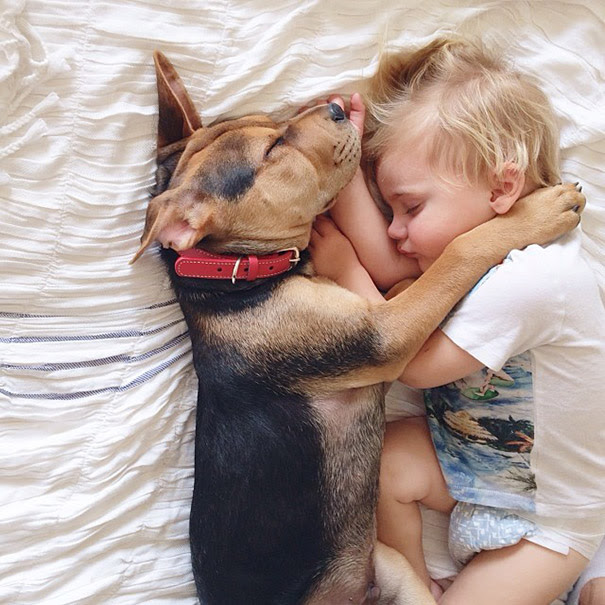
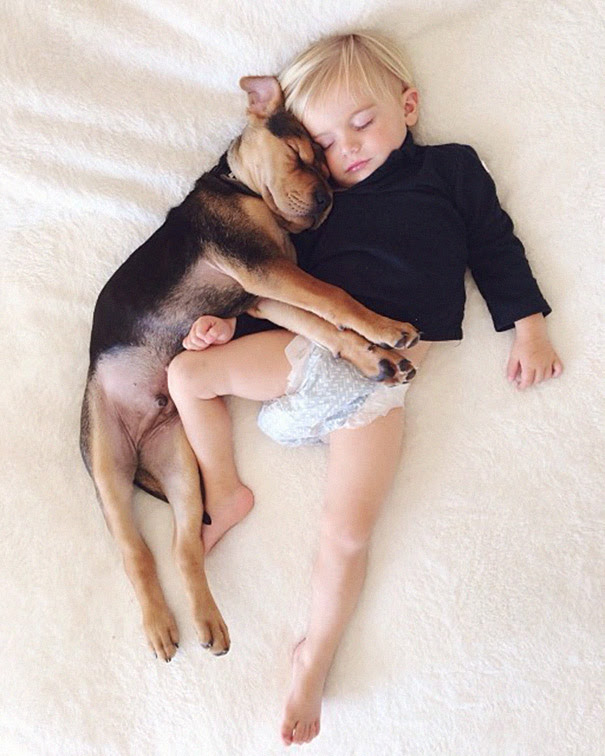
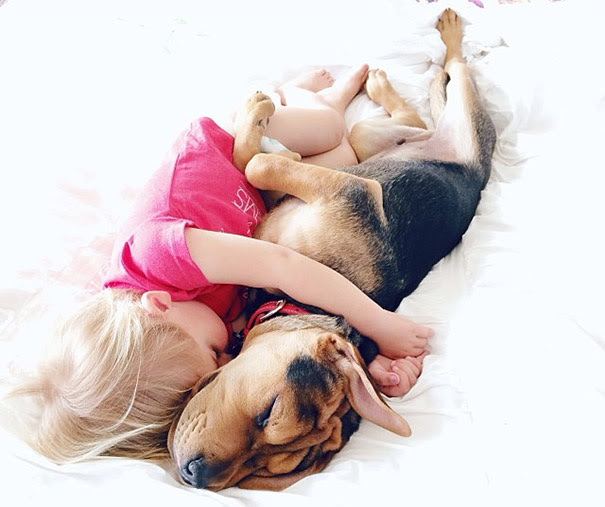
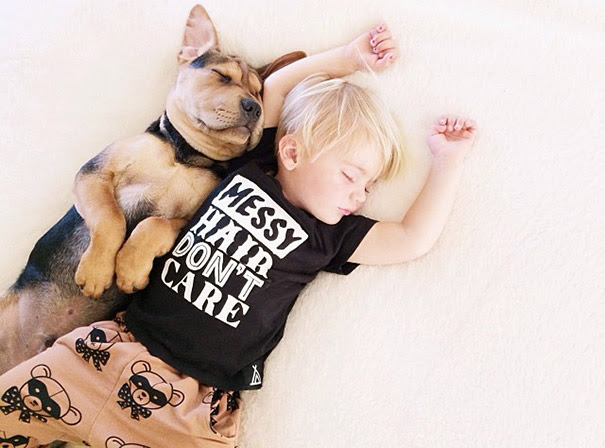
Suzann sent me some wonderful pictures with the following background story:

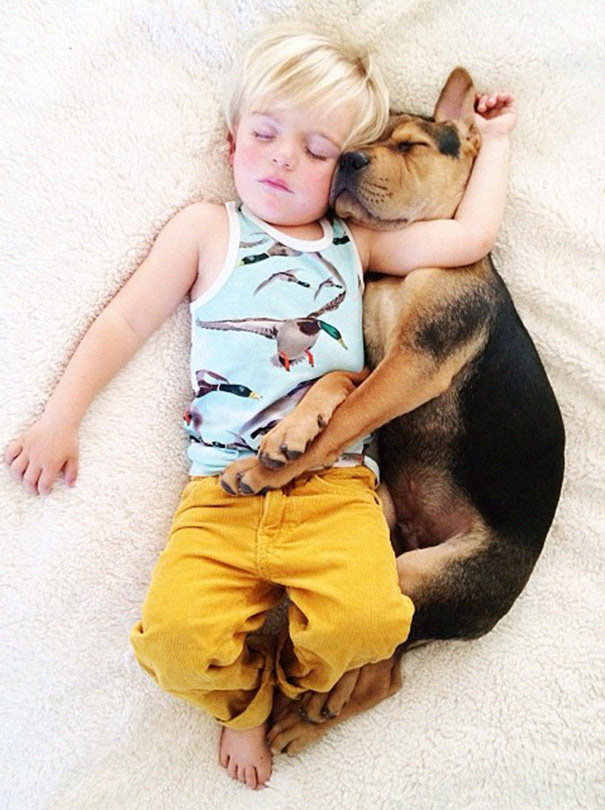
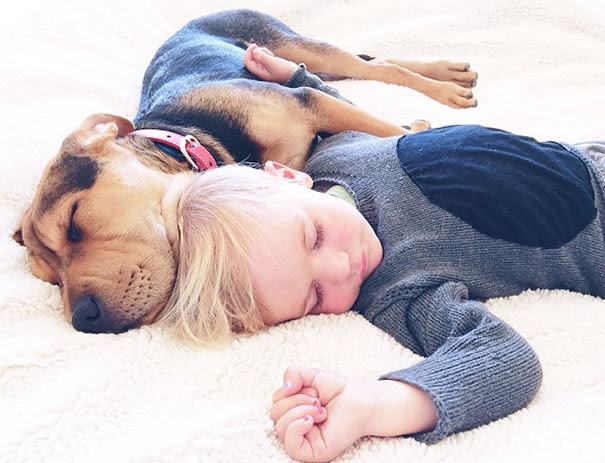
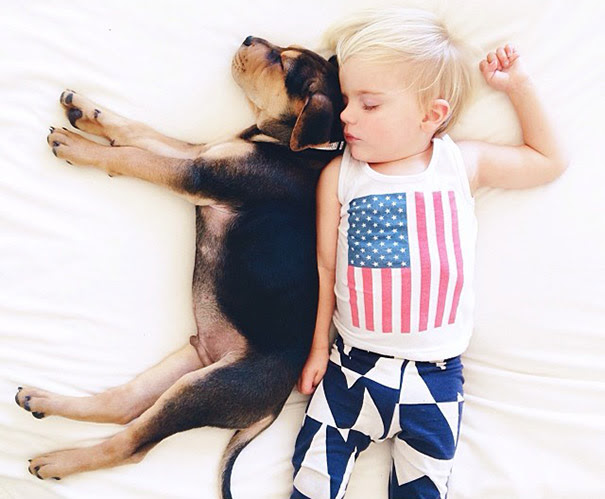
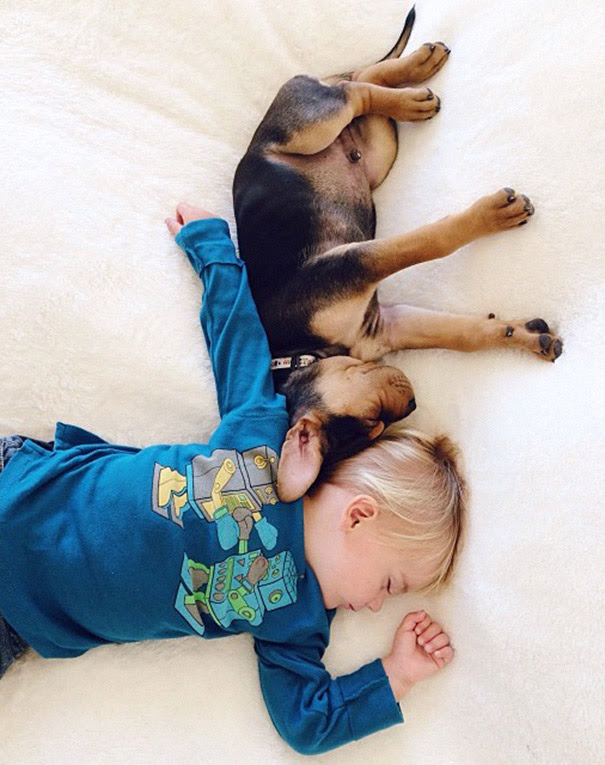
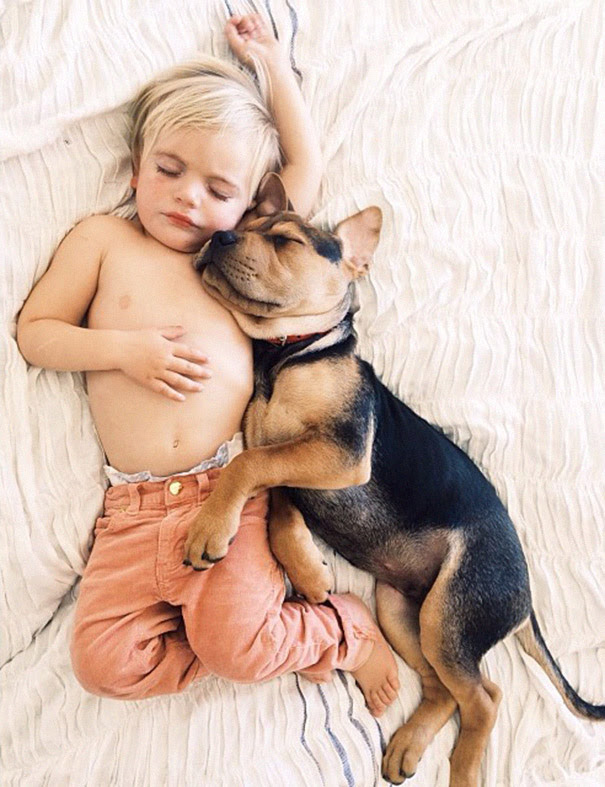
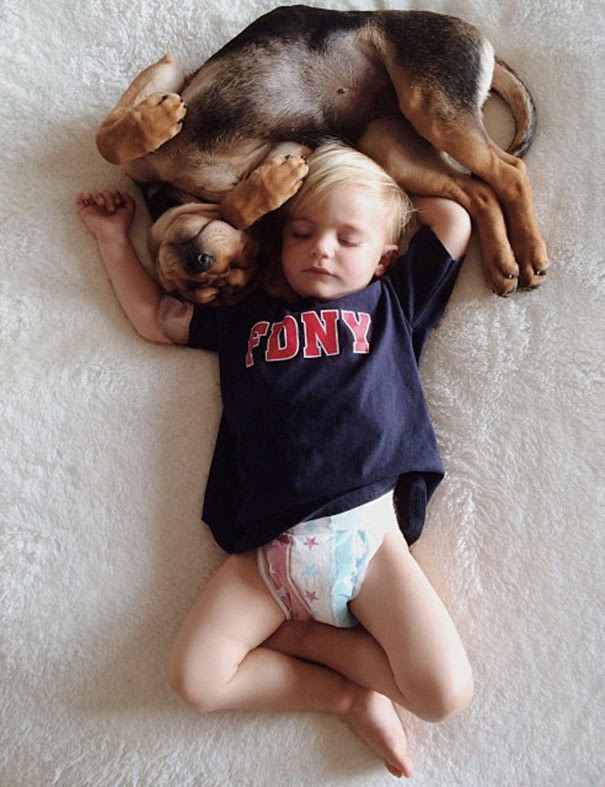
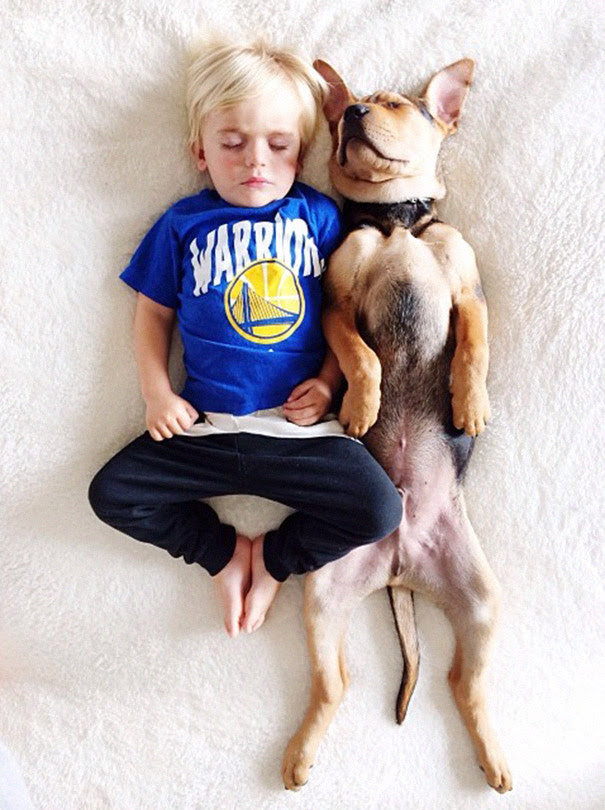
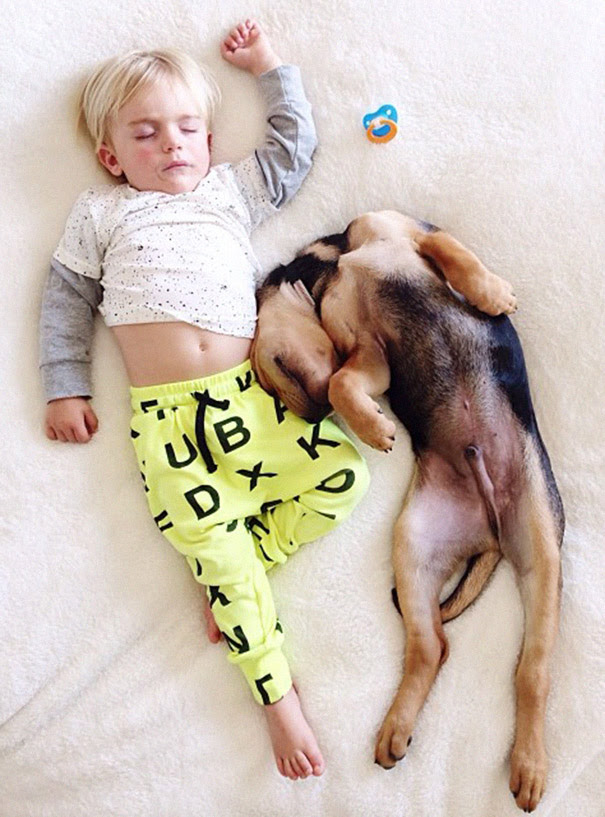
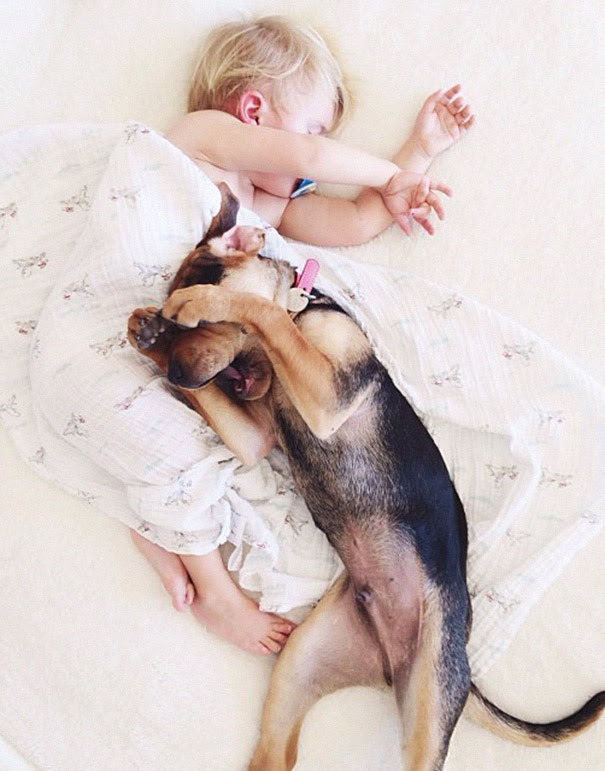
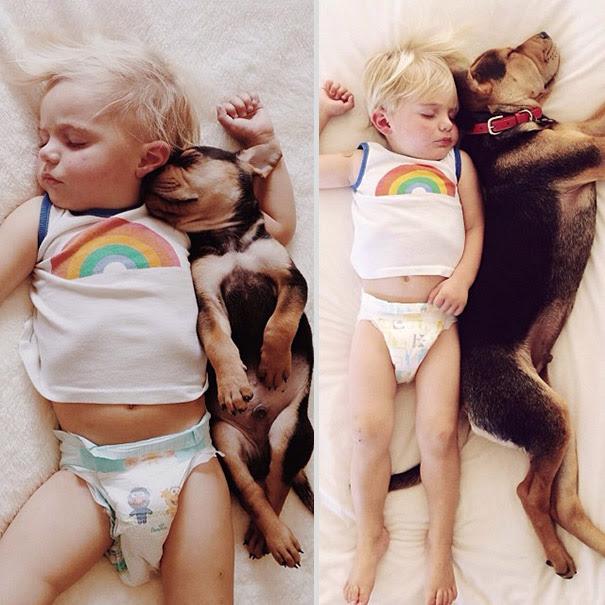
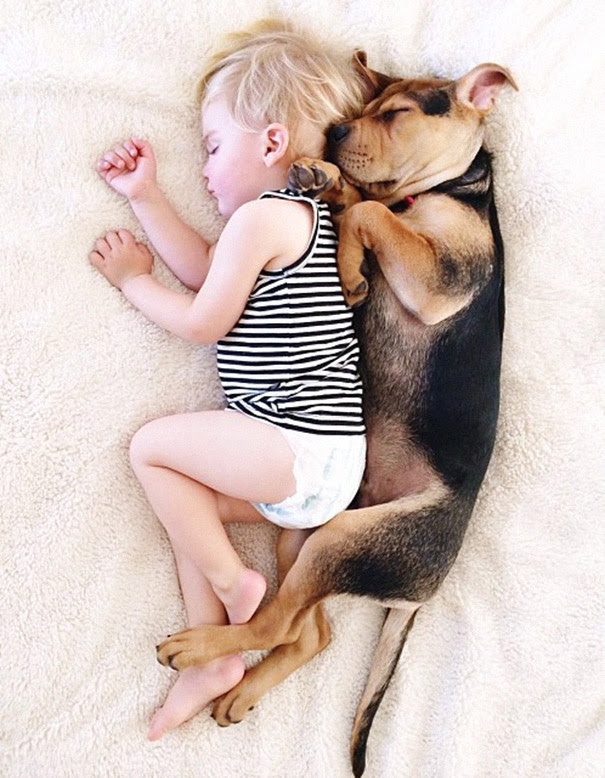
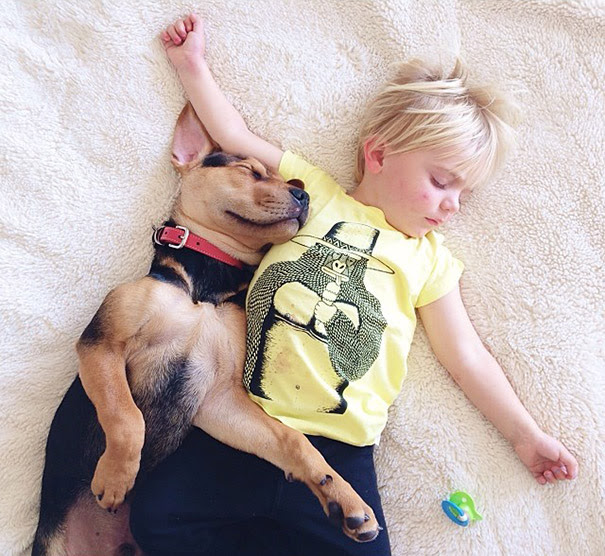
A family in New York began visiting shelters to look for the perfect pup. After a few weeks of searching local shelters, they found a puppy that they fell in love with – Theo. He craved human friendship and attention. Three days after coming home with them, he joined their son Beau for his daily nap. Beau’s mother began taking “nap” pictures and now they are warming hearts around the world.

So here is the first set of seven pictures.

ooOOoo

Theo1

oooo

Theo3

oooo

Theo4

oooo

Theo5

oooo

Theo6

oooo

Theo7

oooo

Theo8

oooo

Another wonderful set of pictures in a week’s time.

Saturday smile.

Wonderful volunteers keep a stranded Orca whale alive.

I saw this shared on Facebook by George Ball, a friend from my English days. It’s a lovely example of the compassionate side of man.

ooOOoo

From CBS News:

Stranded orca saved by volunteers who kept it cool for hours until high tide

A pump and sheets were used to keep whale alive near Hartley Bay on B.C.’s North Coast

By Maryse Zeidler, CBC News Posted: Jul 23, 2015 7:20 AM PT – Last Updated: Jul 24, 2015 5:35 AM PT

An orca that was stranded on some rocks was kept alive for eight hours by a dedicated team of whale researchers and volunteers on the North Coast of B.C.

“She cried often, which tore at our hearts, but as the tide came up there were many cheers as this whale was finally free,” said in a Facebook post from the group The Cetacean Lab.

Early Wednesday morning, the group received a call from a colleague about the beached orca, which was stuck on some rocks at low tide.

“We decided the best thing to do would be to keep her cool, that meant to put water on her body and we used blankets and sheets,” said Hermann Meuter, a co-founder of Cetacean Lab.

“It was the only thing we could do.”

Meuter said they could see the orca’s behaviour change as they began to help her.

“At first she was stressed, you could see that her breathing was getting a little faster,” said Meuter.

But after about 15 to 20 minutes, she began to calm down.

“I think she knew that we were there to help her,” said Meuter.

Around 4 p.m. PT, the tide began to rise and the orca was able to start freeing herself.

“It took her about 45 minutes to negotiate how best to get off the rocks,” said Meuter. “We all just kept our distance at that point.”

When she swam away, the orca was quickly reunited with her pod, which was nearby.

Metuer said members of the World Wildlife Fund and the Git G’at Guardians from Hartley Bay were also on the scene helping to free the animal.

“We all cared about this whale and we were just very lucky to give that whale another chance,” said Meuter.

ooOOoo

There are photographs to view on that CBS News item plus this video (wish it could have been longer) was also included in Maryse Zeidler’s report.

Well done to everyone who helped save this magnificent animal.

Giving dogs the run of their lives.

How to build the perfect backyard for your dogs.

(I’m conscious that many recent posts have been more of me republishing stuff than being creative on my own account. Blame it on ‘the book’: my first edit is now complete and the next stage is sending the manuscript out to those who have volunteered to proof-read the book.)

I saw this article on Mother Nature Network and it struck me immediately as being full of common-sense and well worth sharing with you.

ooOOoo

How to build the perfect backyard for dogs

Learn which plants are hardy, which are poisonous, and how to create a beautiful but functional layout.

By: Jaymi Heimbuch
July 14, 2015

Designing your garden with your dog in mind will prevent an infinite number of headaches down the road. (Photo: upixa/Shutterstock)

A dog and a healthy, beautiful backyard don’t often go hand in hand. The amount of wear and tear a dog throws at a garden can leave it in tatters. But it doesn’t have to be this way! With a bit of planning and a careful selection of plants able to hold up to whatever dogs spray at them, your backyard can be both a haven for humans and a paradise for your pups.

Here are helpful strategies for planning out a yard and a list of plants to use or to avoid.

7 tips for dog-friendly garden design

Build raised beds for the more sensitive plants or for any fruits and vegetables you may want to grow. Add in some fencing or netting around the boxes to protect them if your dog is still tempted to hop up and snoop around in them.

Build a dog-friendly path around the yard. This will guide your dog through the garden and minimize the detours into the flowerbeds. You may want to start by watching where your dog goes on his own, and creating the path along that route. That way you aren’t trying to train your dog to go somewhere he doesn’t normally want to go, and you aren’t frustrated when your dog goes where he wants to anyway.

Providing pathways for your dogs will show them where they're allowed to run and will help keep them out of more sensitive areas of the garden. (Photo: Julius Elias/Shutterstock)
Providing pathways for your dogs will show them where they’re allowed to run and will help keep them out of more sensitive areas of the garden. (Photo: Julius Elias/Shutterstock)

Discourage digging through design. If your dog sometimes digs holes, you can help keep your garden beds safe by making them raised beds. However, if your dog is a relentless digger and no part of the yard is safe, then consider building an area where your dog can do anything he’d like within that space, including dig. This could be a fenced area that has a sand box, where the outlet of digging is welcomed.

Create a designated area for bathroom breaks. This will of course require training your dog to use it, but the time and effort spent in training will counter any time and money spent in replacing dead plants.

Provide places to sun. Many dogs love to sunbathe and might pick the sunniest spot in the middle of your favorite bed of flowers. Avoid a dog selecting his own area by providing one for him instead. A small deck, or a few paving stones in a pretty design, or even an area with bark chips will be a welcoming place for your dog to lie down, out of the way of the plants.

Create shaded areas to keep your pet comfortable. Yards are the perfect place to hang out in the sun, but on hot days it can feel pretty miserable without relief with a little shade. Plant trees or tall shrubs where your dog can enjoy a cool break from playing in the sun.

If you have a water feature, make sure the water is drinkable and free of chemicals.

Safe and hardy plants for dogs

After figuring out a few design elements to make your yard a place where both dogs and humans can feel comfortable, it’s time to review your plant selection. There are a fair number of plants that are resistant to dog urine. By placing these plants in the areas your dog frequents, you can reduce how much replanting you need to do as well as keep your yard looking fresh and healthy.

Many herbs are not only safe but also healthy for dogs. But you'll still want to protect them from your dog by growing them in a raised bed or pots. (Photo: Jamie Hooper/Shutterstock)
Many herbs are not only safe but also healthy for dogs. But you’ll still want to protect them from your dog by growing them in a raised bed or pots. (Photo: Jamie Hooper/Shutterstock)

Luckily, the herbs you likely want to have in your kitchen garden are also healthy for dogs. If you like cooking with these savory staples, you’ll be happy to know they’re more than welcome in your dog-friendly garden! The five best options include:

  • Basil — antioxidant, antiviral and antimicrobial properties
  • Oregano — helps digestive problems including diarrhea and gas
  • Parsley — a source of flavonoids, antioxidants and vitamins
  • Peppermint — soothes upset stomachs, reduces gas and nausea, and helps with travel sickness
  • Rosemary — high in iron, calcium and Vitamin B6

Groundcovers are a great alternative to a grassy lawn. Many varieties can withstand abuse from dogs better than any grasses. Great options include:

  • 
Carpet bugle
  • Elfin thyme
  • Kinnikinick
  • 
Miniature stonecrop
  • Silver carpet
  • Snow in summer
  • Winter creeper

Another staple for a dog-friendly yard are urine-resistant plants. Here are a few suggestions:

  • Bears breech
  • Burkwood osmanthus
  • Doublefile viburnum
  • Feather reed grass
  • Holly fern
  • Japanese spindle tree
  • Mexican sage
  • New Zealand flax
  • Redtwig dogwood
  • Snowball viburnum
  • Spider plants
  • Sword fern

Plants poisonous to dogs

Even if they look pretty, there are quite a few plants you should avoid having in your yard because ingesting them can mean illness or death for your pet. It doesn’t mean you can’t have these plants around; it just means you’ll want to plant them in areas your dog can’t access, such as fenced-off portions of the yard or in hanging baskets out of reach. University of California, Davis put together a list of the 12 plants that cause the most visits to their vet hospital. They include:

  • Aloe vera
  • All species of amaryllis
  • Anemone
  • Asparagus fern
  • Chrysanthemums
  • Cycads (including Sago palm and cardboard palm)
  • Cyclamen
  • Daffodil
  • Jade plants
  • Lilies
  • Lily of the valley
  • Philodendrons

The ASPCA provides a full list of plants toxic to dogs. Reviewing this list before planting will help prevent trips to the vet in the future.


Be sure to double check if the plants you're adding to your garden are toxic to dogs. While some dogs stay out of the plants, others may munch on anything they feel like, which could lead to a trip to the vet's office. (Photo: Dora Zett/Shutterstock)
Be sure to double check if the plants you’re adding to your garden are toxic to dogs. While some dogs stay out of the plants, others may munch on anything they feel like, which could lead to a trip to the vet’s office. (Photo: Dora Zett/Shutterstock)

Other things your dog could, but shouldn’t eat

Which mulch you select could be important to your dog’s health. Cocoa mulch, made of cocoa bean shells, is a by-product of chocolate production and can be toxic. Most dogs aren’t going to eat mulch and if they do, they probably wouldn’t eat enough to cause a problem. However, if you have a dog that seems to dine on anything and everything, you may want to consider using something like shredded pine instead.

Much like eating mulch, ingesting large amounts of fertilizer can be unhealthy or even life-threatening for your pet. Be sure to use all-natural fertilizers, follow the directions and make sure that your pet isn’t allowed into the fertilized area within the suggested waiting period after application.

Compost piles are a great addition to any garden but depending on what you’re tossing in them, they can also pose problems for pets. Coffee grinds, moldy food and certain types of fruit and vegetables are toxic to dogs. In addition, fungal toxins can grow within the compost piles that can cause problems for your pet’s health and overall immunity if consumed. It’s a good idea to keep your compost in a bin that is off limits to your dog.

It is also a smart idea to ditch the chemical herbicides and pesticides. Not only are they terrible for the environment but they can also have disastrous effects on pets, including causing cancer.

ooOOoo

This is so brimful of good advice that it deserves to be shared as widely as possible.

Another love story.

This is what happens when an animal trainer finds a bear cub.

(Today’s post has a number of very beautiful photographs. However, it is much better presented to you, dear reader, as a standalone post rather than under the umbrella of a Picture Parade.)

Thanks to Suzann for sending this on to me.

ooOOoo

A Man Found Two Bear Cubs Beside Their Dead Mother.

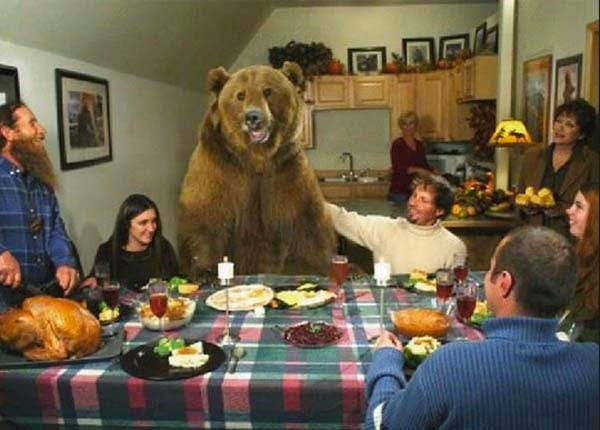
A naturalist named Casey Anderson stumbled across two grizzly bear cubs nestled beside their dead mother in the wild mountains of Alaska . Casey couldn’t just leave these little guys to die in the wilderness, so he made the brave decision to take them with him. He trains animals for a living, so he knew he would be able to give these cubs a real shot. That simple decision, borne out of grief, turned into one of the most unique and adorable rehabilitation stories we have ever laid eyes on.

bears1

This is Casey and the little cubs. Unfortunately, only one survived and Casey decided to adopt him.

He named him Brutus.

bears2

Brutus grew up as part of the family, albeit a very fuzzy part.

bears3

It was Casey’s job to train animals, so raising and training Brutus was normal for him.

bears4oooo

bears5

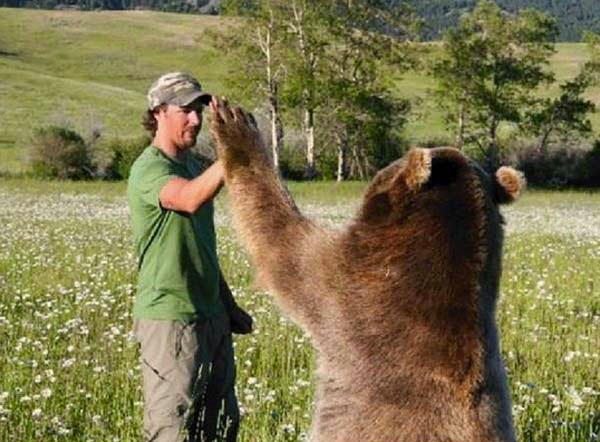
Over the years, they became close friends and brothers.

bears6

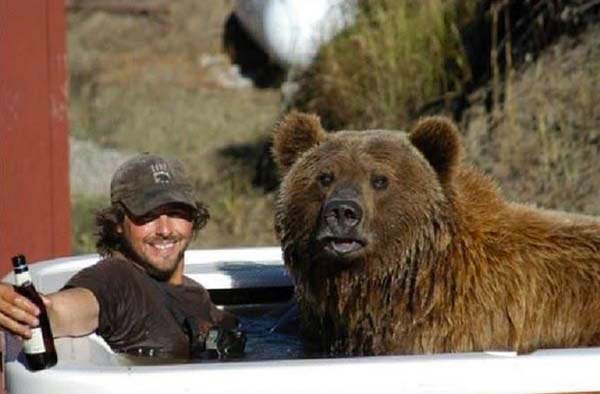
And Brutus got the run of the pool.

bears7

oooo

bears8

oooo

bears9

oooo

bears10

Brutus grew to be so close to Casey, he was even his best man (bear) at the wedding.

bears11

It may have made the bride a little nervous.

bears12

But she was probably glad Brutus wasn’t capable of taking him out to dinner (no thumbs).

bears13

Brutus also gets a place of honor at the Thanksgiving table.

bears14

Life is good for this not-so-average bear.

bears15

oooo

bears16

oooo

bears17

oooo

bears18

oooo

bears19

oooo

bears20

You’ll be hard pressed to find a situation cooler than being best friends with a killer grizzly bear. If Casey and Brutus made you smile, then you should probably spread the joy and share this.

This is a lovely story. Shame all humans aren’t this kind and understanding. Though many are and this is a lovely example of such a person.

A return to the topic of rewilding.

Lessons from the wild

At the end of 2013, I published a post under the title of We must rewild. The core of that post was an essay from Patrice Aymes called Rewilding Us. Here’s a small extract from that essay:

In Africa, there are about 500,000 elephants. 25,000 to 30,000 are killed, a year, to send the ivory to east Asia (China, Vietnam). So African elephants may disappear. This is beyond tragic, it’s irreplaceable. Elephants understand people’s gestures, without any learning (they apparently learn to use trunk gestures among themselves). One is talking about extremely intelligent animals here. (In contrast, chimpanzees have great difficulties understanding human gestures.)

My post also included this photograph of young Cleo, just five months old, showing that her innate skills of being in the wild were alive and well, despite thousands of years of dogs being domesticated animals. Ergo, humans could manage just as well.

Photograph taken 25th April, 2012.

Last Friday, George Monbiot published an essay in The Guardian newspaper that stays with the theme of loving the wild.  It is republished here with Mr. Monbiot’s very kind permission.

ooOOoo

Falling in Love Again

17th July 2015

Rebuilding our relationship with the natural world can re-animate our own lives, as well as the ecosystem.

When the robin was voted the UK’s national bird last month, we chose to celebrate half of a broken relationship. The robin is to the wild boar what the oxpecker is to the Cape buffalo: it has evolved to catch the worms and insects exposed by their grubbing. But boar are mostly absent from the UK, so its survival often depends on finding the next best thing: human gardeners. This is why the robin is so tame in this country. As far as the bird is concerned, you and I are just fake pigs.

We are surrounded by such broken relationships, truncated natural processes, cauterised ecologies. In Britain we lack almost all large keystone species: ecological engineers that drive the fascinating dynamics which allow other lifeforms to flourish. Boar, beavers, lynx, wolves, whales, large sharks, pelicans, sturgeon: all used to be abundant here, all, but for a few small populations or rare visitors, are missing.

The living systems that conservationists seek to protect in some parts of this country are a parody of the natural world, kept, through intensive management, in suspended animation, like a collection in a museum. An ecosystem is not just a place. It is also a process.

I believe their diminished state also restricts the scope of human life. We head for the hills to escape the order and control that sometimes seem to crush the breath out of us. When we get there, we discover that the same forces prevail. Even our national parks are little better than wet deserts.

Our seas were once among the richest on earth. A few centuries ago, you could have watched fin whales and sperm whales hammering the herring within sight of the shore. Shoals of bluefin tuna thundered up the North Sea. Reefs of oysters and other sessile animals covered the seabed, over which giant cod, skate and halibut cruised. But today, industrial fishing rips up the living fabric of all but 0.01% of our territorial waters. To walk or dive in rich environments we must go abroad.

Though not, I hope, for long. On Wednesday, a new organisation, Rewilding Britain, was launched. (It was inspired by my book Feral and I helped to found it, but I don’t have a position there). Its aim is to try to catalyse the mass restoration of the living world, bring trees back to bare hills, allow reefs to form once more on the seabed and to return to these shores the magnificent, entrancing animals of which we have so long been deprived. Above all it seeks to enhance and enrich the lives of the people of this nation. I hope that it might help to change the face of Britain.

Already, local projects hint at what could be achieved. In the southern uplands of Scotland, the Borders Forest Trust has bought 3000 hectares of bare mountainside and planted hundreds of thousands of native trees. The community of Arran seabed trust in the Firth of Clyde managed, after 13 years of campaigning, to persuade the government to exclude trawlers and scallop dredgers from one square mile of seabed. The result, in this tiny reserve, is an explosion of lobsters, crabs, scallops and fish. It’s now trying to extend the project to a larger area.

In Sussex, the Knepp Castle estate gave up its unprofitable wheat farming, released a few cattle and pigs and let natural processes take over. Now it hosts some of Britain’s highest populations of nightingales, purple emperor butterflies and turtle doves. Partly through ecotourism and accommodation and selling high-grade meat, it has become profitable. In south London, the Wandle Trust has turned a mangled and polluted urban river back into a beautiful chalkstream, supporting kingfishers and wild trout. Wonderful as these projects are, until now they have lacked a national voice. Britain remains in a state of extreme depletion.

Some people argue that we should not seek to re-establish missing species until we’ve protected existing wildlife. But nothing better protects our ecosystems than keystone species. Beaver dams provide habitats for fish, invertebrates, amphibians and waterbirds. In Ireland, resurgent pine martens appear to have pushed back the grey squirrel, allowing red squirrels to recolonise. One study suggests that our woodland ecology cannot recover unless half the country’s deer are culled every year. Lynx could do it for nothing. Functional ecosystems, in which dynamic living processes prevail once more, are likely to be more resistant to climate change than stagnant collections in virtual glass cases.

Over the past two years, there has been a surge of enthusiasm for change. A poll in Scotland found that 60% support the reintroduction of beavers, with only 5% opposed. 91% of respondents to a survey by the Lynx UK Trust supported a trial reintroduction. Researchers at the University of Cumbria digitally altered photographs of Borrowdale in the Lake District, adding or subtracting trees. 69% of the people who saw them favoured the images with extra trees. A video extracted from my TED talk, about the relationship between wolves and other wildlife, has been watched 18 million times.

But the interests of local people must never be overruled. Rewilding must take place only with active consent. Already, landowners are coming forward, proposing to rewild their own property. Community groups, such as Cambrian Wildwood in mid-Wales, are seeking to buy and restore surrounding land. What rewilding offers is a new set of options in places where traditional industries can no longer keep communities alive, where schools and shops and chapels and pubs are closing and young people are leaving the land to find work elsewhere.

In the hills of southern Norway, the return of trees has been accompanied by a diversification and enrichment of the local economy. There, the small income from farming is supplemented with eco-tourism, forest products, rough hunting, fishing, outdoor education, skiing and hiking. The governments of Britain now claim to be willing to pay for the protection of soils and watersheds. These are likely to be more resilient sources of income than the current farm subsidy system upon which all hill farming in this country depends, whose gross injustice – transferring vast sums from the poor to the rich simply for owning land – is as unsustainable politically as it is ecologically.

Perhaps most importantly, rewilding offers hope. It offers the hope of recovery, of the enhancement of wonder and enchantment and delight in a world that often seems crushingly bleak. My involvement with rewilding, to my own amazement, has made me much happier and more optimistic than I was before. I feel an almost evangelical sense of excitement about the prospects for change. I want other people to be able to experience it too.

In 2009, the rewilding pioneers Trees for Life released some wild boar into an enclosure at Dundreggan, in the Scottish Highlands. Within twenty minutes, robins came down from the trees and started following them. Their ecological memory was intact. When I’ve accompanied children from deprived London boroughs to the woods and rockpools for the first time in their lives, I have seen something similar: an immediate, instinctive re-engagement, the restoration of a broken ecological relationship. Once we have richer wild places to explore, we won’t need much prompting to discover their enchantments.

www.monbiot.com

ooOOoo

In the copy of George Monbiot’s essay that was published on his blogsite there were 25 links to other materials. I feel very bad that I just didn’t have the time to copy across all those links so my strong recommendation is that if you enjoyed reading this here then you go across to the essay on his blogsite and check out all the additional material available to you. My only exception was to insert the link to the organisation Rewilding Britain that was referred to in the sixth paragraph.