The last in the series from Janet Goodbrod.
oooo
oooo
oooo
oooo
oooo
oooo

oooo

oooo
oooo

oooo
Have to see what we can find for all you good people for next Sunday.
Enjoy mid-Summer’s day on Wednesday!
Dogs are animals of integrity. We have much to learn from them.
Category: Animal rescue
The last in the series from Janet Goodbrod.
oooo
oooo
oooo
oooo
oooo
oooo
oooo
oooo
oooo
oooo
Have to see what we can find for all you good people for next Sunday.
Enjoy mid-Summer’s day on Wednesday!
Connecticut shows how it should be done.
Following on from yesterday’s post that highlighted how Switzerland is legally protecting the rights of animals.
Apologies for the brief introduction but our internet service was up and down yesterday and I didn’t know how long I had to get today’s post completed.
A republication of an item seen recently on the Care 2 site.
ooOOoo
By: Susan Bird June 12, 2017
About Susan Follow Susan at @ItsSusanBird
Abused animals in Connecticut now have a voice in court, thanks to a new law passed by the state in late 2016.
Connecticut lawmakers passed “Desmond’s Law” in response to the horrific death of a sweet shelter dog called Desmond in 2012. The man who adopted him, Alex Wullaert, reportedly rarely fed Desmond and often beat him.
Ultimately, Wullaert killed the dog by hanging him, after Desmond made the mistake of urinating on Wullaert’s leg. Then he dumped the body in a garbage bag and left it on the street.
When prosecuted for the crime, Wullaert admitted what he’d done. The prosecutor recommended that he spend time behind bars for this shocking offense. Despite this recommendation, the court gave him nothing more than Accelerated Rehabilitation. That meant upon successful completion of probation, Wullaert’s record would be wiped clean.
That result outraged the animal-loving citizens of Connecticut. And they enacted “Desmond’s Law” to ensure that court decisions offer a better measure of justice following animal-related crimes.
Seven attorneys, a law professor and her law students are part of the program statewide. The law authorizes qualified pro-bono lawyers and volunteer law students to:
[P]rovide investigative insight not readily available to the court, resulting in a more fair and efficient process and more meaningful outcomes in animal abuse cases. It is intended to shine a bright light on the full extent of crimes committed under the animal cruelty statute.
In a nutshell, these animal advocates help the prosecution or defense team with tasks it often has no time for, especially in animal cases. The volunteers investigate, research issues and conduct interviews with veterinarians and other witnesses. As official parties to the case, they also write briefs, make arguments in court and submit recommendations to the judge.
A judge has to approve the participation of the animal advocates, who must be requested by either the prosecution or defense.
“The hope [of the law] was that providing courts with an extra resource to help handle these cases, at no cost, [is] that the cases could be more thoroughly handled,” University of Connecticut law professor Jessica Rubin told the Hartford Courant.
Prosecutors in Connecticut already commend the animal advocates for helping them do a better job in these cases. Often, they barely have time to do much of this legwork for cases involving human victims. We all know that when time is precious, the human cases will take precedence over those involving animals. Now, with professionals in place solely for the animal cases, that won’t be a problem anymore.
“We hope with this law in place, we will start to see much better procedural outcomes [in animal abuse cases],” Annie Hornish, director for the Humane Society of the United States in Connecticut, told the AP. “We are very excited that judges seem to be taking advantage of it.”
This is an incredible step forward for animal victims. In particular, it helps overburdened courts provide the same level of investigation and consideration to animal victims that they give to human victims.
Connecticut has given animals a legitimate, recognized voice in the state court system. Why can’t every other state do the same thing? From Maine to California, every state has animal-loving lawyers and law students who would be grateful and eager to volunteer their time as animal advocates.
Lawmakers from other states are reaching out to Rubin to request information on how they might be able to pass a similar law. There’s interest out there, and animal activists can help fan this flame.
It’s time for every jurisdiction to pass its own version of Desmond’s Law.
Photo credit: Thinkstock
ooOOoo
Once again everyone: It’s time for every jurisdiction to pass its own version of Desmond’s Law.
The other side of the life-saving bond coin!
Yesterday, I shared an article about what flowed from the bond between ex-shelter dogs and special needs children. It underlined what so many dog lovers instinctively understand: The magic that flows from the relationship of a dog to a person, disadvantaged or otherwise.
However, or perhaps better said inevitably, the obverse face of that life-saving bond practically guarantees that the loss of that bond results in huge stress and emotional turmoil for the dog.
In other words helping our beloved dog cope with the loss of a family member is something else that we can be helped with by others.
That leads me neatly on to a comment left by ‘Small Talk’ to my Putting A Smile On Your Dog’s Face post last week.
Very good article…check out this article I wrote about dog depression… cheers!
https://animalwellnessmagazine.com/helping-dog-adjust-loss-separation/
I liked the article and asked for permission to share it with you here. That permission was promptly given.
ooOOoo
by Jennifer Hinders
Whether it’s a death in the family, a child leaving home, or a divorce, your dog will notice  that one of his “pack” members is missing. Learn to help him deal with his grief.
Grief has many forms, and can arise from many situations besides the death of a loved one. A relationship breakup, a child leaving home, even a prolonged business trip or hospital stay are all examples of family changes that can cause feelings of loss and grief in those remaining at home. That grief can be felt even more keenly by your dog, who doesn’t understand where the missing person is and when or even if s/he will be back.
My own dog became extremely sad when my husband left for an extended trip. Every time I sat down, he jumped in my lap (no small task since he weighs 50 pounds), lay his head on my arm and sighed pathetically. He poked around the house with his head drooping like a deflated balloon.
I asked veterinary behaviorist Dr. Nicholas Dodman about my dog’s behavior. “Dogs can get into a funk or lose interest in life because of separation,” he told me, adding that even short absences can cause changes in behavior. “For instance, if a man goes out to play a game of golf for five hours, the dog will feel temporary loss, but will be relieved when the owner returns.
“With long term separation or loss, dogs suffer bereavement and get depressed, not unlike humans,” Dr. Dodman adds. “Dogs have a difficult time adjusting to an owner or family member being removed from the household. This is especially the case if the person is someone to whom the dog is close — for example, a dog sleeps in someone’s room and then suddenly that person is out of the picture. The dog can’t understand why that person has disappeared.”
Here are some common symptoms that indicate your dog is grieving over a separation or loss:
In extreme cases, bereavement can cause compulsive behaviors like incessant licking.
Many separations and losses in life are inevitable, which means you have to help your dog adjust to the absence of the missing family member. If you’re also grieving, it might be easy to overlook your dog’s feelings; but one of the best ways to help both of you is to try and find ways to make life happy and interesting again.
The good news is that your dog’s grief will ease over time. He may feel low for a few weeks, but it’s generally temporary. As his owner, being aware of his suffering and taking the necessary actions to help him through it will speed his (and your) recovery and adjustment.
Dogs don’t just grieve when people in their lives die or go away. It’s also common for a dog to grieve over the loss of another dog he was closely bonded with. Dogs in the same household may play together, sleep together, operate as a pack, so the loss of one has a deep impact on the other.
Here’s one dramatic example involving two dogs in the same home. The older dog became terminally ill and needed to be put to sleep. The owner arranged for his healthy dog to go for a long run while the other was euthanized. Back home, the owner buried the older dog in the garden, covering the grave completely so it was basically indistinguishable from the surrounding area.
When the healthy dog was brought back from his outing, he ran around the house looking for his buddy, then begged to go outside. He immediately went to his friend’s grave and lay on it for three days.
ooOOoo
A few words of reflection from me following Jennifer Hinders useful article.
Death is inevitable. For both our beloved pets and, for that pet, their beloved humans. As they say about death and taxes!
But for that pet the loss of their beloved human can come about for other reasons apart from death.
Yet in the midst of say a divorce, or a loved young person leaving home to make their own life, it must be all too easy for people to lose the focus on what that means for the family pet, especially the family dog.
Stay connected good people!
Again and again the power of our relationship with dogs is breathtakingly beautiful.
If I carried on writing about dogs and sharing articles with you for a thousand years, I still don’t think I would become immune to the joy and wonder of what dogs mean to us. (Luckily for your sake you won’t have to follow this blog for quite those many years!)
Turning to us, the measure of a compassionate and caring society is how it looks after those who, through circumstance and bad luck, are disadvantaged. While there are many in such a situation who are the wrong side of twenty-one there’s something especially important, critically so, in reaching out to help our youngsters.
So why this switch from dogs to disadvantaged young people?
Read on:
ooOOoo

By: Vera Lawlor June 9, 2017
About Vera Follow Vera at @vtlawlor
Brook, a Rhodesian Ridgeback mix, was sitting in a high-kill shelter in Arizona with just two days to live when she was rescued by Janice Wolfe, founder and CEO of Merlin’s KIDS. The nonprofit organization rescues, rehabilitates and trains shelter dogs to work as service dogs for children with autism and special needs, as well as to assist disabled veterans. After extensive training Brook returned Wolfe’s kindness by transforming the life of Julie, 21, who is developmentally delayed due to a premature birth.
Wolfe describes Brook as a “rock star,” a calm sweet dog with the perfect temperament for working as an emotional support service dog. Julie’s mom, Ellen, couldn’t agree more.
“Brook has given Julie a greater sense of confidence,” Ellen said. “They are always together and Brook definitely knows that it’s her responsibility to take care of Julie.”
Before being paired with Brook, Julie was afraid to go outside the house on her own. Now she and Brook take walks down the block or sit together in the yard. Julie has become more outgoing and enjoys speaking or singing in front of people.
“Brook has become an emotional support for all of us,” Ellen said. “I can’t believe that they almost put her to sleep. She is the love of our lives!”
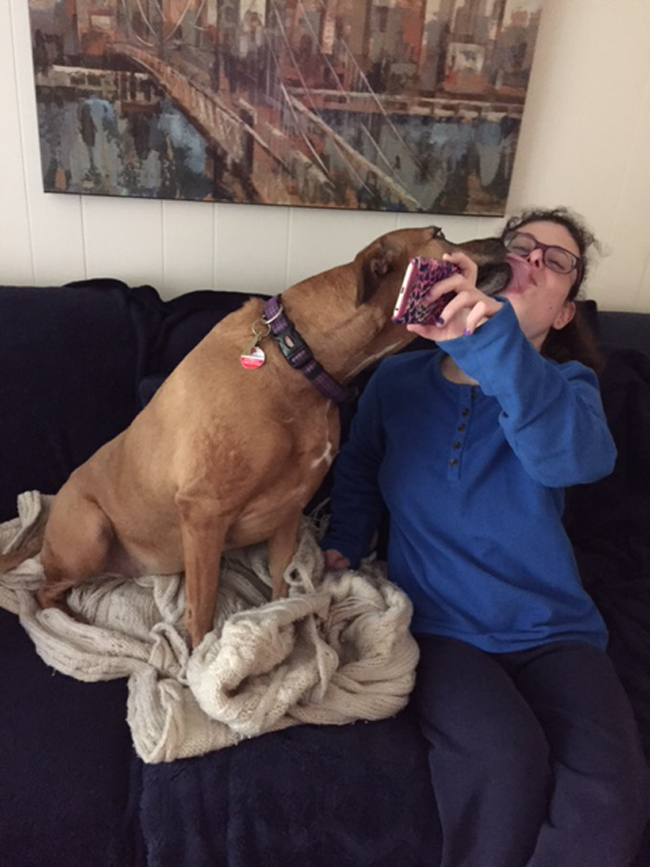
Another Merlin’s KIDS graduate, Willow, was rescued from a beach in Aruba where she ran with a feral pack. She was so scared that nobody could touch her. With patience and love her foster family won her love and trust. Now after completing the training program, the 40-pound sweet-natured cunucu dog is ready to join three other Merlin’s Kids service dogs in the Animal Adaptive Therapy program at the Calais School for special needs children in New Jersey. Willow is a cortisol detection dog trained to detect stress signals in students and to alert the counseling team so that they can intervene before a problem escalates. She will also work with students to learn the social, emotional and behavioral skills they need to succeed in life.
Willow and Brook are just two of the 1,300 dogs that have been rescued, rehabilitated and trained as service dogs by Wolfe, a canine behavior rehabilitation specialist and author of “SHH HAPPENS! Dog Behavior 101.” In addition to Rhodesian Ridgebacks, the nonprofit organization has rescued and rehabilitated Labrador mixes, pointer mixes and coonhound mixes to work as service dogs. The goal of the organization is to ensure that service dogs are available to families in need regardless of financial circumstances. To fulfill this mission it depends on financial donations and sponsorships.
Wolfe said that Merlin’s KIDS service dogs are highly trained and highly specialized. They can do anything from keeping a special needs child from wandering away to opening doors or picking up pencils for children with disabilities to alerting before the onset of a seizure. It’s important, the trainer said, to make sure that the dogs are physically capable of doing the jobs being asked of them and that they have the right temperament.
“I’m very careful when placing dogs with autistic children because these kids can have such erratic behavior and the dogs have to be able to handle that,” Wolfe said. “Service dogs who will be tethered to a child have to be really chill and calm”
When it comes to autistic children Wolfe’s dogs are trained to serve the individual child. For example, dogs are trained to help children who are overstimulated by interrupting behavior patterns, and they can prevent children from opening a door and running out into the street. Some children need deep pressure to fall asleep so Wolfe and her team train service dogs to lay across their laps at night.
“We have a lot of autistic kids who had never slept in their own beds until they got a service dog,” Wolfe said. In addition to donations and sponsors, Merlin’s Kids is always in need of volunteers and foster families.
ooOOoo
This beautiful article was first seen on the Care2 site and, please, do drop across to that Merlin Kids website.
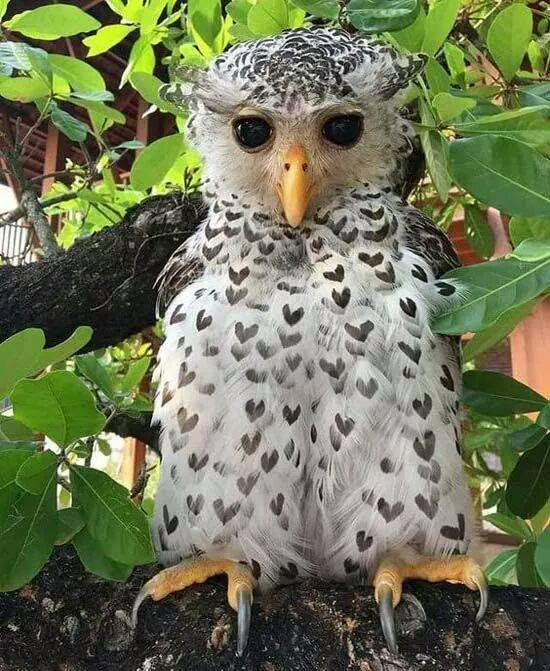
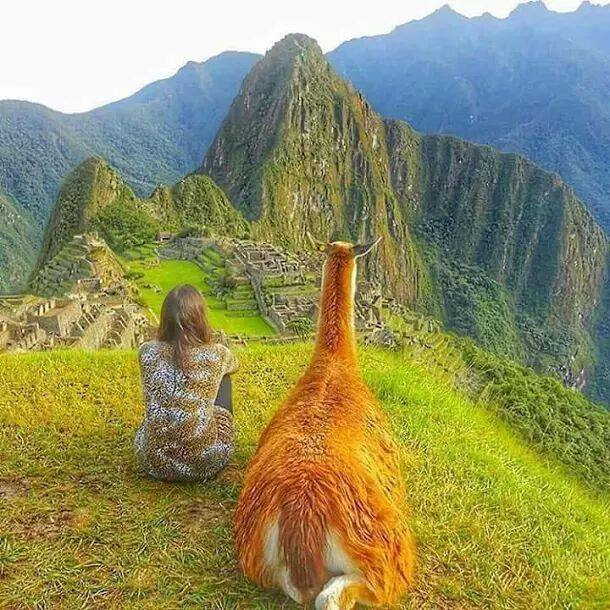
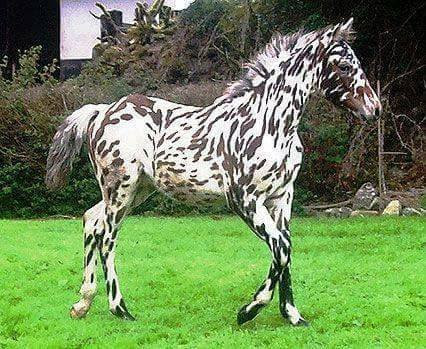
Back to Janet’s wonderful photographs.
oooo

oooo

oooo

oooo

oooo
oooo
oooo
oooo

oooo
oooo

The last set from this series in a week’s time.
Yes, really!
Here’s a photograph of Pharaoh taken on the 3rd December, 2005. Taken in my home in Harberton, Devon, some two years before I met Jeannie.
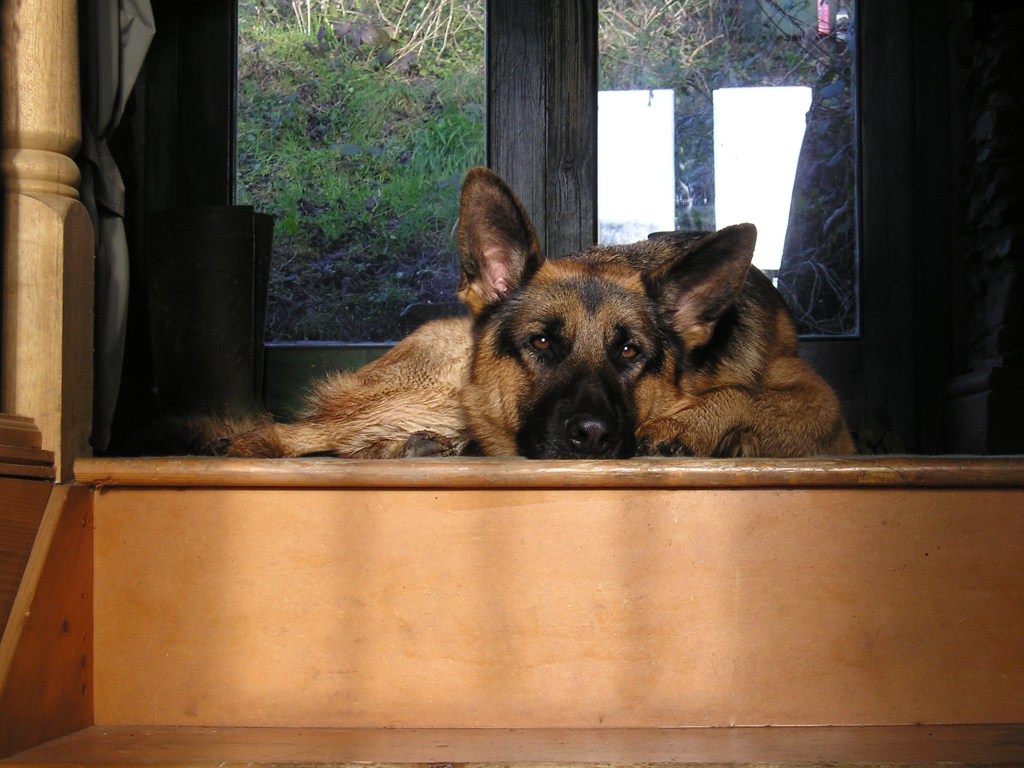
It’s not the world’s best photograph but I start today’s post with it simply because there is a look in Pharaoh’s eyes that spells out love to me in capital letters. Always has since the day I took that photograph.
Here’s an enlargement of the photo offering a closer look at Pharaoh’s expression in those eyes.

Right from the very first moment that I held Pharaoh I sensed the start of a loving bond. Did I choose to love Pharaoh? Well, of course I did! Was it a conscious decision? I don’t think so!
All of which is my introduction to a fascinating essay about the science of love that recently appeared on the Care2 site.
Enjoy!
ooOOoo

By: Zoe Blarowski June 2, 2017
Love may often feel spontaneous and sometimes even out of control. But is it, really? Research is starting to show that you can change the intensity of love you feel towards others. Similar to emotions like fear or sadness, love can be influenced simply by how you think about a situation.
One study looked at altering love feelings in people who were either in a romantic relationship or had recently broken up from one. Each participant started by viewing pictures of their current lover or their ex-partner to bring up their current feelings towards them.
Then, researchers asked them to think about positive aspects of their partner, relationship or possible future scenarios. Their feelings towards their current or previous partners were assessed again.
The second part of the study asked participants to think of negative things about their partner, such as what’s wrong with them or their relationship.
Perhaps it’s not surprising that participants reported having greater love feelings after thinking positive thoughts. Whereas, they reported decreased lovingness after the negative thoughts. It was the same for everyone, whether they were in a relationship or had recently broken up.
Researchers felt this shows great potential for people to take more control of their emotional world, which could in turn benefit their lives and relationships.
Interestingly, thoughts also appeared to affect everyone’s overall mood and feelings about life in general. The positive thoughts improved people’s mood and disposition, whereas the negative thoughts brought everyone down.
This may highlight the importance of how positive and negative thoughts in general can affect our mental health.
You can likely think of times in your own life when it would be helpful to either decrease or increase your love for another person.
Have you ever had an unwanted crush on someone? For instance, obsessing over a celebrity you’ll likely never meet can cause more frustration than joy in your life. Or maybe you’ve fallen for someone who’s not available, either physically or emotionally.
These are times when it’s in your best interest to end your attachment to the person and move on.
In addition, research has shown that thinking negatively about an ex-partner or your previous relationship helps you get over a break-up. The reverse is also true – if you think positively about an ex, it’s more difficult to heal and move on.
Keep this in mind if you’re going through a break-up, or need to reduce your feelings towards someone for another reason.
Try asking yourself questions like these:
Reframing your thoughts is also a much healthier way to try to get over someone than taking self-destructive action to distract yourself, such as drinking too much.
On the other hand, the world always needs a lot more love to go around. Increasing your love towards others is often one of the best things you can do to help yourself and everyone in your life.
Unfortunately, the top reason married couples give for getting a divorce is growing apart and falling out of love. It’s true the intensity of love feelings usually fluctuates throughout a long-term relationship, but a decrease in feelings doesn’t have to mean the end.
If you’re starting to question whether or not you should stay in a long-standing relationship, take a closer look at your situation before making a final decision. Do you still respect and care for your partner? Do you still have lots in common? Is it possible you’re just in a temporary slump?
Questions like these may help to re-frame how you feel about your relationship:
Romantic partners who view each other in a positive light have been shown to actually have happier relationships. This is likely true for all relationships. Choosing more positive thoughts can go a long way towards creating greater harmony with all your loved ones.
Sharing your thoughts and telling others why you love them is even better.
ooOOoo
As my dearest Jeannie will confirm, I have never been the most comfortable person in terms of verbalising my love for her, despite Jean being the dream loving partnership of my life. Jean, on the other hand, expresses her love for me many times each day.
Maybe this essay offers an insight into the different ways we love?
For Jean also tells the dogs individually many times each day that she loves them. I feel the same but don’t say it anything like as often.
So is science showing us why the difference between Jean and me? I think so.
Yet another thing that we learn from dogs. Or more specifically that I have to learn from dogs!
Tell them every day how much I love them!
Continuing with Janet’s wonderful pictures.
(The last set from Janet were published a fortnight ago.)

oooo

oooo

oooo
oooo

oooo

oooo

oooo
Going to round off today’s picture parade with a photograph of our growing Canadian geese goslings. The photograph was taken at 7:30pm two evenings ago. I would imagine that we aren’t that far off them all taking to the wing!

Or observing Lady Luck in great form!
We all know that so many things in life have two sides to them. As in a positive and negative side. Which ‘side’ we look at has more to do with ourselves, again as you all know.
So when I republished an essay from Patrice Ayme a little over a year ago about the loss of the ice in Antarctica I was in harmony with Patrice’s gloomy stance:
I have written for years that a runaway Antarctica was certain, with half the icy continent melting rather spectacularly on an horizon of two centuries at most, and probably much less than that. This rested on the fact that half of Antarctica rests on nothing but bedrock at the bottom of the sea. At the bottom of what should naturally be the sea, in the present circumstances of significant greenhouse gas concentrations.
But Lady Luck comes into view and we have this: (Courtesy of Mother Nature Network.)
ooOOoo
At current rates, it’s not crazy to think that the Antarctic peninsula could eventually become forested again.
Bryan Nelson May 19, 2017

When you think of Antarctica, you probably imagine a frigid, windswept, icy, inhospitable domain; the whitest, most barren canvas on Earth. That’s pretty much the way the Southern continent has been for at least the last 3 million years, since the last time atmospheric carbon dioxide levels approached their current levels. But times, they are a-changing.
The effects of global warming are beginning to radically alter the Antarctic landscape in some surprising ways. Scientists say it’s like looking back in time, to an epoch when this bleached terrain was actually green. Mossy mats are rapidly spreading across the thawed, exposed soils at unprecedented rates, transforming the land from a place of desolation, to a place of viridescence.
At the very least, we’re getting a peek at Antarctica’s future, which like its past was green and filled with plant-life, reports the Washington Post.
“This is another indicator that Antarctica is moving backward in geologic time — which makes sense, considering atmospheric CO2 levels have already risen to levels that the planet hasn’t seen since the Pliocene, 3 million years ago, when the Antarctic ice sheet was smaller, and sea-levels were higher,” said Rob DeConto, a glaciologist at the University of Massachusetts, Amherst.
“If greenhouse gas emissions continue unchecked, Antarctica will head even further back in geologic time… perhaps the peninsula will even become forested again someday, like it was during the greenhouse climates of the Cretaceous and Eocene, when the continent was ice free.”
So far, the greening of Antarctica is mostly limited to the peninsula, where two different species of mosses are fanning out at a startling clip, at four to five times the rate seen just a few decades ago. They gain a footing in the summers, when the frozen ground thaws, then freeze back over in the winter. But these layers-upon-layers are thickening, generating an increasingly detailed record of Antarctica’s warming climate.
It’s perhaps only a matter of time before grasses, bushes, perhaps even trees begin to sprout. As beautiful as a forested Antarctica might be to imagine, it’s important to remember that this isn’t necessarily a good thing. Climate change is an ambiguous beast; Antarctica might be getting greener, but deserts elsewhere in the world are expanding, sea levels are rising, and weather is becoming more severe.
“These changes, combined with increased ice-free land areas from glacier retreat, will drive large-scale alteration to the biological functioning, appearance, and landscape of the [Antarctic peninsula] over the rest of the 21st century and beyond,” wrote the authors of the study, which was published in the journal Current Biology.
Lead author Matthew Amesbury added: “Even these relatively remote ecosystems, that people might think are relatively untouched by human kind, are showing the effects of human induced climate change.”
ooOOoo
Sorry to drag out this old saw of mine, but it is so perfect: “I can predict anything except those things that involve the future”!
Because I am still staying with the Lady Luck theme but this time going from the vastness of the Southern polar regions to something a little closer to home. (Again, seen on Mother Nature Network.)
ooOOoo
Leonard recently became Ohio’s first ever pit bull K-9.
Jenn Savedge May 19, 2017

When Leonard, a stout young pit bull, arrived on the doorstep of the Union County Humane Society in Ohio a few months ago, the staff had little hope for his prospects of being adopted. Leonard was deemed “aggressive,” and that meant he was more likely to be euthanized than sent home with a new family. But Jim Alloway, the center director, saw something different in the dog. And thanks to his observation, Leonard has a future that includes work, play and lots of belly rubs.
As luck would have it, Alloway has an extensive background of working with police dogs. He realized Leonard’s aggression was really a very strong desire to play. Whenever someone was holding something, Leonard wanted it and would try to grab it. As a pet in the average family, this may not be a desirable trait. But this strong “prey drive” made him a great candidate for training as a police dog.
So Alloway called Storm Dog K-9 training. After an initial round of testing, Mike Pennington, the owner of the training facility, agreed to take Leonard on and train him to sniff out narcotics. (Leonard wasn’t a good candidate for tracking and catching suspects because he loves people way too much.)
Before his training with Pennington, Leonard didn’t even know basic commands. But after a few weeks of hard work — which his trainers said he absolutely loved — Leonard was fully certified as a police dog, becoming Ohio’s first pit bull K-9 officer.
Leonard was paired with Terry Mitchell, Clay Township’s Chief of Police. Mitchell told the local ABC affiliate that he was unsure at first about the idea of using a pit bull as a K-9. But the pair bonded immediately.
“I scheduled a time to come down and see him, and after about 10 minutes, I knew this was the dog for us,” Mitchell said.
Leonard officially started work with the force this week. When he has his police vest on, Mitchell says the pup is all business and ready to tackle his narcotics-sniffing job. Off-duty though, Leonard is just a sweet, playful pup, hopping on Mitchell’s lap for evening naps. Oh, and according to Mitchell, he snores horribly.
Leonard — and Mitchell — couldn’t be happier.
ooOOoo
Wonder how long it will be before we have happy ex-rescue dogs frolicking through the forests of Antarctica!!
The good news keeps coming in.
A week-and-a-half ago I published a post called Little by Little. It was the story of “9 Dogs Successfully Rescued From Backyard Breeder Thanks to George and Amal Clooney.”

Well a few days ago there was an email that contained more wonderful news about these nine dogs.
ooOOoo
UPDATES on the nine dogs rescued from the backyard breeder (now known as the “Mojave 9 dogs”)
It’s been all kinds of hectic with the intake of nine dogs all at once. What we were most unprepared for was that every single one of these dogs had never been to a vet in their entire lives.
The medical bills have been piling up so quickly and we’ve been asking for donations for the last several weeks.
Abigail, the girl with the massive mammary tumors that were hanging down and dragging on the ground, she had a bi-lateral mastectomy and her biopsies came back clear! Yaaay!
Piper had her cherry eye surgery, and a half of a mastectomy for some smaller mammary tumors up and down her right side of her mammary chains. Her biopsies just came back clear as well (whew!).

McKenna just had a double ear ablation surgery (ouchie!). There was no avoiding this, her ear drums were destroyed and her middle ears were so painful from years of untreated infections, it’s amazing she is still such a sweet doggie.

Hunter is on the waiting list for a right ear ablation surgery.
Abigail just had her dental this week and needed 19 teeth extracted! (dogs have 42 teeth) Her mouth is going to be feeling a whole lot better once the bacteria and inflammation goes away. Poor girl, she really has had it the worst of all these dogs, yet she is happy and wagging her tail and so eager to get any human interaction.
All nine dogs have needed dentals (several are on the upcoming schedule in the next few weeks, we’ve had to stage everything so we can raise donations). Six spay surgeries, a cherry eye surgery, a full mastectomy, a half mastectomy, two ear ablation surgeries, blood work, urinalysis, thyroid tests, deep ear cleanings/antibiotics, it’s all turning out to be one of THE most expensive rescues ever in the history of Camp Cocker.
We need your help now more than ever!
Please consider making a donation and no amount is too small.
For the rest of the month of May, we have a matching donation campaign going on, click HERE to DONATE!

ooOOoo
Please don’t go until you have watched this video of the surgeries that have been carried out so far.
There are so many good people out there!
A dog’s nose, of course!
We all know how good are the noses of our dogs. Yet, I suspect, many do not know how truly good is that nose. The Science ABC site has a detailed account of Why Do Dogs Have Such A Great Sense of Smell?
Here’s part of that article:
Dog Nose vs. Human Nose
When we try to smell something, we inhale air with our nose and we use the same passage in our nose to exhale that air. Therefore, all the smell that we get when we are inhaling is lost when we exhale that air. However, a dog has two different air passages, one for breathing and another for smelling. This means that dogs are able to store the smell in their nose even while breathing out the air!
When dogs exhale, they send air out through the slits of their nose, but the manner in which this air is exhaled through their nose helps the dogs to draw in new odor molecules. This also helps dogs capture more smells when sniffing.
You must have noticed that dogs’ noses are always wet, but have you ever wondered why? The mucus on the dog’s nose helps it smell by capturing scent particles. A dog also has the ability to smell independently from each nostril, this helps the dog to understand from which direction the smell is coming.
The passage through which dogs smell the air contains highly specialized olfactory receptor cells, which are responsible for receiving smells. A dog contains about 225-300 million smell receptors, as compared to just 5 million of these receptors being present in a human nose.
Dog Brain vs. Human Brain
By now, we clearly know that dogs have a nose that can smell about 1,000-10,000 times better than a human, but how are dogs able to remember all the different smells that they have sensed throughout their life?
The answer lies in the difference between the brains of dogs and humans. A human brain has a larger visual cortex than dogs, whereas a dog’s brain has a much larger olfactory cortex than humans. The visual cortex is responsible for processing visual information, whereas the olfactory cortex is responsible for processing the sense of smell. A dog’s olfactory cortex is about 40 times larger than that of a human.
Read the full science article here.
All of which makes a slightly longer introduction than normal to a fascinating article over on Mother Nature Network published two days ago.
ooOOoo
May 16, 2017 Jaymi Heimbuch

Working dogs are an amazing asset not only for people, but for wildlife, endangered species and even threatened habitats. Expanding on the skills dogs have for tracking down scents and guarding something important, we humans have enlisted their help in many ways for conservation.
Here are five ways dogs are contributing to environmental protection efforts.
It’s amazing the amount of information that can be sussed out of an animal’s poop. We can determine diet, health, genetics — even whether or not an animal is pregnant. Scat is really important to biologists studying elusive, sensitive or endangered species. Putting dogs on the track is an ideal solution.
Take cheetahs, for example. Scientists in Africa are using dogs and their unparalleled sniffing power to find cheetah poop, all in an effort to get an accurate count on the endangered big cats. (Only 7,000 cheetahs are left in the African wild, according to estimates.) And it’s working. Two trained dogs found 27 scats in an area of 2,400 square kilometers in western Zambia, according to a study published in the Journal of Zoology. Humans, looking for cheetah tracks over the same area, found none.
Groups like Conservation Canines (a handler and dog from the program pictured above), Working Dogs for Conservation and Green Dogs Conservation specialize in this area. Conservation Canines rescues highly energetic, “last chance” dogs from shelters and trains them to track down the scat of dozens of species, from wolves to moose to owl. Even things that are nearly impossible for humans to find — the minuscule scat of endangered pocket mice or orca scat floating on the ocean surface — dogs can track down. They are able to make huge contributions to scientific studies, all without ever bothering the wildlife being studied.
Whether it’s sniffing out invasive species like giant snails in the Galapagos or detecting disease in beehives, dogs’ noses can be put to work in searching out what shouldn’t be there so that humans can act.
Dogs are able to sniff out particular plant species, pointing ecologists to tiny patches of invasive mustard so that the plants can be removed before they take over an area.
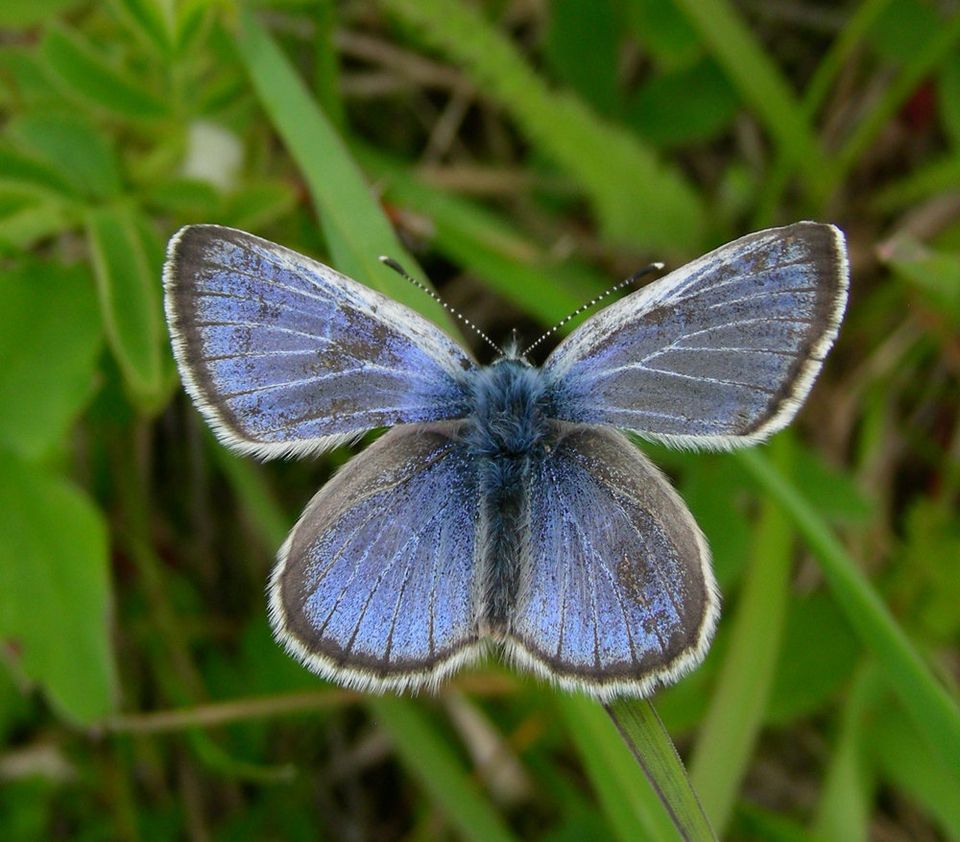
Conversely, dogs can sniff out rare or endangered native plants so that the species can be protected. Rogue is one such dog. The Nature Conservancy writes, “The 4-year-old Belgian sheepdog is part of a Nature Conservancy collaborative project to test the efficacy of using dogs to sniff out the threatened Kincaid’s lupine. The plant is host to the endangered Fender’s blue butterfly, found only in Oregon’s Willamette Valley.”
Surveying for the plant species is difficult work for people. It can only be done when the plant is in bloom so people can visually identify it. However, dogs like Rogue can sniff out the plant even when not in bloom, which can potentially double the length of the field season.
“More refined regional mapping of Kincaid’s lupine could promote the butterfly’s recovery and delisting — and contribute to larger habitat goals and wildlife impacts.”
The trade in rare or endangered wildlife is a lot tougher for traffickers thanks to wildlife detector dogs. Trained to smell anything from tiger parts to ivory to South American rosewood, dogs are used in shipping ports, airports, border crossings and other locations to sniff out smuggled products.
It doesn’t stop there. Trained dogs can lead rangers to armed poachers in the wild, tracking down the culprits over long hours through heat and rain. They can catch poachers in the act, rather than just the products.
“Canine sleuths aren’t limited to the plains of East Africa, either,” reports National Geographic. “In the Democratic Republic of the Congo, bloodhounds are assisting in the fight against poaching in forested Virunga National Park, where the world’s last remaining mountain gorillas live. In South Africa, Weimaraner and Malinois dogs are helping to find wounded animals and track poachers on foot through the reserves around Kruger National Park.”
Dogs are also useful in putting their protective nature to use for endangered species.
Livestock protection dogs are trained to keep predators like cheetahs, lions and leopards safe, which then reduces conflict between ranchers and big cats and minimizes the instances of snaring or retaliatory killing of big cats. Cheetah Conservation Fund has a successful livestock protection dog program, which places Anatolian shepherd and Kangal dogs with ranchers. That not only has significantly reduced the number of livestock killed by predators but is also improving the attitude of local people toward cheetahs.
Sometimes the dogs are put to work guarding the endangered species themselves. One such successful program uses Maremma shepherd dogs to protect colonies of little penguins from foxes.
Karelian bear dogs are trained to keep bears from becoming too comfortable around people. A program by Wind River Bear Institute named Partners-in-Life uses a technique called bear shepherding. This specialized breed of hunting dog is used to scare bears away, and are an important part of the “adverse conditioning” work that keeps bears from becoming habituated. The ultimate goal is to protect bears from becoming habituated, a problem that leads to their being relocated or euthanized.
“Our Wind River Bear Institute mission, with the effective training and use of Karelian Bear Dogs, is to reduce human-caused bear mortality and conflicts worldwide to ensure the continued survival of all species of bears for future generations,” states the program.
This list is only a handful of ways that dogs help us with environmental conservation every day. More and more, we are figuring out new ways to put their skills to work, and more and more the dogs are proving they’re ready for the task!
Editor’s note: This story was originally published in July 2016 and has been updated with more recent information.
ooOOoo
Closing words from that Science ABC piece:
A dog does not care how you look or dress, but if he gets good vibes from your smell, then a dog will love you. The world is truly a better place because of these wonderful creatures that we are lucky enough to welcome into our lives.
Why not make the world smell a bit more beautiful for them?
Belay that!
Closing picture taken from the OregonLive website. A stunning picture of the “Fender’s blue butterfly, found only in Oregon’s Willamette Valley.”


 Learning from Dogs