Category: Animal rescue

That little old word ‘truth’.

Truth: the true or actual state of a matter.

Well nothing complicated about the definition, is there!  If only society was equally motivated by getting to the truth of climate change.  Yes, I know I’m being naive!

Why my mini-rant?

I’m well in to James Hansen’s book Storms of my Grandchildren and it’s confirming my fears about the issues that are facing mankind now!  But more of that later.

What triggered me putting ‘pen to paper’ was a recent report from the Yale forum on climate change and the media.  Here’s how it opened,

Scientific Consensus Stronger than Scientists Thought?

Bruce Lieberman   May 2, 2012

More than two decades after the Intergovernmental Panel on Climate Change (IPCC) began publishing the latest scientific consensus on the globe’s changing climate, widespread doubts persist in the U.S. over whether there really is widespread agreement among scientists. It’s the primary argument of those who deny basic scientific foundations of warming.

But new and innovative survey results suggest the consensus among scientists might actually be stronger than the scientists themselves had thought.

The battles to define and debunk scientific consensus over climate change science have been fought for years. In 2004, University of California San Diego science historian Naomi Oreskes wrote about a broad consensus she found after studying 928 scientific papers published between 1993 and 2003.

But what I found deeply fascinating was that later on Bruce Lieberman, the report’s author, lists in detail the actual levels of agreement compared to the perceived levels.  To make it easier to take in, I have amended the telling differences to italic.

In sum, the newly released poll results identified surprisingly common points of agreement among climate scientists; and yet for each point, those scientists underestimated the amount of agreement among their colleagues. The results:

  • Human activity has been the primary cause of increases in global average air and ocean temperatures in the last 250 years. (About 90 percent of respondents agreed with this characterization, but those respondents estimated that less than 80 percent of their scientist colleagues held that view.)
  • If governmental policies do not change, the CO2 concentration in the atmosphere will exceed 550 parts per million between 2050 and 2059. (More than 30 percent agreed, but those respondents estimated that just over 20 percent of their peers held that view.)
  • If and when atmospheric CO2 concentrations reach 550 ppm, the increase in global average surface temperature relative to the year 2000 will be 2-3 degrees Celsius, or 3.2-4.8 F. (More than 40 percent agreed, but those respondents estimated that less than 30 percent held that view.)
  • If governmental policies do not change, in the year 2050, the increase in global average surface temperature relative to the year 2000 will be 1.5-2 degrees Celsius, or 2.4-3.2 F). (More than 35 percent agreed, but those respondents estimated that just over 30 percent held that view.)
  • The likelihood that global average sea level will rise more during this century than the highest level given in the 2007 assessment of the IPCC (0.59 meters, 23.2 inches) is more than 90 percent. (More than 30 percent agreed, but those respondents estimated that less than 20 percent held that view.)
  • Since 1851, the U.S. has experienced an average of six major hurricane landfalls (> 111 mph) per decade. The total number of major hurricane landfalls in the U.S. from 2011-2020 will be seven to eight. (Nearly 60 percent agreed, but those respondents estimated that just over 30 percent held that view.)
  • The total number of major hurricane landfalls in the U.S. from 2041 to 2050 will be seven to eight. (About 35 percent agreed, but those respondents estimated that less than 30 percent held that view.)
  • Given increasing levels of human activity, the concentration of CO2 in the atmosphere can be kept below 550 ppm with current technology — but only with changes in government policy. (Nearly 70 percent agreed, but those respondents estimated that just over 50 percent held that view.)

Now back to Hansen’s book.  Here’s what Hansen writes starting on p.144,

Getting to the truth!

Sea level rise is one of the two climate impacts that I believe should be at the top of the list that defines what is “dangerous,” on any time scale that humanity can imagine.  Ice sheets take thousands of years to build up from snowfall.  Reasonable “adaptation” to a large sea level rise is nearly impossible, because once ice sheets begin to rapidly disintegrate, sea level would be continually changing for centuries.  Coastal cities would become impractical to maintain.

The other climate change impact at the top of my “dangerous” list is extermination of species.  Human activities already have increased the rate of species extinctions far above the natural level.  Extinctions are occurring as humans take over more and more of the habitat of animal and plant species.  We deforest large regions, replace biologically diverse grasslands and forests with monoculture crops, and introduce foreign, invasive animal and plant species that sometimes wipe out the native ones.

Hansen points out that about a billion people live at elevations less than 25 metres (81 feet).

I included a short video of James Hansen in a Learning from Dogs Post just a few days ago.  You’ll find it here – go and watch it – and think about the truth!
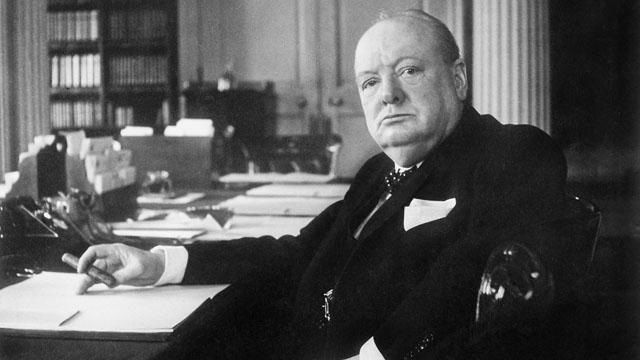
Photo: Winston Churchill, photographed by Cecil Beaton, at 10 Downing Street, London, in 1940.

Men stumble over the truth from time to time, but most pick themselves up and hurry off as if nothing happened.– Winston Churchill

The love of a cool cat!

How lady luck brought joy for a ‘down-and-out’ Londoner and a cat called Bob!

I was chatting with my son yesterday and he happened to mention that perhaps I should write about a cat for a change!  Alex mentioned a book recently published in the UK called A Street Cat Named Bob: How One Man and His Cat Found Hope on the Streets.

This is how the book is described on Amazon (UK site),

When James Bowen found an injured, ginger street cat curled up in the hallway of his sheltered accommodation, he had no idea just how much his life was about to change. James was living hand to mouth on the streets of London and the last thing he needed was a pet. Yet James couldn’t resist helping the strikingly intelligent tom cat, whom he quickly christened Bob. He slowly nursed Bob back to health and then sent the cat on his way, imagining he would never see him again. But Bob had other ideas. Soon the two were inseparable and their diverse, comic and occasionally dangerous adventures would transform both their lives, slowly healing the scars of each other’s troubled pasts. A Street Cat Named Bob is a moving and uplifting story that will touch the heart of anyone who reads it.

A quick web search found volumes of material, so let’s start with this video,

The local London newspaper the Islington Tribune wrote this back in 2010,

Two cool cats… the Big Issue seller and a stray called Bob

Inseparable: musician James Bowen with Bob

Down-on-his-luck musician teams up with ‘wonderful loyal friend’ he rescued from streets

Published: 24 September, 2010
by PETER GRUNER

NOT since the legendary Dick Whittington has a man and his cat become such unlikely celebrities on the streets of Islington.

Big Issue seller James Bowen and his docile ginger cat Bob, who go everywhere together, have been attracting comments since they first appeared outside Angel Tube station.

The story of how they met – widely reported in blogs on the internet – is one of such extraordinary pathos that it seems only a matter of time before we get a Hollywood film.

James, 31, who lives off Seven Sisters Road, Holloway, is a musician who has fallen on hard times.

He ekes out a basic living selling the homeless people’s magazine Big Issue at Angel and Covent Garden.

Bob was a stray discovered by James outside his accommodation one day.

The cat was limping after apparently being attacked by another animal, possibly a fox.

After failing to discover the cat’s owner, James took him to the RSPCA hospital at Finsbury Park, which prescribed a course of antibiotics.

“I kept him for two weeks until he was well enough to go on his way,” said James. “But when I opened the front door to let him out Bob wouldn’t move. He seemed to me to be saying: ‘I want to stay with you.’

“Now we go everywhere together. I even have a cat harness when we go out and Bob gets really excited when I show it to him.”

Read the rest of the article here and if you want more information, a web search on Bob the Cat will finds loads more.

It’s a fabulous story with a great message of hope for not just for James and Bob but for all of us that find ourselves ‘up a creek without a paddle’ at points in our lives.

Here’s how the newspaper The Daily Mail wrote about it on their website,

[last half of the story]

But then Bob started following him and it became increasingly difficult to shoo him away, especially as there were dangerous roads to be crossed. One day there was nothing for it but to put Bob on a makeshift lead and take him along. Bob travelled sitting on James’s shoulders.

The trouble was, so many cat-mad passers-by stopped him to stroke the animal that James arrived late at his pitch, secretly cursing Bob for thereby costing him some of his usual £25-a-day takings. He couldn’t have been more wrong.

Within minutes, people who would normally have walked by without giving James a second glance were lingering to make a fuss of the cat sitting sedately in his guitar case, and most made a donation. By the end of the day, he’d racked up more than £60.

It was the beginning of a phenomenon as tourists and commuters befriended Bob and James, many bringing titbits for the cat. People were amazed at how placidly Bob would sit all day, quite happily watching the world go by while James earned a living. Not that it was always without a hitch; on a couple of occasions Bob bolted when startled, leading to a frantic chase through the crowded streets.

Bob’s popularity continued when James switched from busking to selling the Big Issue, the magazine produced and sold by homeless people. This change in direction was part of James’s growing sense of a need to get his life in order, which he puts down to the responsibility of looking after Bob, and the example the cat offered of the possibility of a second chance.

It enabled James to make the final push to end his drug dependency, going through the necessary cold turkey to get off heroin substitutes, and to mend broken contacts with his family. The final result of Bob’s influence came when a literary agent who passed the duo every day and had seen them on YouTube suggested James tell their story in a book. The result is this heart-warming tale with a message of hope that will appeal especially to the many cat obsessives out there.

Read the full story here.

Let me close with another video, this one from a recent UK This Morning TV show with James Bowen and his cat being interviewed by Eamonn and Ruth.

Thank you, Alex; great story!

Just some ‘ah’ moments.

Taking a rest from the serious stuff!

The first picture comes from Merci O. from here in Payson.

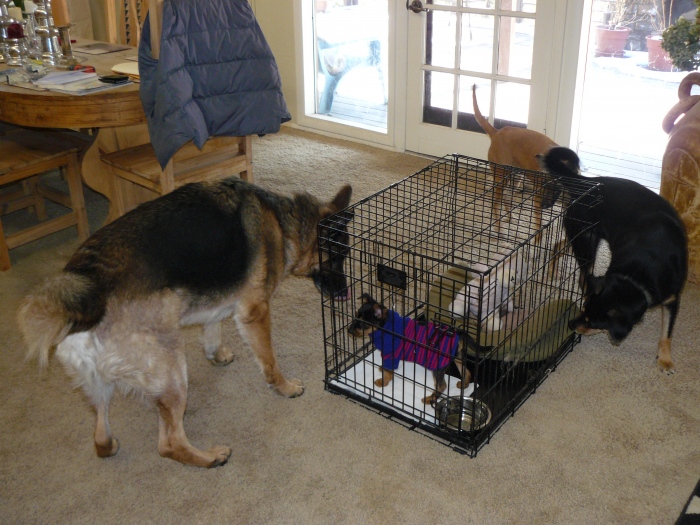
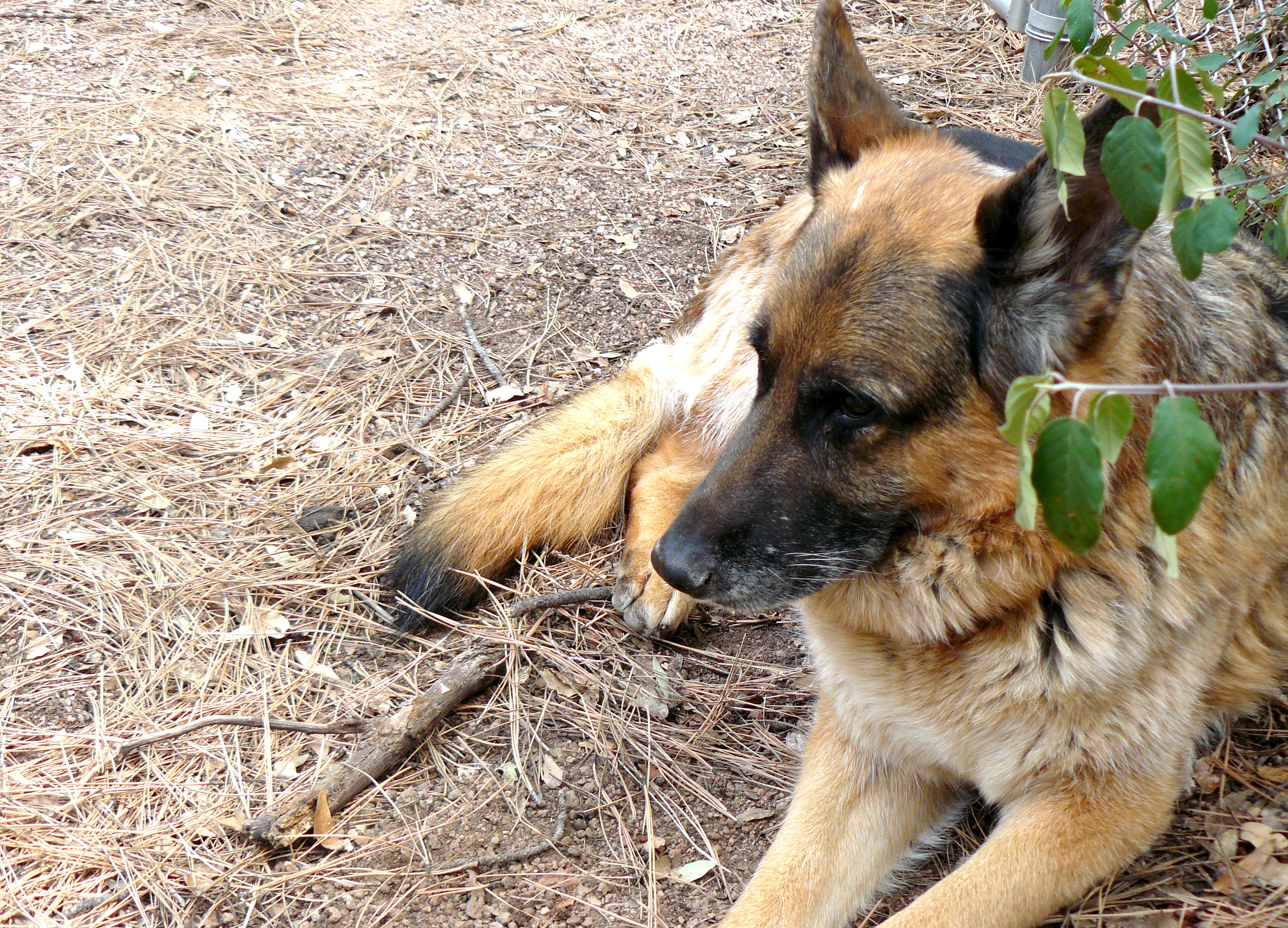
Lost for words!

The next two are from the camera of ‘yours truly’.

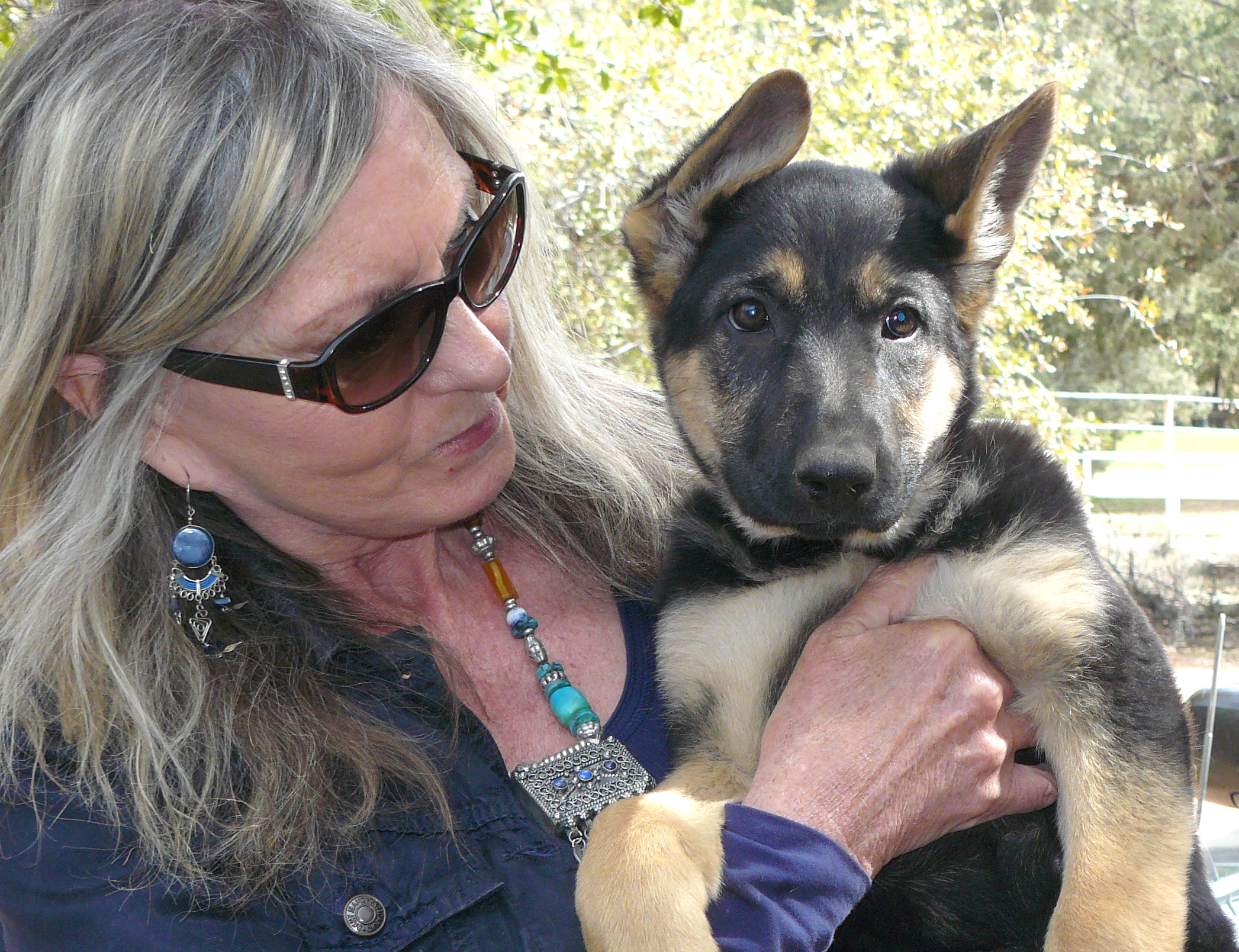
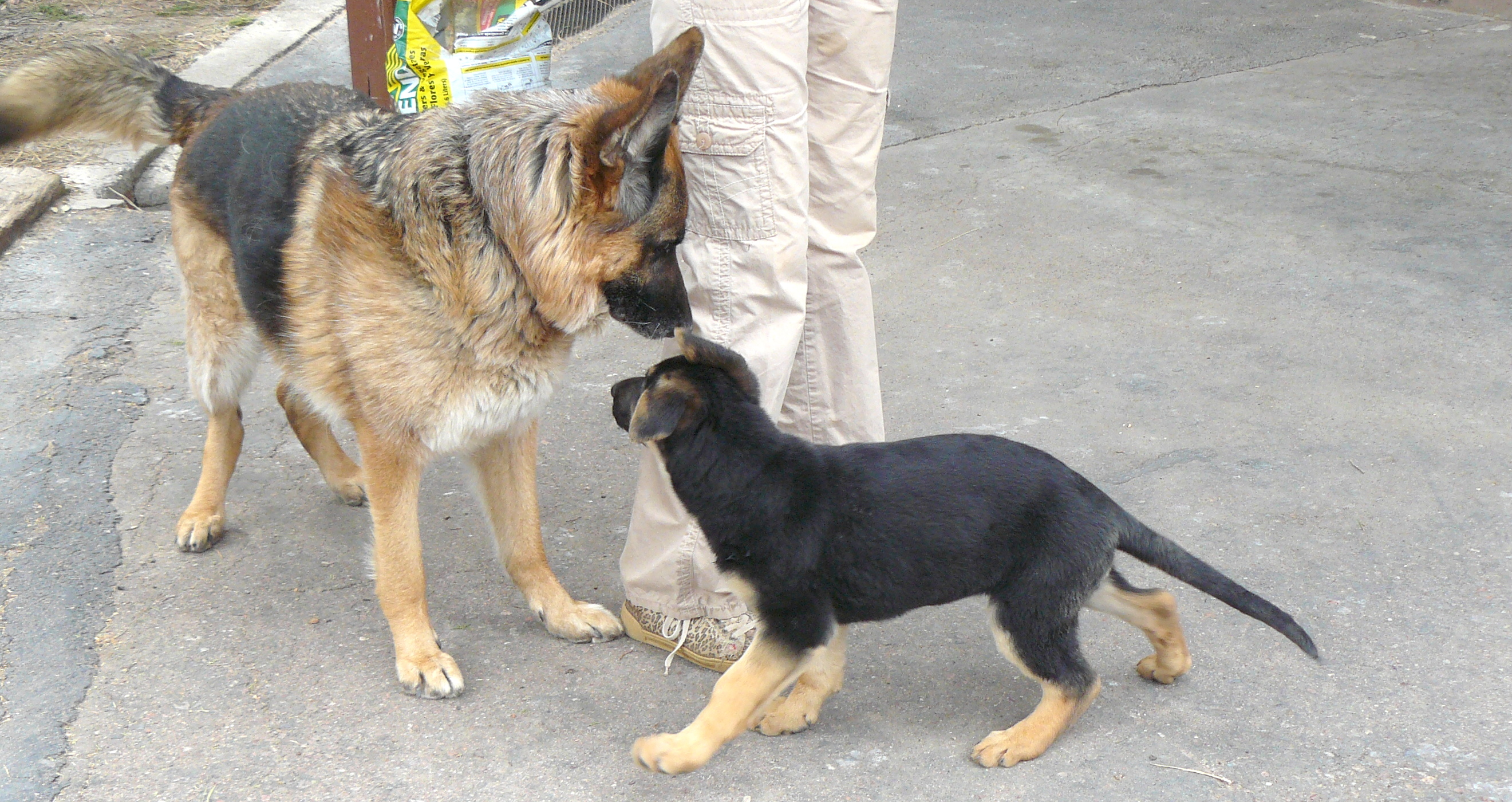
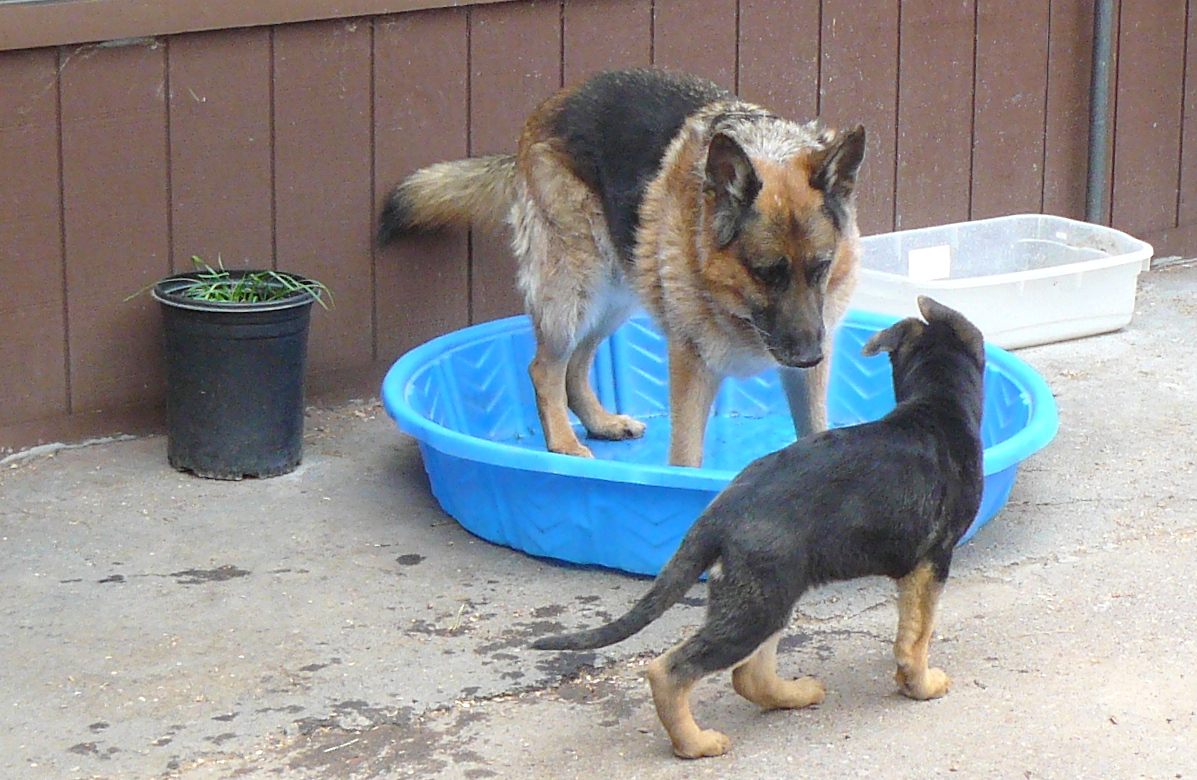
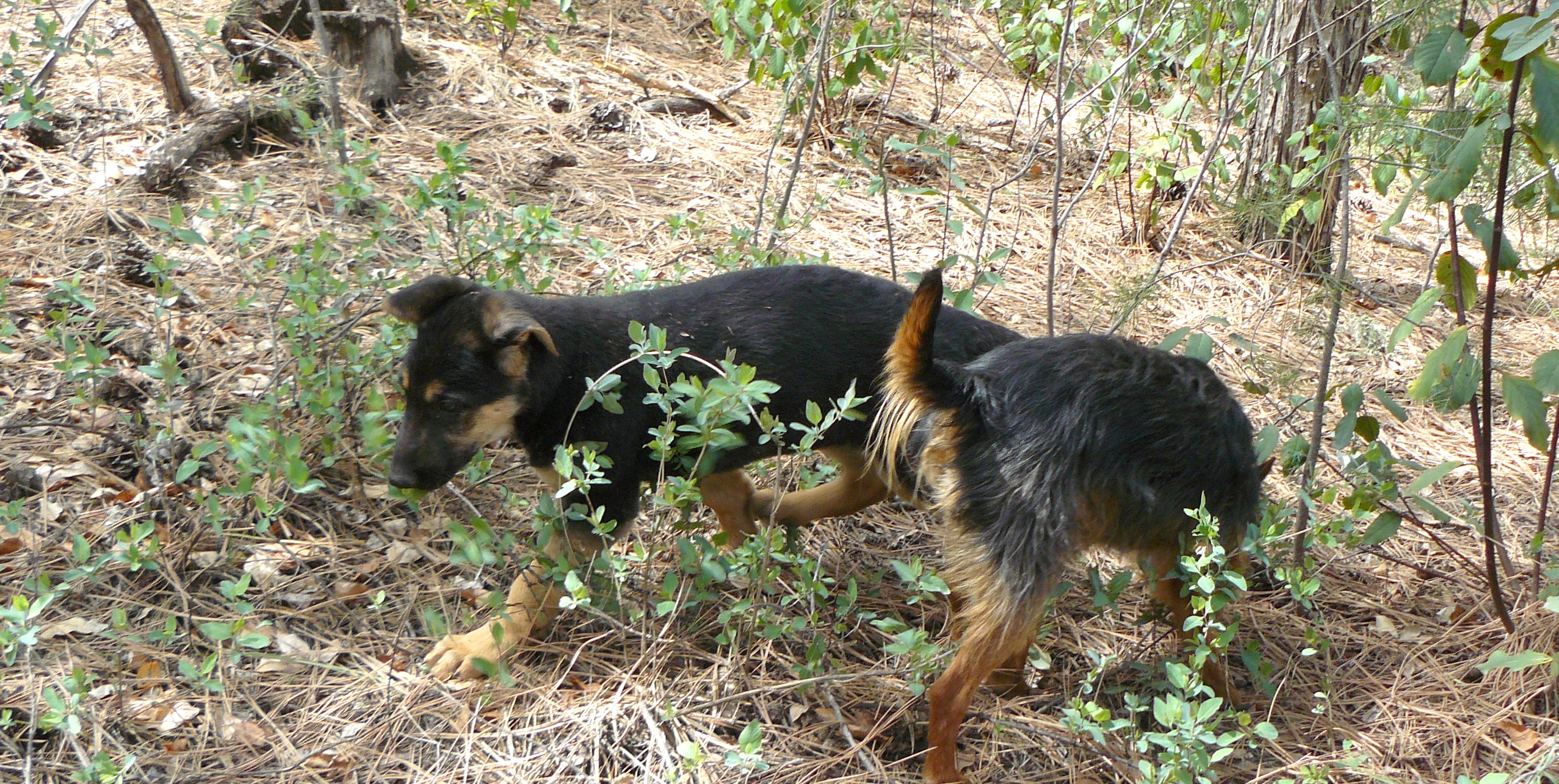
Tough work being a puppy!

Cleo has settled in so beautifully and we can’t believe that these two weeks have gone so quickly.

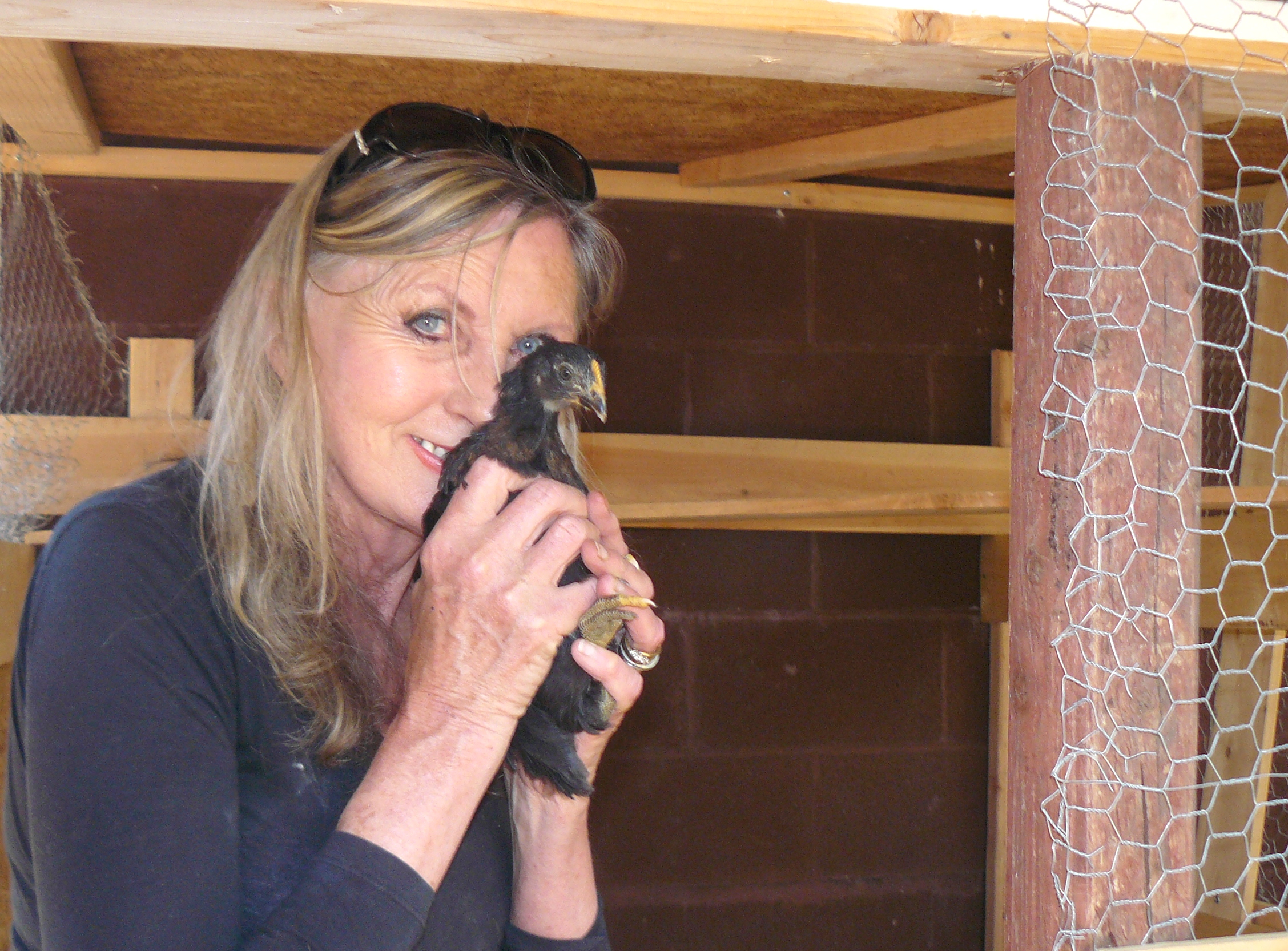
Finally, talking of settling in, our five young chicks have reached the stage where they could be housed outside in their new chicken house, the move taking place just five days ago.

Welcome to your new home, young chick!

Grandad, tell me what polar bears were like?

Politics, oil and our natural world – tell me it’s all a bad dream!

Note

Yesterday, Thursday, I was really under the cosh in terms of finding time to write a careful and thoughtful Post for today, being involved in meetings both in the morning and afternoon, those meetings all about launching a transition town movement for Payson.

So my apologies for taking a short-cut and reproducing an item that was published on Common Dreams that, fortuitously, linked in with yesterday’s Post Moved to help?

Obama Echoes Bush, Sets Plan for Polar Bear Extinction

“President Obama’s proposal for these magnificent and imperiled animals is a gift to Big Oil”

– Common Dreams staff

The Obama Administration issued a proposed rule yesterday that disregards the effects of greenhouse gases on polar bear habitat leading one conservation group to say that the rule echoes former President George W. Bush’s plan, and that it will lead to the extinction of polar bears.

Kassie Siegel from the Center for Biological Diversity: “President Obama’s proposal for these magnificent and imperiled animals is a gift to Big Oil and an affirmation of the pro-industry policies of the Bush government. (photo: Subhankar Banerjee)

Kassie Siegel from the Center for Biological Diversity: “President Obama’s proposal for these magnificent and imperiled animals is a gift to Big Oil and an affirmation of the pro-industry policies of the Bush government. (photo: Subhankar Banerjee)Noting that polar bears are only on the endangered species list precisely because of loss of habitat caused by greenhouse gases generated from activities outside the Arctic, the proposed rule excluding activities outside the range of polar bears from regulations will lead to the bears’ demise.

Brendan Cummings of the Center for Biological Diversity called the rule “complete doublespeak,” the Associated Press reports.  “It’s saying, ‘Here is a rule necessary for the conservation of the polar bear,’ yet the only thing it does is exempt from regulation the overwhelming threat to the species.”

“If polar bears are to survive we have to directly confront the greatest threat to them: our greenhouse gas emissions,” said Kassie Siegel, director of the Center for Biological Diversity’s Climate Law Institute.

“With their sea-ice habitat rapidly disappearing, polar bears need the full protection of the Endangered Species Act,” said Siegel. “President Obama’s proposal for these magnificent and imperiled animals is a gift to Big Oil and an affirmation of the pro-industry policies of the Bush government. When it comes to saving urgently endangered polar bears, the only ‘change’ Obama has delivered is more climate change.”

The rule, released by the U.S. Fish and Wildlife Service, has 60-day public comment period.

* * *

Center for Biological Diversity: Obama Administration Again Proposes Polar Bear Extinction Plan
New Rule Echoes Bush Plan Ignoring Polar Bears’ Plight Against Global Warming

WASHINGTON – April 17 – The Obama administration announced today that it is reissuing a Bush-era regulation that sharply limits protections for polar bears under the Endangered Species Act. Both the current proposal and the previous Bush rule exclude activities occurring outside the range of polar bears — such as the greenhouse gas emissions of industrial polluters like coal plants — from regulations that could help stop the bear’s extinction. Today’s announcement comes as a result of a court order that struck down the Bush rule in October 2011.

Polar bears were the first species added to the endangered and threatened species list solely because of threats from global warming. Regulations issued under the Endangered Species Act must provide for the “conservation” of threatened species. Notably, the press release issued by the U.S. Fish and Wildlife Service announcing the new proposed rule today did not mention greenhouse gases or climate change at all, while the very purpose of the rule is to exempt greenhouse emissions from the reach of the Act.

“If polar bears are to survive we have to directly confront the greatest threat to them: our greenhouse gas emissions,” said Kassie Siegel, director of the Center for Biological Diversity’s Climate Law Institute. “But the Obama administration seems to be living in a fantasy world where the way to solve a difficult problem is to deny its existence.”

The proposed rule severely undermines protection for polar bears by exempting from portions of the Endangered Species Act all activities that occur outside of the bears’ range. But the species is endangered precisely because of activities occurring outside the Arctic — namely the emission of greenhouse gases and resulting warming that is leading to the rapid disappearance of summer sea ice.

“With their sea-ice habitat rapidly disappearing, polar bears need the full protection of the Endangered Species Act,” said Siegel. “President Obama’s proposal for these magnificent and imperiled animals is a gift to Big Oil and an affirmation of the pro-industry policies of the Bush government. When it comes to saving urgently endangered polar bears, the only ‘change’ Obama has delivered is more climate change.”

The special rule also reduces the protections the bear would otherwise receive in Alaska from oil-industry activities in its habitat.

When the polar bear was listed as a threatened species in May 2008 (following a petition by the Center), the Bush administration simultaneously issued a special rule under section 4(d) of the Endangered Species Act. A similar rule was finalized in December 2008 and defended by the Obama administration in court. On Oct. 17, 2011, a federal district court judge struck it down owing to the Fish and Wildlife Service’s failure to conduct an environmental review of the rule’s impacts.

The challenge was brought by the Center for Biological Diversity, Natural Resources Defense Council, Greenpeace and Defenders of Wildlife. Today’s proposal, in response to the 2011 court order, triggers a 60-day public comment period, with the rule scheduled for finalization by the end of 2012.

So I ponder on how to respond to the question from my grandson, currently one-year-old, when, in a few years time, the polar bears are no longer?

Moved to help?

A plea to take action to preserve the Western Arctic Reserve in Alaska.

I received the following email from the Center for Biological Diversity the other day.

Dear Paul,

caribouThe Western Arctic Reserve, also known as the National Petroleum Reserve-Alaska, is the largest tract of unprotected, relatively pristine public land in the United States. But Big Oil has the reserve in its sights and will not hesitate to turn this vast wilderness into a sprawling industrial complex to drum up massive profits.

The 23.5 million-acre reserve is home to imperiled polar bears, seabirds and one of the densest populations of nesting raptors in the world. Its shores and lagoons harbor beluga whales, seals, walruses and other marine mammals.

In the rapidly warming Arctic, short-sighted oil and gas development will further stress the remarkable wildlife that lives and breeds there.The Bureau of Land Management (BLM) is now collecting comments on a planning document that will set the stage for oil and gas leasing in the western Arctic for decades to come.

You can help save this national treasure: Take action to tell the BLM to protect the Western Arctic Reserve from dirty fossil fuel development.

The action that is requested is to email or mail the following to the BLM  (the link is here.)  The email address for Bob Abbey, taken from the relevant BLM webpage is Director: Bob Abbey E-mail: Director@blm.gov

Director Bob Abbey
Bureau of Land Management
NPR-A IAP/EIS Comments, AECOM Project Office
1835 South Bragaw Street, Suite 490
Anchorage, AK 99508
US

Subject: Comments Regarding the BLM’s National Petroleum Reserve-Alaska Integrated Activity, DEIS

The National Petroleum Reserve-Alaska, or Western Arctic Reserve, comprises the largest unprotected tract of public land in the United States. It provides habitat for a wide variety of Arctic species, and its wilderness values are second to none. While the most environmentally protective alternative analyzed by the Bureau of Land Management (Alternative B) is an improvement over previous plans, it still allows over 11 million acres of ecologically intact wilderness-quality lands to be leased for oil development. As the BLM develops the “integrated activity plan” and “final environmental impact statement” for the reserve, I urge you to provide maximum protection for areas with high-value habitats by designating all of the Special Area contained in Alternative B, and to create additional protections for all other areas in the reserve that contain ecologically intact and/or wilderness-quality lands.

The BLM must also consider the long-term impacts of greenhouse gas emissions from oil and gas development, and any future impacts of climate change on the low-lying western Arctic. Arctic animals are already stressed by a melting and warming Arctic, and none of the alternatives considered go far enough to protect these species from the wide array of impacts from oil and gas development.

Among other things, the BLM must account for sea-level rise due to ice melt, permafrost collapse, coastal erosion and increased high-energy storm events that will degrade, or wipe out, critical coastal habitat, including the Teshekpuk Lake area. The BLM must also consider the impacts of ocean acidification, changes in circulation, increased freshening due to sea ice melt, and shifts in productivity to the marine environment and to marine species, including polar bears, ice seals, walruses, bowhead whales, and beluga whales.

Congress has required that “maximum protection” be given to Special Areas in the reserve. I encourage the BLM to adopt an alternative that provides protections for these areas, which include Teshekpuk Lake, the Colville River, Kasegaluk Lagoon, and the Utukok River Uplands. The BLM must also protect the Dease Inlet-Meade River area, Peard Bay and adjacent wetlands, and the Ikpikpuk River and adjacent wetlands.

I implore the BLM to adopt a management alternative that includes the strongest possible protections for the Western Arctic Reserve. This means designating Alternative B as the preferred alternative, and adding additional protective measures for important wildlife habitat and wilderness areas so they are not destroyed by ecologically devastating oil and gas development, or from the long-term impacts of greenhouse gas emissions and climate change.

Thank you.

But if that doesn’t work then there is a full webpage offering detailed information and which also has links relevant to letting the BLM know your views.  That webpage starts,

ARCTIC OIL DEVELOPMENT

Alaska’s north coast and ocean waters are teeming with species found in few other places, and many of them are now under threat. The Western Arctic Reserve and the Arctic National Wildlife Refuge provide critical denning areas for polar bears, support vast caribou herds and are essential nesting grounds for thousands of bird species, including threatened eiders and yellow-billed loons. The sea ice of the Arctic Ocean is hunting and denning habitat for polar bears and a foraging platform for Pacific walrus and numerous Arctic ice seal species. Under the sea ice, endangeredbowhead whales and other whale species live off the biological richness of the Arctic Ocean.
Nearly all Arctic species are at risk from global warming. But that’s not the only problem: In a drastically changing environment, Arctic species must now contend with dirty, industrial fossil fuel development.

Please go here, read the the full information and do your little bit.  It all makes a difference.

Ten didn’t last for long! Welcome Cleo.

The arrival of Cleo brings us back to eleven dogs.

Way back in 2003 when I became the proud ‘Dad’ of Pharaoh, my German Shepherd dog that you see on the home page of Learning from Dogs, Sandra Tucker who ran the GSD Breeders Jutone, where Pharaoh was born, gave me some advice.  Sandra said that when Pharaoh was getting on in life, then bring in a German Shepherd puppy.  Apparently, there were two solid reasons why this made sense.  The first was that Pharaoh would teach the new puppy many of the skills and disciplines that Pharaoh had learnt as a young dog and, secondly, the puppy would keep Pharaoh active.

Now we know this to be true because years later when Pharaoh had his own mini pack here in Payson, we introduced a new ‘rescue’ puppy called Sweeny.  Pharaoh took an instant like to him and became very tolerant to Sweeny’s ‘games’.

Hi! I'm Pharaoh, going to be my buddy? (February, 2011)

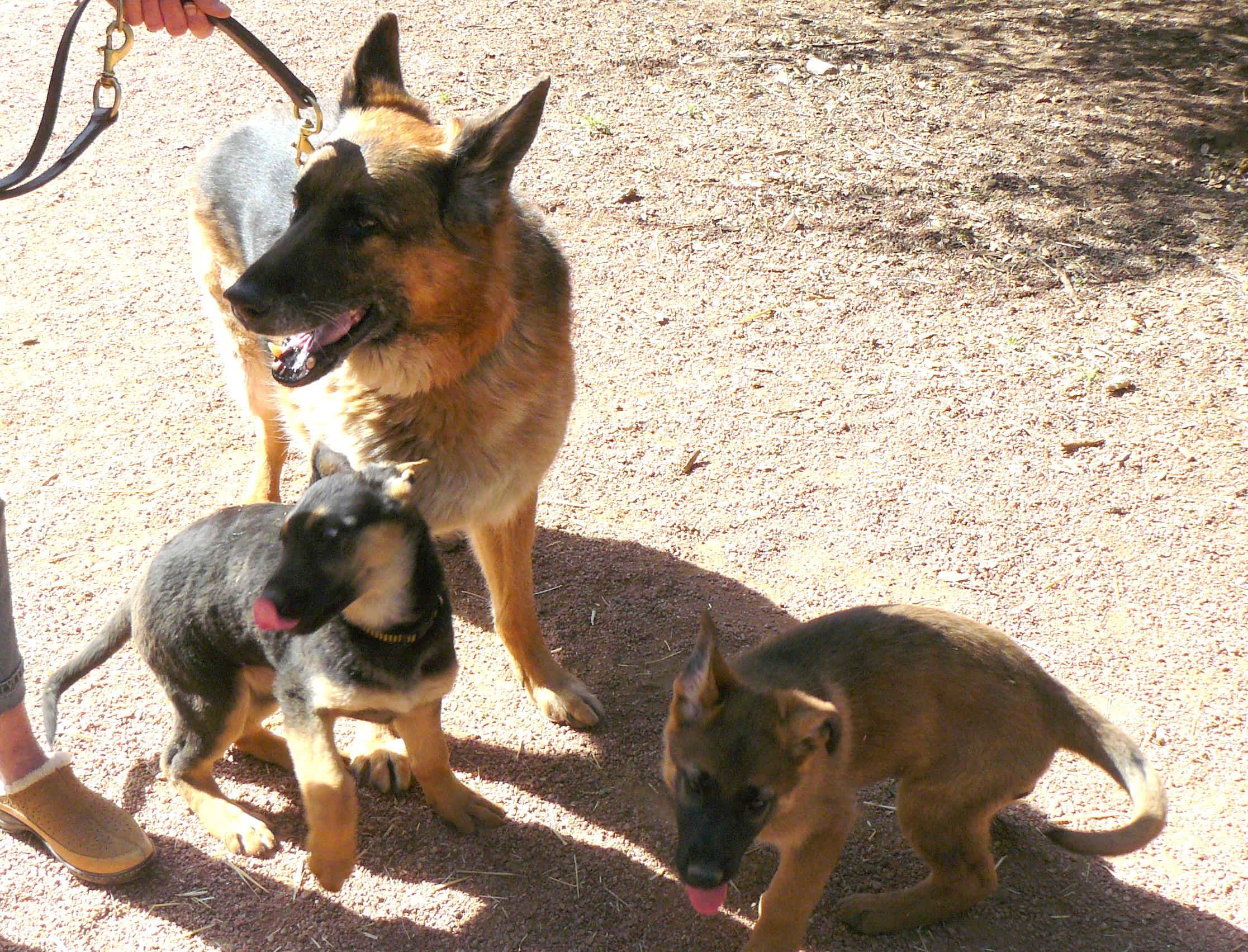
But as adorable as Sweeny is, Jean understood the deep reasons why I always wanted a German Shepherd in our lives.  So when a chance encounter in Payson Feed Store between Jean and Brendon S. revealed that Brendon had a litter of German Shepherd puppies for sale, just a couple of miles outside Payson, the temptation was irresistible!

Thus a few days ago, Jean and I went round to Brendon’s home and spent a couple of hours mingling with the puppies and their GSD mother.  They all looked excellent dogs and a review of their blood lines showed that their genetic background included German stock not too far back.  It was difficult to select any one pup as they were all wonderful animals.  But one youngster seemed to catch Jean’s eye.

Little bit of bonding going on!

Then the next test was to introduce Pharaoh to the puppies.  That took place last Friday and it was wonderful to see how well he coped with the onslaught of puppies!

More puppies that one could shake a stick at!

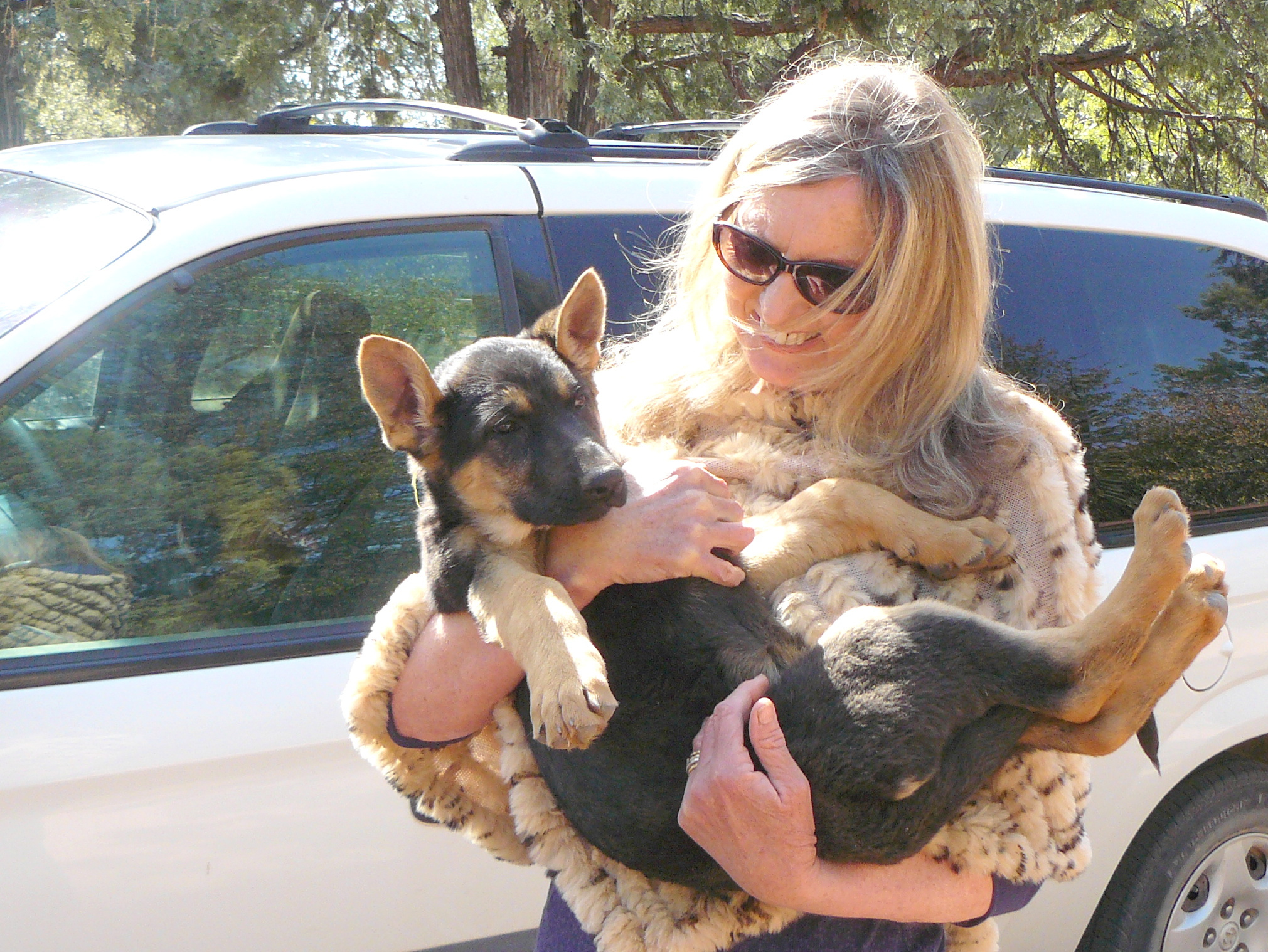
In the end, we ran out of reasons not to follow Sandra’s advice from all those years ago and we agreed terms on a young female GSD that, inevitably, was christened Cleopatra (Cleo) by Jean!

Cleo meet your new Mum!

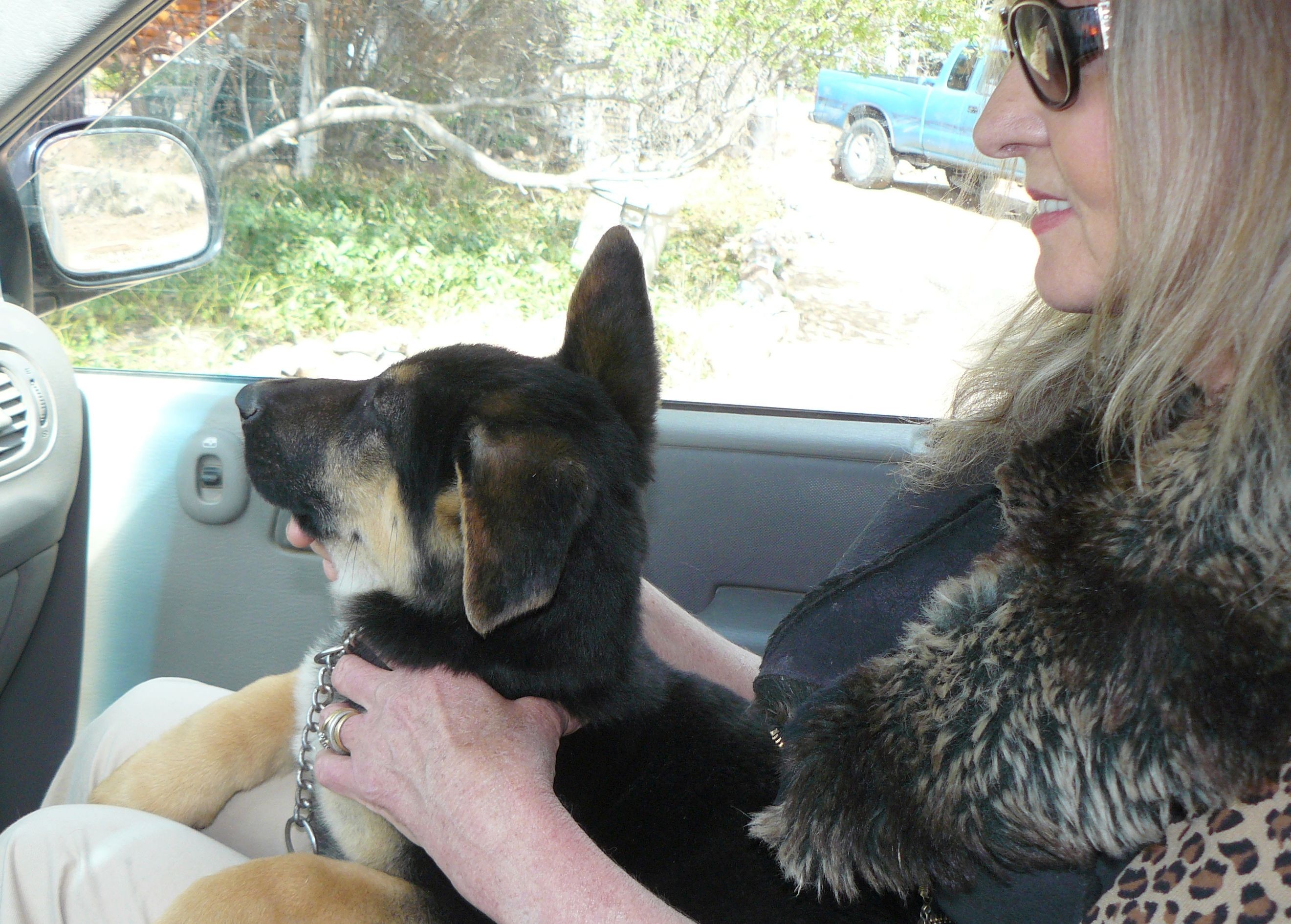
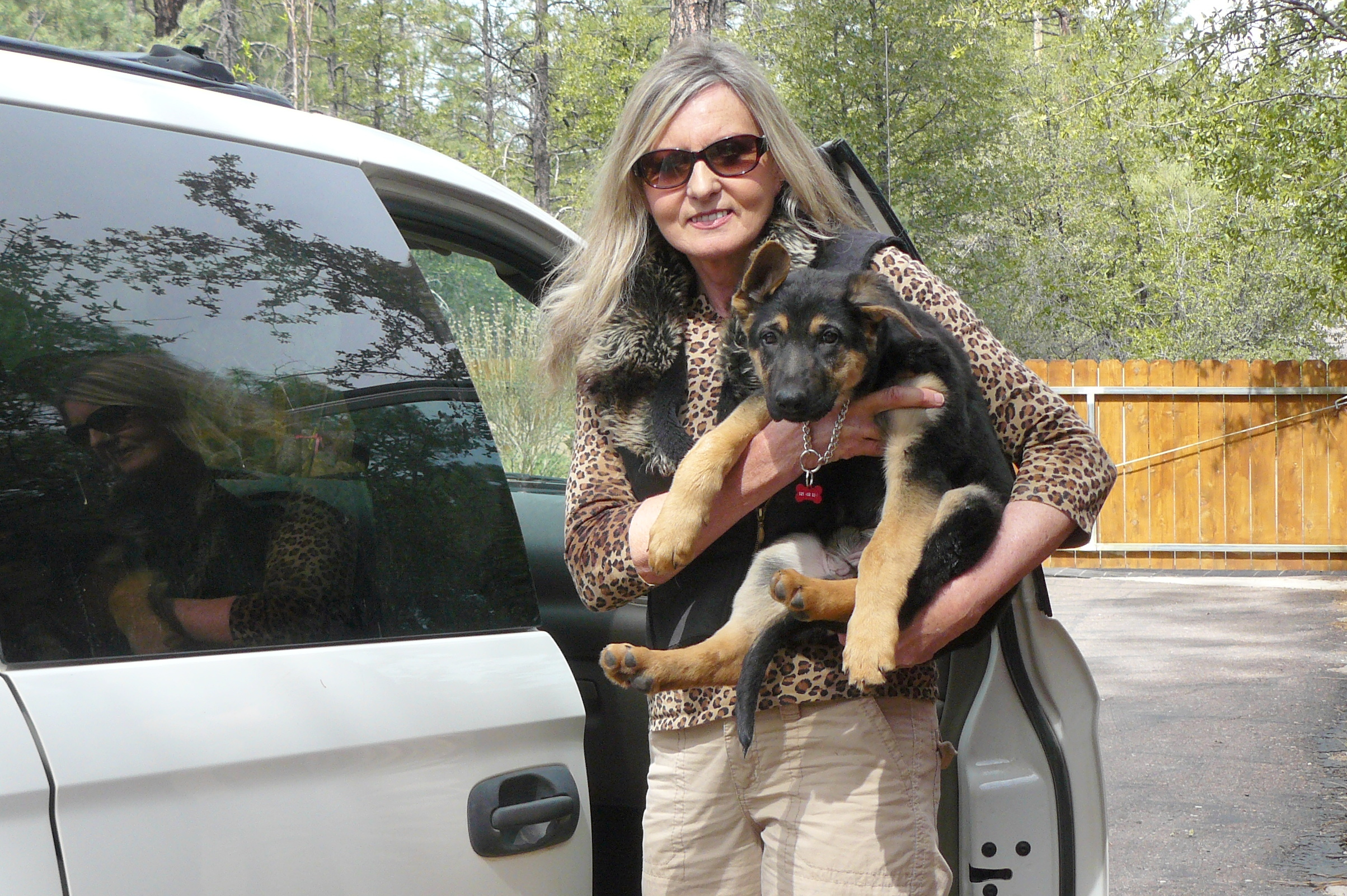
Then yesterday, Saturday, we went back round to collect young Cleo, meeting Brendan’s wife Ebony in the process.  The following photographs record some of the key moments.

Homeward bound to a new life!
Next step is to meet the gang!
Welcome, young lady. I'm the boss around here!
It's my pool but you can use it!
Hey Sweeny, fancy having one's own woods to play in!
She'll do! Nice addition to my family!

So there we are.  Back up to eleven dogs, five chickens, six cats, and a fish!

Finally, a big thanks to Sandra of Jutone for her guidance in the last few days.

Having the dog of a day!

Maybe there’s a new twist to that rather derogatory phrase!

For the life of me, I can’t remember how this story came to my ‘in-box’ but most likely it was from my Big Think subscription.  But I do know that the story has spread like wild-fire (poor choice of simile for Arizona!) and not without good reason.

Here’s how it was promoted on Science Daily,

Benefits of Taking Your Dog to Work May Not Be Far-Fetched

Man’s best friend may make a positive difference in the workplace by reducing stress and making the job more satisfying for other employees, according to a Virginia Commonwealth University study.

Stress is a major contributor to employee absenteeism, morale and burnout and results in significant loss of productivity and resources. But a preliminary study, published in the March issue of the International Journal of Workplace Health Management, found that dogs in the workplace may buffer the impact of stress during the workday for their owners and make the job more satisfying for those with whom they come into contact.

The VCU researchers compared employees who bring their dogs to work, employees who do not bring their dogs to work and employees without pets in the areas of stress, job satisfaction, organizational commitment and support.

Then over at the New York Daily News, it was presented thus,

Bring your dog to work to lower stress; Companies that allow pooches have happier workers

Amazon, Ben & Jerry’s and Zynga all have pup-friendly policies

A new study supports the stress-reducing benefits of bringing your pooch to work — to play with, look at, and pet while working.

According to a Virginia Commonwealth University study, having a dog at work not only reduces the owners’ stress level but also increased the level of job satisfaction for other employees as well. The study, announced Thursday, was published in the International Journal of Workplace Health Management.

“Dogs in the workplace can make a positive difference,” said head researcher Randolph T. Barker. “The differences in perceived stress between days the dog was present and absent were significant. The employees as a whole had higher job satisfaction than industry norms.”

Here’s a great example.  The photograph below,

One hand for the desk and one for the dog!

comes from the website of Interior Design Hound (seriously) where the by-line is Good Design with a Canine Twist! (No, I’m not making it up!)

Anyway, back to that NY Daily News item,

The study took place at Replacements Ltd, a service-manufacturing-retail company located in North Carolina, which employs approximately 550 people. The company has a dog friendly policy, similar to other  companies such as Amazon, Ben & Jerry’s and Zynga, according to CBS News, with around 20 to 30 dogs romping through the office every day. The study took place over a period of one work week, and subjects completing both surveys and saliva samples to measure stress levels.

According to The Humane Society of the United States, there are numerous benefits to having dogs at work, including improved staff morale, worker productivity, and camaraderie among employees.

Numerous studies have shown that having a pet is a good investment for your health. One study found that having a pet lowered your risk factors for heart disease, and another found that dogs encourage more consistent walking and exercise.

Seems pretty obvious to me.

Another tough day at the office!

Mind you, going back to the metaphorical ‘having a dog of a day‘ here’s one woman who probably wished she hadn’t got out of bed that morning,

Woman has a dog of a day in court

Sydney – If you have a phobia about dogs and hurt yourself running away from one, is it your own fault or should the owner of the dog pay compensation?

An Australian judge on Wednesday ruled against a woman who had put that case to him and ordered her to pay substantial legal costs.

Mileva Novakovic took her brother, Michael Stekovic, and his wife to the New South Wales Court of Appeal to try to overturn a lower court verdict that found they were not liable for injuries she sustained at his house in 2008.

Novakovic slipped and fell in a panic over finding a dog in their lounge room. She admitted to a fear of dogs and said she was compelled to run despite Cougar, a mastiff, showing no aggression towards her.


Very scary!

Isn’t anyone going to find me?

The most beautiful story of a dog rescue.

It’s been a while since Sue of Dreamwalker’s Sanctuary and I started following each other’s Blogs and from time to time Sue sends me an email with something for Learning from Dogs.  On the 20th March, I published a guest post from Sue called the Winds of Change.  If you didn’t read her wonderful poem then do go there and read it.

Anyway, just a couple of days ago Sue sent me an email with a link to a YouTube video.  Put aside a few minutes and be entranced.

So you have just watched the video.  How do you feel?  I bet that your feelings are not a million miles from the realisation that, like Fiona the dog, being ‘lost‘ is an uncomfortable, unsettling but necessary step along the journey of being ‘found‘.  As I wrote in the concluding part of my story Night messages, “The message from the night, as clear as the rays of this new day’s sun, the message to pass to all those he loved. If you don’t get lost, there’s a chance you may never be found.”

When the bond between a human and a dog is expressed as deep love, as it so often is, we relearn the most important lesson of all creation.  That mankind’s only hope for the future comes from the pool of love.

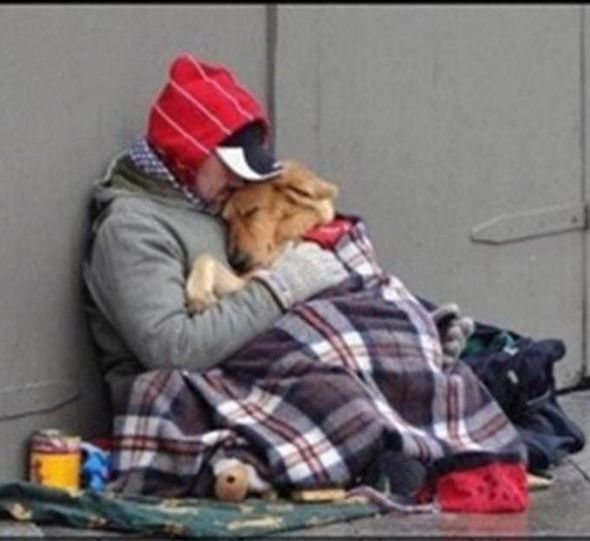
No better portrayed than by the photograph below that I presented in a Post on the 17th March, Change out of Hope.

The power of love.

The one absolutely unselfish friend that man can have in this selfish world, the one that never deserts him, the one that never proves ungrateful or treacherous, is his dog.“ Samuel Coleridge

Then we were ten, plus chicks!

One doesn’t have to be mad to live here, but it sure helps!

Jean and I had been kicking around the idea of having our own eggs.  To the point where we had made enquiries at our local feed store, Payson Feed.

Chickens for sale!

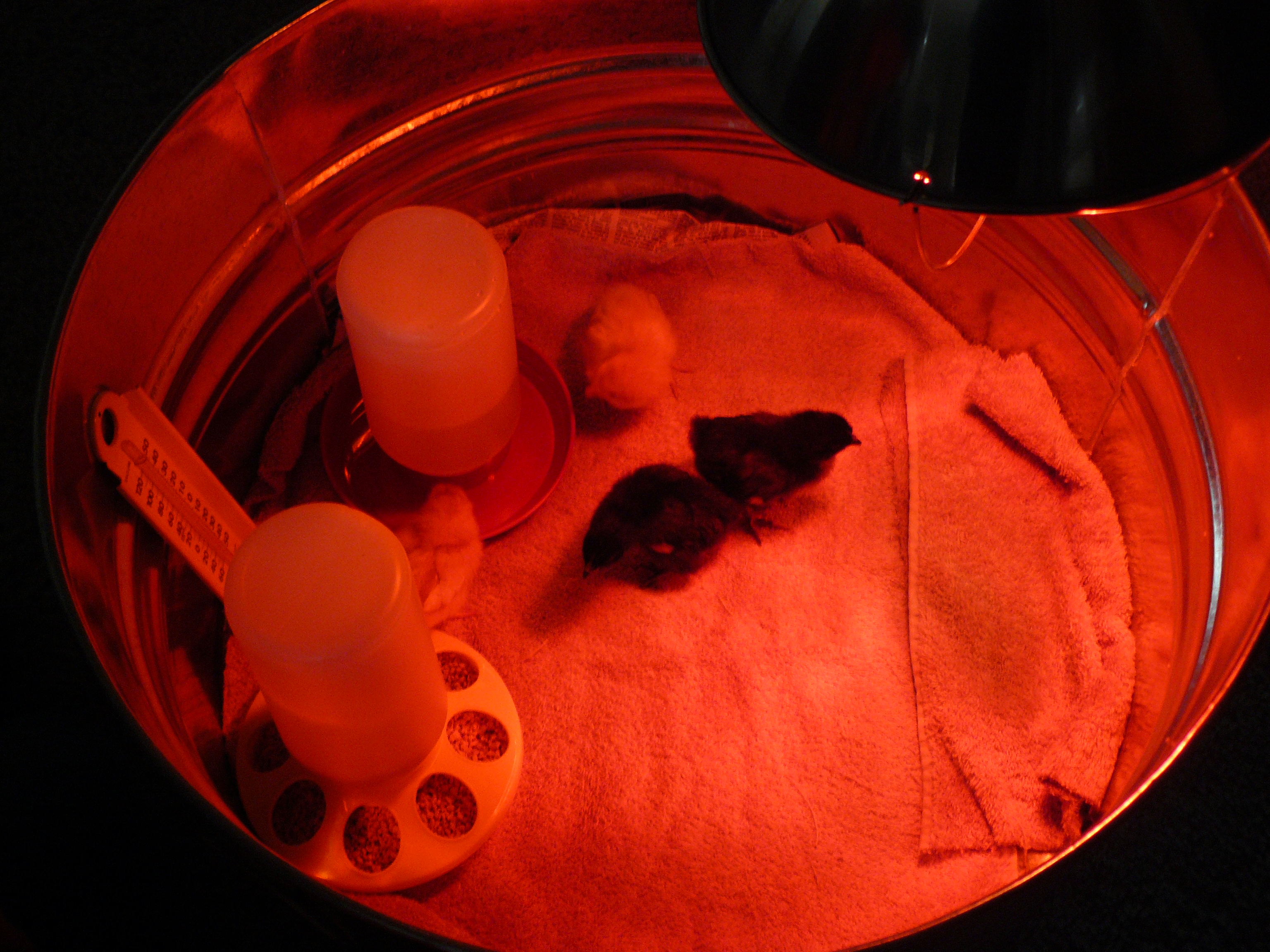
Then the idea grew to the point where we started building our own chicken coop, then a couple of weeks ago we bought the heat lamp and feeders leading inevitably to yesterday morning when we picked up 5 little chicks.

Choosing the chicks in the store.

We planned to buy four chicks but, of course, came out with five! The five being four golden ‘cross-breds’ and one Buff Orpington  Our plan had been to buy Rhode Island Reds but we were advised that cockerels could sometimes be bought unintentionally as when just a couple of days old, they couldn’t be identified from the hens, whereas the cross-breeds could be properly ‘sexed’.

Welcome to your new home!

So shortly before mid-day yesterday, Jean was gently transferring our latest ‘pets’ into their new home in the guest bedroom, where they will be fed, watered and kept warm for the next 8 weeks or so before being moved to the chicken coop.

Home sweet home!

I have no doubt that before the week is out, Jean will have given them all names!

Very cute, even at two days old!

Why the title to this Post being ‘Then we were ten, plus chicks’?

Only that three weeks ago, I wrote about Casey joining our dogs and bringing the number of dogs to ten.  (Oh, not forgetting the six cats and one fish.)  No doubt, status reports on our young chicks will creep into Learning from Dogs from time to time!

Change out of hope.

Making a difference is the only way forward!

Don’t worry, this is not going to be some chest-banging Post!  I leave those for Monday to Friday. 😉  No, I just wanted to offer a couple of examples of the power of goodness and how making a positive difference is no more than wanting it.  As Perfect Stranger commented last Tuesday, “A single candle may light a thousand others and they in turn many thousands more” – Buddha

The first example is about how a group of upstanding citizens rescue a school of dolphins that became stuck on a beach in Brazil.

The second example comes from closer to home.  Ginger I. is a Board Member of the Humane Society of Central Arizona and is based at Payson.  Jean has been a volunteer at the Society’s Thrift Store for some time and has got to know Ginger well.

Ginger recently emailed me this; it has already done the rounds of the WWW, and quite rightly so.  It reminds me of the book Dogs Never Lie About Love, written by Jeffrey Masson, from which comes the following,

This ambiguity, which includes a certain ambivalence as well, has been memorialized in our speech, in our sayings, and in our tributes to and about dogs. Sir John Davies, in his epigram In Cineam (written in 1594), observed:

Thou sayest thou art as weary as a dog,
As angry, sick, and hungry as a dog,
As dull and melancholy as a dog,
As lazy, sleepy, idle as a dog.
But why dost thou compare thee to a dog?
In that for which all men despise a dog,
I will compare thee better to a dog.
Thou art as fair and comely as a dog,
Thou art as true and honest as a dog,
Thou art as kind and liberal as a dog,
Thou art as wise and valiant as a dog.

Ever since Madame Roland said in the eighteenth century “Plus je vois les hommes, plus j’admire les chiens” (The more I see of men, the more I admire dogs), generally what has been written about dogs tends to be positive. Sometimes it is even wonderful, as in William James’s statement “Marvelous as may be the power of my dog to understand my moods, deathless as is his affection and fidelity, his mental state is as unsolved a mystery to me as it was to my remotest ancestor.” Or it may be delicious, like Ambrose Bierce’s definition in his Devil’s Dictionary, “Dog, n. A kind of additional or subsidiary Deity designed to catch the overflow and surplus of the world’s worship.” Samuel Coleridge, in Table-Talk (May 2, 1830), was one of the first to note that “the best friend a man has in the world may turn against him and become his enemy. His son or daughter … may prove ungrateful. Those who are nearest and dearest to him … may become traitors to their faith…. The one absolutely unselfish friend that man can have in this selfish world, the one that never deserts him, the one that never proves ungrateful or treacherous, is his dog.”

Just read that last sentence again from Samual Coleridge as you look at the photograph below, “The one absolutely unselfish friend that man can have in this selfish world, the one that never deserts him, the one that never proves ungrateful or treacherous, is his dog.