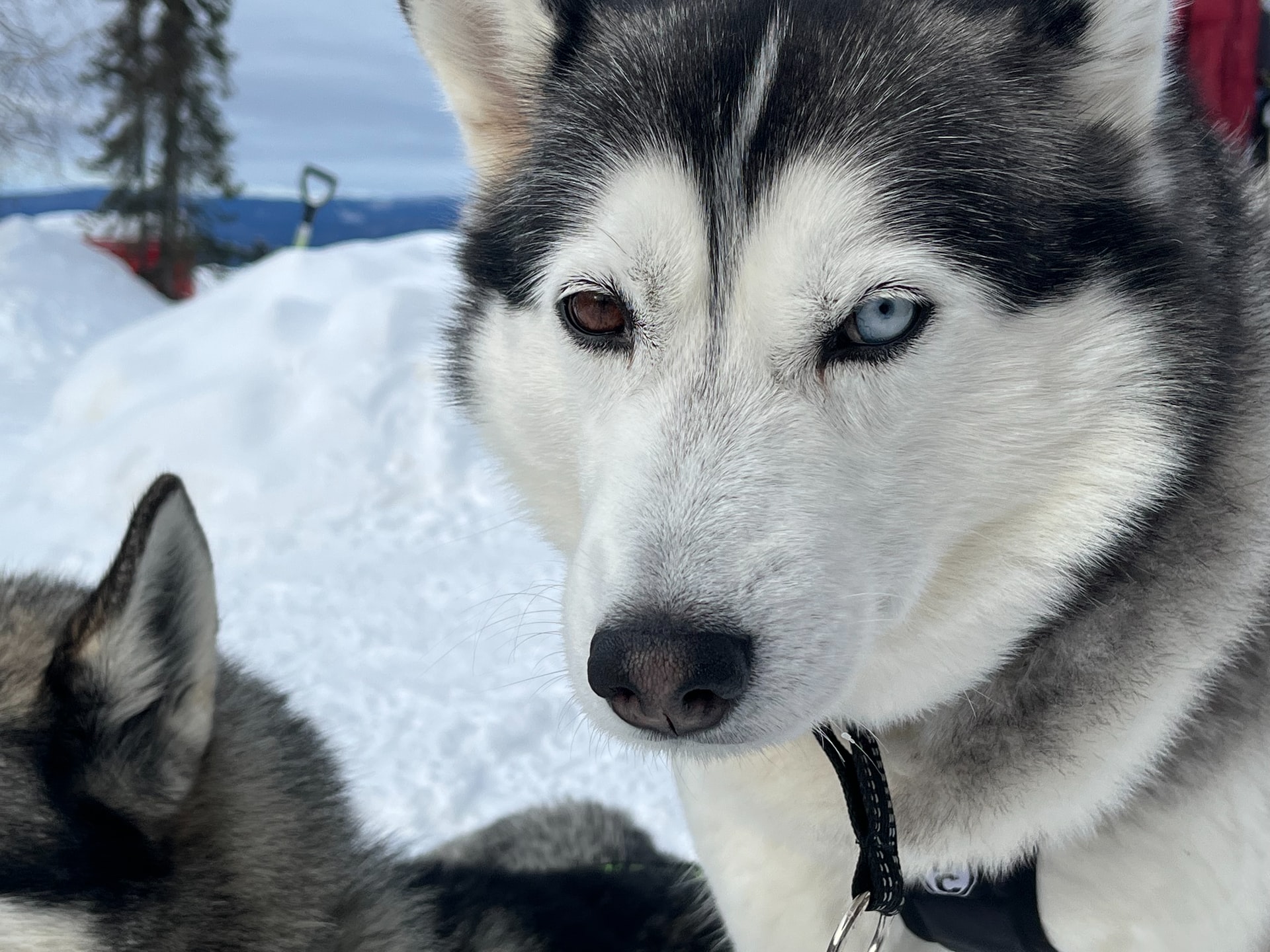
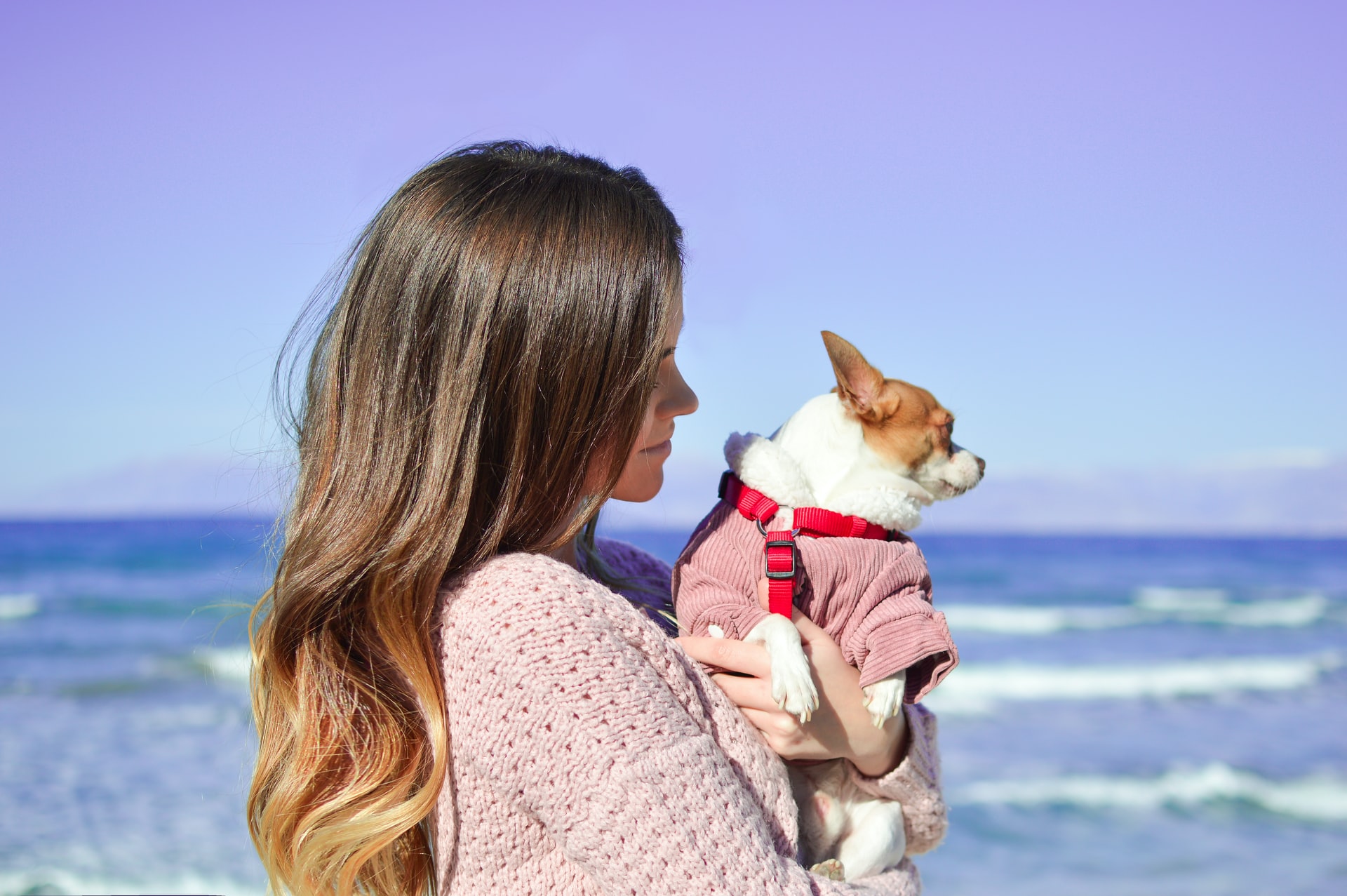
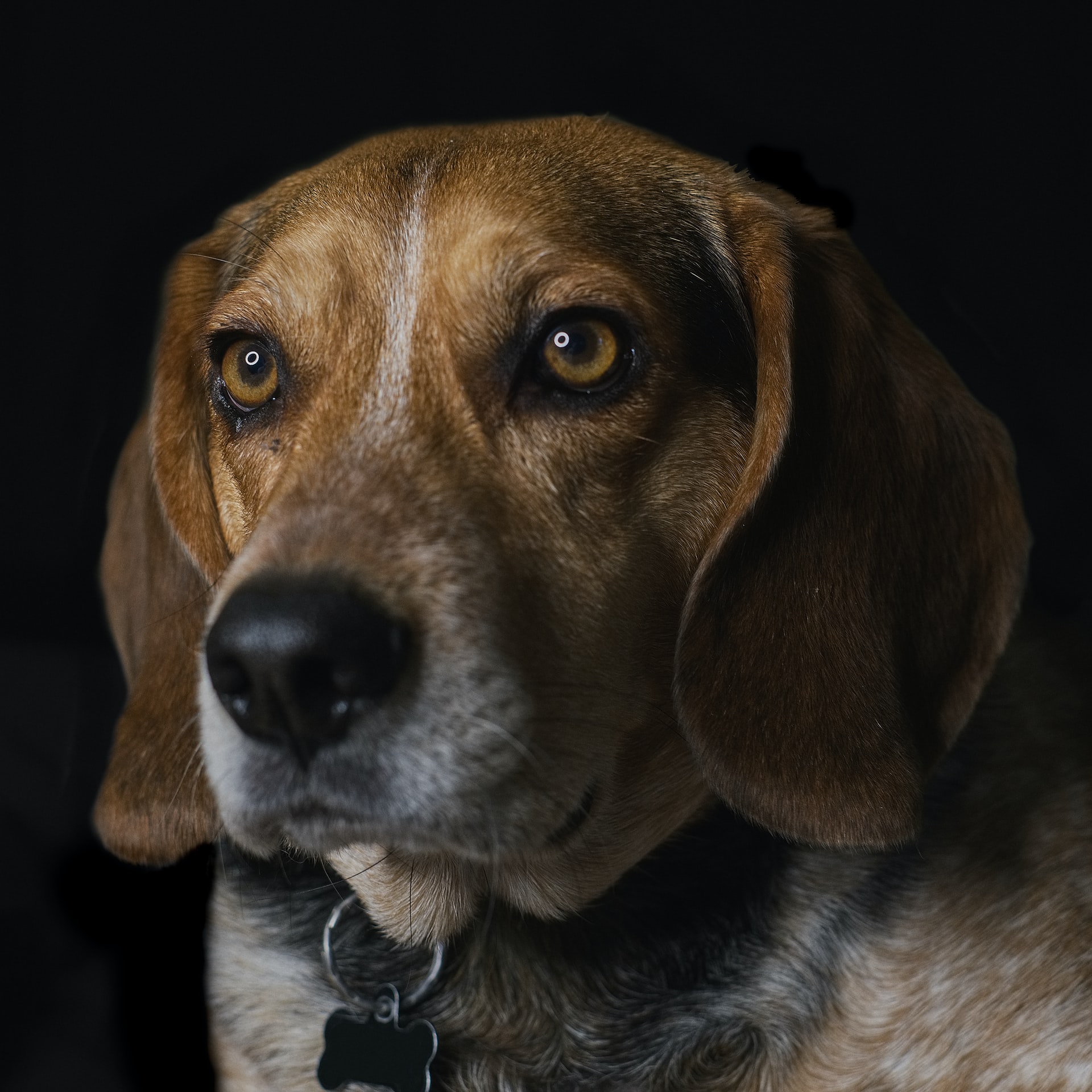
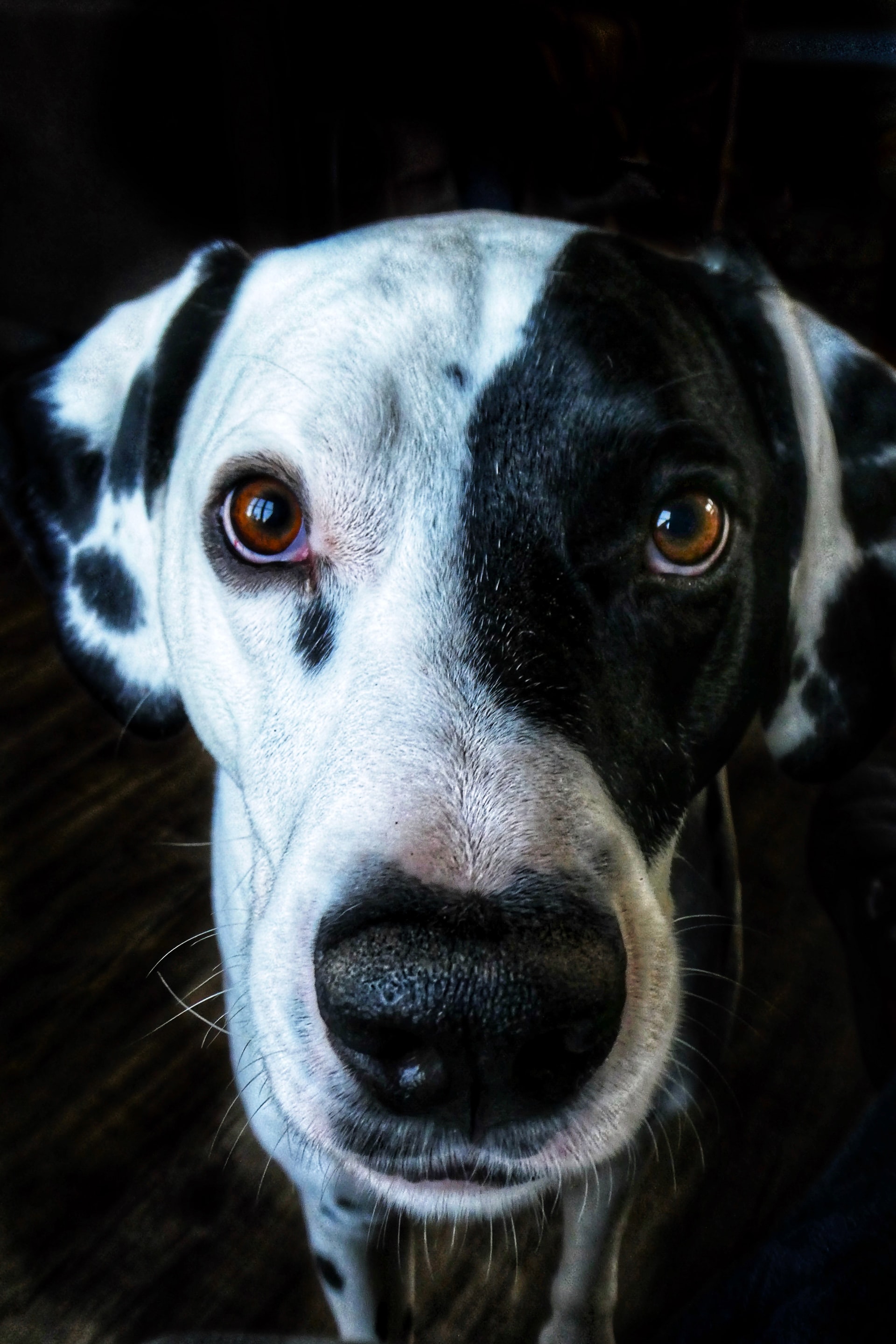
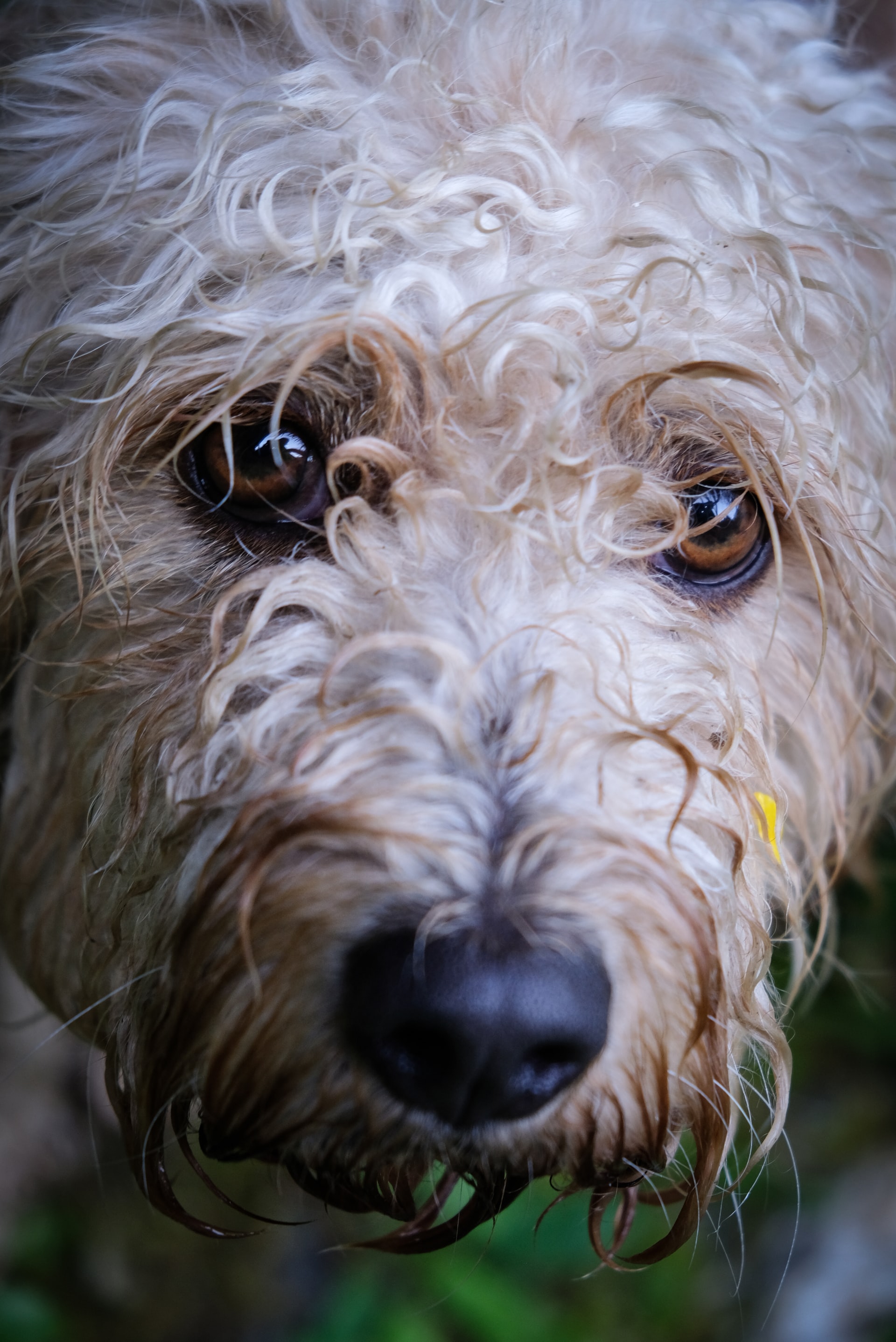
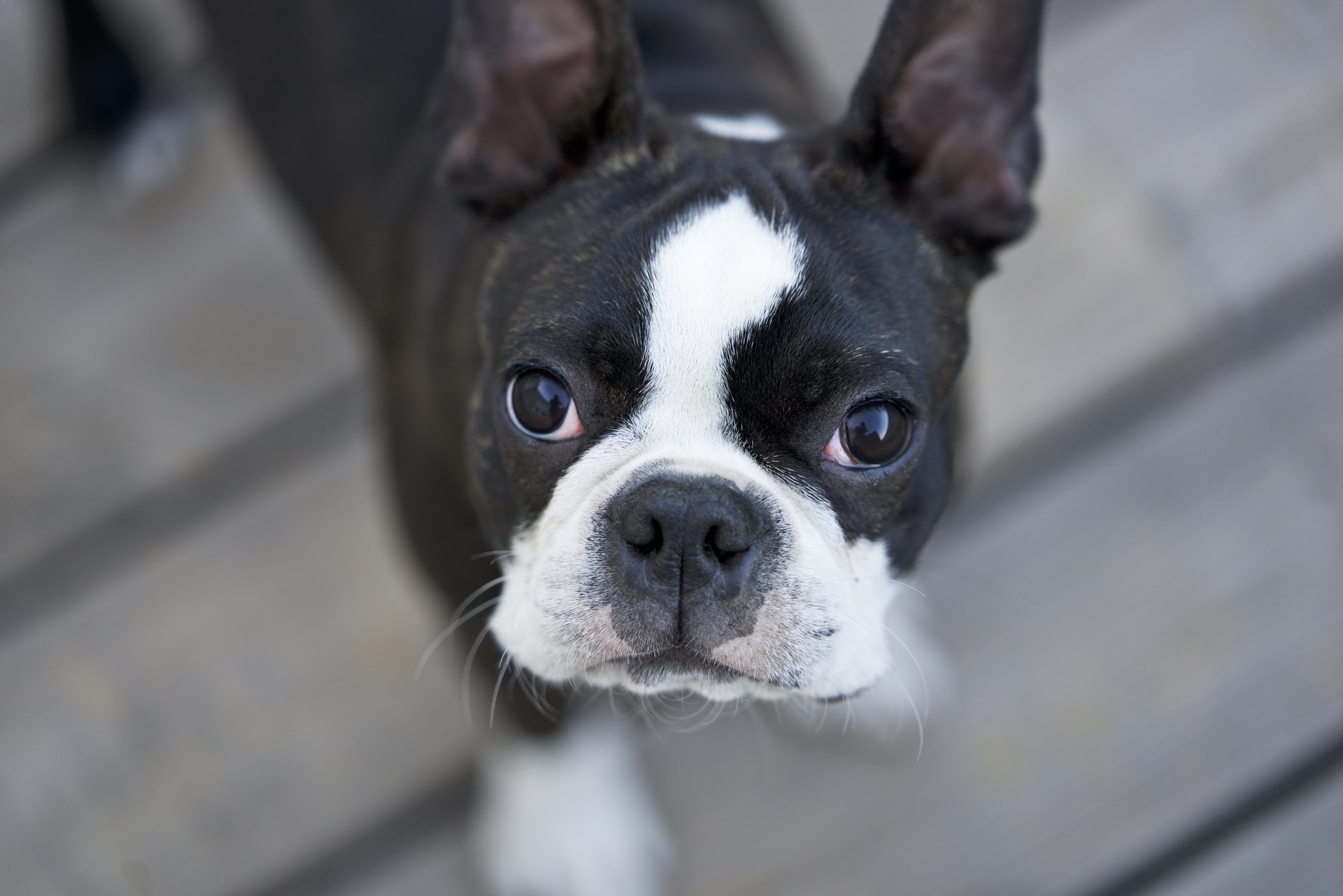
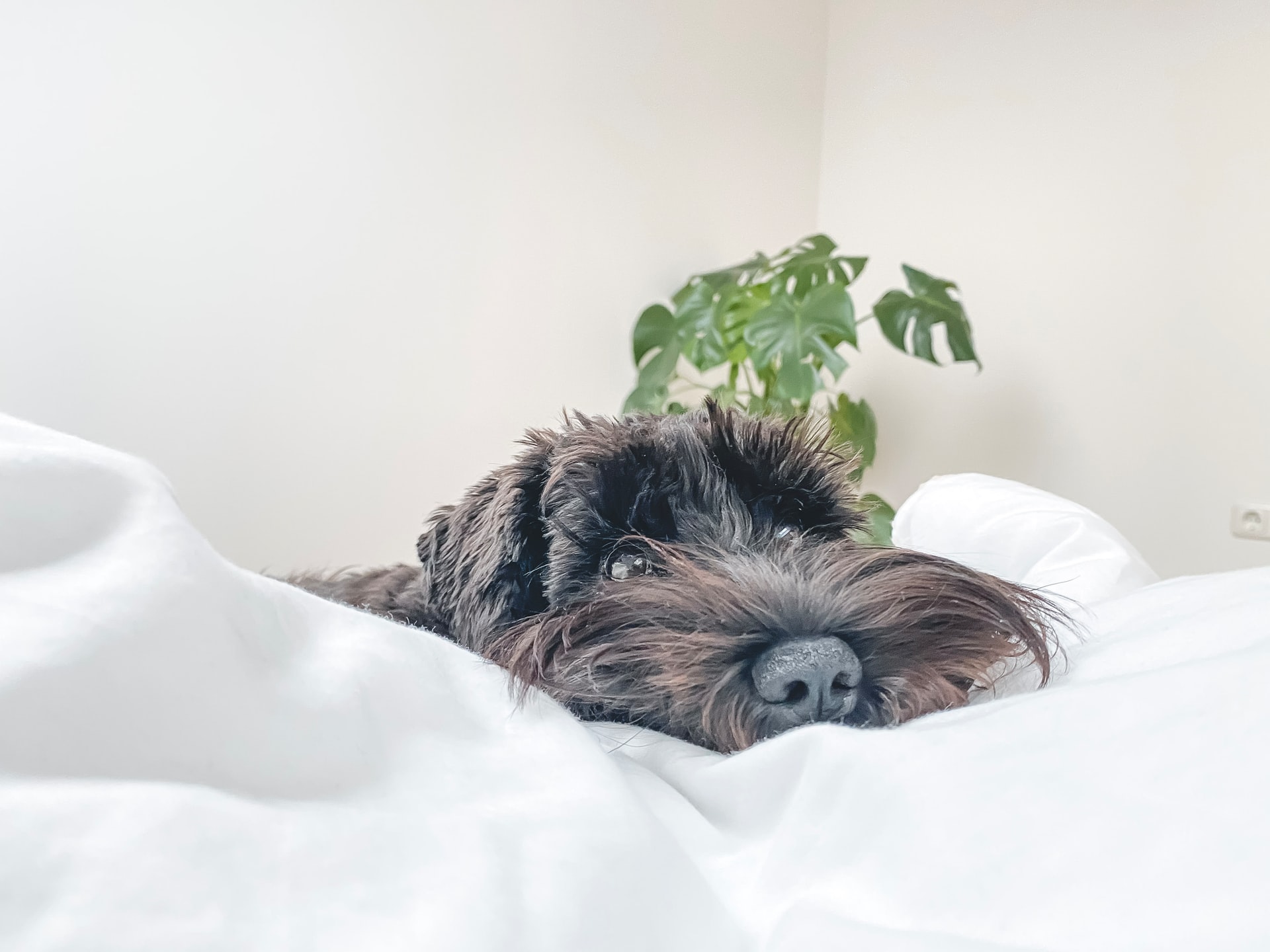
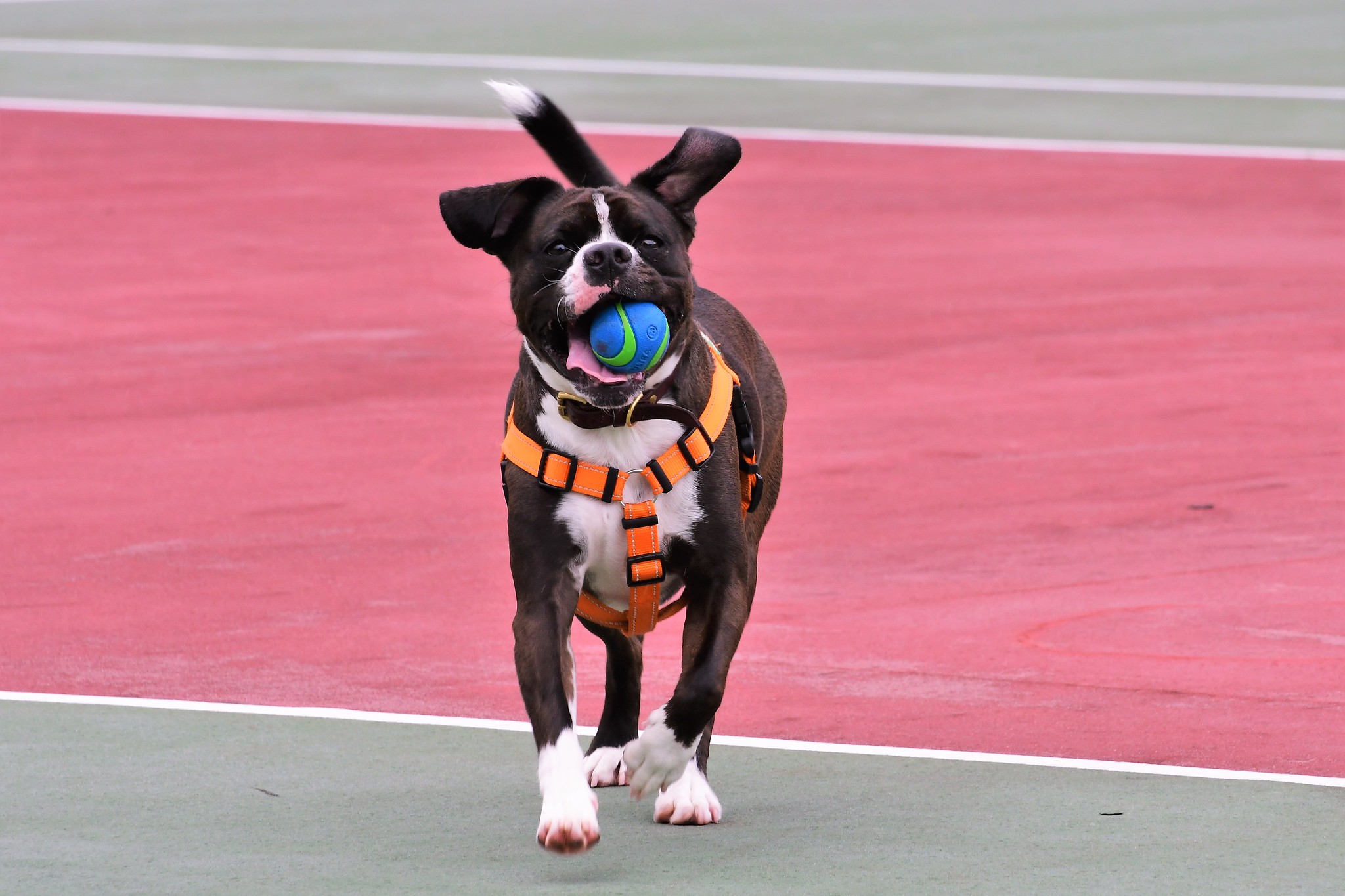
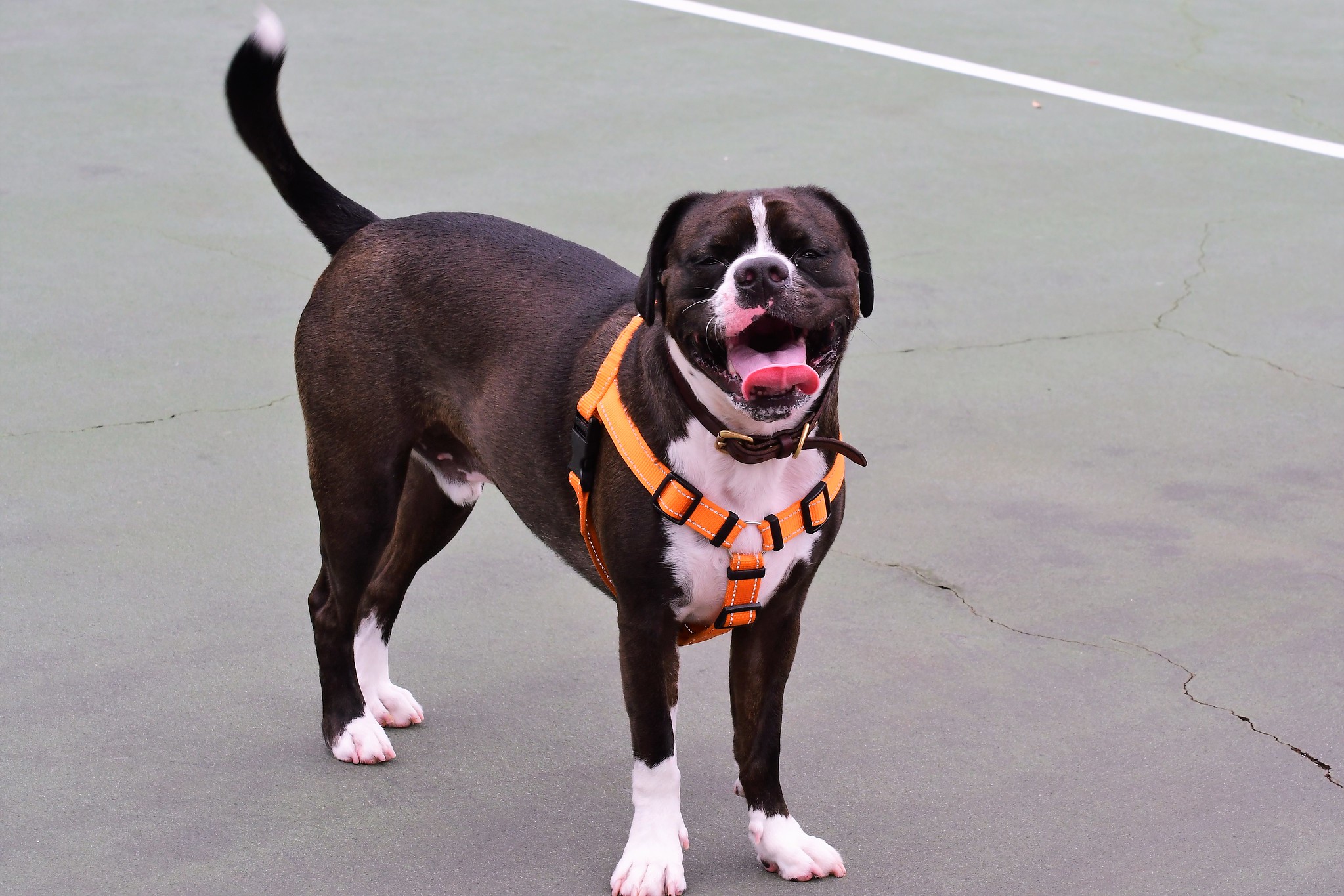
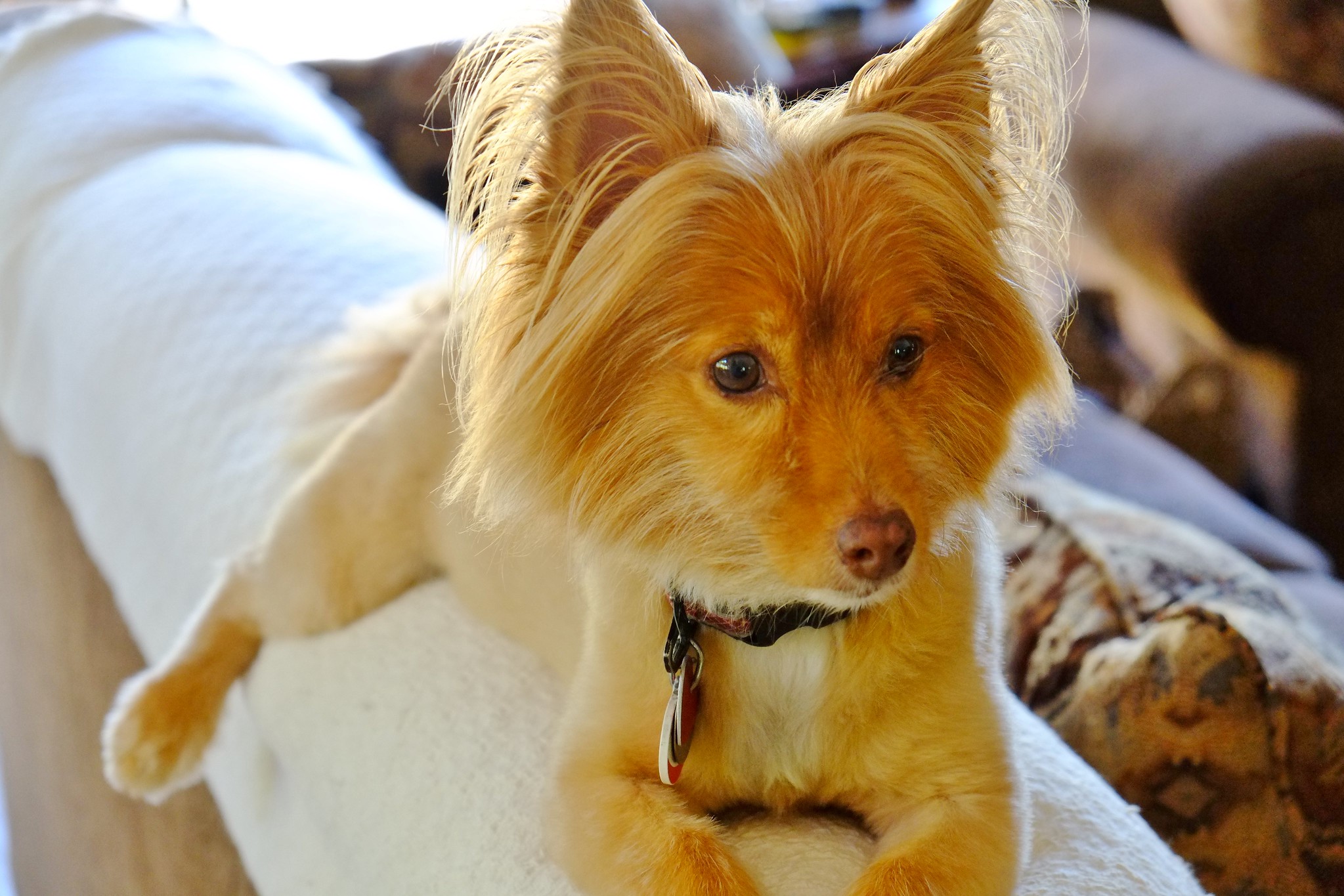
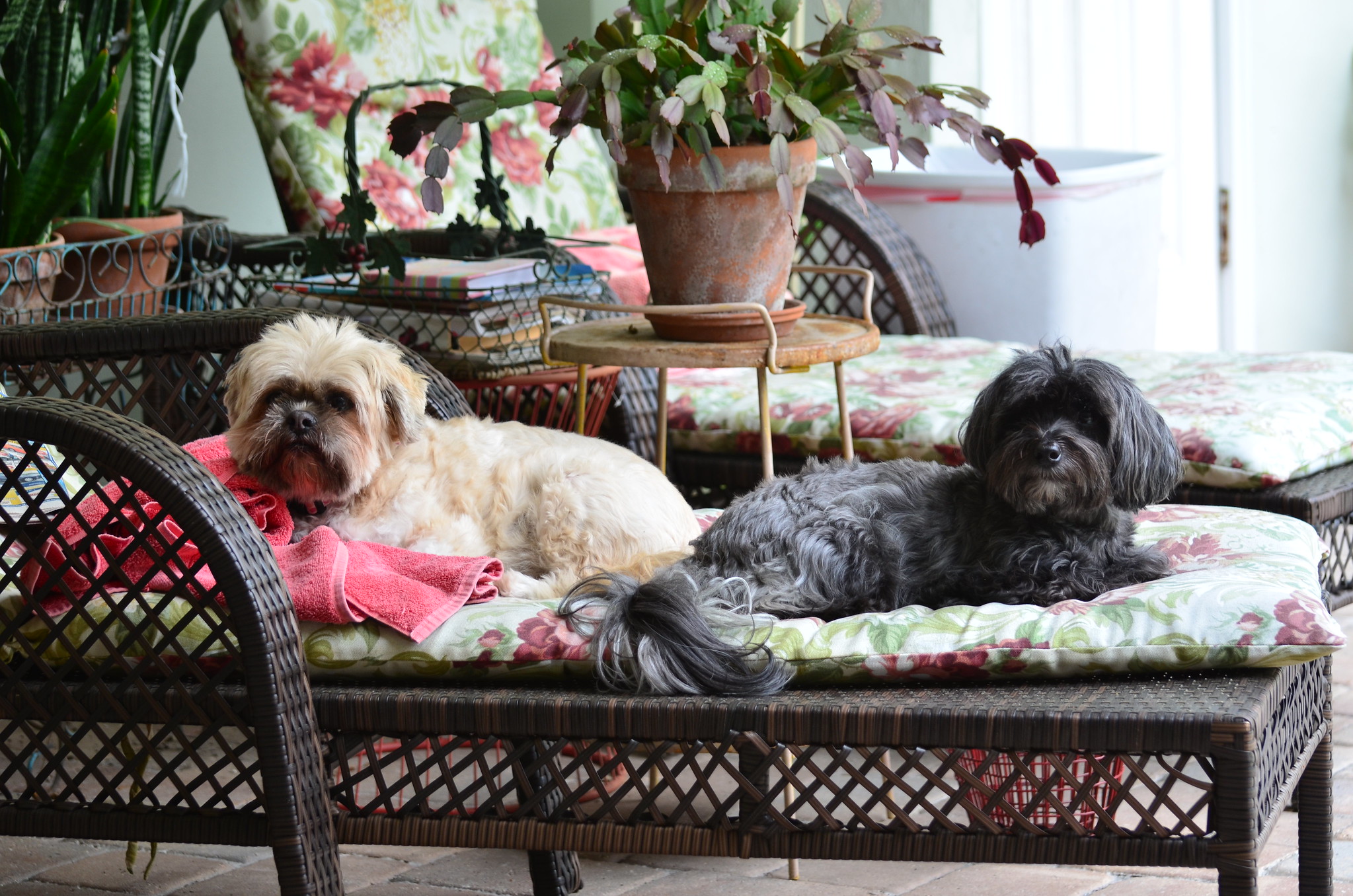
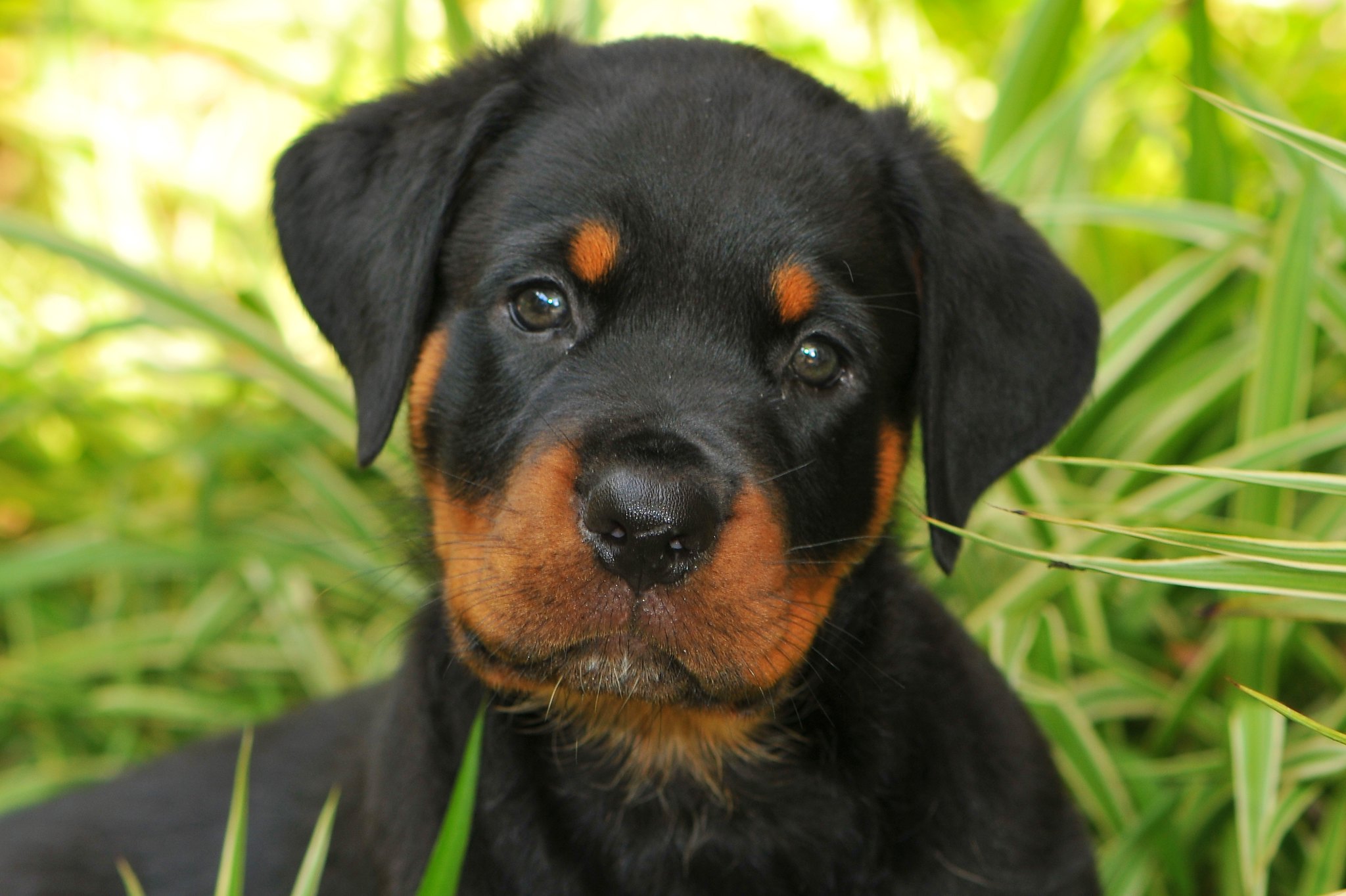
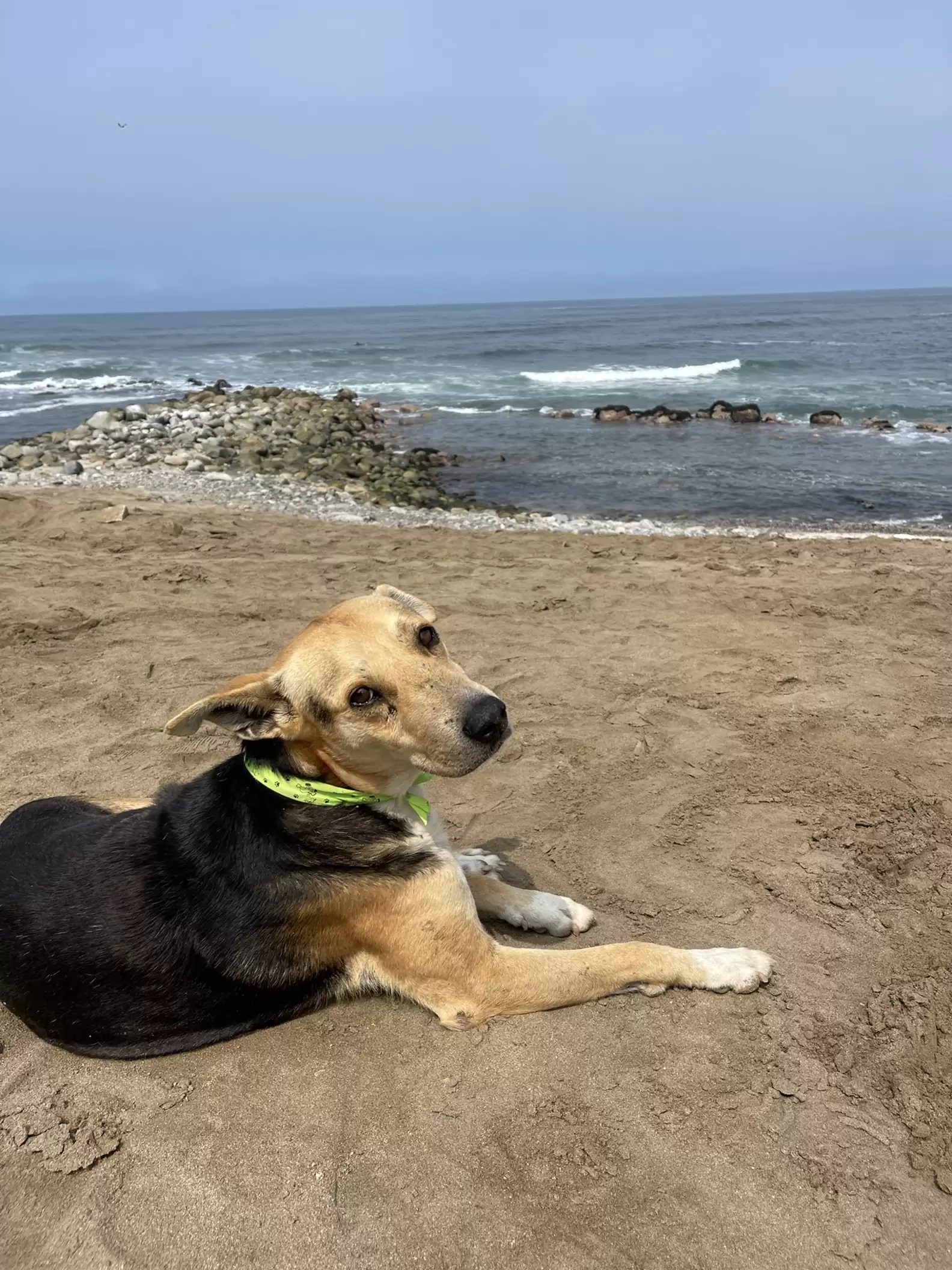
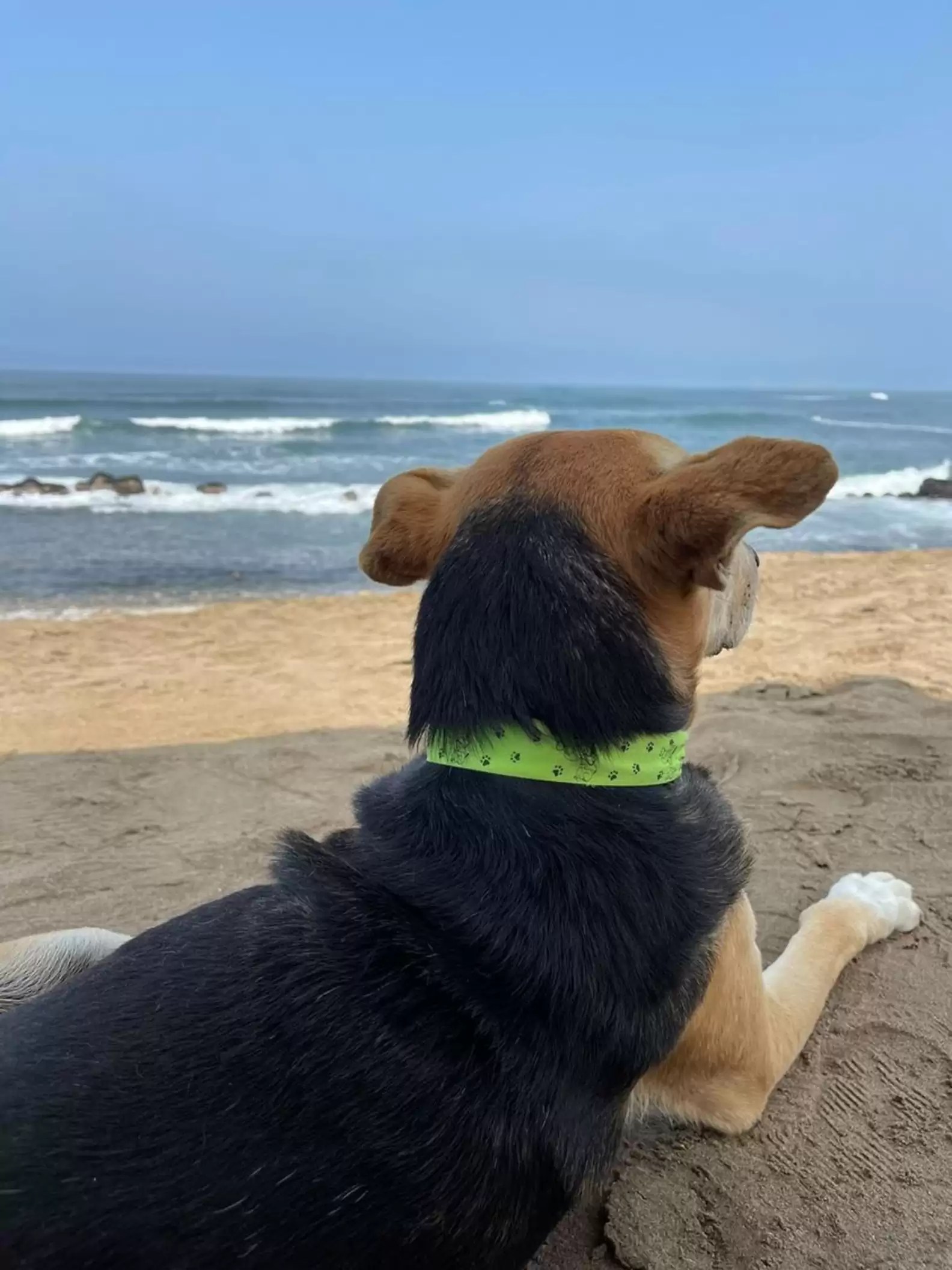
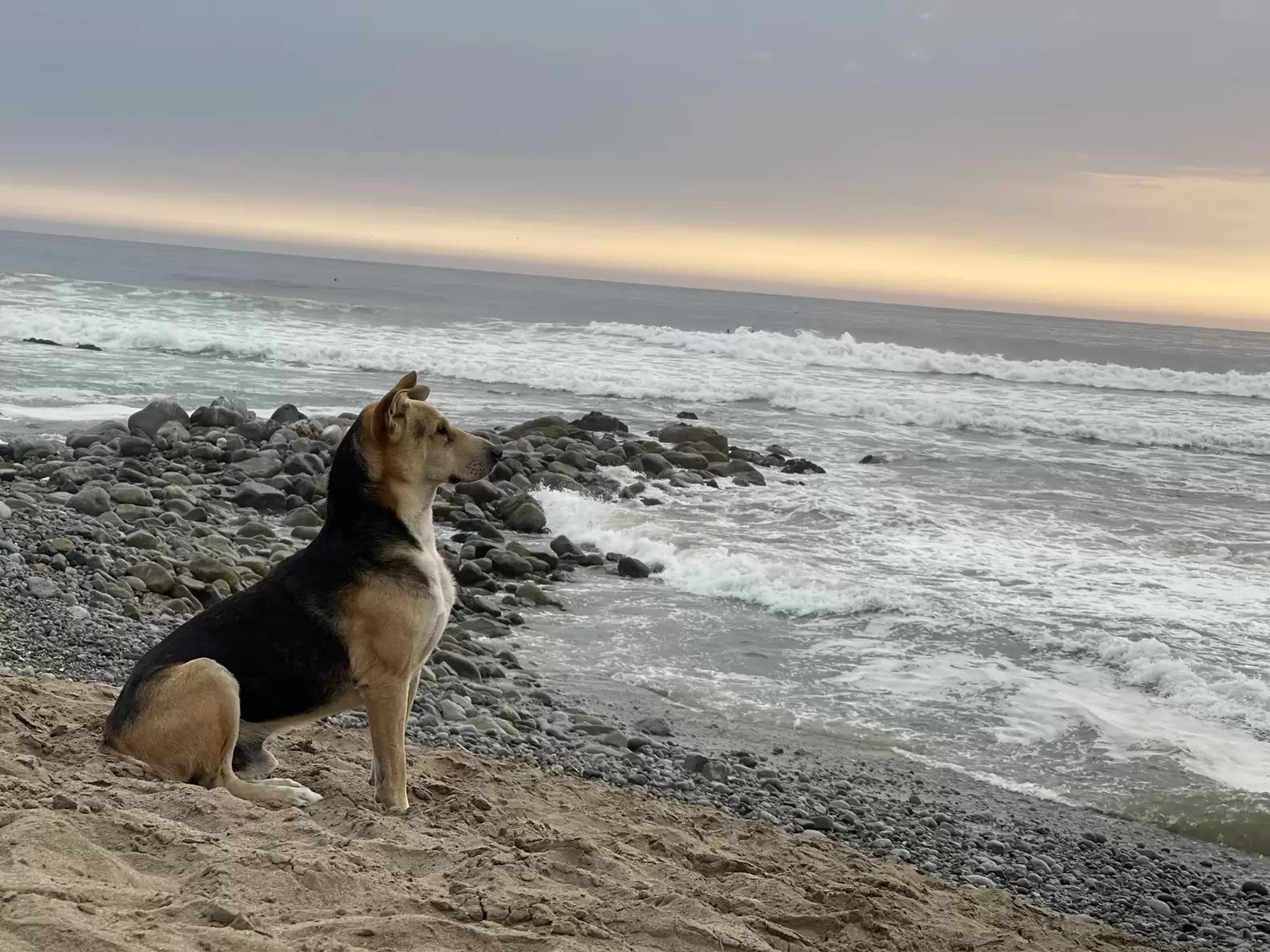
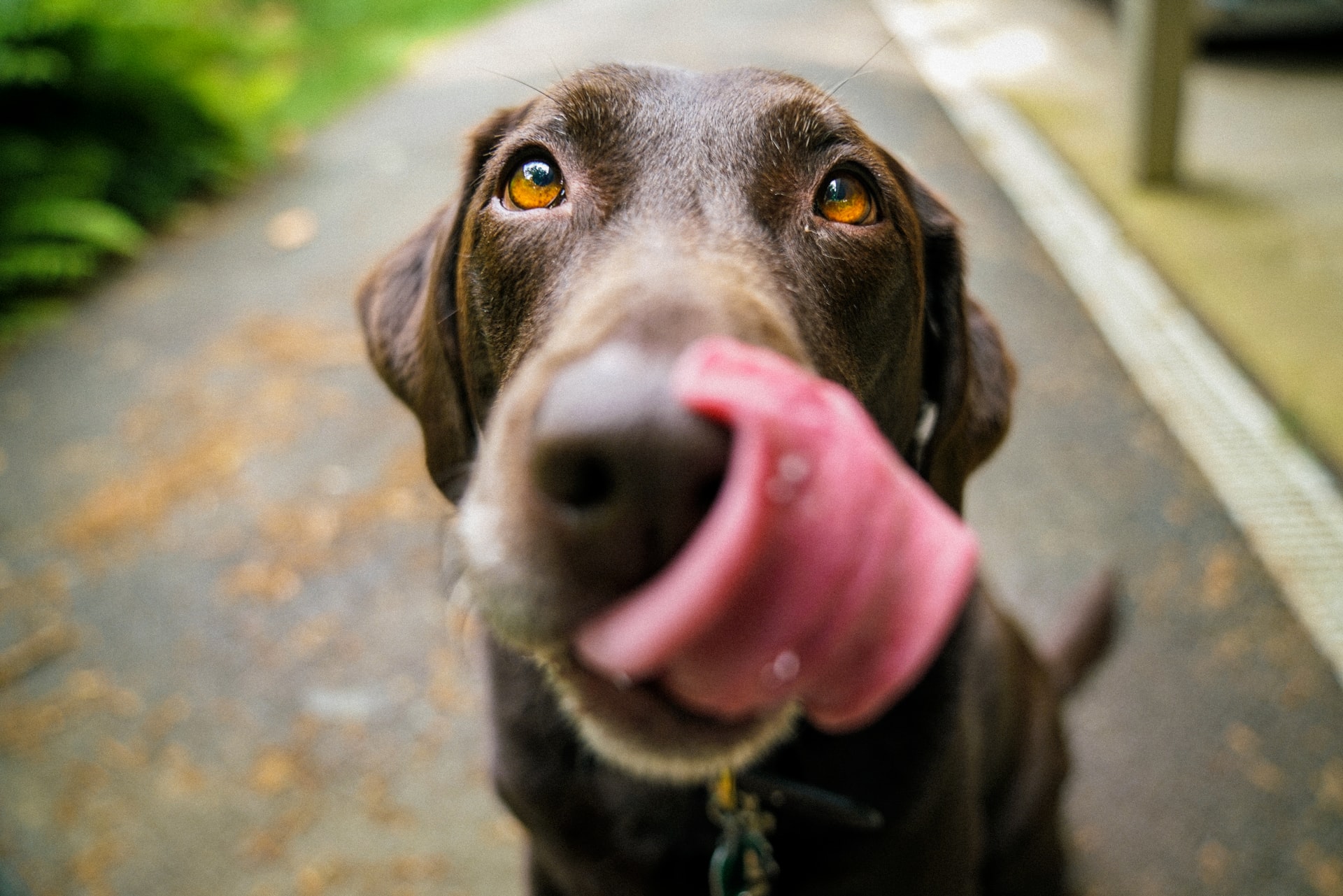
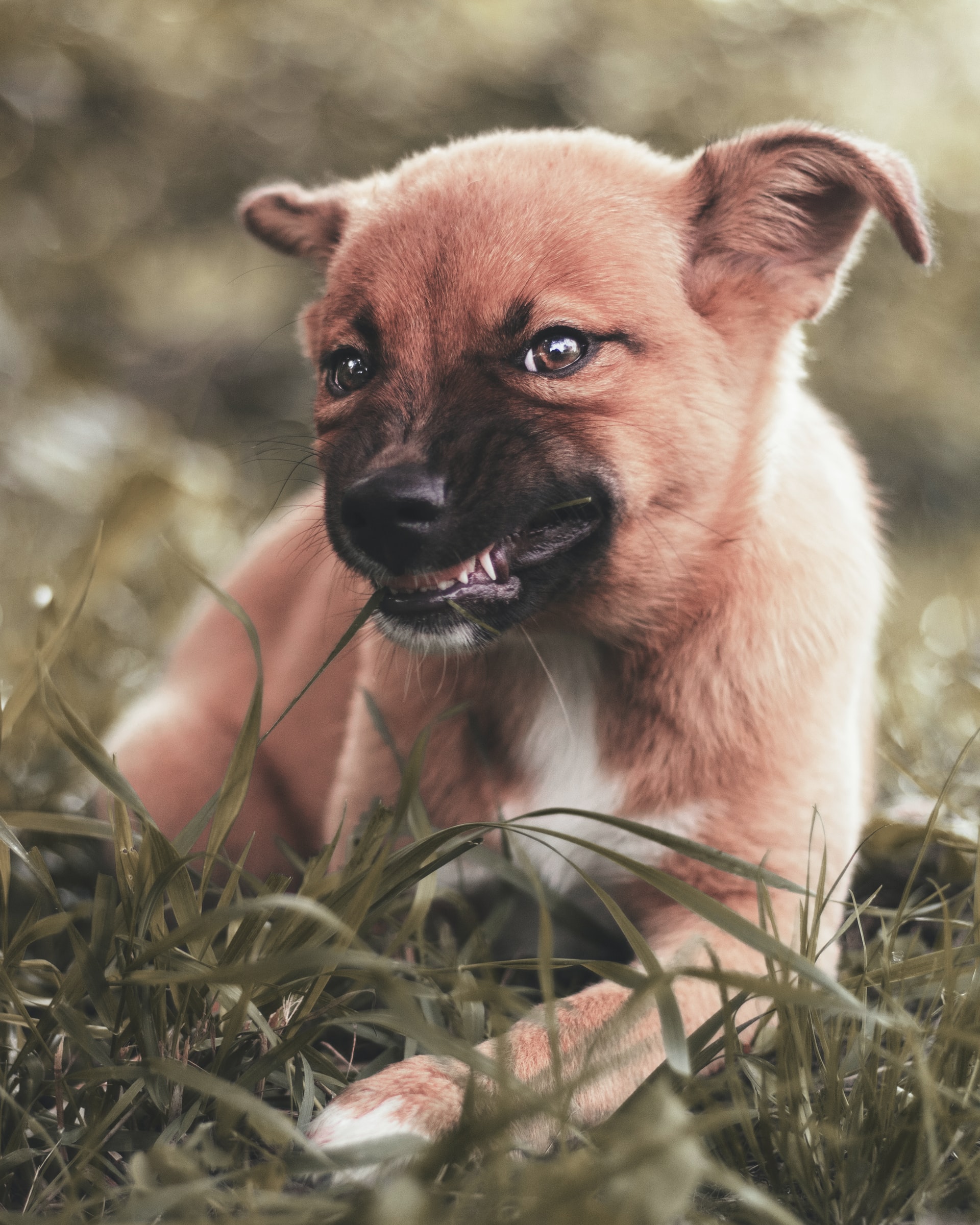
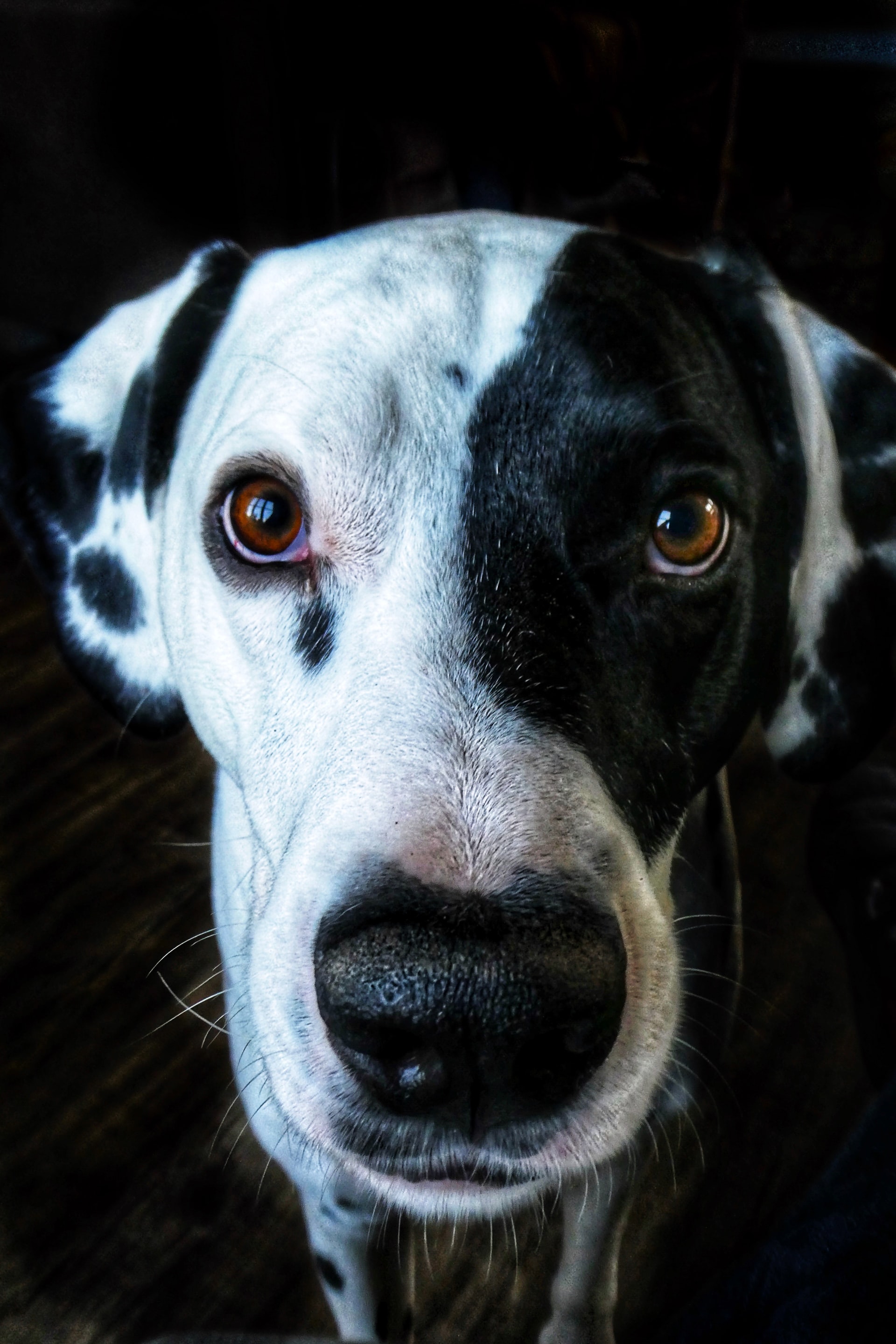
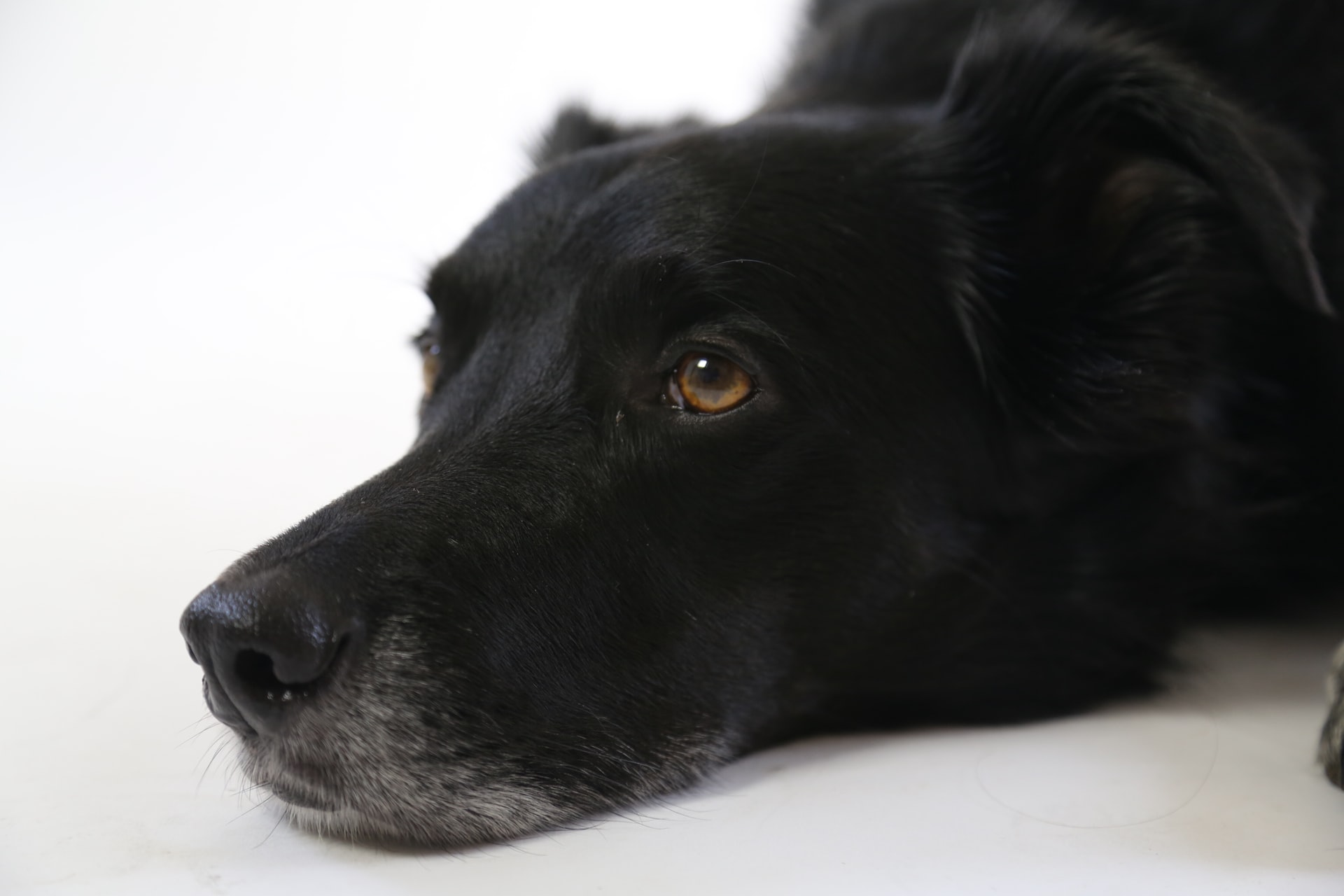
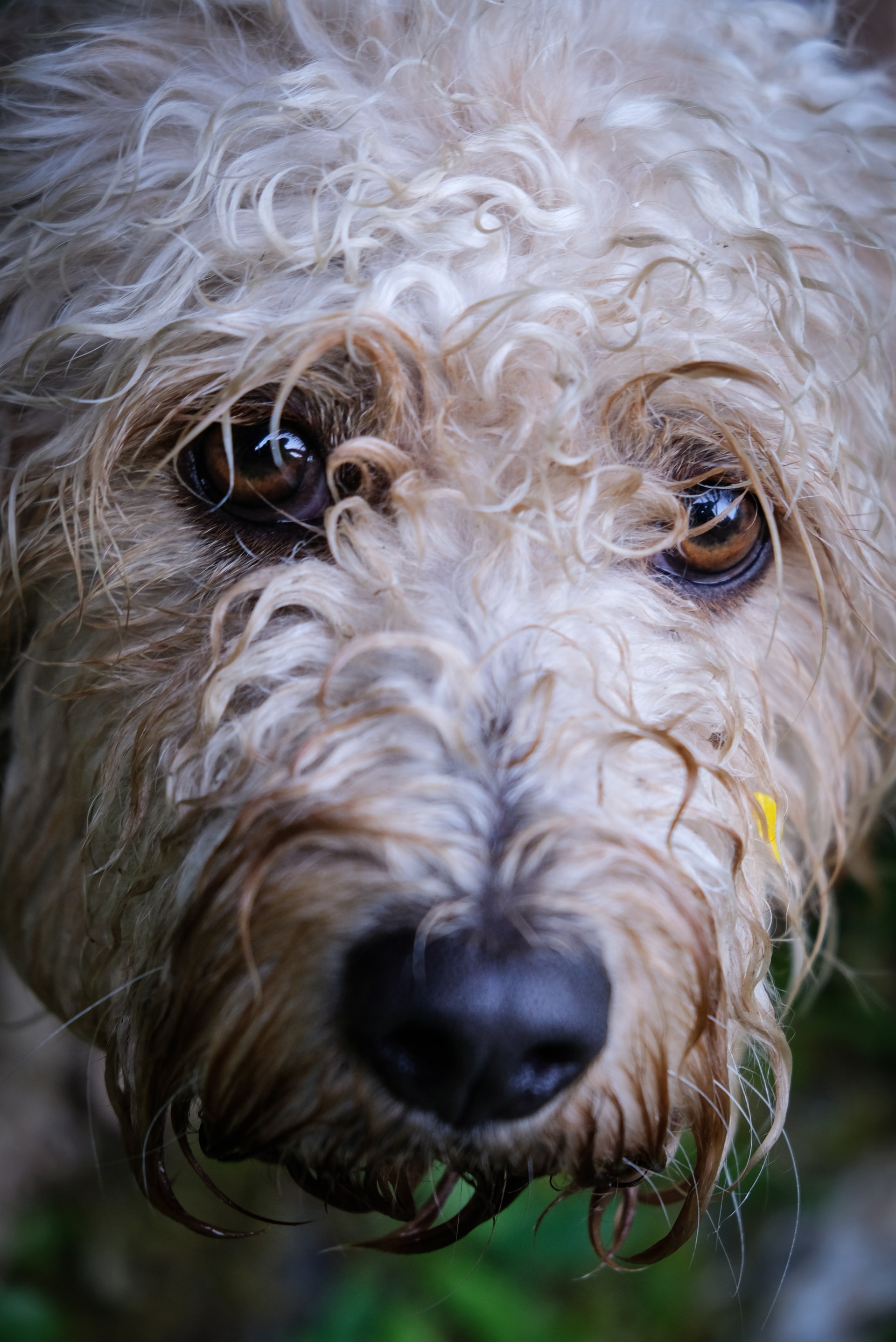
More delightful photographs of his dogs from Gary Messinetti.
oooo
oooo
oooo
oooo
oooo
More wonderful photographs from Gary in a week’s time!
Dogs are animals of integrity. We have much to learn from them.
Author: Paul Handover
It was a shock!
Two days ago we noticed that Sweeny had a growth on his right-hand foreleg. Sweeny was 11.
Yesterday, we decided to take him to be seen at Lincoln Road Veterinary Clinic (LRVC).
LRVC is so busy these days that a scheduled appointment would be impossible. So Jean and I waited at the front desk; the staff were fantastic. We were told to bring Sweeny early this morning (Wednesday) and leave him there. Dr Russel Codd is well-known to us and he would try and find time during the day to diagnose Sweeny.
We were back home, minus Sweeny, by 8am. At 9:15am there was a call. It was Dr. Russ! Both Jeannie and I took the call.
Sweeny had advanced diabetes. His liver and kidneys were going and he was in pain. He had lost the will to live.
Very reluctantly Jeannie said that Sweeny should be allowed to die at the clinic. I agreed. Dr. Russ then said that that was the best decision and one that he would have taken if he had Sweeny as his own.
But it was a shock to hear of Sweeny’s issues. We had no idea and, as was said, just two days ago Sweeny appeared happy and content.
Now we are five!
First, Ricky Gervais, then Ella Henderson singing her latest release.
There are many videos on YouTube that are worth watching.
These two are well-worth sharing with you.
The first is Ricky Gervais, a well-known atheist, as are we, presenting an eleven-minute debate on religion.
Though it must be said that my old country has God Save The Queen and my new country has In God We Trust and I cannot see those changing in what is left of my lifetime!
The second is a fabulous rendition of Brave by Ella Henderson. Ella is a British singer and this performance is when she was invited to the UK TV programme The Graham Norton Show earlier on in the New Year.
See you all on Thursday!
A welcome to a guest Picture Parade for the next five weeks!
I was emailed by Gary Messinetti last Monday with this message:
Dogs. I haven’t gotten out much with the pandemic and my other medical issues, but I did manage to shoot these yesterday!
They are so good! They are fabulous! Apart from reducing the file size a little to suit WordPress, they are unchanged.
I intend to present these photographs for the next five Picture Parades!
oooo
oooo
oooo
oooo
oooo
Just wonderful!
We wish Gary all the best regarding his medical issues and, once again, thank him for sending me the wonderful photographs. Until the next Picture Parade!
Sorry folks, my iMac needs professional attention.
Hopefully I will be back on parade soon. Thank goodness my Apple laptop is working!
Indiana Lee offers some good advice.
I promised Indiana that I would publish this excellent post on the 27th January but then my ancient brain forgot to do that.
But here it is!
ooOOoo

Winter Travel Considerations for You and Your Pup
When you’re traveling in the winter, it’s always important to take some extra precautions. If you live in a location that experiences a lot of snow, ice, or cold temperatures, keeping yourself safe should be your top priority.
But, when you’re traveling with your four-legged friend, making sure you’re even more prepared is crucial. Extra considerations should always be taken when you’re on the road with your dog. While no one wants to think about getting stranded or getting into an accident, things like that can (and do) happen. Being prepared, even if you’re only taking a short trip, will make all the difference when it comes to your own health and wellness as well as your pup’s well-being.
So, what can you do to prepare properly and make sure both you and your dog stay healthy and safe while traveling this winter?
Stay Safe on the Road
Winter travel can be dangerous depending on weather and road conditions. Planning should always be the first thing you do before heading out with your dog. Check your local forecast as well as what the weather is like where you’ll be traveling. If possible, avoid going anywhere when the road conditions are icy or snowy.
If you have to travel or you pick a clear day, it’s still important to make sure your drive is as safe as possible. Always adapt to the conditions you’re going through, and remember to drive slowly and cautiously on icy roads.
You should always have a few extra supplies in your car for your pup, but in the winter it’s even more crucial for their safety – as well as yours. Some of the basic items you should have packed include:
For your canine companion, having an additional blanket, plenty of water for them, and a toy or treat to keep them occupied will make a big difference.
If you get “stranded” anywhere for a while, don’t leave your dog in the car while you go look for help. While most pet owners understand the risks of leaving a dog in a hot car, leaving them in a cold vehicle can cause frostbite or hypothermia in a very short time. Stay with them until help arrives. Having your car stocked with the right items will keep you both safe and warm.
Make the Most of Your Travels
Traveling with your pup is a great way to break away from the potential “winter blues” that many people face. Whether you want to head somewhere warm or just embrace the season as is, getting out can actually improve your overall health and well-being. Spending time outdoors can reduce your stress levels, give you more energy, improve your mood, and even boost your testosterone levels. You don’t even have to chop down a tree to get that last benefit, so it’s really a win-win.
No matter where you’re going, make the most of your travels by sticking to your health and wellness goals. Dogs need exercise just as much as people, so bring your furry friend with you on snowy hikes, or take them cold-weather camping to enjoy nights beneath the stars together. Just make sure to stay hydrated, dress appropriately, and moisturize your skin if you’re spending a lot of time outdoors. Dry, cracked skin can be painful and unsightly. Don’t forget your pup’s paw pads, too!
With a bit of planning, preparing, and packing, you and your dog can enjoy plenty of travels together this winter. They’ll love being able to spend that extra time with you, and you’ll both be able to get as much out of the season as possible.
ooOOoo
I hope some of you are experiencing decent snowfalls. Here in Southern Oregon we had some snow but as soon as it was on the ground the next day it had gone. The outlook for the next ten days is cold and dry!
Thank you, Indiana.
Back to our gorgeous dogs!
This time dogs and water, but again courtesy of Unsplash.
oooo
oooo
oooo
oooo
oooo
That’s all for this week, good people!
Please be safe out there!
Many surprises and, probably, more to come!
Among the many dog-related blogs that I read is Treehugger. It covers a wide range of sustainable actions and habits and not infrequently writes about dogs. That is the main reason I follow the blog.
On January 12th, 2022 the blog site carried an article about the ways that dogs hear speech. It was called Dogs Brains Can Distinguish Between Different Human Languages.
I republish it below:
ooOOoo
You talk to your dog, and of course, you’re convinced your pup understands you. But what if a dog is plopped down in a place where suddenly everyone is speaking a different language?
In a new study, researchers have used brain imaging techniques to find that dogs can differentiate between familiar and unfamiliar languages. Researchers say the findings, from the Department of Ethology at Eötvös Loránd University in Hungary, are the first evidence that shows a non-human brain can distinguish between languages.1
A few years ago, first author Laura V. Cuaya moved from Mexico to Hungary for her postdoctoral research. Before the move, Cuaya’s border collie Kun-kun had only heard Spanish. She was curious whether he would notice that people in Budapest spoke a different language, Hungarian.2
“Like many dogs, Kun-kun tends to pay attention to humans, trying to predict their social environment,” Cuaya tells Treehugger.
“When we moved to Hungary, it was a whole new world for everyone. In Budapest, people are very friendly with dogs. When people talked to Kun-kun, I wondered if he picked up the language difference. And happily, this question fitted with the goals of the Neuroethology of Communication Lab.”
For their study, researchers recruited Kun-kun and 17 other dogs, who had been previously trained to lie still in a brain scanner for functional magnetic resonance imaging (fMRI).1
The dogs were played speech excerpts from “The Little Prince” in Spanish and Hungarian. Each of the dogs had heard only one of the two languages: Hungarian was the familiar language of 16 dogs, Spanish of the other two dogs. That allowed them to compare a very familiar language with a completely unfamiliar one.1
Researchers also played scrambled versions of the excerpts to the dogs. These were nonsensical and completely unnatural. This was to test whether they could tell the difference between speech and nonspeech.1
They compared the brain responses to the two different languages and to speech and nonspeech.
“We found distinct cerebral regions for both processes: for speech detection (speech vs. non-speech), the primary auditory cortex, and for language recognition (familiar language vs. unfamiliar language), the secondary auditory cortex,” Cuaya says.
“Our results may suggest a hierarchy processing in the dog’s brain to process speech. In the first stage, their brain would detect whether a sound is speech or not. Then, in the second stage, their brain would identify whether the speech is a familiar language or not.”
The results were published in the journal NeuroImage.
Exposure and Age
Researchers found that no matter which language the dogs were listening to, the primary auditory cortex of the dogs’ brains could distinguish between speech and scrambled, nonspeech.1
“Dog brains, like human brains, can distinguish between speech and nonspeech. But the mechanism underlying this speech detection ability may be different from speech sensitivity in humans: whereas human brains are specially tuned to speech, dog brains may simply detect the naturalness of the sound,” says Raúl Hernández-Pérez, coauthor of the study.
They also determined that dog brains could differentiate between Spanish and Hungarian. Those patterns were found in a different region of the brain called the secondary auditory cortex.1
Researchers found that the older the dog was, the better their brain was able to tell the difference between a familiar and unfamiliar language. That suggests that the longer dogs live with their people and are exposed to a language, the more they understand how their language sounds.1
“As we could not control the amount of exposure to language in our study, we used the dog age as an indirect measure of the time dogs have been exposed to a given language,” Cuaya says. “I hypothesize that dogs with a closer relationship with humans will better distinguish languages. It could be great if future studies test puppies to control the exposure to a language better.”
Researchers are curious whether this language differentiation is unique to dogs or whether other non-human animals may also be able to distinguish between languages.2
“A variety of auditory regularities characterizes each language. For example, sometimes, we cannot identify what language we are listening to. However, we can likely recognize its general origin (e.g., an Asian or Romance language) because of its auditory regularities,” Cuaya explains.
“Detecting regularities is something that brains do very well, not only humans or dogs’ brains. It is highly likely that other species can be trained to differentiate between languages successfully.”
But Cuaya points out that in their study, dogs weren’t “trained.”
“Their brains detected the difference spontaneously, perhaps due to the domestication process,” she says. “While it is likely that other species can differentiate between complex sounds, it is possible that just a few species are interested in the human language.”
Researchers believe the findings are important because by studying dogs, they can have a broader picture of the evolution of speech perception.2
“Dogs are an excellent model because they have been living—and cooperating—with humans for thousands of years. When we wonder if another species cares about what humans do, it is inevitable to think of dogs. In the case of language perception, we can learn, for example, that different brains—with different evolutive paths—can carry out a similar process,” Cuaya says.
“Also, as someone with dogs in my family, it is lovely to know that dogs are picking up subtle cues of their social environment all the time.”
Article Sources
2. first author Laura V. Cuaya from the Department of Ethology at Eötvös Loránd University in Hungary
ooOOoo
Time after time I learn new things about dogs. This is another example of the mystery of a dog’s brain. Thank goodness there is scientific study into our lovely animals.
A stark contrast to where I was a week ago.
A good friend of mine, Peter McCarthy, back in the UK, said that he had recently gone on to a supplement called Lion’s Mane. It is a supplement for keeping the cognition working and maintaining good brain function. Peter also mentioned a film called Fantastic Fungi that was available on Netflix.
At home we have Netflix and we watched the film. It was incredible, almost beyond words.
If you want to watch the official trailer then here it is:
The film is about the power of Mycelium. Here is an extract from Fungi Perfecti:
The activities of mycelium help heal and steer ecosystems on their evolutionary path, acting as a recycling mechanism to nourish other members of the ecological communities. By cycling nutrients through the food chain, mycelial networks benefit the soil and allow surrounding networks of plants and animals to survive and thrive.
Increasingly known as the “wood wide web”, mycelium can be found underfoot with nearly every footstep on a lawn, field, or forest floor. It has been concluded that as much as 90% of land plants are in a mutually beneficial relationship with mycelial networks. Without fungi – without mycelium – all ecosystems would fail.
Mycelium and mycological applications have enormous potential to benefit the health of both people and planet. We are committed to continuing our research efforts to find new and innovative ways to build bridges between mycological applications to both human and planetary health.
We can think of it in a way of finding the mother tree.
The film speaks of protecting the old-growth forest trees. So if you have old-growth trees nearby, do everything in your power to protect them.
Here is a report including a video on Suzanne Simard’s New Book.
Forest researcher and university professor Dr. Suzanne Simard has spent years studying trees. Her research led to the discovery that the forest’s plants and trees have an underground communication system, with trees and fungi cooperating. Her Ted talk brought her work to a larger audience, while her 200 articles in peer-reviewed journals shared her research findings with the larger science community. Now, she is releasing her first book Finding the Mother Tree, published by Penguin Random House.
‘This is not a book about how we can save the trees. This is a book about how the trees might save us’.
The following wood carvings are too lovely not to share with you!
Yesterday, Dordie, a close neighbour, sent me photographs of wood carvings. I wanted to share them.
oooo
oooo
oooo
oooo
oooo
oooo
oooo
oooo
oooo
oooo
oooo
oooo
oooo
oooo
They are just wonderful and, hopefully, I will receive more background information from Dordie.