Author: Paul Handover

Return to Predators!

The critical value of predators.

Not so long ago there was some discussion about how important it was for the natural way of things to include predators. I mentioned how this had been the topic of a post published some time ago in this place.

It was back in February, 2014 and I have republished it today.

oooo

The critical value of predators in our wild lands.

February 24th, 2014

The consequences of the reintroduction of wolves to Yellowstone National Park.

I have two people to offer my thanks to for today’s post: Suzann and Ginger. Both of them within hours of each other sent me an email recommending the following video. So, without further ado, here is that video. (Oh, would you believe this. The video was released on February 13th, 2014 and, at the time of me writing this post, has been viewed 1,453,345 times! Wow!)

Published on Feb 13, 2014

Visit http://sustainableman.org/ to explore the world of sustainability.

For more from George Monbiot, visit http://www.monbiot.com/ and for more on “rewilding” visit http://bit.ly/1hKGemK and/or check out George Monbiot’s book Feral: rewilding the land, the sea and human life: http://amzn.to/1dgdLi9

“When we try to pick out anything by itself, we find it hitched to everything else in the Universe.” – John Muir

When wolves were reintroduced to Yellowstone National Park in the United States after being absent nearly 70 years, the most remarkable “trophic cascade” occurred. What is a trophic cascade and how exactly do wolves change rivers? George Monbiot explains in this movie remix.

Narration from TED: “For more wonder, rewild the world” by George Monbiot. Watch the full talk, here: http://bit.ly/N3m62h

B-Roll Credits:
“Greater Yellowstone Coalition – Wolves” (http://bit.ly/1lK4LaT)
“Wolf Mountain” (http://bit.ly/1hgi6JE)
“Primodial – Yellowstone” (https://vimeo.com/77097538)
“Timelapse: Yellowstone National Park” (http://bit.ly/1kF5axc)
“Yellowstone” (http://bit.ly/1bPI6DM)
“Howling Wolves – Heulende Wölfe” (http://bit.ly/1c2Oidv)
“Fooled by Nature: Beaver Dams” (http://bit.ly/NGgQSU)

Music Credits:
“Unfoldment, Revealment, Evolution, Exposition, Integration, Arson” by Chris Zabriskie (http://bit.ly/1c2uckW)

FAIR USE NOTICE: This video may contain copyrighted material. Such material is made available for educational purposes only. This constitutes a ‘fair use’ of any such copyrighted material as provided for in Title 17 U.S.C. section 106A-117 of the US Copyright Law.

For any concerns or questions, you may contact us athttp://sustainableman.org/contact/

If you want to read more on a general level, then my post on the 11th January, 2014, An echo in the hills! may be worthwhile. It included this from William Ripple, of Oregon State University:

ooOOoo

Top dogs keep ecosystems in order

Many of these large carnivore species are endangered and some are at risk of extinction, either in specific regions or entirely. Ironically, they are vanishing just as we are learning about their important ecological effects, which is what led us to write a new paper in the journal Science to document their role.

From a review of published reports, we singled out seven species that have been studied for their important ecological role and widespread effects, known as trophic cascades. These are the African lion, leopard, Eurasian lynx, cougar, gray wolf, sea otter and dingo.

Based on field research, my Oregon State University co-author Robert Beschta and I documented the impact of cougars and wolves on the regeneration of forest tree stands and riverside vegetation in Yellowstone and other national parks in western North America. Fewer predators, we found, lead to an increase in browsing animals such as deer and elk. More browsing disrupts vegetation, reduces birds and some mammals and changes other parts of the ecosystem. From the actions of the top predator, widespread impacts cascade down the food chain.

Similar effects were found in studies of Eurasian lynx, dingoes, lions and sea otters. For example in Europe, absence of lynx has been closely tied to the abundance of roe deer, red fox and hare. In Australia, the construction of a 3,400-mile dingo-proof fence has enabled scientists to study ecosystems with and without dingoes which are closely related to gray wolves. They found that dingoes control populations of herbivores and exotic red foxes. The suppression of these species by dingoes reduces predation pressure, benefiting plants and smaller native prey.

In some parts of Africa, the decrease of lions and leopards has coincided with a dramatic increase in olive baboons, which threaten crops and livestock. In the waters off southeast Alaska, a decline in sea otters through killer whale predation has led to a rise in sea urchins and loss of kelp beds.

Predators are integral, not expendable

We are now obtaining a deeper appreciation of the impact of large carnivores on ecosystems, a view that can be traced back to the work of landmark ecologist Aldo Leopold. The perception that predators are harmful and deplete fish and wildlife is outdated. Many scientists and wildlife managers now recognise the growing evidence of carnivores’ complex role in ecosystems, and their social and economic benefits. Leopold recognised these relationships, but his observations were ignored for decades after his death in 1948.
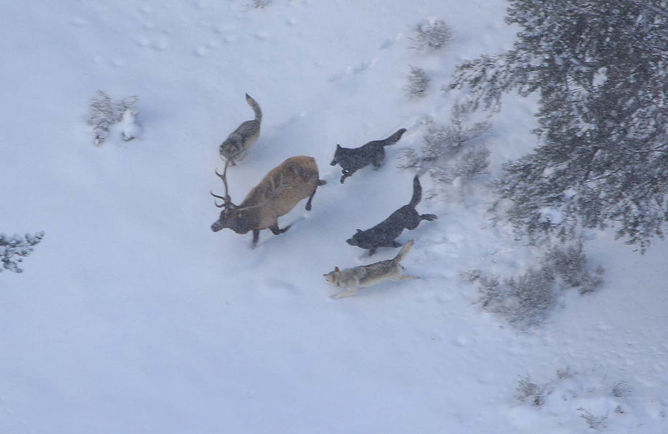
op carnivores, at work keeping things in check. Doug Smith
Top carnivores, at work keeping things in check. Doug Smith

Human tolerance of these species is the major issue. Most would agree these animals have an intrinsic right to exist, but additionally they provide economic and ecological services that people value. Among the services documented in other studies are carbon sequestration, restoration of riverside ecosystems, biodiversity and disease control. For example, wolves may limit large herbivore populations, thus decreasing browsing on young trees that sequester carbon when they escape browsing and grow taller. Where large carnivore populations have been restored – such as wolves in Yellowstone or Eurasian lynx in Finland – ecosystems appear to be bouncing back.

I am impressed with how resilient the Yellowstone ecosystem is, and while ecosystem restoration isn’t happening quickly everywhere in this park, it has started. In some cases where vegetation loss has led to soil erosion, for example, full restoration may not be possible in the near term. What is certain is that ecosystems and the elements of them are highly interconnected. The work at Yellowstone and other places shows how species affect each another through different pathways. It’s humbling as a scientist to witness this interconnectedness of nature.

My co-authors and I have called for an international initiative to conserve large carnivores in co-existence with people. This effort could be modelled after a couple of other successful efforts including the Large Carnivore Initiative for Europe, a non-profit scientific group affiliated with the International Union for the Conservation of Nature, and the Global Tiger Initiative which involves all 13 of the tiger-range countries. With more tolerance by humans, we might be able to avoid extinctions. The world would be a scary place without these predators.

William Ripple does not work for, consult to, own shares in or receive funding from any company or organisation that would benefit from this article, and has no relevant affiliations.

ooOOoo

The ConversationMan! We are a strange species at times!

Starting Out on The Meditation Journey

If meditation really works then we want to engage in it.

Those who watched the video that was the central component of yesterday’s post will not have missed the references by Ted Meissner that scientific, double-blind evidence shows that meditation offers benefits for us humans.

Both Jean and I are especially interested in learning more and, hopefully, finding an appropriate meditation group in our nearest town, Grants Pass.

We would also welcome feedback and advice from any of you good people who have trod this path before.

For example, when one conducts a quick internet search into the different forms of meditation there are dozens of websites that are returned in the search findings. Almost choosing one website at random, the Visual Meditation website declares there are 7 Types of Meditation.  As in:

  • Transcendental Meditation (TM)
  • Heart Rhythm Meditation (HRM)
  • Kundalini
  • Guided Visualization
  • Qi Gong
  • Zazen
  • Mindfulness

To my uneducated eye, not one of those types seems to accord with the type supported by the American Meditation Society:

OUR MISSION

  • To provide instruction in meditation as taught by the founder of AMS, Gururaj Ananda Yogi.
  • To preserve and share the universal teachings of Gururaj with integrity and wisdom.
  • To provide a place where those who wish to unfold the inner self may do so in the company of other like-minded people.

Back to the plot! For this post is about the science.

The following video seemed worthy of sharing with you.

I watched the first 10 minutes before deciding it should be shared. By the time this post is published Jean and I will have watched it to the end. [20:45 yesterday evening. Jean and I have just finished watching the Bob Roth video below. It was both fascinating and very helpful!!]

The Aspen Institute

Published on Jun 26, 2016

Published studies have documented the many physical and mental health benefits of meditation, including decreased pain, better immune function, less anxiety and depression, a heightened sense of well-being, and greater happiness and emotional self-control. Google Scholar turns up almost 700,000 research documents on meditation, among them imaging studies that show increased activity in brain regions associated with attention, a higher volume of grey matter, and lessened amygdala response to emotional stimuli. What actually happens in the brain when we meditate? Why is meditation so nourishing to the mind, body and spirit?

Perri Peltz, Interviewer
Bob Roth

But a search of the YouTube website using the search term “meditation science” brought up many other links to shorter videos.

I selected the following (2:23 mins) because it is presented by Ferris Jabr who is an Associate Editor with Scientific American magazine.

Bottom line to my way of thinking is that this is something worth committing to once we know much more about engaging in meditation.

Your experiences most welcomed.

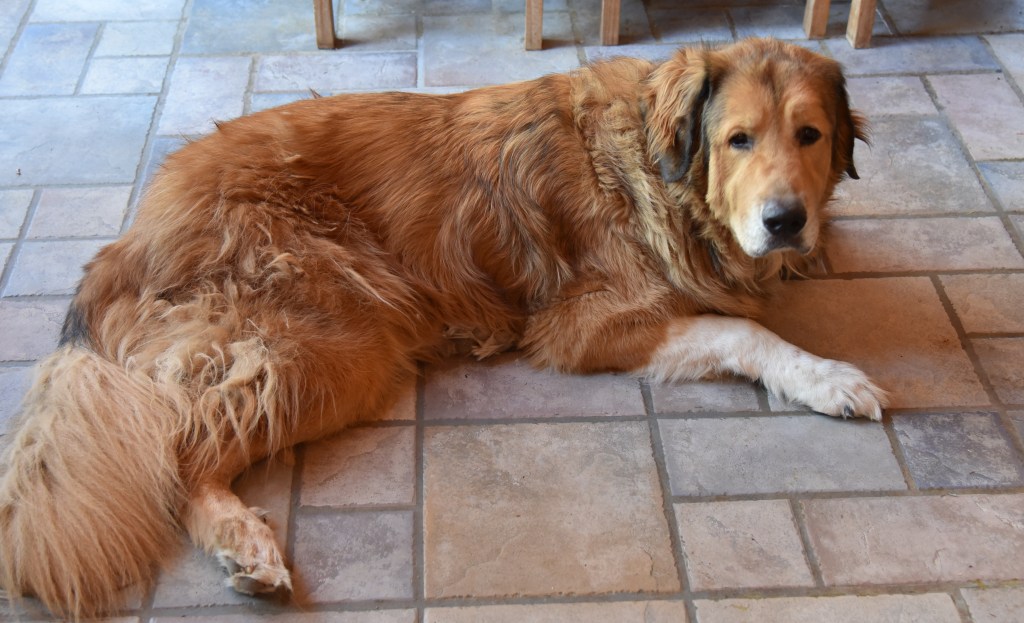
(And, of course, when it comes to chilling out for hours regularly each day then there’s another thing we can learn from our beloved dogs! No better demonstrated than by Brandy yesterday morning in the following photograph!)

Buddhism and Humanism

Reflections on a very interesting meeting of our local Freethinkers group.

Last Saturday was the regular monthly meeting of our local Rogue Valley Freethinkers and Humanists. Many know that Jean and I are secular humanists and go as often as we can to these meetings in Grants Pass, Oregon.

Saturday’s meeting was all about Buddhism or more accurately as Jerry Reed, the group’s administrator, put it in a recent email:

For Saturday, Aug 5: Brenda will be our presenter/discussion leader. She will introduce us to Secular Buddhism, including comments on basic principles of Buddhism, and how traditional and secular Buddhism compare with each other, as well as on overlapping philosophical views of Buddhism and Humanism.

This video link provides a discussion between a humanist, Scott Lohman, and a secular Buddhist, Ted Meissner, which may help to familiarize you with Brenda’s topic prior to our meeting. It is about 29 minutes long, all interesting, but if you are cramped for time, especially the segment from about 10:30 to 16:30 which discusses basic Buddhist principles that might also relate to humanism, and another segment from about 19:30 to 27:00 on advice to a beginner who might want to try meditation, and how Star Trek borrowed from Buddhism, and also about the similarity of ethical focus of Buddhism and Humanism.

What I would hope is that if any of you are interested in this subject, then do watch the interview with Ted Meisser conducted by Scott Lohman .
Here it is.

Here follow links to the organisations represented by Scott and Ted Meissner. For Scott the Humanists of Minnesota, and for Ted the Secular Buddhist Association.

If you do watch the video you will undoubtedly pick up on the science now discovering that meditation does change the brain … for the better!

More on that tomorrow!

Picture Parade Two Hundred and Seven

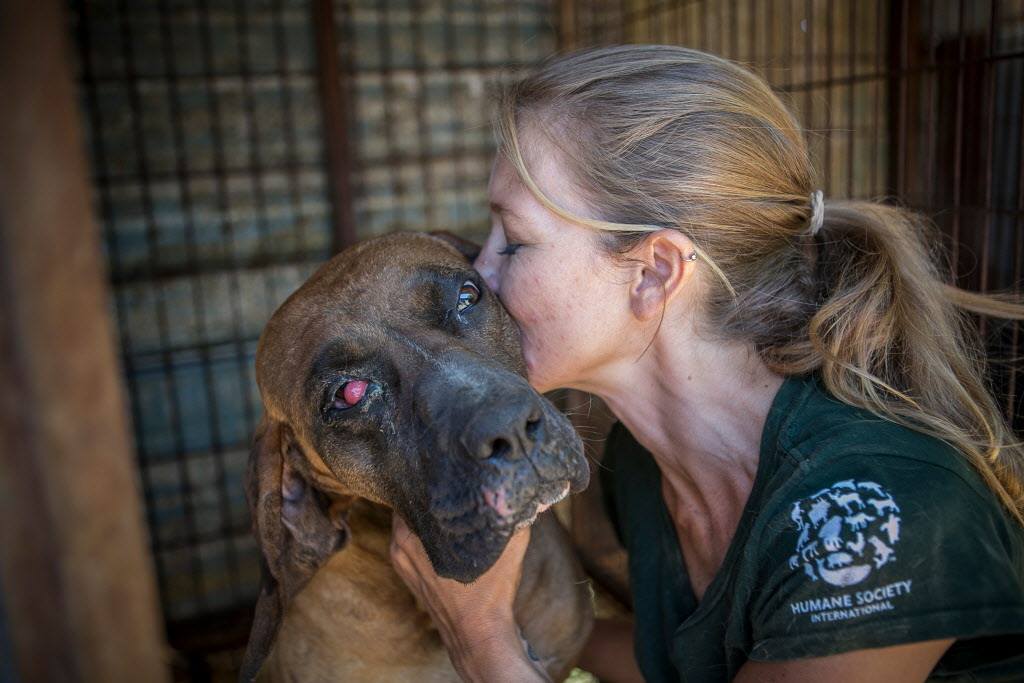
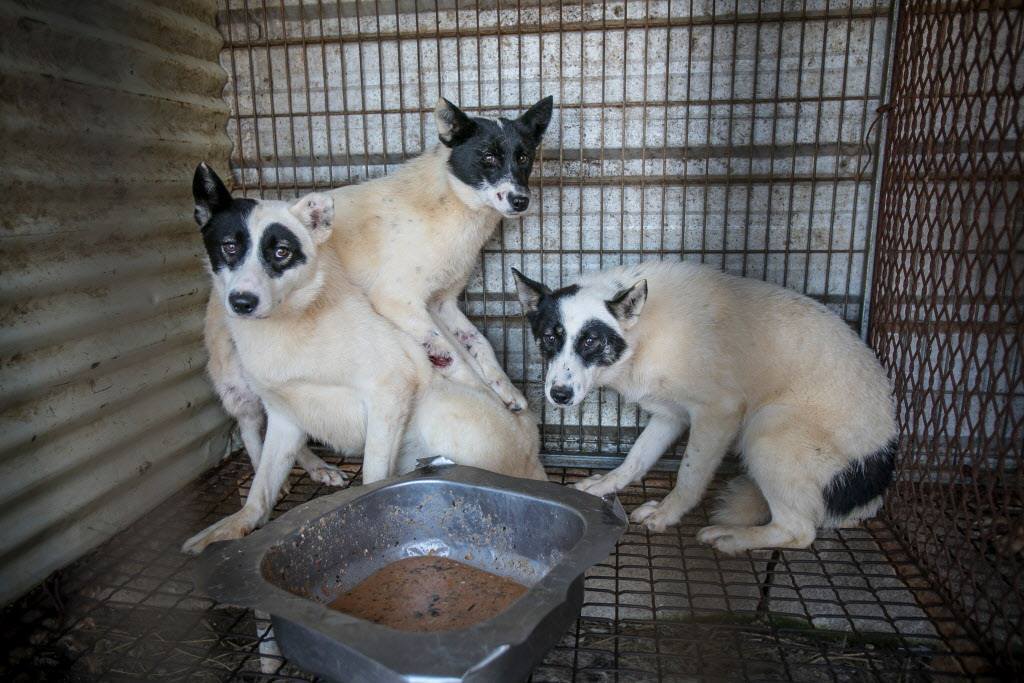
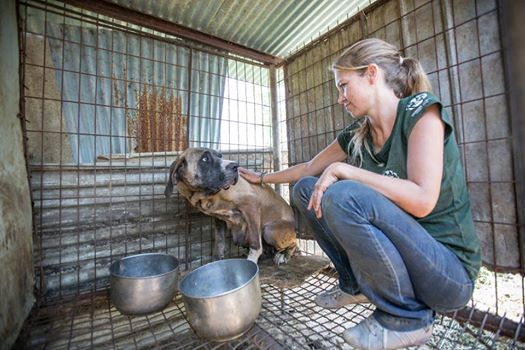
Those precious dogs saved from the meat trade.

On the 26th July I posted an item about the work of The Humane Society in saving dogs. I included a very moving photograph and promised to include the rest of the photographs in a Picture Parade. Well, here they are including the one I republished.

oooo

oooo

oooo

oooo

oooo

oooo

Wonderful!

Give the Mexican Wolf a single chance!

Picking up on Annie

Remember Kristin’s guest post just two days ago? Annie’s Second Chance?

I’m sure you do.

Well the reason I am using that connection is because I want to share with you an email that was received yesterday.

Paul

The Mexican gray wolf (also called lobo) is the rarest subspecies of gray wolf in the world.  With just 113 individuals in the wild, this federally endangered species needs your voice now.

Tell the U.S. Fish & Wildlife Service (USFWS) to draft a science-based recovery plan for endangered lobos!

Despite recommendations by the US Fish and Wildlife Service’s own scientists, they have released a highly politicized Draft Mexican Wolf Recovery Plan, which we fear will lead these severally endangered wolves to extinction.

Ask the USFWS to revise their Draft Mexican Wolf Recovery Plan to protect endangered lobos instead of protecting special interests.

The draft recovery plan ignores science, gives special interests controlling power over recovery, and outlines criteria which will prematurely remove Endangered Species Act protections from the wolf.

Already plagued by mismanagement, poaching, and declining genetic diversity, the Mexican wolf needs your help more than ever.  We only have until the close of the comment period on August 29th to generate opposition to this flawed plan. Please submit your comment today to ask the US Fish and Wildlife Service to draft a recovery plan that’s based on science, not politics!

Thank you for your commitment to wildlife and wild places.

Sincerely,

Hailey Hawkins
Southern Rockies Representative
Endangered Species Coalition
www.endangered.org

PS. Links not working? Take action for wolves at this URL: https://actionnetwork.org/letters/comment-on-the-draft-mexican-wolf-recovery-plan-sciencenotpolitics

Of course I wrote in support of the Lobo! And was delighted to notice that Action Network had set a goal of 3,200 letters and, as of yesterday morning, only a further 275 letters were needed to make that goal.

Please, dear reader, add your name. Thank you!

Have a wonderful weekend!

Our incredible world!

What to see in the night sky in August

You all understand that this blog, while predominantly about our special doggie friends, never hesitates to wander away from matters canine if I think it will be enjoyed by all you good people.

You will also all appreciate that August is the month where in the USA, on August 21st, there will be a total eclipse of the sun.

The reasons why I didn’t hesitate to republish a recent post that was presented on Mother Nature Network.

ooOOoo

What to see in the night sky in August

While the total solar eclipse is the highlight, there are other celestial fireworks to look forward to this month.

Michael d’Estries   August 1, 2017.

Michael d’Estries ( @michaeldestries ) covers science, technology, art, and the beautiful, unusual corners of our incredible world.

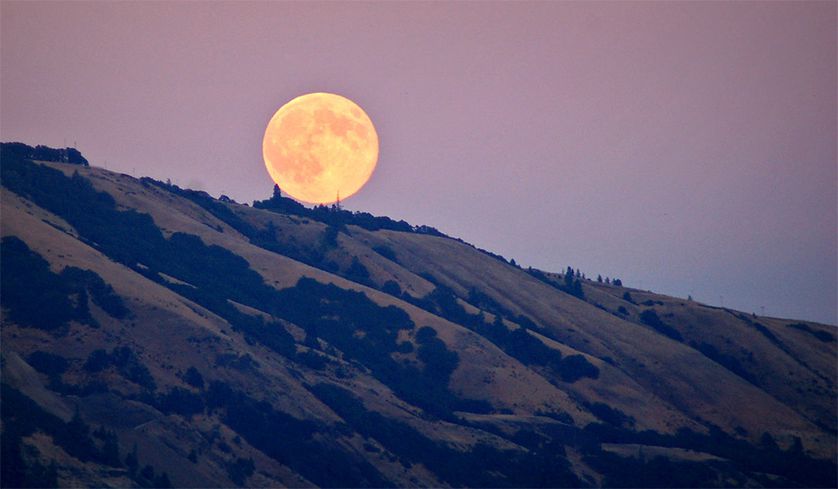
Celestial events for August 2017 include a total solar eclipse, Perseid meteor shower and the rise of the Sturgeon Moon. (Photo: Michael Seeley/Flickr)

Welcome to August, a month defined by loud cicadas, pool parties, humidity and children fretting about an impending return to school. When it comes to celestial happenings, however, there is no larger star this month that our own moon. From a partial lunar eclipse to the first coast-to-coast solar eclipse in almost a century, the moon will be the cause of most eyeballs drifting towards the heavens over the next several weeks.

Below is a small sampling of some of the night and day celestial events to look forward to this month. Wishing you all clear skies!

The rise of the full Sturgeon Moon (Aug. 7)

The full Sturgeon Moon is so-named for the fish that are easily caught in August and early September. (Photo: Paul Kline/flickr)

August’s full moon, nicknamed the Sturgeon Moon, will rise for the U.S. Eastern Seaboard on the evening of Aug. 7 at 8:05 p.m.

The Sturgeon Moon gets its name from the species of fish native to both Europe and the Americas that is easily caught this time of year. Other nicknames include the Corn Moon, Fruit Moon and Grain Moon. In countries experiencing winter, such as New Zealand, native Māori called this full moon “Here-turi-kōkā” or “the scorching effect of fire is seen on the knees of man.” This reference is to warm fires that glow during the Southern Hemisphere’s coldest month.

Partial lunar eclipse (Aug. 7 & 8)

Observers in Africa, Asia and Australia will see August’s partial lunar eclipse in its entirety. (Photo: Forrest Tanaka/flickr)

As a kind of consolation prize for missing out on this month’s total solar eclipse over North America, those living on the continents of Africa, Asia and Australia will bear witness to a partial lunar eclipse. Spectators in Europe will catch the tail end of the eclipse as the moon rises around 7:10 p.m. on Aug. 7.

This phenomenon occurs between two to four times a year when the moon passes through a portion of the Earth’s shadow. Because the shadow cast is more than 5,700 miles wide, lunar eclipses last much longer than solar eclipses. In some instances, totality can occur for as long as 1 hour and 40 minutes. As a reference, maximum totality for the Aug. 21 solar eclipse will top out a mere 2 minutes and 42 seconds. The longest, at over 7 minutes, won’t take place until the year 2186.

This month’s partial lunar eclipse is the last of the year. Next year, total lunar eclipses will take place in January and July.

Perseid meteor shower (Aug. 12)

A composite shot of last year’s Perseid meteor shower over Turkey. Notice how the path of the meteors appears to race from the constellation Perseus. (Photo: NASA)

Regarded as one of the best celestial light shows of the year, the Perseid meteor shower occurs from July 17 to Aug. 24 and peaks on the evening of Aug. 12.

The shower, sometimes creating as many as 60 to 200 shooting stars per hour, is produced as Earth passes through debris left over from the orbit of Comet Swift-Tuttle. This 16-mile-wide periodic comet, which completes an orbit around the sun every 133 years, has been described as “the single most dangerous object known to humanity.” This is because every instance of its return to the inner solar system brings it ever closer to the Earth-moon system. Though astronomers believe the comet bears no threat for at least the next 2,000 years, future impacts cannot be ruled out.

If the comet were to hit Earth, scientists believe Swift-Tuttle would be at least 27 times more powerful than the asteroid or comet that wiped out the dinosaurs. For now, you can take in the beauty of the debris from this harbinger of doom by looking north towards the constellation Perseus. Because the moon will be three-quarters full, you’ll need to search out a nice dark sky to escape any light pollution from urban environments.

Total solar eclipse (Aug. 21)

A total solar eclipse as captured over the Southern Hemisphere in November 2012. (Photo: NASA Goddard Space Flight Center)

By far the biggest celestial event in ages, Aug. 21 marks the first time since June 1918 that a total solar eclipse will race from coast to coast across the United States. Cities and towns along the 72-mile-wide path of totality are preparing for an influx of visitors, with millions of Americans expected to drive to view the rare phenomenon. Those outside totality will still experience a show, with partial solar eclipses happening over much of North America. Regardless, everyone will want to invest in a pair of special solar eclipse glasses to avoid ruining your eyesight.

Total solar eclipses occur when the new moon moves between the Earth and the sun and casts its shadow on the planet. This shadow is comprised of two concentric cones –– the larger penumbra, which from Earth only shows the sun partially blocked, and the much smaller umbra, which blocks the sun completely. It is within this latter cone that totality will occur, giving spectators on the ground what’s considered by many to be a “once-in-a-lifetime” experience.

The Great American Eclipse will actually first start out in the Pacific (at this point, it will actually, unbelievably rise while completely eclipsed!), making landfall on the Oregon community of Lincoln Beach at 10:16:01 a.m. (PDT). From there, the moon’s shadow will continue to race across the U.S. The point of greatest eclipse, where the axis of the moon’s shadow passes nearest to the center of Earth, will take place in Hopkinsville, Kentucky and last 2 minutes and 40.1 seconds. In celebration of the event, the town has temporarily renamed itself “Eclipseville,” and expects anywhere from 55,000 to 150,000 tourists to visit in advance of Aug. 21.

The next total solar eclipse over the U.S. will take place on April 8, 2024.

New moon (Aug. 21)

August’s new moon will not only create a show during the day, but also leave the heavens to glow unimpeded by night. (Photo: Coconino National Forest/flickr)

Fresh after wowing the U.S. during the day with its solar theatrics, August’s new moon will give way to dark skies for the next several nights. This is the perfect opportunity to grab a blanket and head outside into the still-warm summer evenings to enjoy the heavens in all their glory. With some remnants of the Perseids still visible, it will also offer a chance to catch some of the faintest shooting stars.

Look for Earth’s shadow (All year)

The Earth’s shadow and ‘Belt of Venus’ as captured above Mauna Kea, Hawaii. (Photo: Jay El Eskay/flickr)

Ever wonder what causes the beautiful bands of color in the eastern sky at sunset or the western sky at sunrise? The dark blue band stretching 180 degrees along the horizon is actually the Earth’s shadow emanating some 870,000 miles into space. The golden-red portion, nicknamed the “Belt of Venus,” is Earth’s upper-atmosphere illuminated by the setting or rising sun.

Now that you know about this phenomenon, choose a night or morning sometime to try and pick it out. You’ll need a western or eastern horizon that’s fairly unobstructed to get a clear view of our planet’s huge curved shadow.

Looking ahead to September

On Sept. 15, the Cassini spacecraft will end its 20-year mission to Saturn with a dramatic death dive into the ringed planet. (Photo: NASA)

As fall beckons, the biggest event next month will be the dramatic death dive of the Cassini spacecraft into Saturn. Taking place on Sept. 15, Cassini will make discoveries about Saturn right up until its fiery conclusion, with unprecedented photos and data captured and transmitted during its final moments.

ooOOoo

It is going to be quite a month!

Oh, and for those of you that want to know the timings of the eclipse over North America there is a useful reference site here, from which I republish the following table.

Eclipse Start & End: Local Time for US States

The eclipse will begin over the Pacific Ocean at 15:46 UTC, which corresponds to 8:46 am Pacific Time. It will reach the coast of Oregon at Lincoln City, just west of Salem, at 9:04 am local time. The eclipse will reach its maximum point here at 10:17 am.

From here, the Moon’s central shadow will move inland. The following table shows when the Moon will begin to move in front of the Sun and the moment it completely covers the Sun, as seen from some locations along the central path of the eclipse. All times are local.

Location Partial Eclipse Begins Sun Completely Obscured
Salem, OR 09:05 am PDT 10:18 am PDT
Idaho Falls, ID 10:15 am MDT 11:33 am MDT
Casper, WY 10:22 am MDT 11:43 am MDT
Lincoln, NE 11:37 am CDT 1:03 pm CDT
Sabetha, KS 11:38 am CDT 1:05 pm CDT
Jefferson City, MO 11:46 am CDT 1:14 pm CDT
Carbondale, IL 11:52 am CDT 1:21 pm CDT
Hopkinsville, KY 11:56 am CDT 1:25 pm CDT
Nashville, TN 11:58 am CDT 1:28 pm CDT
Talulah Falls, GA 1:07 pm EDT 2:37 pm EDT
Columbia, SC 1:13 pm EDT 2:43 pm EDT
Charleston, SC 1:16 pm EDT 2:47 pm EDT

Please note that this list includes only a small selection of locations where the total eclipse will be visible. You can look up more locations in our Eclipse Database or via the Eclipse Map.

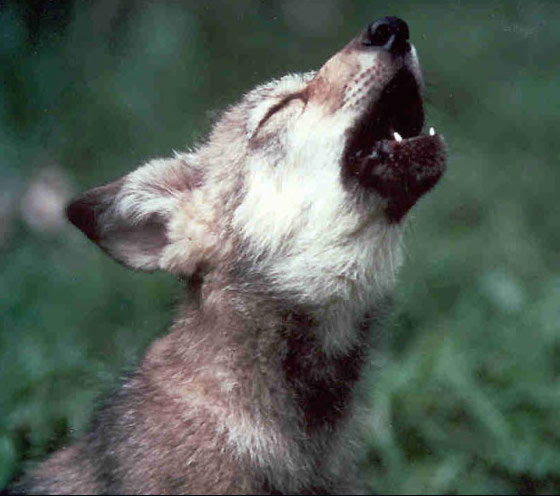
Enjoy your nights out there! And let your dogs howl their hearts out!

Annie’s Second Chance.

My very great pleasure to publish today’s guest post.

Regulars of this place know that I am always open to any one of you sending in a guest post. Indeed, any involvement that comes to mind is welcome.

A couple of days ago in came an email from Kristin. She blogs about her shared life with very large dogs. Kristin’s email was an offer of a guest post for you dear readers. Of course, I said ‘yes’.

In reply to me asking for some background information, Kristin responded with the following:

I don’t really have a preference about what to say about me. Basically, as my kids get older and more independent I keep bringing in another dog!

Newfoundlands are my breed of choice, I love their sweet dispositions, the way they look, the bonds they form and the way they love to work.  I’ve learned a lot about rescue as well as ethical breeding practices since I adopted Annie and my greatest wish is to see all puppy mills shut down. I started writing Annie’s story, which led to the blog, and at some point would love to work with someone to make it better and figure out how to make it a fundraising tool for rescue organizations.

I’m not a trained writer, I just write from the heart. I write about anything that happens to be going on with me and the dogs which covers a lot of subjects. I just try to keep the focus on the dogs and my relationship with them.

Forget about Kristin not being “a trained writer” and just immerse yourself in this beautiful guest post.

ooOOoo

Oh happy day!

August 1, 2017

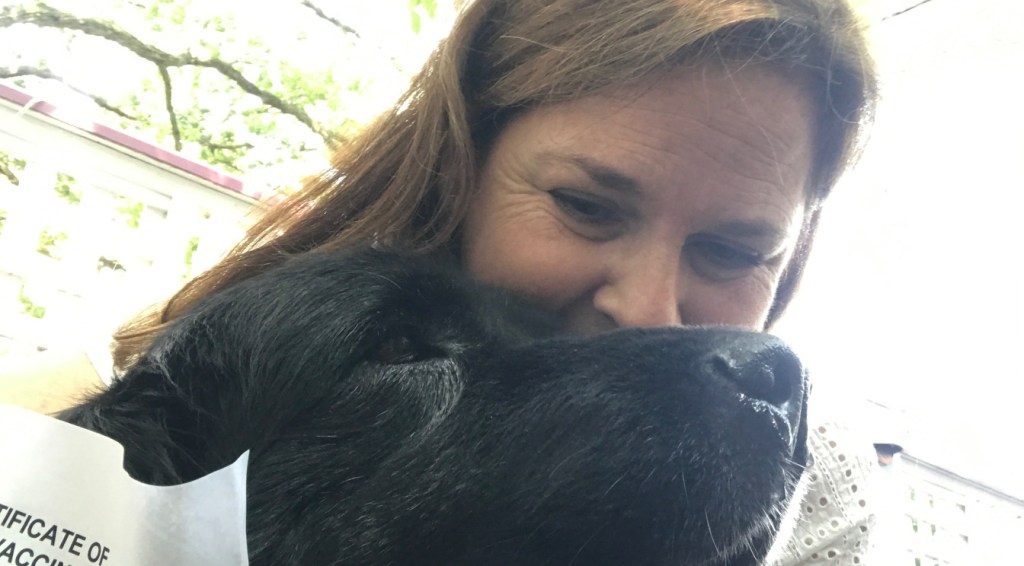
Annie and I had a big day today.  A day that changes everything! It was time for her rabies shot so our big date was a trip to the vet.  Annie and I have made many of these trips over the last year-and-a-half, but this time was very different.

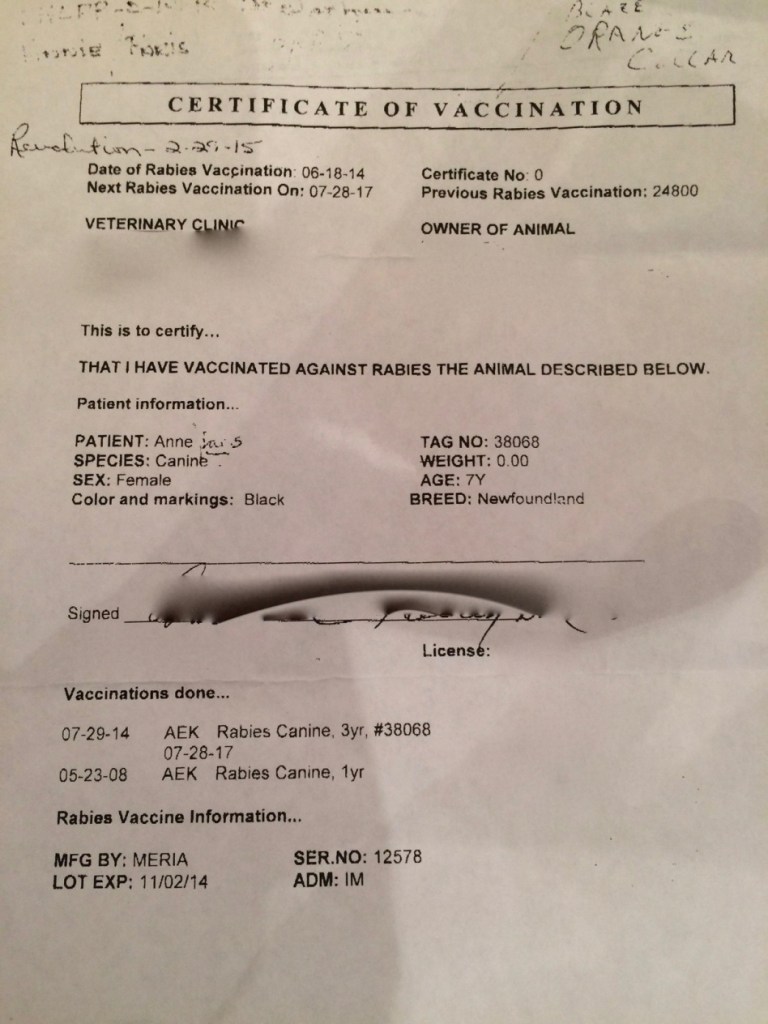
When Annie was surrendered to rescue, the only document that came with her was her 2014 rabies certificate.  By the time she came home with us a year later, the rabies tag was long gone and the certificate we received was in pretty rough shape but the story it told was clear to me.

It’s a copy of a fax and is crooked and faded. On multiple occasions I’ve had to pull it out of her file when asked to show proof of vaccination.  Each time I pull it out, the anger bubbles up because it is a reminder in black and white of her life before us.

The owner’s name and address belongs to the man that operated the kennel/puppy mill.  It’s easy for me to say that even though I’ve never met him, I hate him.  Her name is listed as Anne, but “Paris” is written next to it. Why does she have two names? I don’t know.  Her age is listed as 7, although she had just had a birthday and was actually 8. Her weight is listed as 00. Record keeping was obviously not a priority with these dogs.  There are other notes that are hard to read, but are the vaccinations that she received after she was rescued. At the top are the words Annie Paris, blaze and orange collar.  The final glaring bit of information is the list of vaccinations done which only includes 2 things, the one she received that day and another rabies shot she received May 23, 2008!

(Names and addresses have been edited)

These are all broad strokes that paint a picture of neglect. After 6 years, what compelled him to seek out a vet to administer a 3 year rabies vaccination? Who knows, but what really bothers me concerns the veterinarian. There is no way he could have examined her and thought that she or any of the other dogs from that kennel were receiving proper care. The conditions they were forced to live in were unsanitary and disgusting. Knowing Annie as I do, they would have had to drag her to him, with her trembling and cowering.

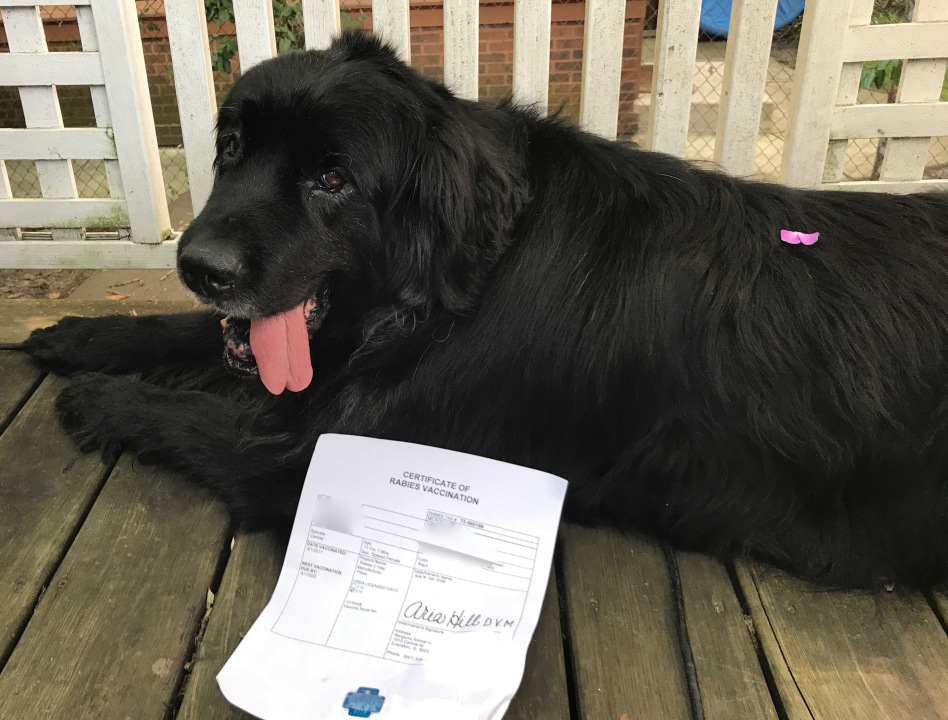
So now, here’s the good news. Annie came to us with a broken spirit on the mend thanks to her rescuers and now she is a completely different dog. She’s happy and loving, she has a spring in her step and a twinkle in her eye. She regularly approaches me and nudges my hand for a scratch behind the ear. She walks on leash beautifully and loves our neighborhood patrols. She comes running when she hears the scoop in the dog food or the word “treat”. She doesn’t hide in her crate anymore but instead sprawls out all over the house, moving around, finding a comfy spot on the cool tile or under my feet or on the rug in the next room. She’s quick to come when I’m having training time with Winn and she will do her two tricks, sit and down, with precision so she can also get treats. She joins me in the kitchen when I’m cooking, confident that she will get a nibble now and then. At the end of every day, we climb the stairs together, I give her her eye drops and then she collapses on her Big Barker bed and lets out a sigh of contentment.

So this time going to the vet was different. Yes, she trembled as we were waiting, it took a lot of gentle coaxing to get her into the room and she wasn’t overly enthused about the attention she was getting but we both eagerly left with a treasure in my hands. I now have a proper certificate with both of our names in print. It is signed by a Dr. who lovingly cares for her and is genuinely invested in her well-being. The final reminder of her previous life can go in the trash. We belong to each other, and we have no reason to ever look back again!

ooOOoo

I’m not going to take anything away from Kristin’s most beautiful story. All I will do is to repeat her last sentence: “We belong to each other, and we have no reason to ever look back again!

That is perfect! Thank you, Kristin and Annie!

Looking ahead!

The joys of installing new flooring!

In a number of the rooms here at home we still have down on the floor the carpeting that was in the house when we moved in 5 years ago. As you might imagine that carpet, being slept on daily by cats and dogs, is also home to a range of uninvited ‘guests’. That song title comes to mind: “The hills are alive ….”.

A while ago we replaced the carpet in our main living-room with oak flooring and now we are replacing just about all the rest of the carpet in our house with laminate boarding that is a very good match with the oak flooring.

One of the rooms that is affected is my office and although the installers will only be working for the three days of the 16th to the 18th August, the rooms will need to be emptied out of all furniture a few days before the 16th.

Ergo, I expect to be ‘off air’ for about a week. Probably from Sunday, 13th August through to Sunday, 20th August.

During those days I won’t be able to respond to your replies to posts. But I will put up posts for each of those days well ahead of the 13th.

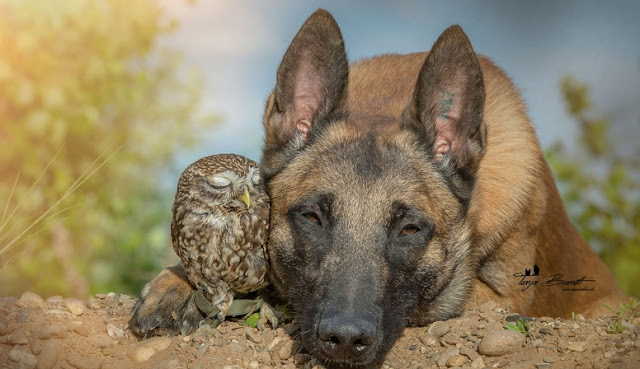
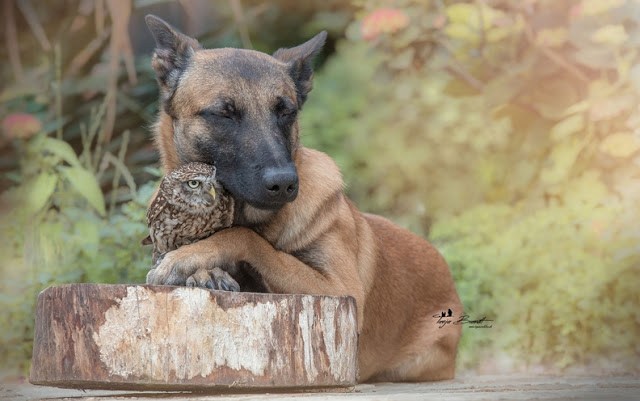
What I will post is something that Suzann emailed Jean the other day. It’s the wonderful story of a Belgian Shepherd dog befriending an owl. This is what was included in Suzann’s email:

ooOOoo

For years, photographer Tanja Brandt has made it her mission to capture magnificent photos of animals and wildlife. Recently, the German artist found a new challenge when she photographed the unique bond between two unlikely friends: Ingo, a Belgian shepherd, and Poldi (Napoleon), a one-year-old owlet.

The owlet and canine have a special “protector-protected” relationship and that their affection towards each other couldn’t be any more evident. Ingo lovingly guards Poldi, who apparently “doesn’t know how to live free.”
The owlet, hatched two days after his six brothers and sisters, therefore, has always been very vulnerable due to his small size. Comparatively, Ingo was raised by a family of strong, and oftentimes ruthless, police dogs.

“They respect each other and they can read each other,” says the photographer.

ooOOoo

There are many photographs of Ingo and Poldi and they will make up the posts for you all for that week of the 14th August.

Visiting the Vet – Jefferson’s heart!

Welcome to August!

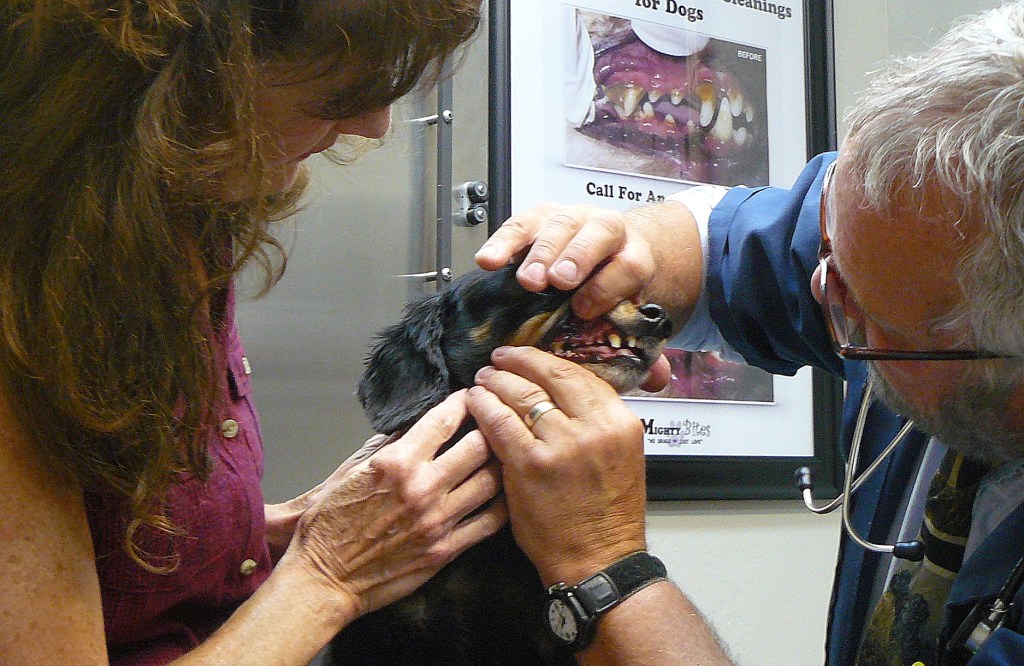
July 13th. 11:00 The second case that I sat in on was Linda bringing in Jefferson.

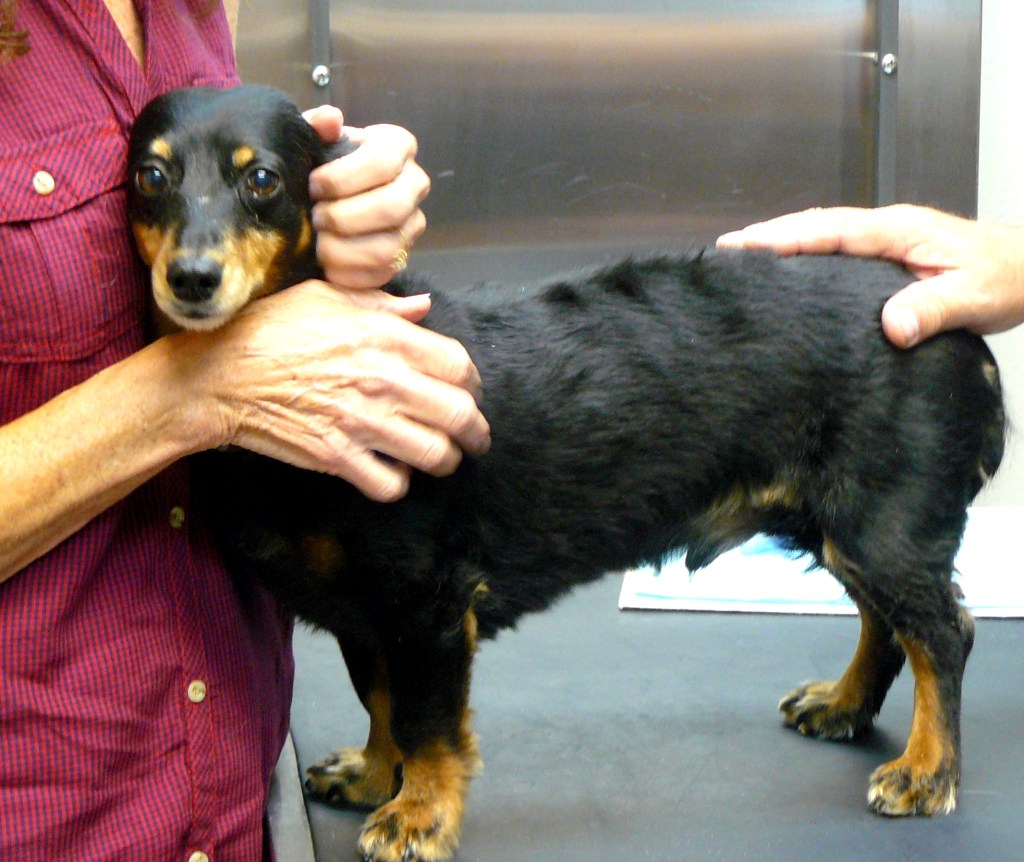
Jefferson is an eight-year-old long-haired male Dachshund. Linda had decided to bring her dog into Lincoln Road because recently Jefferson had started coughing but only when he was pulling on his leash.

Linda added that Jefferson seemed to be chewing on a number of pine cones just now.

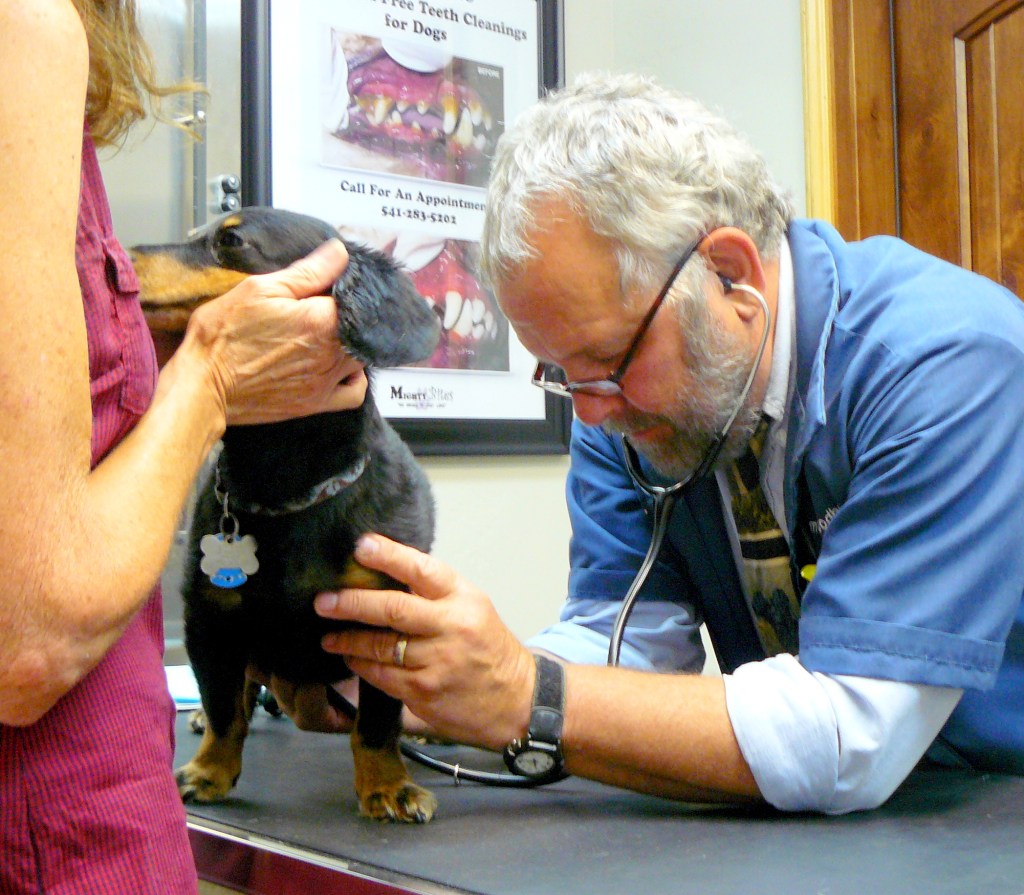
Jim examined Jefferson. First examining the dog’s lymph node and then listening to either side of the dog’s chest.

While everything sounded fine on Jefferson’s right side, Jim detected a very small heart murmur when listening to Jefferson’s left side.

Jim also noted that the lymph node was prominent but not enlarged. Dogs can get lymphoma.

Nothing arose to give cause for concern but in view of the chewing of pine cones, Jim thought that giving Jefferson an injection of ‘Lepto’ would be no bad thing.

11:20 All done!

I subsequently did a web search on ‘Lepto’ and came across this on the Vetstreet website: (in part)

It’s scary to think that a fun stroll through the woods or swim in a favorite watering hole can lead to a terrible illness, but it can –– for you as well as your dog. Leptospirosis is caused by a bacteria spread through soil, water, and the urine of infected animals, and if not caught early it can be deadly. There is a vaccine available for the most common subtypes of the bacteria that infect dogs, but it’s not always a recommended part of the routine vaccination protocol. Ask your veterinarian if the leptospirosis vaccine is right for your dog.

Overview

Leptospirosis is a potentially serious disease caused by the bacterium Leptospira interrogans. It affects dogs but can also infect a wide variety of domestic and wild animals as well as humans.

The organism is usually spread through infected urine, but contaminated water or soil, reproductive secretions, and even consumption of infected tissues can also transmit the infection. Introduction of the organism through skin wounds can also occur. Common carriers of the organism include raccoons, opossums, rodents, skunks, and dogs.

To be continued:

(Please note: These observations are mine alone and because of the busy environment it must be assumed that my interpretation of what was taking place might not be totally accurate. Nothing in this blog post should be used by a reader to make any medical judgment about an animal. If you have any concern about an animal do make an appointment to see a properly qualified veterinarian doctor.)

Picture Parade Two Hundred and Six

Forgive the indulgence today.

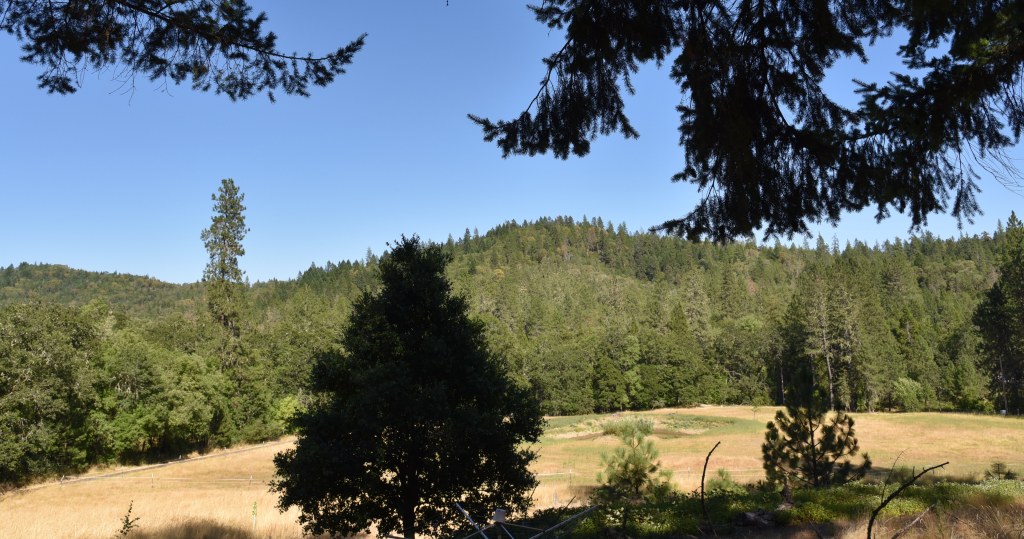
In last week’s Picture Parade it was mentioned that at some point I would share some of the sights of home.

Well today, all the photographs were taken here at home (that being Merlin, Southern Oregon). The motivation behind these photographs was learning the operation of a new camera that I recently treated myself with. That is turning out to be quite a task; the user manual is 510 pages long!

But in no particular order, here are a few pictures.

Brandy staying cool on the kitchen floor!

oooo

Looking out to the East from the deck adjoining the house.

oooo

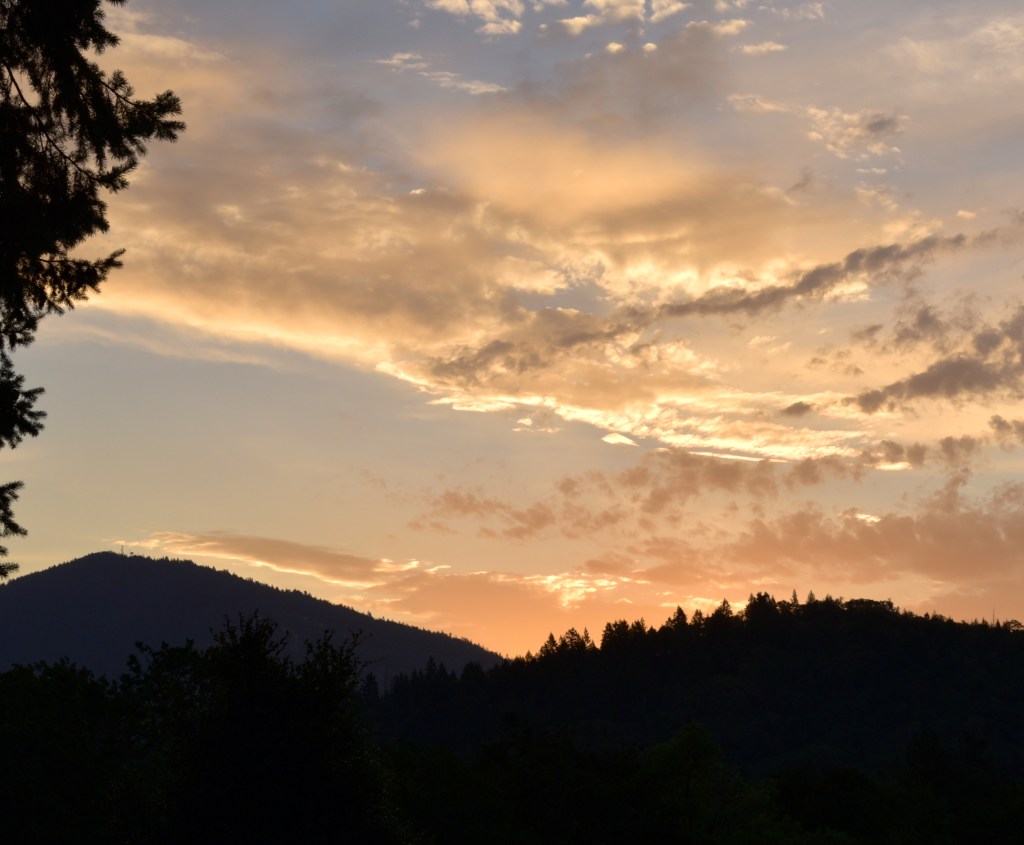
Photo taken at 06:10 on the morning of the 25th July. That is Mount Sexton on the horizon and the view is towards the North-East, again taken from our deck. (I was playing with the exposure control on the camera.)

oooo

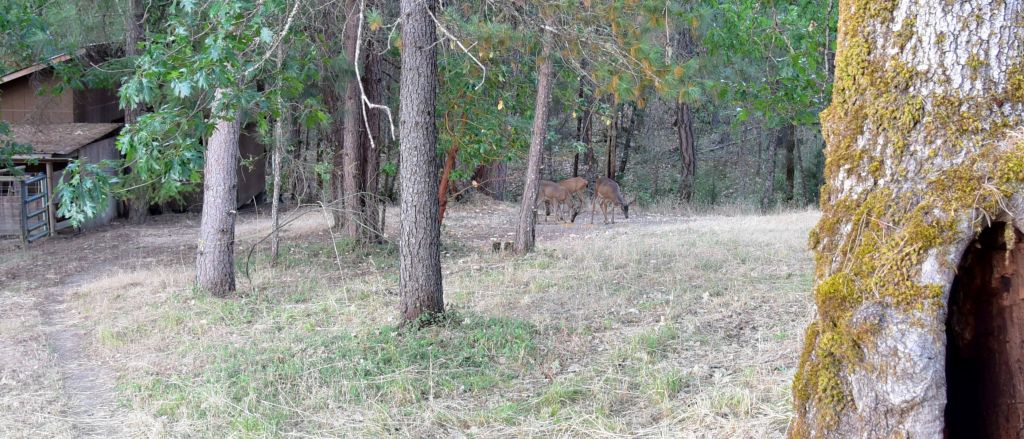
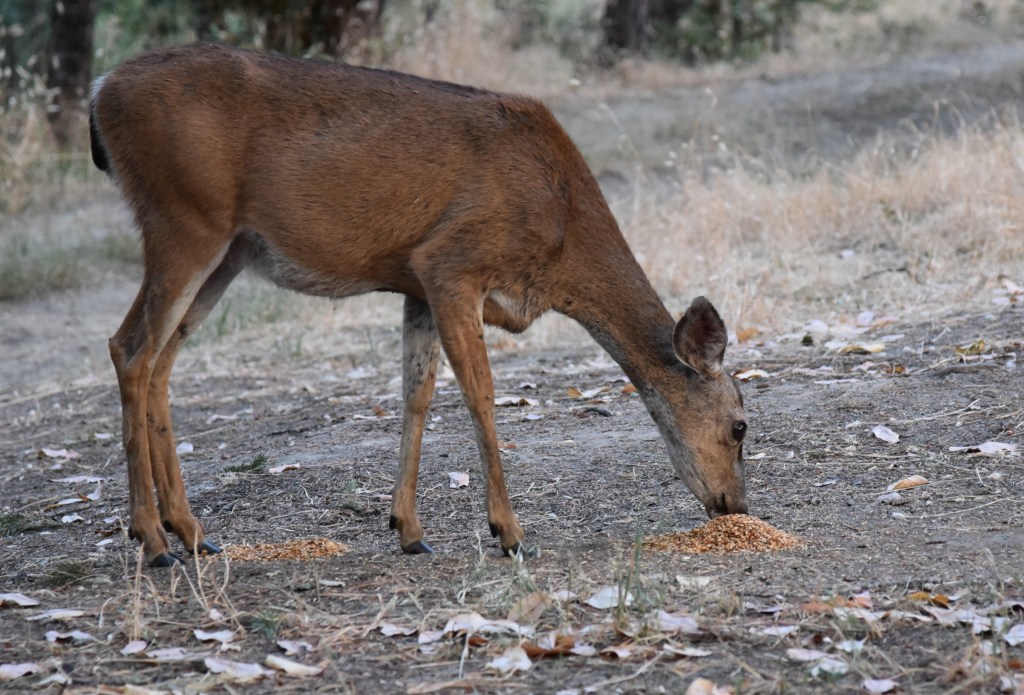
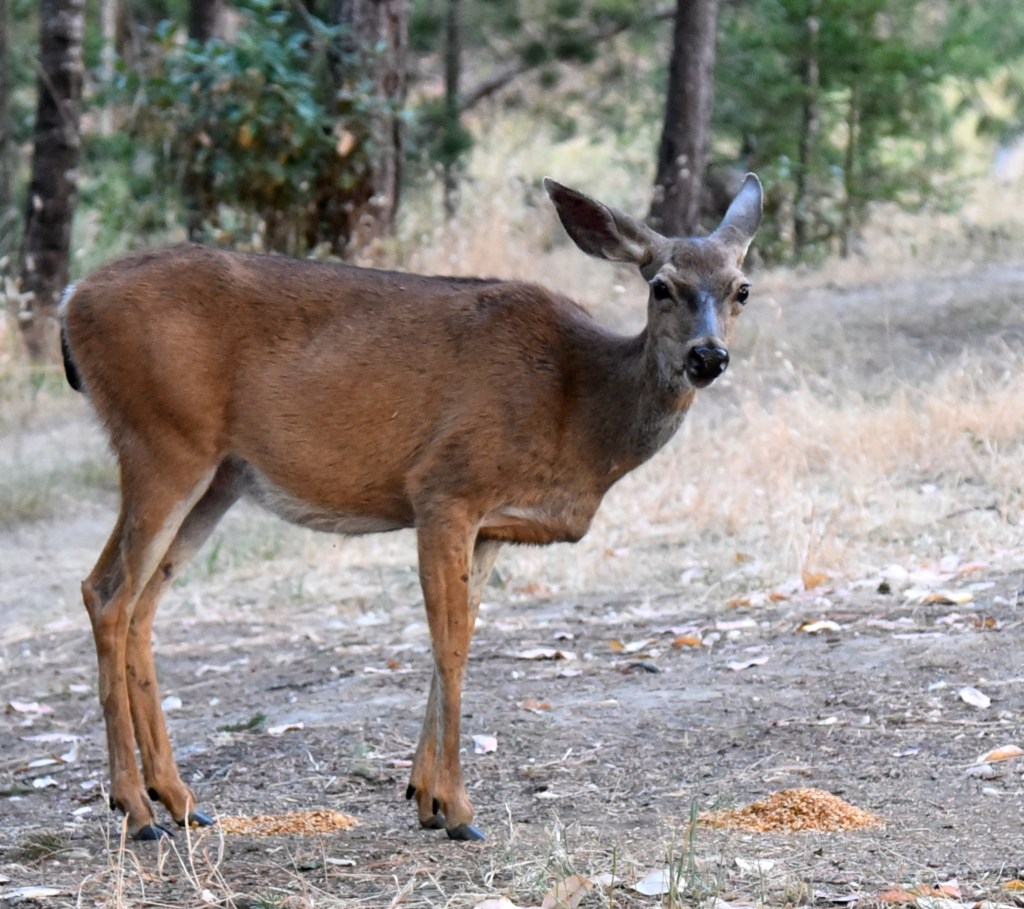
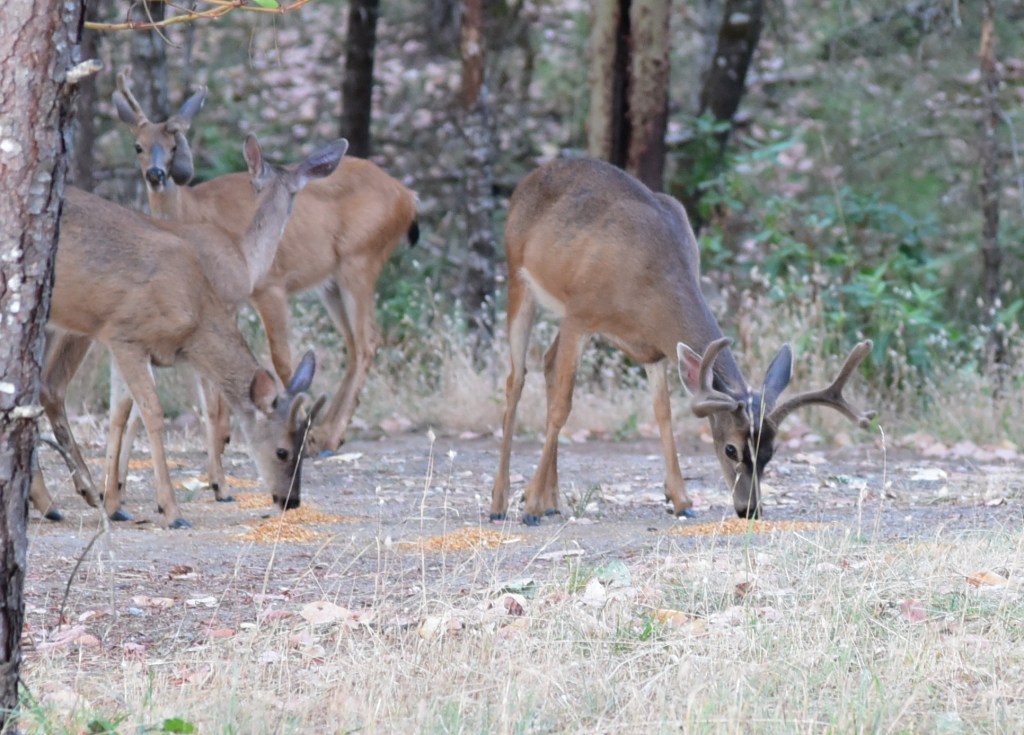
Looking from the end of the deck towards the South down to where our stables are. Photo taken at 06:20 on the 28th shortly after I had put out feed for the deer that come most mornings.

oooo

Taken at 06:10 on the 25th. This shows ‘Doris’ (the second) who has been sleeping under the trees overnight.

oooo

Zoomed in a little closer to Doris and she looked up at me exactly when I took the photograph!

oooo

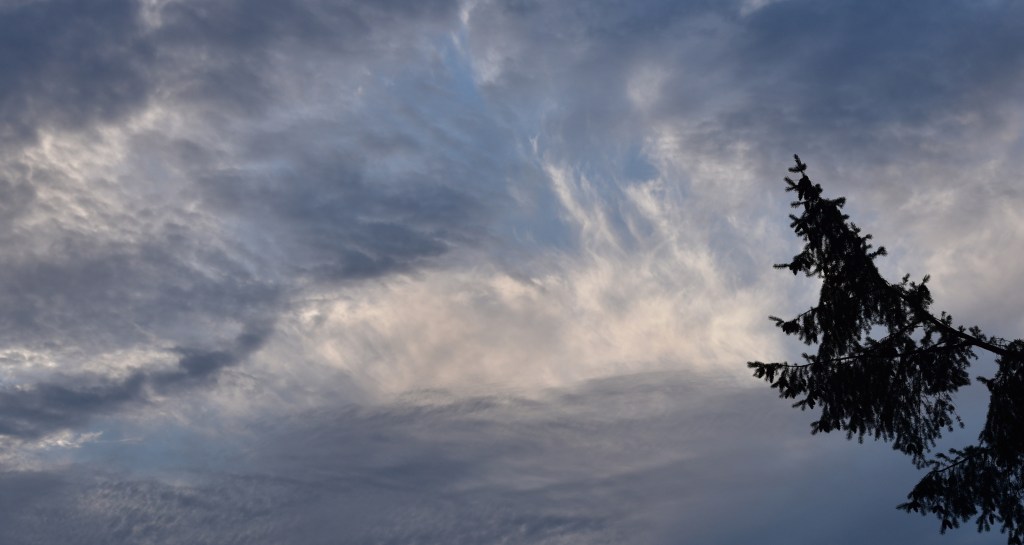
Morning sky. Unusual to have cloudy skies at this time of the year. 06:20 on the 26th July.

oooo

Our beautiful, gorgeous stag. He has been a regular visitor for the last two years. Taken at 06:10 on the 25th.

oooo

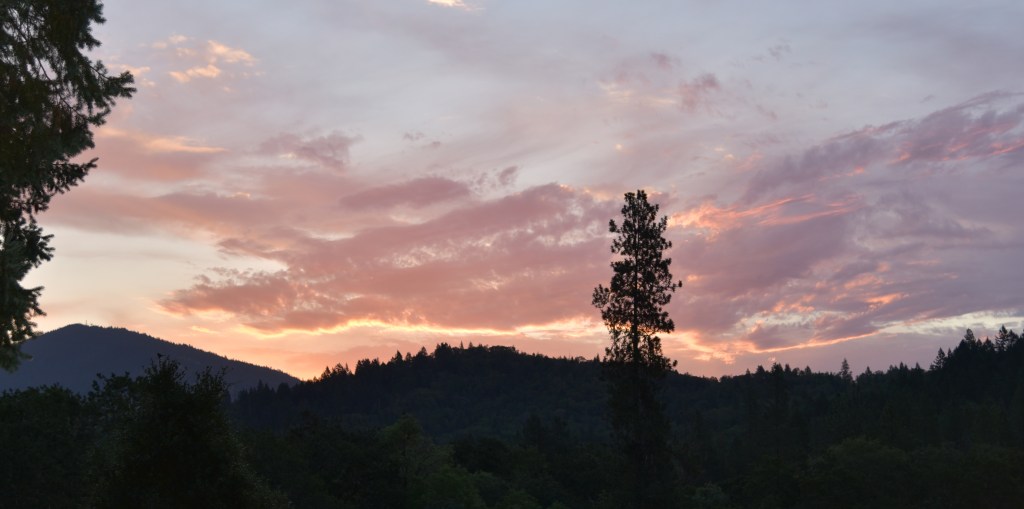
Morning sky, with exposure adjustment, taken at 06:00 on the 25th July.

Can’t close without publicly thanking the wonderful photographic forum Ugly Hedgehog. With over 75,000 users it really is a superb place for all those interested in photography. The forum was invaluable in helping me decide what camera to purchase and, just as importantly, where to purchase it from.

Have a great week, everyone!