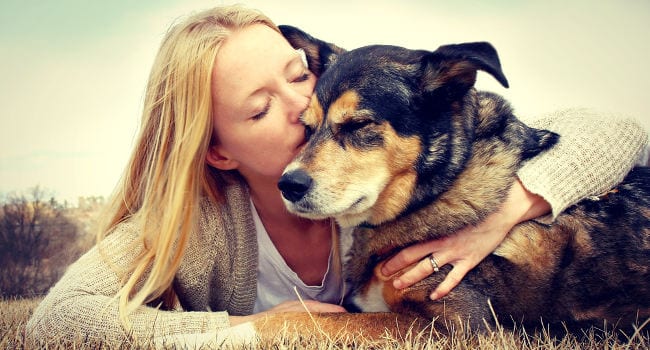
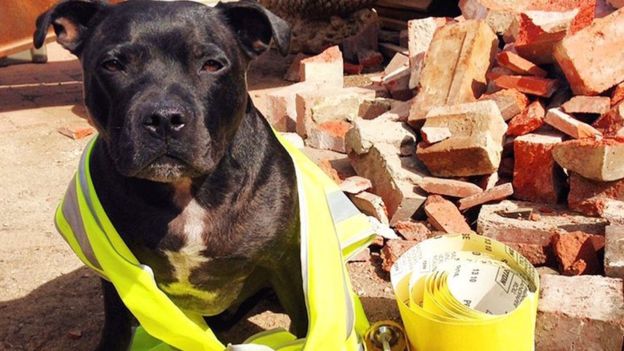
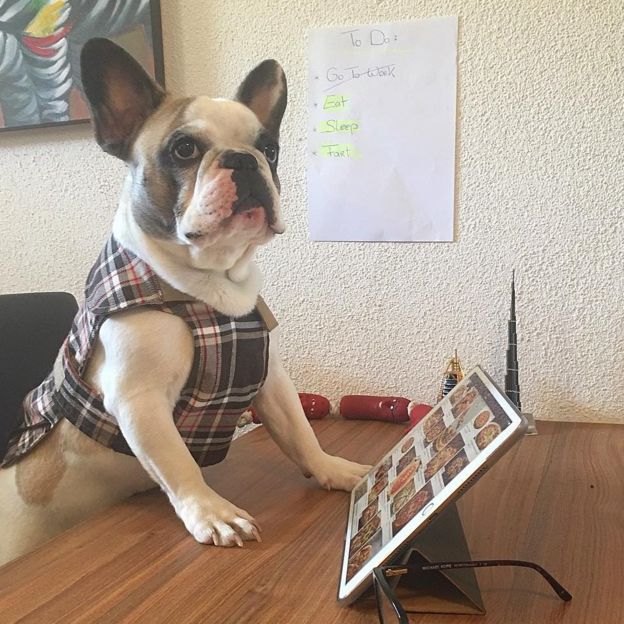
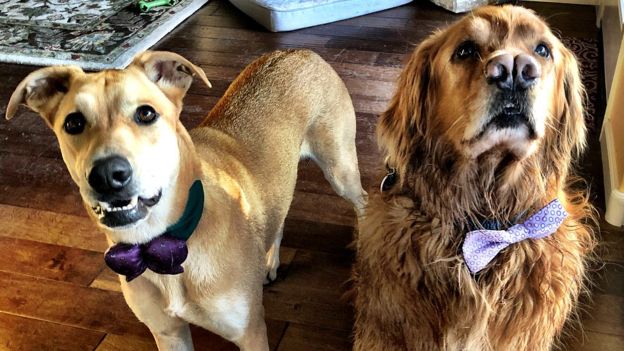
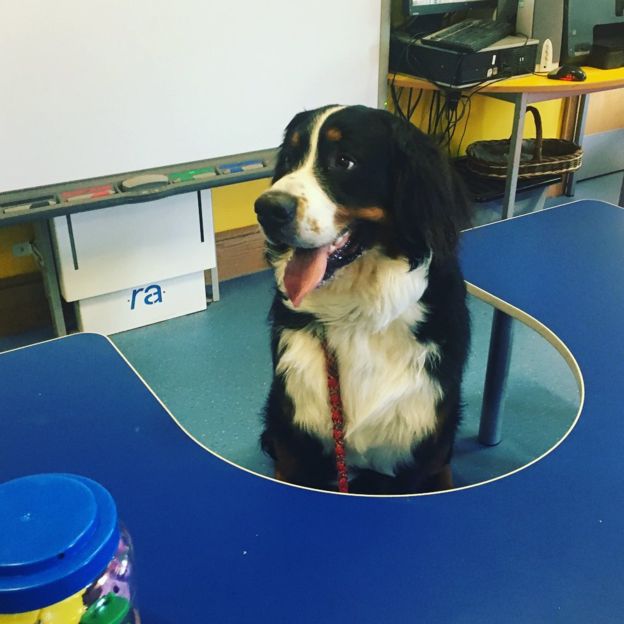
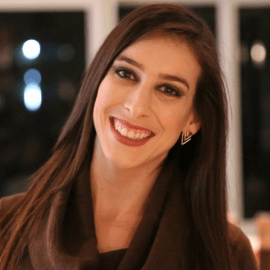
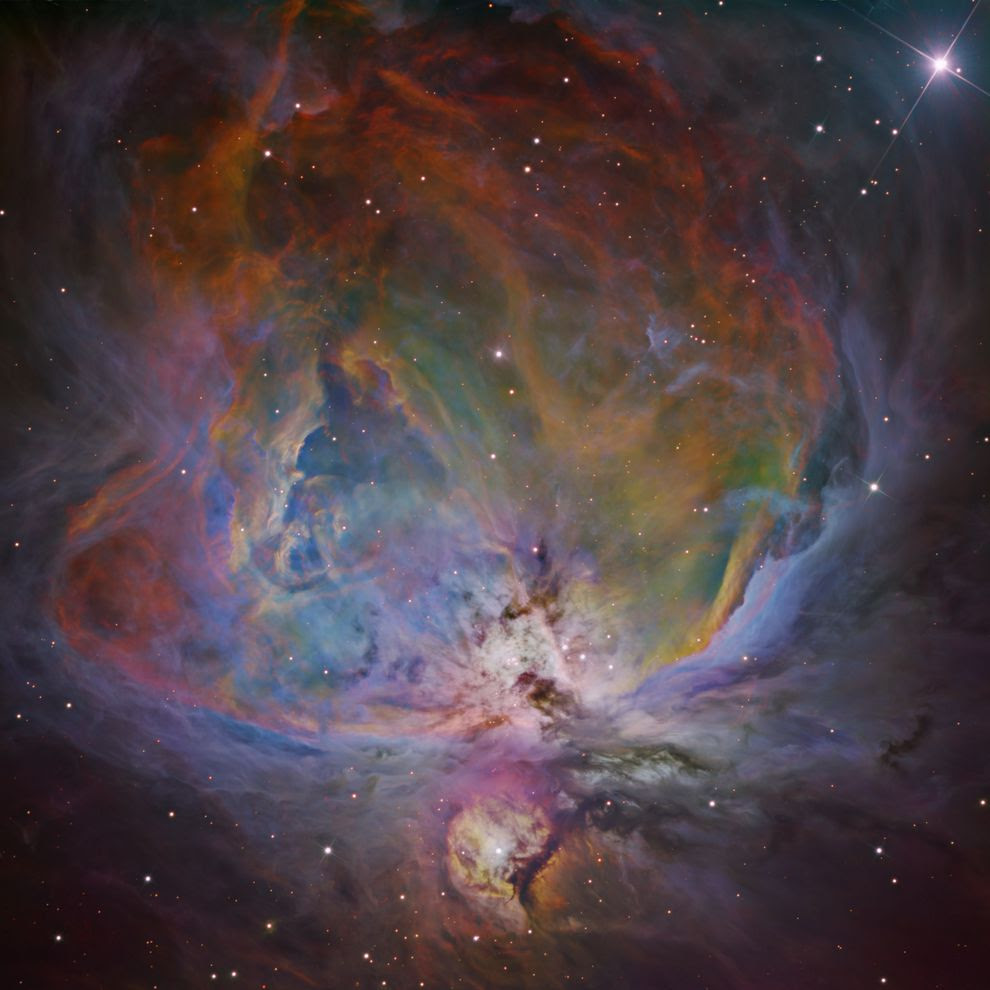
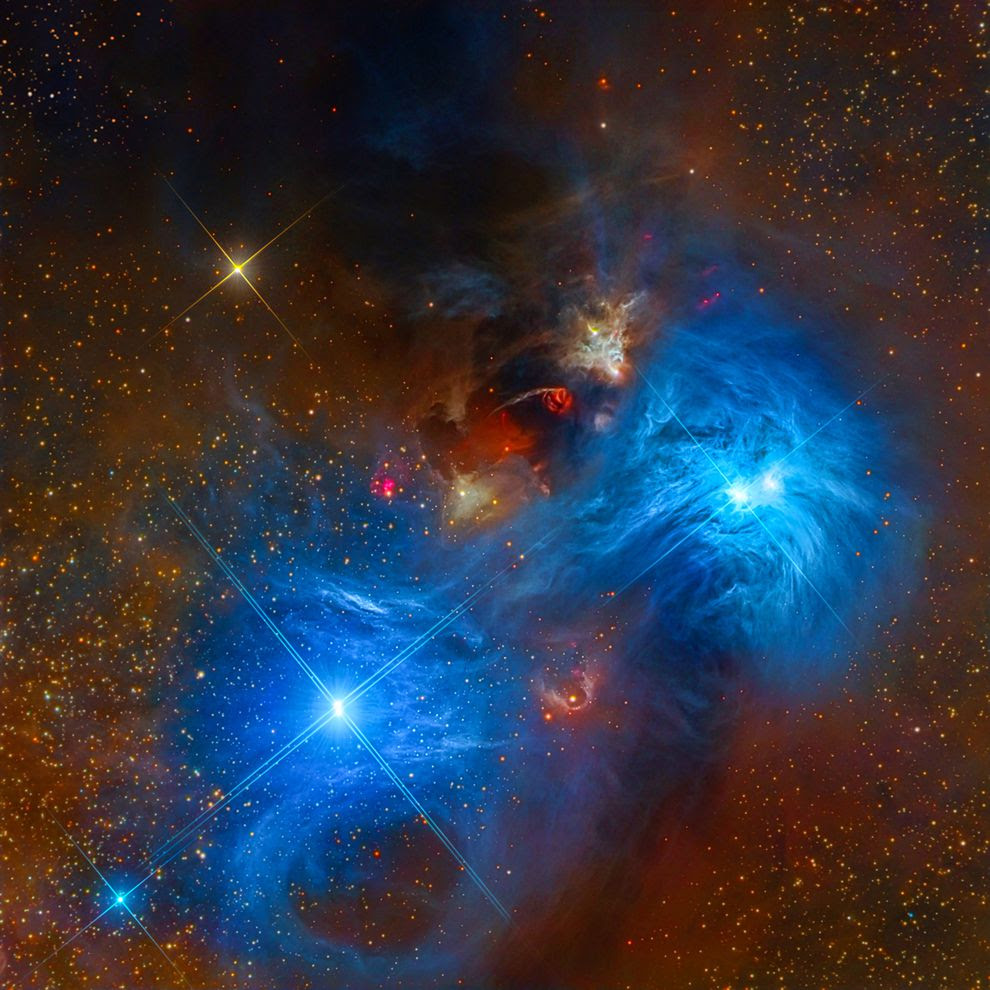
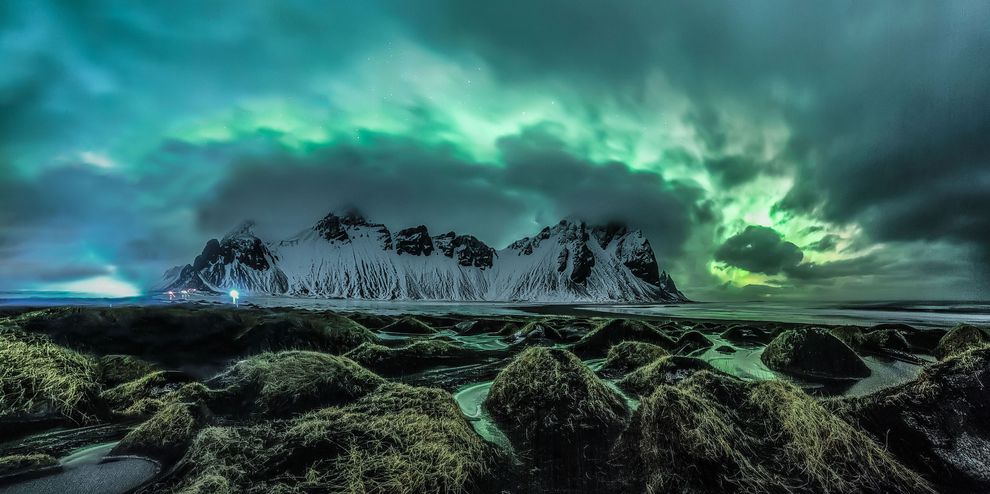
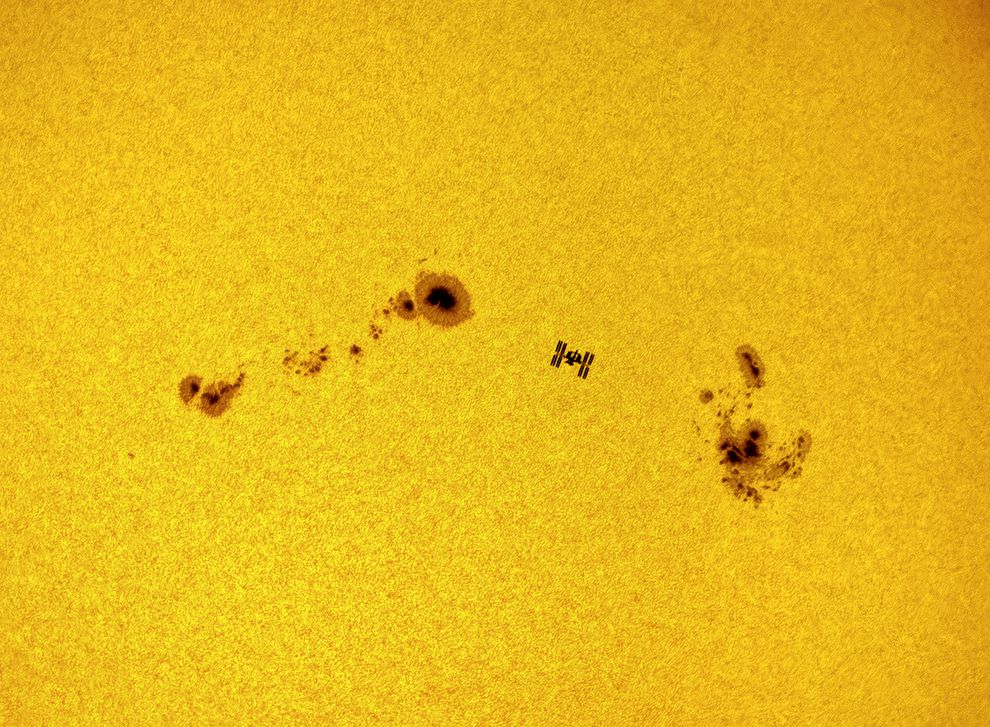
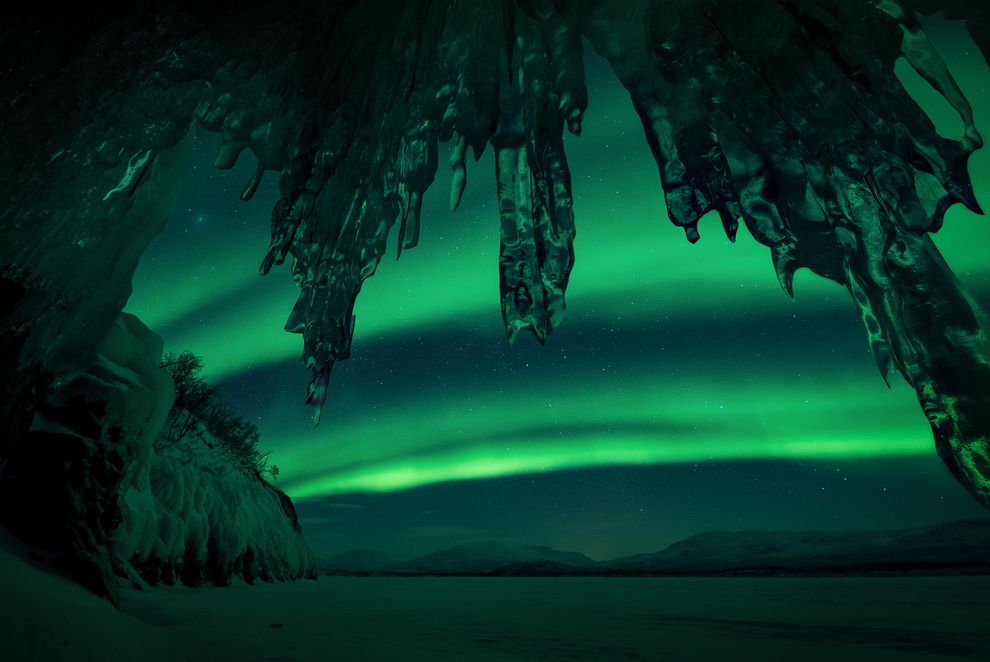
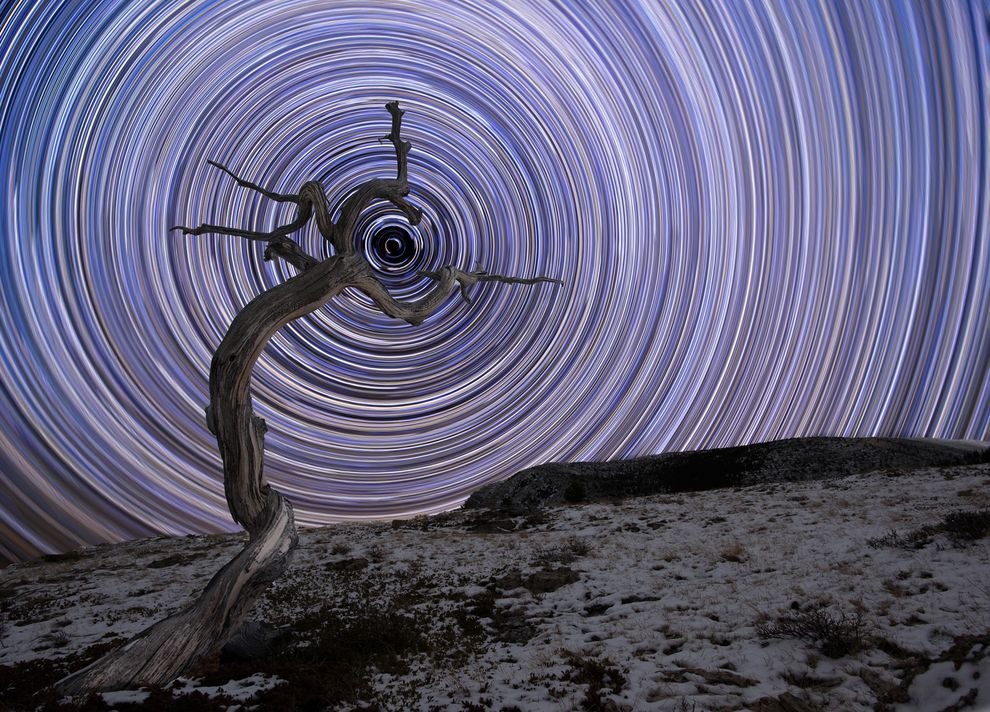
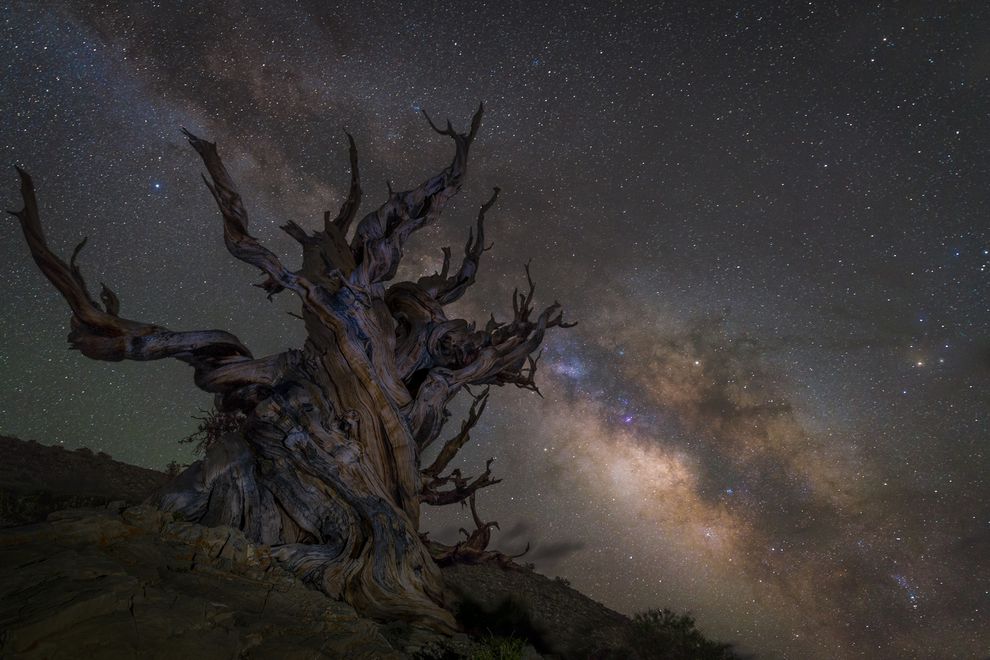
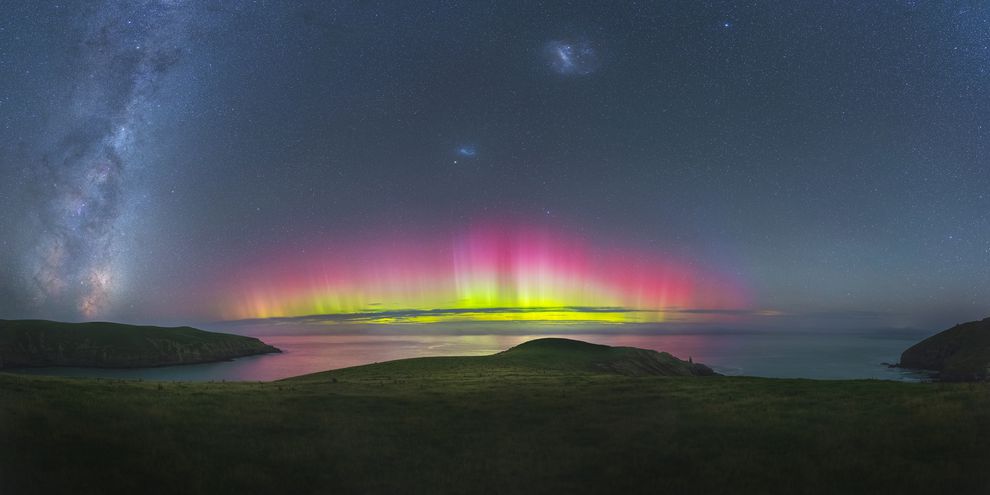
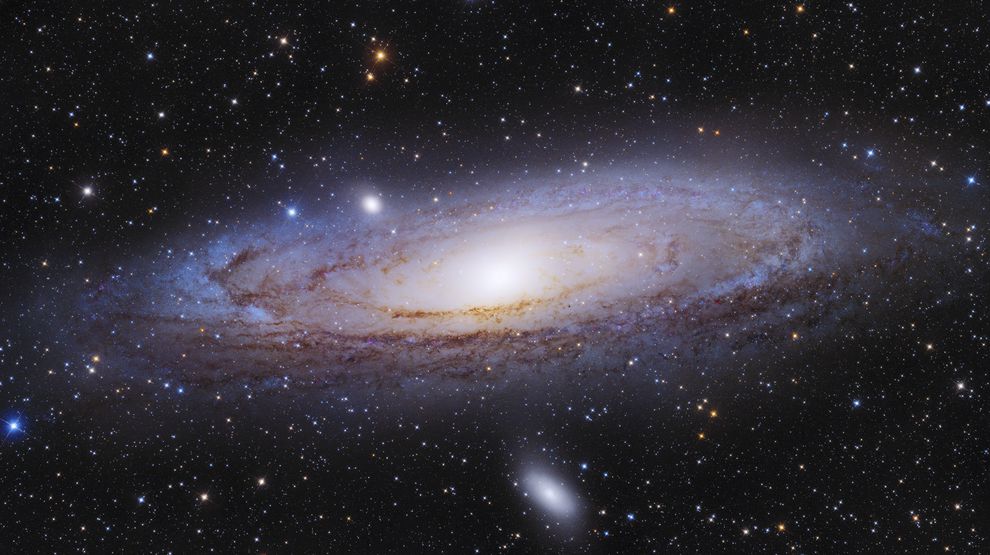
Yet more of those wonderful photographs sent to me by Su.

oooo

oooo

oooo

oooo

oooo

oooo

oooo

Next Sunday will see the final set of these great pictures!
Dogs are animals of integrity. We have much to learn from them.
Author: Paul Handover
Yet more of those wonderful photographs sent to me by Su.

oooo

oooo

oooo

oooo

oooo

oooo

oooo

Next Sunday will see the final set of these great pictures!
Changing the world – one wolf at a time.
I read this wonderful story yesterday morning and wanted to share it with you all. It is a story carried by The Madras Pioneer.
ooOOoo
Holly M. Gill, Thursday, September 06, 2018
A male and a female wolf have been photographed with their two pups on the northern part of the reservation.

For at least the past four years, a large male wolf has been observed roaming parts of the Warm Springs Reservation. Now, the wolf, his mate and two pups have also been seen on trail cameras.
On Aug. 27, the Confederated Tribes of Warm Springs Branch of Natural Resources confirmed that the single male first observed in 2014, and his mate, first seen in 2016, have produced two pups.
“In early September 2014, biologists suspected that a large male wolf of unknown origin, more than likely from Northeast Oregon, had a mate on the Warm Springs Reservation and Mount Hood National Forest, when remote cameras captured several images of two or more wolves in the area,” said wildlife biologist Austin Smith Jr., of the tribes’ Natural Resources Branch.

“Initially, last year, we had been getting multiple reports from technicians and contractors working in the area, that there was a group of wolves in the area,” said Smith. “We were trying to verify that, but we couldn’t confirm that there was a pup.”
In August, Smith thought there might be new pups, so he and a high school intern walked to the “rendezvous site,” where the wolves had been seen last year. “We managed to track them to an area and we saw a pup, about the size of a dog. We saw it take off, and ended up setting up a camera.”
After they saw the pup, Smith notified the U.S. Fish and Wildlife Service, which keeps track of wolf activity. At the end of 2017, Oregon had at least 124 gray wolves, including two known as the White River pair.
“They are in the southern portion of Wasco County, the northern part of the reservation, and the White River wildlife management area,” said Smith. “ODFW named the pack off of what area they’re covered in. We call them the Warm Springs pack.”
With assistance from USFW Biologist John Stephenson, the tribes set up remote trail cameras, which have been yielding numerous images of the wolves, including the pups.
“I was pretty surprised,” said Smith, noting that the pups are the first verified instance of wolves reproducing on the reservation since the mid-1940s. “It was the first time we had officially seen wolf pups.”
Gray wolves, which had historically been common in Oregon, were eradicated in the late 1940s. In 1974, wolves were listed as endangered by the federal Endangered Species Act. The state enacted its own Endangered Species Act in 1987, requiring the Oregon Department of Fish and Wildlife to conserve wolves.
According to ODFW, the wolves in Oregon are part of the Northern Rocky Mountain wolf population, which was reintroduced in Idaho and Yellowstone National Park in the mid-1990s. The first wolf made its way to Oregon in the late 1990s.
Over the past decade, the documented population of wolves in Oregon has increased from about three in 2008, to 14 at the end of 2009, to 124 at the end of 2017. Most packs are located in Northeast Oregon.
Wolves have been wandering through Oregon for years, but the new group seems to have established itself on the reservation, said Smith. “Once they’re a breeding pair, they officially become a pack.”
Smith said that the wolves are an important resource on the reservation. “They’re a culturally significant and sensitive species,” he said. “They usually pick an area where they have enough food source. The numbers of deer and elk have increased on the reservation.”
The wolf pups are probably 3 to 4 months old, and weigh 75 to 100 pounds, he estimated.
“Typically, when they’re in the denning period, it runs from spring until early summer,” said Smith. “During that time, the female will stay in the den, while the male and siblings are out hunting. They will bring back food for the female.”
“Typically, they’re out of the den after a couple months, and pretty mobile by then,” he said. “These pups were probably born in June.”
The tribes’ Branch of Natural Resources will continue to monitor the pack and its movements to ensure an accurate population count.
ooOOoo
I must repeat what was quoted as being said by Austin Smith Jr. because it so perfectly explains what we see in our dogs. (My emphasis.)
Smith said that the wolves are an important resource on the reservation. “They’re a culturally significant and sensitive species,” he said.
Well done Oregon and in particular well done the good folk of the Warm Springs Reservation.
Here are a couple of photographs I found online to share with you.

oooo

Thinking of culturally significant and sensitive animals, I must go and hug a dog or six!
The problem is not plastic. It is consumerism.
I closed yesterday’s Letter to the Moon with the last sentence from a recent essay from George Monbiot: “Defending the planet means changing the world.”
Shortly, I will be republishing, with Mr. Monbiot’s generous permission, the whole of that essay.
But first I am going to reproduce in full what arrived via email from George in the early hours of yesterday morning.
If you are within reach of London please go, or if not do leave a comment on the wall.
Hi Paul,
I’m contacting you because you’re one of the people who emailed me as part of the overwhelming response to my columns In Memoriam, and Incompetence By Design, where I mentioned that ‘some of us are now mobilising to turn the great enthusiasm for wildlife and natural beauty in this country into political action, and to fight the dismantling of the laws that protect our precious wild places’.
Many of you asked what I meant by ‘Watch this space’. The mobilisation starts next Saturday, in London, with The People’s Walk for Wildlife. It’s not a demonstration, nor a rally – it’s a gentle, family-friendly day. The only kind of strength we need is strength in numbers – to show that many thousands of us care deeply about the vanishing of wild mammals, butterflies, mayflies, songbirds and fish, and that we want the Government to commit properly to protecting those that remain.
On Saturday 22nd September, we’ll gather at Reformers Tree, Hyde Park at 10.00am; entertainment will start at 12 noon. At 1pm we’ll walk from Hyde Park Corner, via Piccadilly, St James, Pall Mall, and Cockspur St, to Whitehall. Please come along if you can. Download the birdsong app to play as we go. Bring friends, dress up as your favourite plant or animal or just come as yourself!
I’m looking forward to walking for the missing millions – I hope you can join me!
George
P.S. If you can’t make it, you can still contribute by adding your message of support to the Walk’s Wonder Wall – every post is valuable proof that you care.
Now on to that post.
ooOOoo
The problem is not plastic. It is consumerism.
By George Monbiot, published in the Guardian 5th September 2018
Do you believe in miracles? If so, please form an orderly queue. Plenty of people imagine we can carry on as we are, as long as we substitute one material for another. Last month, a request to Starbucks and Costa to replace their plastic coffee cups with cups made from corn starch was retweeted 60,000 times, before it was deleted.
Those who supported this call failed to ask themselves where the corn starch would come from, how much land is needed to grow it or how much food production it will displace. They overlooked the damage this cultivation would inflict: growing corn (maize) is notorious for causing soil erosion, and often requires heavy doses of pesticides and fertilisers.
The problem is not just plastic. The problem is mass disposability. Or, to put it another way, the problem is pursuing, on the one planet known to harbour life, a four-planet lifestyle. Regardless of what we consume, the sheer volume of consumption is overwhelming the Earth’s living systems.
Don’t get me wrong. Our greed for plastic is a major environmental blight, and the campaigns to limit its use are well-motivated and sometimes effective. But we cannot address our environmental crisis by swapping one over-used resource for another. When I challenged that call, some people asked me, “so what should we use instead?”. The right question is “how should we live?”. But systemic thinking is an endangered species.
Part of the problem is the source of the plastic campaigns: David Attenborough’s Blue Planet II series. The first six episodes had strong, coherent narratives. But the seventh episode, which sought to explain the threats facing the wonderful creatures the series revealed, darted from one issue to another. We were told we could “do something” about the destruction of ocean life. We were not told what. There was no explanation of why the problems are happening, what forces are responsible and how they can be engaged.
Amid the general incoherence, one contributor stated “It comes down, I think, to us each taking responsibility for the personal choices in our everyday lives. That’s all any of us can be expected to do.” This perfectly represents the mistaken belief that a better form of consumerism will save the planet. The problems we face are structural: a political system captured by commercial interests and an economic system that seeks endless growth. Of course we should try to minimise our own impacts, but we cannot confront these forces merely by “taking responsibility” for what we consume.
Unfortunately, these are issues that the BBC in general, and David Attenborough in particular, avoid. I admire Attenborough in many ways, but I am no fan of his environmentalism. For many years, it was almost undetectable. When he did at last speak out, he consistently avoided challenging power, either speaking in vague terms or focusing on problems for which powerful interests are not responsible. I believe this tendency may explain Blue Planet’s skirting of the obvious issues.
The most obvious is the fishing industry, that turns the astonishing lifeforms the rest of the series depicted into seafood. Throughout the oceans, this industry, driven by our appetites and protected by governments, is causing cascading ecological collapse. Yet the only fishery the programme featured was among the 1% that are in recovery. It was charming to see how Norwegian herring boats seek to avoid killing orcas, but we were given no idea of how unusual it is.
Even marine plastics is in large part a fishing issue. It turns out that 46% of the Great Pacific Garbage Patch, that has come to symbolise our throwaway society, is composed of discarded nets, and much of the rest consists of other kinds of fishing gear. Abandoned fishing materials tend to be far more dangerous to marine life than other forms of waste. As for the bags and bottles contributing to the disaster, the great majority arise in poorer nations, without good disposal systems. But because this point was not made, we look to the wrong places for solutions.
From this misdirection arise a thousand perversities. One prominent environmentalist posted a picture of the king prawns she had just bought, celebrating the fact that she had persuaded the supermarket to put them in her own container, rather than a plastic bag, and linking this to the protection of the seas. But buying prawns causes many times more damage to marine life than any plastic in which they are wrapped. Prawn fishing has the highest rates of bycatch of any fishery: scooping up vast numbers of turtles and other threatened species. Prawn farming is just as bad, eliminating great tracts of mangrove forests, crucial nurseries for thousands of species.
We are kept remarkably ignorant of such issues. As consumers, we are confused, bamboozled and almost powerless. This is why corporate power has gone to such lengths to persuade us to see ourselves this way. The BBC’s approach to environmental issues is highly partisan, siding with a system that has sought to transfer responsibility for structural forces to individual shoppers. It is only as citizens, taking political action, that we can promote meaningful change.
The answer to the question “how should we live?” is “simply”. But living simply is highly complicated. In Aldous Huxley’s Brave New World, the government massacred the Simple Lifers. This is generally unnecessary: today they can be safely marginalised, insulted and dismissed. The ideology of consumption is so prevalent that it has become invisible: it is the plastic soup in which we swim.
One-planet living means not only seeking to reduce our own consumption, but also mobilising against the system that promotes the great tide of junk. This means fighting corporate power, changing political outcomes and challenging the growth-based, world-consuming system we call capitalism.
As the famous Hothouse Earth paper published last month, that warned of the danger of flipping the planet into a new, irreversible climatic state, concluded, “incremental linear changes … are not enough to stabilize the Earth system. Widespread, rapid, and fundamental transformations will likely be required to reduce the risk of crossing the threshold”. Disposable coffee cups made from new materials are not just a non-solution. They are a perpetuation of the problem. Defending the planet means changing the world.
ooOOoo
Share this! Please!
We live on such a fragile planet!
The idea of writing a letter to the moon is not a new one and it came to me when listening to an item yesterday morning, Pacific Time, broadcast by the BBC on Radio 4. The item was the news that Elon Musk has announced that:
Elon Musk’s company SpaceX has unveiled the first private passenger it plans to fly around the Moon.
Japanese billionaire and online fashion tycoon Yusaku Maezawa, 42, announced: “I choose to go to the Moon.”
The mission is planned for 2023, and would be the first lunar journey by humans since 1972.
So here is that letter!
ooOOoo
Dear Mr Moon,
I cannot believe how quickly the years roll by!
Who would have thought that yesterday, the 18th of September, 2018, was the anniversary of the day in September, 1977 when:
On September 18, 1977, as it headed toward the outer solar system, Voyager 1 looked back and acquired a stunning image of our Earth and moon.
You will surely remember that first image taken of the Planet Earth and your good self in the same frame.

Now here we are some 41 years later and, my, how things have changed.
But something, dear Mr. Moon, has never changed for you. That is the sight of our most beautiful planet. Plus, I would go so far as to venture that what makes our planet such a beautiful sight, one that has captivated us humans when we have gone into space and looked back at home, is the magic of our atmosphere.

So, so thin …. and so, so fragile.
It is akin to the thinness of the skin of an onion.
In fact, Mr. Moon, that layer that we earthlings call the troposphere, the layer closest to Earth’s surface varies from just 4 miles to 12 miles (7 to 20 km) thick. It contains half of our planet’s atmosphere!
Everything that sustains the life of air-breathing creatures, human and otherwise, depends on the health of this narrow layer of atmosphere above our heads. Now the thickness of that layer varies depending on the season and the temperature of the air. But let’s use an average thickness of 8 miles (say, 13 km) because I want to explore in my letter to you some comparisons.
In your infinite gaze down upon your mother planet you will have seen the arrival of H. sapiens, out of ancestral H. erectus, that took place roughly 315,000 years ago.
You will also have seen from your lofty vantage point the growth of both CO2 levels in the planet’s atmosphere and the average land-ocean temperature. Forgive me quoting something at you, but:
OBSERVABLE CHANGES IN THE EARTH
SINCE THE INDUSTRIAL REVOLUTION
While politicians have been busy debating the merits of climate science, the physical symptoms of climate change have become increasingly apparent: since the industrial revolution, sea level has grown by 0.9 inches, the atmospheric concentration of carbon dioxide has risen to unprecedented levels, average global temperatures have increased by about 1.0 degree Celsius and, to top it off, the global population has jumped by nearly 600 percent; 15 of the 16 hottest years on record occurred in the 21st century, and 2016 is likely to be the warmest year ever recorded.
Now the Industrial Revolution was all but over back in 1840 and the last 178 years have seen an explosion in the way we use energy, in all its forms. Plus we have to accept that back then the global population was around 1 billion persons. It is now over 7 billion.
Between 1900 and 2000, the increase in world population was three times greater than during the entire previous history of humanity—an increase from 1.5 to 6.1 billion in just 100 years.
So on to my comparisons.
The radius of our beautiful planet is about 3,959 miles (6,371 km). The average thickness of the troposphere is 8 miles (13 km).
Thus the ratio of thickness of our liveable atmosphere to the radius of the planet is 8 divided by 3,959. That is a figure of 0.002! Our atmosphere is 1/1000th of the size of the radius of our planet.
Hang on that figure for a moment.
In the last 178 years humanity has transformed our consumption of energy and especially carbon-based fuels. H. sapiens has been around for 315,000 years.
Thus the ratio of these present ‘modern’ times (the last 178 years) to the arrival of us back then (315,000 years ago) is 178 divided by 315,000. That is a (rounded) figure of 0.0006. Our modern times are just 1/10,000th of the time that so-called modern man has been on this planet.
So, dear Mr. Moon, you must despair that in so short a number of years, proportionally ten times smaller than the ratio of the troposphere to the radius of our planet, we funny creatures have done so much damage to what we all depend on to stay alive – clean air!
Or maybe, my dear companion of the night sky, because you are celebrating your 4.1 billionth year of existence, what we humans are doing is all a bit of a yawn.
Sincerely,
This old Brit living in Oregon.
ooOOoo

My dear friends (and I’m now speaking to you dear reader, not the moon!) when you reflect on the fragility of our atmosphere, well the layer we depend on for life, you realise without doubt that each and every one of us must make this pledge.
“I promise to do everything possible to reduce my own personal CO2 output and to ensure that both to my near friends and my political representatives I make it clear that we must turn back – and turn back now!”
Or, as George Monbiot writes in closing a recent essay (that I am republishing tomorrow): “Defending the planet means changing the world.”
ooOOoo
ooOOoo
So there we are! Wonder if I get the prize for the most weird of topics brought together in the same post!More of those wonderful photographs sent to me by Su.
(Now moving beyond the world of dogs! But you will still love them!)

oooo

oooo

oooo

oooo

oooo

oooo

oooo

Come back in a week’s time for another set of these wonderful photos.
Thank you, Su!!
Helping us all help others.
In yesterday’s post there were a number of links to charities that are working so hard to help the dogs and cats in the face of Hurricane Florence.

Here are the details if any of you wish to support them.
Grenville Humane Society
Their website is here: https://www.greenvillehumane.com
Pender County Animal Shelter
Their Facebook page is here: https://www.facebook.com/pages/category/Animal-Shelter/Pender-County-Animal-Shelter-Pender-Pets-1431469803817297/
Atlanta Humane Society
Their website is here: https://atlantahumane.org
Best Friends Animal Society
Their Facebook page is here: https://www.facebook.com/bestfriendsanimalsociety/
Please, dear people, if you know of others that should be on this list then please add it as a comment. I will update the post with those details and leave this post up for both today, Friday, and tomorrow.
Finally here is the website address for The Humane Society of the United States. I know that they are also active in the area.
The scientific findings of how the height of trees affects their ability to cope with drought.
I subscribe to the online Physics World website and a recent article tickled my fancy. Because it was supported by what we see here at home.
That is that shorter and taller trees do not handle drought conditions as well as medium-height trees.
First the article and then some supporting evidence from home.
ooOOoo
04 Sep 2018

Forests with canopy heights of around 18 metres are more resistant to the effects of severe drought than those with shorter and taller trees, according to researchers in China and the US.
In the past, studies have disagreed on whether forests with lower or higher canopies will be more likely to make it through prolonged spells of hot, dry weather. The discrepancy has made it difficult for forest managers, who need to know which tree heights to encourage to ensure the highest growth and survival rates during extreme drought.
Study leader Peipei Xu at Beijing Normal University in China and her colleagues believe the issue is increasingly pressing. “Climate data indicate that warm areas of land are increasing, and the warmed areas are also drying,” says Chuixiang Yi at the City University of New York, US. “Hot-dry-induced forest mortality poses a significant global concern for the future as carbon dioxide continues to rise and the climate continues to warm.”
Xu, Yi and the rest of the team aimed to quantify the relationships between canopy height, growth and survival rates during drought accurately for the first time. They analysed data gathered during a severe drought in the southwestern US in 2002 that showed the effect on the ring widths of tree trunks, a useful indicator of their yearly growth. In addition, satellite data revealed how the density of vegetation changed over the course of the drought; the team used this to calculate both leaf growth and tree mortality rates.
The results revealed that trunk and leaf growth under drought conditions increased with canopy height for trees shorter than 18 metres but decreased with height for trees taller than 18 metres. “Our results indicate that both high and small trees have relatively low drought resistance,” says Yi.
After establishing these relationships, the researchers could determine the biological mechanisms governing tree growth and survival during drought.
“All organic matter in a tree is formed on the leaves at the top of the tree by photosynthesis,” Yi explains. “Tall trees have a longer water transport path from roots to leaves and [it’s] more difficult to overcome tissue resistance and … gravity, particularly under dry conditions. The roots of small trees are short, and their abilities to access water and nutrient supplies unavailable to the surface soil layer are extremely limited.”
The researchers believe that using their results to inform the active management of canopy structure could safeguard vulnerable forests. As climate models predict hotter, drier droughts becoming more commonplace, this could be essential to combat forest dieback – a phenomenon that will also drive climate change.
“Our findings provide insights into how to manage forests or plant what trees to increase forest drought resistance in facing hot-dry climate conditions to mitigate climate change,” says Yi.
The team reported the findings in Environmental Research Letters (ERL).
ooOOoo
So turning to home.
Here are a couple of photographs of tall trees to the Northern side of the house that are clearly showing some stress.

oooo

oooo
Now in stark contrast look at the trees in the photo below. (Oh, that’s the smoky summit of Mount Sexton, elevation 3,829 ft., in the distance.)

As our taller trees are felled each year we are planting new young trees, two for every tree felled, in one of our grass fields.
Because it is not just Jeannie and me, and all the wild birds, who love our trees!

oooo

oooo

Will close with another photo with a tree in it taken a few nights ago.

We must never, ever lose our trees!
Steve’s Real Food Recalls Dog and Cat Foods
This came in yesterday and is shared with you as per normal.
September 7, 2018 — Steve’s Real Food of Salt Lake City, Utah is voluntarily recalling limited quantities of its raw frozen dog and cat foods due to possible contamination with Salmonella and Listeria bacteria.


The affected products were nationally distributed and are identified with the following UPC codes and “Best by” dates located on the front of the bag.
Salmonella and L. mono can affect animals eating the products and there is risk to humans from handling contaminated pet products.
Symptoms of infection in people include nausea, vomiting, diarrhea or bloody diarrhea, abdominal cramping and fever.
Consumers exhibiting these signs after having contact with this product should contact their healthcare providers.
Pets with Salmonella and/or L. mono infections may be lethargic and have diarrhea or bloody diarrhea, fever, and vomiting.
Some pets will have only decreased appetite, fever and abdominal pain.
Infected, but otherwise healthy pets can be carriers and infect other animals or humans.
If your pet has consumed the recalled product and has these symptoms, please contact your veterinarian.
This recall is being initiated after the firm was notified by the Washington Department of Agriculture when sample was collected and tested positive for Salmonella and/or Listeria.
The firm did conduct its own test which produced a negative result for both Salmonella and Listeria monocytogenes.
However, because of the company’s commitment to overall safety and quality, Steve’s Real Food is conducting a voluntary recall of these products.
Consumers should also follow the safe handling tips published on the Steve’s Real Food packaging, when disposing of the affected product.
No pet or human illnesses from this product have been reported to date.
This recall is being made with the knowledge of the U.S. Food and Drug Administration.
Consumers are encouraged to check the lot code and best buy date of the affected pet foods.
Any product with the noted lot code and best buy dates should be returned to the specialty retailer where product was purchased for a full refund.
Consumers with questions may contact Steve’s Real Food at 888-526-1900, Monday through Friday, 9 am to 4 pm MT.
U.S. citizens can report complaints about FDA-regulated pet food products by calling the consumer complaint coordinator in your area.
Or go to http://www.fda.gov/petfoodcomplaints.
Canadians can report any health or safety incidents related to the use of this product by filling out the Consumer Product Incident Report Form.
Get free dog food recall alerts sent to you by email. Subscribe to The Dog Food Advisor’s emergency recall notification system.
Again, as I usually say, do share this with all the dog and cat lovers you know/
Thanks.
Sent along by Suzann.

oooo

oooo

oooo

oooo

oooo

oooo

oooo

oooo

oooo

Just perfect!
Thank you, Su!